

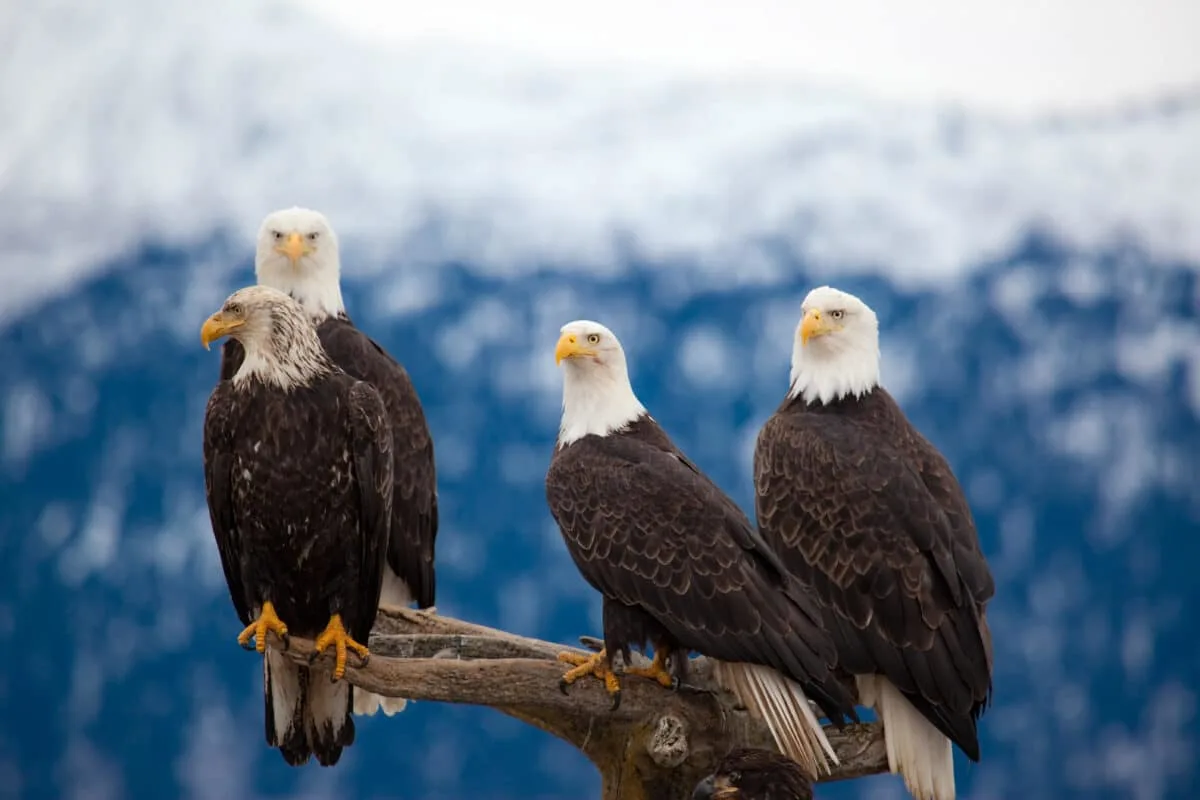
In the face of nature’s fury, survival stories that arise from U.S. storms often highlight the awe-inspiring resilience of the animal kingdom. These incredible tales of persistence underscore not only the strength of wildlife but also their astounding adaptability. From amphibians to birds, let’s explore some of the most unusual animals that have shown extraordinary fortitude in the aftermath of intense weather conditions.
12. The Tenacious American Alligator

The American alligator is a remarkable survivor of the most extreme weather events. These reptiles often hunker down to weather storms in mud burrows or beneath water. Their physiological capacity to control metabolism allows them to slow down bodily processes, effectively waiting out disasters without succumbing to the elements. Gators have emerged as symbols of resilience, particularly in the swamps of Florida and Louisiana, where storms frequently rage.
11. The Resilient Sandhill Crane

These striking birds, with their distinctive red crowns, are accustomed to the volatile weather patterns of the southeastern United States. Sandhill Cranes are incredibly resourceful; they can detect changes in air pressure and often take flight to higher, safer grounds before storms hit. This migratory readiness, coupled with their ability to nest in a variety of environments, ensures their safety and continuity as a species despite harsh climatic challenges.
10. The Hardy Green Sea Turtle

Green sea turtles are among the marine animals deeply affected by weather phenomena like hurricanes. However, their navigation skills, honed over millions of years of evolution, have equipped these turtles with the ability to escape many dangers. When storms threaten, these turtles often seek shelter in deeper, calmer waters. The strong sense of direction—along with physical adaptations like streamlined bodies—enables their survival across tumultuous seas.
9. The Adaptive Racoon

Raccoons are North America’s adaptable mammals found often near human settlements. Their intelligence and opportunistic feeding habits make them exceptionally resilient to storm disruptions. These nocturnal foragers utilize their dexterous paws to seek shelter and sustenance even in the most normal of circumstances, allowing them to prevail despite flooded habitats. Raccoons exemplify resilience through their ability to thrive in diverse environments.
8. The Persistent Eastern Box Turtle
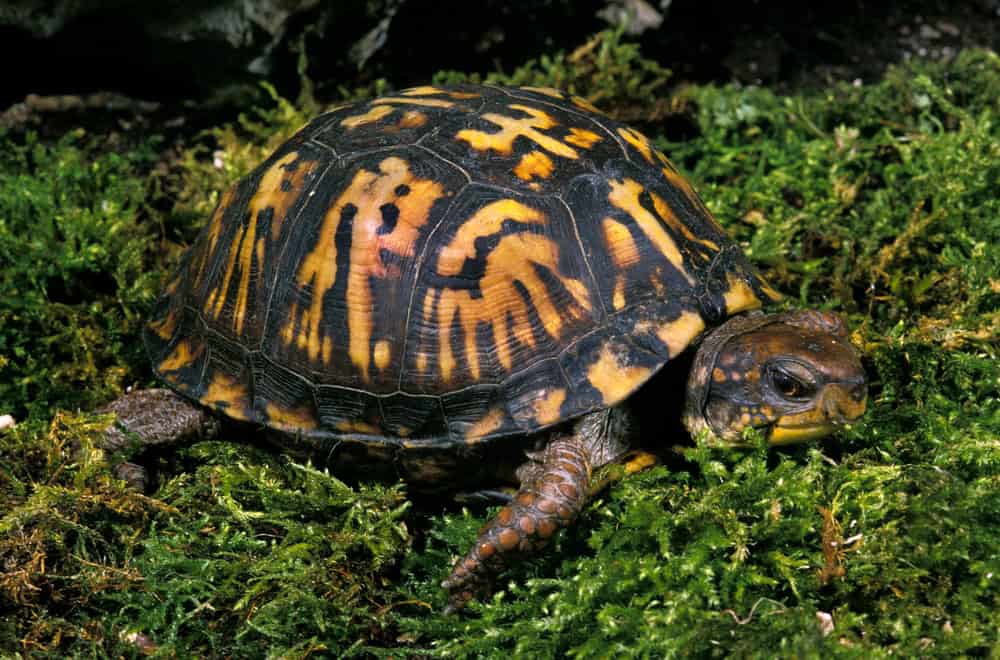
The Eastern Box Turtle is a land-dwelling marvel, which goes to great lengths to withstand weather extremes. When storms approach, this turtle burrows into the ground to stay safe from violent winds and rainfall. This behavior, combined with their long lifespan and slow metabolism, ensures their ongoing survival against nature’s unpredictable challenges in the eastern United States.
7. The Robust American Oystercatcher

American Oystercatchers are shorebirds initially found in coastal areas—prime locations for severe storms. Despite all odds, these birds use their strong wings to fly inland and evade impending weather threats. Their ability to nest in varied landscapes and adapt their feeding strategies allows them to sidestep the ravages of changing climates. Their ongoing survival is a testament to their acute environmental awareness.
6. The Daring Brown Pelican
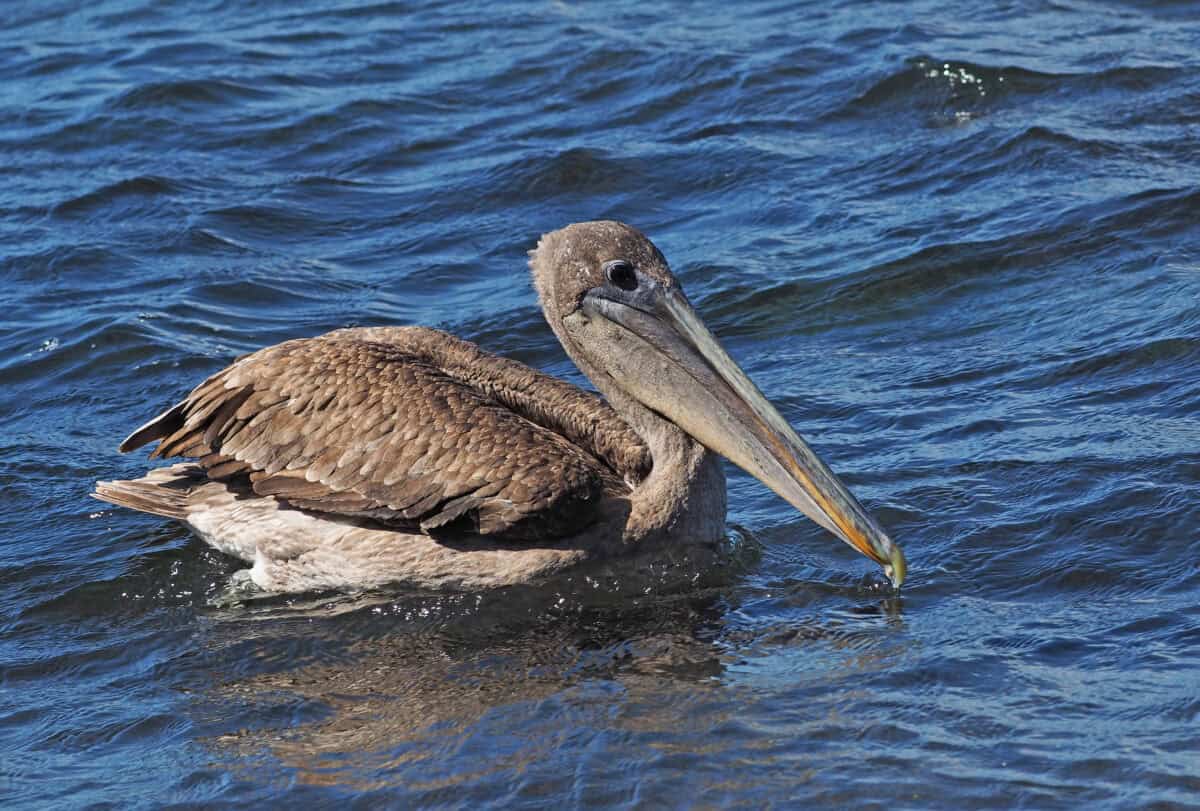
Known for their elegant plunge-diving, Brown Pelicans must navigate the challenges of surviving storms in coastal regions. These birds are equipped with lightweight bodies and large wingspans, facilitating fast, long travels away from dangerous shores. Their community-based nesting habits often provide safety in numbers, ensuring that entire flocks can weather the storm collectively before returning to their native habitats.
5. The Steadfast Northern Mockingbird
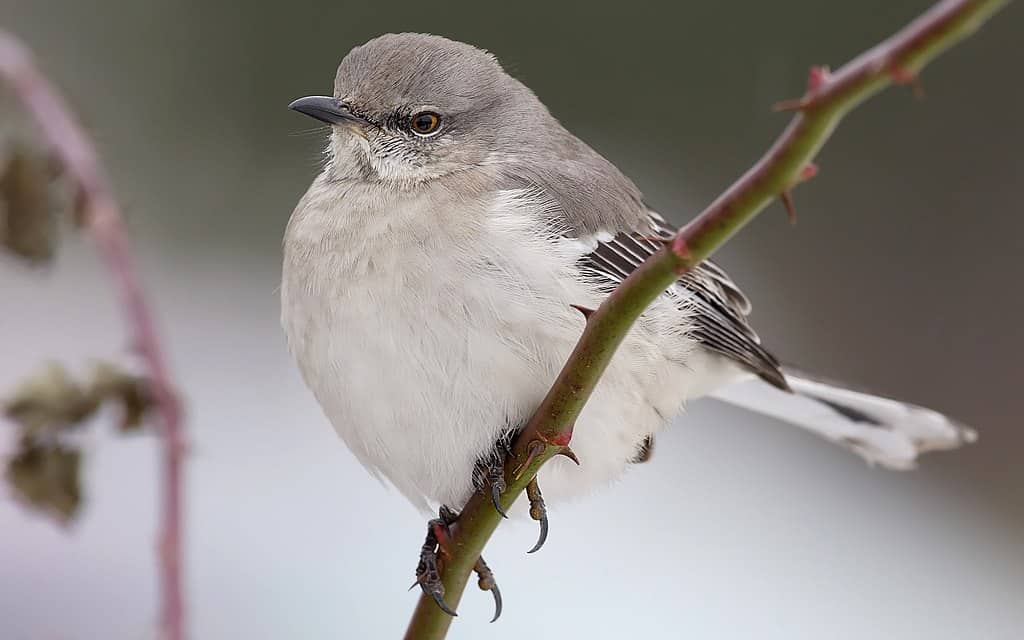
Northern Mockingbirds are common throughout the United States and are prized for their melodic songs. Adaptive nesters, these birds often build nests that are resistant to disturbances from wind and rain. Their ability to adapt to foliage in urban areas provides them with stable shelters even as storms pass. Mockingbirds remain a symbolic figure of resilience, capable of flourishing in a spectrum of environments.
4. The Vigilant Eastern Newt

The Eastern Newt is a fascinating amphibian with a unique life cycle that can overcome environmental challenges. These aquatic creatures often burrow into the muddy substrate of ponds and wetlands—ecosystems that can be greatly affected by storms. Despite this, newts possess remarkable skin that can withstand high moisture levels, allowing them to endure and regenerate even after being displaced by flooding.
3. The Durable Louisiana Crawfish

Hailing from regions frequently struck by hurricanes, Louisiana Crawfish are well known for their tunneling abilities. When storms strike, these crustaceans burrow deep into the mud, avoiding the worst of floodwaters. Their ability to capitalize on abundant post-storm feeding opportunities allows them to thrive amidst disaster, emerging with stronger populations when conditions stabilize.
2. The Resilient Feral Hog

Feral hogs, initially non-native to the United States, showcase incredible adaptive capabilities. Their large size and dense hide enable them to withstand environmental challenges. Staying mobile and exhibiting robust foraging capabilities, these feral creatures weather storms and flooding with ease, finding shelter in forests and exploiting resources overlooked by other animals.
1. The Intrepid American Bald Eagle

The American Bald Eagle, the nation’s symbol, embodies resilience as it soars over the skies of the United States. Known for their strength and keen vision, these raptors often anticipate storms and relocate to safer territories before danger strikes. Once the skies clear, their sharp hunting skills quickly restore their energy and integrity, reinforcing their formidable presence in the wild.
Conclusion

In conclusion, the survival stories of these unusual animals emphasize the power of nature’s instincts and adaptability. From reptiles to birds, these species demonstrate remarkable survival mechanisms honed through evolution, offering lessons in endurance and adaptability as they face the storms of the U.S. Their tales inspire resilience, reminding us of nature’s unmatched ability to endure and thrive despite adversity.

As a little kid, I fell in love with nature, wildlife, and animals. Living in the USA, South Africa, Italy, China and Germany gave me the opportunity to discover the world's Wildlife. My favorite animals are Mountain Gorillas, Siberian Tigers, and Great White Sharks.
I'm a certified PADI Open Water Diver, went to Everest Base Camp and Trekked Gorillas in Uganda. I hold a Master of Science in Economics and Finance.
Please send any feedback to feedback@animalsaroundtheglobe.com