
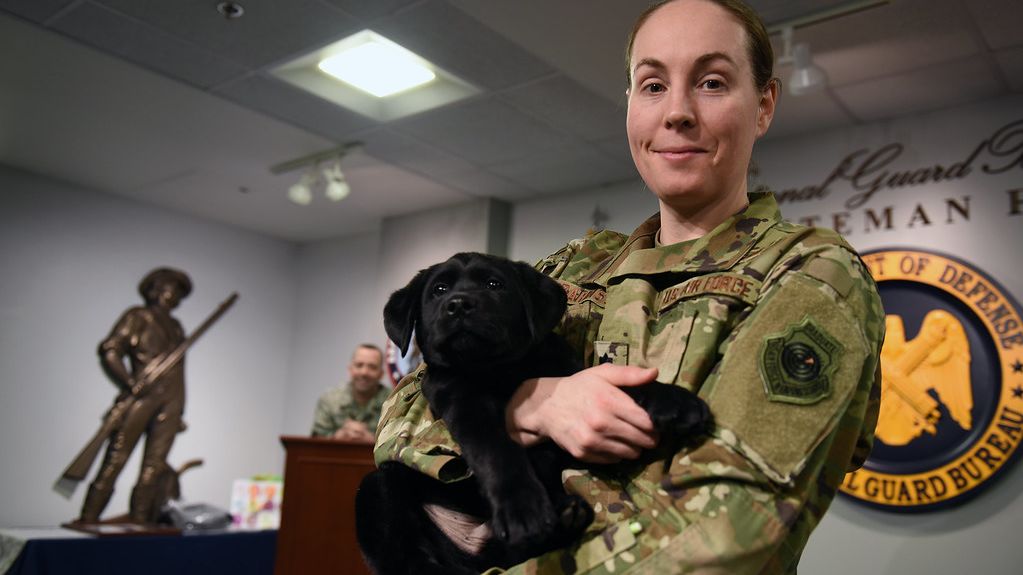
When someone has served their country and returns home carrying invisible wounds, the path to healing can feel impossibly lonely. The weight of what they’ve witnessed and endured doesn’t vanish with a uniform change or homecoming parade. Yet, there’s a four-legged companion that’s proving to be far more than just a pet for countless veterans struggling with the aftermath of service. These specially trained dogs aren’t just offering comfort, they’re actually changing brain chemistry, interrupting destructive thought patterns, and giving veterans a reason to face each new day. The science is finally catching up to what many have suspected all along.
The Silent Epidemic That’s Finally Getting Attention
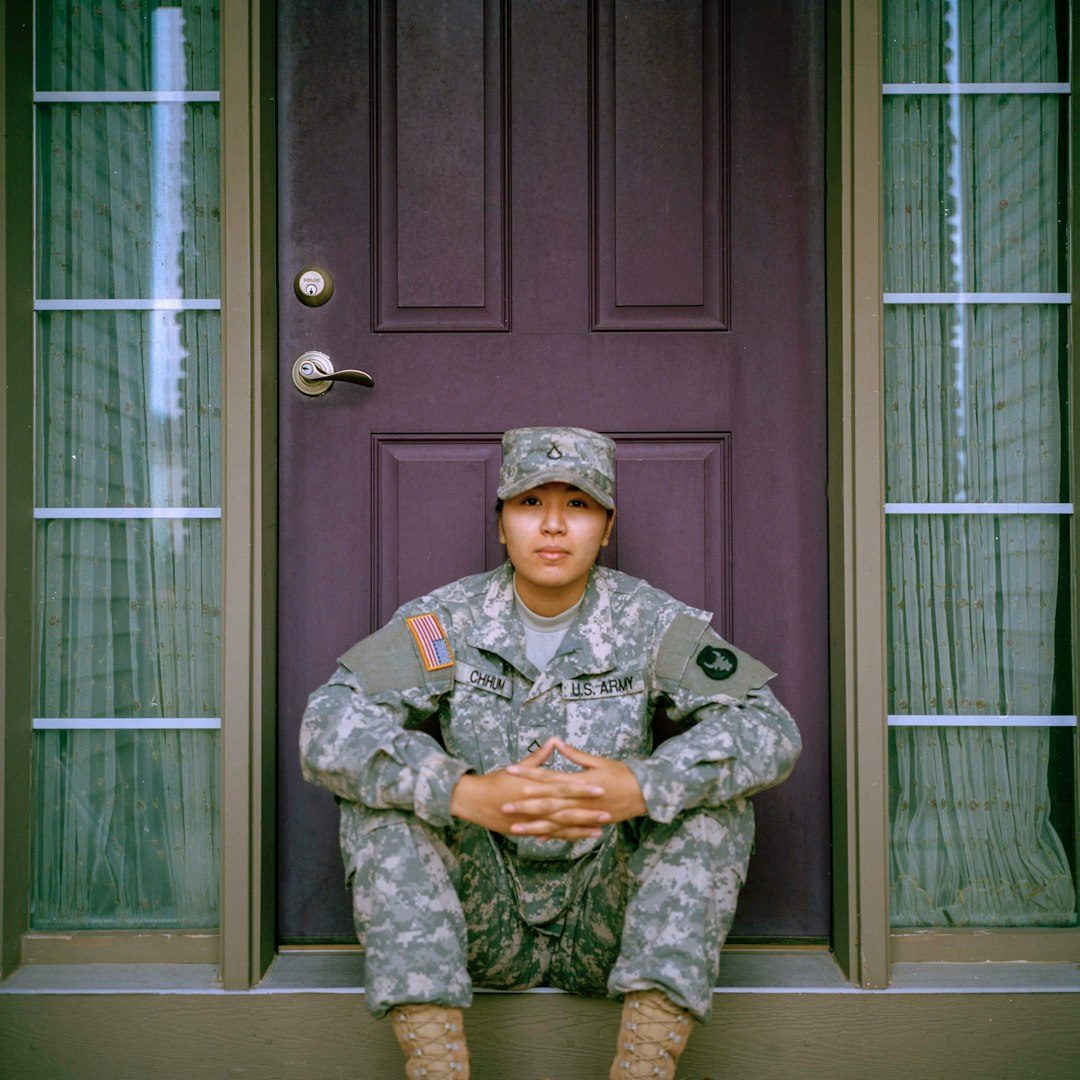
Let’s be real here. Nearly one quarter of veterans who served after September 11 are estimated to experience PTSD during their lifetime, and the numbers paint a grim picture. The suicide rate among veterans is about 1.5 times that of the civilian population, which is honestly heartbreaking when you think about it.
What makes this particularly challenging is that traditional treatments don’t work for everyone. Some veterans can’t stick with therapy programs, others find medication ineffective, and many simply refuse help because of the stigma attached to mental health struggles in military culture. Here’s the thing though: service dogs are offering a different approach entirely.
How These Dogs Actually Change Lives
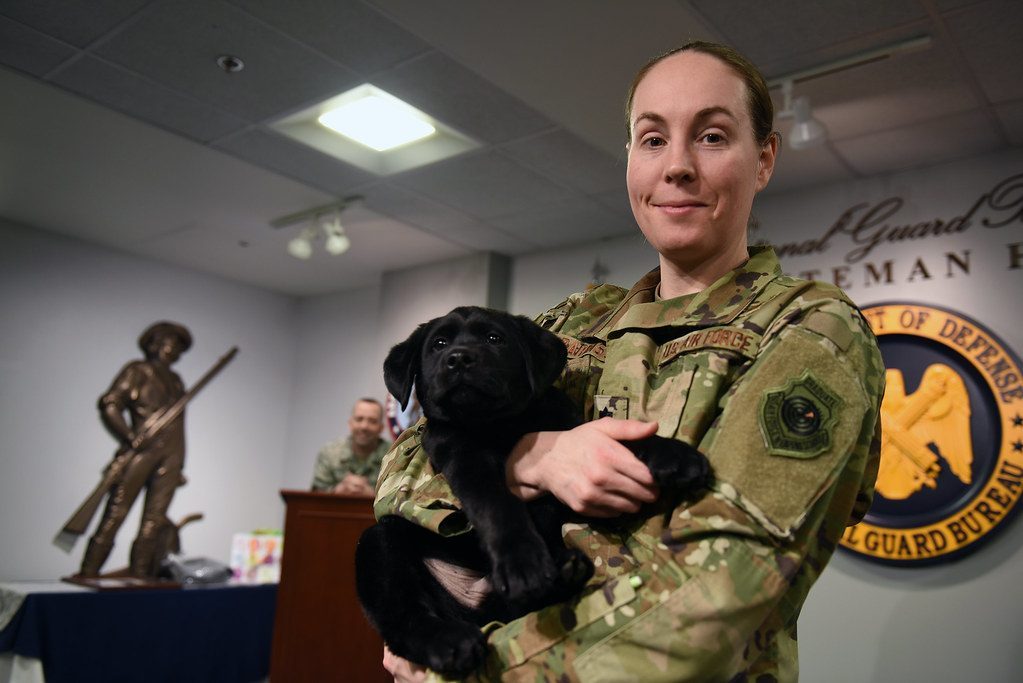
Recent research found that veterans who worked with service dogs experienced significantly lower PTSD symptom severity, lower anxiety and depression, significantly higher quality of life, and fewer feelings of isolation, with veterans having 66% lower odds of receiving a PTSD diagnosis from a mental health professional after three months with a dog. That’s not just impressive, it’s transformative.
I know it sounds almost too good to be true, but the evidence is stacking up. Veterans and first responders with PTSD who had a service dog showed significantly better sleep quality and better wellbeing than those with a companion dog, and experienced fewer PTSD related symptoms than those without a service dog. Think about what better sleep alone could mean for someone who’s been plagued by nightmares for years.
More Than Just Emotional Support
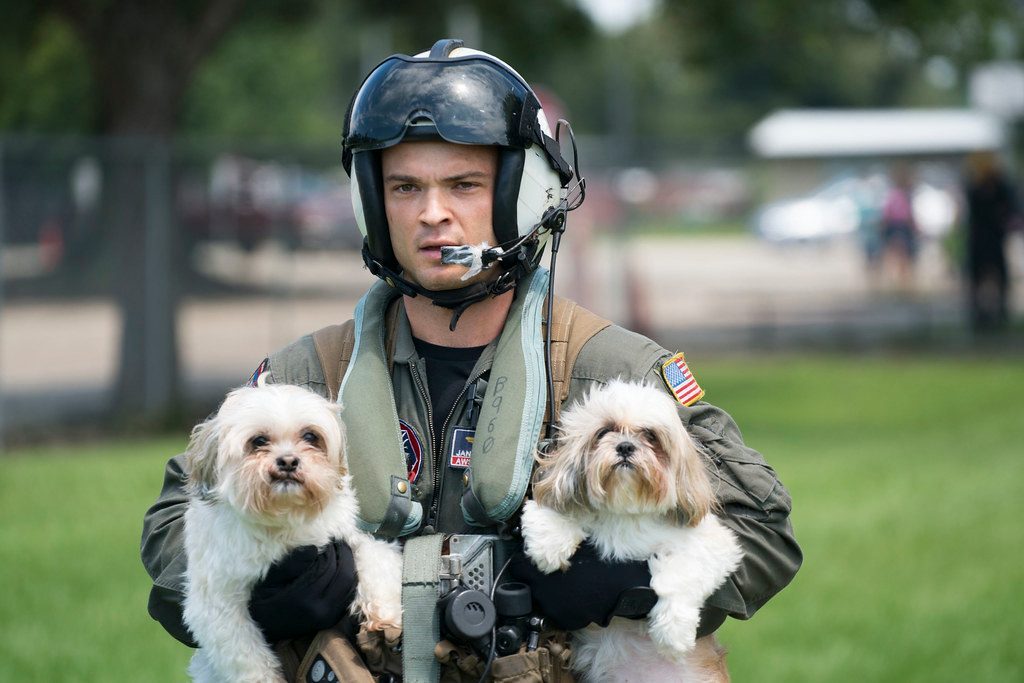
Service dogs are well attuned to recognizing PTSD episodes through individual scent training and monitor for hypervigilance to prevent panicking in public, providing Deep Pressure Therapy to provide a calming influence and grounding the Veteran back from a PTSD episode. These aren’t your average household pets lounging on the couch all day.
The dogs perform specific, trained tasks that directly interrupt trauma responses. They can wake a veteran from nightmares, create physical space in crowded environments, retrieve medication, or even turn on lights before their handler enters a dark room. The assistance of a dog for small tasks may help reduce costs for paid assistance, reduce embarrassment in public settings, and improve independence. There’s something deeply powerful about regaining that sense of control over your own life.
The Rescue Connection That Saves Two Lives
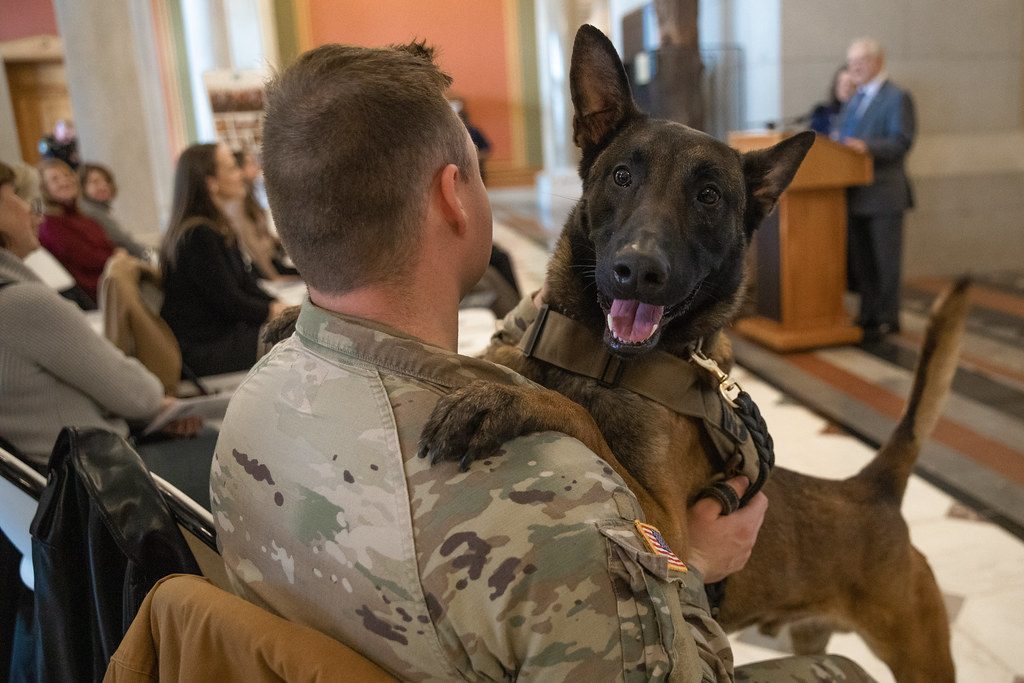
Here’s where it gets really interesting. Organizations are saving the lives of rescue dogs in conjunction with saving Veterans’ lives, reportedly having rescued more than 2,000 dogs and giving these four-legged heroes a second chance and new purpose. It’s a beautiful symmetry when you think about it.
Both the veteran and the dog often come from difficult pasts. Both need purpose and connection. The bond that forms isn’t just therapeutic, it’s genuinely mutual. The majority of dogs being rescues allows the team to build an unwavering bond that facilitates their collective healing and recovery, which honestly makes the whole thing even more meaningful.
Navigating the Real World Together
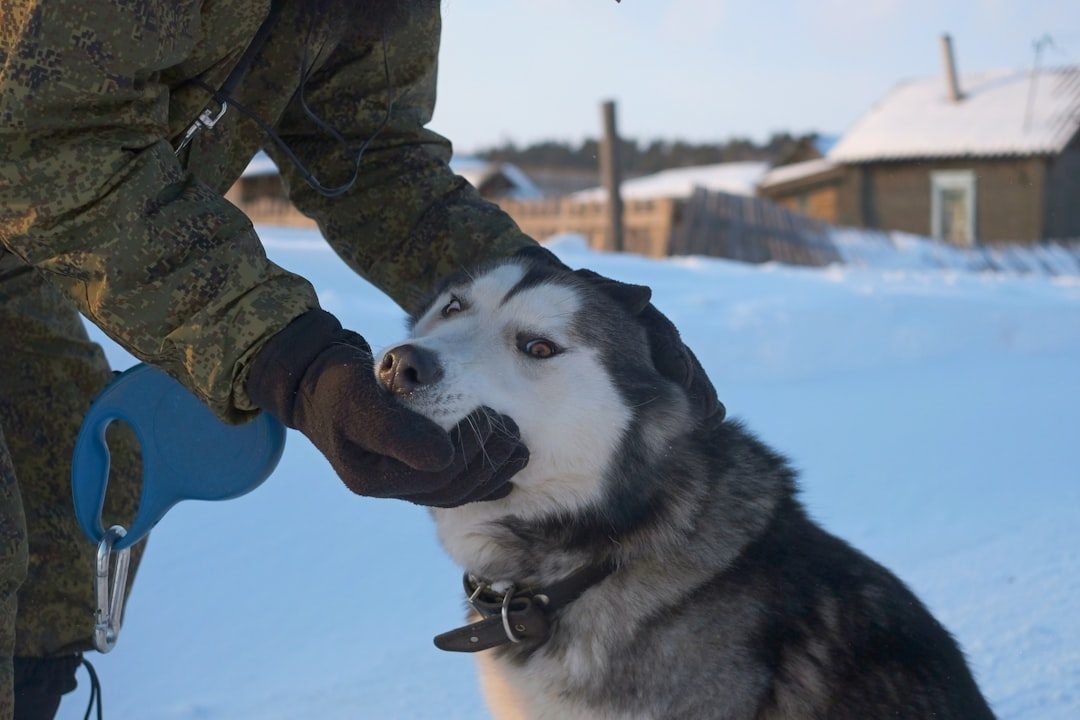
Three major themes emerged from studies: that assistance dogs were a life changer, a constant companion, and helped returned veterans to increase their social interactions. Getting out of the house becomes less daunting when you have a loyal companion by your side. Veterans report feeling safer in public spaces, experiencing less hypervigilance, and actually engaging with their communities again.
Still, it’s not all sunshine and rainbows. Social activity levels were lower for those with service dogs, possibly due to negative public reactions or the stigma associated with having a service dog. Some people don’t understand the difference between a pet and a working service animal, which can create uncomfortable situations. Yet for most veterans, the trade-off is absolutely worth it.
A Growing Movement Backed by Science

Bipartisan legislation ensures equitable access to these life-changing resources by providing federal grants to nonprofit organizations that train and place dogs with veterans, guarantees that service dogs are provided at no cost including coverage for long-term veterinary care, and supports innovative research into the most effective ways to incorporate service dogs into therapeutic care. The government is finally recognizing what grassroots organizations have known for years.
Strong evidence shows that assistance dogs used in conjunction with traditional therapies provide the most effective treatment outcomes, with reportedly almost 90 percent of veterans reporting improvements in their post-traumatic stress, depression and anxiety 12 months after being matched to an assistance dog. Those numbers speak louder than any anecdotal story could, though the personal testimonials are equally powerful. When veterans say their dog gave them a reason to live, that’s not hyperbole.
The road to recovery from trauma is never straightforward or simple. Traditional therapy and medication remain important tools, and service dogs aren’t a magic cure-all. Yet for veterans who’ve tried everything else or who need that extra support to make it through each day, these four-legged companions are proving themselves invaluable. The science continues to evolve, programs are expanding access, and more veterans are finding hope in the eyes of a dog who needs them just as much as they need it. What do you think about this approach to healing? Could a dog really make that much difference in someone’s recovery journey?
