

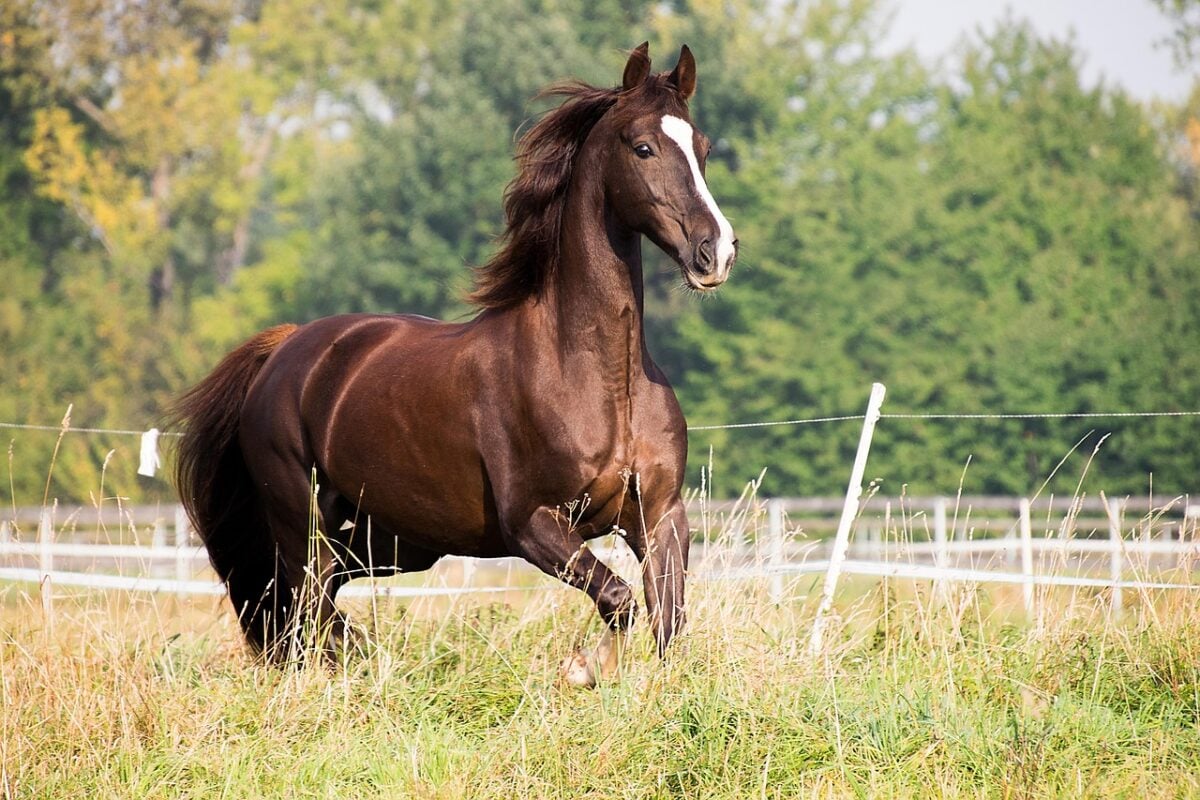
Most people assume a “calm” horse is automatically a safe horse for a beginner. Seasoned trainers know better, and they’ll tell you flat out: a breed can be an absolute sweetheart in the barn and still put a nervous first-timer on the ground in under a minute.
Meanwhile, some of the most powerful, athletic breeds on this list will babysit a total beginner all day long without blinking. The difference isn’t looks, price tag, or Instagram fame. It’s temperament, forgiveness, and how much rider error a horse’s brain and body are built to absorb before something goes wrong. Here’s what experienced horse people actually say, breed by breed, starting with the one instructors reach for first.
#34 – The American Quarter Horse: The Classic Beginner Forgiver
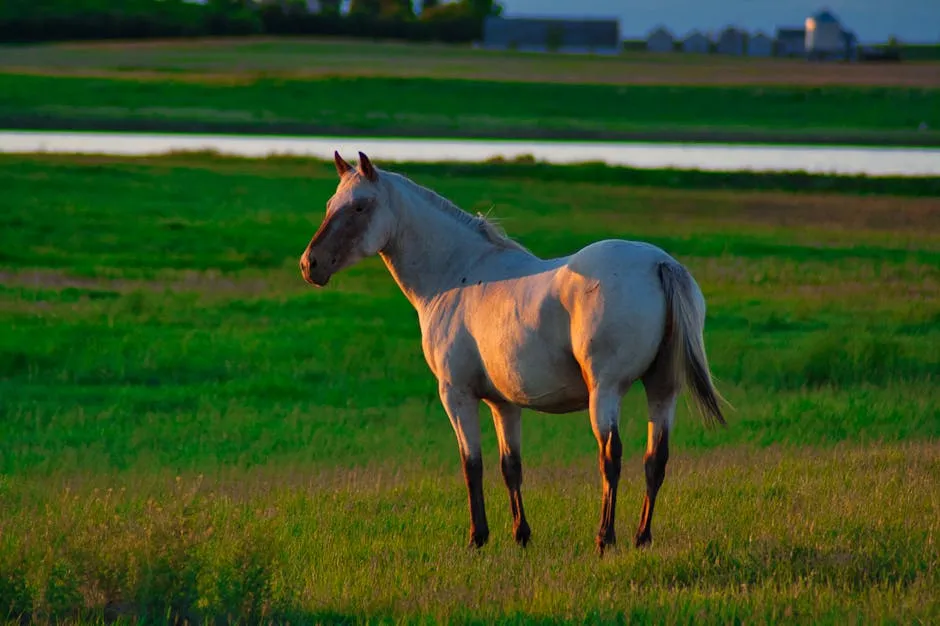
Ask any riding instructor which horse they’d put their nervous niece on, and you’ll hear the same answer over and over: “a good Quarter Horse.” This breed is famous for its steady mind, solid body, and been-there-done-that attitude. Bred to work cattle, they’re used to chaos – gates banging, ropes flying, dogs barking – and they still just get on with the job.
A well-bred, well-started Quarter Horse will usually ignore wobbly hands and clumsy cues, and wait a beat for the rider to figure it out instead of exploding. Yes, hot race-bred and show-bred lines exist that are far from beginner-safe. But as a group, especially the ranch and all-around lines, they’re one of the most forgiving breeds out there. That’s nothing compared to what we found about #33.
#33 – Haflinger: The Small Tank With a Big Heart
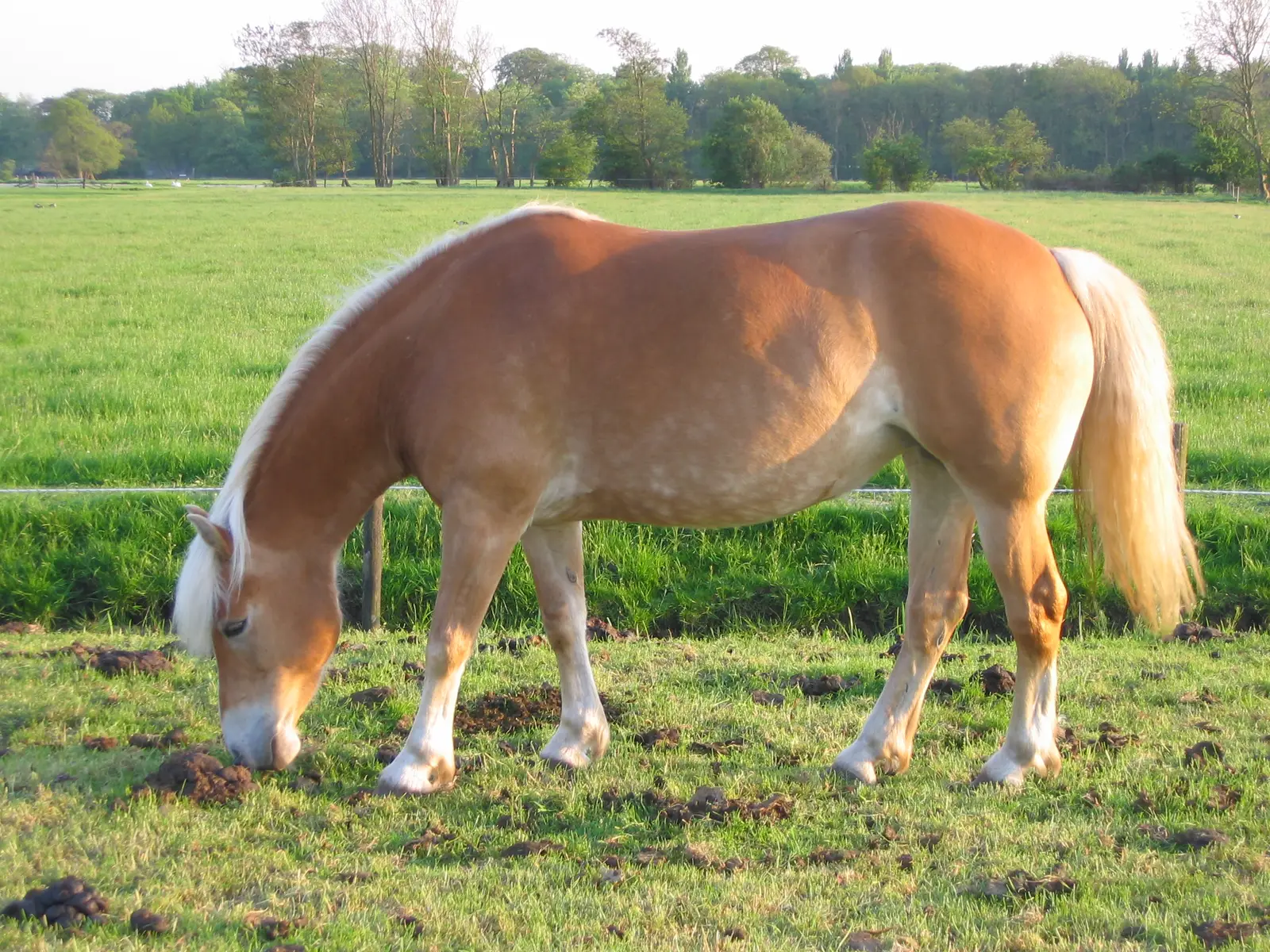
At first glance, Haflingers look like storybook ponies with golden coats, white manes, and kind eyes. Don’t let the cuteness fool you. They’re built like little draft horses and wired like solid family sedans.
Their short but powerful frames give beginners a feeling of security, and their typically quiet brains don’t melt down when a rider bounces or grabs the reins by accident. Because so many grow up in therapeutic riding programs, they’re exposed early to wheelchairs, loud noises, and unpredictable movement, which makes them fantastic confidence-rebuilders for adults nursing a bad fall from a sharper breed. Yes, some can be stubborn about forward motion – but “sticky” beats “spooky” every time for someone still learning to balance. Even so, Haflingers can’t quite match the legendary level-headedness of #32.
#32 – Icelandic Horse: The Shockingly Safe Powerhouse
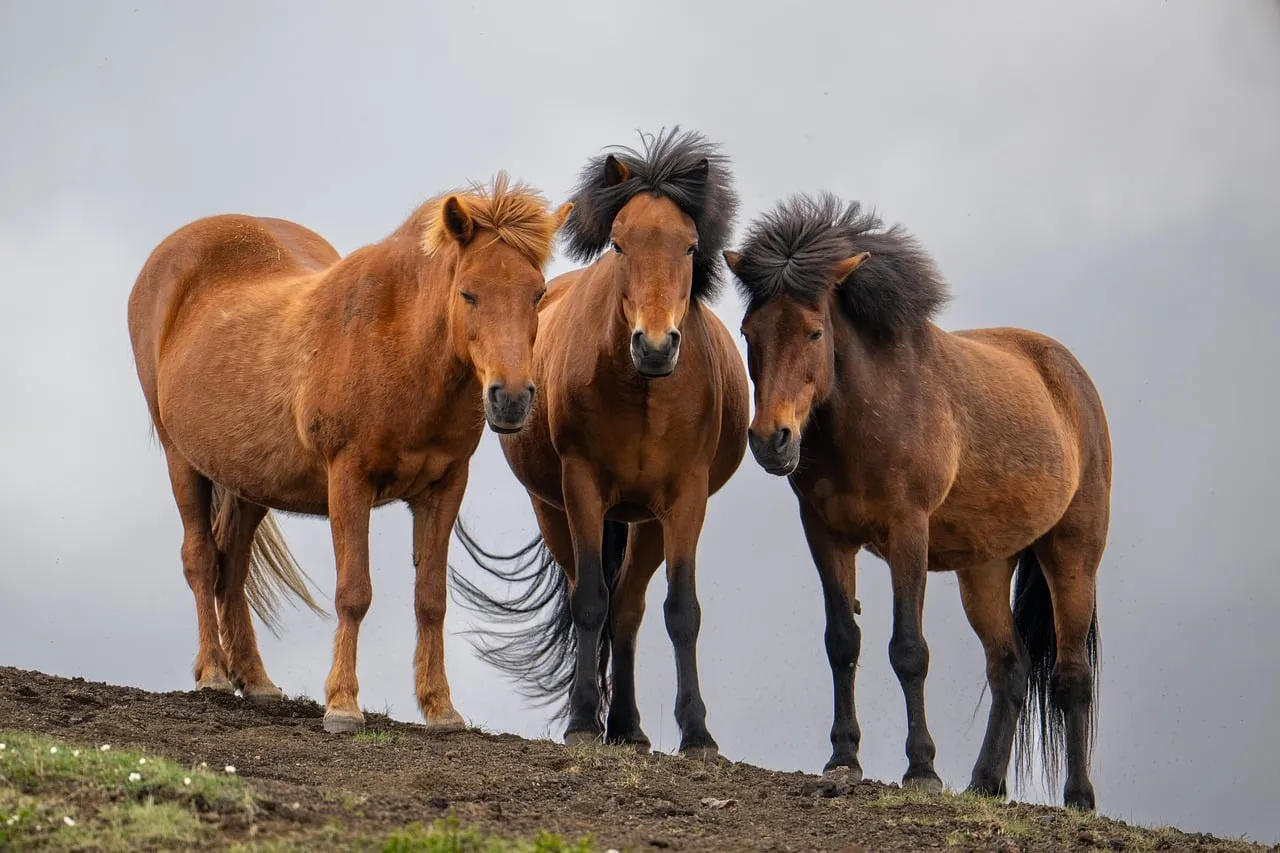
Most people don’t realize the Icelandic is technically a horse, not a pony, even though it’s compact. This breed is one of the most mentally stable, traffic-proof, beginner-tolerant horses on the planet. In Iceland, kids ride them across rough terrain in flapping rain gear, and the horses simply march on.
They evolved in harsh conditions, so drama is a waste of energy they’d rather not spend. Their signature gait, the tölt, is smooth and easy to sit, which means less bouncing, less grabbing, and fewer “I’m going to fall” moments for a new rider. Performance lines can run hotter, but buy from a sensible, family-focused breeder and you’ve got a breed famous for forgiving clueless legs and off-balance seats. And yet, their kindness is quietly rivaled by #31.
Fast Facts
- Icelandic horses are true five-gaited horses, adding the smooth tölt and speedy flying pace to the usual walk, trot, and canter.
- The tölt is so steady that riders can reportedly carry a full glass without spilling a drop.
- The breed descends from horses brought over by Norse settlers more than 1,000 years ago.
- Once an Icelandic horse leaves the country, strict biosecurity rules mean it can never return.
#31 – American Paint Horse: Colorful and Calm (Usually)
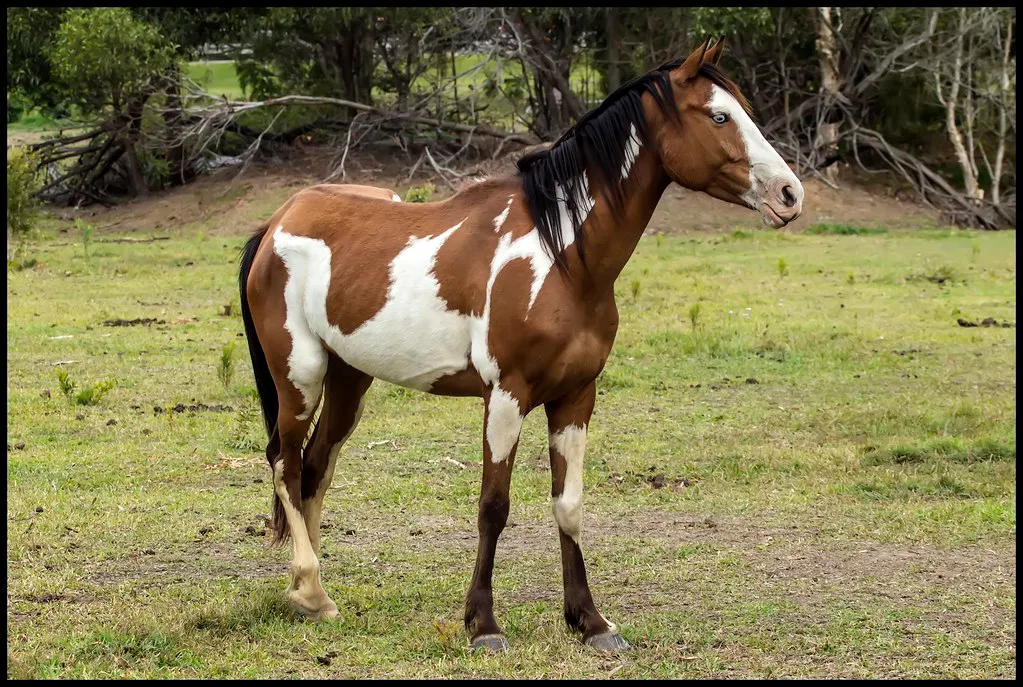
The Paint Horse is essentially a Quarter Horse in fancy clothes, but that splashy color hides a very practical brain. Many Paints come from ranch or all-around stock, which means they’re bred to think before they overreact. That’s gold for a beginner still learning how to sit a spook – or how not to cause one.
When a new rider accidentally boots, pulls, or flails, a typical Paint just keeps plodding instead of saying “absolutely not.” Their versatility also makes them ideal lesson horses across Western, English, trail, and even low-level jumping barns. The risk is that people sometimes buy Paints for their patterns instead of their minds, so lines can be inconsistent. Find one of the steady, low-drama types, though, and you’ve basically got a spotted therapist on four legs. Still, some riders swear #30 is an even better oops-tolerant teacher.
#30 – Irish Cob / Gypsy Vanner: The Fluffy Confidence Machine
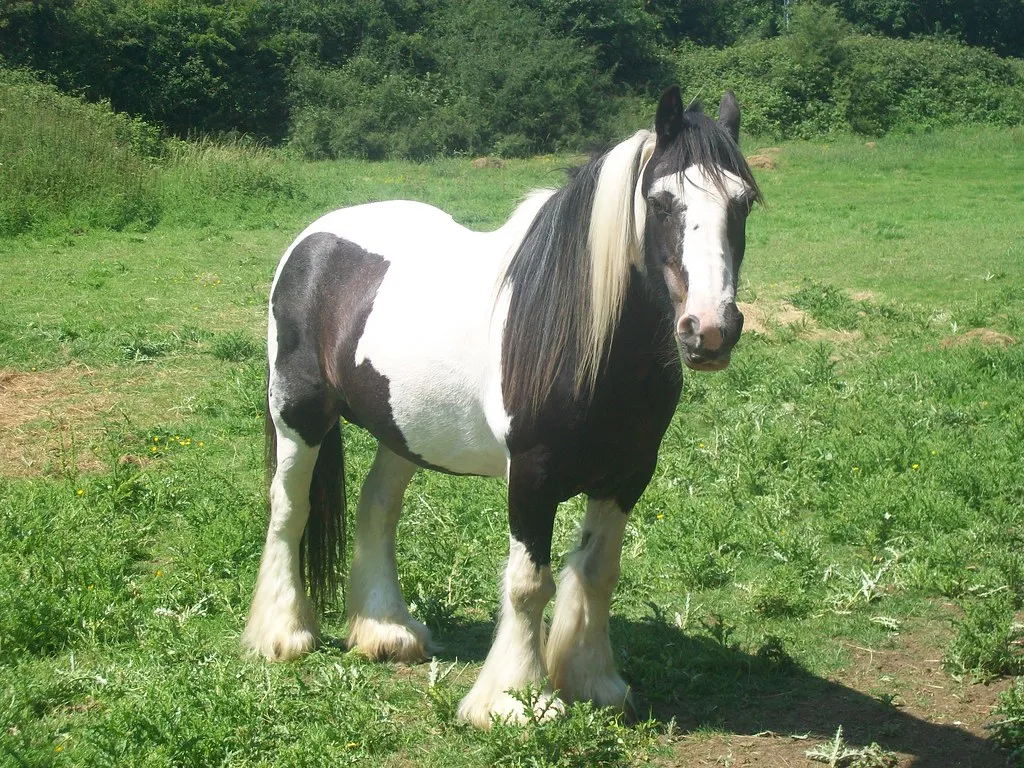
All that feather and hair might look over-the-top, but the typical Irish Cob or Gypsy Vanner temperament is remarkably down-to-earth. These horses were bred to pull family wagons safely beside busy roads, so a beginner’s bobbling hands barely register on their radar.
Their calm, people-oriented nature makes them feel like big, breathing sofas under saddle – slow to anger and slower to spook. Many are naturally low to moderate in energy, so you’ll often have to ask for more speed rather than worry they’ll take off. Critics call them “overhyped Instagram horses,” and some flashy, overpriced individuals do exist. But as forgiving starter partners, a good Irish Cob quietly outperforms plenty of trendier sport breeds. If you want truly bombproof family-horse vibes, though, wait until you see #29.
#29 – Norwegian Fjord: The Stoic Nordic Babysitter
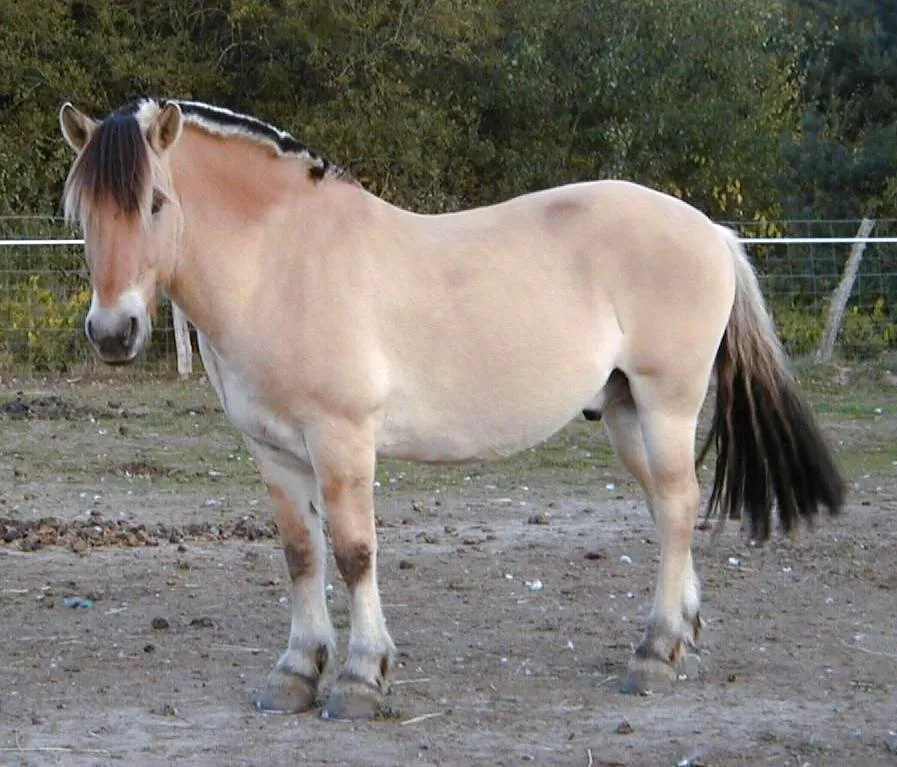
Fjords are built like Viking ponies: thick necks, broad backs, serious faces. Underneath that sturdy exterior is a predictable, workmanlike brain that rarely overreacts. These horses have pulled plows, hauled carts, and taught riding-school kids for generations.
Their short stature and wide barrel give beginners a real sense of stability, and many Fjords are naturally forward-but-not-hot, which is ideal for teaching new riders to use their legs without accidentally lighting a rocket. Outliers that bolt or buck exist – no breed is fully bombproof. But across the board, Fjords rank among the rare types that will quietly ignore half your mistakes while you learn. Still, some instructors reach for #28 before anything else when kids are involved.
#28 – Welsh Cob & Larger Welsh Types: Pony Brains, Horse Ability
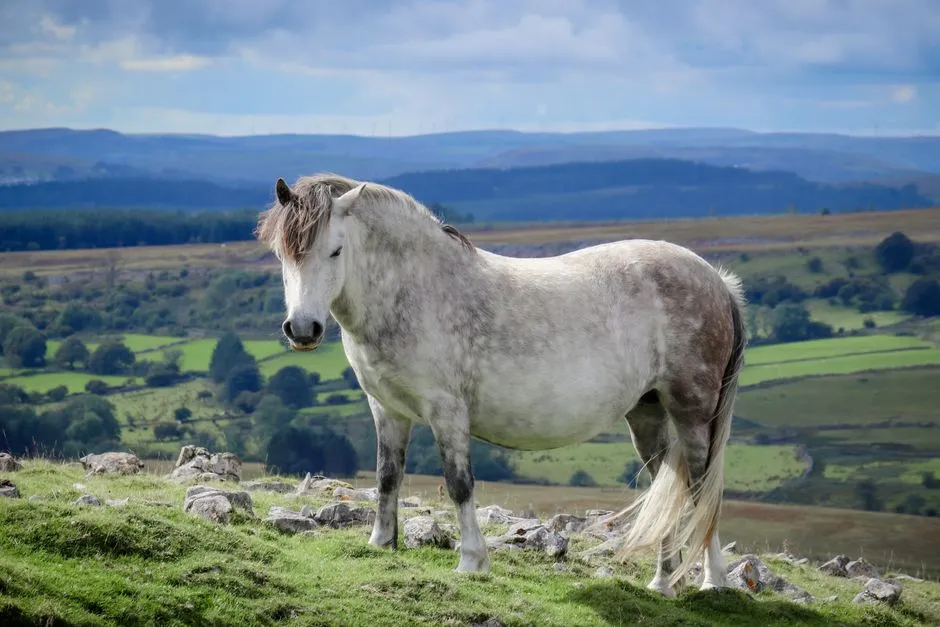
Welsh ponies get a reputation for sass, but the larger Welsh Cobs and solid, mid-sized Welsh types often hit a sweet spot: athletic yet generally sensible, especially in family or riding-school settings. They’re tough and hardy enough to carry adults, yet small enough not to intimidate a kid moving up from a tiny pony.
The catch is that many Welsh types are smart – very smart – and they’ll notice fast when a beginner is inconsistent, sometimes testing the boundaries to prove it. But correctly trained and honestly ridden, that intelligence often turns into deliberate care: slowing down if you wobble, waiting after a missed cue, tolerating unsteady hands longer than a hotter sport horse ever would. People who dismiss them as “too cheeky” are usually comparing them unfairly to dead-quiet drafts. Speaking of drafts, #27 is the gentle giant whispered about at barns everywhere.
#27 – Percheron & Similar Drafts: Giant Bodies, Surprisingly Gentle Brains
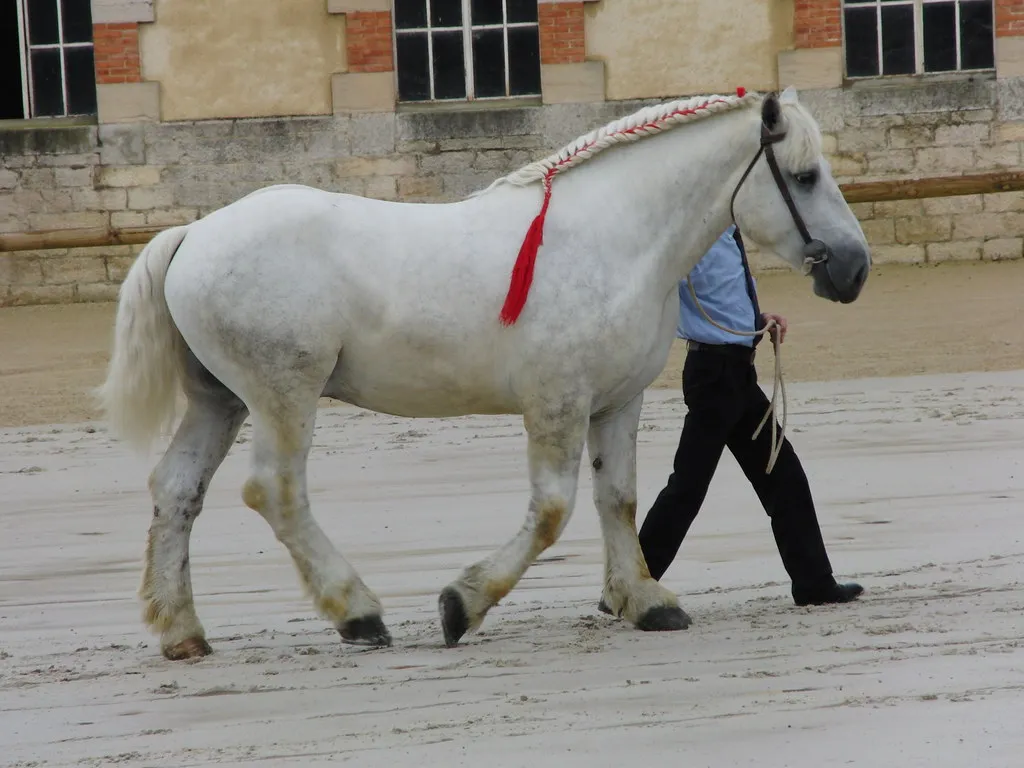
Percherons and other draft breeds like Belgians and Shires are often shockingly kind to green riders. Bred to pull heavy loads and work calmly around people, they tend to be mentally slower to react, which is exactly what a novice needs. A clumsy mounting attempt or a wrong cue usually earns you confusion, not fireworks.
Their size can be reassuring for adults who feel silly on smaller horses, but it’s a double-edged sword: if something does go wrong, there’s a lot of horse to manage. They’re forgiving, not automatically beginner-safe, and a fit, under-schooled draft can drag a new rider just as easily as a hot Thoroughbred can. In well-managed lesson barns, though, Percherons and draft crosses are often the quiet easy button. Just don’t expect the same mercy from #26.
#26 – Missouri Fox Trotter & Similar Gaited Pleasure Horses
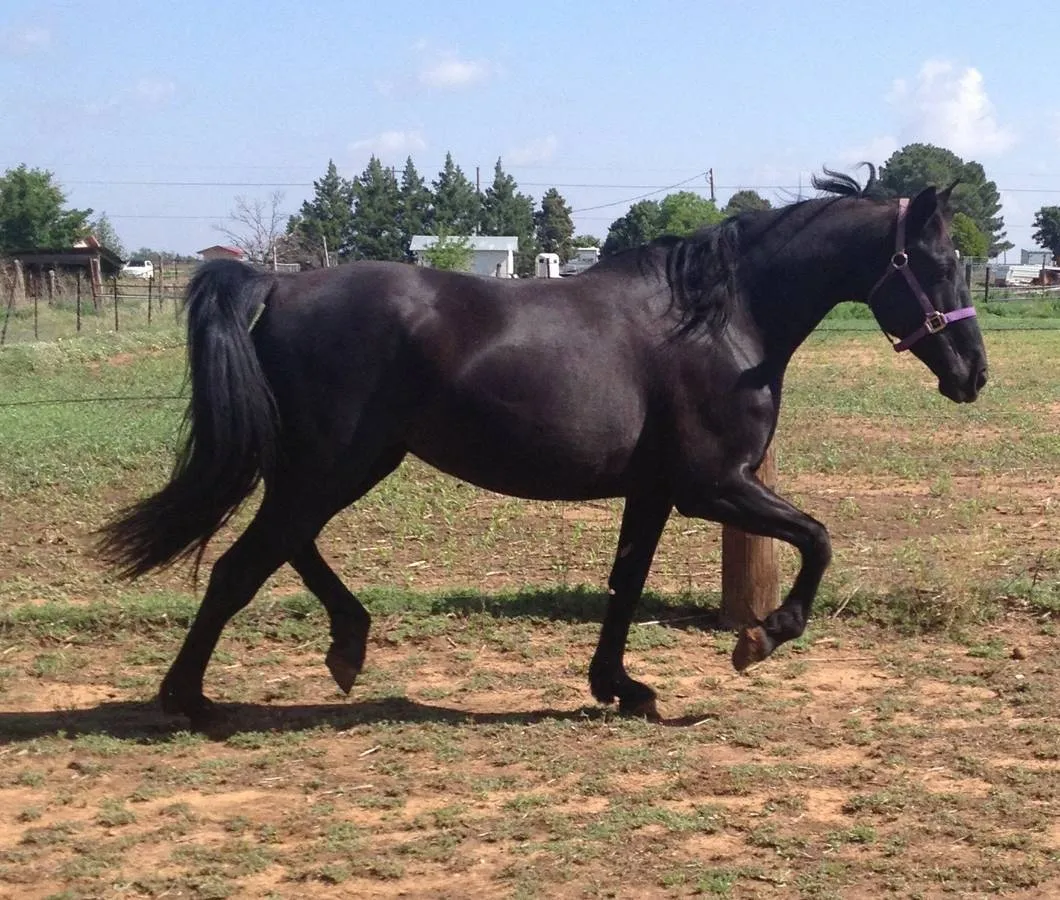
Fox Trotters, Rocky Mountain Horses, and other gaited pleasure breeds exist to carry people comfortably for long hours. That’s why so many are bred for kindness, smooth movement, and a calm brain. Beginners benefit hugely from the smoother gait – less bouncing means fewer defensive habits like gripping and yanking.
Many Fox Trotters will simply keep fox-trotting down the trail no matter how uneven the rider is, which is why older or returning riders lean on them for comfort and security. The downside shows up in show-ring or “high step” lines, which can run hot and forward, overwhelming a beginner who accidentally cues more speed. So they forgive a lot, but only if you shop smart and skip the extreme types. Once you move into certain hot-blooded breeds like #25, the forgiveness level drops fast.
#25 – Thoroughbred: Brilliant Athlete, Minimal Margin for Error
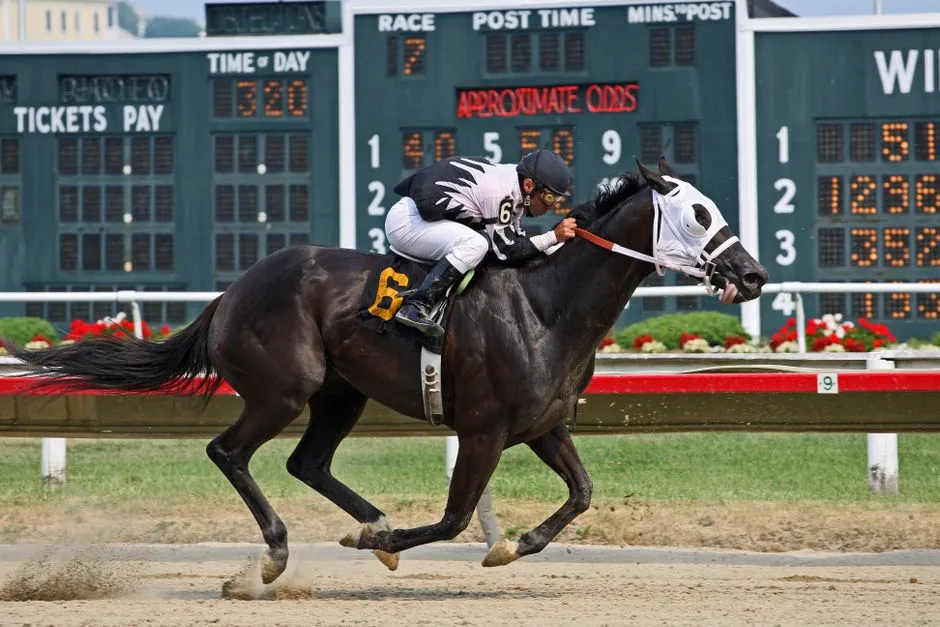
Here’s where the list flips from usually forgiving to often unforgiving. Off-track Thoroughbreds are trendy for good reason – athletic, sensitive, and fiercely loyal – but as a rule they’re bred for speed and reactivity, not beginner error-correction.
A tight grip, an inconsistent leg, or a sudden yank on the reins can mean “go faster” or “panic” to a horse whose entire early life was racing. Mellow, saintly Thoroughbreds who tot around lesson kids do exist, but they’re the exception, not the rule. Most fresh OTTBs need quiet, confident riders who give clear signals. Put a true novice on the wrong one, and you’re gambling with anxiety at best and an ambulance ride at worst. And as forward as Thoroughbreds can be, some say #24 has even less patience for mixed messages.
#24 – Arabian: Sensitive, Smart, and Not Here for Your Mistakes
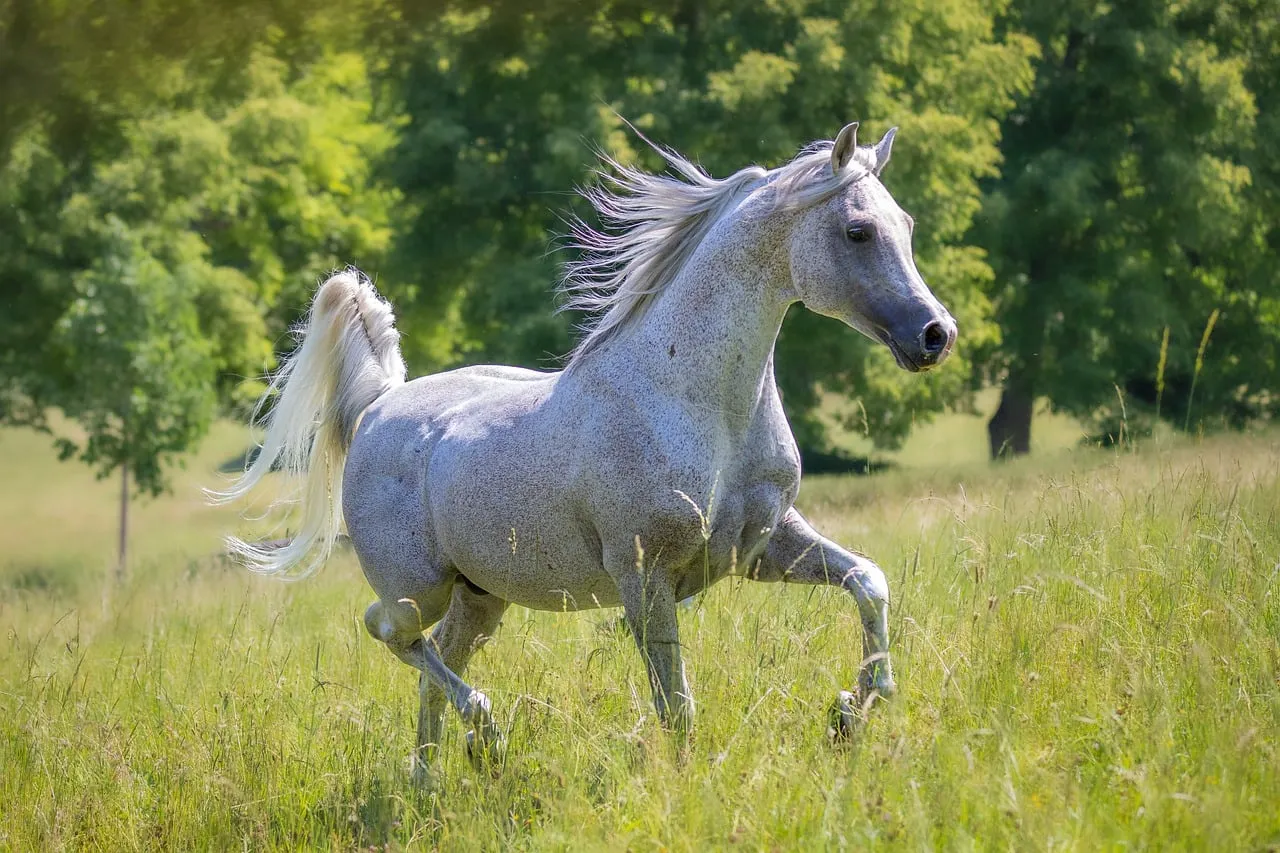
Arabians were bred to live closely with humans, and that intelligence is obvious the moment you’re near one. They read body language, moods, and patterns faster than most riders can keep up. For a confident, patient rider, that’s magic. For a beginner, it’s a minefield, because Arabians amplify whatever you bring to the ride – confidence or fear, clarity or confusion.
Many are naturally forward and quick to notice environmental changes, and combined with a new rider’s wobbly balance, that can spiral into a tense, spooky ride fast. Bombproof Arabians teaching kids to post do exist. But breed-wide, the sensitivity dial is turned way up, leaving little room for repeated, clumsy mistakes. They might forgive the first wrong cue – not the tenth in a row. Still, even Arabians can look saintly next to the firepower of #23.
#23 – Akhal-Teke: Exotic Looks, Expert-Only Operating System
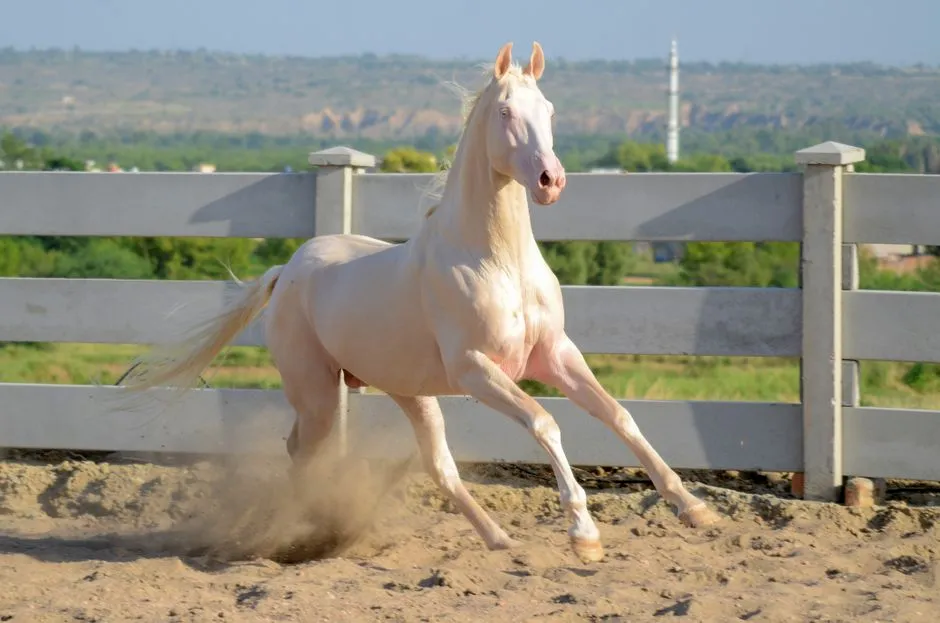
The Akhal-Teke is famous for its metallic sheen and extreme athleticism. Under the shine is a horse bred as a tough, endurance war mount, highly tuned to its rider and environment. That sensitivity can feel like mind-reading in expert hands – and like riding a live wire for a beginner.
Akhal-Tekes are typically narrow, sharp, and ultra-aware. A beginner who grips with their legs, leans forward in fear, or pulls hard on the reins can unintentionally send a dozen conflicting cues in a single minute, and a Teke won’t just ignore that – it will react. Many come from lines rarely used as school horses, so you often get individuals with very specific expectations of their riders. They’re incredible for advanced, tactful humans, but almost never the horse that shrugs off rookie mistakes. Even so, some argue #22 is even less forgiving in the wrong hands.
#22 – Dutch Warmblood & Similar High-Performance Warmbloods
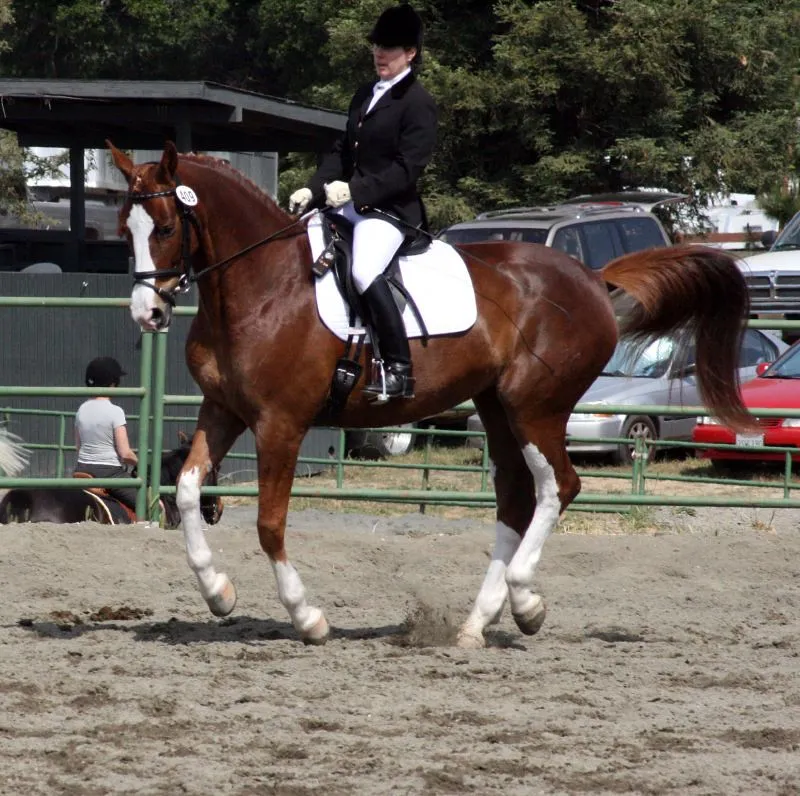
Warmbloods like Dutch, Hanoverian, or Oldenburg horses dominate upper-level dressage and jumping for a reason: power, scope, and trainability. But “trainable” doesn’t mean tolerant of chaos – these horses are bred to be responsive to tiny aids and to channel huge athletic ability. That’s the opposite of what most novices actually need.
A green rider with unsteady contact, inconsistent leg pressure, and unclear body language creates a constant stream of “noise” for a sensitive, high-quality warmblood, and that noise often turns into tension, resistance, or outright explosions. Older schoolmaster warmbloods can be priceless, angelic teachers, but it’s rarely the breed you pick straight from the breeder for your first horse. One wrong cue can trigger a massive, powerful movement, and the stakes are simply too high. Even so, some Iberian breeds like #21 can feel just as unforgiving, only in a more compressed package.
#21 – Andalusian / Lusitano: Elegant, Electric, and Demanding
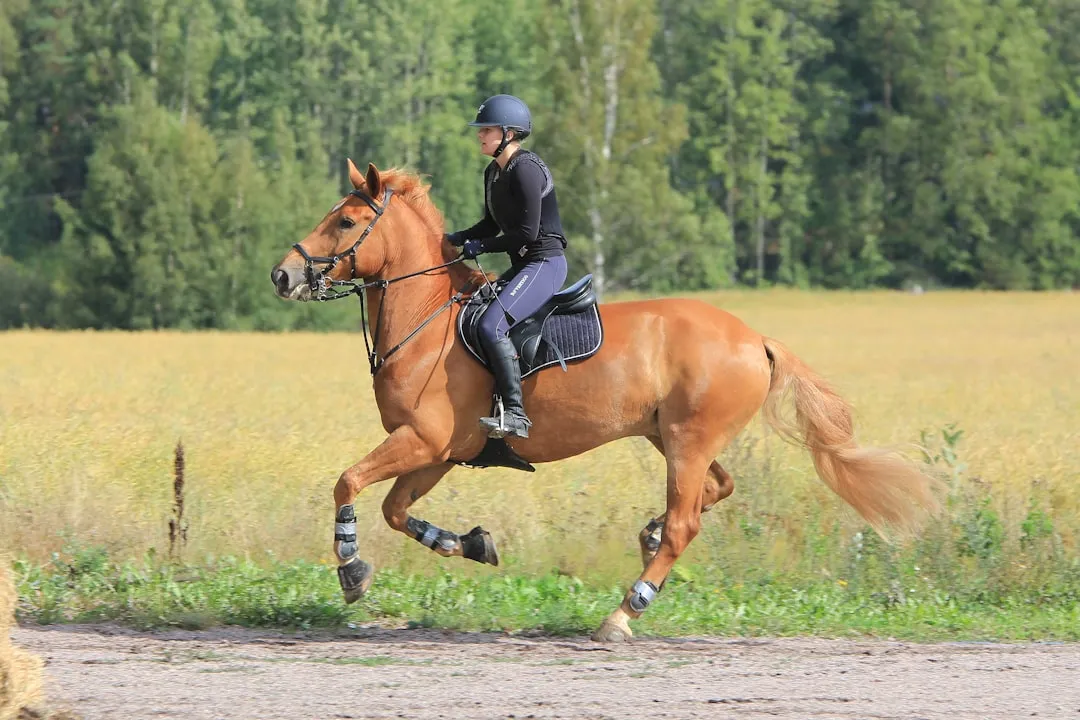
Iberian breeds like Andalusians and Lusitanos are often sold on romance – long manes, collected gaits, historical warhorse imagery. In reality, they’re compact powerhouses, bred for quick reactions and dramatic, collected movement. Their sensitivity to seat and weight shifts is a dream for advanced dressage riders and a curse for someone who can’t yet sit the trot.
A beginner who tips forward, clamps with their thighs, or nervously shifts around is unintentionally giving constant cues, and many Iberians will react instantly – speeding up, bouncing, or popping into unexpected transitions. Because of their balance and agility, their mistakes can be big and fast. Mellow, family-bred Iberians exist, especially in Portugal and Spain, but the glossy, imported performance types popular in show barns are rarely beginner-friendly. If you think that’s tricky, the raw, untamed nature of #20 is on another level.
#20 – Mustang: One of the Most Misunderstood “Beginner” Choices
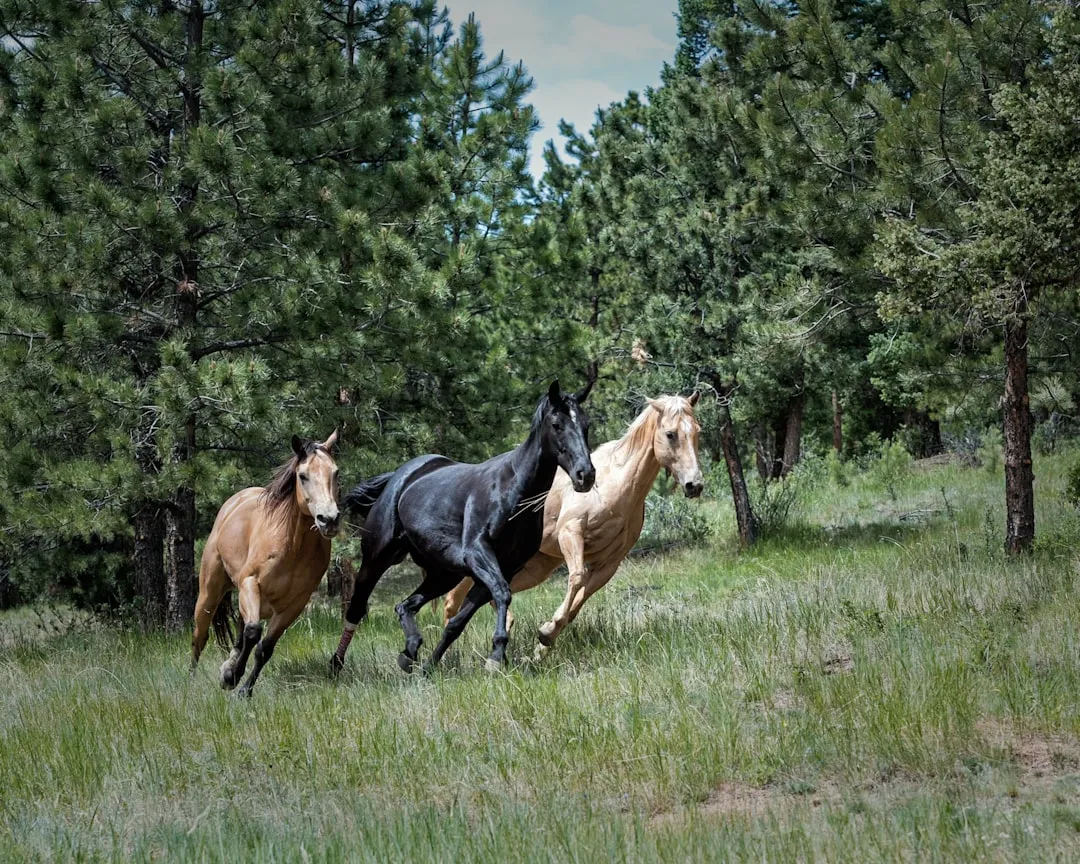
There’s a romantic narrative that a rescued Mustang will bond with a beginner and magically turn gentle. Experienced trainers roll their eyes at this. Mustangs are feral horses with incredibly strong survival instincts and finely tuned reactivity.
Properly started and socialized, many become steady, loyal partners – but that process takes real skill. A newly adopted, green, or poorly handled Mustang is the last horse a novice should learn on, since they may be skeptical of humans and quick to react when they feel trapped or confused. They’re not “bad,” just honest products of their environment, and advanced riders can shape that raw material into phenomenal trail or ranch horses. Handing that job to someone who still struggles to pick hooves is unfair to both horse and human. Similarly, the flashy show-ring royalty in #19 often punishes beginners, just in a fancier saddle.
Worth Knowing
- Wild mustangs are managed by the Bureau of Land Management across public rangelands in several western states.
- Herds are periodically gathered to keep population growth from outpacing the land’s resources.
- Adopters must meet strict facility requirements, and ownership typically doesn’t transfer for about a year.
- Many gentled mustangs go on to compete in Extreme Mustang Makeover events after months of professional training.
#19 – Saddlebred & High-Action Show Breeds: Drama on Four Legs
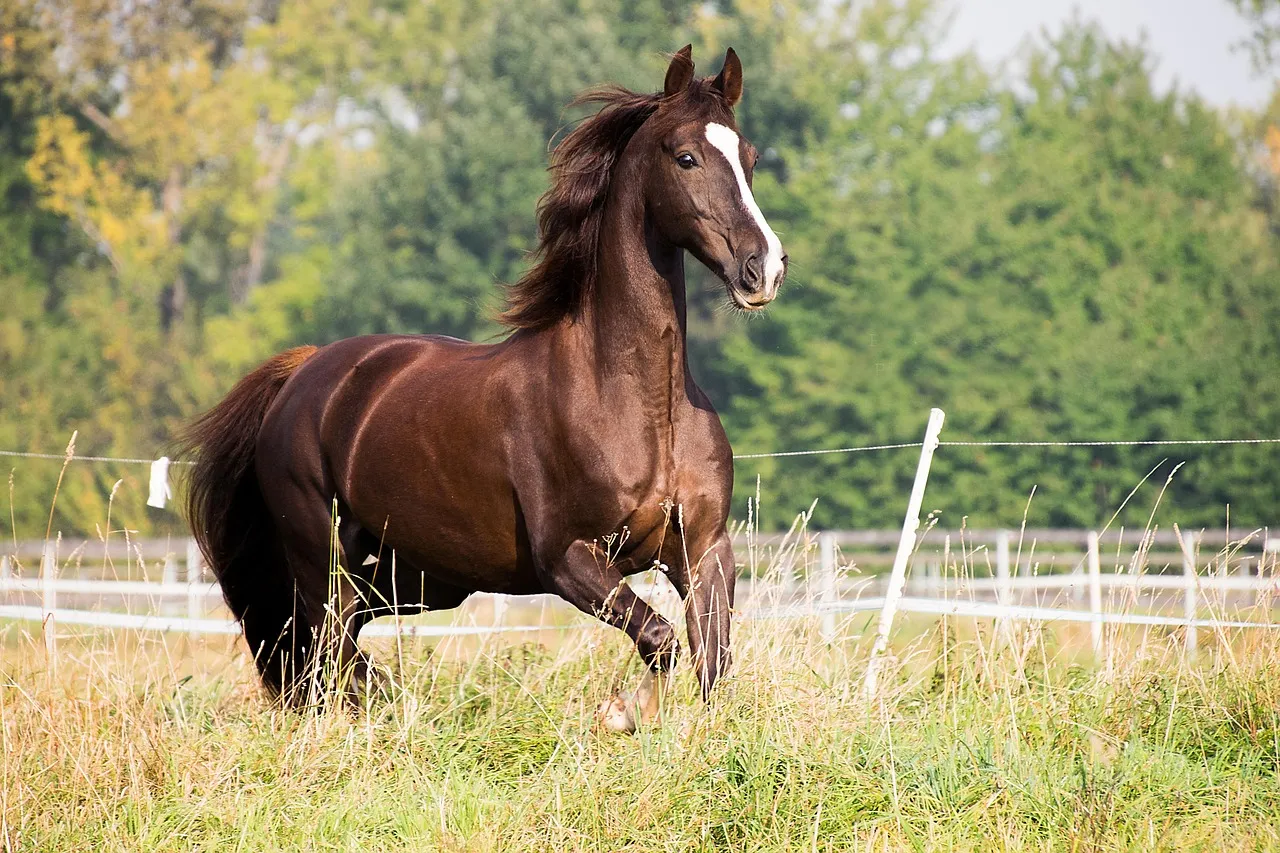
American Saddlebreds and other high-action show breeds, like some Hackneys and park-class Morgans, are designed to be expressive, forward, and “up.” Judges reward animation and knee action, not a chill, slow, happy-plod attitude, and that breeding goal matters the moment you put a first-timer in the saddle.
Many of these horses thrive on energy, feeling electric under a confident rider but downright intimidating under a nervous one. A beginner who tightens up, bounces, or grabs at the reins may inadvertently cue more speed or head-flinging. Calm, older individuals exist, especially in multi-discipline barns, but the typical big-lick, park, or high-action show horse isn’t built to ignore chaos – it’s built to turn chaos into excitement and movement. If you think English show horses are spicy, wait until you meet one of the most opinionated ponies in the world at #18.
#18 – Shetland Pony: Tiny Body, Big Attitude, Low Forgiveness
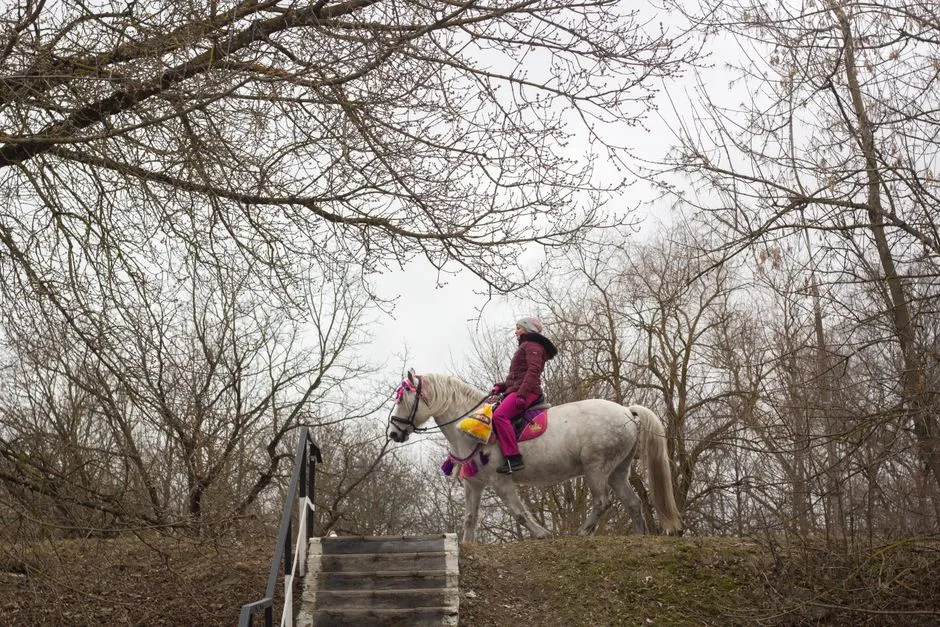
This is where a lot of parents go wrong. “They’re small, so they must be safe,” they think. Not quite – many Shetlands have huge brains, strong wills, and zero interest in tolerating nonsense.
On paper, they seem perfect for kids. In practice, an untrained or under-worked Shetland can master dirty stops, sudden spins, or plant-feet-and-refuse tactics, and because their riders are often very young, these ponies end up under-corrected and accidentally rewarded for bad behavior. Over time they learn that bucking or spinning shakes the kid off, and no one fixes it. The result is a deceptively cute, chronically naughty pony teaching beginners all the wrong lessons about control and safety. Genuine angel Shetlands do exist in good lesson programs, but as a breed stereotype, they’re not the endlessly forgiving babysitters people hope for. And as ponies go, they’re just the warm-up act for #17.
#17 – Connemara Pony: When Forgiving Meets Athletic… to a Point
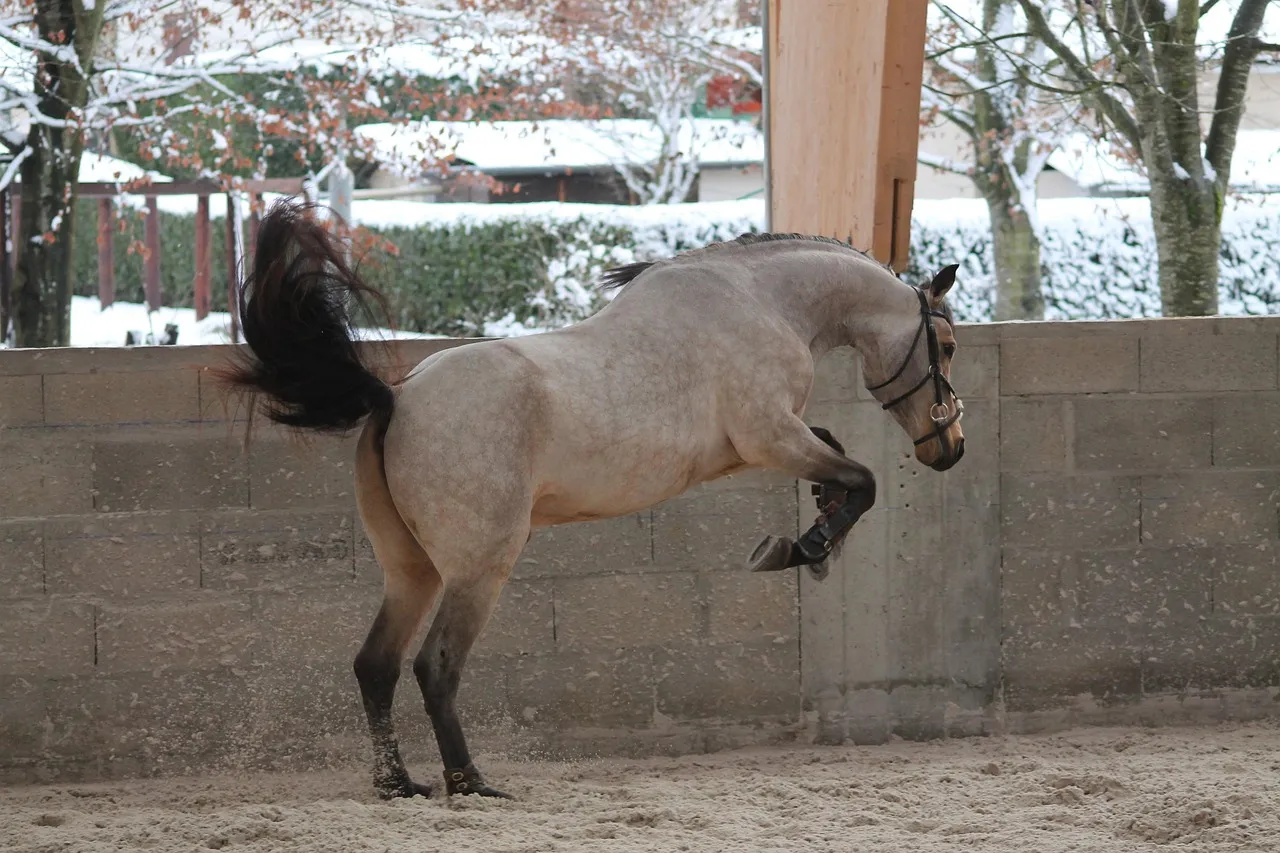
Connemaras are adored for good reason: hardy, athletic, and often very kind. But unlike heavy, slow lesson horses, they’re also sporty enough to punish unclear riding simply by doing exactly what you told them – whether you meant it or not. That can feel very unforgiving to someone who doesn’t yet understand how much their body is “talking.”
Many Connemaras carry adults and kids over serious jumps, across tough terrain, and into competition, gladly teaching a dedicated rider for years. But their natural forwardness and agility mean that when a beginner tips at a fence, loses steering, or over-bits them, the pony might run out, duck sideways, or overjump. That’s not malice – it’s athletic honesty. In the right program they can bridge the gap from beginner to competitor; in the wrong context, they can shatter confidence faster than any plodding draft. Which makes genuine forgivers like #16 feel even more like unicorns.
#16 – Morgan: The Overachiever That Often Cuts You Some Slack
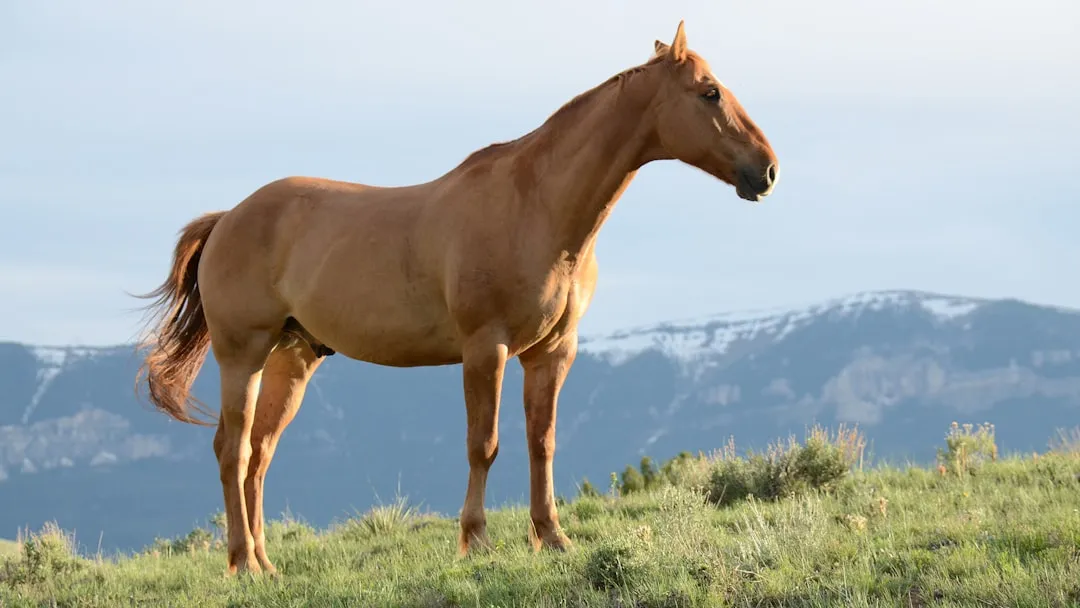
Morgans are workaholics with a people-first mindset. Historically they pulled carriages, worked farms, and carried riders – all with the same horse – which required a steady, human-focused brain that tries to understand what you want even when you’re unclear. For a beginner, that can feel like the horse is helping you ride.
Some modern show Morgans run hotter, but many foundation or family-bred Morgans are steady, forward-but-sensible, and extremely forgiving. If you wobble, they’ll often rebalance underneath you; if you give a mixed cue, many simply slow down and wait. Trainers sometimes call them “overachievers” because they genuinely like having a job and pleasing their person. In a world of sharp sport horses and moody ponies, that blend of effort and mercy is rare. But you might argue #15 is the true gold standard of beginner kindness.
#15 – Appaloosa: The Spotted Realist Who Usually Tolerates Your Learning Curve
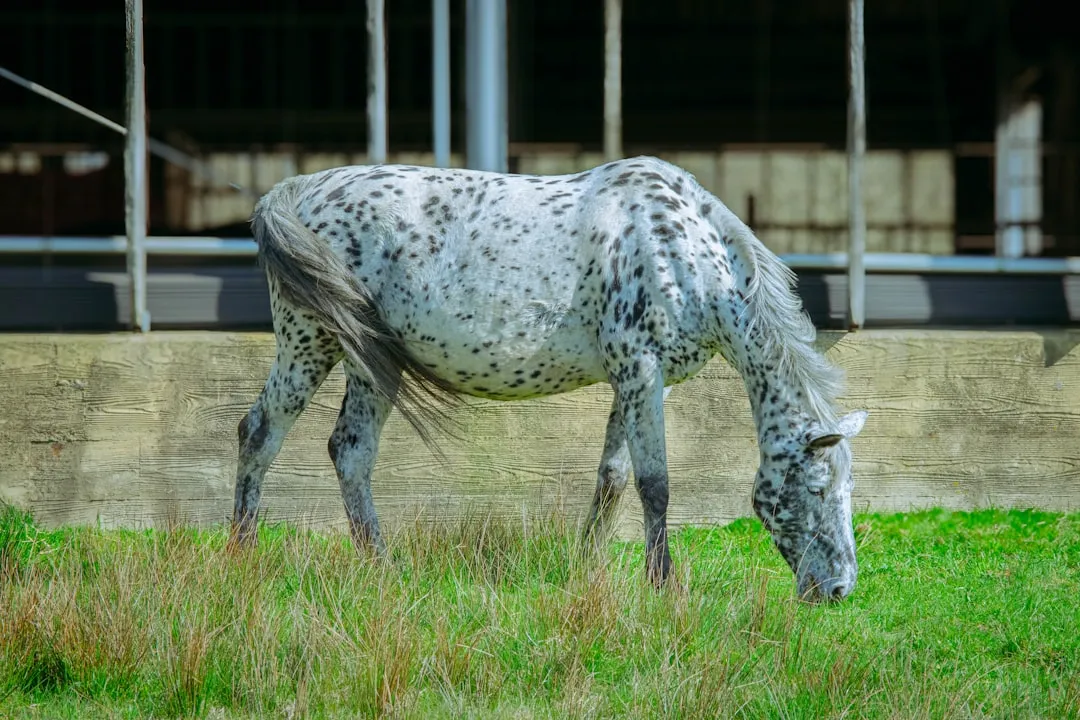
Appaloosas are classic Western family horses, used on ranches, in 4-H, and as all-around mounts. As a group, they’re known for hardiness, common sense, and a no-drama attitude, with a “let’s just get this done” mentality that ignores half the noise beginners make.
They’ll pack you along a trail, around an arena, or through a local show with minimal complaint. The flip side is that Appaloosas can have strong opinions, and while not usually explosive, they can turn stubborn if treated unfairly or ridden in discomfort. In a good lesson program that’s rarely an issue, but a novice owner trying to figure it out solo might find an Appy quietly opting out. Even then, they’re more likely to say “no” than to explode, which still puts them on the forgiving side compared to the live wires at #14.
#14 – Tennessee Walking Horse: Smooth Ride, Conditional Forgiveness
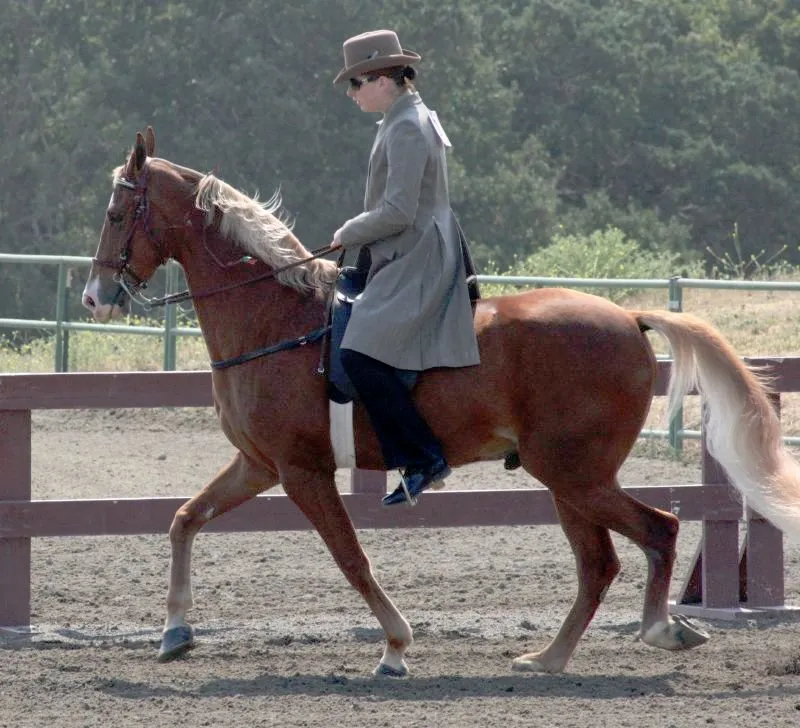
Tennessee Walkers, like many gaited trail horses, are built for comfort and miles. A smooth running walk means less bouncing, less gripping, and fewer “I can’t sit this” panic moments for beginners. Many Walkers are naturally gentle, people-oriented, and unbothered by loose reins and slightly clumsy riding, especially from trail-focused breeding programs.
Where it gets tricky is the show world and certain bloodlines bred for big, flashy movement. Those horses can run forward and keyed up, especially if trained with intense methods, and a nervous, inconsistent rider can accidentally trigger more speed or tension. As a family trail partner, the average Walker is often wonderfully forgiving; as a competitive, high-powered show horse, not so much. That dual nature – angel or airplane – makes research crucial. Contrast that with #13, where the temperament tends to stay kinder even in competitive settings.
#13 – Irish Sport Horse & Irish Draught Crosses: Brave Yet Often Kind
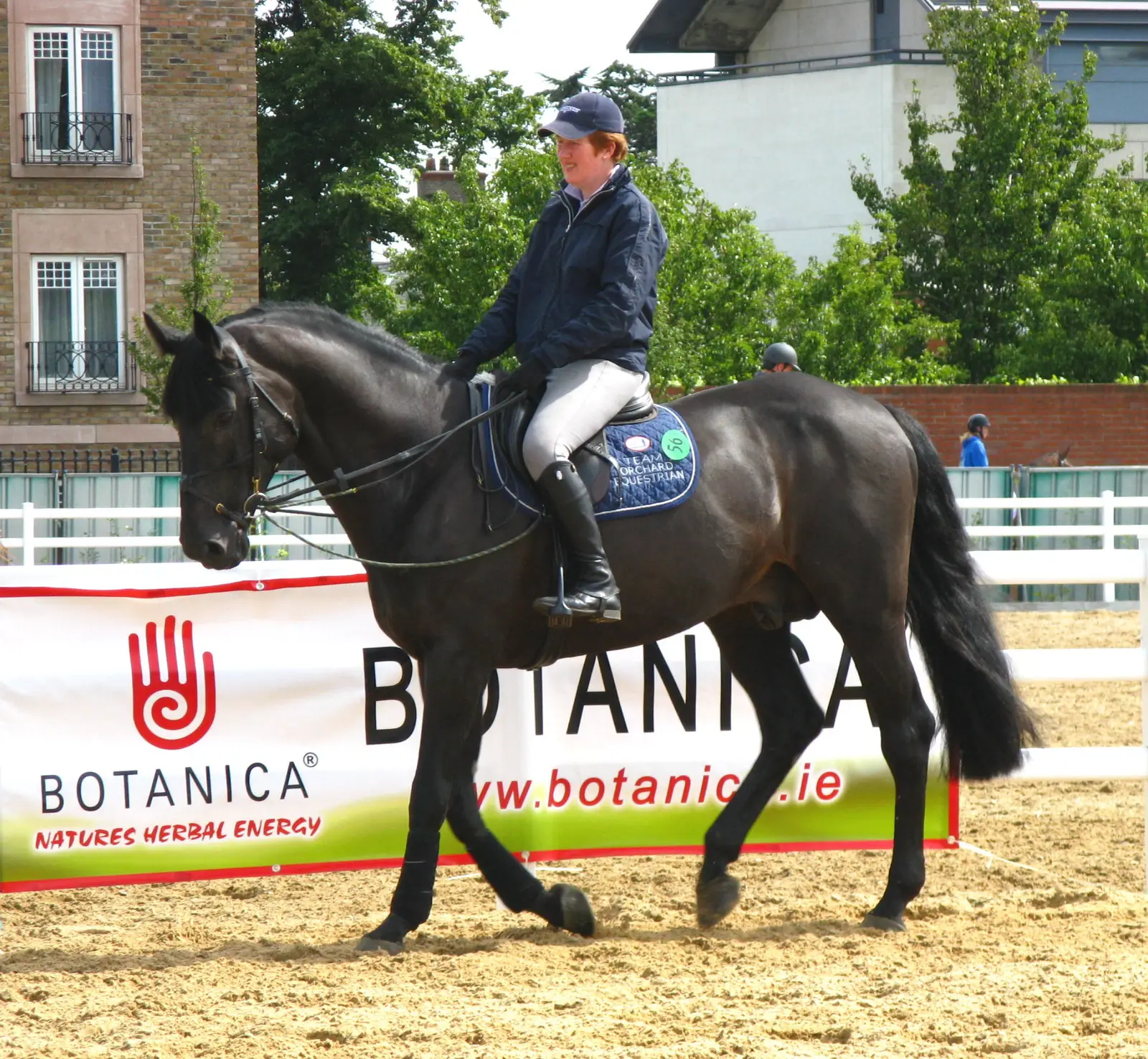
Irish Sport Horses get a reputation for bravery – foxhunting, eventing, and cross-country are their playgrounds. But mixed into that courage, especially when crossed with Irish Draught, is a solid, practical brain that often forgives a lot of rider clumsiness. Many are raised outdoors in groups, which makes them socially savvy and refreshingly straightforward.
An Irish cross might take a joke at a fence, ignore a weird distance, and quietly save your bacon instead of punishing you. That said, they’re still high-powered sport animals, especially the lighter types, and a raw beginner doesn’t belong on a fresh, green ISH. In the right program, with a mature, older individual, they can be surprisingly kind stepping stones from true beginner plods to serious competition. You won’t hear that same reputation about the intense performance machines at #12.
#12 – Trakehner: The Hot-Blooded Warmblood That Remembers Everything
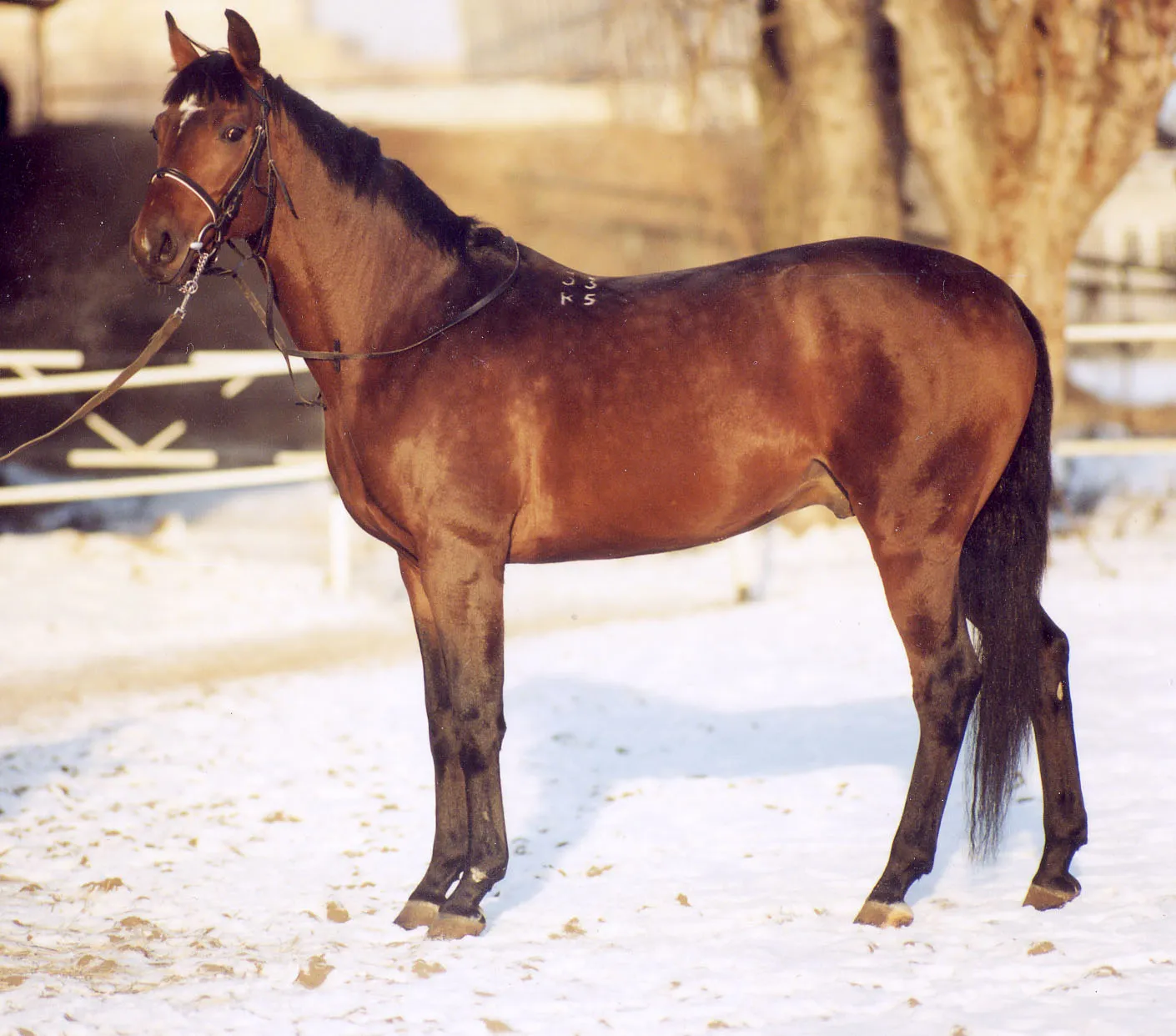
Among warmbloods, Trakehners are often considered the most “blooded” – closer in type and temperament to Thoroughbreds and Arabians. They are sensitive, reactive, and highly intelligent, and once you’ve taught a Trakehner something, good or bad, it tends to stick.
That’s wonderful for careful, skilled riders and disastrous for beginners who are still inconsistent. A nervous novice grabbing for balance or overusing the whip might create lasting trust issues, and these horses can quickly pick up evasions like ducking out of jumps, refusing to move forward, or using their athleticism to avoid uncomfortable work. They’re not villains – they’re honest, sharp animals responding accurately to their experiences. The harsh truth is that beginner mistakes feel more “expensive” on this breed. If that sounds intense, the raw, turbo-charged power of #11 raises the stakes again.
Quick Compare
- Trakehner: hot-blooded, razor-sharp memory, punishes repeated rider mistakes.
- Quarter Horse: steady ranch-bred mind, shrugs off the same mistakes without missing a step.
- Shared trait: both are highly intelligent and learn fast – just in opposite directions for a beginner.
#11 – Standardbred (Fresh Off the Track): Underestimated, But Not Automatically Easy
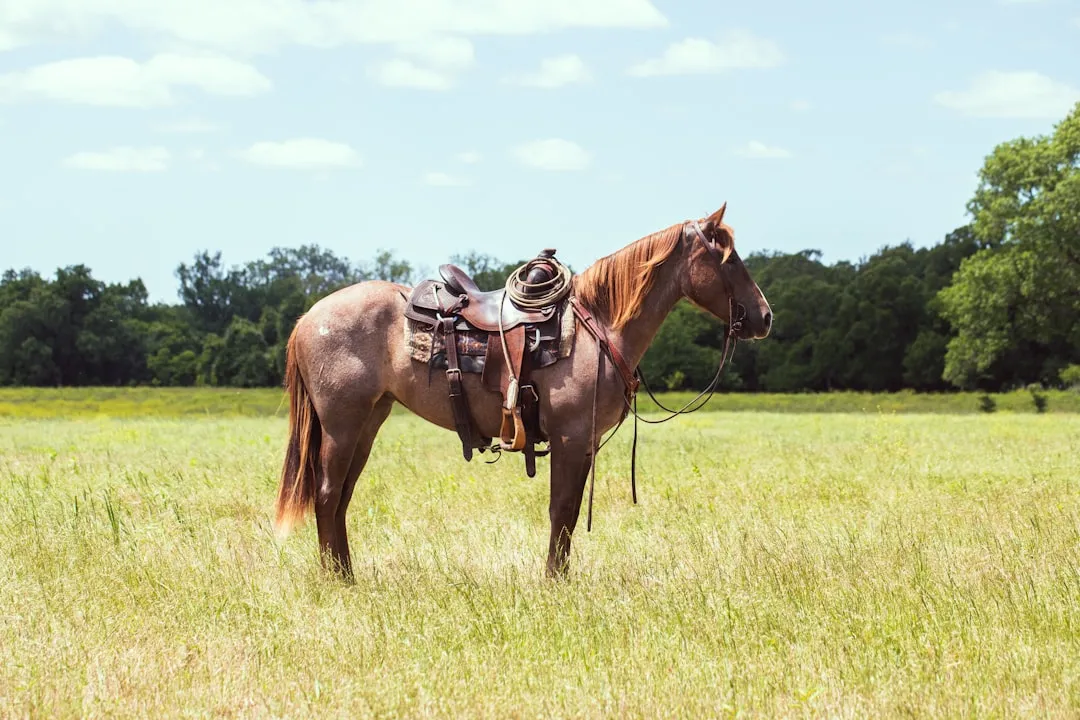
Standardbreds in harness racing are tough, kind horses, but people underestimate the transition under saddle. A fresh ex-racer may be confused by leg aids, unbalanced with a rider on their back, and extremely forward in harness gaits. That confusion can feel very unsafe for a beginner.
The good news is that once retrained, many Standardbreds become solid, forgiving pleasure and trail horses, often more level-headed than Thoroughbreds. But that retraining phase isn’t a job for someone who still fumbles with the saddle. A beginner buying a cheap, un-restarted Standardbred “project” because it’s affordable is taking a high-risk shortcut. These horses can forgive plenty once they understand their new job, but they don’t deserve to be the guinea pig for a rider still learning posting trot. Meanwhile, a breed like #10 often gives you less leeway even when fully schooled.
#10 – Friesian: Fairy-Tale Horse, Surprisingly Unforgiving Physically
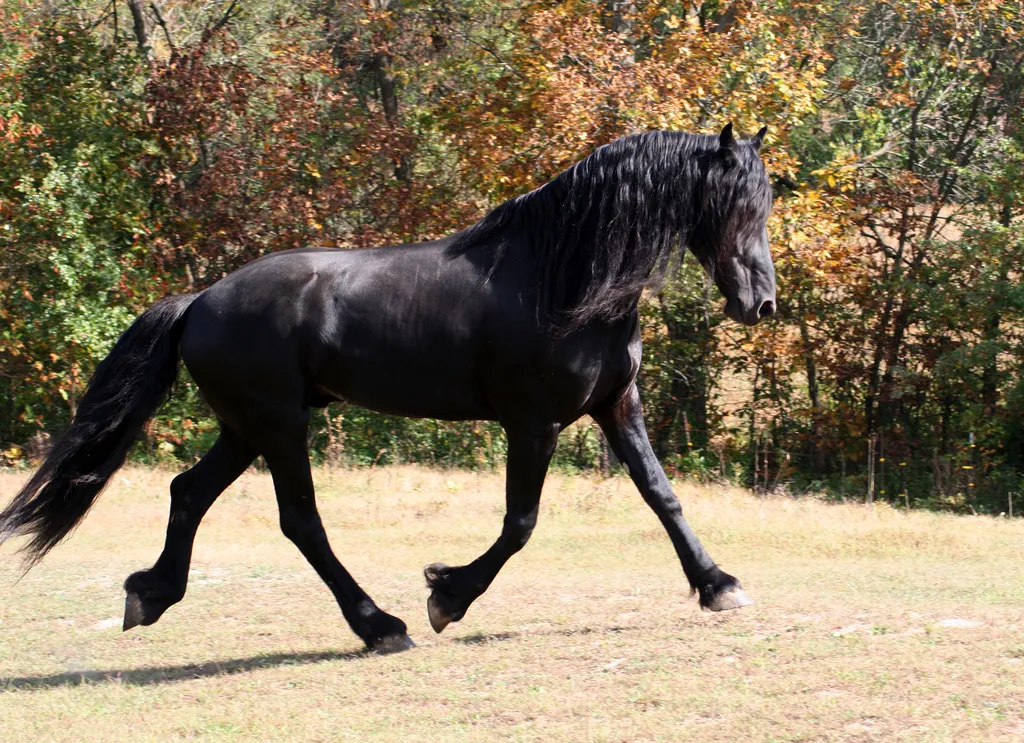
Friesians look like something out of a movie: black coats, flowing manes, lofty movement. People assume that dreamy look equals a dreamy temperament. Many Friesians are indeed kind and people-loving, but under saddle they’re big-moving, powerful, and often quite sensitive to seat and rein aids. That combination can overwhelm an unbalanced rider fast.
Their high knee action means every miscue can feel bigger in the saddle. A beginner who leans, grips, or pulls might accidentally ask for more collection, more movement, or more tension than they bargained for. Older Friesian schoolmasters can be genuine saints, but the average young or mid-level Friesian isn’t a push-button beginner horse. They’re often generous emotionally, but their physical expression of confusion can be dramatic – which is why many instructors quietly steer novices toward plainer-looking crosses until the basics are solid. Even so, the sheer power of #9 can make a Friesian feel simple by comparison.
#9 – Hanoverian / Big German Warmbloods: Great Minds, But Big Reactions
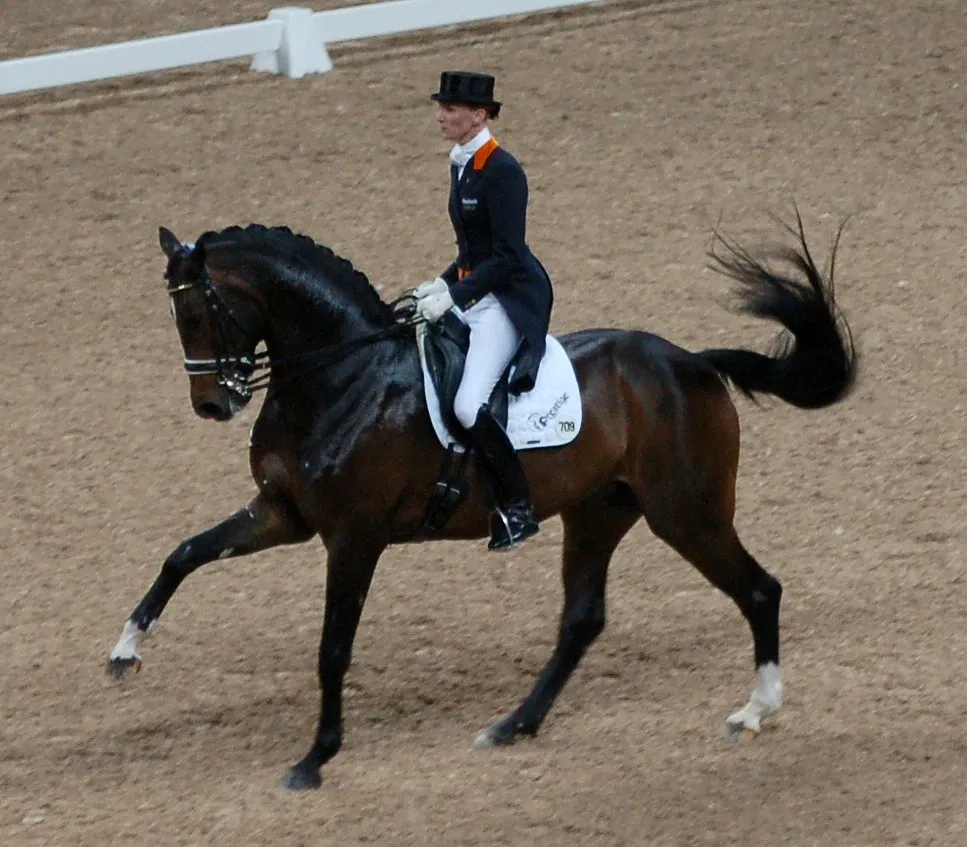
Hanoverians and similar big German warmbloods are bred for sport: dressage, jumping, eventing. Many have excellent minds – trainable, rideable, willing – but they’re also huge and capable of big, expressive reactions. A tiny spook or buck from a pony becomes a catapult when scaled up to a 17-hand powerhouse.
For riders with a secure seat and clear aids, these horses are dream partners. For true novices, the learning curve is steep and the consequences of mistakes can feel massive – a beginner who leans at a jump or falls behind the motion at canter can be launched simply because the movement is so big. They’re not inherently nasty or unwilling, just not built for tolerating chaos. If you want giant, safe, and slow, specific draft crosses are a far better bet than an elite sport-bred Hanoverian. And if all of this sounds intense, the ultra-sharp nature of #8 leaves even less room for error.
#8 – Anglo-Arab & Other Hot Crosses: Sensitivity Squared
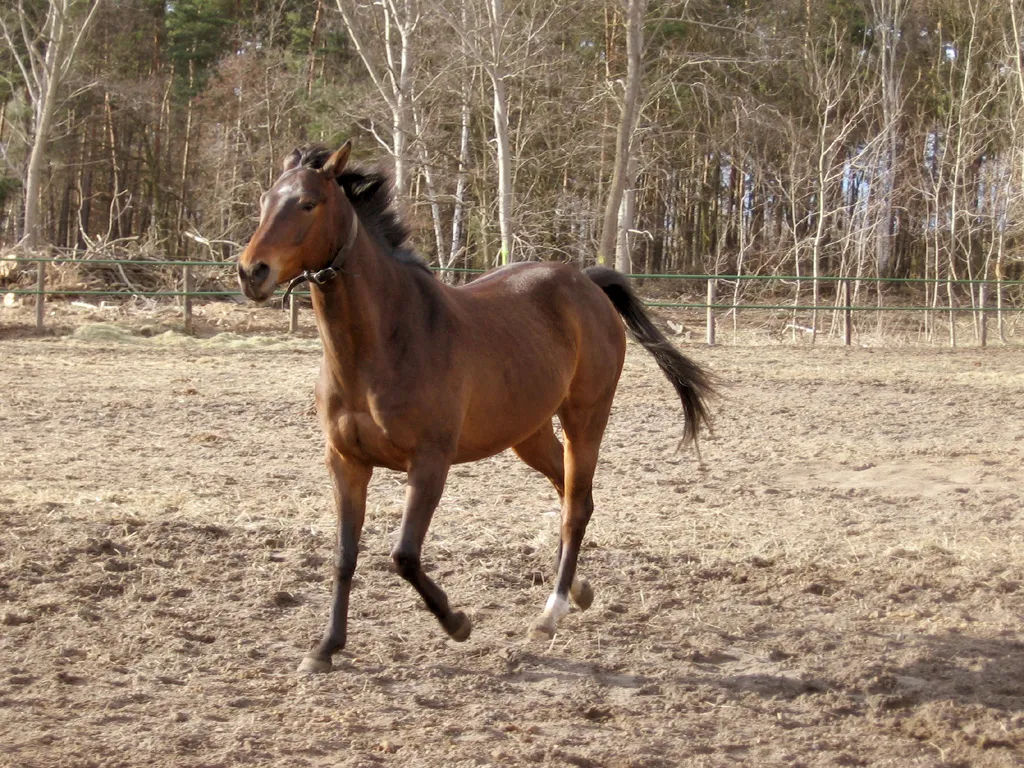
Combine a Thoroughbred with an Arabian and you often get exactly what you’d expect: a smart, ultra-athletic, ultra-sensitive horse that reacts instantly to everything. Anglo-Arabs and similar hot crosses can be phenomenal endurance, eventing, or sport partners – but for a beginner, it’s like learning to drive in a race car with hyper-active steering and brakes.
These horses notice every shift of weight or tension and respond instantly to fear, tight hands, or gripping legs. That immediacy is thrilling for skilled riders who want responsiveness; for novices, it’s unforgiving, and every mistake turns into a big reaction. In the wrong pairing, both horse and rider end up frustrated and scared. Individual temperament matters, but mixing two sharp, hot breeds rarely produces a forgiving lesson plod – you get a Ferrari that needs a driver’s license, not a learner’s permit. Meanwhile, #7 might not be as hot, but its combination of brains and willpower creates a different kind of unforgiving.
#7 – Cleveland Bay & Similar Old-World Types: Honest, But Won’t Fake It For You
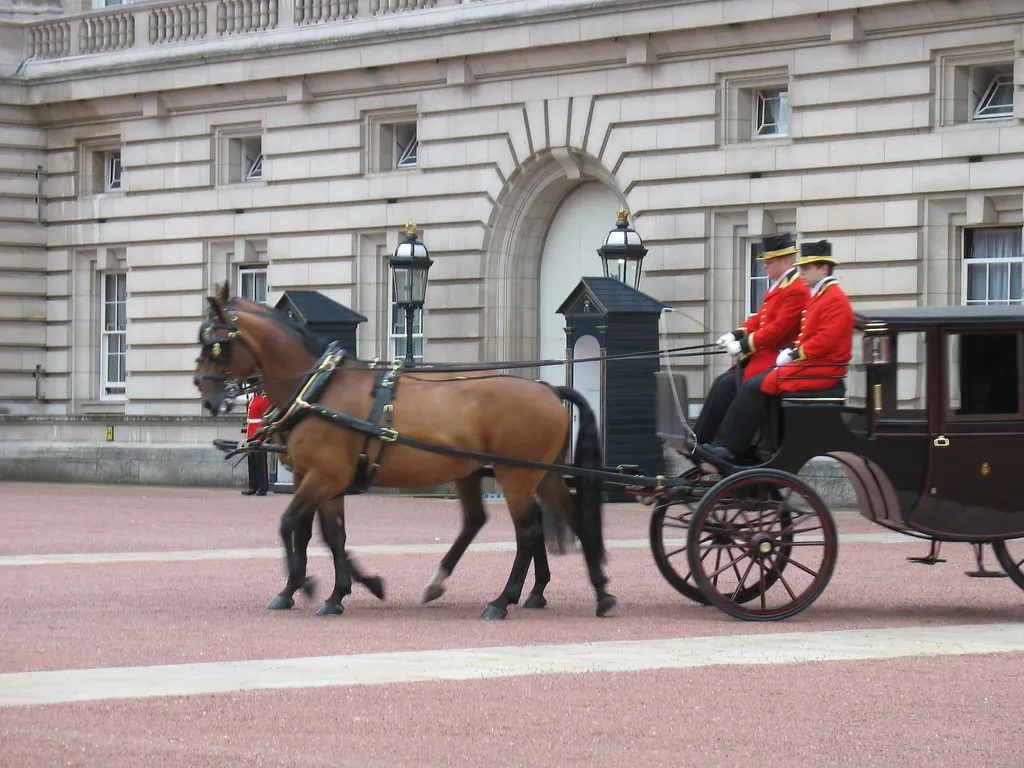
Cleveland Bays and other old carriage breeds look like they’d be beginner-safe: solid builds, traditional looks, no obsession with speed. In reality, many are honest, hardworking horses that expect their rider to contribute. They’re not usually explosive, but they won’t endlessly carry a passenger who doesn’t steer, balance, or ask correctly.
- They may simply stop and refuse to move if confused.
- Or they’ll take over and decide the route themselves.
That can be incredibly frustrating for a beginner who doesn’t yet have the tools to negotiate. This kind of horse won’t usually bolt or buck if you fumble, but it also won’t compensate for your lack of clarity the way a true schoolmaster would. They’re “fair” more than “forgiving,” which for some novices feels just as unforgiving as a hotter breed. Contrast that with #6, where the athleticism itself punishes errors.
#6 – Holsteiner & Big Jump-Bred Types: Scope You Can’t Yet Control
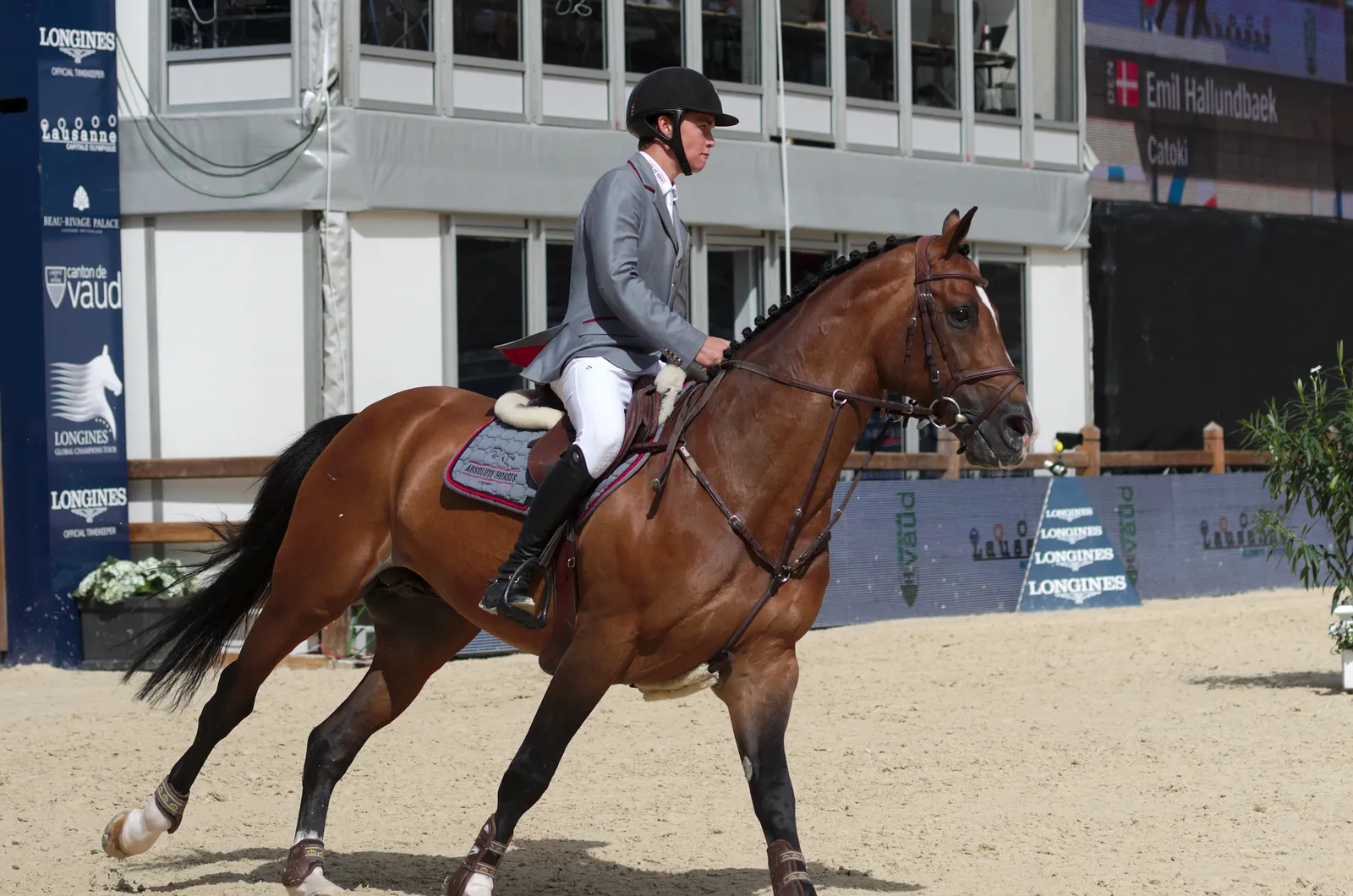
Holsteiners and similar jump-focused warmbloods are engineered for scope, bascule, and power – the horses you see soaring over huge fences with professionals aboard. That athleticism means even small rider mistakes at speed can have huge consequences.
A beginner who leans up the neck, jumps ahead, or forgets to release may get rocketed out of the tack simply because the horse uses its body so strongly. Many Holsteiners have good, rideable temperaments, but they’re tuned for performance and expect a certain level of competence and balance. Older schoolmasters are the exception and can be remarkably kind, but buying a young, green, or mid-level Holsteiner as a first horse is asking a Ferrari to teach you clutch control. It generally ends with someone on the ground. And then there’s #5, where the breeding goal wasn’t sport at all, but intensity.
#5 – Marwari & Other Regional War-Bred Types: Deep Instincts, Narrow Margins
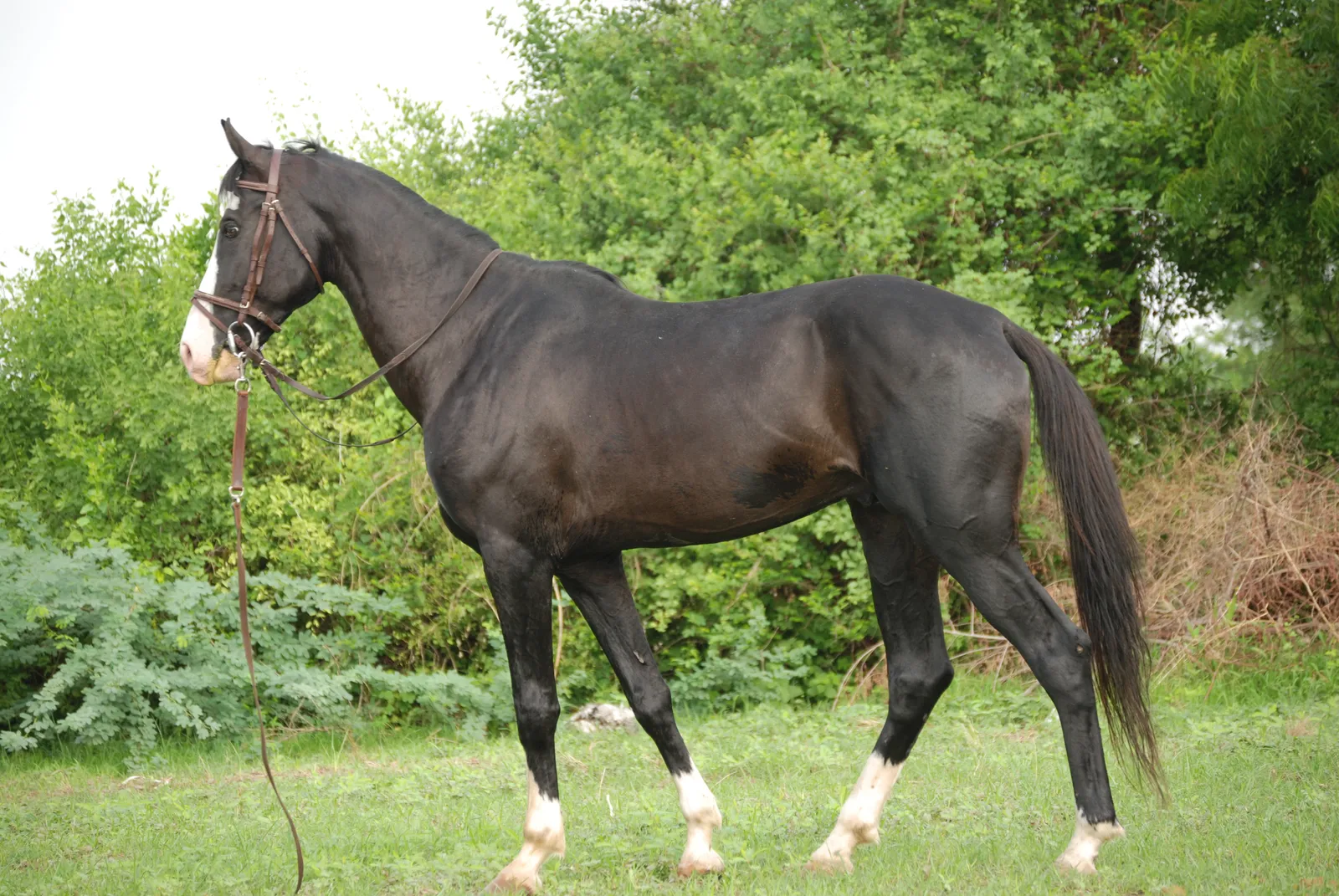
Breeds like the Marwari from India were historically used as war and status horses – alert, brave, and deeply tuned to their riders. Today they can still carry that intensity, and in experienced hands they’re agile, loyal, and captivating. In beginner hands, their strong opinions and sensitivity can feel like too much.
They may react sharply to unclear aids, sudden noises, or perceived threats, and because many aren’t widely used in structured riding-school settings, fewer individuals have been systematically desensitized for beginners. That doesn’t make them bad horses; it simply makes them poor fits for people still learning basic skills. The line between “wow, what a responsive horse” and “I feel totally out of control” is razor-thin for novices. If that’s nerve-wracking, the turbocharged sport-horse spirit of #4 can be just as unforgiving.
#4 – Swedish Warmblood & Modern Sport Hybrids: Designed for Precision, Not Patience
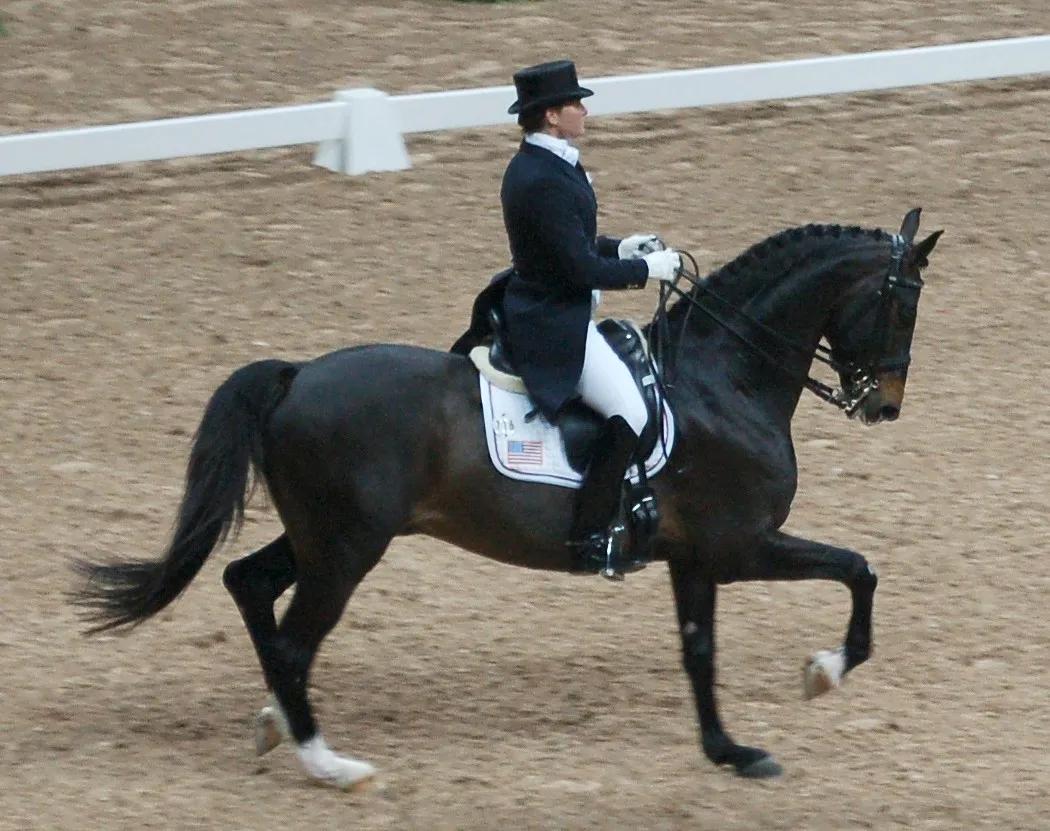
Modern Swedish Warmbloods and similar purpose-bred sport horses are carefully selected for FEI-level potential: elastic movement, quick reactions, and high sensitivity to minute aids. In a high-performance arena, that’s exactly what you want. In a beginner lesson, it’s almost the opposite.
- They tense up if the contact is inconsistent.
- They react strongly to crooked seats or gripping legs.
- They expect riders to stay balanced and in rhythm.
When a novice bounces, falls behind the motion, or seesaws the reins, these horses can quickly turn anxious, resistant, or explosive. They’re not wired to tune that out; they’re wired to listen harder, which magnifies the problem. That’s why many trainers reserve them for intermediate and advanced students. Meanwhile, #3 brings a completely different kind of unforgiving energy: speed plus survival instinct.
#3 – Barb & Barb-Influenced Types: Early War Horses With Instant Reflexes
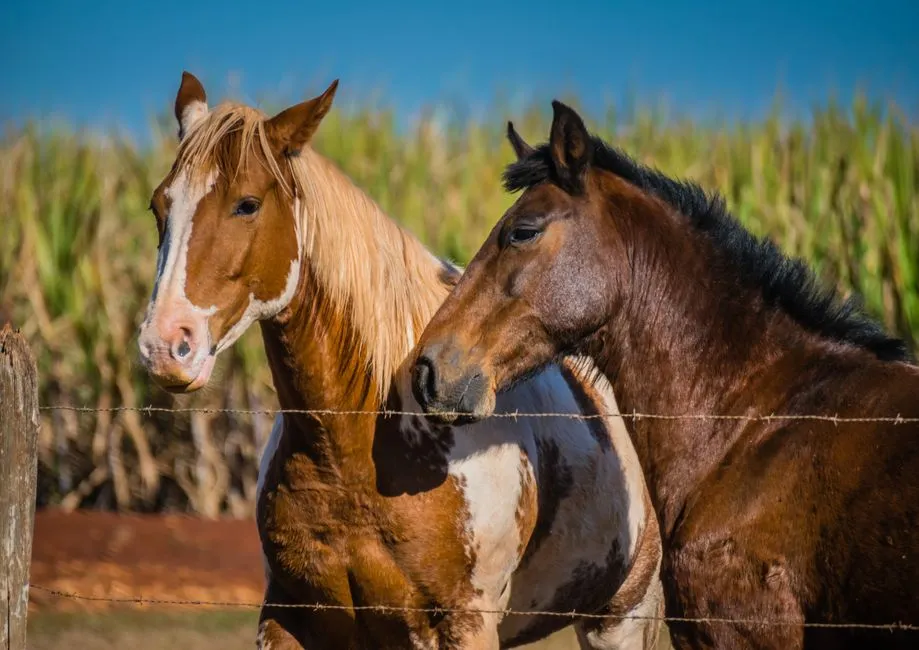
The Barb, an ancient North African breed, heavily influenced Arabians and Iberians. Like those descendants, many Barbs and Barb-influenced types are incredibly reactive, durable, and mentally sharp. Historically bred for raiding and fast maneuvering, they needed to respond instantly to subtle cues, and that trait persists today.
For a beginner, every wobble is “information” the horse responds to, and fear or tension in the rider gets mirrored right back. Their strengths – endurance, agility, sensitivity – become liabilities when the rider can’t yet control their own body or emotions in the saddle. Even if they don’t bolt, their quick, cat-like responses can feel terrifying to someone who barely understands steering and stopping. They’re incredible for advanced horsemen, but they rarely forgive and forget repeated mistakes. And yet, the small but mighty firecracker at #2 might cause even more beginner heartbreak.
Why It Stands Out
- One of the oldest horse breeds, tracing back centuries to North Africa.
- Its bloodlines helped shape both the Arabian and Iberian breeds like the Andalusian.
- Built for rapid direction changes and endurance rather than raw size or bulk.
- Historically prized in warfare and long desert campaigns demanding instant responsiveness.
#2 – Section B & C Ponies (Sporty Types): Cheeky, Athletic, and Ruthlessly Honest
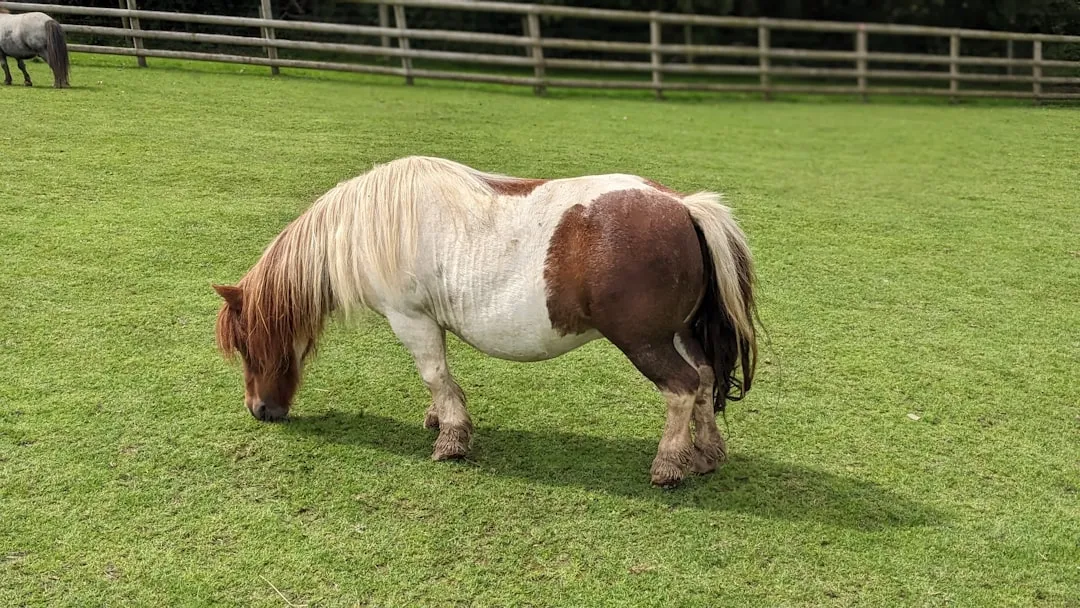
Sport-bred Welsh Section B and C ponies are compact competition machines, not fuzzy babysitters. They jump big, move well, and often have the same “go” button as much larger sport horses. Put a determined kid with a good trainer on one, and they win ribbons. Put a scared, uncoached beginner on the same pony, and you often get tears.
These ponies are smart enough to exploit weak riding – running out, ducking, napping – and athletic enough to turn those evasions into dramatic moments. Because they’re frequently used as children’s show mounts rather than true school ponies, they expect accuracy. They’re “honest” in that they do exactly what you ride, refusing a fence you didn’t set up properly, or racing off if you lean forward. That kind of honesty, without any filter, feels brutally unforgiving to novices. Which brings us to #1, the type of horse that almost never forgives a beginner – and often pays the price for it.
#1 – Young, Green Horse of Any Breed: The Ultimate Beginner Trap
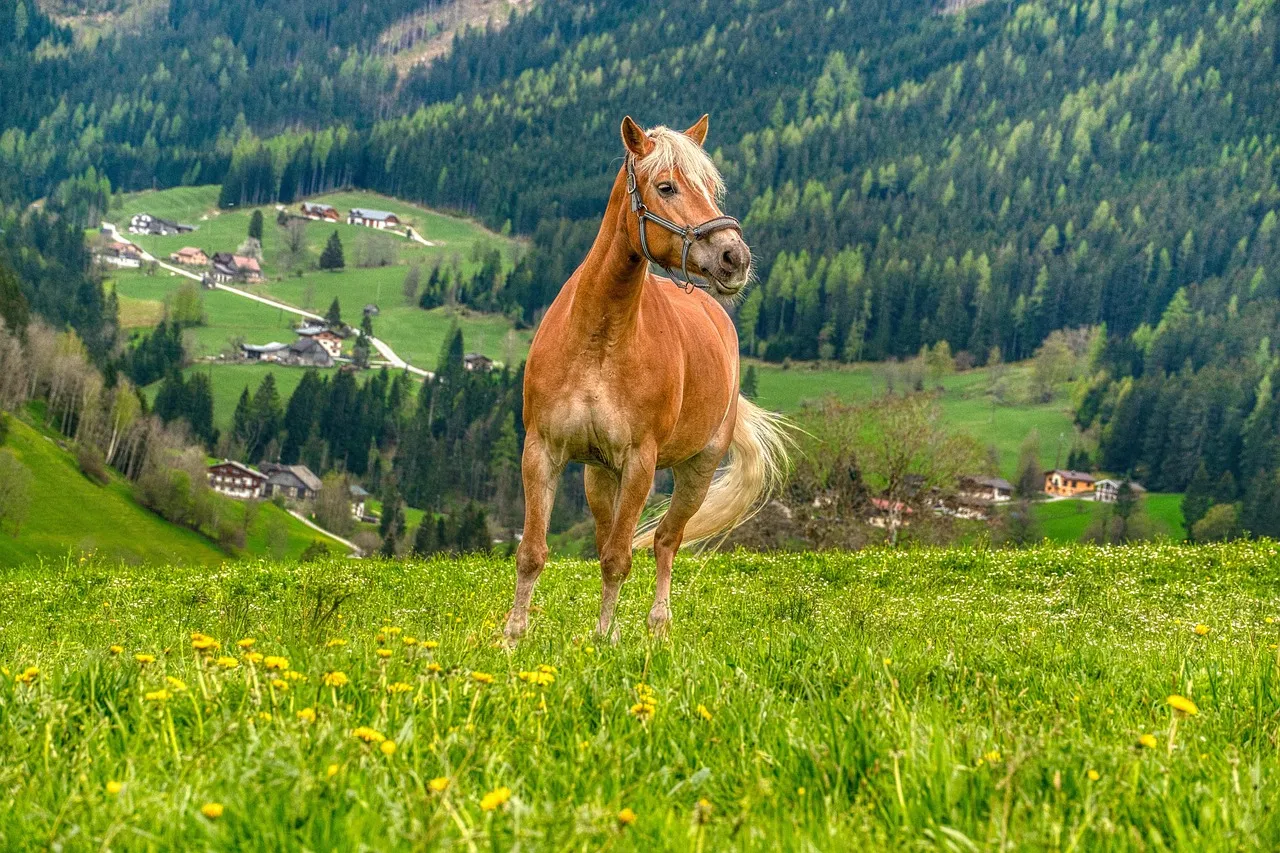
Here’s the hard, unpopular truth: the least forgiving horse for a beginner isn’t a specific breed. It’s a young, green, or poorly trained horse of any breed. A three-year-old Quarter Horse can be more dangerous than a fifteen-year-old Thoroughbred schoolmaster, yet beginners constantly buy “prospects” because they’re cheaper or because “we’ll learn together.”
Green horses don’t know their job yet. They’re still figuring out balance, aids, and basic manners, and they learn from every single ride, good or bad. A beginner, by definition, makes a lot of mistakes, and when you put the two together, you don’t get mutual learning – you get a scared human and a confused horse teaching each other bad habits and fear responses that can last a lifetime. This pairing almost never truly forgives errors; it compounds them. If there’s one combination professionals beg beginners to avoid, it’s this one.
The Bottom Line
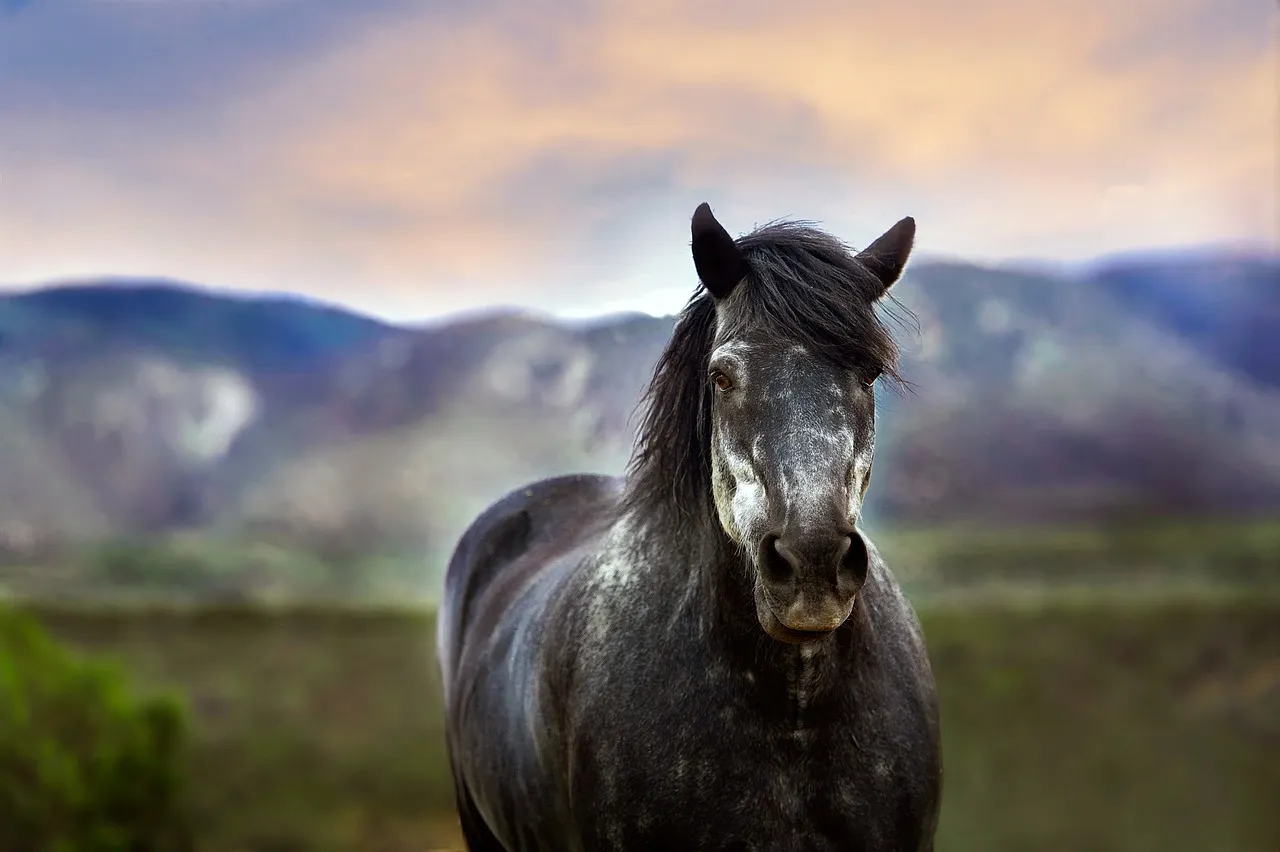
The biggest myth in the horse world is that breed alone tells you whether a horse is beginner safe. It doesn’t. Some breeds – Quarter Horses, Haflingers, Fjords, sturdy drafts – are more likely to shrug off clumsy cues and nervous energy. Others – Thoroughbreds, Arabians, hot warmbloods, sharp ponies – tend to magnify every mistake instead.
But the single most unforgiving factor of all isn’t color, country of origin, or bloodline. It’s training level and temperament, full stop. If you’re new to horses, your safest bet is an older, well-schooled individual from a forgiving breed, bought with your instructor standing right beside you – not a flashy youngster or an exotic “project” you fell in love with online.
That advice isn’t trendy, and it definitely isn’t glamorous, but it’s the difference between riding for the next thirty years and quitting after one bad fall. If you think a particular breed got treated unfairly here – too harsh or too kind – say so in the comments. Horse people never back down from that argument, and honestly, neither should you.

- 17 Horse Breeds That Forgive a Beginner and 17 That Never Quite Do - August 24, 2026
- 17 Cat Breeds That Adore Being Picked Up and 17 That Will Never Once Tolerate It - August 18, 2026
- 5 Fall Pest Control Tricks To Save Your Seasonal Harvests - August 18, 2026