

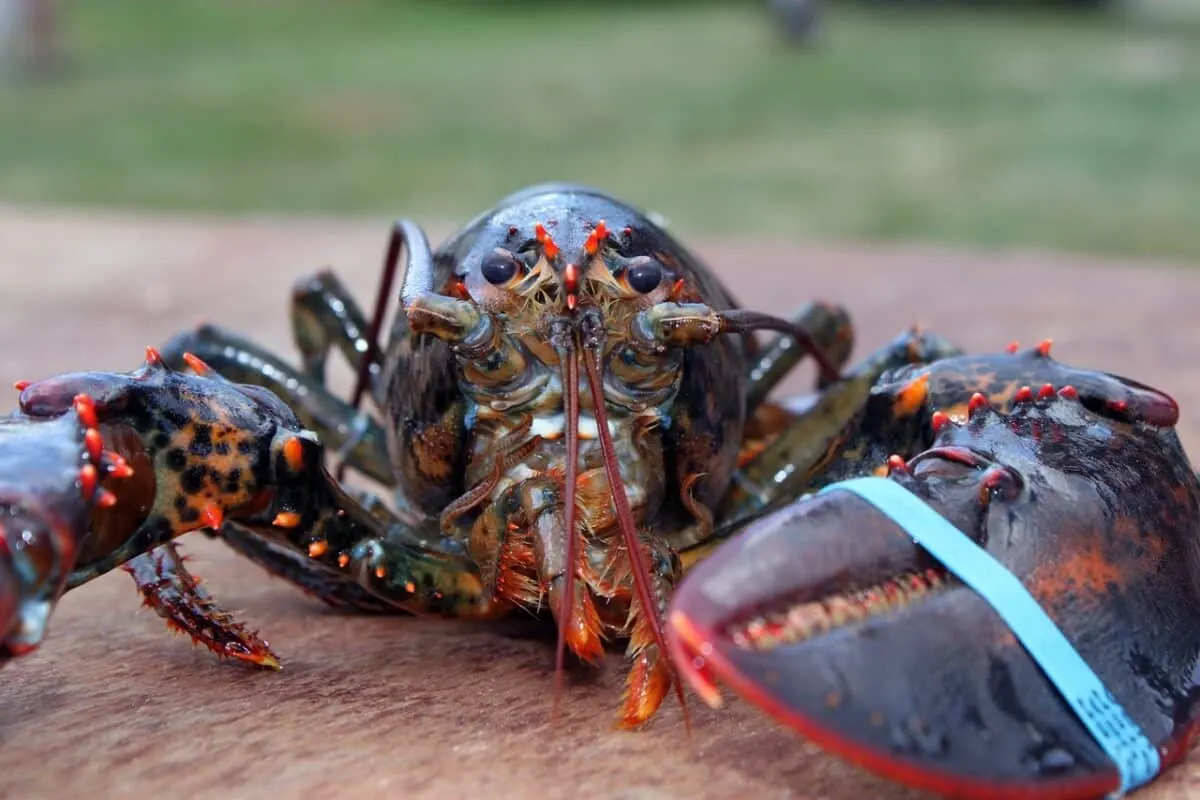
The ocean is one of Earth’s most challenging environments, with crushing pressures, fluctuating temperatures, predators, and constantly shifting conditions. Yet lobsters have thrived in these waters for more than 100 million years. These remarkable crustaceans have developed a fascinating array of adaptations that allow them to not only survive but flourish in their underwater world. From their imposing exoskeletons to their specialized sensory organs, lobsters represent a masterclass in evolutionary problem-solving. In this article, we’ll explore twelve remarkable adaptations that have made lobsters one of the most successful marine species in harsh ocean environments.
Powerful Protective Exoskeletons
Perhaps the most visible adaptation of lobsters is their hard exoskeleton, which serves as both armor and structural support. This tough outer shell is composed primarily of chitin (a complex carbohydrate) and calcium carbonate, creating a lightweight yet incredibly durable protective layer. The exoskeleton shields lobsters from predators, abrasive ocean floors, and the physical forces of currents and waves. Unlike internal skeletons, the exoskeleton covers the entire body, including the lobster’s vital organs and delicate tissues.
However, this protective adaptation comes with a biological challenge. Since the exoskeleton cannot grow with the lobster, the crustacean must periodically shed its old shell and grow a new one in a process called molting. During this vulnerable period, lobsters typically hide in rocky crevices or burrows until their new exoskeleton hardens. Some species molt up to 25 times in their first 5-7 years of life, though the frequency decreases as they age. This remarkable system allows lobsters to repair damaged shells and accommodate growth throughout their potentially long lives.
Specialized Breathing Apparatus

Lobsters have evolved specialized gills that efficiently extract oxygen from water, allowing them to thrive in varying oxygen conditions. Located in chambers on either side of the body under the carapace (the hard upper shell), these feathery structures provide an extensive surface area for gas exchange. Water flows through these gill chambers in one direction, entering near the legs and exiting near the head, creating a constant supply of oxygen-rich water across the gill surfaces. This unidirectional flow maximizes oxygen absorption efficiency.
The gill structure also includes specialized cells that regulate salt balance, a crucial adaptation for marine life. Unlike fish gills, lobster gills are protected within the hard exoskeleton, shielding these delicate respiratory structures from damage while still allowing water flow. This adaptation enables lobsters to survive in waters with varying oxygen levels, from shallow coastal areas to deeper offshore environments where oxygen can be more limited. Some species can even survive brief periods out of water as long as their gills remain moist.
Remarkable Regenerative Abilities

One of the lobster’s most impressive adaptations is autotomy—the ability to self-amputate limbs when threatened or injured, followed by complete regeneration of the lost appendage. This adaptation provides a crucial survival advantage when confronted by predators. If a lobster is grabbed by a leg or claw, it can detach the limb at a predetermined breaking point through a reflex action, allowing escape while sacrificing only a non-vital body part. The detached limb often continues to move, potentially distracting the predator while the lobster retreats.
Following autotomy, lobsters can fully regenerate the lost appendage over several molt cycles. The first regenerated limb is typically smaller than the original but will continue to grow with subsequent molts until it reaches normal size. This remarkable ability extends to claws, walking legs, antennae, and even parts of their eyes. The regeneration process is energetically costly but provides a significant survival advantage in dangerous ocean environments. Some lobsters have been observed with multiple regenerating appendages at different stages of regrowth, demonstrating how frequently this adaptation is utilized.
Advanced Chemical Detection Systems
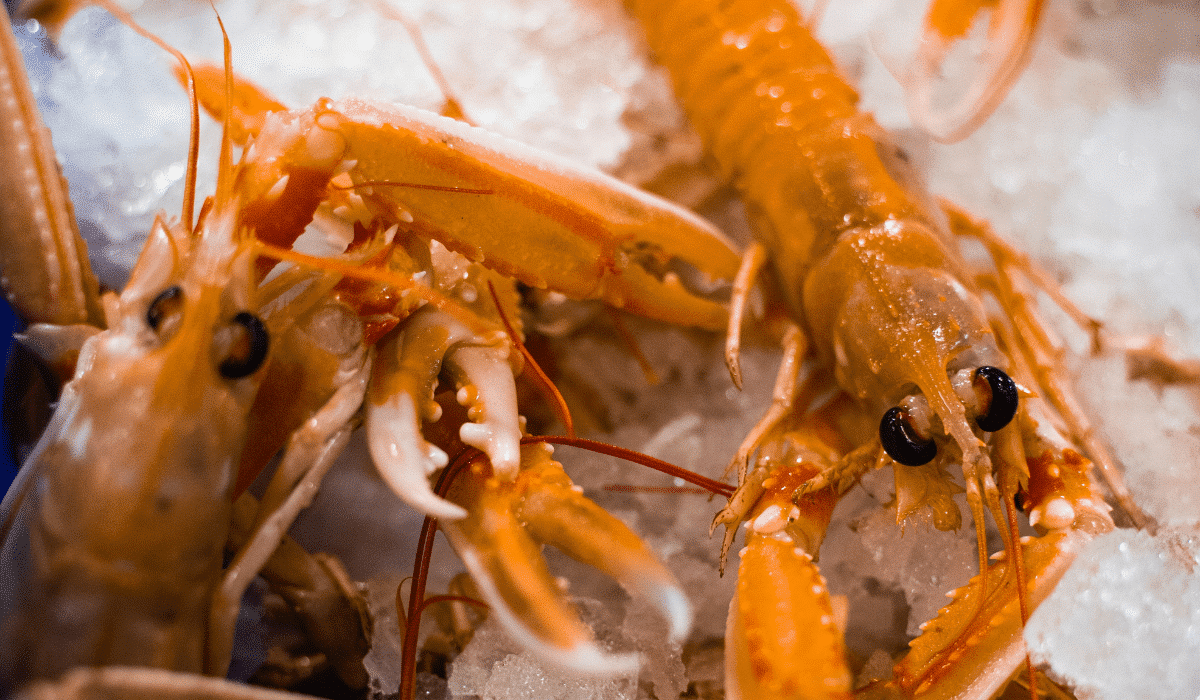
Lobsters possess extraordinarily sensitive chemoreceptors located primarily on their antennules (small antennae), legs, and mouthparts. These specialized sensory organs allow them to detect minute chemical signatures in the water, giving them a form of “taste at a distance.” This advanced chemical detection system serves multiple survival functions. It enables lobsters to locate food sources from considerable distances—research has shown they can detect certain prey items from over 200 meters away. This adaptation is particularly valuable in murky or dark waters where visual hunting would be ineffective.
The chemical detection system also plays a crucial role in social interactions and reproduction. Lobsters can identify the sex and reproductive status of other lobsters through chemical cues called pheromones. Females release specific pheromones when ready to mate, which male lobsters can detect even in the vast dilution of ocean currents. Additionally, this chemical sensing ability helps lobsters avoid predators by detecting their scent trails in the water. The sensitivity of these chemoreceptors is remarkable—studies have shown lobsters can detect certain compounds at concentrations as low as a few parts per billion.
Specialized Mobility Adaptations
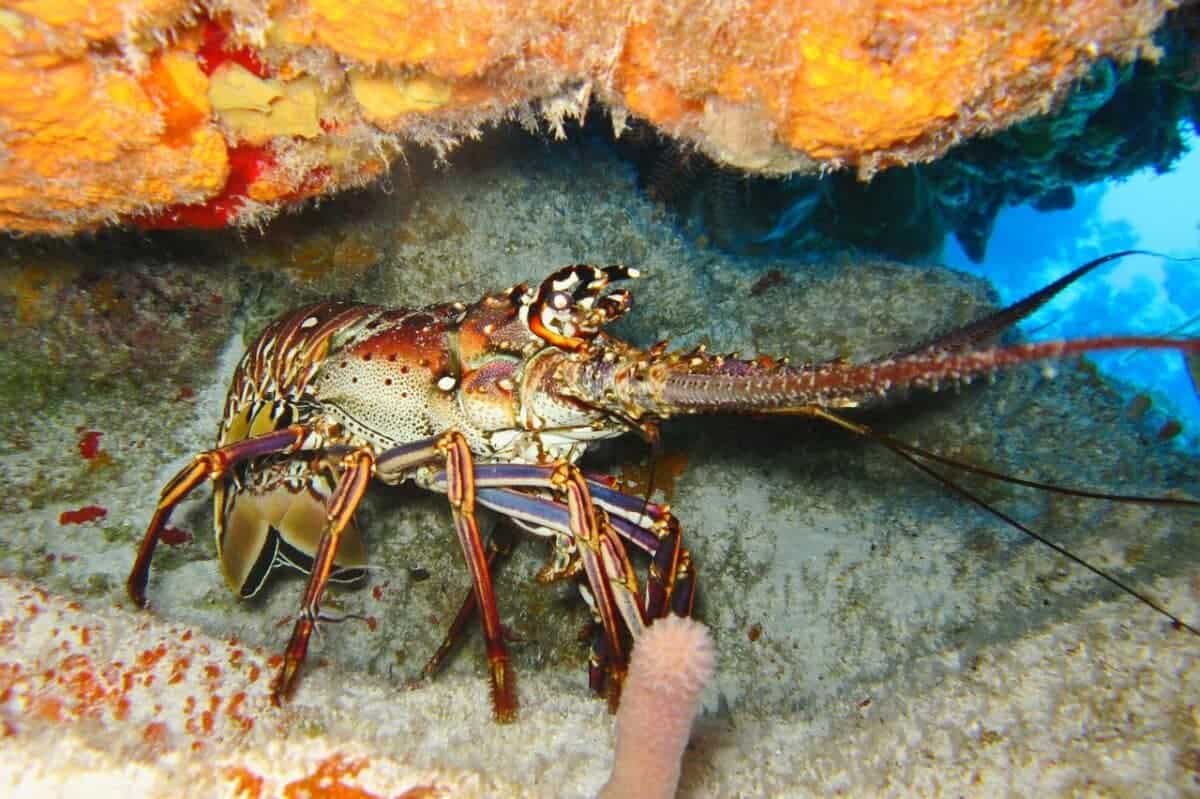
Lobsters have evolved unique locomotion systems that allow them to navigate their complex underwater environments efficiently. Their ten legs (which classify them as decapods) serve different specialized functions. The front pair has developed into powerful claws—one crusher claw for breaking hard shells and one cutter claw for tearing food. The remaining four pairs are walking legs that allow precise movement across the ocean floor. Additionally, lobsters possess a powerful tail with a fan-like appendage that can propel them backward with explosive speed when threatened, reaching speeds of up to 5 meters per second.
This tail-flipping escape response represents one of the fastest movements in the animal kingdom relative to body size. When a lobster senses danger, specialized giant neurons fire, causing powerful muscles in the tail to contract almost instantaneously, propelling the animal backward and away from the threat. This neurological adaptation minimizes reaction time, providing a crucial survival advantage. While lobsters typically walk forward slowly across the ocean floor, this burst swimming ability serves as an effective emergency escape mechanism against predators like cod, grouper, and octopuses that might otherwise easily capture these otherwise slow-moving crustaceans.
Thermal Regulation Strategies

Ocean temperatures can vary significantly based on depth, season, and geographic location. Lobsters have developed physiological adaptations to handle these thermal fluctuations. Most lobster species are ectothermic (cold-blooded), meaning their body temperature matches their environment. However, they’ve evolved behavioral thermoregulation strategies to maintain optimal body temperatures. During seasonal changes, many species migrate between shallow and deeper waters to find their preferred temperature range. The American lobster (*Homarus americanus*), for instance, generally prefers waters between 8-14°C (46-57°F) and will travel considerable distances to maintain this temperature range.
On a biochemical level, lobsters can adjust their cellular processes to function at different temperatures—a process called acclimatization. Their bodies produce different enzymes and proteins optimized for varying temperature conditions, allowing their metabolic processes to continue functioning efficiently despite environmental changes. This adaptability explains why different lobster species can thrive in vastly different thermal environments, from the cold waters of the North Atlantic to the warmer tropical seas. Some deep-sea lobster relatives can even survive near hydrothermal vents where temperatures can exceed 80°C (176°F), demonstrating the remarkable thermal adaptability of these crustaceans.
Highly Efficient Energy Conservation

Lobsters have evolved to be masters of energy efficiency, which helps them survive in environments where food may be scarce or difficult to obtain. Their metabolic rate is relatively low compared to many other marine animals, allowing them to conserve energy during periods of limited food availability. This slow metabolism contributes to their impressive longevity—some lobster species can live 50 years or more in the wild, with some scientific estimates suggesting certain individuals might reach 100 years under ideal conditions.
They also practice opportunistic feeding behaviors, consuming whatever nutritious food is available—from small fish and mollusks to algae and detritus. This dietary flexibility allows lobsters to take advantage of seasonal food abundances while surviving through leaner periods. During times of extreme scarcity, lobsters can reduce their activity levels and enter a state similar to hibernation, further conserving energy. Female lobsters also demonstrate energy efficiency in reproduction; they can store sperm for months after mating, waiting for optimal environmental conditions before using it to fertilize their eggs, ensuring offspring have the best chance of survival.
Sophisticated Sensory Organs

Beyond their chemical detection abilities, lobsters possess an array of specialized sensory adaptations that help them navigate their complex underwater environment. Their compound eyes, while not providing sharp imagery like vertebrate eyes, are highly sensitive to movement and light changes, helping detect predators or prey even in low-light conditions. These eyes are mounted on movable stalks, allowing the lobster to scan its surroundings while remaining relatively hidden. Some deep-sea lobster species have developed enhanced light sensitivity to function in the ocean’s darkest regions.
Lobsters also possess statocysts—internal balance organs located at the base of their antennae that contain small grains of sand or mineral particles. These function similarly to the human inner ear, helping the lobster maintain orientation and detect changes in water pressure and current direction. Additionally, their bodies are covered with tiny hair-like structures called setae that can detect minute water movements and vibrations, alerting them to approaching predators or prey. This combination of sensory adaptations creates an awareness system perfectly suited to the challenges of ocean survival, allowing lobsters to effectively navigate, hunt, and avoid dangers in their underwater world.
Complex Reproductive Strategies
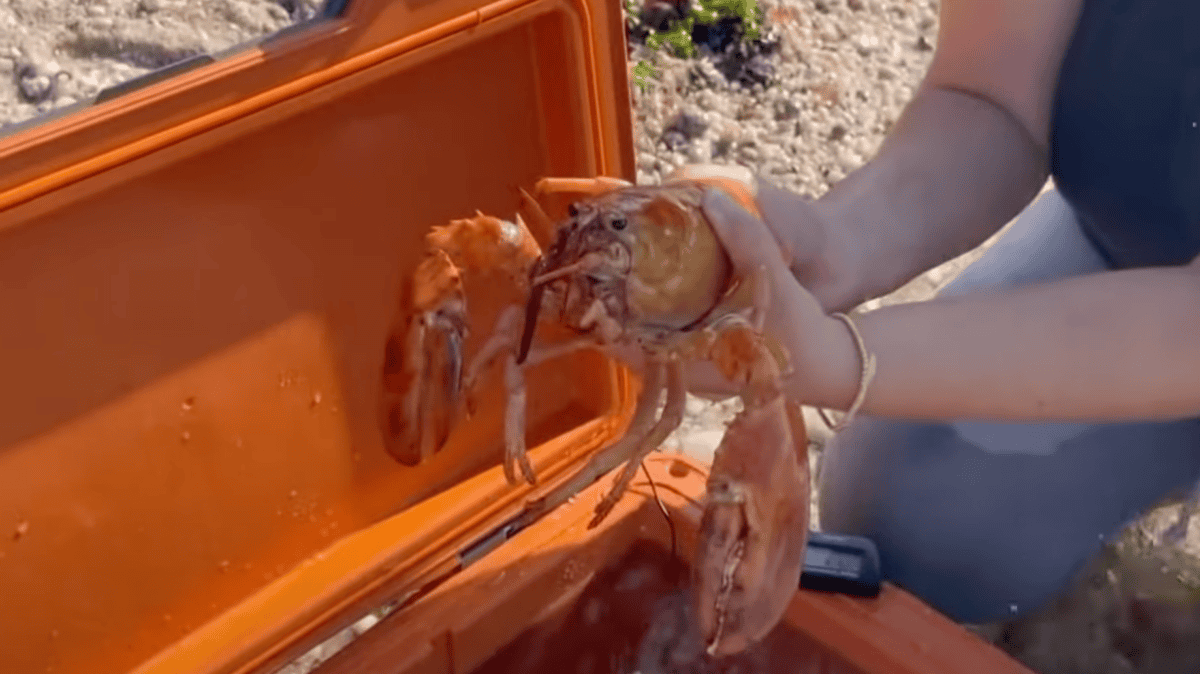
Lobsters have developed sophisticated reproductive adaptations to ensure successful offspring production in challenging marine environments. Female lobsters can carry between 5,000 and 100,000 eggs, depending on the species and individual size, providing reproductive redundancy against the high mortality rates of larvae in the open ocean. After external fertilization, females carry the eggs attached to their swimmerets (small appendages under the tail) for 9-12 months, providing protection and oxygenation by regularly fanning water over them. This extended brooding period allows the eggs to develop more fully before hatching, increasing survival chances.
Many lobster species time their reproduction to coincide with optimal seasonal conditions. Females often release their hatched larvae during spring plankton blooms, ensuring abundant food for the developing young. After hatching, lobster larvae undergo several planktonic stages, drifting with ocean currents while developing. This planktonic phase serves as both a feeding period and a dispersal mechanism, allowing lobsters to colonize new habitats and maintain genetic diversity across populations. Eventually, the young lobsters develop enough to settle on the ocean floor and begin their benthic (bottom-dwelling) lifestyle. This complex reproductive cycle represents millions of years of evolutionary refinement to maximize reproductive success in unpredictable ocean environments.
Pressure Adaptation Mechanisms

Different lobster species have evolved to thrive at various ocean depths, from shallow coastal waters to abyssal plains thousands of meters below the surface. This depth range presents enormous pressure differentials—pressure increases by approximately one atmosphere for every 10 meters of depth. Deep-dwelling lobster relatives have developed special cellular adaptations to withstand these crushing pressures. Their cell membranes contain specific lipid compositions that maintain flexibility and function under high pressure, while proteins in their bodies have evolved structural modifications that prevent compression under extreme conditions.
Additionally, deep-sea lobsters have evolved physiological systems that regulate the concentration of dissolved gases in their bodies, preventing problems similar to decompression sickness in humans. These adaptations allow different lobster species to occupy specific depth niches throughout the ocean, reducing competition between related species. Some deep-sea lobster relatives can survive at depths exceeding 3,000 meters (9,800 feet), where pressures reach over 300 atmospheres—the equivalent of more than 4,400 pounds per square inch. These pressure adaptations represent some of the most remarkable evolutionary solutions in the animal kingdom, allowing lobsters to exploit food resources in environments inaccessible to many other organisms.
Cryptic Coloration and Camouflage
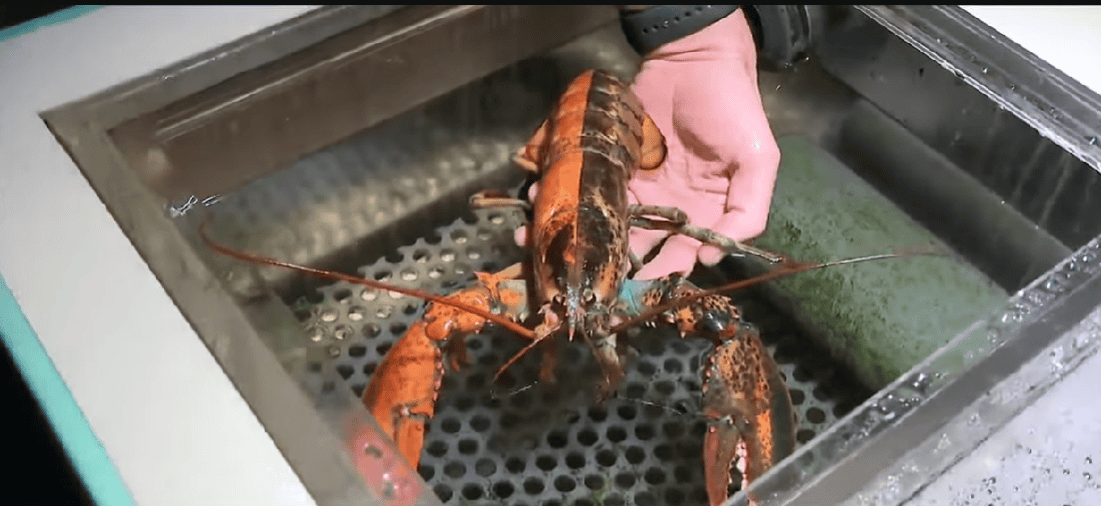
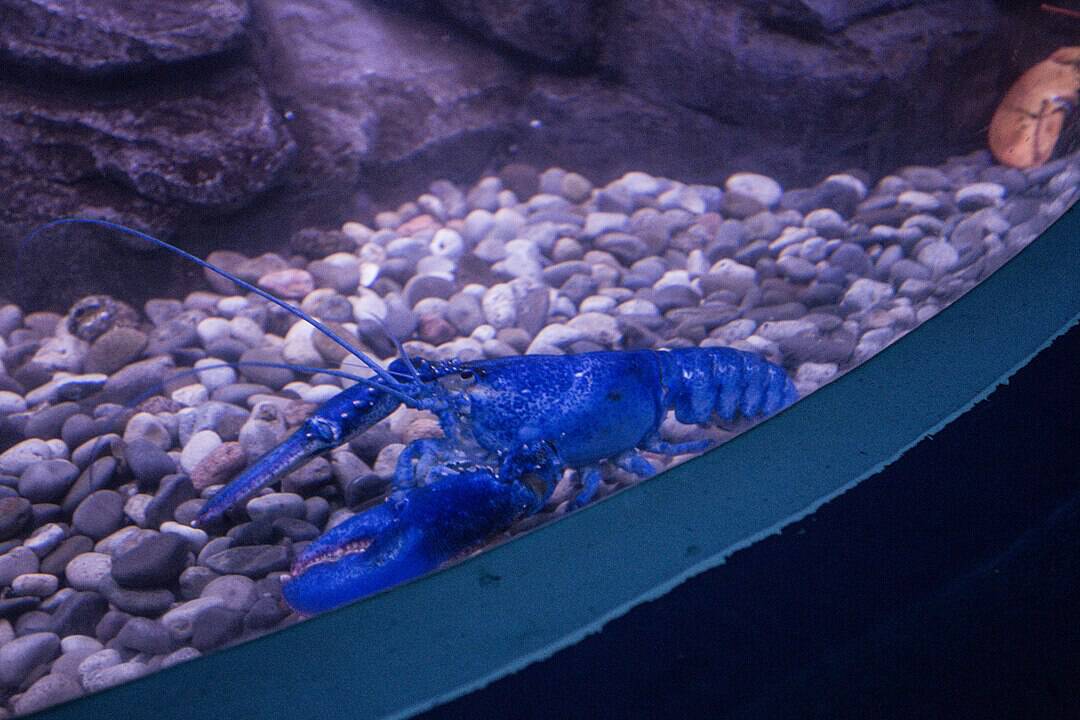
Lobsters have developed sophisticated coloration adaptations that provide camouflage in their specific habitats. The common reddish-brown coloration we typically associate with cooked lobsters is actually just one of many natural color variations. In the wild, lobsters display colors ranging from mottled greens and browns to blue, yellow, or even rare specimens with multiple colors. This coloration typically matches their surrounding environment—lobsters living among rocky substrates often have speckled or mottled patterns that break up their outline, while those in muddy or sandy habitats may have more uniform coloration matching the seafloor.
The pigments responsible for lobster coloration are contained within the exoskeleton and are produced through their diet and genetics. These pigments can sometimes shift slightly in response to habitat changes, providing adaptive camouflage. Interestingly, some lobsters exhibit a condition called leucism, resulting in unique blue coloration due to a genetic mutation affecting protein binding in the shell. While extremely rare (approximately one in two million), these blue lobsters demonstrate the genetic diversity underlying lobster coloration. This variety of color adaptations helps lobsters avoid detection by visual predators like large fish, sharks, and octopuses, providing a crucial survival advantage in the highly competitive and predator-rich ocean environment.
The Remarkable Success of Lobster Adaptations

The twelve adaptations explored in this article represent just a fraction of the evolutionary innovations that have made lobsters one of the ocean’s most successful survivors. From their armored exoskeletons to their sophisticated sensory systems, each adaptation addresses specific challenges of marine life. The longevity of lobsters as a lineage—having survived multiple mass extinction events that claimed countless other species—testifies to the effectiveness of these adaptations. Their ability to thrive across such diverse marine environments, from shallow coastal waters to the ocean depths, further demonstrates their remarkable evolutionary success.
As ocean conditions continue to change due to human activities and climate shifts, lobster populations face new challenges that test the limits of their adaptability. Understanding these adaptations not only provides insight into these fascinating creatures but also helps inform conservation efforts to ensure these remarkable animals continue to survive for millions more years. The story of lobster adaptation reminds us of nature’s incredible problem-solving abilities through the slow but powerful process of evolution, producing solutions that continue to inspire human innovation and scientific discovery.
Conclusion:

Lobsters are a testament to nature’s engineering, having evolved an impressive suite of adaptations that enable them to survive—and even thrive—in one of the planet’s most unforgiving habitats. From their protective exoskeletons and powerful escape mechanisms to their extraordinary sensory systems and pressure-resistant physiology, each feature reflects millions of years of evolutionary fine-tuning. These adaptations not only equip lobsters to handle threats like predators and environmental extremes, but also give them remarkable resilience and versatility across diverse marine landscapes.
As ocean ecosystems face increasing stress from climate change, pollution, and overfishing, understanding how lobsters have historically adapted to environmental pressures becomes more important than ever. Their success offers valuable insights into the resilience of marine life and the delicate balance that sustains biodiversity in our oceans. By studying and protecting these ancient survivors, we not only preserve a vital part of marine ecology but also gain inspiration from the natural world’s extraordinary capacity for innovation and endurance.

As a little kid, I fell in love with nature, wildlife, and animals. Living in the USA, South Africa, Italy, China and Germany gave me the opportunity to discover the world's Wildlife. My favorite animals are Mountain Gorillas, Siberian Tigers, and Great White Sharks.
I'm a certified PADI Open Water Diver, went to Everest Base Camp and Trekked Gorillas in Uganda. I hold a Master of Science in Economics and Finance.
Please send any feedback to feedback@animalsaroundtheglobe.com
- Why the Great Barrier Reef Is the Best Place to Spot Sea Turtles - June 3, 2026
- 2 Animals With Super Sized Body Parts and What They are For - June 3, 2026
- Explore The Azores - June 3, 2026