


Living in Florida, the Sunshine State, brings an array of blessings, but along with the sun comes high humidity. For pet owners, especially cat guardians, it’s essential to understand how such humidity can impact your feline friends. Cats, like humans, can be sensitive to changes in climate, and Florida’s moisture-laden air may pose challenges for them. Recognizing the signs that your cat may be struggling with the humidity is vital to ensuring their comfort and well-being. Read on to learn about the key indicators and how you can help create a more comfortable environment for your beloved pet.
1. Excessive Grooming
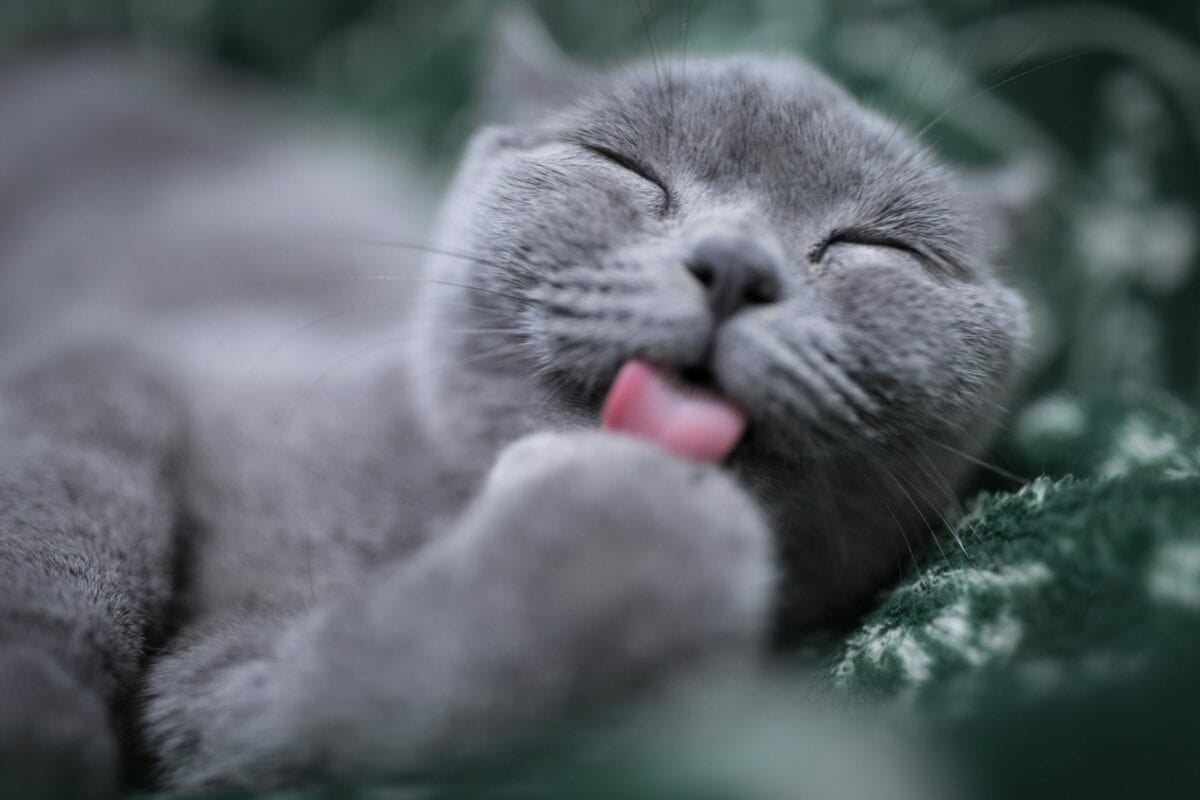
If your cat is licking itself non-stop, this could be a sign they are struggling with high humidity. Cats groom to regulate body temperature, and excessive humidity can make your feline feel warmer, prompting them to groom more than usual. Keep an eye out for bald patches or red skin, which indicate overgrooming.
2. Lethargy and Reduced Activity

Increased lethargy or reduced activity levels are telltale signs your cat might be uncomfortable with the humid conditions. High moisture levels can sap your cat’s energy, leading them to sleep more and play less. If your typically active cat is suddenly lazier, humidity may be the culprit.
3. Panting
While panting is more common in dogs, cats may pant to cool down when extremely hot or stressed. If your cat is panting in the humid Florida air, it could indicate they are overheated and struggling to regulate their body temperature. This is a clear sign that your cat needs a cool, dry environment.
4. Increased Shedding

Humidity can cause your cat to shed more than usual. Increased moisture in the air can interfere with their natural shedding cycles, causing hair to fall out more rapidly. Look for clumps of fur around your home as a sign that the humidity is affecting your cat.
5. Changes in Appetite

Just like people, cats may lose their appetite in very humid weather. If you notice that your cat is eating less or skipping meals, it may be due to the oppressive humidity. Keeping fresh water and providing a cool environment can help maintain their appetite.
6. Respiratory Distress

Humidity can exacerbate respiratory issues in cats, similar to how it affects humans with asthma. If your cat has difficulty breathing, coughs, or wheezes more than usual during humid spells, consult your veterinarian. Managing the indoor climate can help alleviate these symptoms.
7. Seeking Cooler Surfaces

Your cat might start seeking out cooler surfaces, like tiled floors or bathtubs, to beat the heat. If you notice this behavior, it’s likely your cat is trying to find relief from the environmental high humidity. Offering a cooling pad or shaded area can provide comfort.
8. Moist Skin and Coat
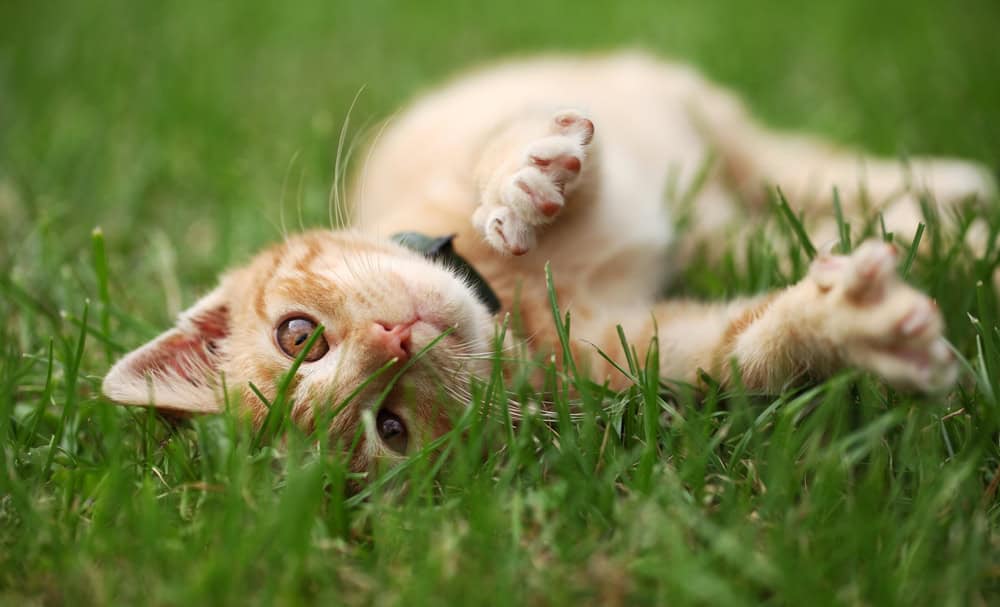
A sign of humidity overload is a consistently damp coat. This moisture can make your cat’s skin and fur feel greasy or matted, as their natural oils are thrown off balance. Ensure your cat remains dry by providing a well-ventilated space with proper airflow.
9. Behavioral Changes
Humidity can lead to behavioral changes such as increased irritability or aloofness. If your normally affectionate pet becomes withdrawn or grumpier, this mood shift could be due to discomfort brought on by the sticky Florida air.
10. Hiding More Often

Cats naturally seek safe and comfortable environments, so if your pet is hiding more than usual, it might feel overheated or uncomfortable with the humidity. Provide cool and cozy hideaways to help them feel secure in their environment.
11. Dry or Flaky Skin

Ironically, high humidity can sometimes lead to dry or flaky skin in cats. This is because the humidity might cause them to groom excessively, removing natural oils from their coat. Ensure your pet remains hydrated and consider incorporating a skin-healthy diet.
12. Vomiting or Diarrhea

In some cases, humidity stress can lead to gastrointestinal issues like vomiting or diarrhea. If these symptoms occur, it is crucial to monitor their hydration and consult with a vet if the condition persists, as dehydration can compound the problem.
Conclusion

In Florida’s notably humid climate, it’s vital to be vigilant for signs that your cat is struggling with the moisture-laden air. From excessive grooming and lethargy to behavioral changes, many signs can indicate humidity-related stress. By recognizing these signs early and taking proactive measures — such as maintaining a cool environment and providing proper hydration — you can help ensure that your cat remains happy and healthy even during the most sweltering days. Remember, when in doubt, consulting your veterinarian will provide additional guidance tailored to your pet’s needs.

From exploring the marine wonders in the Azores and witnessing the vast savannas of Kenya, to delving deep into the rich biodiversity of South Africa and traversing iconic landscapes in Australia and the US like Yellowstone, Chris's experiences are vast.
With a penchant for diving alongside sharks, the ocean holds a special place in his heart.
Through his academic insights, he champions wildlife conservation, striving with 'Animals Around The Globe' to cultivate a profound connection between humans and animals, enhancing our mutual appreciation.
Connect with him at Feedback@animalsaroundtheglobe.com.