

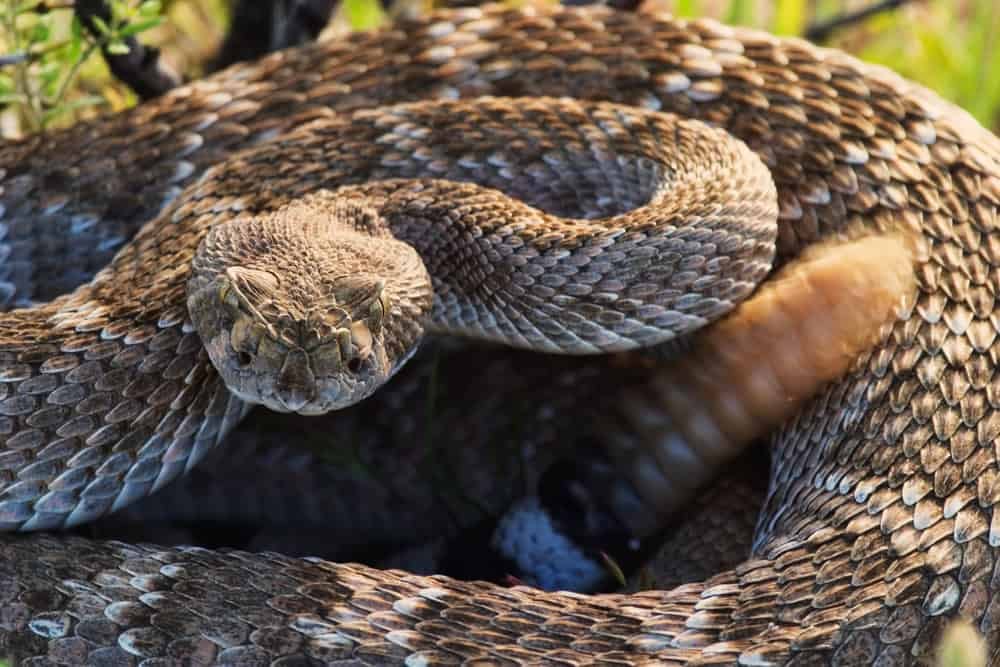
California’s diverse ecosystems harbor some of nature’s most dangerous predators and venomous creatures. From the depths of the Pacific Ocean to the arid deserts and lush forests, the Golden State is home to animals that have evolved remarkable defensive and predatory adaptations. While many of these creatures prefer to avoid human contact, encounters do happen, and knowing which species pose genuine threats could potentially save lives. This comprehensive guide explores California’s 18 deadliest animals, detailing their habitats, behaviors, and the risks they present to humans.
1. Western Diamondback Rattlesnake
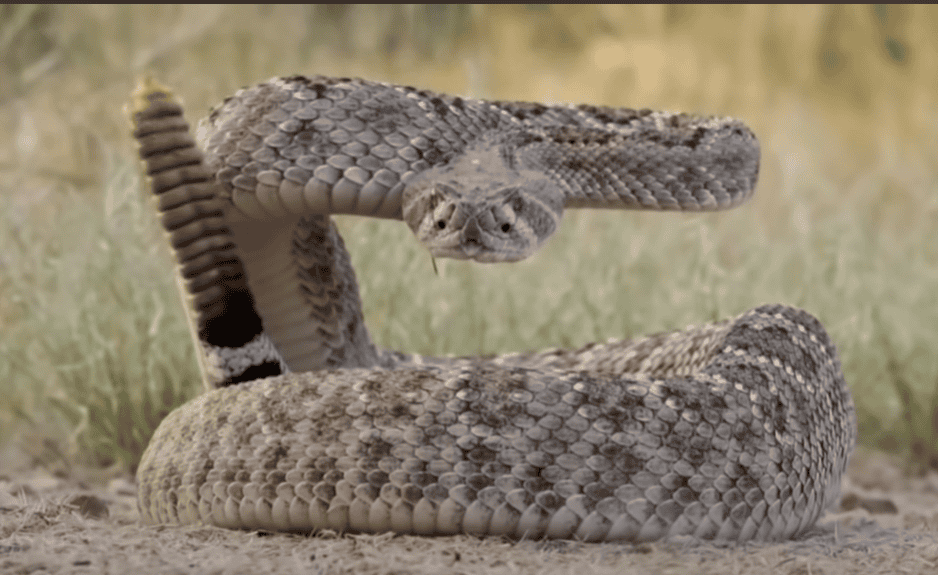
The Western Diamondback Rattlesnake (Crotalus atrox) ranks among California’s most dangerous reptiles, responsible for more serious snakebites than any other species in the state. Growing up to 7 feet long, this venomous pit viper delivers a potent hemotoxic venom that destroys tissue, causes internal bleeding, and can lead to death if left untreated. Their distinctive diamond pattern, triangular head, and signature rattle serve as warning signals to potential threats.
These rattlesnakes inhabit California’s southern desert regions, foothills, and grasslands, where they’re most active during warmer months. Though they typically avoid human confrontation, they will strike if threatened or cornered. Medical attention after a bite is critical, and the good news is that with prompt treatment using antivenom, fatalities are rare. Hikers should always remain vigilant, watch where they step, and listen for the characteristic warning rattle when in rattlesnake territory.
2. Mountain Lion
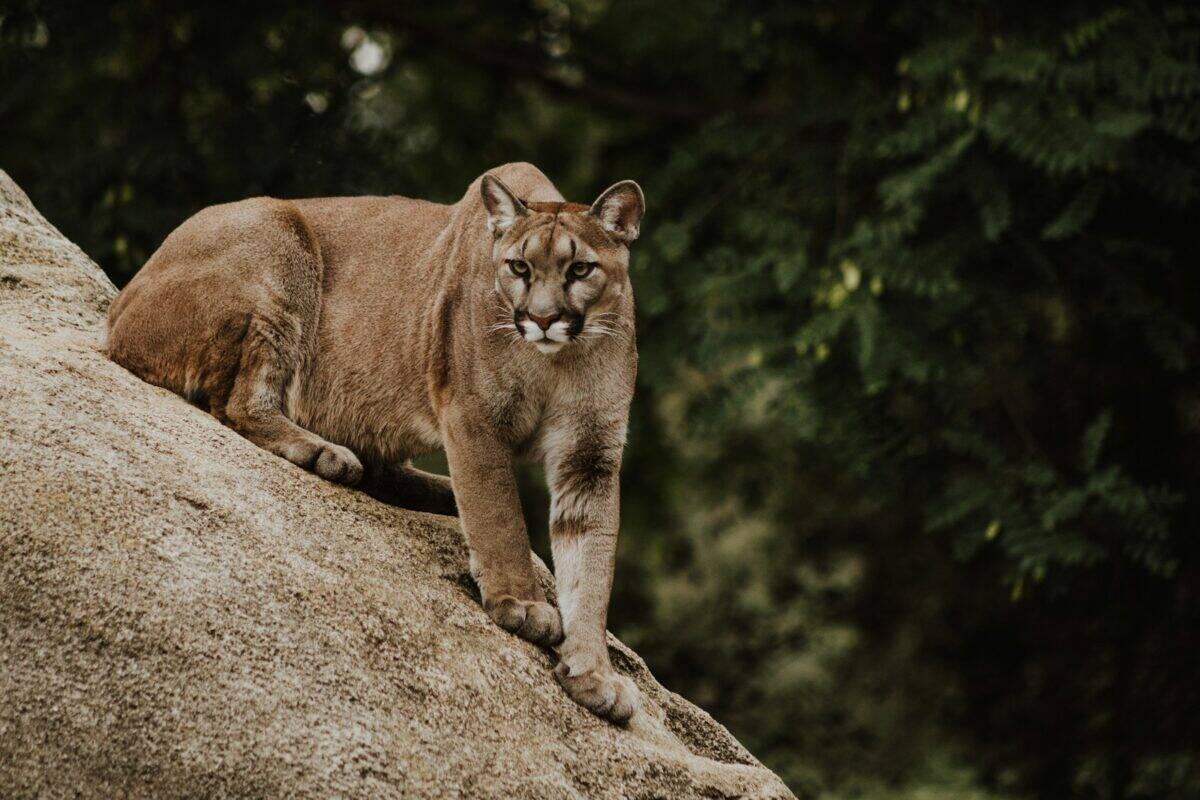
Also known as cougars or pumas, mountain lions (Puma concolor) are California’s largest wild cats and apex predators. These powerful felines can weigh up to 180 pounds and possess incredible strength, capable of taking down prey much larger than themselves. With powerful jaws, razor-sharp claws, and the ability to leap up to 40 feet horizontally, mountain lions are formidable hunters that command respect in their natural habitat throughout California’s mountains, forests, and occasionally, suburban interfaces.
While attacks on humans remain exceptionally rare—with fewer than 20 fatalities recorded in North America over the past century—mountain lions pose a genuine threat when they do attack. They’re naturally secretive and typically avoid human interaction, but habitat loss increasingly brings them into contact with people. If encountered, experts advise standing tall, making yourself appear larger, making noise, and never running, as this may trigger their chase instinct. Understanding and respecting these magnificent predators’ territory is essential for coexistence.
3. Black Widow Spider

The black widow spider (Latrodectus hesperus) is instantly recognizable by its glossy black body and distinctive red hourglass marking on the underside of its abdomen. Found throughout California, these spiders prefer dark, secluded spaces like woodpiles, garage corners, and under outdoor furniture. Despite measuring only about 1.5 inches including leg span, black widows pack a powerful neurotoxic venom that’s approximately 15 times stronger than a rattlesnake’s, gram for gram.
When bitten, victims may experience intense pain that spreads from the bite site, muscle cramping, abdominal pain, and in severe cases, respiratory difficulties. While rarely fatal to healthy adults, black widow bites can pose serious risks to children, the elderly, and those with compromised immune systems. Medical attention should be sought immediately after a suspected bite. Despite their fearsome reputation, black widows are generally non-aggressive and only bite when disturbed or threatened, making awareness and caution the best preventative measures.
4. Great White Shark
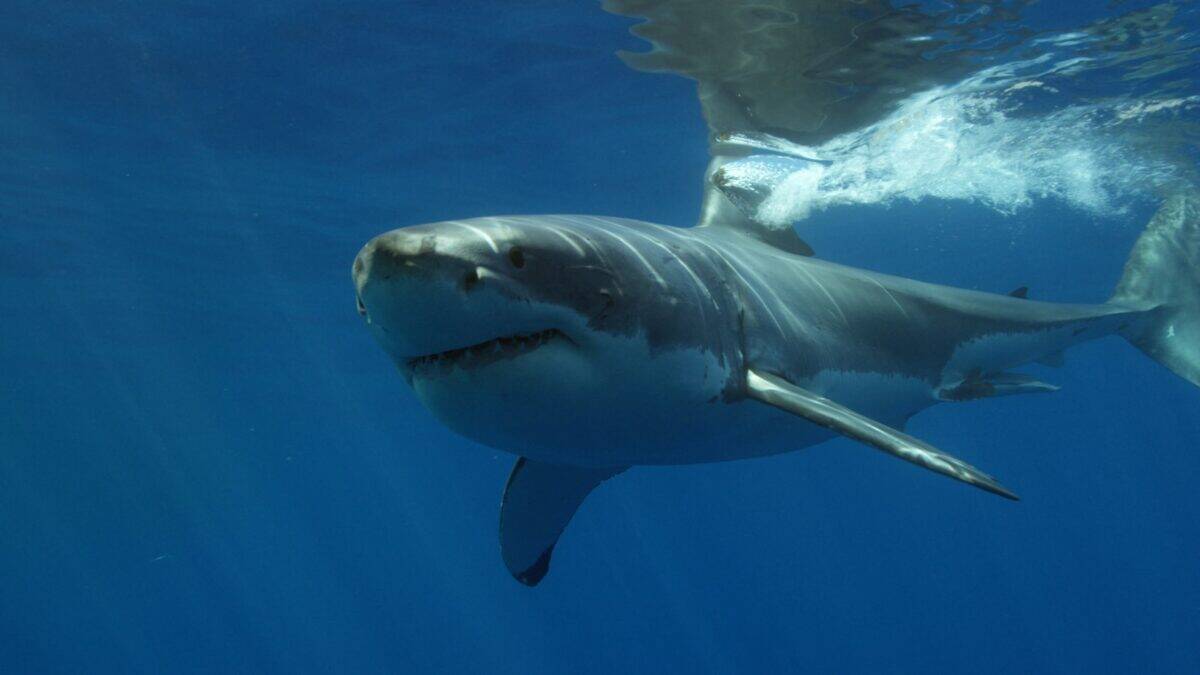
California’s coastal waters are home to one of the ocean’s most formidable predators: the great white shark (Carcharodon carcharias). These massive fish can grow up to 20 feet long and weigh over 4,000 pounds, equipped with rows of serrated teeth designed for tearing flesh. Northern California’s “Red Triangle”—the coastal area roughly from Bodega Bay to the Farallon Islands to Monterey Bay—is particularly known for its healthy population of great whites, which are attracted to the abundant seal and sea lion colonies.
Despite their fearsome reputation, unprovoked attacks on humans are exceedingly rare, with an average of just 2-3 incidents annually along California’s coast. Most attacks appear to be “investigatory,” where sharks mistake swimmers or surfers for their natural prey. Nevertheless, great white shark attacks have the highest fatality rate among shark species due to the severity of injuries they can inflict. Beachgoers can reduce risk by avoiding swimming at dawn or dusk, staying away from seal colonies, and heeding beach closures when shark sightings are reported.
5. Mojave Green Rattlesnake

The Mojave Green Rattlesnake (Crotalus scutulatus) stands out as potentially the most dangerous snake in California due to its exceptionally potent venom. Unlike other rattlesnakes that primarily deploy hemotoxic venom affecting blood and tissue, the Mojave Green’s venom contains a powerful neurotoxin that can attack the nervous system, potentially causing respiratory failure. Found primarily in California’s southeastern deserts, this rattlesnake can be identified by its greenish-gray coloration and distinctive diamond pattern.
What makes the Mojave Green particularly dangerous is that its neurotoxic bite may initially seem less severe than other rattlesnake bites, sometimes leading victims to delay seeking medical attention—a potentially fatal mistake. Even with treatment, recovery can be prolonged and complicated. The good news is that these snakes typically avoid human contact and will rattle vigorously when threatened. Hikers and desert explorers should wear appropriate footwear, stay on established trails, and remain vigilant, especially during warmer months when these snakes are most active.
6. Brown Recluse Spider

While there’s ongoing debate about whether true brown recluse spiders (Loxosceles reclusa) are established in California, the state is home to several related species in the Loxosceles genus, including the desert recluse. These spiders are identified by their violin-shaped marking on the cephalothorax and their six eyes arranged in pairs (most spiders have eight eyes). Recluse spiders live up to their name, preferring undisturbed areas like woodpiles, sheds, garages, and closets.
What makes these spiders dangerous is their cytotoxic venom, which can cause necrosis or death of tissue surrounding the bite area. In severe cases, a bite can develop into a slow-healing ulcer that may require medical intervention and occasionally even surgical debridement. Systemic symptoms like fever, chills, and nausea can also occur. Despite these concerning effects, recluse spiders are not aggressive and typically bite only when pressed against the skin, such as when putting on clothing where the spider is hiding. Regular cleaning of seldom-used areas and shaking out stored clothing can help prevent unwanted encounters.
7. California Scorpion

California is home to several scorpion species, with the most common being the California scorpion (Paruroctonus silvestrii) and the more dangerous Arizona bark scorpion (Centruroides sculpturatus), which can be found in southeastern California desert regions. While most California native scorpions deliver stings comparable to bee stings—painful but not medically significant for most people—the Arizona bark scorpion’s venom is potent enough to cause severe pain, numbness, vomiting, and in rare cases, respiratory complications, particularly in children and the elderly.
These arachnids are primarily nocturnal, hiding in cool, dark places during the day and emerging at night to hunt. They can squeeze through tiny cracks, making homes in desert regions particularly vulnerable to intrusions. Residents in scorpion-prone areas should check shoes and bedding before use, seal cracks in foundations and walls, and remove debris piles near homes that might serve as scorpion habitat. While fatalities from scorpion stings in the United States are extremely rare, prompt medical attention should be sought if a sting victim experiences severe symptoms, especially if they’re in a high-risk group.
8. Pacific Coastal Tick
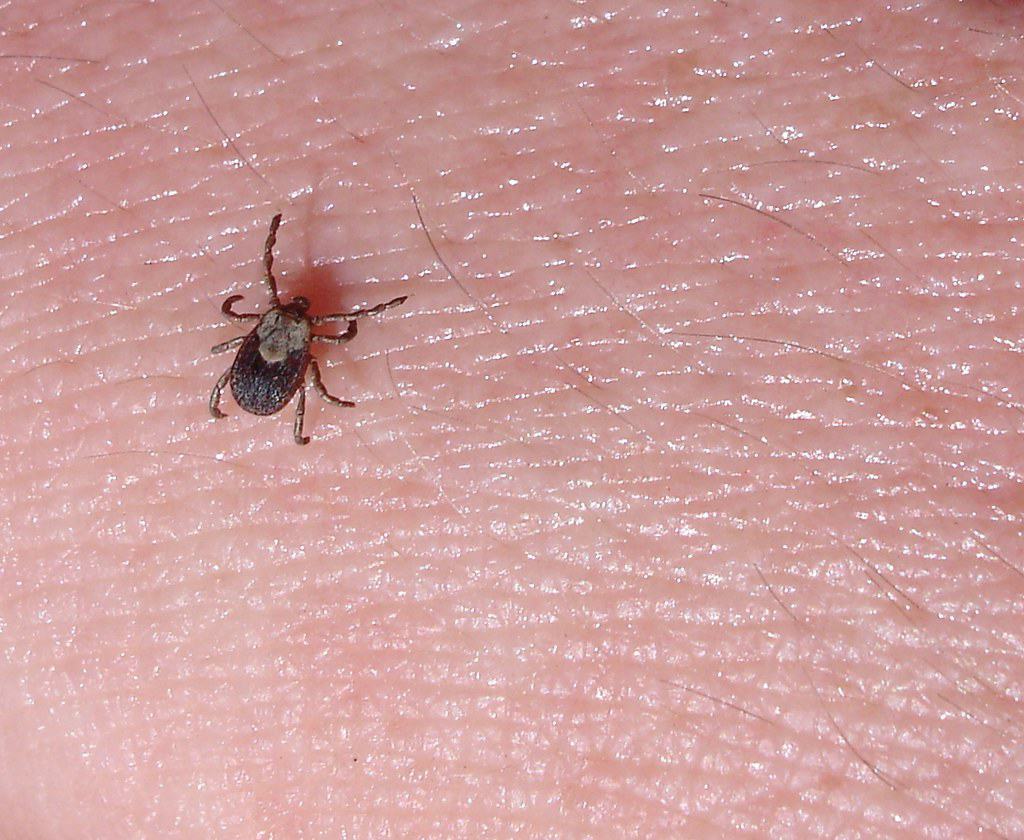
The Pacific coastal tick (Dermacentor occidentalis) and other tick species in California pose serious health threats not through direct venom but as vectors for dangerous diseases. These tiny arachnids are found throughout the state’s grasslands, shrublands, and wooded areas, waiting on vegetation to attach to passing hosts. Once attached, they can transmit several serious illnesses, including Rocky Mountain spotted fever, tularemia, and tick-borne relapsing fever. Some California ticks also carry Borrelia miyamotoi and Borrelia burgdorferi, the bacteria responsible for Lyme disease.
What makes ticks particularly dangerous is their often-undetected attachment and feeding, which can last days—long enough to transmit pathogens. Early symptoms of tick-borne diseases can mimic common flu, leading to delayed diagnosis and treatment. Prevention is key: wearing long-sleeved clothing treated with permethrin, using DEET-containing repellents, staying on trails, and performing thorough tick checks after outdoor activities. If a tick is found attached, it should be removed promptly with fine-tipped tweezers, grasping as close to the skin as possible and pulling upward with steady pressure.
9. Yellow-bellied Sea Snake

The yellow-bellied sea snake (Hydrophis platurus) is California’s only truly marine snake and one of the most widely distributed venomous snakes in the world. Normally inhabiting tropical and subtropical waters, these snakes occasionally appear along California’s coast during El Niño years when water temperatures increase. Easily identified by their distinctive yellow undersides and black backs, these snakes are fully adapted to marine life, capable of holding their breath for hours while hunting fish.
What makes yellow-bellied sea snakes dangerous is their highly potent neurotoxic venom, which they use to immobilize prey. Though they’re not aggressive toward humans and their small mouths make it difficult to bite larger body parts, they can deliver a potentially fatal bite if handled or threatened. Fortunately, encounters with humans in California are extremely rare, and there are no recorded fatalities from this species in the United States. Beachcombers should never handle these distinctive snakes if found washed ashore, and should contact local wildlife authorities immediately.
10. American Black Bear

Despite their name, American black bears (Ursus americanus) in California can range in color from jet black to cinnamon brown and even blonde. Weighing up to 500 pounds, these powerful omnivores possess incredible strength, capable of tearing apart logs and flipping heavy objects with ease. They primarily inhabit California’s forested regions, particularly in the Sierra Nevada, Cascade, and Klamath mountain ranges, though expanding populations have led to increased sightings in suburban areas as they search for food.
While generally shy and preferring to avoid human contact, black bears can become dangerous when they feel threatened, particularly females with cubs, or when they’ve been habituated to human food. Though fatalities are extremely rare in California, serious injuries from defensive attacks do occur. The California Department of Fish and Wildlife emphasizes proper food storage in bear country, making noise while hiking to avoid surprise encounters, and never approaching or feeding bears. If confronted by a black bear, experts recommend standing your ground, making yourself look bigger, and fighting back aggressively if attacked—unlike with grizzly bears, playing dead is not recommended with black bears.
11. Portuguese Man-of-War
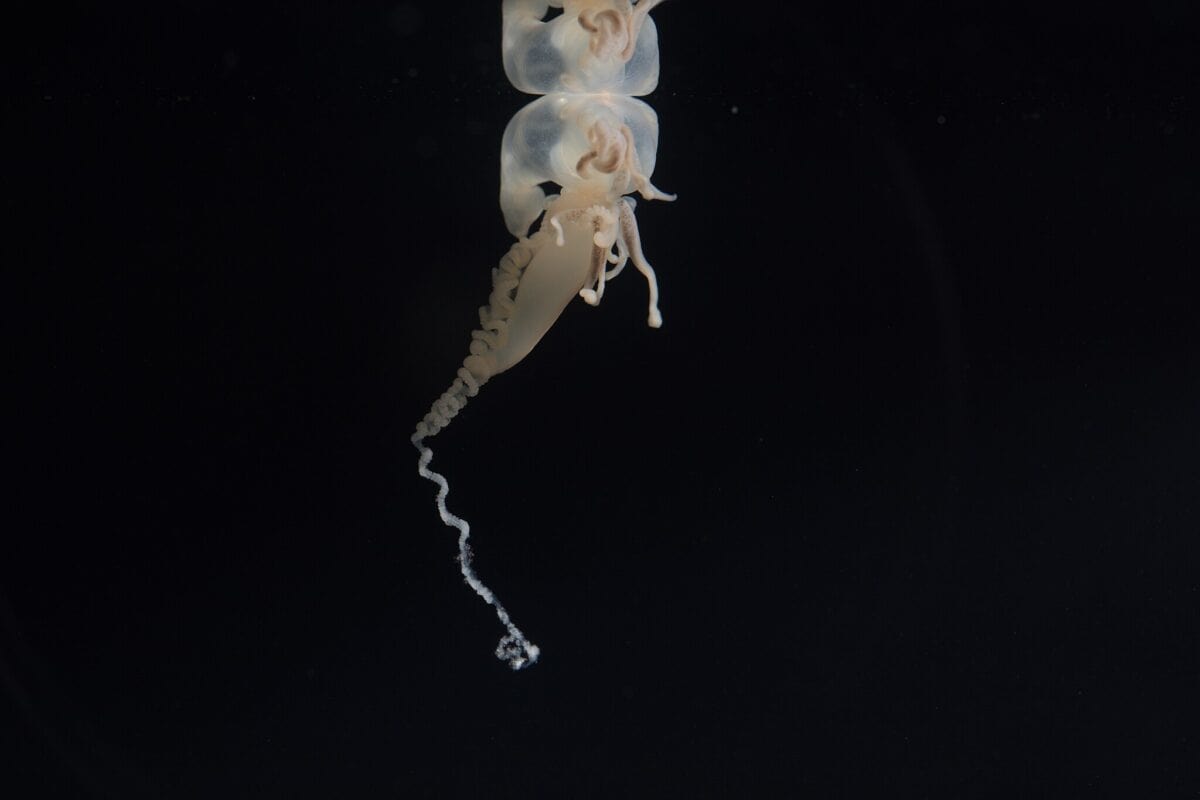
Though not a regular inhabitant of California waters, the Portuguese man-of-war (Physalia physalis) occasionally appears along the coast during unusual oceanic conditions. Often mistaken for a jellyfish, this organism is actually a colonial hydrozoan composed of specialized individual animals working together. Its distinctive gas-filled float can be blue, purple, or pink and extends above the water’s surface, while its venomous tentacles can trail up to 100 feet below, creating an extensive underwater hazard.
The danger from a Portuguese man-of-war comes from its powerful nematocysts (stinging cells) that inject venom on contact. Stings typically cause immediate, intense pain, welts, and red tracks on the skin where tentacles touched. In severe cases, the venom can cause fever, shock, and respiratory distress, particularly in sensitive individuals. Even dead specimens washed ashore can sting, as the nematocysts remain active for days after death. Treatment involves removing tentacles (without touching them directly), applying vinegar to neutralize unfired nematocysts, and seeking medical attention for severe reactions. During rare influxes, California beaches may post warnings or close temporarily.
12. Africanized Honey Bee
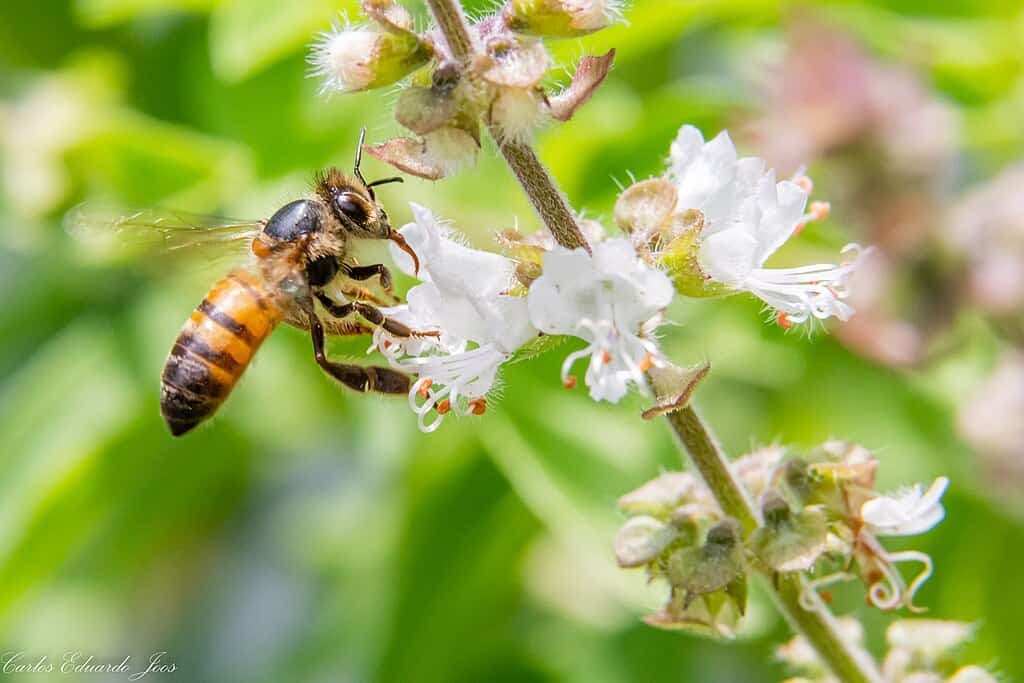
Nicknamed “killer bees,” Africanized honey bees (Apis mellifera scutellata) have established populations in Southern California since the 1990s and continue to expand their range northward. These bees are a hybrid resulting from breeding of African honey bees with European honey bees. Physically nearly identical to regular honey bees, Africanized bees are distinguished by their extraordinarily defensive behavior when their colonies are threatened, responding faster, in greater numbers, and pursuing perceived threats much farther—sometimes up to a quarter-mile.
What makes Africanized bees deadly is not the potency of their venom, which is identical to that of European honey bees, but rather the potential for victims to receive hundreds or even thousands of stings in a single attack. While a single sting is painful but harmless to most people, mass envenomation can cause serious medical emergencies and even death, particularly in children or those with bee venom allergies. If confronted by aggressive bees, the best strategy is to run away quickly in a straight line, seeking enclosed shelter, and avoiding jumping into water, as the bees will simply wait for you to surface. People living in affected areas should have bee colonies near homes professionally removed.
13. Cone Snail
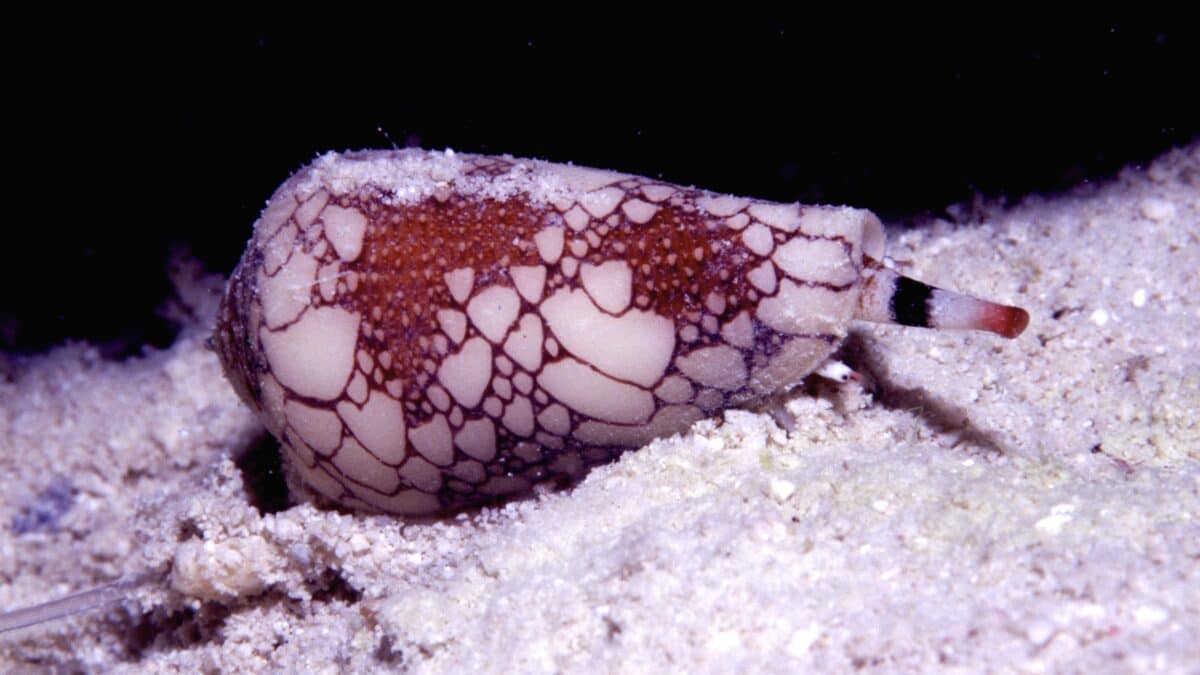
California’s coastal waters harbor several species of cone snails, including the California cone (Conus californicus), the only member of this predatory mollusk family native to the state. Though less venomous than their tropical counterparts, California cone snails still possess a sophisticated venom delivery system—a modified tooth that acts like a harpoon, capable of penetrating human skin. These snails are typically found in rocky intertidal zones and sandy bottoms, where they hunt small fish and marine worms.
While fatalities from California cone snails are virtually unheard of (unlike some of their tropical relatives, which can be lethal), their sting can cause intense pain, swelling, numbness, and tingling that may persist for weeks. The venom contains complex neurotoxins that have attracted significant scientific interest for their potential medical applications. Beachcombers and tide pool explor

From exploring the marine wonders in the Azores and witnessing the vast savannas of Kenya, to delving deep into the rich biodiversity of South Africa and traversing iconic landscapes in Australia and the US like Yellowstone, Chris's experiences are vast.
With a penchant for diving alongside sharks, the ocean holds a special place in his heart.
Through his academic insights, he champions wildlife conservation, striving with 'Animals Around The Globe' to cultivate a profound connection between humans and animals, enhancing our mutual appreciation.
Connect with him at Feedback@animalsaroundtheglobe.com.