
Worried about unexpected vet bills?
Pet insurance can cover thousands in unexpected vet costs. Get a free quote from Lemonade in under 2 minutes.
Get My Free Quote →Sponsored · Opens Lemonade.com
The United States harbors some of the planet’s most extraordinary creatures, yet many teeter on the edge of extinction. From the dense forests of Florida to the windswept prairies of the Midwest, species that once thrived across vast landscapes now survive in alarmingly small numbers. Think about it for a second: animals that have existed for thousands of years could vanish within our lifetime.
The endangered species list for 2025 shows that over 1,600 species are currently protected under federal law in the United States. Let’s be real, that number should shock us. These aren’t just statistics on paper. They’re living beings with vital roles in ecosystems that we’re only beginning to fully understand. So let’s dive in and explore thirteen of the most critically threatened species in America, creatures fighting for survival in an increasingly human-dominated world.
Red Wolf: America’s Rarest Canine
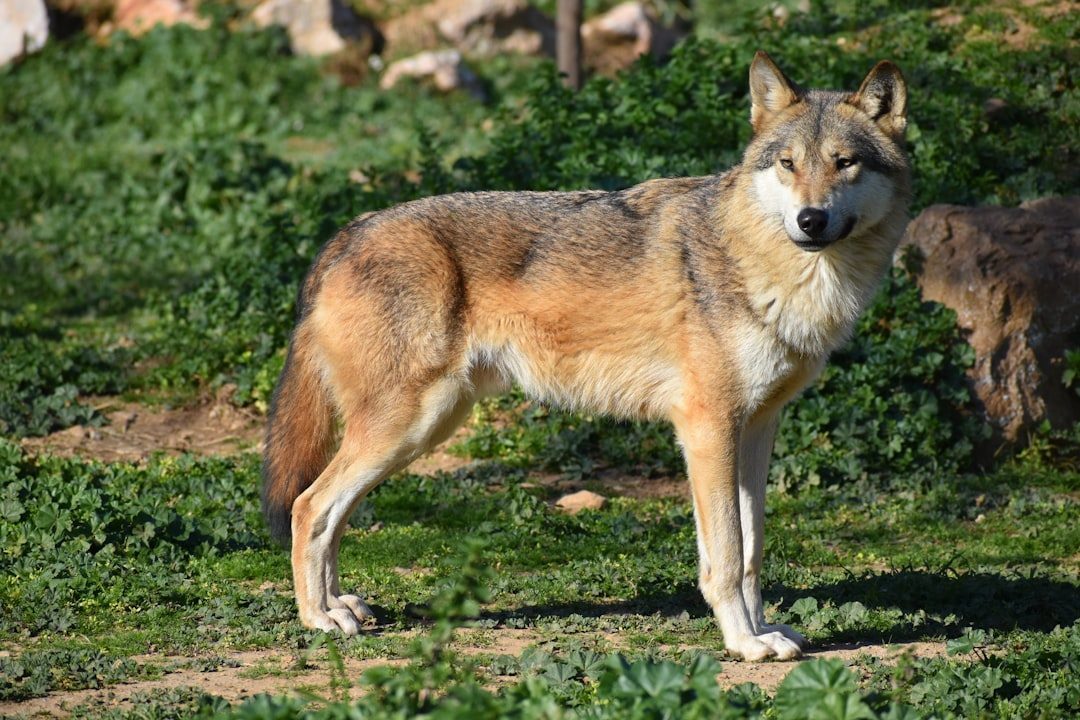
The red wolf is the world’s most endangered wolf. Picture this remarkable predator, with distinctive reddish fur behind its ears and legs, roaming the southeastern forests where it once flourished. As of February 2025, the entire confirmed population of red wolves in the wild consists of 16 individuals.
Here’s the thing about red wolves: they represent one of conservation’s most dramatic stories. In 1980, the U.S. Fish and Wildlife Service listed the red wolf as extinct in the wild. In 1987, eight red wolves (four breeding pairs) were released into the Alligator River National Wildlife Refuge in northeastern North Carolina, reestablishing a wild population. The fact that they’ve survived at all is frankly miraculous, though their future remains desperately uncertain.
Florida Panther: The Last Big Cat East of the Mississippi
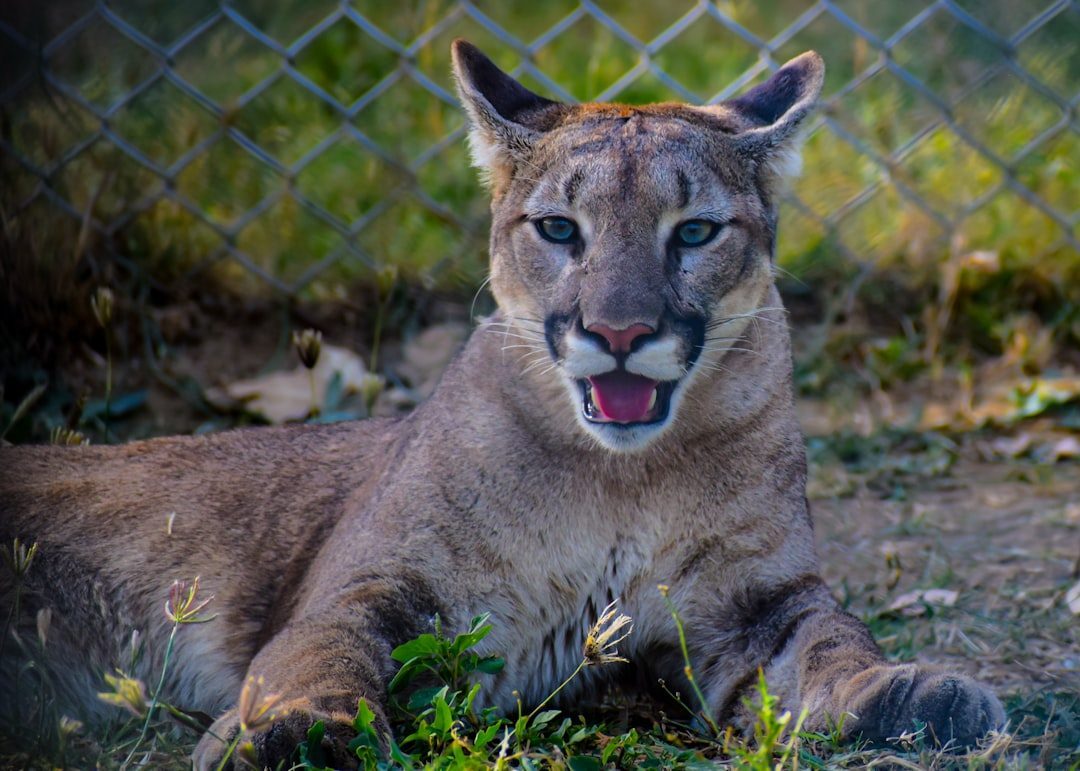
The Florida panther is basically fighting two battles simultaneously: one against habitat loss and another against speeding vehicles. Current estimates indicate that 200-260 adult panthers remain in the wild. These magnificent tan-colored cougars represent the only breeding population of mountain lions east of the Mississippi River.
By the 1970s, only a handful of individuals remained, making it one of the first species to be added to the U.S. Endangered Species List in 1973. Honestly, it’s hard to believe that an apex predator that once ruled Florida’s wilderness now clings to survival in fragmented patches of habitat. Vehicle collisions remain their leading cause of death, a tragic reminder of how human infrastructure literally intersects with wildlife survival.
North Atlantic Right Whale: Giants on the Brink
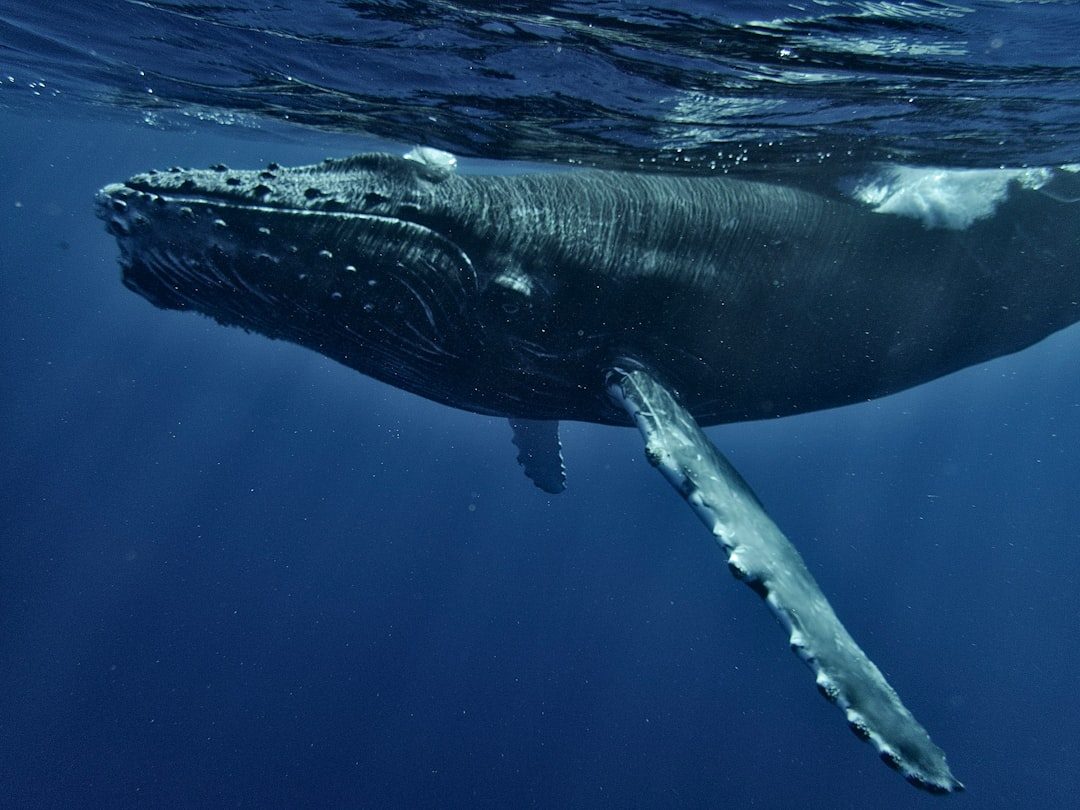
As of 2025, only around 380 North Atlantic right whales are left, with just 70 reproductive-age females. Let that sink in for a moment. We’re talking about massive creatures that can grow up to 49 feet long and weigh over 150,000 pounds, yet their population has been decimated to the point where every single individual matters.
These slow-moving baleen whales face relentless threats from ship strikes and entanglement in fishing gear. The North Atlantic Right Whale leads marine endangered animals with fewer than 340 individuals remaining, facing threats from ship strikes and fishing gear entanglement. The irony isn’t lost on me – these gentle giants survived commercial whaling only to face modern dangers that might finish what hunters couldn’t.
Whooping Crane: Tall Survivors Making a Comeback
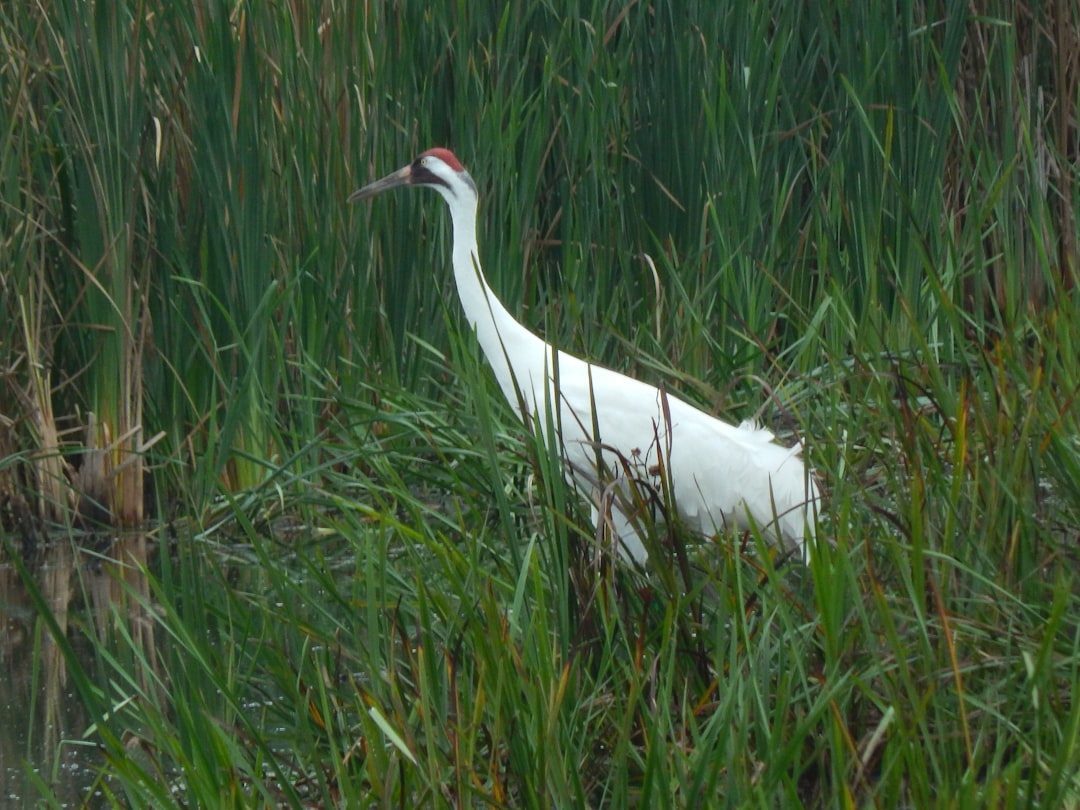
America’s tallest bird carries one of conservation’s most inspiring narratives. Habitat loss and overexploitation caused the bird’s demise and the population hit an all-time low of just 15 birds in 1938. Imagine an entire species reduced to fifteen individuals. The thought alone is staggering.
After 50 years of federal protection and decades of habitat conservation and protection, it is estimated that more than 500 whooping cranes exist in the wild today, though they remain listed as endangered under the ESA. Still, they’ve got a long road ahead. These magnificent white birds with black wingtips need vast wetland habitats and safe migratory corridors – resources increasingly squeezed by development and climate change.
Hawaiian Monk Seal: Island Sentinels
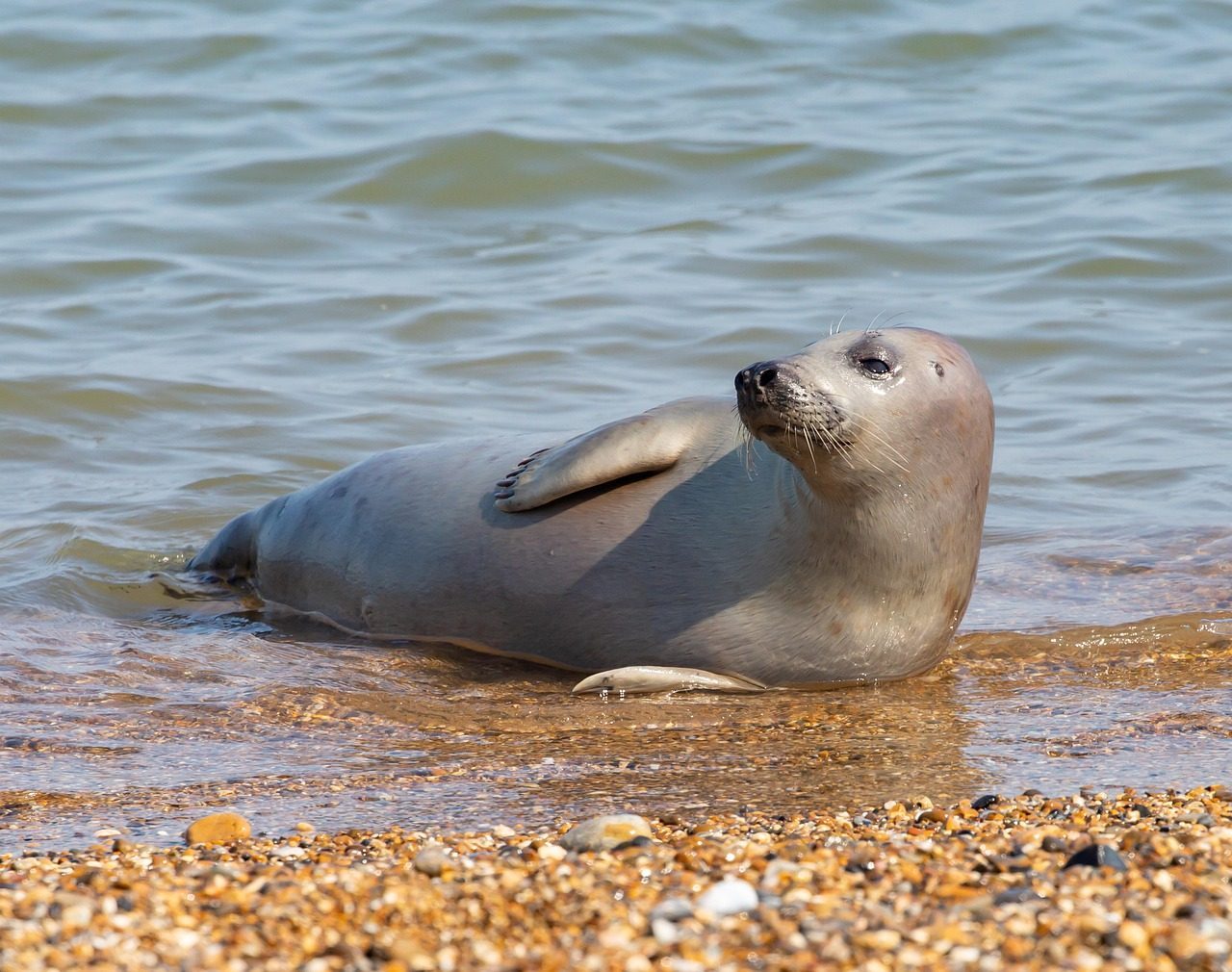
The Hawaiian monk seal is one of the most endangered seal species in the world, with a population that had been declining for approximately six decades, and today is only about a third of its historic size. Found exclusively in the Hawaiian archipelago, these seals face an astonishing array of threats that would overwhelm most species.
Here’s what’s particularly fascinating: only about 1,600 Hawaiian monk seals are left in the world, and their population is about one-third of historical levels. They’re battling everything from shark predation and food scarcity to disease and human disturbance. Yet conservation efforts are showing promise, with populations slowly ticking upward thanks to intensive management and public education.
California Condor: From Extinction’s Edge
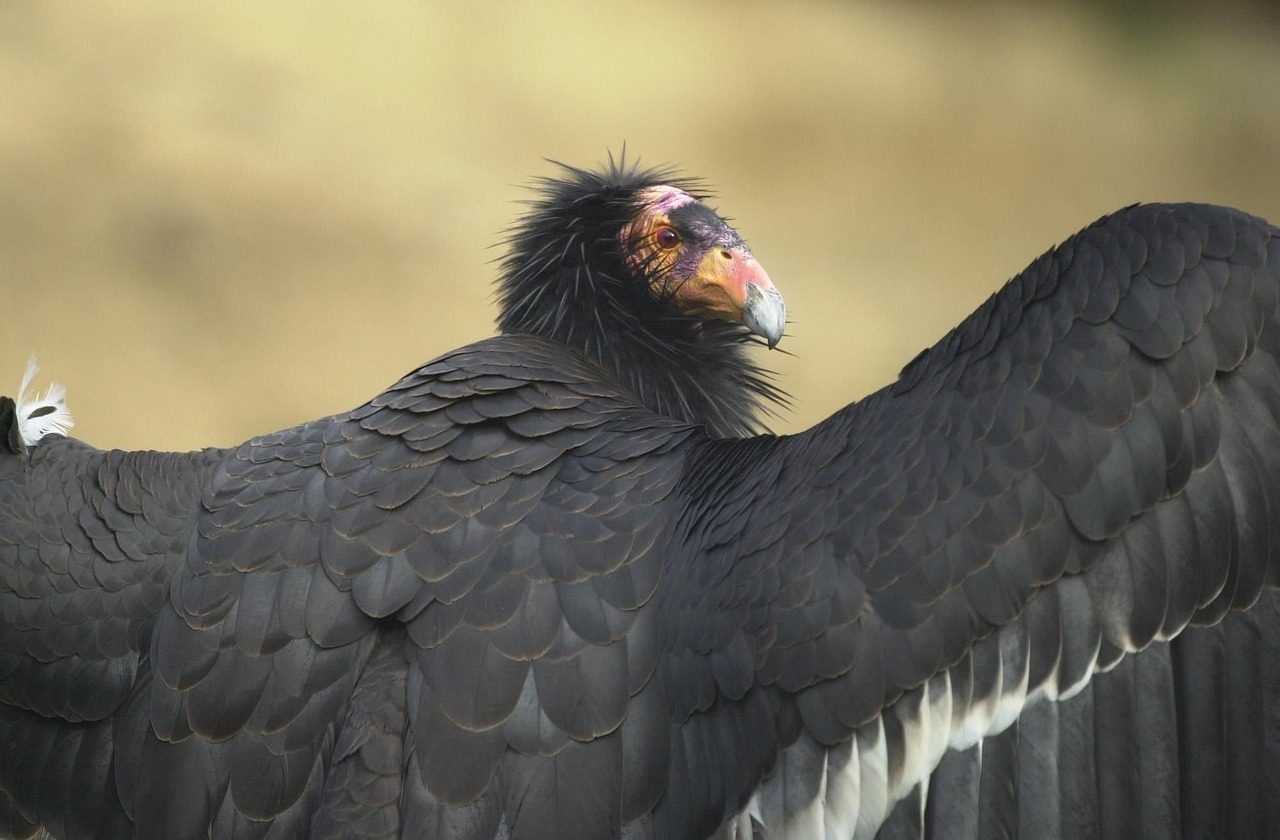
The California condor’s story reads like a thriller with a cliffhanger ending still being written. By the 1980s, only about six individuals were left in the wild due to lead poisoning and reduced eggshell thickness from ingesting DDT. Six birds. That’s all that stood between this species and oblivion.
The remaining six condors were captured for an intensive breeding recovery programme, which helped boost population numbers up to 223 by 2003, though the species remains listed as critically endangered with over 300 individuals left in the wild. These massive scavengers with their nearly ten-foot wingspans still face lead poisoning from bullet fragments in carrion, proving that conservation victories are never truly finished.
Kemp’s Ridley Sea Turtle: The Ocean’s Smallest Wanderer
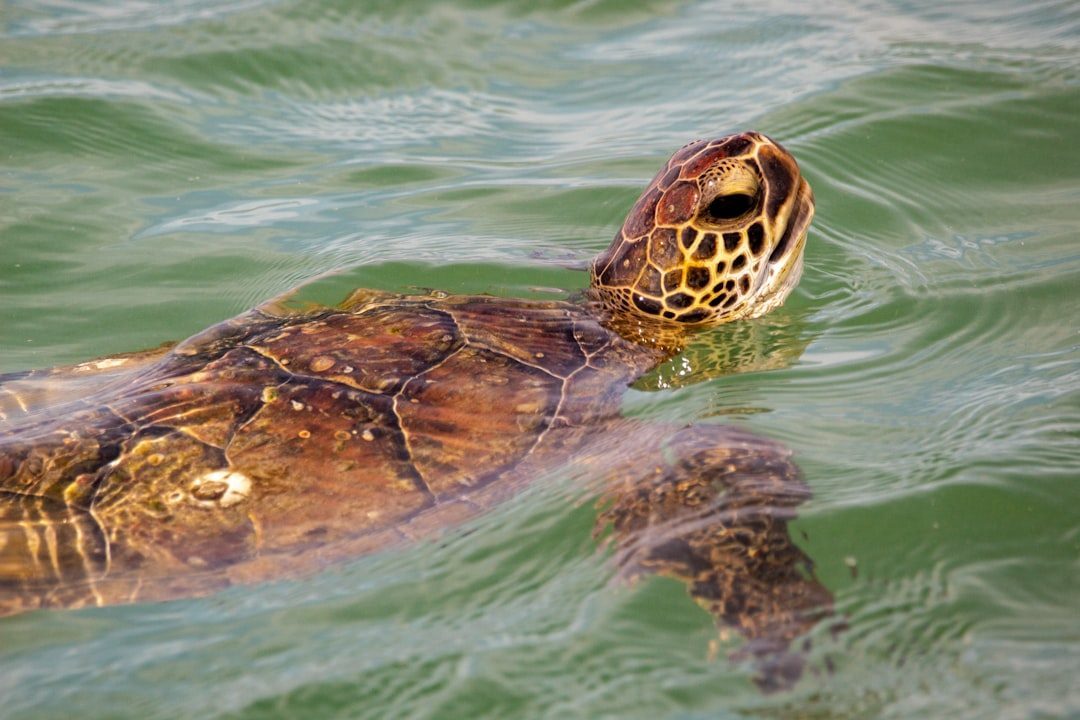
Kemp’s ridley sea turtles are considered the most seriously endangered of all sea turtle species and the smallest marine turtles in the world. These diminutive turtles with their nearly circular shells represent something crucial: they’re the only sea turtle species that nests almost exclusively in the Gulf of Mexico.
Kemp’s ridleys were once abundant in the Gulf with tens of thousands of females nesting at Rancho Nuevo, Mexico, but the population crashed in the mid-20th century to a low of only several hundred females nesting in the 1980s. Bycatch in fishing gear continues to threaten their recovery, making every successful nest a small victory in a larger battle for survival.
Florida Manatee: Gentle Giants Under Pressure
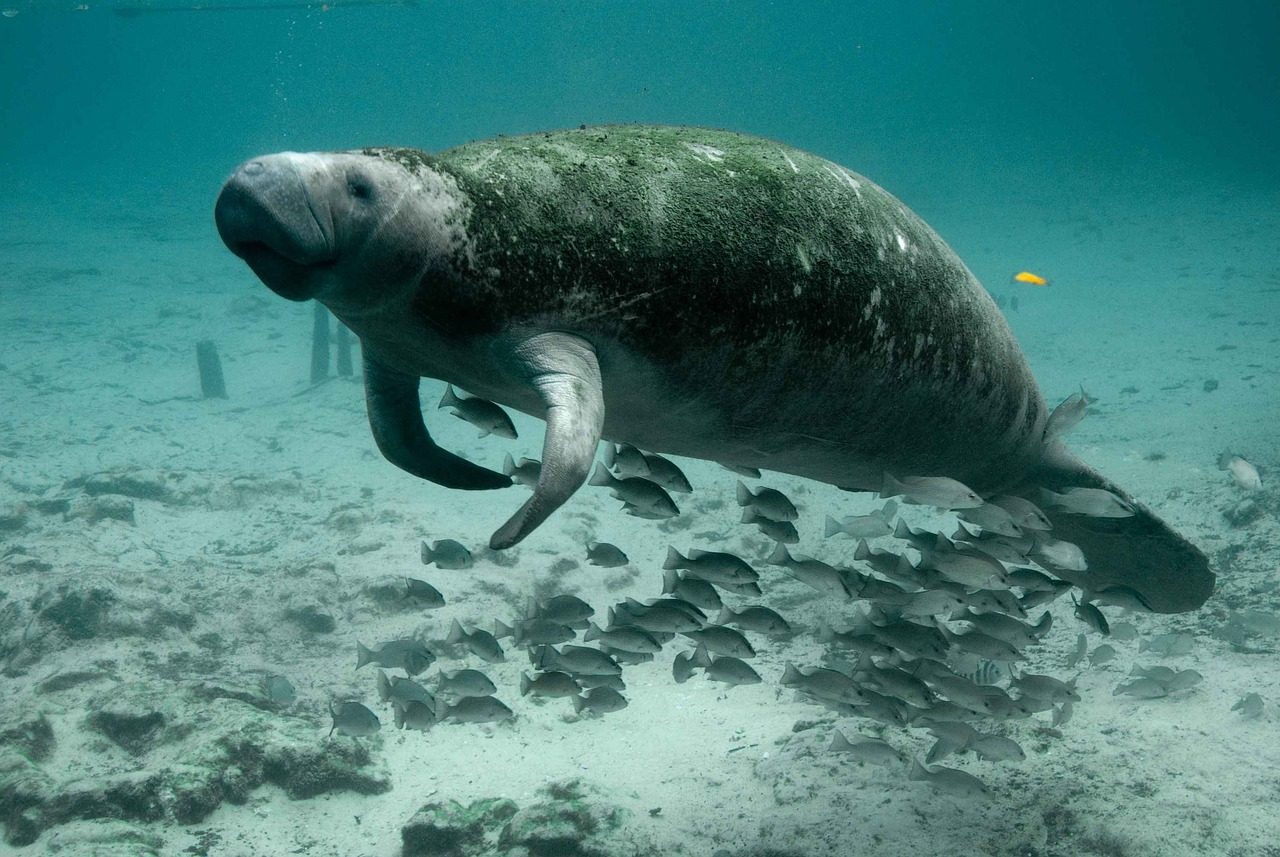
The Florida manatee embodies the phrase “gentle giant” perfectly. These rotund marine mammals, sometimes called sea cows, cruise through Florida’s coastal waters munching on aquatic vegetation. Thanks to decades of conservation efforts, manatee numbers recovered, prompting the U.S. Fish and Wildlife Service to downlist the species from endangered to threatened under the ESA in 2017.
However, here’s where things get complicated. Between 2021 and 2022, over 1,600 manatees died in Florida, far exceeding the annual average of 578 deaths between 2015 and 2020. Honestly, those numbers are heartbreaking. Water pollution destroying seagrass beds, their primary food source, has created an underwater famine that threatens to reverse decades of conservation gains.
Black-Footed Ferret: Prairie Ghost
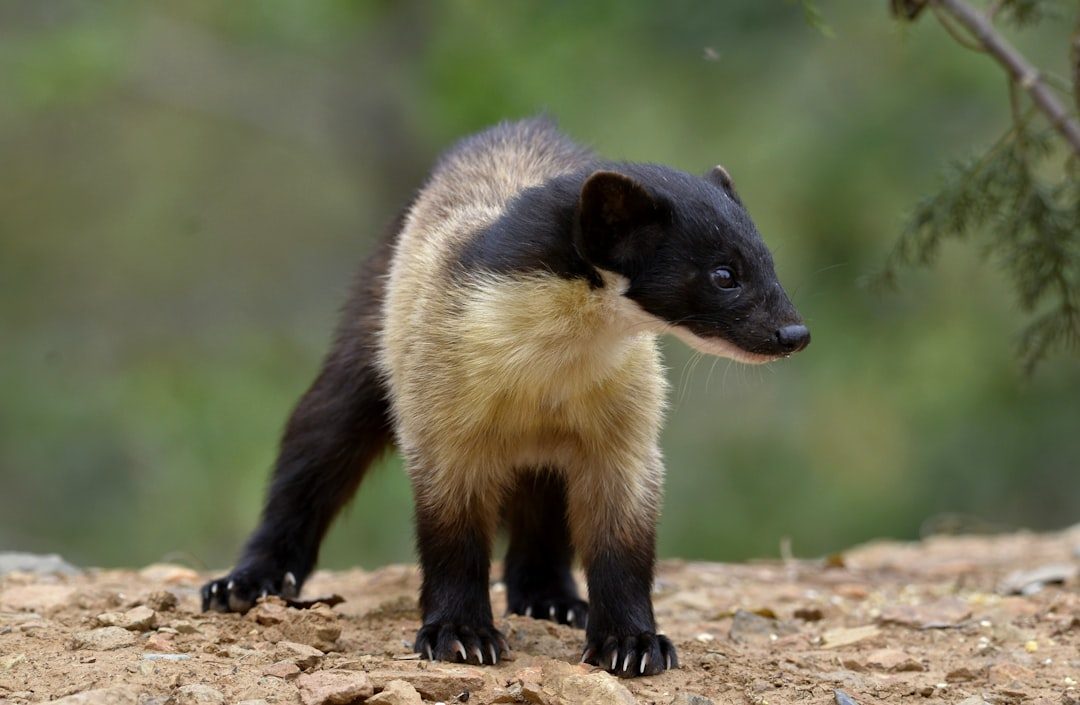
Meet North America’s rarest mammal. The black-footed ferret, with its distinctive burglar mask and sleek body, was once declared extinct in the wild. The IUCN classifies the black-footed ferret as endangered, and as of 2025, there are thought to be around 400 individuals left in the wild.
These ferrets depend almost entirely on prairie dogs for food and shelter, living in their burrow systems. During the 20th century, farmers and ranchers were allowed to kill prairie dogs because of the damage their burrows did to their fields – nearly wiping out the black-footed ferret population in the process. It’s a stark reminder of how eliminating one species can devastate another in ways we never anticipated.
Mississippi Gopher Frog: Amphibian on the Edge
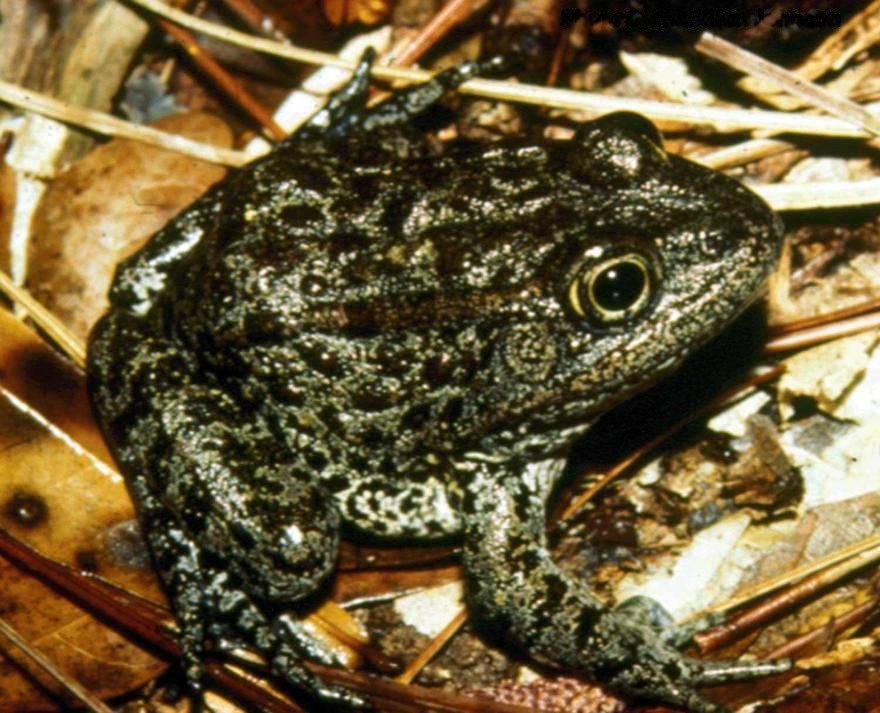
The endangered Mississippi Gopher Frog, once widespread across the southeastern US, is one of the country’s most endangered amphibians, with only a few hundred individuals left in the wild. This warty black, grey, and brown frog spends most of its time underground in burrows, emerging to breed in temporary ponds.
What makes their situation particularly precarious is their incredibly specific habitat requirements. The frogs lay eggs in shallow ponds that easily dry up for several months of the year, which deters fish from ingesting them, and the amphibian was listed as an endangered species in 2001. When you need conditions that precise to reproduce, every lost wetland becomes potentially catastrophic.
Loggerhead Sea Turtle: Ancient Mariners
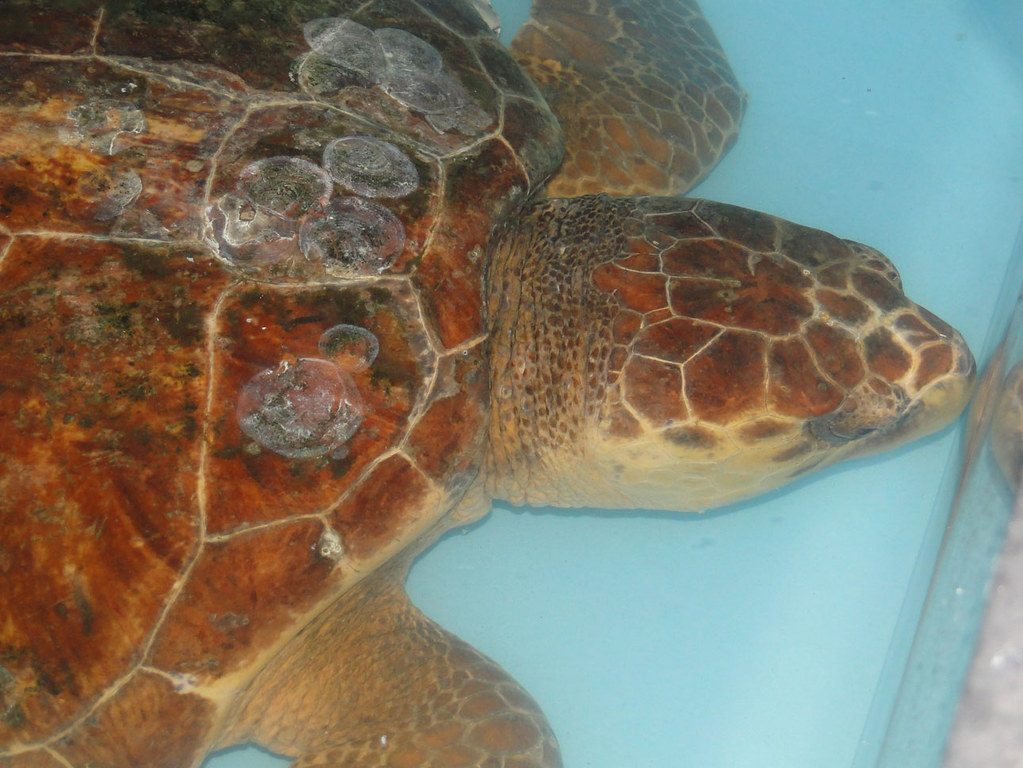
The Loggerhead sea turtle first joined the endangered species list in 1978 following a 50-90% population decline from the destruction of its beach nesting habitats and overharvesting of its eggs. These large-headed turtles travel thousands of miles across ocean basins, yet they return to the exact beaches where they hatched to lay their own eggs.
The good news? With decades of dedicated conservation efforts, the species managed to increase 24% of its population number between 1989 and 1998, with an estimated total of more than 100,000 nests per year. Still, they face ongoing threats from commercial fishing bycatch and coastal development that transforms their nesting beaches into tourist destinations.
San Joaquin Kit Fox: Desert Dweller in Decline
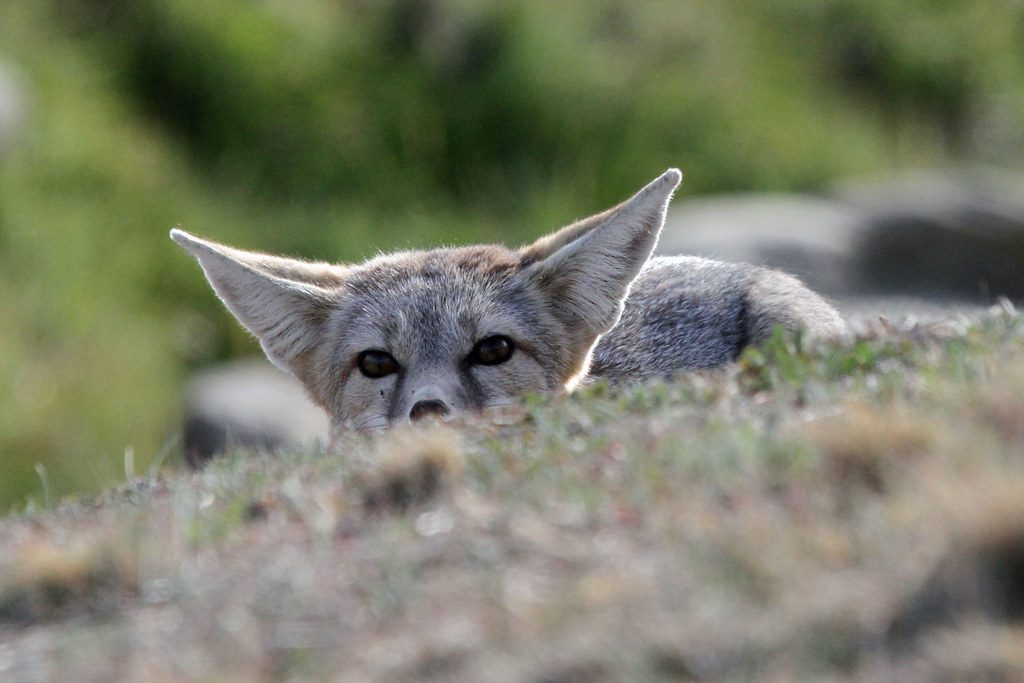
The San Joaquin kit fox is the smallest fox in North America, measuring 51 centimeters in length with big conspicuous ears. These petite predators with their oversized ears once thrived across California’s San Joaquin Valley and Central California grasslands and scrublands.
Once very common in the San Joaquin Valley, the San Joaquin Kit Fox was listed as endangered in 1967, threatened by extensive habitat loss and land conversion for agriculture and cities, as well as rodenticides in soil, and by 1979, less than 7% of the land south of Stanislaus County remained undeveloped. That’s a staggering transformation of an entire ecosystem in just a few human generations.
Ivory-Billed Woodpecker: The Ghost Bird
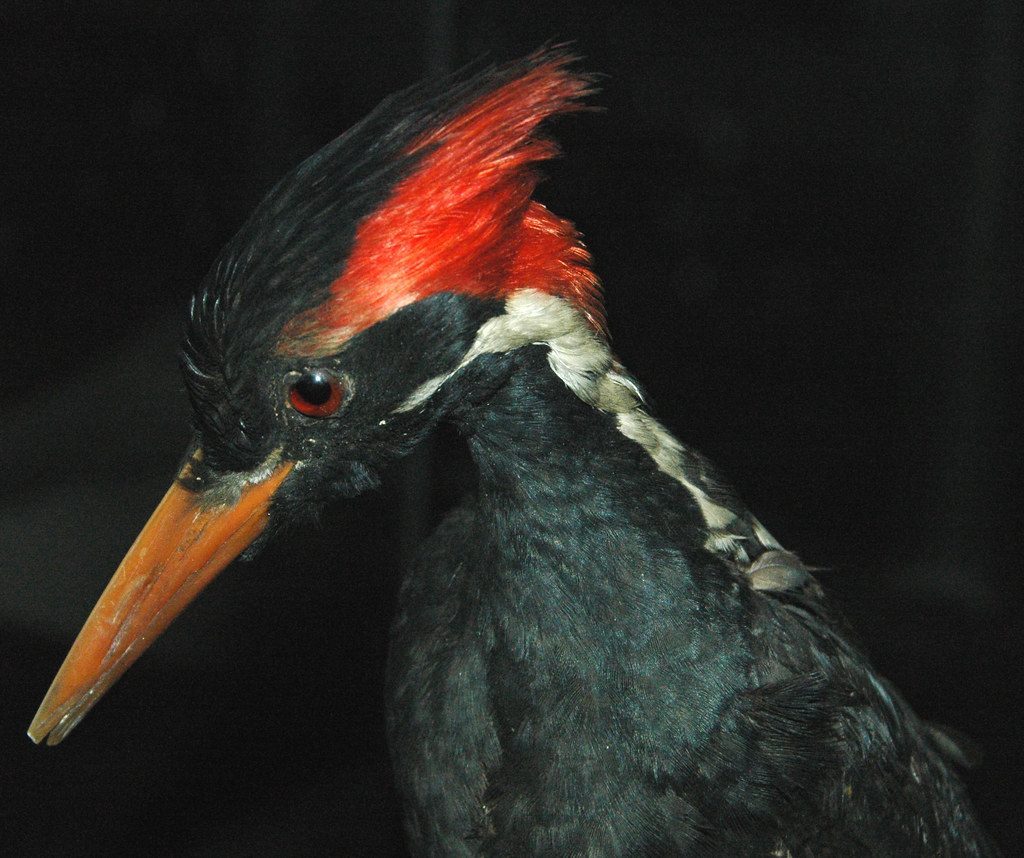
The ivory-billed woodpecker is the largest woodpecker , with an estimated wingspan of 76 to 80 centimeters, though it may already be extinct with no concrete evidence of its existence since 1987. This spectacular bird, with its striking black and white plumage and brilliant red crest, haunts the American imagination.
These birds prefer to live in undisturbed areas with many trees, but logging and land clearing for farming have impacted their habitat, and though some researchers claim to have seen evidence in recent years, for now, the ivory-billed woodpecker is declared extinct. The possibility that it might still exist somewhere in remote southern swamps keeps hope alive, though honestly, the odds seem increasingly slim.
Conclusion: The Choice We Face
These thirteen species represent just a fraction of America’s endangered wildlife, yet each tells a powerful story about resilience, loss, and the fragile balance between human progress and natural preservation. The Endangered Species Act protects more than 1,600 species in the United States and its territories, and is credited with helping save the bald eagle, California condor and scores more animals and plants from extinction.
What strikes me most about these endangered species is how their survival depends entirely on human choices. We’ve created the conditions pushing them toward extinction through habitat destruction, pollution, climate change, and direct persecution. Yet we’ve also demonstrated remarkable capacity for bringing species back from the brink when we commit resources and willpower to conservation. The Florida panther, whooping crane, and California condor all faced imminent extinction but persist today because people decided their survival mattered.
The real question isn’t whether we can save endangered species – we’ve proven we can. The question is whether we will. What do you think about it? Are these creatures worth the effort, expense, and occasional inconvenience required to ensure their survival?
Worried about unexpected vet bills?
Pet insurance can cover thousands in unexpected vet costs. Get a free quote from Lemonade in under 2 minutes.
Get My Free Quote →Sponsored · Opens Lemonade.com

- How Muskrat Behavior Can Indicate Climate Change in The Carolinas - June 6, 2026
- What Ancient Animal Symbolizes Prosperity for Your Zodiac Sign? - June 6, 2026
- The US States With the Most Elk - June 6, 2026