
Birds are everywhere. On rooftops, in treetops, gliding silently over open water. Most of us pass them without a second thought, assuming we already know what there is to know about these common creatures. Yet scratch the surface, and birds turn out to be among the most biologically remarkable animals on earth.
The more science looks, the stranger and more impressive the picture becomes. From brains that physically change size to migration feats that defy explanation, what birds can do quietly outpaces almost anything we think we understand about them.
1. Some Birds Can Literally Sleep With One Eye Open
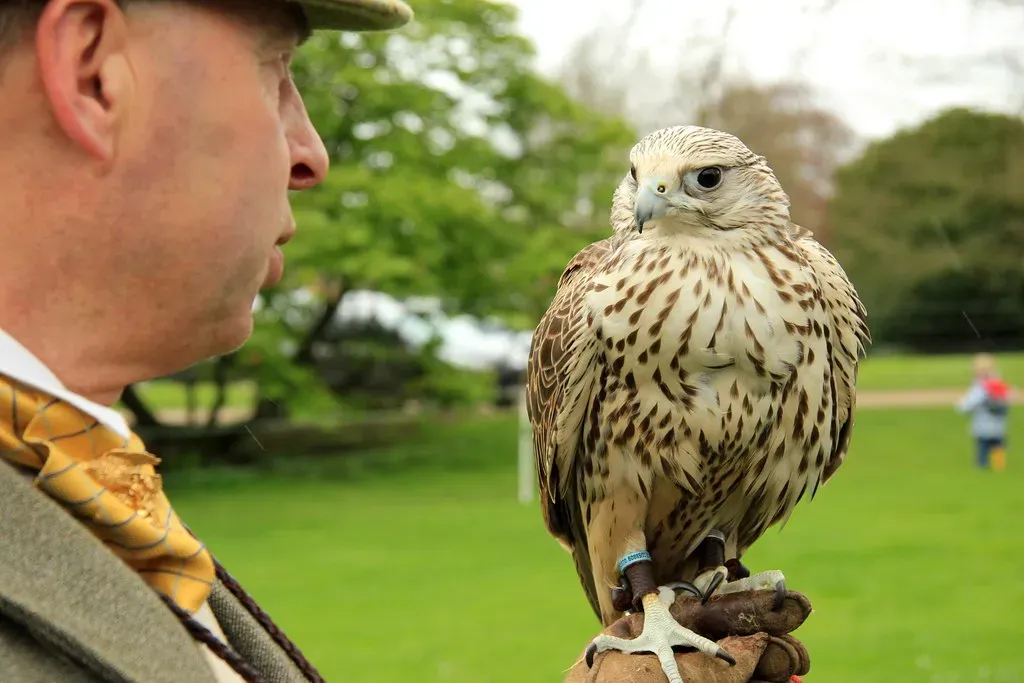
Some birds are capable of what is called unihemispheric slow-wave sleep. This allows them to quickly jump into action if threatened while still resting when conditions are safe. It’s so effective that it enables certain birds to sleep with one eye open, or even while flying.
The ability to sleep in flight is especially useful during long migratory journeys. The alpine swift, for instance, can fly for 200 straight days because of its ability to catch sleep while airborne.
Ducks take this even further with a single-brain sleeping pattern where half of the brain sleeps while the other stays awake. When ducks sleep in a group, those on the outer rim sleep with one eye open, alert for nearby predators.
2. A Woodpecker Hits Its Head Up to 8,000 Times a Day and Feels Nothing
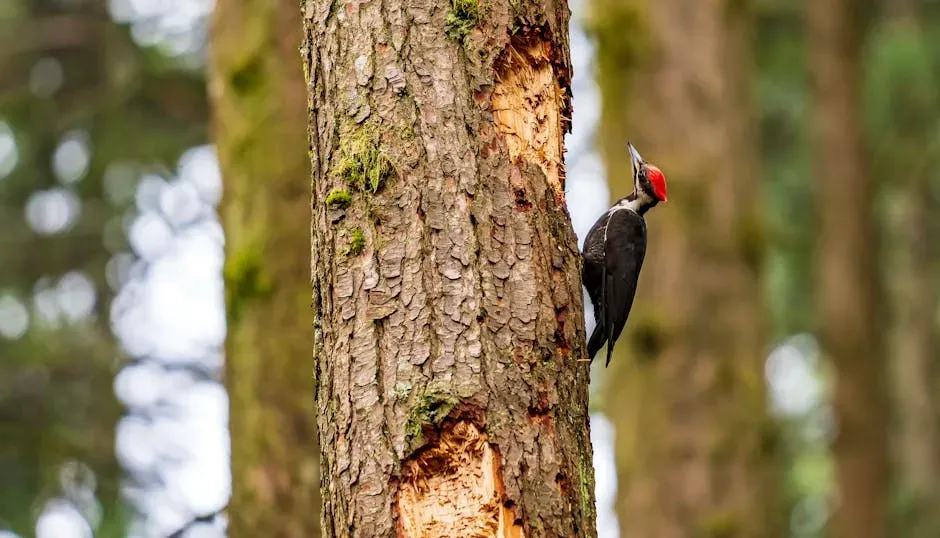
All that pecking really adds up, reaching as many as 8,000 pecks per day. Downy woodpeckers can peck as fast as 16 times per second.
One of the reasons a woodpecker doesn’t get headaches from its continued hammering is because it has a suite of modifications, including a reinforced, extra-thick skull that contains special spongy sections that act as shock absorbers.
Scientists have been so intrigued by this that they’ve studied the brains of downy woodpeckers to learn more about degenerative diseases such as chronic traumatic encephalopathy and Alzheimer’s. Nature, it turns out, solved this problem long before we even thought to ask the question.
3. Pigeons Can Recognize Individual Human Faces
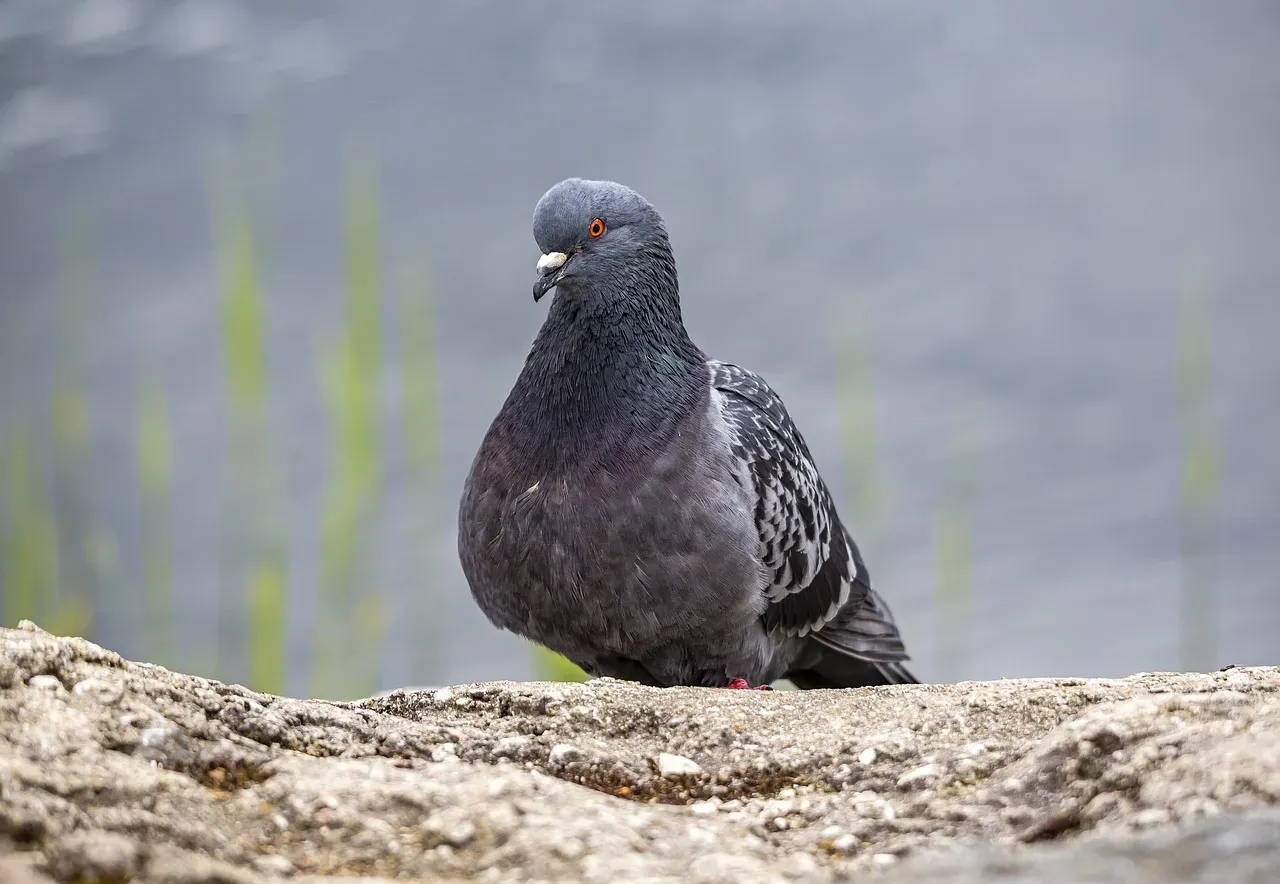
Pigeons can recognize particular faces, and even with a change of clothes, they’re able to identify specific people. That’s not a party trick. That’s a genuine cognitive ability most people would never attribute to a city bird.
Studies over the past decade on the neurological networks of pigeons and crows have confirmed that birds can recognize faces as well as come to know our voices. Pigeons are perfect study candidates for understanding how they become familiar with us, living as they do practically side by side with humans in towns and cities.
4. A Chickadee’s Brain Actually Grows Every Autumn
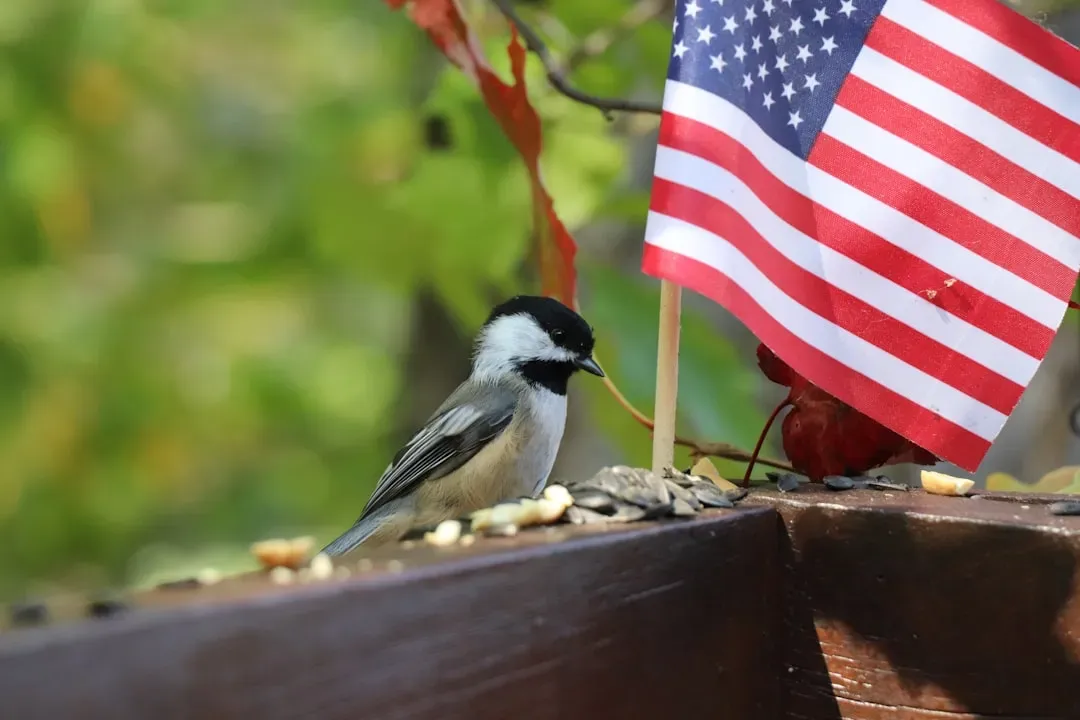
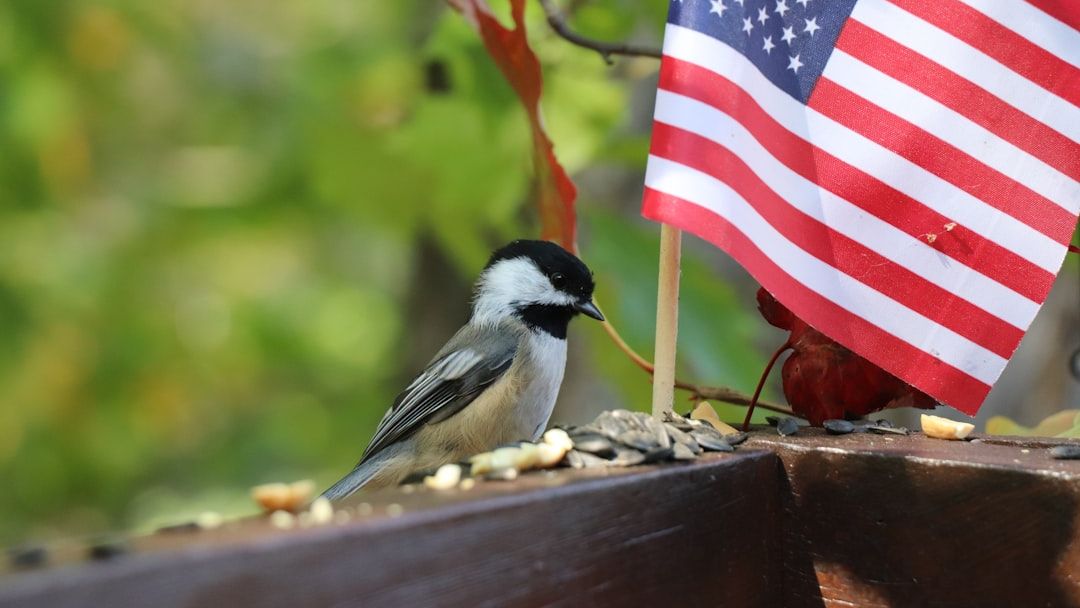
Every autumn, the part of a black-capped chickadee’s brain responsible for memory grows by roughly 30 percent, helping it find its hidden seeds throughout winter. In spring, it shrinks back to its normal size.
This is one of the more quietly astonishing facts in all of bird biology. The brain physically expands and contracts with the seasons, almost like a living calendar. It speaks to how different avian cognition is from anything we’d consider “normal” in mammals.
5. Some Birds Are Genuinely Poisonous
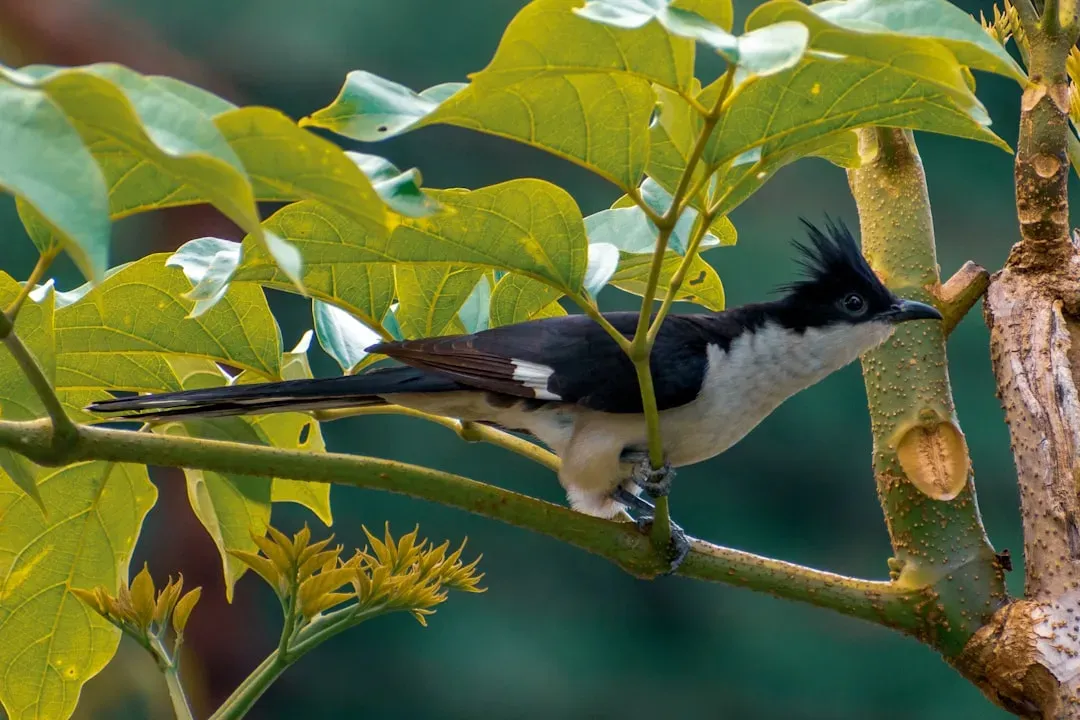
Birds were the last major group of vertebrates in which poison or venom was identified by scientists, though local people had long known that some birds taste foul and cause numbness if handled.
Certain bird species are known to be poisonous. The best known of these is the hooded pitohui, a bright orange and black songbird that carries a powerful neurotoxin in its skin and feathers. Researchers discovered that pitohui consume toxic beetles, which is the most likely source of the neurotoxin.
Poisonous bird species include the hooded pitohui and the blue-capped ifrita, and ornithologists think there may be more poisonous birds still to be discovered.
6. Crows Hold “Funerals” for Their Dead
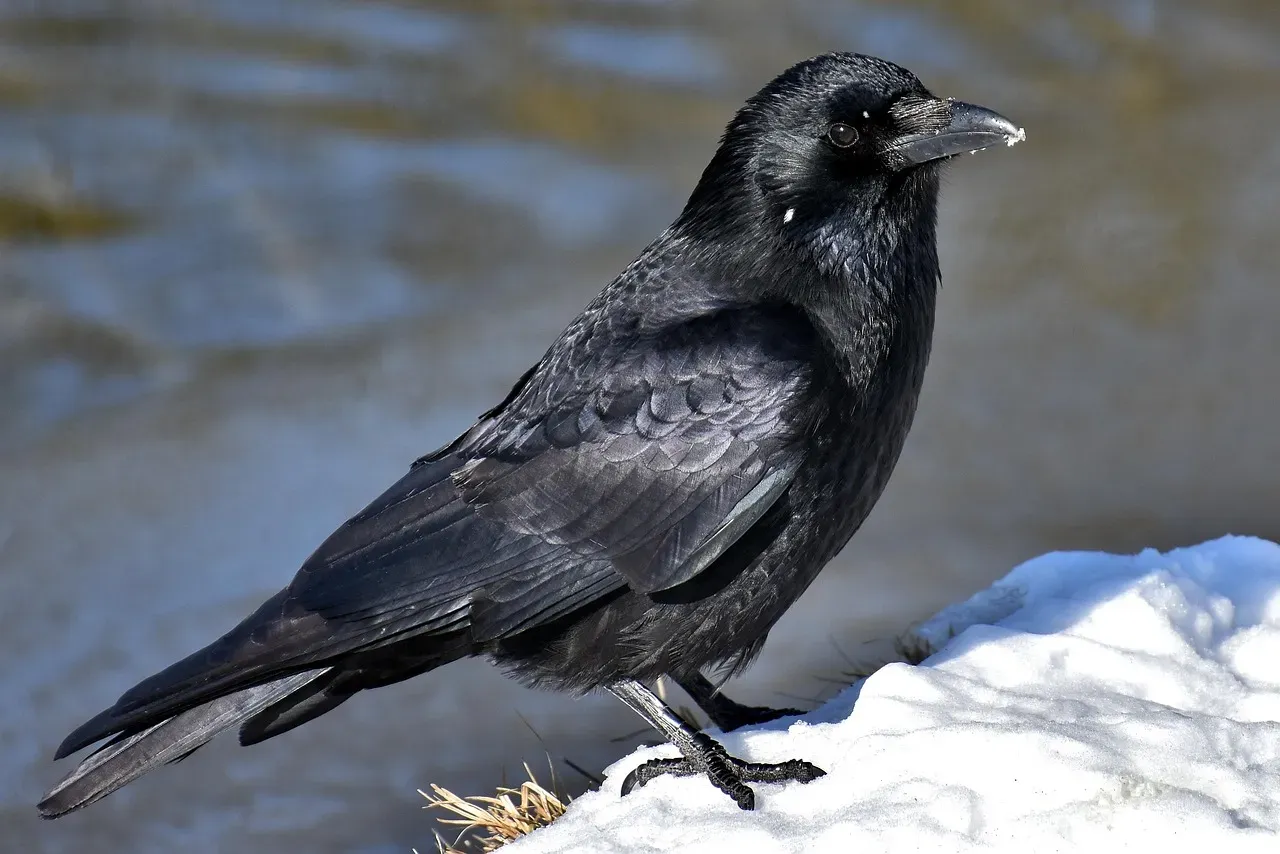
Crows recognize death and hold funerals for their dead. A crow funeral is much like a human one: the birds gather around a fallen crow, call to each other, and pay close attention to their fallen peer.
Why they do it isn’t quite the same as human funerals, however. While humans gather to mourn and remember loved ones, crows appear to do it to evaluate whether there is a threat to them. They aren’t mourning so much as investigating whether their fellow crow died from something that could also pose danger to others.
It’s a fine distinction, but it makes the behavior no less remarkable. The ability to register another’s death as meaningful, and to respond collectively, is something most people would never expect from a bird.
7. The Bar-Tailed Godwit Digests Its Own Organs During Migration
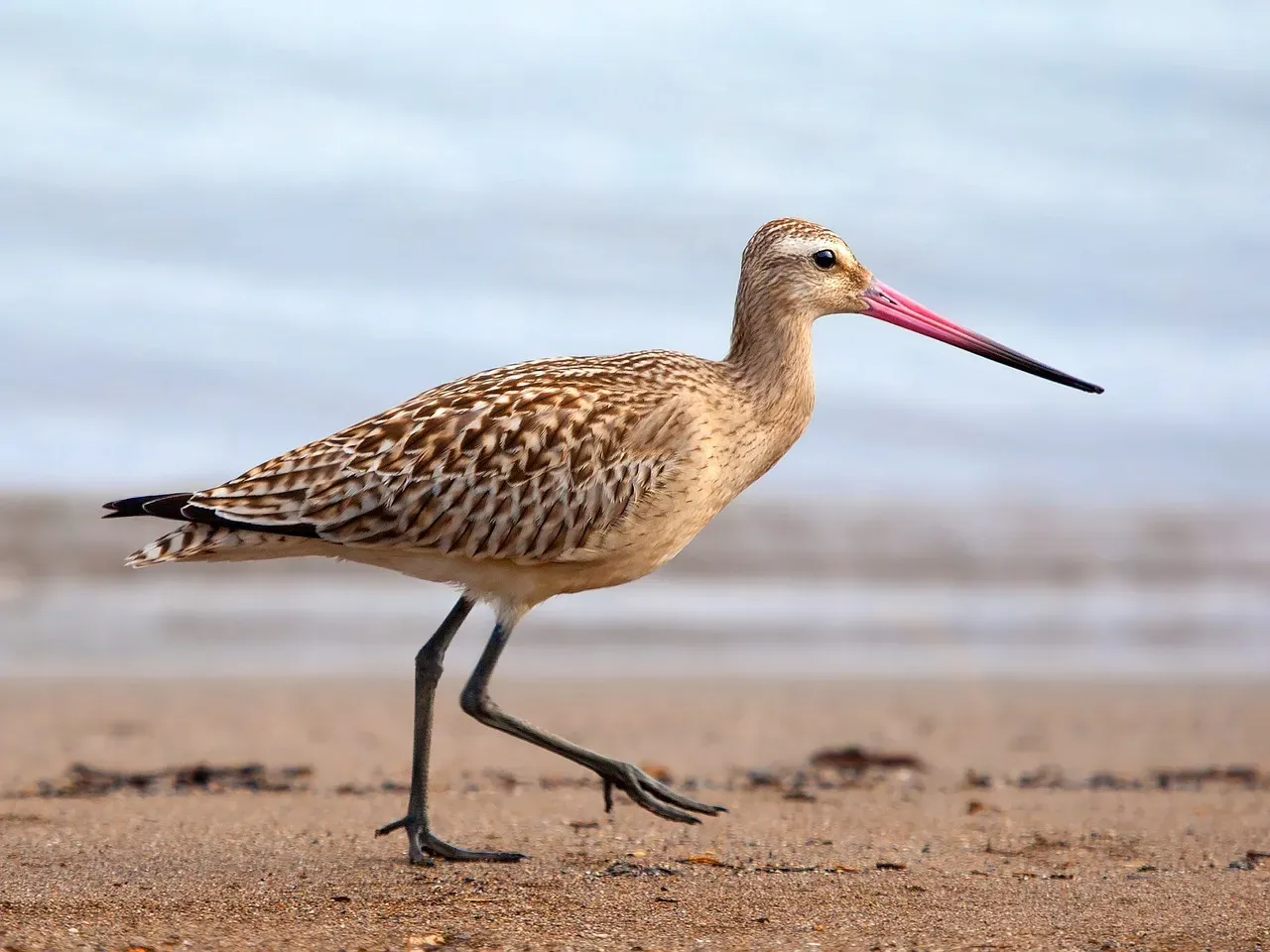
The bar-tailed godwit burns not just fat but even some of its own organs to fuel its marathon migrations. In preparation for the journey, it eats mussels, clams, and other calorie-dense food in the weeks before departure.
In a process called autophagy, the bird consumes a large portion of its internal organs. Up to a quarter of certain vitals, including its kidneys, liver, gizzard, and intestine, is broken down as fuel.
It regrows these organs once it arrives at its destination. The whole thing reads like science fiction, yet it’s simply what this bird does, every year, without fail.
8. Hummingbirds Have Flight Abilities No Other Bird Can Match
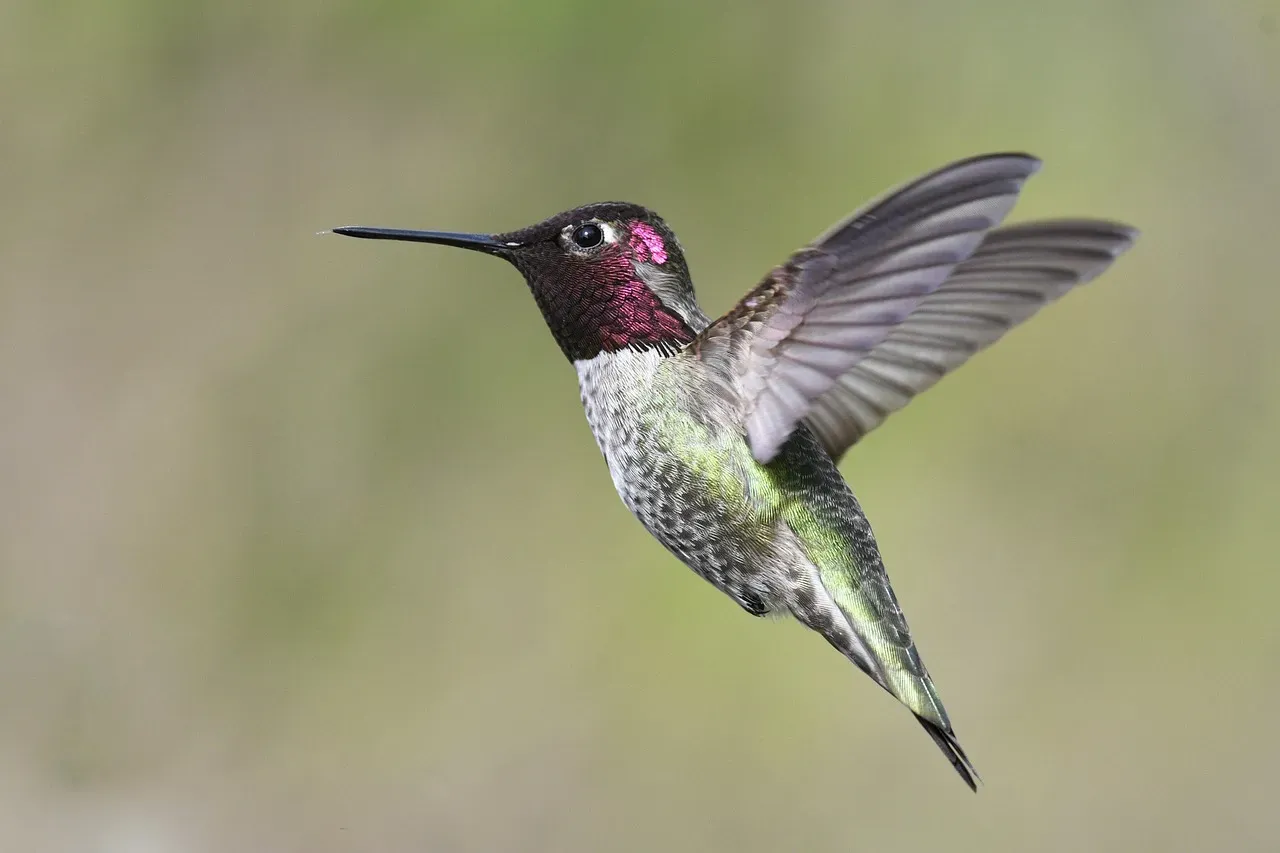
While the hummingbird is not the only bird that can fly backwards, these tiny avians do so with more ease than any other species. They can also fly straight down, straight up, hover in place, and stop completely without landing. They can even fly upside down.
Their legs are so short they’re unable to walk or hop. Shuffling or flying are essentially the only options available to them.
The average hummingbird weighs around 4 grams, which is one gram less than a nickel. For something so impossibly small, the physical demands of what they can do in the air are staggering.
9. Birds Can See the Earth’s Magnetic Field
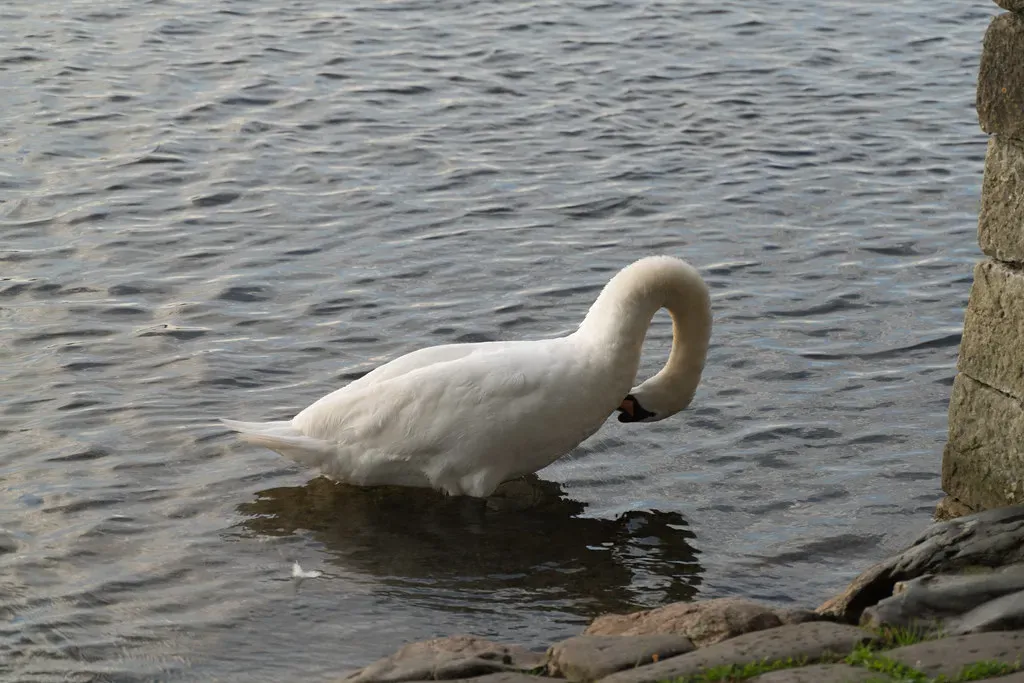
Birds really do have a form of bionic vision. Not only can they see in ultraviolet light, but they can actually see the Earth’s magnetic field thanks to a special protein called Cry4 that helps with navigation and regulation of circadian rhythms.
This protein acts almost like a built-in compass overlaid on their visual field. Navigation that seems mysterious from the outside makes far more sense once you realize they’re literally looking at the planet’s magnetic lines as they fly.
10. Over 200 Bird Species Rub Ants on Their Feathers
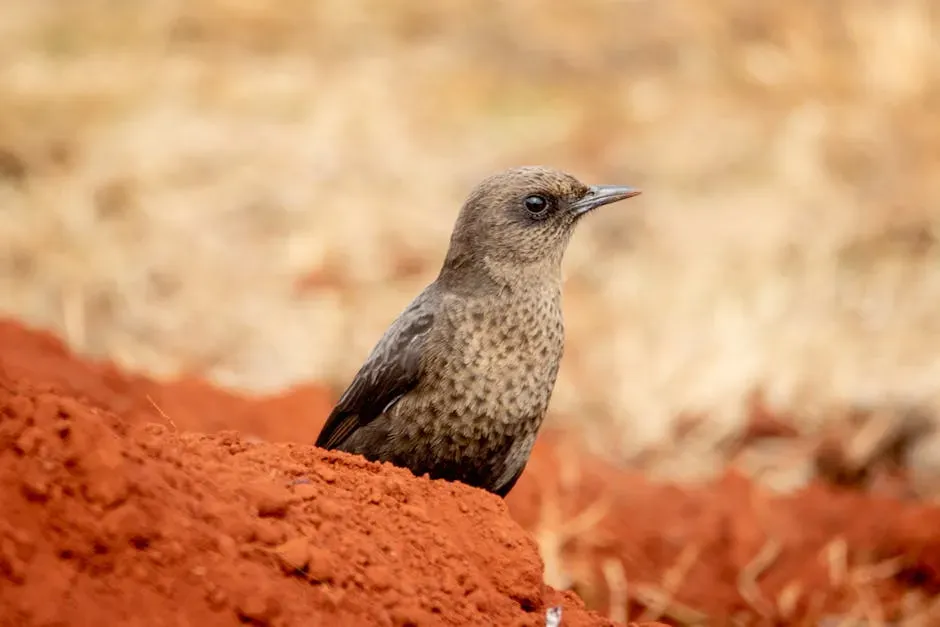
Many birds, particularly songbirds, engage in a behavior called “anting,” in which they pick up ants in their bills and wipe or rub them on their feathers, often repeating the process with many ants at a time. This behavior has been observed in more than 200 bird species, including cardinals, robins, crows, great horned owls, and wild turkeys.
Why birds do this isn’t exactly understood, though researchers believe it may have to do with maintaining their feathers. It may also help control parasites, because the species of ants used typically carry high concentrations of formic acid, which can help kill mites and other parasites.
Anting is most common in late summer and early fall, when many birds are molting, so scientists believe it may also help soothe irritated skin as feathers are rapidly replaced.
11. Shrikes Impale Their Prey Like a Butcher
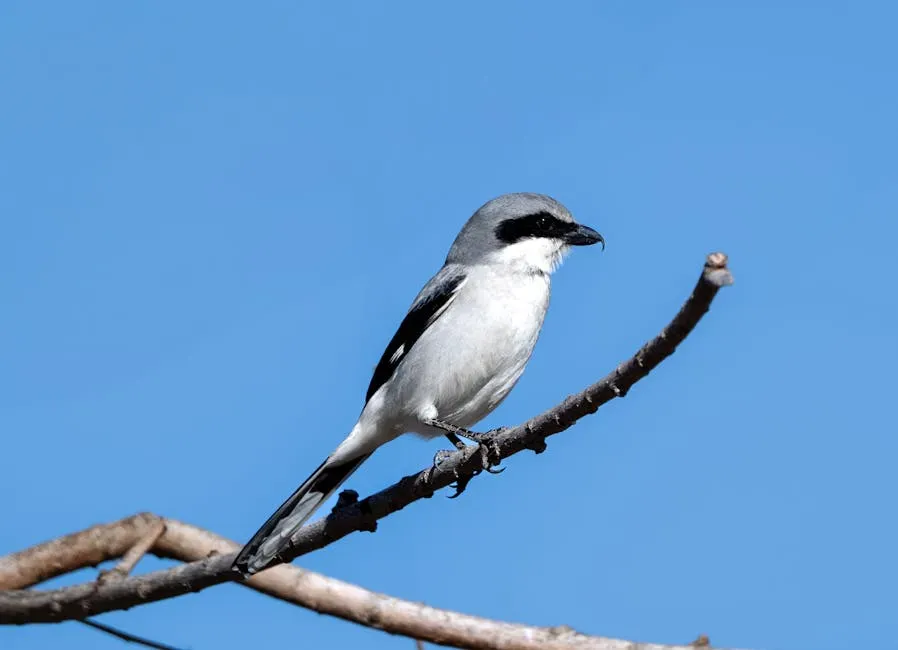
Northern shrikes are unusual among songbirds in that they often eat small birds and mammals along with insects. They don’t always eat their catch right away, storing it for later in a rather unusual way.
Shrikes catch their prey with their feet, then dive to the ground to finish killing the animal. When they aren’t ready to eat, they find a sharp object such as barbed wire or a sharp stick and impale it to keep it safe for a future meal.
For this behavior, they’ve earned the nickname “butcher birds.” It’s a small bird with an unexpectedly grim approach to meal prep.
12. Ravens Sometimes Mimic Other Animals to Get What They Want
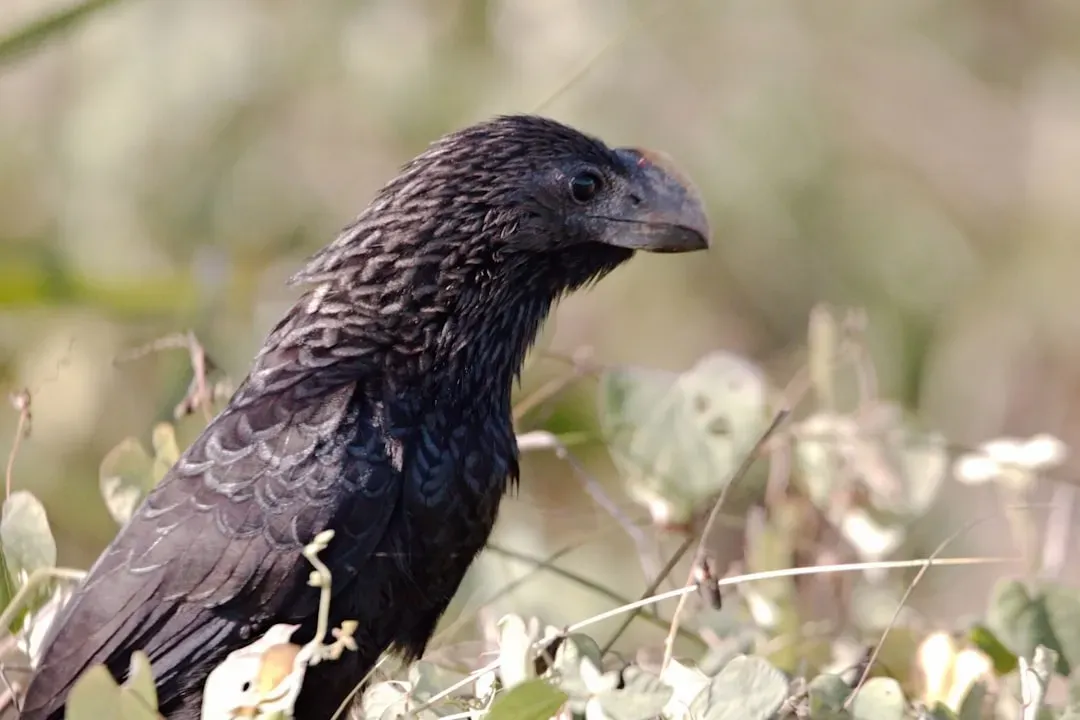
Ravens in captivity can become quite talkative. Some are even better than parrots at mimicking human speech, not to mention sounds from the human world like car engines or toilets flushing.
In the wild, ravens sometimes imitate other animals, mimicking predators like wolves or foxes to attract them to carcasses they’re unable to break open on their own. They use sound as a tool. They understand that calling in a stronger animal solves a problem they can’t solve alone.
Ravens also point their beaks at other birds to grab their attention, stick with family and friends, and play with other ravens, humans, and other animal species. They express various emotions, from happiness to surprise and even rage.
13. Flamingos Are Pink Because of What They Eat
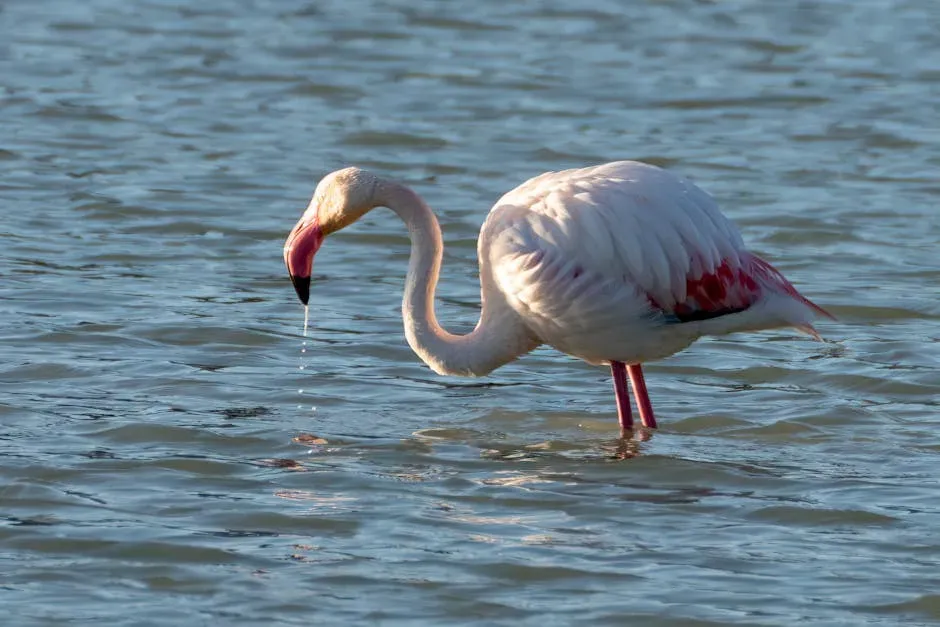
The flamingos we know are a bright pink color, which is actually due to the food they eat that contains an orange pigment called beta carotene. Without it, they’d be white. Color, in this case, is completely diet-dependent.
Some color pigments in parrot feathers, meanwhile, have a special damage-resisting antibacterial property that scientists are still working to understand. Birds have essentially evolved their own UV protection and antimicrobial defense systems, embedded directly in their feathers.
Taken together, these two facts hint at something broader: bird feathers are far more sophisticated than they look, doing chemistry, signaling, protection, and display all at once.
Conclusion
Birds tend to fade into the background of daily life. They’re familiar, common, easy to overlook. Yet the science says something quite different. From self-digesting organs to seasonal brain growth to magnetic vision, birds are operating on a level of biological complexity that most of us never stop to consider.
Recent estimates suggest our planet is home to around 16,000 species of birds, and we share Earth with approximately 50 billion of them, which works out to roughly six birds for every single human being.
That’s a lot of remarkable biology going unnoticed right outside the window. The next time a crow lands nearby or a sparrow darts across a rooftop, it’s worth a second glance. Chances are, it’s doing something extraordinary.

- 5 Dog Breeds That Vets Say Are Consistently Misread as Aggressive – and the Behavioral Signals That Actually Explain What They Are Doing - July 18, 2026
- 7 Facts About Octopus Intelligence That Marine Biologists Say Should Change the Way We Think About What Counts as a Mind - July 18, 2026
- 8 Animals That Have Been Documented Outsmarting Humans in Controlled Experiments – and the Species at the Top of the List Was Not the One Researchers Expected - July 18, 2026