
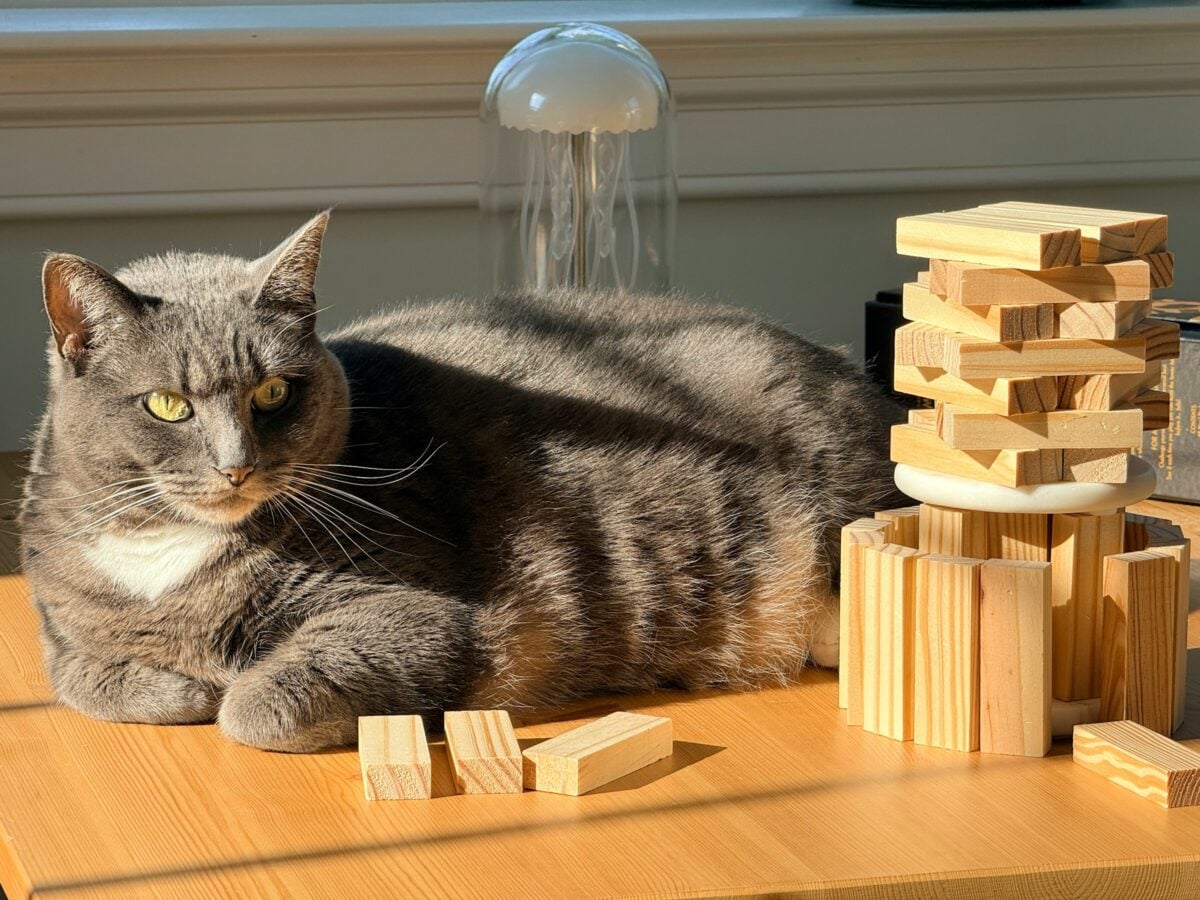


Your cat isn’t actually nocturnal. Cats are crepuscular, meaning they’re built for the twilight hours of dusk and dawn, and that one fact changes how you should read everything that happens after lights-out. The thumps, the glowing eyes and the 4 a.m. wake-up call all have reasons, and this list walks through the 13 most common ones.
Some of it is funny. Some of it is oddly sophisticated. And a few of these late-night habits are quiet health signals that plenty of owners sleep right through. Stick around for the final few, because one of them points straight back at you.
#13 – They Wake Up Hungry, Right on Schedule
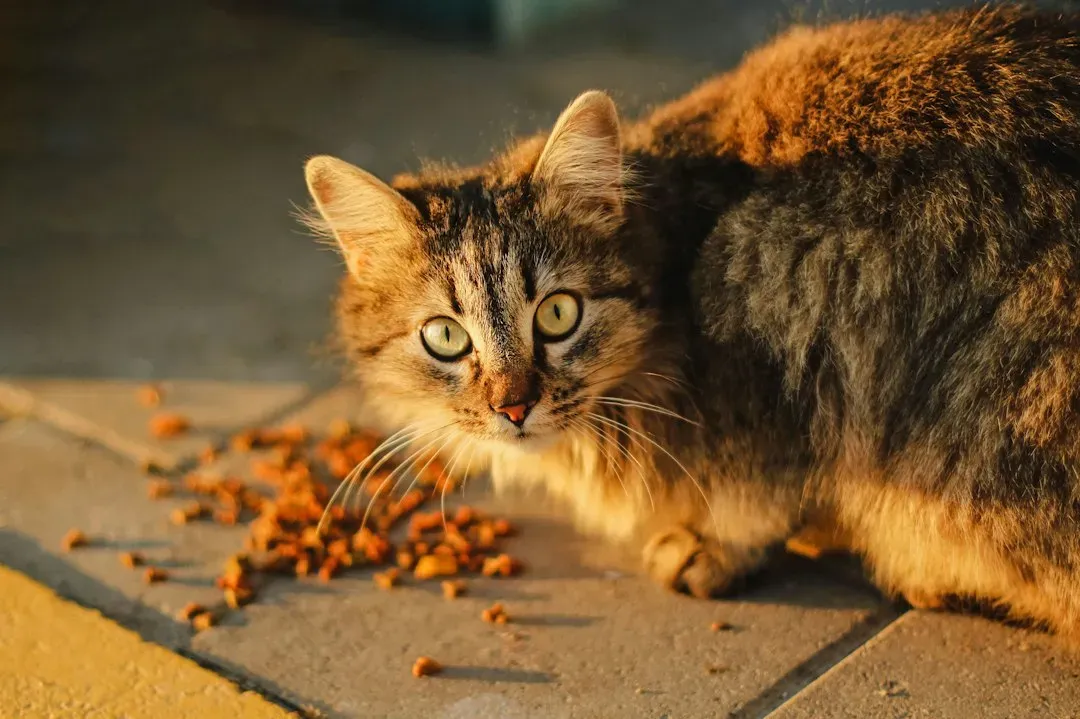
Your cat’s midnight trip to the kitchen is instinct, not greed.
Cats evolved to hunt at the edges of the day, so a quiet house at 5 a.m. feels like prime time to them. Their internal clock was set for dawn and dusk long before anyone invented the kibble bowl.
Wild cats eat small prey, and they eat it often. A single big dinner at 6 p.m. doesn’t match that rhythm, so your cat may be genuinely ready for a meal while your alarm is still hours away. Your 5 a.m. alarm may be your cat’s lunch hour.
Here’s the mistake most owners make. They feed the noisy cat to get some peace. Veterinary behavior guidance notes that some owners inadvertently reward the behavior by giving the cat a little food, affection, or attention.
That is widely seen as the fastest way to train a 3 a.m. wake-up call. The cat doesn’t learn that breakfast comes at six. It learns that yelling at three works.
Common triggers include:
- An empty bowl at bedtime
- One large meal per day
- Feeding times that drift from day to day
But that’s nothing compared to what your cat does on its rounds in #12…
#12 – They Patrol the Entire House
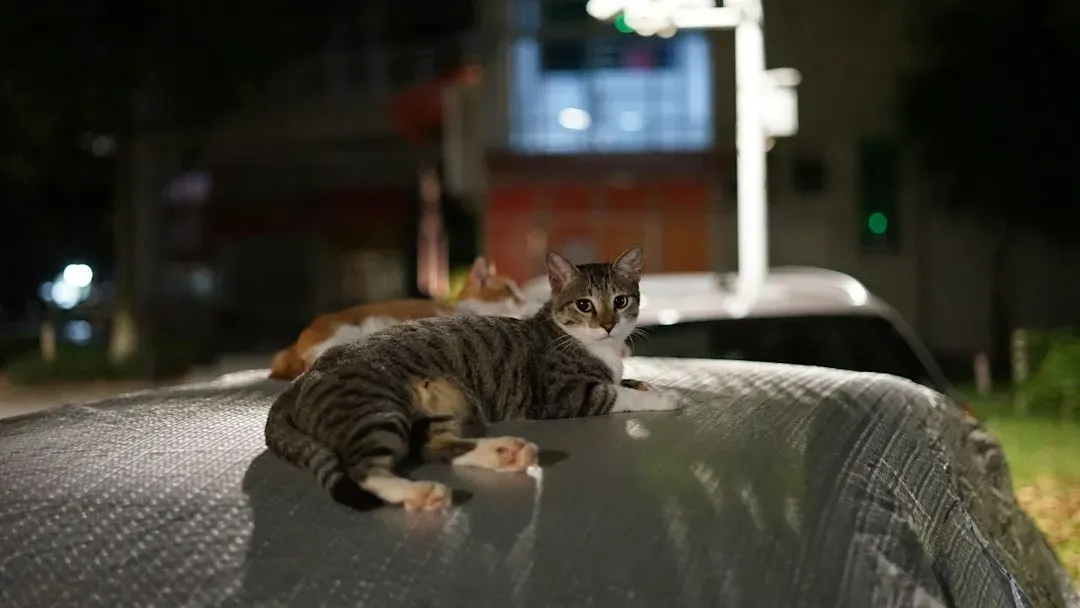
Every night, your cat runs a security check you never ordered.
Territory matters enormously to cats. While you sleep, many of them walk the same route through the house, checking doors, windows, corners and any spot where something changed during the day.
This isn’t random wandering. Cats read their world through scent, so a new bag, a guest’s shoes or a moved chair is a fresh headline worth investigating. Your cat may notice a rearranged room faster than you notice a new haircut.
The change doesn’t have to be dramatic. A scent is enough.
That’s also why some cats seem extra restless after changes at home. Visitors, new furniture and even a different laundry detergent can send a cat back through its rounds, as if to re-establish what’s theirs.
Signs of a normal patrol:
- Unhurried walking along the same path
- Pausing to sniff entry points
- Settling down once the route is complete
Restless pacing that never ends is different. That one is worth raising with your vet.
And the tool your cat uses to see all this in the dark? That’s #11…
#11 – They See Things You Literally Can’t

Your cat isn’t feeling its way through the dark. For its eyes, it isn’t really dark.
Cats have eyes built for low light. Large pupils open wide to gather whatever light exists. Behind the retina sits a reflective layer called the tapetum lucidum, which bounces light back for a second chance at detection.
That’s the eyeshine you see when a flashlight catches your cat in a hallway. The glow is light being recycled inside the eye.
This matters because cats are most active when light is low but not gone. Dusk and dawn are their sweet spot, and your cat sees those hours far better than you do. Your home at 4 a.m. is a clear room full of moving shadows to them.
There’s a catch, though. Cats can’t see in total darkness, and no animal can. When light runs out, they lean on whiskers, memory and hearing to fill the gaps.
Vision is only half the story. The next sense is even more unsettling in #10…
#10 – They Hear Things Inside Your Walls
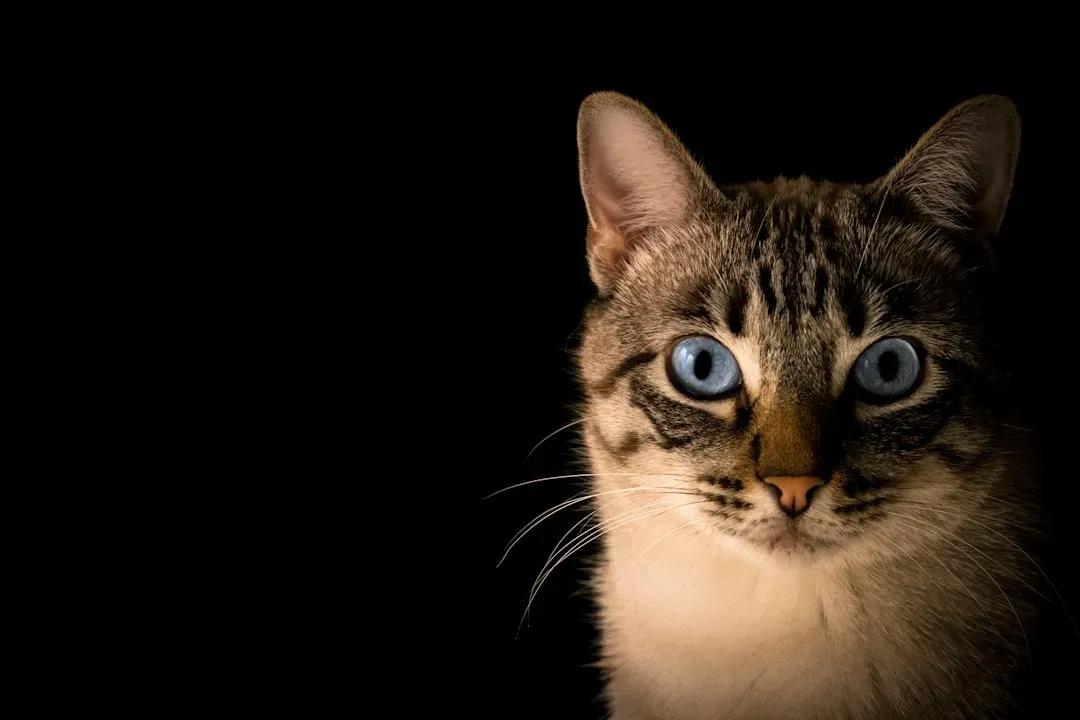
That scratching sound you can’t find? Your cat has probably already located it.
Cat hearing reaches far above the range humans can detect, up into the high-pitched territory where rodents squeak. Their ears swivel independently to pinpoint where a sound comes from. That ability evolved to find small prey.
Mice, insects and even pipes ticking as the house cools all register. Your cat may be tracking sounds you will never consciously notice.
Fast Facts
- Humans top out at roughly 20,000 Hz, while cats can hear well beyond 60,000 Hz.
- Each ear is controlled by around 30 small muscles, which is why they can rotate and aim so precisely.
- Rodent squeaks sit in the high range that cats pick up and people mostly miss.
- A silent house at night makes faint sounds stand out even more.
Here’s why night matters. A quiet home is the best listening environment a cat will ever get. Traffic fades, appliances shut off, and faint movement behind drywall suddenly stands out like a drumbeat.
Behavior to watch for:
- Staring at one spot on a wall or ceiling
- Ears swiveling toward a sound you can’t hear
- Pawing at a baseboard or vent
Don’t dismiss it. Sometimes your cat is simply reacting to a noise. Sometimes it’s reporting a real pest problem before you spot any signs.
Still, plenty of cats spend the night on something far more familiar. That’s #9…
#9 – They Groom Obsessively

Grooming isn’t vanity. It’s a full-time maintenance job.
Cats devote a big share of their waking hours to it. The rough texture of the tongue removes loose fur, dirt and debris, and the saliva left behind helps with cooling, since cats don’t sweat the way people do.
Night is a natural time for it. The house is quiet, and the cat is settled and calm. Grooming often follows meals and play, so it tends to cluster around those late-night bursts of activity.
Grooming can also be a self-soothing habit, which is why stressed cats sometimes overdo it. A tidy cat is usually a relaxed cat. A bald patch is a different story.
Here’s the part that surprises owners. Excessive licking can be a sign of stress, skin irritation or discomfort. If you notice thinning fur, red skin or a sudden increase in grooming, a vet visit beats guesswork.
But once the grooming ends, things can get wild in #8…
#8 – They Launch Into Full-Speed Zoomies

Most people think zoomies are random. They’re usually earned.
Picture the day from your cat’s side. The house is empty, the hours are slow, and a cat may spend most of that time sleeping or resting. All that daytime rest can add up to a wired cat at night.
That stored energy has to go somewhere. The sprint across your bed at 2 a.m. is often just a bored hunter finally getting its turn.
Age matters too. Young cats are full of energy and can be rambunctious at any hour. Kittens and young adults typically run hotter than seniors.
Zoomies usually look like:
- Sudden sprints through the house
- Wide eyes and puffed tails
- Jumping on and off furniture
They’re normally harmless. The goal isn’t to stop them. It’s to move the energy to a better hour.
And when the sprinting stops, the ambush begins in #7…
#7 – They Ambush Your Feet and Ears
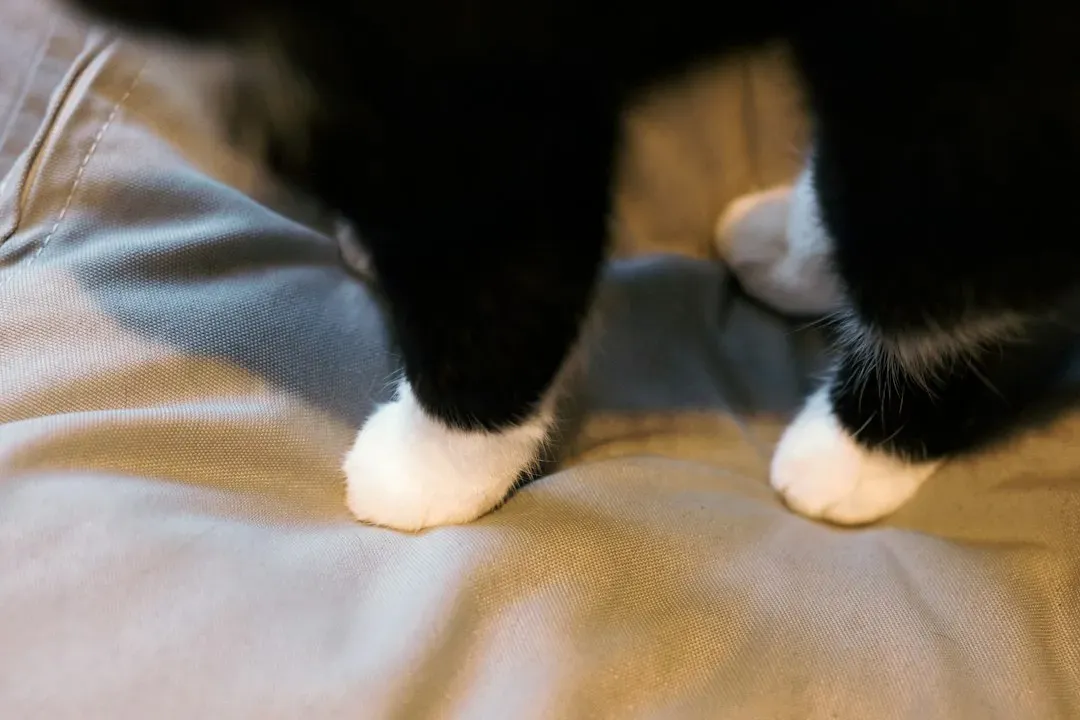
That lump under the blanket is prey. Your cat has decided.
Veterinary sources list the typical complaints: cats nibble or even attack the owner’s ears or toes in bed, or walk across sleeping owners. It’s frustrating, but it isn’t aggression in the usual sense.
Moving things trigger hunting. Toys, shadows, moving feet, insects and sudden sounds can all set it off at night. A twitching toe under a sheet looks exactly like a mouse.

Halloween Dog Collar with Bow, Orange Cute Ghost Collar,
Check Price on AmazonAs an Amazon Associate, we earn from qualifying purchases.
10/9/2026 2:43 pm GMTi

Earth Rated XL Dog & Puppy Pee Pads, Discreet Top, Max Absorbency
Check Price on AmazonAs an Amazon Associate, we earn from qualifying purchases.
10/7/2026 1:28 pm GMTi

Professional 7 in 1 Dog Paw Cleaner for Dogs & Cats - Includes 1 Portable Paw Washer, 1 Bath Brush
Check Price on AmazonAs an Amazon Associate, we earn from qualifying purchases.
10/7/2026 1:26 pm GMTi

Glass Hummingbird Feeder for Outdoors Hanging
Check Price on AmazonAs an Amazon Associate, we earn from qualifying purchases.
10/7/2026 1:21 pm GMTi

Orthopedic Extra Large Dog Bed, Waterproof Washable XL Pet Bed 44"
Check Price on AmazonAs an Amazon Associate, we earn from qualifying purchases.
10/7/2026 1:32 pm GMTi
Quick Compare
- Play ambush: a low crouch, a wiggling rear end, a quick pounce, then a pause or a retreat.
- Real aggression: hissing, growling, flattened ears and a stiff body that doesn’t relax afterward.
- The takeaway: the first is a hunting game and the second is a cat telling you to back off.
Your cat isn’t being mean. Your foot just moves like a small animal.
Some owners resort to locking the cat out of the bedroom. That works for some households, though others find the scratching and yowling at the door worse than the toe attacks. It’s a trade-off, not a cure.
Better options exist:
- Run a play session before bed
- Offer a toy that mimics prey movement
- Keep your feet still and covered
The toe attacks are the loud part. The next one is quieter, and somehow more annoying, in #6…
#6 – They Knock Things Off Shelves
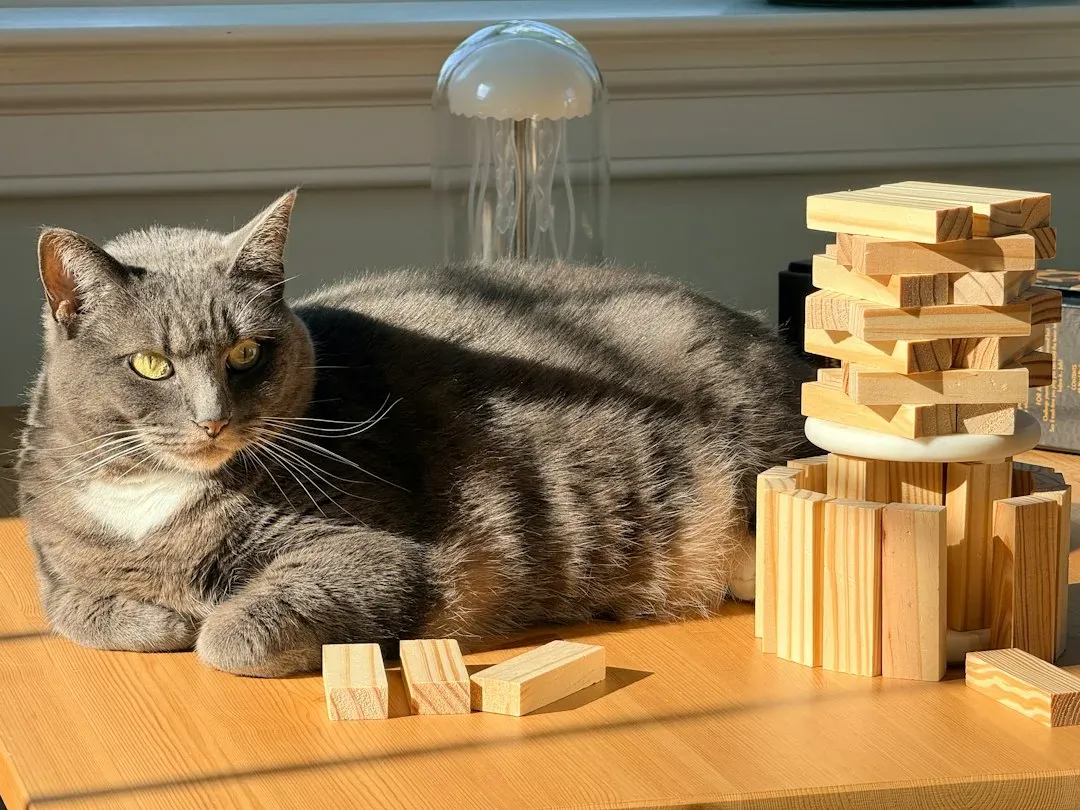
Gravity isn’t the point. Your reaction is.
Shelf-clearing is a classic on the list of nighttime complaints. Cats wake owners by meowing, scratching at the door, or knocking things off shelves and counter tops. Most people call it spite.
It almost never is. Cats are curious, and pawing is how they test an object. Does it move? Does it make noise? Does it roll? Those are hunting questions.
There’s also a social angle. If you jump out of bed every time something crashes, you’ve taught your cat that crashing works. Seattle Humane’s guidance is blunt on this: any interaction will reinforce the behavior.
Stress can play a part, but it isn’t the usual cause. Boredom and attention-seeking are far more common.
Of course, not everything your cat marks is an object on a shelf. See #5…
#5 – They Scratch and Scent-Mark
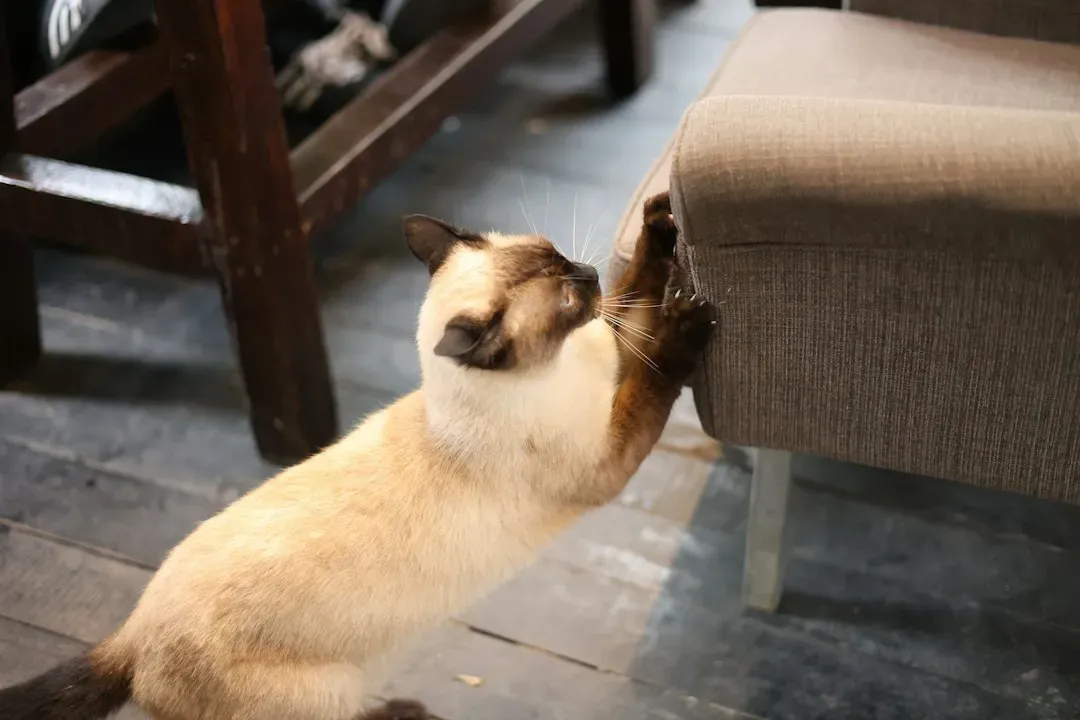
That scratching post at midnight is a message board.
Scratching does several jobs at once. It conditions the claws, stretches the body and leaves a visual mark. Cats also have scent glands in their paws, so every scratch deposits a signature only other cats can read.
Cats rub their faces on furniture and doorframes for a similar reason. Facial rubbing leaves a scent that cats find familiar and comforting. Your cat is basically signing your furniture.
It isn’t destroying things out of malice. It’s claiming them as part of a safe, familiar territory. Night is when this ramps up, because the house is calm, the cat feels in charge, and nothing interrupts the routine.
To redirect it:
- Place sturdy scratching posts near sleeping areas and doorways
- Choose posts tall enough for a full stretch
- Reward use rather than punishing furniture damage
Forget the idea that scolding fixes this. It treats the symptom, not the instinct.
But what your cat does at the window might be the strangest habit yet, in #4…
#4 – They Watch the Night Like It’s Television
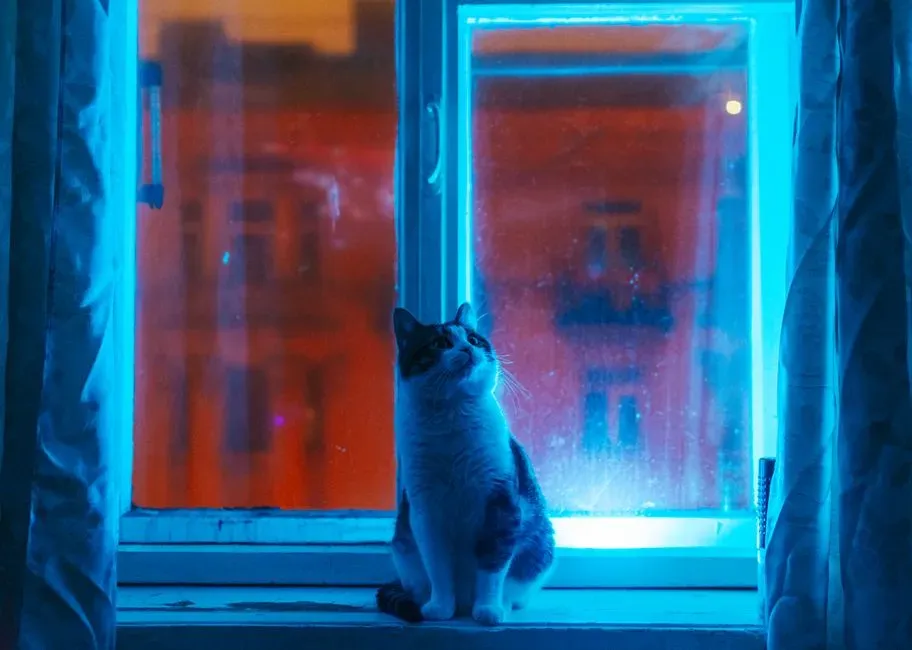
A dark window isn’t empty to your cat. It’s an unscripted show.
Moths, passing cars, wandering animals and swaying branches are all fair game. Cats are tuned to detect movement, especially in low light, so a flicker most people would miss is a major event.
This is particularly true for cats that wait until things settle down. Fear may cause a cat to hide during the day, when people and other animals are most active, and then come out at night when it feels safe. For a shy cat, the middle of the night may be the only time the house feels truly theirs.
That’s worth knowing before you assume your cat is simply being difficult.
The tail twitch and chattering you sometimes hear are common signs of hunting excitement. The cat can see prey it can’t reach, and the result is a rush of frustration and anticipation.
Meanwhile, your cat’s sleep looks nothing like yours, as #3 reveals…

Portable Dog Water Bottle Foldable Dog Travel Water Bottle
Check Price on AmazonAs an Amazon Associate, we earn from qualifying purchases.
10/7/2026 1:29 pm GMTi

Air Purifiers for Home Pets Large Room Up to 3000 Ft²,HEPA Air Cleaner with Washable Double-Side Filter, PM2.5 Air Quality Monitor,15dB Sleep Mode for Bedroom Odor Dust Pollen,White
Check Price on AmazonAs an Amazon Associate, we earn from qualifying purchases.
10/8/2026 8:23 am GMTi

Hand Blown Glass Hummingbird Feeders for Outdoors Hanging, 24oz Wild Bird Nectar Feeder
Check Price on AmazonAs an Amazon Associate, we earn from qualifying purchases.
10/7/2026 1:23 pm GMTi

Glass Hummingbird Feeder for Outdoors Hanging, 16 oz Leak-Proof Nectar Feeder with Bee Guards & Ant Moat
Check Price on AmazonAs an Amazon Associate, we earn from qualifying purchases.
10/7/2026 1:22 pm GMTi

2 Pcs Halloween Pet Hat Bandana Set, Witch Pumpkin Costumes for Dogs
Check Price on AmazonAs an Amazon Associate, we earn from qualifying purchases.
10/9/2026 2:45 pm GMTi
#3 – They Sleep in Short, Light Shifts
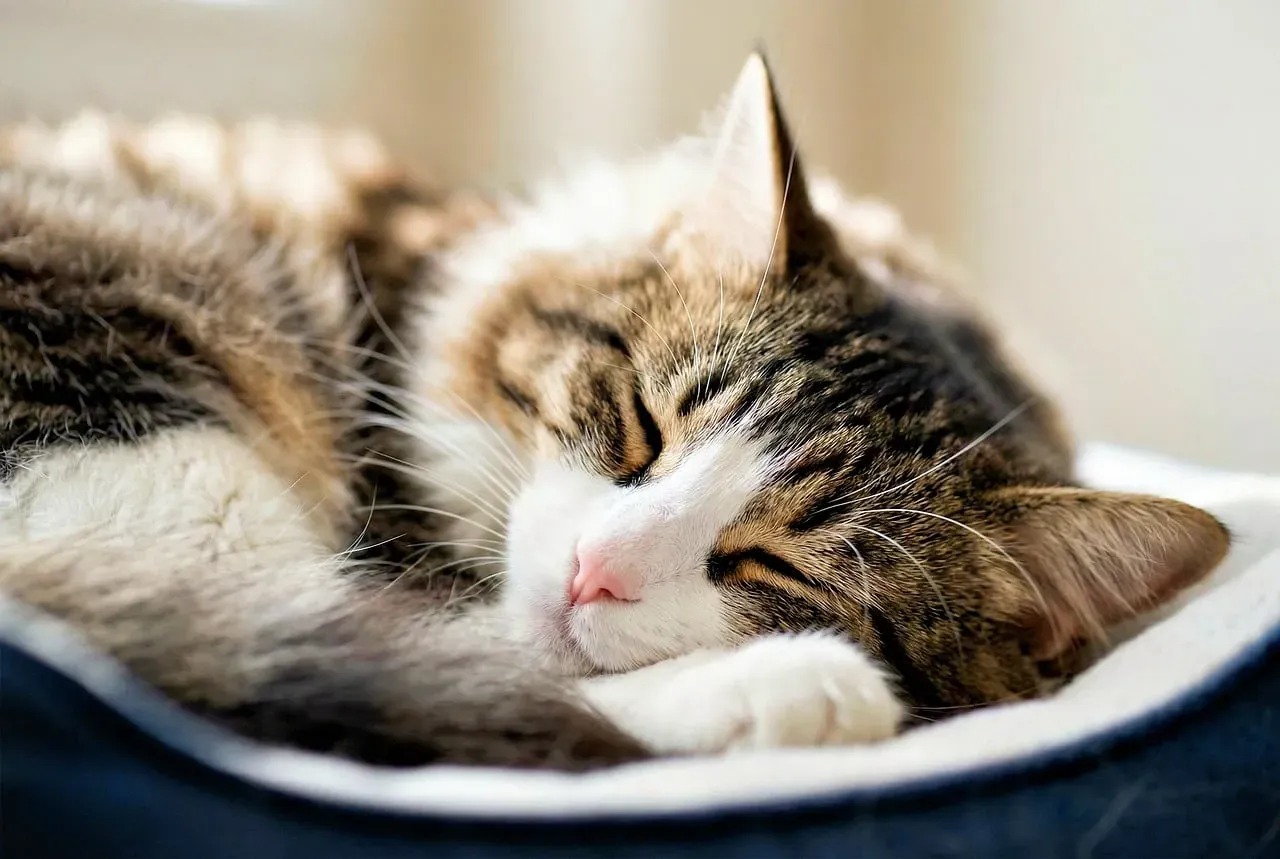
Cats are famous sleepers, but they rarely sleep the way you do.
Adult cats typically sleep a large part of the day, but a lot of that is light dozing rather than deep rest. A cat can look completely out cold and still react to a sound within a second.
That’s an evolutionary advantage. Their ancestors needed as much energy as possible to chase rabbits and other prey at dusk and dawn, so all that rest went straight into survival. Your cat’s naps are really energy storage for the next hunt.
The sleep isn’t laziness. It’s preparation.
At a Glance
- Typical adult total: about 12 to 16 hours of sleep or rest a day.
- Kittens and seniors: often sleep even more.
- Most of it: light dozing that can end in an instant.
- Peak activity: dawn and dusk, not the dead of night.
Age changes the pattern. The older cats get, the more they tend to sleep. A sudden shift in either direction deserves attention, especially if it comes with other changes.
Watch for:
- A cat sleeping far more than usual
- A cat who suddenly can’t settle at night
- Sleep patterns that change within a few weeks
Normal naps are a sign of a healthy hunter. But some night noises aren’t normal at all, as #2 explains…
#2 – They Yowl, and Sometimes It Means Something
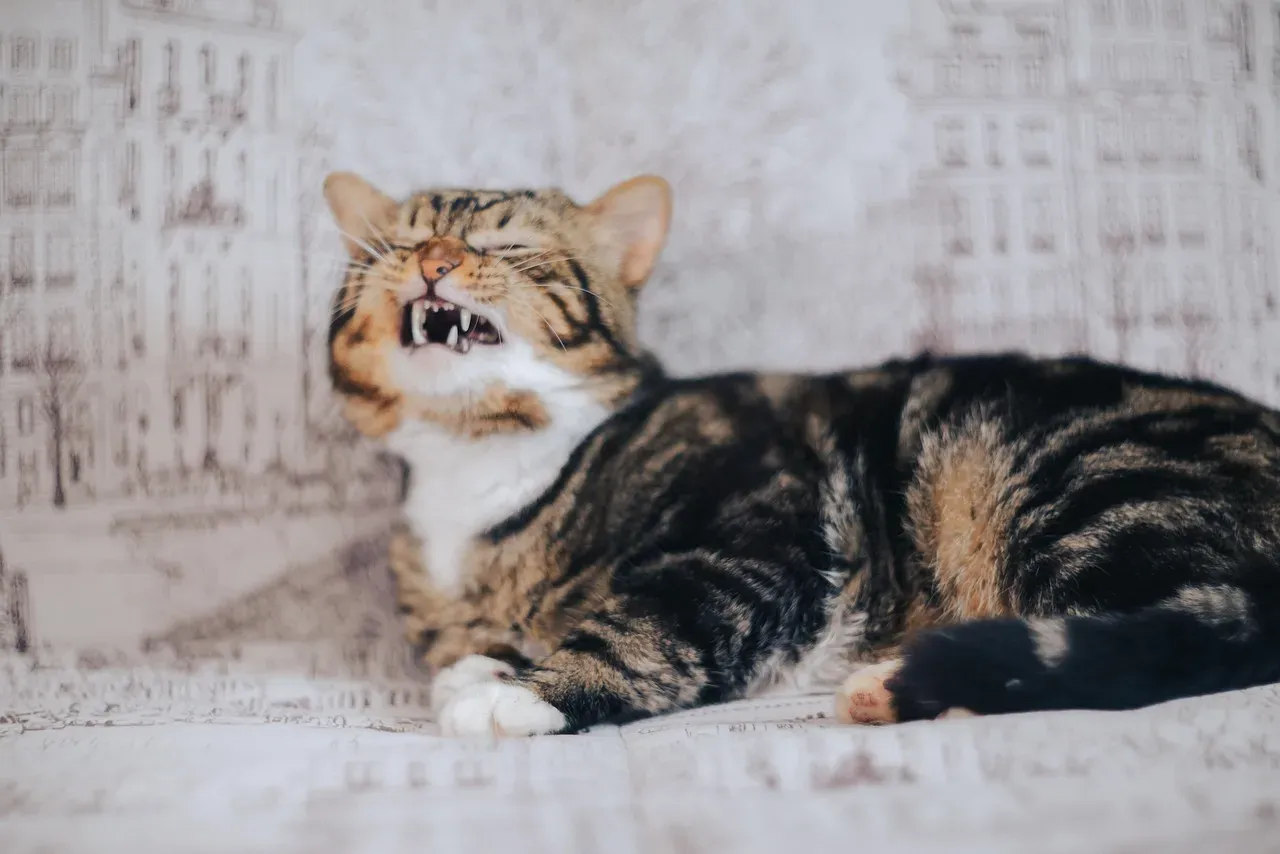
A loud cat in the dark is rarely just being dramatic.
Sometimes yowling is attention-seeking. A bored cat might be looking for more interaction, and cats are social animals who may wake you up for company. That’s behavioral, and it’s fixable.
Other times, it isn’t. Certain medical conditions can make a cat hyperactive, uncomfortable, vocal and needy at night. Older cats can become more active at night as part of the aging process or because of health problems.
Cats that haven’t been spayed or neutered can also get loud at night when hormones are driving them. That’s another conversation to have with your vet.
The practical rule is simple. New nighttime behavior, yowling or restlessness should be discussed with your veterinarian. Don’t assume it’s just a phase.
Red flags worth reporting:
- Yowling that starts suddenly
- Disorientation or pacing in a senior cat
- Increased thirst, weight loss or appetite changes alongside the noise
But the most telling nighttime habit of all comes next, in #1…

Smart Bird Feeder with Camera Solar Powered, 2K HD Live Video, 10,000+ Bird Species AI Identification
Check Price on AmazonAs an Amazon Associate, we earn from qualifying purchases.
10/7/2026 1:22 pm GMTi

PetSafe Oasys Pet Fountain, 1/2 Gallon (64 oz), Small Dogs & Cats
Check Price on AmazonAs an Amazon Associate, we earn from qualifying purchases.
10/8/2026 8:14 am GMTi

Halloween Cat Costume Cloak Witch Hat Pet Accessories
Check Price on AmazonAs an Amazon Associate, we earn from qualifying purchases.
10/9/2026 2:44 pm GMTi

Dog Stairs for Bed 18" H, 4-Step Dog Steps for High Bed
Check Price on AmazonAs an Amazon Associate, we earn from qualifying purchases.
10/9/2026 2:42 pm GMTi
#1 – They Rearrange Their Whole Night Around You
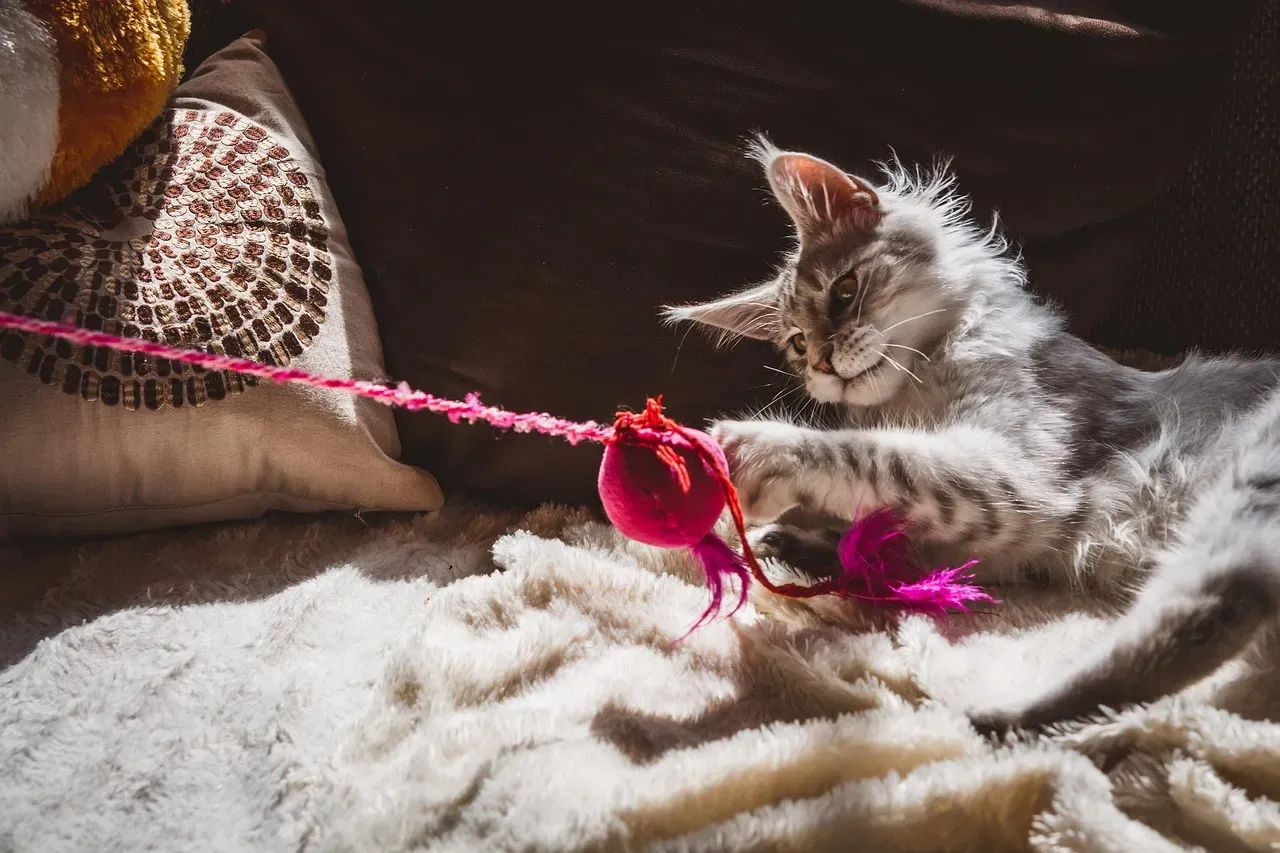
Here’s the truth most owners miss. Your cat’s nights may be shaped by you more than you think.
Cats adapt to human routines. Many owners first start to interact and play with their cats when they get home in the evening. That can shift the cat’s day, with peak activity landing late at night.
Think about what that means. You leave for work, and the cat sleeps. You come home, and the fun begins. Your cat may be saving its best energy for you.
That’s a far cry from the myth of the aloof cat. Veterinary guidance points out that nighttime activity may be a form of social play and attention-seeking behavior. It’s a bid for connection, not a lapse in manners.
The fix isn’t punishment. It’s normal for your cat to be active during the night, late evenings and early mornings, so scolding only adds confusion. Shifting the schedule works far better.
That’s the whole list, and the final lesson says the most about your cat. It isn’t nocturnal, and it isn’t misbehaving. It’s running instincts built for twilight inside a house that runs on a different clock.
Most of what you hear at night is hunger, boredom, curiosity or play. A small share of it, especially yowling and sudden change, deserves a vet’s attention.
In our opinion, owners who rely on closed doors and late-night snacks are fixing the wrong problem. The real fix happens at 8 p.m. with a feather toy, not at 3 a.m. with a bowl.
Which do you think does more harm: the midnight snack or the locked bedroom door?

- 25 Hummingbird-Friendly Garden Tips That Will Bring These Tiny Birds Back Again and Again - November 11, 2026
- 33 Things to Do the First 48 Hours With a New Puppy - November 11, 2026
- Christmas Carol Origins: What Does a “Partridge in a Pear Tree” Symbolize - November 11, 2026