

Everyone tells you the same thing: another dog will settle in just like the last one did. Give it a week, maybe two, and the house will feel normal again.
Veterinarians hear that assumption constantly, and they say it’s one of the most common ways a loving decision turns into months of stress for both the humans and the dogs involved. After 60, the stakes are different than they were the last time you brought a puppy home, and the details that get overlooked are rarely the ones people expect.
Here are the 13 things vets genuinely wish every older dog owner understood before adding a second dog to the family, starting with the one most people never think to check first.
13 – Read Your Current Dog’s Silent Warning Signs

Before you fall in love with a puppy at the shelter, take a hard look at the dog already sleeping on your couch. Senior dogs build quiet routines, guarded joints, and specific comfort zones over years, and a bouncy newcomer can upend all of it overnight. Vets say the dogs that struggle most aren’t the aggressive ones, they’re the anxious ones whose stress goes unnoticed until it shows up as illness.
Watch for stiffening posture, avoidance, or a sudden drop in appetite once a new dog enters the picture. These subtle signals often appear weeks before an actual conflict does. Catching them early gives you the chance to slow down before a bad match becomes a permanent problem.
Fast Facts
- Stiffening posture or freezing near a newcomer often shows up before any growling does
- Sudden appetite changes can signal stress days or weeks before an actual conflict
- Guarding a favorite chair, doorway, or sleeping spot is one of the first territorial signs vets flag
- Withdrawal or hiding is just as telling as outward aggression, and far easier to miss
12 – Match Energy, Not Just Breed or Size

A golden retriever puppy and a golden retriever senior can still be a terrible match. What actually matters is energy level, not breed reputation or how cute the pairing looks on paper. Vets repeatedly see calm, slow-moving senior dogs pushed into exhaustion and irritability by a puppy that wants to play from sunrise to sunset.
The better path is choosing a dog whose pace mirrors your current one’s, even if that means passing on the adorable eight-week-old puppy for a mellower adult or senior dog instead. A quieter match rarely makes for a dull household. It just makes for a peaceful one.
11 – The First Meeting Can Quietly Decide Everything
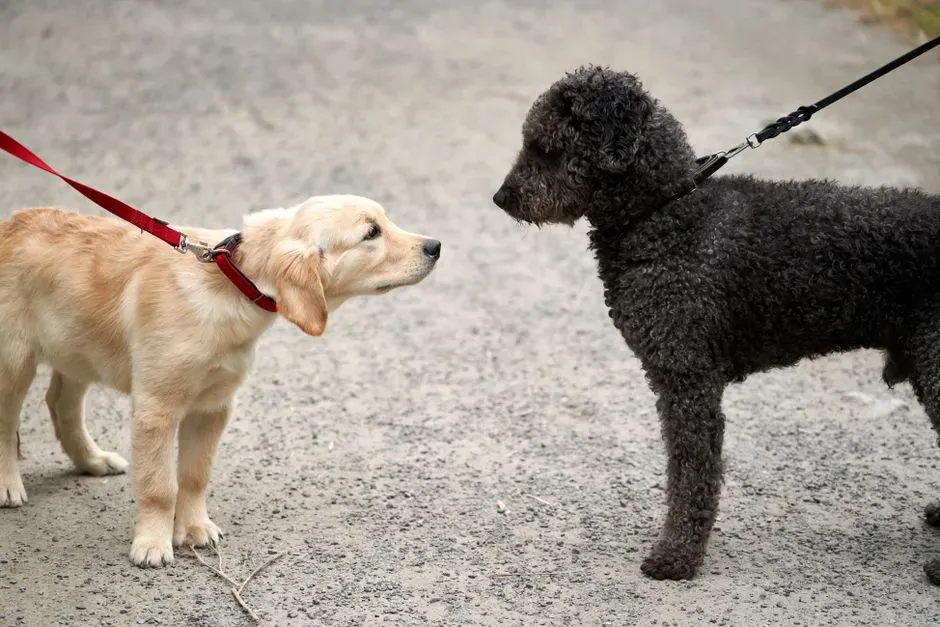
Where you introduce two dogs matters more than most people realize. Bringing a new dog straight into your current dog’s home, yard, or favorite room can trigger territorial instincts before either animal has a chance to relax. Vets recommend neutral ground, like a park or a quiet street, where neither dog feels they have something to defend.
Keep both dogs leashed, watch their body language rather than just their tails, and let the meeting stay short if tension appears. A calm five-minute introduction on neutral turf often prevents weeks of tension back at home. Rushing this step is one of the most common regrets vets hear about later.
10 – Don’t Leave Them Alone Together Too Soon
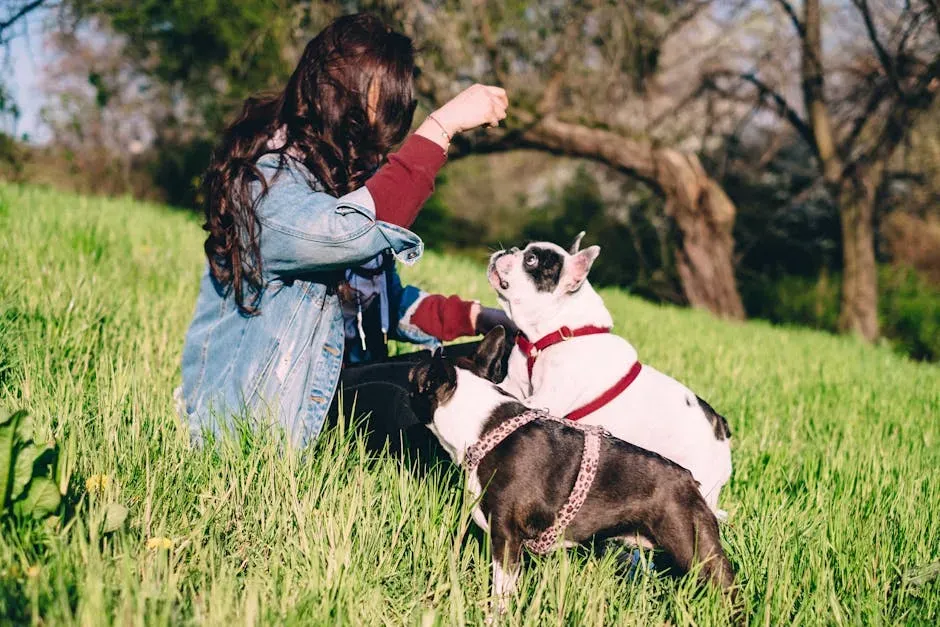
It’s tempting to assume that if the first meeting went well, the rest will fall into place naturally. Vets warn against this almost every time. Dogs that seem fine together for an hour can still have a sudden disagreement once real territory, like a bed or a doorway, is involved.
Supervise every interaction until you’ve genuinely seen how they behave around food, toys, and tight spaces. Increase unsupervised time in small increments, not all at once. The dogs that end up truly bonded are usually the ones whose owners were patient about this stage, not the ones who rushed it.
9 – The Jealousy Nobody Warns You About
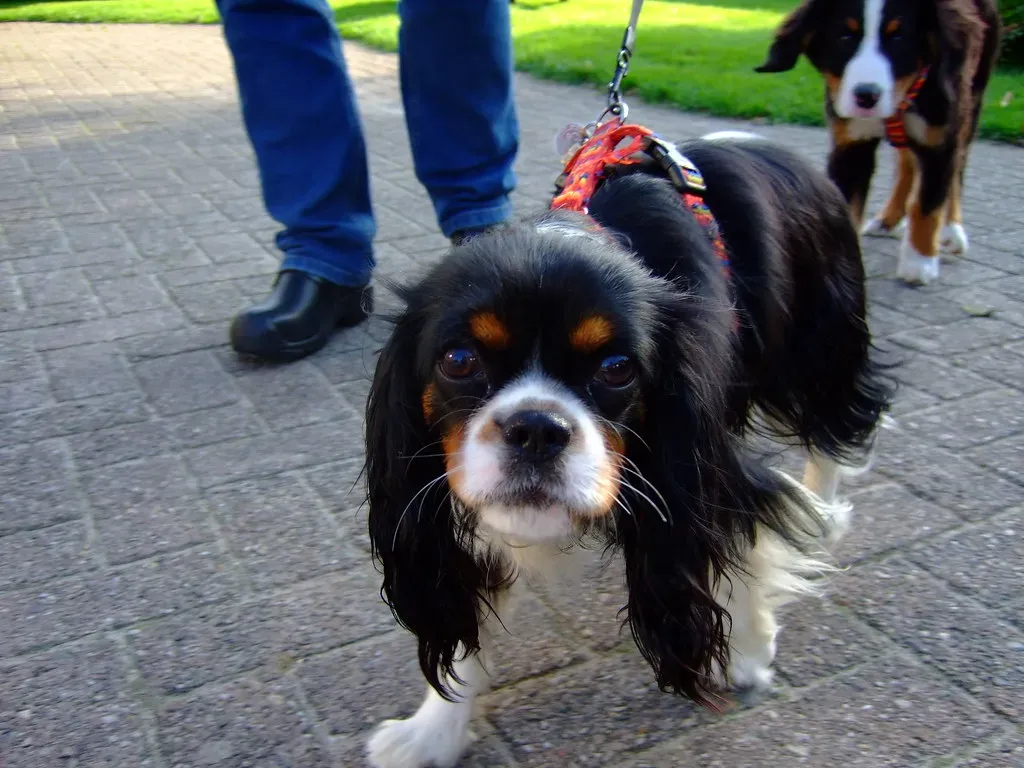
Older dogs notice when attention shifts, even when nothing is said out loud. A senior dog who has spent years as the only pet can experience real emotional distress when a new dog suddenly takes up your time, your lap, or your affection. Vets describe this as one of the most underestimated stressors in a newly blended household.
Keep your existing routines with your senior dog intact, from walk times to bedtime rituals, so nothing feels replaced. A few minutes of undivided, one-on-one attention each day can prevent the quiet sulking, withdrawal, or irritability that jealousy often produces. It’s a small effort with an outsized effect on peace at home.
8 – The Food Bowl Fight You Didn’t See Coming

Resource guarding rarely announces itself until it’s already a problem. A dog that has never shown possessiveness before can suddenly growl over a food bowl, a bone, or even a favorite blanket once another dog enters the picture. Vets see this most often during feeding time and when new toys are introduced without a plan.
Separate feeding stations and individual toys aren’t overkill, they’re prevention. Watching closely during the first few weeks lets you catch a guarding streak before it turns into an actual fight. It’s far easier to manage early than to correct after the first incident.
Worth Knowing
- Feed dogs in separate rooms or crates for at least the first several weeks
- Pick up high-value toys and bones when the dogs are together until trust is established
- Never reach between two dogs to break up a dispute, use a barrier or a loud noise instead
- A single low growl over food is a warning worth addressing immediately, not a one-off to ignore
7 – The Real Cost Isn’t Just Kibble
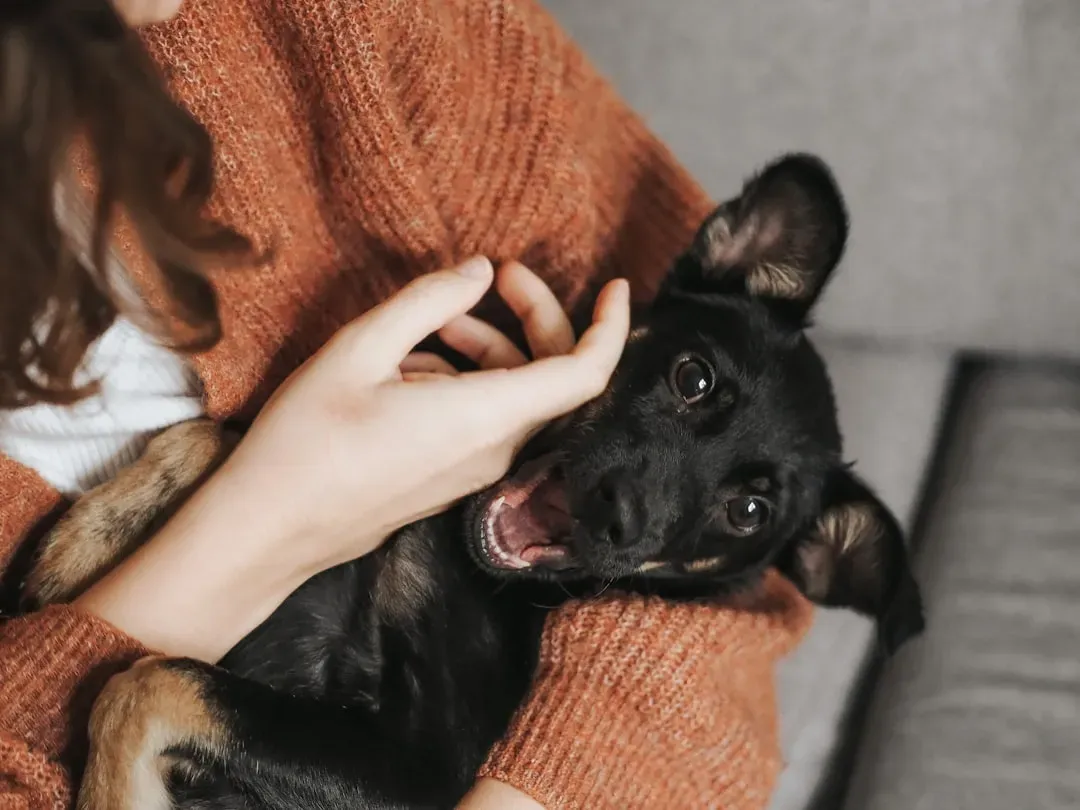
A second dog doesn’t just double your food bill, it stacks vet visits, grooming, medications, and the occasional emergency on top of a budget that’s often already fixed after retirement. Vets say this financial reality catches more people off guard than any behavioral issue does. It’s an uncomfortable conversation, but an honest one worth having before adoption day.
Build in room for the unexpected, like an emergency dental extraction or a sudden limp that needs X-rays. Two healthy dogs are manageable. One unexpected diagnosis in either dog can strain a budget fast. Planning for that possibility now spares you a painful decision later.
6 – Ask Yourself Honestly: Can Your Body Keep Up?
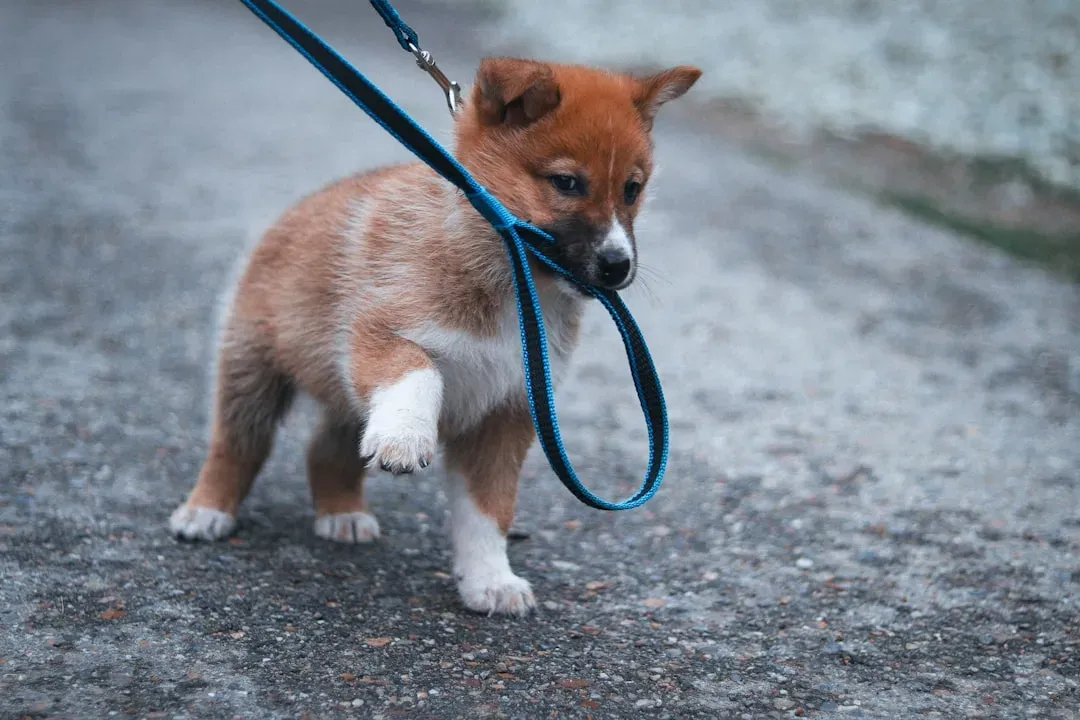
Two dogs mean two sets of walks, two feeding schedules, and, if things go sideways, two leashes pulling in opposite directions. Vets are blunt about this one because it directly affects safety. A fall caused by a young, strong dog lunging at the leash is a real and common injury risk for owners over 60.
Be honest about your mobility, your balance, and your stamina before choosing a second dog’s age and size. A calmer, smaller, or older dog might not be the exciting choice, but it might be the one that keeps you steady on your feet for years to come. Your body’s needs deserve as much weight in this decision as your heart’s.
Fast Facts
- A national ER analysis found that researchers analyzed information in a national health database from 2001 to 2020 and identified almost 423,000 people (average age 53) who went to emergency departments after being pulled or tripped by a leash
- The annual number of injuries increased by more than four times during the study period, from about 7,200 in 2001 to about 32,000 in 2020
- Research on leash-related trauma notes that the most serious injuries occur in people over 65, particularly women
- Dog walkers most commonly suffered broken fingers, shoulder sprains, and traumatic brain injuries
5 – Training Isn’t Optional the Second Time Around
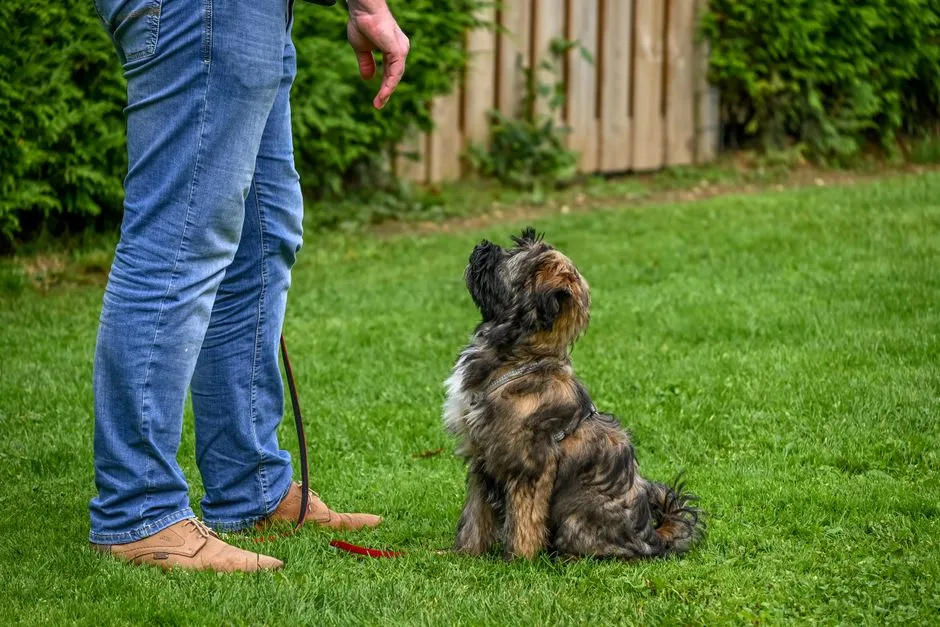
Even a well-behaved current dog doesn’t guarantee a well-behaved household once a second dog arrives. New dynamics mean new rules need to be taught and reinforced, sometimes for both dogs at once. Vets say skipping this step is one of the fastest ways two otherwise good dogs end up in constant friction.
Basic obedience, consistent commands, and simple boundaries go a long way toward keeping the peace. Group training classes can also double as socialization, helping both dogs learn to read each other’s cues. The investment of a few weeks of training often saves months of tension later.
4 – When Old Habits Turn Into New Problems
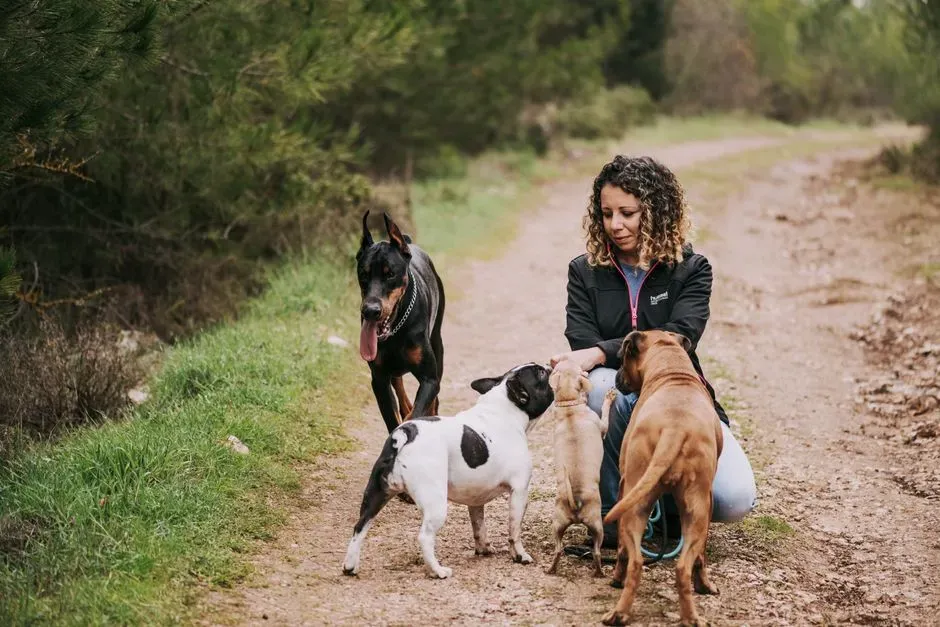
A dog that was perfectly relaxed as an only pet can develop anxiety, guarding, or even aggression once a companion is introduced. Vets stress that these changes aren’t a sign of a bad dog, they’re a sign of a stressed one adjusting to a new normal. Ignoring early behavioral shifts is one of the most common mistakes owners make.
Address unusual behavior immediately rather than hoping it resolves on its own. A professional trainer or veterinary behaviorist can often correct small issues quickly before they harden into lasting habits. Early attention here protects the relationship you’re hoping to build.
3 – Give Every Dog a Place to Retreat
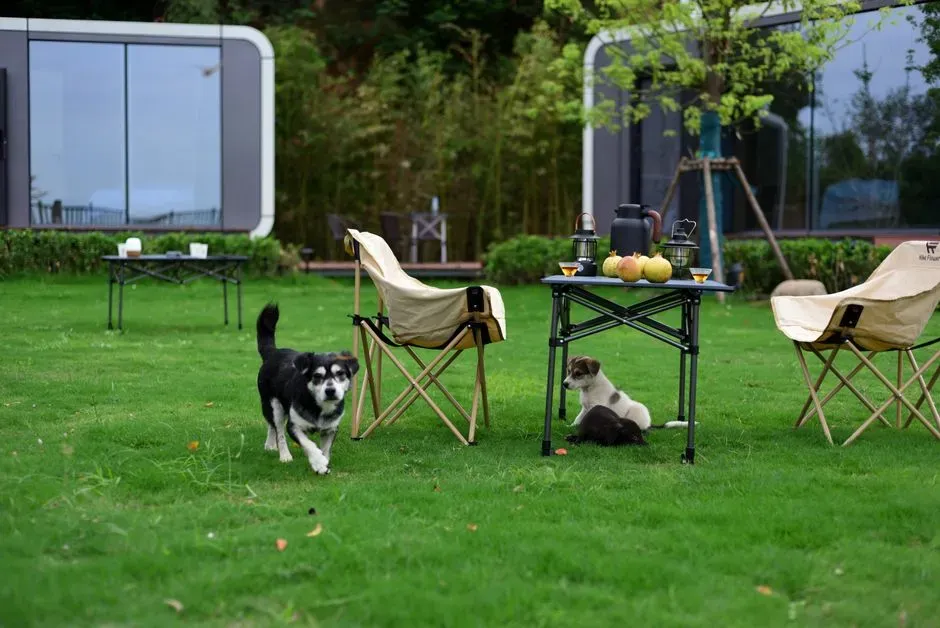
Dogs need an escape hatch, a place where they can fully relax without the presence of another animal. Homes that lack this kind of separate space see far more tension, according to vets, simply because neither dog ever gets a true break from the other. This matters even more in smaller homes or apartments.
Separate beds, feeding areas, and even different rooms during downtime can make a significant difference. It’s not about keeping the dogs apart forever, it’s about giving them room to decompress. A dog that can retreat when overwhelmed is far less likely to react defensively.
At a Glance
- Give each dog its own bed, ideally in a separate room or quiet corner
- Use baby gates or exercise pens to create low-stress boundaries, not punishment zones
- Rotate access to favorite resting spots so no dog feels permanently displaced
- One dog consistently avoiding a shared space is often a sign more separation is needed
2 – Rushing the Bond Almost Always Backfires
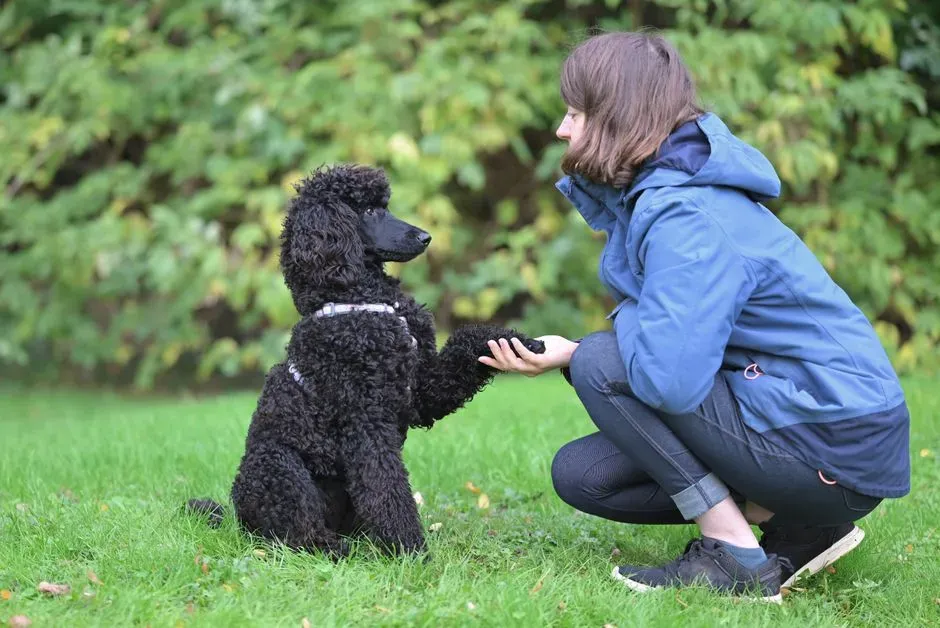
Some dogs click within days. Others take months to fully trust each other, and vets say that timeline has almost nothing to do with whether the pairing was a good one. Forcing closeness before either dog is ready tends to create the exact tension owners are trying to avoid.
Let the dogs set their own pace, even if it feels painfully slow at first. Small, positive interactions repeated consistently build trust far better than one big forced introduction ever could. Patience here isn’t passive, it’s the strategy that actually works.
1 – Your Vet Knows Something You Don’t

Before any of this begins, a conversation with your veterinarian can reshape the entire plan. They know your current dog’s health history, temperament quirks, and physical limitations better than almost anyone, and that insight can prevent a mismatch before it ever happens. Vets can also flag age-related conditions, like arthritis or vision loss, that might make certain pairings riskier than they appear.
This single conversation is often the difference between a smooth transition and months of avoidable struggle. Ask directly about your specific dog, your specific home, and your specific concerns rather than relying on general advice. It’s a short appointment that can save both dogs, and you, a great deal of stress.
The Bottom Line

Here’s the opinion most people don’t want to hear: love is not a plan. Good intentions bring a second dog home, but it’s preparation, patience, and honesty about your own limits that actually make the household work.
The owners who succeed at this after 60 aren’t the ones with the most energy or the biggest hearts, they’re the ones willing to slow down, ask hard questions, and let the dogs, not their own excitement, set the timeline. Do that, and two dogs can genuinely be better than one. Skip it, and you risk turning a joyful decision into a daily struggle for everyone under your roof.
Have you brought a second dog home later in life? Share how it went in the comments, the good, the messy, and everything in between.

- The Pet Your Zodiac Sign Would Rescue Without Hesitation - August 16, 2026
- 7 US States Where Mountain Lions Are Closer Than You Think - August 16, 2026
- 10 US States With the Highest Black Bear Populations - August 16, 2026