
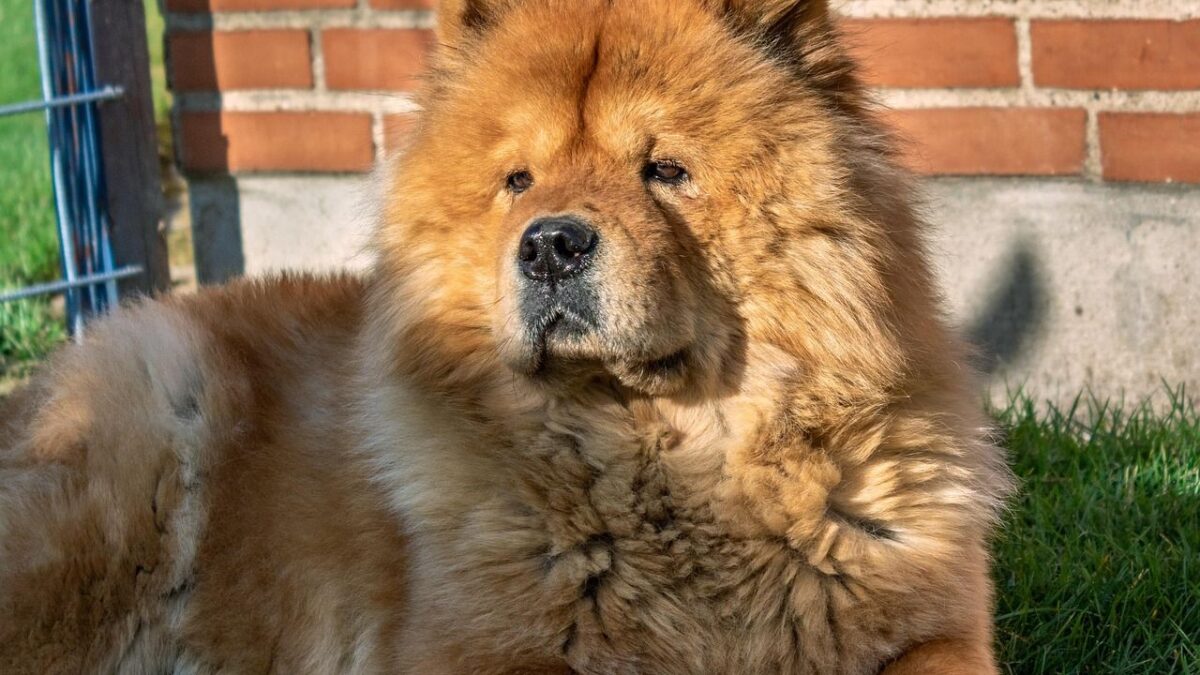
Ask any dog owner and they’ll tell you the same story: their dog loves everyone. The mailman, the neighbor’s kid, grandma at Thanksgiving. But for some breeds, that’s simply not true, and it’s not because they’re broken or badly raised.
Some dogs are wired to pick exactly one person and stay loyal to that person for life, sometimes even after that person is gone. Rehome them, rescue them, or hand them off to a loving new family, and you might find a dog who shuts down, stays distant, or takes months to even make eye contact. Here are the 14 breeds most likely to give their whole heart to one person, and no one else.
14. Akita & The Guardian Who Chooses Once
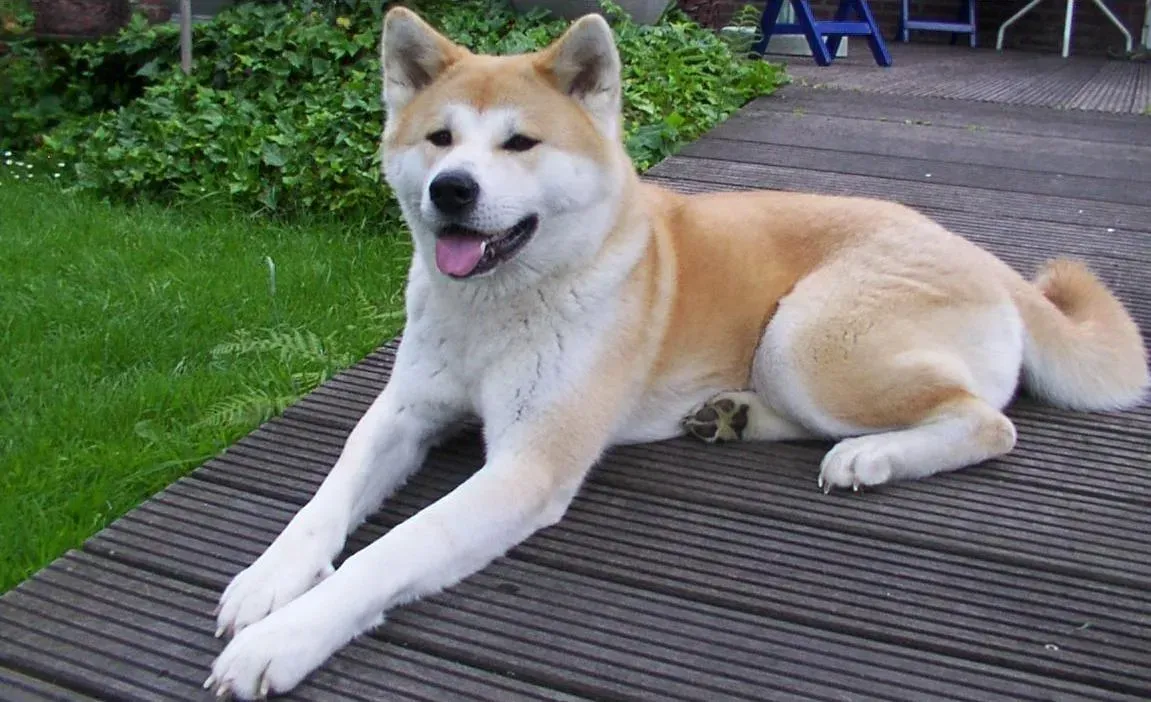
Akitas don’t hand out trust, they earn it slowly and then guard it fiercely. Bred in Japan as watchful, dignified protectors, these dogs tend to lock onto one person as their true north. Everyone else, even close family, may get a polite nod at best and a wary stare at worst.
That loyalty is a double-edged sword. It makes an Akita an incredible protector, but it also means a new owner may spend months just trying to get the dog to relax in the same room. Without early, deliberate socialization, that quiet wariness can tip into stubbornness or defensiveness toward strangers.
Fast Facts
- Origin: Northern Japan’s mountainous Akita region, historically guarding nobility
- Size: Males often reach 100+ pounds, females slightly smaller
- Life span: Roughly 10 to 13 years
- Famous example: Hachiko, whose devotion became a national symbol of loyalty in Japan
13. Shiba Inu & Affectionate on Their Own Terms
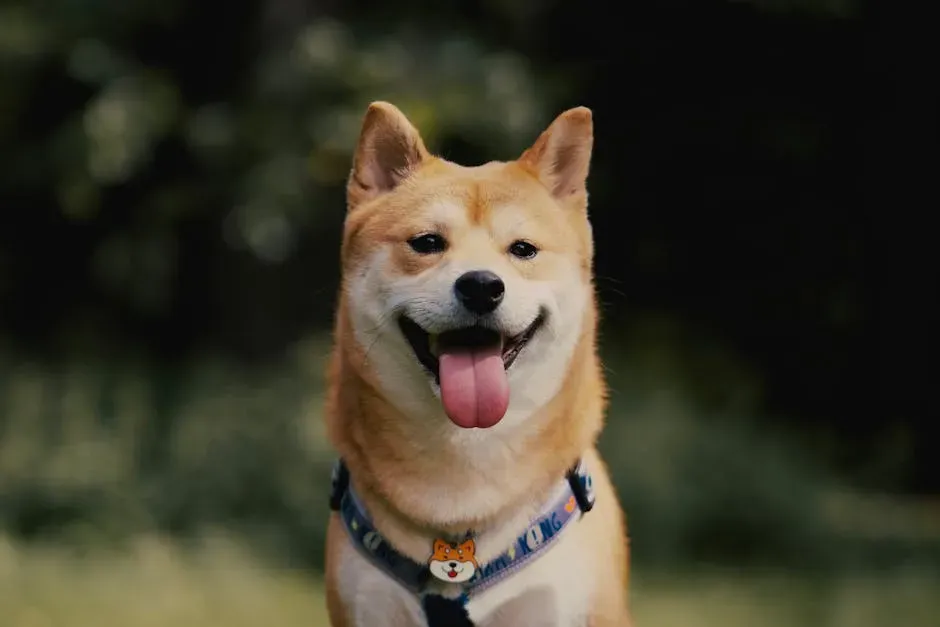
Shiba Inus have a reputation for being cat-like, and it’s earned. They form one deep bond and treat almost everyone else like background noise. It isn’t coldness, it’s selectiveness, they simply decide who’s worth the effort.
Rehoming a Shiba is rarely instant. They may tolerate a new owner long before they trust one, and that gap can last weeks or months. Consistent routines and quiet, low-pressure handling tend to speed things along, but patience is non-negotiable.
12. Chow Chow & The Dog Who Doesn’t Chase Affection
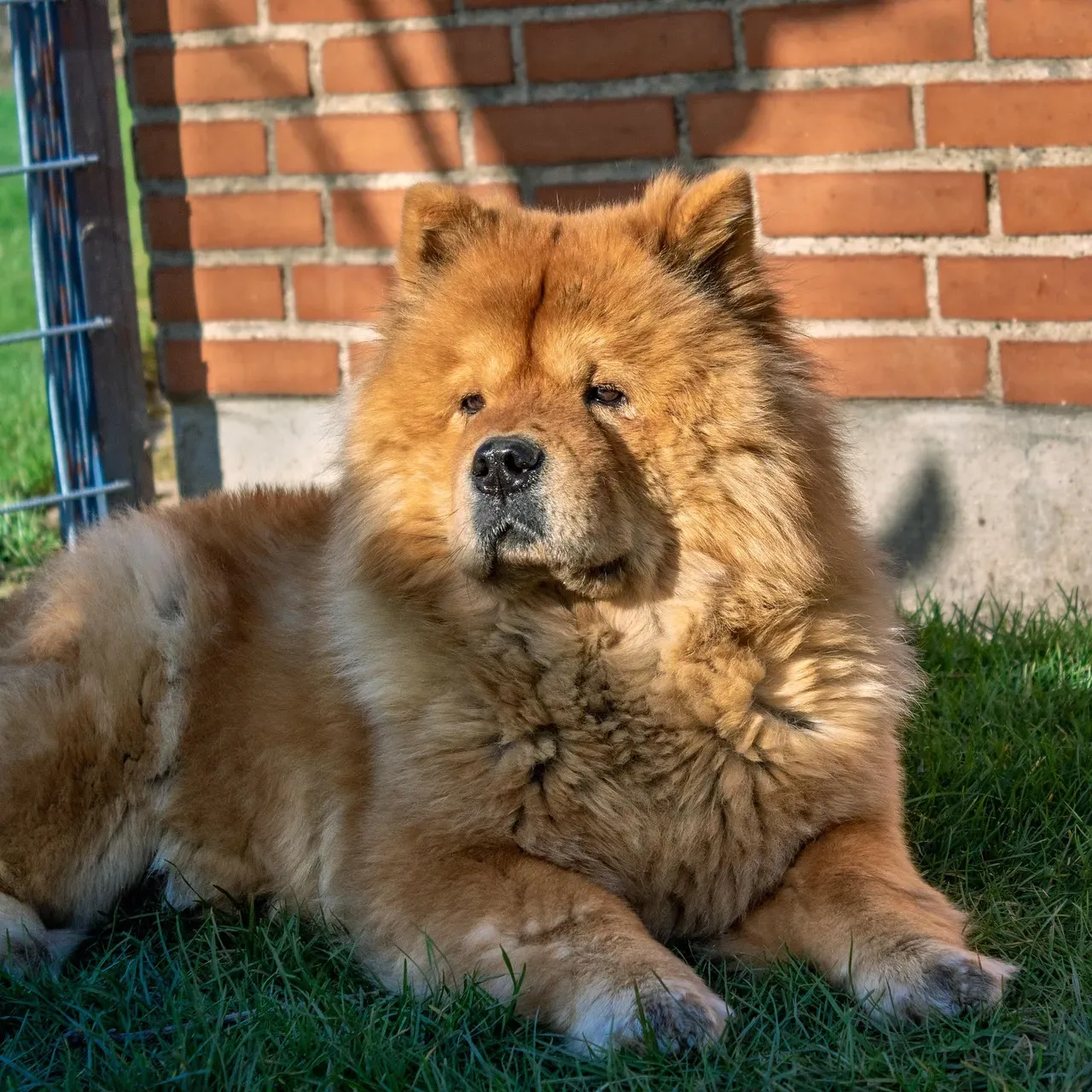
Chow Chows carry themselves with an almost regal indifference, and that’s not an accident. Once they’ve bonded with a person, they see little reason to seek out anyone new. Strangers, and even new family members, often have to prove themselves first.
This isn’t a breed that warms up on a schedule. A Chow separated from its original owner may go quiet, withdrawn, or simply uninterested in bonding for a surprisingly long stretch. Slow, structured introductions matter more here than almost any other breed on this list.
11. Belgian Malinois Loyal to the Job, Loyal to the Person
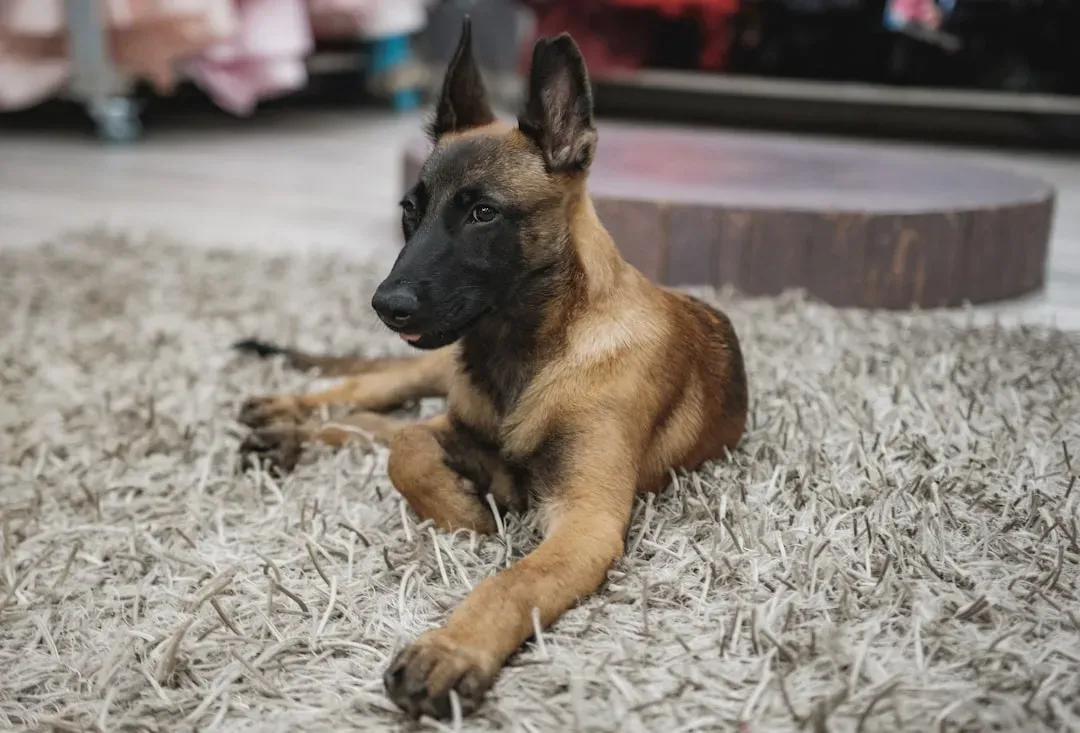
Malinois are working dogs at heart, and working dogs attach hard to whoever gives them purpose. Once a Malinois locks onto a handler, that bond becomes the center of its entire world. Losing that person can feel, to the dog, like losing its job.
Without a clear role and a person to follow, a Malinois can spiral into anxiety or destructive habits. Rehoming one means offering not just affection, but structure, exercise, and a reason to trust again, something this breed doesn’t hand out for free.
10. Doberman Pinscher Fierce Devotion, Fierce Grief
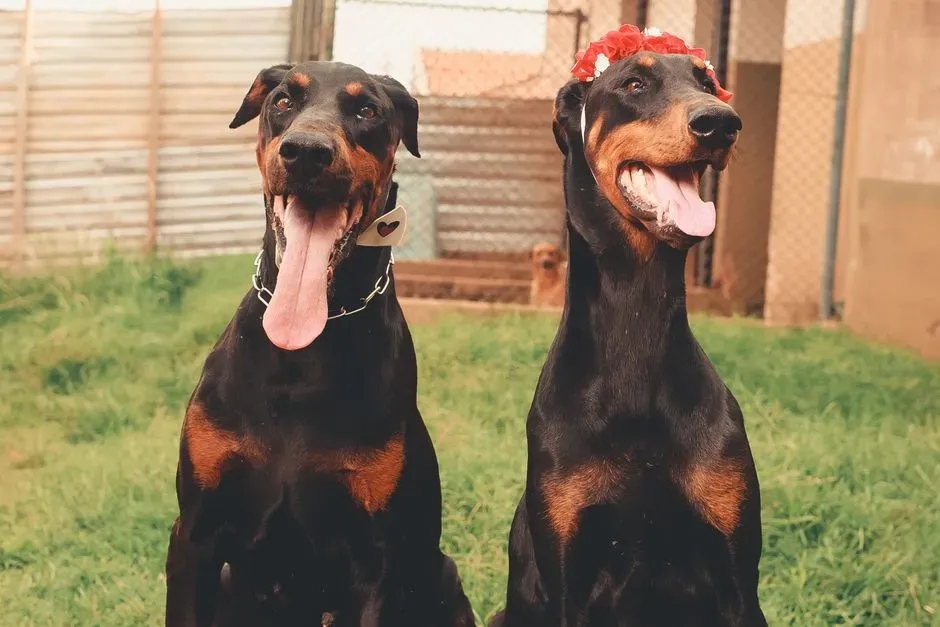
Dobermans love hard, and that intensity is exactly why losing their person hits them so deeply. Their attachment is protective almost to a fault, and separation from their original owner can trigger real anxiety, not just sulking.
A Doberman meeting a new owner isn’t rude, it’s cautious. That built-in wariness toward strangers is a feature, not a flaw, but it means new bonds have to be built brick by brick through calm, consistent training.
A dog is the only thing on earth that loves you more than he loves himself.
Josh Billings
9. German Shepherd & Smart Enough to Know Who’s Missing
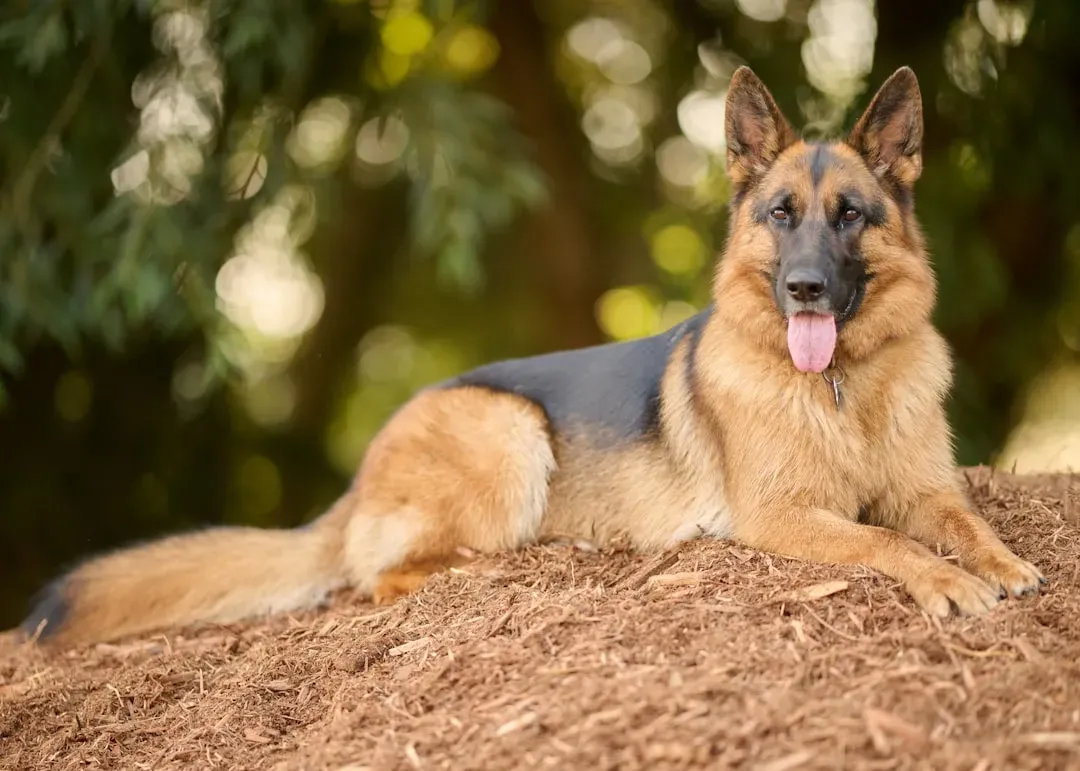
German Shepherds are famous for their intelligence, and that intelligence cuts both ways. They notice absence. A Shepherd separated from its original person doesn’t just adjust, it grieves, and that grief can look like distrust toward whoever comes next.
New owners often mistake this for stubbornness, but it’s closer to heartbreak. With steady positive reinforcement and time, a Shepherd can rebuild trust, but it rarely happens on anyone’s timeline but the dog’s own.
At a Glance
- Working role: Originally bred for herding, now common in police, military, and service work
- Life span: 9 to 13 years
- Intelligence ranking: Consistently rated among the smartest breeds worldwide
- Bonding style: Forms one primary attachment while tolerating, but not fully trusting, others
8. Australian Cattle Dog & Loyalty Built on Work
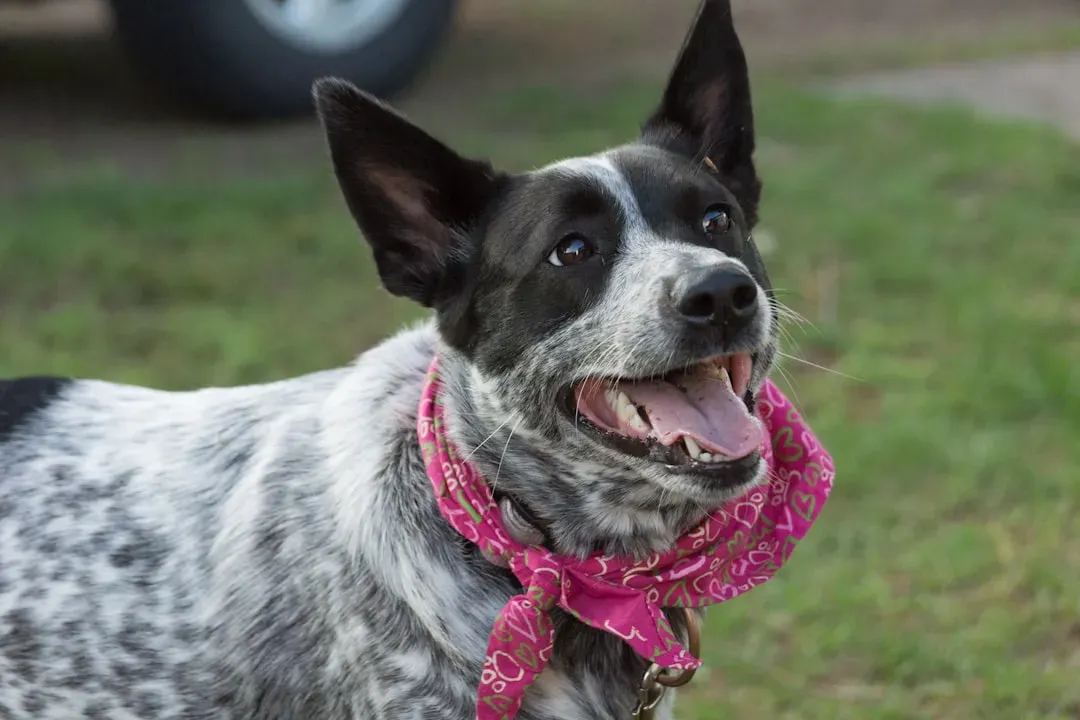
Bred to herd cattle for one rancher at a time, Australian Cattle Dogs don’t do divided loyalty well. They latch onto one handler and organize their entire world around that relationship. Everyone else is just scenery.
Their independence makes rehoming tricky, not because they’re difficult, but because they don’t see the point in starting over. A structured routine and daily mental work can eventually convince a Cattle Dog that a new person is worth the investment.
7. Border Collie & Too Focused to Let Go Easily
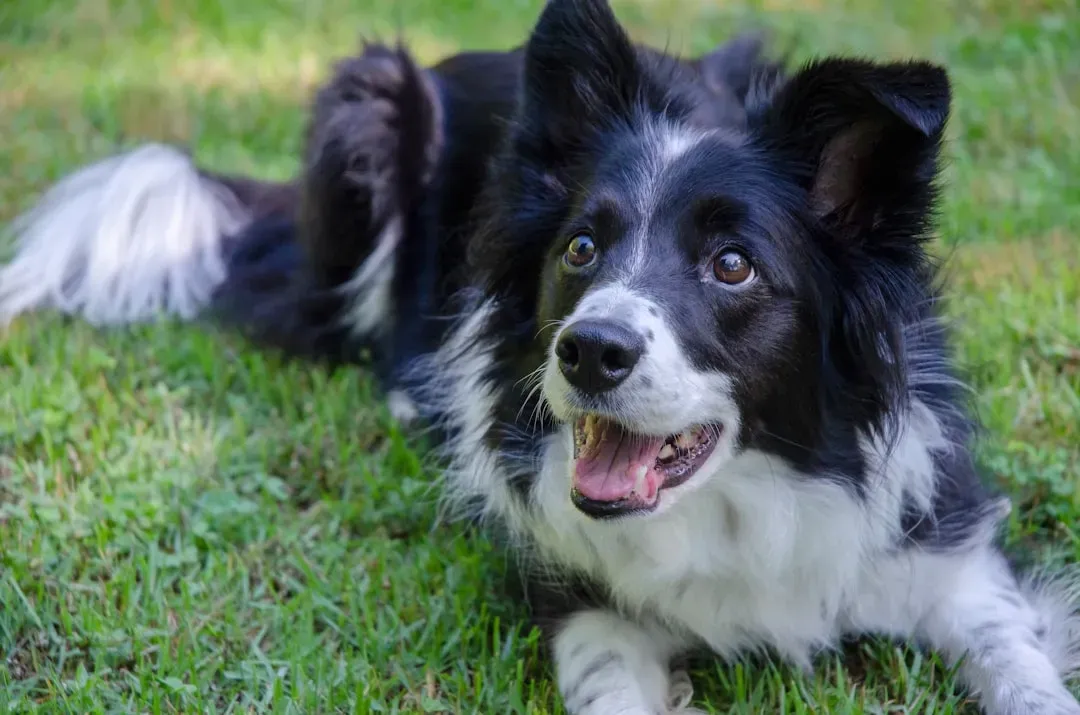
Border Collies are wired for intense focus, and that focus usually lands on one person. That single-minded devotion is part of what makes them brilliant working dogs, but it also makes transition hard when that person disappears from their life.
An under-stimulated Border Collie separated from its bonded owner can become anxious or even destructive. The fix isn’t affection alone, it’s engagement, long walks, puzzle toys, and a job to do until trust in someone new finally clicks into place.
6. Dachshund & Small Dog, Enormous Loyalty
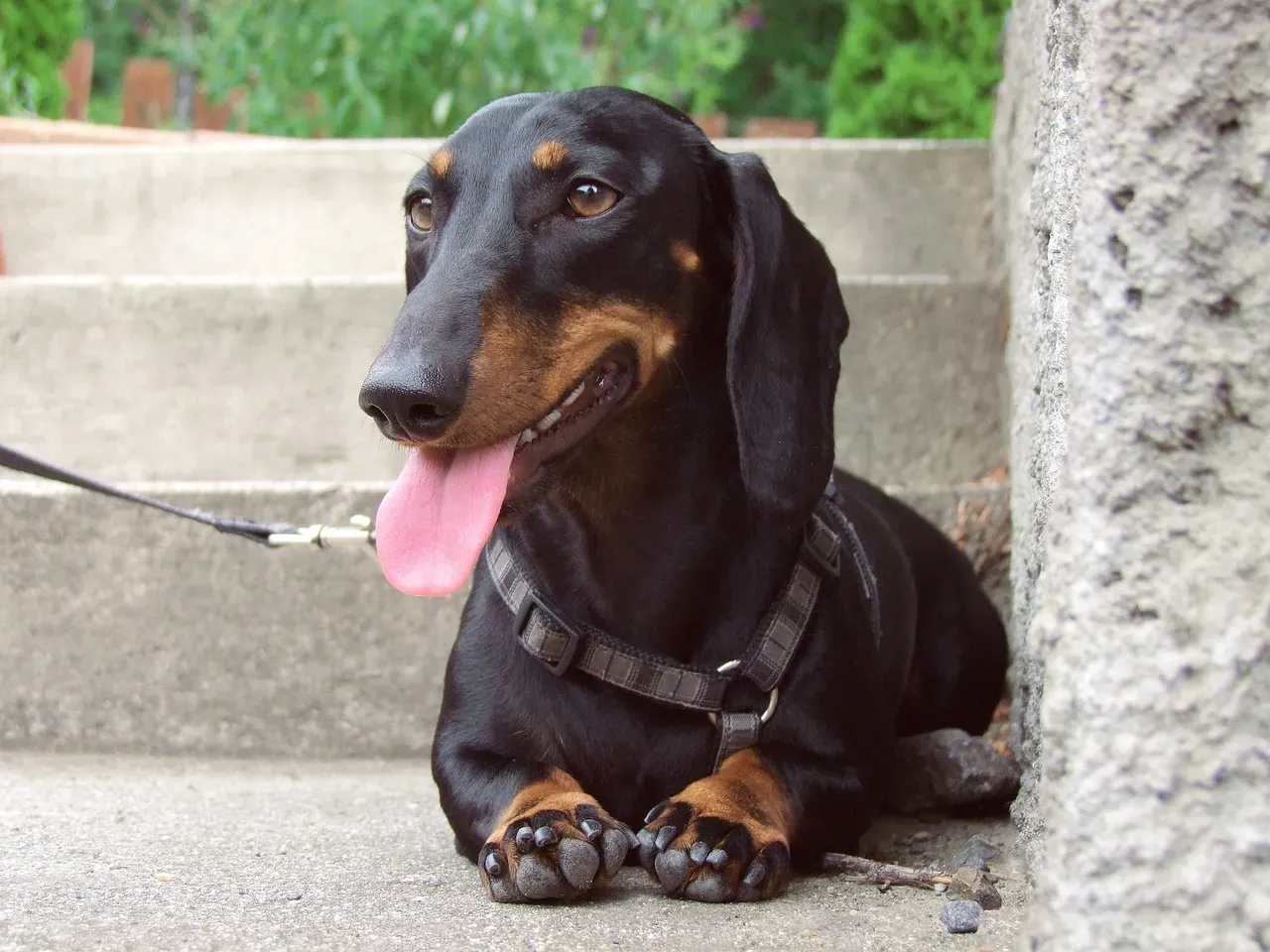
Don’t let the size fool you, Dachshunds attach with the intensity of a dog three times their weight. They tend to pick one favorite human and stick close, sometimes to the point of following that person from room to room like a shadow.
When that person is no longer around, a Dachshund can become surprisingly clingy or wary with new people, a stark contrast to their usual bold, feisty personality. Rebuilding that trust takes gentleness, not force, since this breed responds badly to pressure.
Quick Compare
- Typical small-breed stereotype: clingy, but generally easygoing with strangers
- Dachshund reality: intense one-person focus paired with real wariness of new faces
- Typical small-breed exercise needs: minimal
- Dachshund exercise needs: surprisingly moderate, despite the short legs
5. Rottweiler & Gentle With One, Guarded With Many
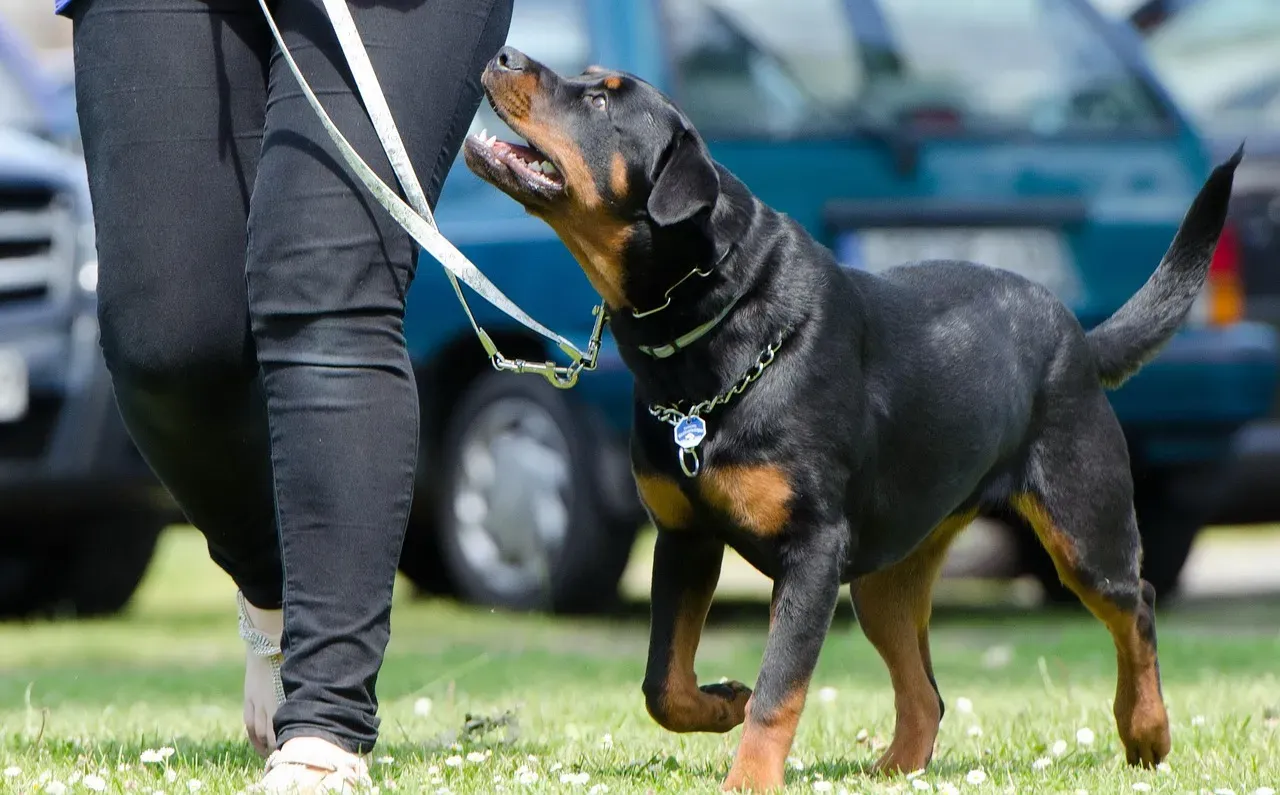
Rottweilers have a reputation for toughness, but underneath that muscle is a dog that bonds hard and fast with one person. That original owner often becomes the dog’s entire emotional anchor, the one voice it truly listens to without hesitation.
Around new people, a Rottweiler’s natural wariness can look like suspicion, even aggression, if trust hasn’t been earned yet. Calm, confident handling and patience are essential, because this breed can sense uncertainty in a new owner almost instantly.
4. Basenji & The Independent Original
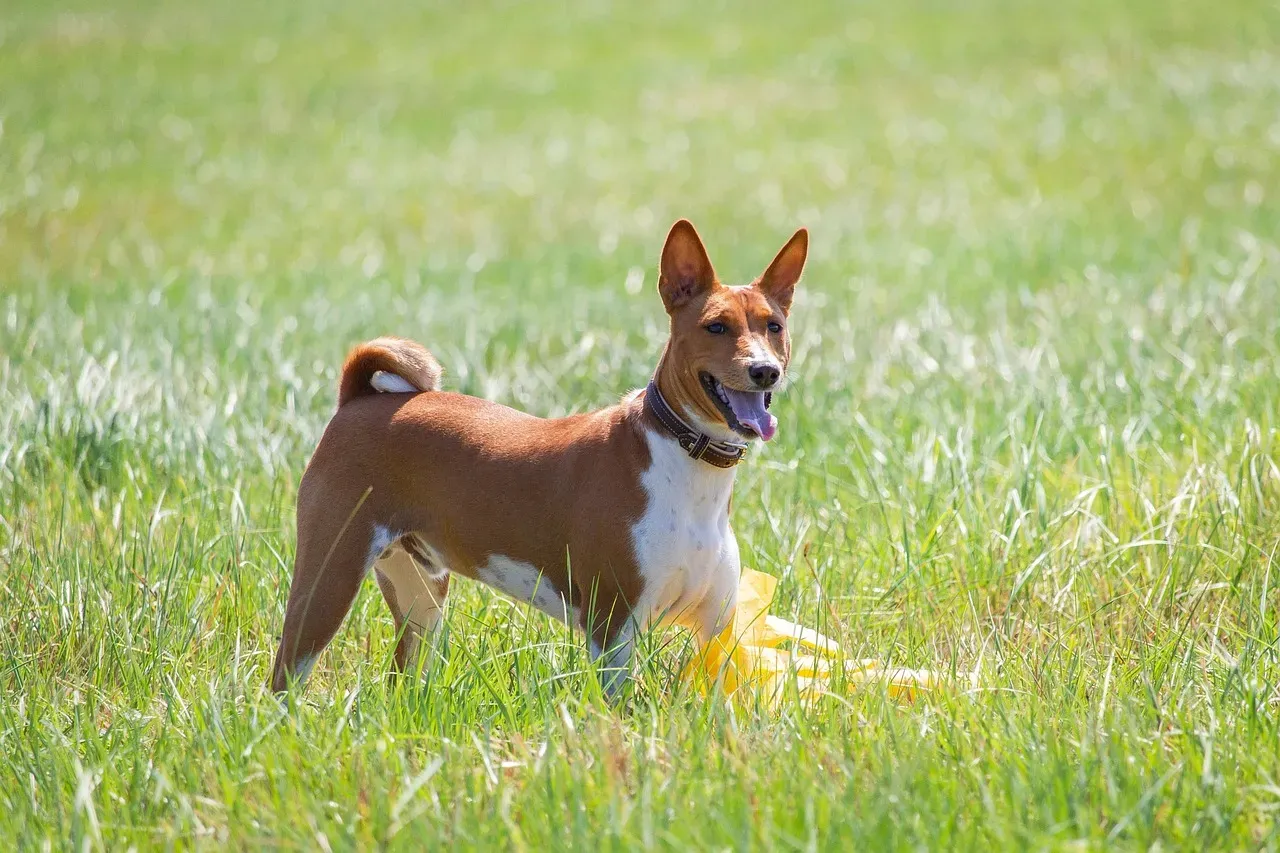
Basenjis are famous for being nearly silent and fiercely independent, traits that make their loyalty even more striking when it shows up. Once a Basenji chooses a person, it commits fully, while treating almost everyone else with polite detachment.
This isn’t a breed that seeks approval from strangers. A Basenji handed to a new owner may look composed on the outside while quietly withholding real trust for weeks, testing the new relationship before ever fully investing in it.
3. Yorkshire Terrier & Tiny Dog, Territorial Heart
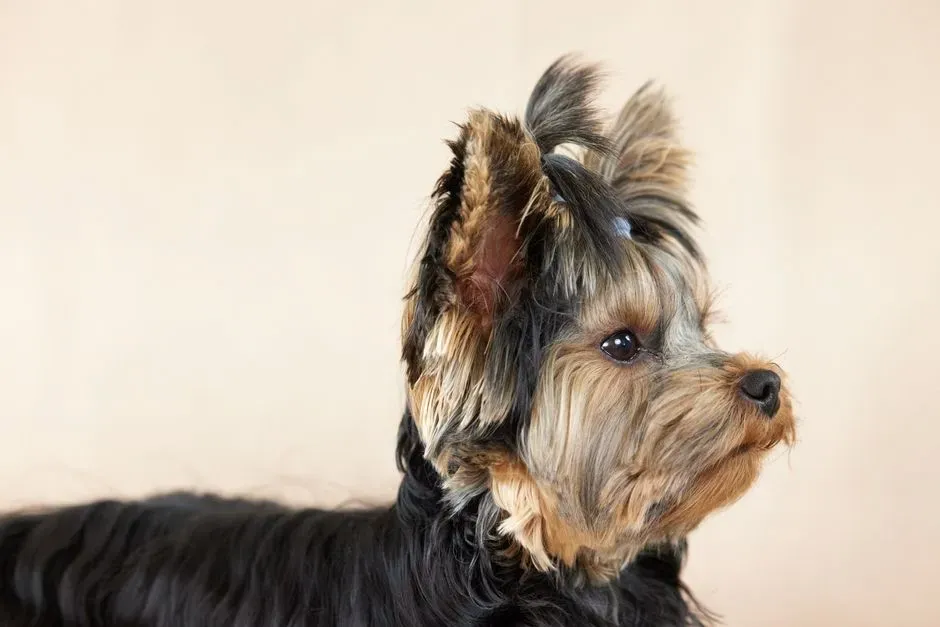
Yorkies are often treated like accessories, but their hearts work like guard dogs. They frequently bond intensely with one person and can become genuinely distrustful, even snappy, toward anyone who tries to take that person’s place.
This isn’t small-dog syndrome, it’s real attachment. A Yorkie separated from its original owner may reject affection from a new caretaker entirely at first, holding out until it decides, on its own terms, that this new person is safe.
Worth Knowing
- Original purpose: bred in England to hunt rats in textile mills
- Size: Typically under 7 pounds fully grown
- Life span: 13 to 16 years, one of the longer lifespans on this list
- Temperament trait: big-dog confidence packed into a tiny frame
2. Cairn Terrier & Loyal Underneath the Scrappy Exterior
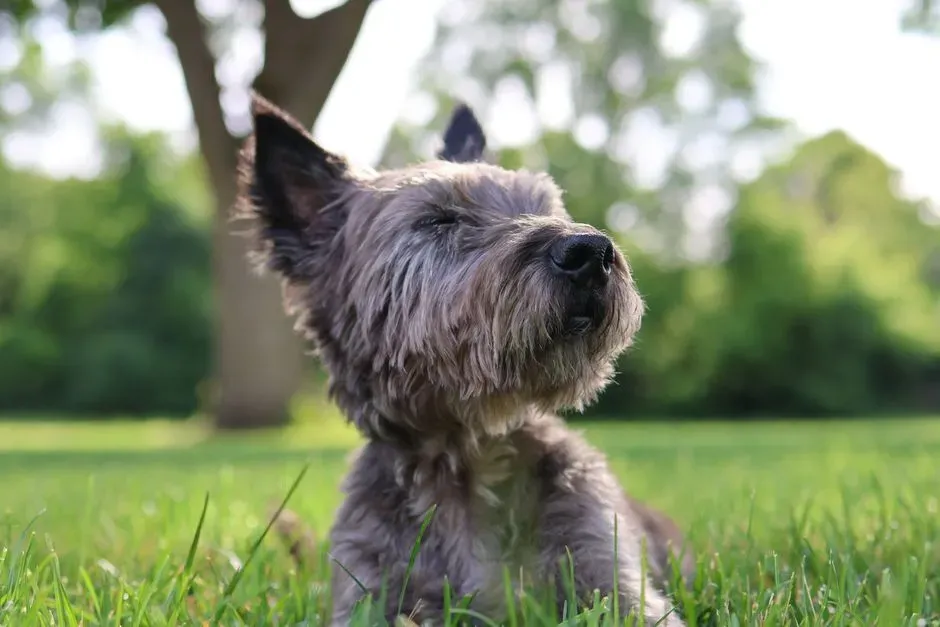
Cairn Terriers are scrappy, confident, and famously independent, which makes their deep devotion to one person almost surprising. Once that bond forms, a Cairn treats it like the most important relationship in its life, defending it with real stubbornness.
New owners often find a Cairn polite but distant, going through the motions without real warmth. It takes consistent routine and genuine patience before this terrier decides a new person has earned the same trust as the one before.
1. Chihuahua & The Ultimate One-Person Dog
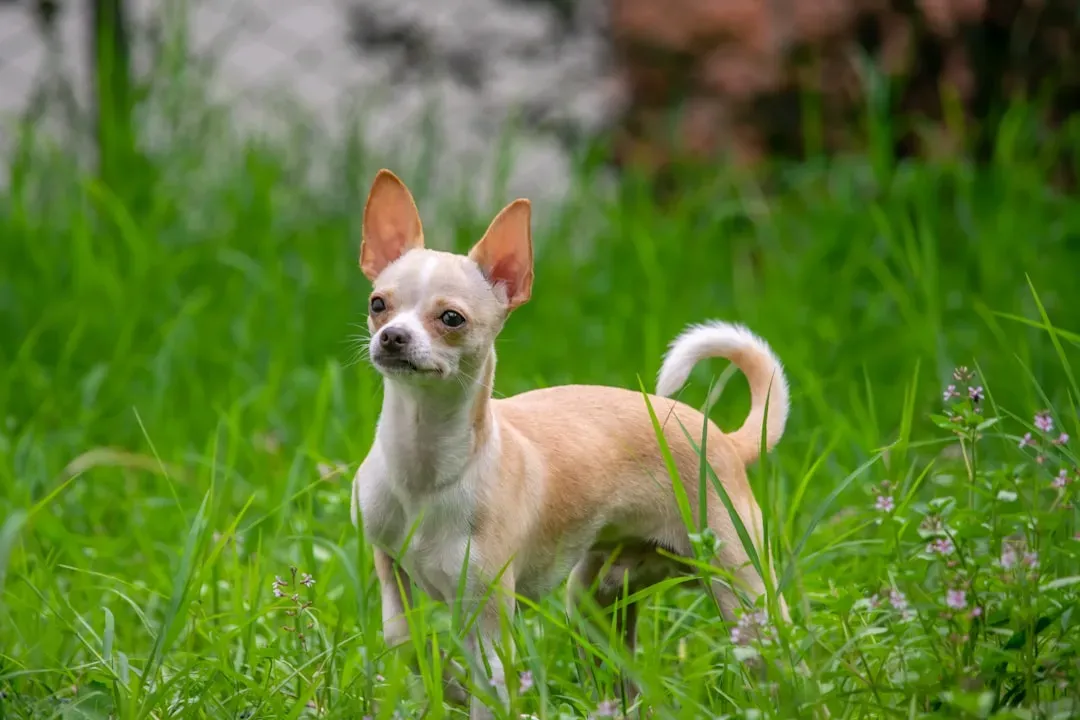
If any breed deserves the top spot, it’s the Chihuahua. Despite their tiny size, Chihuahuas are notorious for choosing one person and rejecting almost everyone else’s affection outright, sometimes trembling, hiding, or growling at new faces entirely.
This isn’t dramatic for the sake of it, it’s real emotional dependency. A Chihuahua separated from its original owner can take an unusually long time to bond again, and some never fully let go of the memory of who came first.
Here’s the truth nobody likes to say out loud: some dogs don’t love easily, they love once, deeply, and rarely again with the same intensity. That’s not a flaw to fix, it’s a trait to respect. If you’re bringing one of these breeds into your life, understand what you’re signing up for, because their loyalty isn’t given lightly, and once you have it, walking away isn’t something they forget.

- The Pet Your Zodiac Sign Would Rescue Without Hesitation - August 16, 2026
- 7 US States Where Mountain Lions Are Closer Than You Think - August 16, 2026
- 10 US States With the Highest Black Bear Populations - August 16, 2026