


As human development expands into natural habitats, wildlife encounters in urban settings have become increasingly common. Among these surprising visitors, wolves—normally shy and elusive predators—have occasionally ventured into cities and suburbs worldwide. These rare but significant events provide valuable insights into changing wildlife behaviors, human-wildlife conflicts, and conservation challenges. This article explores 14 documented cases where wild wolves were spotted in urban environments, examining the circumstances, outcomes, and implications of these unexpected encounters.
Rome, Italy Wolves Return to the Eternal City

In 2019, wildlife cameras captured images of a small pack of wolves roaming the outskirts of Rome, approximately 20 miles from the city center. Experts from Italy’s National Institute for Environmental Protection and Research confirmed that at least six wolves had established territory in the Castel di Guido nature reserve, marking the first time in over a century that wolves had returned to the vicinity of the Italian capital. The wolves primarily hunted wild boar and rabbits in the reserve but occasionally ventured closer to suburban areas during nighttime hours. This return represented a conservation success story, as Italian wolf populations had rebounded from near extinction in the 1970s to roughly 2,000 individuals across the country by 2020. Notably, these urban-adjacent wolves showed no aggressive behavior toward humans, maintaining their natural wariness while adapting to life on the periphery of one of Europe’s most historic cities.
Berlin, Germany Wolf Family Establishes Territory on City Outskirts
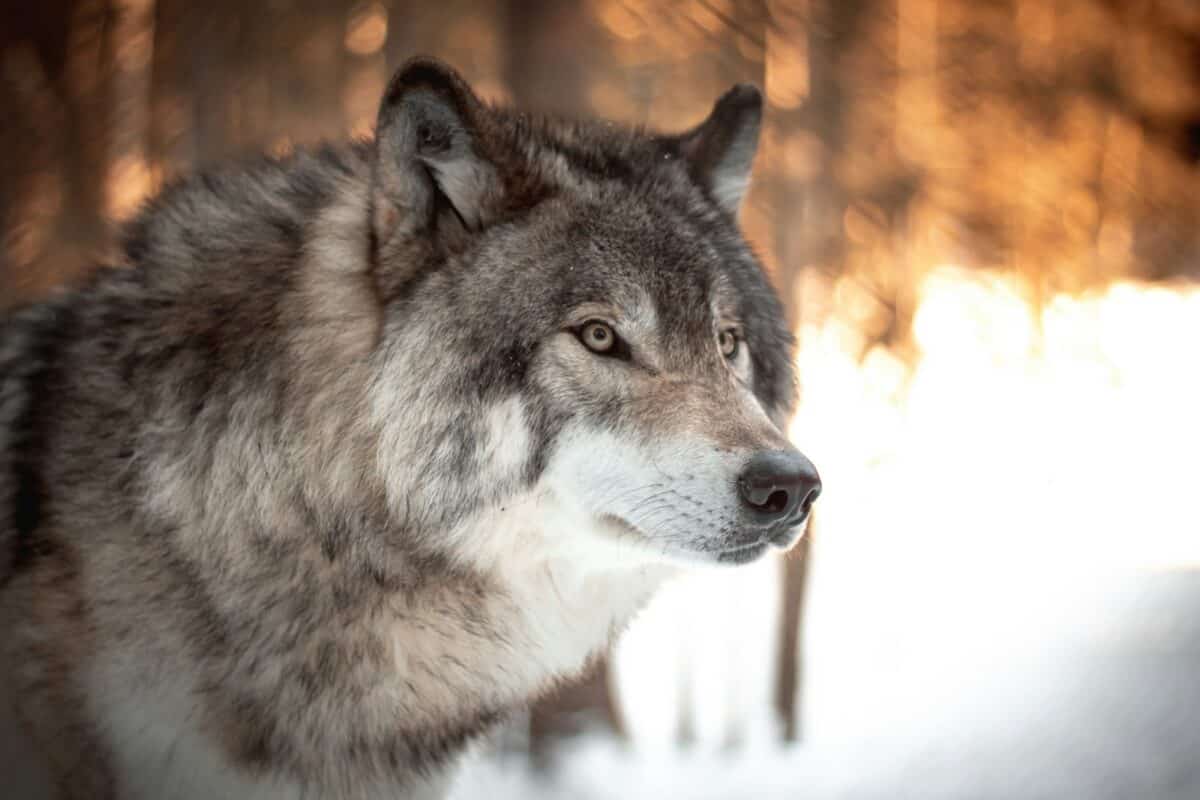
In 2018, wildlife officials confirmed that a pair of wolves had established a territory in the Döberitzer Heide, a former military training ground just 35 kilometers west of Berlin’s city center. By 2019, the pair had produced cubs, creating the closest wolf pack to a major European capital. Motion-activated cameras and field researchers documented the wolves’ movements as they navigated this semi-urban environment, occasionally crossing highways and approaching residential areas, particularly during winter months when food became scarcer. The Berlin wolves demonstrated remarkable adaptability, subsisting primarily on wild game but occasionally preying on unprotected livestock in nearby rural communities. This wolf family’s proximity to Germany’s capital highlighted the species’ ongoing recovery throughout Central Europe, where wolf populations have increased from virtual extinction to over 100 packs in Germany alone. Conservation authorities implemented educational programs for local residents on peaceful coexistence while monitoring the pack’s activities to prevent potential conflicts.
Vancouver Island, Canada Wolf Pack Frequents Coastal Town

Between 2018 and 2020, residents of Port Hardy, a community of approximately 4,000 people on northern Vancouver Island, reported increasingly frequent wolf sightings within town limits. A pack of 6-7 coastal wolves regularly moved through residential areas, prompting concerns from local authorities. Wildlife officials determined that the wolves had been habituated to human presence after repeatedly finding food sources, including unsecured garbage, pet food left outdoors, and occasionally small pets. Conservation officers implemented an aggressive public education campaign, installing warning signs throughout the community and holding town hall meetings to instruct residents on proper food storage and pet safety measures. Despite these efforts, several wolves from the pack became increasingly bold, leading to two wolves being euthanized in 2020 after displaying concerning behavior toward humans. The situation highlighted the delicate balance between wolf conservation and public safety in areas where rural communities interface with wilderness habitats. Following intervention, the remaining pack members eventually returned to more natural foraging patterns away from town.
Varna, Bulgaria Lone Wolf Navigates Black Sea Resort City
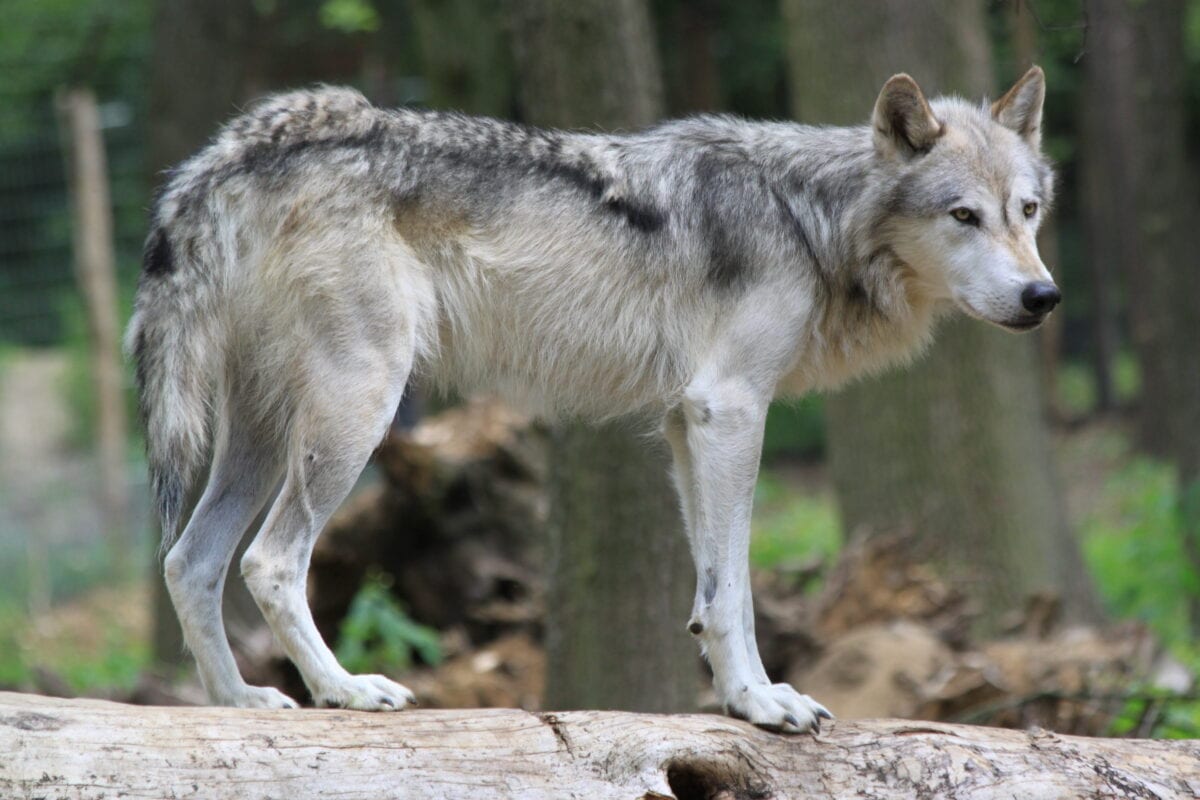
In January 2021, residents of Varna, Bulgaria’s third-largest city and a popular Black Sea resort destination, reported multiple sightings of a solitary wolf moving through city neighborhoods during pre-dawn hours. Security cameras captured footage of the wolf trotting down empty streets and through parks over a period of approximately two weeks. Wildlife biologists determined it was a young male wolf, likely dispersing from its natal pack in the nearby Stara Planina mountain range. The wolf showed signs of disorientation but did not approach humans or display aggressive behavior. After consulting with conservation experts, city officials decided against attempting capture, instead implementing nighttime patrols to monitor the wolf’s movements while advising residents to secure garbage containers and keep pets indoors overnight. By early February, trail cameras confirmed the wolf had left the urban area, apparently finding its way back to forested terrain northeast of the city. The incident sparked public debate about wildlife corridors and habitat connectivity in Bulgaria’s rapidly developing coastal region.
Duluth, Minnesota Urban Wolf Pack Establishes Territory Within City Limits
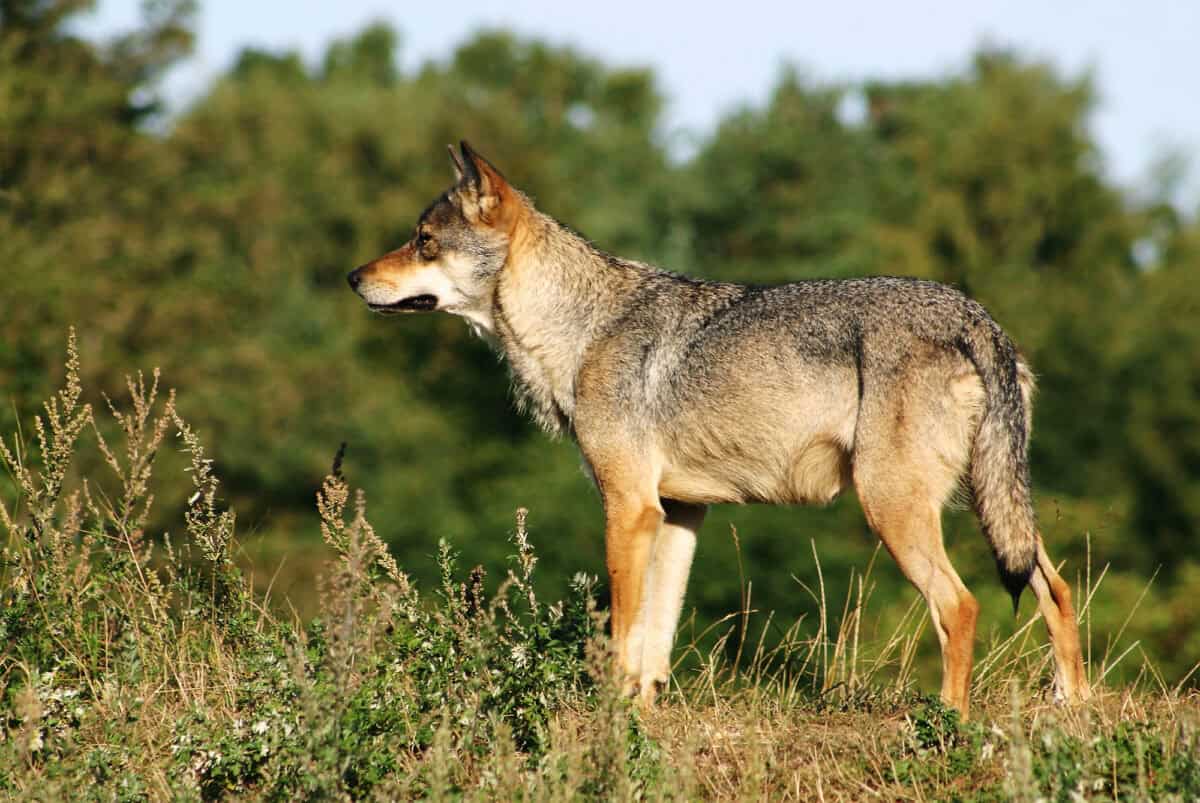
Between 2016 and 2022, researchers from the Voyageurs Wolf Project documented an unusual pack of wolves that established a territory encompassing parts of Duluth, Minnesota. This urban wolf pack, consisting of 4-6 individuals, adapted to life in the city’s extensive green spaces and wooded ravines while regularly traversing residential neighborhoods. GPS collar data revealed the wolves maintained a territory of approximately 73 square kilometers—significantly smaller than typical northern Minnesota wolf packs—and primarily hunted deer, beaver, and small mammals within city limits. Remarkably, the pack produced litters in 2018, 2020, and 2021, with den sites located in secluded areas near the city’s edge. City officials worked with researchers to monitor the pack while educating residents about avoiding potential conflicts. Despite living near approximately 86,000 humans, the wolves remained largely undetected by most residents, demonstrating their ability to navigate urban landscapes while avoiding direct human contact. The Duluth wolf pack provided researchers with unprecedented data on wolf adaptation to human-dominated environments and challenged conventional understanding of wolf habitat requirements.
Yellowknife, Northwest Territories Winter Wolf Incursions
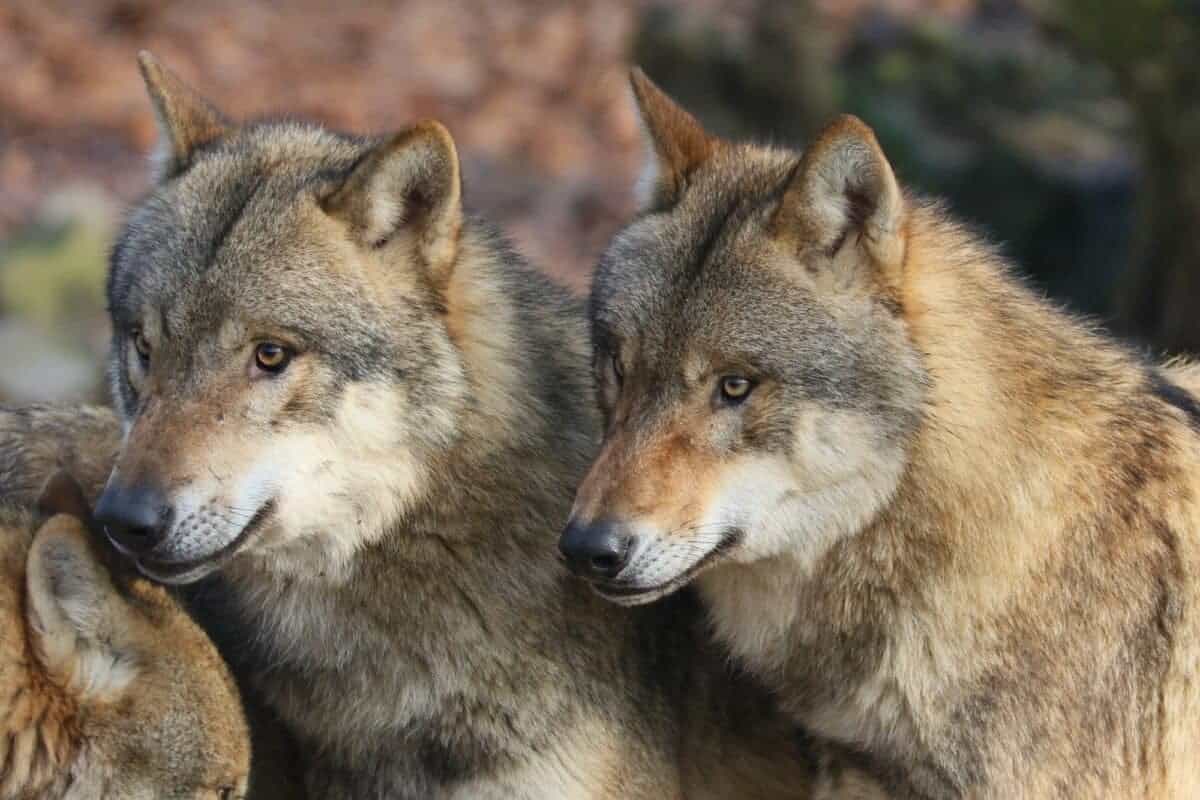
The city of Yellowknife, capital of Canada’s Northwest Territories, experiences regular winter visits from wolves, with particularly notable incidents occurring during the harsh winters of 2018-2019 and 2021-2022. During these periods, multiple wolves—both individuals and small groups—were observed within city limits, drawn by food scarcity in the surrounding wilderness and the potential prey represented by loose dogs and accessible garbage. In January 2022, a pack of four wolves was photographed moving through a residential neighborhood near Frame Lake, while another wolf was spotted on the frozen surface of Yellowknife Bay, close to houseboats and ice fishing locations. Local authorities issued public safety warnings and temporarily closed some recreational trails. Indigenous knowledge holders from nearby Dene communities noted that such urban wolf appearances were historically common during severe winters but had become more frequent in recent years due to changing caribou migration patterns and development pressures on traditional wolf hunting territories. Unlike many urban wolf encounters, Yellowknife residents largely viewed these incidents as natural occurrences requiring respect and caution rather than fear, reflecting the community’s close connection to surrounding wilderness areas.
Stockholm, Sweden Wolf’s Weekend Tour of the Capital
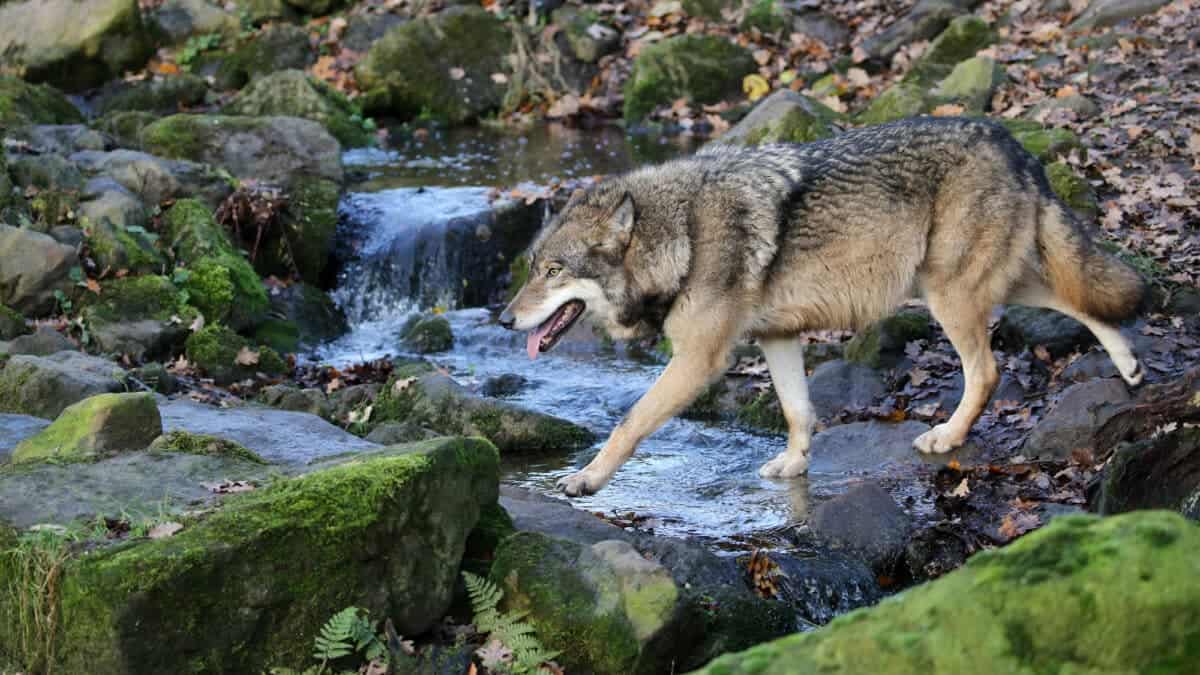
In March 2019, residents of Stockholm, Sweden were startled when a young male wolf spent approximately 72 hours exploring the northern suburbs before venturing close to the city center. Wildlife officials tracked the wolf through citizen reports and security camera footage as it moved through Järfälla and Sollentuna before being spotted in Danderyd, just 6 kilometers from downtown Stockholm. The wolf appeared to be a healthy dispersing individual, likely traveling from established wolf territories in Värmland or Dalarna provinces. Swedish authorities took the unusual step of dispatching a team to attempt capture and relocation, concerned about the wolf’s safety in the heavily trafficked urban environment. After multiple failed capture attempts, the wolf eventually departed the city on its own, crossing Lake Mälaren and heading westward toward more suitable habitat. The incident sparked national media attention in Sweden, occurring during ongoing debates about wolf management policies and population control measures. DNA collected from scat left by the Stockholm wolf later confirmed it was indeed a wild-born individual with no signs of hybrid ancestry, countering unfounded speculation that it might have been a wolf-dog hybrid or escaped captive animal.
Denver, Colorado Wolf Sightings Following Reintroduction Efforts
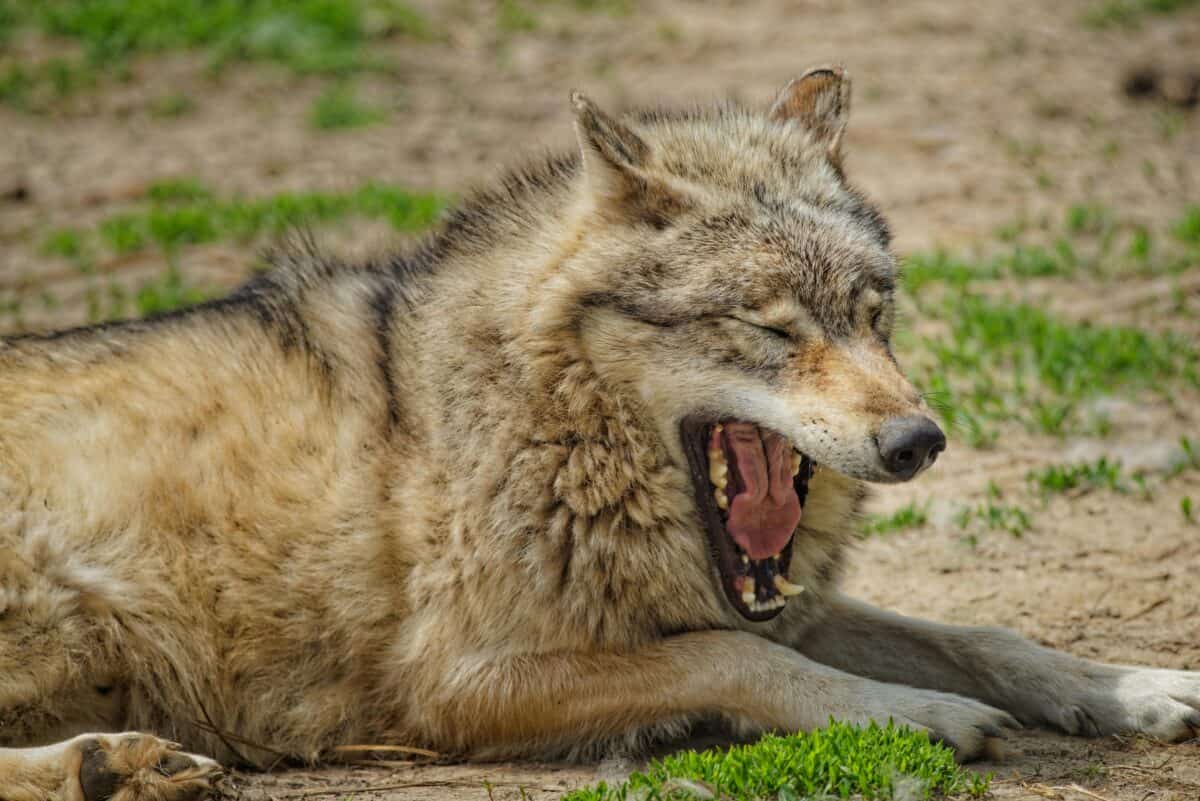
Following Colorado’s voter-approved wolf reintroduction program initiated in 2021, wildlife officials documented several instances of wolves appearing near suburban areas around Denver in 2022 and 2023. Most notably, in November 2022, a collared female wolf designated F-2112 was tracked moving through open spaces west of Denver near the communities of Evergreen and Conifer. This wolf had naturally dispersed from Wyoming rather than being part of the official reintroduction program. In February 2023, trail cameras captured images of what appeared to be two wolves approximately 15 miles northwest of downtown Denver in Jefferson County Open Space, prompting temporary trail closures. Colorado Parks and Wildlife officials confirmed these suburban wolf appearances represented natural exploration behavior as wolves began reestablishing territories throughout the state. These incidents occurred amid heated public debate over wolf restoration, with urban residents generally supporting reintroduction while some rural communities expressed concerns about livestock predation. Wildlife managers used these suburban sightings as educational opportunities, hosting community forums to address misconceptions about wolf behavior and risk. Notably, none of the wolves observed near Denver showed signs of habituation to humans or aggressive behavior.
Paris, France Controversial Wolf Verification Near European Metropolis
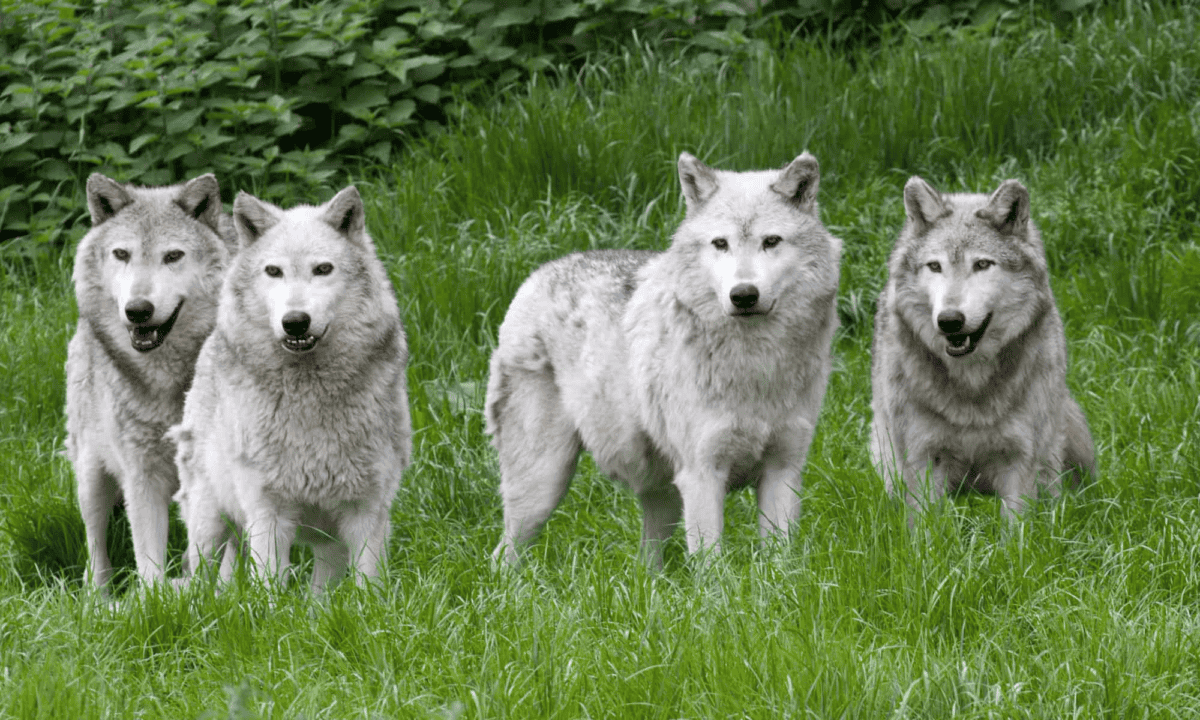
In 2022, French wildlife authorities investigated multiple reported wolf sightings in the forests of Rambouillet and Fontainebleau, located approximately 40-60 kilometers from central Paris. After months of investigation, including analysis of tracks, scat samples, and wildlife camera footage, the French Biodiversity Office (OFB) confirmed in October 2022 that at least one male wolf had established a territory in the region—marking the closest documented wolf presence to Paris in over 200 years. While the wolf did not enter Paris proper, its territory included areas frequented by suburban residents for recreation, including popular hiking trails and equestrian paths. The confirmation sparked concern among local shepherds, who reported several livestock predation incidents consistent with wolf attacks. Regional authorities implemented a management plan that included livestock protection subsidies and established protocols for verifying and compensating wolf damage claims. Genetic testing revealed the Paris-region wolf originated from the Alpine population, having likely traveled over 500 kilometers from eastern France in search of new territory. This case highlighted the ongoing natural recolonization of historical wolf habitat throughout Western Europe, even in highly developed regions surrounding major metropolitan areas.
Warsaw, Poland Winter Wolf Explorers in the Capital

During the particularly cold winter of 2020-2021, Warsaw residents reported multiple wolf sightings in the city’s eastern districts and surrounding forest preserves. Wildlife officials confirmed that a small group of three wolves had been moving through Kampinos National Park and occasionally ventured into Warsaw’s Białołęka and Wawer districts between December 2020 and February 2021. CCTV footage captured the wolves moving through residential areas during nighttime hours, primarily following greenways and stream corridors. Polish wolf experts from the Mammal Research Institute determined these were likely young wolves dispersing from established territories in eastern Poland, temporarily exploiting urban green spaces during harsh winter conditions when prey became more difficult to find in their typical forest habitats. Warsaw authorities responded by implementing temporary closures of some forest recreational areas and installing warning signs in districts where wolves had been spotted. Unlike many urban wolf encounters, Polish media coverage remained largely positive and educational, emphasizing the natural recovery of wolves throughout Poland since receiving strict legal protection in 1998. By March 2021, tracking evidence suggested the wolves had returned to more remote areas outside the city as winter conditions eased.
Anchorage, Alaska Regular Wolf Presence in America’s Northern City
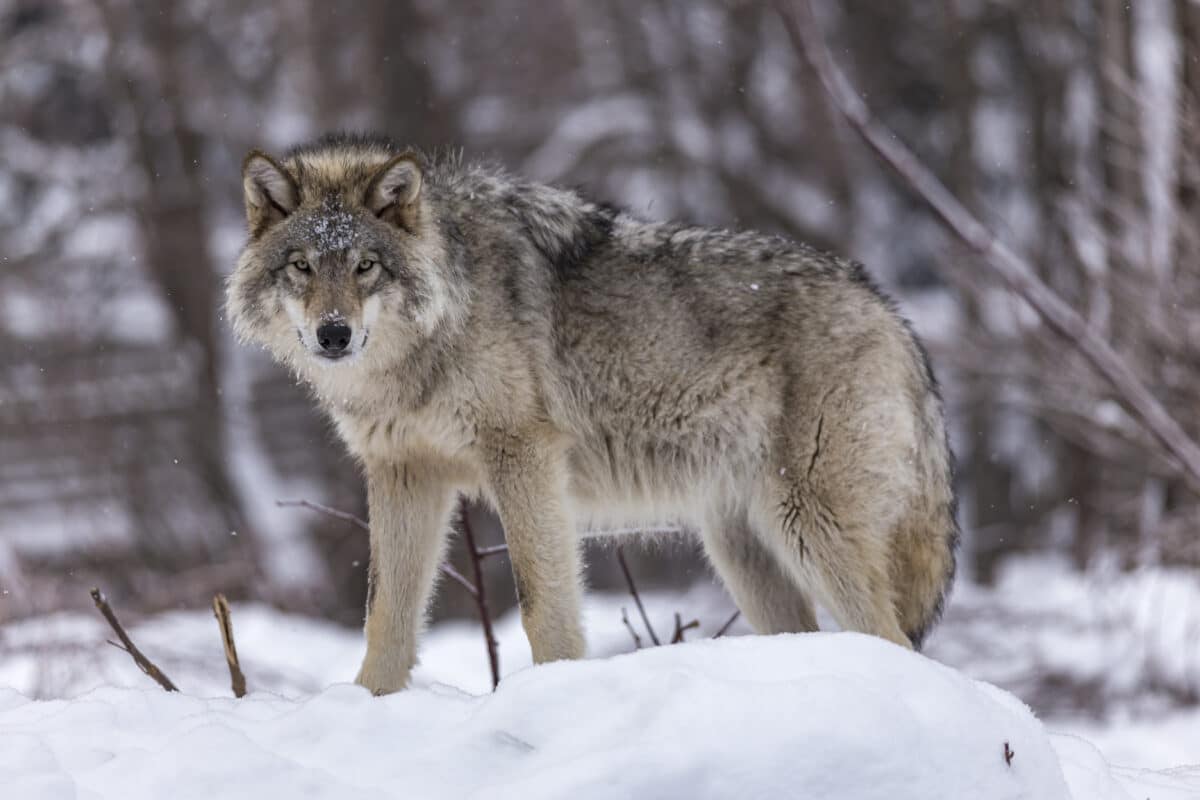
Anchorage, Alaska represents a unique case of consistent wolf activity within an urban area, with regular sightings reported throughout the city’s extensive greenbelts and surrounding parks. A particularly notable period occurred between 2017 and 2019, when wildlife officials documented at least three distinct wolf packs utilizing territories that overlapped with Anchorage’s municipal boundaries. The Hillside pack, consisting of 5-7 wolves, frequently traversed neighborhoods in southeast Anchorage, while the Joint Base Elmendorf-Richardson (JBER) pack established a territory encompassing the military base north of the city. In February 2018, a wolf was photographed trotting down a snow-covered residential street in the Muldoon neighborhood during daylight hours. Alaska Department of Fish and Game researchers found these urban wolves primarily hunted moose, though they occasionally preyed on unleashed dogs, leading to at least seven confirmed pet predations during this period. Unlike more densely populated cities, Anchorage residents have generally accommodated wolf presence as part of living in a wilderness-urban interface. Wildlife managers focused on education rather than removal, emphasizing practical measures like keeping pets leashed and properly disposing of game remains during hunting seasons to minimize negative interactions.
Brasov, Romania Carpathian Wolves Enter Transylvanian City
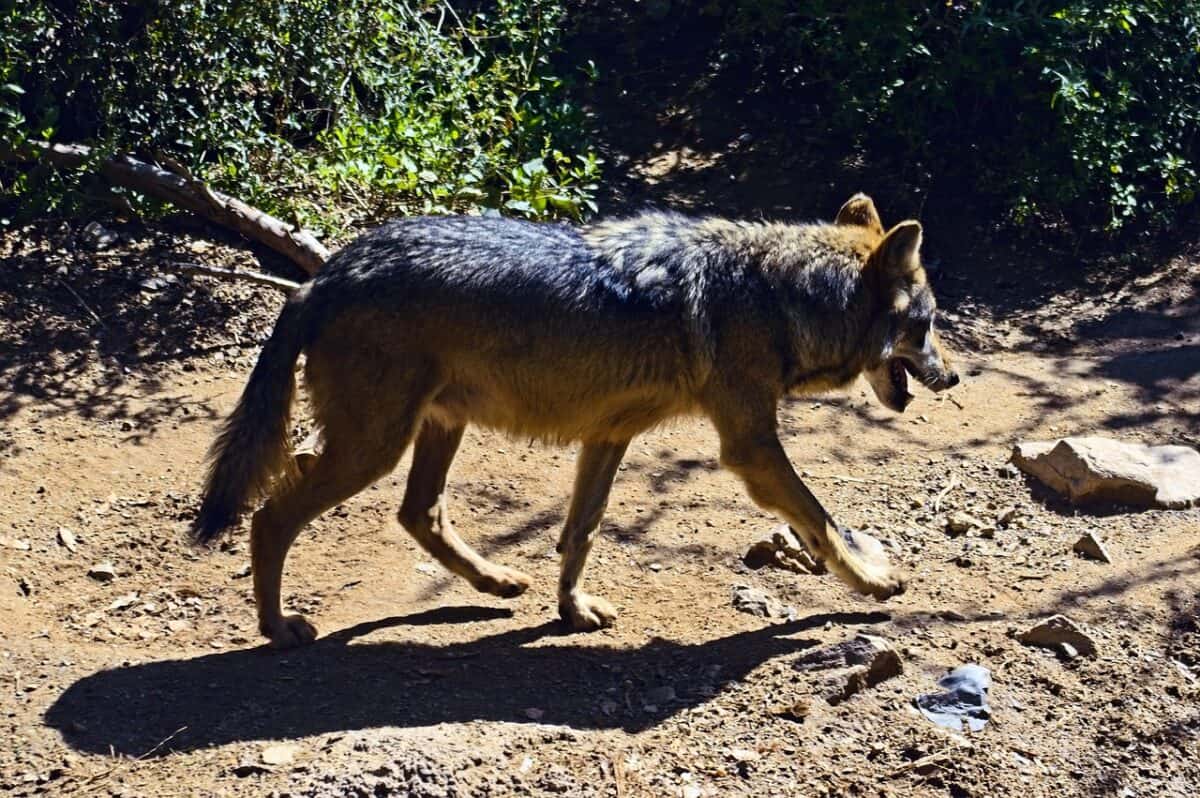
The city of Brasov, situated in Romania’s Transylvanian region at the foot of the Carpathian Mountains, has experienced repeated wolf incursions, with particularly significant events occurring in 2017, 2019, and 2022. During winter months, wolves occasionally descended from the mountains into the city’s outskirts, with some individuals venturing into residential areas, particularly in the Schei and Răcădău neighborhoods that border forested mountain slopes. In January 2022, city residents captured video footage of three wolves moving through snow-covered streets near the historic center. Romanian wildlife authorities determined these urban visits were driven by several factors, including severe winter conditions in the mountains, disruption of natural prey populations by logging activities, and the wolves’ attraction to unsecured waste from restaurants and food processing facilities. Unlike many European countries, Romania maintained a consistently robust wolf population throughout the 20th century, currently estimated at 2,500-3,000 individuals—the largest in the European Union outside of Russia. Brasov officials responded to these incidents by improving waste management practices, installing additional lighting in affected neighborhoods, and working with conservation organizations to develop wildlife corridors that would guide wolves around, rather than through, urban areas.
Tokyo, Japan Controversial Appearances on City Periphery
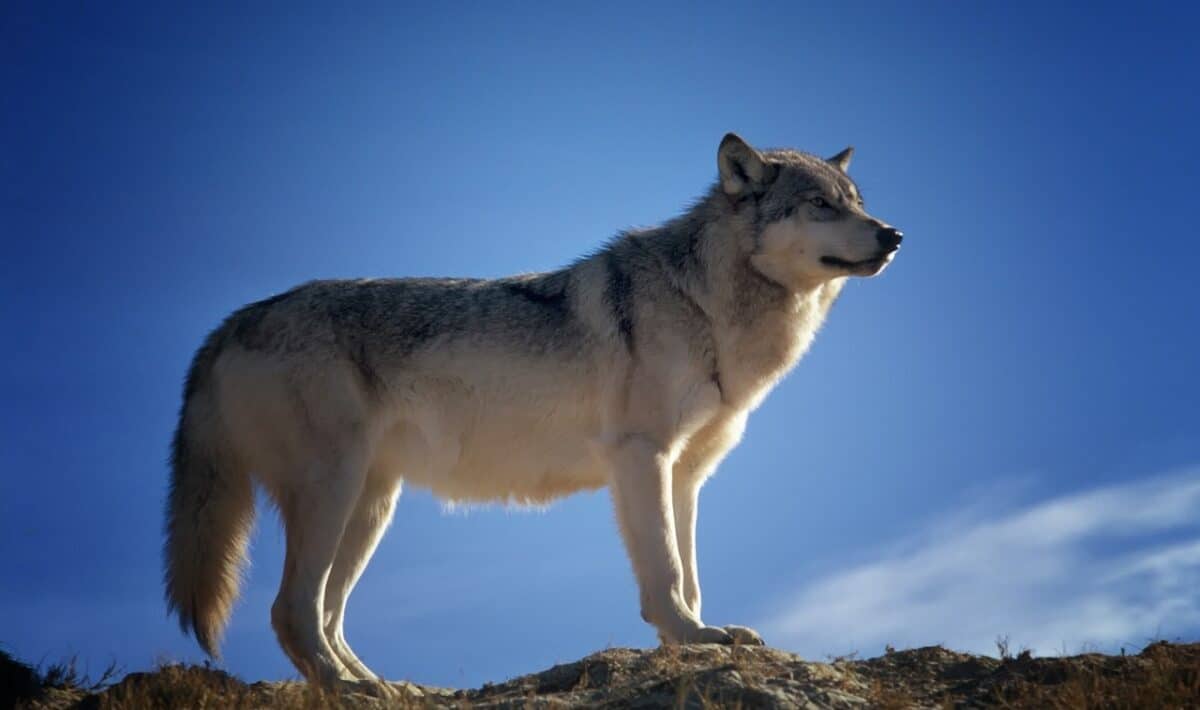
Between 2019 and 2021, authorities investigated multiple reported wolf sightings in the western outskirts of Tokyo, particularly in the mountainous Okutama region and near Chichibu-Tama-Kai National Park. These reports proved highly controversial, as the Japanese wolf (Canis lupus hodophilax) has been officially classified as extinct since 1905. In September 2020, a trail camera captured images of what appeared to be a wolf-like canid approximately 40 kilometers west of central Tokyo, leading to an intensive investigation by zoologists from Tokyo University. After analyzing physical evidence, including scat samples, experts concluded that most sightings likely involved Japanese wolf-dog hybrids rather than pure wolves, possibly descendants of imported Siberian wolves bred with local dogs generations earlier. Several of these hybrids had established a free-roaming population in the forested mountains bordering Tokyo’s western suburbs. While not representing true wild wolves, these animals exhibited wolf-like appearance and behavior, hunting sika deer and wild boar while generally avoiding human contact. The incidents sparked renewed discussion about potential Japanese wolf reintroduction programs and raised questions about the genetics of Japan’s remaining wild canid populations. Local authorities responded by implementing safety measures while researchers continued genetic studies to determine the precise ancestry of these anomalous canids.
Conclusion: Understanding Urban Wolf Encounters in a Changing World
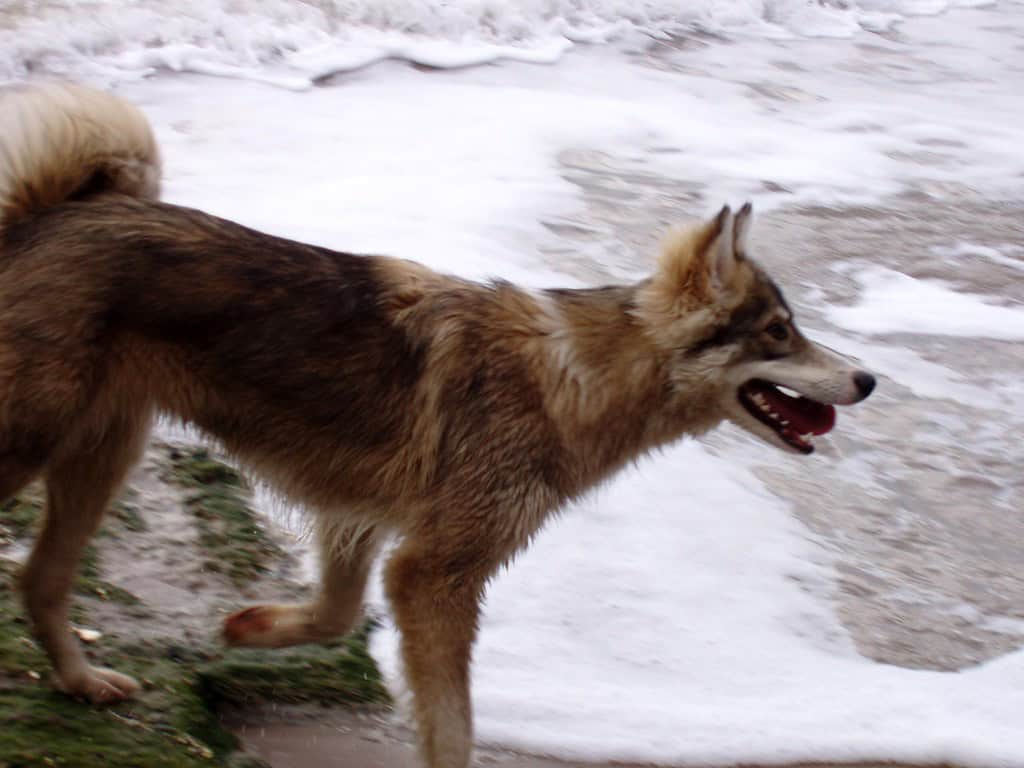
These 14 cases of wolves appearing in urban environments represent a fascinating intersection of wildlife biology, human-animal conflict management, and changing ecological relationships. As wolf populations recover in many regions worldwide after centuries of persecution, their occasional presence in urban areas challenges our traditional understanding of wildlife boundaries and tests our capacity for coexistence. Most urban wolf encounters share common elements: they typically involve young dispersing wolves, occur more frequently during winter months when natural prey is scarcer, and rarely result in aggressive interactions with humans despite public concerns. Conservation success stories have unexpected consequences as recovering predator populations navigate increasingly fragmented habitats interspersed with human development. Moving forward, the management of urban wolf appearances will require thoughtful balancing of public safety, ecological considerations, and recognition that our expanding cities increasingly overlap with ancient wolf territories. These urban wolf encounters, while still rare, may become more common as both wolf populations and human development continue to expand, creating new frontiers for this ancient relationship between humans and one of our most mythologized wild neighbors.

As a little kid, I fell in love with nature, wildlife, and animals. Living in the USA, South Africa, Italy, China and Germany gave me the opportunity to discover the world's Wildlife. My favorite animals are Mountain Gorillas, Siberian Tigers, and Great White Sharks.
I'm a certified PADI Open Water Diver, went to Everest Base Camp and Trekked Gorillas in Uganda. I hold a Master of Science in Economics and Finance.
Please send any feedback to feedback@animalsaroundtheglobe.com
- Why the Great Barrier Reef Is the Best Place to Spot Sea Turtles - June 3, 2026
- 2 Animals With Super Sized Body Parts and What They are For - June 3, 2026
- Explore The Azores - June 3, 2026