
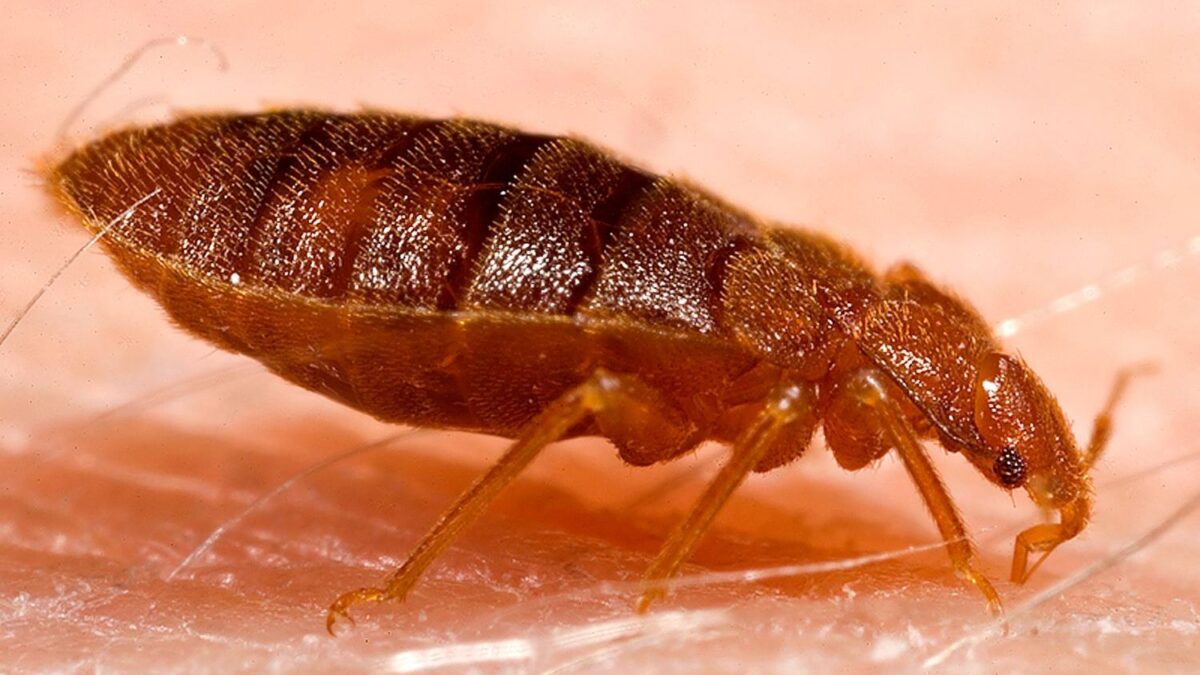
You’d never imagine something as simple as your favorite perfume or yesterday’s workout clothes could be rolling out a welcome mat for bed bugs. Yet recent research reveals these nocturnal pests are more sophisticated scent-trackers than most of us realize. They’re not just wandering aimlessly through your bedroom at night.
Bed bugs have a highly developed sense of smell and can detect various odors. Think of them as tiny bloodhounds, except they’re hunting you instead of criminals. The real kicker is that the very things making us feel human – our breath, our sweat, even the cologne we spritzed on for date night – can become irresistible invitations to these unwanted houseguests. So let’s dive in and uncover what’s really drawing these pests to your sleeping space.
Carbon Dioxide: Your Breath Betrays You Every Night
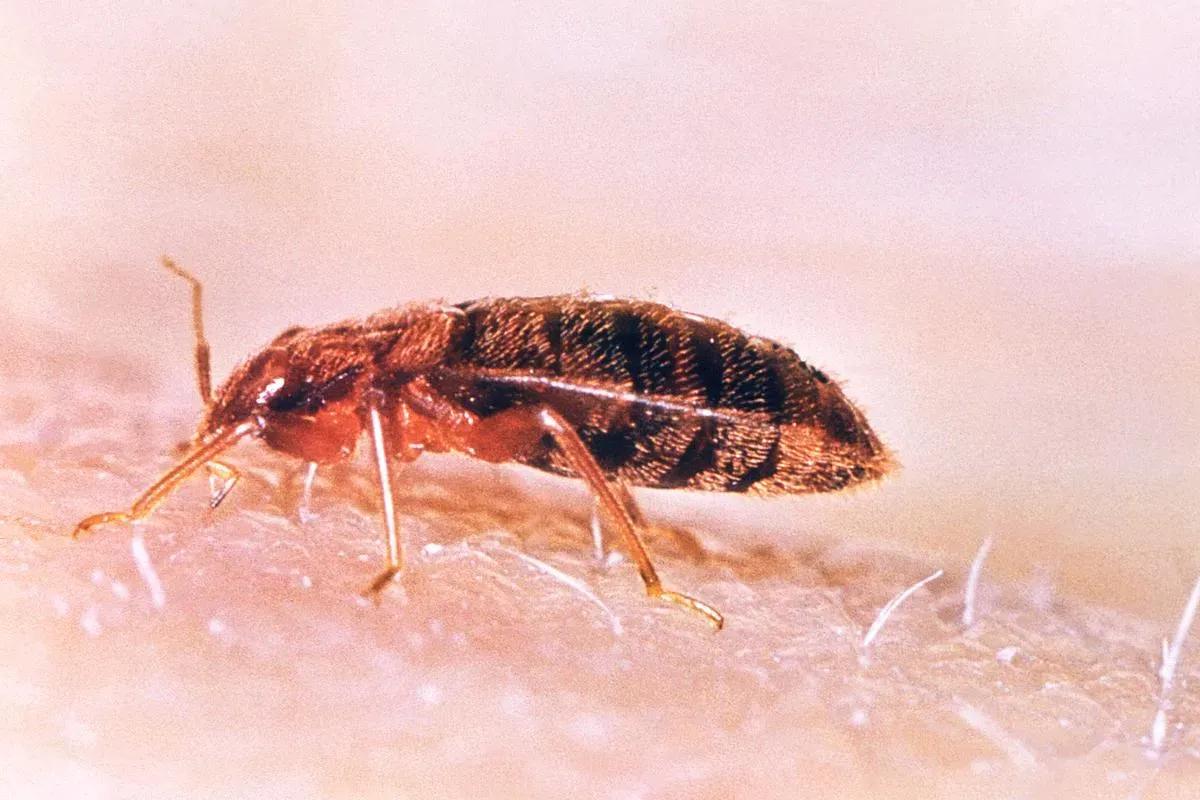
Every time you exhale, you’re essentially ringing a dinner bell for bed bugs. Carbon dioxide is a byproduct of respiration. When we exhale, we release carbon dioxide into the air. Bed bugs detect this plume of carbon dioxide from a distance and use it to locate their prey. It’s honestly a bit unnerving when you think about it.
CO2 was significantly more attractive to bed bugs than heat. That finding came from actual trap studies where researchers pitted different attractants against each other. Picture this scenario: you’re peacefully asleep, breathing naturally, and meanwhile these pests are following an invisible trail of CO2 straight to your face.
One of the reasons that bed bugs are commonly found in beds is that humans spend a lot of time there while sleeping and exhale carbon dioxide. This creates a concentrated plume of carbon dioxide that bed bugs can easily detect and follow. Your bedroom becomes a beacon during the night. Even pets aren’t safe from this detection mechanism, since they exhale CO2 too.
The concentration matters, though. Bed bugs exhibited a significant attraction to CO2 when the tested CO2 concentrations were between 0.9 and 7.3%. Sealed rooms with poor ventilation can actually intensify the attraction by concentrating your exhaled breath. There’s no escape from breathing, which makes this one of the most unavoidable attractants on the list.
What really sets CO2 apart is how it activates bed bugs. In mosquitos, elevated CO2 stimulates foraging behaviour by activating host-seeking and directing flight towards the CO2 source. However, when human odour is also present, the mosquito ignores the CO2 plume and navigates towards the odour source. Similar patterns appear in bed bugs, suggesting carbon dioxide acts more like an alarm clock than a GPS device.
The range is impressive too. This combination creates a unique scent, acting as a beacon for mosquitoes from distances over 50 feet. While that specific measurement applies to mosquitoes, bed bugs operate on a similar principle within bedroom-sized spaces. They don’t need to be right next to you to catch your scent trail.
Elevated CO2 doesn’t just attract them. Another interesting occurrence that was noted in the research was that the increased CO2 in the room made the bugs even more mobile and willing to leave their hiding places in search of a meal. So your breathing not only guides them but actually motivates them to come out hunting. It’s like flipping a switch that says “time to feed.”
Honestly, it’s hard to say for sure how much individual variation matters, but people who breathe heavily or sleep in poorly ventilated rooms might unknowingly create a more attractive environment. Sealed bedrooms trap more CO2, making the signal stronger throughout the night.
Some researchers have explored whether combining CO2 with other attractants amplifies the effect. Traps baited with CO2 + heat, CO2 + chemical lure, or CO2 + heat + chemical lure captured > or = 86.7% of the bed bugs after 6 h. That’s a staggering capture rate, showing just how powerful this gas is as a primary attractant when paired with other cues.
The Sweat and Body Odor Connection
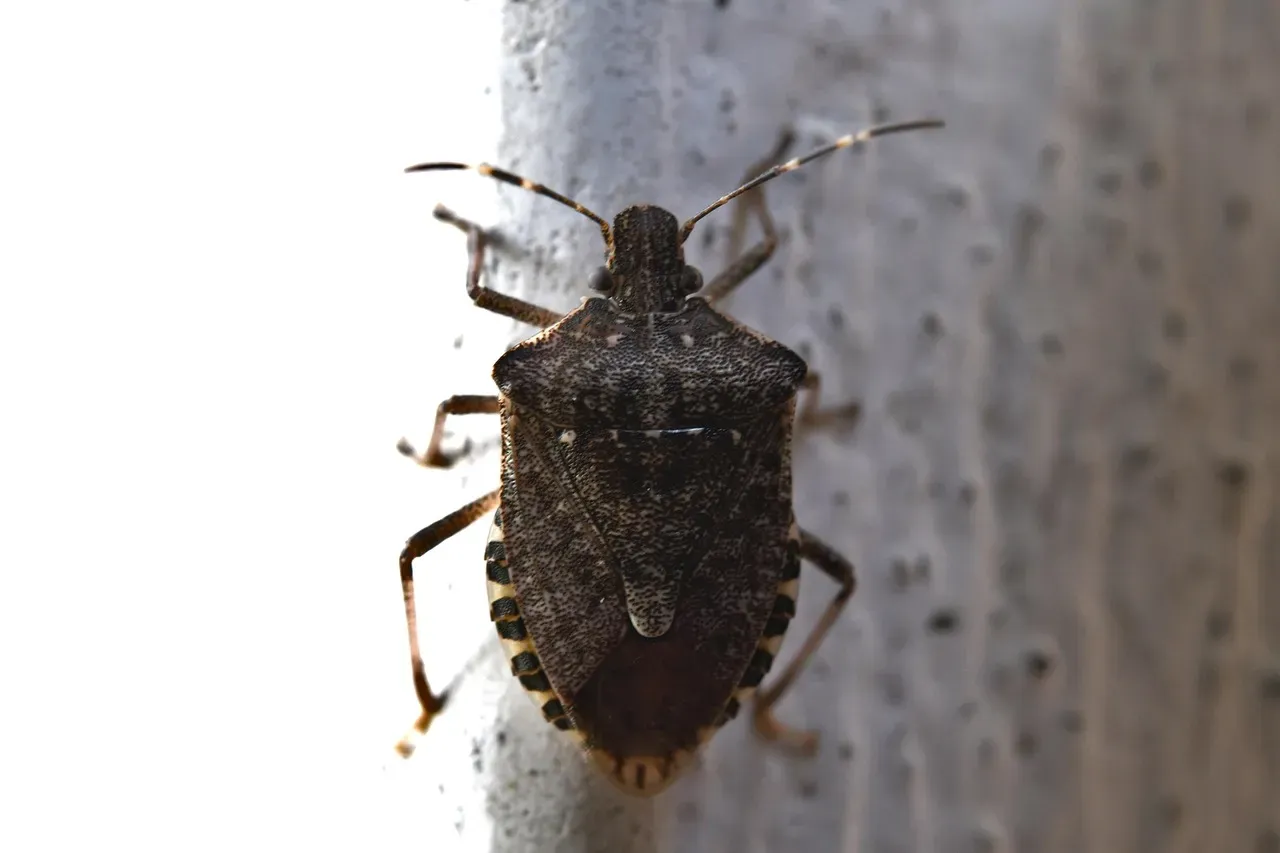
Let’s be real – everyone sweats. When humans sweat, the lactic acid mixes with other chemicals and bacteria on the skin. As a result, it creates a unique smell that bed bugs can detect. The scent of lactic acid is attractive to bed bugs because it signals the presence of a potential food source – human blood. Your workout session or restless night creates a chemical signature these pests can read like a neon sign.
Bed bugs have a keen sense of smell and can detect the odor of lactic acid from a distance. They use this sense of smell to locate their prey. The mechanics are surprisingly sophisticated for such tiny creatures. Your skin’s natural chemistry becomes their roadmap.
Individual body chemistry varies wildly. Your body naturally produces pheromones that can attract bed bugs, particularly from the apocrine glands located in the underarms and groin. These pheromones contain fatty acids that bed bugs find highly alluring. Areas where you sweat most become prime real estate for these parasites.
In fact, they use their antennae to pick up on the sweat, oils, and odor you release, even those coming from the laundry. Here’s the thing – it doesn’t take much. Even residual odor on clothing or sheets can maintain their interest long after you’ve left the room. The smell lingers like an invisible trail they can follow for hours.
Body odor isn’t just about cleanliness either. They also sense body heat and the natural scents we produce, particularly the chemicals in our sweat. Those natural chemicals serve dual purposes: keeping our bodies functioning and inadvertently advertising our presence to pests. It’s frustrating, I know.
People who exercise frequently or sweat heavily during sleep might unknowingly become more attractive targets. Hot summer nights compound the problem since increased perspiration amplifies the chemical signals bed bugs follow. Even showering before bed only provides temporary relief.
That jives with prior experiments that have shown that bed bugs can smell more than 100 compounds produced by human skin. The complexity of human scent profiles means bed bugs have evolved multiple pathways to detect us. We’re essentially broadcasting on dozens of channels simultaneously.
Changing clothes regularly helps reduce buildup. To reduce the risk of attracting bed bugs with dirty laundry, washing and drying your clothing regularly is essential. This will help to remove any odors that may attract bed bugs. Hot water breaks down the chemical compounds while heat from dryers kills any hitchhikers.
Dirty Laundry: An Irresistible Highway for Hitchhikers

Toss your gym clothes on the floor and you’ve basically laid out a bed bug buffet. Bed bugs are attracted to the odors produced by the dirty laundry worn by people. When we wear clothing, we sweat and shed dead skin cells, which can accumulate in the fabric of our clothing. These substances produce a distinct odor that bed bugs can detect. That pile of laundry isn’t just messy – it’s a five-star hotel for parasites.
Recent studies confirmed just how powerful this attraction is. At the end of the experiment, about twice as many bugs were attracted to the dirty clothes as to clean ones. The preference wasn’t subtle; it was overwhelming and consistent across multiple tests.
Bed bugs are attracted to dirty laundry according to new research. The study, led by Dr William Hentley from the University of Sheffield’s Department of Animal and Plant Sciences, suggests that leaving worn clothing exposed in sleeping areas when travelling may facilitate the dispersal of bed bugs. Hotels and temporary accommodations become particularly risky when travelers leave suitcases open on floors or beds.
The mechanism makes evolutionary sense. Bed bugs are attracted to the odour of sleeping humans and we suggest that soiled clothing may present a similarly attractive cue, allowing bed bugs to ‘hitch-hike’ around the world after aggregating in the laundry bags of travellers. They’ve adapted to exploit our travel habits brilliantly.
Even freshly worn clothing carries enough scent. The scientists used clothing that had only been worn for a few hours, and the bedbugs were all about it. You don’t need weeks of accumulated sweat. A single day’s wear provides sufficient chemical signals to attract these pests from across a room.
Storage matters tremendously. Keeping dirty laundry in a sealed container or bag is also necessary. It prevents bed bugs from accessing it. Simple plastic bags create barriers that contain odors and block access. When traveling, this precaution becomes essential rather than optional.
The implications extend beyond personal hygiene. We show that soiled clothing is significantly more attractive than clean clothing to active bed bugs moving within a bedroom sized arena. The study’s controlled environment eliminated variables, proving dirty laundry actively draws bed bugs even without a human present.
Let’s say you’re unpacking after a trip. When traveling, keeping your clothing in sealed plastic bags is essential. Wash and dry your garments as soon as possible after returning home. Immediate laundering prevents potential stowaways from establishing colonies in your home. The dryer’s heat becomes your best defense.
Interestingly, this behavior helps explain bed bugs’ global spread. Bed bugs have shown a recent and rapid global expansion that has been suggested to be caused by cheap air travel. How a small, flightless and anachoretic insect that hides within its host’s sleeping area manages to travel long distances is not yet clear. Dirty laundry in luggage provides the answer.
Perfumes, Fragrances, and Floral Scents
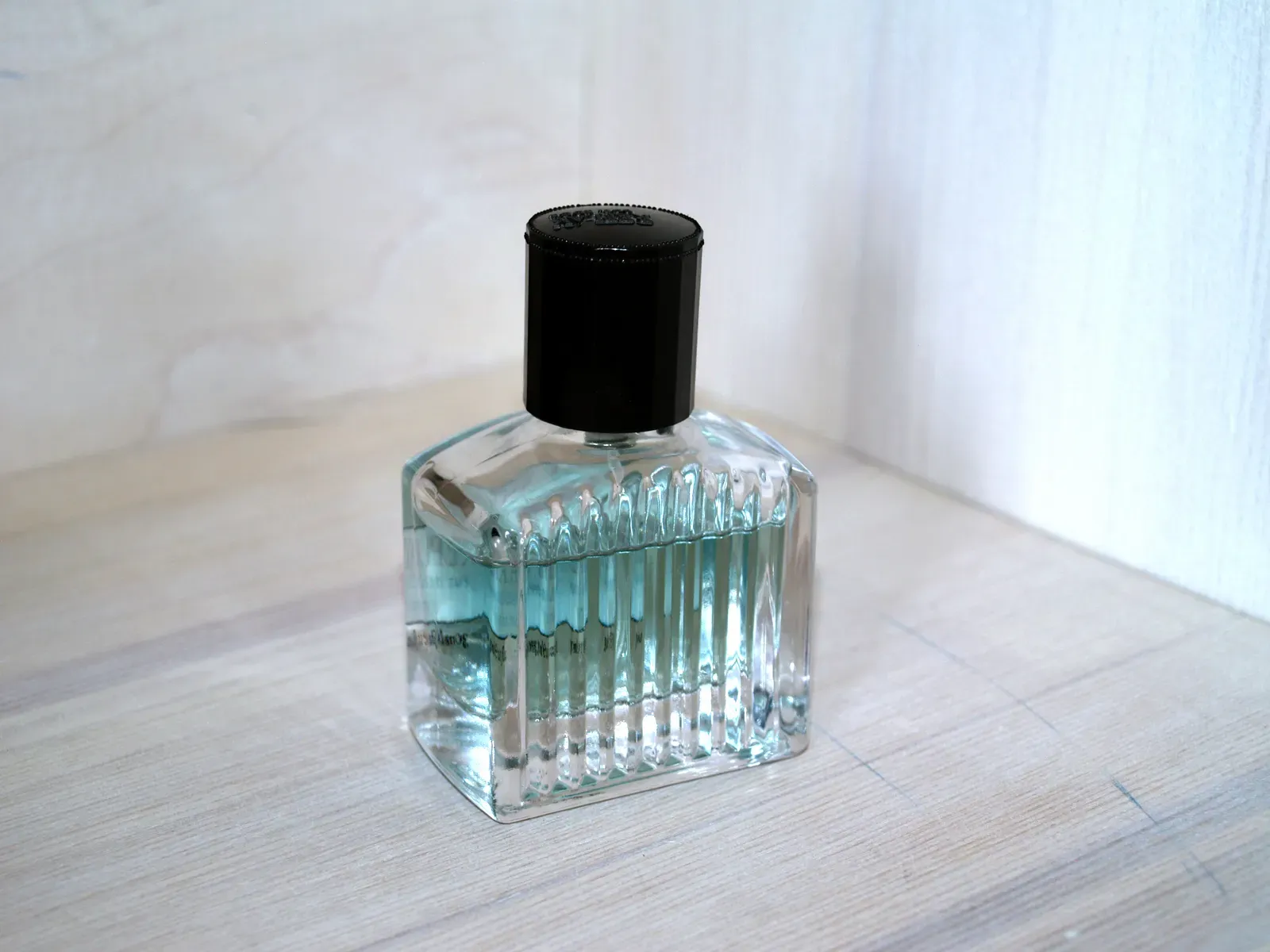
Spraying perfume before bed might seem harmless, but it could be sending mixed signals. Perfumes and fragrances can be particularly attractive to bed bugs, as they often contain a blend of natural and synthetic compounds that bed bugs find appealing. I think that catches most people off guard since we associate pleasant scents with cleanliness and safety.
Surprisingly, bed bugs are fond of scents produced by many perfumes and fragrances. Perfumes and fragrances can be particularly attractive to bed bugs, as they often contain a blend of natural and synthetic compounds that bed bugs find appealing. The chemistry behind this is fascinating yet frustrating for fragrance lovers.
Certain perfumes, particularly those with floral or fruity notes, can unintentionally attract bed bugs. Alcohol-based additives in fragrances may mimic natural scents that bed bugs associate with food or safety. Floral notes in particular seem problematic because they contain compounds bed bugs have evolved to recognize.
The explanation gets technical. Floral smells, fruit extracts, as well as specific kinds of alcohol, are examples of these additives. These components may become airborne when you spray cologne or perfume near where you sleep, luring bedbugs to the region. Volatile compounds disperse through air, creating scent trails that guide pests directly to your sleeping area.
Bed bugs have an excellent sense of smell, which they employ to find fresh sources of food. They can presume there is a human around when they smell perfume and travel toward the fragrance to gorge on our blood. The logic from their perspective makes sense – where there’s cologne, there’s usually a person.
Still, not all fragrances affect them equally. While there is limited research specifically addressing the attraction of bed bugs to perfume, anecdotal evidence suggests that these pests may be drawn to certain fragrances. Perfumes contain a complex blend of chemicals, some of which may mimic the scents produced by humans or other animals that bed bugs typically feed on. Individual reactions vary based on specific formulations.
Practical advice emerges from this knowledge. To reduce the risk of attracting bed bugs with perfume and fragrances, it is vital to use them sparingly, mainly if you live in an area with a high risk of bed bug infestations. Avoiding wearing perfumes or fragrances to bed is also a good idea, as this can increase the risk of attracting bed bugs to your sleeping area. Moderation matters, especially in high-risk environments like apartments or hotels.
Body sprays, scented lotions, and hair products fall into this category too. Floral perfumes, hair products, and lotions are essentially giant neon signs for certain pests that tell them to follow the sweet trail. The cumulative effect of multiple scented products compounds the problem throughout the day.
Some argue that certain fragrances might repel rather than attract. Some perfumes could have components that bed bugs find repulsive or disgusting. However, relying on this possibility feels risky without knowing which specific compounds provide protection versus attraction.
The Role of Histamine and Aggregation Scents
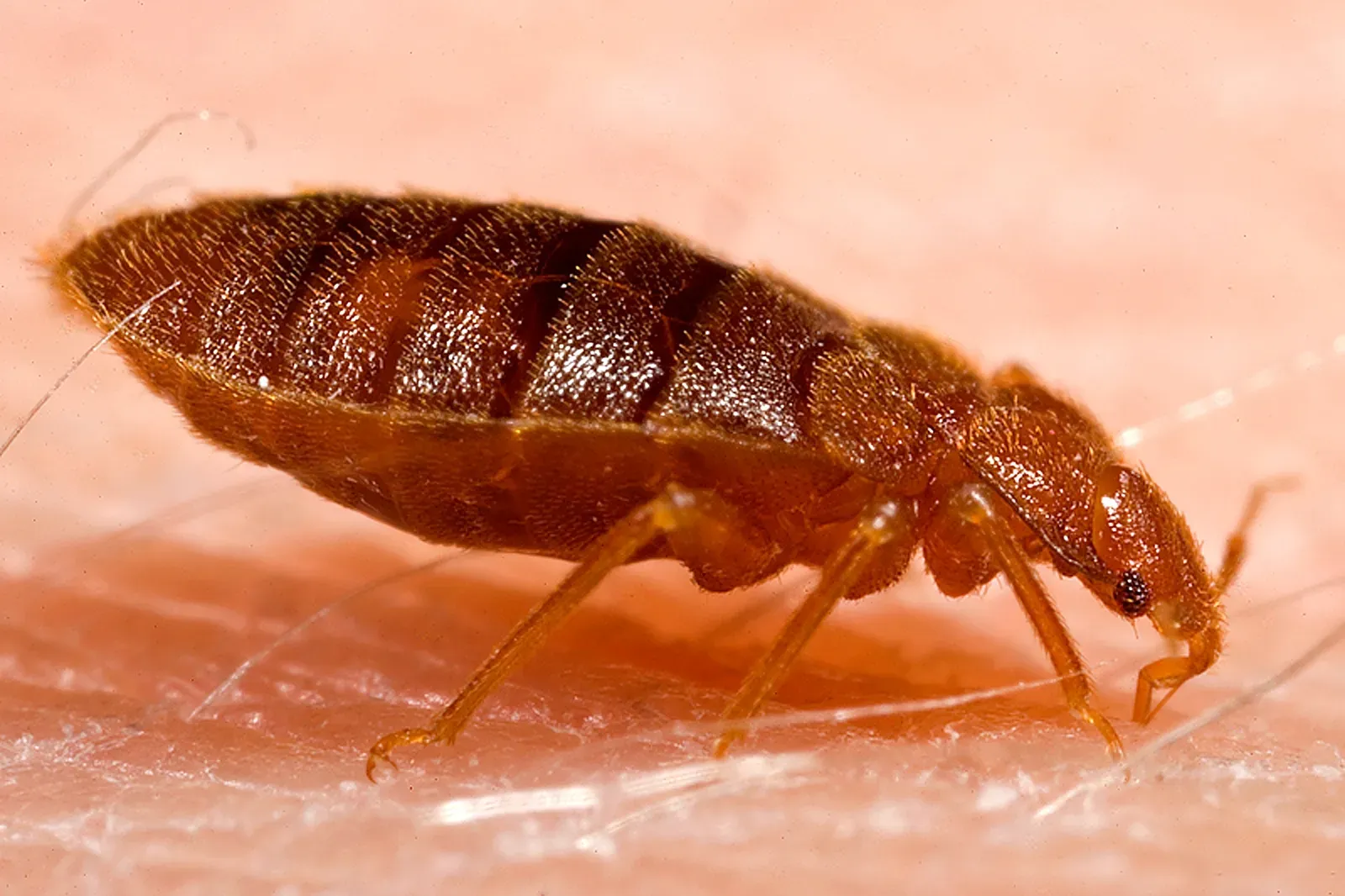
Here’s where things get really creepy. When bed bugs feed on blood, they produce a chemical-like odor called histamine. This scent serves as a signal to other bed bugs, indicating that a safe, food-rich area is nearby. Over time, the buildup of histamine in an infested area can draw even more bed bugs, leading to larger and more stubborn infestations. They’re literally calling their friends over for dinner.
Bedbugs are drawn to the smell of histamine that is present on the skin. Bed bugs produce the chemical-like odor known as “Histamine” whenever they bite a person and feed on their blood, which draws more bed bugs to that area. The cycle becomes self-reinforcing as more bugs create more histamine, which attracts even more bugs.
This is why they tend to congregate in a single location. This distinctive smell, which is mostly present in bed insect skin and feces, typically alerts the other pesky critters that it’s a secure location to feed. Clustering behavior maximizes their survival chances while minimizing individual exposure to danger.
Scientists have actually weaponized this knowledge. Scientists have devised a cunning method to force bed bugs out of hiding. They have created bed insect traps that release the histamine that bed bugs emit. Turning their communication system against them represents a clever intervention strategy.
The complexity extends beyond simple attraction. Aggregation odor attracted both fed and unfed bed bugs. Host skin odor attracted unfed bed bugs but repelled recently fed bed bugs and the addition of carbon dioxide to host odor enhanced the behavioral responses. Hunger states modulate how bed bugs respond to different chemical signals.
The chemical mixtures seem to be more complex, consisting in excess of 10 compounds, although the two alarm pheromones, (E)-2-hexenal and (E)-2-octenal, have been identified as part of the aggregation blend. Multiple compounds working together create robust signaling systems that bed bugs rely on for social coordination.
This aggregation behavior intensifies infestations rapidly. Aggregation odor attracted both fed and unfed bed bugs. Host skin odor attracted unfed bed bugs but repelled recently fed bed bugs. Even well-fed bugs still respond to aggregation signals, meaning populations grow faster than simple reproduction rates would suggest.
From a pest management perspective, understanding these signals helps. Understanding the dynamic switching of odor preferences during the blood digestion cycle will guide the implementation of chemical lures in integrated pest management. Timing traps and treatments around these behavioral patterns improves effectiveness dramatically.
The smell itself provides clues to humans too. The odor from dead bed bugs and shed skin casings, which contain the glandular secretion reservoir, are also mixed in and results in a musty smell similar to dirty shoes or mold laundry. That distinctive odor serves as a warning sign, though by the time humans detect it, infestations have usually grown substantial.
Conclusion
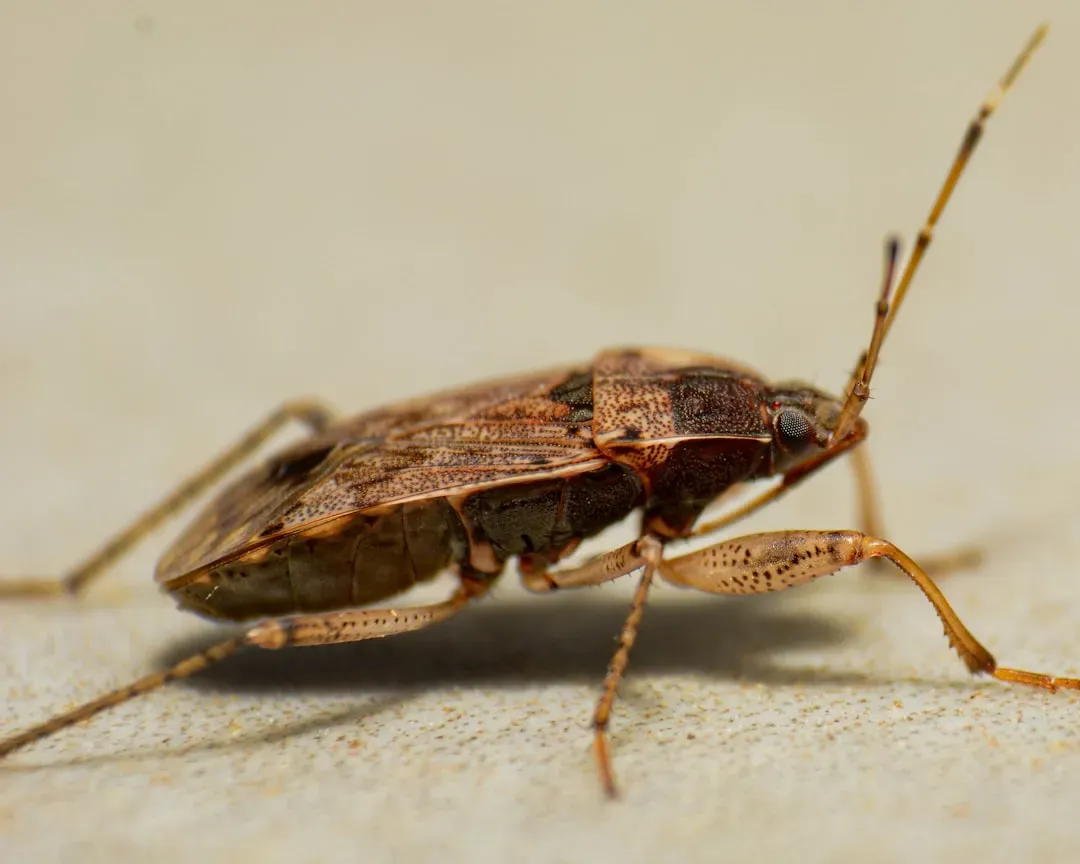
The scents attracting bed bugs into bedrooms turn out to be remarkably ordinary aspects of human life. Your breathing creates carbon dioxide trails they follow like bloodhounds. Sweat and body oils broadcast your location through chemical signals their sensitive antennae detect from surprising distances. Dirty laundry becomes a literal vehicle for spreading these pests between locations. Even pleasant fragrances can betray your presence rather than mask it.
What makes this information valuable is how actionable it becomes once you understand the mechanisms. Sealing dirty clothes in plastic bags during travel isn’t paranoia – it’s practical prevention. Washing bedding in hot water regularly disrupts their scent trails and kills hidden populations. Avoiding heavy fragrances near sleeping areas removes one more potential attractant from the equation.
The aggregation behavior driven by histamine shows how quickly small problems become major infestations when left unchecked. Early detection matters tremendously because these pests actively recruit others once they establish a foothold. Their sophisticated olfactory system rivals that of much larger predators, making them formidable opponents despite their tiny size.
Armed with this knowledge, prevention becomes more strategic than just keeping things clean. It’s about understanding what signals you’re inadvertently sending and how to minimize your chemical footprint in ways that matter to these particular parasites.
Have you noticed any of these scent-related patterns in your own experiences with bed bugs? The connection between travel, laundry habits, and infestations might suddenly make a lot more sense now.
