
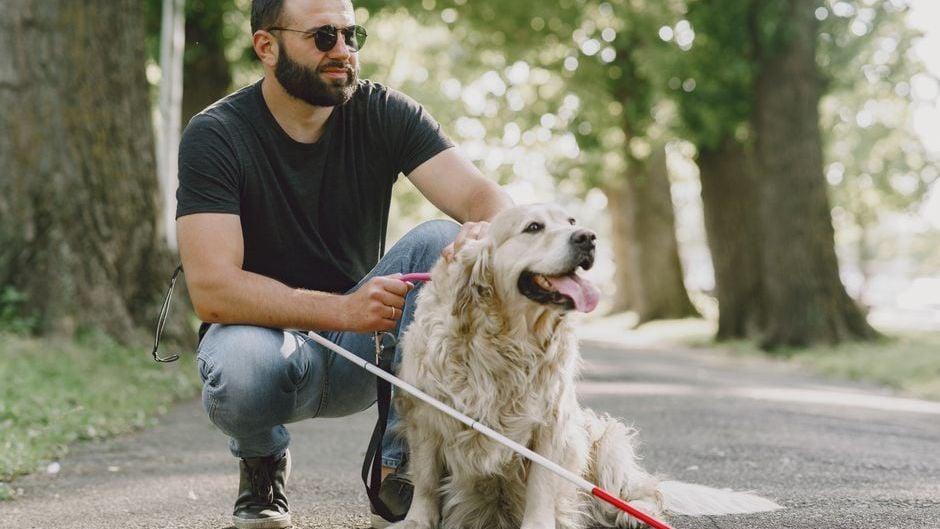
Most people assume any animal can adjust to a new home with enough patience and the right treats. That assumption gets shattered the moment you watch a deeply bonded animal search the room for someone who isn’t coming back. The grief is real, the behavior changes are measurable, and in some cases, the animal never fully recovers.
What follows isn’t a list of pets who are simply “attached.” These are animals whose bonds with one specific person run so deep that behaviorists, rescue workers, and sanctuary staff actively warn against rehoming them. Some of the entries will surprise you. A few of them might change how you think about the animals already in your life.
#14 – Chickens
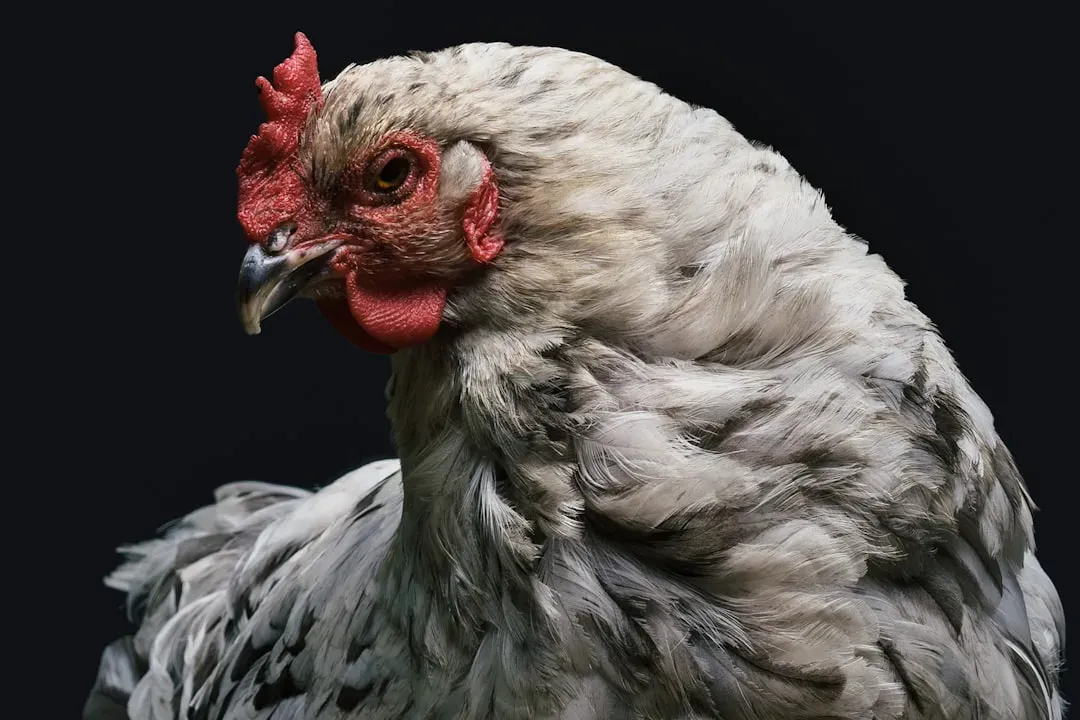
Most backyard keepers discover too late that their flock’s top hen has developed something far more personal than a feeding relationship. These birds recognize individual human faces and voices with startling precision, often shadowing one person exclusively during free-range time and refusing to settle when that person is absent. Separation studies show elevated stress hormones when that specific human departs, with some individuals refusing to eat or socialize normally for weeks afterward.
Rehoming attempts frequently fail because the chicken continues seeking out the original caretaker’s scent and daily rhythms even in a completely new environment. While most people assume poultry are interchangeable flock animals, the reality is that certain individuals imprint so narrowly it borders on emotional dependency. The first time you see a hen pace the fence line looking for one specific person, the “it’s just a chicken” argument falls apart completely.
Fast Facts
- Chickens can recognize up to 100 individual faces — including specific humans they trust.
- Bonded hens have been observed refusing food for days after their primary caretaker departs.
- Stress hormone spikes in separated chickens are measurable within hours of the person leaving.
- Some individual birds imprint on a human handler as early as the first week of consistent contact.
#13 – Guinea Pigs
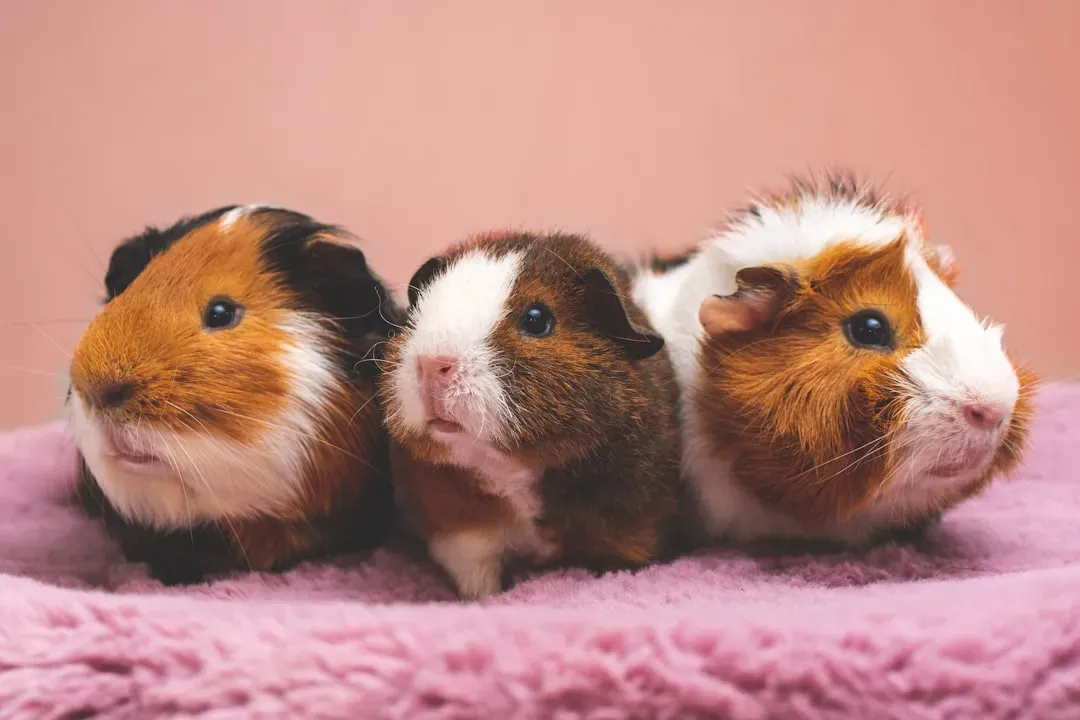
Guinea pigs form surprisingly selective attachments, often fixating on the person who handles them most consistently from a young age. Handlers describe animals that will freeze mid-cage or vocalize only for one specific voice, ignoring everyone else even when food is being offered by a new person. What makes this remarkable is how fast the preference solidifies — sometimes within just a few weeks of consistent contact.
Rehoming data from small-mammal rescues points to higher rates of hiding and appetite loss in bonded guinea pigs compared to less-attached individuals. Experts note that while guinea pigs genuinely thrive in same-species pairs, the human bond can override that same-species comfort entirely when the attachment is this targeted. For an animal most people consider low-maintenance, the emotional fallout from losing their person is anything but small.
#12 – Rabbits
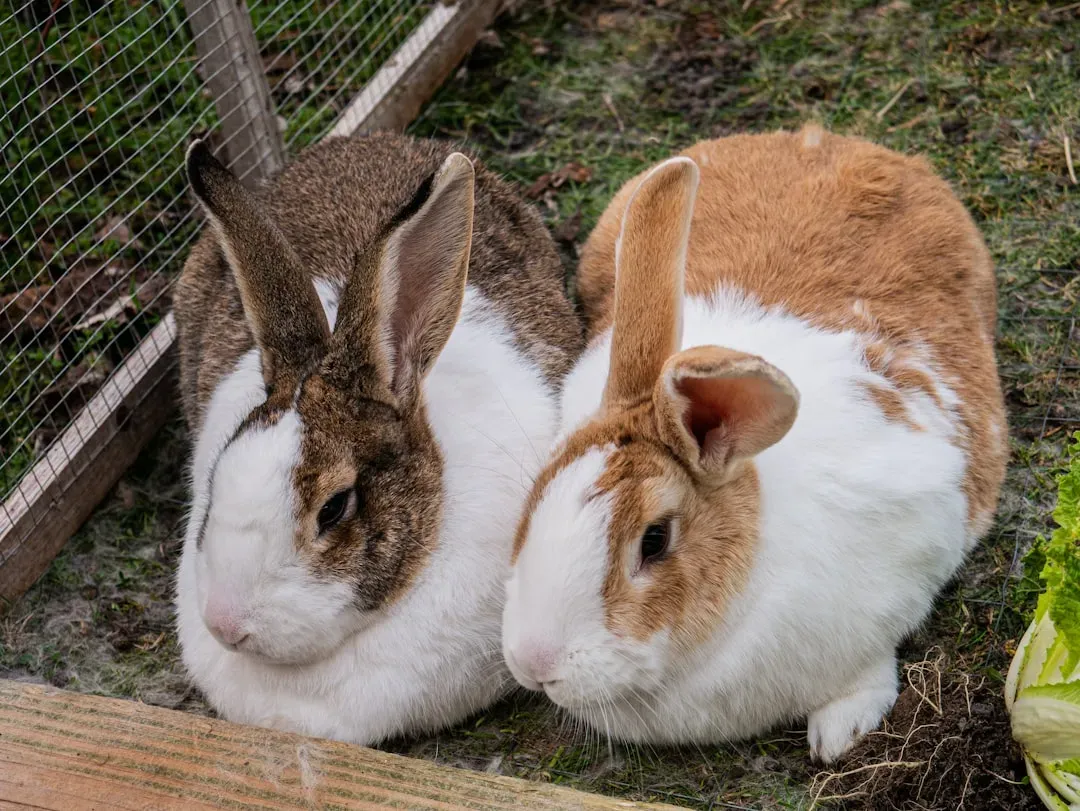
Rabbits that bond deeply with one caretaker start treating that person as their primary warren mate. They follow them room to room, perform grooming behaviors reserved for close companions, and visibly relax in ways they never do around anyone else. Trust like this is hard-won with a prey animal, and shelter records show that these rabbits frequently reject new handlers entirely, leading to prolonged adjustment periods and health declines driven by stress.
The most overlooked detail is their ability to hold a grudge. Rabbits can maintain wariness toward unfamiliar people for months, meaning a rehoming situation doesn’t just feel strange to them — it can feel like a genuine threat. Many people adopt rabbits expecting a low-drama companion, then discover they’ve taken in an animal with emotional investments that rival those of much larger mammals.
#11 – Pigs
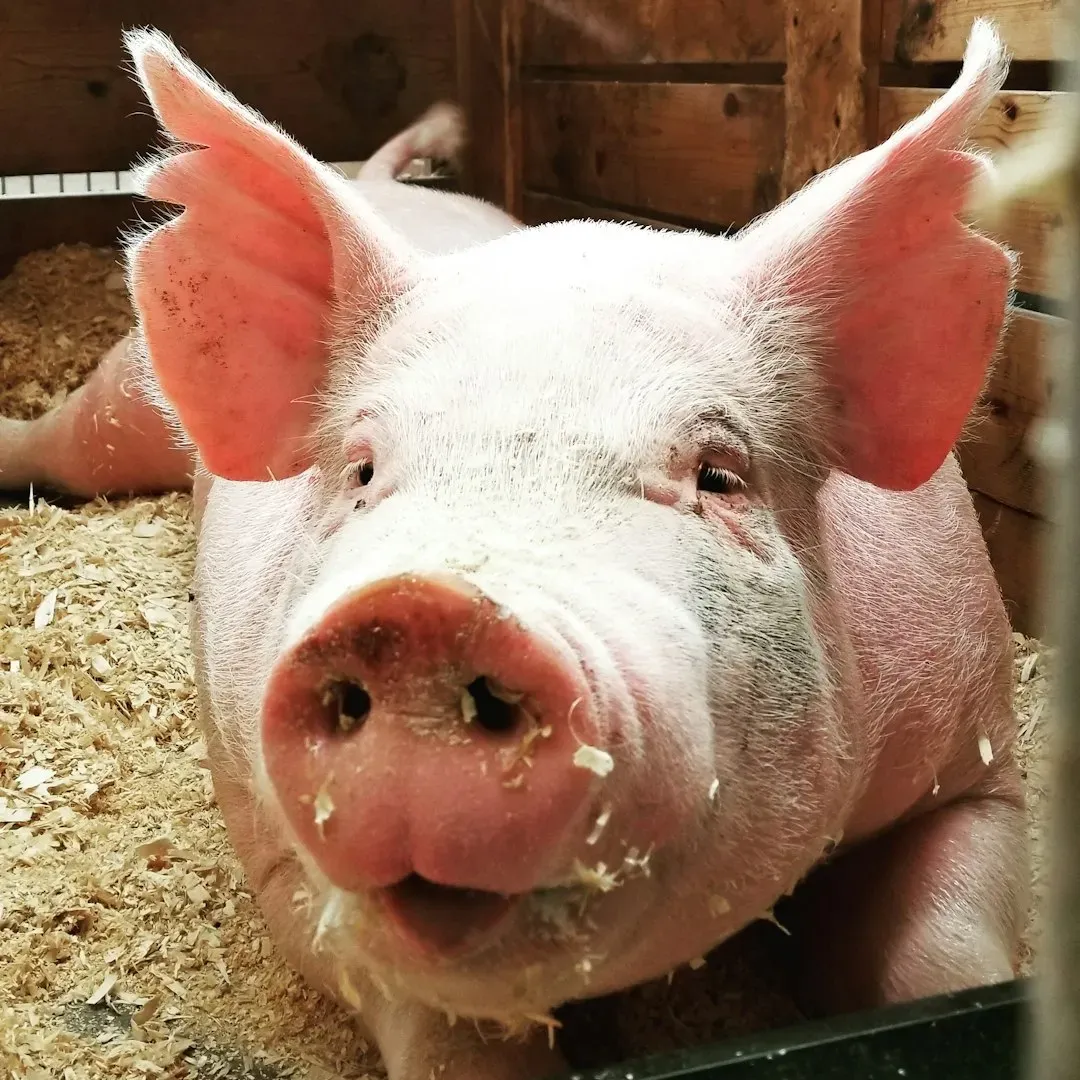
Pigs are cognitively closer to dogs than most people realize, and their bonding patterns reflect that. They learn person-specific routines with precision, respond to individual voices, and form preferences that shape their entire social behavior. Farm and rescue accounts describe animals that become despondent or actively aggressive toward new owners after separation from the person they trusted, not out of stubbornness but out of genuine disorientation.
Studies on porcine cognition show that these bonds influence problem-solving and emotional regulation in ways that make a generic “new home” feel inadequate to the animal itself. The intelligence that makes pigs so endearing also makes rehoming them one of the more emotionally complex situations in animal welfare. The pig remembers exactly what it lost, and it knows the replacement isn’t the same.
At a Glance
- Pigs have the cognitive ability of a 3-year-old child — they don’t just sense loss, they process it.
- They can recognize and respond to their primary caretaker’s voice even among a crowd of people.
- Despondency and appetite loss after rehoming have been documented in domestic pig rescues.
- Problem-solving performance measurably declines when pigs are separated from their bonded person.
#10 – Cats
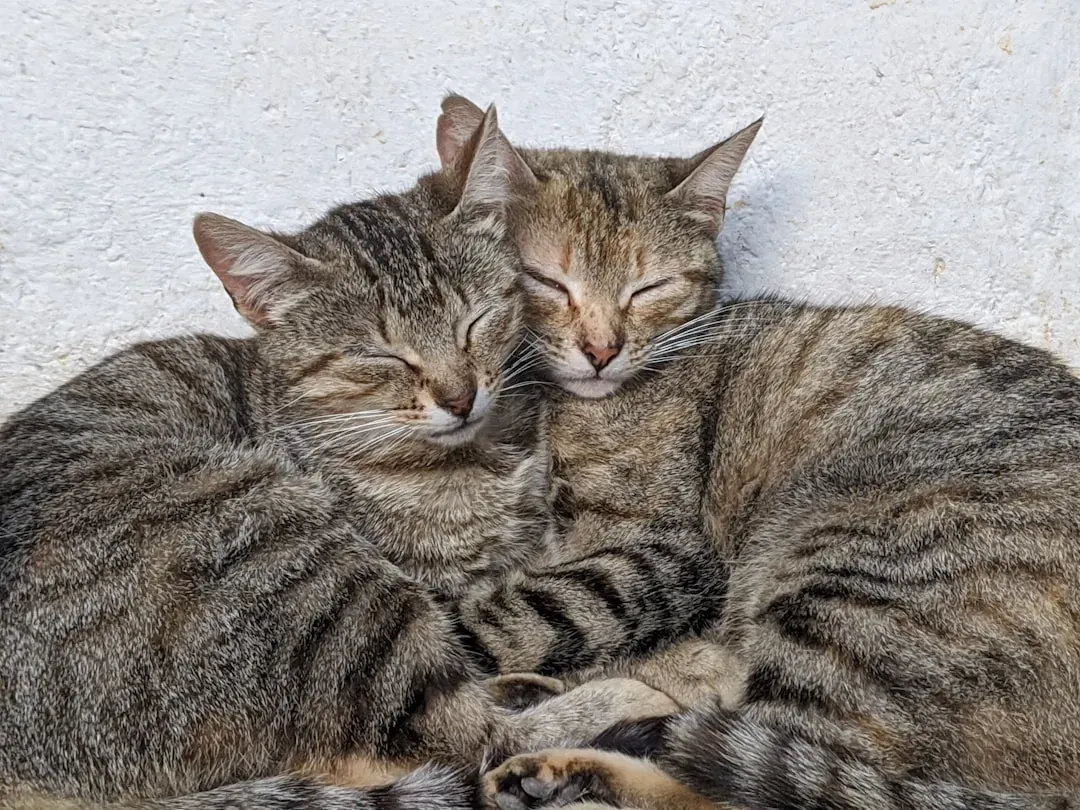
The “cats don’t care” myth does real damage here. Certain cats develop exclusive attachments that make them reject other households almost completely. Long-term owners describe felines that only purr, knead, or sleep comfortably near one specific person — and show clear anxiety signs like overgrooming, litter box avoidance, or days of hiding when that person is gone. These aren’t just quirky preferences. They’re behavioral signals of genuine distress.
Rehoming statistics from cat-focused rescues reveal elevated failure rates for these cases. The bold truth is that some cats treat their person as a literal extension of their territory — remove the person, and the entire sense of safety collapses. Casual observers still insist cats are interchangeable, but anyone who has tried to rehome a deeply bonded cat knows the resistance is real, persistent, and sometimes heartbreaking to witness.
#9 – Ferrets
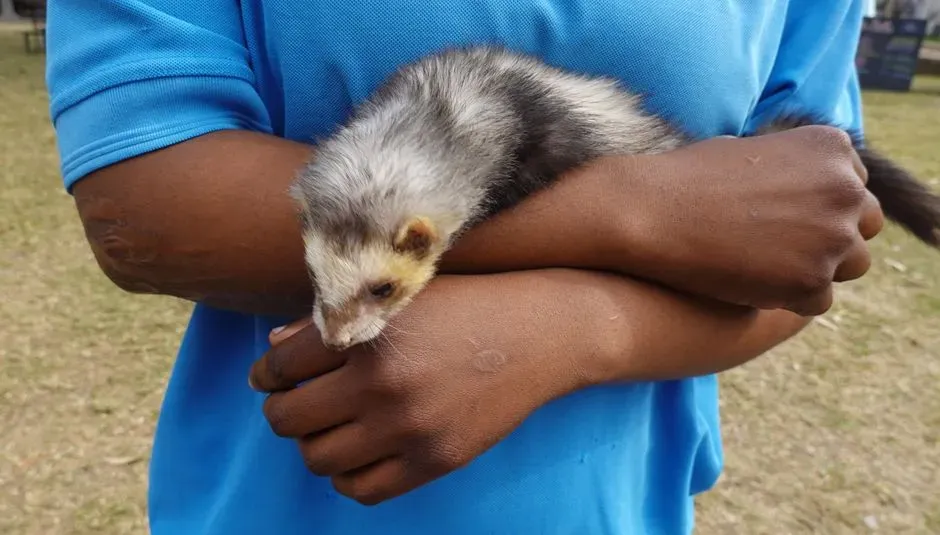
Ferrets imprint strongly on primary caregivers through play and handling, building a relationship that centers on that one trusted human’s scent, voice, and energy. Rescue networks report that bonded ferrets can develop destructive behaviors or sink into visible lethargy after rehoming, sometimes for weeks, until routines are painstakingly rebuilt from scratch. Their high-energy social needs make the loss of that anchor more disruptive than it would be for a calmer species.
What surprises most people is how discriminating ferrets are. They can distinguish and consistently prefer specific scents and vocal patterns, often refusing interaction with new people even after patient, positive introductions. Most assume a small, playful carnivore would adapt quickly. The behavioral data says otherwise for animals that have formed a true attachment, and rescue workers who’ve seen the fallout firsthand rarely underestimate it again.
#8 – Parrots
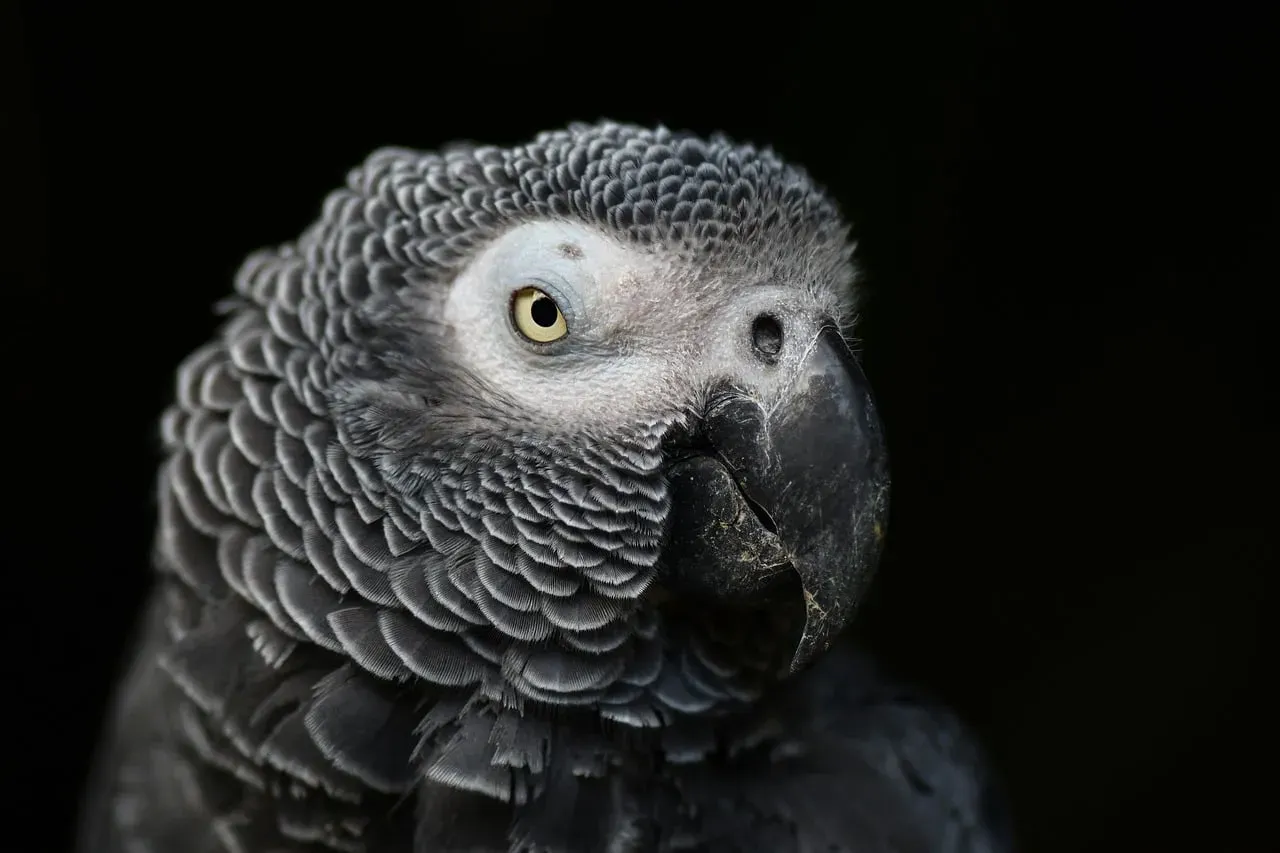
African greys and similarly intelligent parrot species form cognitive and emotional bonds so intense that rehoming carries documented clinical risks. Long-term studies of captive parrots include cases where birds pined so exclusively for one person that they stopped vocalizing entirely for new owners, or began self-mutilating in ways that mirror human separation anxiety in measurable physiological terms. Sanctuaries frequently prioritize keeping these animals with original families for exactly this reason.
Parrots are not decorations. They are lifelong emotional commitments. A bird that loses its person doesn’t just miss them — it can grieve for years.
Irene Pepperberg, animal cognition researcher
The most startling element is their capacity for lifelong memory of a single relationship. A parrot that bonded with someone at age three may still be calling that person’s name at age thirty. While the popular image is of a chatty, amusing companion, the emotional architecture underneath is far heavier — and far less forgiving of casual rehoming decisions.
Worth Knowing
- African Greys are cognitively comparable to a 5-year-old child — loss registers closer to abandonment than relocation.
- Some parrot species live 50+ years, meaning a broken bond isn’t a short adjustment — it can last decades.
- Documented grief signs include feather plucking, appetite loss, prolonged silence, and refusal to engage with new caregivers.
- Avian clinics have recorded mortality spikes in the first year after rehoming driven by grief-related physical decline, not disease.
#7 – Horses
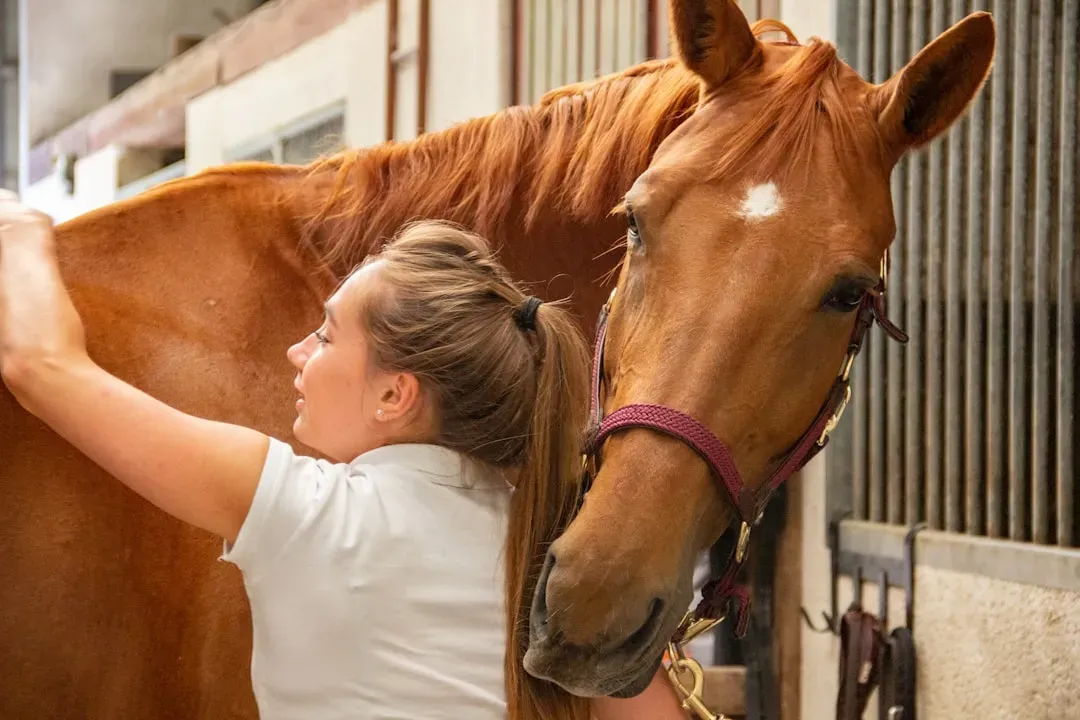
Horses that partner with one rider or handler over years develop preference behaviors that go well beyond training. They accept grooming, tacking, or mounting from that individual with ease and visible calm — and respond to everyone else with heightened tension or flat refusal. Equine behavior research connects these bonds to measurable physiological stress responses during separations — the body genuinely keeps score.
Rehoming large equines with these histories frequently requires months of specialized desensitization work, and even then the outcome isn’t guaranteed. Insiders understand that while horses form powerful herd bonds, the human connection can become the dominant social relationship in a domestic setting. What looks like a routine ownership transfer from the outside can be a profound dislocation for the animal inside the trailer.
#6 – Dogs
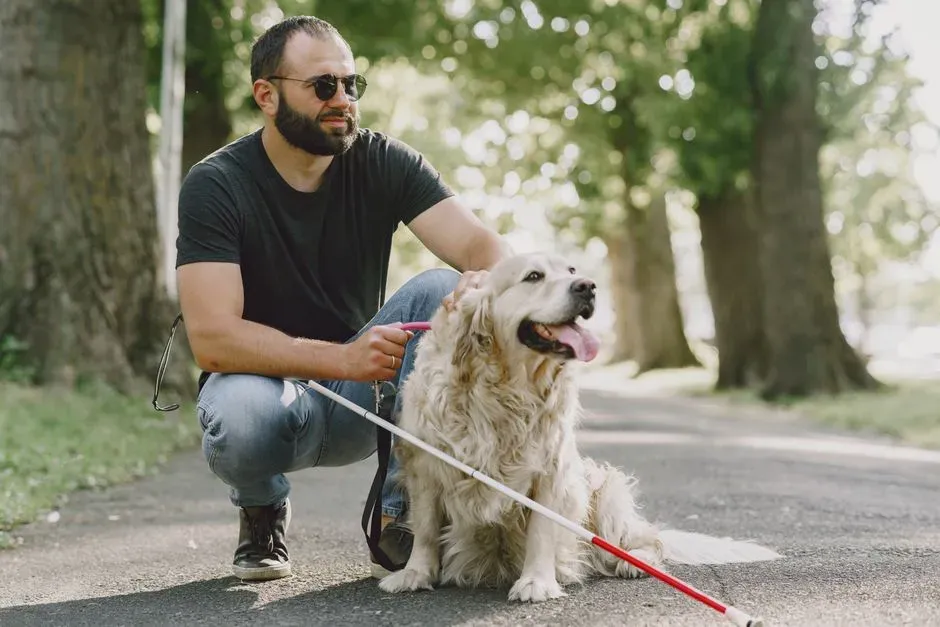
Dogs are widely considered the gold standard of adaptable pets, and for most that’s true. But certain dogs — particularly those with service, protection, or deep companion training histories — develop bonds so singular that they perform poorly, shut down emotionally, or become impossible to handle when placed with new owners. The original human wasn’t just their favorite person. That person was the structural center of their entire social world.
Shelter outcome data consistently shows higher return rates and, in the most severe cases, elevated euthanasia rates for dogs with documented one-person histories. The key detail is how early socialization can lock in these preferences in ways that become permanent. It challenges the comfortable assumption that dogs are the ultimate flexible companion. Most are. But the ones who aren’t will make sure you know the difference.
Quick Compare
- Typical dog: Adjusts to a new home within days to weeks with proper introduction.
- Service or protection-trained dog: May refuse commands, shut down emotionally, or become unhandleable with a new owner.
- One-person companion dog: Higher shelter return rates, longer adjustment periods, elevated risk of lasting behavioral decline.
- Key difference: It’s not a training issue — it’s a social architecture issue that no amount of treats can fully fix.
#5 – Elephants
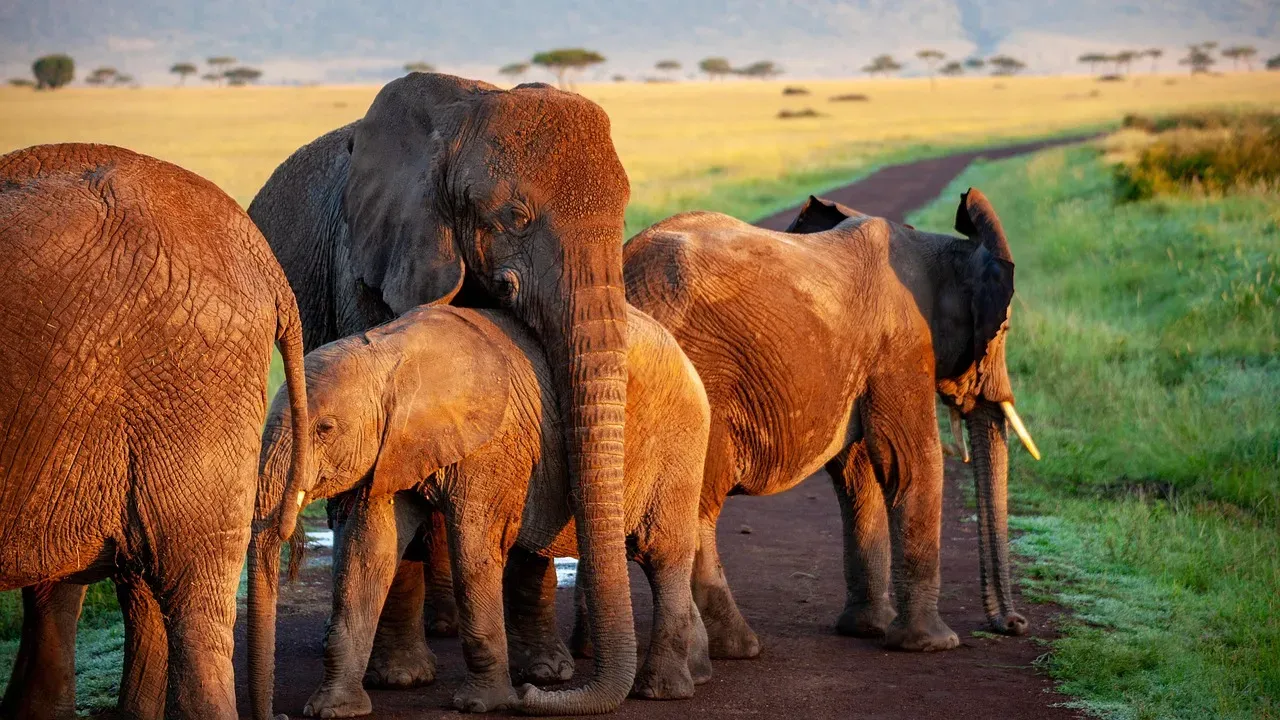
In sanctuary settings, elephants rescued young often form attachments to specific keepers that persist not just for months but for decades. Documented cases include animals refusing transport or rejecting new facilities outright unless their bonded caregiver was present — not as a preference, but as a behavioral wall that couldn’t be negotiated around. Their advanced memory and capacity for empathy mean separations trigger mourning-like states that observers describe as unmistakable and deeply uncomfortable to witness.
Rehoming attempts in these situations are rare precisely because the risks are so well documented. Behaviorists tracking captive elephant populations emphasize the ethical weight of disrupting connections this deep, and facilities that ignore it tend to pay the price in animal health and behavioral decline. Most people think of elephants as herd animals first, but in long-term human care, the individual human bond can supersede even that ancient instinct.
#4 – Dolphins
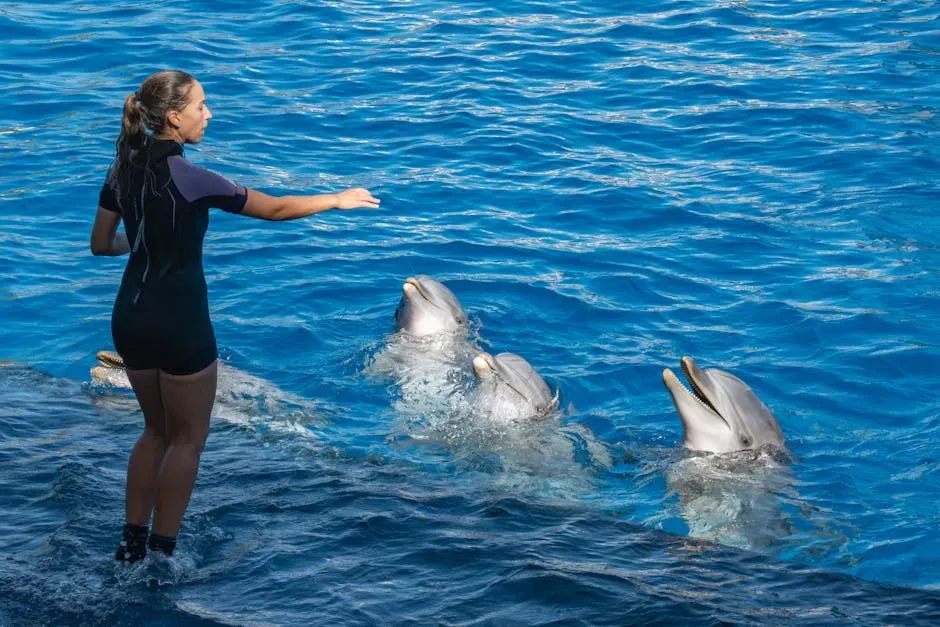
Captive dolphins in research or educational facilities frequently bond with individual trainers to the degree that they ignore commands from anyone else, leading to performance breakdowns and genuine health issues when that trainer is reassigned. Acoustic studies confirm they recognize and respond preferentially to one person’s specific vocal patterns over time — not just a familiar type of voice, but that individual voice, distinctly. Facility transfers carry formal warnings about these attachments for exactly this reason.
The pattern persists because dolphins’ social intelligence operates at primate levels when it comes to selective bonding. Their playful public image makes it easy to underestimate what’s actually happening emotionally between a dolphin and the one trainer it trusts. The relationship is not interchangeable from the dolphin’s perspective, regardless of how many treats the new handler offers. That gap between the animal’s inner experience and human assumptions is where most of the damage happens.
#3 – Cows
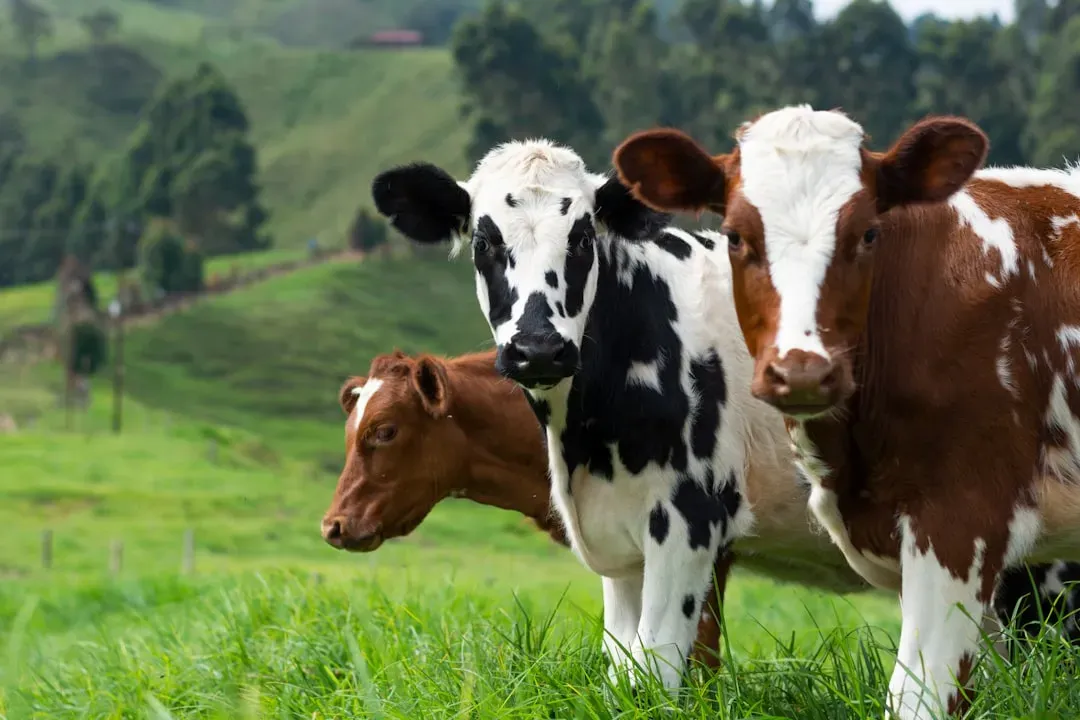
Dairy or pet cows that receive daily individual attention from one person develop associations between that human’s presence and their entire sense of safety and routine. Farm welfare reports document distress vocalizations and measurable drops in milk production when that person is suddenly absent or replaced. Their social nature extends fully to trusted humans when consistent handling builds genuine familiarity over months and years.
The surprising detail is how quickly cows associate specific routines, scents, and sounds with well-being — and how visibly that association breaks when the familiar person disappears. Most people assume livestock stay emotionally detached from their handlers. The evidence from welfare researchers tells a different story, and anyone who has watched a cow search a field for someone specific has seen that story play out in real time. Rehoming them without careful planning isn’t just difficult. It’s unkind.
#2 – Goats
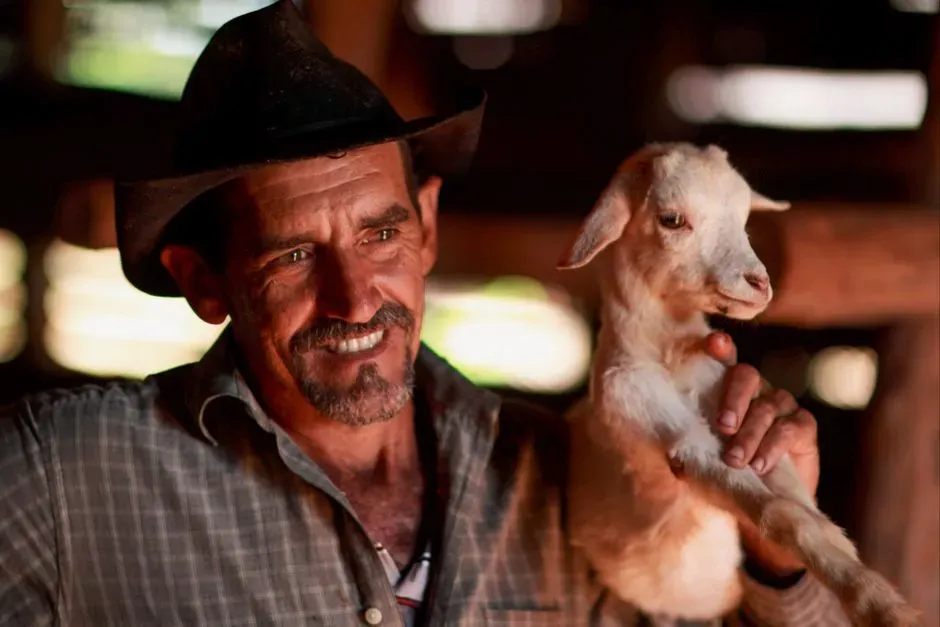
Goats in small herds or single-pet situations frequently single out one caretaker for all their best behaviors — the playful head-butting, the following, the vocalizing at the gate. Substitutes get ignored or tested. Rescue observations link these preferences to higher escape attempt rates after rehoming, as the animal works to get back to something familiar rather than settle into something new. Their curious, stubborn intelligence amplifies every disruption.
Experts in caprine behavior note that while goats are genuinely social animals, the human preference can dominate entirely in domestic contexts. There’s also a less flattering angle: some owners inadvertently deepen these dependencies by providing inconsistent handling across a group, which pushes the goat to anchor even harder on the one person who’s always there. The result is an animal that isn’t being difficult — it’s just loyal in a way the new household wasn’t prepared for.
#1 – Wolves and Wolf Hybrids
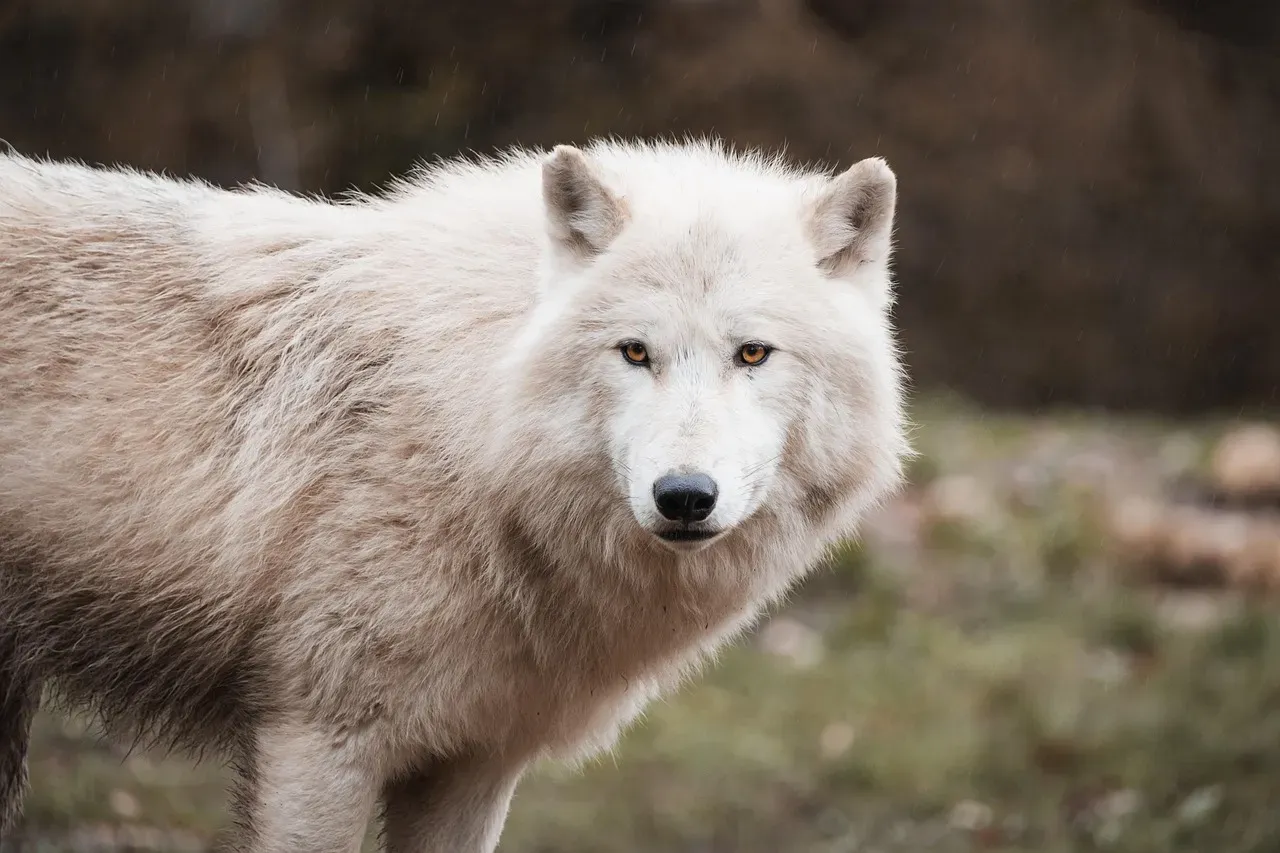
Wolf hybrids raised by one primary human don’t just prefer that person — they structure their entire understanding of safety, hierarchy, and belonging around them. That person is the pack, full stop. Extreme wariness or active aggression toward anyone else isn’t a training failure; it’s the animal behaving exactly according to its genetics. Wildlife and exotic animal records show persistent attachment issues even after years of separation, and standard rehoming without specialized intervention almost always fails.
The most critical fact is that these animals rarely thrive once that original bond is broken. No amount of patience from a new owner fully replaces what was lost, because what was lost wasn’t just familiarity — it was the animal’s entire social architecture. Regulations exist to limit wolf hybrid ownership for good reasons, but they can’t retroactively undo bonds that are already formed. When a wolf hybrid loses its person, what comes next is rarely a success story. It’s a welfare crisis that most people never see coming until they’re standing in the middle of it.
Why It Stands Out
- Wolf hybrids bond to one person as their entire pack — not a preference, a survival structure.
- Many states ban or require special permits for ownership; some vets refuse to treat them due to liability concerns.
- Wolfdog sanctuaries regularly operate at capacity and must turn surrendered animals away.
- Rehoming a high-content wolfdog is widely considered one of the most difficult placements in all of exotic animal rescue.
- Owning one is a commitment of up to 15–20 years — and breaking that commitment can be traumatic for the animal.
The Uncomfortable Truth About “Rehomeable” Animals
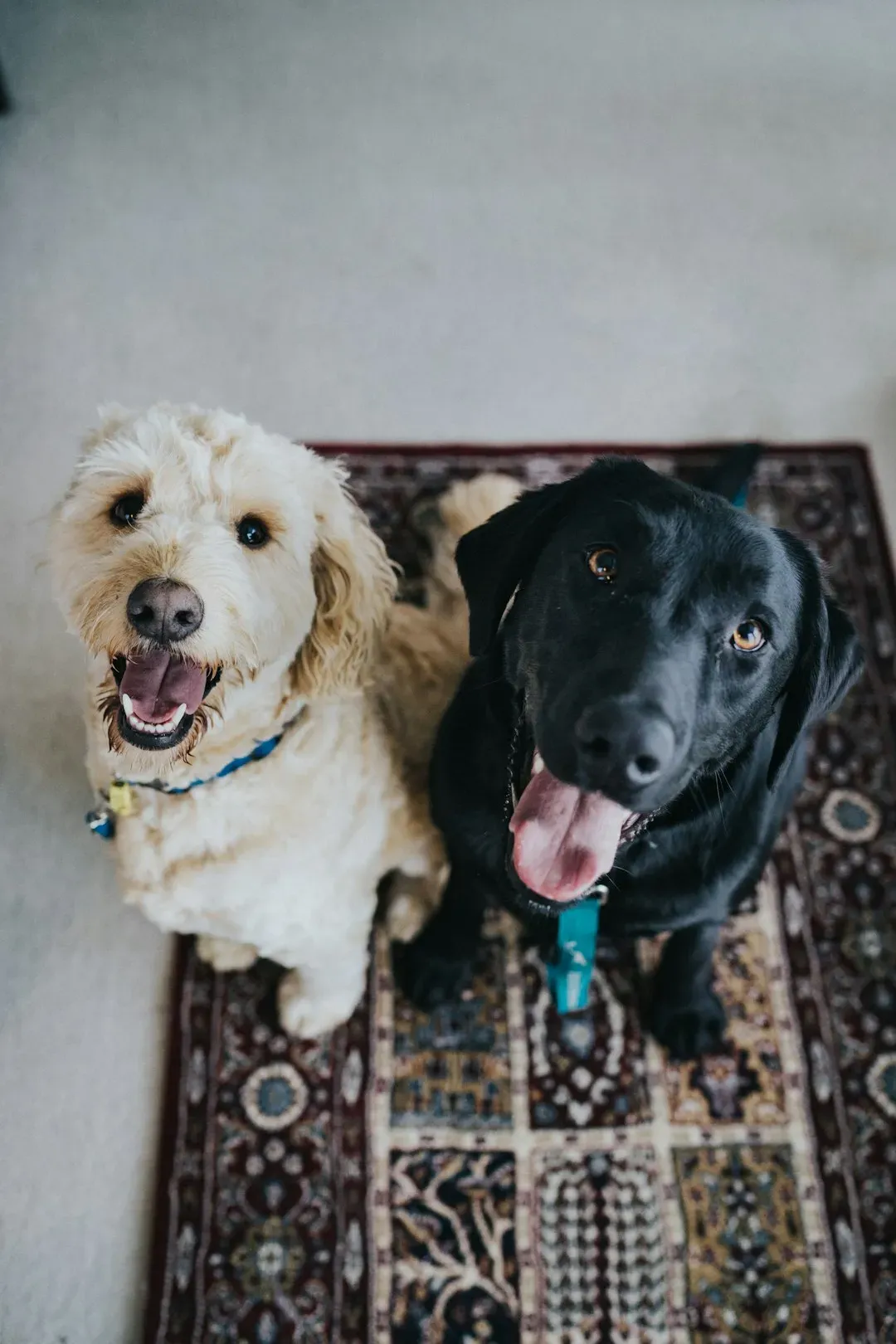
Across every species on this list, the pattern is the same: consistent, individualized care from one person doesn’t just create a happy pet — it creates an irreplaceable relationship. That’s worth celebrating. But it also carries a responsibility most adoption conversations gloss over entirely. When you become that person for an animal this bonded, you’re not just their favorite human. You are, in every way that matters to them, their whole world.
The casual assumption that animals are transferable — that a good home is a good home regardless of who’s in it — is one of the most quietly damaging ideas in pet culture. These fourteen species don’t disprove that idea in edge cases. They disprove it consistently, predictably, and across wildly different levels of intelligence and domestication. Before rehoming any deeply bonded animal, the honest question isn’t “will they adjust eventually?” It’s “at what cost, and is that cost worth it?” More often than not, the answer should change the decision entirely.

- 13 Things a Dog Does in Their Final Days That Their Owner Carries With Them Forever - June 19, 2026
- 14 Animals That Form a Bond So Deep With One Person That Rehoming Them Is Nearly Impossible - June 19, 2026
- 14 Signs Your Dog Is Still Fighting to Stay With You – Most Owners Miss Them Entirely - June 19, 2026