
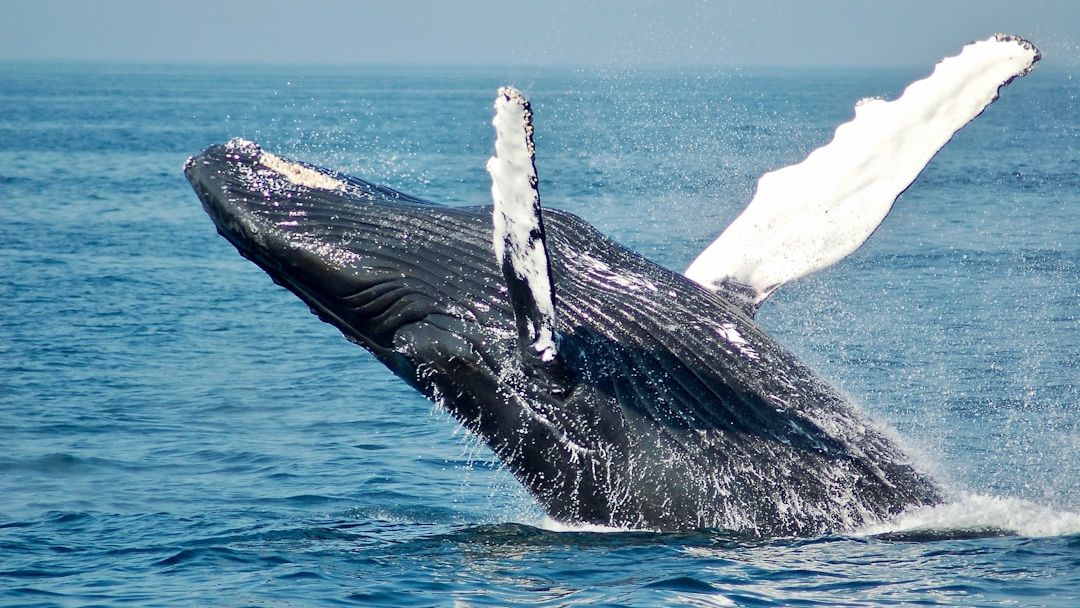
The Tight Bonds Within Whale Pods
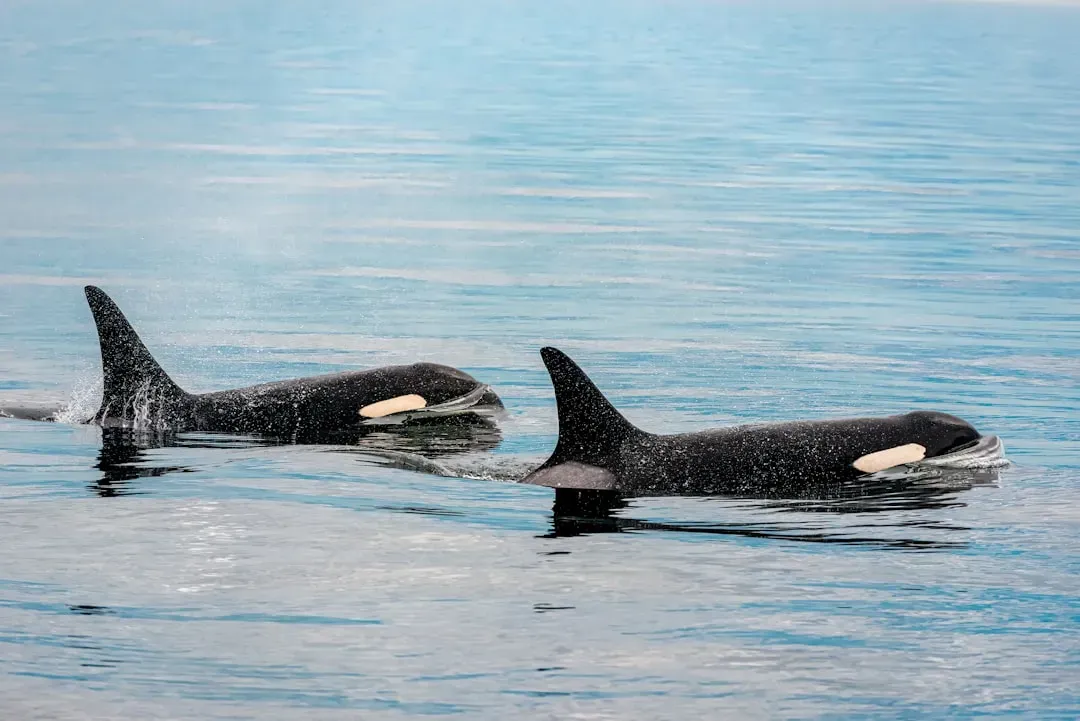
Whale pods function like extended families where individuals recognize one another over years. Mothers stay close to calves for extended periods, and some species maintain lifelong associations between relatives. These connections shape daily movements, feeding patterns, and protection from threats.
Observations show that when a member disappears, the group sometimes alters its behavior for days or weeks. Researchers note changes in calling rates and travel routes that suggest awareness of absence. Such patterns point to memory playing a key role in how pods operate.
Whale Sounds Carry Personal Signatures
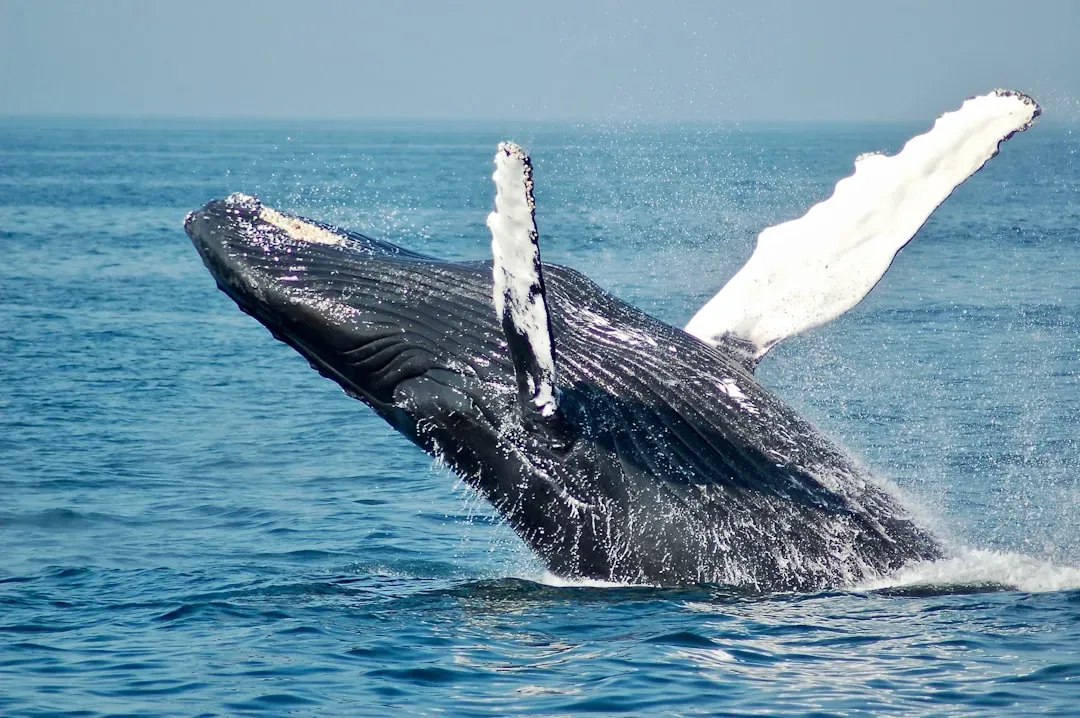
Each whale produces calls with unique rhythms and tones that others in the pod appear to distinguish. Humpbacks, for instance, repeat phrases that evolve over time yet remain recognizable to companions. These vocal patterns help coordinate activities across miles of open water.
Playback studies with live animals have demonstrated that whales respond differently to familiar versus unfamiliar signals. One documented case involved a humpback engaging in a back and forth exchange with a recorded contact call for nearly twenty minutes. The animal adjusted its timing to match the intervals in the playback.
Playback Methods Reveal Hidden Reactions
Scientists use underwater speakers to introduce recorded sounds into the environment and watch for changes in movement or calling. This approach allows controlled tests without direct contact. Results vary depending on the species and the context of the recording.
Pods sometimes approach the source of a familiar sound or increase their own vocal activity. In other instances they maintain distance or fall silent. These varied outcomes highlight how context influences interpretation of the signals.
Memory and Recognition in Cetaceans
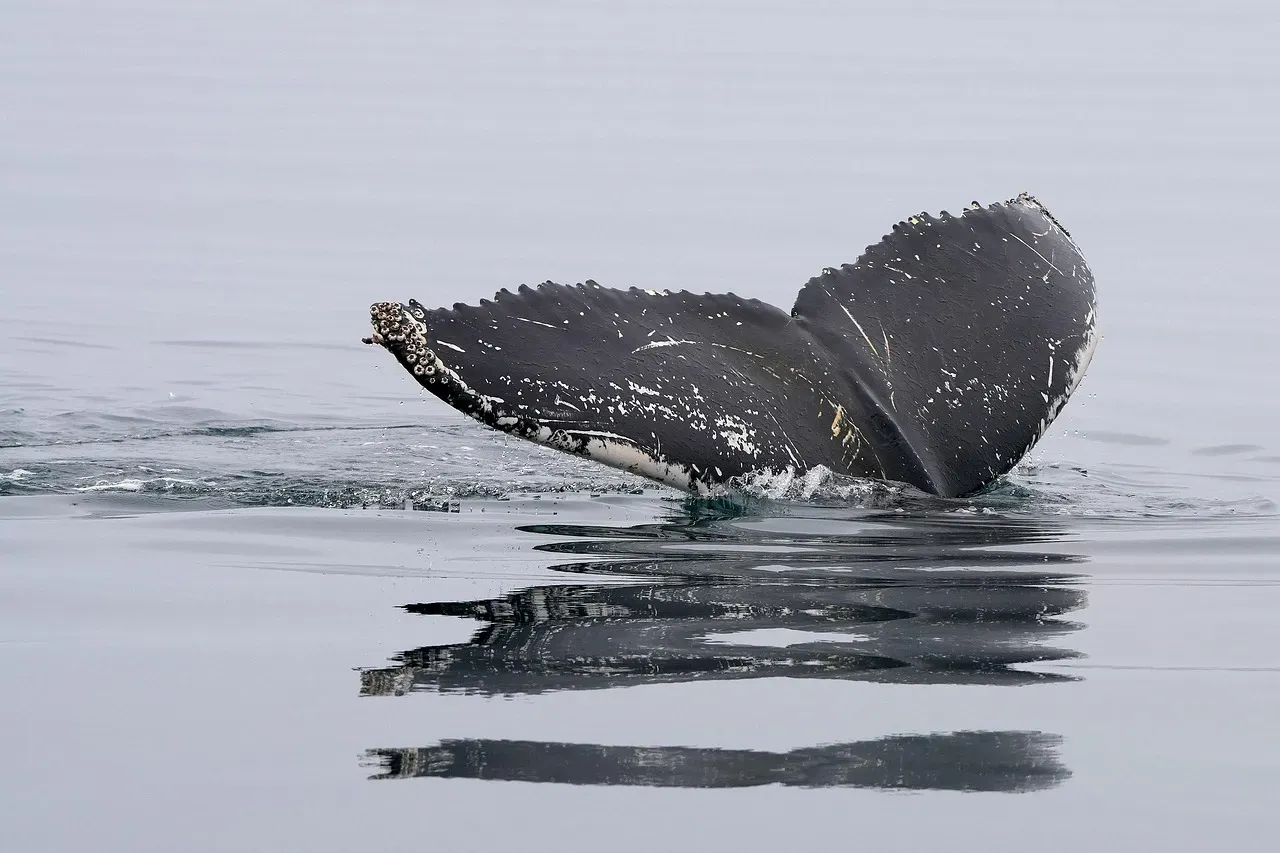
Long lived whales appear capable of remembering individuals even after separation. Evidence comes from repeated sightings of the same animals reuniting after months apart. Their calls may serve as a form of identification that persists in group memory.
When recordings from known animals are introduced, responses can include increased surfacing or directed swimming toward the speaker. Such reactions suggest the sounds trigger specific associations rather than generic curiosity. Researchers continue to refine methods to measure these effects more precisely.
Observations of Mourning and Loss
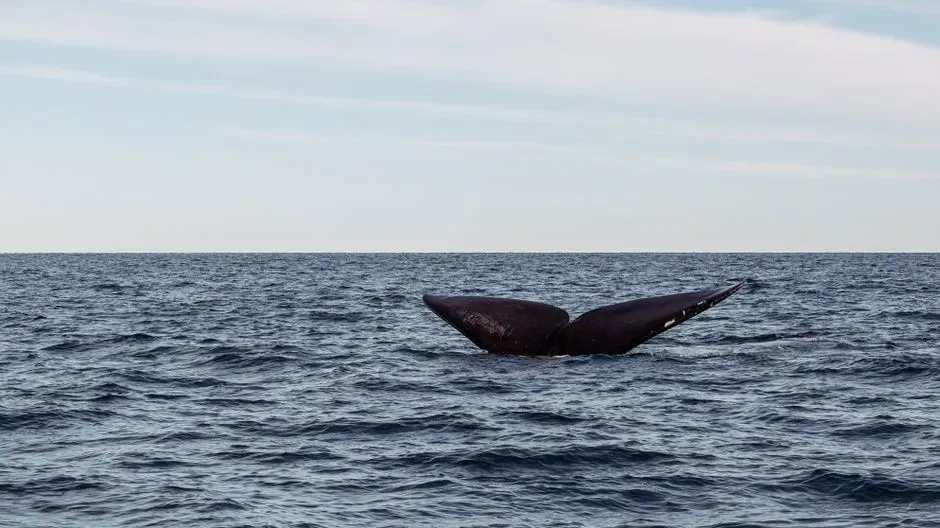
Several whale and dolphin species have been seen carrying or staying near deceased young for extended periods. These behaviors occur across at least seven documented species and often involve adults supporting or protecting the body. The actions resemble forms of grief observed in other social mammals.
Pods may also change their acoustic output after a loss, with some groups producing fewer calls or shifting to different patterns. These shifts can last for days and sometimes coincide with altered travel routes. The consistency across sightings supports the idea that loss registers within the social unit.
Interpreting Unexpected Responses
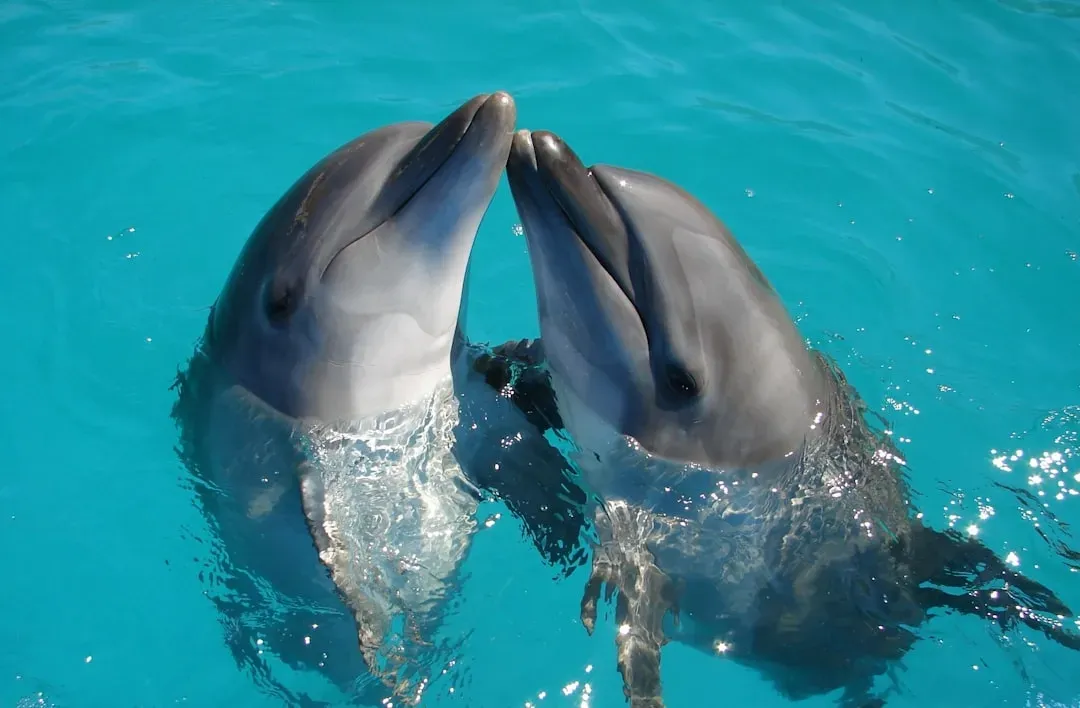
Reactions to recorded sounds can surprise observers because they reveal layers of social awareness not immediately obvious from surface behavior. A pod might linger near a playback longer than expected or produce calls that mirror the recording in subtle ways. These moments challenge assumptions about how much information the animals extract from acoustic cues.
Researchers emphasize that individual variation and environmental factors always influence outcomes. What appears as a strong response in one setting may look subdued in another. Careful documentation helps separate signal from noise in these complex interactions.
Looking Ahead at Ocean Connections
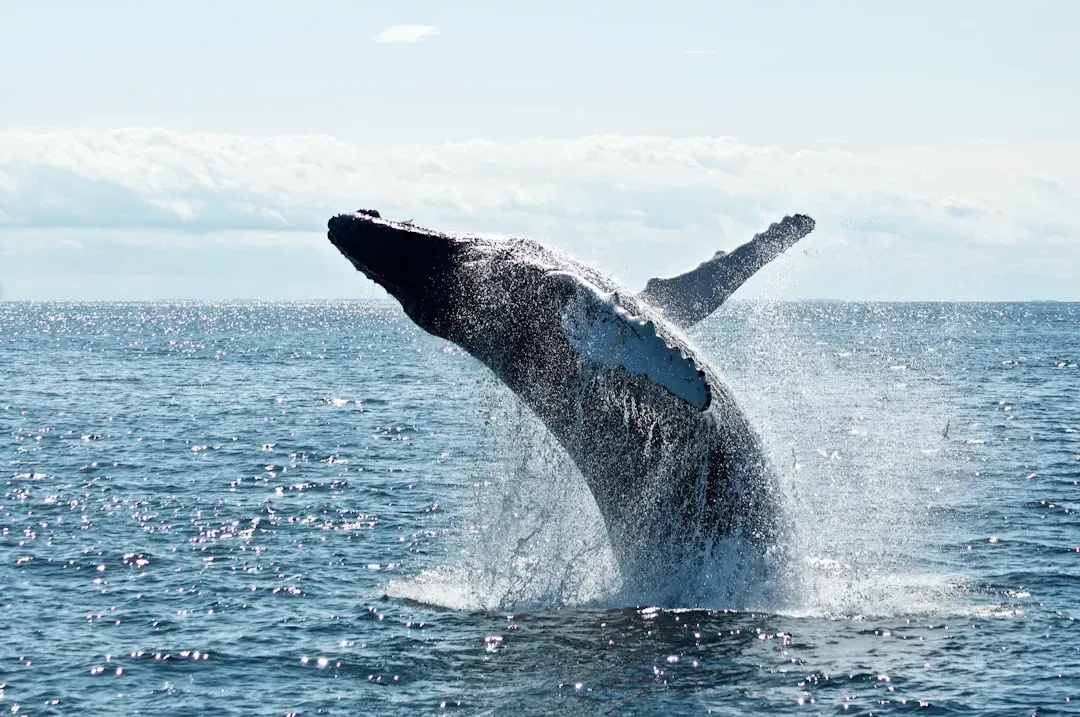
Continued work with acoustic tools offers a window into lives that unfold mostly out of sight. Each new playback trial adds detail to the picture of how whales maintain relationships across time and distance. The findings underscore the value of protecting quiet spaces in the sea.
Respect for these animals grows as evidence of their social depth accumulates. Protecting pods means preserving not only their physical habitat but also the acoustic environment that carries their connections. In the end, the ocean feels less like a vast emptiness and more like a place where voices still matter long after they fade.

- 7 Hidden Conditions That Invite Termites Into Your Walls - August 6, 2026
- These Zodiac Signs Are Most Drawn to Storms, Thunder, and Heavy Rain - August 6, 2026
- The Most Popular Cat Breeds in Florida - August 6, 2026