

Most dog owners assume their pet’s sleeping position is just a matter of comfort. However, these positions can reveal deeper insights into your dog’s trust and feelings toward you. Understanding these cues can strengthen your bond and ensure your furry friend feels secure. Here’s what experts say about the various sleeping positions and their meanings.
1 – The Side Sleeper
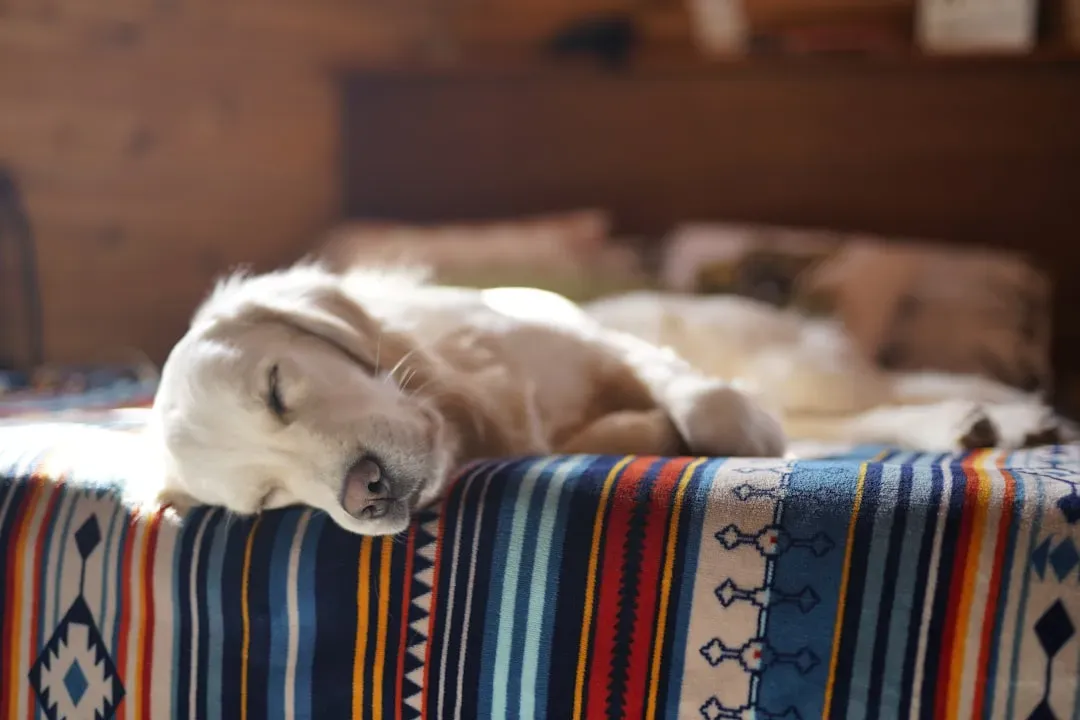
When your dog sleeps stretched out on their side, it’s a strong indicator of trust. This position exposes their vital organs, suggesting they feel safe and relaxed in their environment. Dogs in this posture often experience deep, restorative sleep, which is essential for their health. If your dog frequently sleeps this way near you, it’s a testament to the secure bond you share. ([petmd.com](https://www.petmd.com/dog/general-health/dog-sleeping-positions-and-what-they-mean?utm_source=openai))
But that’s nothing compared to what we found about #2…
Fast Facts
- Adult dogs typically sleep 12 to 14 hours a day, while puppies and seniors may need 18 to 20 hours.
- Dogs cycle through light and deep (REM) sleep, which is when the twitching paws and soft whimpers show up.
- A dog’s chosen position can shift several times overnight as room temperature and comfort change.
- Where a dog chooses to nap – near you, in a doorway, or tucked in a corner – often says as much as the position itself.
2 – The Belly-Up
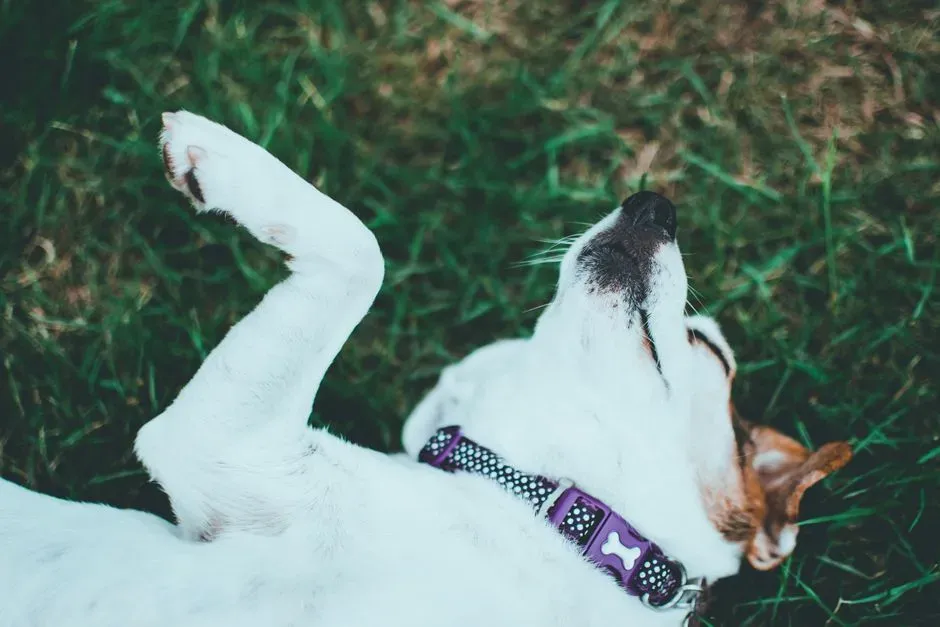
A dog lying on their back with legs in the air is displaying ultimate vulnerability. This “belly-up” position signifies complete trust and comfort. It’s also a way for dogs to cool down, as their belly has less fur. If your dog sleeps this way beside you, it’s a clear sign they feel entirely at ease in your presence. ([sleep.com](https://www.sleep.com/sleep-health/dog-sleeping-positions?utm_source=openai))
But wait until you see what #3 reveals…
3 – The Donut
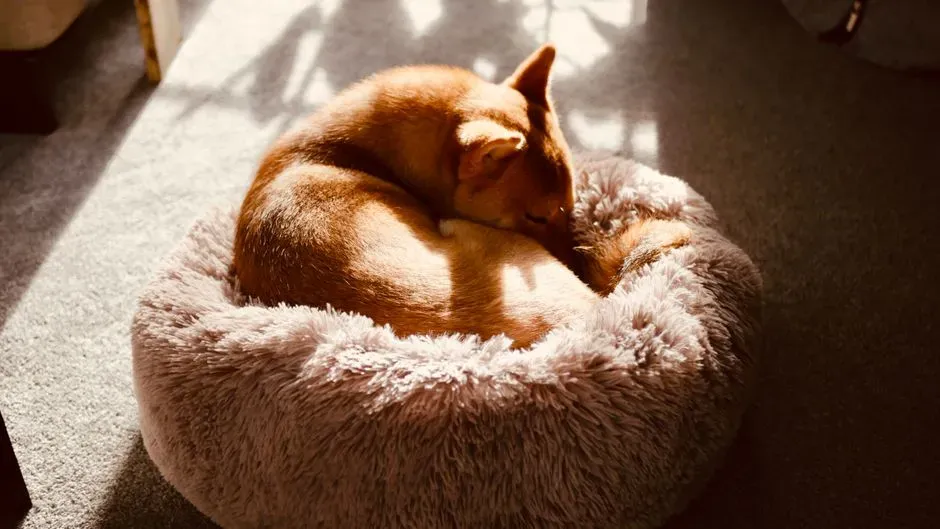
Curling up into a tight ball, with their nose touching their tail, is known as the “donut” position. This posture helps conserve body heat and protect vital organs. While it can indicate a need for warmth, it may also suggest your dog is feeling anxious or uncertain. If this is a new sleeping position for your dog, consider evaluating their environment for potential stressors. ([purina.com](https://www.purina.com/articles/dog/behavior/understanding-dogs/dog-sleeping-positions?utm_source=openai))
But that’s just the beginning; #4 is even more telling…
4 – The Lion’s Pose
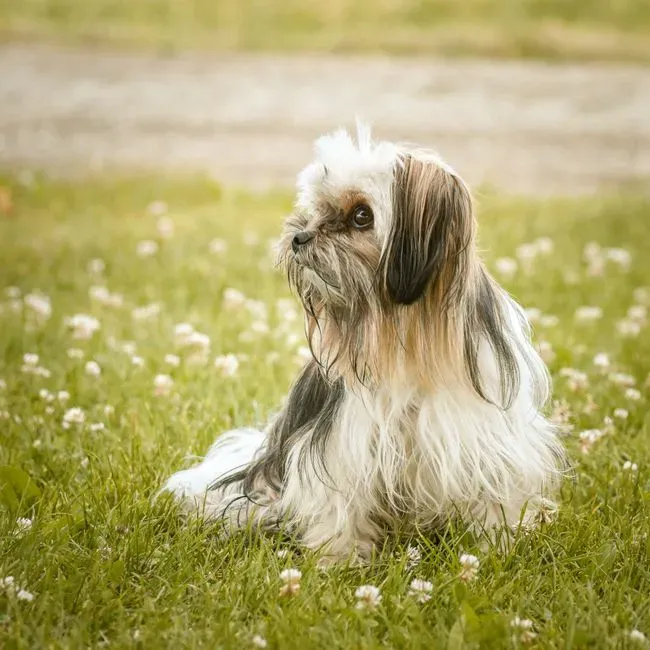
In the “lion’s pose,” your dog rests with their head on their front paws, ready to spring into action. This position indicates they are alert and not fully relaxed. While it doesn’t necessarily mean they distrust you, it suggests they are keeping an eye on their surroundings. If your dog often sleeps this way, they might be naturally vigilant or responding to environmental stimuli. ([petmd.com](https://www.petmd.com/dog/general-health/dog-sleeping-positions-and-what-they-mean?utm_source=openai))
But that’s nothing compared to what we found about #5…
5 – The Superman
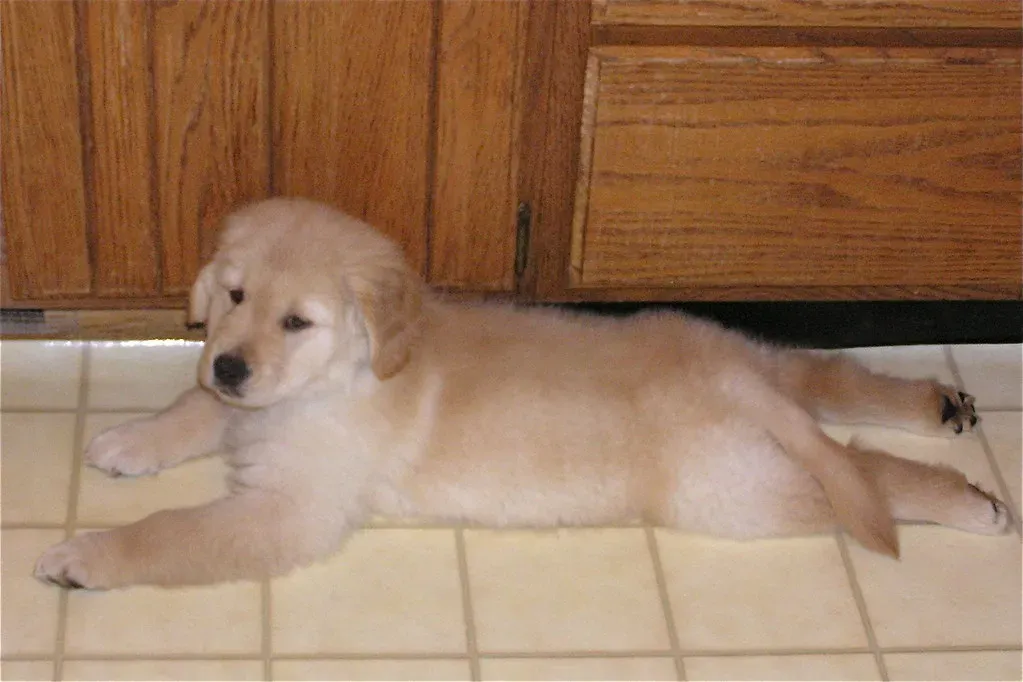
Dogs sprawled out on their stomachs with limbs extended, resembling Superman in flight, are often playful and energetic. This position allows them to jump up quickly and is common in puppies. It indicates a level of trust and comfort, as they feel secure enough to rest in a vulnerable position. ([sleep.com](https://www.sleep.com/sleep-health/dog-sleeping-positions?utm_source=openai))
But wait until you see what #6 reveals…
6 – The Cuddle Bug
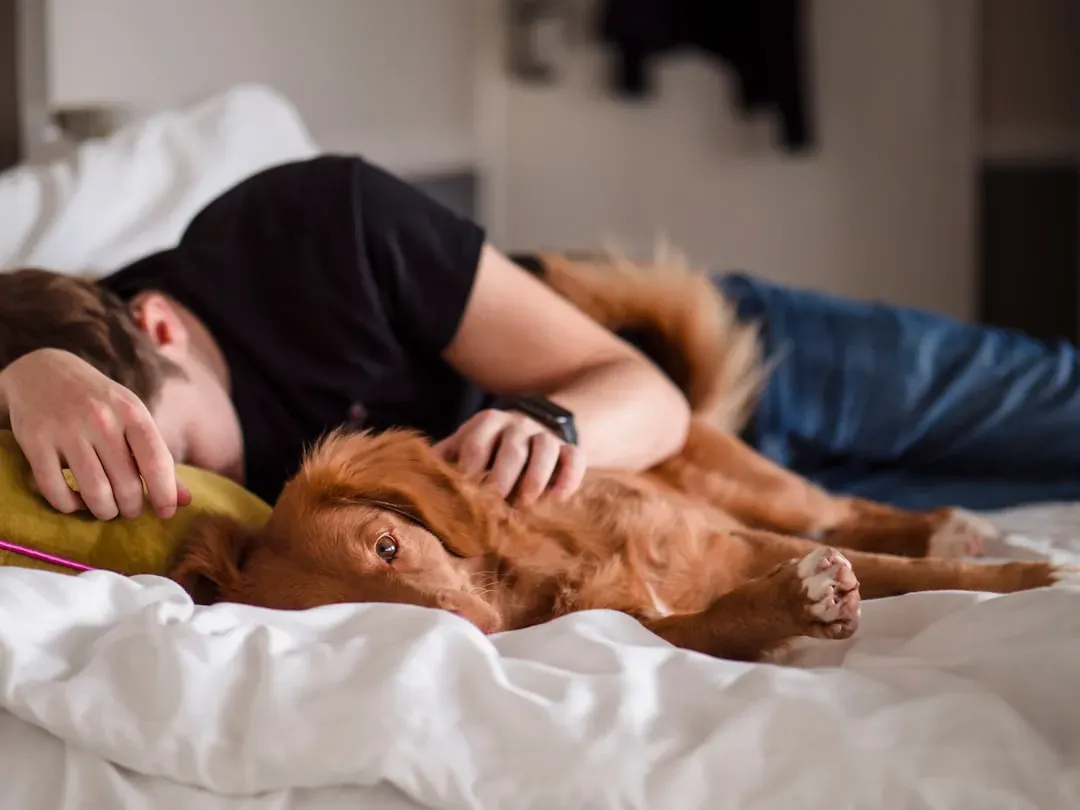
If your dog prefers to sleep pressed against you or another pet, they’re showing affection and seeking warmth. This “cuddle bug” behavior is a clear sign of trust and bonding. Dogs are pack animals, and this position harks back to their ancestral need for closeness. ([purina.com](https://www.purina.com/articles/dog/behavior/understanding-dogs/dog-sleeping-positions?utm_source=openai))
But that’s just the beginning; #7 is even more telling…
Quick Compare
- High-trust positions: Side Sleeper, Belly-Up, Superman, Cuddle Bug, Back-to-Back – all leave your dog exposed and relaxed.
- Watchful positions: Lion’s Pose and, at times, the Donut – your dog is resting but staying alert to their surroundings.
- Comfort-seeking positions: The Burrower and the Donut – often about warmth or security rather than distrust.
- Positions worth monitoring: Head and Neck Raised and Restless Sleeper – these can point to discomfort or health issues.
7 – The Burrower
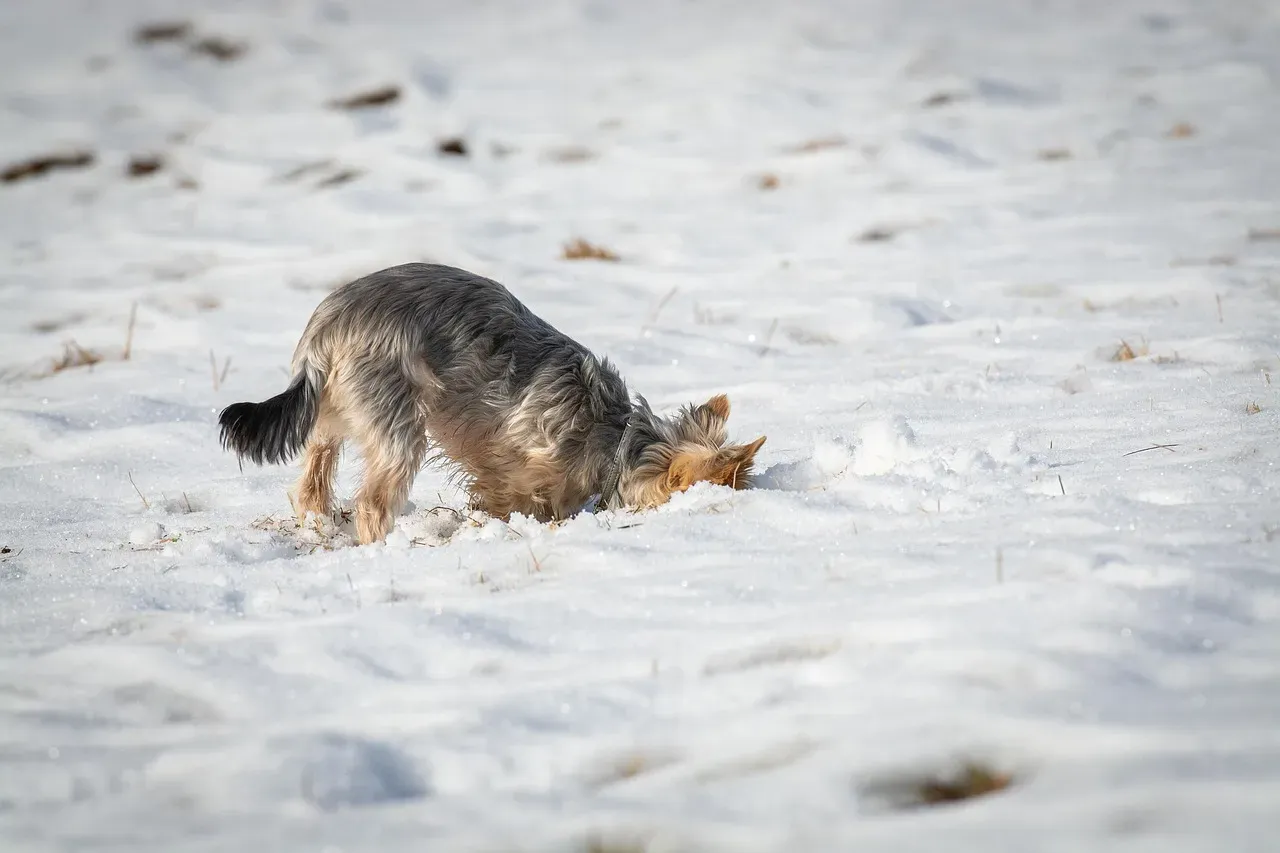
Dogs that burrow under blankets or pillows are seeking comfort and security. This behavior can indicate a desire for warmth or a need to feel protected. If your dog frequently burrows, ensure they have a safe and cozy environment to alleviate any anxiety.
But that’s nothing compared to what we found about #8…
8 – The Back-to-Back
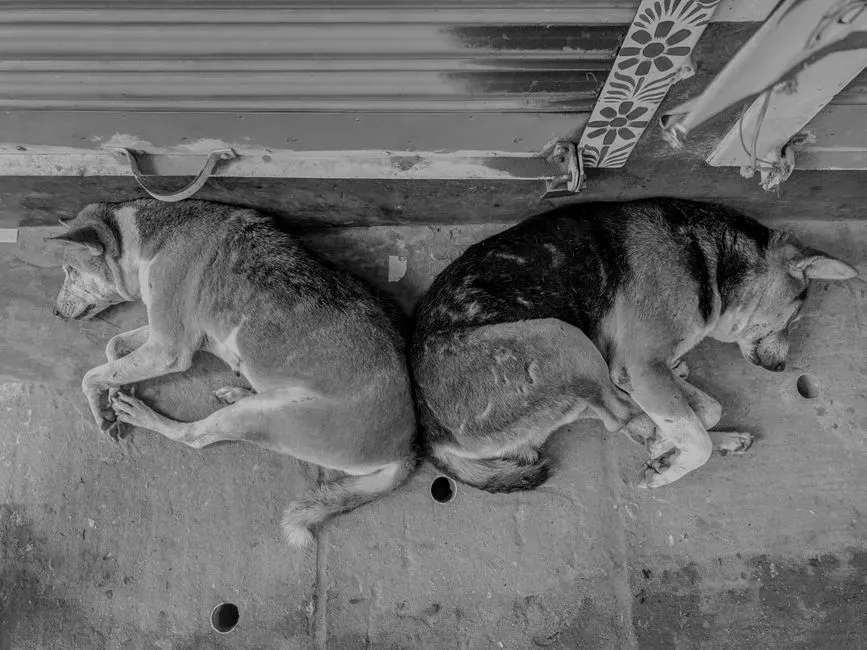
Sleeping back-to-back with you or another pet is a sign of deep trust. This position allows your dog to feel secure while still being close to their loved ones. It’s a behavior rooted in their pack instincts, indicating they consider you part of their family. ([sleep.com](https://www.sleep.com/sleep-health/dog-sleeping-positions?utm_source=openai))
But wait until you see what #9 reveals…
9 – The Head and Neck Raised
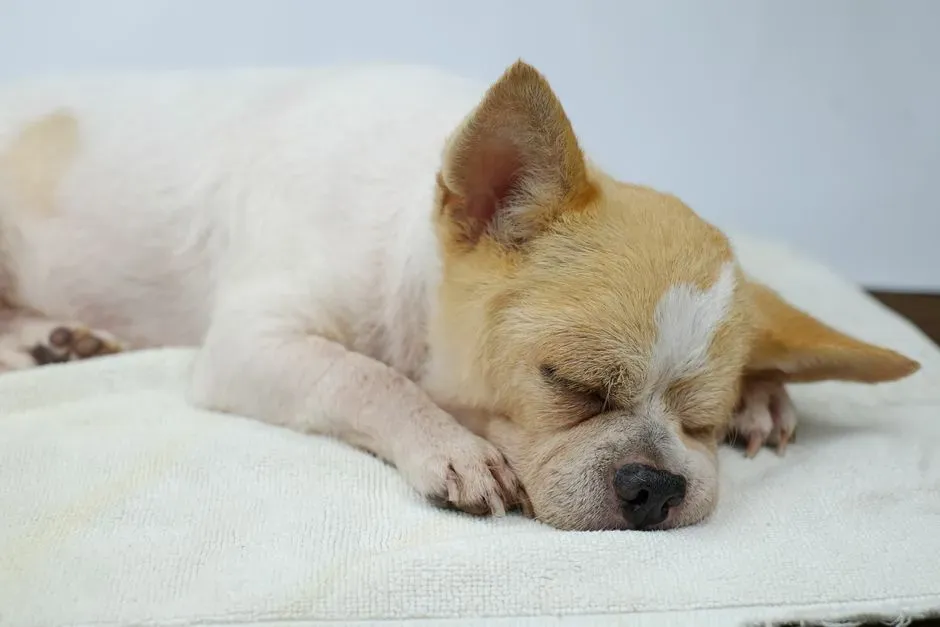
If your dog sleeps with their head and neck elevated, it might be a sign of respiratory issues or discomfort. While it can also be a preference for comfort, consistent use of this position warrants a check-up with your veterinarian to rule out any health concerns. ([purina.com](https://www.purina.com/articles/dog/behavior/understanding-dogs/dog-sleeping-positions?utm_source=openai))
But that’s just the beginning; #10 is even more telling…
Worth Knowing
- A sudden change from a relaxed position to a guarded one can be an early clue something feels off physically or emotionally.
- Consistent restlessness or an inability to settle is worth flagging to your vet rather than waiting it out.
- Keeping the head and neck raised for extended stretches, especially paired with labored breathing, deserves a closer look.
- Tracking patterns over a week or two gives your vet far more useful information than a single off night.
10 – The Restless Sleeper
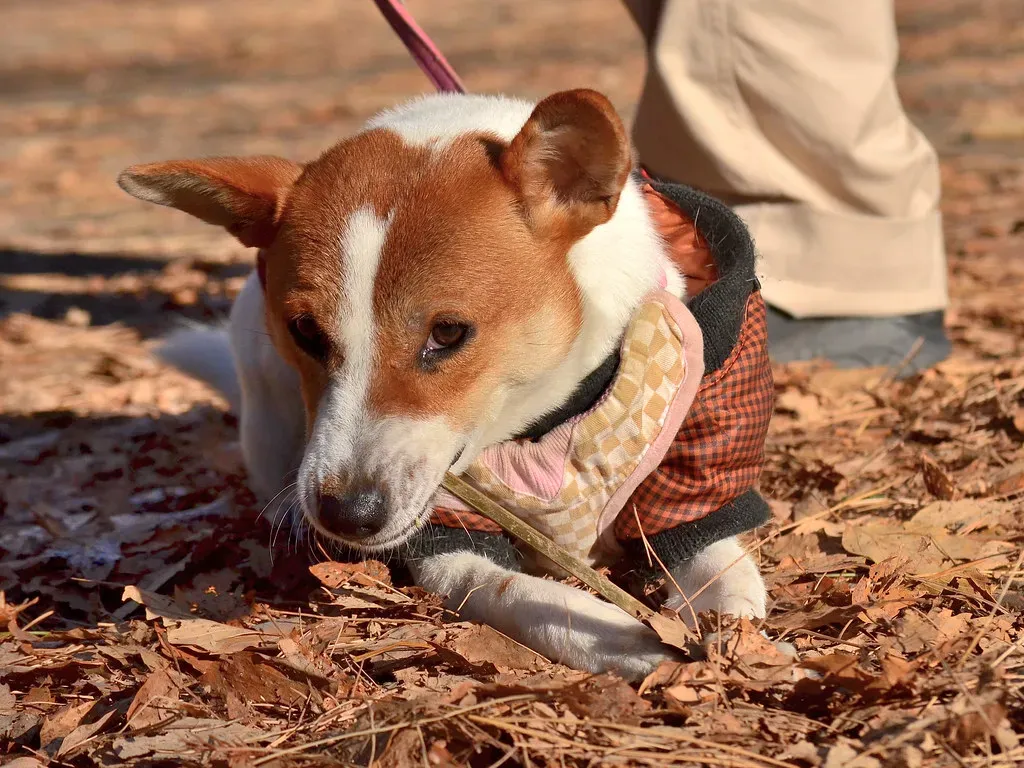
Dogs that frequently change positions or seem unable to settle may be experiencing discomfort or anxiety. This restlessness can indicate trust issues or health problems. Observing this behavior consistently should prompt a consultation with your veterinarian to ensure your dog’s well-being. ([eastperry.com](https://eastperry.com/blogs/dogs/dog-sleeping-positions?utm_source=openai))
The Bottom Line
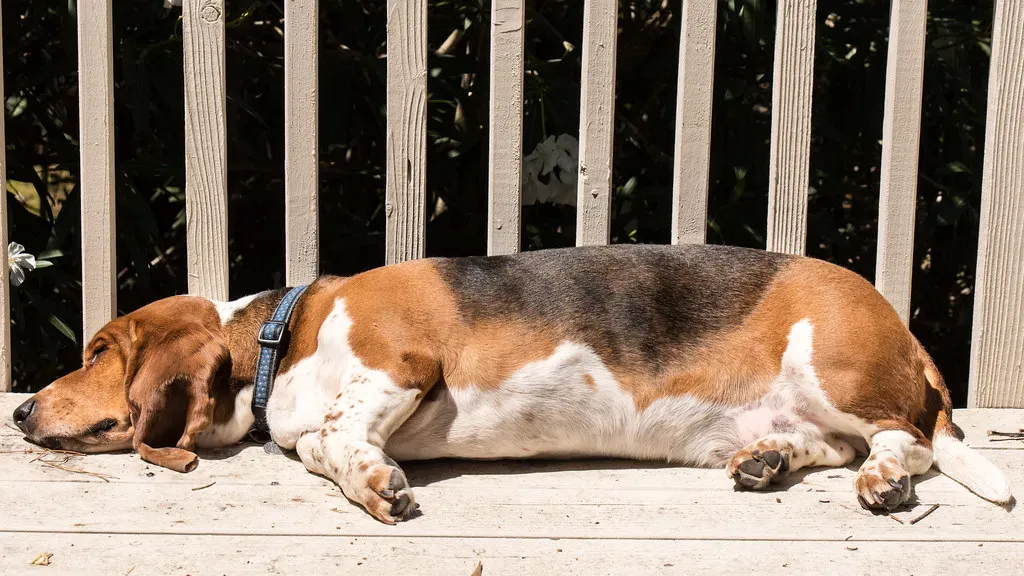
Your dog’s sleeping position offers valuable insights into their trust and comfort levels. While some positions indicate deep trust and relaxation, others may signal anxiety or health concerns. By paying attention to these cues, you can better understand and support your furry friend’s needs. Did we miss a position your dog favors? Drop it in the comments!

- The Pet Your Zodiac Sign Would Rescue Without Hesitation - August 16, 2026
- 7 US States Where Mountain Lions Are Closer Than You Think - August 16, 2026
- 10 US States With the Highest Black Bear Populations - August 16, 2026