

Worried about unexpected vet bills?
Pet insurance can cover thousands in unexpected vet costs. Get a free quote from Lemonade in under 2 minutes.
Get My Free Quote →Sponsored · Opens Lemonade.com
Factory farming has become the dominant system for food production worldwide, yet many consumers remain unaware of the realities behind their meals. The industrialization of animal agriculture has dramatically transformed how meat, dairy, and eggs are produced, prioritizing efficiency and profit over animal welfare and environmental sustainability. This article reveals fifteen shocking facts about factory farming that may change how you view your food choices. From environmental devastation to animal suffering and human health concerns, these revelations provide important context for understanding our modern food system.
14. The Staggering Scale of Factory Farming
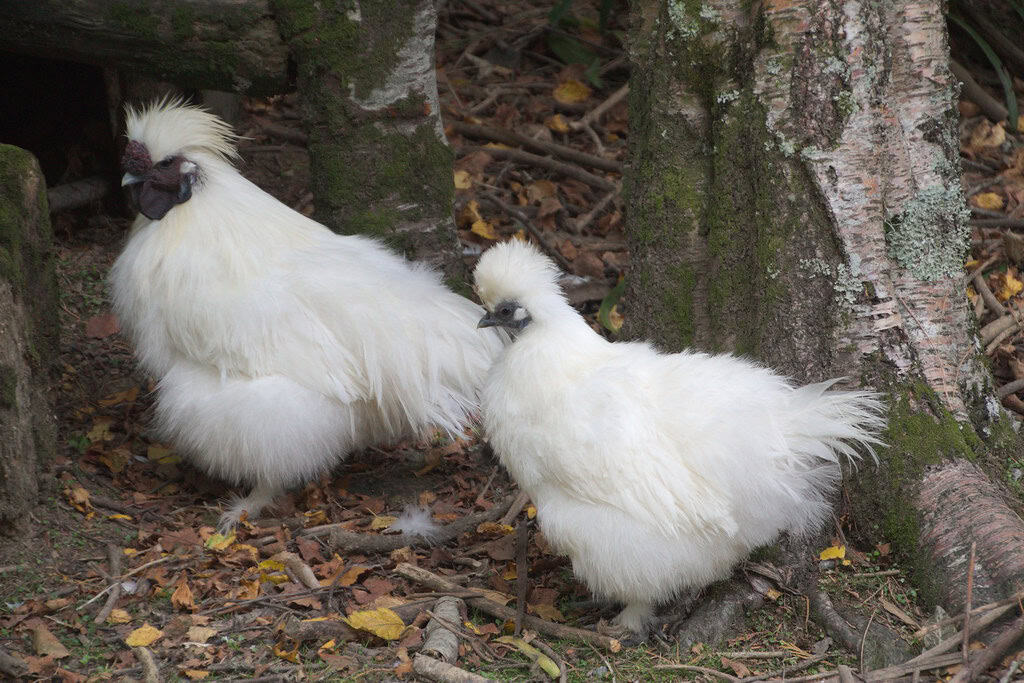
Factory farming dominates global animal agriculture, with approximately 99% of all farmed animals in the United States raised on factory farms. This translates to nearly 10 billion land animals raised for food annually in the U.S. alone. Globally, the numbers are even more astonishing, with an estimated 70 billion land animals farmed for food each year, the vast majority in industrial settings.
The sheer magnitude of this system is difficult to comprehend. For perspective, approximately 25 million chickens are slaughtered every day in the United States—more than 9 billion annually. These operations have expanded dramatically since the mid-20th century, with fewer, larger facilities producing more animal products than ever before, fundamentally changing our relationship with food production and agriculture.
13. Extreme Confinement Conditions

Animals in factory farms endure severe space restrictions that prevent them from expressing natural behaviors. Egg-laying hens are typically confined to battery cages with floor space smaller than a standard sheet of paper per bird, making it impossible for them to spread their wings. Pregnant sows are commonly kept in gestation crates measuring just 7 feet by 2 feet, preventing them from even turning around for months at a time. Veal calves are often tethered in crates too narrow for them to turn around or lie down comfortably.
These confinement systems are designed to maximize production while minimizing space requirements, resulting in animals spending their entire lives in spaces barely larger than their bodies. The psychological distress caused by these conditions leads to abnormal behaviors like bar-biting in pigs and feather-pecking in chickens. Despite growing public concern, these housing systems remain standard practice in much of the industry.
12. Antibiotic Overuse and Resistance Crisis

Factory farms use approximately 80% of all antibiotics sold in the United States, not primarily to treat sick animals but to prevent disease outbreaks in crowded conditions and to promote faster growth. This routine antibiotic use creates the perfect conditions for the development of antibiotic-resistant bacteria—often called “superbugs.” According to the CDC, antibiotic-resistant infections affect at least 2.8 million Americans annually, resulting in more than 35,000 deaths.
The World Health Organization has declared antibiotic resistance one of the biggest threats to global health, food security, and development. Many antibiotics used in animal agriculture are medically important for human health, including classes like tetracyclines, penicillins, and cephalosporins. As bacteria develop resistance to these drugs in farm settings, these life-saving medications become less effective for treating human infections, creating a significant public health crisis that experts warn could return us to a pre-antibiotic era where minor infections could become deadly.
11. Unnatural Growth Rates and Selective Breeding
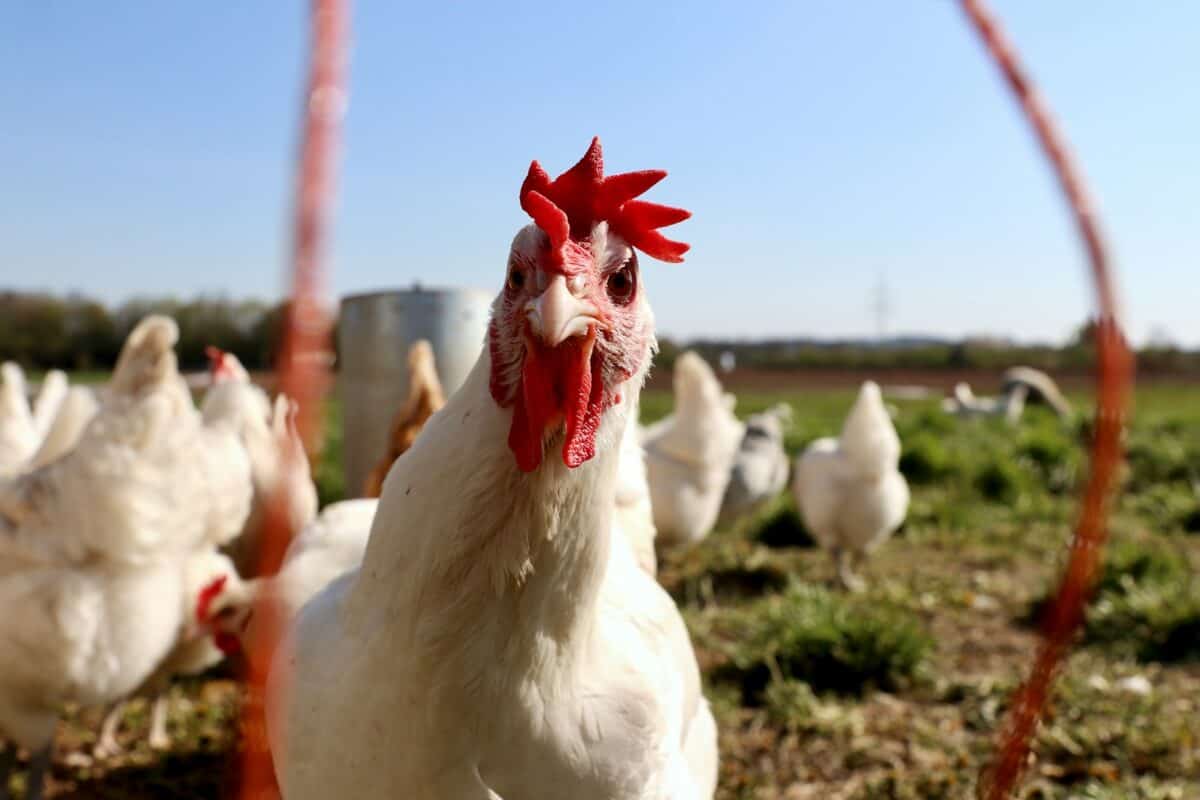
Modern livestock breeds have been genetically selected for rapid growth and high production, often at the expense of their health and welfare. Broiler chickens (raised for meat) now grow more than twice as fast as they did 50 years ago, reaching market weight in just 47 days compared to 84 days in the 1950s. These birds gain weight so rapidly that their legs often cannot support their bodies, resulting in painful lameness and skeletal deformities. Studies show that approximately 30% of broiler chickens suffer from gait problems so severe they struggle to walk.
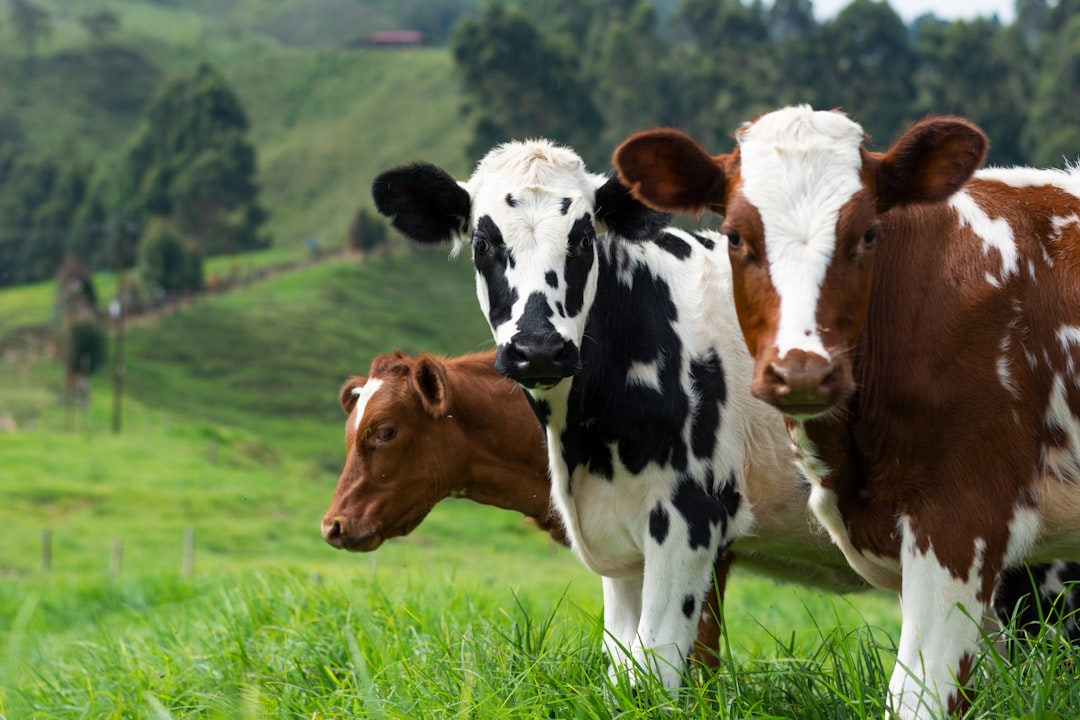
Similarly, dairy cows have been bred to produce up to ten times more milk than they would naturally need to feed their calves. This excessive production causes painful udder inflammation (mastitis) and depletes calcium from their bones, contributing to lameness and early culling. Modern turkeys have been bred with such large breast muscles that they can no longer mate naturally and must be artificially inseminated. These genetic manipulations prioritize production efficiency over animal health, resulting in animals whose bodies essentially work against them throughout their shortened lives.
10. Environmental Devastation and Pollution

Factory farms generate enormous amounts of waste—the EPA estimates that a single dairy farm with 2,500 cows produces as much waste as a city of 411,000 people. Unlike human waste, which is treated in municipal systems, animal waste is typically stored in open-air lagoons or spread untreated on land. When these systems fail or overflow during storms, they contaminate groundwater, rivers, and streams with nitrogen, phosphorus, pathogens, antibiotics, and hormones. In North Carolina alone, hog waste lagoons cover more than 40,000 acres of land.
Water pollution from factory farms has created over 400 “dead zones” in oceans worldwide, areas where aquatic life cannot survive due to oxygen depletion caused by algal blooms fed by nutrient runoff. Factory farms also release airborne pollutants including hydrogen sulfide, ammonia, particulate matter, and volatile organic compounds, contributing to respiratory problems in nearby communities. According to the American Public Health Association, these facilities pose a serious threat to public health, particularly in low-income rural communities where they are disproportionately located.
9. Greenhouse Gas Emissions and Climate Impact
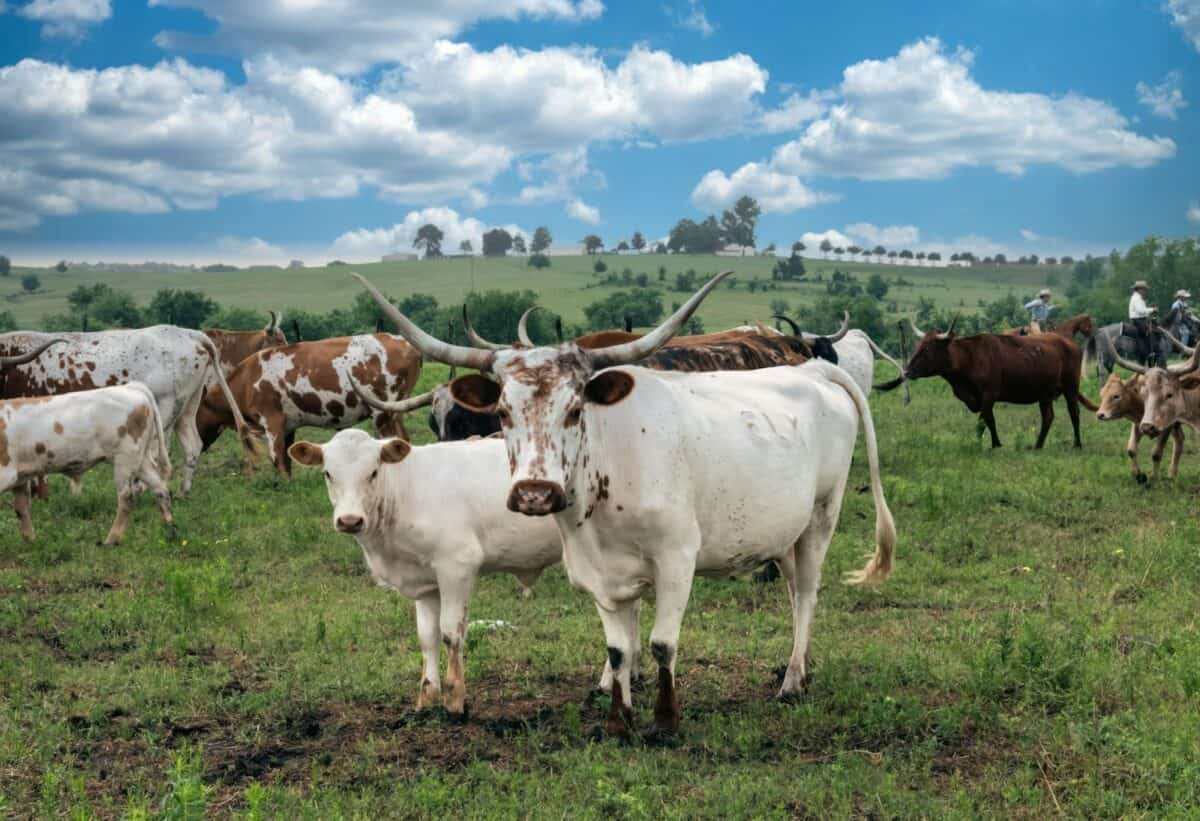
Animal agriculture is responsible for 14.5-18% of global greenhouse gas emissions, according to the Food and Agriculture Organization of the United Nations—more than the entire transportation sector combined. Factory farming contributes significantly to climate change through multiple pathways: methane emissions from livestock digestion and manure management, nitrous oxide from fertilizers used to grow feed crops, and carbon dioxide from deforestation to create grazing land and grow feed.
Methane is particularly concerning as it has a global warming potential 25 times greater than carbon dioxide over a 100-year period. A single dairy cow can produce up to 400 liters of methane per day. The production of just one pound of beef requires 1,799 gallons of water and generates about 22 pounds of carbon dioxide equivalent. As climate change accelerates, the environmental footprint of factory farming becomes increasingly unsustainable, with researchers at Oxford University concluding that avoiding meat and dairy products is the single biggest way to reduce your environmental impact.
8. Worker Exploitation and Dangerous Conditions

Slaughterhouse and meat processing workers face some of the most dangerous working conditions in any industry, with injury rates more than twice the national average for all private industries. These facilities often operate at extremely high speeds—some chicken processing lines move at rates of 175 birds per minute—creating hazardous conditions where workers perform the same cutting motions thousands of times per shift. This leads to debilitating repetitive stress injuries, with nearly 60% of workers suffering from carpal tunnel syndrome and other musculoskeletal disorders.
The industry disproportionately employs vulnerable populations, including immigrants, refugees, and individuals with limited employment options. Workers face exposure to biological hazards, dangerous machinery, slippery floors, and toxic chemicals like ammonia used in cleaning. During the COVID-19 pandemic, meat processing plants became hotspots for outbreaks, with more than 59,000 workers infected and at least 269 dying from the virus. Despite these risks, the industry is known for discouraging workers’ compensation claims, underreporting injuries, and maintaining a culture of fear that prevents workers from speaking out about unsafe conditions.
7. Routine Mutilations Without Pain Relief

To prevent injuries resulting from stress-induced behaviors in crowded conditions, factory-farmed animals routinely undergo painful physical alterations without anesthesia or pain relief. Chickens have portions of their beaks cut off with hot blades or lasers to prevent feather-pecking and cannibalism. Pigs have their tails cut off, teeth clipped, and males are castrated—all typically without pain management. Dairy calves have their horns removed through various painful methods including caustic chemicals, hot irons, or surgical removal.
These procedures are standard industry practice despite scientific evidence showing they cause acute and sometimes chronic pain. For example, beak trimming damages highly innervated tissue, sometimes resulting in neuroma formation (damaged nerve endings) that can cause persistent pain similar to human phantom limb pain. In countries like Switzerland and Norway, many of these practices are restricted or required to be performed with pain management, demonstrating that alternatives exist. However, in the United States and many other major producing countries, economic considerations continue to outweigh animal welfare concerns.
6. Psychological Distress and Abnormal Behaviors
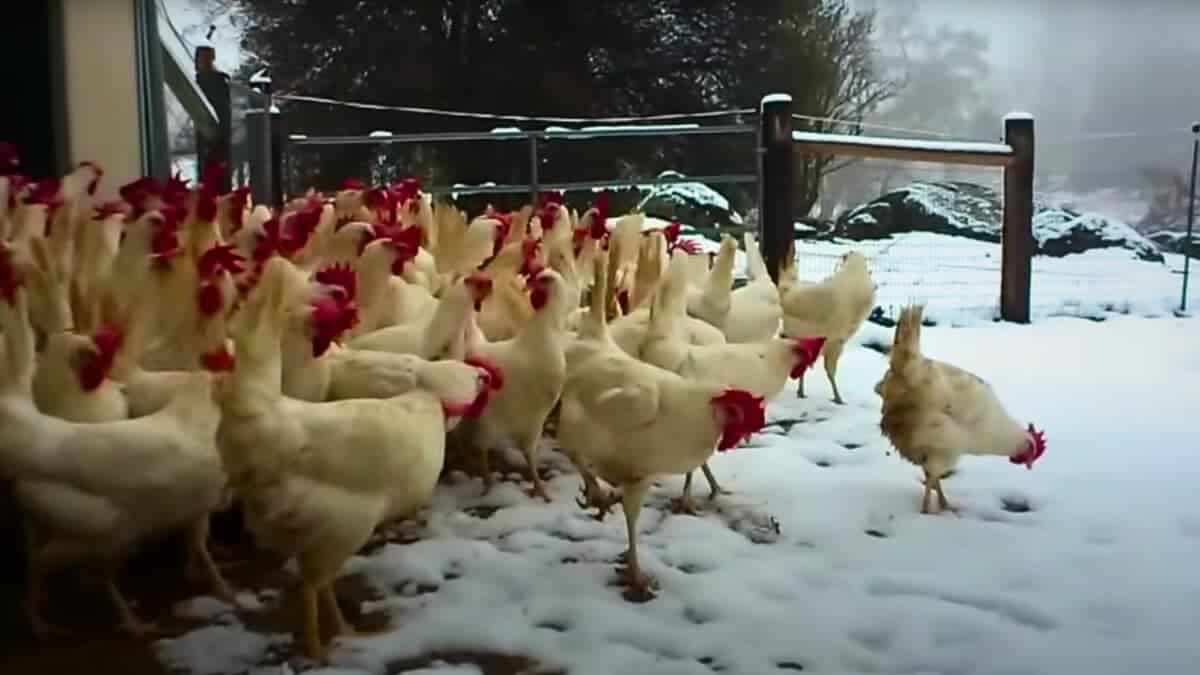
The barren, crowded environments of factory farms prevent animals from performing natural behaviors essential to their psychological well-being. This deprivation leads to severe stress and the development of stereotypic behaviors—repetitive, functionless actions that indicate poor welfare. Pigs in barren pens develop bar-biting, tail-biting, and vacuum chewing (chewing motions with nothing in their mouths). Chickens develop feather-pecking and cannibalism. Cattle may excessive lick objects or engage in tongue-rolling.
Research shows that these behaviors are not merely annoying habits but indicators of significant psychological distress comparable to compulsive disorders in humans. Animals in factory farms also show elevated stress hormones and symptoms similar to depression and learned helplessness. Studies of cognitive bias in farm animals reveal that those in intensive systems display “pessimistic” cognitive states, expecting negative outcomes more frequently than animals in enriched environments. This growing body of research challenges the notion that farm animals are merely production units, highlighting their complex cognitive and emotional capacities and the profound suffering caused by industrial farming practices.
5. Food Safety Concerns and Contamination

Factory farming creates ideal conditions for pathogen development and spread. Crowded, stressed animals with compromised immune systems housed in their own waste provide perfect breeding grounds for bacteria like E. coli, Salmonella, and Campylobacter. According to the CDC, foodborne illnesses affect 48 million Americans annually, causing 128,000 hospitalizations and 3,000 deaths. Meat, poultry, dairy, and eggs are among the most common sources of these infections. High-speed processing lines increase contamination risks, with fecal matter and gut contents frequently contaminating meat during slaughter.
Additionally, industrial animal agriculture has been implicated in the emergence of novel pathogens with pandemic potential. The 2009 H1N1 swine flu outbreak, which infected an estimated 60 million Americans and killed over 12,000, originated in Mexican pig farms. Avian influenza viruses continue to evolve in industrial poultry operations, with scientists warning that conditions in factory farms could facilitate mutations allowing these viruses to become transmissible between humans. The concentration of animals with limited genetic diversity further increases vulnerability to disease spread, creating what some public health experts describe as “disease factories.”
4. Misleading Marketing and Consumer Deception
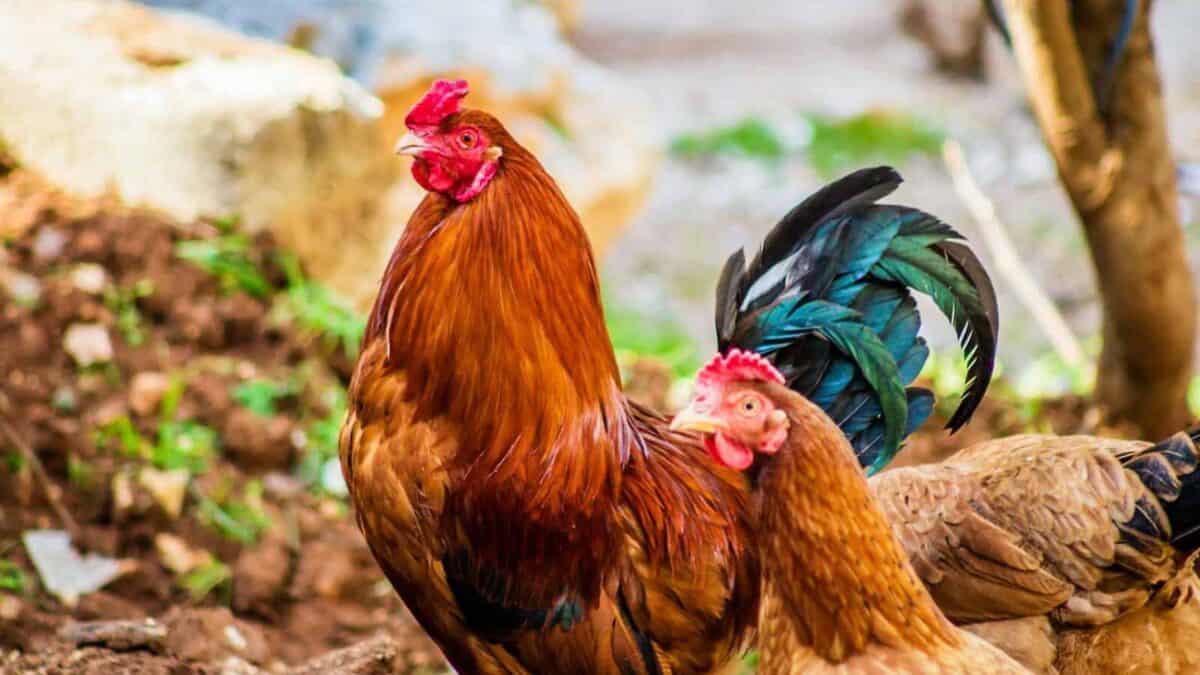
The disconnect between marketing imagery and the reality of factory farming is stark. Product packaging frequently features pastoral scenes of happy animals on green pastures, while the actual production occurs in windowless industrial facilities. Terms like “natural,” “farm fresh,” and “humanely raised” have no standardized legal definitions in many contexts, allowing their use on products from conventional factory farms. Even when certification programs exist, they often set low standards that permit many industrial practices while giving consumers the impression of high welfare.
This deception extends to facility locations and operations, with many states passing “ag-gag” laws specifically designed to criminalize undercover investigations that document conditions inside animal agriculture facilities. These laws make it illegal to take photos or videos inside farms without owner permission or to gain employment under false pretenses, effectively shielding practices from public scrutiny. The industry has invested heavily in lobbying for these protections while simultaneously working to create a carefully crafted public image that bears little resemblance to reality, making informed consumer choice extremely difficult.
3. Feed Conversion Inefficiency

Factory farming is fundamentally inefficient at converting plant calories into animal products. For every 100 calories of grain fed to livestock, only about 40 calories of milk, 22 calories of eggs, 12 calories of chicken, 10 calories of pork, or 3 calories of beef are produced for human consumption. This inefficiency extends to protein conversion as well, with only about 33% of protein in feed converted to edible animal protein. The result is that approximately 36% of global crop calories are used for animal feed rather than direct human consumption.
This system requires vast amounts of land, water, and energy to produce feed crops. Approximately 80% of all agricultural land is devoted to livestock production, including grazing land and cropland for feed production. In the United States alone, 67% of crops—primarily corn and soybeans—go to animal feed. If these resources were redirected to growing food for direct human consumption, they could theoretically feed far more people. A 2018 study in Science found that eliminating animal agriculture could increase global food supply calories by up to 70% and feed an additional 4 billion people, highlighting the resource intensity of industrial animal agriculture.
2. Biodiversity Loss and Habitat Destruction

Factory farming drives massive habitat destruction both directly through land clearing for facilities and indirectly through feed crop production. Livestock production is the single largest driver of habitat loss worldwide. The Amazon rainforest, one of Earth’s most biodiverse regions, has lost approximately 17% of its forest cover over the past 50 years, with cattle ranching responsible for up to 80% of this deforestation. Similarly, vast areas of native grassland in the U.S. Midwest have been converted to monoculture corn and soybean production primarily to feed livestock.
Beyond habitat loss, factory farming contributes to biodiversity decline through water pollution, climate change, and the introduction of antibiotics and hormones into ecosystems. Agricultural runoff creates dead zones in aquatic systems, while greenhouse gas emissions accelerate climate-driven extinction. A 2019 UN-backed report found that approximately 1 million animal and plant species face extinction, many within decades, with industrial agriculture identified as a primary driver. The report concluded that transforming food systems is essential for halting biodiversity loss, recognizing the outsized impact of industrial animal agriculture on global ecosystems.
1. Subsidies and Hidden Costs
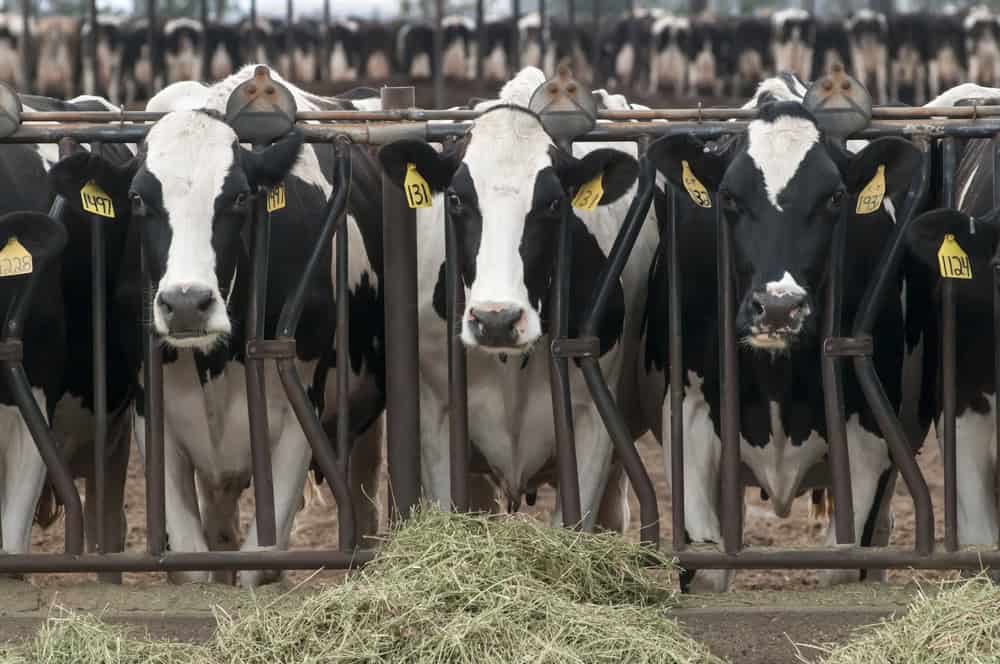
The factory farming system is artificially supported by massive government subsidies that distort the true cost of production. In the United States alone, meat and dairy production receive over $38 billion in direct and indirect subsidies annually, primarily through subsidized feed. These subsidies make animal products appear cheaper at the checkout counter while taxpayers bear the costs in other ways. Without these supports, a hamburger that costs $4.49 might actually cost $11.25 if all production costs were incorporated.
The “external costs” of factory farming—including environmental cleanup, healthcare costs from antibiotic resistance and foodborne illness, drinking water contamination, air pollution-related illness, and climate change impacts—are estimated at $44 billion to $571 billion annually in the U.S. alone. These costs are not reflected in the price of animal products but are instead shifted to society at large. A 2020 study from Tufts University found that when all externalities are considered, the true cost of food from the industrial animal agriculture system may be three times the retail price, revealing how this system relies on concealing its full economic impact.
Conclusion:

Despite the entrenched nature of factory farming, viable alternatives are growing in availability and adoption. Regenerative agriculture practices that integrate livestock into diverse farming systems have shown promise for improving soil health, sequestering carbon, and providing higher welfare for animals. Studies demonstrate that pasture-based systems can reduce environmental impacts while improving animal welfare and producing nutrient-dense foods when properly managed. Several certification programs like Animal Welfare Approved and Certified Humane provide meaningful standards that prohibit the worst factory farming practices.
Worried about unexpected vet bills?
Pet insurance can cover thousands in unexpected vet costs. Get a free quote from Lemonade in under 2 minutes.
Get My Free Quote →Sponsored · Opens Lemonade.com

As a little kid, I fell in love with nature, wildlife, and animals. Living in the USA, South Africa, Italy, China and Germany gave me the opportunity to discover the world's Wildlife. My favorite animals are Mountain Gorillas, Siberian Tigers, and Great White Sharks.
I'm a certified PADI Open Water Diver, went to Everest Base Camp and Trekked Gorillas in Uganda. I hold a Master of Science in Economics and Finance.
Please send any feedback to feedback@animalsaroundtheglobe.com
- 5 Animals That Can Travel Thousands of Miles Without Stopping - June 6, 2026
- 12 Fish That Hunt in Packs Like Wolves - June 6, 2026
- The Vibrant Danger of Poison Dart Frogs - June 6, 2026