
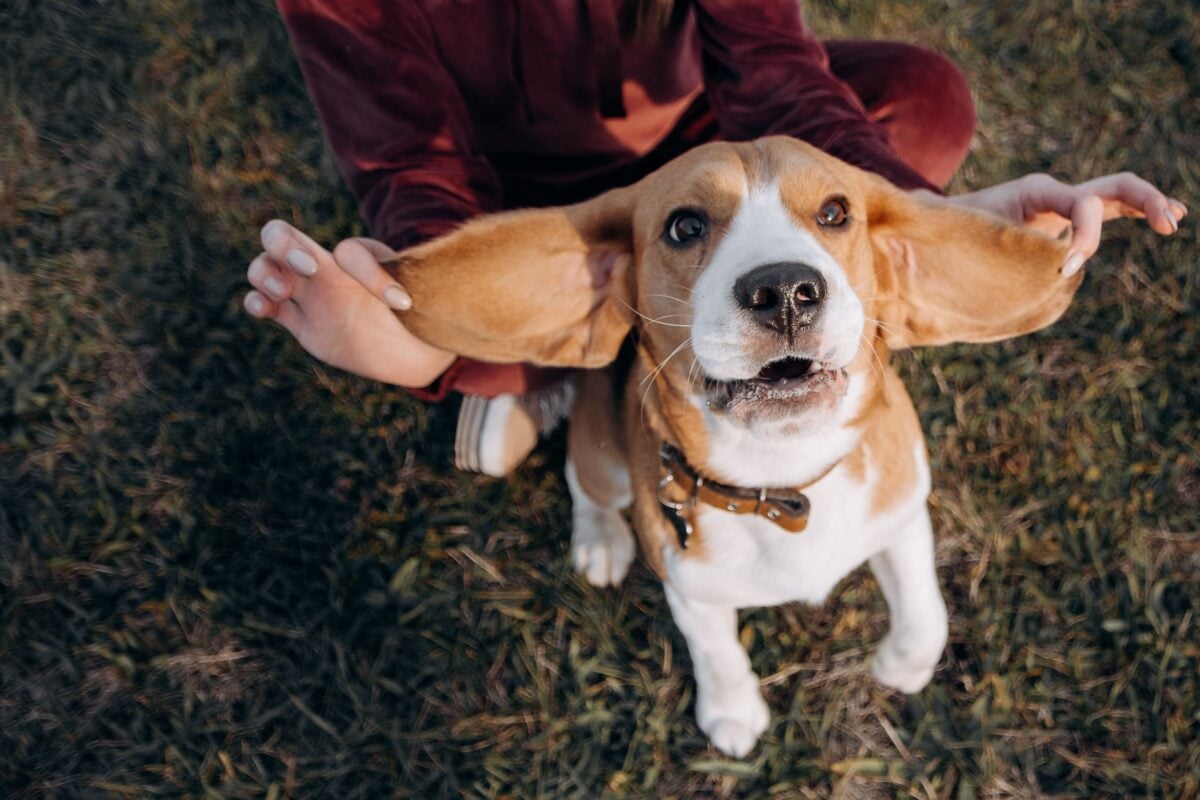


Most people think a dog’s story starts the day it learns its name. It doesn’t. Your dog opened a file on you the moment you came to collect it, whether that was from a breeder, a shelter, a foster home or a stranger’s driveway. Smells, sounds, fears, habits and even gut bacteria were all being logged by a brain built to remember what keeps it safe.
Some of what’s in that file is solid science. Some is folklore people repeat with total confidence, and a few entries may make you wince. One of them is a tiny object you can scan with a handheld device. The last one is the biggest, and it’s really about you.
#19 – Your Scent Became the First “Safe” Smell
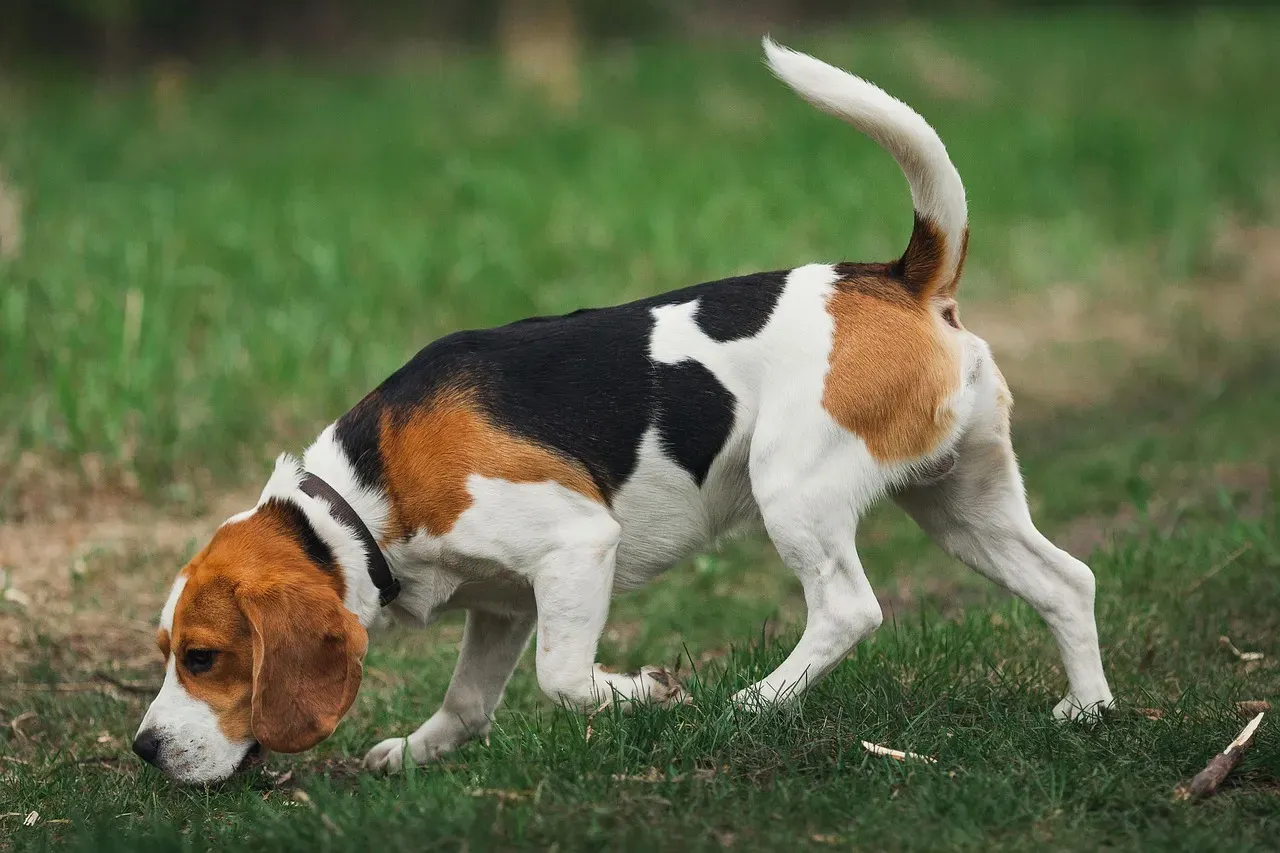
Your dog was cataloguing you before it ever made real eye contact.
A dog’s nose carries hundreds of millions of scent receptors, compared with roughly 5 million in a human nose. On collection day, your hands, jacket and car seat became some of the first entries in a brand-new file.
A small brain-imaging study on pet dogs found that a reward-related region responded to the scent of a familiar person. Your smell isn’t background noise to your dog. Its brain treats it as a signal that matters.
That’s why a stressed dog will often flop beside your shoes or sniff your laundry pile. It’s checking in with the one smell it trusts.
- Your scent can comfort a dog in strange places
- A worn T-shirt in the bed often helps on stressful nights
But the next entry was logged before you ever showed up, and it’s about someone else’s smell entirely.
#18 – The Scent of Mom and the Litter

Your dog arrived with a smell library you never saw being built.
Puppies learn their mother and littermates by odor in the first weeks of life. One classic study found that dogs could still tell familiar relatives from strangers by scent after being separated for around two years.
So the dog in your living room isn’t a blank slate. It’s carrying a faint olfactory map of the place it came from.
That’s why many breeders and rescues send a blanket from the litter home with the puppy. It isn’t sentimental fluff. It gives a frightened animal one familiar anchor in a house full of unknowns.
Not every dog gets that anchor. Strays, shelter transfers and early-weaned pups often arrive with nothing familiar at all, and that gap can make the first weeks feel much harder than anyone expected.
Worth Knowing
- Ask the breeder or rescue for a blanket or toy that smells like home
- Hold off on washing it for the first few days
- Put it where the dog sleeps, not in a closet for safekeeping
- No familiar item? Your own worn T-shirt can fill the gap
And the next item wasn’t learned at all. It was packed into your dog before anyone met it.
#17 – A Genetic Blueprint You Can’t Retrain
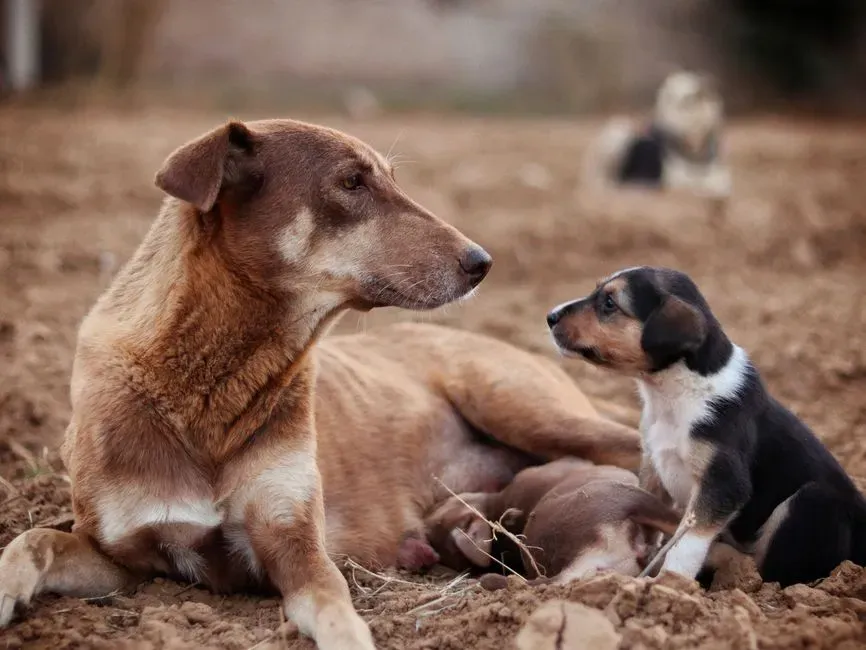
The DNA came home with your dog, and no training plan rewrites it.
Collection day is also the day a particular set of genes moved into your house. Those genes shape size, coat, energy and some temperament tendencies. They’re why one puppy carries every sock in the house around while another digs up the garden.
Here’s where the popular story goes wrong. A large 2022 study in Science found that breed explains only about 9% of the variation in individual dog behavior. The other 91% comes from individual genetics, environment and experience.
That means a “guaranteed calm breed” is a myth. It also means a “dangerous breed” label says far less about your particular dog than you’ve been told.
Genes set the stage, though. One short window of fear can matter more, and it opens right around collection day.
#16 – Whatever Fear Window You Walked Into
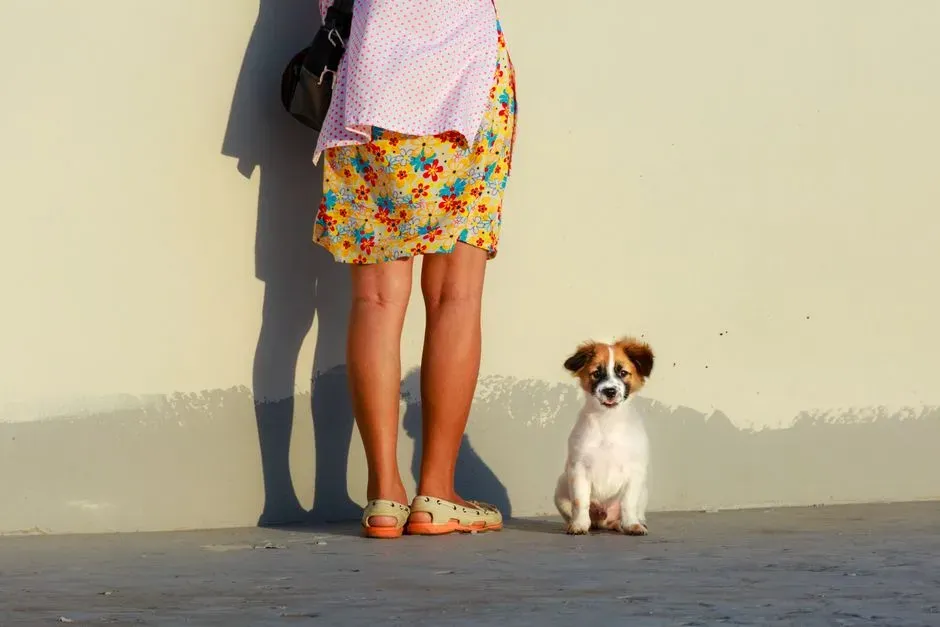
A single scary moment at the wrong age can echo for years.
Puppies are usually collected at around eight weeks old. That’s right in the middle of the sensitive socialization period, commonly described as running from about 3 to 12–14 weeks. During that time, new experiences are often absorbed with less fear.
Many trainers also describe a fear-prone stretch around 8 to 11 weeks, though how clearly it shows up varies from dog to dog. Experts disagree on the exact dates. What they agree on is that early experiences carry unusual weight.
A dropped pan, a rough greeting or an overwhelming welcome party can stick. The puppy isn’t being dramatic. Its brain is deciding what the world is like.
Meanwhile, something much simpler got stamped in too, and you probably said it about 200 times that first day.
#15 – The Sound of Its Name (and Your Voice)
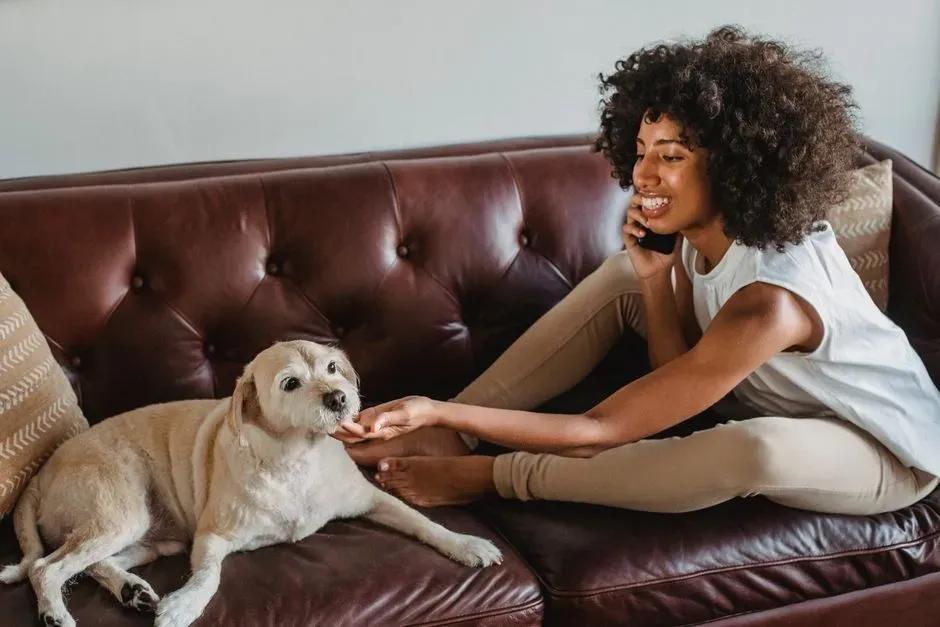
Your dog was learning the sound of you from the first hello.
Dogs are skilled at linking sounds to outcomes. A name repeated before treats, play and meals quickly becomes a sound worth turning toward.
The quickest way to ruin it is using the name in a scolding voice. Then the sound predicts bad news instead of good, and the dog learns to tune it out.
Brain-imaging research suggests dogs process both the words and the tone of human speech. Warm, upbeat talk tends to hold a dog’s attention far better than a flat command.
Practical rules for the first day:
- Say the name, then reward the head turn
- Never pair the name with correction
- Keep the tone warm and the words few
Next up is something that happened inside your dog’s body, where you can’t see it.
#14 – The First Meal and the Gut Bacteria Behind It

What went into that first bowl mattered more than the brand on the bag.
A puppy’s gut is still building its community of bacteria. Stress and sudden diet changes can both upset it, which is why a new home so often comes with loose stools in the first days.
That’s why breeders and vets commonly advise keeping the previous food for several days and switching gradually. The new house is already a lot for a small digestive system.
Early flavor exposure also seems to shape later taste. Dogs may encounter flavors through their mother’s diet and early foods, which could nudge what they accept as “normal” food.
But the first car ride home may have left a deeper mark than any bowl of food.
#13 – The Ride Home Rewrote Its Feelings About Cars
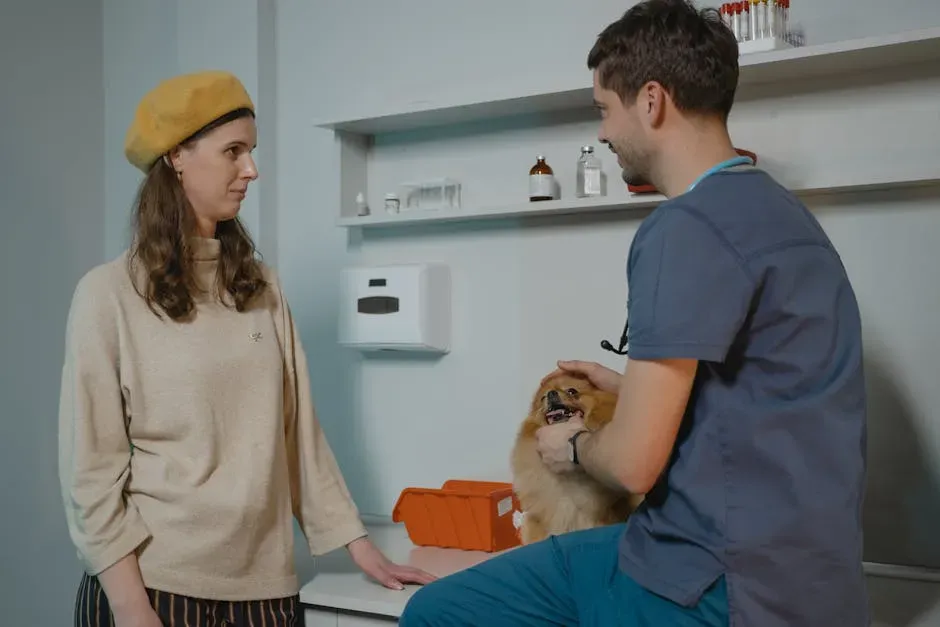
For many dogs, the car is a verdict that was delivered on day one.
If the first trip was away from the litter, the mother and everything familiar, the car can become a cue for fear, drooling or nausea. Dogs link places and sensations with outcomes quickly, and one hard trip can be enough.
Motion sickness is also common in young dogs. Many grow out of it, but the dread can last longer than the nausea does.
That’s why “the car only goes to the vet” becomes a real problem later. The dog starts reading the engine as bad news.
Speaking of one-way tickets, the next stop for most dogs is the one that decides how they feel about white coats.
#12 – The First Vet Visit Set the Tone for Every Visit After
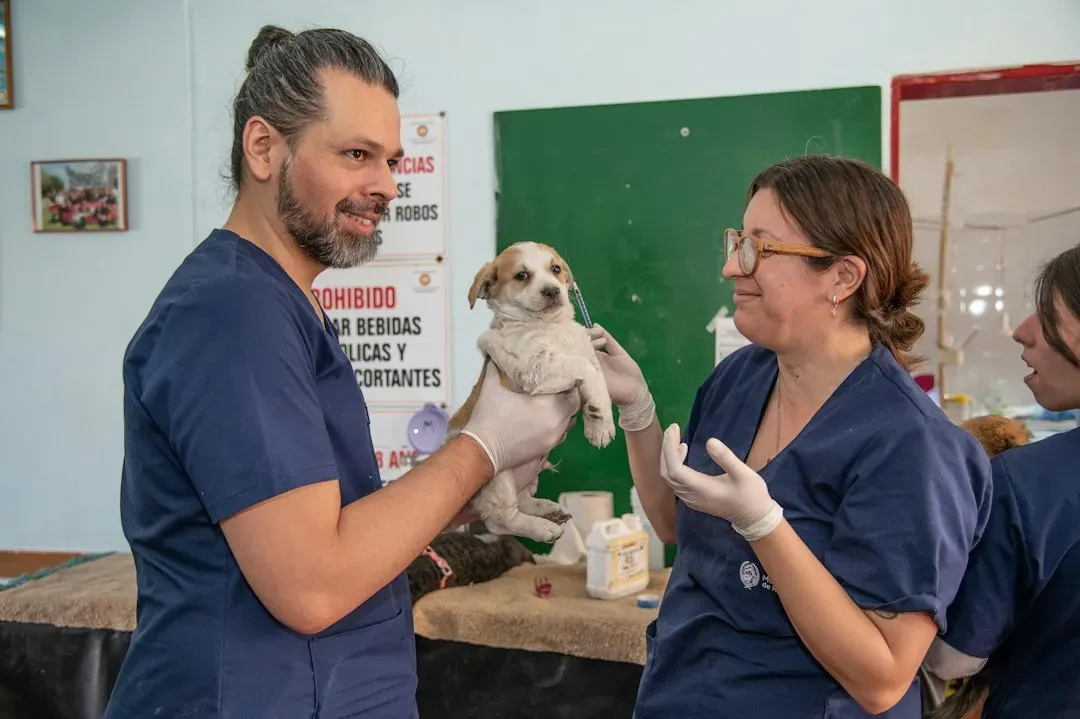
Vets know it: many dogs walk in with a reputation they earned in the first five minutes.
A first visit packed with restraint, strange smells and a quick needle can attach those feelings to the clinic itself. Dogs generalize fast, so the waiting room, the scale and even the parking lot can start to feel like warnings.
Many puppies get their first vet check within days of coming home. That’s smart for health. It also means the clinic is meeting a dog that’s already stressed from the move.
Veterinary behavior groups promote low-stress handling for exactly this reason. Fear that starts in the exam room often gets worse with every visit unless someone interrupts the pattern.
- Ask for treats and a calm pace
- Book “happy visits” with no procedure
- Tell staff if your dog is shaking or freezing
Quick Compare
- Rushed first visit: restraint, a needle up front, a hurried pace. The clinic itself starts to feel like a warning.
- Gentle first visit: treats, slow handling, a pause when the dog freezes. The clinic becomes a place where good things happen.
- Happy visit: a quick hello and a snack, with no procedure. It’s a cheap way to rewrite a bad memory.
Here’s the controversial part, though: it begins with where your dog spends that very first night.
#11 – The First Night Created a Sleep Habit
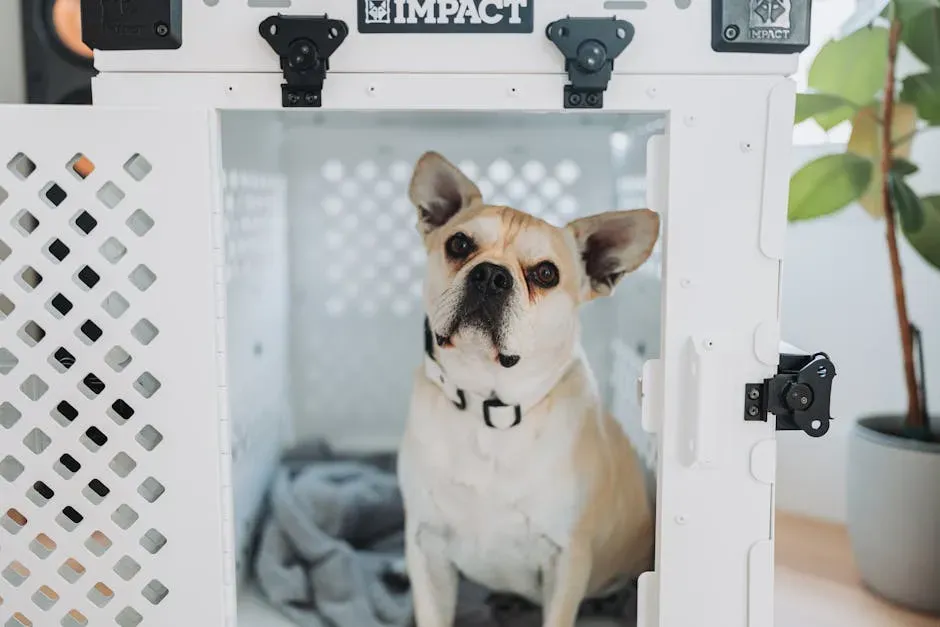
The first night is when most dogs write their rules about bedtime, and about whether anyone comes when they cry.
Puppies have just lost their warm pile of littermates. Crying isn’t manipulation. It’s a social animal reacting to sudden isolation.
Now for an opinion: the old advice to let a puppy “cry it out” so it learns independence is overrated, and it can backfire. Many modern trainers prefer a nearby crate, a gradual routine and short, calm check-ins.
Others argue that responding too quickly teaches the puppy that noise brings company. Research hasn’t settled the debate, and dogs vary a lot. Young puppies also can’t hold their bladders all night, so a middle-of-the-night potty trip is often part of the deal.
And if sleep set the habit, the bathroom did too, and it did it in a surprisingly specific way.

Hand Blown Glass Hummingbird Feeders for Outdoors Hanging, 24oz Wild Bird Nectar Feeder
Check Price on AmazonAs an Amazon Associate, we earn from qualifying purchases.
10/7/2026 1:23 pm GMTi

Halloween Cat Costume Cloak Witch Hat Pet Accessories
Check Price on AmazonAs an Amazon Associate, we earn from qualifying purchases.
10/9/2026 2:44 pm GMTi

2 Pcs Halloween Pet Hat Bandana Set, Witch Pumpkin Costumes for Dogs
Check Price on AmazonAs an Amazon Associate, we earn from qualifying purchases.
10/9/2026 2:45 pm GMTi
Halloween Dog Collar with Bow, Orange Cute Ghost Collar,
Check Price on AmazonAs an Amazon Associate, we earn from qualifying purchases.
10/9/2026 2:43 pm GMTi
Orthopedic Extra Large Dog Bed, Waterproof Washable XL Pet Bed 44"
Check Price on AmazonAs an Amazon Associate, we earn from qualifying purchases.
10/7/2026 1:32 pm GMTi
#10 – The Surface It First Relieved Itself On
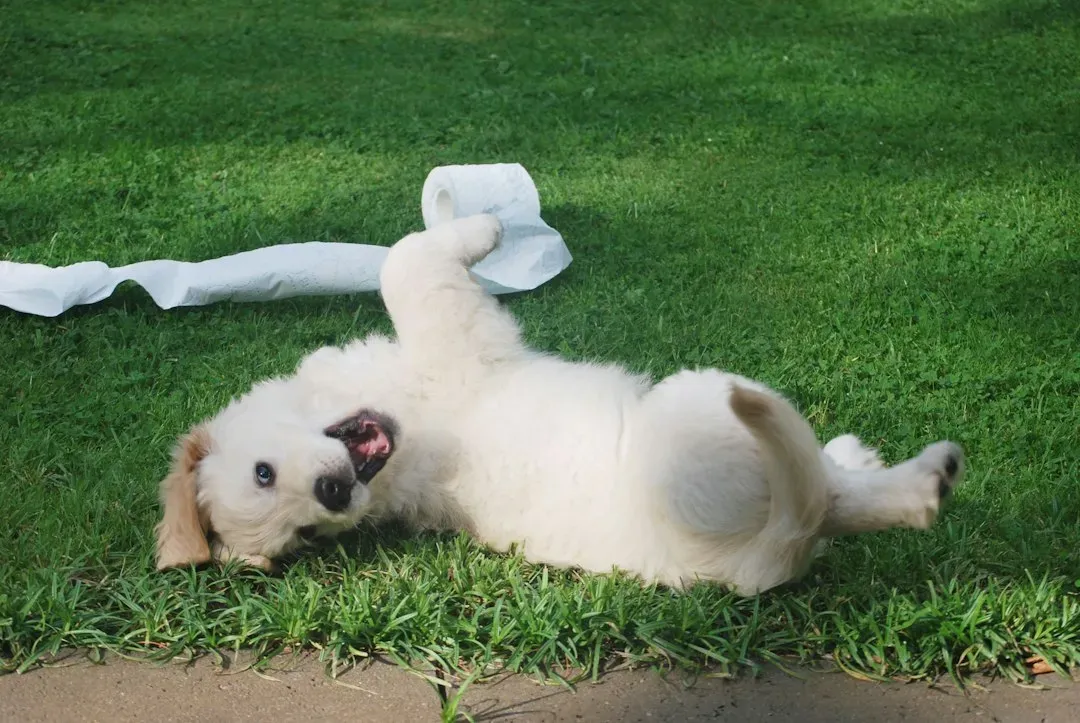
Your dog may still prefer the surface it first used as a toilet.
Puppies form strong preferences for the texture and smell of the surface where they go. Grass, gravel, a training pad and a tiled floor can all become “the right place.”
That’s why dogs raised on pads often struggle to switch to grass. It’s also why puppies who have a few accidents in the same spots tend to keep having them there.
Odor matters too. If a spot isn’t cleaned with an enzymatic cleaner, the smell can pull the dog back again and again.
Meanwhile, your dog was also quietly drawing a map of your whole home, and it wasn’t random.
#9 – The Mental Map of Your House
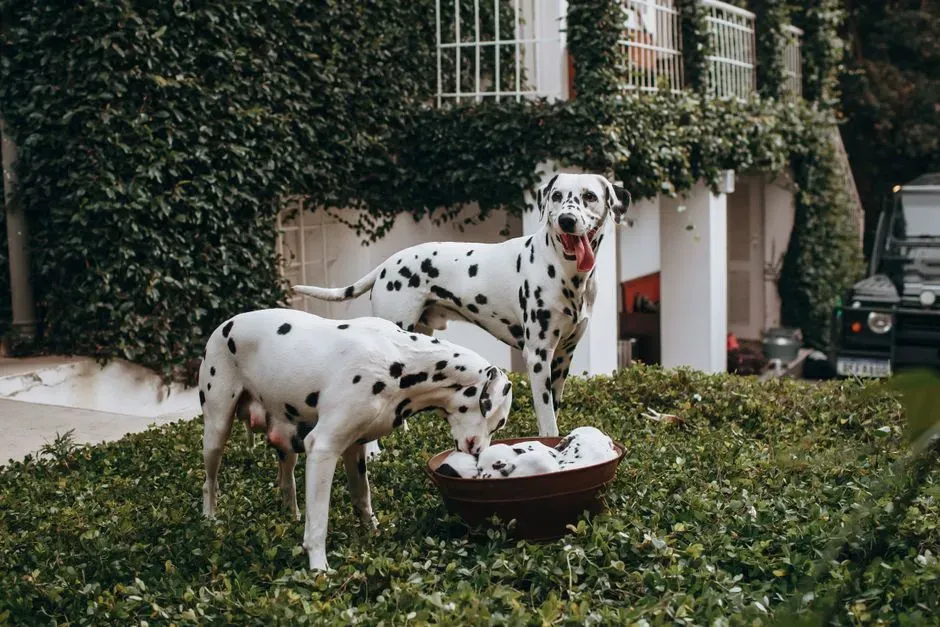
Your dog worked out your floor plan faster than you’d think.
On the first day, a dog explores nose first, then ears, then eyes. It learns where the food is, where the humans gather and where the exits and quiet corners are.
The first places that felt safe usually stay important. Many dogs still retreat to their first “safe spot” years later, whether it’s under a table or behind a sofa.
This is why moving the dog’s bed every week can backfire. A stable base gives a dog somewhere to recover when the household gets loud.
Dogs also remember the spots tied to strong feelings. The cold tile where they got scolded and the sunny rug where they got fed are both on the map.
The next entry is invisible, and it’s tied to the first thing that went bang.
#8 – Its First Verdict on Household Noise

The first vacuum cleaner may still be a villain years later.
Dogs hear far higher frequencies than we do, and sudden, unfamiliar sounds can be startling. The way a dog first meets a noise often sets the template.
If the first doorbell comes with an excited stranger and a flurry of barking, the dog may link the bell with chaos. Noise sensitivities often start with a single sharp or intense exposure and then spread to similar sounds.
Gradual, rewarded exposure helps. Start with recordings at low volume, pair them with food and raise the level slowly.
But the strongest emotional imprint wasn’t a sound at all. It happened when your eyes met.
#7 – The First Gaze That Started a Bond

One look can start a chemical feedback loop between you and your dog.
A well-known Japanese study found that when dogs and owners gaze at each other, oxytocin rises in both. It’s often called the bonding hormone, and the loop appeared to strengthen with longer gazes.
Dogs have also been shown to look to people for help when a task is impossible. Wolves raised by humans do that far less.
That doesn’t mean a first stare creates love on its own. But early, calm, positive eye contact seems to be a good start for a relationship.
Don’t force it, though. Staring down a nervous dog can read as a threat. Soft glances and a relaxed body usually work better.
Now for the part of the dog you touched first, and how it felt about that.
#6 – How It Learned to Feel About Being Handled

Dogs remember who touched them and how.
Your first handling of paws, ears, mouth and tail can quietly decide whether grooming and vet checks are easy or a fight. A dog that learns touch is safe becomes much easier to care for for the rest of its life.
Many trainers advise short, gentle sessions with food, starting with the least sensitive areas. Rushing teaches the opposite lesson: touch means trouble.
Some people swear by structured early-stimulation programs for newborn litters. The evidence for long-lasting benefits is mixed, so treat big promises with caution.
Next comes a change inside your dog’s body that gives no outward sign at all.

Earth Rated XL Dog & Puppy Pee Pads, Discreet Top, Max Absorbency
Check Price on AmazonAs an Amazon Associate, we earn from qualifying purchases.
10/7/2026 1:28 pm GMTi
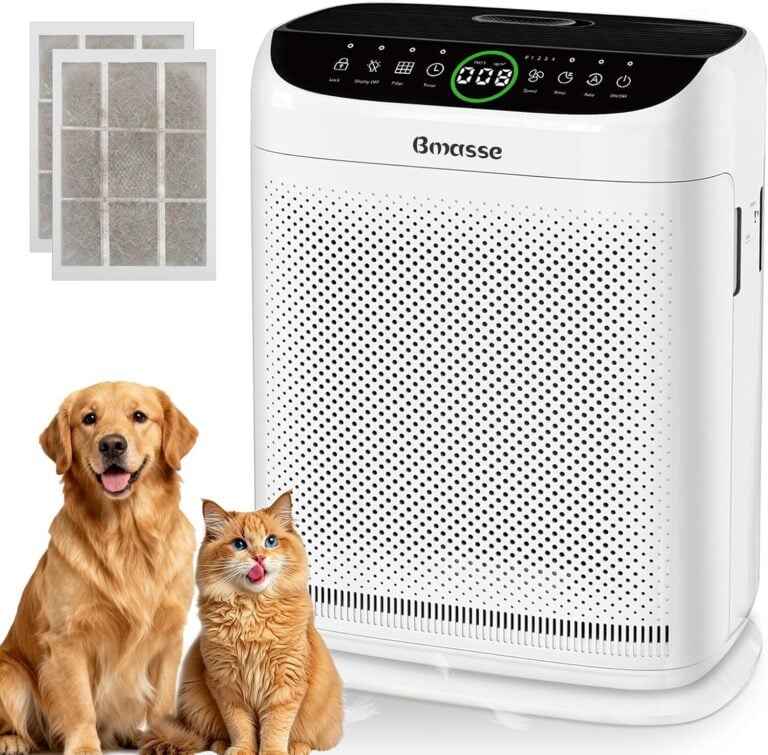
Air Purifiers for Home Pets Large Room Up to 3000 Ft²,HEPA Air Cleaner with Washable Double-Side Filter, PM2.5 Air Quality Monitor,15dB Sleep Mode for Bedroom Odor Dust Pollen,White
Check Price on AmazonAs an Amazon Associate, we earn from qualifying purchases.
10/8/2026 8:23 am GMTi

Glass Hummingbird Feeder for Outdoors Hanging
Check Price on AmazonAs an Amazon Associate, we earn from qualifying purchases.
10/7/2026 1:21 pm GMTi
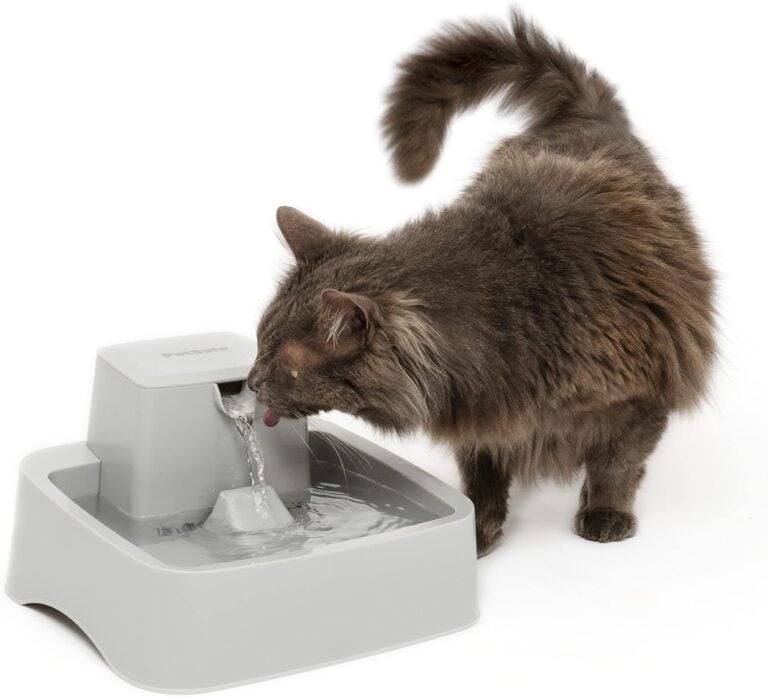
PetSafe Oasys Pet Fountain, 1/2 Gallon (64 oz), Small Dogs & Cats
Check Price on AmazonAs an Amazon Associate, we earn from qualifying purchases.
10/8/2026 8:14 am GMTi
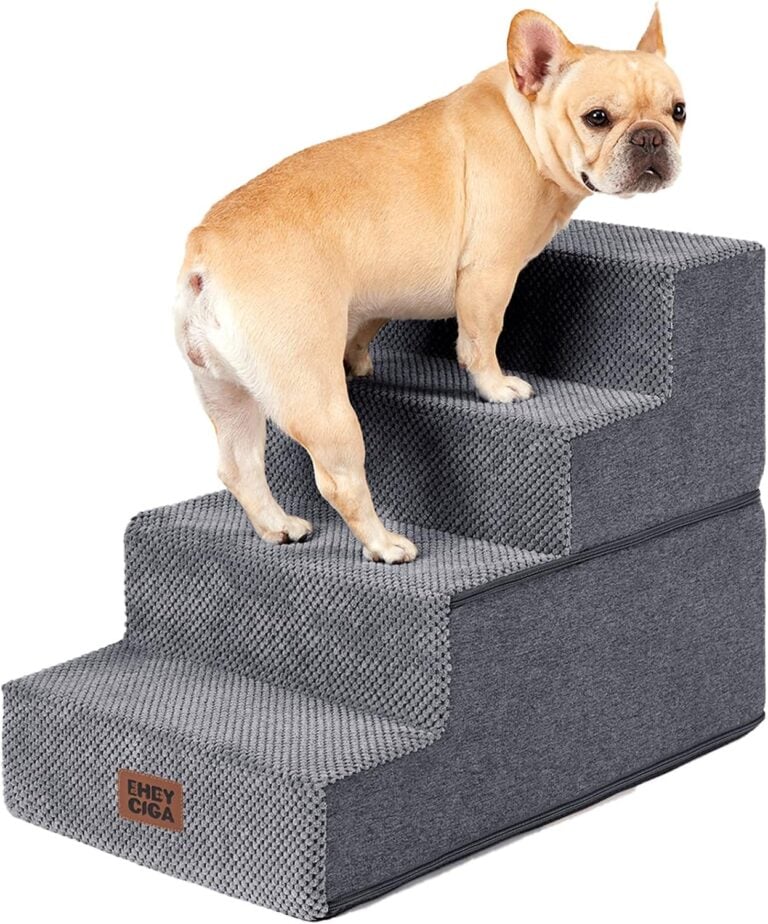
Dog Stairs for Bed 18" H, 4-Step Dog Steps for High Bed
Check Price on AmazonAs an Amazon Associate, we earn from qualifying purchases.
10/9/2026 2:42 pm GMTi
#5 – Its Stress Physiology Was Already Running
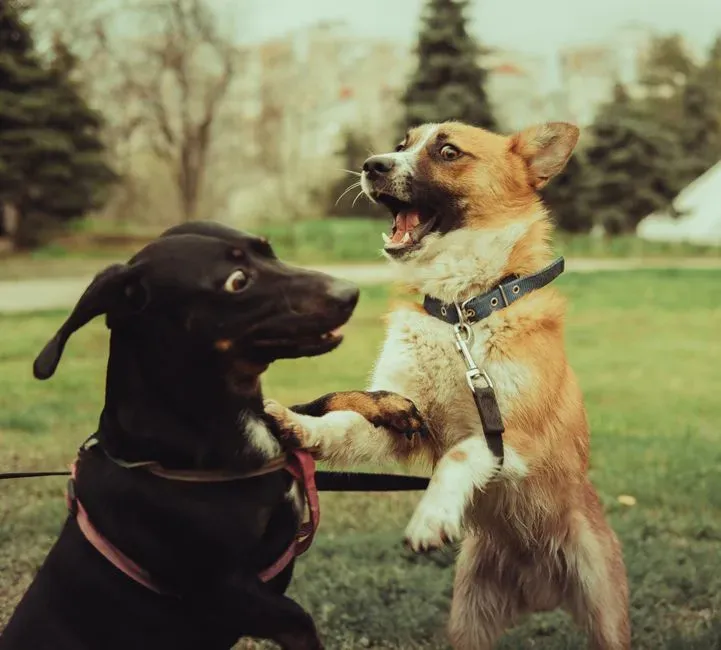
Your dog’s stress chemistry switched on long before you noticed anything.
Moving to a new home is a major stressor. Studies on shelter and kenneled dogs have reported raised cortisol, the main stress hormone, in new or confined environments, and levels often change over time.
Behavior can look like the opposite of what you’d expect. Some dogs seem “perfect” for days because they’re shut down, not settled.
Then there’s the popular “3-3-3 rule,” which says a dog takes three days to decompress, three weeks to learn the routine and three months to feel at home. It’s a handy guide, but it’s folklore, not a scientific timetable. Some dogs adapt in days. Others need much longer.
Worth Knowing
- A very quiet, easy dog may be overwhelmed rather than relaxed
- Appetite, sleep and toilet habits are useful early stress clues
- Predictable meals and walks help a dog settle faster
- Treat the 3-3-3 rule as a rough guide, not a deadline
That’s why patience beats a schedule. And the next entry is about the rules nobody meant to set.
#4 – The Rules You Set Without Meaning To
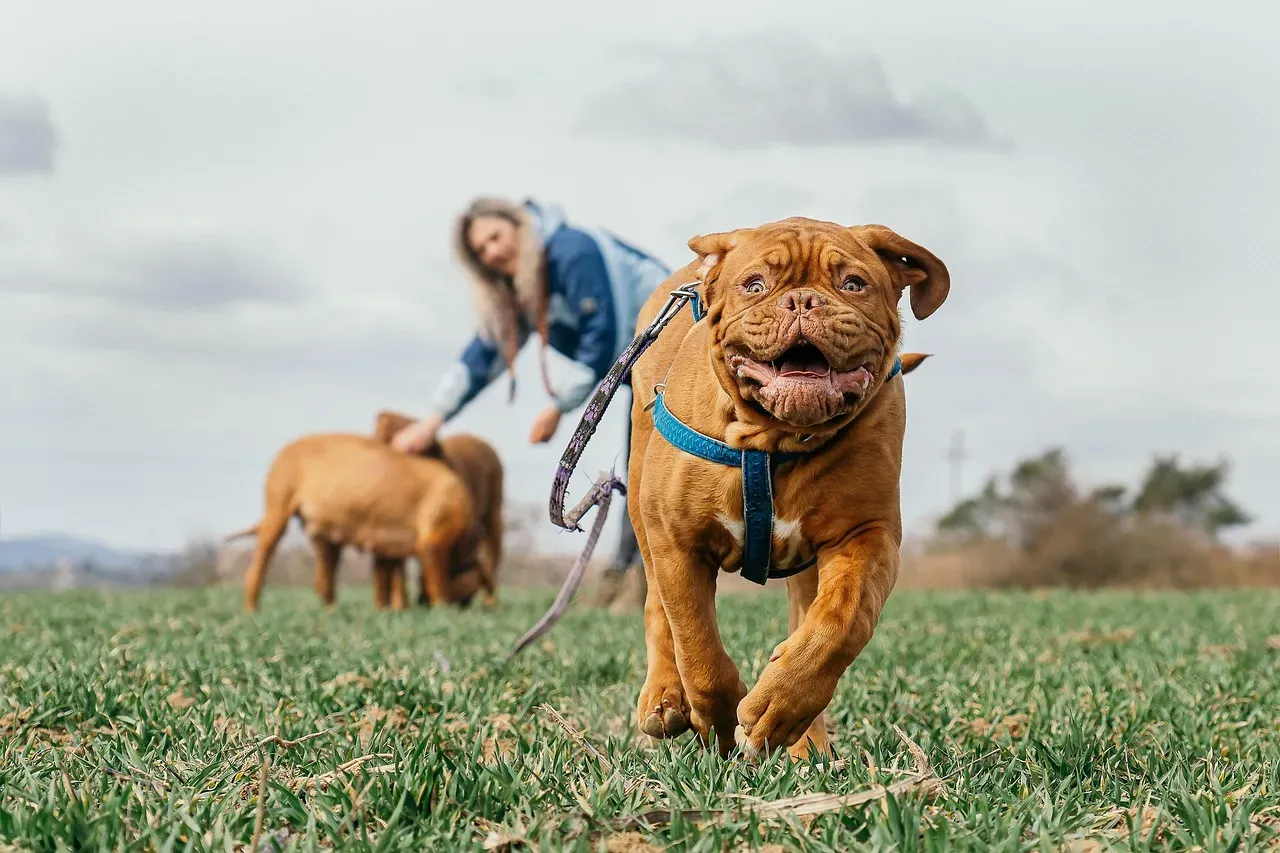
Dogs don’t need a rulebook. They just remember what worked.
If a puppy gets on the sofa for one cuddly evening, it learns that sofas are allowed. If it gets scraps while you cook, it learns that kitchens pay.
Dogs learn from consequences. A behavior that pays off even once may be repeated, and unpredictable rewards can make a habit stronger, not weaker.
Opinion time: the idea that dogs should never be on furniture is mostly about owner preference, not dog psychology. What matters is consistency. Choose a rule and stick with it.
But the hardest lesson came the first time you walked out the door.
#3 – The First Time You Left It Alone
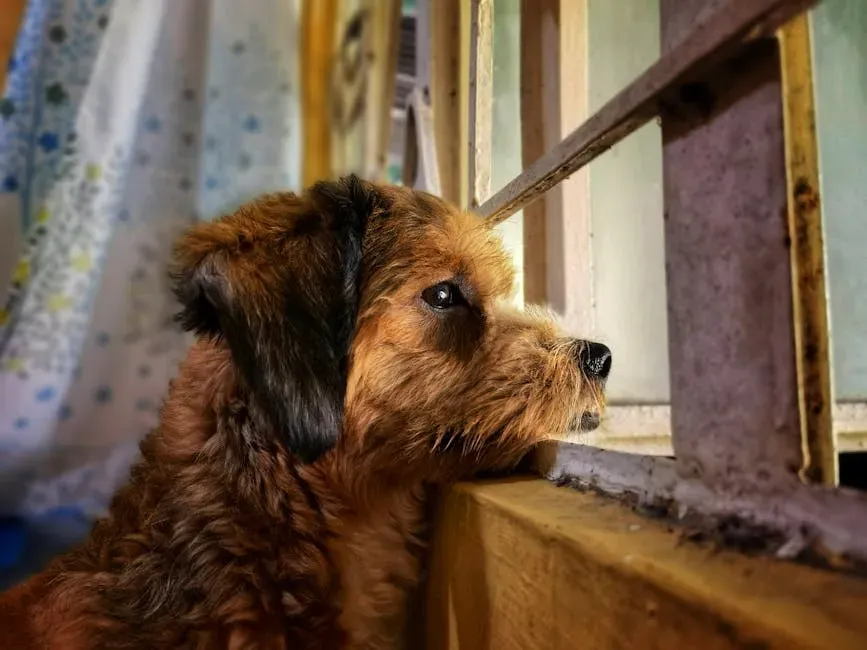
That first departure may be the moment a dog decides whether alone time is safe.
Dogs are social animals. After days of constant company, a sudden empty house can be a shock, especially for a dog already adjusting to a new place.
Separation-related problems are common, and early experiences are one of several possible contributors. Long, unplanned absences in the first days can make things harder.
Small steps help:
- Leave for a minute, then return calmly
- Skip the dramatic goodbyes
- Add a chew toy or food puzzle
Experts also stress that real separation anxiety needs professional guidance, not just a crate and patience.
Next is something tiny, literal and permanent that went home with your dog on day one.
#2 – The Microchip, the Records and the Paper Trail
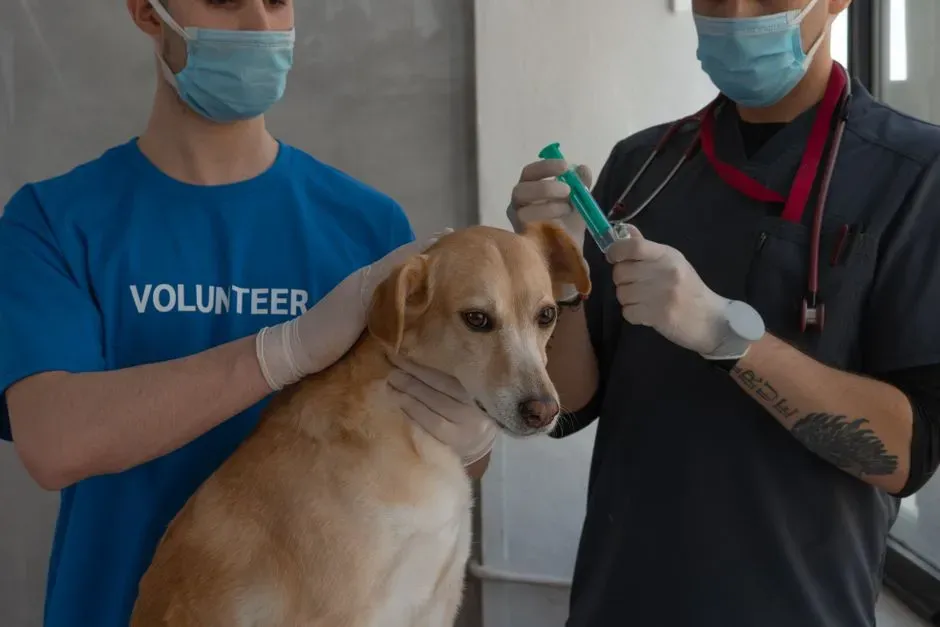
Some of what your dog carries forward can be scanned.
Many dogs are microchipped before or soon after collection. The chip is about the size of a grain of rice, sits under the skin and holds a number that links to your contact details.
The chip is only as good as the registration. Plenty of pets are scanned and then can’t be traced because the details are outdated.
Vaccination records, deworming dates and health notes from collection day matter too. They guide the vet for years, and they can affect boarding, travel and insurance.
And all of that is just paperwork next to the one thing no scanner can read.
Professional 7 in 1 Dog Paw Cleaner for Dogs & Cats - Includes 1 Portable Paw Washer, 1 Bath Brush
Check Price on AmazonAs an Amazon Associate, we earn from qualifying purchases.
10/7/2026 1:26 pm GMTi
Portable Dog Water Bottle Foldable Dog Travel Water Bottle
Check Price on AmazonAs an Amazon Associate, we earn from qualifying purchases.
10/7/2026 1:29 pm GMTi

Glass Hummingbird Feeder for Outdoors Hanging, 16 oz Leak-Proof Nectar Feeder with Bee Guards & Ant Moat
Check Price on AmazonAs an Amazon Associate, we earn from qualifying purchases.
10/7/2026 1:22 pm GMTi

Smart Bird Feeder with Camera Solar Powered, 2K HD Live Video, 10,000+ Bird Species AI Identification
Check Price on AmazonAs an Amazon Associate, we earn from qualifying purchases.
10/7/2026 1:22 pm GMTi
#1 – A First Impression of Whether Humans Can Be Trusted

The biggest thing your dog carries forward from that first day is a question, and you were the answer.
For a puppy leaving its litter, or an adult leaving a kennel, the person who collects it becomes the first test of whether humans are safe. How that moment goes can shape how a dog reads people for years.
Research on adult dogs shows they use their owners as a secure base. A dog explores more and recovers faster from stress when its person is nearby.
Early experiences aren’t destiny. Dogs adopted at older ages can build trust too, and many do. But a calm, predictable first day gives them a head start.
Why It Stands Out
- It shapes how a dog reads every person it meets afterward
- It’s the one entry you can keep adding to, long after day one
- Calm, predictable behavior from you is what builds it
- Older and rescued dogs can still build it, just on their own timeline
The dog isn’t keeping score of your mistakes. It’s keeping a record of whether you showed up, stayed calm and kept your word.
The bottom line: collection day matters, but it isn’t a life sentence. Your dog carried forward your scent, a fear window, a sleep habit, a genetic blueprint and a first verdict on whether humans can be trusted. Some of that is firm science. Some of it, like the 3-3-3 rule, is comforting folklore.
My opinion? The most overrated worry is the “perfect” first day. The most underrated factor is consistency in the weeks after it. A dog can recover from a rough start. It struggles to recover from a confusing home.
So what’s the one thing from your dog’s first day that still shows up in its behavior today?