


You’ve pictured the moment a hundred times: your rescue hops onto the couch, curls up against you, and the whole thing finally feels settled. Then ten minutes later, they’re back under the bed. Take a breath. That’s normal, and it doesn’t mean they don’t love you. It means the real signs of “I’m staying” are hiding somewhere less obvious, and these 14 are the ones behavior experts and shelter guides keep pointing to.
Here’s the twist: many of the strongest signs aren’t things your rescue starts doing. They’re things that quietly stop happening, like the hiding, the flinching, and the hovering by the door. The timeline surprises people too. Some animals adjust in weeks, while others need six months or longer. Keep reading, because the sign at #1 is the one owners most often get emotional about, and the one at #14 is probably something you’re misreading right now.
#14 – They Eat Where You Can See Them

A clean food bowl is not the trust signal most people think it is.
Eating is survival, not trust. A hungry animal will eat no matter how unsafe it feels. What matters is how it eats, and where.
A tense newcomer grabs food on the run or waits until you’ve left the room. A settled cat eats while you’re in the room, then while you’re standing next to it, then while you’re pottering about the kitchen. Eating in front of you is one of the earliest and clearest trust signals, and it comes long before any lap sitting.
Dogs add a twist: anticipation. A dog who lingers near the kitchen or wags when you open the food container is starting to settle. Stress often causes new dogs to skip meals at first, so a returning appetite is real progress, even if it looks boring.
- Eats with you in the room
- Keeps eating when you walk past
- Shows excitement at mealtime
The next sign happens when your eyes are closed, and it says even more than any food bowl.
#13 – They Sleep Like Nothing Is Coming for Them

How an animal sleeps is the closest thing to a lie detector you’ll get.
A cat that still feels temporary sleeps like a soldier on watch: curled tight, half-alert, angled toward an exit. A cat that feels permanent sprawls flat, belly up, paws twitching in some ridiculous dream.
Dogs follow the same script. Rolling over to expose the belly is the ultimate vulnerability display in the dog world. Nights get easier too, with longer stretches of sound sleep and no whining, pacing, or restlessness at 3 a.m.
Many rescue dogs take several weeks to shift from hypervigilant, shallow sleep to deep, restorative sleep. That’s why trainers love the full-body “dog flop.” It’s hard to fake and impossible to rush.
Sleep is only half the body-language story, and the other half is easier to read than you’d expect.
#12 – Their Whole Body Goes Loose

Tension is the first thing a rescue loses, and the last thing most owners notice.
A settled dog carries themselves with ease, with loose muscles and a wagging tail. The ears sit in a natural position instead of pinned back, and the mouth may hang open in a relaxed pant.
Cats show it differently. The body lengthens, the tail lifts or hangs loosely, and the ears point forward in a relaxed way. It’s less a single gesture than an overall softness, like someone finally unclenching their jaw.
Here’s the side-by-side to keep in mind:
- Stressed: crouched low, paws tucked under the body, ears flattened, tail wrapped around itself
- Settled: stretched out, paws loose, ears forward, tail up or relaxed
A stressed cat’s pupils may stay wide even in a bright room. Most owners never check.
But a relaxed body is still just the beginning. Next comes the sign that proves curiosity has won.
#11 – They Start Exploring Without Being Asked
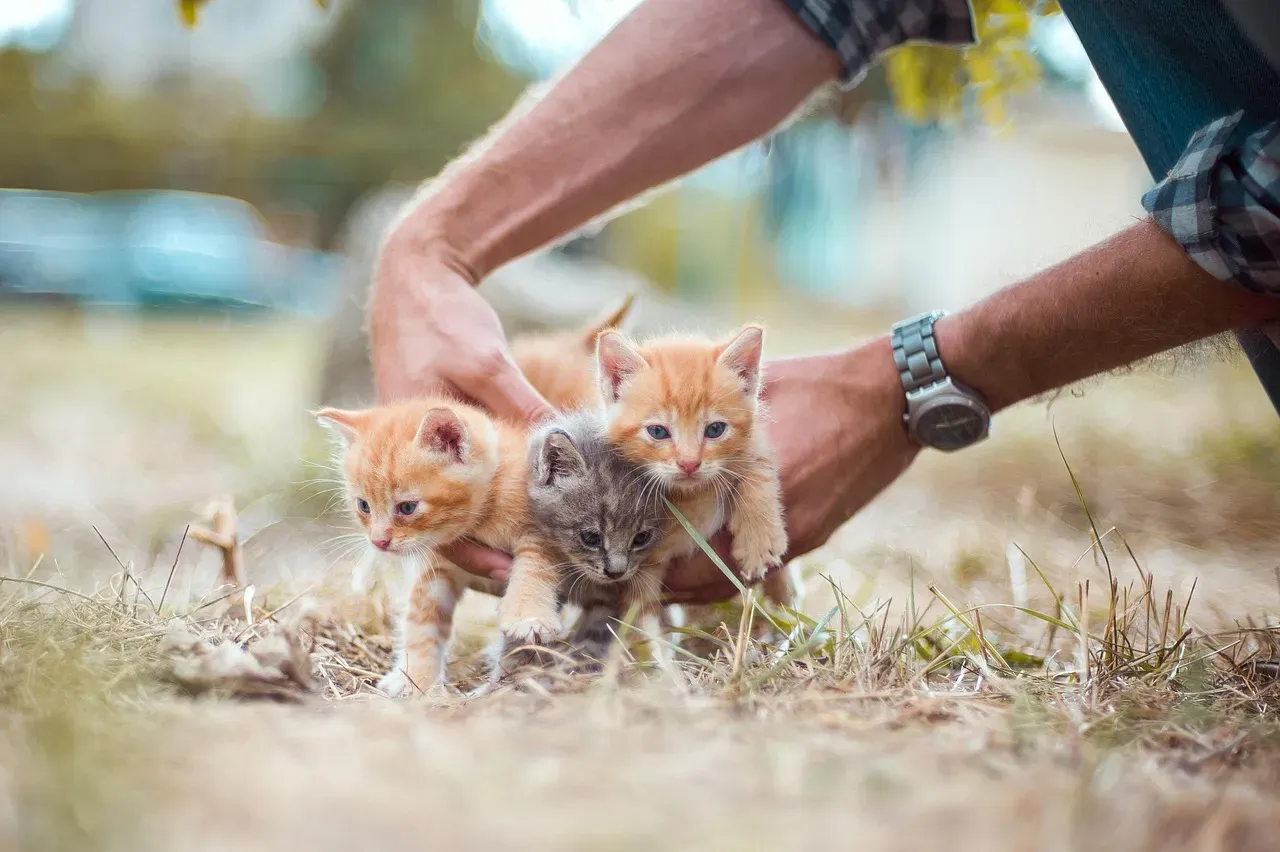
The first time your rescue wanders off alone is a bigger milestone than the first cuddle.
Settled animals explore new parts of the yard or house on their own. There’s no coaxing and no treat trail. They investigate new things and seem genuinely interested in what’s happening around them.
They also start choosing territory. A settled dog picks specific places they love, whether it’s a sunny window spot or a cozy corner, and soon that spot is unmistakably theirs.
A rescue cat that dozes off in the middle of the living room or curls up in a sunbeam has hit a big emotional milestone. Think about that. An animal that hid under the bed for days now naps in plain view, with the whole room open around it.
Worth Knowing
- Exploring tends to show up early, well before solo toy play.
- The best version is self-started, with no treat trail required.
- A favorite sunny window or cozy corner counts as real territory.
- Napping in the open means the whole room feels safe, not just one hiding spot.
Longer stretches of relaxation, with no constant alertness, are part of the same pattern. Here’s a hot take: a rescue that claims a favorite spot has told you more than one that cuddles on day one. And speaking of day one, the next sign involves something dogs and cats are rarely allowed to show in a shelter.
#10 – They Play on Their Own Terms

Play is a luxury, and a rescue only buys it when it feels safe.
Bringing you a toy, starting a game, or a sudden case of the zoomies means your pup feels comfortable enough to let loose. Cats show a version of this too, with pouncing, chasing, and sudden bursts of silliness that seem to come from nowhere.
Timing matters here. Eating regularly and exploring tend to show up early, while playing with toys independently belongs to the later signs, weeks to months in.
Solo play is a later milestone than most owners expect. If your rescue ignores every toy in week two, nothing is wrong. It may simply mean the foundation isn’t finished yet.
Play is loud and obvious. The next sign is the opposite, and it hides in how fast the drama ends.
#9 – They Bounce Back Fast When Life Gets Weird
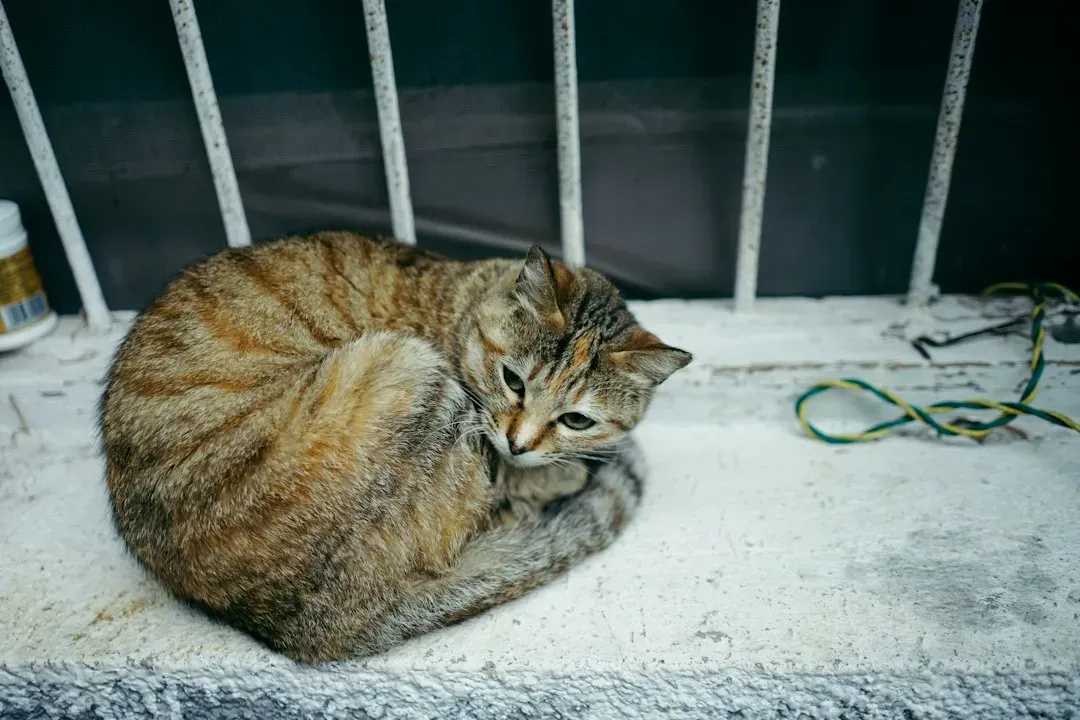
The goal isn’t a rescue that never reacts. It’s one that recovers.
Early on, any change, like new litter, a rearranged room, or a different couch, can feel like the whole world shifted. That’s the baseline for a newly adopted animal, and it’s not a sign of failure.
Later, the reaction changes. A settled rescue might still pause, sniff, or hide briefly, but they recover far faster. Trust in the home as a stable constant cushions the shock instead of amplifying it.
Quick Compare
- Early weeks: a small change feels like the whole world shifted
- Settled rescue: a quick pause, a sniff, maybe a brief hide, then back to normal
- Still building trust: lingering anxiety or withdrawal after minor disruptions
A deeply settled cat can adapt to changes in the daily routine without becoming anxious or withdrawn. Our opinion: owners who expect a “perfectly calm” rescue are setting a bar no animal meets. No cat loves change, but one that weathers small disruptions without spiraling is telling you the foundation feels solid.
If recovery is the new skill, the next sign is its mirror image: the behaviors that quietly disappear.

Earth Rated XL Dog & Puppy Pee Pads, Discreet Top, Max Absorbency
Check Price on AmazonAs an Amazon Associate, we earn from qualifying purchases.
10/7/2026 1:28 pm GMTi

Halloween Cat Costume Cloak Witch Hat Pet Accessories
Check Price on AmazonAs an Amazon Associate, we earn from qualifying purchases.
10/9/2026 2:44 pm GMTi

Portable Dog Water Bottle Foldable Dog Travel Water Bottle
Check Price on AmazonAs an Amazon Associate, we earn from qualifying purchases.
10/7/2026 1:29 pm GMTi

Glass Hummingbird Feeder for Outdoors Hanging, 16 oz Leak-Proof Nectar Feeder with Bee Guards & Ant Moat
Check Price on AmazonAs an Amazon Associate, we earn from qualifying purchases.
10/7/2026 1:22 pm GMTi

Professional 7 in 1 Dog Paw Cleaner for Dogs & Cats - Includes 1 Portable Paw Washer, 1 Bath Brush
Check Price on AmazonAs an Amazon Associate, we earn from qualifying purchases.
10/7/2026 1:26 pm GMTi
#8 – The Hiding, Flinching, and Hissing Fade Out
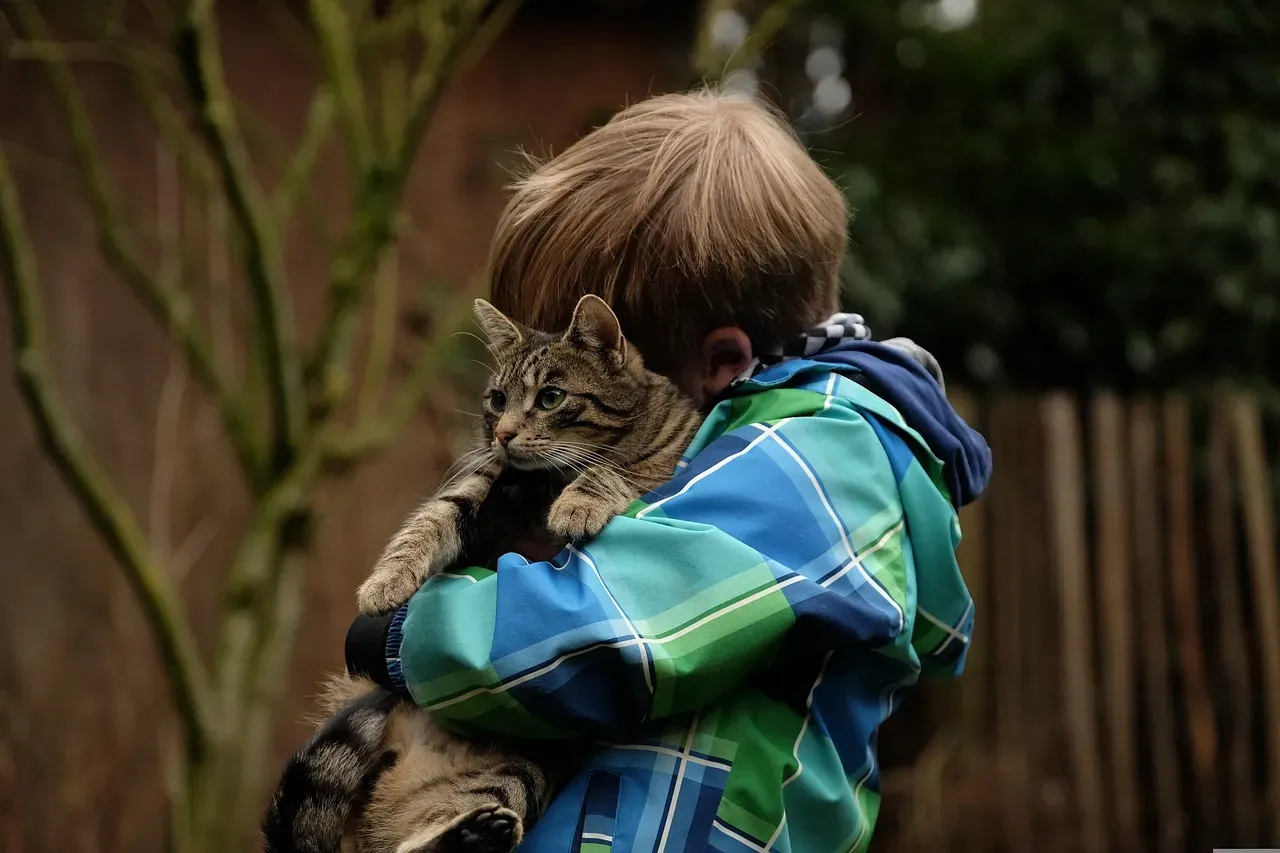
Some of the strongest evidence is a list of things that stopped happening.
Real settling is quieter than people expect. It shows up as the hiding, the flinching, and the hissing stopping. At first, many cats keep their distance, unsure if they can trust human touch.
Watch for the difference between tolerance and welcome:
- Stiff tolerance means the cat allows closeness but isn’t relaxed yet.
- Sniffing your hand and cheek rubbing are the first real welcome signs.
Dogs have their own stress tells, and they’re easy to miss. Whale eye (showing the whites of the eyes), lip licking, yawning, and turning away are all signals worth learning. When they fade, you’re winning.
Once the fear fades, something far more personal starts happening at your front door.
#7 – They Wait for You at the Door
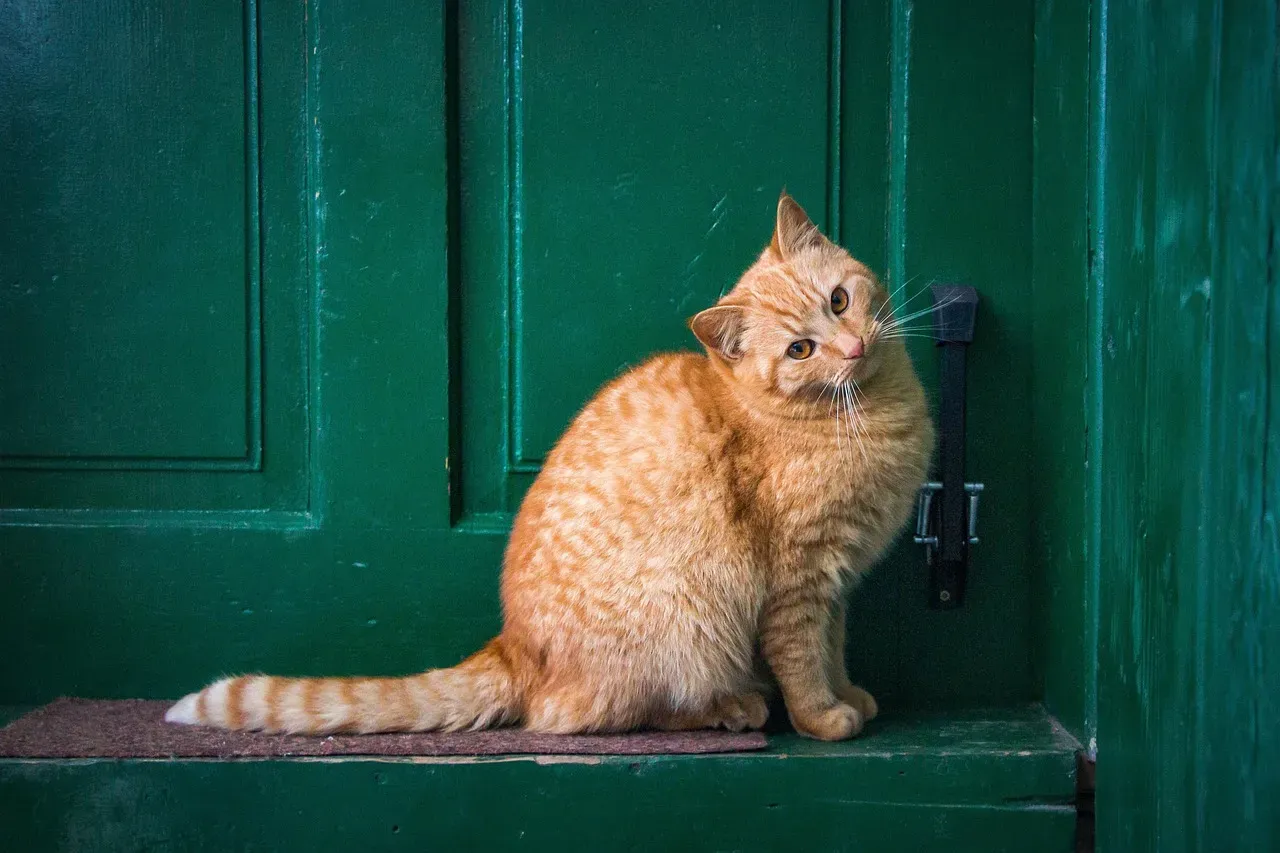
When an animal starts tracking your schedule, it has started counting on you.
Settled animals head toward the window or door when a family member is usually due home. They’ve learned your patterns, and they’ve decided those patterns matter.
Leaning into you, resting near you, and greeting you when you come home are all signs of growing trust. Each one is small, but together they add up to something that looks a lot like belonging.
The most telling version is selective. A cat acts aloof with guests but melts into slow blinks the moment you walk in. A cat who ignores you all day may suddenly appear the second you’re in bed, stationing at your chest or pillow. That favoritism isn’t random. It’s a choice.
And the moment they greet you, watch their eyes, because that’s where the next sign lives.
#6 – Their Eyes Go Soft

A hard stare says “threat.” A soft blink says “I’m good.”
Soft blinking or gentle eye contact signals that a dog feels emotionally safe. Making eye contact is also listed among the early signs of settling, which means the habit of looking at you can start sooner than you’d guess.
Cats take it further. Once a rescue cat fully settles, the slow-blink test becomes a real back-and-forth. That’s less a trick and more a conversation.
Contrast it with the warning signs. Showing the whites of the eyes is a stress signal. If you see it, give the animal more space instead of leaning in for a closer look.
Once the eyes are talking, it won’t be long before the voice joins in.
#5 – They Start “Talking” to You
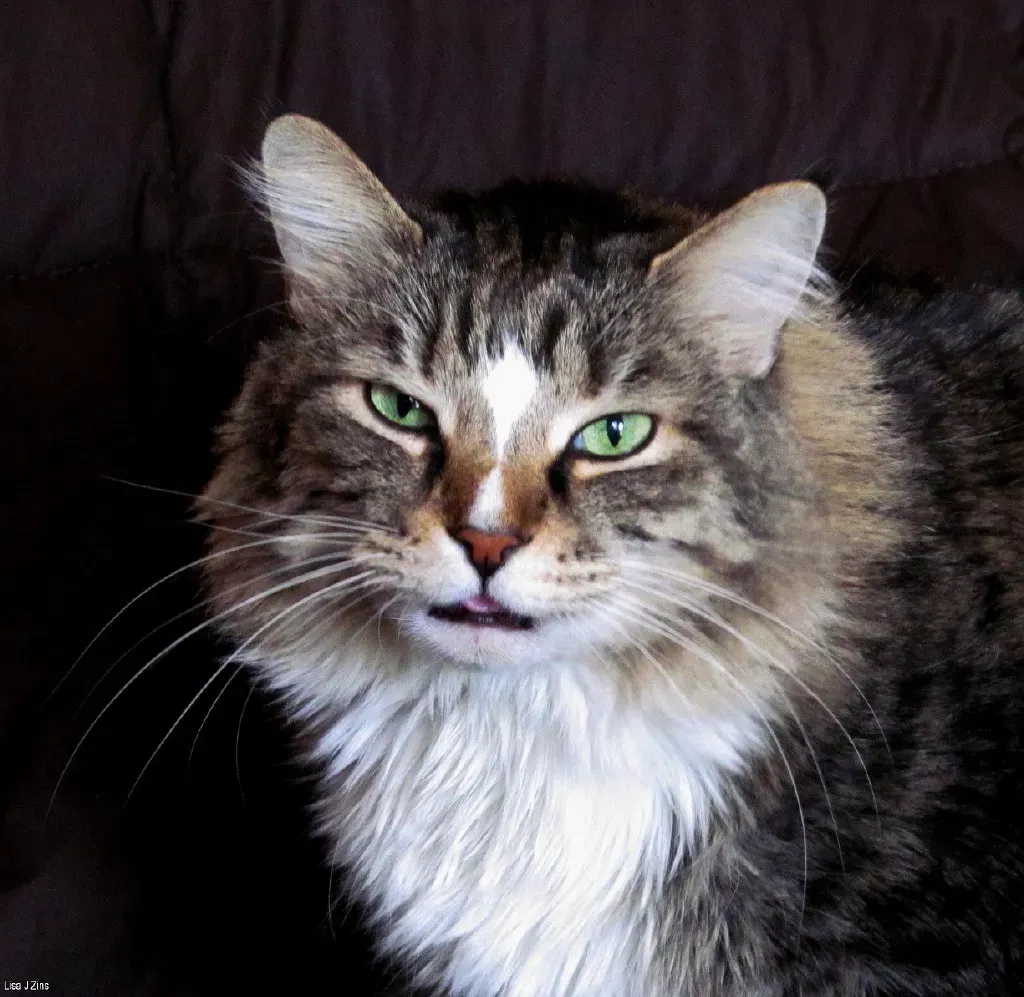
A silent rescue isn’t necessarily shy. It may just be waiting.
New vocalizations, like happy grumbles, howls, and “talking,” show up as a rescue feels safer. Early on, animals tend to keep sounds minimal, because noise draws attention.
Responding to you is part of the same shift. A cat who responds to its name or your voice is showing it has settled, whereas many rescue cats ignore voices early on, too nervous to engage. That growing recognition means the cat is actively choosing to interact. It’s not just tolerating you.
At a Glance
- Early on: minimal sound, and many rescue cats ignore voices entirely
- Dogs, early sign: responding to their name
- Dogs, later sign: excitement for walks and activities
- Settled: grumbles, howls, and chatty commentary
For dogs, responding to their name is an early sign, while showing excitement for walks and activities comes later. So if your formerly quiet rescue suddenly won’t stop commenting on your cooking, congratulations. That’s a milestone.
Then there’s a sign that sounds boring but may be the most telling one so far.

Hand Blown Glass Hummingbird Feeders for Outdoors Hanging, 24oz Wild Bird Nectar Feeder
Check Price on AmazonAs an Amazon Associate, we earn from qualifying purchases.
10/7/2026 1:23 pm GMTi

2 Pcs Halloween Pet Hat Bandana Set, Witch Pumpkin Costumes for Dogs
Check Price on AmazonAs an Amazon Associate, we earn from qualifying purchases.
10/9/2026 2:45 pm GMTi

Halloween Dog Collar with Bow, Orange Cute Ghost Collar,
Check Price on AmazonAs an Amazon Associate, we earn from qualifying purchases.
10/9/2026 2:43 pm GMTi

Dog Stairs for Bed 18" H, 4-Step Dog Steps for High Bed
Check Price on AmazonAs an Amazon Associate, we earn from qualifying purchases.
10/9/2026 2:42 pm GMTi

Smart Bird Feeder with Camera Solar Powered, 2K HD Live Video, 10,000+ Bird Species AI Identification
Check Price on AmazonAs an Amazon Associate, we earn from qualifying purchases.
10/7/2026 1:22 pm GMTi
#4 – They Handle Disappointment Like a Pro

The doorbell test reveals more than any trick ever will.
A settled dog meets a ringing doorbell, a visiting friend, or your arrival home differently than a new arrival would. The reaction is shorter, and the recovery is quicker. Self-regulation is one of the clearest signs of a nervous system that finally feels safe.
There’s a related benefit. As your rescue feels safer, their tolerance for small disappointments grows. Think waiting for dinner, a closed door, or a walk that’s cut short. It’s one of the least glamorous signs, and one of the most meaningful.
Notice that none of this involves obedience. A well-trained animal can still be terrified. A calm one has actually decided it’s safe.
Calm in the moment is impressive. But the next sign shows how a rescue uses you to stay calm.
#3 – They Treat You as Their Safe Base
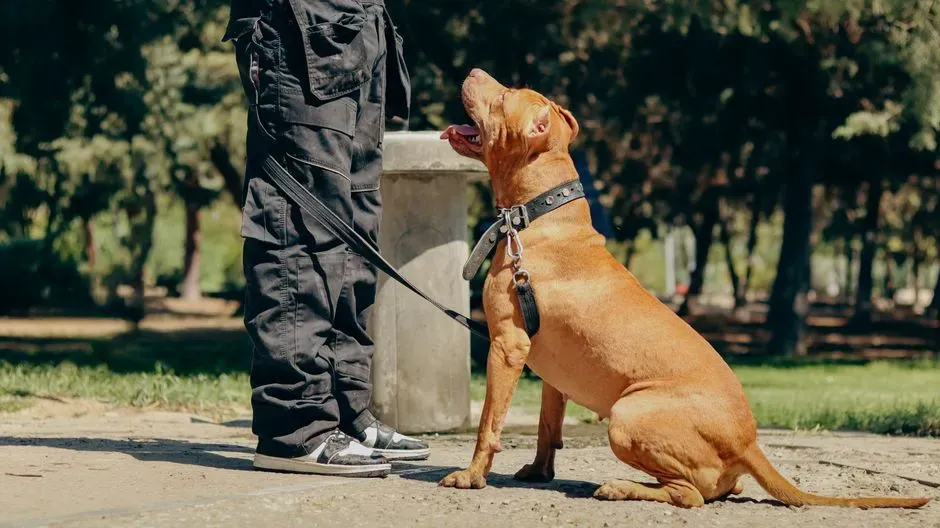
The best proof of attachment isn’t clinginess. It’s confidence.
Watch what your rescue does somewhere unfamiliar, like the vet’s office, a new park, or a friend’s noisy living room. The behavior splits into three patterns:
- Secure bond: they explore a new space, then circle back to touch base with you
- Anxious attachment: they never leave your side, even when nothing is wrong
- Fear without trust: they freeze, hide, or bolt, barely registering that you’re there
The “Velcro dog” is not always the most bonded dog. That’s a contrarian claim, but the secure pattern, explore and return, is the one that suggests real confidence.
The bond is visible when you’re together. The next sign shows up the moment you leave.
#2 – They’re Calm When You’re Gone

Being okay alone is the final exam, and many rescues pass it last.
Calm alone time suggests they understand you’ll return and trust the home as a safe space. Whining, pacing, and panic give way to napping and chewing a toy.
Being comfortable alone, even briefly, appears among the later signs, weeks to months after adoption. Early on, it’s not a fair test.
Fast Facts
- This is a later milestone, typically weeks to months after adoption.
- Calm looks like napping or chewing a toy, not pacing or whining.
- Senior dogs and animals with trauma backgrounds often need more time.
- Short, boring departures work better than dramatic goodbyes.
Patience matters more for some animals. Senior dogs and those with trauma backgrounds often need more time to feel completely comfortable. Rushing alone time can undo weeks of progress.
If your rescue can watch you leave without falling apart, you’ve earned something real. And the sign that tops this list is the one that most owners cry over.

Glass Hummingbird Feeder for Outdoors Hanging
Check Price on AmazonAs an Amazon Associate, we earn from qualifying purchases.
10/7/2026 1:21 pm GMTi

Orthopedic Extra Large Dog Bed, Waterproof Washable XL Pet Bed 44"
Check Price on AmazonAs an Amazon Associate, we earn from qualifying purchases.
10/7/2026 1:32 pm GMTi

Air Purifiers for Home Pets Large Room Up to 3000 Ft²,HEPA Air Cleaner with Washable Double-Side Filter, PM2.5 Air Quality Monitor,15dB Sleep Mode for Bedroom Odor Dust Pollen,White
Check Price on AmazonAs an Amazon Associate, we earn from qualifying purchases.
10/8/2026 8:23 am GMTi

PetSafe Oasys Pet Fountain, 1/2 Gallon (64 oz), Small Dogs & Cats
Check Price on AmazonAs an Amazon Associate, we earn from qualifying purchases.
10/8/2026 8:14 am GMTi
#1 – Their True Personality Finally Shows Up

The animal you adopted was never the animal you brought home.
Once a rescue fully believes your home is permanent, its true temperament finally comes out. The shy, silent cat might reveal a bossy, comedic streak. Dogs surprise you too. Their coat may even improve as stress drops and nutrition takes effect.
Then there’s the physical surrender. A settled dog will melt into your touch, sigh, and shift their body to invite more.
A settled rescue has made a quiet internal decision: out of all the chaos in its past, this human and this home are its safe place now.
Here’s the bottom line: settling is mostly about what disappears, not what appears. Hiding, hissing, flinching, and pacing fade first. The cuddles come later, and they’re the least reliable early evidence.
Our view is blunt. Timelines like “three days, three weeks, three months” are rough guides, not deadlines, and some animals need six months or longer. If your rescue still isn’t doing everything on this list, that isn’t failure. It means the foundation is still being poured.
Which sign did your rescue show first, and was it one most people would have overlooked?