
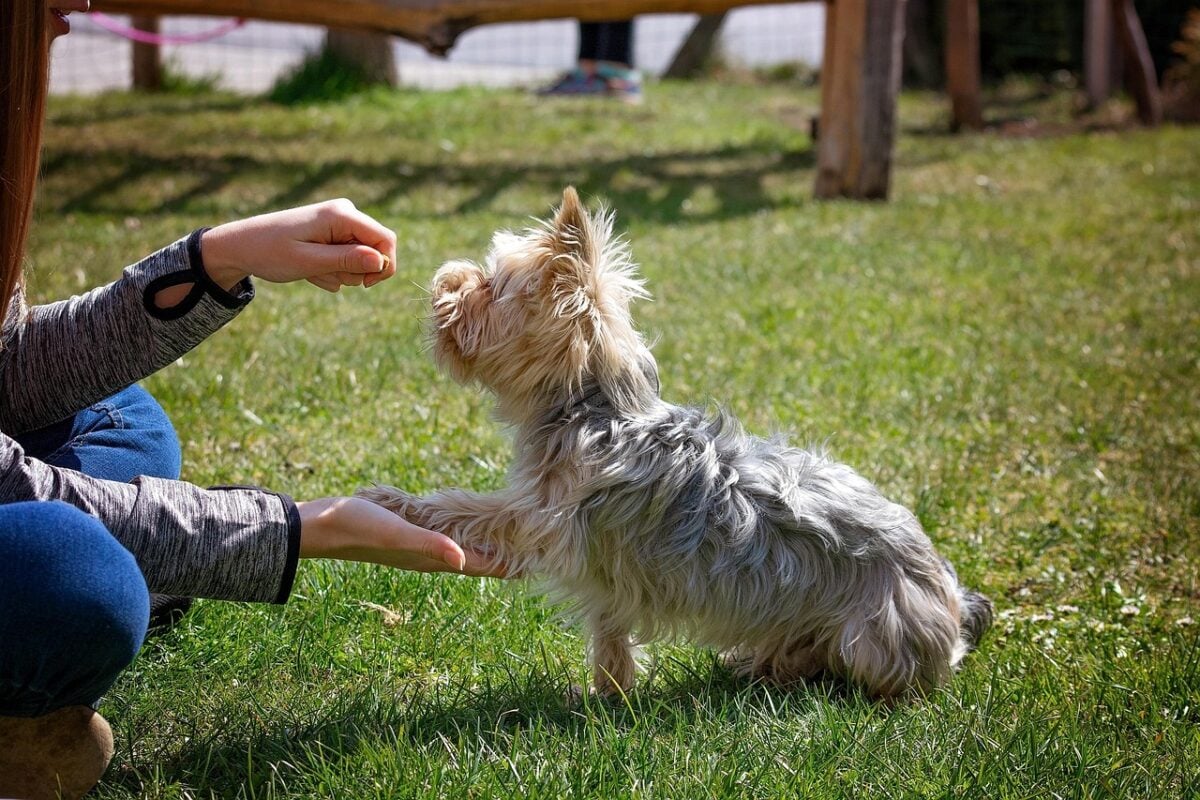

Most people think a dog’s evening is dinner, a walk, and a nap. Then the 5 p.m. stare arrives, followed by a heavy sigh from the rug and a pointed bark at whoever dared skip a step. Suddenly it’s clear that someone in the house has been running a very strict schedule. It isn’t stubbornness. Every ritual on this list traces back to instinct, scent, or attachment, which is why your dog notices the second one goes missing.
Some of these habits have clear scientific explanations. A few still have researchers arguing. And one, waiting at #1, is the ritual dogs seem to treasure most while owners barely register it. Let’s start at the front door, where the whole night begins.
#14 – The Doorway Welcome
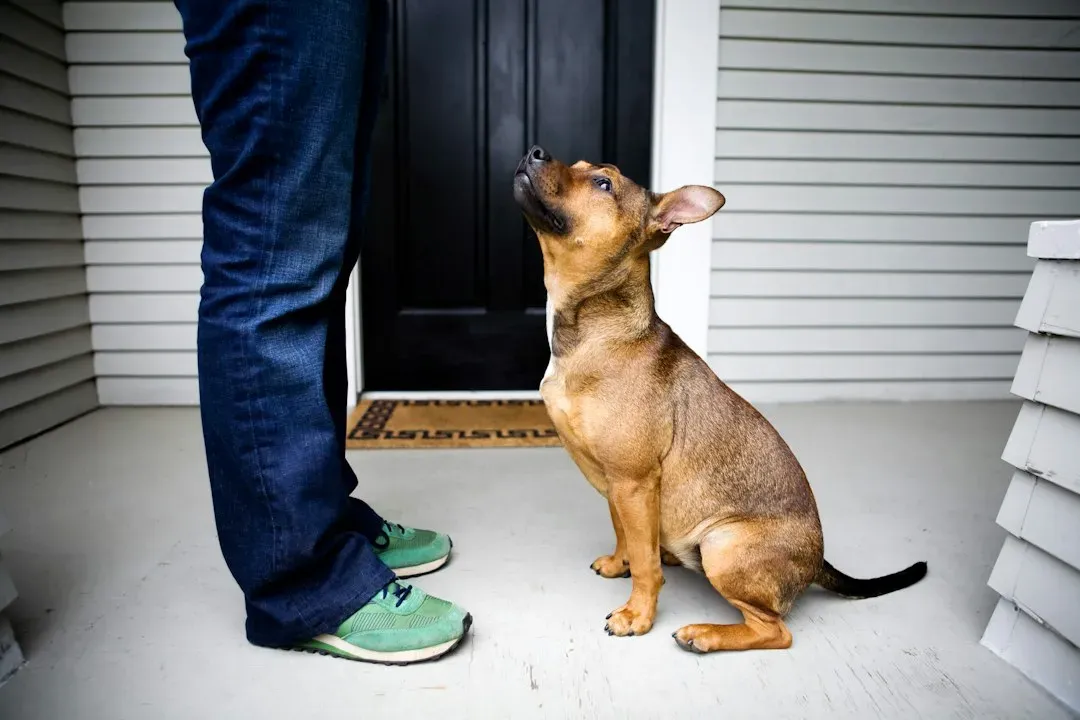
The most dramatic moment of your dog’s day happens before you’ve even taken off your coat.
Many dogs learn the sound of a familiar car, a set of keys, or a particular footstep. They can start reacting before you’re through the door. That’s learned association at work, and dogs are very good at it. By the time the knob turns, the whole welcome party is already assembled.
The greeting isn’t just excitement. It’s information gathering. A dog’s nose is commonly estimated to have around 300 million scent receptors, compared with roughly 6 million in humans. Your jacket, shoes, and hands tell your dog where you’ve been, what you ate, and who you stopped to talk to.
The reunion also scales with absence. A 2011 study on dogs left alone found they greeted their owners more intensely after a longer separation than after a short one. In other words, the size of the welcome is a response to how long you were gone.
Here’s where trainers disagree. Some say a huge, high-pitched reunion fuels frantic behavior. Others say a warm greeting is harmless for a well-adjusted dog. Waiting a minute for calm before the big hello is a middle path many trainers suggest.
But the next ritual is the one dogs track with almost eerie precision, and it has nothing to do with the door…
#13 – The Dinner Bell That Isn’t a Bell

Your dog’s internal clock for dinner is sharper than most kitchen timers.
Dogs read the cues that come before food: the scoop, the cupboard door, your footsteps toward the kitchen, even the fading daylight. Once those cues reliably lead to a meal, they trigger anticipation on their own. That’s classic conditioning, and your dog has it down to a science.
Pavlov’s famous conditioning discoveries came from research on digestion in dogs, and the learning effect was a side finding. Your dog is running a version of that experiment on you every evening, and so far you’re a very cooperative subject.
Many veterinarians suggest splitting an adult dog’s daily food into two meals. Predictable feeding has practical upsides:
- Appetite changes are easier to notice, and they’re often an early sign something is off.
- Measured portions make weight control simpler than free-feeding.
Quick Compare
- Scheduled meals: clear start and finish, easy to track how much your dog eats, and a built-in evening routine.
- Free-feeding: convenient for owners, but it hides appetite changes and makes portion control harder.
Here’s the uncomfortable truth. Plenty of owners find the 5 p.m. stare adorable and respond to it early. Behavior experts say that rewards the nagging, so the nagging gets longer and starts a little earlier each week.
What happens in the hour after the bowl is empty matters more than most owners realize, and it’s #12…
#12 – The Post-Dinner Pause
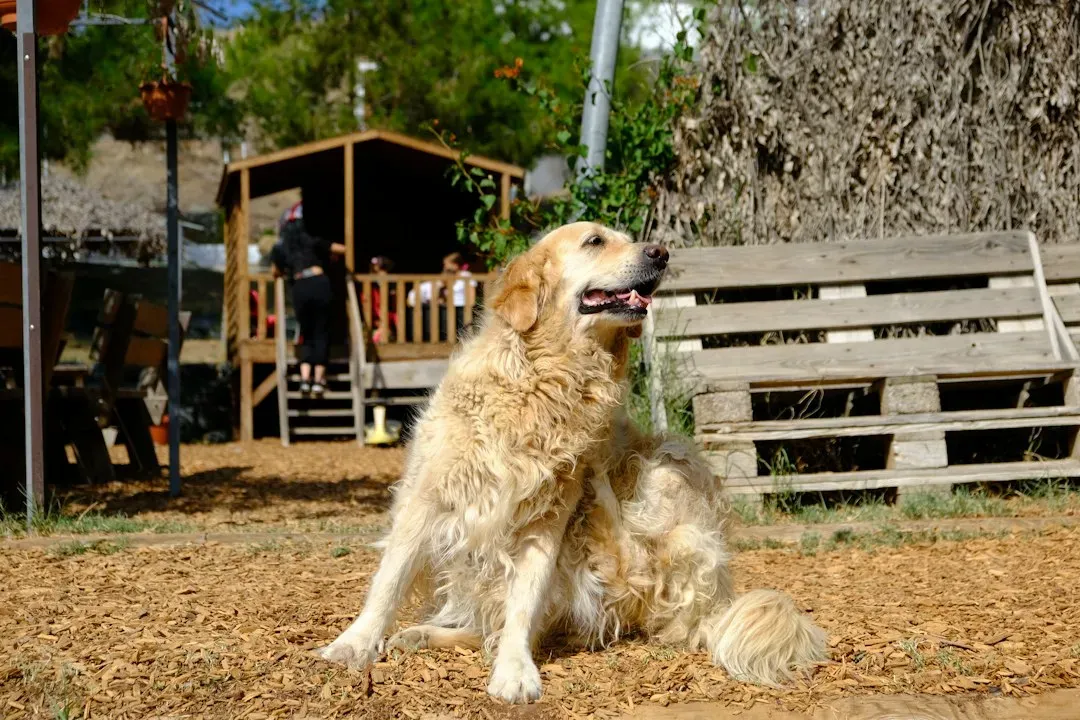
That urgent look at the door shortly after eating isn’t random.
Eating stimulates the digestive system, and many dogs need a bathroom break not long after a meal. Puppies are the clearest example. Plenty of house-training guides build the whole schedule around this pattern.
Calm matters just as much as timing. Vets commonly advise keeping activity gentle right after a large meal, because bloat (gastric dilatation-volvulus) is a life-threatening emergency, especially in deep-chested breeds. Great Danes, German Shepherds, and Standard Poodles are the kinds of dogs often named in that warning.
Know the warning signs:
- Retching without producing much vomit
- A swollen or tight belly
- Restlessness, drooling, or obvious distress
Any of these means an immediate call to an emergency vet. Don’t wait to see if it passes.
Most dogs never face this. Still, the quiet stretch after dinner is a cheap safeguard. A calm sniff around the yard is fine. A frantic game of fetch right after a big bowl is the mistake many well-meaning owners make.
Once the digestion window passes, the main event of the evening begins, and it’s not what you think…
#11 – The Evening Walk (Which Is Really a Sniff Session)
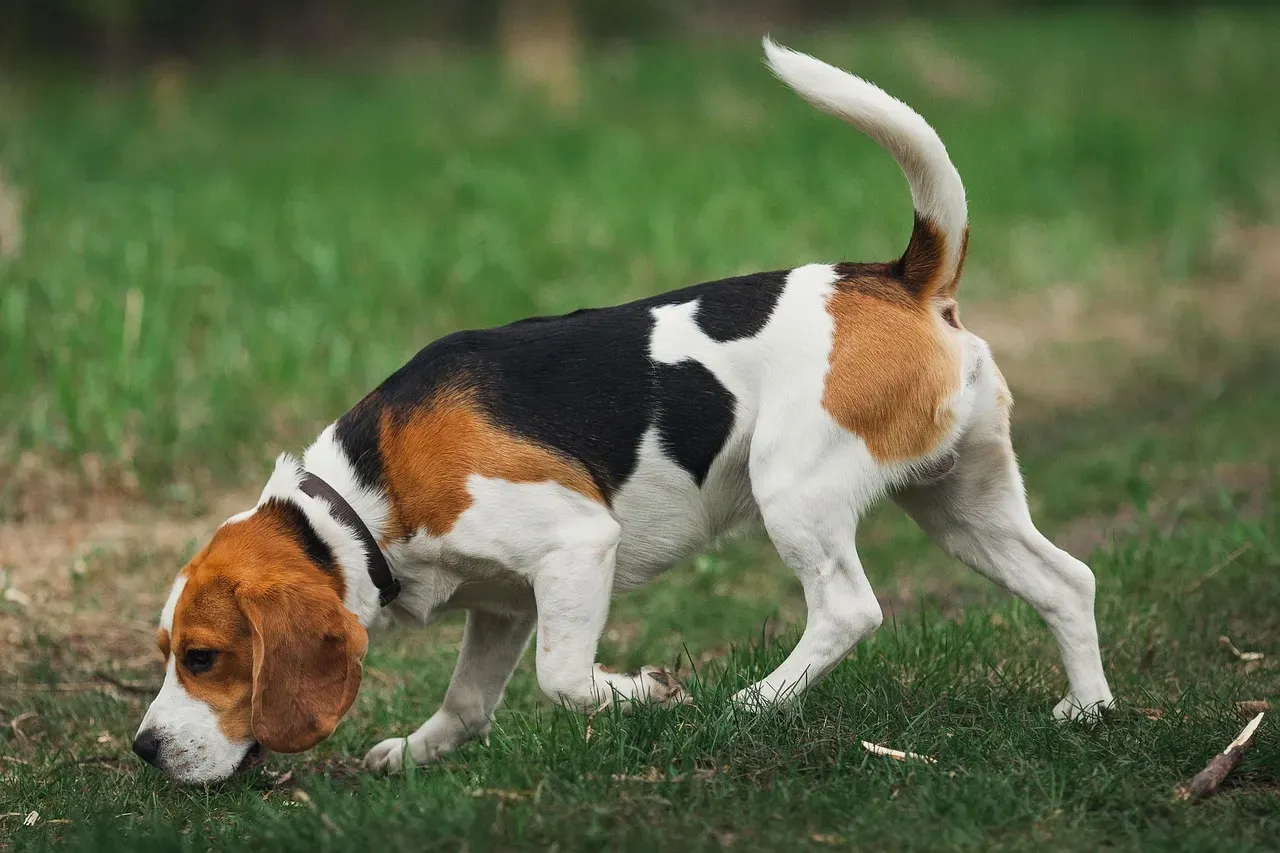
You think the walk is about distance. Your dog thinks it’s about the news.
A dog’s brain devotes a large share of its processing to scent. Dogs also have a vomeronasal organ, sometimes called Jacobson’s organ, which is linked to detecting chemical signals such as pheromones. Every lamppost is a message board that humans can’t read. Your dog is checking who passed by, how recently, and possibly how they were feeling.
Many trainers say a slow, sniff-heavy walk can leave a dog more mentally tired than a brisk one. Sniffing is real work, and it satisfies a core instinct. The pace you’d prefer may not be the pace your dog needs.
Not everyone agrees on how much freedom to allow. Strict heel-style walking has its defenders. A growing number of trainers argue that it denies dogs the one thing they most want from the outing. Safety, local rules, and your dog’s leash manners all matter here.
And speaking of energy, there’s a strange burst that tends to hit right after you get home…
#10 – The Zoomies Window
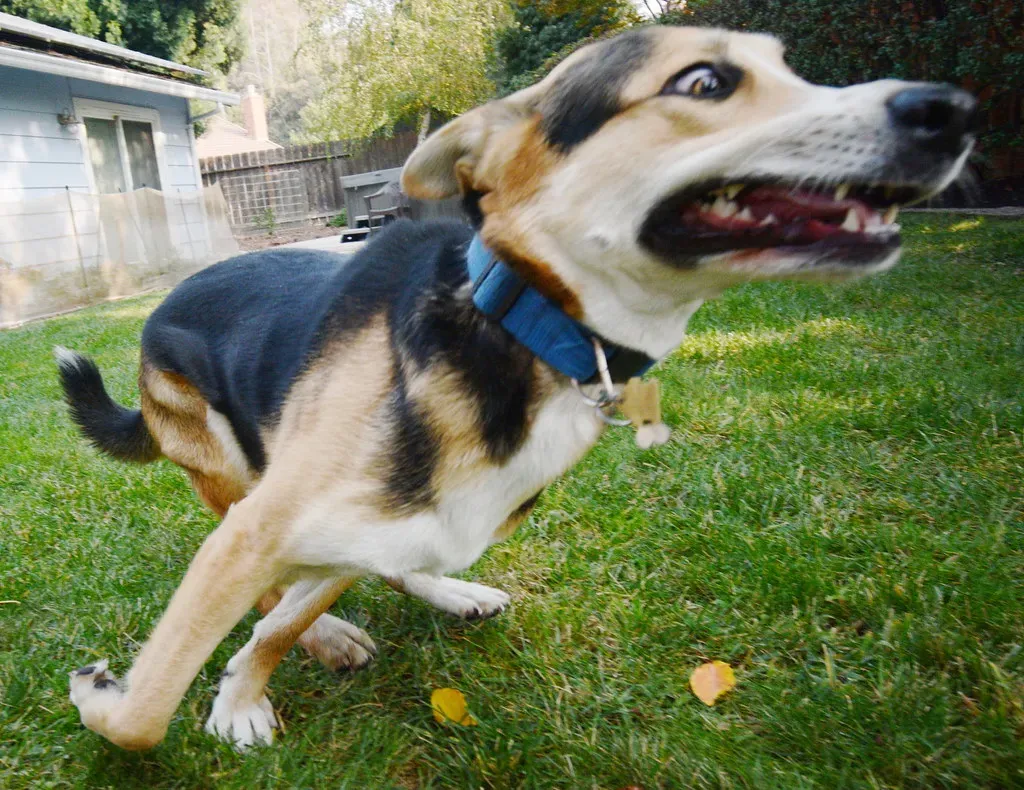
Your dog’s sudden sprint around the living room has an official name.
Behaviorists call it frenetic random activity periods, or FRAPs. Dogs race in circles, skid on corners, and wear a wild, slightly unhinged expression. It’s a normal behavior, and it’s especially common in puppies and young dogs. Older dogs do it too, just with fewer sharp turns.
The usual explanations include a release of built-up energy, excitement, and shifts in arousal. That’s why zoomies often show up after baths, after confinement, or around the evening reunion. Exact causes aren’t fully mapped, so treat any single explanation with caution.
Here’s how to handle them:
- Clear slippery floors and sharp furniture corners if you can.
- Don’t chase. Chasing can escalate the excitement.
- Let it burn out naturally, which is usually within minutes.
If zoomies are extreme, constant, or paired with signs of distress, a vet or behaviorist can help rule out under-exercise or other issues.
But the next evening ritual is far noisier, and neighbors tend to notice it first…
#9 – The Window Patrol

Your dog isn’t barking at nothing. Your dog is working a shift.
Dusk brings foot traffic, headlights, and moving shadows. Many dogs treat the window or fence line as a post to guard. Barking is a form of alert, and several breeds were developed partly to give one.
Compared with wolves, domestic dogs are often noted for using barking far more. That’s commonly attributed to domestication, where vocal dogs were useful to humans. Your dog may be carrying out a job that people helped shape over many generations.
The standard reaction is scolding, and some trainers argue that’s backwards. A raised voice can sound like you’re joining in. Calmly acknowledging the alert, then redirecting, often works better.
- Block the lower window view with frosted film.
- Give your dog a chew or puzzle in a different room at peak hours.
- Reward quiet moments, not only the absence of barking.
Dogs need an outlet for that alert energy, and the best one involves you and a rope toy…

Smart Bird Feeder with Camera Solar Powered, 2K HD Live Video, 10,000+ Bird Species AI Identification
Check Price on AmazonAs an Amazon Associate, we earn from qualifying purchases.
10/7/2026 1:22 pm GMTi

Halloween Dog Collar with Bow, Orange Cute Ghost Collar,
Check Price on AmazonAs an Amazon Associate, we earn from qualifying purchases.
10/9/2026 2:43 pm GMTi

Glass Hummingbird Feeder for Outdoors Hanging, 16 oz Leak-Proof Nectar Feeder with Bee Guards & Ant Moat
Check Price on AmazonAs an Amazon Associate, we earn from qualifying purchases.
10/7/2026 1:22 pm GMTi

Glass Hummingbird Feeder for Outdoors Hanging
Check Price on AmazonAs an Amazon Associate, we earn from qualifying purchases.
10/7/2026 1:21 pm GMTi

Air Purifiers for Home Pets Large Room Up to 3000 Ft²,HEPA Air Cleaner with Washable Double-Side Filter, PM2.5 Air Quality Monitor,15dB Sleep Mode for Bedroom Odor Dust Pollen,White
Check Price on AmazonAs an Amazon Associate, we earn from qualifying purchases.
10/8/2026 8:23 am GMTi
#8 – The Tug-and-Toss Session
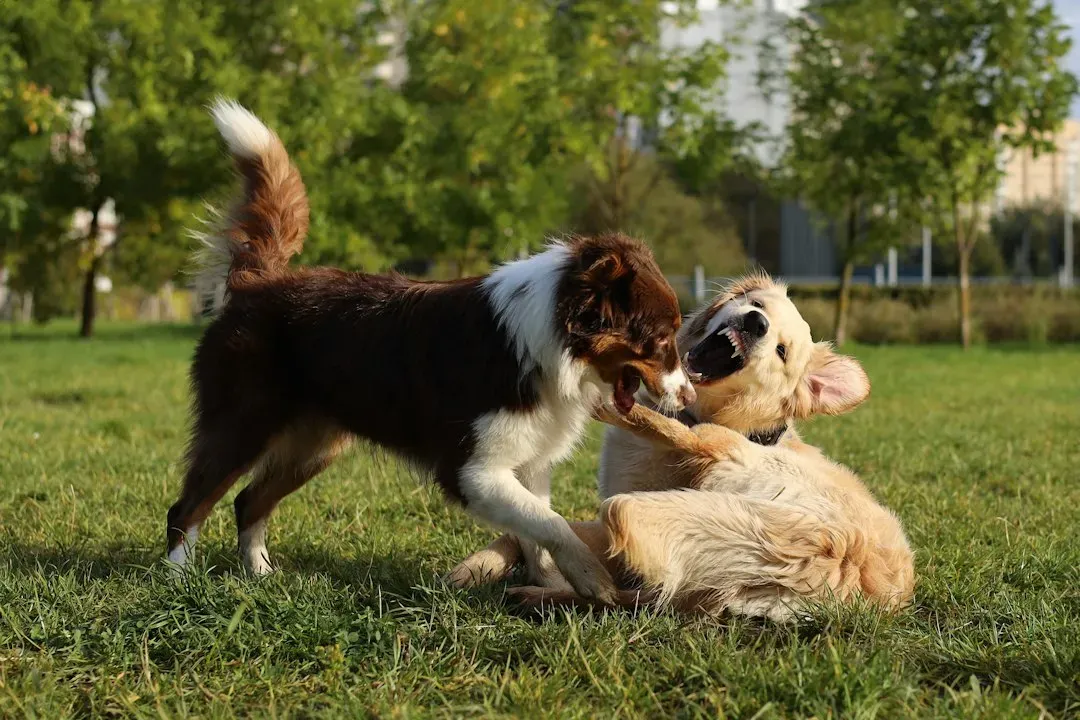
Play isn’t a luxury in your dog’s evening. It’s a core piece of the bond.
Dogs signal play with the play bow, front legs stretched low and rear end in the air. That posture tells the other party that the rough stuff that follows is just a game. It’s one of the clearest bits of canine body language, and it’s seen across many dogs.
Tug has a bad reputation, and some owners worry it breeds aggression. Research on tug-of-war hasn’t shown that it causes aggression when the game has rules. The usual rules are a clear start, a cue to drop the toy, and an end to the game.
Fetch, hide-and-seek, and short training games all count too. The point is shared, structured fun rather than exhaustion. Ten minutes of full attention often says more to your dog than an hour of you being nearby.
After all that excitement, your dog has a very specific way of winding down…
#7 – The Chew Break
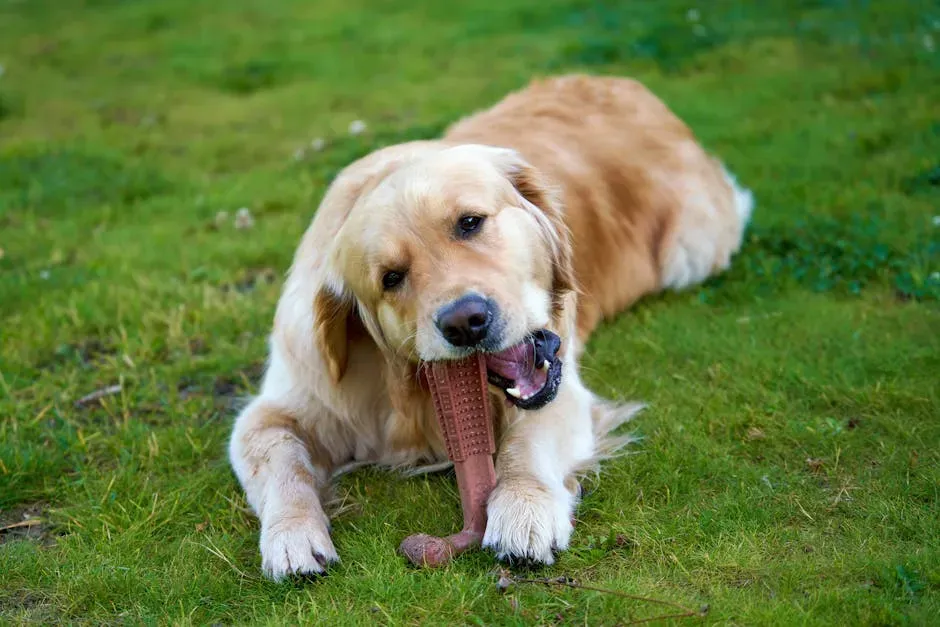
That long gnawing session at 8 p.m. is your dog’s version of a wind-down routine.
Chewing and licking are natural behaviors, and many behaviorists see them as soothing. That’s why lick mats, stuffed toys, and long-lasting chews are common tools for helping dogs settle. They give the mouth a job and the brain a rest.
Vets and veterinary dentists warn that very hard chews, like some bones, antlers, and hooves, can fracture teeth. A commonly cited rule of thumb is to skip anything you wouldn’t want to be hit with on the knee.
Choosing wisely matters more than choosing the longest-lasting option:
- Match chew size to your dog so it can’t be swallowed whole.
- Supervise new chews, especially early on.
- Retire anything that’s splintering or worn small.
Rawhide and bone choices are debated among owners and professionals. Ask your vet what suits your dog’s teeth, size, and chewing style.
Worth Knowing
- Many vets suggest a chew should have a little give. If you can’t press a thumbnail into it, it may be too hard.
- Food-stuffed toys and edible chews carry calories, so they belong in your dog’s daily count.
- Lick mats and stuffed toys tend to suit dogs who gulp food or struggle to settle.
- A chew that suits one dog can be risky for another, so size and chewing style matter.
Next, the ritual that explains why you can’t even use the bathroom alone…
#6 – The Shadow Routine
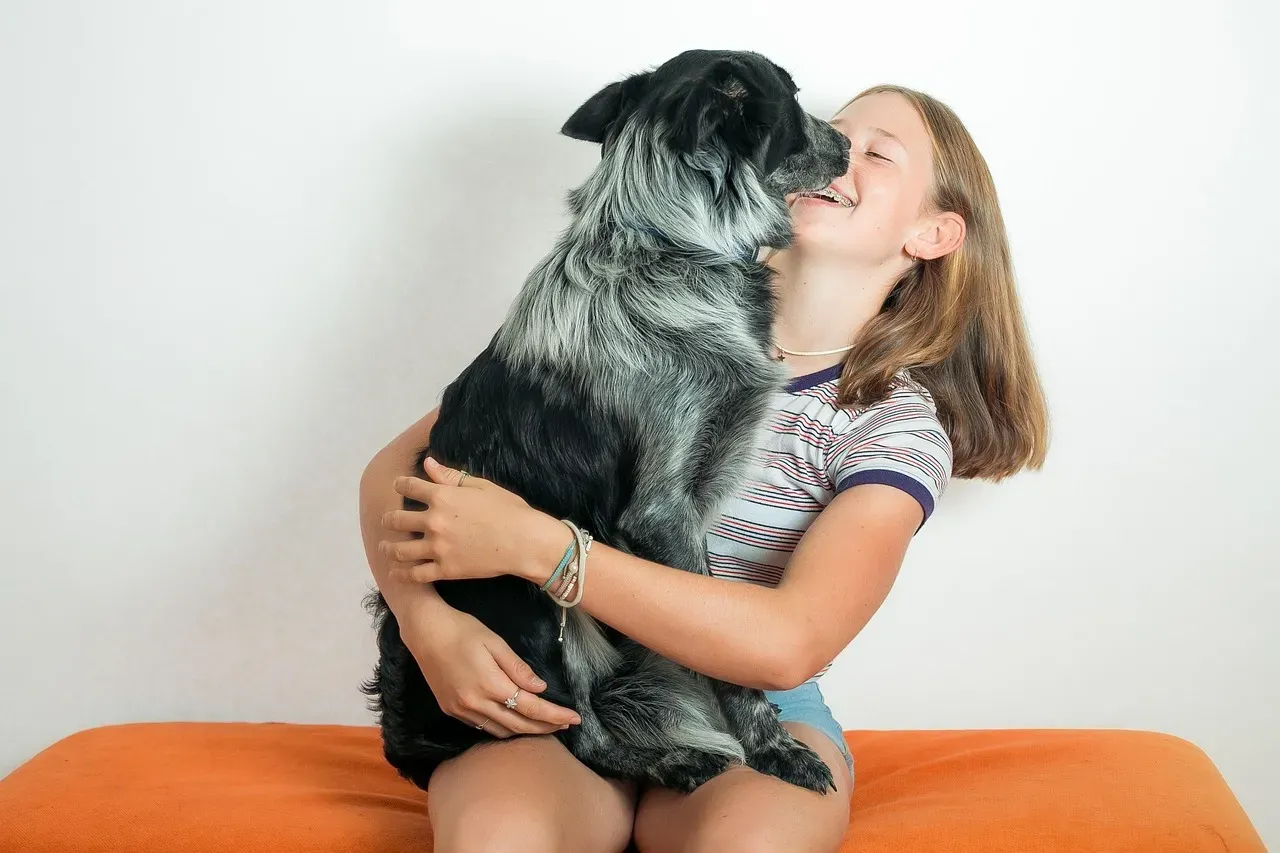
Your dog follows you from room to room because you’re the main event.
In the 1990s, researchers adapted a test used to study infant attachment, the “Strange Situation,” for dogs. Dogs showed attachment-like behavior toward their owners, using them as a secure base. Following you around isn’t random. It’s the bond in action, down to the audience outside the bathroom door.
Some breeds were also developed to work closely with people, which can make shadowing more pronounced. A dog that trails you and then settles nearby is typically fine.
The line to watch is distress:
- Normal: trails you, then settles nearby.
- Concerning: panic, drooling, destructive behavior, or constant howling when you leave.
If it’s the second, experts suggest talking to a vet or a qualified behavior professional. Separation-related problems are treatable, but they don’t usually fade on their own.
But there’s one small ritual that proves how fast dogs actually learn…
#5 – The Evening Treat Ritual
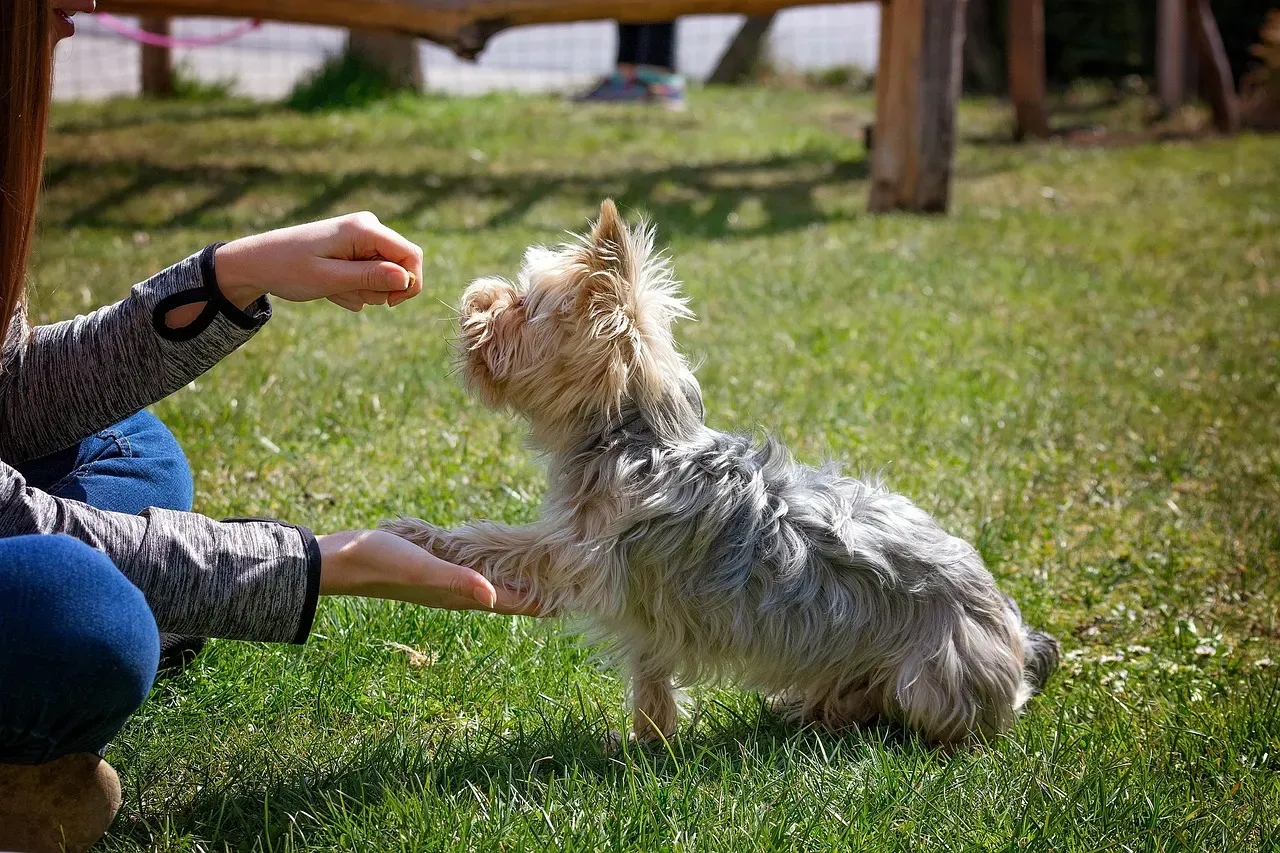
That hopeful look at the treat jar isn’t just greed. It’s a well-learned appointment.
Evening is a popular time for a dental chew, a small snack, or a few minutes of training. Dogs link the routine with the setting and the sequence, so they show up on cue. Short, upbeat training sessions fit neatly here.
Dogs can learn a lot of words. A border collie named Chaser reportedly learned the names of over 1,000 objects in a well-known study. Most dogs won’t match that, but five minutes of practice a night can sharpen manners and keep a bored brain busy.
Treat math is where many owners slip. Veterinary guidance commonly suggests treats stay around 10% of daily calories. Track the extras:
- Training treats count.
- Dental chews count.
- Table scraps count the most.
The mistake isn’t giving a treat. It’s treating without counting.
Fast Facts
- The common vet guideline is that treats make up about 10% of daily calories, and the other 90% comes from balanced meals.
- Chaser’s reported vocabulary topped 1,000 objects, though most dogs will learn far fewer words.
- Five minutes of training a night is enough for many dogs to keep their manners sharp.
- Tiny, pea-sized treats let you reward often without blowing the calorie budget.
The next ritual looks silly, and scientists still can’t fully explain it…

Dog Stairs for Bed 18" H, 4-Step Dog Steps for High Bed
Check Price on AmazonAs an Amazon Associate, we earn from qualifying purchases.
10/9/2026 2:42 pm GMTi

2 Pcs Halloween Pet Hat Bandana Set, Witch Pumpkin Costumes for Dogs
Check Price on AmazonAs an Amazon Associate, we earn from qualifying purchases.
10/9/2026 2:45 pm GMTi

Portable Dog Water Bottle Foldable Dog Travel Water Bottle
Check Price on AmazonAs an Amazon Associate, we earn from qualifying purchases.
10/7/2026 1:29 pm GMTi

Earth Rated XL Dog & Puppy Pee Pads, Discreet Top, Max Absorbency
Check Price on AmazonAs an Amazon Associate, we earn from qualifying purchases.
10/7/2026 1:28 pm GMTi

Orthopedic Extra Large Dog Bed, Waterproof Washable XL Pet Bed 44"
Check Price on AmazonAs an Amazon Associate, we earn from qualifying purchases.
10/7/2026 1:32 pm GMTi
#4 – The Spin Cycle Before Bed
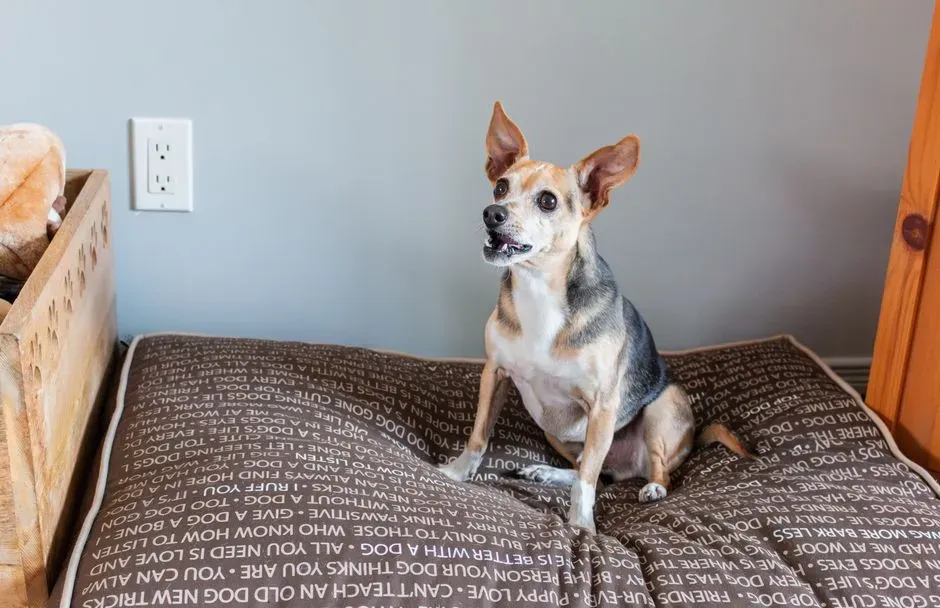
Your dog circles the bed three times, and nobody has definitively proven why.
The popular theories sound reasonable. Dogs may be flattening grass, checking for pests, or arranging a sleeping spot. Some suggest it’s an instinct inherited from wild ancestors. They’re hypotheses, not settled facts, which makes this a rare case where your dog’s habit has outlasted the experts.
Scent may also play a part. Dogs have scent glands between their paw pads, so pawing and turning at a bed may leave a personal signature. It’s one plausible reason a dog “makes the bed” before settling.
Normal circling is brief. Persistent or compulsive circling, or sudden changes in the pattern, deserve a vet visit. Pain, neurological issues, or age-related cognitive changes can sometimes show up this way.
Before your dog gets there, though, there’s one trip nobody can skip…
#3 – The Last Call
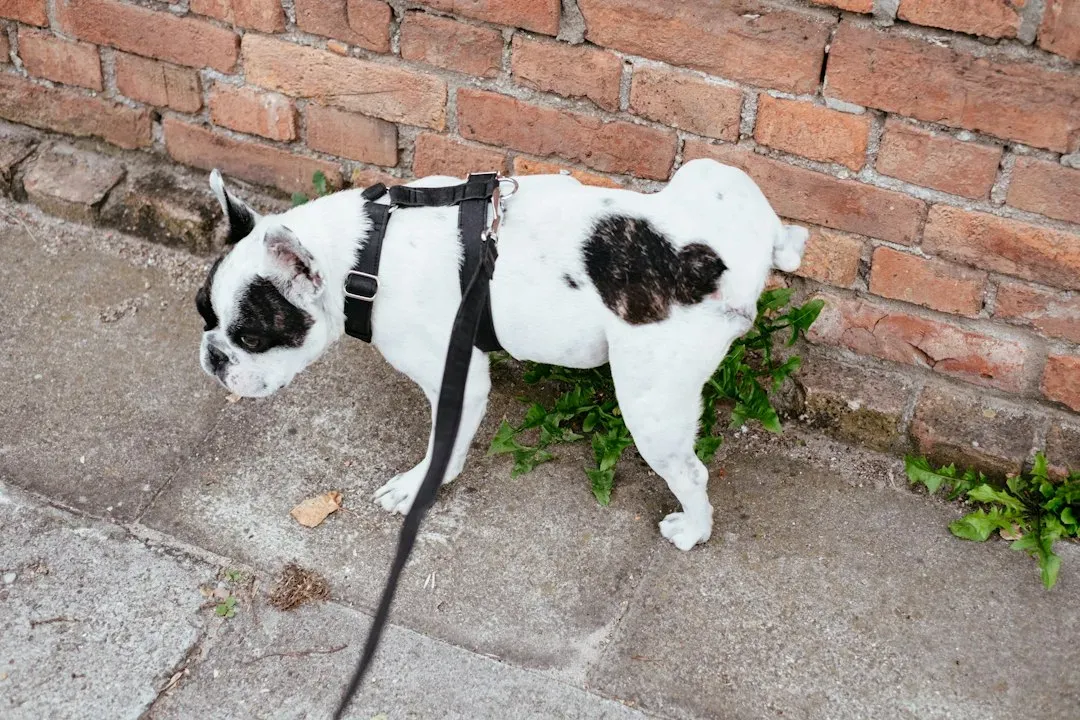
The final bathroom break is the one that decides whether your night is peaceful.
Most adult dogs do best with several outings a day, and the last one before bed matters. For puppies, a common rule of thumb is roughly one hour of bladder control per month of age, up to a limit. That means a three-month-old may need a break far sooner than owners expect.
Dogs thrive on predictability. A consistent final trip gives your dog a clear signal that the day is ending. It also cuts the 3 a.m. whining that so many owners assume is “just a phase.”
Skipping it is the classic mistake. A rushed or forgotten last call often leads to restless nights for everyone.
The next ritual sparks the biggest household arguments of all…
#2 – The Bedroom Question
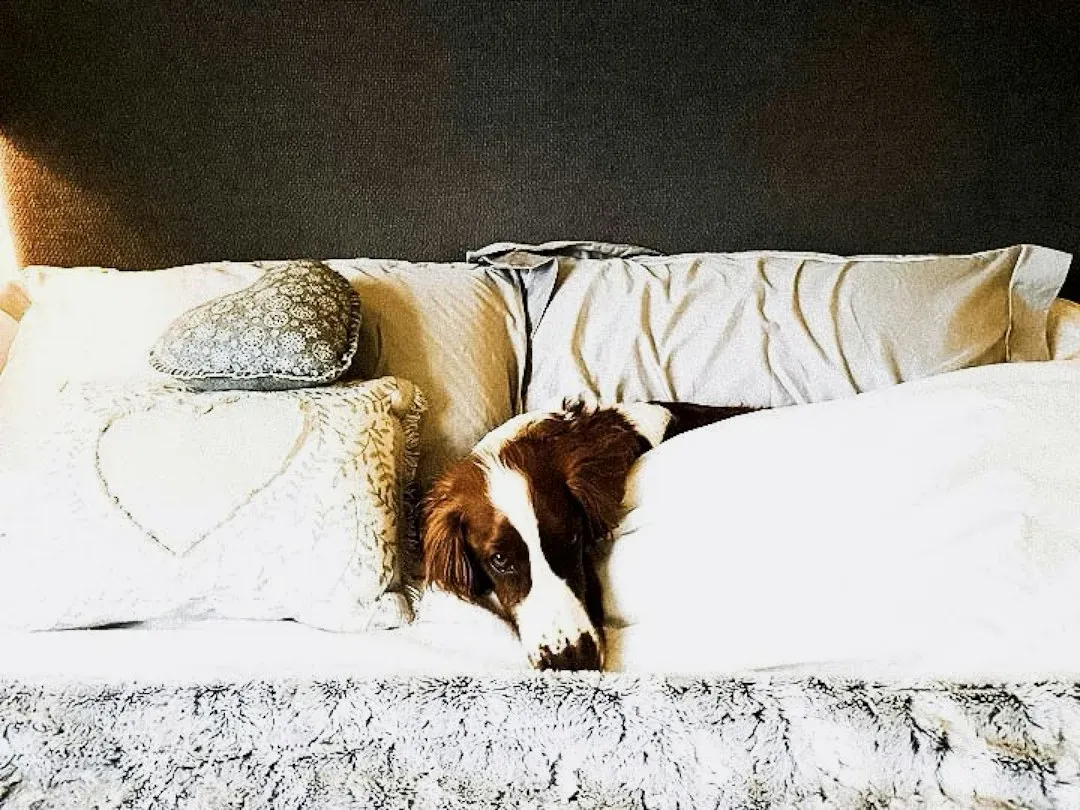
Where your dog sleeps is the most argued-over part of the evening.
Dogs are social sleepers, and most prefer to be near their people. Adult dogs sleep a large part of the day, and the night is only part of that. They’ll often choose the spot closest to you if allowed.
A small 2017 Mayo Clinic study of healthy adults found that a dog in the bedroom didn’t appear to disturb sleep much, though a dog on the bed was linked to slightly lower sleep efficiency. It was a small sample, so treat it as a hint rather than a verdict.
Experts split on the rest. Allergies, hygiene, space, and resource guarding are the main arguments against. The case for is companionship and comfort.
- If your dog guards the bed, get professional advice.
- If you wake up exhausted, try a bed on the floor nearby.

PetSafe Oasys Pet Fountain, 1/2 Gallon (64 oz), Small Dogs & Cats
Check Price on AmazonAs an Amazon Associate, we earn from qualifying purchases.
10/8/2026 8:14 am GMTi

Halloween Cat Costume Cloak Witch Hat Pet Accessories
Check Price on AmazonAs an Amazon Associate, we earn from qualifying purchases.
10/9/2026 2:44 pm GMTi

Professional 7 in 1 Dog Paw Cleaner for Dogs & Cats - Includes 1 Portable Paw Washer, 1 Bath Brush
Check Price on AmazonAs an Amazon Associate, we earn from qualifying purchases.
10/7/2026 1:26 pm GMTi

Hand Blown Glass Hummingbird Feeders for Outdoors Hanging, 24oz Wild Bird Nectar Feeder
Check Price on AmazonAs an Amazon Associate, we earn from qualifying purchases.
10/7/2026 1:23 pm GMTi
At a Glance
- Dog bed in your room: closeness without sharing the mattress, and a good fit for light sleepers.
- Dog on your bed: maximum cuddle time, with a possible small cost to sleep quality.
- Dog in another room: the quietest option for allergies or restless sleepers, but some dogs fuss at first.
Both setups can work. What matters is that you actually choose one and stay consistent.
But the strongest ritual of the evening is the one you probably don’t even notice…
#1 – The Quiet Connection
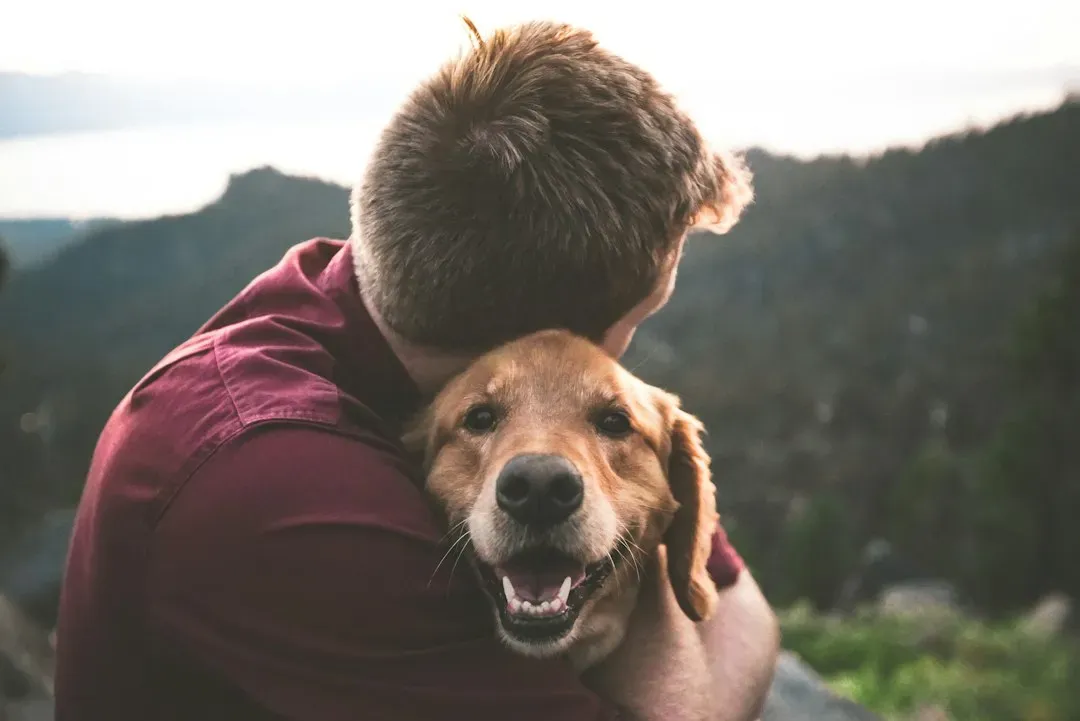
The ritual your dog can’t give up is the one where nothing is happening.
It’s the couch time: the head on your knee, the long stare, the slow exhale. In a 2015 study published in Science, mutual gazing between dogs and owners was linked to rising oxytocin levels in both. Oxytocin is a hormone associated with bonding.
Dogs also seem to have adapted to this. A 2019 study found dogs raise their inner eyebrows more than wolves do. An earlier shelter study found that dogs that did it more were rehomed faster. That expression may tug at human caregiving instincts.
Does that mean your dog is manipulating you? Not exactly. It suggests that thousands of years of living together have shaped a shared language of looks and touch.
Here’s our blunt take: the walk and the dinner bowl get all the credit, but the quiet connection is the part owners skip most and dogs miss most. Ten undistracted minutes beats an hour of scrolling beside a dog who’s been waiting all day.
Dogs don’t demand routine to be difficult. They demand it because predictability is how they feel safe. Keep the sniffy walk, count the treats, and watch the bloat signs. Skip the guilt over a messy bed debate, because both answers can work.
Which evening ritual do you refuse to skip, and which one do you think is overrated?

- 15 Dog Breeds That Look Perfect on Paper But Consistently Break Their Owners’ Hearts - November 11, 2026
- How Do Animals Navigate Without GPS? The Secrets of Their Internal Compass - November 11, 2026
- How Beavers Are Naturally Restoring Wetlands and Preventing Flooding - November 11, 2026