


Snakes are fascinating creatures that play vital roles in our ecosystems, but finding one unexpectedly on your property can be alarming. While many snakes are harmless and even beneficial by controlling rodent populations, it’s important to be aware of their presence, especially if venomous species inhabit your region. Recognizing the subtle signs that indicate snake activity around your home can help you take appropriate precautions and coexist safely with these reptiles. Whether you live in a rural area where snake encounters are common or an urban setting where they’re rare, knowing what to look for can provide peace of mind and prevent unwelcome surprises.
Shed Snake Skins

Perhaps the most obvious indication of snake presence is finding shed skin. Snakes periodically shed their entire skin (a process called ecdysis) as they grow, typically leaving behind a translucent, papery cast of themselves. These sheddings often appear inside or near potential snake habitats such as woodpiles, garden sheds, or under porches. The shed skin will be thin and delicate, often appearing inside-out with a distinctive pattern matching the snake species that left it behind.
A complete shed skin can help you identify what type of snake is nearby, as the scale pattern, size, and shape remain intact. The head portion of the shed will often be more detailed, sometimes including eye caps. If you find shed skin, take a photo and consult with local wildlife experts for identification, especially if you’re concerned about venomous species. Fresh sheddings indicate recent snake activity, while brittle or fragmented sheddings may be older.
Slither Tracks in Dust or Dirt
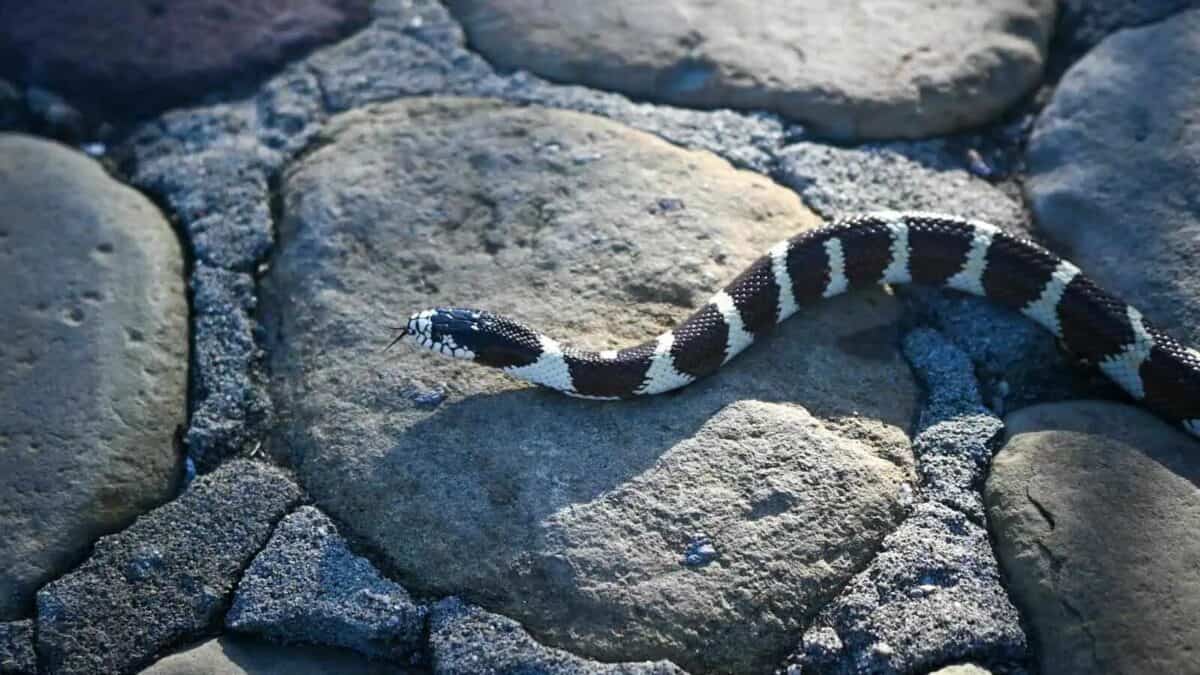
Snakes leave distinctive track patterns as they move across dusty or sandy surfaces. Unlike the footprints of mammals or lizards, snake tracks appear as continuous, wavy lines or S-shaped patterns in dirt, dust, or sand. These tracks are created by the snake’s lateral undulation movement pattern, where they push against irregularities in the ground surface. In fine dust or sand, you might even notice the impression of the snake’s belly scales (called scutes) that create a series of parallel marks perpendicular to the direction of travel.
Areas to check for these telltale tracks include dusty garage floors, basement corners, garden paths, or any sandy areas around your property. Fresh tracks with crisp edges indicate recent activity, while older tracks may appear weathered or partially erased. The width of the track can also give you a rough estimate of the snake’s size – wider tracks generally indicate larger snakes. Photographing these tracks can help with identification if you need to consult with wildlife experts.
Unusual Pet Behavior

Your pets often detect snakes before you do. Dogs and cats have heightened senses that allow them to notice the presence of snakes through smell, sound, or movement. If your normally calm pet suddenly becomes agitated, fixated on a particular area, barks persistently at seemingly nothing, or refuses to enter certain spaces they previously frequented, they may be responding to a snake’s presence. Cats might display hunting behavior – crouching low, tail twitching, and intensely focusing on a specific spot like a woodpile or dense vegetation.
Dogs may bark with a distinctive tone or pattern different from their usual alerts. They might also display caution by approaching an area slowly with their head low, sniffing intensely, or even pawing at the ground or structure where they sense something unusual. Pay special attention if multiple pets exhibit similar behavior focused on the same area. Never allow your pets to investigate potential snake hiding spots, as this could lead to dangerous encounters, especially with venomous species.
Mysterious Disappearance of Small Pets
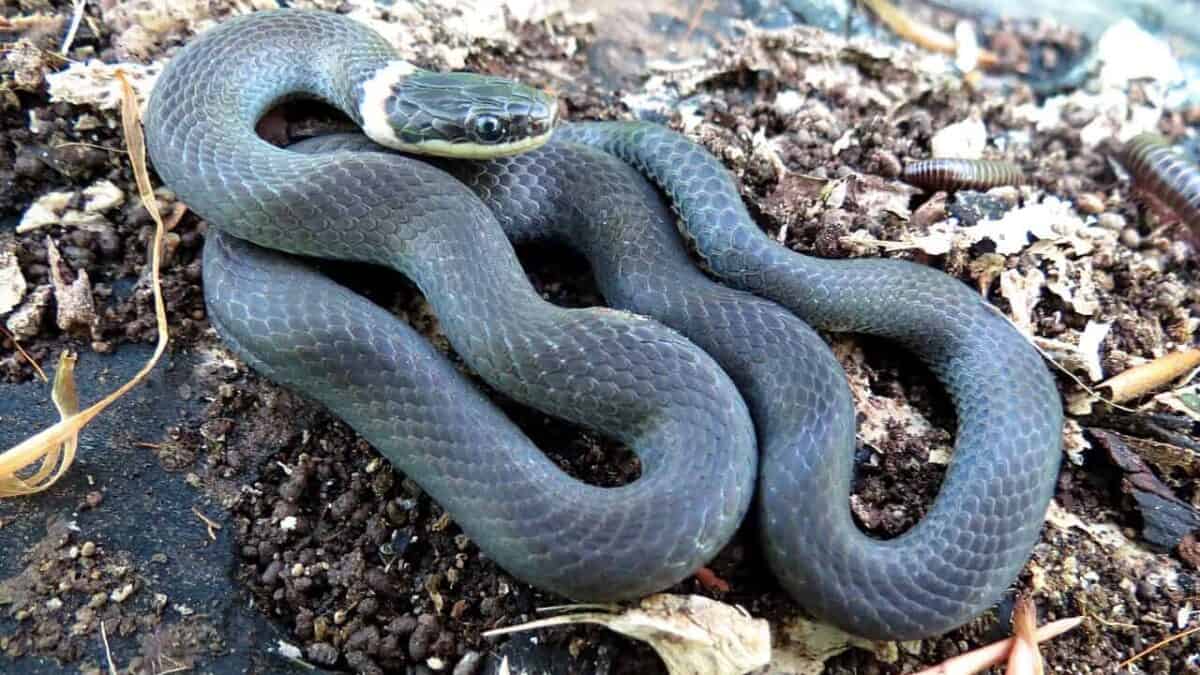
If small pets such as hamsters, guinea pigs, baby rabbits, or birds unexpectedly disappear from outdoor enclosures or coops, a snake could be the culprit – particularly if there’s no sign of forced entry or struggle. Larger snake species like pythons, boas, or rat snakes are capable of consuming prey several times the diameter of their own bodies. They can squeeze through surprisingly small openings and leave little evidence of their visit beyond a missing animal. Unlike mammalian predators that might leave behind blood or scattered feathers, snakes typically consume their prey whole.
Check enclosures for small gaps or holes that might allow snake entry. If you suspect snake predation, look for signs such as unusual bulges in wire mesh, disturbed bedding, or snake droppings nearby. Installing hardware cloth with smaller openings than typical chicken wire and ensuring that all enclosures have secure lids or tops can help protect small pets from snake predation. Motion-activated cameras can also help identify nighttime visitors if disappearances continue.
Snake Droppings

Snake droppings (also called scat) can be difficult to distinguish from the droppings of other animals, but they do have some characteristic features. Snake excrement typically consists of dark, tubular droppings with a white or light-colored portion at one end. This white portion is uric acid, the snake’s equivalent of urine, which appears as a chalky or pasty substance. Fresh snake droppings are usually dark brown or black and have a moist, glossy appearance, while older droppings dry out and become more brittle.
The size of the droppings corresponds to the size of the snake – larger snakes produce larger scat. Snake droppings often contain undigested parts of prey animals, such as fur, feathers, bones, or scales, which can help distinguish them from other animal waste. You’re most likely to find these droppings near snake resting or basking locations, along travel routes, or near water sources. If you regularly find such droppings in or around your home, it suggests repeated visits or residence by one or more snakes.
Unusual Holes in the Garden

While snakes don’t dig their own holes, they readily occupy abandoned burrows created by rodents, toads, or other burrowing animals. These repurposed holes may show signs of recent use, such as disturbed soil around the entrance or smoothed edges from a snake’s body sliding in and out. Snake-occupied burrows typically measure between 1-3 inches in diameter, depending on the snake’s size, and may be located in sunny areas where the ground warms quickly. You might notice these holes along foundations, under sheds, near water sources, or in garden beds.
One distinguishing feature of snake-occupied holes is the lack of excavated soil piles that would typically be present with actively digging animals. Instead, the entrance often appears smooth and compacted from the snake’s movement. Multiple holes in close proximity might indicate a network of tunnels being used by snakes for shelter, particularly during hot summer days or cold nights. Exercise caution when investigating these holes, and never reach inside without proper protection, especially in regions with venomous snake species.
Decreased Rodent Activity
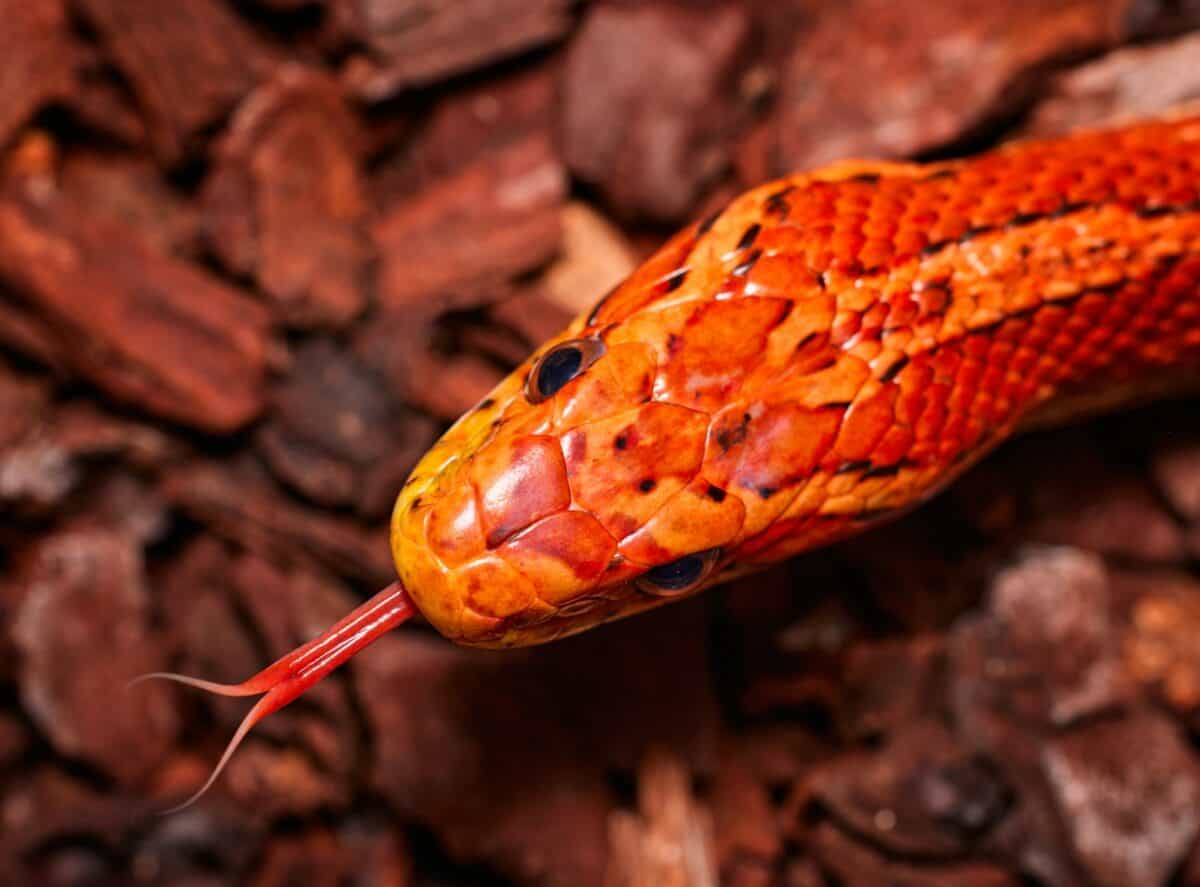
A sudden reduction in visible rodent activity around your property could indicate the presence of a predator like a snake. Snakes are efficient rodent controllers, with many species specializing in hunting mice, rats, voles, and other small mammals. If you previously noticed signs of rodents such as droppings, gnawed items, or scurrying sounds in walls or attics that have mysteriously stopped, a snake may have moved in and begun hunting the population. This natural form of pest control can actually be beneficial, though having a snake inside your home may not be desirable.
This sign is particularly notable if the decrease in rodent activity occurs without any changes to your rodent control methods. Rodents can sense the presence of predators through chemical cues and will often alter their behavior or abandon areas where snakes are hunting. While a reduction in pest species might seem like a positive development, it’s important to identify what’s causing the change, especially if you have small children or pets who could accidentally encounter a snake. Professional pest control services can help determine whether snakes or other factors are responsible for the decline in rodent activity.
Rustling Sounds in Dense Vegetation
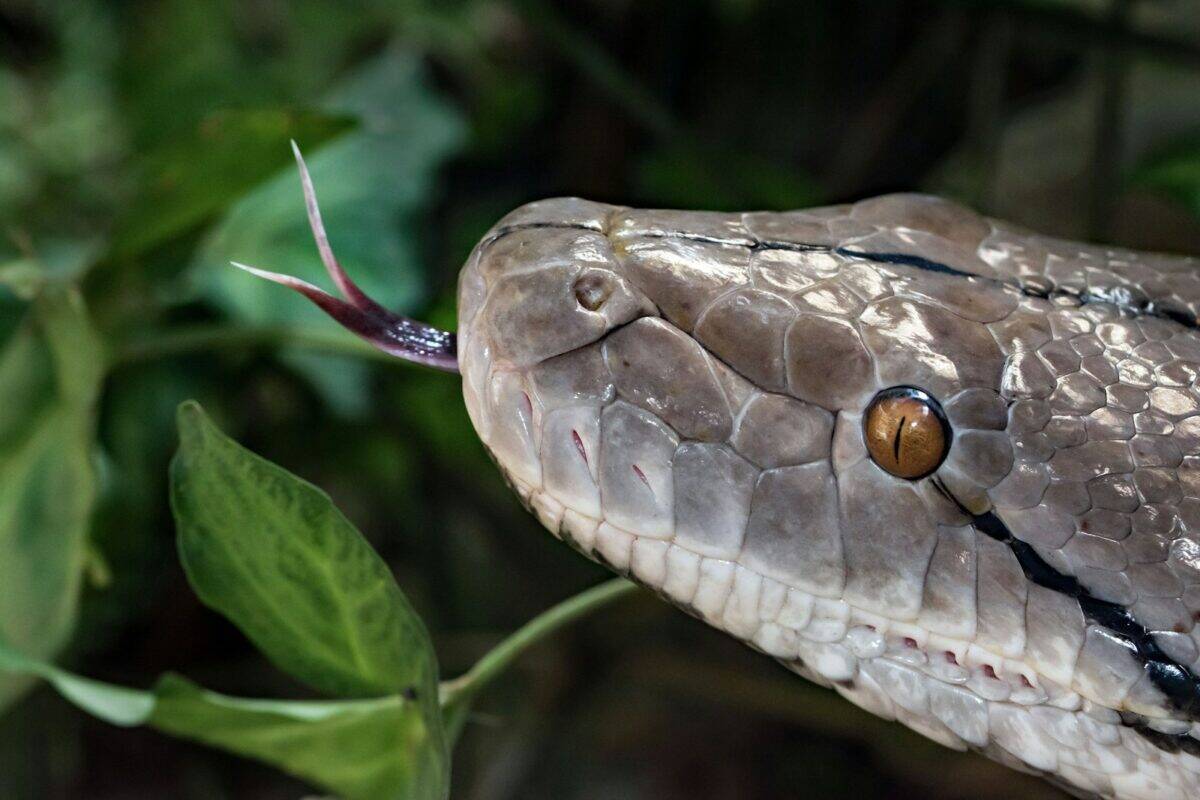
Snakes moving through leaf litter, tall grass, or dense ground cover create distinctive rustling sounds different from those made by mammals or birds. The sound is typically more fluid and continuous than the stop-and-start movement patterns of rodents or the hopping of birds. This rustling may be accompanied by a subtle sliding noise as the snake’s scales move against plant material. The sound is often most noticeable during warm mornings or evenings when snakes are most active, particularly in spring and summer months during breeding season.
Areas with thick ground cover like ivy, periwinkle, pachysandra, or overgrown grass provide ideal hunting grounds for snakes pursuing mice, lizards, or insects. If you repeatedly hear mysterious rustling from these areas without glimpsing the source, it could indicate snake activity. Southern and southwestern regions with longer active seasons for snakes may experience these sounds more frequently throughout the year. Creating a buffer zone of short grass or gravel around your home’s foundation can reduce this dense cover near your house and make these areas less attractive to snakes.
Bird Alarm Calls

Birds are highly vigilant creatures that will often sound specific alarm calls when they detect predators, including snakes. If you notice birds making repetitive, high-pitched, or agitated calls while focusing on a particular area of your yard or garden, they may have spotted a snake. This behavior is especially common near nesting sites, as birds become particularly defensive when protecting eggs or young. Species like mockingbirds, blue jays, and robins are known for their bold mobbing behavior, where multiple birds will gather and vocalize loudly to harass a predator.
This avian alarm system can serve as an early warning for human residents. Pay attention to the direction and focus of the birds’ attention – they typically perch above or near the threat, making short diving motions or hopping agitatedly around a specific location. If you notice such behavior, carefully inspect the area from a safe distance, checking common snake hiding spots like rock piles, dense shrubs, or low-hanging branches. Binoculars can be helpful for observing what’s causing the disturbance without approaching too closely.
Basking Spots With Regular Activity

As ectothermic (cold-blooded) animals, snakes need to regulate their body temperature by moving between sun and shade. Regular snake visitors will establish favorite basking locations that offer both warmth and quick escape routes. These spots are typically flat rocks, concrete slabs, garden borders, or sun-warmed dirt areas that receive morning or late afternoon sunlight. You might notice subtle signs of repeated use, such as small depressions in soil or sand, or areas where vegetation has been slightly flattened by a snake’s body weight.
Snakes prefer basking locations that provide security, so look for spots that offer cover nearby – perhaps adjacent to tall grass, shrubs, rock piles, or structural features that provide quick retreat options. Some species have strong site fidelity, returning to the same basking locations day after day. If you regularly see a snake in the same location, it likely lives nearby rather than just passing through. Consider installing motion-activated wildlife cameras aimed at suspected basking spots to document activity patterns without disturbing the animals.
Eggs in Unusual Places

Finding snake eggs can be a clear indication that snakes are not only visiting but breeding near your home. Snake eggs differ from bird eggs in several ways – they typically have a leathery, pliable shell rather than a hard one, are more oblong or elongated in shape, and are usually deposited in hidden, protected locations rather than in constructed nests. Common egg-laying sites include compost piles, mulch beds, rotting logs, deep leaf litter, or loose soil in protected areas. The eggs are typically white to off-white in color and may be stuck together in a cluster.
Not all snakes lay eggs – many species, particularly those in cooler climates, give birth to live young. In North America, common egg-laying snakes include rat snakes, king snakes, grass snakes, and most colubrids. Vipers like rattlesnakes and copperheads typically bear live young. If you discover snake eggs, it’s best not to disturb them, as they pose no threat. However, their presence indicates that adult snakes are actively using your property for reproduction, suggesting established habitat rather than occasional visits. Documenting the location and, if possible, taking photos can help with identification if you consult wildlife specialists.
Distinct Musky Odor

Some snake species emit a distinctive musky odor, particularly when they feel threatened or stressed. This smell, often described as musty or somewhat skunk-like but less intense, serves as a defensive mechanism and can linger in enclosed spaces where snakes have recently been present. You might notice this odor in garden sheds, crawl spaces, basements, or garages that have snake visitors. The smell tends to be strongest in confined areas with limited air circulation and may be more noticeable during warm weather when snakes are more active.
Certain species, like garter snakes and water snakes, are particularly known for their musky defensive odor. If you detect an unusual, persistent smell that doesn’t have an obvious source, it could indicate a snake’s den or frequent resting place. This odor may also be present around areas where multiple snakes gather, such as winter hibernation spots (hibernacula) or communal shedding areas. While not dangerous, this distinctive smell can help you identify areas of your property that may need closer inspection if you’re concerned about snake activity.
Water Sources With Regular Visitors

Snakes, like all animals, need water to survive, making water features and moisture-rich areas on your property particularly attractive to them. Bird baths, decorative ponds, pools, leaky outdoor faucets, and even pet water dishes can serve as drinking sources for snakes. You might notice subtle signs of visitation such as small tracks leading to and from water, disturbances in algae or surface debris, or even direct sightings during dawn or dusk hours when many snake species are most active. Water snakes and garter snakes are particularly drawn to aquatic environments, but most snake species will seek out reliable water sources.
Areas with consistent moisture also attract amphibians, insects, and small mammals – all potential prey for different snake species – creating a complete food web that supports snake populations. If you have irrigation systems, check for leaks or puddles that might be creating unintentional water sources. While water features can be valuable for wildlife, placing them further from the house and keeping the surrounding area well-maintained with short vegetation can help discourage snakes from venturing too close to living spaces. Remember that completely eliminating water sources isn’t practical or environmentally friendly; instead, managing their placement and surrounding habitat is the best approach.
Direct Sightings

The most obvious sign of snake presence is, of course, actually seeing one. Even a single sighting suggests that suitable habitat exists nearby, as snakes typically don’t venture far from shelter. If you spot a snake once, there’s a good chance it lives on or near your property rather than just passing through. Pay attention to when and where the sighting occurs – snakes are creatures of habit and often use the same travel routes and basking spots repeatedly. Morning sightings in sunny areas or evening appearances near warm surfaces like rocks or pavement that retained heat from the day are common patterns.
If possible, try to identify the species from a safe distance – using binoculars or taking a photo can help with later identification without disturbing the animal. Most snakes in residential areas are non-venomous and beneficial for controlling rodent populations. Learning to recognize the few venomous species in your region is valuable knowledge. Note that juvenile venomous snakes can look quite different from adults of the same species. Keep records of sightings, including date, time, location, and behavior, which can help establish patterns and identify potential denning sites if multiple sightings occur.
Rattling or Hissing Sounds
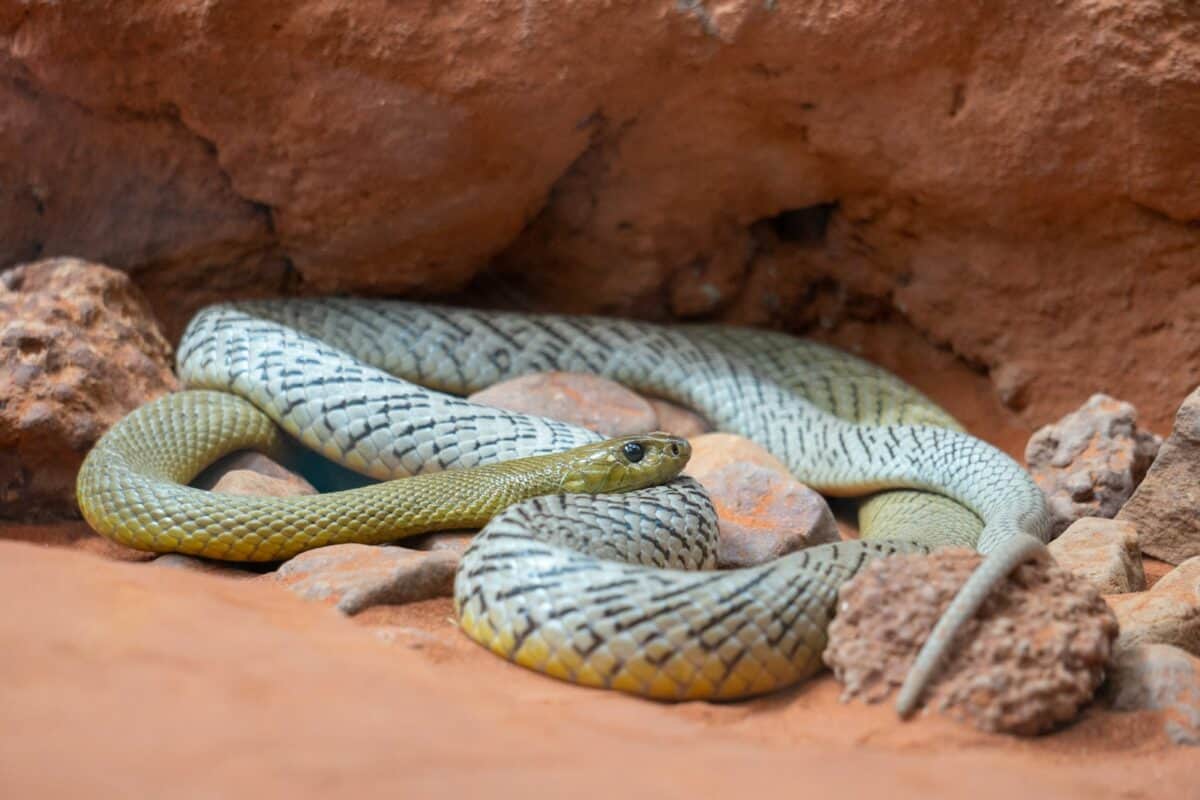
Audible warning signals like rattling, hissing, or the rapid vibration of a tail against dry leaves are defensive communications from snakes that feel threatened. The distinctive buzz of a rattlesnake’s rattle is unmistakable and serves as a clear warning to keep your distance. However, many non-venomous snakes will also vibrate their tails when threatened, creating a buzzing sound if their tail contacts dry leaves or debris.
Conclusion

Snakes are an important part of the natural ecosystem, but having one too close to home can be unsettling—especially if you’re unsure whether it poses a threat. By recognizing the signs outlined in this article—from shed skins and slither tracks to rustling vegetation and musky odors—you can better assess whether a snake may be living nearby. Understanding their behavior allows you to take proactive steps to minimize encounters, protect pets, and maintain a safe living environment. If you suspect a snake presence and are unsure how to handle it, always consult with local wildlife or pest control professionals to ensure both your safety and the snake’s humane treatment.

As a little kid, I fell in love with nature, wildlife, and animals. Living in the USA, South Africa, Italy, China and Germany gave me the opportunity to discover the world's Wildlife. My favorite animals are Mountain Gorillas, Siberian Tigers, and Great White Sharks.
I'm a certified PADI Open Water Diver, went to Everest Base Camp and Trekked Gorillas in Uganda. I hold a Master of Science in Economics and Finance.
Please send any feedback to feedback@animalsaroundtheglobe.com