


When most people think of snakes, they often conjure images of dangerous, venomous creatures ready to strike. However, the reptile world is full of snake species that, despite their intimidating appearance, are harmless, docile, and even make wonderful pets. These misunderstood creatures often suffer from undeserved reputations based on their appearance rather than their actual behavior. Understanding which snakes pose minimal threat to humans can help ease fears and foster appreciation for these fascinating animals. In this article, we’ll explore 15 snake species that look more frightening than they are, highlighting their gentle temperaments, non-venomous nature, or minimal danger to humans.
15. Corn Snake (Pantherophis guttatus)
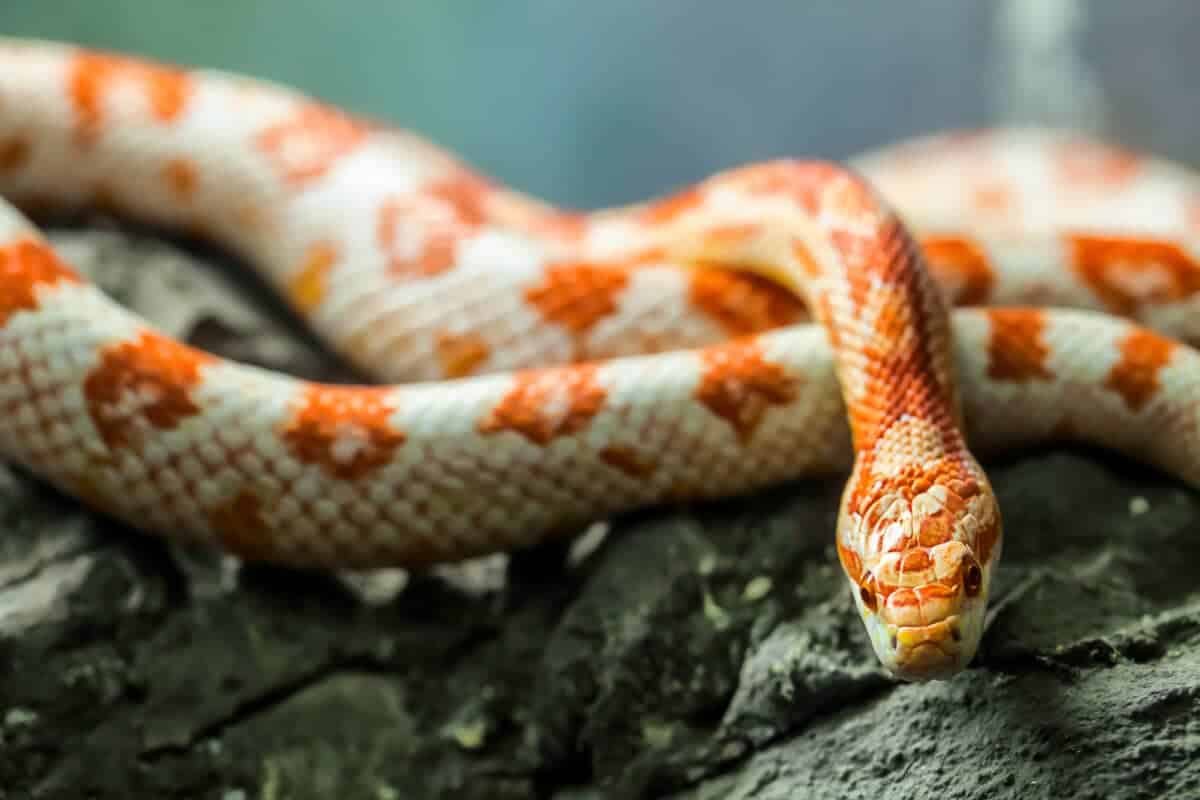
The vibrant orange and red patterns of corn snakes can sometimes be mistaken for the venomous copperhead, causing unnecessary fear. In reality, corn snakes are completely non-venomous and are known for their docile, calm temperaments. Native to the southeastern United States, these constrictors typically grow to 3-5 feet in length and primarily feed on rodents, helping control pest populations. Their beginner-friendly nature has made them one of the most popular pet snakes in the world. Corn snakes rarely bite, even when startled, preferring to flee rather than confront perceived threats. Their striking appearance belies their gentle disposition, making them excellent ambassadors for changing perceptions about snakes.
14. Ball Python (Python regius)

Despite their intimidating python classification, ball pythons are among the gentlest large snakes in the world. Named for their defensive behavior of curling into a ball when threatened (rather than striking), these West African natives rarely exceed 5 feet in length. Their muscular build and distinct patterns can appear formidable, but ball pythons are non-venomous and known for their remarkably calm temperament. In the wild, they prey on small mammals using constriction, but captive specimens often become so accustomed to handling that they show little to no defensive behavior. Their manageable size, docile nature, and stunning color morphs have made them the most popular pet python globally, with some enthusiasts describing their personalities as almost “puppy-like” in their tolerance for gentle handling.
13. Hognose Snake (Heterodon species)

Hognose snakes, particularly the Eastern and Western varieties, are masters of intimidation despite being mostly harmless. When threatened, they flatten their necks like cobras, hiss loudly, and may even perform dramatic “death rolls” before playing dead with their mouths open and tongues hanging out. This theatrical display often frightens humans, but it’s all bluff. While they do possess rear fangs and mild venom used to subdue their prey (primarily toads and frogs), this venom is virtually harmless to humans, causing at most mild irritation similar to a bee sting in the rare cases of allergic individuals. Their upturned snout, which gives them their name, and stout bodies create a somewhat fierce appearance, but these snakes typically max out at 2-3 feet long and are known for their curious, almost comical personalities in captivity.
12. Kingsnakes (Lampropeltis species)
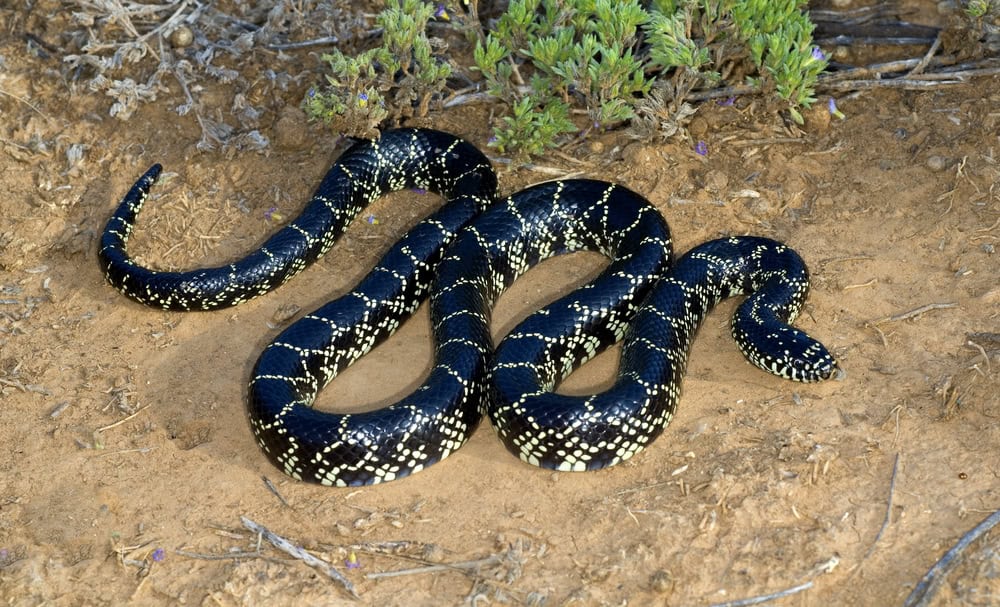
Many kingsnake species, particularly the scarlet kingsnake and the common kingsnake, have evolved to mimic the warning coloration of coral snakes with their bright bands of red, black, and yellow/white. This mimicry often causes people to fear them, but the old rhyme “red touch yellow, kill a fellow; red touch black, friend of Jack” helps distinguish the harmless kingsnakes from their venomous lookalikes. Beyond their misleading appearance, kingsnakes are completely non-venomous and generally docile when handled. They’re named “king” for their impressive ability to prey on other snakes, including venomous species, as they possess a natural immunity to the venom of pit vipers. Reaching lengths of 3-6 feet, depending on the species, these constrictors make excellent pest controllers and adaptable pets that rarely display aggressive behavior toward humans.
11. Garter Snake (Thamnophis species)

Often the first snake many North Americans encounter in the wild, garter snakes can cause quite a startle when stumbled upon in gardens or yards. Their quick movements and distinctive stripes sometimes trigger fear responses, but these small snakes (usually 2-3 feet long) are among the most harmless serpents you can encounter. While technically mildly venomous, their toxin is extremely weak and delivered through chewing rather than injection, making them effectively harmless to humans. Garter snakes primarily feed on earthworms, amphibians, and small fish. They’re known for their adaptability to various environments and their tendency to gather in large numbers during hibernation. Though they might release a musky-smelling secretion when handled and occasionally deliver a painless nip if stressed, garter snakes are gentle creatures that pose no threat to humans.
10. Rosy Boa (Lichanura trivirgata)
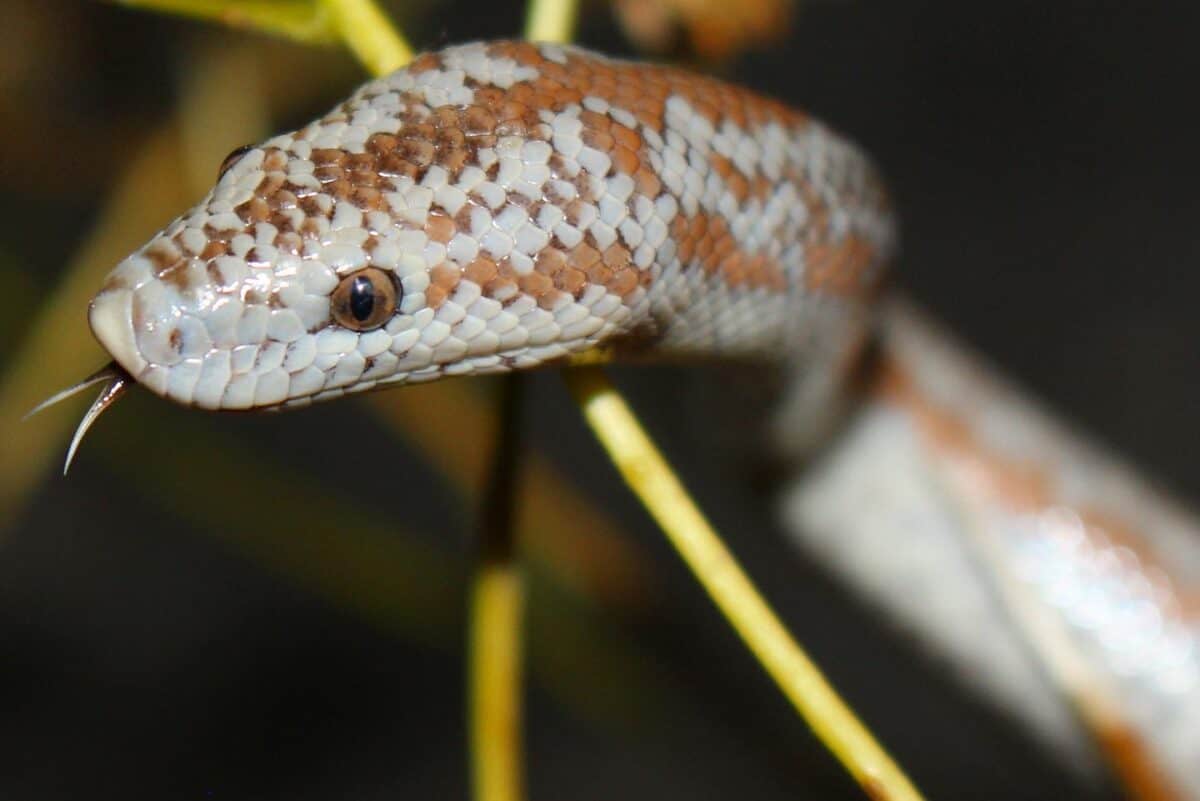
The rosy boa’s thick, muscular body might initially appear intimidating to those unfamiliar with snakes, as its build resembles that of larger, more powerful constrictors. However, these beautiful snakes, native to the southwestern United States and Mexico, rarely grow beyond 3 feet in length and possess one of the most placid temperaments in the snake world. They’re completely non-venomous and so gentle that bites are extremely rare, even when handled by beginners. Rosy boas are slow-moving, deliberate creatures that show none of the quick, startling movements that often trigger fear responses in humans. Their beautiful coloration, featuring three longitudinal stripes in combinations of tan, brown, orange, or gray, makes them aesthetically pleasing once one moves past the initial intimidation of their constrictor-like appearance. Their longevity (20+ years in captivity) and gentle nature have made them increasingly popular as pets.
9. Rat Snakes (Pantherophis species)

The various rat snake species, including black rat snakes and Texas rat snakes, can cause alarm due to their considerable size (often reaching 5-7 feet) and their tendency to vibrate their tails against leaves when threatened, mimicking a rattlesnake. Their large size and defensive posturing, which can include raising the front portion of their bodies and flattening their heads, often appears threatening. However, these non-venomous constrictors are primarily interested in rodents, not humans. While they may bite if cornered or handled roughly, their bites cause no serious harm beyond minor scratches. Rat snakes are exceptional climbers that can be found in trees, barns, and occasionally attics, where they provide valuable rodent control. In many rural areas, they’re considered beneficial “mouse traps” rather than threats. With regular handling, captive specimens typically become quite tame and tolerant of human interaction.
8. Rubber Boa (Charina bottae)

The rubber boa’s name comes from its smooth, glossy scales and uniform tan to olive-brown coloration that gives it a somewhat artificial, rubber-like appearance. This small member of the boa family (typically under 2.5 feet long) lives in the western United States and has a blunt tail that resembles its head, sometimes causing confusion about which end is which—a defensive adaptation that can appear odd or concerning to humans unfamiliar with the species. Despite being a true boa constrictor, the rubber boa is incredibly docile, rarely attempting to bite even when handled extensively. Their slow movements and tendency to curl up in a ball when threatened rather than striking make them among the most gentle snakes in North America. They primarily feed on small rodents and reptile eggs, constricting their prey despite their small size. Their unassuming nature and gentle temperament make them excellent educational animals for helping people overcome ophidiophobia (fear of snakes).
7. Children’s Python (Antaresia children)
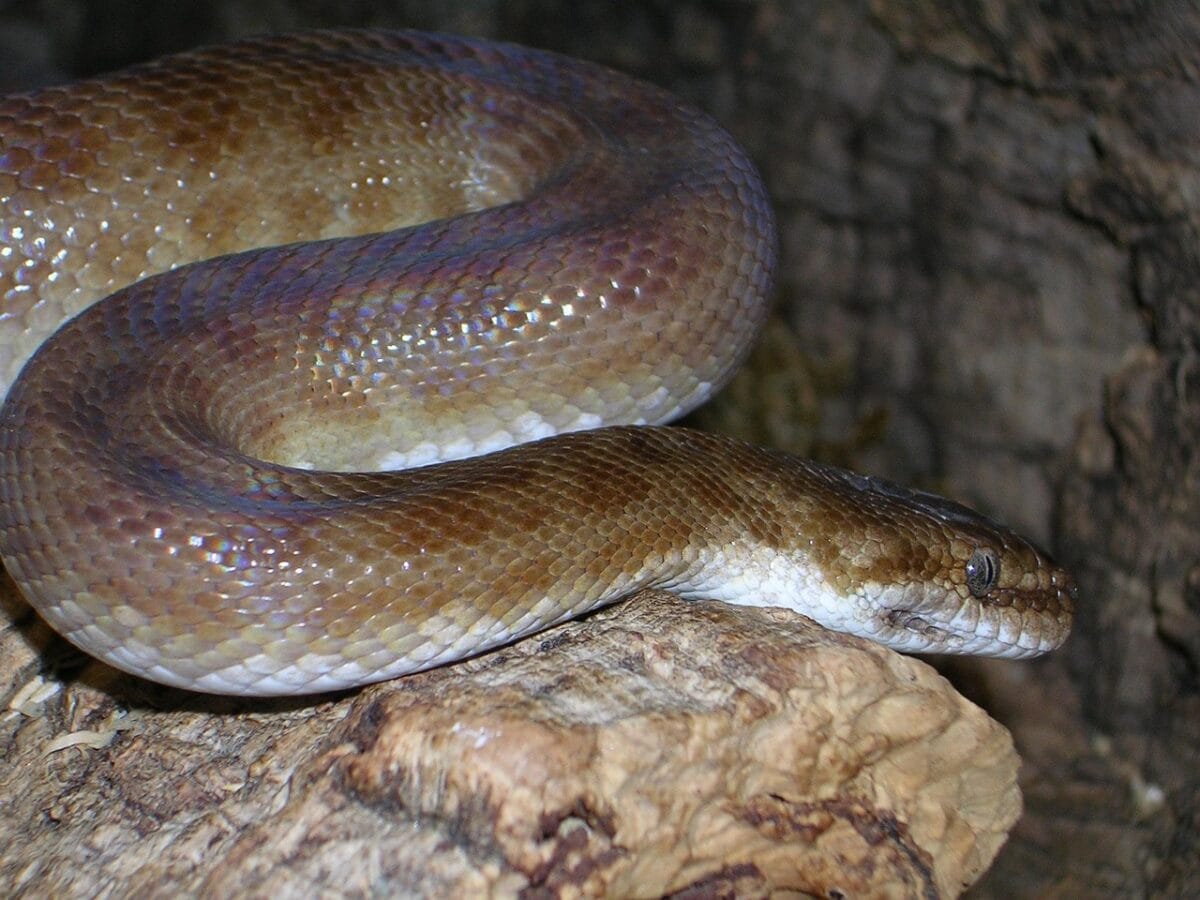
Despite its intimidating “python” classification, the Children’s python (named after John George Children, a British zoologist, not because it’s suitable for children, though it is) is a small, gentle species that rarely exceeds 3 feet in length. Native to Australia, these constrictors have a pattern and coloration that can appear similar to some venomous species at first glance, with tan to reddish-brown bodies marked with darker blotches. However, they’re completely non-venomous and known for their placid temperaments. Children’s pythons rarely bite, even when startled, and quickly become accustomed to handling. Their small size and moderate temperature requirements make them increasingly popular as beginner pet snakes. In the wild, they primarily hunt small mammals and reptiles but pose absolutely no threat to humans. Their relatively small enclosure needs and infrequent feeding requirements (once every 7-10 days) add to their appeal as manageable serpents for those looking to overcome snake-related fears.
6. Milk Snake (Lampropeltis triangulum)
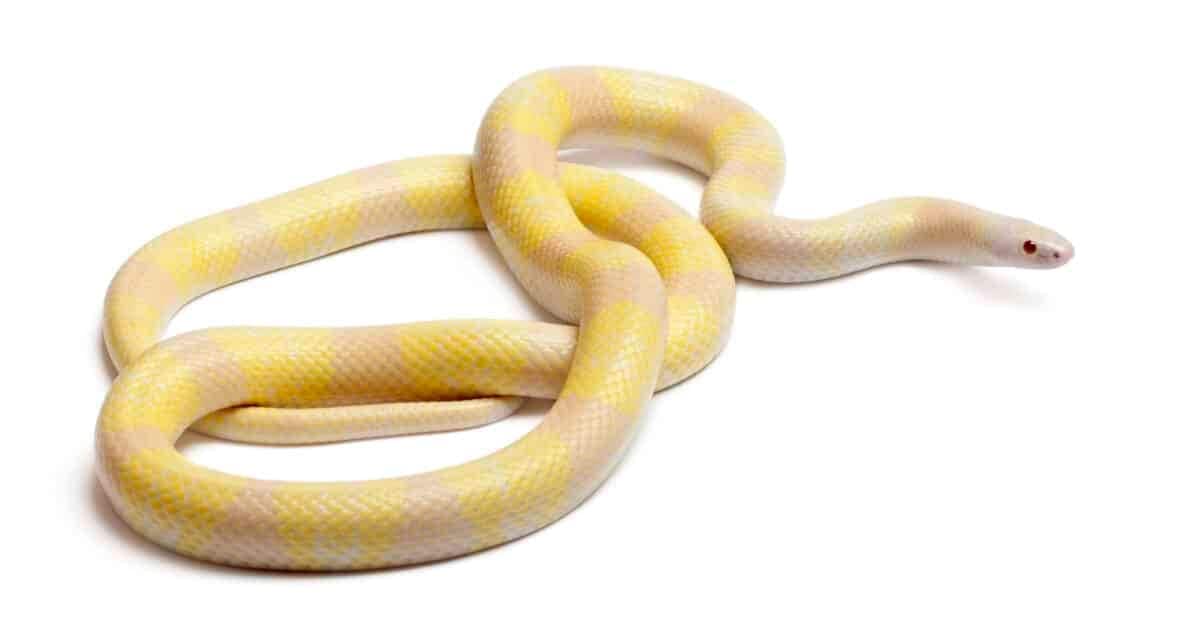
Perhaps one of the most dramatically misunderstood snakes, milk snakes are non-venomous colubrids that have evolved to mimic the warning coloration of venomous coral snakes. This mimicry, featuring vibrant bands of red, black, and white or yellow, often causes unnecessary fear. The old rhyme about band order (“red touch black, venom lack; red touch yellow, kill a fellow”) helps distinguish these harmless beauties from their venomous lookalikes. Milk snakes got their unusual name from an old farmer’s myth that they would drink milk from cows—a completely false notion, as they help farmers by consuming rodents that might contaminate milk supplies. Growing to about 2-5 feet, depending on the subspecies, milk snakes are constrictors with generally calm dispositions that rarely bite unless severely provoked. Their stunning coloration, which varies widely across their numerous subspecies, makes them popular in the pet trade, where their docile nature becomes apparent with regular handling.
5. Sand Boa (Eryx species)

Sand boas, particularly the Kenyan and Egyptian varieties, feature stout bodies and blunt heads that can give them a somewhat menacing appearance despite their small size (typically 1.5-3 feet). These true boas are constrictors that spend much of their time burrowed in sand or loose soil, with only their eyes and nostrils exposed as they wait for prey. Their ambush hunting style might seem intimidating, but these snakes are completely non-venomous and remarkably gentle with humans. Their defensive displays rarely include biting; instead, they typically ball up or attempt to bury themselves when threatened. Kenyan sand boas have become particularly popular in the pet trade due to their manageable size, simple care requirements, and surprisingly calm demeanor. Their unique appearance, with eyes positioned on top of their heads to allow for vision while mostly buried, gives them a distinctive look that snake enthusiasts find endearing rather than frightening once they become familiar with these gentle burrowers.
4. Western Hognose Snake (Heterodon nasicus)

The Western Hognose snake deserves special mention separate from its Eastern cousin due to its particularly dramatic defensive display. When threatened, these small snakes (typically 2-3 feet) will flatten their heads and necks to appear larger, hiss loudly, strike repeatedly (often with closed mouth), and even play dead with remarkable commitment—complete with rolling onto their backs, opening their mouths, and emitting a foul-smelling musk. This theatrical performance has earned them the nickname “drama noodles” among reptile enthusiasts. Despite this intimidating show, Western Hognoses rarely bite defensively, and their mild venom, delivered through rear fangs, is practically harmless to humans. Their upturned snouts, used for digging up toads (their preferred prey), and stout bodies give them a somewhat fierce appearance that belies their generally good-natured temperament. In captivity, they often become quite tame and are known for their curious, almost puppy-like behavior when acclimated to handling.
3. California Kingsnake (Lampropeltis californiae)
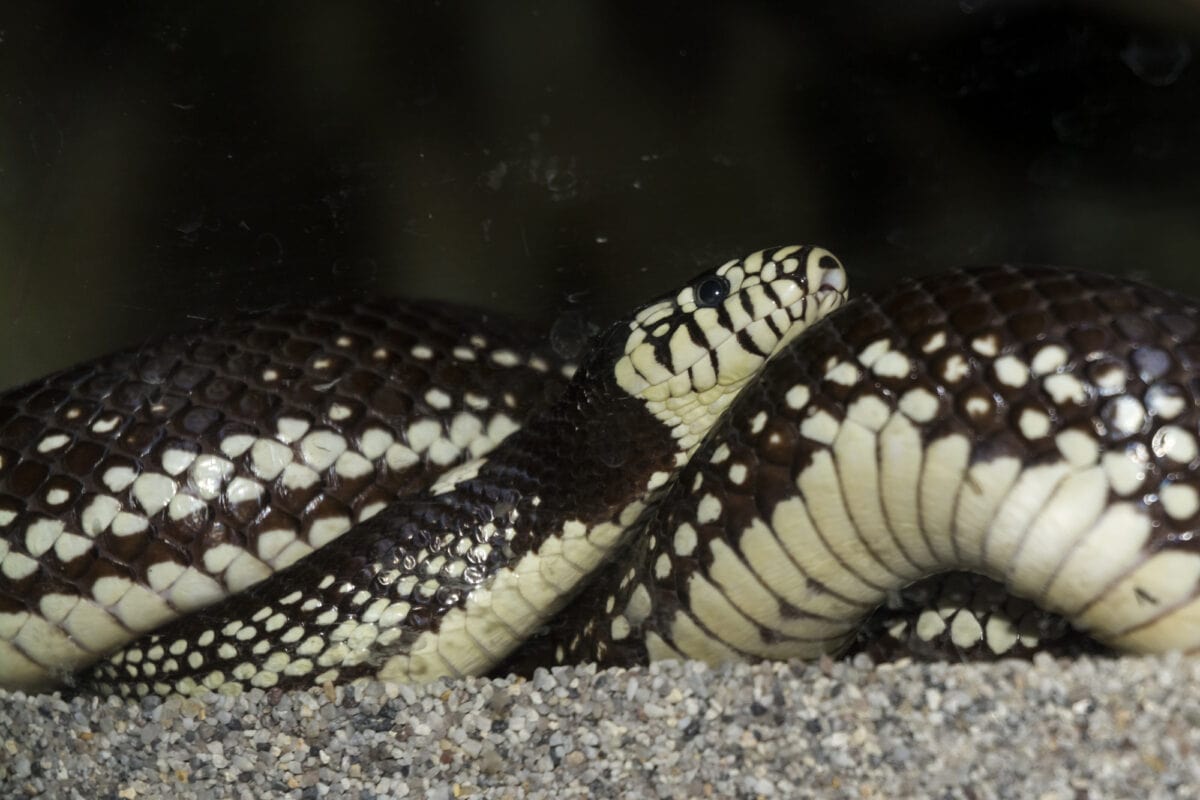
The California kingsnake deserves its entry due to its striking appearance and widespread distribution that brings it into frequent contact with humans. These snakes display dramatic black and white banding patterns (though some populations show brown and cream coloration) that can cause alarm due to their bold contrast. Growing to 3-5 feet in length, their muscular bodies can appear intimidating, particularly when they vibrate their tails against dry leaves in a rattlesnake-like warning. However, California kingsnakes are completely non-venomous and generally reluctant to bite humans. They’ve earned their “king” title through their impressive ability to prey on other snakes, including rattlesnakes, as they possess natural immunity to pit viper venom. This makes them beneficial neighbors in areas with venomous snake populations. Their adaptability to various habitats, including suburban environments, means humans frequently encounter them. In captivity, they typically become quite docile with regular handling, making them excellent educational animals and beginner-friendly pets.
2. Gopher Snake (Pituophis catenifer)

Gopher snakes, also called bull snakes in some regions, are frequently mistaken for rattlesnakes due to their similar coloration and impressive defensive display. When threatened, these large constrictors (often reaching 4-7 feet) will flatten their heads to appear more triangular, vibrate their tails, and hiss loudly – behaviors specifically evolved to mimic rattlesnakes. This mimicry often leads to their persecution by humans who mistake them for venomous species. In reality, gopher snakes are completely non-venomous and serve as beneficial predators of rodents that can damage crops and spread disease. Though they may strike if cornered, their bites cause only minor scratches with no envenomation. Their size can be intimidating, but gopher snakes typically calm down quickly once they realize handling isn’t a threat. Their impressive ability to consume pocket gophers, mice, rats, and even ground squirrels makes them natural pest controllers that pose no danger to humans beyond an initial startle.
1. Green Tree Python (Morelia viridis)

Few snakes look more intimidating than the emerald-green Green Tree Python with its angular head, slender body, and habit of resting coiled on branches with its head positioned in the center—a classic striking pose. Native to New Guinea and northern Australia, these arboreal pythons typically reach about 4-6 feet in length. Their vivid coloration (juveniles are yellow or red before transitioning to green) and prominent heat-sensing pits along their mouths can make them appear formidable. While they do have a reputation for being somewhat irritable compared to other pythons, their bark is far worse than their bite. As non-venomous constrictors, they pose no toxic threat to humans, and their relatively small size means they’re not dangerous in the way larger pythons might be. Their stunning beauty has made them highly coveted in the reptile hobby, where experienced keepers have found that captive-bred specimens often become reasonably tolerant of gentle handling once acclimated. Their striking appearance makes them excellent educational ambassadors for teaching people about the beauty and diversity of snake species.
Conclusion: Understanding Reduces Fear

The world of snakes is filled with species that appear more dangerous than they actually are, whether through evolutionary mimicry, defensive displays, or simply our own innate biases about serpentine creatures. Understanding the true nature of these 15 snake species can help bridge the gap between perception and reality when it comes to these fascinating reptiles. Most snake species prefer to avoid human interaction altogether and will only display defensive behaviors when they feel threatened with no escape route. Education about snake identification, behavior, and ecological importance is key to reducing unnecessary fear and promoting conservation of these important predators. By learning to distinguish between truly dangerous species and those that merely look intimidating, we can develop a healthier relationship with the diverse snake species that share our world.

As a little kid, I fell in love with nature, wildlife, and animals. Living in the USA, South Africa, Italy, China and Germany gave me the opportunity to discover the world's Wildlife. My favorite animals are Mountain Gorillas, Siberian Tigers, and Great White Sharks.
I'm a certified PADI Open Water Diver, went to Everest Base Camp and Trekked Gorillas in Uganda. I hold a Master of Science in Economics and Finance.
Please send any feedback to feedback@animalsaroundtheglobe.com
- Why the Great Barrier Reef Is the Best Place to Spot Sea Turtles - June 3, 2026
- 2 Animals With Super Sized Body Parts and What They are For - June 3, 2026
- Explore The Azores - June 3, 2026