
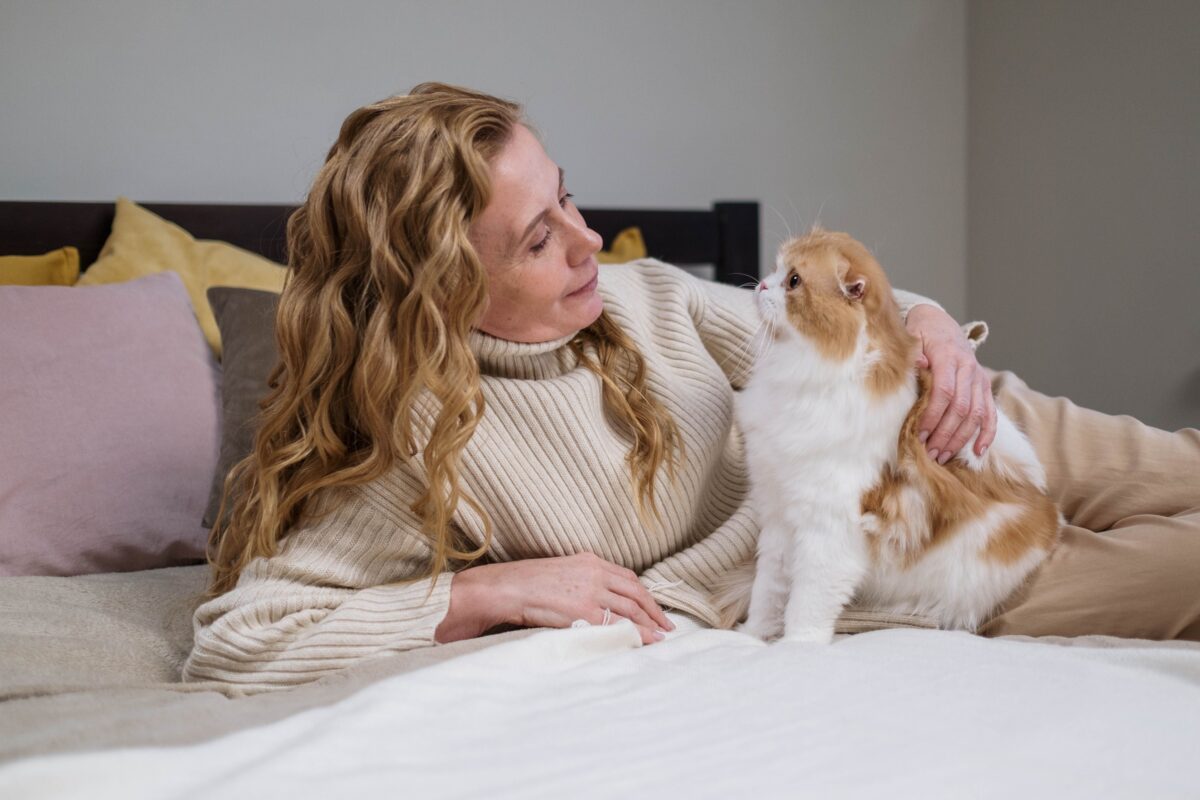


Most people believe cats barely notice who’s talking, as long as dinner shows up on time. The research points the other way. Studies from Japan and France suggest cats can pick their owner’s voice out from a stranger’s, tell their own name from near-identical words, and react to the tone you use.
So the sounds really do stick. But the ones a cat remembers best may not be the ones you’d guess. Some belong to you. Others belong to whatever happens next: a can opening, a plastic latch clicking, a key turning in a lock. And how long any of it lasts after you’re gone? That’s the part the science hasn’t settled, and we’ll be honest about it as we count down.
#15 – Their Own Name, Picked Out From Lookalike Words
Your cat knows its name, and it isn’t just reacting to your tone.
A 2019 study in Scientific Reports by Atsuko Saito and colleagues tested this directly. Cats heard recordings of words with similar length and rhythm, plus their own names. Many cats reacted differently to their own name than to the other words. That held even when strangers read it out.
The name works because it predicts something. Cats seem to learn by association: name, then food, play or attention. The sound becomes a signal, not a label.
Here’s the uncomfortable part. Recognizing a name is not the same as obeying it. Many experts argue that a cat ignoring you is usually a choice, not a hearing problem.
- Recognition often looks tiny: an ear flick or a head turn
- Names tied to rewards stick best
A name is only the beginning, though. Your cat is also logging the sound of your body moving through the house, and that’s #14.
#14 – Your Footsteps
Your cat may know it’s you before you reach the door.
Cats hear far more detail than we do. Their ears swivel independently, and they pick up faint, high-frequency sounds we’d never register. Footsteps carry rhythm, weight and pace, which makes every person in the house sound a little different.
Fast Facts
- Each cat ear is moved by roughly 32 muscles, which is why the ears can turn separately toward a sound
- A footstep “signature” is made of rhythm, weight and pace
- Best-supported explanation: associative learning, not a special talent
- Missing piece: formal studies of individual footstep recognition in cats
Many owners report that their cat reacts to one person’s walk but not another’s. Formal research on individual footstep recognition in cats is thin, so treat this as a well-supported hunch, not a proven fact.
What we do know is that cats are excellent at associative learning. If a particular walk has repeatedly come before dinner, play or a lap, the cat will learn it. No special talent is needed. It’s just repetition.
The reverse is also true. A heavy, hurried stomp that once came before a loud interruption can send a cat under the bed. Your gait can be a signal for either comfort or trouble. Most people never realize their cat has spent years building a catalogue of the household’s footsteps.
And some of the sounds your cat tracks don’t even happen indoors, which brings us to #13.
#13 – Your Car Engine
Some cats are waiting at the window before you’ve even parked.
This one shows up in countless owner accounts. The cat seems to know your car from the neighbor’s. Again, the controlled evidence is limited. Still, the mechanism is plausible.
Every engine has its own pitch and rumble. A cat that hears one particular engine, followed a minute later by a particular person walking in, has all the data it needs. Over weeks, the sound becomes a prediction.
That matters because cats are creatures of routine. Predictable sounds reduce uncertainty, and for an animal that is both predator and prey, uncertainty is stressful.
The truth is that your cat probably isn’t thinking “my beloved human is home.” It’s more likely thinking “the sound that comes before good things is here.” The difference is subtle. The outcome looks identical.
Once you’re through the door, though, another sound takes over, and it’s #12.
#12 – The Key in the Lock
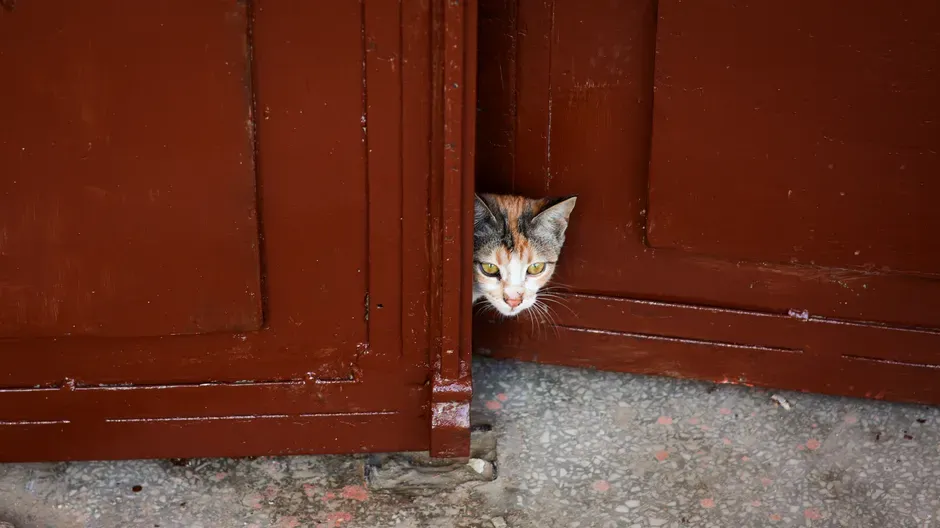
The metallic click at your front door is probably one of the strongest cues in your cat’s day.
A key, a latch or a deadbolt makes a short, sharp, repeatable sound. It’s exactly the kind of quick noise a hunting animal learns to notice, and it arrives right before the most important event of the day: you.
Experts in animal learning describe this as classical conditioning. The same idea Pavlov used with dogs applies to cats. A neutral sound, repeated before a meaningful event, becomes meaningful itself.
Here’s where it gets interesting. The cat’s reaction can change depending on who is behind the door. Different people turn keys differently, with different speed, rhythm and jangle. A cat may learn the “signature” of each household member.
It also helps explain why some cats seem unsettled when a new door lock goes in. The old signal is gone, and the new one hasn’t been learned yet.
- Same sound plus same outcome builds expectation
- A changed sound can temporarily confuse the routine
But there’s a sound even more powerful than a lock, and it comes from your kitchen at #11.
#11 – The Food Bag and the Can Opener
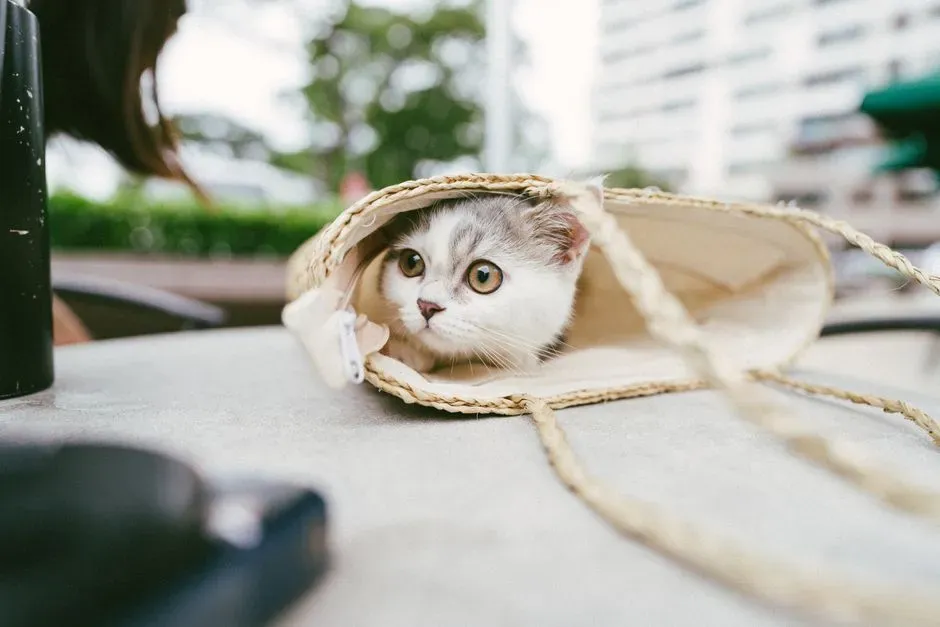
Ask any cat owner which sound gets the fastest response, and the answer is almost never a voice.
A crinkling bag, a pull-tab popping, a cupboard door. These are the textbook examples of conditioned sounds. They’re loud, distinct and followed by food within seconds.
Cats don’t need many repetitions to connect the two. Because the reward is so strong, the sound can trigger anticipation even from another room or a deep sleep.
Many experts argue this is the main reason people overestimate how emotionally attached their cat is to the voice itself. A cat sprinting to the kitchen for the bag isn’t necessarily sprinting for you.
That’s a harsh take, and plenty of owners push back. Still, it’s a good reminder to separate what a cat remembers about a sound from what it remembers about you.
Of course, some sounds are made by you on purpose, and the most famous one is #10.
#10 – The “Pspsps” Call
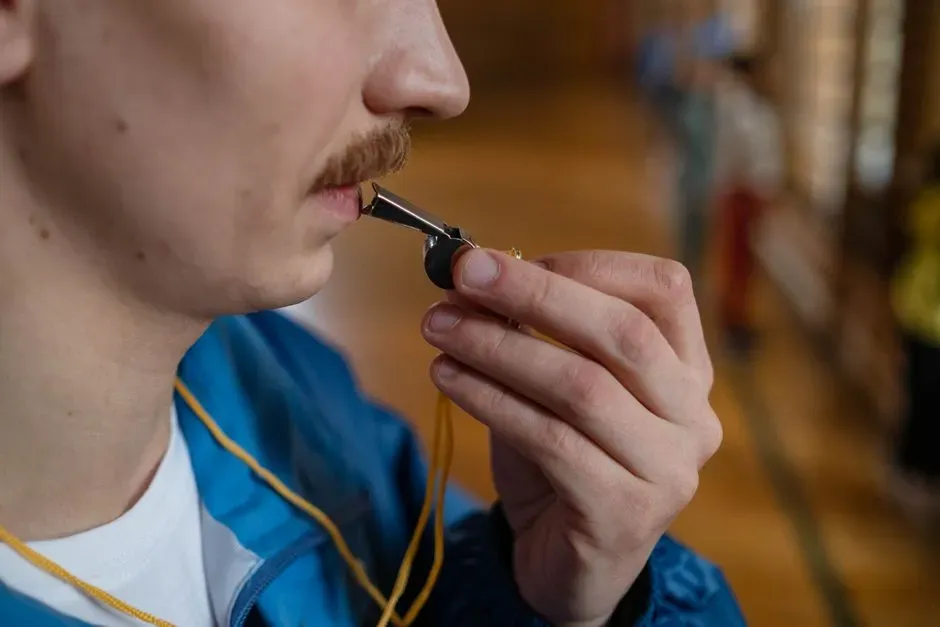
That hissing whisper you use to summon your cat is a learned language, not an instinct.
No cat is born knowing what “pspsps” means. Many respond to it because they’ve learned it means attention is available. Others respond simply because the high-pitched, sibilant sound grabs their ears.
It isn’t a universal command, either. A cat raised without that call may ignore it completely, while another cat answers from three rooms away.
Kissy noises, tongue clicks and whistles work the same way. Pick one, use it consistently, and pair it with something good. The cat does the rest.
Here’s a secret trainers rely on. Distinctive sounds that nobody else in the house makes are the easiest for a cat to attach to one person. A unique call becomes your acoustic signature.
- Keep the sound short and repeatable
- Pair it with a treat or attention every time
Not every learned sound is a pleasant one, though, and #9 is the one cats seem to hold onto longest.
#9 – The Click of the Cat Carrier
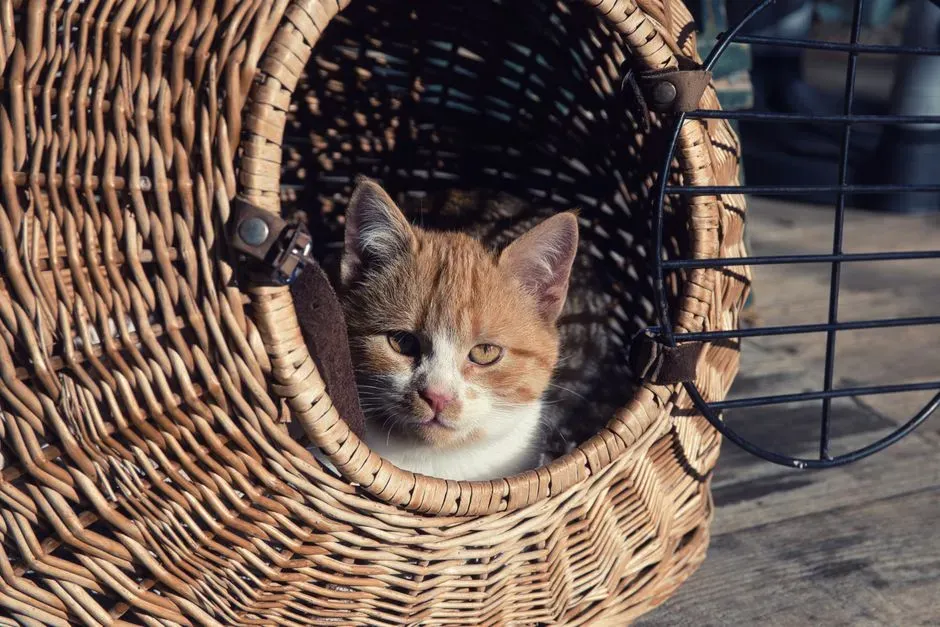
One small plastic latch can undo months of trust.
Cats are very good at remembering what came before something unpleasant. The sound of a carrier opening, the zip of a travel bag or the clunk of a car door can all predict a vet visit.
Cat Friendly programs run by feline veterinary groups recommend leaving carriers out in the home. The idea is to make the carrier ordinary furniture instead of a warning sign. That advice exists because the opposite happens so reliably. A cat that gets caught once or twice can learn to vanish at the first plastic click.
Here’s the mistake many owners make. They only bring the carrier out on appointment days, and the cat learns the sound is the whole story.
Quick Compare
- Carrier appears only on vet day: the click predicts a stressful trip
- Carrier lives in the living room: the click predicts nothing special, or a cozy nap spot
- After one bad experience: the click can turn into a vanishing cue within days
Unpleasant memories also tend to stick more firmly than neutral ones. Evolution seems to favor animals that avoid danger quickly, so a single bad association can last.
- Leave the carrier open in a living area
- Place treats or bedding inside regularly
Yet the sounds that stay longest aren’t always linked to fear, as the next one shows at #8.

Smart Bird Feeder with Camera Solar Powered, 2K HD Live Video, 10,000+ Bird Species AI Identification
Check Price on AmazonAs an Amazon Associate, we earn from qualifying purchases.
10/7/2026 1:22 pm GMTi

Halloween Cat Costume Cloak Witch Hat Pet Accessories
Check Price on AmazonAs an Amazon Associate, we earn from qualifying purchases.
10/9/2026 2:44 pm GMTi

Dog Stairs for Bed 18" H, 4-Step Dog Steps for High Bed
Check Price on AmazonAs an Amazon Associate, we earn from qualifying purchases.
10/9/2026 2:42 pm GMTi

2 Pcs Halloween Pet Hat Bandana Set, Witch Pumpkin Costumes for Dogs
Check Price on AmazonAs an Amazon Associate, we earn from qualifying purchases.
10/9/2026 2:45 pm GMTi

Hand Blown Glass Hummingbird Feeders for Outdoors Hanging, 24oz Wild Bird Nectar Feeder
Check Price on AmazonAs an Amazon Associate, we earn from qualifying purchases.
10/7/2026 1:23 pm GMTi
#8 – Your Alarm Clock and Morning Routine
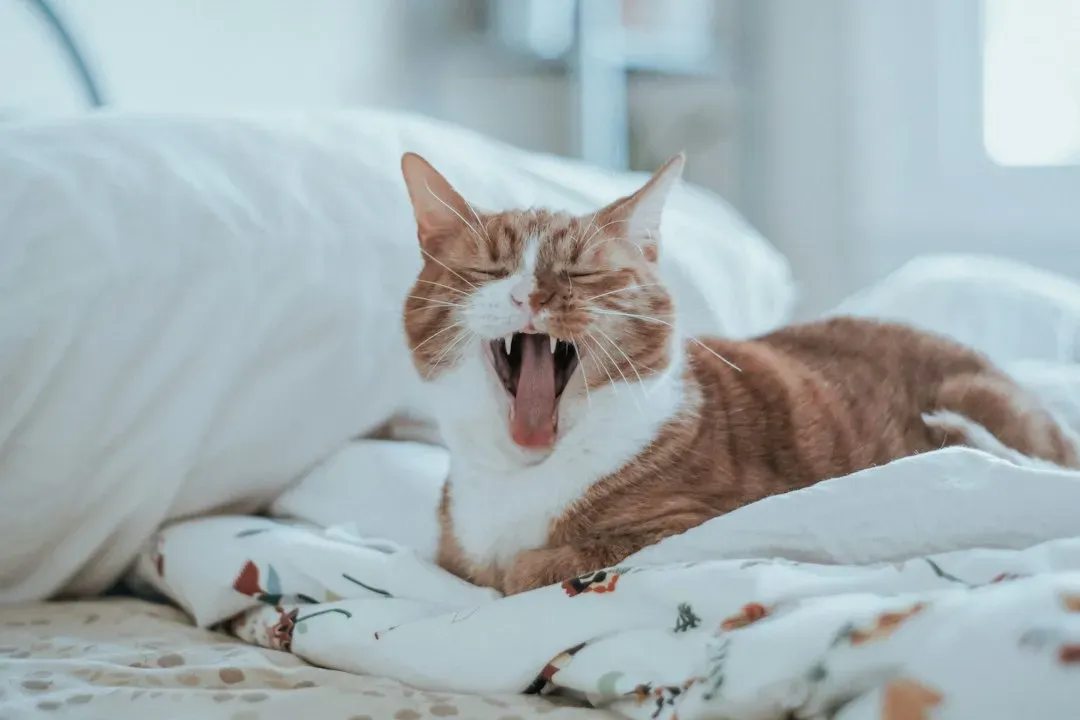
Your cat may be waking you up before the alarm does, and it isn’t a coincidence.
Cats are crepuscular, meaning they’re most active around dawn and dusk. That biology already makes early morning a busy time for them.
Layer routine on top. The alarm tone, the shower pipes, the kettle and the first footsteps all arrive in a predictable order. Cats can learn the sequence and begin anticipating breakfast before the alarm sounds.
That explains why a weekend sleep-in rarely works. The cat doesn’t know it’s Saturday. It only knows the schedule it has learned.
Some experts argue that feeding the cat the moment it starts demanding breakfast is the worst habit an owner can build. They say the cat learns that its noise causes food, not merely predicts it.
But the sounds you make with your own voice carry even more information, starting at #7.
#7 – Your Scolding Tone
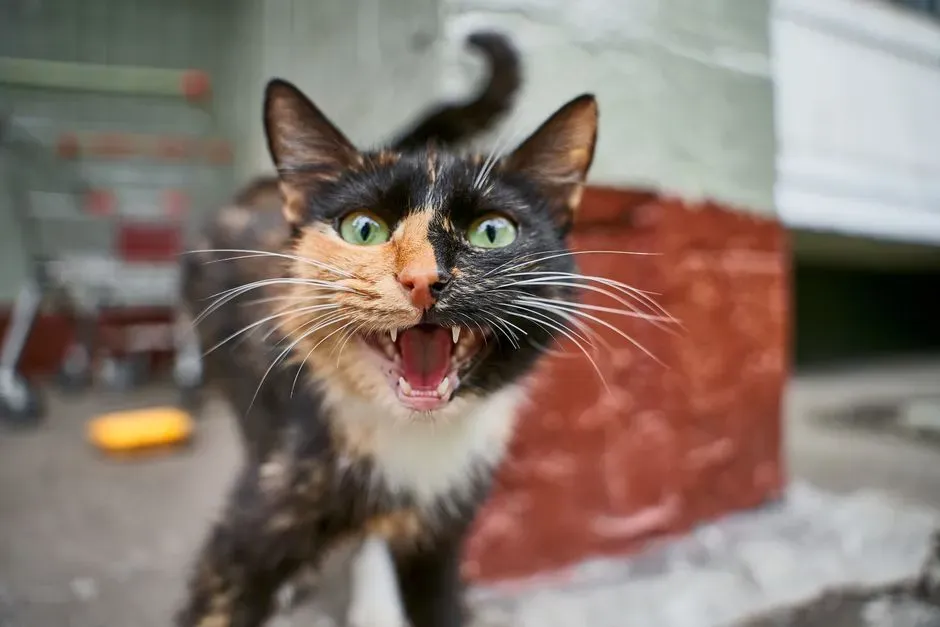
Your cat doesn’t need to understand the words to understand you’re angry.
Cats respond to pitch, volume and speed. A sharp, loud “No!” is processed as a threat signal, not as feedback. Experts in feline behavior generally warn that it teaches fear of you, not fear of the behavior.
The cat may remember the tone long after the scratched couch is forgotten. Because cats connect events that happen close together, a delayed scolding rarely connects to the original act.
The biggest mistake is the late reprimand. Cats generally can’t link a scolding to something they did minutes or hours earlier.
This is where many readers will disagree. Plenty of owners insist their cat “knows exactly what it did.” Most behavior experts say what the owner sees is a reaction to the owner’s mood, not guilt.
The opposite tone is far more interesting, and it’s waiting at #6.
#6 – Your “Baby Talk” Voice
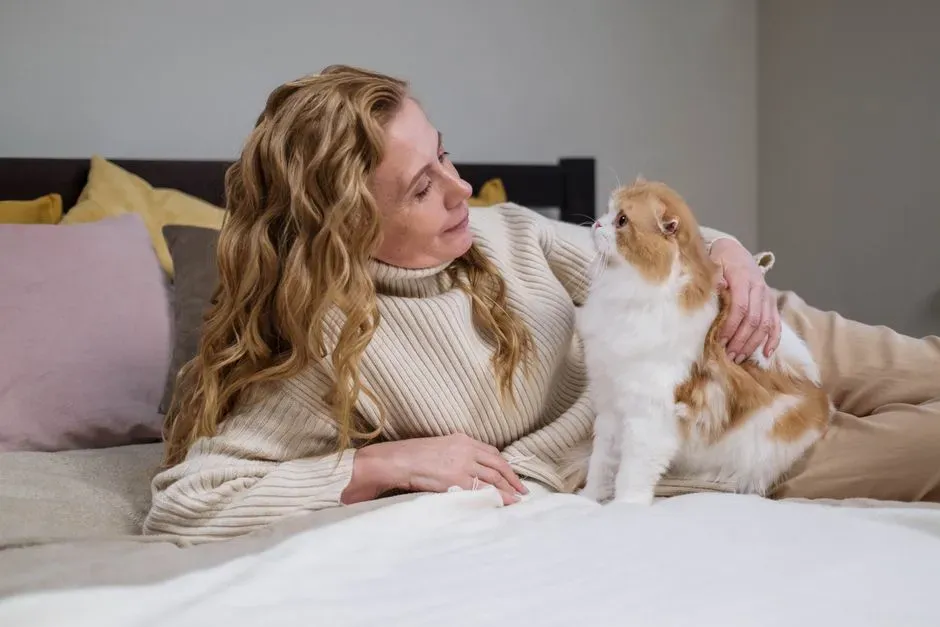
Talking to your cat in a high, soft voice is not silly. It may be exactly right.
A 2022 study in Animal Cognition by Charlotte de Mouzon and colleagues tested cats with two speech styles. One was the high-pitched, sing-song “cat-directed speech” many owners use. The other was ordinary adult-directed speech.
The cats reacted differently to the two styles, but only when the voice belonged to their owner. Strangers using the same style didn’t produce the same difference.
That’s a striking detail. It suggests cats aren’t just reacting to pitch. They seem to link the style with a familiar person. Researchers note that this fits with what is known about cats and attachment: cats do form bonds with their owners, even if they show them differently from dogs.
- Owner’s voice plus cat-directed speech produced the clearest difference
- Strangers using the same style didn’t get the same effect
Here’s the twist. The sound may matter less than who is making it, and the next one is a bit stranger, at #5.
#5 – Your Humming and Singing
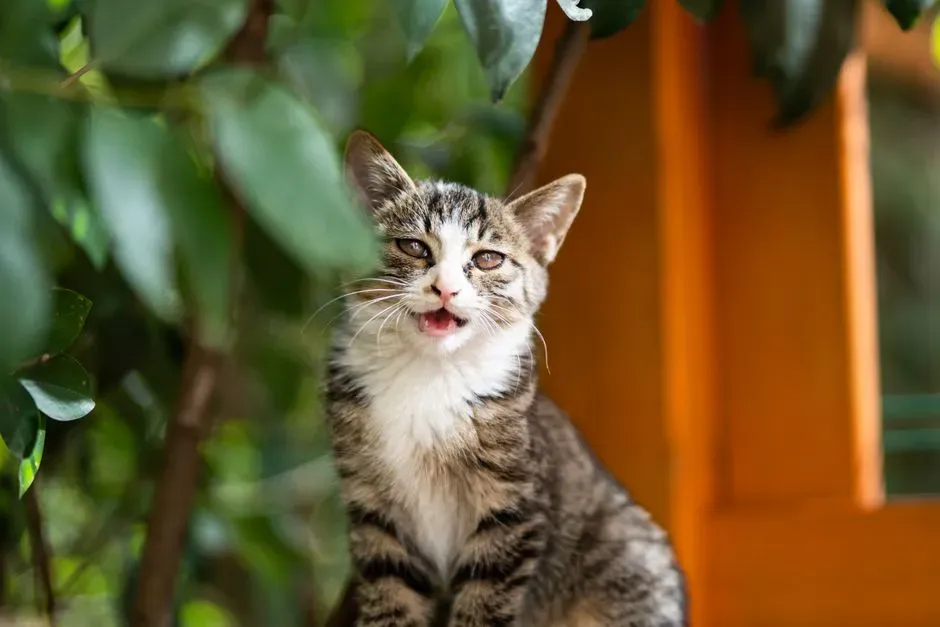
Your cat might not care about your playlist, but it may care that you’re making it.
Cats don’t seem to respond to human music the way we do. In one well-known 2015 study in Applied Animal Behaviour Science, researchers composed music using pitch ranges and tempos resembling cat vocalizations, such as purring. The cats preferred that music over human-style music.
So your humming probably isn’t music to your cat. It’s closer to a stream of voice sounds that happen to come from you.
That can still be useful. A steady, low, predictable hum during grooming or a vet visit may become a familiar cue. If it’s paired with calm over time, the sound can become associated with safety.
There’s no solid evidence that cats recognize a specific song. But repetition inside a calm routine is exactly what conditioning needs.
And what happens when your voice isn’t in the room at all? That’s #4.
#4 – Your Voice From Another Room
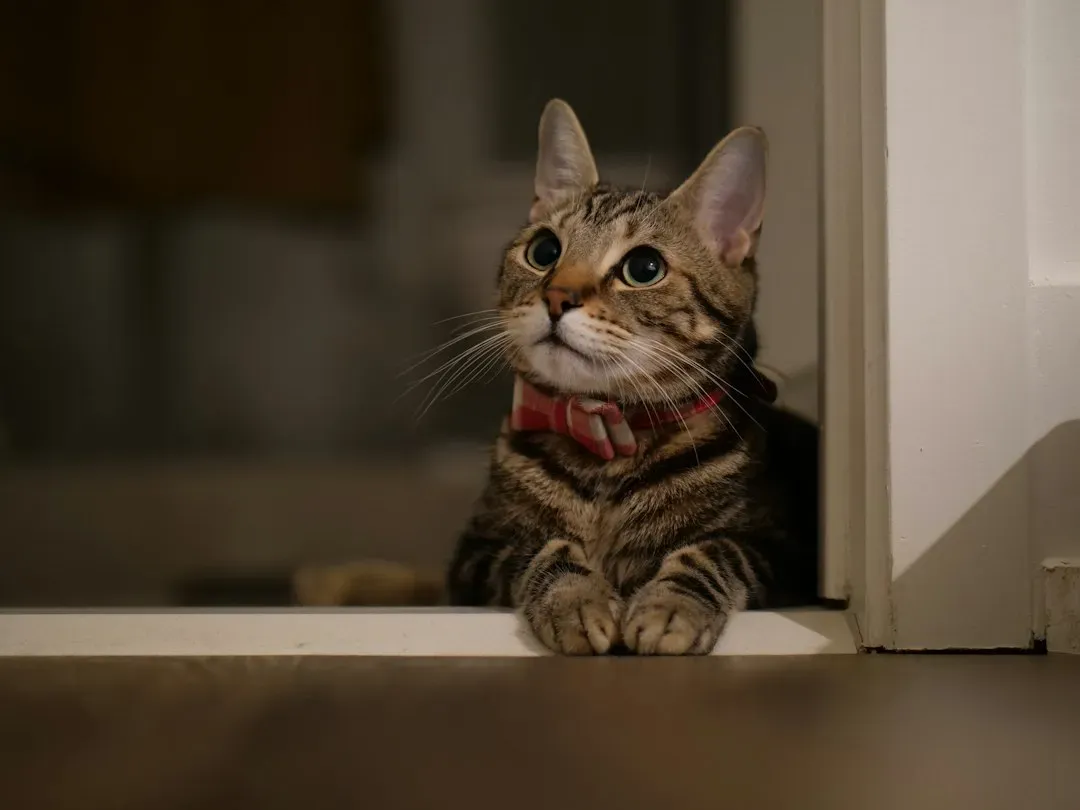
Your cat can pick out your voice even when you aren’t visible.
In a 2013 study in Animal Cognition, Atsuko Saito and Kazutaka Shinozuka played recordings of owners and strangers calling a cat’s name through a speaker. Cats reacted more to the owner’s voice with ear and head movements. But they didn’t necessarily meow or approach more.
That’s an important detail. Recognizing a voice and responding the way you’d like are two different things. Cats often give a tiny signal and then carry on.

Orthopedic Extra Large Dog Bed, Waterproof Washable XL Pet Bed 44"
Check Price on AmazonAs an Amazon Associate, we earn from qualifying purchases.
10/7/2026 1:32 pm GMTi

Glass Hummingbird Feeder for Outdoors Hanging, 16 oz Leak-Proof Nectar Feeder with Bee Guards & Ant Moat
Check Price on AmazonAs an Amazon Associate, we earn from qualifying purchases.
10/7/2026 1:22 pm GMTi

Halloween Dog Collar with Bow, Orange Cute Ghost Collar,
Check Price on AmazonAs an Amazon Associate, we earn from qualifying purchases.
10/9/2026 2:43 pm GMTi

PetSafe Oasys Pet Fountain, 1/2 Gallon (64 oz), Small Dogs & Cats
Check Price on AmazonAs an Amazon Associate, we earn from qualifying purchases.
10/8/2026 8:14 am GMTi

Air Purifiers for Home Pets Large Room Up to 3000 Ft²,HEPA Air Cleaner with Washable Double-Side Filter, PM2.5 Air Quality Monitor,15dB Sleep Mode for Bedroom Odor Dust Pollen,White
Check Price on AmazonAs an Amazon Associate, we earn from qualifying purchases.
10/8/2026 8:23 am GMTi
Worth Knowing
- Watch the ears first. A swivel toward your voice is the classic “I heard that” sign
- A slow head turn counts as a reply, even if the cat stays put
- Don’t expect a meow back or a sprint across the house
- For a fair home test, call from out of sight in a quiet room and use the name only
It also tells us something useful. The recognition didn’t require a visible person. The voice alone was enough to separate familiar from unfamiliar.
This is why a recorded message or a call on speaker may still get a flicker of attention. Don’t expect a dramatic reaction. A twitch of the ear may be the whole reply.
- Owner’s voice produced more ear and head movement
- Vocalizing and tail movement didn’t differ much
Which raises a deeper question about what your cat pictures when it hears you, and #3 has the answer.
#3 – The Voice That Calls Up a Face
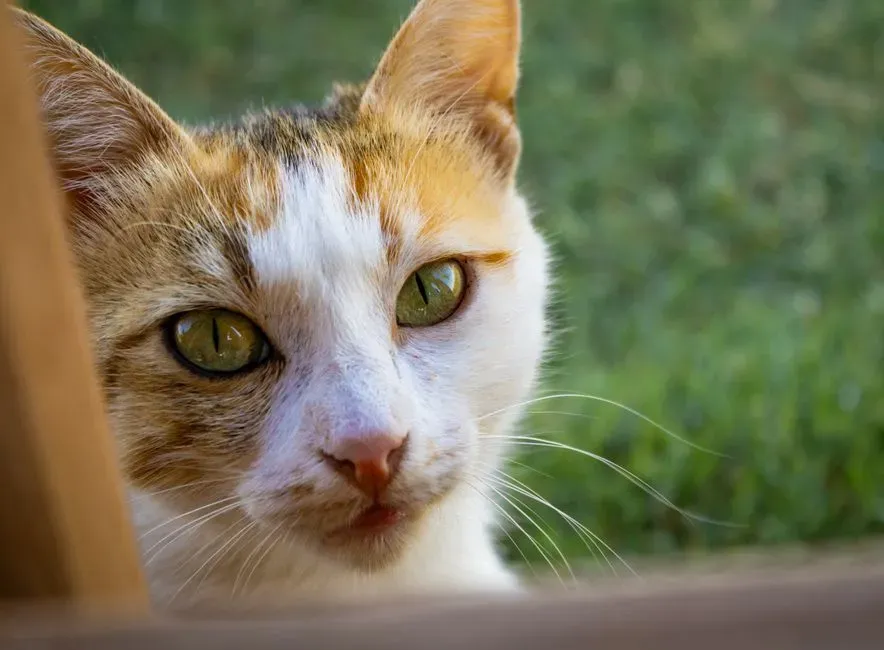
Your cat may expect to see you when it hears you.
Researchers in Japan have reported that cats appear to connect a familiar voice with a mental image. In experiments, cats looked longer when a voice and a face didn’t match. That kind of longer look is usually read as surprise.
Scientists call this cross-modal recognition. It means the brain links information from two senses. Hearing a voice can bring up the expectation of a particular face.
That matters for the “gone” part of this story. If a voice can call up a mental picture, the memory isn’t only about the sound. It’s about who the sound belongs to.
Careful, though. These studies are small, and they test short-term expectations. They don’t prove cats picture people for months or years.
So how long can a cat actually hold on to that profile? The answer at #2 is more honest than most articles admit.
#2 – A Voice You Haven’t Used in Months
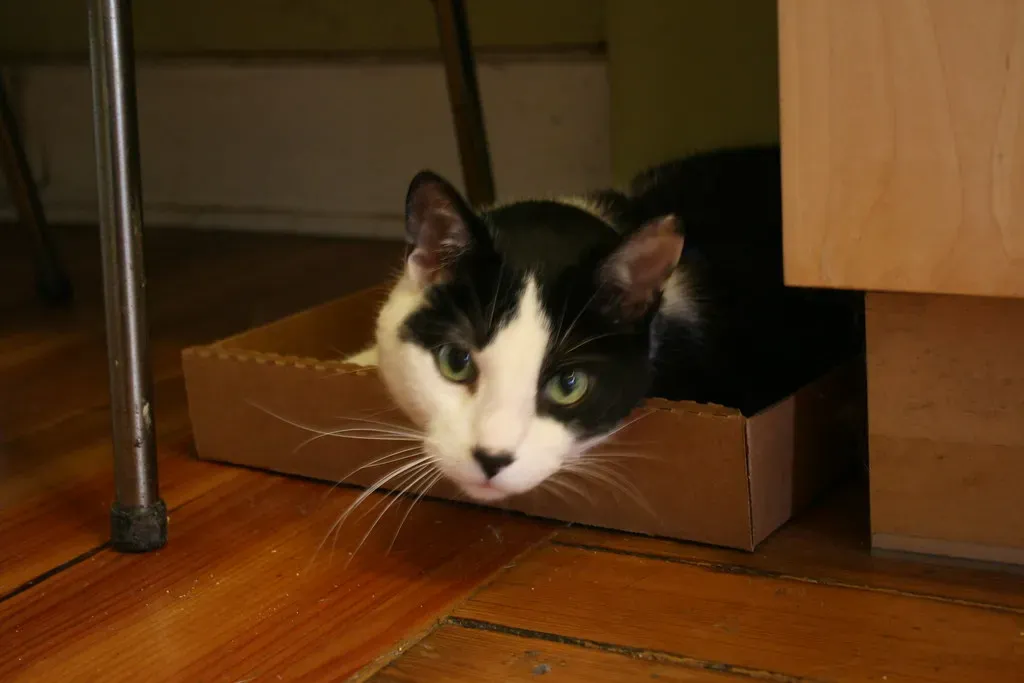
The truth is that nobody has tested this properly.
You’ll see plenty of heartwarming stories about cats recognizing a former owner after years apart. They’re moving. They’re also anecdotes, not controlled evidence.
What the research does show is that cats form lasting associations, and that they can distinguish familiar voices from unfamiliar ones. Put those together and a long-lasting memory is plausible. Plausible isn’t the same as proven.
Memory in cats is also less studied than in dogs, and the studies that exist mostly cover short gaps. Long absences, changes in smell and a cat’s age all complicate the picture.
Here’s a take some readers won’t like. Many experts argue that claims of cats “waiting for years” for someone are mostly a human story laid over a cat’s behavior. That doesn’t make the bond fake. It makes the claim unproven.
- Strong evidence: cats recognize familiar voices
- Weak evidence: how long that memory lasts without contact
And yet one more sound may leave the deepest trace of all, at #1.

Professional 7 in 1 Dog Paw Cleaner for Dogs & Cats - Includes 1 Portable Paw Washer, 1 Bath Brush
Check Price on AmazonAs an Amazon Associate, we earn from qualifying purchases.
10/7/2026 1:26 pm GMTi

Glass Hummingbird Feeder for Outdoors Hanging
Check Price on AmazonAs an Amazon Associate, we earn from qualifying purchases.
10/7/2026 1:21 pm GMTi

Portable Dog Water Bottle Foldable Dog Travel Water Bottle
Check Price on AmazonAs an Amazon Associate, we earn from qualifying purchases.
10/7/2026 1:29 pm GMTi

Earth Rated XL Dog & Puppy Pee Pads, Discreet Top, Max Absorbency
Check Price on AmazonAs an Amazon Associate, we earn from qualifying purchases.
10/7/2026 1:28 pm GMTi
#1 – The Voice That Once Meant Safety
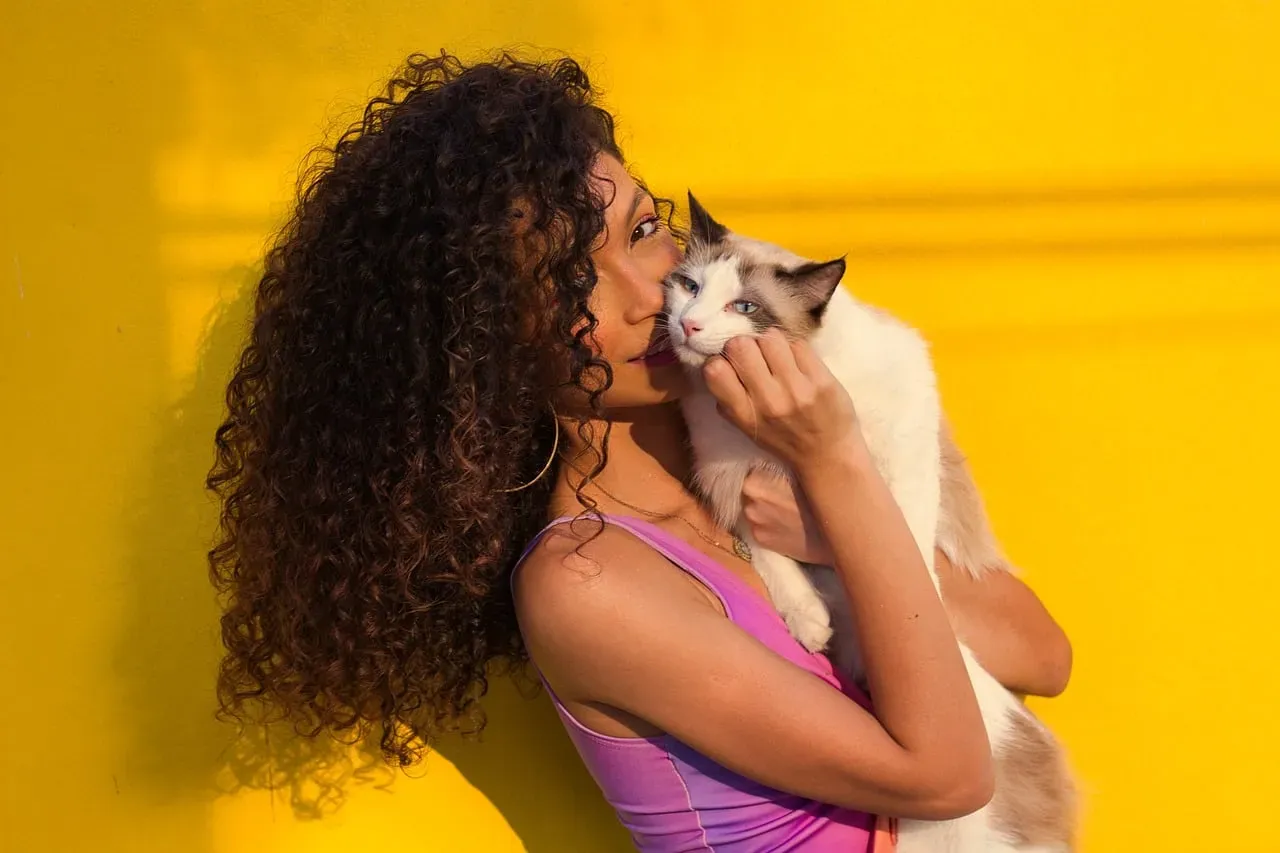
If any sound outlasts the person, it’s probably the one tied to comfort.
A 2019 study in Current Biology by Alexandra Vitale and colleagues found that about two-thirds of the cats tested showed secure attachment to their caregiver. That is roughly the same proportion seen in human infants and in dogs using similar tests.
Cats in that study stayed calmer and explored more when their caregiver returned after a short separation. That suggests the caregiver’s presence was a source of security, and the voice is a big part of presence.
Associations built on safety, such as feeding, warmth, play and being soothed, are exactly the kind that tend to last. This is why a gentle, familiar voice often calms a cat in stressful situations.
We can’t say for certain how long a cat holds a voice in memory. But the pattern across studies is consistent. Cats seem to attach meaning to sounds based on what those sounds have reliably meant.
Cats are not the aloof, indifferent listeners they’re made out to be. They know their names, tell owners from strangers and learn the sounds that predict food, fear and comfort. What the science doesn’t show is how long those memories last. Anyone who claims to know is guessing.
My view is that the debate over whether cats “truly” remember us misses the point. The more useful question is what your voice has been teaching your cat. A scolding, a call and a calm tone all mean something to them, and most of us have been broadcasting without ever checking the message.
So which of these sounds do you think your cat would still recognize if you left tomorrow?

- 10 Facts About Moose That Explain Why They Injure More People Than Bears Do in Alaska - November 12, 2026
- 9 Dinosaur Discoveries in America That Rewrote the Textbooks - November 12, 2026
- 23 Dog Breeds Trainers Say First-Time Owners Regret - November 12, 2026