
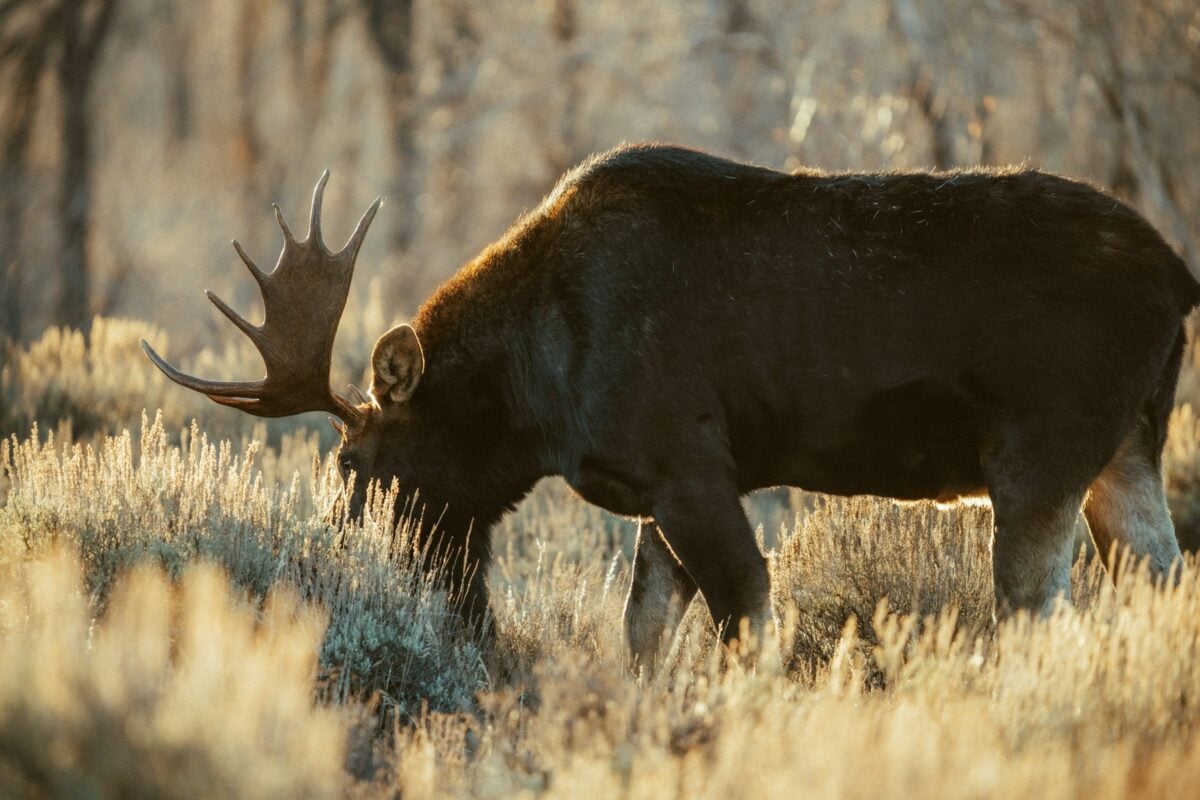


Ask most visitors to Alaska what they fear in the wild, and the answer is almost always a bear. Grizzlies dominate the postcards, the warning signs and the nightmares. Yet wildlife officials in the state have said for years that the animal sending more people to the hospital looks a lot more like an oversized horse with a shovel stuck to its head.
That sounds backwards until you look at how moose actually live. They’re everywhere people are, they don’t scare easily, and they’re far stronger than they look while munching willow twigs in a backyard. Here are ten facts that explain the pattern, counted down from ten to one.
10. They Live Right Where We Do
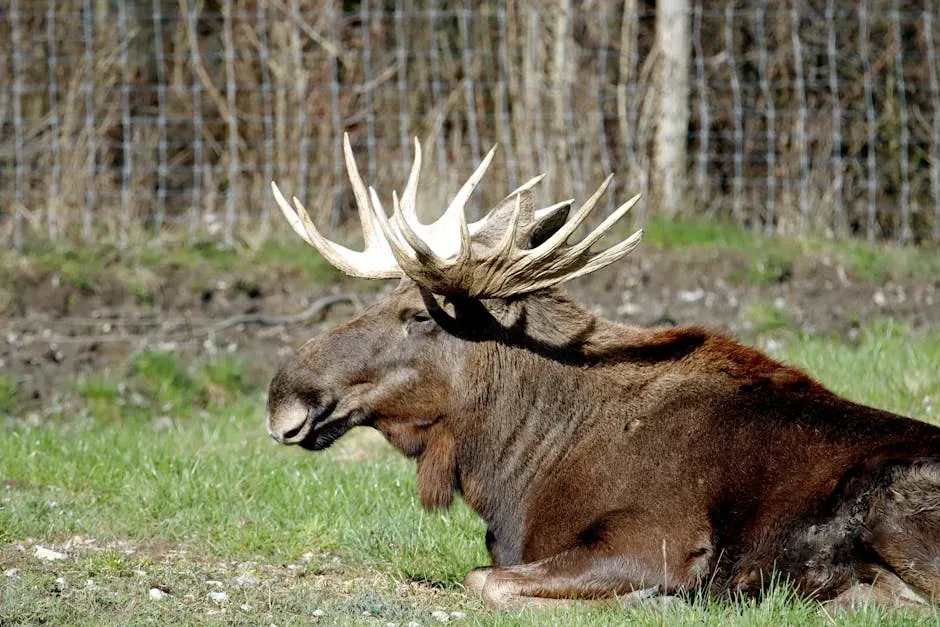
Bears tend to avoid people when they can. Moose often do the opposite, wandering through neighborhoods, school grounds, golf courses and trails in Alaska’s cities. Anchorage is the classic example, with moose browsing among houses and parking lots year round.
Every extra overlap between humans and moose is another chance for a bad encounter. A bear usually means a remote trail, while a moose might be standing between you and your front door.
Cities offer them food, and often fewer predators than the surrounding wilderness. Suburban landscaping, birch and willow in yards, and plowed paths all make town a decent place to be a moose.
9. They’re Massive, Even by Wildlife Standards
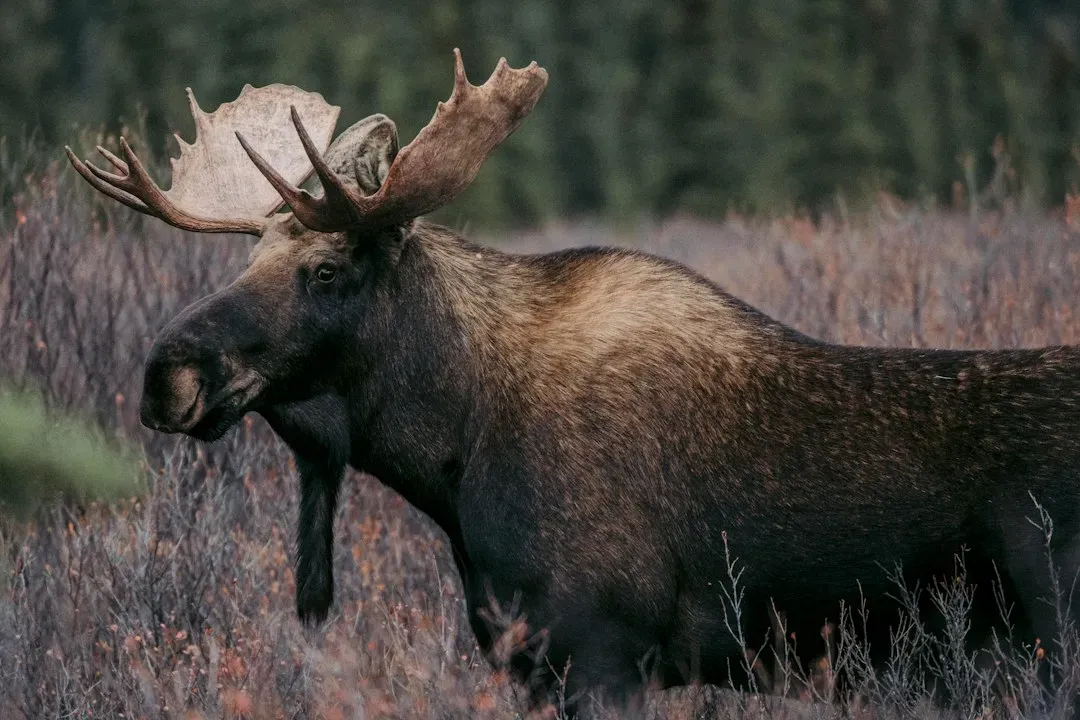
Moose are the largest members of the deer family, and the Alaska Yukon subspecies is the biggest of all. Large bulls can weigh well over a thousand pounds, and cows are not far behind in sheer bulk.
Standing around six feet tall at the shoulder, an adult moose carries its weight on long, stilted legs. That height puts its hooves and head at a dangerous level for an adult human.
A black bear, by comparison, is often considerably smaller than a mature moose. Size alone doesn’t explain the injury numbers, but it makes every mistake costlier.
8. Their Hooves Are the Real Weapons
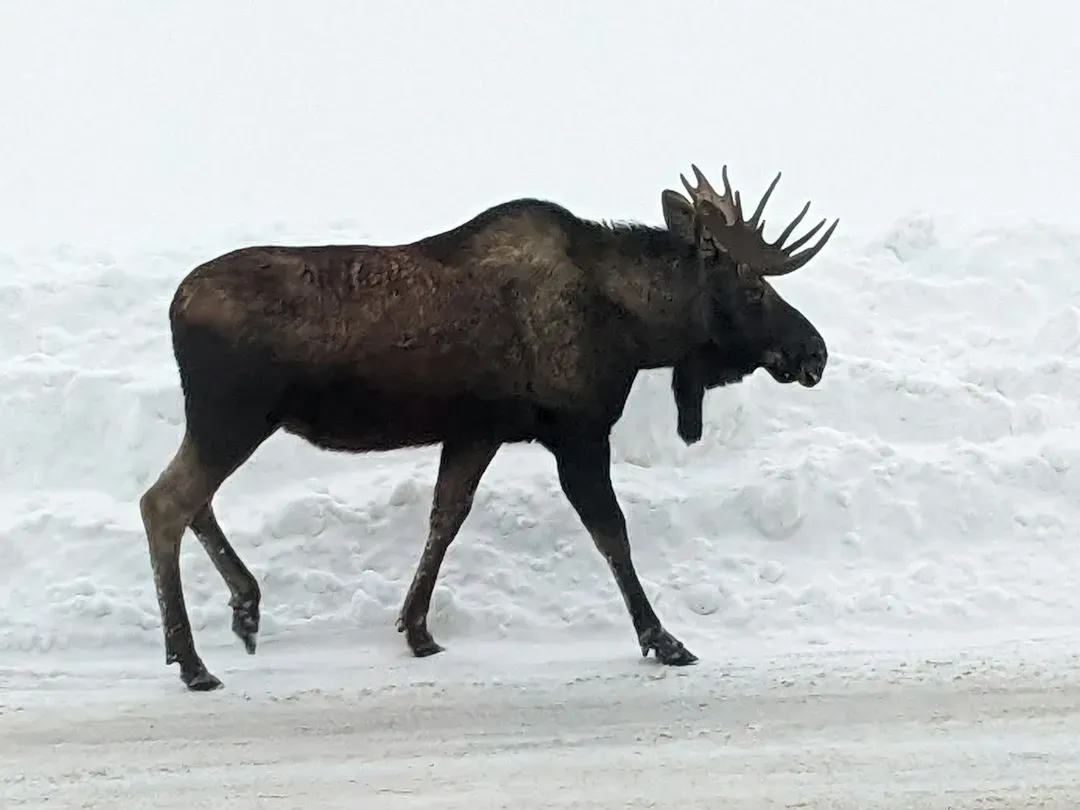
When a moose gets aggressive, it doesn’t generally bite. It kicks, and it does so with both front and back legs, which are sharp edged and powerful enough to cause serious harm.
Moose can strike forward and to the side, so standing in front or beside one doesn’t buy you safety. Stomping is also common once a person is down, which is why injuries can include broken bones and deep wounds.
The antlers on bulls add another hazard, though in the winter months they’re usually shed. The legs are the constant threat all year.
7. Spring Cows Are Fiercely Protective
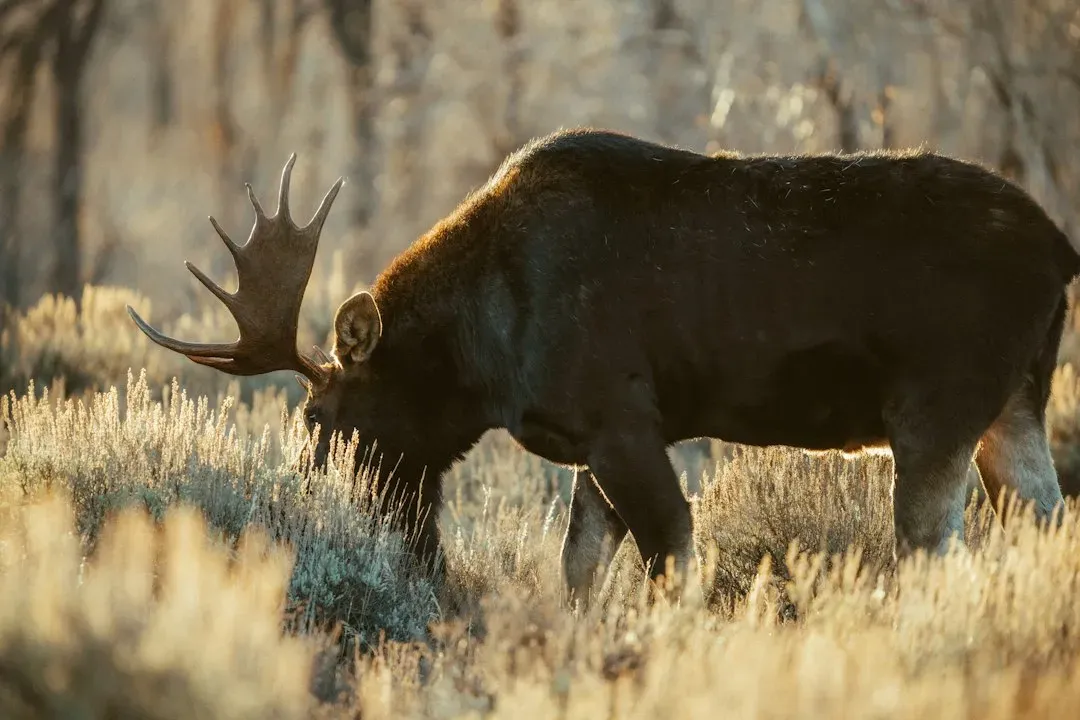
Calves arrive in late spring, typically in May and June. A new mother can be one of the most defensive animals in the forest, and she doesn’t need much to feel threatened.
A hiker who stumbles too close to a hidden calf, or a dog that wanders toward one, can trigger a charge in seconds. Often the person never saw the calf at all.
This is a big reason encounters spike when the weather warms and outdoor traffic climbs. Many Alaskans treat any cow in late spring as if a calf is hiding nearby, even when none is visible.
6. The Fall Rut Makes Bulls Unpredictable
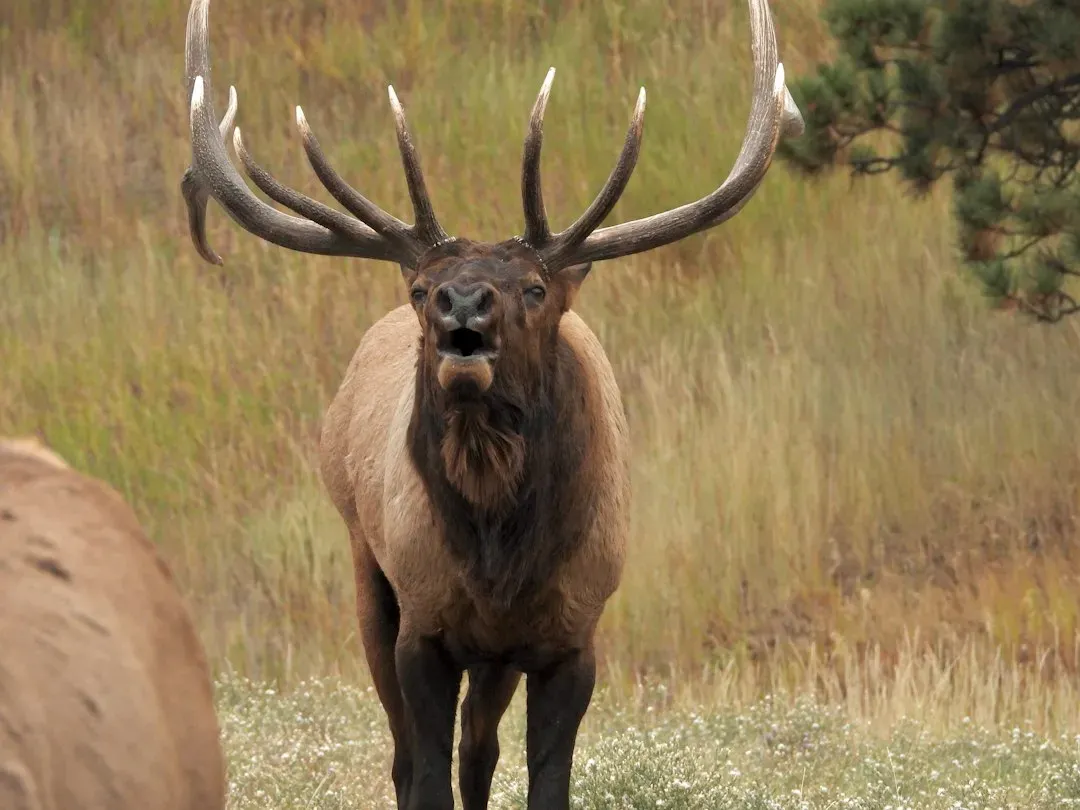
Come September and October, bulls are driven by breeding season. They stop eating as much, sparring with other bulls and chasing cows becomes the day’s work, and their tempers run hot.
During the rut, a bull may treat nearly anything that moves as a rival. That has included people, vehicles and even large objects like parked equipment.
Hormones, rather than hunger or fear, steer their behavior at this time. That makes them harder to read than an animal protecting a clear resource.

Professional 7 in 1 Dog Paw Cleaner for Dogs & Cats - Includes 1 Portable Paw Washer, 1 Bath Brush
Check Price on AmazonAs an Amazon Associate, we earn from qualifying purchases.
10/7/2026 1:26 pm GMTi

Portable Dog Water Bottle Foldable Dog Travel Water Bottle
Check Price on AmazonAs an Amazon Associate, we earn from qualifying purchases.
10/7/2026 1:29 pm GMTi

Glass Hummingbird Feeder for Outdoors Hanging
Check Price on AmazonAs an Amazon Associate, we earn from qualifying purchases.
10/7/2026 1:21 pm GMTi

Dog Stairs for Bed 18" H, 4-Step Dog Steps for High Bed
Check Price on AmazonAs an Amazon Associate, we earn from qualifying purchases.
10/9/2026 2:42 pm GMTi

Earth Rated XL Dog & Puppy Pee Pads, Discreet Top, Max Absorbency
Check Price on AmazonAs an Amazon Associate, we earn from qualifying purchases.
10/7/2026 1:28 pm GMTi
5. Deep Winter Turns Them Grumpy and Stubborn
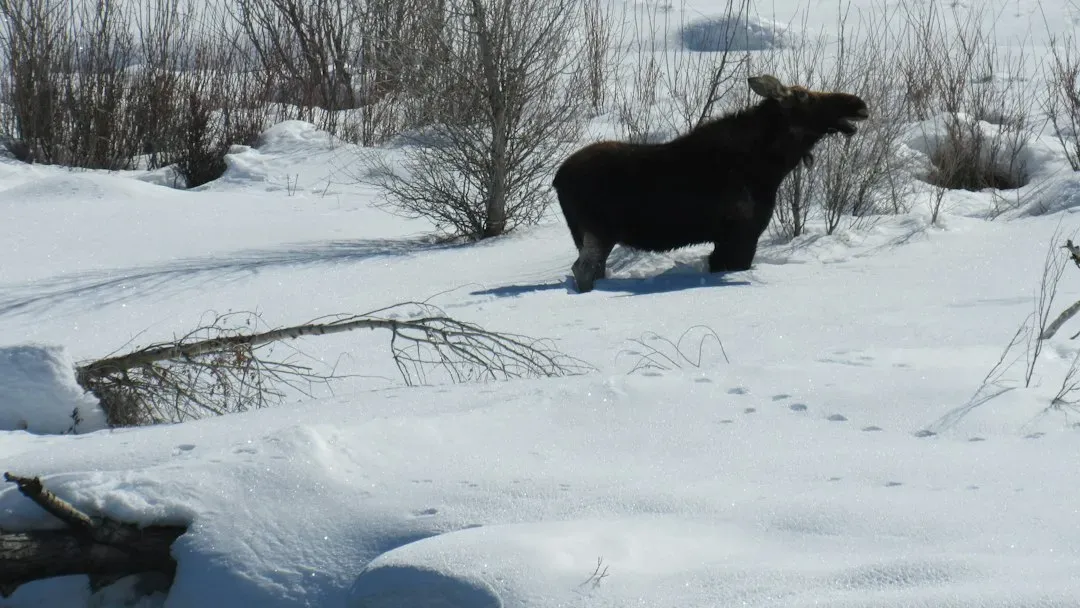
Snow can pile up for months in Alaska, and moose burn precious energy plowing through it. When people shovel a driveway or pack down a trail, moose happily use that easy path.
If you try to share it, you’re asking an exhausted animal to give up its efficient route. A moose that’s stressed, hungry and low on fat reserves has little patience for company.
Winter also pushes moose lower into valleys and towns where there’s less snow. That means more animals concentrated in places packed with people and dogs.
4. They Don’t Run Away Like Many Wild Animals
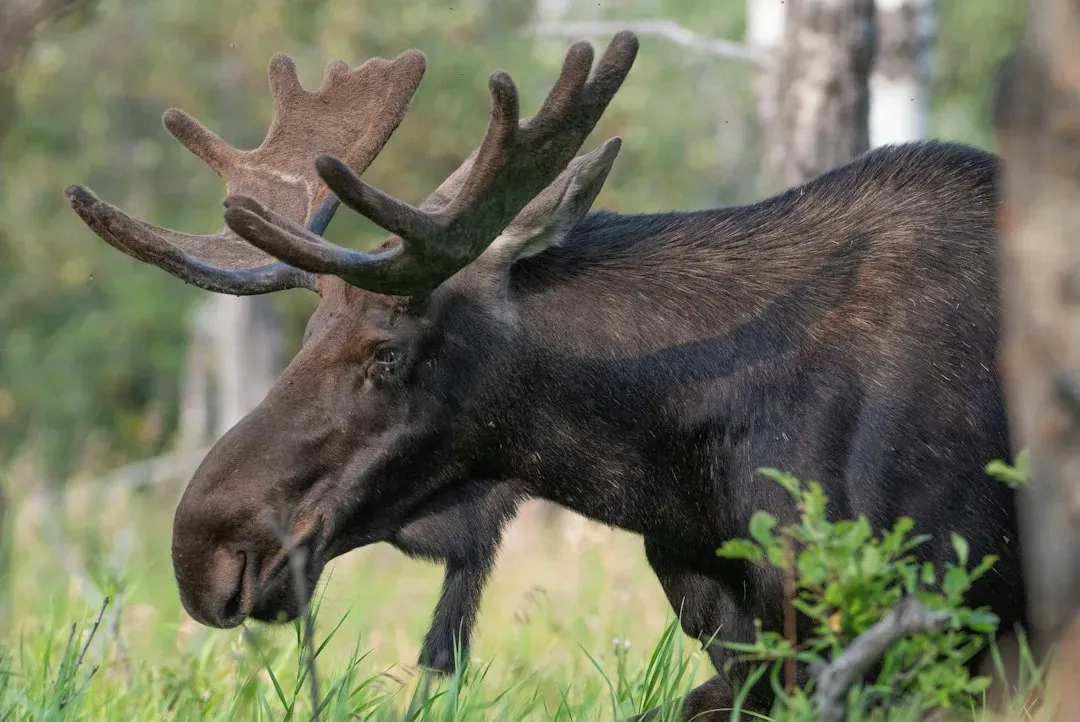
Plenty of wildlife flees at the sight of a person. Moose frequently stand their ground, especially if they’ve gotten used to humans in town, and they may respond to a perceived threat by approaching it.
Dogs are a common trigger. A dog that barks and lunges can get a moose riled up, and the dog may run back to its owner with the moose following close behind.
That chase can end with the person taking the kicks meant for the dog. Keeping pets leashed around moose is one of the most basic safety steps officials recommend.
3. They Can Sprint Faster Than You Think
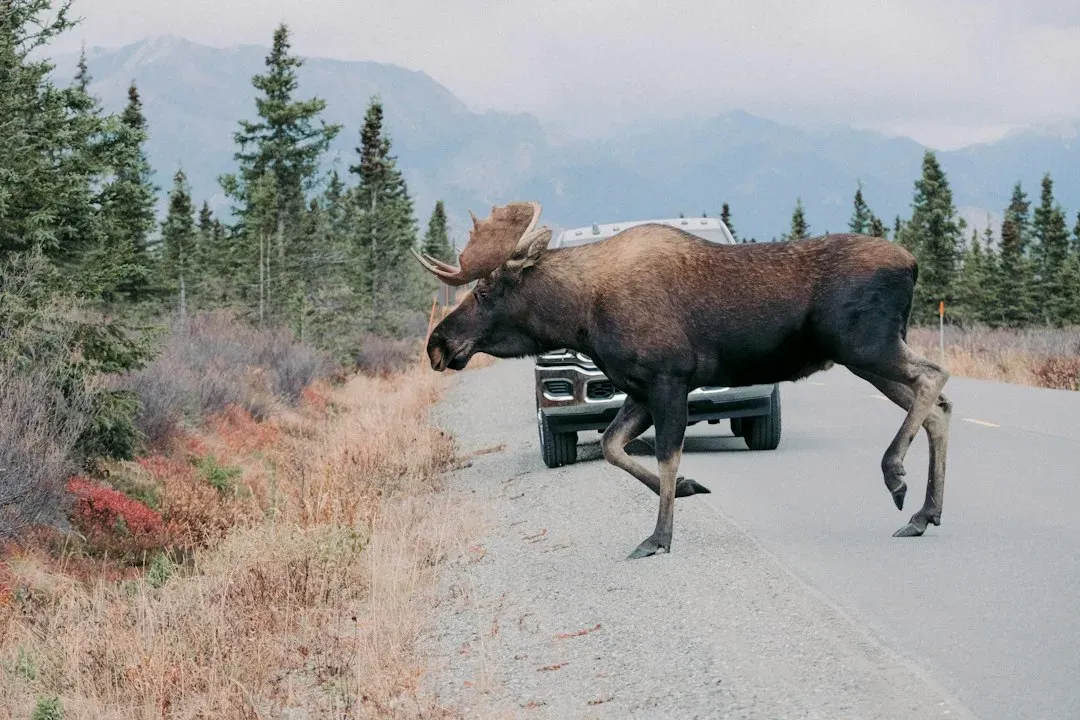
It’s easy to assume that something so gangly must be clumsy. In reality, a moose can run at speeds up to about thirty five miles an hour over short distances, which is far beyond what any person can manage.
Those long legs make deep snow, rivers and tangled brush look easy. Trying to outrun a charging moose across open ground is a bad bet.
The better option is to put something solid between you and the animal. A tree, a vehicle or a building can end a chase quickly.

Halloween Dog Collar with Bow, Orange Cute Ghost Collar,
Check Price on AmazonAs an Amazon Associate, we earn from qualifying purchases.
10/9/2026 2:43 pm GMTi

2 Pcs Halloween Pet Hat Bandana Set, Witch Pumpkin Costumes for Dogs
Check Price on AmazonAs an Amazon Associate, we earn from qualifying purchases.
10/9/2026 2:45 pm GMTi

Halloween Cat Costume Cloak Witch Hat Pet Accessories
Check Price on AmazonAs an Amazon Associate, we earn from qualifying purchases.
10/9/2026 2:44 pm GMTi

Glass Hummingbird Feeder for Outdoors Hanging, 16 oz Leak-Proof Nectar Feeder with Bee Guards & Ant Moat
Check Price on AmazonAs an Amazon Associate, we earn from qualifying purchases.
10/7/2026 1:22 pm GMTi

Hand Blown Glass Hummingbird Feeders for Outdoors Hanging, 24oz Wild Bird Nectar Feeder
Check Price on AmazonAs an Amazon Associate, we earn from qualifying purchases.
10/7/2026 1:23 pm GMTi
2. Their Warning Signs Are Easy to Miss
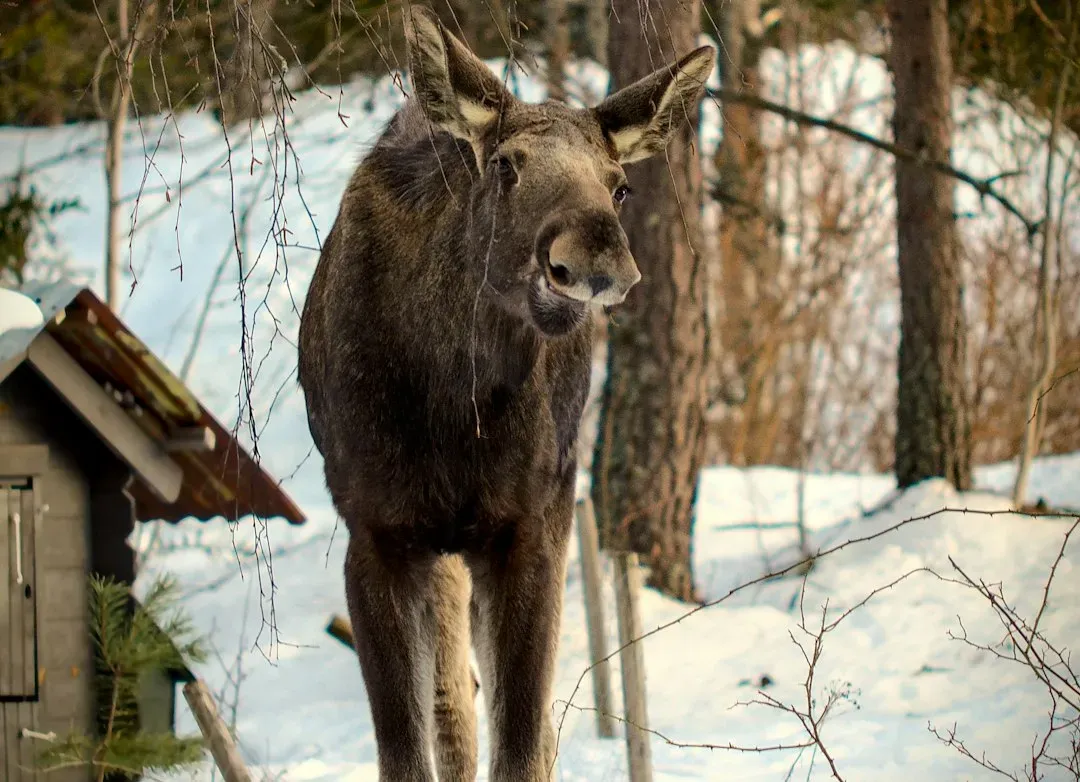
Moose do signal their mood before they charge, but most people don’t know what to look for. Laid back ears, raised hair along the hump and neck, and licking of the lips are all classic clues that an animal is getting upset.
A hard stare is another. These cues are subtle compared with a bear popping its jaws, and a person busy taking a photo may completely overlook them.
Alaska wildlife officials commonly advise giving moose plenty of space, with a general rule of keeping at least a few dozen yards away when possible. If the animal’s behavior changes, that’s your signal to back off, slowly and without turning your attention away.
1. Fewer Bears Means Fewer Close Calls, but More Moose Means More Chances
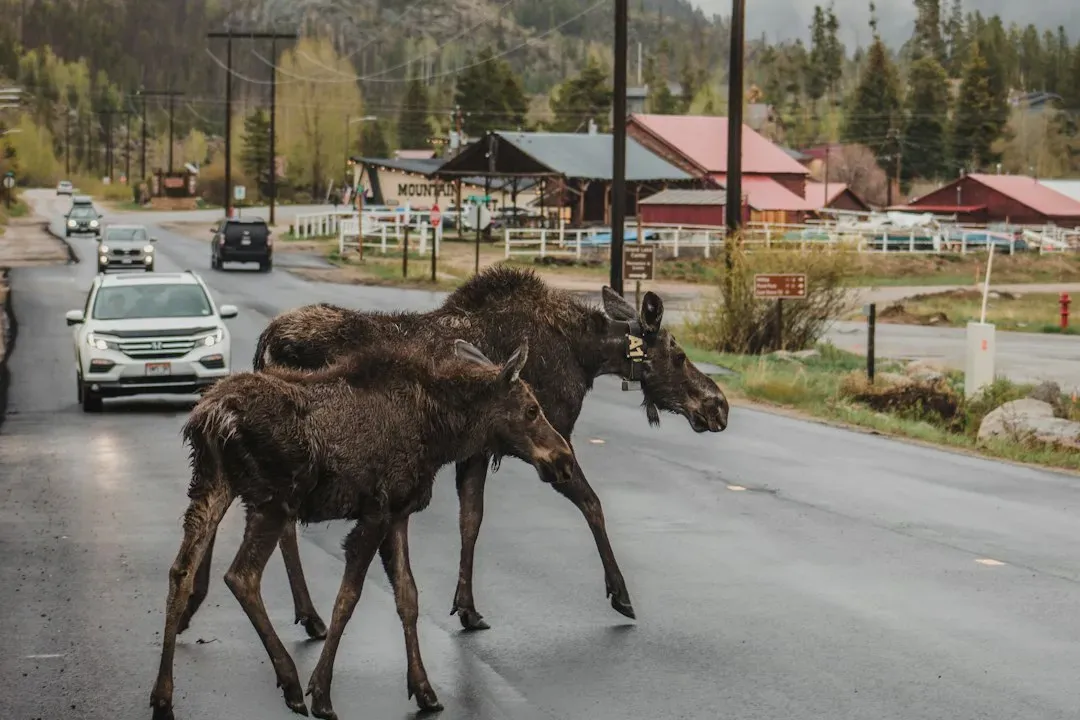
The comparison also comes down to numbers and habits. Alaska’s moose are abundant and widespread, and they use the same roads, trails and yards as people. Serious bear encounters get far more attention, which makes them feel more common than they are.
Wildlife managers have long noted that moose cause more injuries than bears in the state. Many involve people who didn’t think a moose was dangerous, which is exactly the problem.
There’s also the matter of vehicles, since moose are dark, tall and tough to spot at night. Collisions with cars are a separate and serious hazard, particularly in winter darkness, because a heavy body can come through the windshield.

Smart Bird Feeder with Camera Solar Powered, 2K HD Live Video, 10,000+ Bird Species AI Identification
Check Price on AmazonAs an Amazon Associate, we earn from qualifying purchases.
10/7/2026 1:22 pm GMTi

Orthopedic Extra Large Dog Bed, Waterproof Washable XL Pet Bed 44"
Check Price on AmazonAs an Amazon Associate, we earn from qualifying purchases.
10/7/2026 1:32 pm GMTi

PetSafe Oasys Pet Fountain, 1/2 Gallon (64 oz), Small Dogs & Cats
Check Price on AmazonAs an Amazon Associate, we earn from qualifying purchases.
10/8/2026 8:14 am GMTi

Air Purifiers for Home Pets Large Room Up to 3000 Ft²,HEPA Air Cleaner with Washable Double-Side Filter, PM2.5 Air Quality Monitor,15dB Sleep Mode for Bedroom Odor Dust Pollen,White
Check Price on AmazonAs an Amazon Associate, we earn from qualifying purchases.
10/8/2026 8:23 am GMTi
The Takeaway: Respect the Herbivore
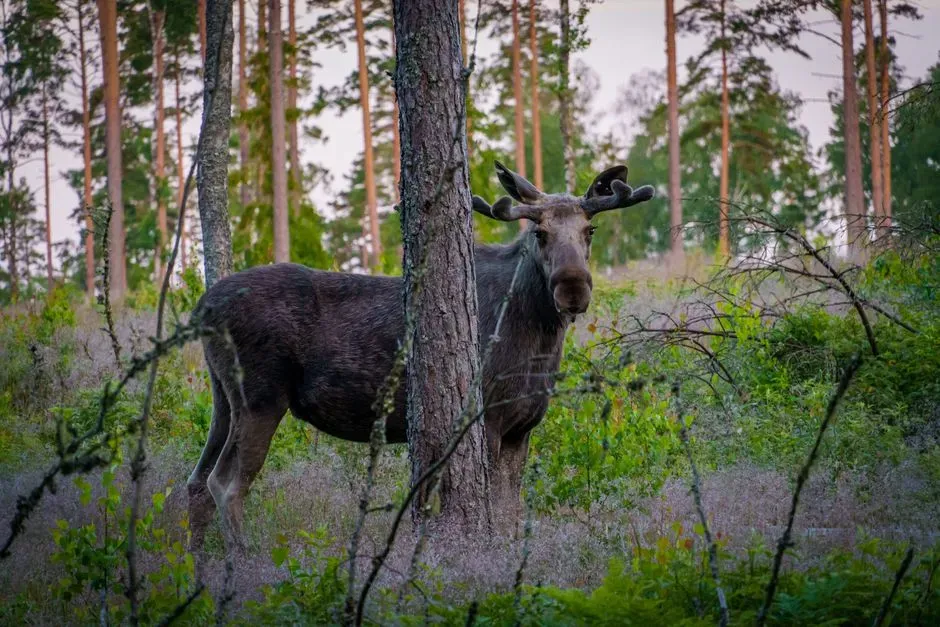
I think the real lesson is that being a plant eater doesn’t make an animal gentle. We’ve learned to be cautious around anything with claws and teeth, then we hand a free pass to something that can break bones with a single kick.
Moose aren’t villains. They’re wild animals doing what they do, often in places we’ve decided to build. If you live in or visit Alaska, treat them with at least as much caution as you’d give a bear, give them room, and keep your dog close. The most dangerous animal is often the one we don’t take seriously.

- 10 Facts About Moose That Explain Why They Injure More People Than Bears Do in Alaska - November 12, 2026
- 9 Dinosaur Discoveries in America That Rewrote the Textbooks - November 12, 2026
- 23 Dog Breeds Trainers Say First-Time Owners Regret - November 12, 2026