
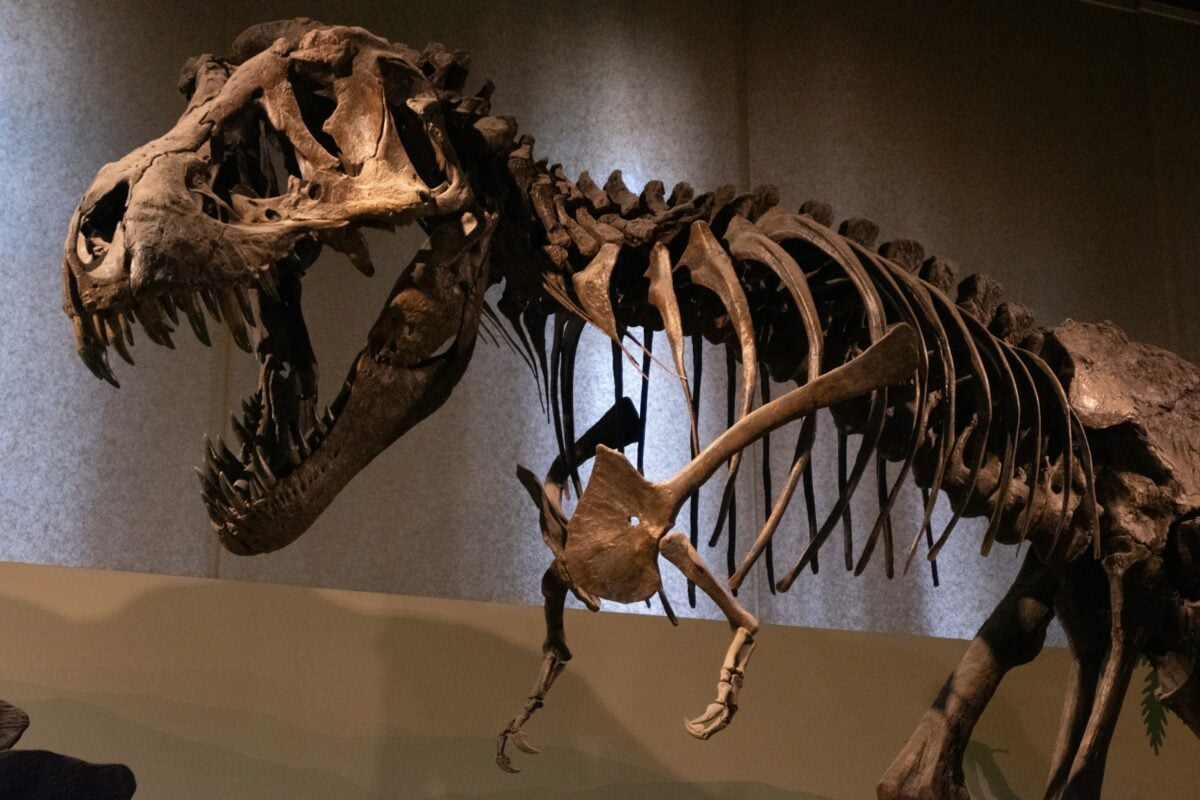


Most of us picture dinosaurs the way a museum taught us to, with a hulking skeleton, a dragging tail and a slow, swampy world. That picture has been revised many times, and a surprising number of the revisions came from American dirt. Some came from a single lucky bone, others from a quarry that took decades to empty.
What follows is a tour through nine finds that changed how scientists think about dinosaurs, and how the rest of us do. A few are famous. Others are quieter, though no less important.
Hadrosaurus foulkii and the First Mounted Skeleton
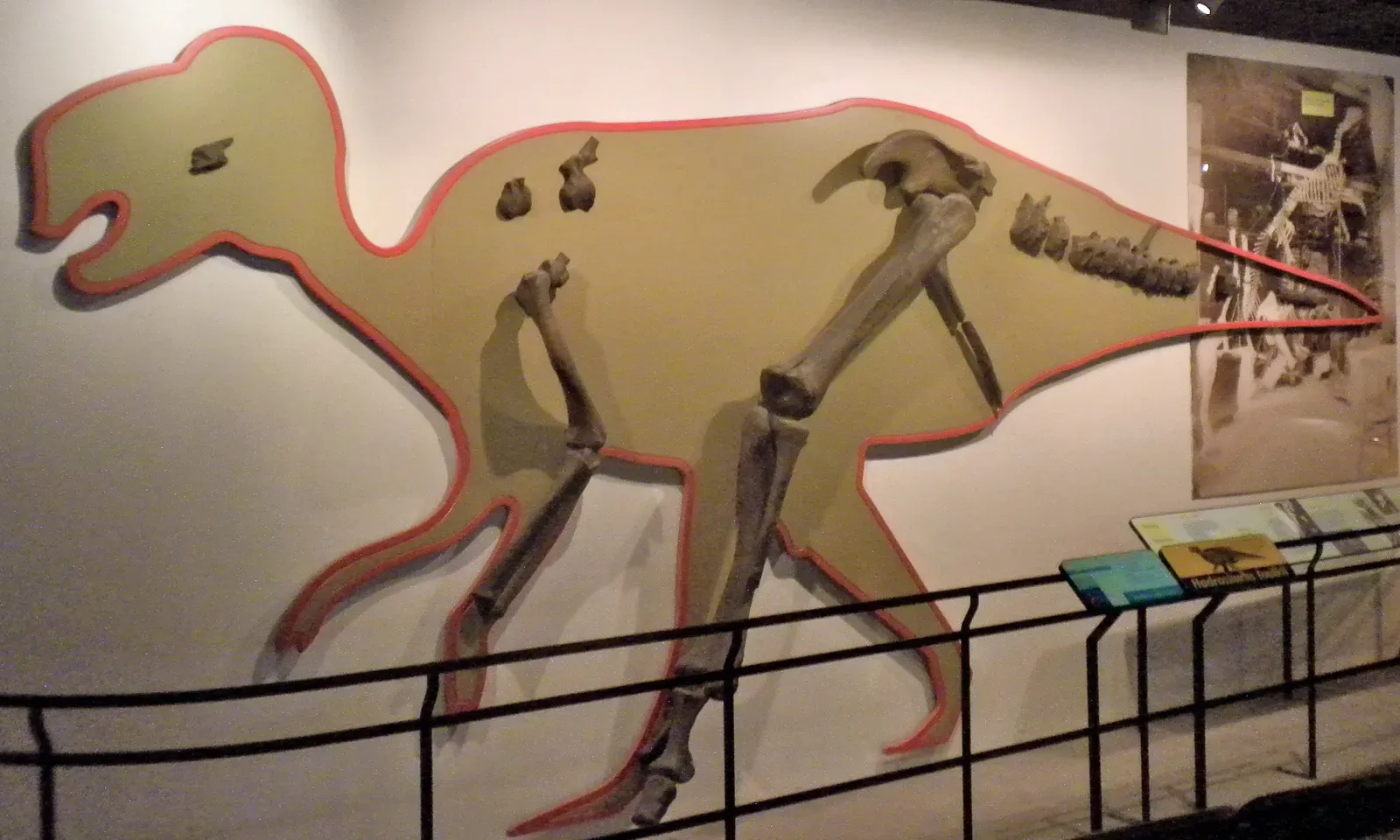
In 1858, fossils turned up in a marl pit in Haddonfield, New Jersey. They were later described by Joseph Leidy as Hadrosaurus, and the find was remarkable because it was a fairly complete skeleton, far more than the scattered fragments known from Europe at the time.
Leidy’s work suggested that some dinosaurs could stand on their hind legs, an idea that cut against the lumbering lizard image of the day. Later, a mounted skeleton was displayed in Philadelphia, and it helped turn dinosaurs into public spectacle. It was a modest beginning for American paleontology, yet it set the tone.
Allosaurus and the Bone Wars Legacy
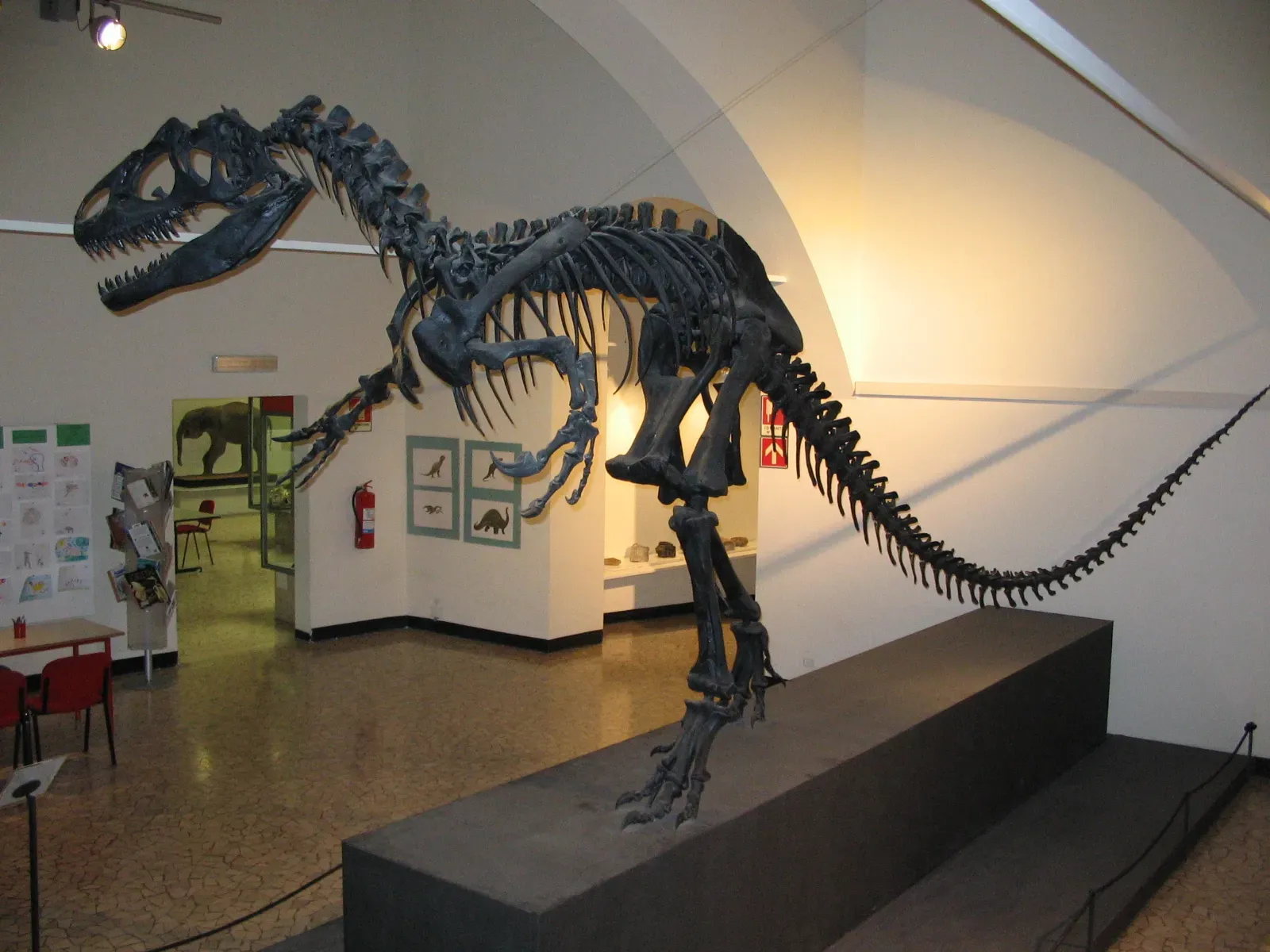
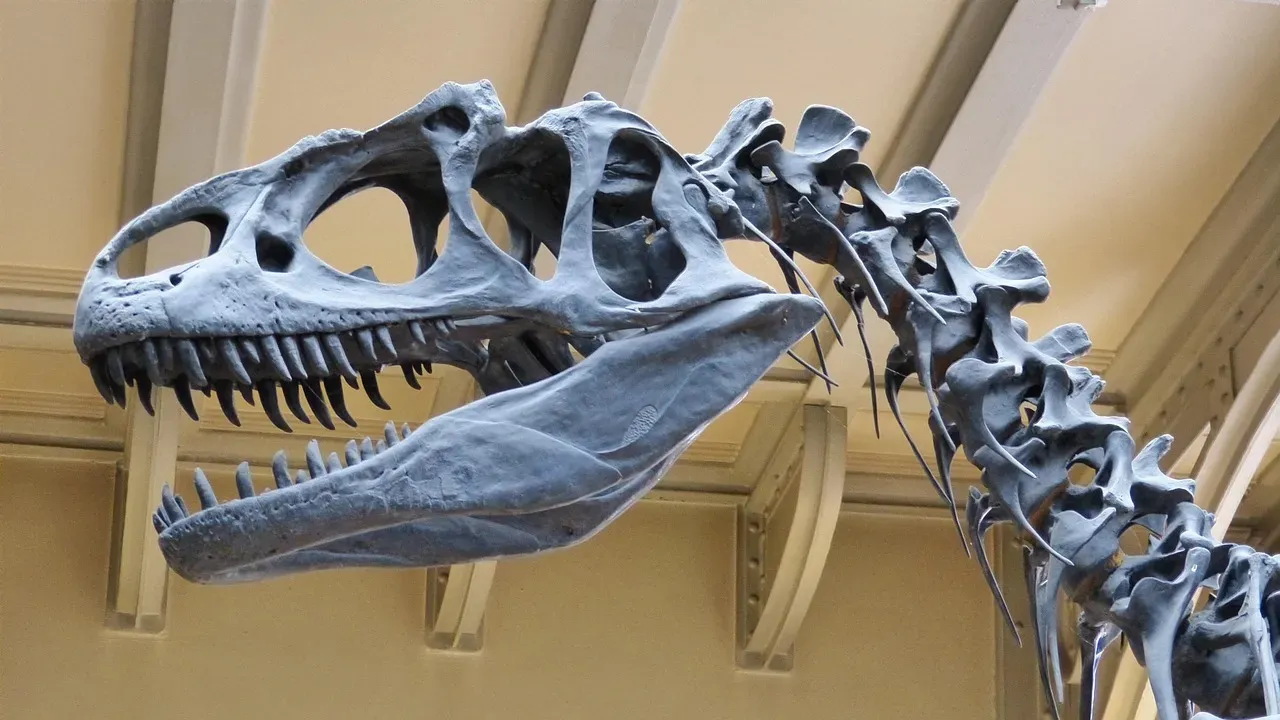
The late 1800s brought the rivalry between Edward Drinker Cope and Othniel Charles Marsh, a feud that sent crews digging across the American West. It was petty, expensive and occasionally sneaky. It also produced an enormous number of new species, among them Allosaurus, named by Marsh in 1877.
Allosaurus became one of the best known predators of the Jurassic, and Utah’s Cleveland-Lloyd Dinosaur Quarry later yielded remains of many individuals. The rivalry’s messy side is a reminder that science can be driven by ego. Still, the collections from those years gave researchers material they are re-examining today.
Apatosaurus, Brontosaurus and a Very Long Naming Mix-Up
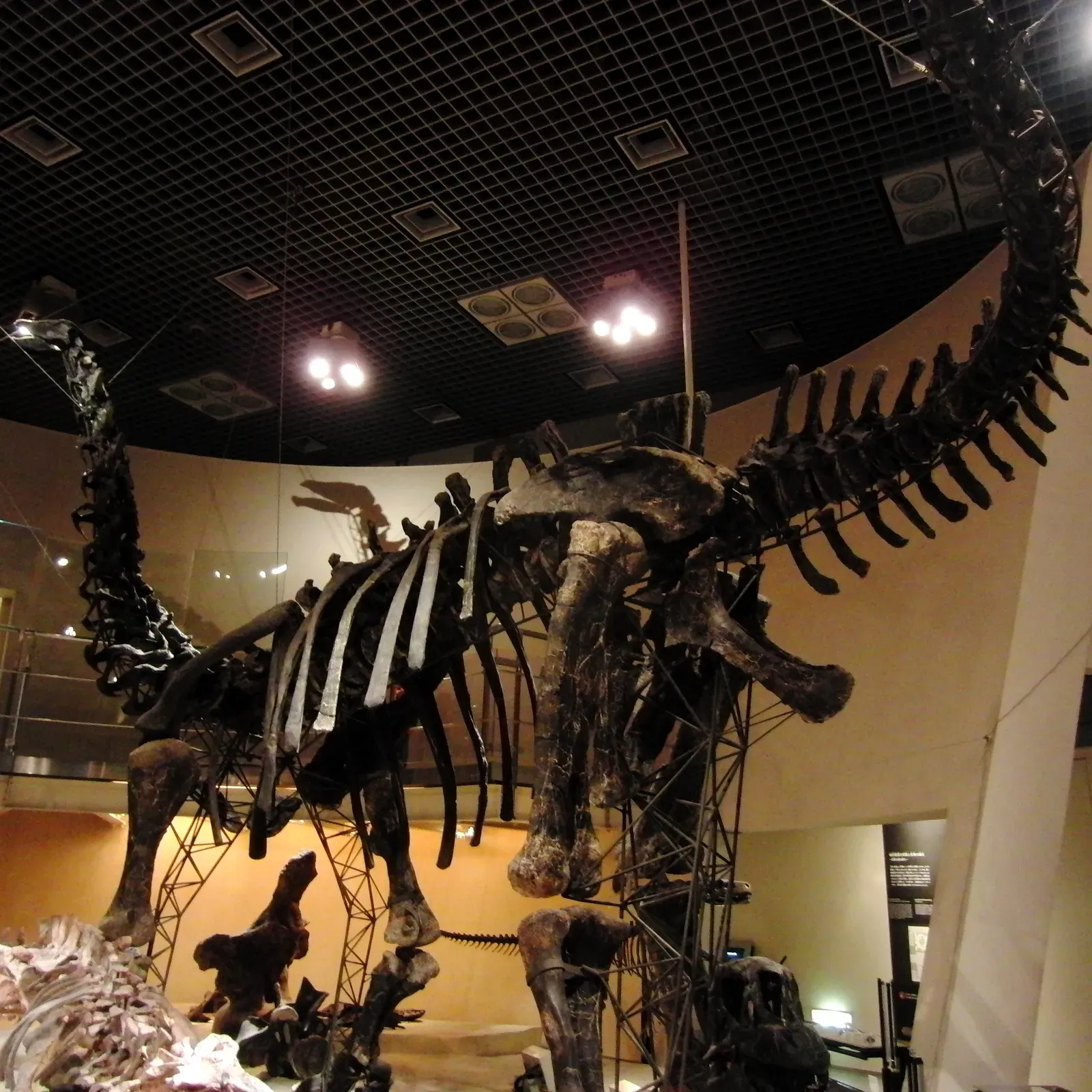
Marsh named Apatosaurus in 1877 and Brontosaurus in 1879. Later scholars decided the two were the same animal, so Brontosaurus was shelved for much of the twentieth century. Another mix-up persisted for decades as well, when an Apatosaurus body was displayed with the wrong skull.
In 2015, a large reanalysis argued that Brontosaurus deserved to be its own genus again. Not every paleontologist agrees on the details, and the debate continues. It’s a good example of how textbook answers can flip back and forth as methods improve.
Tyrannosaurus rex and the Making of a Celebrity
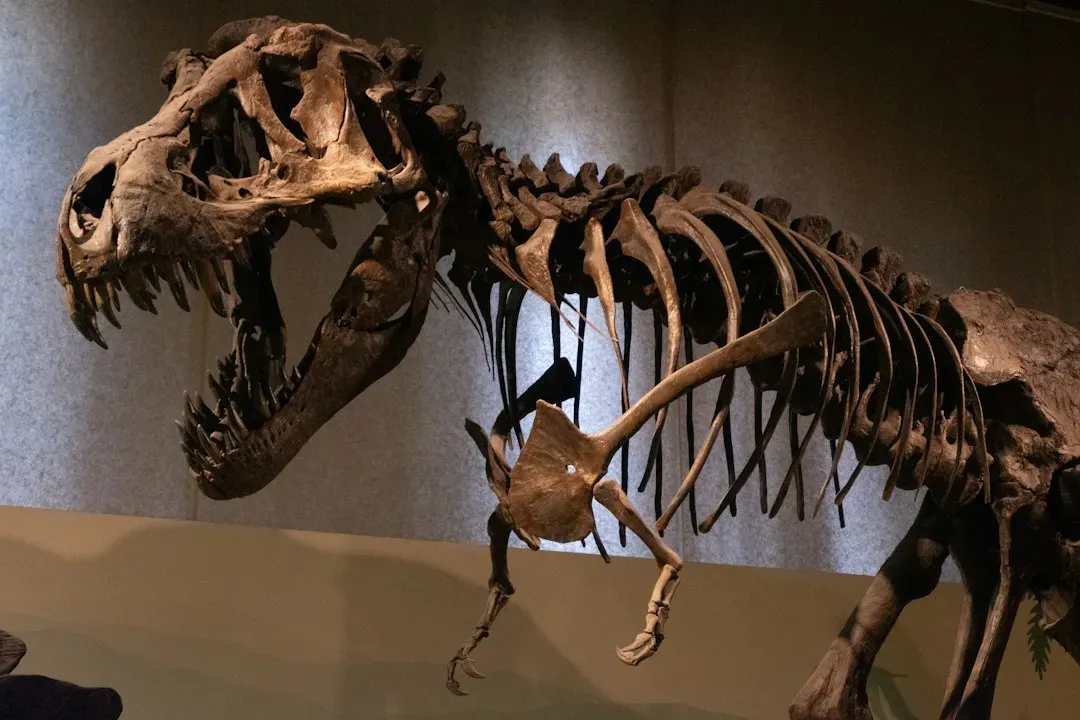
Barnum Brown, working for the American Museum of Natural History, collected T. rex remains in Montana in the early 1900s, and Henry Fairfield Osborn named the species in 1905. Nothing quite like it had been seen before, a predator of enormous size with powerful jaws and tiny arms.
Since then, finds like the Montana specimen nicknamed Sue’s counterpart in South Dakota, the famous Chicago skeleton, have kept the story growing. Studies of growth rings and bite force have shown a creature that changed dramatically from juvenile to adult. The textbook version is now far more nuanced than the movie monster.

2 Pcs Halloween Pet Hat Bandana Set, Witch Pumpkin Costumes for Dogs
Check Price on AmazonAs an Amazon Associate, we earn from qualifying purchases.
10/9/2026 2:45 pm GMTi

Halloween Cat Costume Cloak Witch Hat Pet Accessories
Check Price on AmazonAs an Amazon Associate, we earn from qualifying purchases.
10/9/2026 2:44 pm GMTi

Smart Bird Feeder with Camera Solar Powered, 2K HD Live Video, 10,000+ Bird Species AI Identification
Check Price on AmazonAs an Amazon Associate, we earn from qualifying purchases.
10/7/2026 1:22 pm GMTi

Portable Dog Water Bottle Foldable Dog Travel Water Bottle
Check Price on AmazonAs an Amazon Associate, we earn from qualifying purchases.
10/7/2026 1:29 pm GMTi

Orthopedic Extra Large Dog Bed, Waterproof Washable XL Pet Bed 44"
Check Price on AmazonAs an Amazon Associate, we earn from qualifying purchases.
10/7/2026 1:32 pm GMTi
Deinonychus and the Dinosaur Renaissance
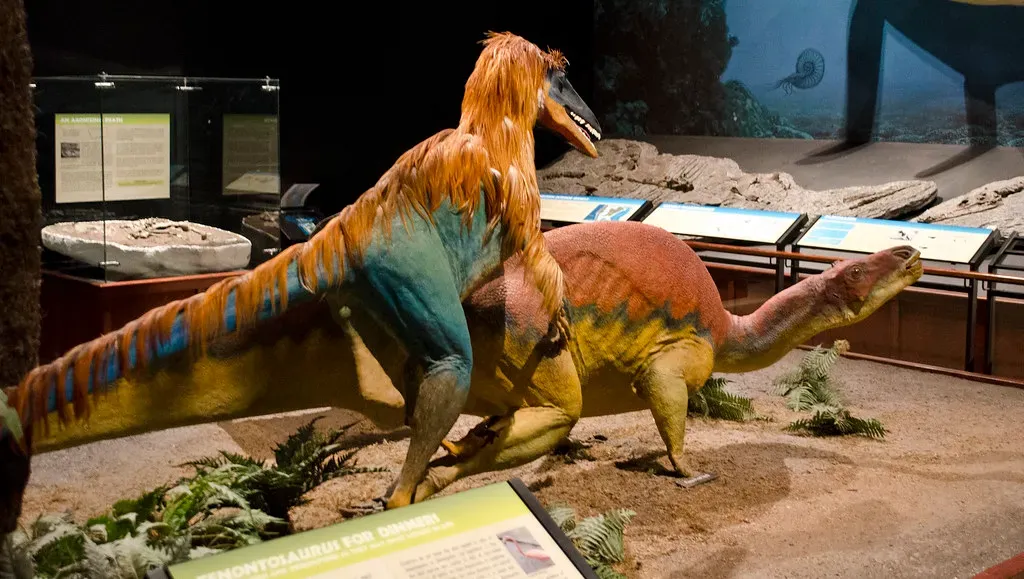
John Ostrom described Deinonychus in 1969 from fossils found in Montana. It was a lightly built, agile predator with a large sickle claw, and it didn’t look like a sluggish reptile at all. Ostrom argued it was active and likely warm blooded in some sense, which was a provocative claim then.
His work is widely credited with kicking off what’s called the Dinosaur Renaissance. It strengthened the link between dinosaurs and birds, and it changed how artists drew them. After Deinonychus, the tail-dragging swamp dweller started to look old fashioned.
Maiasaura and the Idea of Caring Parents
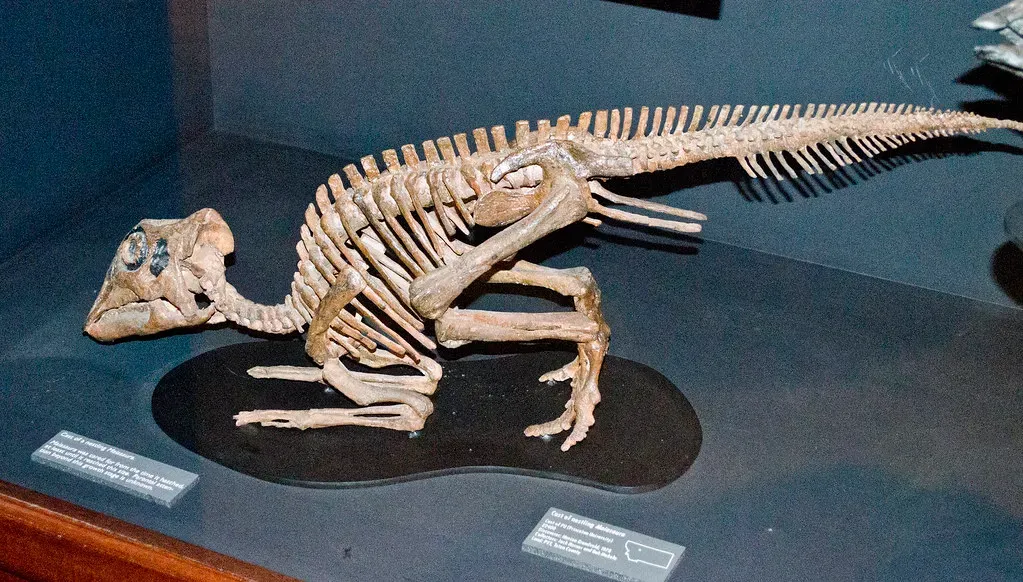
In the late 1970s, Jack Horner and Bob Makela found a nesting site in Montana containing eggs, hatchlings and young animals of a duck-billed dinosaur. They named it Maiasaura, a name that points to a good mother lizard. The evidence suggested the young stayed around the nest for some time.
That challenged the old assumption that dinosaurs laid eggs and walked away. Researchers still debate exactly how much care these animals gave, and some interpretations have been refined since. Even so, the site opened up a whole field of study on dinosaur growth and behavior.
Dinosaur Soft Tissue From a Montana T. rex
In 2005, Mary Schweitzer and colleagues reported flexible, tissue-like structures inside a T. rex thigh bone from Montana. Many scientists had assumed that nothing soft could survive tens of millions of years. The result was surprising, and it sparked plenty of skepticism.
Follow-up work looked at whether the material was original or the product of microbes, and the interpretation remains debated. What’s clear is that it pushed chemists and paleontologists to work together. It also showed that fossils may hold more molecular information than anyone expected.

Glass Hummingbird Feeder for Outdoors Hanging, 16 oz Leak-Proof Nectar Feeder with Bee Guards & Ant Moat
Check Price on AmazonAs an Amazon Associate, we earn from qualifying purchases.
10/7/2026 1:22 pm GMTi

Professional 7 in 1 Dog Paw Cleaner for Dogs & Cats - Includes 1 Portable Paw Washer, 1 Bath Brush
Check Price on AmazonAs an Amazon Associate, we earn from qualifying purchases.
10/7/2026 1:26 pm GMTi

Hand Blown Glass Hummingbird Feeders for Outdoors Hanging, 24oz Wild Bird Nectar Feeder
Check Price on AmazonAs an Amazon Associate, we earn from qualifying purchases.
10/7/2026 1:23 pm GMTi

Air Purifiers for Home Pets Large Room Up to 3000 Ft²,HEPA Air Cleaner with Washable Double-Side Filter, PM2.5 Air Quality Monitor,15dB Sleep Mode for Bedroom Odor Dust Pollen,White
Check Price on AmazonAs an Amazon Associate, we earn from qualifying purchases.
10/8/2026 8:23 am GMTi

Halloween Dog Collar with Bow, Orange Cute Ghost Collar,
Check Price on AmazonAs an Amazon Associate, we earn from qualifying purchases.
10/9/2026 2:43 pm GMTi
Sue and the Value of a Nearly Complete Skeleton
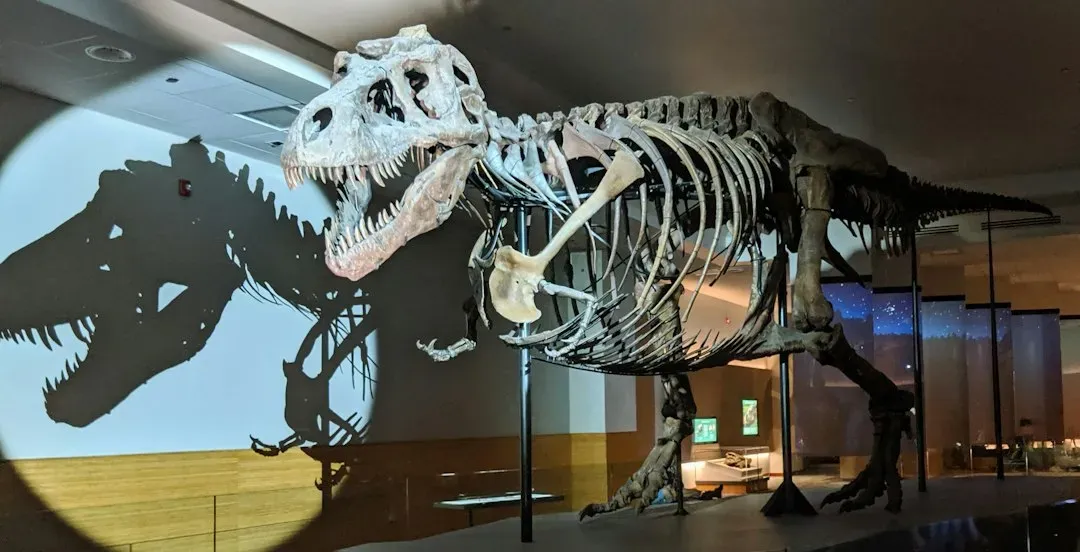
In 1990, a team found a remarkably complete T. rex in South Dakota, later named Sue. Legal fights over ownership followed, and the fossil eventually sold at auction in 1997, then went to the Field Museum in Chicago. The case changed how people talk about who owns fossils found on private land.
Scientifically, the skeleton showed signs of injuries and disease, giving a rare glimpse of an individual life. A near complete specimen lets researchers study anatomy in ways fragments never allow. It remains one of the most studied dinosaurs ever found.
Dinosaur Mummies and Rare Skin Impressions
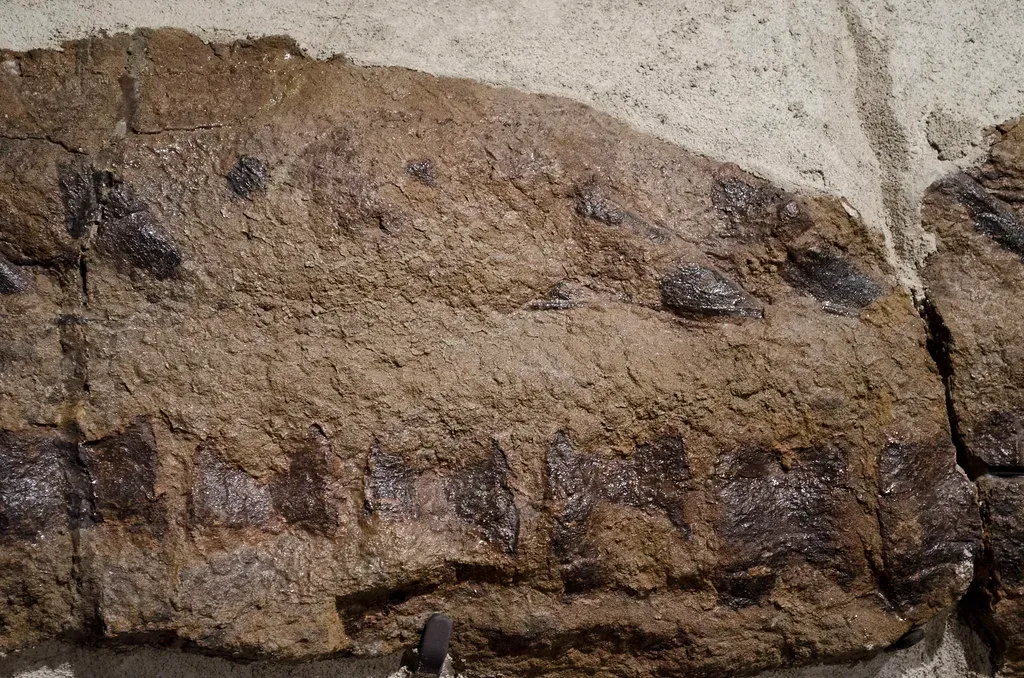
Several North American hadrosaur specimens, including ones nicknamed Dakota in North Dakota, have preserved skin impressions and other soft features. Fossils like these are uncommon, and they show scale patterns that bones can’t reveal. Some interpretations of what they preserve have been argued over, so details are best treated with caution.
Even so, such specimens remind us that dinosaurs weren’t just skeletons. They had textures, colors we’re only beginning to infer, and bodies that looked different from older reconstructions. Each new find adds a bit more flesh, quite literally, to the picture.

Earth Rated XL Dog & Puppy Pee Pads, Discreet Top, Max Absorbency
Check Price on AmazonAs an Amazon Associate, we earn from qualifying purchases.
10/7/2026 1:28 pm GMTi

PetSafe Oasys Pet Fountain, 1/2 Gallon (64 oz), Small Dogs & Cats
Check Price on AmazonAs an Amazon Associate, we earn from qualifying purchases.
10/8/2026 8:14 am GMTi

Dog Stairs for Bed 18" H, 4-Step Dog Steps for High Bed
Check Price on AmazonAs an Amazon Associate, we earn from qualifying purchases.
10/9/2026 2:42 pm GMTi

Glass Hummingbird Feeder for Outdoors Hanging
Check Price on AmazonAs an Amazon Associate, we earn from qualifying purchases.
10/7/2026 1:21 pm GMTi
Final Thoughts
If there’s a pattern in these nine stories, it’s that confidence in textbooks tends to be temporary. A single quarry or one odd bone can flip a long held belief, and then the next find can flip it back. I find that oddly comforting.
My view is that the messy, argumentative nature of paleontology is its best feature, not a flaw. The next big revision is probably already sitting in a drawer or a hillside somewhere in America, waiting for someone patient enough to notice.

- 9 Dinosaur Discoveries in America That Rewrote the Textbooks - November 12, 2026
- What You Need to Know About Parvo in Dogs: Symptoms, Causes and Treatments - November 12, 2026
- 18 Horse Breeds Farriers Say Are Hard on Hooves - November 12, 2026