
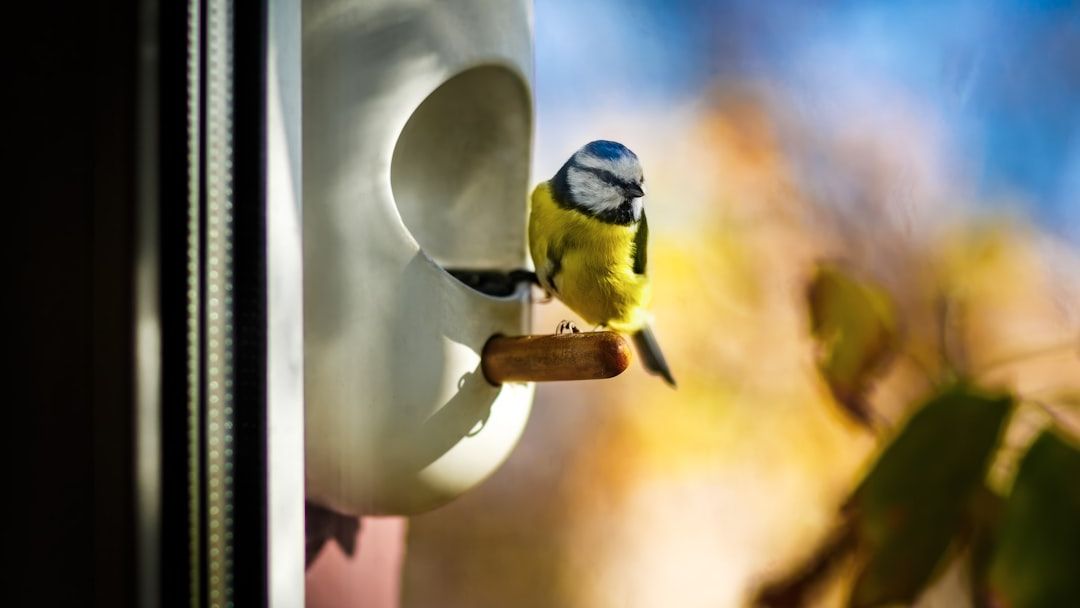
You hung the feeders. You set out the birdbath. You even planted flowers specifically because the bag said “attracts pollinators and wildlife.” And yet your yard is quiet. Eerily, frustratingly quiet. What most people never realize is that the very things they’ve done to welcome birds may be the exact reasons the birds stopped coming – and the culprits aren’t always obvious. Backyard ornithologists and wildlife biologists have spent years tracking this pattern, and their findings are equal parts surprising and a little unsettling.
Some of these mistakes are buried in daily routines so normal they’d never raise a red flag. Others are hiding in plain sight – a garden decoration here, a bag of nursery soil there. The 15 factors below aren’t theory. They’re the real, documented reasons bird experts point to when a yard that should be thriving goes silent. A few of these will genuinely catch you off guard, especially the one sitting at number one.
#1 – Widespread Use of Neonicotinoid-Treated Seeds or Plants
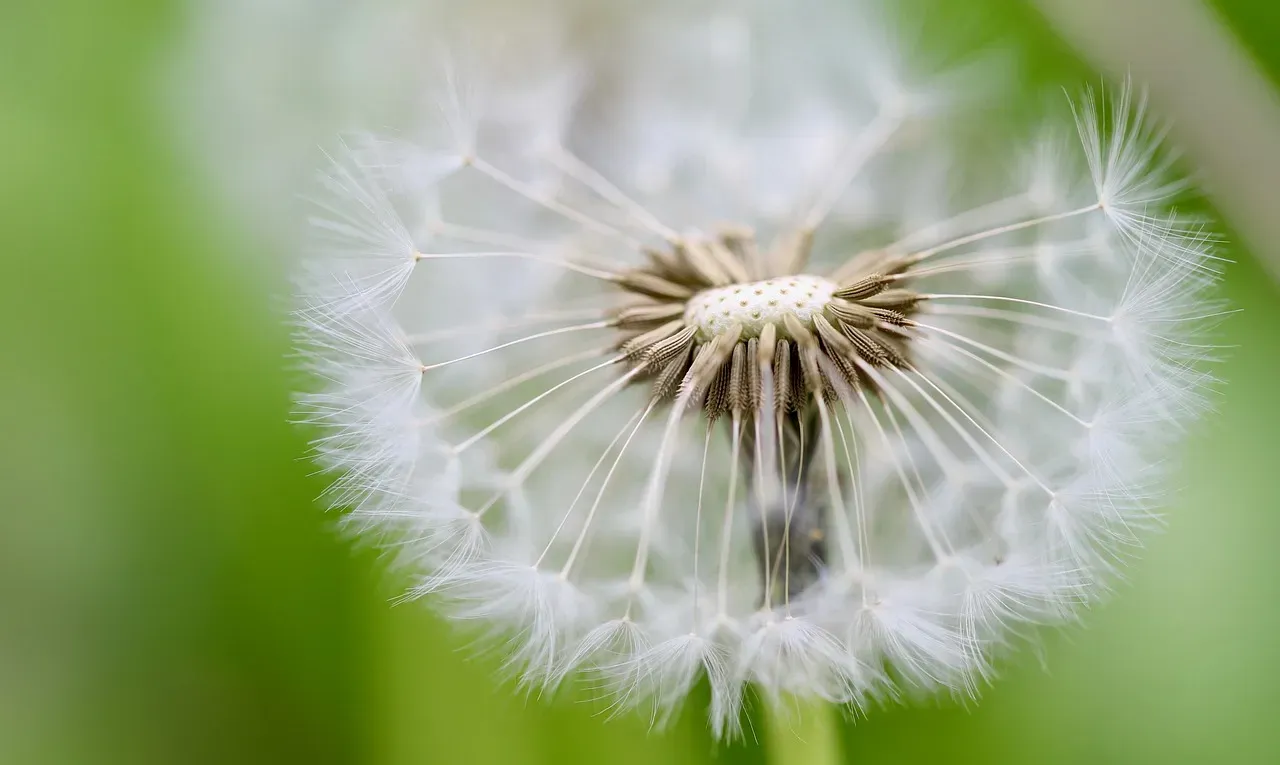
This is the one that makes ornithologists genuinely angry, because it’s almost entirely invisible to the average gardener. Neonicotinoids are systemic pesticides – meaning they’re absorbed into every part of a plant, from roots to pollen to seeds. They’re used widely in commercial nurseries, which means that cheerful flat of flowers you picked up at the garden center last spring may have already been pre-loaded with chemicals that work their way up the food chain and into the birds you’re trying to attract.
Birds ingest these compounds directly through treated seeds or indirectly through the insects that feed on treated plants. Even sub-lethal doses have been shown to impair navigation, disrupt migration timing, and suppress reproduction across multiple species. The damage is quiet and cumulative – you won’t find dead birds on your lawn, you’ll just notice fewer and fewer returning each season. Experts consistently call this the single highest-impact fix available: check plant labels, ask nurseries about treatment history, and choose certified untreated stock wherever possible. It’s a small change with an outsized result.
Fast Facts
- A 2024 meta-analysis of nearly 50 global studies found that 75% of over 1,500 measured effects of neonicotinoids on birds were negative.
- Research published in Science found that exposed songbirds delayed migration by a median of 3.5 days – enough to cause cascading breeding failures.
- Just 4 imidacloprid-treated canola seeds per day over 3 days can impair a songbird’s fat stores, body mass, and migratory direction.
- Neonicotinoid residues have been detected in 36% of wild bird blood samples tested across non-agricultural sites in Texas.
- Grassland bird species – already the steepest-declining group in North America over 50 years – are most at risk from neonic exposure.
#2 – Absence of Insect-Friendly Habitats
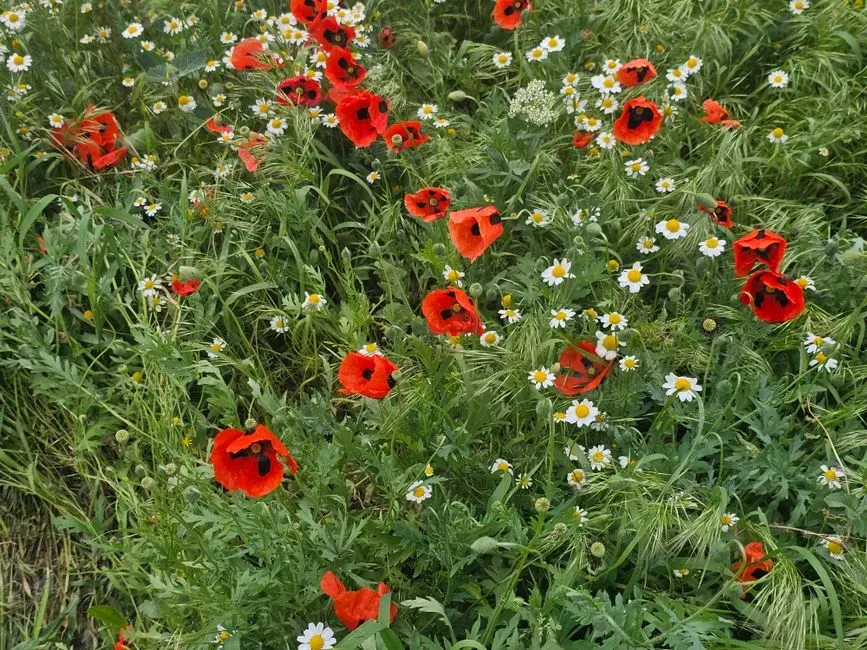
A perfectly clean yard is a hungry yard. When gardeners rake up every leaf, haul away every fallen branch, and clear out dead plant stalks after autumn, they’re dismantling the micro-habitats that support the base of the entire backyard food web. Ground beetles, moth larvae, native bees, and dozens of other invertebrates overwinter in exactly that kind of “mess” – and without them, insectivorous birds have no reason to visit, no matter how good your feeder setup looks.
Leaving a designated “wild patch” – even a modest pile of leaves in a corner, a few sections of untreated dead wood, or standing seed heads through winter – can dramatically shift insect availability within a single season. Experts describe this as the overlooked foundation of any genuinely successful bird garden. You can double insect traffic with almost zero effort, which translates directly into more warblers, wrens, thrushes, and flickers working your yard on a daily basis. The birds aren’t looking for a manicured showpiece. They’re looking for a working ecosystem.
#3 – Static Predator Decoys Left in One Spot
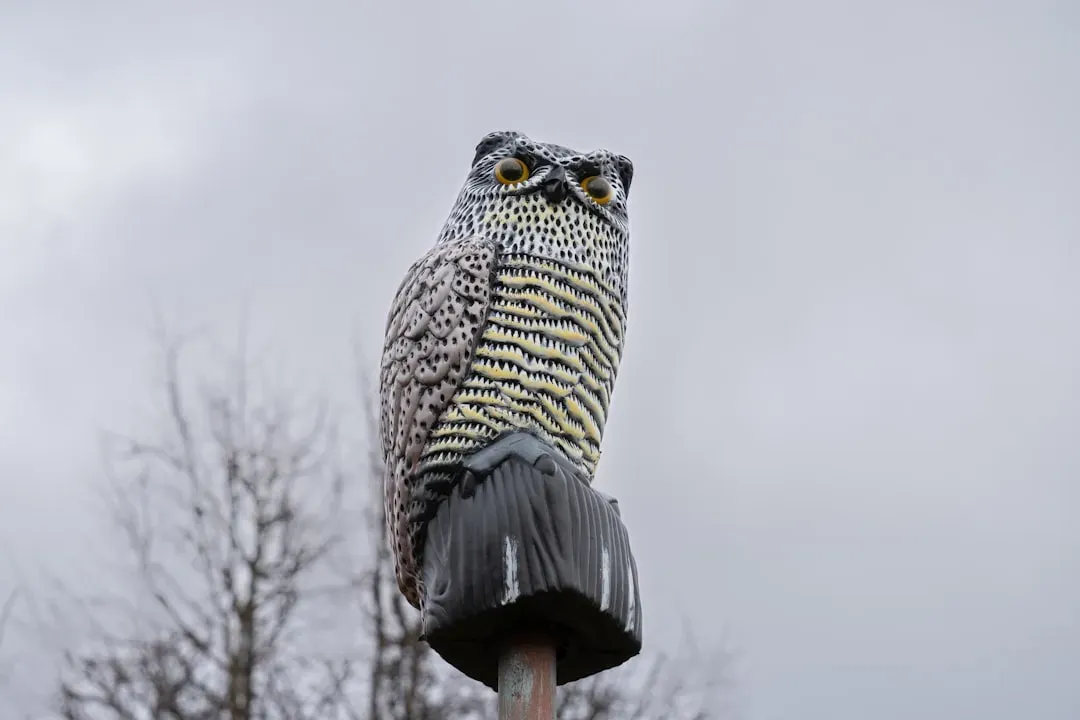
The plastic owl on the fence post feels like a smart move – a cheap, chemical-free way to keep squirrels off feeders and signal to birds that the area is hawk-free. The problem is that birds aren’t fooled for long. Most species figure out a motionless decoy within two to three days. After that, it stops being a deterrent and becomes scenery, except for one side effect: some curious or territorial species begin actively avoiding the immediate area because the visual signal reads as ambiguous and stressful.
Wildlife experts have largely walked back their earlier enthusiasm for static decoys and now caution that immobile, unchanging figures compound the sense of unease in a garden without delivering real protection. If you use them at all, rotating their position every day or two extends their limited usefulness. But many ornithologists now advise skipping them entirely for any yard where the primary goal is attracting a diverse, returning bird population rather than just deterring a specific pest. The decoy that’s supposed to help is quietly doing the opposite.
#4 – Reflective Surfaces Like Windows or Mirrors
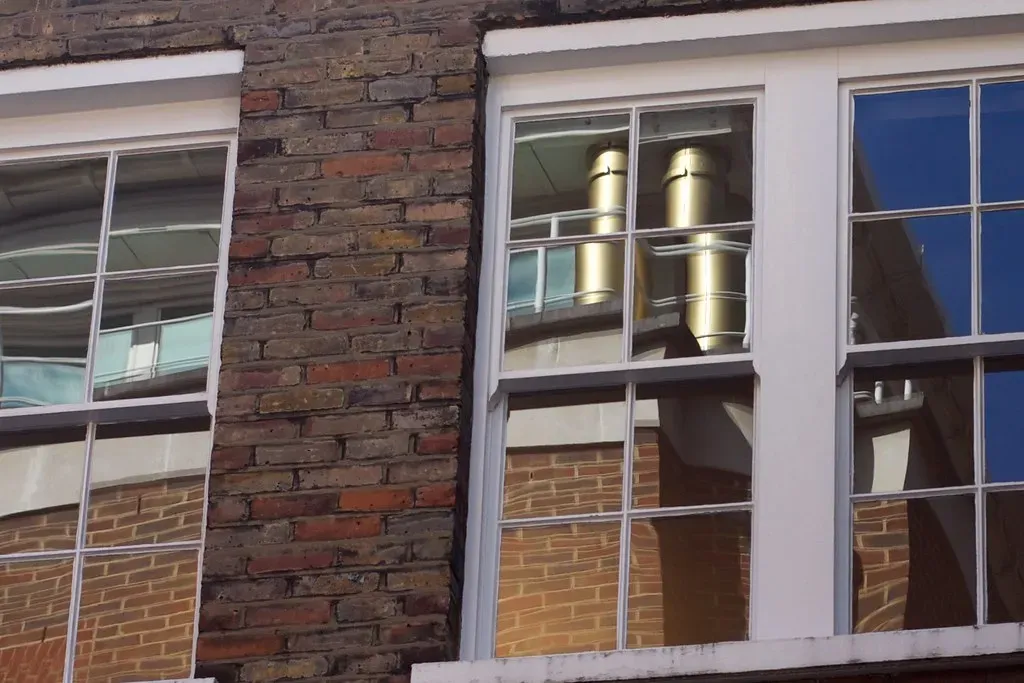
Birds don’t understand glass. To them, a clear or reflective window can look like open sky, a competitor’s reflection, or a sudden, disorienting flash of light at the worst possible moment. Decorative garden mirrors – trendy in landscaping right now – create the same problem at ground level, bouncing light and reflections that register as threats to birds mid-approach. The result is a yard that delivers small, repeated scares dozens of times a day, training birds to treat the space as unreliable and unsafe.
The fix is simpler than most people expect. Exterior window films, UV-reflective decals spaced closely across glass surfaces, or simply moving feeders away from direct window alignment can eliminate the problem almost immediately. Experts note that this issue compounds everything else on this list – a yard dealing with noise, chemicals, and lost cover can still partially recover, but adding daily glass-collision stress and reflective startling on top of everything else accelerates the exodus significantly. It’s one of those silent factors that doesn’t announce itself with a single dramatic event, just a slow, steady emptying.
At a Glance: Window Danger Zones
- Under 3 feet from glass: Low collision risk – birds don’t build enough speed.
- 5 to 10 feet from glass: The most dangerous zone – birds reach full flight speed before impact.
- 10 to 15+ feet from any structure: The expert-recommended feeder placement sweet spot.
- Window strikes kill an estimated 599 million birds annually in the U.S. – the second-largest human-caused source of bird mortality.
- UV-reflective decals must be spaced no more than 2 inches apart vertically and 4 inches apart horizontally to be effective.
#5 – Unpredictable Human Activity and Loud Play
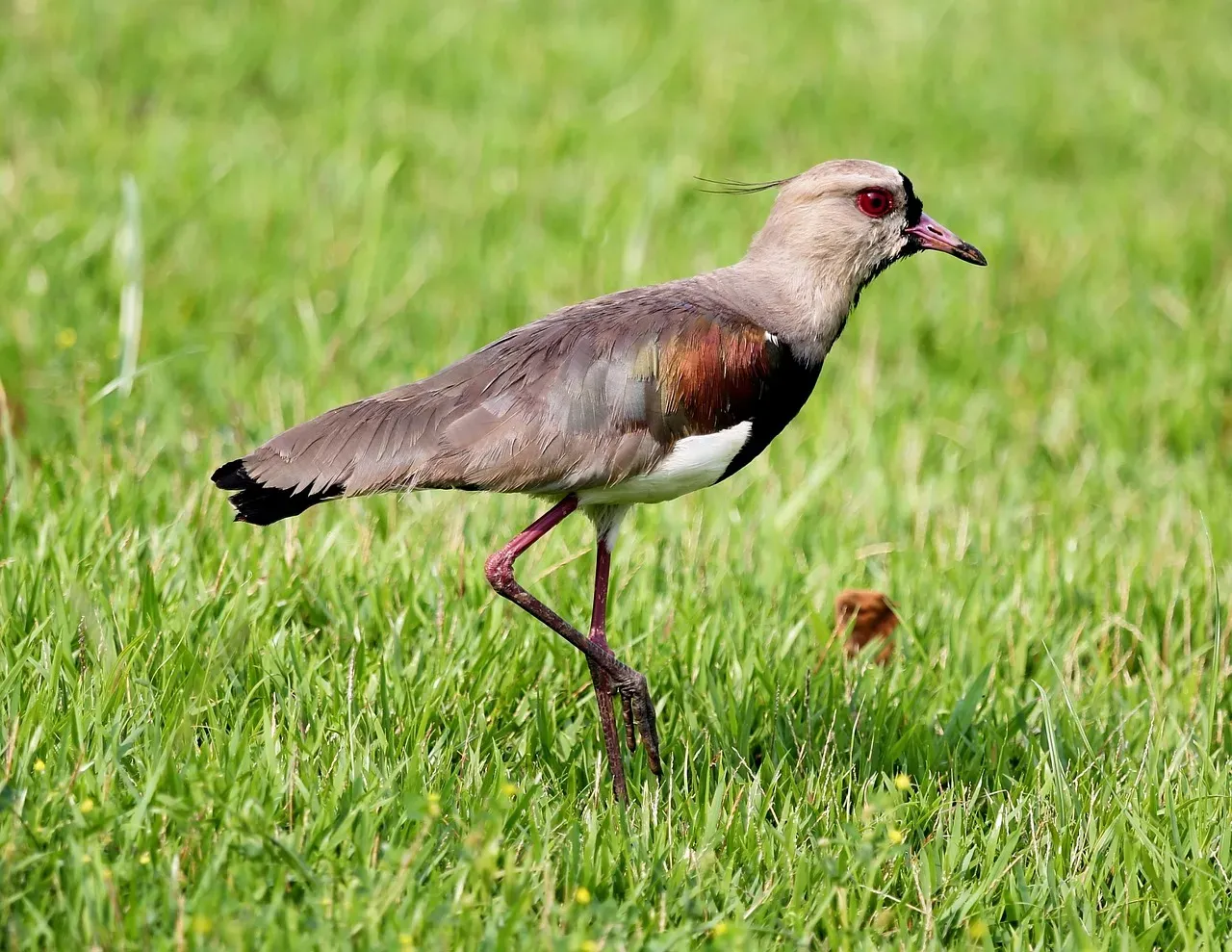
Birds are not anti-social, but they are deeply wary of unpredictable chaos. A yard that erupts into noise, movement, and activity at random intervals – weekend parties, afternoon yard work with power tools, kids sprinting through the garden without warning – reads as a danger zone to any species that relies on environmental awareness for survival. Even birds that have become relatively comfortable around humans will reset their threat assessment when the pattern becomes erratic.
Monitoring data consistently shows that yards with frequent, unpredictable disturbance patterns see significantly fewer repeat visitors over time, with some studies tracking drops of more than half the usual species count in heavily disturbed spaces. The solution isn’t to stop using your yard – it’s to create consistency. Birds adapt to predictable human presence remarkably well. A household that’s active in the garden every morning at the same time, doing quiet tasks, will see far more bird traffic than a household that ignores the yard all week and then descends on it loudly every Saturday. Routine, not absence, is what birds respond to.
#6 – Frequent Lawn Chemicals and Fertilizers
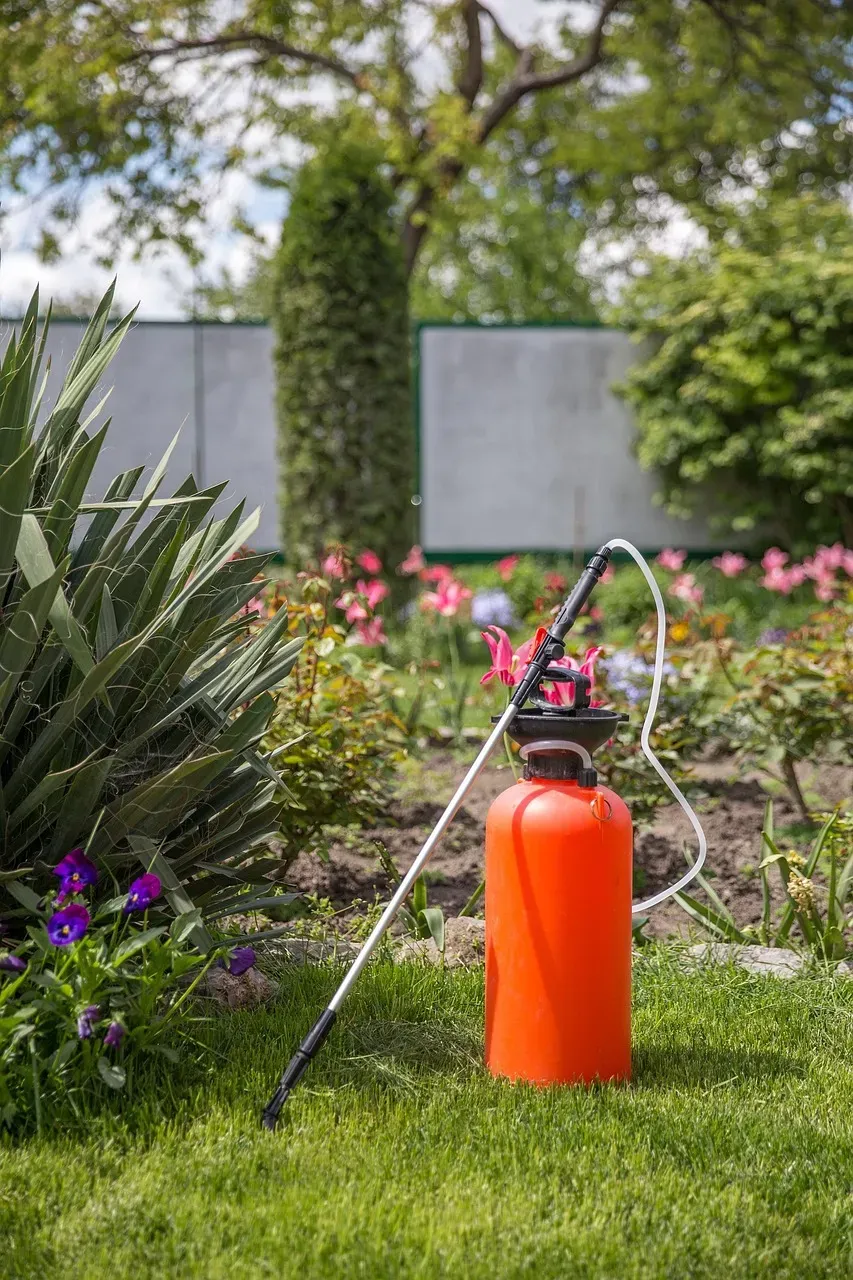
The lawn care aisle is full of products that promise a lush, weed-free, deeply green yard – and most of them quietly devastate the underground ecosystem that birds depend on. Synthetic herbicides and fertilizers alter soil chemistry in ways that suppress earthworm populations, kill off grub colonies, and reduce the invertebrate diversity that ground-feeding species like robins, starlings, and woodcocks rely on. The grass looks better. The birds notice something is wrong.
What makes this particularly insidious is the lag time. A yard treated with conventional lawn chemicals doesn’t empty overnight – it empties gradually, over multiple seasons, as the soil biology degrades beneath the surface. By the time you notice the birds are gone, the damage has been accumulating for years. Switching to organic lawn management – compost top-dressing, corn gluten as a pre-emergent, and simply tolerating some clover and dandelion – reverses the trend faster than most people expect. Worm populations can begin recovering within one growing season when chemical pressure is removed.
#7 – Heavy Mulch or Weed Barriers Blocking Ground Foragers
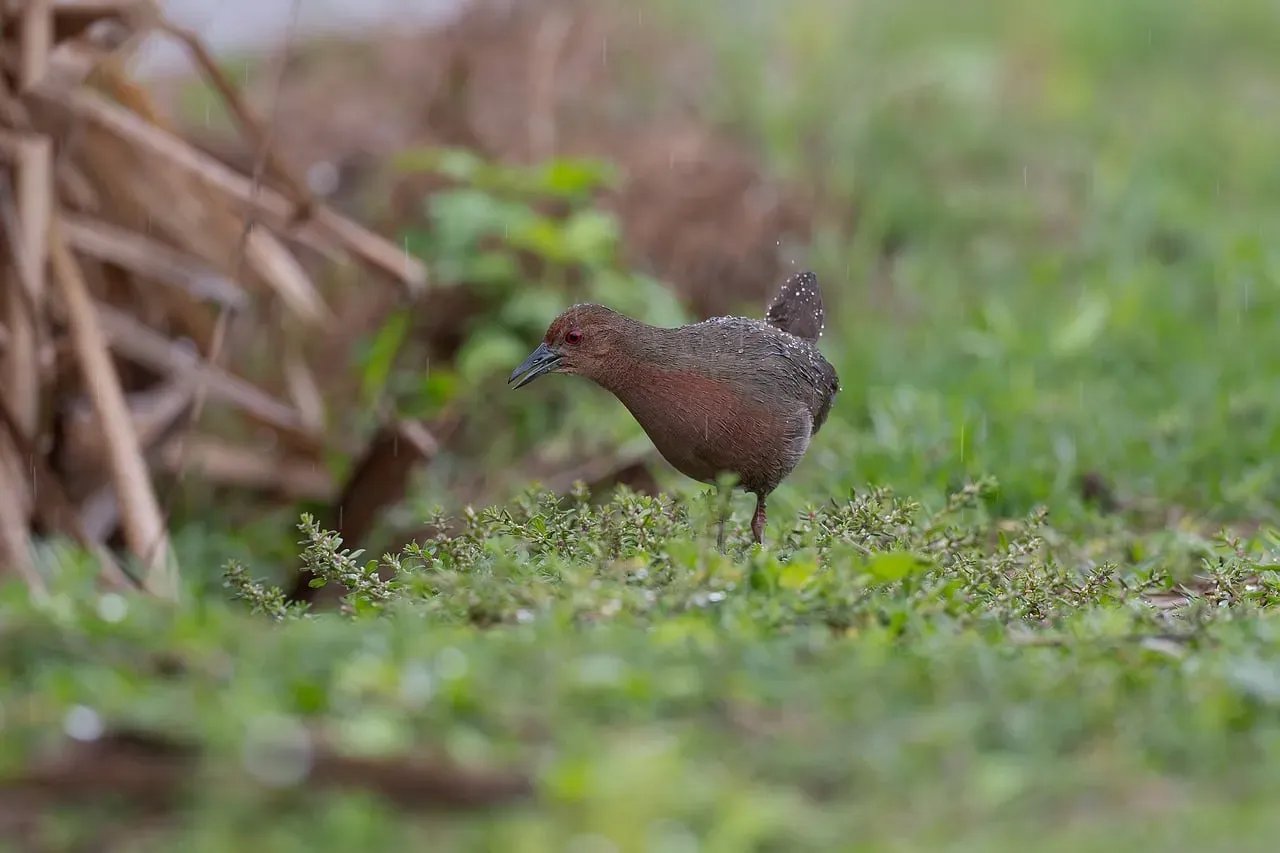
Landscape fabric and thick rubber mulch are garden staples sold on the promise of less maintenance and fewer weeds. What the packaging doesn’t mention is that they create an impenetrable barrier for the birds that forage at ground level. Thrushes, towhees, sparrows, and doves don’t peck at seeds suspended in a decorative layer of bark chips – they probe and scratch through loose, accessible soil and leaf litter, hunting the invertebrates and seeds hidden just below the surface.
A garden bed sealed under weed barrier and six inches of heavy mulch effectively removes an entire feeding dimension from your yard. Experts suggest either switching to a lighter, thinner layer of natural mulch that birds can actually work through, or leaving designated bare patches near planting beds where ground foragers can do what they’re built to do. It’s a tiny design adjustment that makes an enormous practical difference, particularly for species that don’t use feeders at all and are entirely dependent on what they can find at soil level.
Worth Knowing: Ground-Foraging Birds You’re Missing
- Eastern Towhee – scratches aggressively through leaf litter; vanishes from over-mulched yards entirely.
- Hermit Thrush – probes bare soil and loose debris for earthworms and beetles.
- Dark-eyed Junco – seeds found at soil level, not suspended in wood chips.
- American Woodcock – needs soft, probe-friendly earth to feed; landscape fabric is a dead end.
- Fox Sparrow – a powerful double-scratch forager that needs loose, layered ground cover to work.
#8 – Dirty or Absent Water Sources
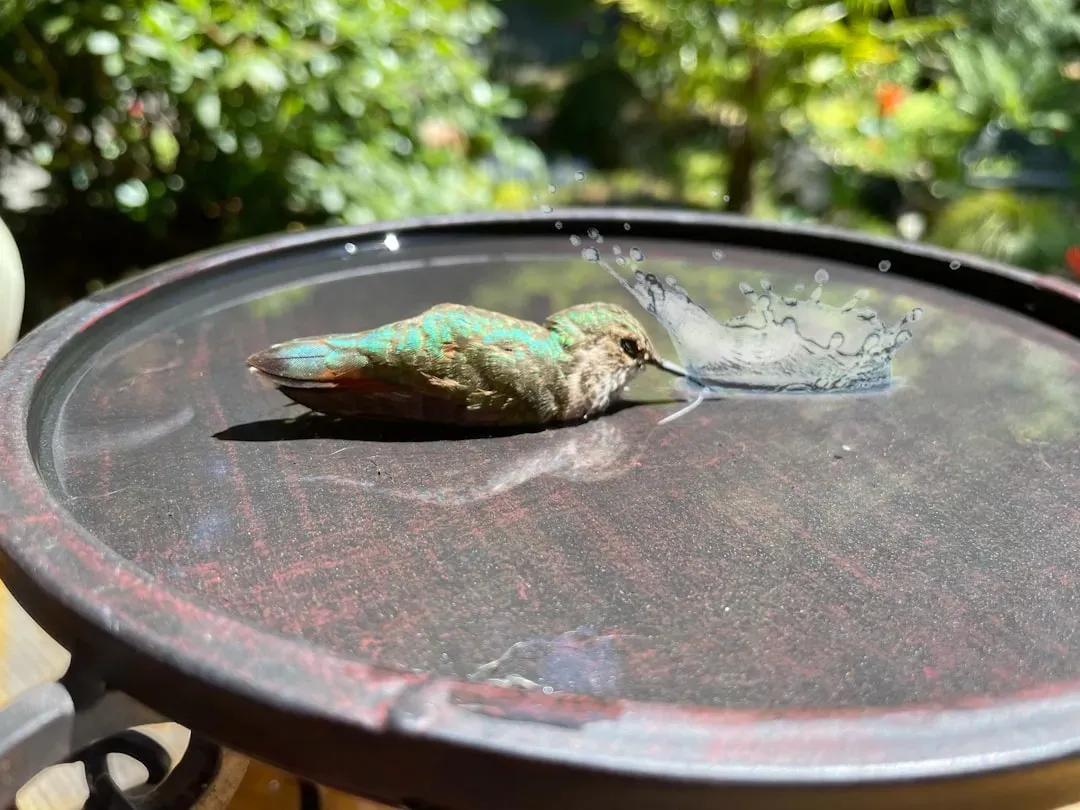
A birdbath that hasn’t been cleaned since it was installed is doing more harm than good. Stagnant water develops a biofilm of bacteria and algae within days, and birds – which have surprisingly sensitive olfactory awareness of water quality – will avoid it just as quickly as they’d avoid a fouled puddle. Add in the mosquito larvae that colonize standing water within 48 hours, and what started as an amenity becomes an active deterrent. Many gardeners who wonder why birds avoid their bath don’t realize it’s working against them.
The standard expert recommendation is simple but requires consistency: change the water every two days, scrub the basin weekly with a stiff brush, and avoid soap residues that linger after rinsing. A dripper, wiggler, or small solar-powered fountain adds moving water, which birds detect from a distance and find irresistible compared to a still surface. During heat waves and drought, a reliable, clean water source becomes the single most magnetic feature a yard can offer – sometimes drawing species that would never visit a feeder under any other circumstances.
#9 – Non-Native or Monoculture Plantings
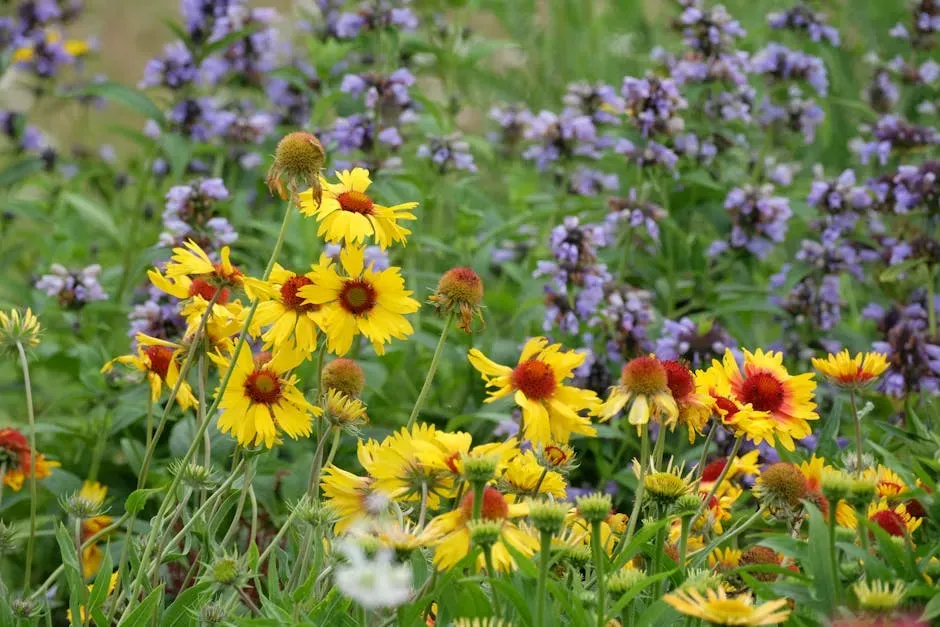
There’s nothing wrong with loving roses, ornamental grasses, or exotic perennials on a visual level. The problem is that most non-native plants exist in near-total ecological isolation in North American gardens – they host virtually no native insects, produce seeds that local birds haven’t evolved to process efficiently, and contribute almost nothing to the layered, living habitat that makes a yard genuinely attractive to wildlife. A garden full of imported beauty can be as empty as a parking lot from a bird’s perspective.
Native plant advocates have been making this argument for decades, and the data keeps backing them up. Research by entomologist Doug Tallamy and others has demonstrated that native oaks alone can support the caterpillars of over 500 species of moths and butterflies – the high-protein food source that virtually every North American songbird feeds its nestlings. Swapping even 30 to 40 percent of a yard’s plantings to native species can produce a measurable increase in both insect diversity and bird species count within a single season. You don’t have to rip everything out. You just have to start making room for plants that actually feed the system.
Natives are the key to restoring the insects, and insects are the key to restoring the birds.
Doug Tallamy, entomologist and author of Bringing Nature Home
Quick Compare: Native vs. Non-Native Plants for Birds
- Native oak: Supports 950+ caterpillar species nationwide; a single white oak observed delivering 233 caterpillars from 15 insect species in one afternoon.
- Native wild cherry (Prunus): Supports up to 456 moth and butterfly species; highly productive for foraging chickadees and warblers.
- Non-native ornamental pear (Callery): Near zero caterpillar production; common in suburban plantings, nearly useless to nesting birds.
- A pair of Carolina Chickadees need 6,000–9,000 caterpillars to raise one brood – almost entirely sourced from native trees.
- Non-native introduced species: Typically host one caterpillar or fewer per plant vs. scores found on native oaks in the same search window.
#10 – Feeders Placed Too Close to Windows or Houses
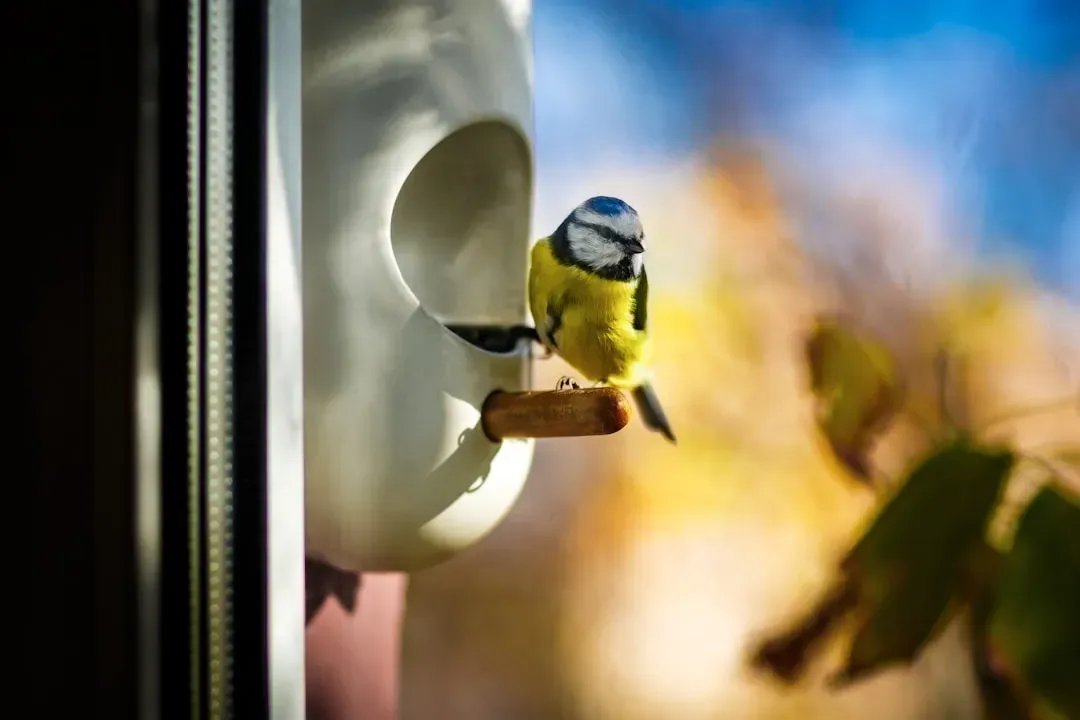
Positioning a feeder directly on a window or just a foot or two from glass feels like it optimizes the view – and honestly, it does work, at least for window collisions. The counterintuitive truth is that feeders placed very close to glass (within three feet) actually reduce fatal collisions because birds don’t build enough speed to cause serious injury. The real problem zone is the middle distance: feeders placed five to ten feet from windows give birds enough runway to hit glass at full speed, which kills millions annually and creates a persistent association between a feeding area and sudden, traumatic impact.
Beyond collision risk, feeders placed tight against walls and eaves elevate bird stress from human proximity and domestic noise – dishwashers, HVAC units, voices – that registers as low-grade threat even through walls. The expert-recommended sweet spot is at least ten to fifteen feet from any structure, positioned near shrub cover so birds have a quick escape route if they feel threatened mid-visit. It sounds like a small logistical adjustment, but it changes the psychological safety calculation birds are making every time they decide whether your yard is worth the risk.
#11 – Over-Pruned Shrubs and Lack of Dense Cover
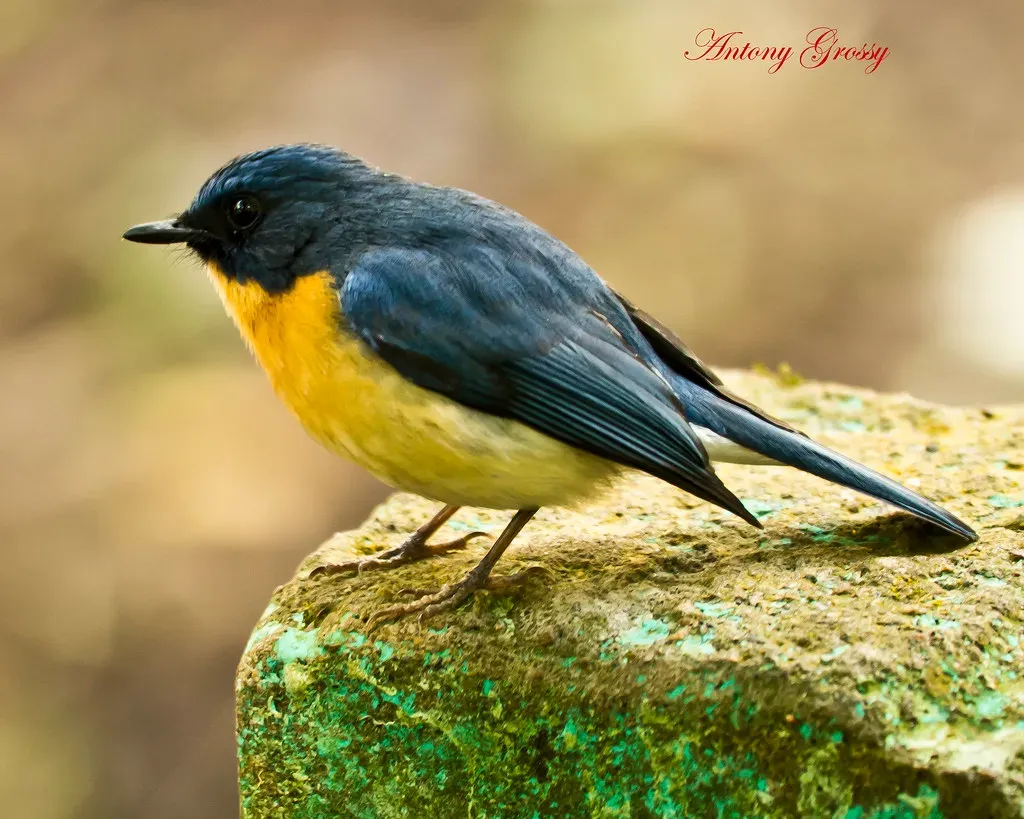
The yard that looks like it belongs in a home design magazine – clean edges, shaped hedges, nothing taller than two feet anywhere near the house – is a yard that birds experience as a wide-open threat zone. Cover isn’t a luxury for birds; it’s the minimum condition for feeling safe enough to land, feed, and stay. A bird perched at a feeder with no nearby shrubs to retreat to is a bird calculating its exposure to hawks with every second it spends there. Most species simply won’t take that bet for long.
Dense, layered plantings – tall trees, mid-story shrubs, and low ground cover working together – create the vertical habitat structure that birds are evolutionarily wired to seek out. A single overgrown lilac hedge or a patch of native viburnum left to grow naturally can transform the feel of an entire yard from exposed to sheltered virtually overnight. Experts specifically push for leaving wild edges along fence lines and property borders, where thick, tangled growth provides both nesting cover and the predator escape routes that make birds comfortable enough to become regulars rather than occasional, nervous visitors.
#12 – Bright Security Lights Left On Overnight
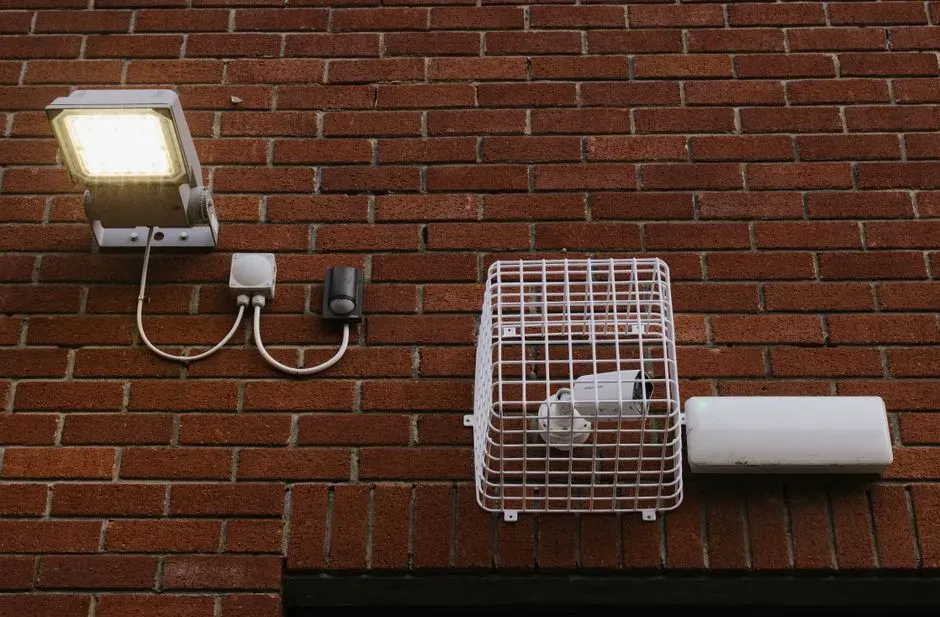
It’s easy to think of nighttime garden lighting as something that only affects nocturnal animals. The reality is that artificial light at night disrupts the entire local bird community in ways that compound through the seasons. Many songbirds migrate at night, navigating by star patterns and subtle magnetic cues. Persistent artificial light bleeds into those systems, causing disorientation that results in birds being pulled off course, colliding with lit structures, or arriving at breeding grounds at the wrong time relative to peak food availability.
For resident species, light pollution suppresses melatonin production and compresses the restorative dark period birds need for genuine rest. Chronically sleep-disrupted birds show reduced immune function, lower reproductive success, and altered singing behavior – which affects mate attraction and territory defense simultaneously. Wildlife biologists consistently recommend switching to motion-activated security lighting, switching to amber or red-spectrum bulbs that have less biological impact, and simply turning off decorative garden lights after midnight. The cumulative effect of a whole neighborhood doing this is measurable at the population level within just a few years.
Why It Stands Out: The Real Cost of Leaving the Lights On
- Research shows artificial light at night is a top predictor of bird migration stopover density in over 70% of models studied across the U.S.
- Purple Martins exposed to high artificial nighttime light migrated up to 8 days earlier than normal – potentially arriving before their insect food supply peaks.
- An estimated 1 billion birds die every year after colliding with lit buildings in the United States.
- Artificial light disrupts the melatonin pathway in birds, compressing the sleep window needed for immune function and breeding success.
- Motion-activated lights and amber-spectrum bulbs have measurably lower biological impact than standard white security lighting.
#13 – Wind Chimes and Constant Background Noise
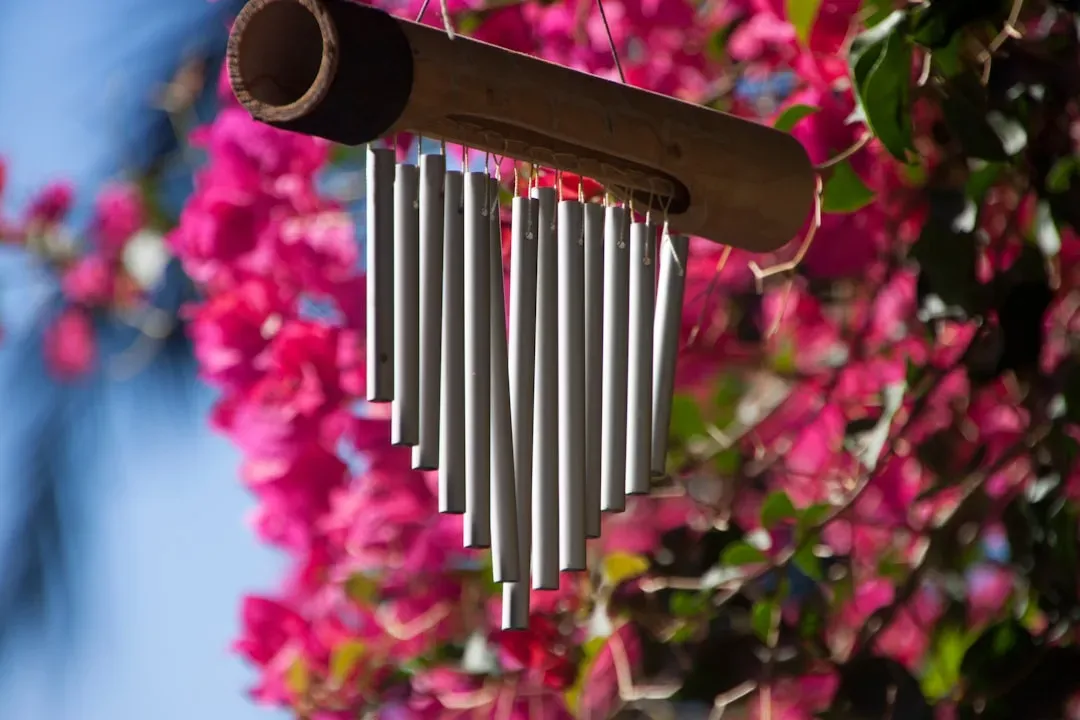
Wind chimes are one of those garden additions that feel categorically innocent – they’re gentle, they’re natural, they respond to the same breeze the birds feel. But the auditory experience of a bird is nothing like ours. Birds operate in a constant state of acoustic monitoring, scanning for the subtle sounds of predator movement, the alarm calls of other species, and the specific vocalizations of potential mates and rivals. Into that finely tuned system, wind chimes introduce persistent, unpredictable noise that functions as low-grade interference, not ambiance.
The problem is compounded when multiple noise sources stack – wind chimes near a fence, an HVAC condenser unit along a wall, a neighbor’s generator running on weekends. Each source alone might be manageable, but combined they push ambient noise levels past the threshold where bird communication becomes unreliable and predator detection becomes genuinely impaired. Research into urban noise ecology shows that bird activity drops meaningfully in environments with elevated and irregular soundscapes. Removing chimes during nesting season, or relocating them away from primary feeding and cover areas, costs nothing and can noticeably shift the acoustic profile of the space birds are evaluating.
#14 – Routine Pesticide Applications
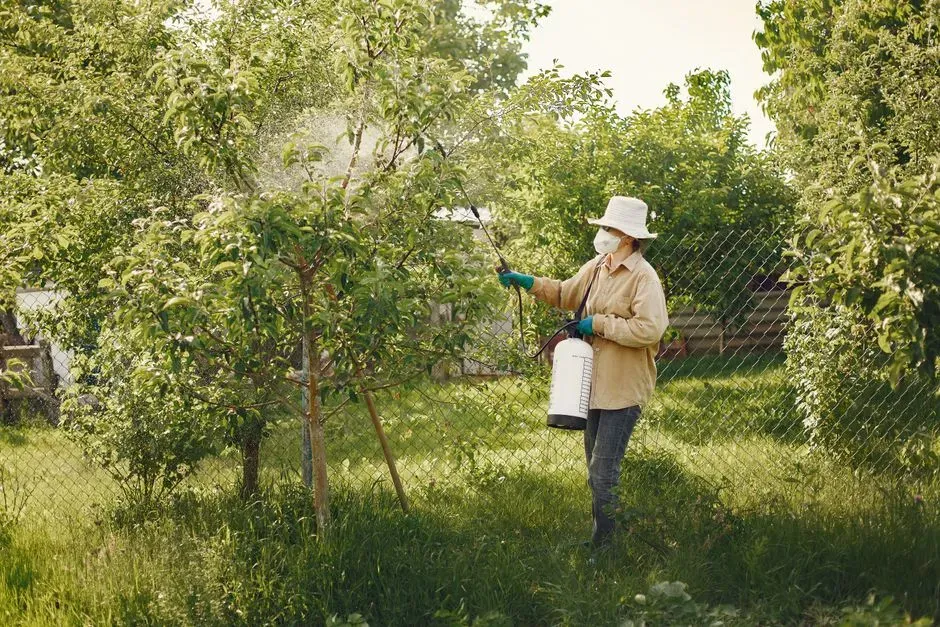
The urge to spray makes complete sense from a gardening perspective – aphids on the roses, grubs in the lawn, caterpillars on the cabbage. The problem is that from a bird’s perspective, a treated garden is a stripped pantry. Broad-spectrum insecticides don’t just eliminate the pest you’re targeting; they collapse the entire invertebrate community in the treated zone, including the caterpillars, beetles, spiders, and soft-bodied larvae that form the core protein diet for virtually every songbird raising chicks. A garden that looks healthy and green can be nearly biologically sterile at the level birds actually feed at.
The timing makes this especially damaging. Most homeowners spray in late spring and early summer – exactly the window when nesting birds are making dozens of foraging trips per hour to feed nestlings that need live insect protein, not seeds. One well-timed spray can eliminate the food base during the most critical developmental window in a chick’s life. Organic alternatives – hand-picking, targeted biological controls like Bt for specific caterpillar pests, introducing beneficial insects – take more effort but preserve the invertebrate community that keeps birds coming back year after year. The spray solves the immediate problem and quietly creates a much larger one.
#15 – Outdoor Cats Roaming Freely
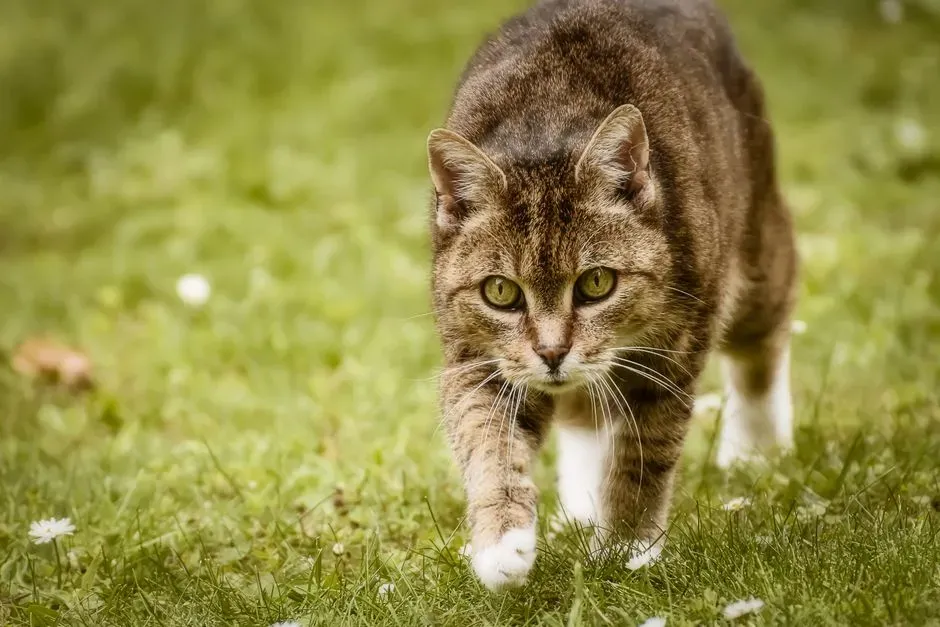
This one generates more defensiveness than almost anything else in backyard wildlife management, which is understandable – people love their cats. But the ecological reality is blunt: free-roaming domestic cats are among the most significant human-linked causes of bird mortality in North America, responsible for the deaths of billions of birds annually. And it’s not just about direct kills. Even a cat that rarely catches anything acts as a persistent predator presence, and birds are extraordinarily sensitive to that. A cat that patrols a yard regularly leaves scent markers and movement patterns that songbirds detect and respond to by rerouting their foraging entirely.
The effect is documented in neighborhood-scale studies, not just individual yards – areas with high densities of outdoor cats show measurably reduced bird species diversity over time, even when direct kill rates appear low. The solution that wildlife biologists point to is straightforward even if it’s sometimes emotionally complicated: keeping cats indoors, or providing outdoor access only through enclosed “catio” structures, removes the threat signal completely. Birds that had been avoiding a yard for years can begin returning within a single season once the cat presence disappears. It’s one of the highest-impact single changes any cat-owning bird lover can make, and the one that requires the most honest conversation with yourself about what you’re actually prioritizing.
Fast Facts: Cats and Bird Mortality
- Free-roaming cats kill an estimated 1.3 to 4 billion birds every year in the U.S. alone – more than all other human-caused sources combined.
- The American Bird Conservancy estimates the toll at approximately 2.4 billion birds annually in the U.S.
- Cats have contributed to the decline or extinction of 123 bird species globally, across at least 120 studied islands.
- Unowned and feral cats cause roughly 69% of annual cat-related bird deaths in the U.S.; owned outdoor pets cause the rest.
- Cats are classified as one of the world’s worst non-native invasive species – and have contributed to at least 63 bird extinctions globally.
The Honest Truth About a Silent Yard
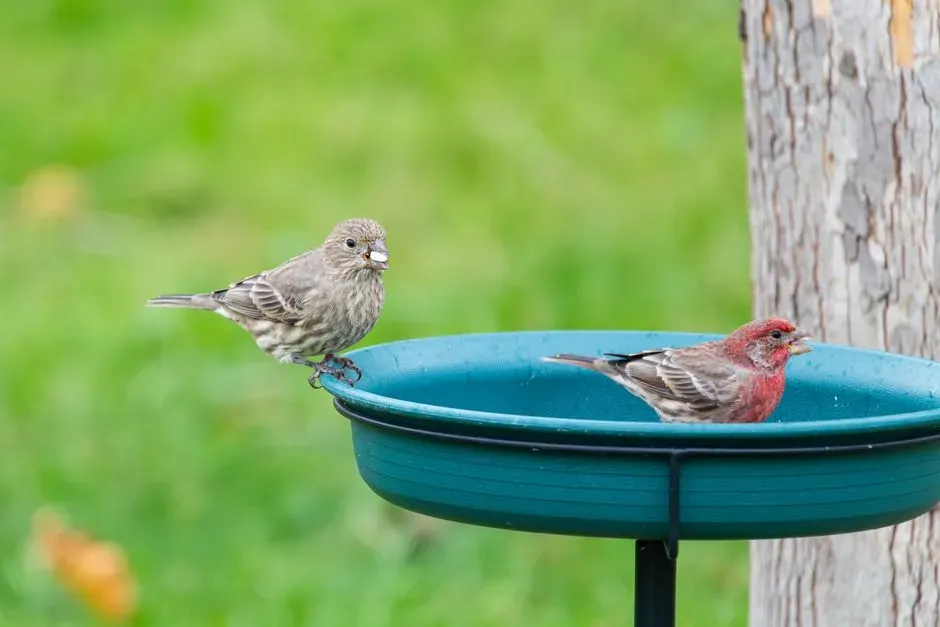
Here’s what no one wants to hear but every backyard bird expert will eventually say out loud: most empty gardens aren’t the result of bad luck or a rough year for bird populations. They’re the cumulative result of a dozen small, well-intentioned decisions that stack against birds in ways that are almost impossible to see from the inside. The cats, the chemicals, the midnight lights, the plastic owl that’s been on the same fence post for three years – none of them feel like problems in isolation. Together, they build a yard that birds have learned to avoid at a level below conscious thought.
The genuinely encouraging part is that birds are not holding grudges. Remove the pressure points – even just three or four of the biggest ones – and you will see results within weeks, not years. Stop the pesticide cycle, let a corner go wild, clean the birdbath twice a week, and deal honestly with the cat situation. The birds are out there, navigating a world that keeps getting harder to survive in. North America has lost nearly 3 billion birds since 1970, and your yard is one of the places where that number can either keep climbing or start to turn. Whether it actually does is entirely up to you.

- What It Means When a Dog Refuses to Enter a Room It Once Loved - August 6, 2026
- 9 Scenic Wetlands Every Wildlife Photographer Should Visit - August 6, 2026
- Animal Cognition Says Goats Remember How to Solve a Puzzle Months After Learning It - August 6, 2026