
Ask a new gardener what they’re afraid of, and you’ll hear the same two answers every time: forgetting to water, or planting too late. Experienced growers just smile, because those aren’t the mistakes that actually break hearts.
The real damage is invisible at first. It hides in the soil, in the spacing, in the seed packet’s cheerful lie about “70 days to harvest.” It doesn’t show up in May – it shows up in July, or three years later, when ripping out an overgrown hedge costs more than the whole garden did to plant. Talk to enough veteran gardeners and you’ll notice something strange: they all hear the same 17 confessions, from beginners in totally different climates, growing totally different things. Here’s the list they can practically recite in their sleep – and how to dodge every single one before it costs you a season.
#1 – “I Picked the Prettiest Spot, Not the Right One”
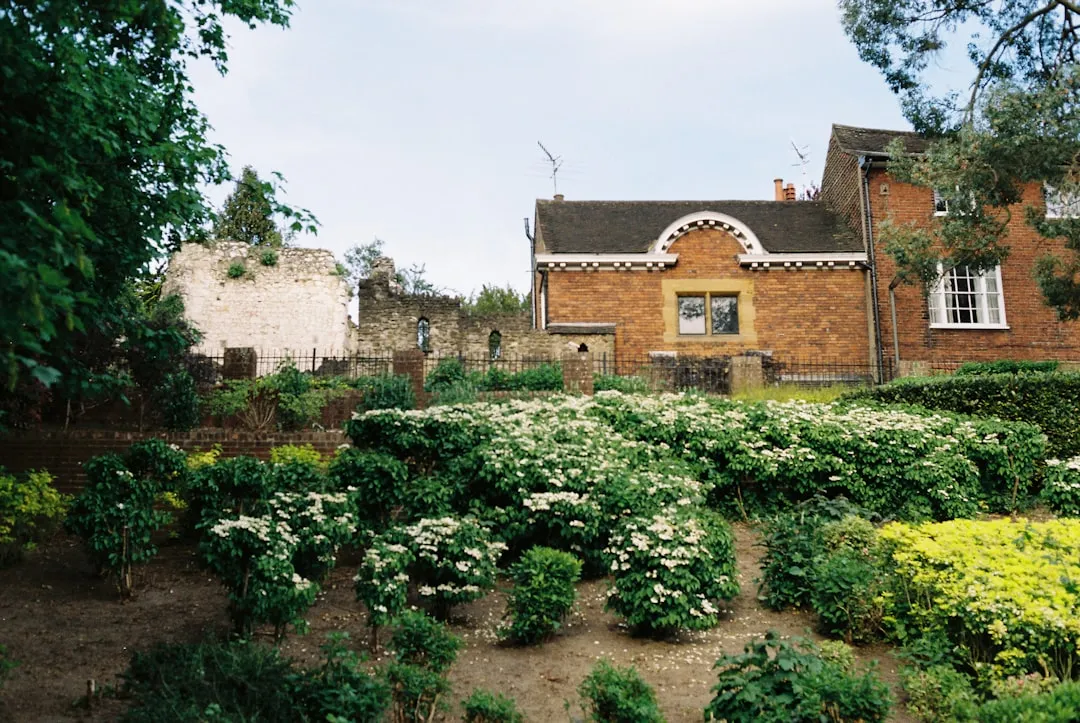
Everyone wants a Pinterest-worthy garden bed. Almost nobody starts with a site analysis. So the first regret experienced growers hear, over and over, is some version of: “I had no idea how much sun and wind actually mattered.”
Beginners tuck their beds wherever they “fit” instead of where plants can thrive. That shady corner by the fence looks charming, but it’s a death sentence for tomatoes. That breezy open hilltop is great for drying laundry and brutal on tender peppers. Veterans quietly walk a new yard at different times of day just to watch where the light actually falls, and they clock the wind tunnels between buildings and the low spots where frost pools like water. Beginners skip that step and spend the whole season fighting nature instead of working with it.
#2 – “I Ignored My Soil Completely”
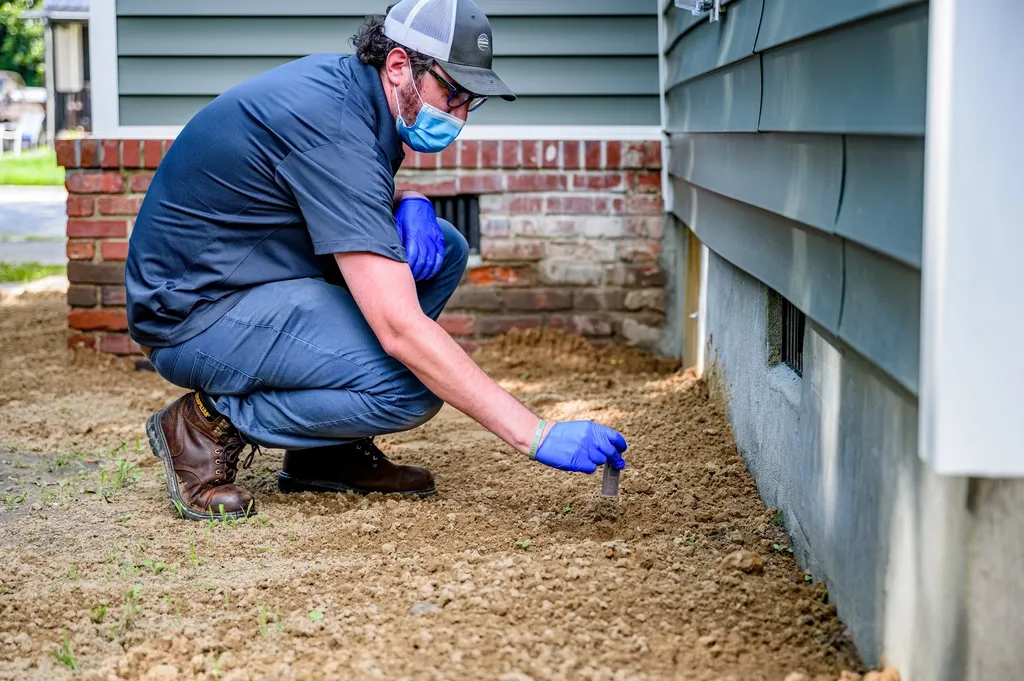
New gardeners obsess over seeds and completely ignore the thing plants actually live in. Ask any experienced grower and they’ll tell you the same blunt truth: your soil isn’t “dirt.” It’s a living system, and odds are you planted straight into something closer to dead.
A quick till and a bag of fertilizer feels like enough – until nothing thrives, pests move in, and beginners quietly blame their own “black thumb.” In reality, the soil was starving, and so was everything planted in it. Veterans get a basic soil test before they plant anything, and they work in real organic matter – compost, leaves, aged manure – not just a bag labeled “garden soil.” They know structure and biology beat any fancy fertilizer, a lesson most beginners only learn after two or three disappointing summers.
Fast Facts
- A basic soil test checks pH along with major nutrients like nitrogen, phosphorus, and potassium.
- Most vegetables grow best in soil with a pH between 6.0 and 7.0.
- Compost improves structure in both heavy clay and fast-draining sandy soils.
- Healthy soil is packed with living organisms – bacteria, fungi, worms – that roots depend on.
#3 – “I Planted Way Too Much, Way Too Fast”
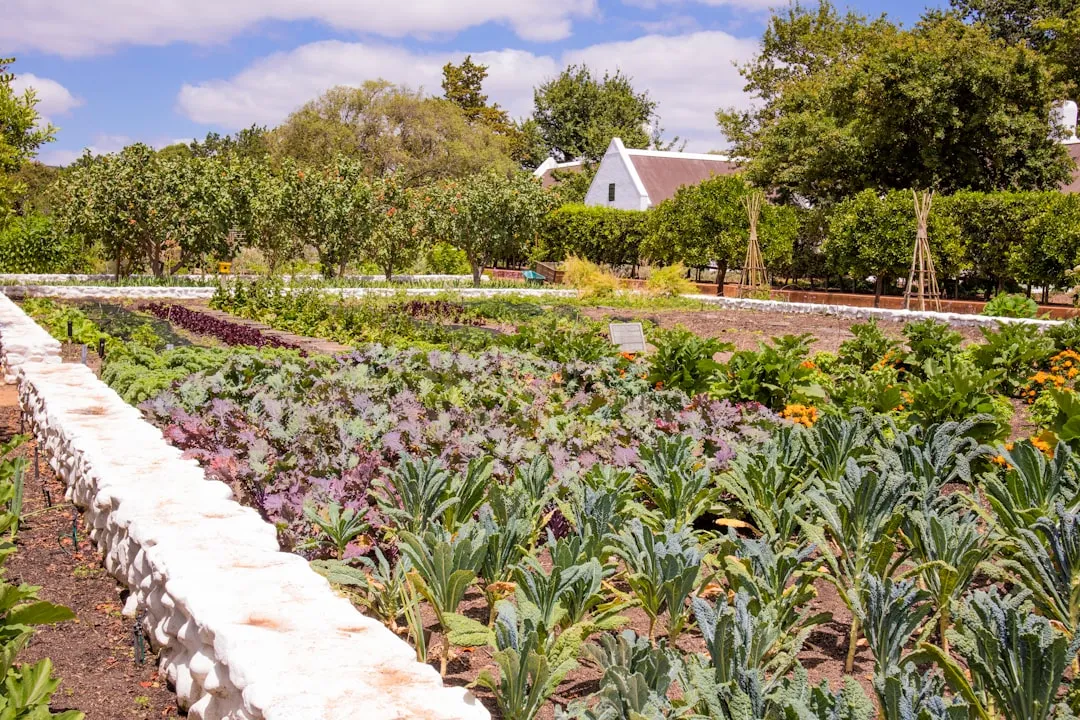
Nobody ever regrets planting too little – not in year one, anyway. What experienced growers hear every single spring is some version of: “I genuinely did not know six zucchini plants could feed an entire neighborhood.”
Beginners fill every inch of open soil with “just one more” tomato, another row of lettuce, three extra cucumber hills. It looks perfectly reasonable as tiny seedlings. By midsummer it’s a tangled jungle you can’t walk through, let alone harvest, and the crowding invites fungal disease and makes weeding nearly impossible. Experienced gardeners start smaller than they want to and scale up once they actually understand their time, their climate, and their soil. They treat square footage like a responsibility, not empty space begging to be filled.
#4 – “I Never Looked at the Mature Size on the Tag”
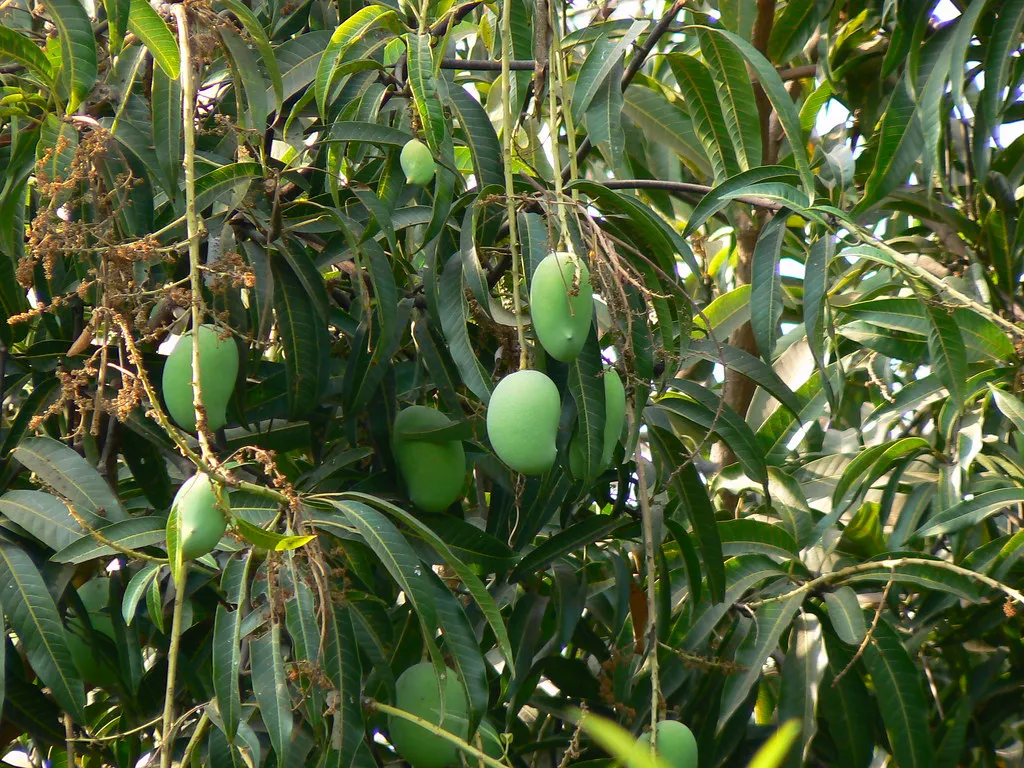
Most beginners plan for how big a plant looks in the nursery pot, not how big it’ll be in three years. Ask any nursery worker and they’ll tell you shrub spacing is the regret they field for decades, not seasons.
Those cute little arborvitae planted three feet apart? In a decade they’re swallowing the driveway whole. That sweet blueberry hedge crammed along the fence? No airflow, constant disease, and “panic pruning” every summer just to open the gate. Experienced growers actually respect the boring numbers on the tag – mature height, mature spread, recommended spacing for light and airflow – because they know it’s far cheaper to give a plant room now than to pay someone with a chainsaw later.
#5 – “I Trusted the Cute Seed Packet Over My Own Climate”
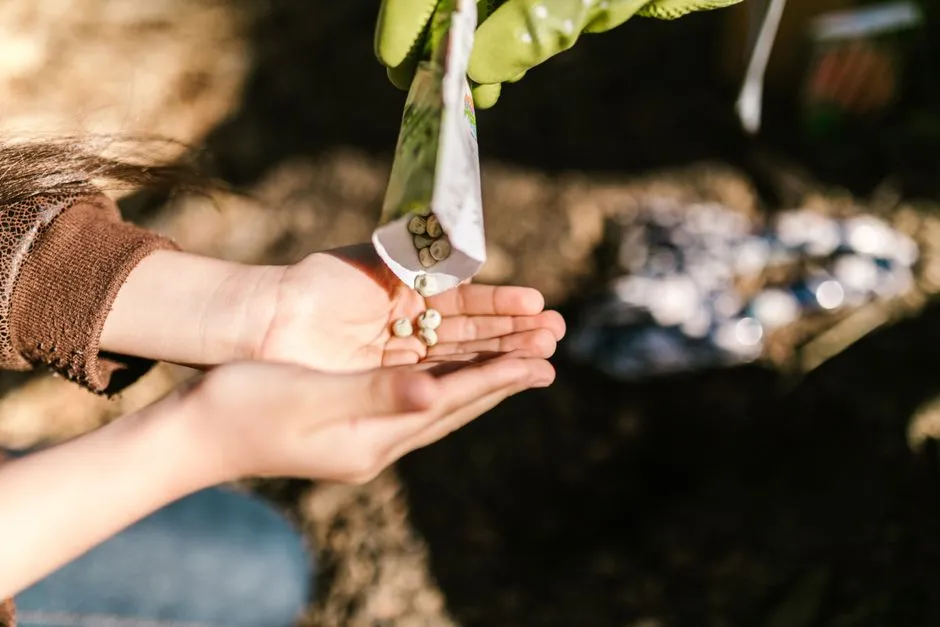
The photo on the seed packet sells a dream. Your actual climate sells reality, and reality always wins. Veteran gardeners hear this one constantly: “The packet said 70 days to harvest – that felt like a flat-out lie.”
It’s not technically a lie, but that number assumes perfect conditions: long warm days, ideal soil, zero stress. In cooler regions or short-season climates, heat-loving crops like melons and big beefsteak tomatoes simply run out of time unless you choose varieties bred for exactly that struggle. Experienced growers cross-check days-to-maturity against their real frost dates and hunt down short-season or heat-tolerant varieties on purpose. They’ll tell beginners flatly: not every crop belongs in every yard, no matter what the seed catalog promises.
#6 – “I Skipped Mulch and the Weeds Won the War”
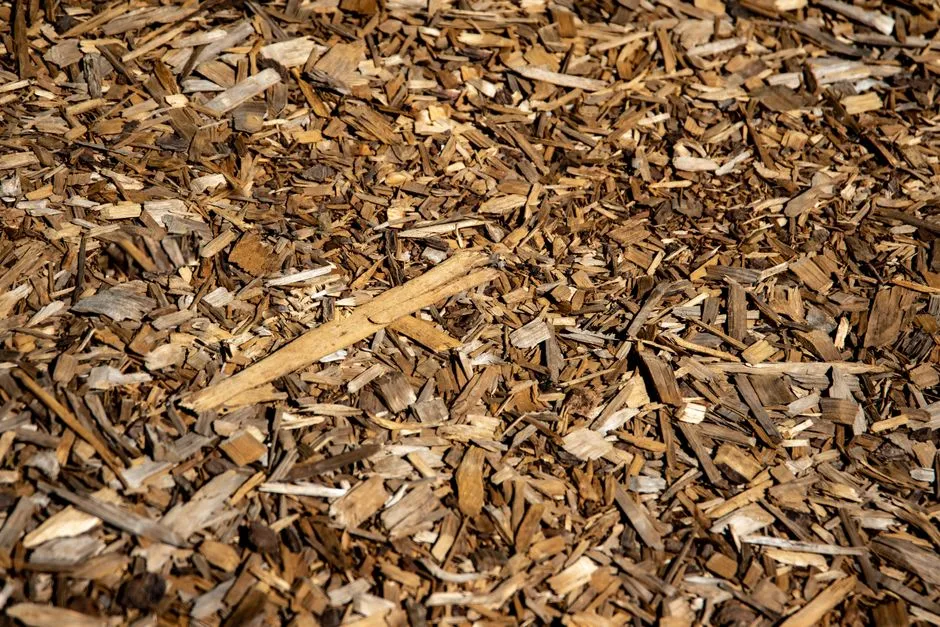
Weed regret might be the most universal one on this entire list. New gardeners skip mulch because it feels optional, or messy, or like an extra chore. By June they’re saying exactly what veterans have heard for years: “I spent more time weeding than actually enjoying my garden.”
Bare soil is basically an invitation, and every rain wakes up another wave of weed seeds. Experienced growers treat mulch as non-negotiable – two to four inches of straw, leaves, or wood chips, keeping the soil shaded and covered nearly year-round. Mulch doesn’t just smother weeds; it locks in moisture, feeds soil life, and buffers wild temperature swings. Beginners who skip it often burn out by midsummer and swear off gardening entirely, when the real problem was never their skill at all.
Worth Knowing
- A 2 to 4 inch mulch layer blocks the sunlight weed seeds need to germinate.
- Organic mulches like straw and wood chips break down over time and feed the soil.
- Mulch helps soil hold moisture, cutting down on how often you need to water.
- Keep mulch a few inches away from stems to avoid rot and pest problems.
#7 – “I Watered Like It Was a Houseplant, Not a Garden”
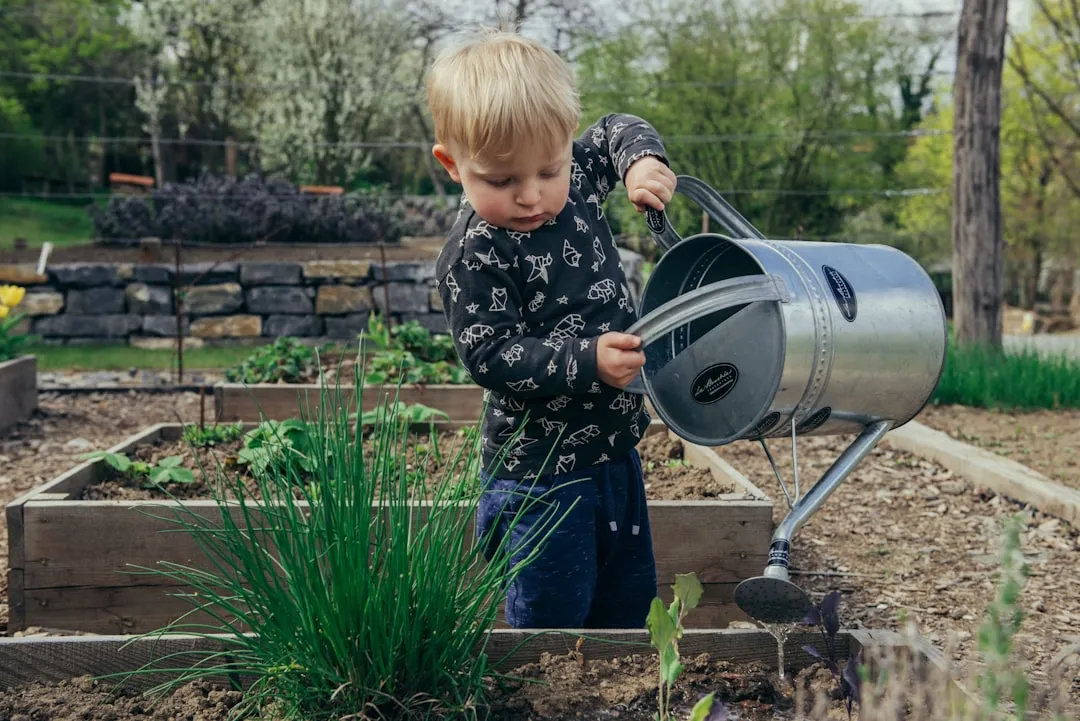
Most first-timers water often and still manage to underwater everything. Ask any seasoned grower and they’ll wince at this one: “I misted the leaves daily while the roots sat bone dry six inches down.”
Beginners judge moisture by how wet the top inch looks, ignoring the zone where roots actually live. Frequent shallow watering trains roots to stay lazy and near the surface, which makes plants far more vulnerable to heat, wind, and drought. Experienced gardeners water deep and infrequent, soak the whole root zone, and irrigate in the morning to cut down on disease. Many beginners only learn this the hard way, after a single heat wave wipes out a bed they thought was perfectly cared for.
#8 – “I Planted Total Opposites Right Next to Each Other”

Not every plant wants the same lifestyle, and forcing incompatible neighbors together causes quiet, slow-motion drama. Veteran gardeners hear this constantly: “I had no idea my tall plants would shade out everything behind them.”
Beginners mix sun-lovers with shade-lovers, or plant an aggressive spreader right next to something delicate, and by midsummer the bully has taken over while the shy plant simply vanishes. Thirsty plants end up beside drought-tolerant ones, heavy feeders crowd light feeders, and nobody’s needs get met properly. Experienced growers think in plant communities – matching water needs, sun requirements, and growth habits – and they exile spreaders like mint to their own containers on purpose, not by accident.
#9 – “I Skipped Crop Rotation and Paid for It Later”
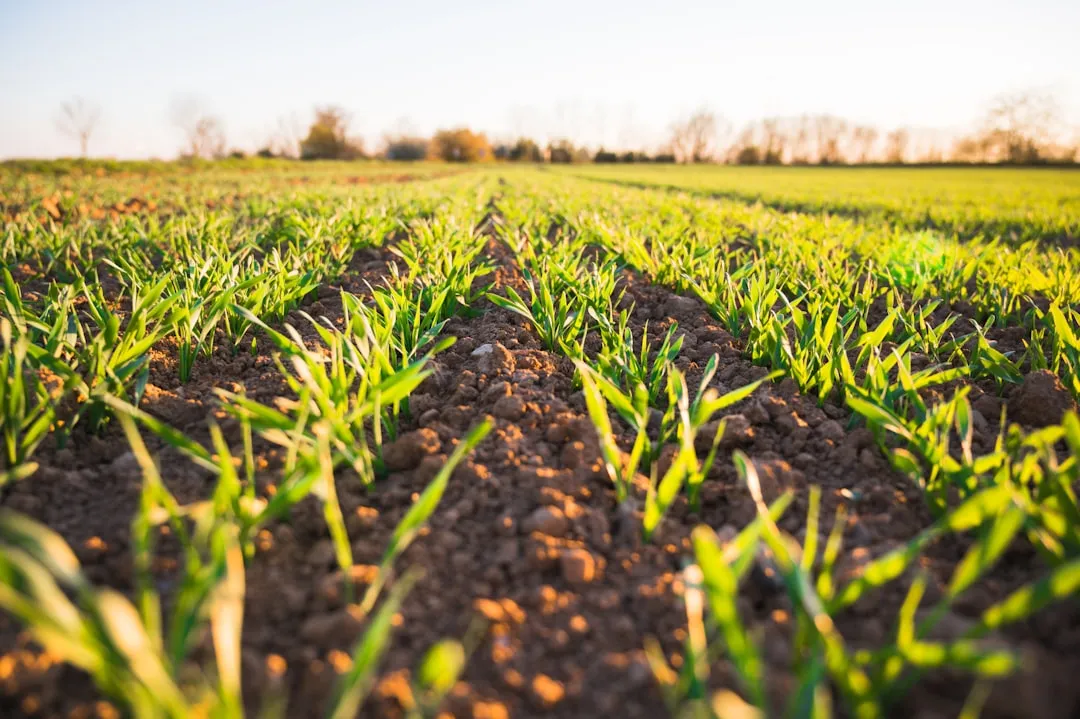
Rotation sounds like advanced farm-nerd territory – until you watch what happens when you ignore it long enough. Seasoned vegetable growers constantly hear this from third-year gardeners: “My tomatoes were amazing the first two years, and then suddenly everything got sick.”
Planting the same family – tomatoes, peppers, eggplants, potatoes – in the same spot year after year quietly builds up pests and soil-borne disease. Yields look fine at first, right up until the season nothing thrives there at all. Experienced growers follow simple, imperfect rotation rules: never the same crop family back-to-back, and let heavy feeders move around so the soil actually gets to recover. Beginners rarely believe this matters until wilt, blight, and nematodes show up like they came out of nowhere.
Quick Compare
- Nightshades: tomatoes, peppers, eggplants, potatoes – rotate together as one family.
- Legumes: beans and peas – add nitrogen back into the soil for whatever follows.
- Brassicas: broccoli, cabbage, kale – heavy feeders that do well after legumes.
- Roots: carrots, beets, onions – lighter feeders that work well later in the cycle.
#10 – “I Thought Going Organic Meant I’d Never Deal With Pests”
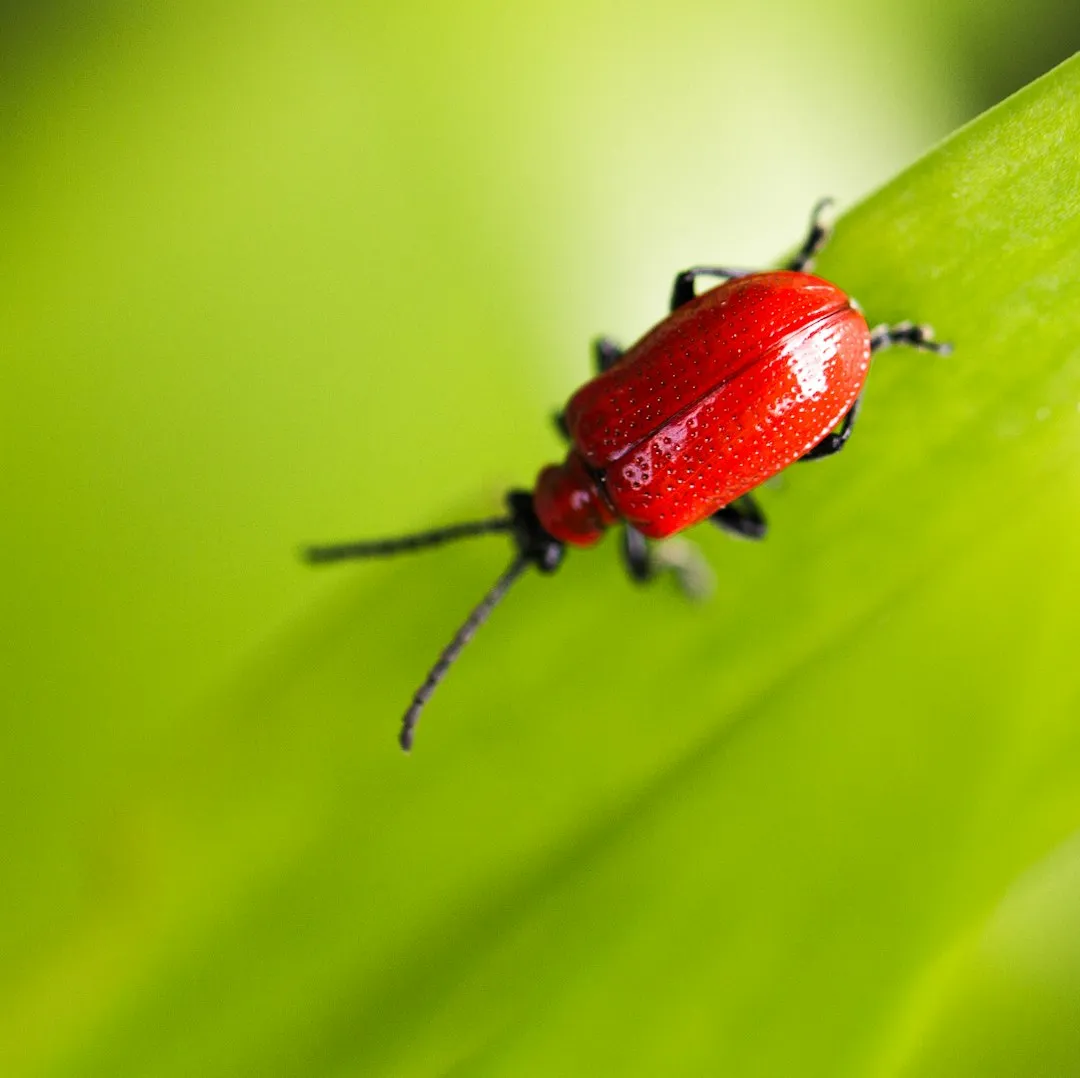
Wanting to garden organically is admirable. Treating the word “organic” like a magic shield is not, and veteran gardeners quietly cringe every time they hear: “I figured if I went organic, bugs just wouldn’t be a problem.”
Nature doesn’t negotiate like that. Organic simply describes which methods and inputs you use – pests still show up regardless. The difference is that experienced organic growers scout early, flipping leaves and checking new growth, and they lean on beneficial insects and targeted controls instead of panicking. They also accept a little bit of leaf damage as completely normal, not a five-alarm crisis. Beginners who expect “chemical-free” to mean “problem-free” often reach for something harsh in a panic, or quit the moment the first infestation hits.
#11 – “I Bought Whatever Looked Good at the Nursery”
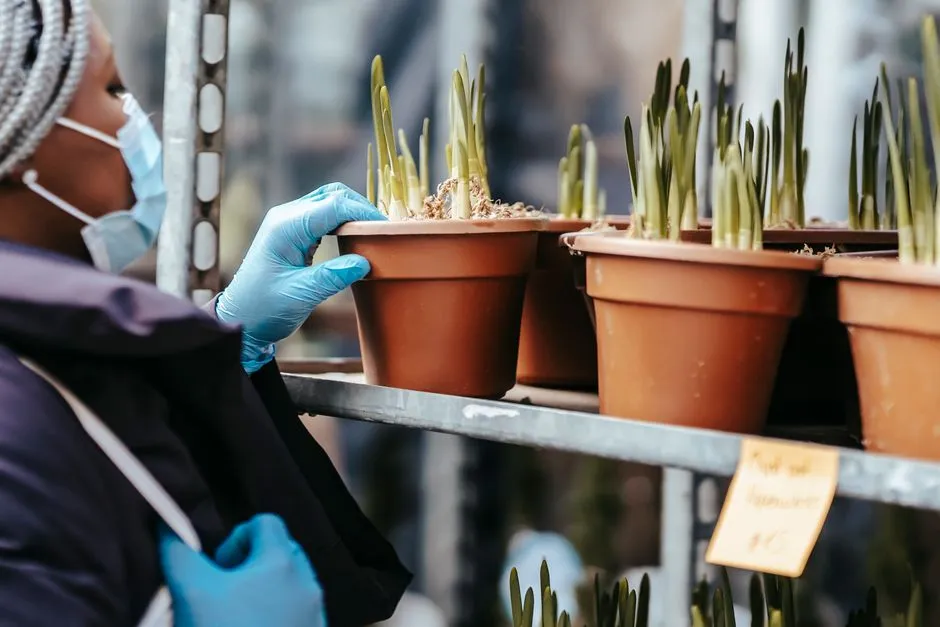
Impulse buying is fun right up until you’re standing in your yard with a cart full of plants and zero plan. Ask any long-time gardener and they’ll nod knowingly at this regret: “I brought everything home and then had absolutely no idea where to put it.”
Beginners wander into garden centers for “just a look” in spring and fall, and walk out with shade plants for a sunny yard, zone-pushing perennials, and colors that clash with everything they already own. Experienced gardeners rarely buy anything without already knowing their light, soil, and open space, and they check hardiness zones and bloom times before the plant ever hits the cart. Beginners usually learn this lesson slowly, watching several expensive plants quietly fade away in exactly the wrong spot.
#12 – “I Didn’t Realize Perennials Were a Long-Term Commitment”
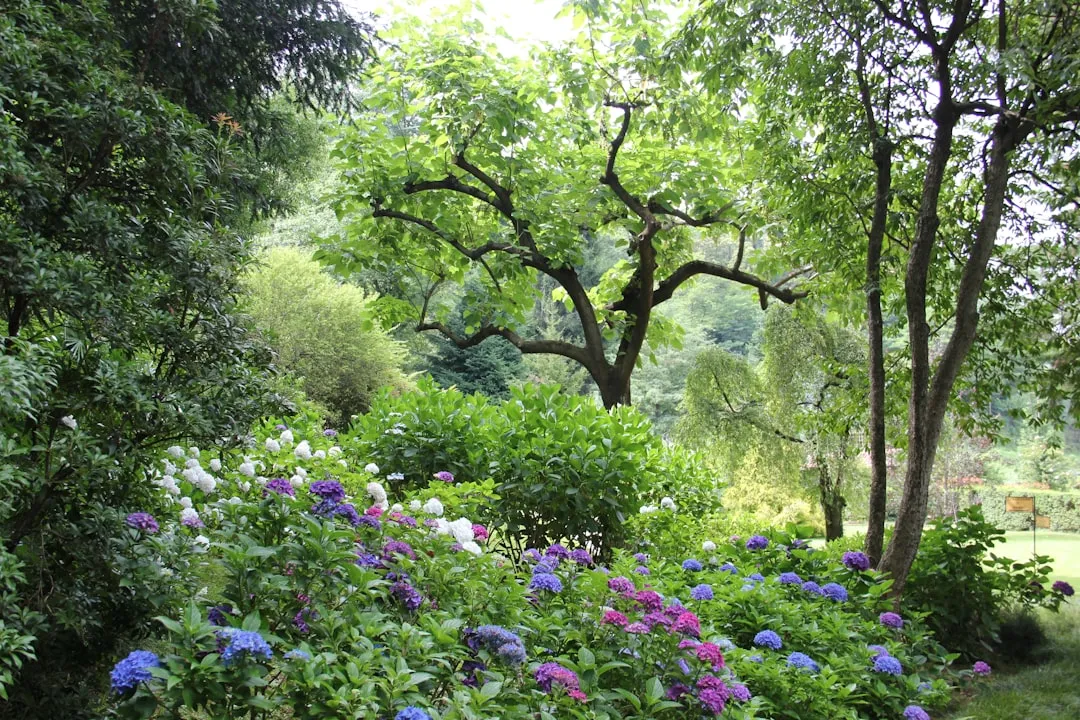
Annuals are a fling. Perennials are a relationship, and seasoned gardeners hear this from newer homeowners constantly: “I had no idea that one cute little bed would lock me into years of dividing and pruning.”
Perennials sound low-maintenance on paper, but plenty require regular deadheading, staking, and seasonal dividing, and planting them everywhere “to save work” can actually multiply your chores instead of shrinking them. Veterans plan perennial beds around a realistic view of how much upkeep they’re actually willing to do, mixing truly low-input plants with a few “divas” they genuinely love fussing over. They also think ahead about access – can you still mow around it, reach the windows, service the utility line? Beginners who scatter perennials randomly often end up quietly resenting an overgrown patch they once loved.
#13 – “I Completely Forgot About Winter”
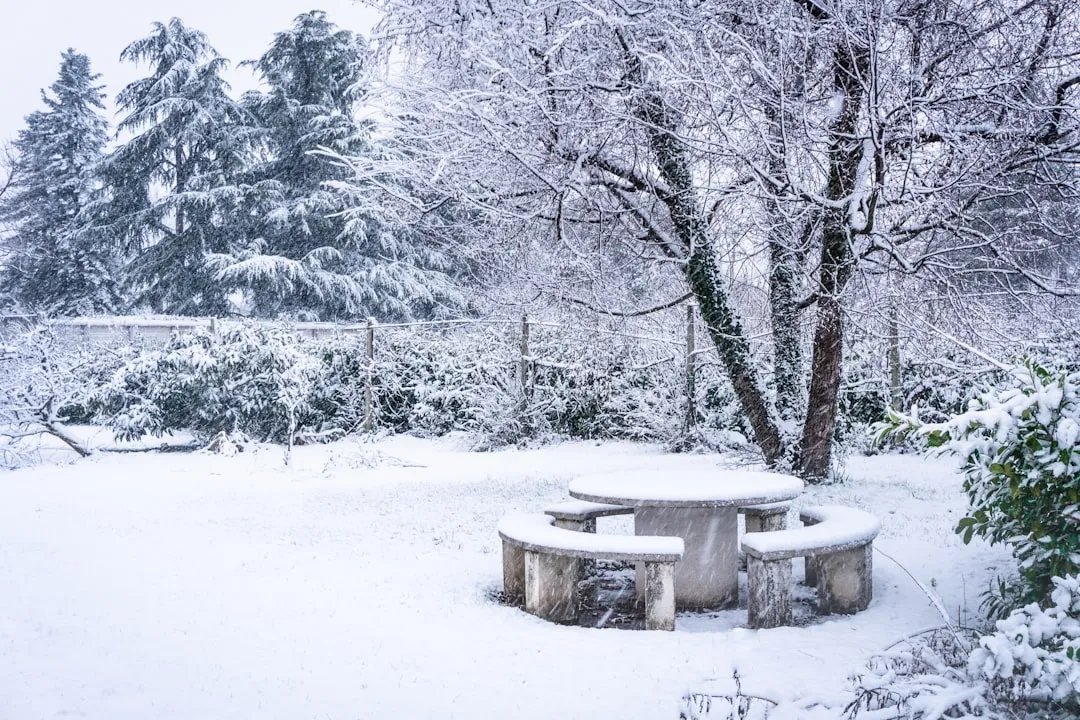
Most gardening dreams get written entirely in summer colors. Experienced growers hear the fallout constantly: “My yard looked incredible for three weeks, and then nothing for the rest of the year.”
Beginners pack everything into one glorious window, usually late spring, and forget that a garden gets looked at year-round from the kitchen window, the driveway, the sidewalk. The result is a gorgeous May followed by a genuinely depressing November through March. Veterans build in structure – evergreens, shrubs, trees with good bark – plus staggered bloom times and plants with real winter interest, like berries and seed heads. Many beginners never realize they could’ve built beautiful “bones” for the same budget they spent on flowers alone.
At a Glance
- Evergreen shrubs and trees provide structure and color even in the dead of winter.
- Ornamental grasses and dried seed heads add texture and movement through fall and winter.
- Trees with interesting bark or persistent berries keep a garden visually alive after flowers fade.
- Staggering bloom times across seasons avoids the “one big burst, then nothing” problem.
#14 – “I Never Wrote Anything Down, So I Repeated Every Mistake”
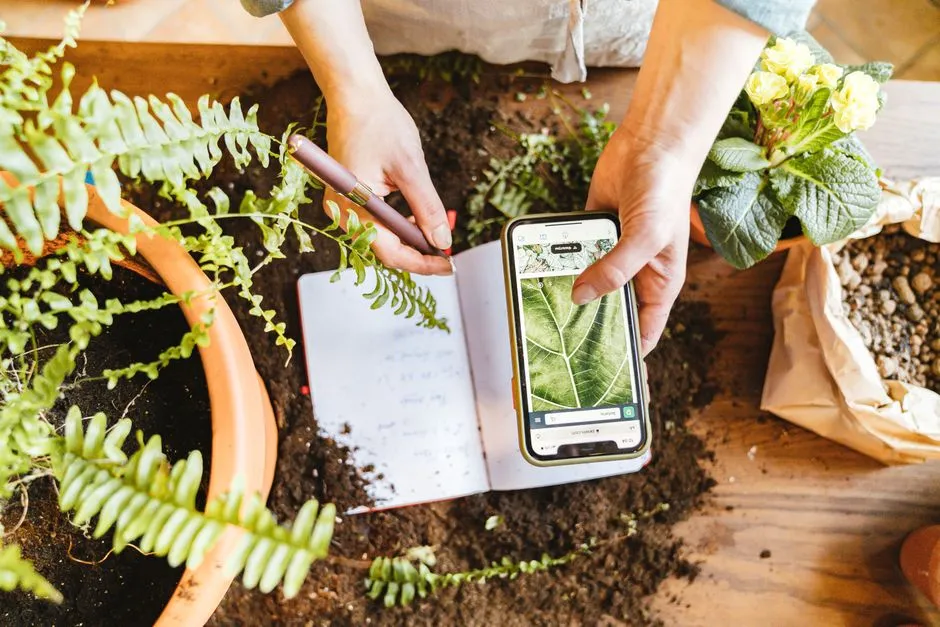
Memory is not a gardening tool, no matter how confident you feel in April. Seasoned gardeners practically beg beginners to avoid this one: “I was sure I’d remember what worked. I didn’t remember a single thing.”
Without records, you forget which tomato cracked less, which bed stayed waterlogged, and the exact date you planted the crop that failed. You also forget why you swore off that one variety forever. Veterans keep it embarrassingly simple – a cheap notebook or a notes app with dates, varieties, and quick observations, plus a few photos of the beds through the season. It doesn’t need to be a polished journal; even messy notes beat guessing. Beginners who skip this step often spend five years re-learning lessons they could’ve locked in after two.
#15 – “I Designed My Garden for Instagram, Not for Myself”
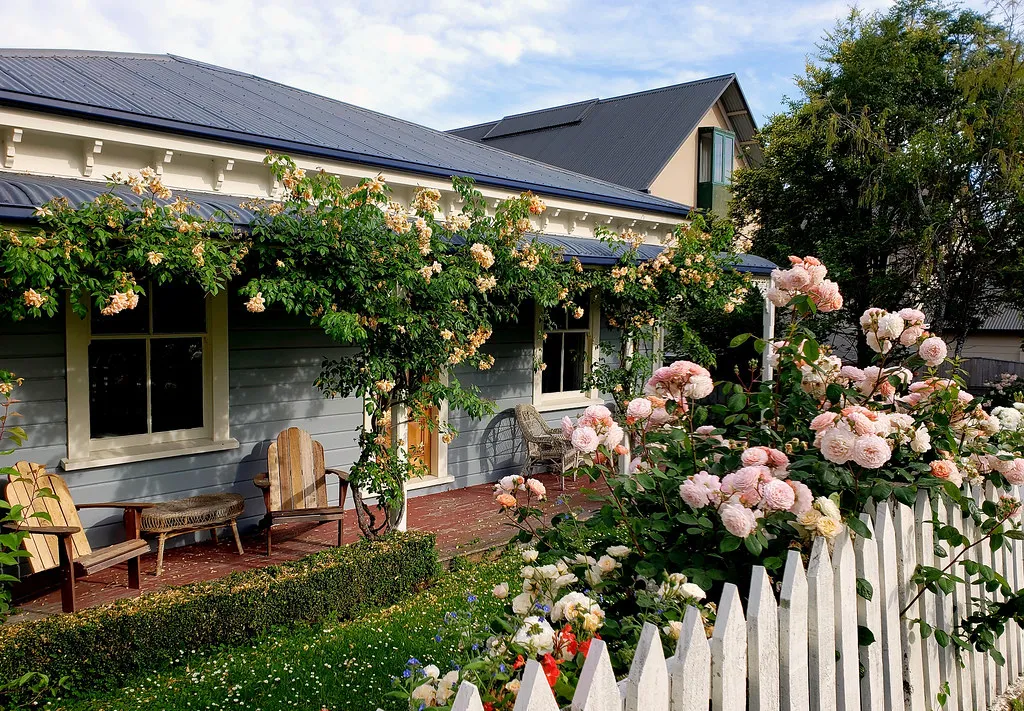
This is where experienced gardeners get genuinely blunt, and they hear the confession in slightly embarrassed tones: “I copied a look I saw online, and it just doesn’t fit how I actually live.”
Beginners build high-maintenance cottage borders when they secretly hate deadheading, install raised beds they can’t comfortably reach, or bury the vegetable garden way in the back corner they never feel like walking to. It photographs beautifully and turns into a chore almost immediately. Veterans design around daily habits instead – how they actually move through the yard, where they drink coffee, where the kids or pets play – because they’d rather have a smaller space they truly use than a huge showpiece they quietly avoid. Many beginners only admit this after watching a “perfect” bed slide into weedy chaos out of sheer exhaustion.
#16 – “I Didn’t Protect Anything Until After I Lost It”
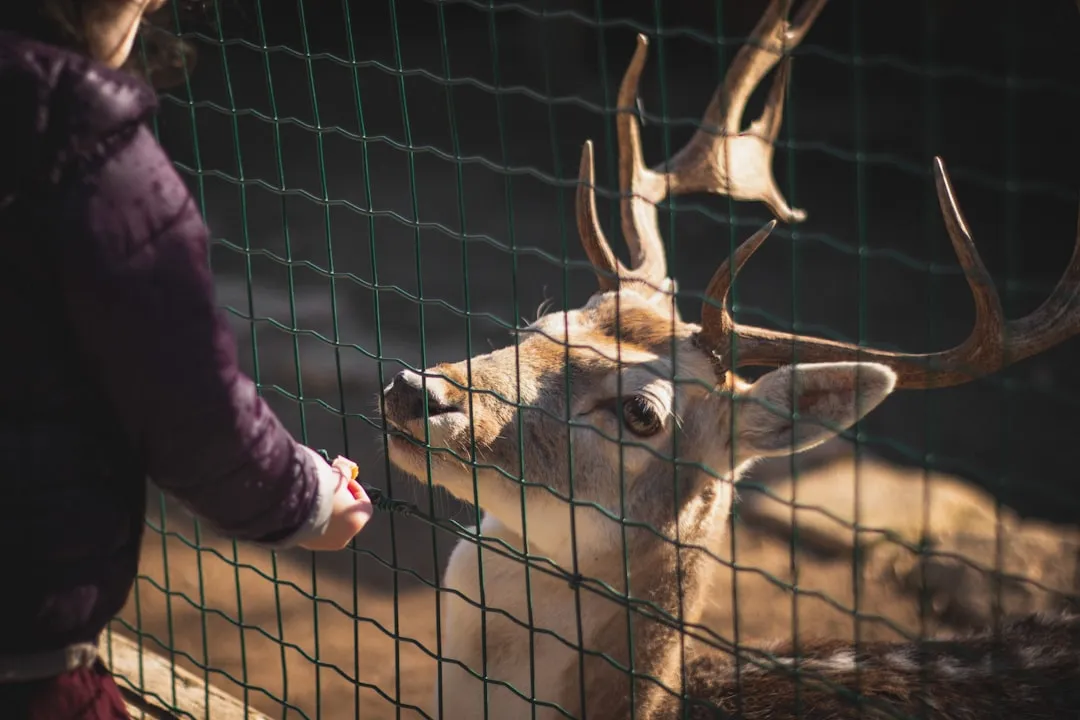
Almost every long-time gardener has heard some version of the same painful deer or rabbit story, and it always ends the same way: “I had my best bed ever, and overnight it was just gone.”
Beginners underestimate wildlife constantly, telling themselves “we don’t see many deer around here” or “rabbits won’t bother the herbs,” right up until the morning they find nothing but stubs where plants used to be. Experienced growers plan protection from day one – fencing sized correctly for local wildlife, plus simple row covers, cloches, or netting for anything especially vulnerable. They accept a hard truth early: if it’s delicious to you, something else in the neighborhood already knows it too.
#17 – “I Treated Every Failure as Proof I Was Bad at Gardening”
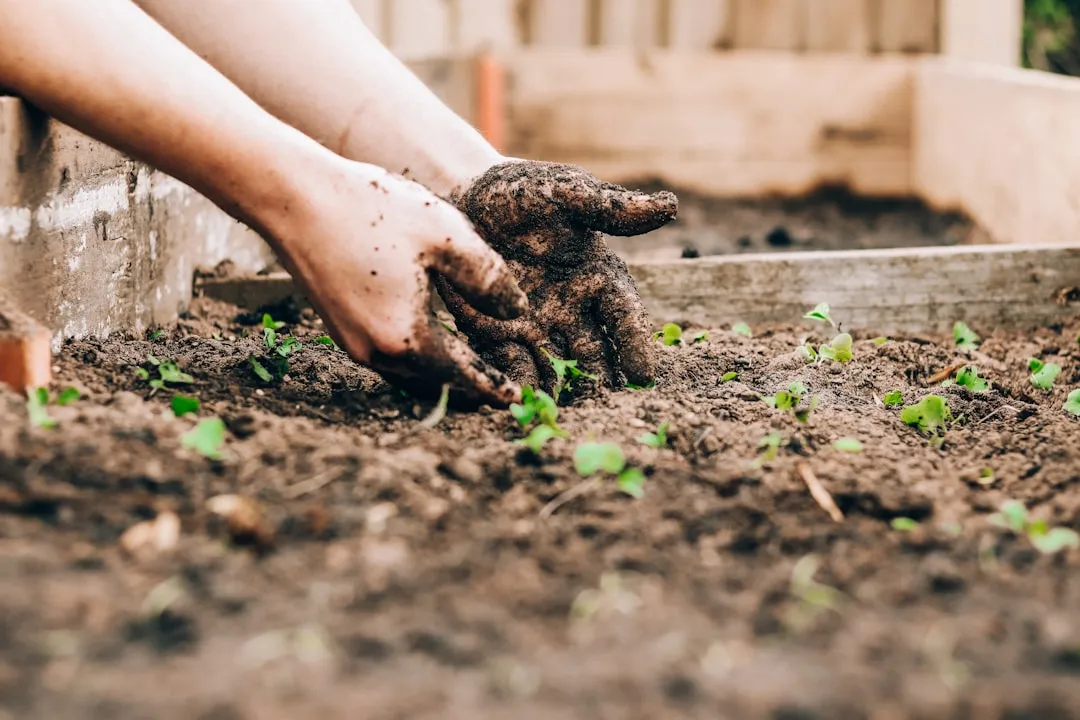
This is the regret that actually makes people quit for good. Ask any experienced grower and they’ll tell you straight: the only real mistake is expecting perfection from a living system that was never built to give you one.
Beginners assume successful gardeners have flawless beds, zero pests, and perfect timing every single year. So when something dies, bolts, or gets eaten, it feels personal – “I’m just not cut out for this” – and they quit right before they’d have earned enough experience for everything else on this list to finally click. Veterans see gardening as a feedback loop, not a report card, a skill built season over season rather than a personality trait you either have or don’t. They’ve killed more plants than most beginners have ever even planted, and learned something from every single one.
The Bottom Line
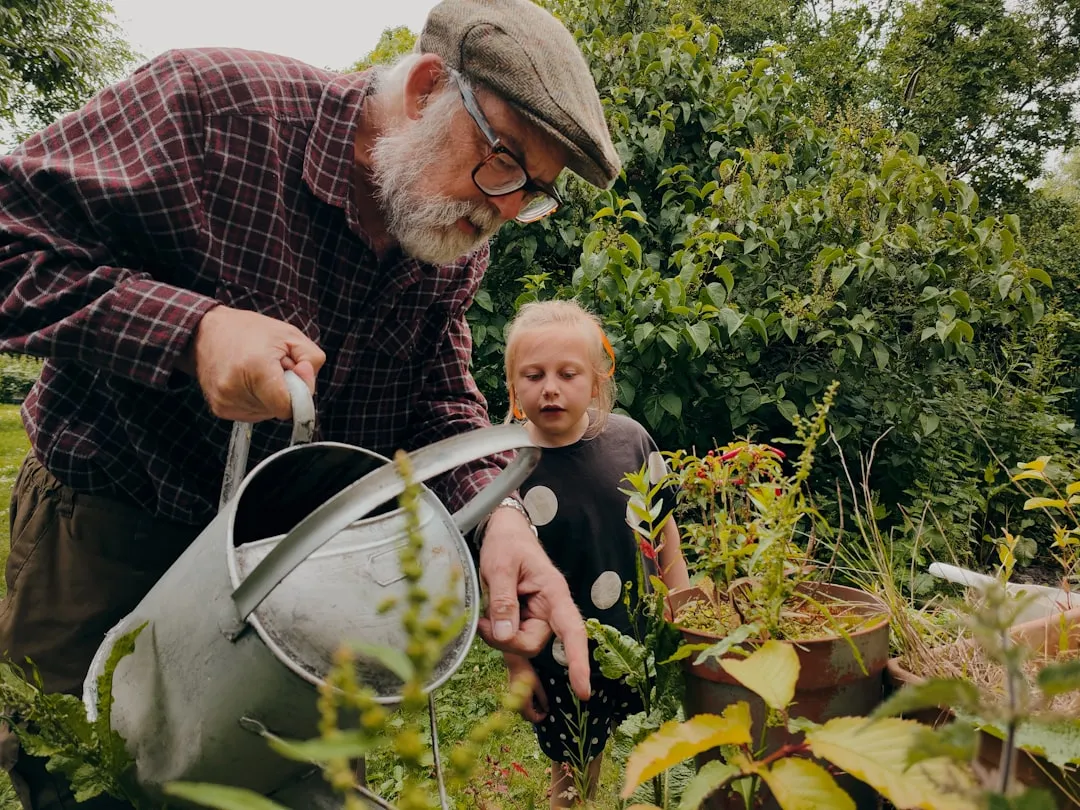
Talk to enough experienced gardeners and a pattern jumps out fast: beginner regrets are almost never about seeds or tools. They’re about expectations, planning, and respect for how nature actually operates on its own timeline.
The good news buried in all 17 of these confessions is that nearly every one is preventable, the moment you stop gardening the way social media suggests and start gardening the way your site, your climate, and your soil actually demand. That means choosing location over looks, soil over shopping, mulch over martyrdom, and learning over some fantasy of instant perfection.
To plant a garden is to believe in tomorrow.
Audrey Hepburn
That’s really what separates the beginners who quit from the ones who become the veterans handing out this exact list years later. A real garden takes skill, and that skill only ever comes from a messy mix of small wins and smart failures. So which of these regrets have you already lived through – and which one do you think seasoned growers are still getting completely wrong?

- 16 Once-Common Dog Breeds Vets Say They Now Go Entire Years Without Ever Treating - July 31, 2026
- The 17 Garden Regrets Experienced Growers Say They Hear From Almost Every Single Beginner They Meet - July 31, 2026
- If Your Cat Is Over 14, These 16 Quiet Changes Are the Ones Vets Want You Watching - July 31, 2026