

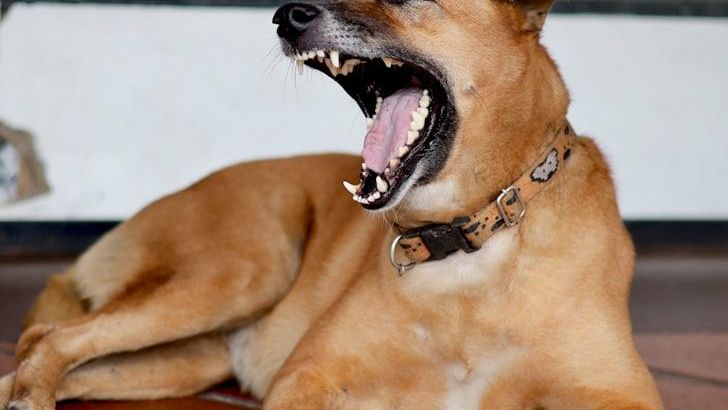
They look loyal. They look lovable. Some even look downright harmless.
But beneath the wagging tails and soulful eyes, certain dog breeds carry a reputation that experts warn can be deadly. These aren’t the loud barkers or obvious guard dogs you might expect — they’re the breeds professionals quietly refer to as “silent killers.”
Why? Because their power, unpredictability, or sheer bite force can turn even the sweetest-looking pup into a serious threat when instincts kick in. And the scariest part? Many of these breeds are found in homes and neighborhoods everywhere.
From family favorites to unexpected contenders, here are 17 dog breeds so dangerous that experts say you should think twice before letting your guard down around them.
17. Chow Chow – The Fluffy Menace That Bites Without Warning
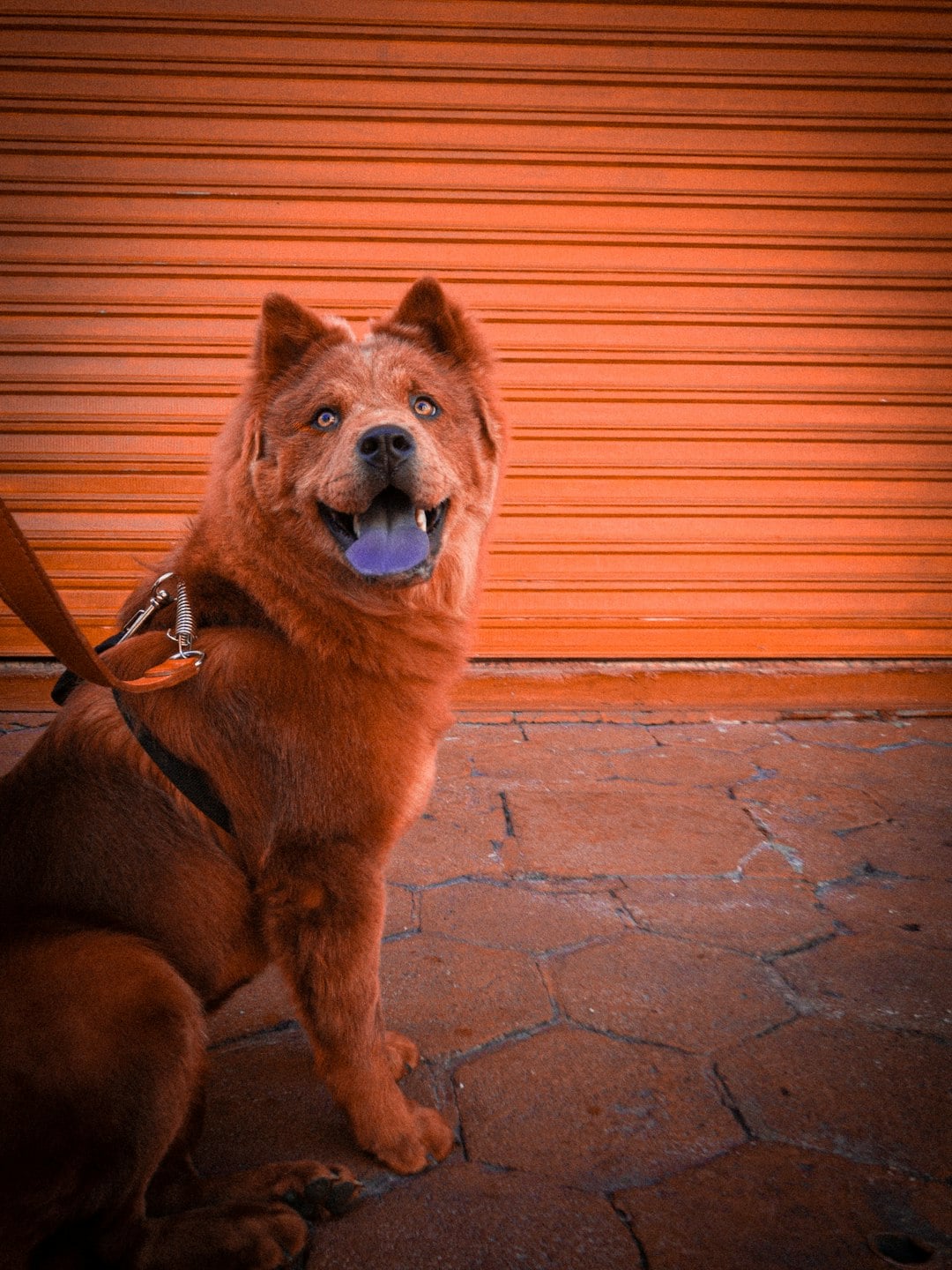
Don’t let that teddy bear appearance fool you – the Chow Chow has earned its reputation as one of the most unpredictable breeds in the canine world. These ancient Chinese dogs possess an independent streak that makes them notoriously difficult to read, often showing no warning signs before snapping.
Their thick double coat and perpetual scowl might seem endearing, but beneath that fluffy exterior lies a dog with serious attitude problems. Chow Chows consistently rank high on bite statistics, with their attacks often targeting the face and hands of victims. What makes them particularly dangerous is their tendency to bite multiple times in rapid succession, unlike many breeds that bite once and release.
16. Dalmatian – The Spotted Devil Behind Disney’s Mask
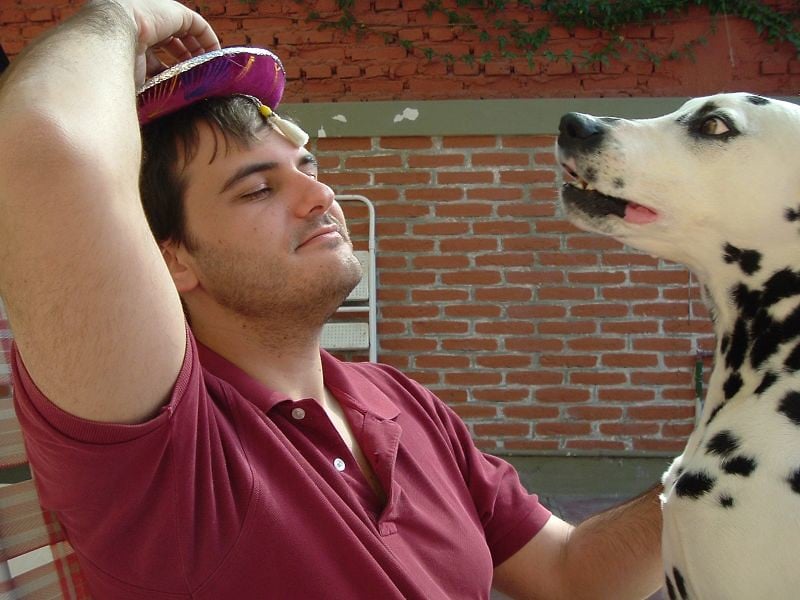
Hollywood painted Dalmatians as lovable family pets, but the reality is far more sinister. These spotted beauties were originally bred as guard dogs and carriage escorts, traits that manifest today as aggressive territorial behavior and unpredictable mood swings.
Dalmatians suffer from a genetic predisposition to deafness, with roughly one in eight born completely deaf and many others partially hearing impaired. This disability contributes to their startled aggression and makes them prone to biting when approached unexpectedly. Their high energy levels and need for constant stimulation often lead to destructive and aggressive behaviors when bored.
15. Great Dane – When Giants Turn Deadly
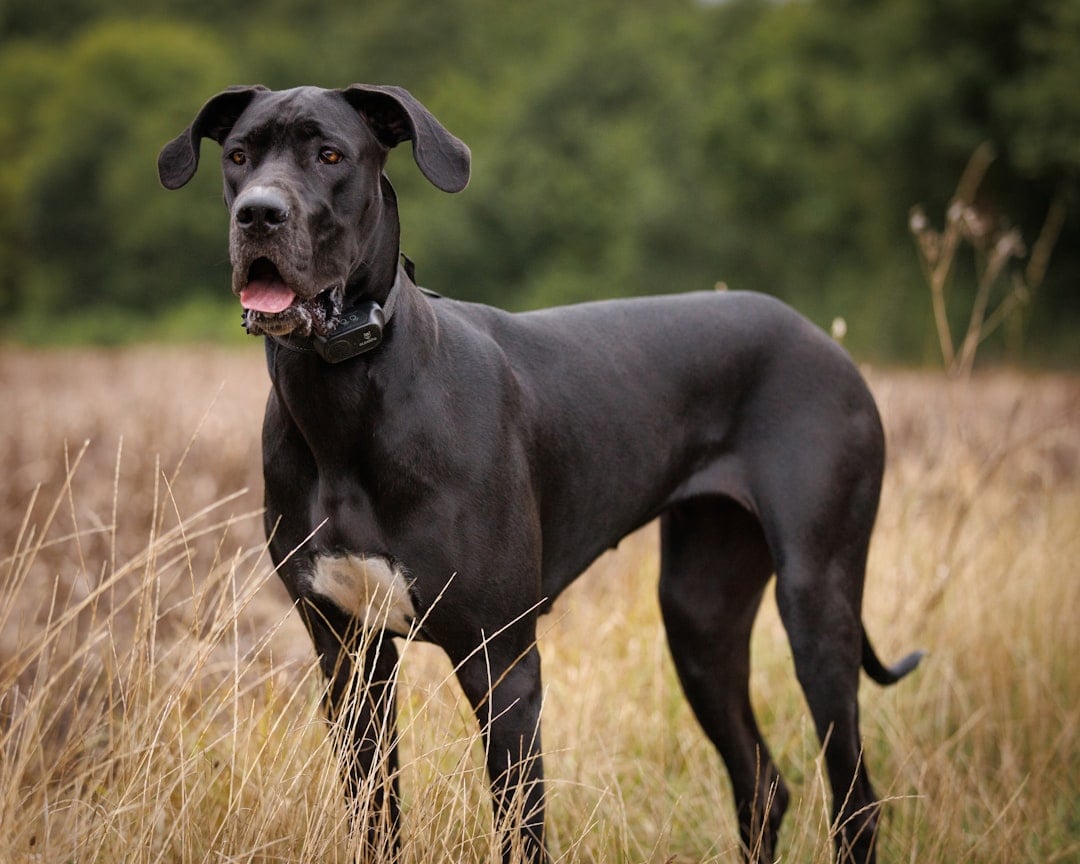
Standing as tall as a small pony, Great Danes possess the physical capability to inflict devastating damage with minimal effort. While often called gentle giants, their sheer size transforms even playful interactions into potentially lethal encounters, especially around children and elderly individuals.
These massive dogs can weigh up to 200 pounds and reach heights of 32 inches at the shoulder, making them capable of knocking down adults with a simple jump or lean. Their powerful jaws can generate crushing bite forces that have resulted in severe facial injuries and broken bones. The breed’s protective instincts, combined with their imposing presence, make them formidable adversaries when they perceive threats to their territory or family.
14. Siberian Husky – The Beautiful Beast With Predatory Instincts
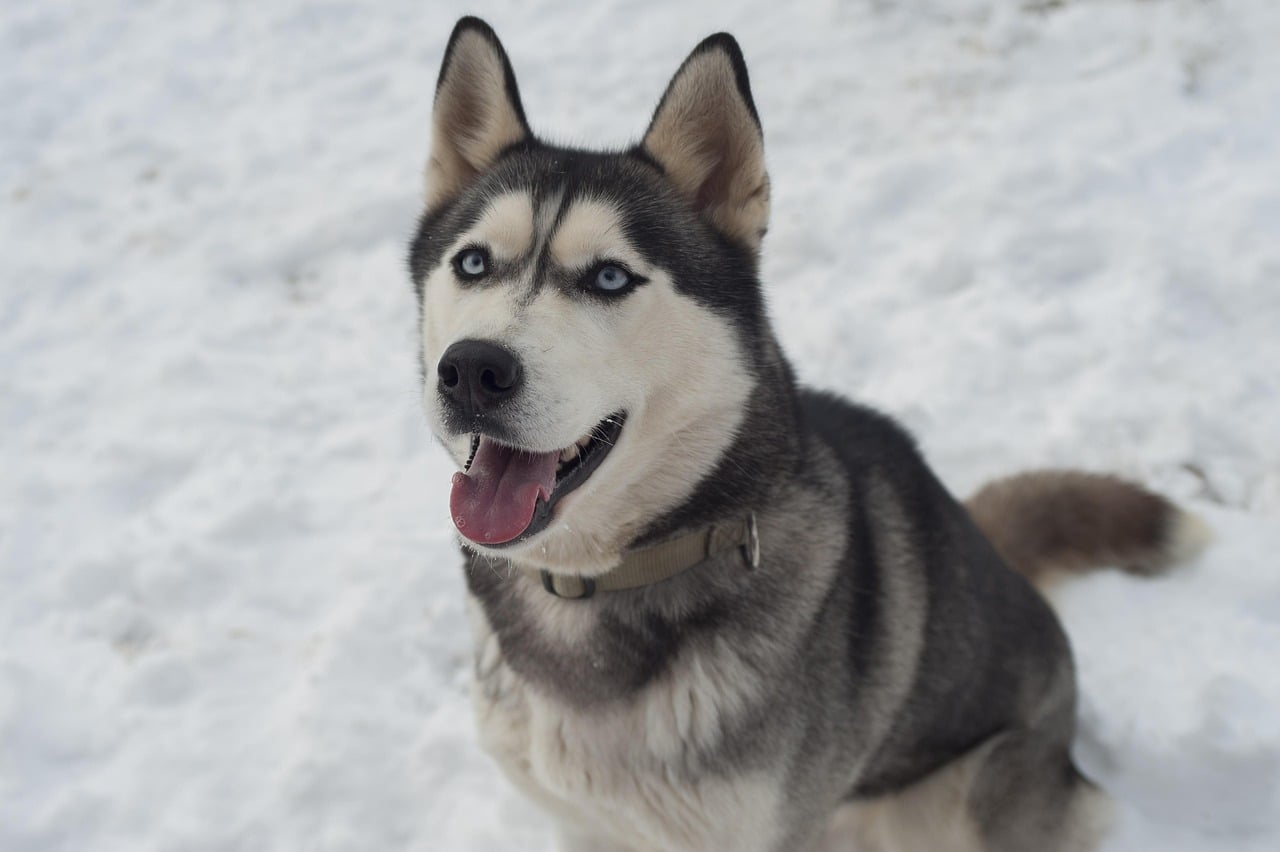
Those piercing blue eyes and wolf-like features aren’t just for show – Siberian Huskies retain strong predatory drives that make them dangerous to small animals and unpredictable around strangers. Their high prey drive means they’ll chase and potentially kill cats, rabbits, and other small pets without hesitation.
Bred to work independently in harsh Arctic conditions, Huskies are notorious escape artists who can become aggressive when confined or understimulated. Their pack mentality can turn deadly when multiple Huskies are involved, as they may gang up on perceived threats or weaker pack members. The breed’s incredible endurance and athleticism make them nearly impossible to outrun or physically restrain once they become aggressive.
13. Akita – The Silent Samurai With a Hair-Trigger Temper
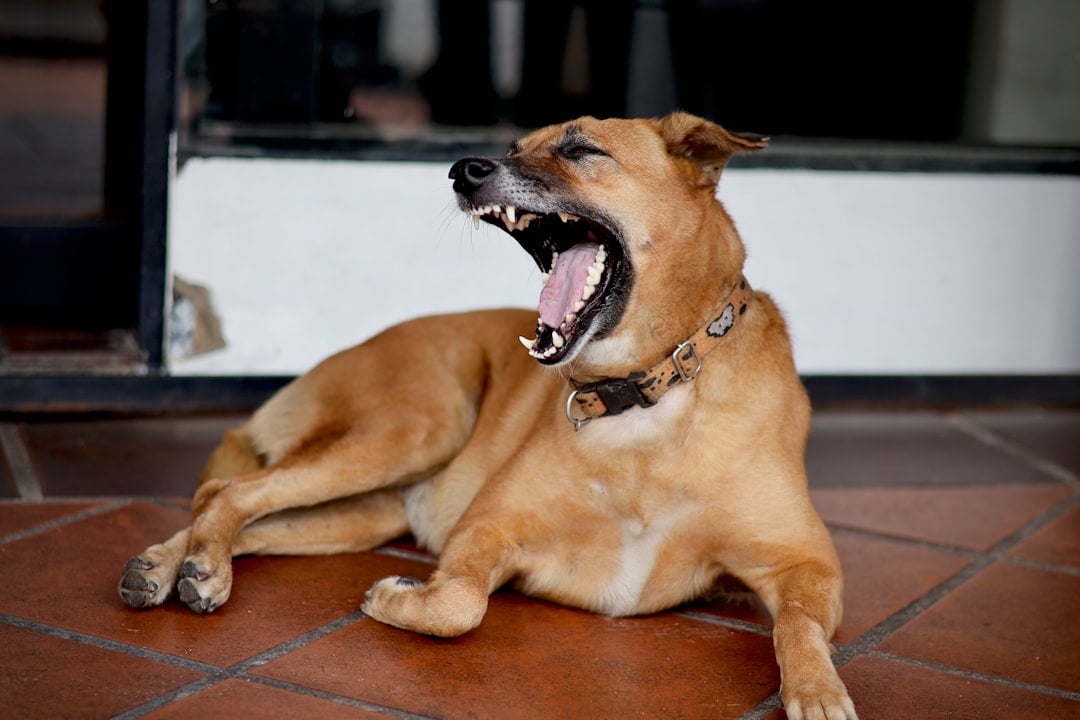
Akitas embody the warrior spirit of ancient Japan, but their loyalty comes with a dark side that can turn fatal in an instant. These dogs are notorious for showing no warning signs before attacking, earning them the nickname “silent biters” among dog behaviorists and veterinary professionals.
Originally bred to hunt wild boar and bears, Akitas possess incredible strength and tenacity that makes them formidable opponents. Their attacks are typically swift, focused, and devastating, often targeting the neck and head area of their victims. The breed’s strong prey drive and territorial nature make them particularly dangerous around other animals and unfamiliar people entering their domain.
12. Doberman Pinscher – The Velcro Dog That Strikes Like Lightning
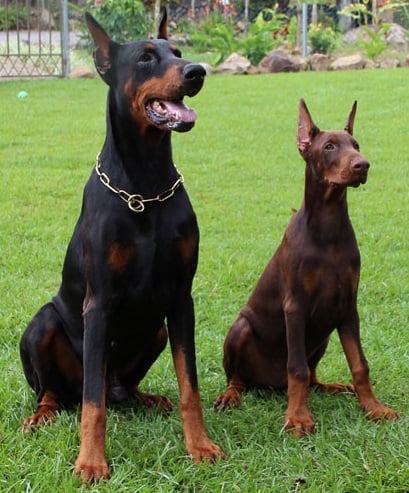
Dobermans were engineered to be the perfect protection dog, and their success in that role makes them inherently dangerous in civilian settings. Their lightning-fast reflexes and powerful bite force of over 230 pounds per square inch can inflict severe damage before victims even realize they’re under attack.
These sleek athletes can reach speeds of up to 35 miles per hour and possess the intelligence to strategically plan their attacks. Their intense bonding with one family member often leads to aggressive behavior toward anyone they perceive as threatening their chosen person. Dobermans are known for their “velcro dog” tendency, which can escalate to dangerous levels of possessiveness and territorial aggression.
11. Bullmastiff – The Silent Guardian Turned Executioner
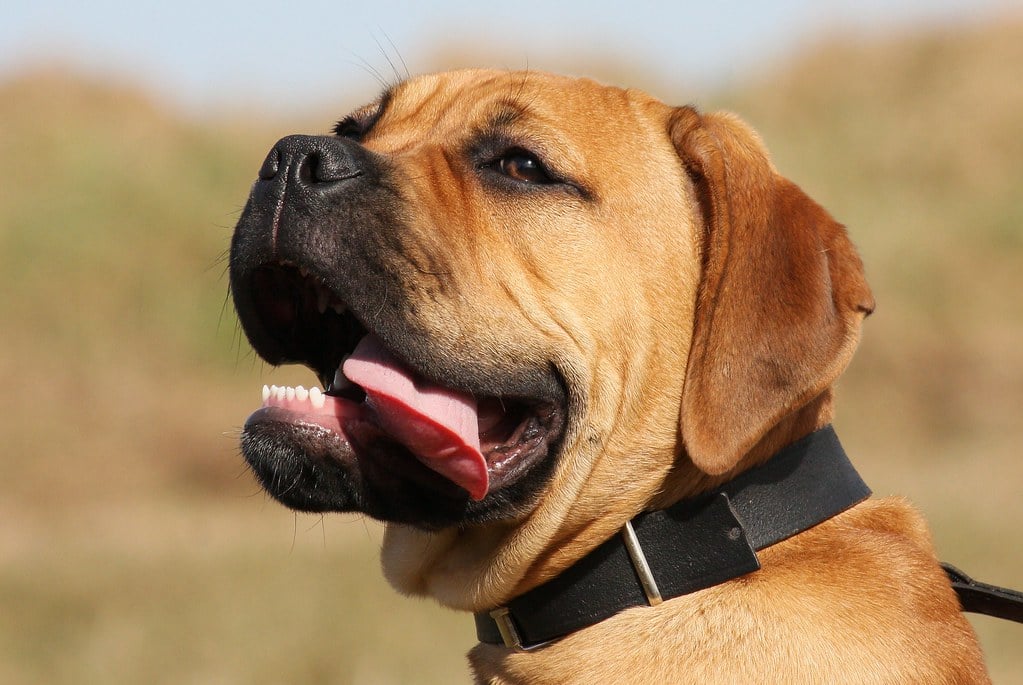
Bullmastiffs were bred to be silent watchdogs, capable of taking down poachers without alerting their quarry – a trait that makes them particularly dangerous in modern settings. These massive dogs can weigh up to 130 pounds and possess the strength to overpower most adult humans with ease.
Their signature move involves knocking down intruders and pinning them to the ground, a behavior that can prove fatal if directed toward children or elderly individuals. Bullmastiffs have a naturally high pain tolerance, making them difficult to deter once they’ve engaged in aggressive behavior. Their quiet nature means attacks often occur without warning, giving victims little time to escape or defend themselves.
10. Cane Corso – The Italian War Machine
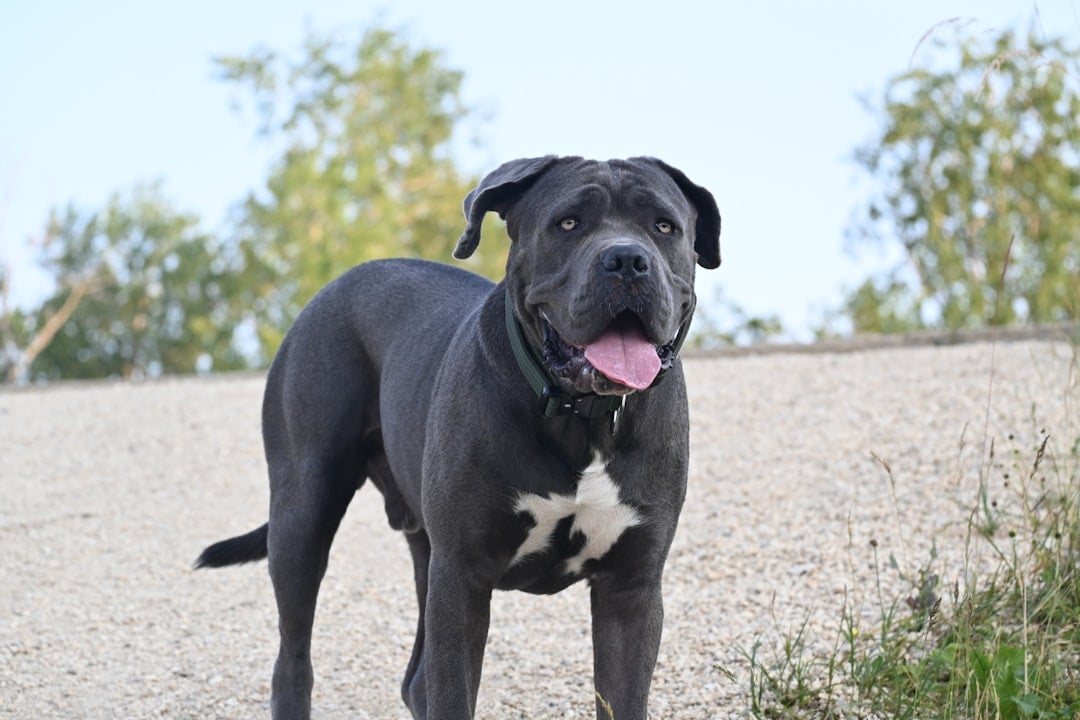
The Cane Corso’s name literally translates to “guardian dog,” and these Italian mastiffs take their job seriously to the point of lethality. With bite forces exceeding 700 pounds per square inch, they rank among the strongest biters in the canine world, capable of crushing bones and causing catastrophic injuries.
These dogs were originally bred for hunting wild boar and serving as war dogs for Roman legions, instincts that remain strong in modern bloodlines. Cane Corsos are naturally suspicious of strangers and possess an intense prey drive that can trigger sudden aggressive episodes. Their muscular build and athletic ability make them capable of jumping six-foot fences and running down fleeing victims with terrifying efficiency.
9. Alaskan Malamute – The Arctic Assassin
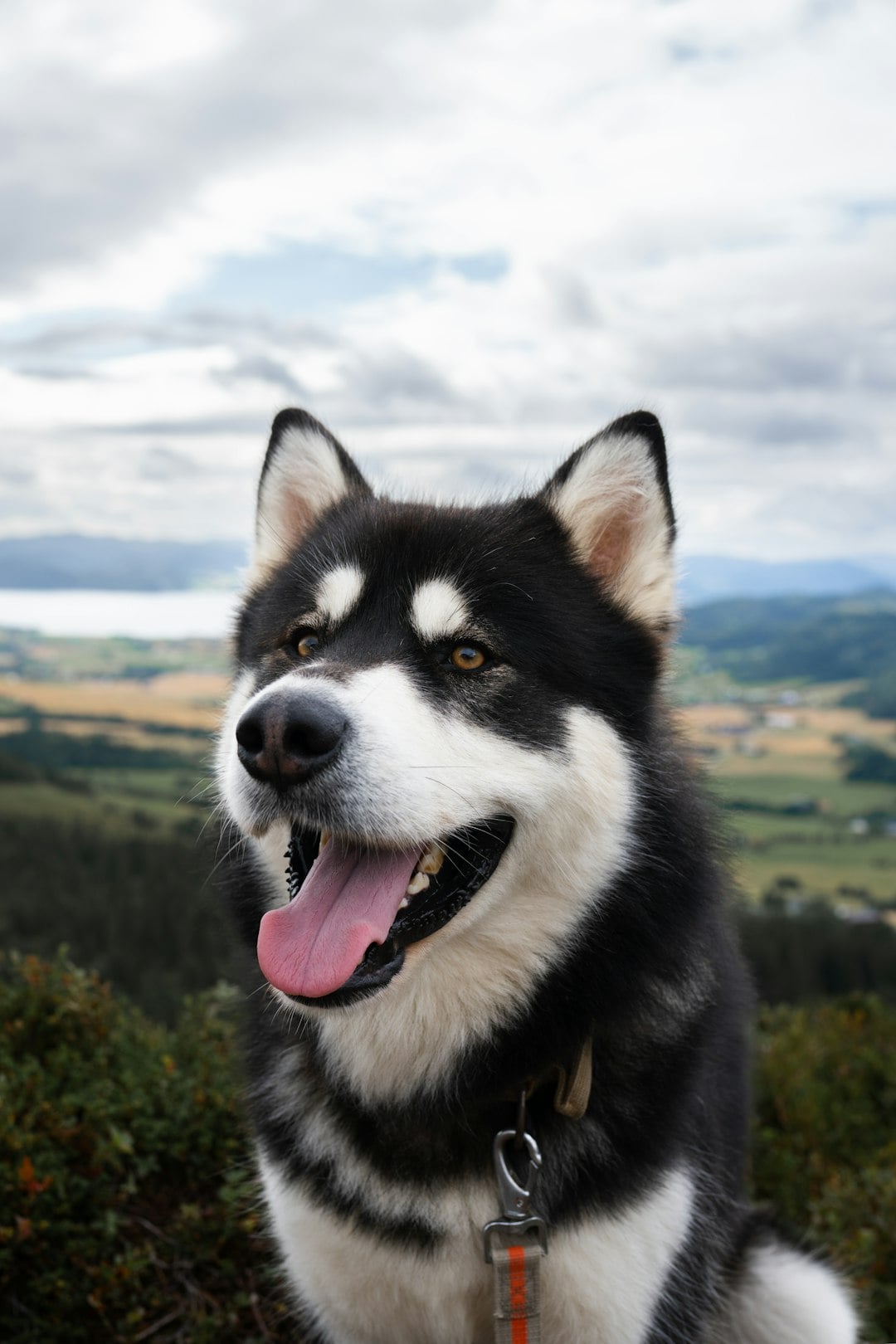
Alaskan Malamutes are the largest of the Arctic spitz breeds, and their size combined with their pack hunting instincts creates a dangerous combination. These dogs were bred to take down large prey like seals and even polar bears, giving them both the physical capability and mental drive to inflict serious harm.
Their wolf-like appearance isn’t coincidental – Malamutes retain many primitive behaviors including food aggression, dominance challenges, and territorial disputes that can quickly escalate to violence. The breed’s incredible strength allows them to pull loads exceeding 2,000 pounds, power that becomes deadly when directed toward humans. Their thick double coat and high pain tolerance make them difficult to stop once they’ve initiated an attack.
8. Rhodesian Ridgeback – The African Lion Hunter
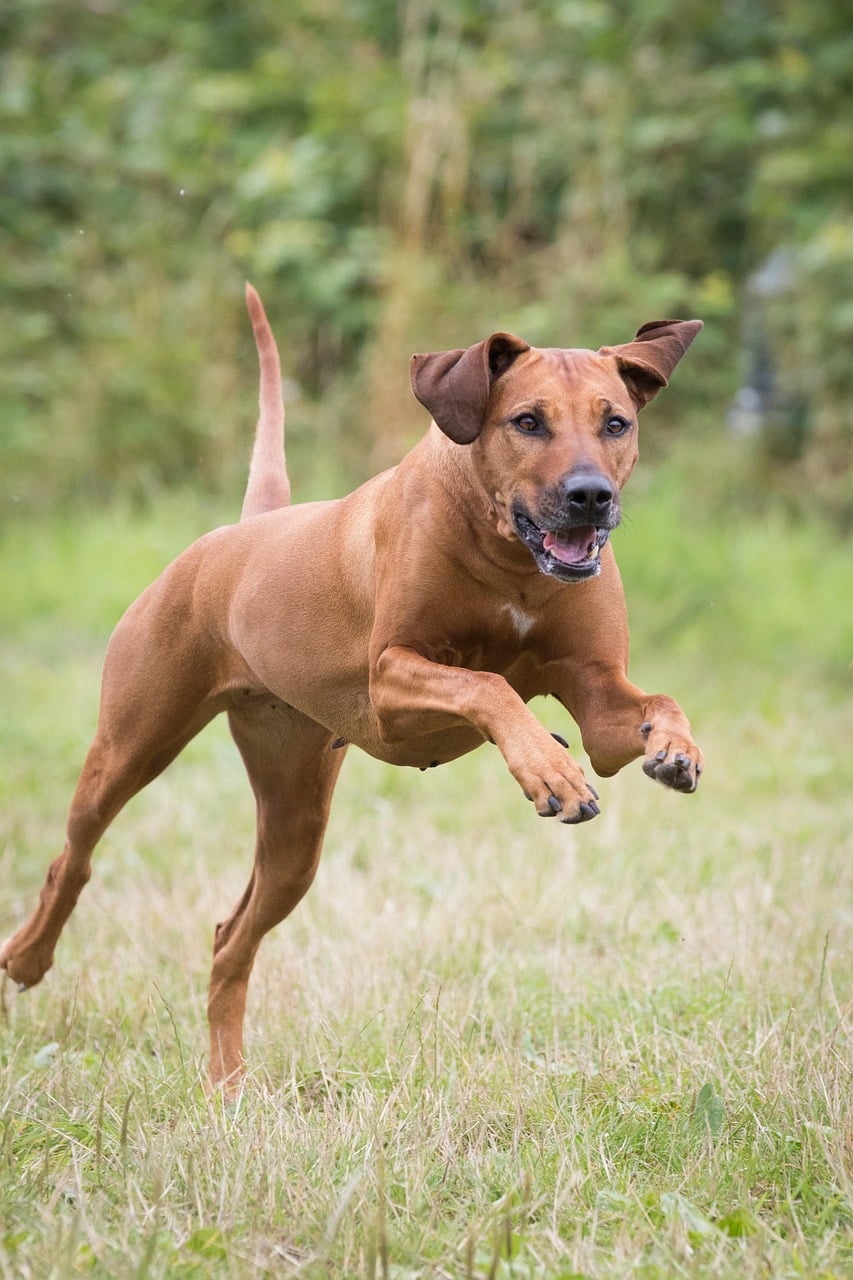
Originally bred to hunt lions in the African savanna, Rhodesian Ridgebacks possess a fearless nature and incredible determination that makes them extremely dangerous when provoked. These dogs were designed to corner and hold massive predators at bay, demonstrating their willingness to engage threats much larger than themselves.
Their distinctive ridge of backward-growing hair along their spine isn’t just a cosmetic feature – it’s a visual reminder of their fierce hunting heritage. Ridgebacks have a strong prey drive and territorial instincts that can trigger sudden aggressive episodes, particularly toward other dogs and small animals. Their athletic build and endurance allow them to pursue targets for extended periods, making escape difficult once they’ve decided to attack.
7. Argentine Dogo – The White Death
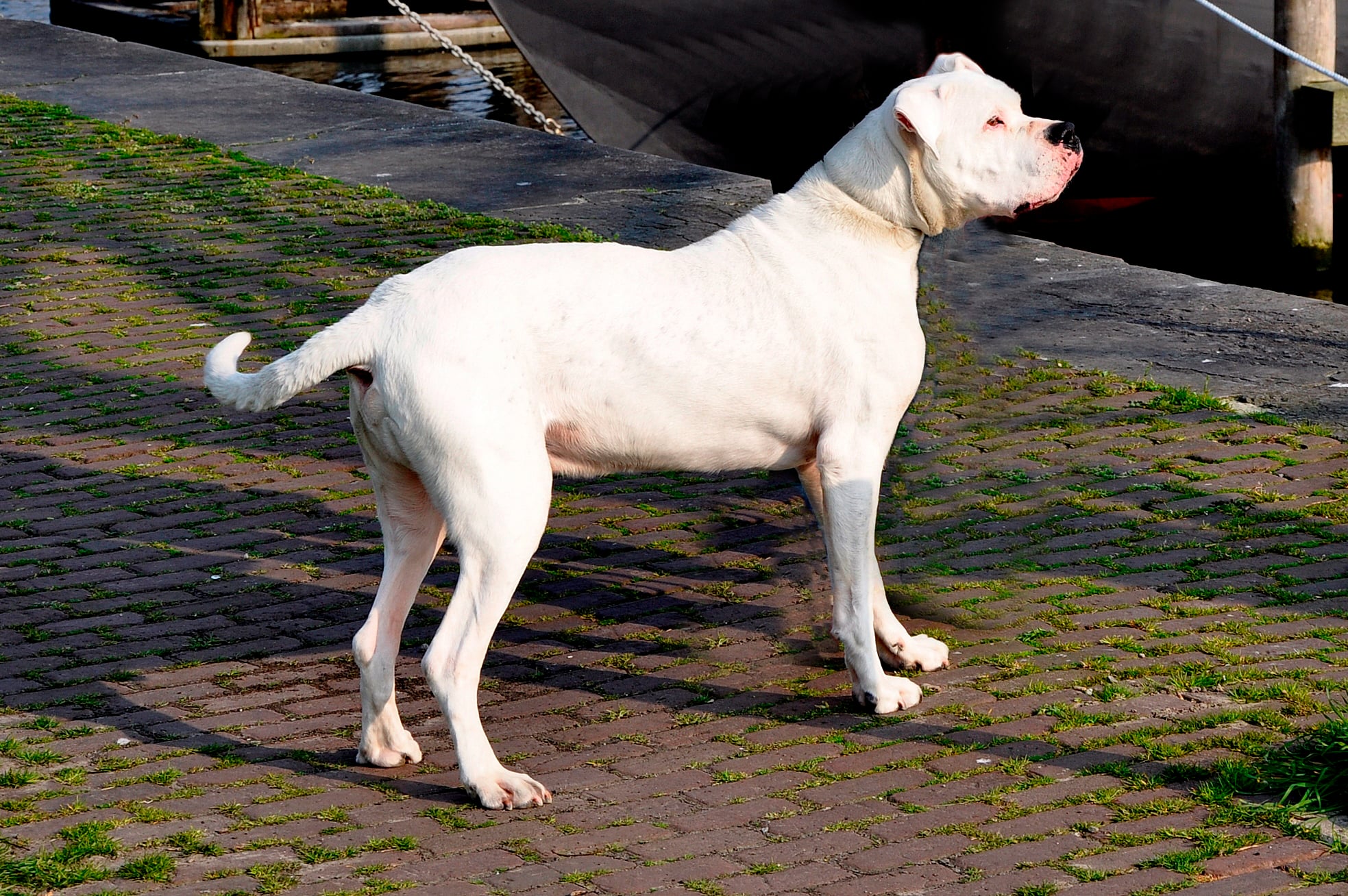
The Argentine Dogo was specifically engineered to be the ultimate hunting machine, capable of taking down wild boar, pumas, and other dangerous game. This deliberate breeding for aggression and tenacity has created a dog that’s banned in multiple countries due to its lethal potential.
These all-white giants possess incredible jaw strength and a fighting style that involves grabbing and holding their target until it stops moving. Their high pain tolerance and determination make them nearly impossible to deter once they’ve engaged in combat. Argentine Dogos have been involved in numerous fatal attacks, leading to breed-specific legislation in many jurisdictions worldwide.
6. Presa Canario – The Canary Island Killer
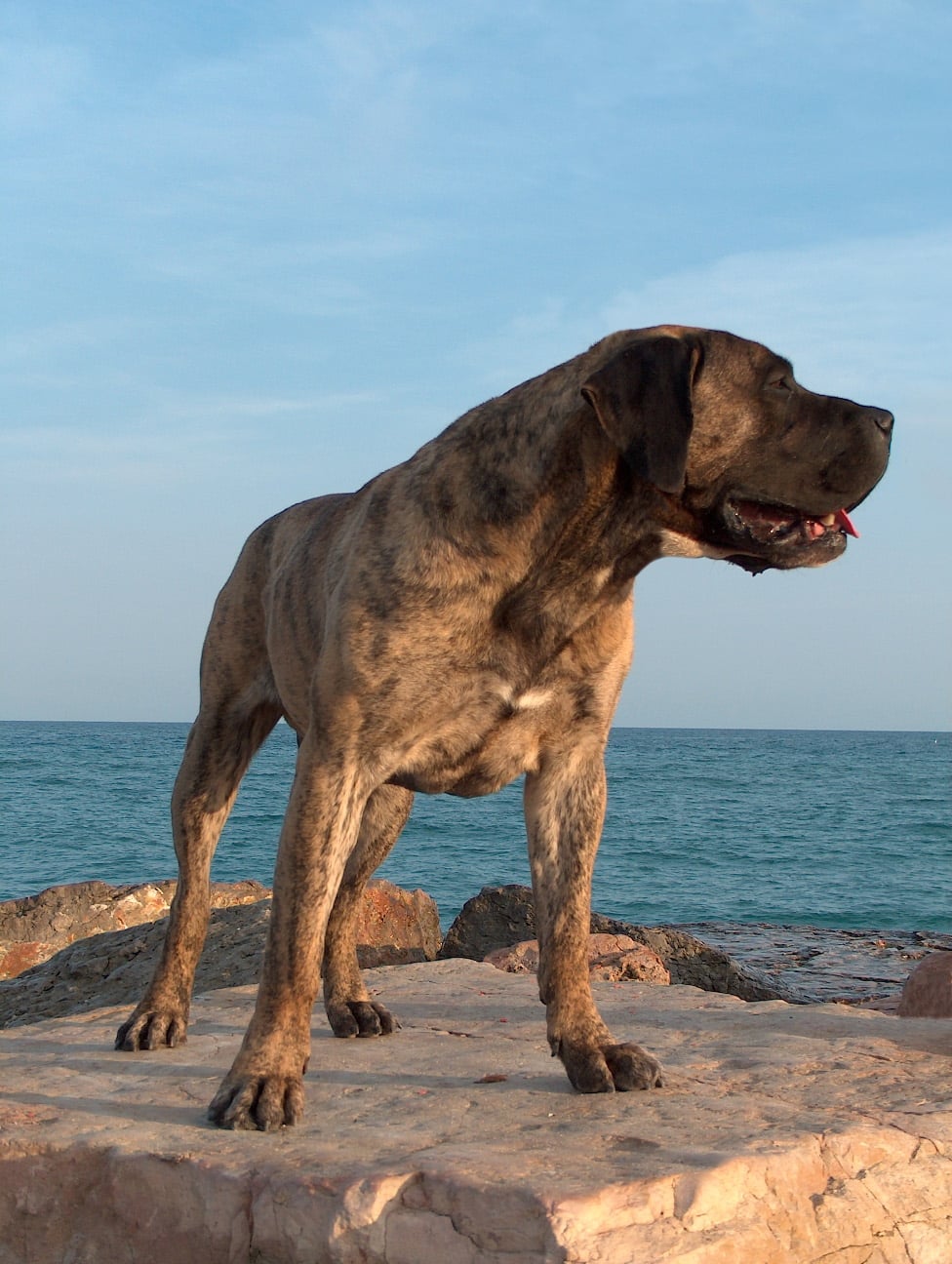
The Presa Canario’s reputation as a killer is well-documented, with several high-profile fatal attacks bringing international attention to this breed’s dangerous nature. Originally bred for dog fighting and guarding livestock from predators, these dogs possess both the physical capability and mental disposition for lethal violence.
These massive mastiffs can weigh up to 160 pounds and stand 26 inches tall, giving them significant advantages in physical confrontations. Their broad heads house incredibly powerful jaw muscles capable of generating crushing bite forces that can break bones and sever arteries. The breed’s natural aggression toward strangers and other animals, combined with their protective instincts, creates a perfect storm for dangerous encounters.
5. Fila Brasileiro – The Brazilian Bloodhound

The Fila Brasileiro’s temperament is so notoriously aggressive that the breed standard actually includes “ojeriza” – a Portuguese term describing natural aversion to strangers. This institutionalized aggression makes them inherently unpredictable and dangerous around anyone outside their immediate family circle.
These large mastiffs were bred to track escaped slaves and wild cattle in Brazil’s challenging terrain, developing both incredible determination and a willingness to use lethal force. Their tracking abilities are legendary, with some specimens able to follow scent trails for days without losing focus. When they catch their quarry, Filas are programmed to hold and control using whatever force necessary, making them extremely dangerous in civilian settings.
4. Tosa Inu – The Japanese Fighting Legend

The Tosa Inu represents the pinnacle of Japanese dog fighting breeding, created by crossing native Shikoku dogs with Western fighting breeds like Bulldogs and Mastiffs. The result is a silent, deadly fighter that was bred specifically to kill other dogs in ritualized combat.
These dogs can weigh up to 200 pounds and possess the strength and technique to quickly dispatch opponents through suffocation holds and crushing bites. Their fighting style emphasizes silence and efficiency, with attacks often occurring without growling or other warning signs. Tosa Inus are banned in multiple countries due to their lethal potential and history of fatal attacks on both humans and animals.
3. Wolf Hybrid – The Wild Card
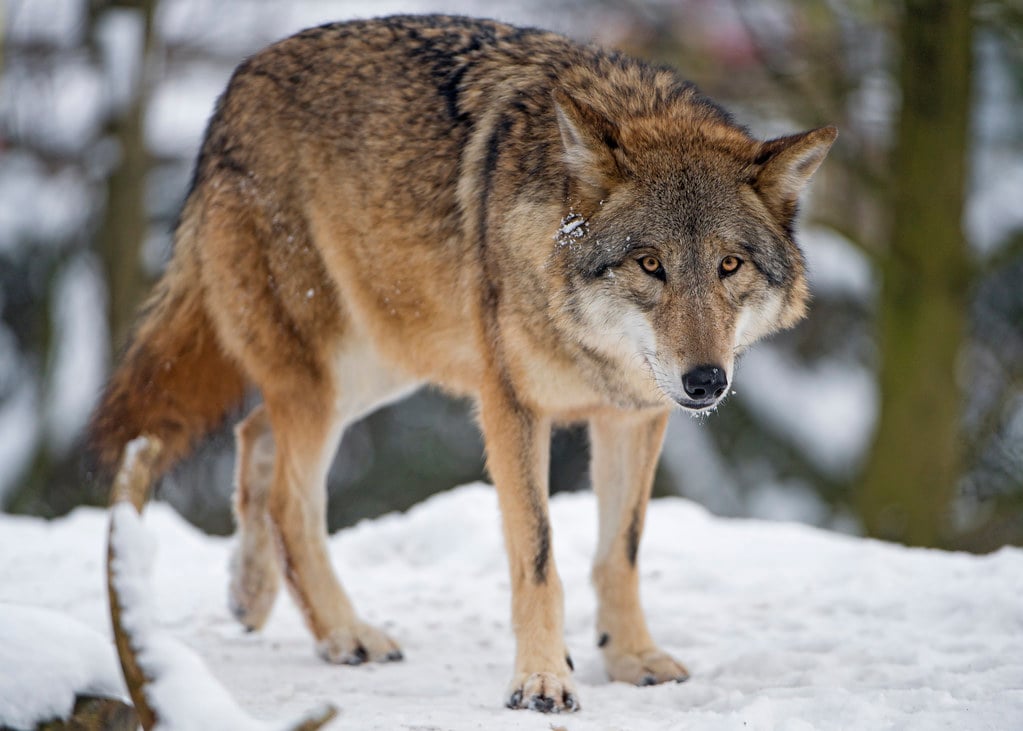
Wolf hybrids represent an unpredictable combination of domestic dog traits and wild wolf instincts, creating animals that can switch from docile to deadly without warning. Their genetic makeup varies wildly, making it impossible to predict their behavior patterns or triggers for aggressive episodes.
These animals possess the physical capabilities of wolves – including bite forces exceeding 1,500 pounds per square inch and the ability to leap eight-foot fences – combined with reduced fear of humans from their domestic heritage. Their pack hunting instincts remain strong, and they often view smaller animals and children as prey rather than family members. The unpredictability factor makes wolf hybrids particularly dangerous, as traditional dog behavioral cues may not apply.
2. American Pit Bull Terrier – The Misunderstood Gladiator
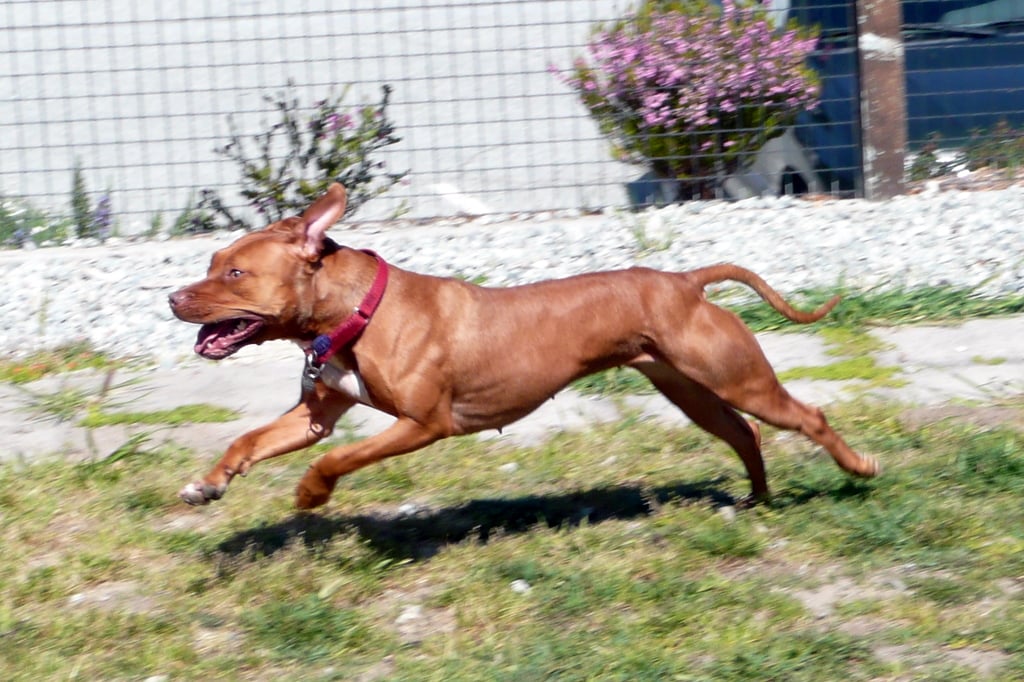
No breed generates more controversy than the American Pit Bull Terrier, and statistics support both sides of the debate. These dogs account for a disproportionate number of fatal attacks relative to their population, with their powerful jaws and tenacious fighting style contributing to severe injuries when incidents occur.
Originally bred for bull-baiting and later dog fighting, Pit Bulls possess several physical traits that make their attacks particularly devastating. Their scissor-like bite and incredible jaw strength allow them to inflict maximum damage quickly, while their high pain tolerance and determination make them difficult to stop mid-attack. The breed’s muscular build and athletic ability enable them to overpower most humans, particularly children and elderly individuals who are most commonly targeted in fatal attacks.
1. Caucasian Shepherd – The Mountain Monster

The Caucasian Shepherd stands alone at the top of this list, combining massive size with fierce protective instincts and a history of taking down wolves and bears in their native mountains. These giants can weigh up to 220 pounds and stand 30 inches tall, making them larger than many people and infinitely more dangerous.
Bred to guard flocks in the harsh Caucasus Mountains, these dogs were selected for their ability to make life-or-death decisions independently and act with lethal force when necessary. Their attacks are methodical and devastating, often targeting the neck and head areas with crushing bite forces that can exceed 550 pounds per square inch. The breed’s natural suspicion of strangers, combined with their incredible size and strength, has resulted in multiple fatalities worldwide.
What makes Caucasian Shepherds particularly terrifying is their complete lack of fear and their willingness to fight to the death when protecting their territory or family. Their thick double coat provides natural armor against counterattacks, while their massive paws and powerful legs allow them to knock down and pin victims with ease. These dogs don’t just bite – they wage war, and few opponents walk away unscathed from such encounters.
Did you realize how thin the line between “man’s best friend” and “silent killer” really is?
🐾 Dog Health & Insurance Tips
| Category | Tips | Why It Matters |
|---|---|---|
| Regular Vet Care | Schedule annual checkups and vaccinations. | Prevents disease, detects health issues early. |
| Nutrition | Feed a balanced diet appropriate for breed, size, and age. | Supports growth, energy, and long-term health. |
| Exercise | Provide daily walks, play, and mental stimulation. | Prevents obesity, anxiety, and joint issues. |
| Dental Health | Brush teeth regularly or provide dental chews. | Reduces risk of gum disease and costly treatments. |
| Parasite Control | Use flea, tick, and heartworm preventatives. | Protects against dangerous, sometimes fatal diseases. |
| Spaying/Neutering | Consider spaying or neutering at the vet’s advice. | Reduces certain cancers, prevents unwanted litters. |
| Emergency Fund | Save for unexpected vet visits or surgeries. | Avoids financial stress in urgent situations. |
| Pet Insurance Basics | Compare policies (accident-only, illness, comprehensive). | Ensures coverage matches your dog’s needs. |
| Breed-Specific Coverage | Check if insurance excludes conditions common in your dog’s breed. | Prevents surprises when filing claims. |
| Deductibles & Premiums | Balance monthly cost vs. coverage. | Helps avoid paying too much out-of-pocket. |
| Wellness Add-ons | Some policies cover routine care like vaccines. | Saves money on predictable annual expenses. |
| Lifetime Coverage | Choose policies that renew coverage yearly for chronic conditions. | Essential for breeds prone to lifelong health issues. |

From exploring the marine wonders in the Azores and witnessing the vast savannas of Kenya, to delving deep into the rich biodiversity of South Africa and traversing iconic landscapes in Australia and the US like Yellowstone, Chris's experiences are vast.
With a penchant for diving alongside sharks, the ocean holds a special place in his heart.
Through his academic insights, he champions wildlife conservation, striving with 'Animals Around The Globe' to cultivate a profound connection between humans and animals, enhancing our mutual appreciation.
Connect with him at Feedback@animalsaroundtheglobe.com.
- 17 Dog Breeds So Dangerous Experts Call Them ‘Silent Killers’ - July 17, 2026
- The Mystery of the Deepest Blue Hole on Earth - July 16, 2026
- The Only Place in the U.S. Where You Can Hear Elephants Trumpet - July 16, 2026