
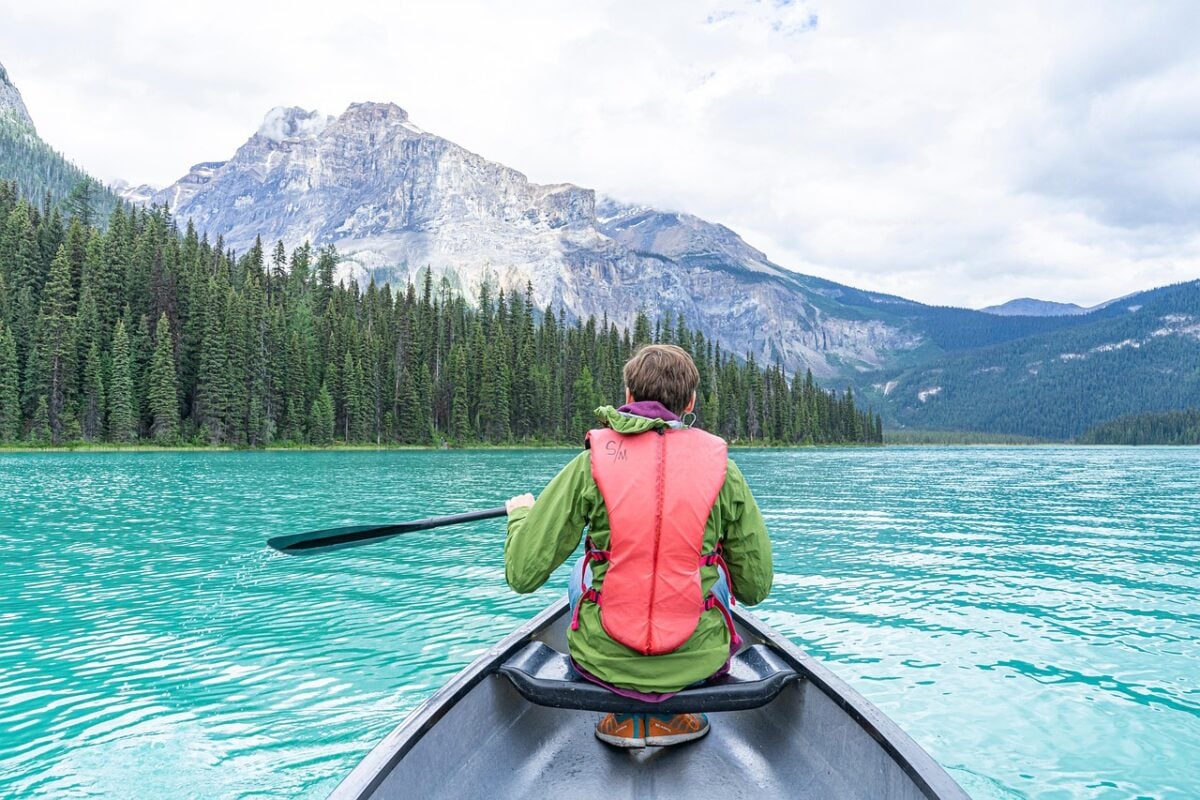
Ask ten people to name a national park and you’ll get the same six answers every time – Yellowstone, Yosemite, Zion, the greatest hits. Ask a ranger which park actually changed how they see this country, and the answer is almost never one of those. It’s usually somewhere you’ve never heard of, somewhere so empty they almost feel guilty admitting how good it is.
These aren’t the places on the postcards. They’re the ones rangers quietly send their own families to, the trails they hike on their days off, the canyons they hope stay off the algorithm a little longer. We tracked down eighteen of them – and by the time you reach the last one, you’ll understand why some rangers get almost defensive about keeping it secret.
#18: Great Basin National Park, Nevada – The Detour Nobody Regrets
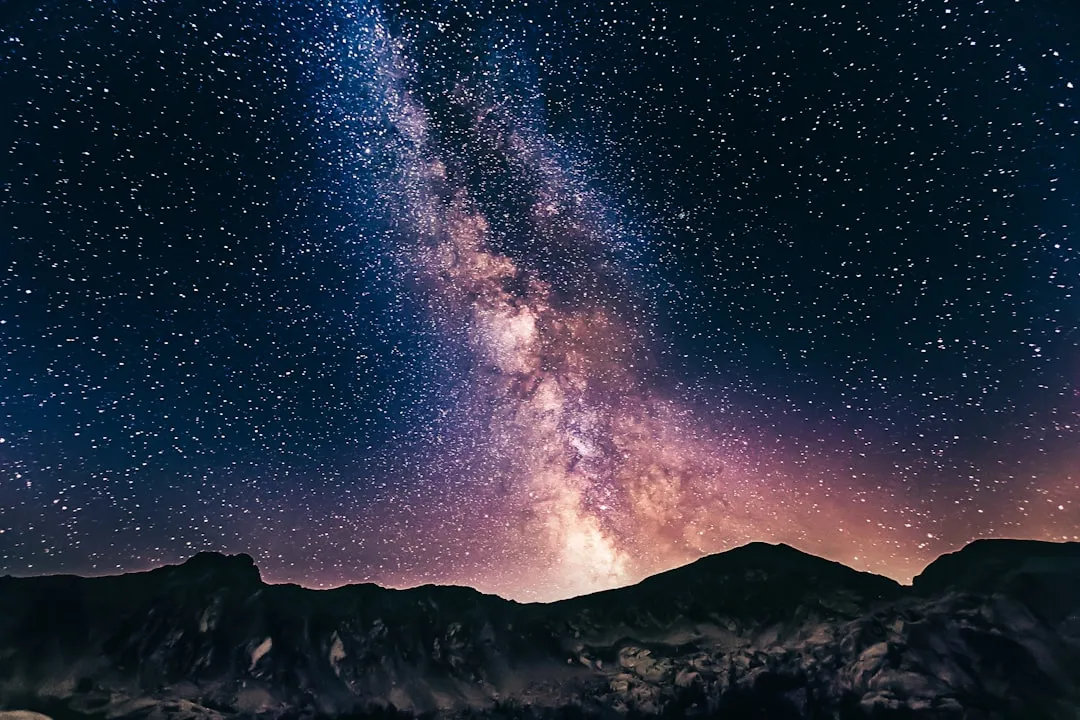
Rangers will tell you Great Basin is the park everyone drives past on the way to somewhere louder. Tucked into a corner of eastern Nevada that most road-trippers ignore, it sees a fraction of the traffic Zion or Yellowstone absorb in a single afternoon. Yet it packs in glacier-carved peaks, ancient bristlecone pines older than most civilizations, and some of the darkest night skies left in the Lower 48.
You can hike above 13,000 feet in total silence, then lie back under a Milky Way so thick it looks fake, without a tour bus in sight. Tour Lehman Caves in the morning, stand on a windswept alpine ridge by lunch, and watch the aspens turn gold in fall while you have the whole mountain to yourself. Rangers half-joke it’s the most underrated park in the West – mostly because they’d rather keep it that way.
Fast Facts
- The summit elevation of 13,065 feet makes it the second-highest peak in Nevada, and you can stand on top without a permit.
- Great Basin National Park is one of the few “no-fee” parks left in the US.
- The park was originally established as Lehman Caves National Monument in 1922, but was expanded and established as Great Basin National Park in 1986.
- Bristlecone pines growing near the treeline here are among the oldest living organisms on Earth.
#17: Congaree National Park, South Carolina – Fireflies That Look Photoshopped
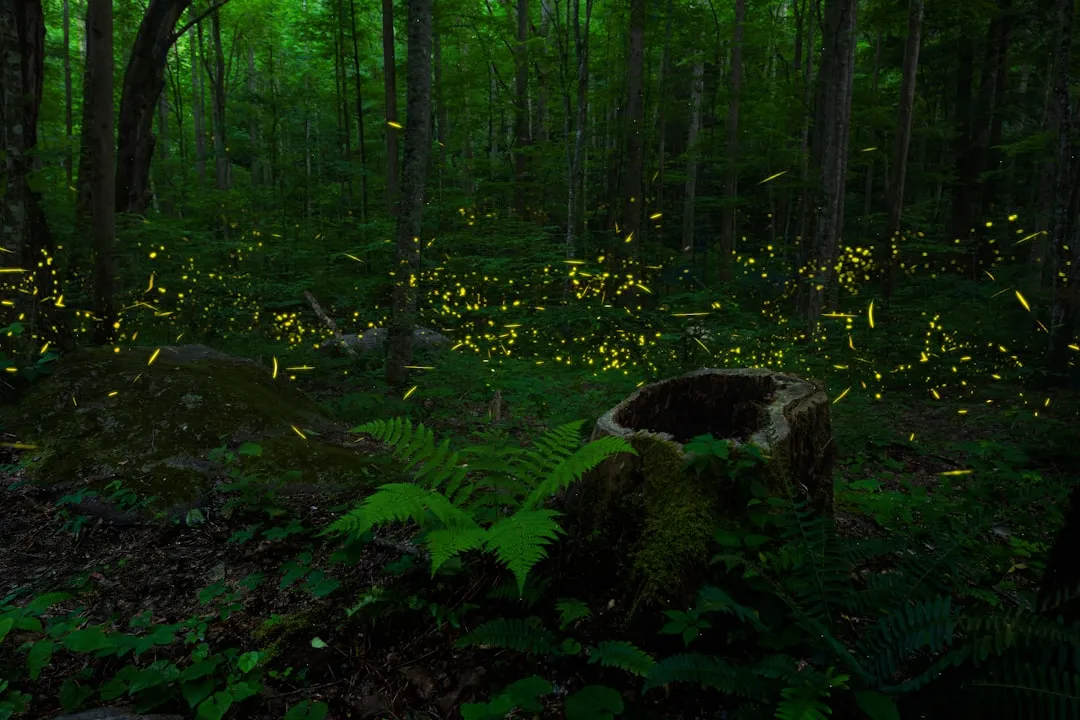
If Congaree sat in another country, Americans would be booking flights to see it. Instead, this surreal floodplain forest just outside Columbia sits nearly empty on most weekdays. It protects one of the largest remaining tracts of old-growth bottomland hardwood forest in North America – towering champion trees almost nobody has ever heard of, let alone stood beneath.
The real secret, though, is what happens after dark. For a few weeks each late spring, synchronized fireflies turn sections of the forest into pulsing waves of light that look digitally edited. Canoe trails wind through flooded groves where owls call and cypress knees rise out of black water like something out of a dream. Most road-trippers blow past on the interstate chasing mountain views; rangers just shake their heads.
#16: Guadalupe Mountains National Park, Texas – Texas’s Toughest Bragging Rights
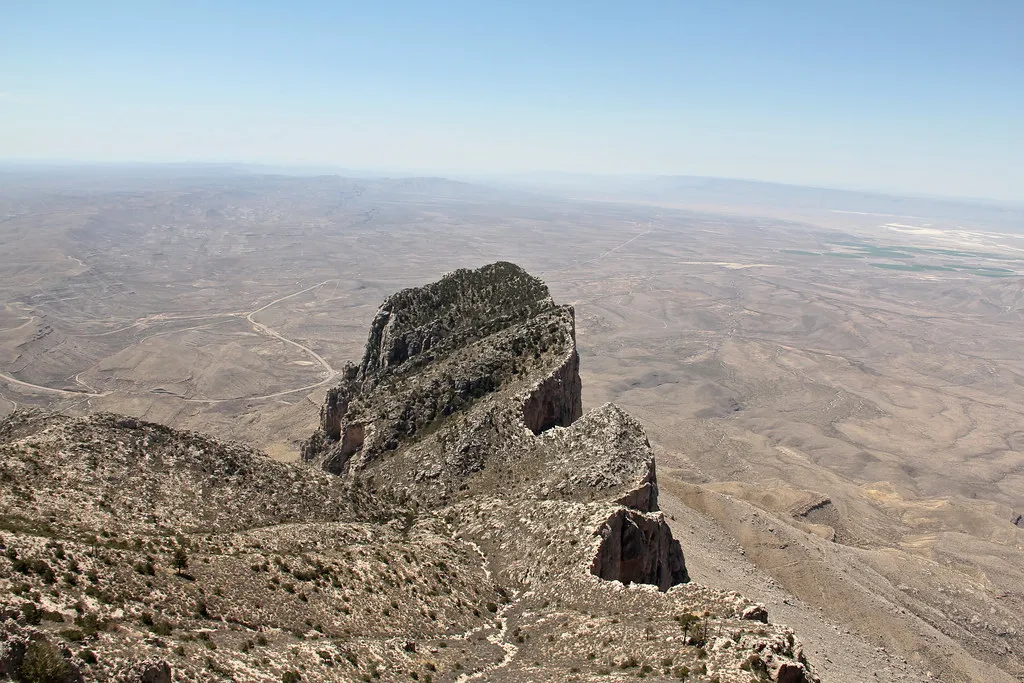
Deep West Texas has a reputation for emptiness, and Guadalupe Mountains leans into it hard. This park preserves the exposed remains of a 260-million-year-old fossil reef, and it gets shockingly low visitation compared to nearby Carlsbad Caverns just over the state line. You can summit Guadalupe Peak, the highest point in Texas, without ever feeling like you’re stuck behind a line of hikers.
What surprises most people is the sheer variety packed into one park: rugged desert floor, hidden canyons, and cool forested “sky islands” full of maple and ponderosa pine. There are stagecoach ruins, backcountry camps that feel like time travel, and fall color Texans swear rivals New England – minus the leaf-peeper traffic jams. Rangers will tell you flat out: these trails are steeper and more honest than plenty of “famous” parks. Bragging rights that actually mean something.
#15: North Cascades National Park, Washington – The Alps America Forgot
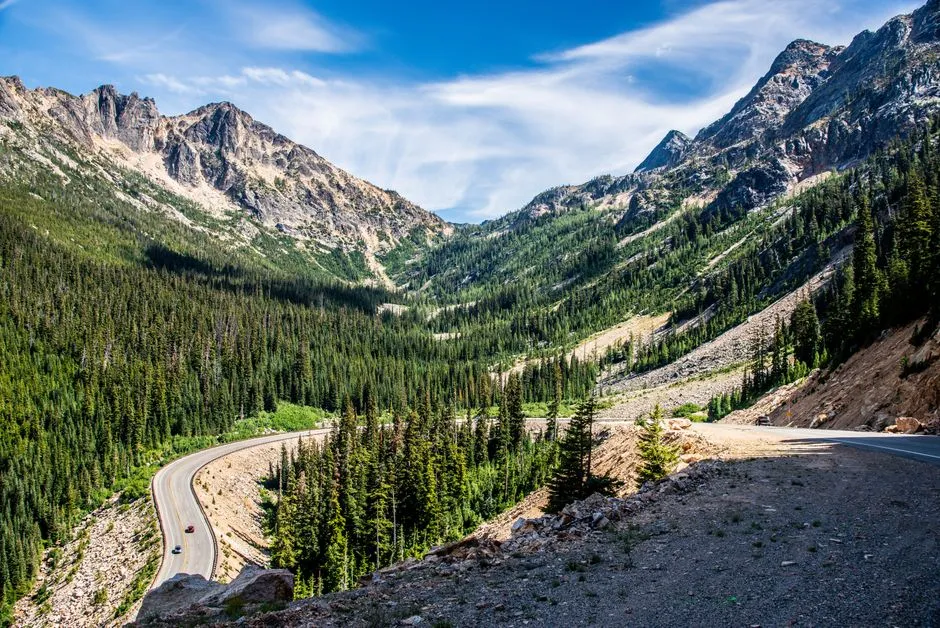
North Cascades is the national park locals almost don’t want you to find. It sits only a few hours from Seattle, yet pulls in fewer visitors than some minor memorials in Washington, D.C. Rangers describe the glaciated peaks and turquoise lakes as looking like the Alps – minus the villages, the gondolas, and the crowds.
Most tourists drive Highway 20, snap a quick photo of Diablo Lake, and never see the wilder backcountry beyond it. Multi-day backpackers here can go days seeing more bears than people. Alpine larch forests glow electric gold every fall, and instead of sharing the view with three tour buses, you might share it with three other hikers. In 2026, that’s the closest thing left to real wilderness in the Lower 48.
#14: Big Bend Ranch State Park, Texas – Wilder Than Big Bend Itself
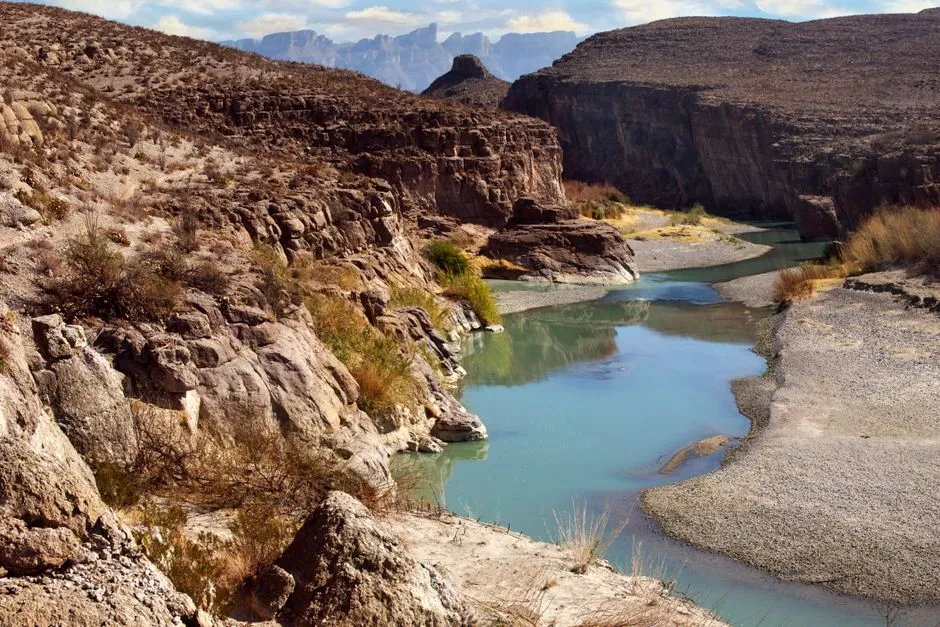
Everyone knows Big Bend National Park is remote. Almost nobody realizes its state-park neighbor is even wilder. It’s the largest state park in Texas, sprawling across more than 300,000 acres, and you can genuinely drive for an hour without seeing another vehicle.
The Rio Grande carves through volcanic canyons here, desert plateaus stretch to the horizon, and the night sky gets so dark that rangers sometimes just pull over and stare. Trails are rough, routes are unmarked, and you’re expected to be self-sufficient – which scares off casual visitors and quietly thrills the staff. Hikers who push further find forgotten tinajas, natural water pockets hidden in the rock that feel like mirages. While tourists crowd the national park a few miles east, the real frontier feeling lives here.
#13: Black Canyon of the Gunnison National Park, Colorado – The Canyon Too Steep for Sunlight
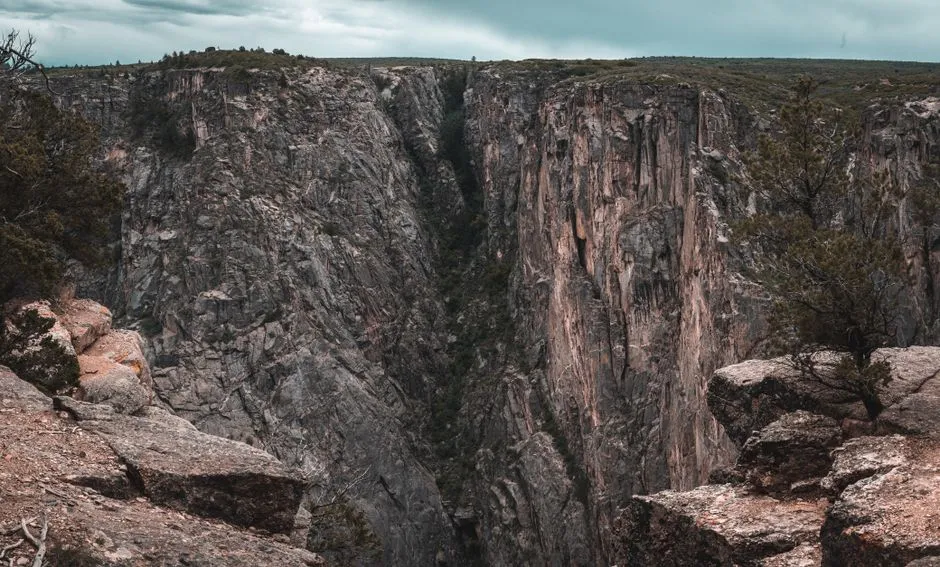
Ask a ranger to name the most jaw-dropping canyon almost nobody has heard of, and Black Canyon comes up almost every time. It isn’t the biggest or the longest canyon in the country, but its walls are among the steepest in North America, plunging nearly 2,700 feet in places – so tight and narrow that sunlight barely reaches the river below.
Most travelers chasing “Colorado scenery” head straight for Rocky Mountain National Park, leaving this place strangely quiet. The North Rim feels almost private: short walks lead to overlooks that will flip your stomach, often shared with just one or two other people. Permitted hikers can scramble down unmaintained routes to the river itself, where it’s just you, the roar of water, and cathedral walls of rock. Rangers are blunt about it – if this canyon had better marketing, it would be overrun.
Why It Stands Out
- The canyon reaches its maximum depth of 2,722 feet at Warner Point.
- At its tightest, the canyon is so narrow, spanning just 40 feet at its narrowest point, “The Narrows,” that sunlight barely touches the river.
- The Painted Wall rises 2,250 feet from river to rim, making it the tallest sheer cliff in Colorado.
- First set aside as a National Monument in 1933 by President Herbert Hoover, it was later designated a full National Park in 1999 – one of the newest in the system.
#12: Lassen Volcanic National Park, California – Four Volcanoes, Zero Crowds
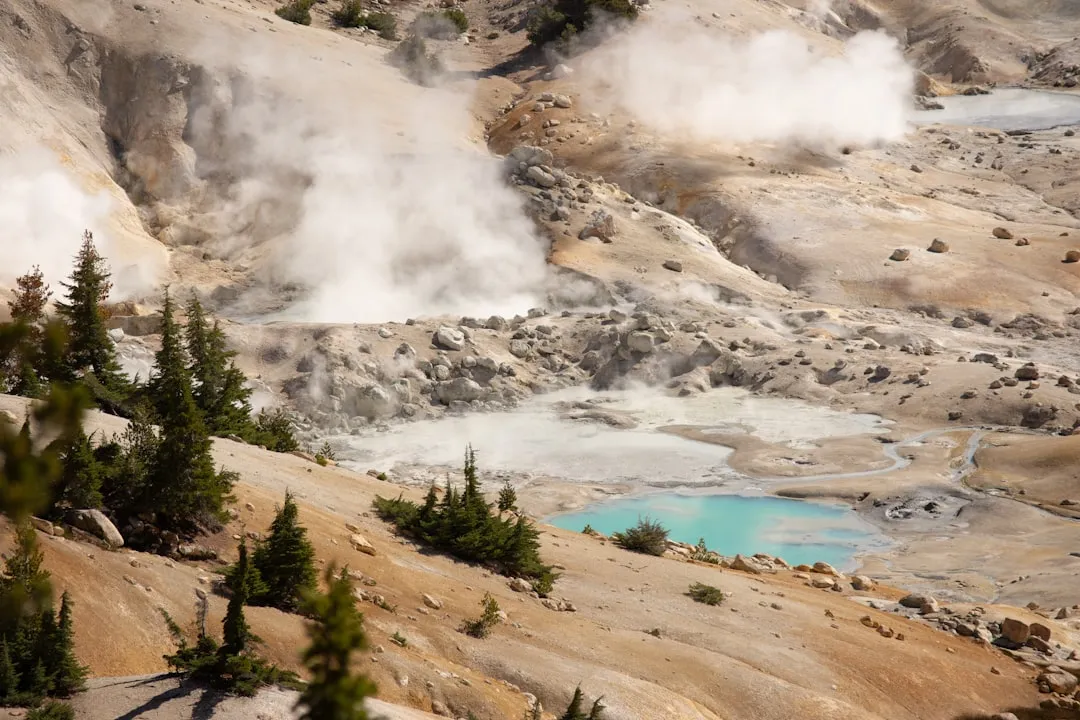
While Mount Rainier and Yosemite soak up all the fame, Lassen quietly simmers – literally. It’s one of the few places on Earth where you can see all four types of volcanoes in one park: shield, plug dome, cinder cone, and stratovolcano. Boiling mud pots, steaming fumaroles, and crystal-clear alpine lakes sit almost untouched, and most Californians have never bothered to make the drive.
Part of the reason is geography – it sits just far enough from the big cities to fall off people’s radar. Those who do show up get empty trails, snow lingering on the peaks well into summer, and backcountry camps that feel like a private National Geographic shoot. Kayakers have entire lakes to themselves at sunrise. While Yosemite Valley chokes on traffic, the real volcanic drama here plays out in near total peace.
#11: Dry Tortugas National Park, Florida – A Fort in the Middle of Nowhere Ocean
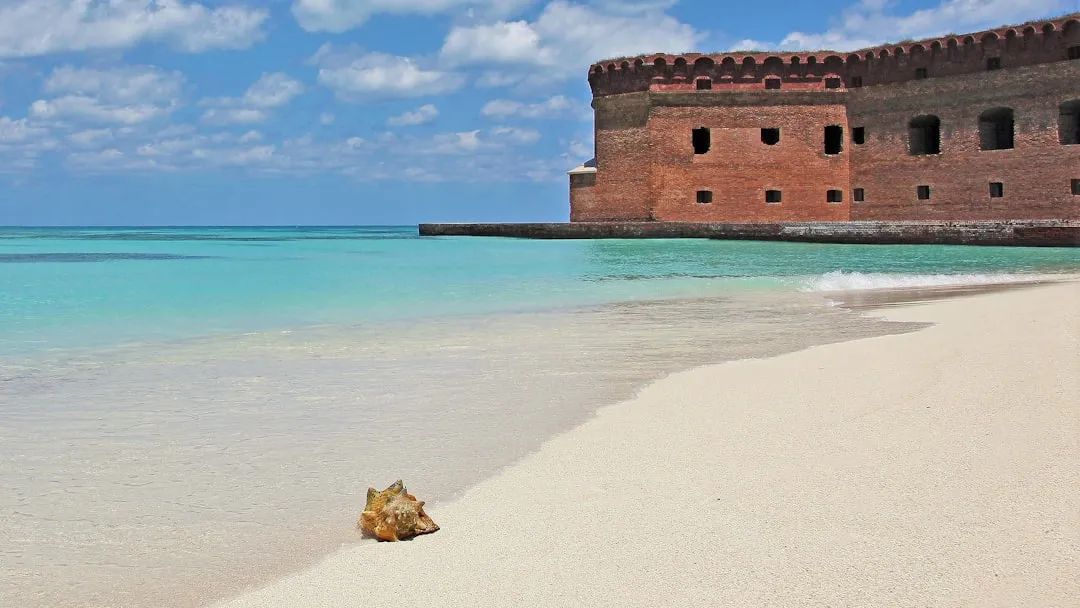
Most people think “Florida national parks” and stop at the Everglades. Rangers know better. Seventy miles west of Key West, Dry Tortugas sits alone in the Gulf of Mexico, reachable only by boat or seaplane. It’s home to Fort Jefferson, one of the largest brick forts in the Americas, ringed by Caribbean-blue water and coral reefs almost nobody ever snorkels.
Because it takes real effort and advance planning, the average beachgoer skips it entirely – which is exactly why rangers love it. Circle the moat wall while tarpon flash below, then step into water so clear you’ll swear your mask fell off. Sea turtles, nurse sharks, and clouds of tropical fish patrol the shallows, and on the rare overnight camping permit, the only “hotel noise” is waves against the seawall. Many rangers quietly call it their favorite park east of the Mississippi.
#10: Chiricahua National Monument, Arizona – The Wonderland of Rocks Nobody Can Spell
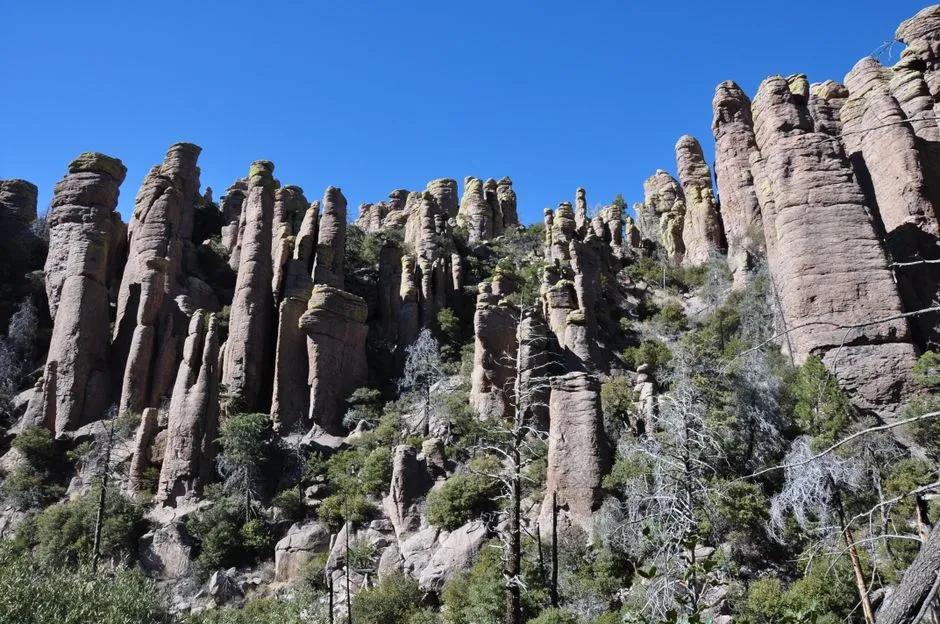
Chiricahua is the place rangers mention with a grin, because they know most visitors will have to Google it first. Nicknamed the “Wonderland of Rocks,” it’s a maze of volcanic hoodoos, balanced boulders, and slot-like passages in southeastern Arizona. Some rangers half-joke that its rock formations are more fun to explore than the Grand Canyon’s viewpoints – and they’re not entirely kidding.
Here, you don’t just look at geology, you walk through it. Its sky-island location also means a surprising rush of wildlife: Mexican jays, coatis, even the occasional jaguar wandering across the border region. Day hikers can shuttle to the top and walk back down through ever-changing stone gardens. Because it isn’t a full national park, it stays off the radar – rangers say half the visitors arrive by accident after spotting a highway sign, and almost all of them leave wondering why nobody told them sooner.
#9: Voyageurs National Park, Minnesota – The Park You Can Only Paddle Into
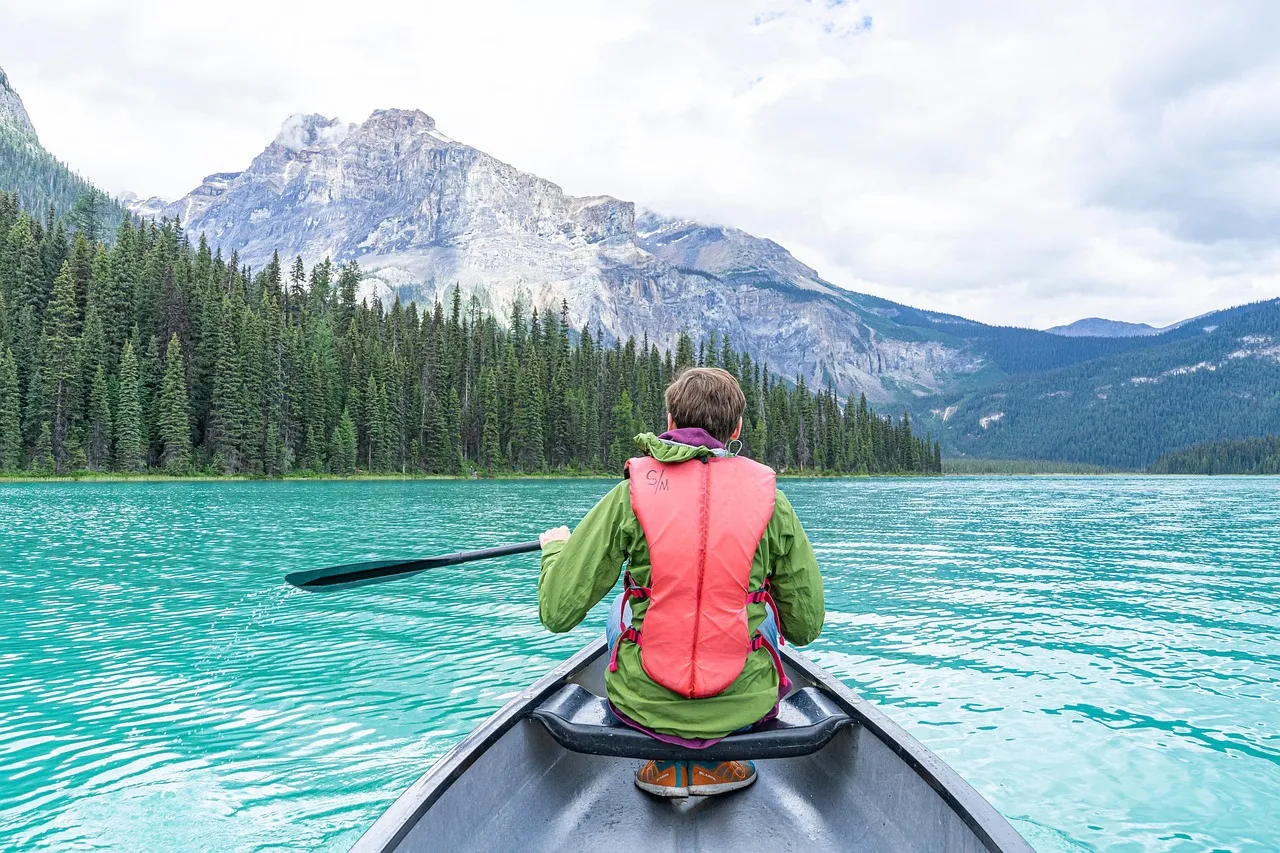
Voyageurs is a park you don’t just see, you paddle. Straddling the Canadian border, it’s a watery maze of interconnected lakes, islands, and coves – and most of it is only reachable by boat. That alone keeps crowds low, but rangers say it also filters out anyone impatient.
The payoff is boat-in campsites, northern lights with zero light pollution, and loons calling across glassy water at midnight. Rent a houseboat and anchor in a private bay, or kayak between rock outcrops where beavers and otters carry on like you’re not even there. Come winter, the whole park flips: the lakes freeze into highways for snowmobiles and cross-country skiers. While other parks pave everything in sight, Voyageurs is where you remember what real silence sounds like.
#8: Theodore Roosevelt National Park, North Dakota – Where a President Got Rebuilt by Grief
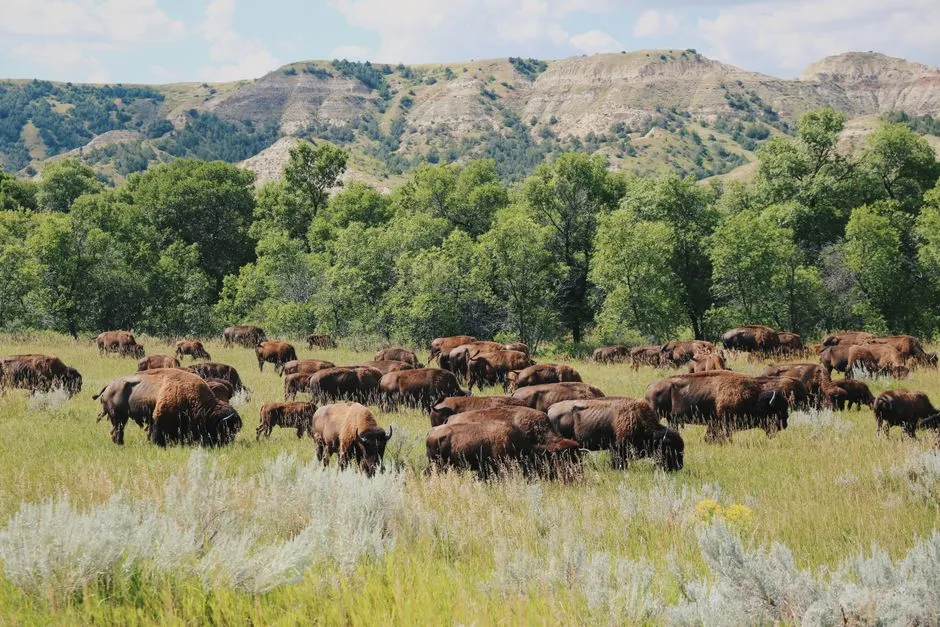
If you think North Dakota is just flat farmland, this park will humble you in the best way. It protects a stretch of rugged Badlands where wild bison, wild horses, and pronghorn roam under enormous skies – and you might be the only car on the entire scenic loop.
The history here hits harder than the scenery. This is where a young Theodore Roosevelt came to ranch and grieve after losing his wife and mother on the same day, and where his conservation instincts were forged. You can hike to overlooks he would still recognize, because nobody’s built condos on them yet. At sunrise the buttes glow pink and orange; at night the Milky Way is fierce and uninterrupted. Most “park bucket lists” skip straight from South Dakota to Montana – rangers know the real surprise is sitting right in between.
#7: Great Sand Dunes National Park and Preserve, Colorado – Sahara Dunes Hiding in the Rockies
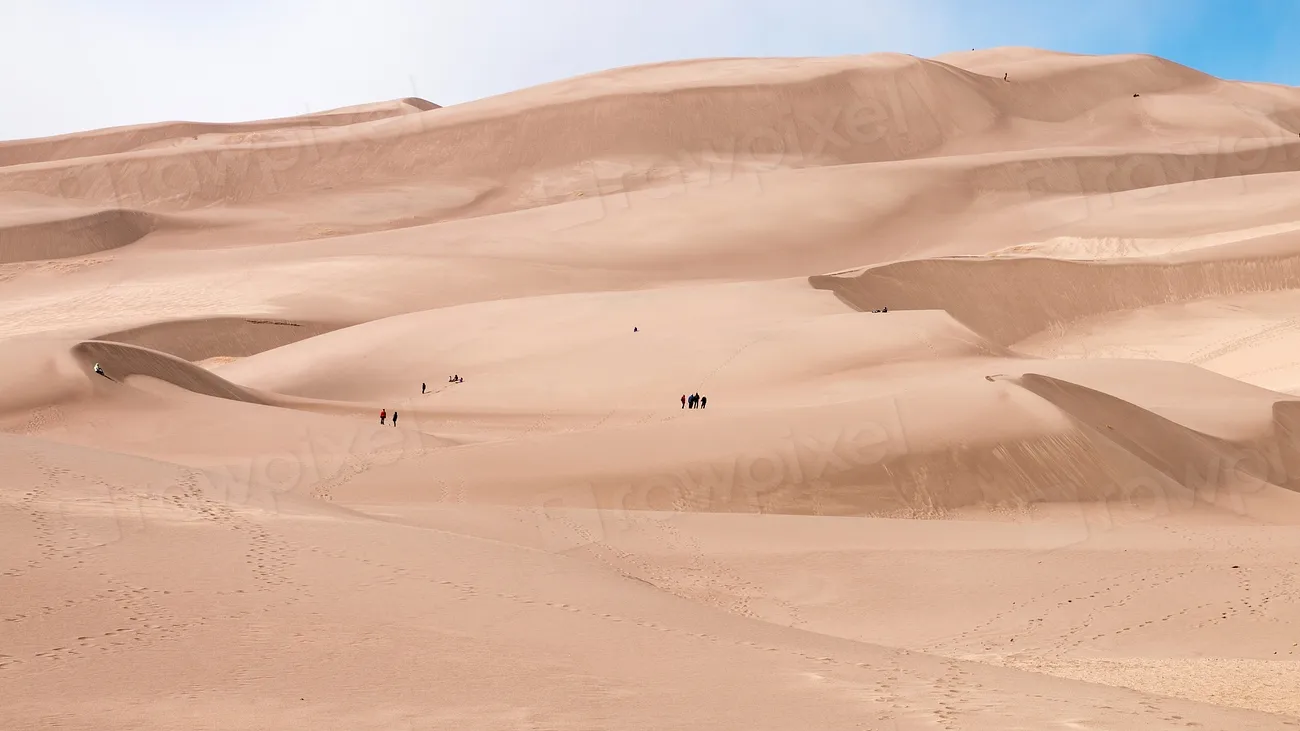
Most people don’t realize Colorado has Sahara-style sand dunes. Fewer still realize they’re the tallest dunes in North America, piled up against the Sangre de Cristo Mountains like some kind of rendered backdrop. It’s a landscape of shifting sand, seasonal creek flows, and alpine forest all colliding – and still relatively uncrowded outside peak weekends.
Sled down steep dune faces, splash through Medano Creek when it’s running, then drive up a rugged 4×4 road into cool pine forest, all in one day. At night the dunes turn into a dark-sky amphitheater – lie back on the sand and you’ll actually watch satellites drift across the Milky Way. While Instagram recycles the same Maroon Bells photo on repeat, this corner of Colorado sits there being genuinely strange and wonderful.
Quick Compare
- Star Dune is the tallest in the park at 750 feet, followed closely by High Dune at 699 feet.
- The park’s vast dune field covers about 30 square miles.
- Medano Creek is a seasonal stream that flows at the base of the dunes, offering a rare chance to sandboard and splash in the same spot.
#6: Isle Royale National Park, Michigan – The Island That Ruins You for Every Other Park
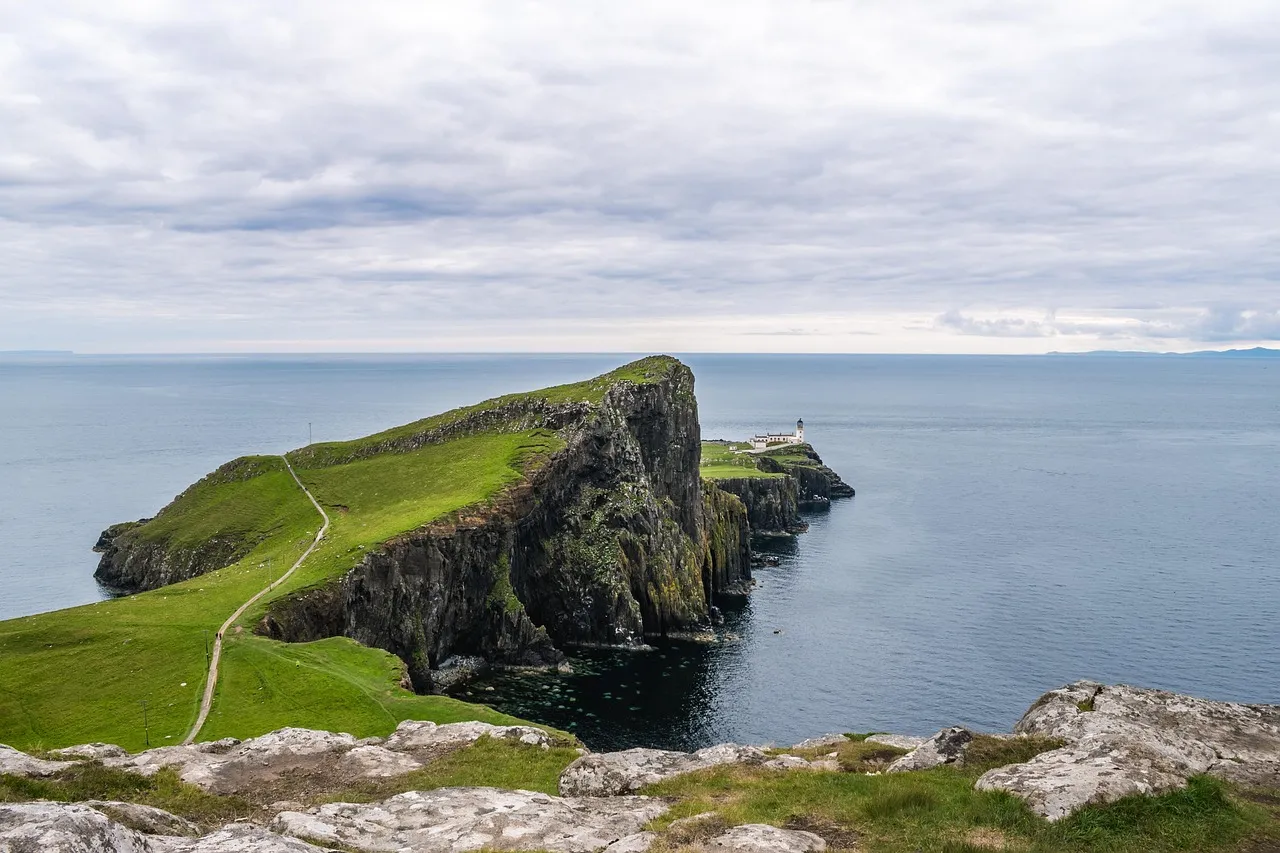
There are two kinds of national park visitors: people who’ve never heard of Isle Royale, and the tiny cult who can’t stop talking about it. Sitting in the middle of Lake Superior, it’s one of the least-visited – and most re-visited – parks in the entire system. You can only reach it by boat or seaplane. Zero cars, zero roads, zero casual day-tripper energy.
The payoff is unmatched solitude. Backpackers hike for days without seeing another human, sharing trails instead with moose, foxes, and the memory of wolves that once roamed here in bigger numbers. Paddlers weave through rocky archipelagos, camping on points where Superior’s waves lull them to sleep. Despite the isolation, it has one of the highest repeat-visitor rates of any park – people come once, and then they’re hooked for life.
#5: Big Bend National Park, Texas – Texas’s Best-Kept Desert Secret
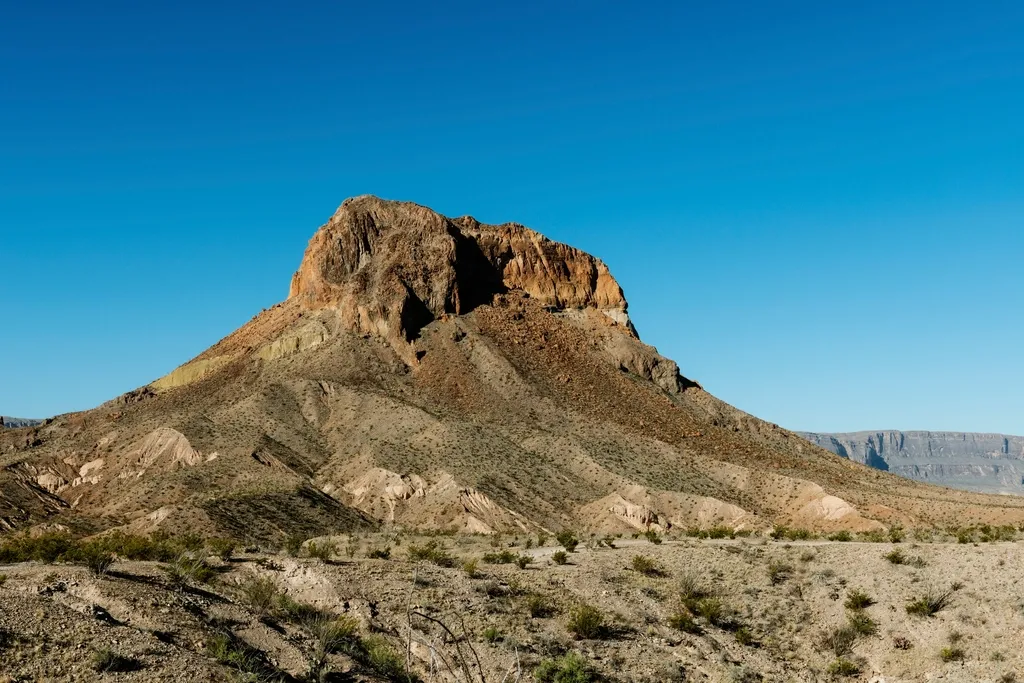
Yes, we already covered its state-park neighbor – but rangers insist the national park itself is still wildly underrated on a national scale. Remote from any major city, Big Bend sees only a fraction of the crowds that descend on Zion or Yosemite. It packs an almost absurd amount of diversity into one park: desert, mountains, and a wild international river border, under some of the darkest skies left in the mainland U.S.
Trails here can be hot, long, and totally exposed, and rangers respect that honesty. The reward is limestone canyons glowing at sunset, hidden desert springs, and hot springs where you can soak while watching the Rio Grande drift by. Birders treat it like a pilgrimage for species that slip up from Mexico, and at night the stargazing feels almost aggressive – the Milky Way is right there, no filter needed. While everyone else obsesses over Utah’s “Mighty 5,” rangers quietly wonder if you’ve even seen Big Bend at all.
#4: Canyon de Chelly National Monument, Arizona – The Canyon People Still Call Home
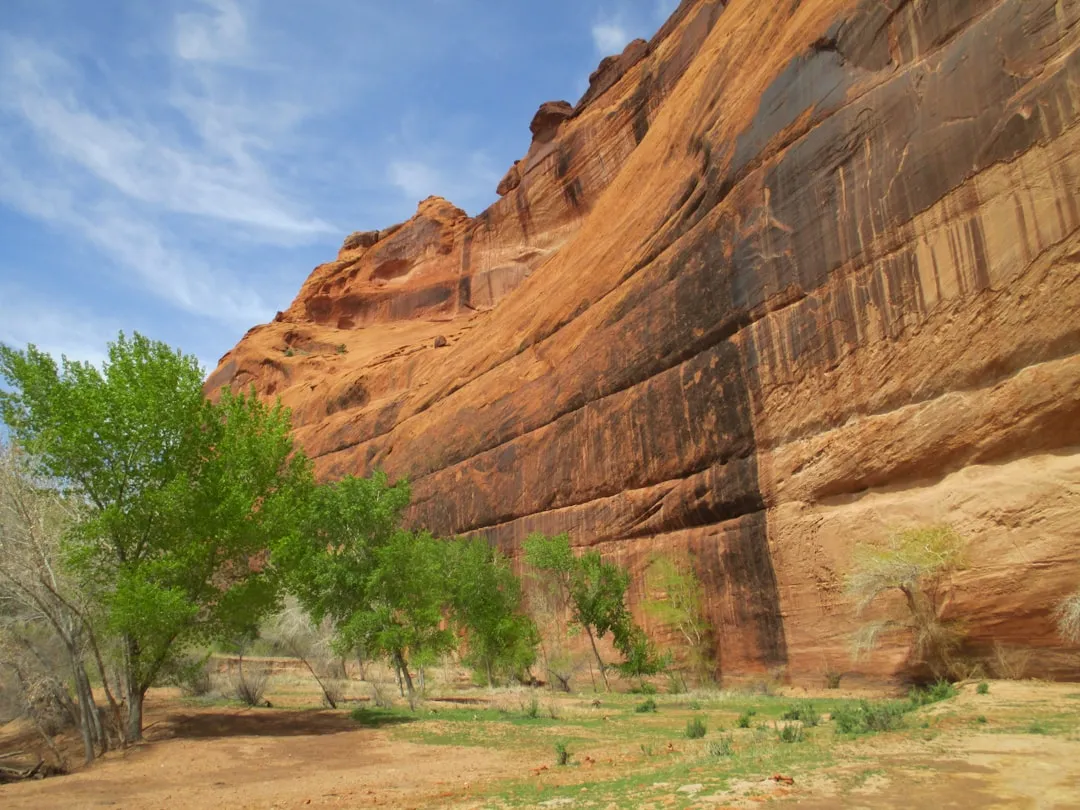
Canyon de Chelly sits on Navajo Nation land, which means it’s a living landscape, not a frozen museum piece. Rangers and Navajo guides both stress this point: families still farm, herd sheep, and live on the canyon floor beneath 1,000-foot sandstone walls. Tourists chasing “Southwest canyon views” almost always default to the Grand Canyon, missing this far more intimate, culturally layered place entirely.
You can drive the rim roads for free overlooks that rival anything in Utah, but the real experience happens down inside the canyon with a local guide. Petroglyphs, ancient cliff dwellings, and stories passed through generations turn the rock walls into living history. Spider Rock, the towering spire at the canyon’s heart, carries deep cultural meaning that no photo can capture. It isn’t a national park, and ironically that’s exactly what keeps the crowds smaller and the experience honest.
#3: Organ Pipe Cactus National Monument, Arizona – The Desert Written Off for the Wrong Reasons
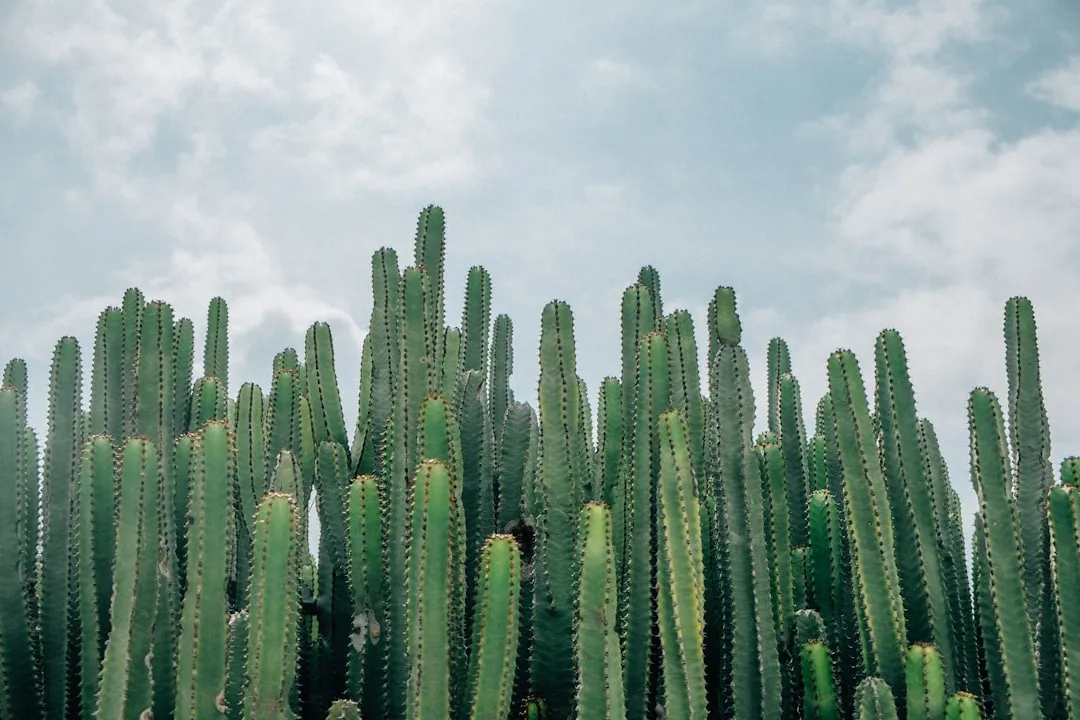
For years, Organ Pipe was better known to border agents than tourists, and that reputation stuck. It’s exactly why rangers say it’s still widely ignored – despite being one of the best places in the country to see giant organ pipe cacti glowing pink and orange at sunrise in their natural habitat. Think Saguaro National Park, but with far fewer people and a stronger sense that you’re standing on the edge of something genuinely wild.
The monument has rebounded with new visitor centers, improved safety measures, and scenic drives like the Ajo Mountain Loop, a favorite among rangers. In spring, wildflowers and blooming cacti turn the desert into something that looks almost fake. At night the stars punch through total darkness while coyotes yip across the bajada. Plenty of travelers write off the entire border region as “dangerous” – rangers roll their eyes at that, calling it lazy thinking that keeps people from one of the most spectacular desert ecosystems in America.
#2: Cumberland Island National Seashore, Georgia – Wild Horses and Empty Beaches
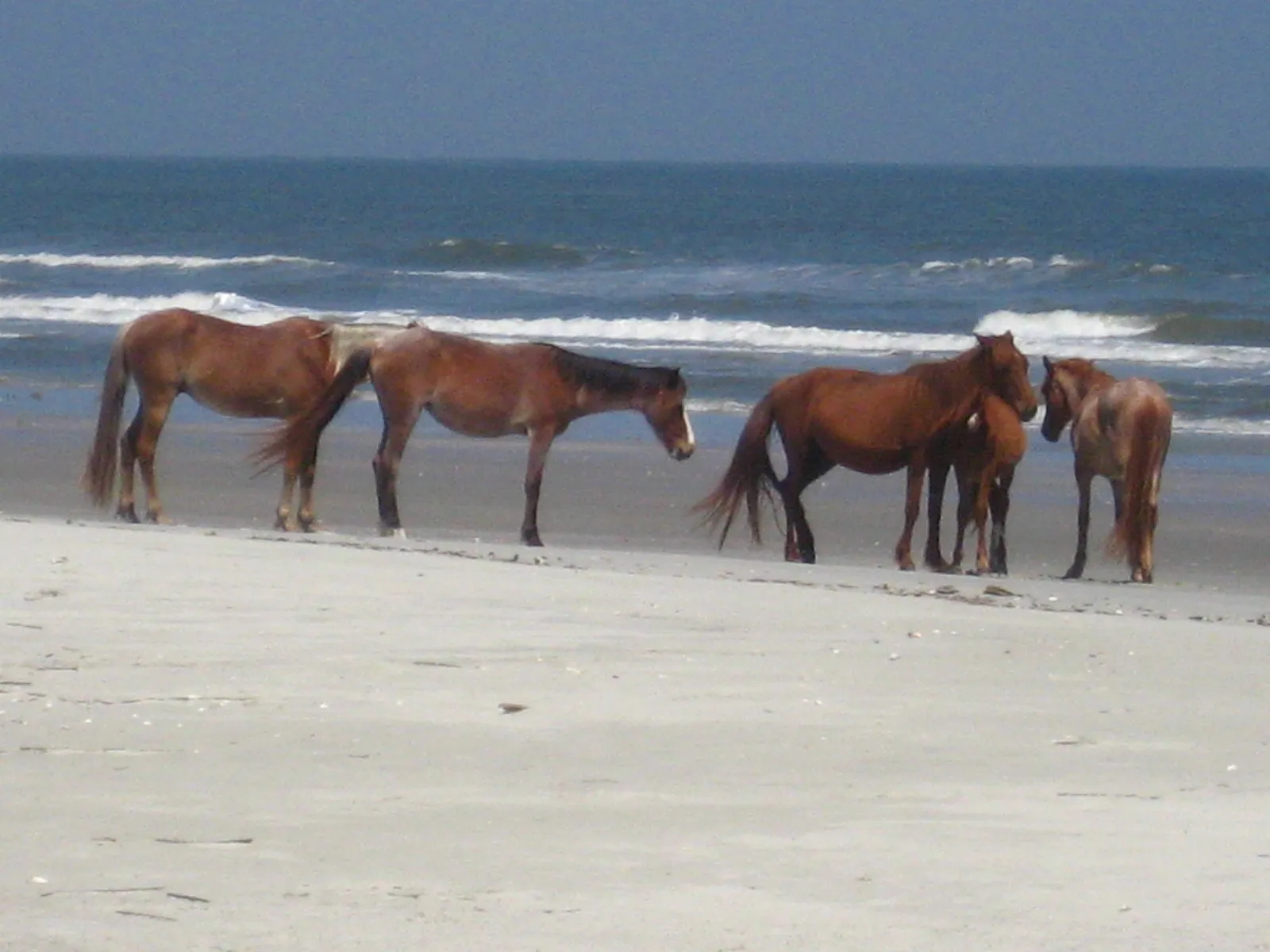
Cumberland Island feels like someone sliced a piece of wild coastline off another continent and stitched it onto the Georgia shore. Accessible only by boat, it’s a barrier island of empty beaches, live oaks dripping in Spanish moss, and feral horses wandering loose through the dunes. Rangers can go entire days seeing more armadillos than people, especially once you get past the ferry landing.
Most visitors cluster near the historic ruins near the dock; those who walk farther find miles of shoreline with no company but shorebirds and waves. Deeper inland, old mansions are slowly collapsing back into the forest, and campgrounds feel like something out of a fairy tale – minus the crowds. Sea turtles nest here, and the night sky runs far darker than most people expect anywhere on the East Coast. While tourists pack overbuilt beach towns a short drive away, the last truly wild stretch of Georgia coastline sits almost empty.
Worth Knowing
- The island is reachable only by passenger ferry from St. Marys, Georgia – no bridges, no day-trip shortcuts.
- The feral horses roaming the dunes are believed to descend from animals left behind by early settlers and plantation owners.
- The crumbling Dungeness ruins were once the Carnegie family’s grand winter estate before fire and time took over.
- The National Park Service caps daily visitor numbers to keep the island’s wild, uncrowded character intact.
#1: Katmai National Park and Preserve, Alaska – Beyond the Bear Cam
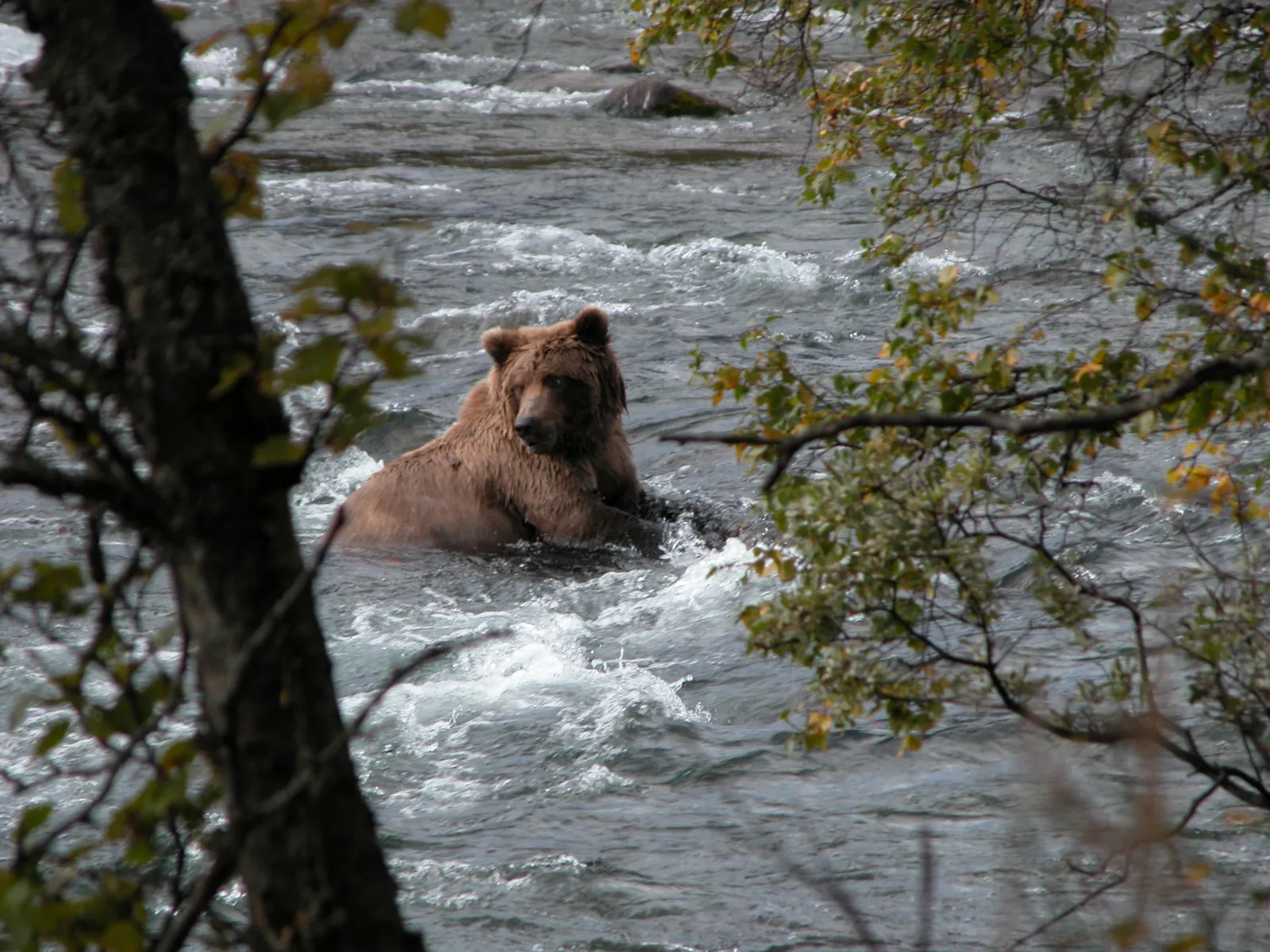
People know the viral bear-cam clips from Brooks Falls. Almost nobody realizes how empty the rest of Katmai actually is. Rangers will tell you flat-out: this is one of the wildest, least-visited national parks in America – a landscape of active volcanoes, trackless tundra, and salmon-choked rivers where brown bears genuinely outnumber humans. Outside a handful of famous viewpoints, huge swaths of it see almost no visitors at all.
Reaching Katmai takes floatplanes, boats, and serious logistics, and that’s exactly why rangers love it. Stand on the rim of the Valley of Ten Thousand Smokes, looking over miles of ash from a 1912 eruption that reshaped global climate, with nobody else in sight. Experienced backcountry travelers raft remote rivers and camp on gravel bars where fresh bear tracks cross their own footprints from an hour earlier.
Wilderness is not a luxury but a necessity of the human spirit, and as vital to our lives as water and good bread.
Edward Abbey
Rangers argue that if you genuinely want to understand what “protected wilderness” still means in the 21st century, you won’t find it in a crowded parking lot at Old Faithful. You’ll find it here, at the very end of the list, where almost nobody goes.
The Bottom Line
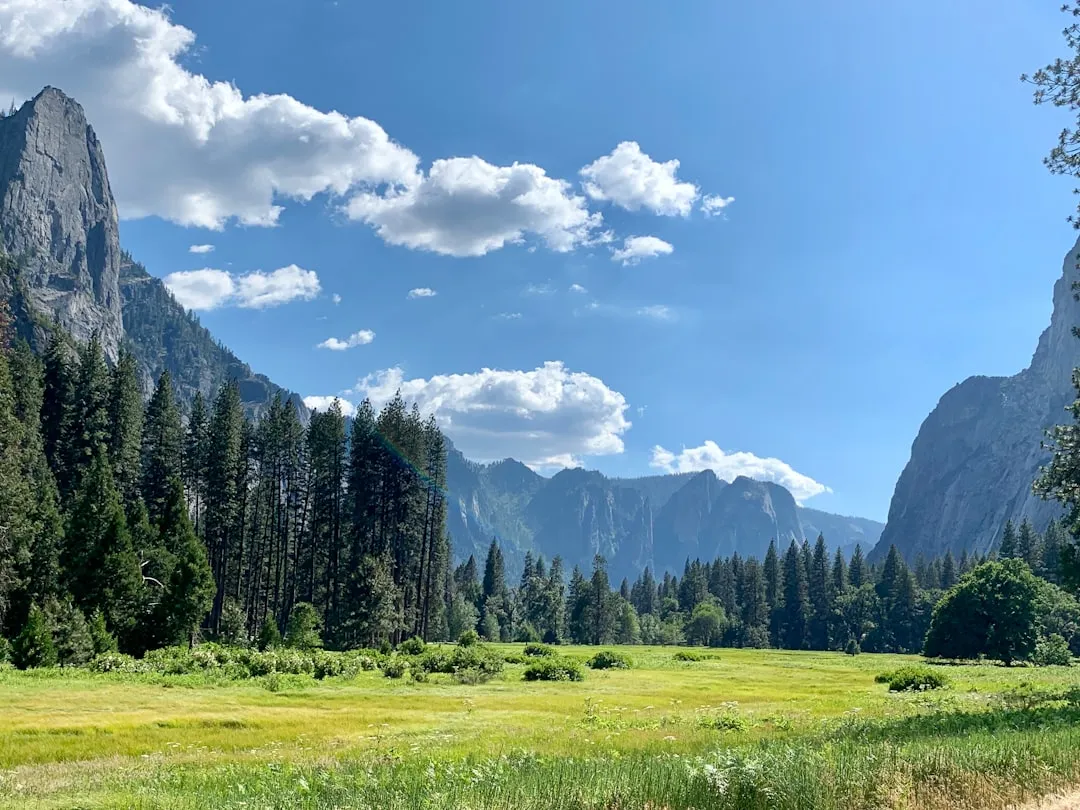
Listen long enough to park rangers – the people who actually spend their careers in these landscapes – and an uncomfortable truth surfaces: the places Americans obsess over are often the least interesting parts of the entire system. The real magic is hiding in parks and monuments most of us have never even typed into a search bar.
From a fossil reef in Texas to a silent island in the middle of Lake Superior to Navajo farmland still lived-in beneath sandstone cliffs, these “forgotten” spots aren’t second-tier. For people who know what they’re looking at, they’re the main event.
The catch is effort. Many of these places demand more planning, more driving, more discomfort – and most travelers quietly choose convenience over wonder every single time. That’s a choice, not an accident. So ask yourself honestly: are you chasing bucket-list bragging rights, or do you actually want to feel something new? And if we missed the one you swear by, are you even willing to name it in the comments – or are you quietly hoping it stays exactly as empty as it is right now?

- 18 American Places Park Rangers Say Almost Nobody Visits That Genuinely Deserve Far More Attention - August 9, 2026
- 17 Dog Breeds Breeders Say Are Slipping Away So Quietly That Almost Nobody Has Noticed Yet - August 9, 2026
- 18 Once Common Dog Breeds Vets Say They Now Go Entire Years Without Ever Seeing Once - August 9, 2026