
There’s something almost involuntary about the way we react to certain animals. A round face, oversized eyes, or a tiny curled paw triggers something deep and immediate in us, a warmth that bypasses logic entirely. Scientists call it the “kindchenschema” effect, a biological response where baby-like features prompt nurturing instincts in humans. Psychologists say humans are hardwired to respond to these baby-like traits, including big eyes, round faces, and tiny noses, which is why we’re drawn to certain animals more than others.
What’s genuinely surprising, though, is how much deeper these animals go once you look past the surface charm. Behind every adorable face is a story of survival, adaptation, and biology that rivals the most dramatic wildlife on the planet. These fifteen creatures aren’t just cute. They’re fascinating in ways that might actually change how you see the natural world.
1. The Quokka: Australia’s Eternally Smiling Marsupial
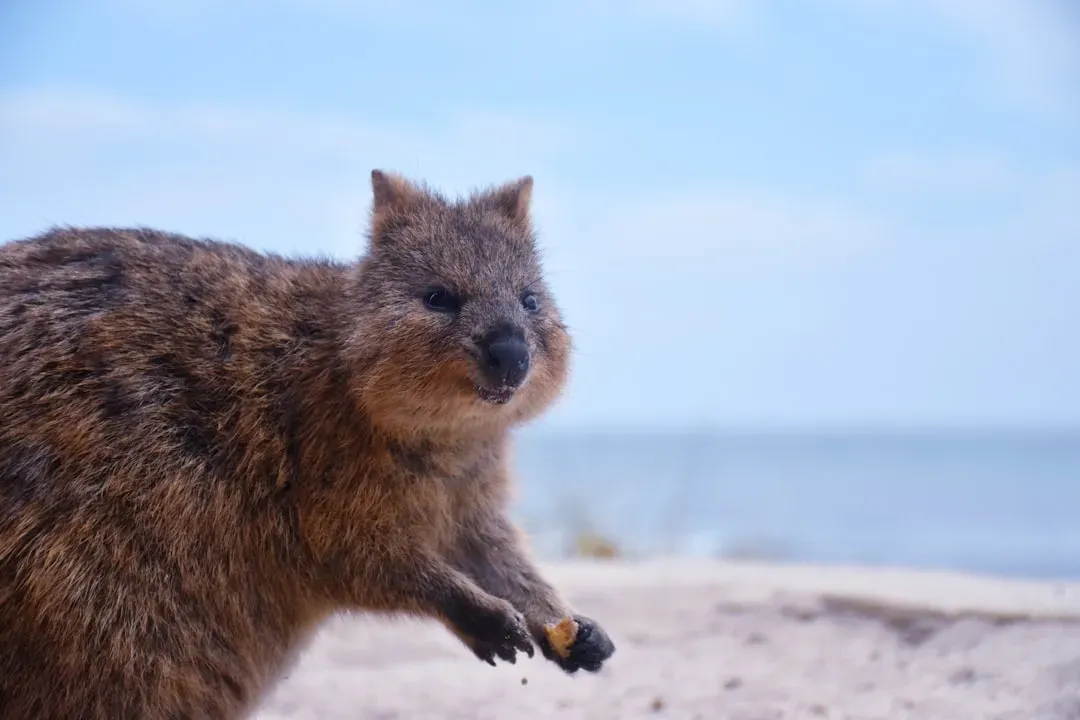
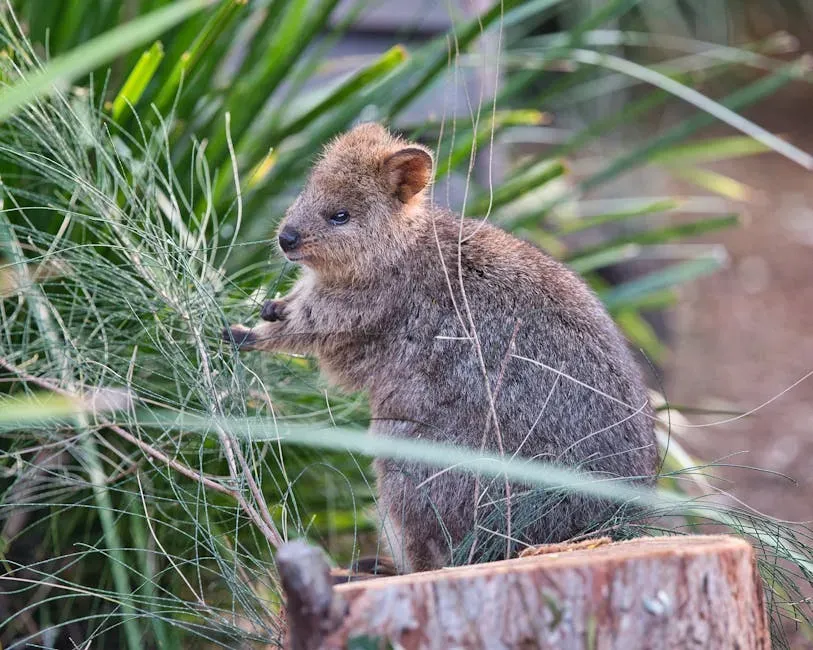
Quokkas are playful, adorable, and known for being cute as a button, which has recently landed them the title of “world’s happiest animal.” These small creatures are covered with short, fluffy brown-grey fur, have little round ears, small black noses, and contagious, photoshoot-ready smiles. That smile, it turns out, isn’t quite what it seems.
Quokkas are known worldwide for their joyful, camera-ready smiles. Their cheerful expression, however, is mostly an illusion created by the natural structure of their mouth, cheeks, and jawline. The corners of their mouths curve upward, giving them a permanently friendly appearance, and they open their mouths and stick out their tongues to cool down during hot weather, which makes the smile even more pronounced in photos. Beyond the grin, quokkas have a remarkable survival trick: they can go for weeks without eating by living off the fat stores in their short tails, and can also go for months without drinking fresh water, extracting most of the water they need from the plants they eat.
2. The Axolotl: The Creature That Never Grows Up
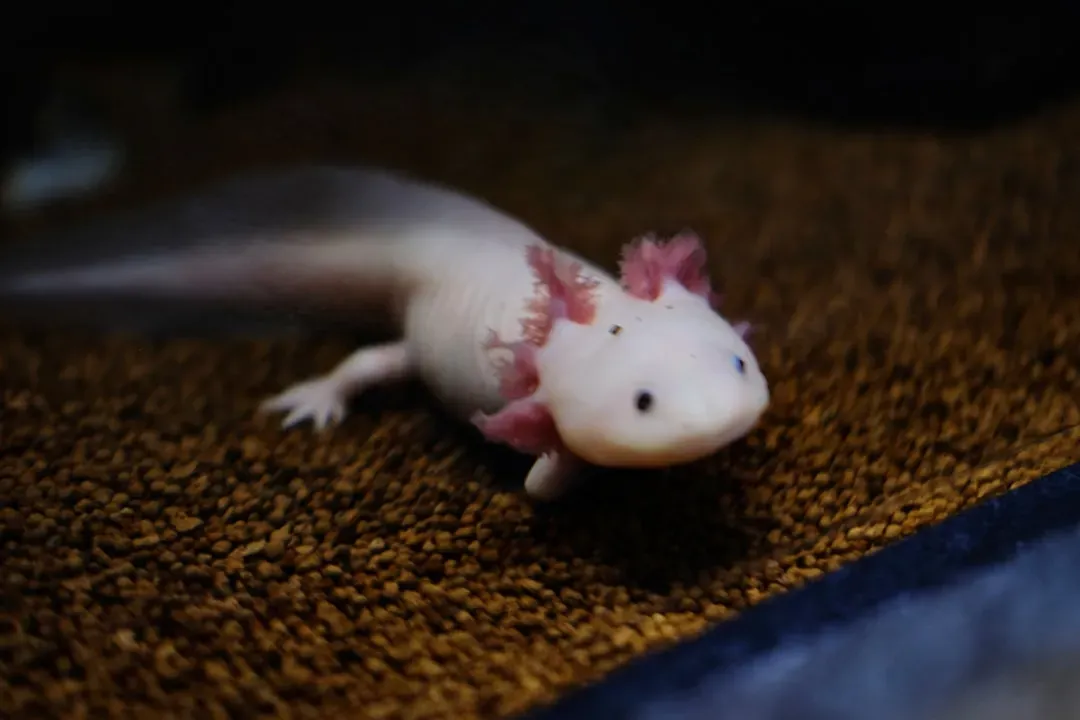
Axolotls have long fascinated scientists for their ability to regenerate lost body parts and for their rare trait of neoteny, which means they retain larval features throughout life. Rather than undergoing typical metamorphosis, axolotls keep their youthful appearance, including their tadpole-like dorsal fin and feathery external gills that fan out from the head. As they age, axolotls simply get bigger and bigger, like amphibious Peter Pans.
Salamanders are the only adult vertebrates that can regrow limbs, and axolotls are no exception. According to the San Diego Zoo, the axolotl is renowned for its ability to not only regrow limbs, but also organs, including its spinal cord. Tragically, wild axolotls have been driven to near extinction by the introduction of invasive species such as tilapia and carp, with a decreasing population of around 50 to 1,000 adult individuals, causing the species to be assessed as critically endangered by the IUCN.
3. The Fennec Fox: The Desert’s Tiny Engineer
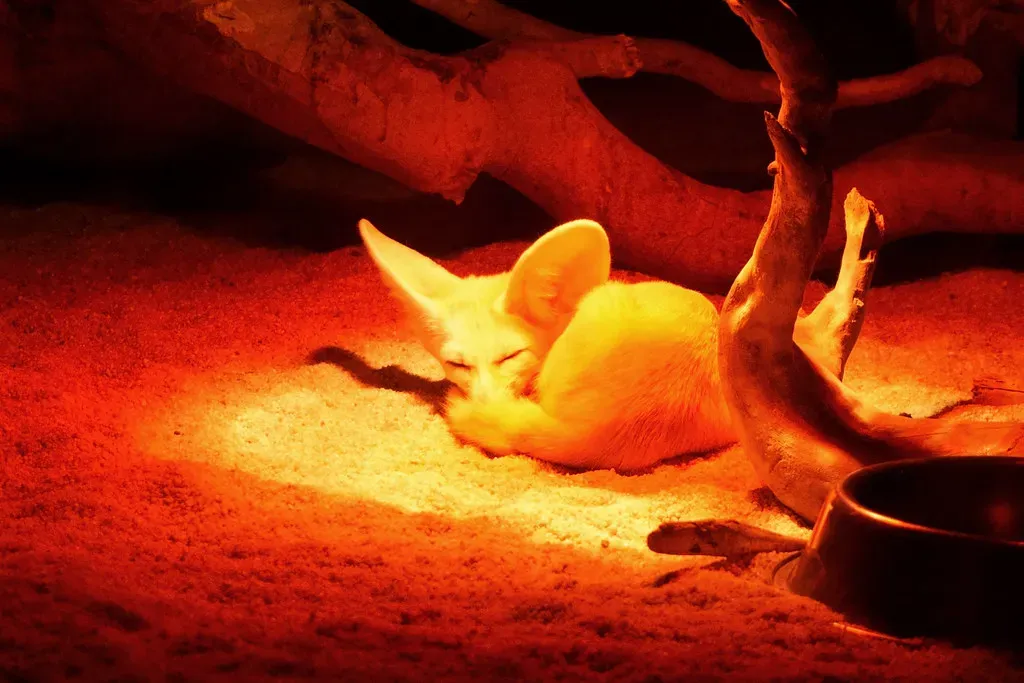
The fennec fox is a small fox native to the Sahara Desert, living in Morocco, Mauritania, northern Niger, Egypt, and the Sinai Peninsula. Its big ears help it shed heat, which is how it can survive in those hot climates. The thick fur on its feet protects it from the scorching desert sands. It’s a creature that looks impractically delicate but is built to outlast almost anything the desert can throw at it.
Fennec foxes have extraordinary hearing to locate underground prey. Their large ears, which are usually four to six inches long, help to dissipate excess body heat on hot days. The fennec fox appears to be the only carnivore in the Sahara Desert able to live without freely available water. Their kidneys are specifically adapted to conserve water, and they can obtain moisture from the food they eat and by licking the dew that forms in their dens.
4. The Red Panda: Neither Fox Nor Bear, Something Better
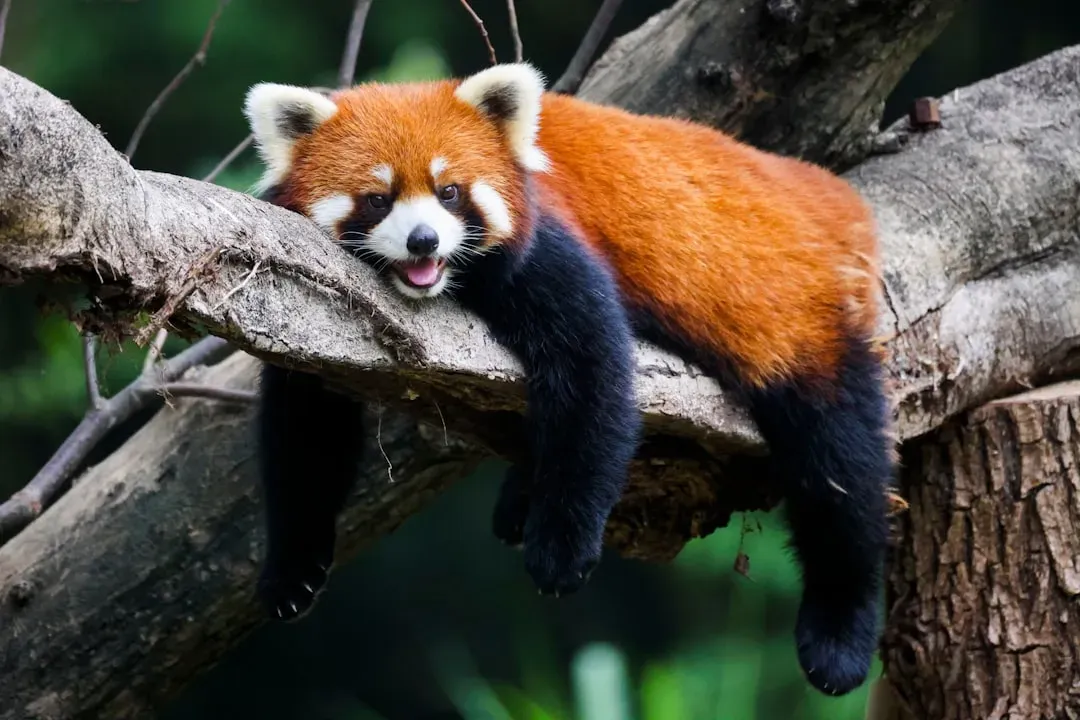
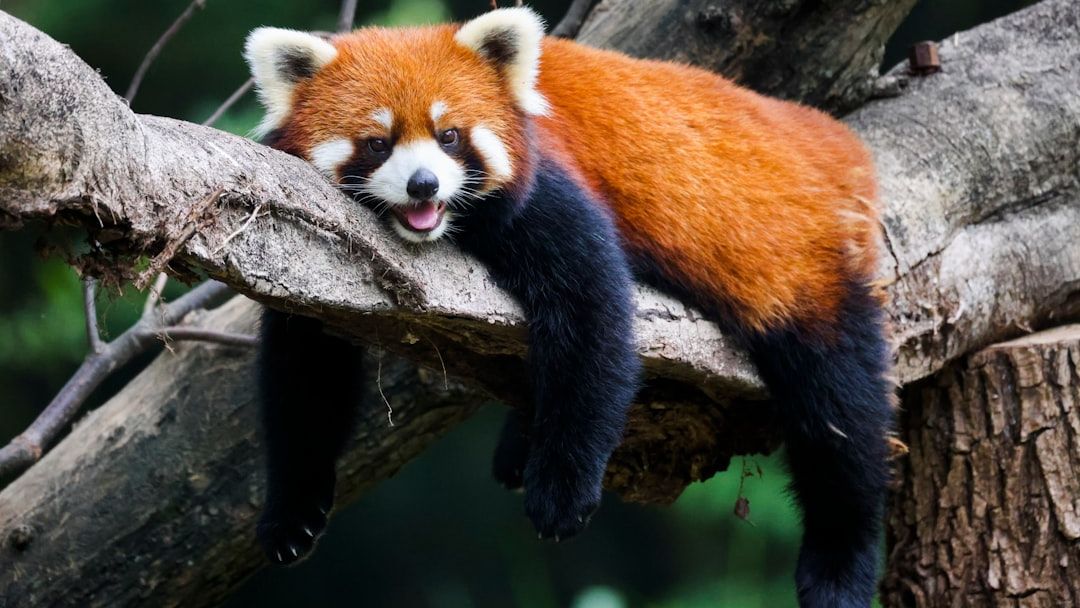
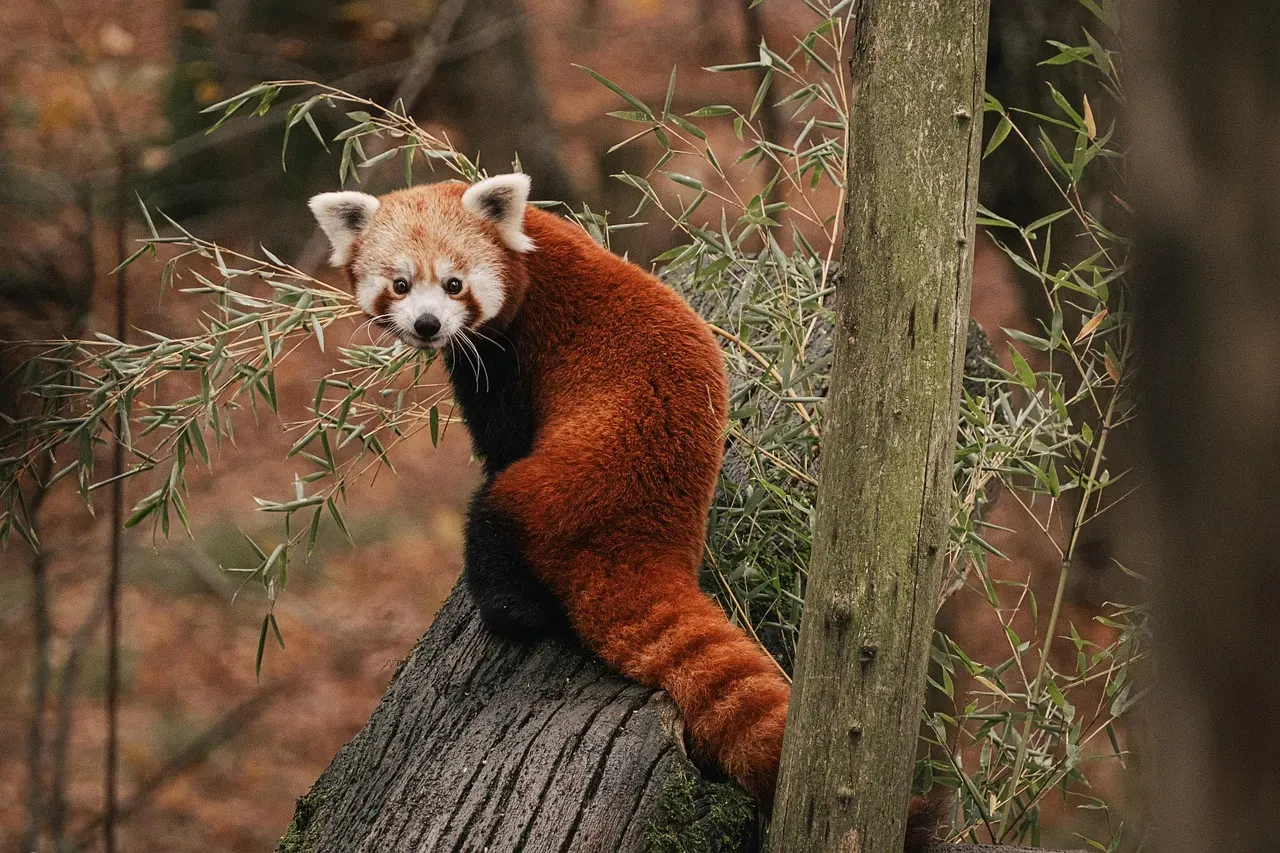
The red panda is native to the eastern Himalayas and southwestern China. This beautiful creature looks like a cross between a fox and a giant panda, but it’s not related to either. It is actually closer to a raccoon or skunk. The red panda has thick red fur and a striped, bushy tail, and is about the size and weight of a domestic cat. That combination of features makes it genuinely one of nature’s most visually confusing animals, in the best way possible.
Its mischievous face and playful behavior have made it a favorite among people visiting zoos and sanctuaries. Sadly, red pandas are critically endangered. Like giant pandas, they only eat bamboo, and habitat loss has led to severe population declines. Red pandas are among the top-searched animals in “cute animal” categories on Google Trends through 2024 and 2025, which speaks to the particular hold this animal has on the global imagination.
5. The Sea Otter: Social Swimmers With a Secret Trick
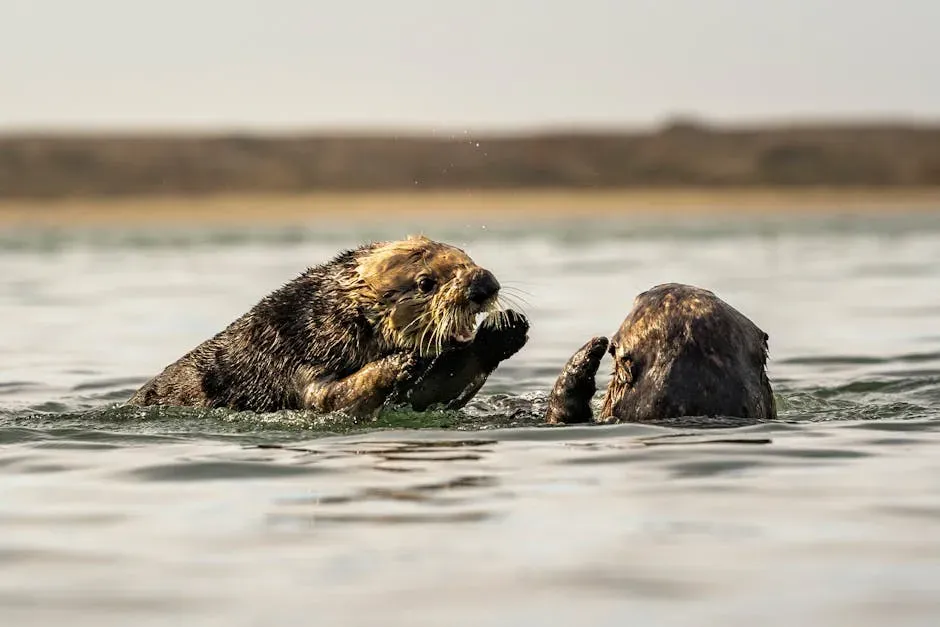
Sea otters often float on their backs and hold hands to stay close in the water, a behavior that has become symbolic of love and companionship. There’s a very practical reason behind this charming habit: pairs and groups hold hands, known as “rafting,” to keep from drifting apart in ocean currents. It turns out that one of nature’s most romantic-looking behaviors is really just good navigation.
Sadly, sea otters were hunted to near extinction, and their population has not fully rebounded. Today, they are classed as endangered. Sea otters also play a critical ecological role as a keystone species, keeping sea urchin populations in check, which in turn protects kelp forests that support countless other marine species. Their cuteness, in this case, comes with genuine ecological weight.
6. The Capybara: The World’s Largest Rodent and Unlikely Peacemaker
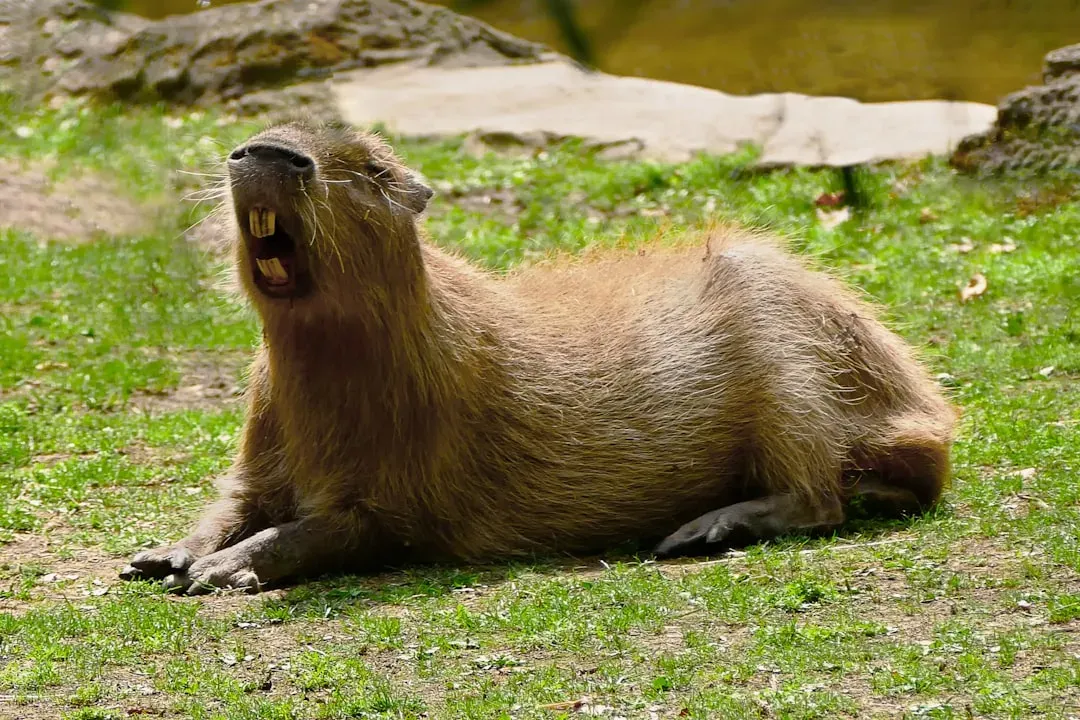
Smart and friendly, the capybara is the world’s largest rodent, weighing more than 100 pounds, and is social and gentle. They’ve become wildly popular on social media, partly because of one remarkable behavioral trait: virtually every other animal seems to be fine with them. Birds, monkeys, dogs, and even crocodiles have been documented resting alongside capybaras without conflict, earning them a reputation as the animal kingdom’s ultimate neutral party.
The capybara has something in common with the hippo: its eyes, ears, and nostrils are all found near the top of its head. A capybara can lift just those parts out of the water to learn everything it needs to know about its surroundings while the rest of its body remains hidden underwater. The world’s largest rodents are adorable, especially as babies, so it’s not entirely surprising for baby capybaras to achieve online popularity.
7. The Koala: Deceptively Drowsy, Deeply Specialized
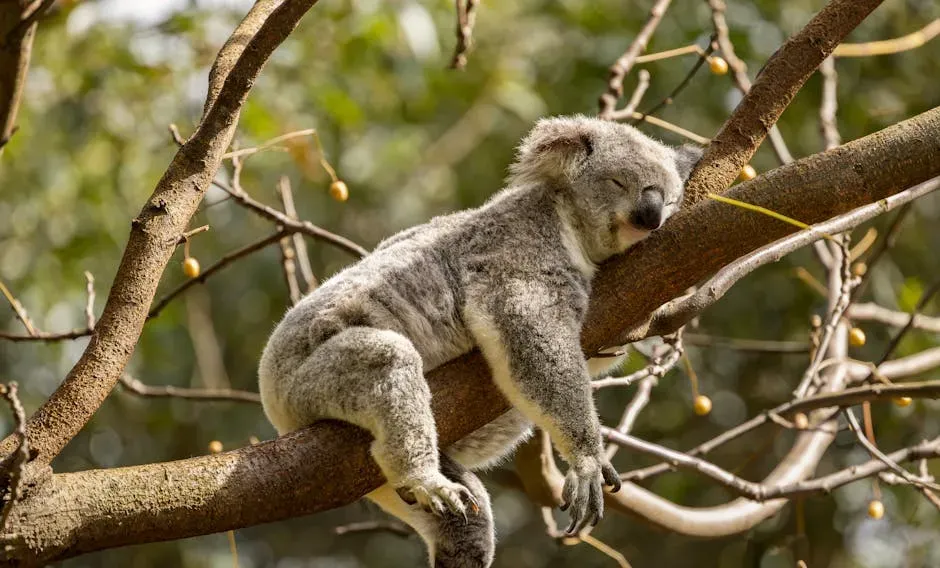
Famous for their long naps and eucalyptus diet, koalas spend most of their lives cuddled up in trees. Their fluffy ears and slow movements add to their charm. The sleepiness isn’t laziness at all. Eucalyptus leaves are low in nutrition and mildly toxic, requiring enormous amounts of digestive energy to process, which is why koalas sleep for up to twenty hours a day.
Koalas can actually be fingerprinted, just like people. They have fingerprints that are virtually indistinguishable from human fingerprints under a microscope. This is one of only a handful of cases in the animal kingdom where fingerprints have evolved independently, a reminder that even a sleepy, eucalyptus-munching marsupial can produce some genuinely stunning biology.
8. The Margay: The Cat That Climbs Down Trees Head-First
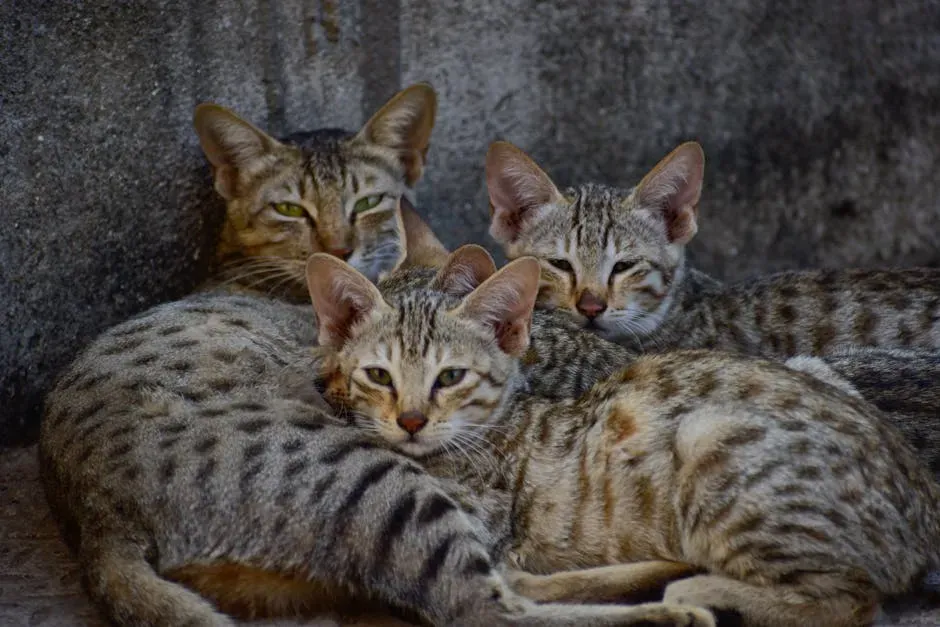
The margay is a small, largely nocturnal, arboreal wild cat of the Neotropics, notable for exceptional climbing ability and a spotted, rosetted coat. It’s compact, strikingly marked, and built for life in the forest canopy in a way that most cats simply aren’t. With enormous eyes suited to low-light hunting and a long tail for balance, it looks like something designed by a particularly artistic hand.
The margay has exceptional arboreal adaptation: its ankle joints can rotate up to roughly 180 degrees, enabling head-first descent and agile branch movement, which is rare among cats. It has also been documented using an astonishing hunting technique: a margay has been observed mimicking the calls of prey, specifically tamarin vocalizations, to lure them closer, making it one of the best-known “vocal mimic” reports in wild felids.
9. The Pygmy Slow Loris: Big Eyes, Hidden Danger
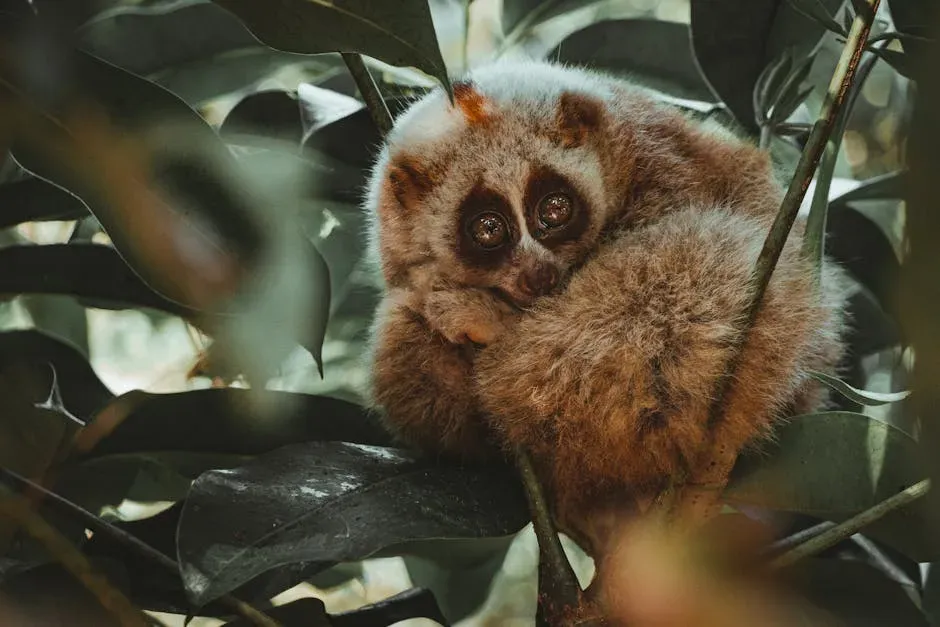
Few animals weaponize cuteness quite like the pygmy slow loris. Its enormous, luminous eyes are perfectly adapted for nocturnal life, giving it an expression of perpetual wonder that has made it the subject of viral videos. The slow, deliberate way it moves only adds to the impression of something harmless and gentle. That impression is misleading in the best possible way.
If under siege from a predator, the pygmy slow loris clasps its arms over its head, a pose that, combined with its facial markings, mimics the expanded hood of an angry spectacled cobra. The loris can even undulate in a serpentine fashion due to extra vertebrae, further deceiving a potential predator. The International Animal Rescue has launched a “Tickling Is Torture” campaign to combat viral videos of slow lorises being kept as pets, which perpetuates the illegal trade of these animals.
10. The Sloth: Moss-Covered, Algae-Tinted, and Surprisingly Well-Adapted
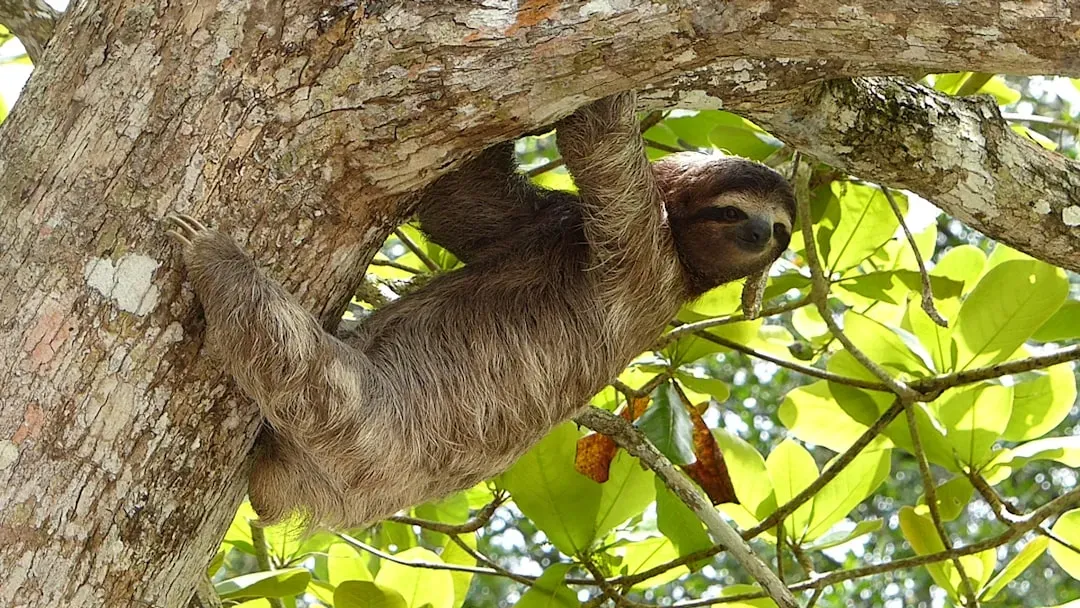
Sloths are known for their leisurely pace and gentle nature and are native to Central and South American rainforests. Their cute appearance includes a small face, large eyes, and a smile-like mouth. In photos and videos, they seem almost impossibly calm, draped across branches like they’ve been there for days. They probably have.
Sloth babies are particularly endearing, and the sloth is notably maternal. Some of their most interesting traits include moving so slowly that their hair actually grows moss, and their long claws are for climbing trees, not catching animals, since sloths are herbivores. That algae growing in their fur isn’t just a quirky side effect. It provides camouflage in the green forest canopy, making their slowness a genuine survival strategy rather than a character flaw.
11. The Arctic Fox: Built for the Extreme, Beautiful Year-Round
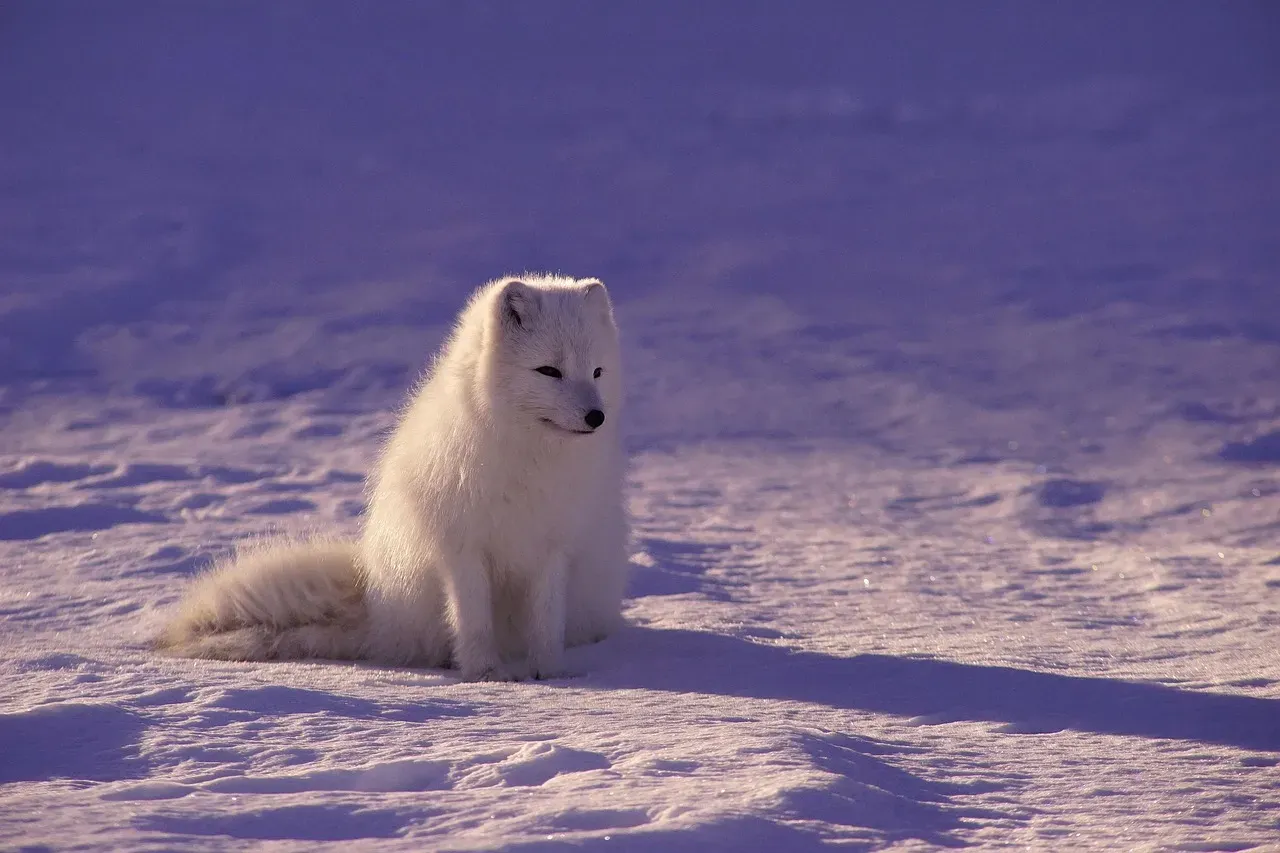
With its white coat and playful behavior, the Arctic fox is captivating during winter. They are also known as the white fox, polar fox, or snow fox. In summer, their coat shifts to a brown or grey tone, providing camouflage against the tundra’s rocks and shrubs. This seasonal color shift is one of nature’s more elegant design solutions, and it happens twice a year without the fox missing a beat.
Arctic foxes have thick fur that keeps them warm in the cold and helps them camouflage in the snow. Arctic foxes are among the smallest fox species, measuring roughly 18 to 24 inches long and weighing about five to ten pounds. Despite that modest frame, they’re capable of surviving in temperatures that would kill far larger animals, a fact that makes their delicate appearance all the more striking.
12. The Pika: The Tiny Mountain Farmer
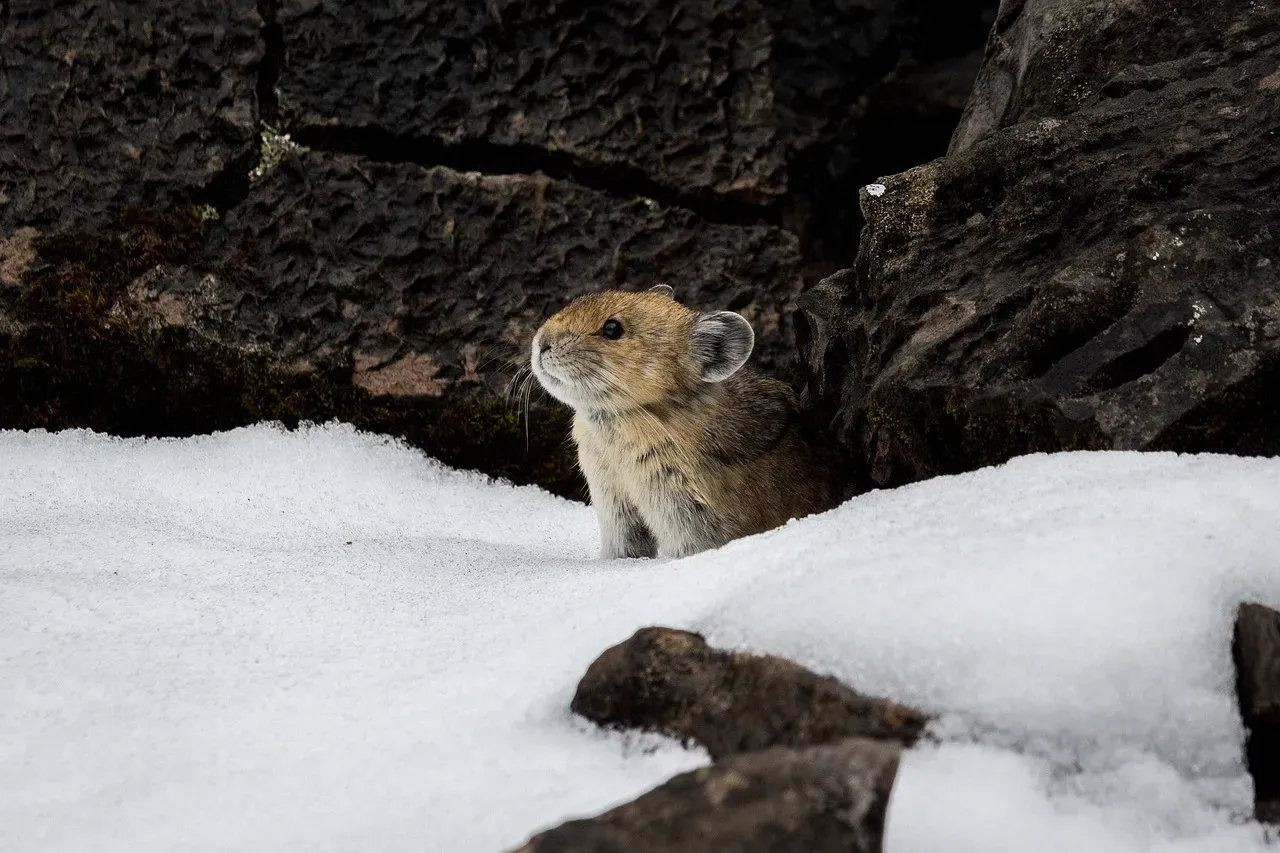
Pikas are tiny mountain-dwelling mammals related to rabbits. Round-eared, roughly the size of a tennis ball, and perpetually active, they look like something conjured up specifically to be adorable. They live at high altitudes in rocky mountain terrain, navigating boulder fields with impressive speed and confidence given their diminutive size.
What makes pikas genuinely remarkable is their behavior heading into winter. Rather than hibernating, they spend summer months cutting and collecting grasses and wildflowers, creating small “haystacks” of dried vegetation that they cache under rocks to eat through the cold months. It’s a form of preparation that biologists compare loosely to farming. Pikas are also among the animals most sensitive to rising temperatures, making them an early indicator of climate change impacts in mountain ecosystems.
13. The Sugar Glider: The Tiny Glider With a Membrane Superpower
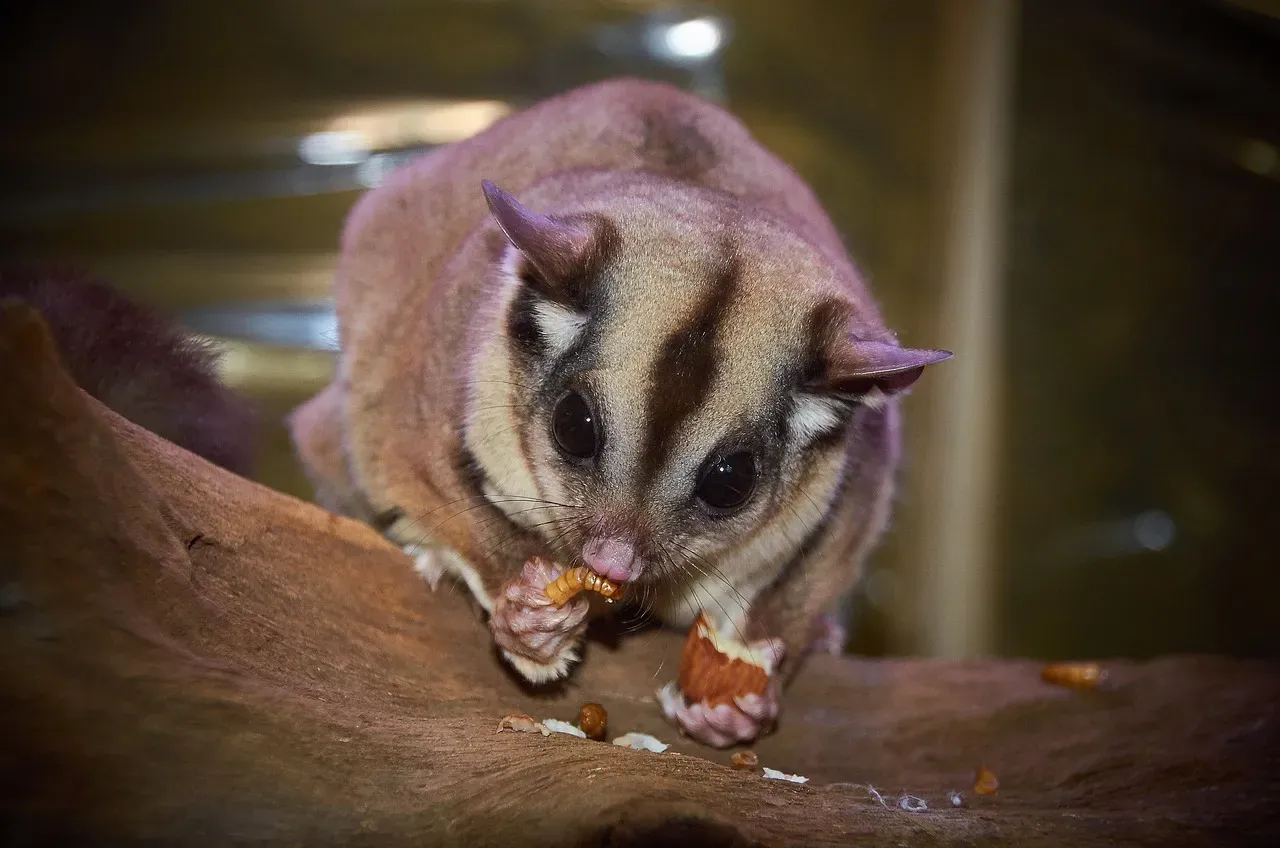
Sugar gliders are small possums native to Australia and New Guinea that are kept as pets all over the world. Although they can bond with their human owner, there are downsides to keeping sugar gliders as pets, including their nocturnal lifestyle and their strong odor. They are able to glide because of a thin skin membrane called a patagium, and are tiny enough to fit inside your pocket.
That patagium stretches from their wrists to their ankles and allows them to glide distances of up to fifty meters between trees. In the wild, they’re highly social and live in colonies that huddle together for warmth. Their enormous eyes give them excellent night vision, and they communicate through a range of barks, chirps, and hissing sounds that are surprisingly varied for animals so small. In terms of personality per gram of body weight, the sugar glider is a strong contender for the top of any list.
14. The Meerkat: The Sentry With a Standing Habit
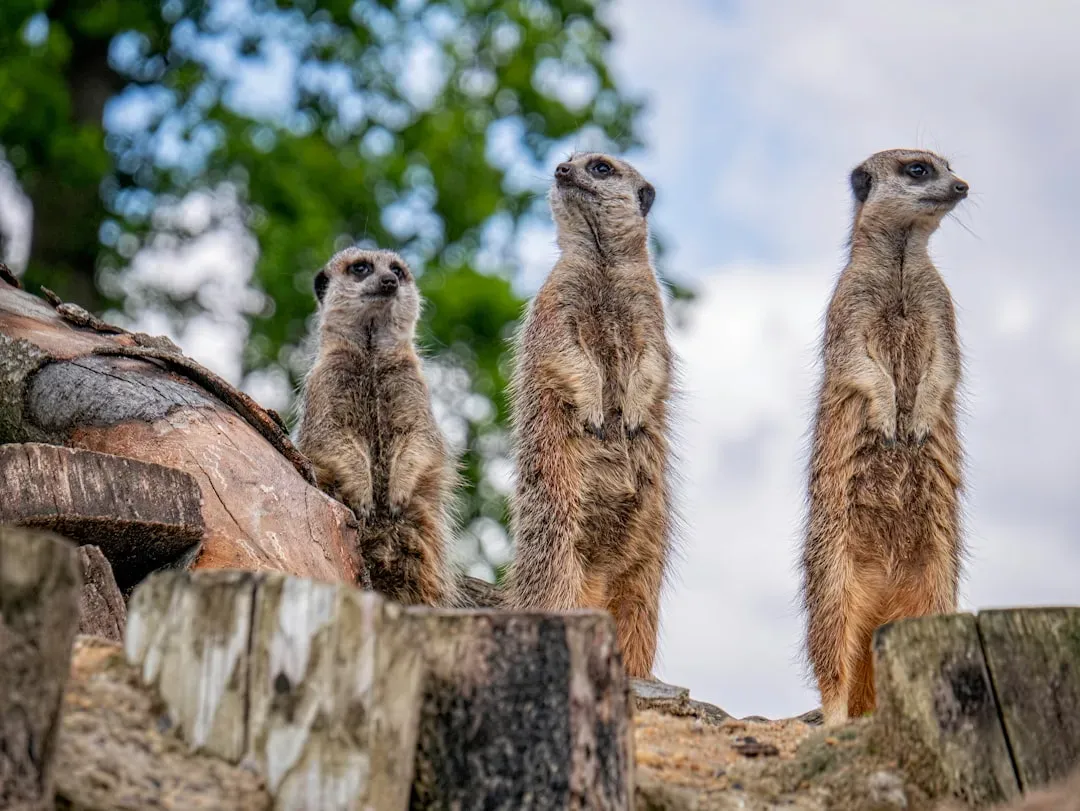
The meerkat’s signature posture, standing bolt upright on its hind legs with tiny arms at its sides, is instantly recognizable and consistently charming. What it actually represents is a sophisticated lookout behavior. Meerkats live in highly organized groups, and designated sentries take turns scanning for aerial and ground predators while the rest of the group forages safely. It’s a level of social coordination that rivals many larger mammals.
Meerkats are also immune to certain venoms, including those of scorpions and some snakes, making them effective hunters of prey that most animals would avoid entirely. Young meerkats learn to hunt through a careful graduated process: adults first bring dead prey, then stunned prey, and eventually live prey for juveniles to practice on. It’s a structured form of teaching that speaks to a level of intelligence and social sophistication that tends to surprise people who only know meerkats from zoo enclosures.
15. The Pygmy Marmoset: The World’s Smallest Monkey
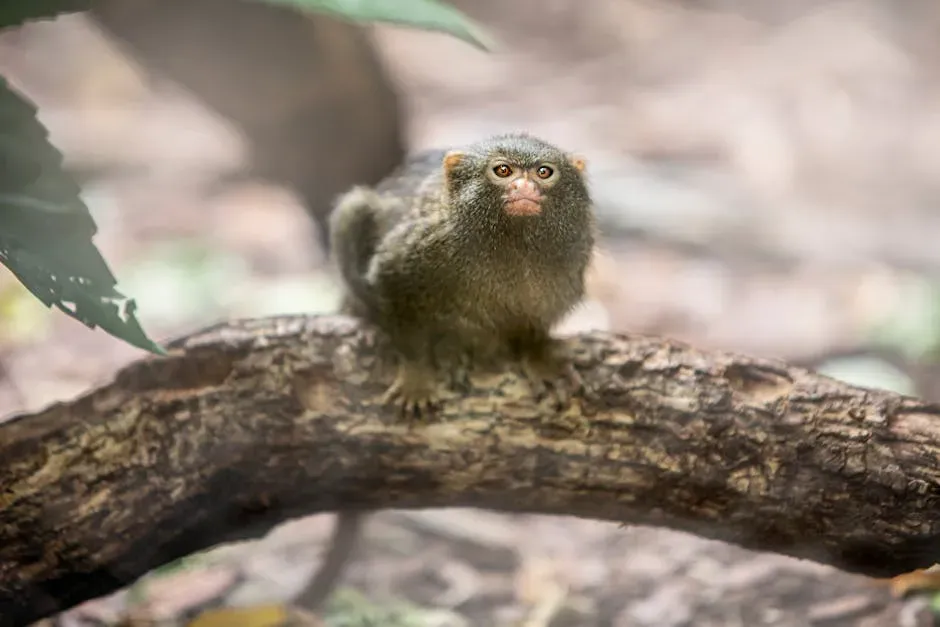
The pygmy marmoset is the smallest monkey in the world, with these cute critters weighing in at just over four ounces. To put that in perspective, that’s roughly the weight of a standard apple. Despite that extraordinary smallness, pygmy marmosets are complex social animals that live in family groups, communicate through an elaborate system of vocalizations, and have territories they actively defend in the rainforest canopy of South America.
One of their most distinctive features is their diet. Pygmy marmosets are gummivores, meaning they feed primarily on tree sap and gum. They have specialized teeth designed to gouge holes in bark, and they revisit the same trees repeatedly to harvest the slow-flowing sap. They supplement this with insects, fruit, and nectar. For an animal that fits in the palm of a human hand, the ecological niche they’ve carved out is impressively specific and refined.
Why These Animals Matter Beyond Their Cuteness
Our reaction to cute animals isn’t just emotional; it’s deeply rooted in our biology. Studies have shown that seeing cute animals activates specific regions of the brain associated with reward and nurturing behavior. This “cuteness response” is believed to have evolved to ensure the survival of our own offspring, but it extends to other species that exhibit similar characteristics.
The broader truth is that many of the animals on this list are vulnerable or endangered, and the very qualities that make us love them, their approachability, their expressiveness, their apparent gentleness, sometimes put them at greater risk from human activity. With an estimated nine million species living on Earth today, narrowing down the cutest animals of all time is no easy task, yet some creatures stand out not just for their looks, but for the emotional responses they trigger in us.
A Final Thought
Cuteness is an entry point, not a destination. These fifteen animals are remarkable not because they’re photogenic, though most certainly are, but because each one reveals something genuinely extraordinary about how life adapts, survives, and thrives on this planet. The quokka’s fat-storing tail, the axolotl’s regenerating spinal cord, the margay’s rotating ankles: none of these traits evolved to charm us. They evolved to work. That they also happen to produce some of the most captivating creatures on Earth feels, in the best possible way, like a bonus the natural world never meant to give us.
