
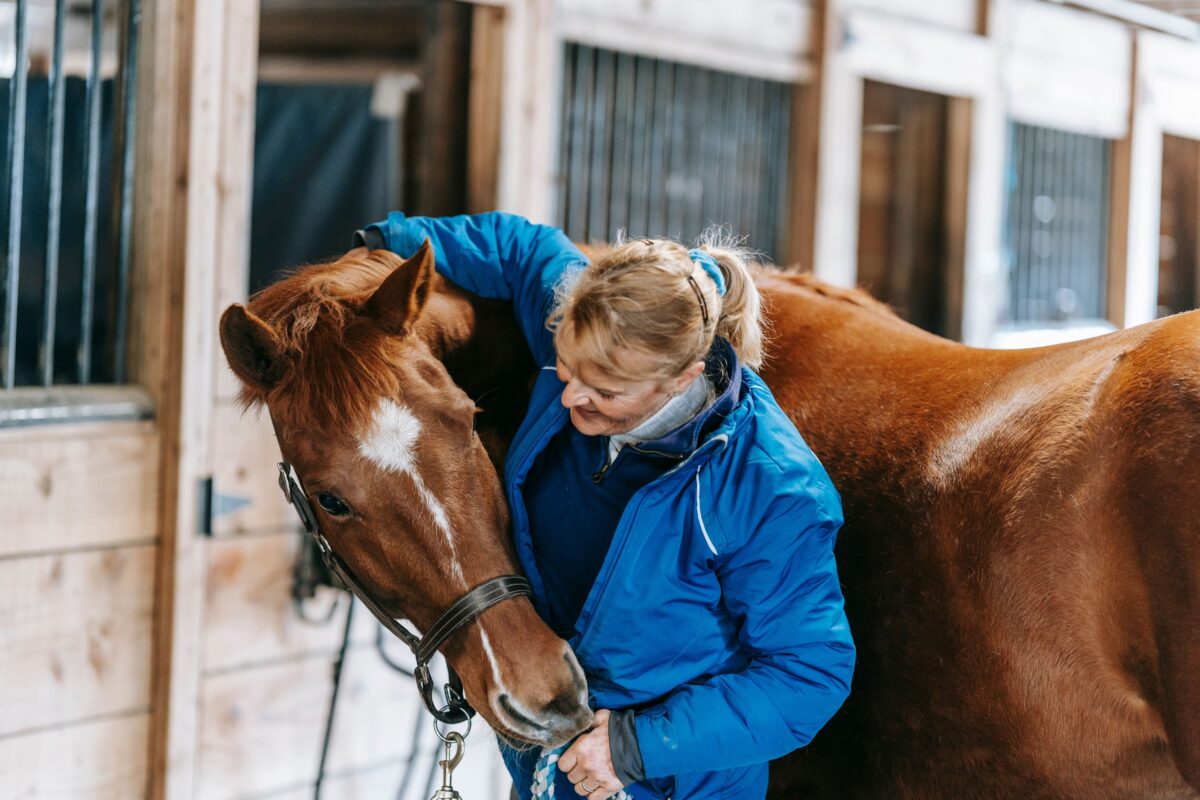
Ask a vet which breed they love treating most, and they’ll talk your ear off with genuine affection. Ask them, off the record, which breed they’d actually take home to their own barn – and watch the answer get a lot more careful.
This isn’t about ugly horses or mean horses. It’s about the X-rays they’ve seen too many times, the 2 a.m. emergency calls that follow a certain body type or bloodline like clockwork. Eighteen breeds made the list, and the reasons range from heartbreaking genetics to trends that quietly wrecked good horses. Some of them might surprise you.
#18 – Friesians

Plenty of horse lovers dream of owning a jet-black Friesian, but a lot of vets quietly say “never for myself.” These horses are stunning, yet they come with a cluster of inherited health problems that can turn ownership into full-time medical management.
Chronic issues like megaesophagus, dwarfism, skin conditions, and a tendency toward metabolic trouble make them frequent flyers in the clinic. Many vets have watched owners sink huge amounts of money into a horse that’s genetically fighting an uphill battle from day one.
Behaviorally, Friesians are often gentle, but their size plus fragility is a tough combo. You’re dealing with a heavy, baroque body on relatively delicate legs and feet, which can mean more lameness work than actual riding.
Add in higher purchase prices and specialized care needs, and the risk-to-reward ratio looks ugly from a vet’s perspective.
#17 – Miniature Horses
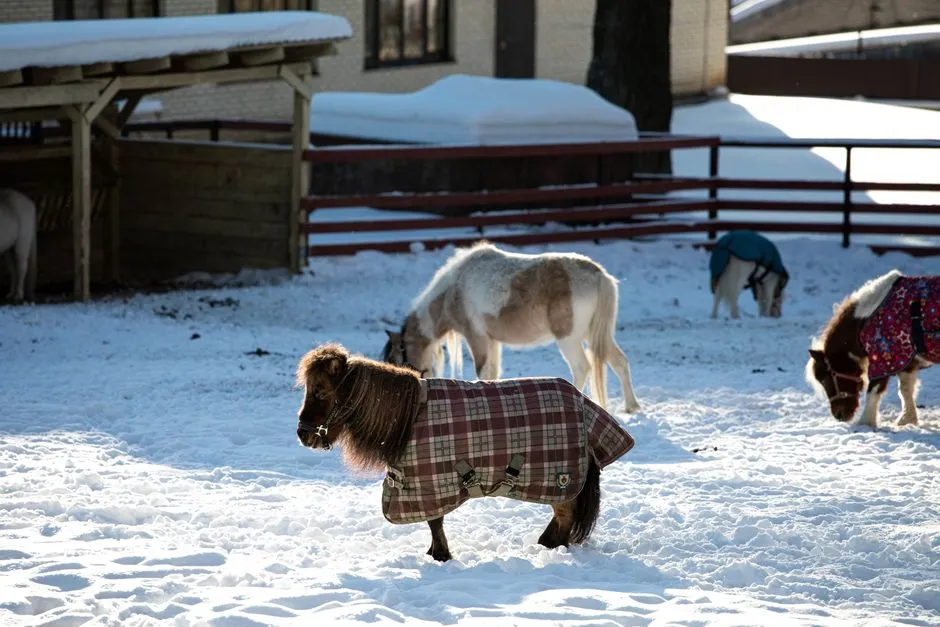
Mini horses look like the perfect “starter horse,” but many vets say they’d never own one – and definitely not for children. Minis are disproportionately prone to laminitis, obesity, and life-threatening colic from choke because people underestimate their nutritional needs.
Owners feed them like pets, not like equines with tiny guts and very specific requirements. Vets see a heartbreaking pattern: minis foundering in tiny paddocks or choking on treats meant “just for fun.”
Dentistry is another sore spot. Minis often have overcrowded teeth and jaw abnormalities that require frequent floating and advanced dental care, which means:
- Higher dentistry costs
- Increased risk of painful mouth ulcers and weight loss
Yet many owners skip regular work because “he’s so small.” For vets, owning a horse that constantly fights its own anatomy isn’t appealing, no matter how cute it is.
#16 – Halter-Bred Quarter Horses
Most people don’t realize there’s a huge difference between a working ranch Quarter Horse and a halter-bred one. A lot of vets love QHs generally but would never own the extreme halter lines.
These horses are bred for massive muscle and tiny feet – a combination that screams structural imbalance. Vets see them break down young, with hocks, stifles, and navicular changes showing up often before they’ve had real careers.
It’s heartbreaking to inject the joints of a four-year-old that’s only ever stood in a show ring. There’s also a welfare concern, since some halter horses are pushed to the edge of safe conditioning and feeding practices to create that “bulked up” look, which means:
- Higher risk of metabolic disease
- Greater strain on heart and hooves
From the vet perspective, owning one feels like signing up to watch slow-motion orthopedic failure in a horse that was never built to last.
#15 – Impressive-Line Quarter Horses (HYPP Risk)
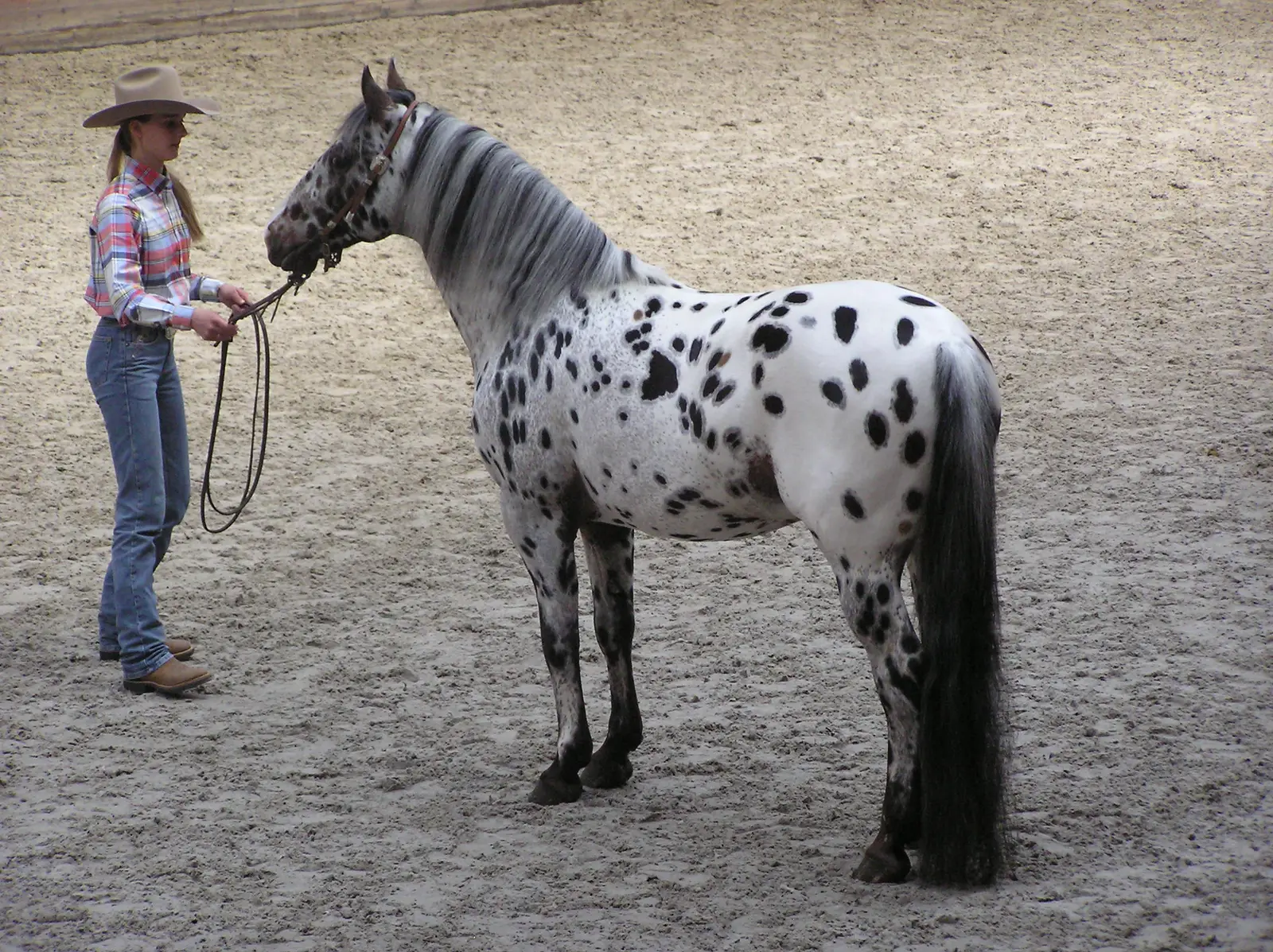
Vets rarely say this quietly anymore: HYPP-positive Impressive lines are a hard “no” for many of them. Hyperkalemic Periodic Paralysis is a genetic condition linked to certain bloodlines, leading to muscle tremors, collapse, and even sudden death.
Fast Facts
- The mutation traces back to a single stallion; researchers officially linked the disorder to Impressive, a 1969 AQHA World Champion, in 1992
- Since 2007, the AQHA has refused to register any foal that tests homozygous (H/H) for the gene
- HYPP disrupts sodium ion channels, changing how potassium and sodium move in and out of muscle cells
- Even with those reforms, N/H carrier horses are still bred today, especially in halter lines where Impressive bloodlines remain popular
Responsible breeders now test and avoid affected horses, but some still slip through. Vets who’ve watched a horse seize in front of a terrified owner often decide they’d never roll those dice with their own animals.
Management is possible, but it’s intense. HYPP horses may require strict diets, careful medication, and constant monitoring for triggers like stress or dietary change, and one missed detail can mean a full-blown episode.
For many vets, it’s not about stigma – it’s about avoiding a disease that can turn mundane situations into emergencies. Owning a horse where one ion imbalance can be fatal feels like voluntary emotional torture.
#14 – High-End Racing Thoroughbreds

Yes, vets work on racehorses every day. No, many don’t want to own one as a personal riding horse – especially straight off the track. Racebred Thoroughbreds are hot, ultra-fit, and often riddled with nagging injuries by the time their racing career ends.
Vets see the tendon bows, stress fractures, gastric ulcers, bleeding lungs, and mental burnout that rarely makes it into glossy retirement stories. They know exactly how many injections and interventions went into keeping that horse on the track.
Transitioning an OTTB can be rewarding, but it’s no casual project. You’re dealing with:
- Gut rehab from high-grain, low-forage diets
- Hoof rehabilitation from track shoeing
- Mental decompression from an intense, stimulus-heavy environment
Vets respect the breed’s heart but don’t necessarily want the rehab project after years of witnessing worst-case scenarios.
#13 – Extreme “Modern Type” Warmbloods
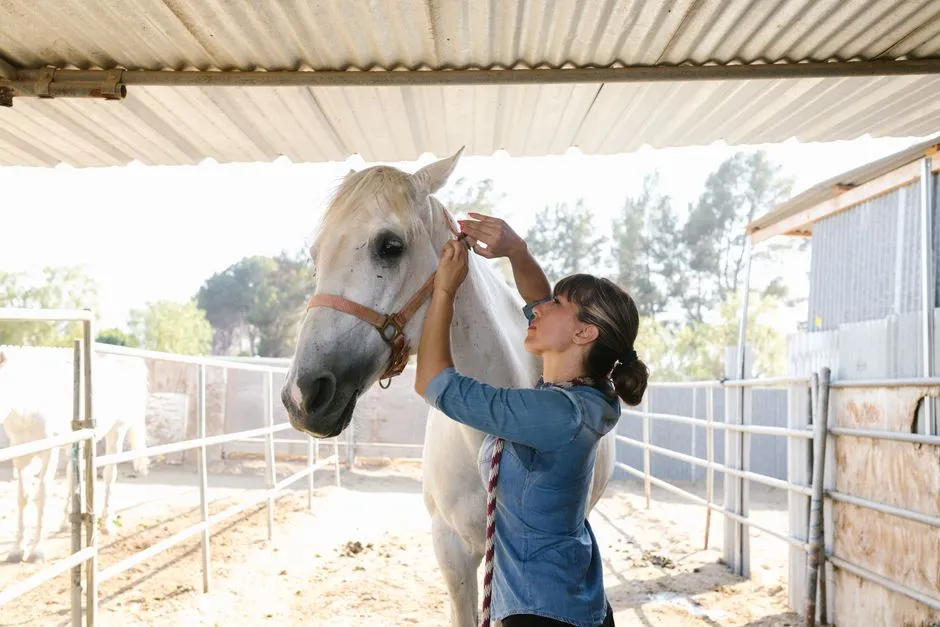
Warmbloods dominate dressage and jumping, but the newest “modern type” lines give many vets pause. These horses are bred to be ultra-athletic, ultra-sensitive, and incredibly powerful – and their injury profiles reflect that extreme specialization.
Suspensory ligament tears, kissing spine, SI joint issues, and chronic low-grade lameness are routine cases. Vets know how often top competition horses live in cycles of injections, sophisticated therapies, and managed pain.
Then there’s the temperament. Modern warmbloods can be brilliant but extremely sharp, combining big movement with big reactions, which means:
- Higher risk for owner injury if things go wrong
- More intensive, professional-level management just to keep them rideable
Many vets admire these horses in the ring but prefer sounder, simpler types at home. When you’ve spent years ultrasounding the same suspensories over and over, you stop romanticizing the movement.
#12 – American Saddlebreds in Big Show Barns

As individuals, Saddlebreds can be sweet, clever, and charismatic. But a lot of vets would never personally own one in the high-intensity show-circuit environment they often work in.
The performance shoeing, tail sets, high-energy training routines, and constant hauling create a cocktail of stress and physical strain. Vets are frequently called to manage chronic back pain, hoof problems, and stress-related gastric issues in these horses.
What bothers many vets isn’t the breed itself – it’s how they’re sometimes produced and maintained for the “look.” That can mean:
- Long hours in artificial postures or equipment
- Emotional burnout from constant arousal and stimulation
A Saddlebred turned trail horse can thrive, but that’s not usually the version vets see. After watching too many live on the edge of their stress limits, many vets choose calmer, lower-impact breeds for themselves.
#11 – Arabian Halter Horses (Extreme Type)

Arabians generally are hardy and smart, but the ultra-exaggerated halter lines are a different conversation. Many vets quietly say they’d never own an extreme “dished face” halter Arabian because of the respiratory and dental concerns that can come with it.
Over-shortened muzzles and altered skull proportions can mean compromised airflow, sinus problems, and dental crowding – issues that turn up again and again in certain show-ring types.
Behaviorally, halter-bred Arabs are often electric and reactive, selected more for explosive presence than rideability. From a vet’s perspective, that means:
- More risk of handling injuries for less actual saddle time
- Ongoing medical micromanagement for preventable structural problems
Plenty of Arabians live long, sound lives, but the halter caricatures make many medical professionals deeply uneasy. When a head shape crosses from “pretty” into “pathology,” vets bow out as potential owners.
#10 – Gaited Breeds in “Big Lick”-Style Programs
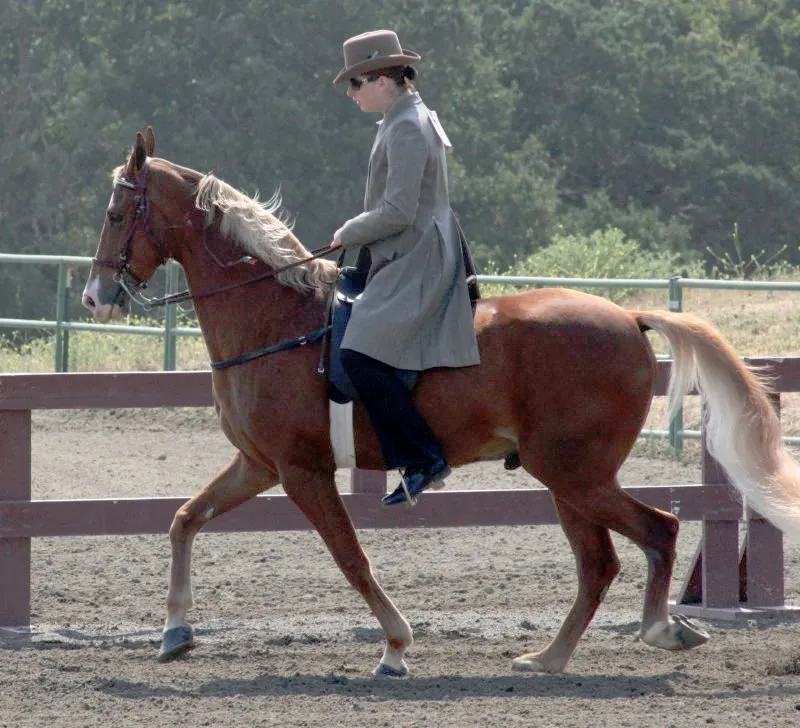
Vets don’t hate Tennessee Walking Horses or other gaited breeds. What many openly refuse to own are the horses coming out of “big lick” or extreme performance gaiting environments.
They’ve seen soring, artificially exaggerated gaits, and long-term tendon and hoof damage that would horrify the average spectator. Once you’ve treated chronic pain from chemical or mechanical abuse, you stop viewing these horses as rideable prospects and start seeing them as rehab cases for life.
Even after leaving that world, these horses can need:
- Ongoing corrective farriery
- Extensive pain management and behavioral rehab
Many vets prefer to support rescues or advocate for reform rather than participate as owners. For them, owning such a horse feels less like partnership and more like living with a permanent reminder of what the industry is capable of.
#9 – Draft Horses Used for Heavy Commercial Work
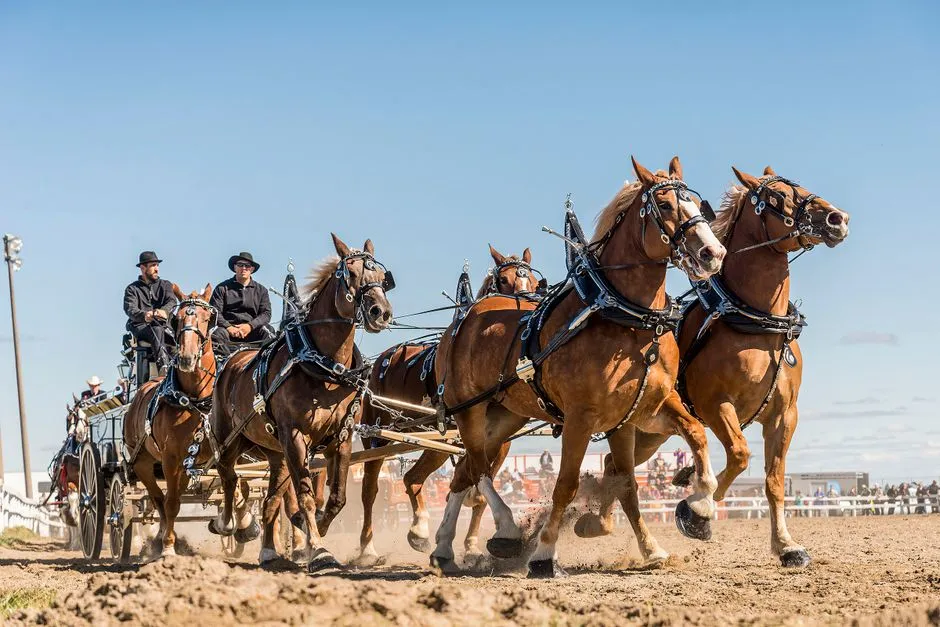
Percherons, Belgians, Clydesdales – vets often adore their personalities but would never own one for heavy pulling or carriage work. The combination of sheer size, joint stress, and often poor harness fit can create an avalanche of chronic pain issues.
At a Glance
- Clydesdales and Percherons typically stand 16 to 18 hands tall and weigh 1,800 to 2,200 pounds
- Some Percherons range up to 2,600 pounds depending on bloodline and build
- A healthy draft horse can pull roughly two to three times its own body weight
- Their calm, “easy keeper” metabolism means weight piles on fast the moment work slows down
Arthritis in fetlocks, hocks, and stifles, as well as back strain from ill-fitting harnesses, is routine. Vets know how many drafts keep working long after they should have retired because they’re “big and tough.”
Add in the practical side. Drafts are expensive to:
- Feed, since they eat a lot more than a light horse
- Transport and shoe, requiring specialized farriers and bigger rigs
When they get sick or go down, managing such a massive body safely is a very real problem. Many vets love scratching their noses on farm calls but choose lighter, more manageable breeds for personal riding and ownership.
#8 – Gypsy Vanners and Heavy Feathered Breeds

Gypsy Vanners have become Instagram darlings, but many vets quietly say “absolutely not for me.” The heavy feathering around their legs traps moisture and dirt, leading to chronic skin conditions like scratches and mites that are stubborn, messy, and time-consuming to treat.
It looks romantic in photos. In real life, it’s hours of washing, drying, and medicating legs that never fully clear, and vets see the frustration and the bills that come with all that hair.
They also tend toward easy-keeper body types, which means:
- High risk of obesity and metabolic issues if not managed obsessively
- Laminitis potential when owners overfeed because “he’s so cute”
For a vet who spends long days treating preventable leg crud and founder, volunteering to own a horse genetically set up for both makes no sense. They’d rather admire the feathers from a distance.
#7 – Double-Dilute Color Breeds With Health-Risk Lines

Color breeders sometimes push for double-dilute coats, like some cremellos and perlinos, or rare patterns with less attention to health. Many vets are cautious about lines where color has trumped conformation and soundness, and some outright say they’d never own them.
They’ve seen foals with congenital issues, vision sensitivity, deafness in some paint and pinto lines, and structurally weak bodies wrapped in flashy coats. The pattern might be unique, but you can’t ride color.
On the ground, that means more:
- Eye care for sun sensitivity
- Lameness workups in horses bred “from the color out”
Vets are trained to look at legs, feet, and lungs first, not the shade of the hair. Watching owners pay top dollar for fragile “unicorn” horses that break down early is demoralizing enough that many decide, for themselves, no color is worth it.
#6 – Spanish Mustangs and Other Ultra-Hot Primitive Types
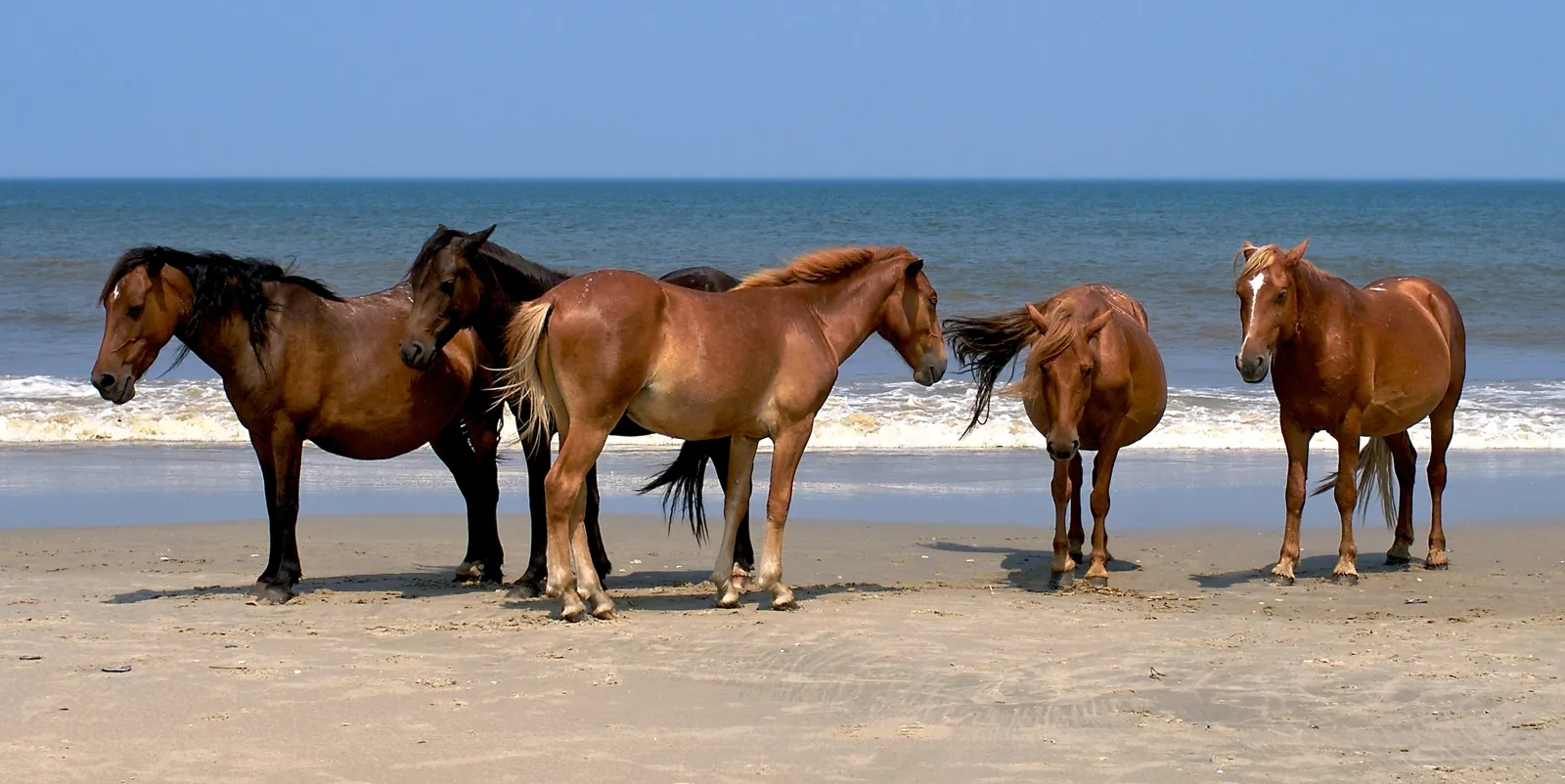
There’s a romantic myth around primitive or “original” horse breeds, but vets who’ve worked with Spanish Mustangs and similar lines often bow out as potential owners. These horses are tough, yes, but they can also be incredibly hot, reactive, and unforgiving for the average rider.
Worth Knowing
- Descended from Colonial Spanish stock, prized for surviving on minimal grazing
- Often available through low-cost adoption, which can attract owners who underestimate what they need
- An extremely efficient metabolism means good pasture alone can trigger obesity and laminitis
- Strong survival instincts can translate into fast, defensive reactions under saddle
Vets see them come in with behavioral issues that stem from mismatches: intense, sensitive horses paired with people who wanted a “low-maintenance mustang.”
They’re also extremely resource-efficient, which sounds good until you realize:
- They can get fat and laminitic on very sparse grass
- Traditional boarding situations often overfeed or overstress them
From a vet’s perspective, owning one means constantly walking a tightrope between under-stimulated and over-faced, underfed and overfed. Many choose more middle-of-the-road breeds that forgive occasional human mistakes instead of punishing them.
#5 – Welsh Ponies and Other Sport Ponies for Kids

This one stings, because vets genuinely love ponies. But many say they’d never own a sharp, high-octane sport pony for their own child. Welsh and sport-bred ponies can jump the moon and out-maneuver adult riders, but that same athletic arrogance can turn dangerous for novice kids.
Vets see a lot of broken arms, concussions, and confidence-destroying falls courtesy of ponies that are too clever and too quick for their riders.
Medically, ponies are also walking metabolic time bombs. They are:
- Exceptionally prone to laminitis and insulin resistance
- Masters at getting fat on practically nothing
So you end up with a high-risk, high-octane animal in a child’s package. Vets prefer saintly, slightly boring mounts for kids and keep their distance from the spicy overachievers they know all too well from emergency calls.
#4 – Icelandic Horses Outside Their Ideal Management

Icelandics are hardy and adorable on paper. In reality, many vets won’t own them unless they can mimic their native management. These horses evolved on sparse forage and tough terrain; put them on lush pasture and you get laminitis, metabolic disease, and sometimes serious allergy or respiratory issues when moved to warmer, dustier climates.
Quick Compare
- Diet: Sparse native Icelandic forage vs. lush, high-sugar pasture abroad
- Disease exposure: Iceland’s near-disease-free herds vs. common equine illnesses overseas
- Import rules: Once exported, an Icelandic horse can never legally return home, since the country has barred horse imports since 982 AD
- Lifespan: Icelandics often live up to 40 years, well beyond the average horse’s 25 to 30
Vets see them struggle with environments their bodies simply weren’t built for. Their thick coats and manes also mean:
- Higher risk of skin infections and itch when not carefully managed
- Overheating in hot climates if owners don’t adjust work and turnout
Emotionally, many vets hate watching “hardy” breeds suffer purely because they were exported into the wrong lifestyle. Owning one without the right setup feels irresponsible to them, no matter how fun that tölt looks in videos.
#3 – Donkeys and Mules as Casual Backyard Pets
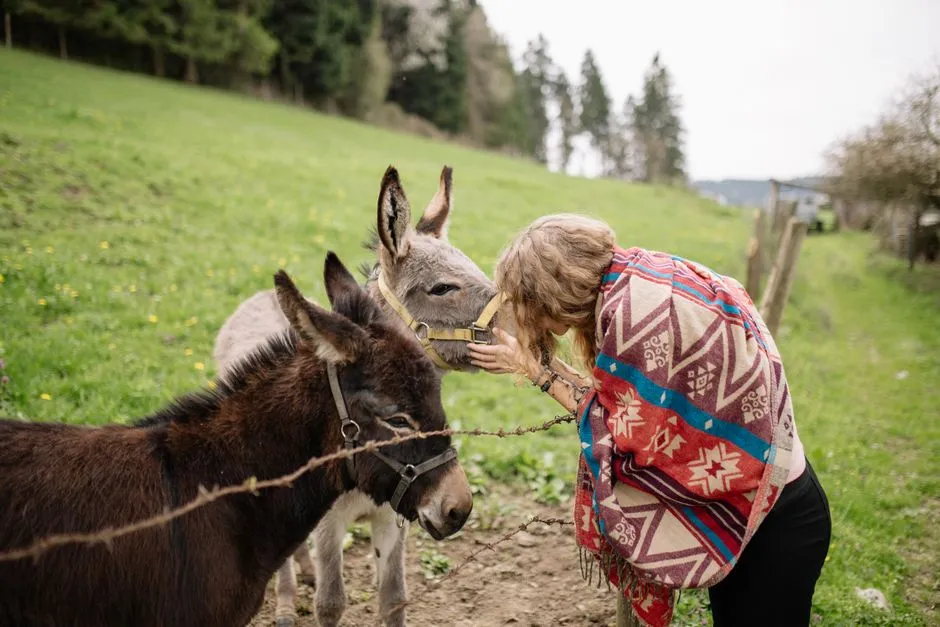
Vets respect donkeys and mules deeply; many just refuse to own them unless they can commit to their very specific needs. Donkeys, in particular, are masters at hiding pain and illness, so by the time they show obvious signs, problems are often severe, like advanced laminitis or fatal hyperlipemia.
Vets who’ve watched a “suddenly sick” donkey crash in 24 to 48 hours don’t take their management lightly. They also require:
- Different deworming and vaccination schedules than horses
- Very lean diets that clash with typical lush pastures
Behaviorally, they’re thinkers, not reactors, which many people misinterpret as “stubborn.” That mismatch leads to frustration, mishandling, and late calls to the vet when things are already bad. Unless they have a dry lot, a species-savvy farrier, and time to learn all the nuances, most vets would rather admire long ears at a distance.
#2 – Backyard “Rescue Cases” With Unknown Histories
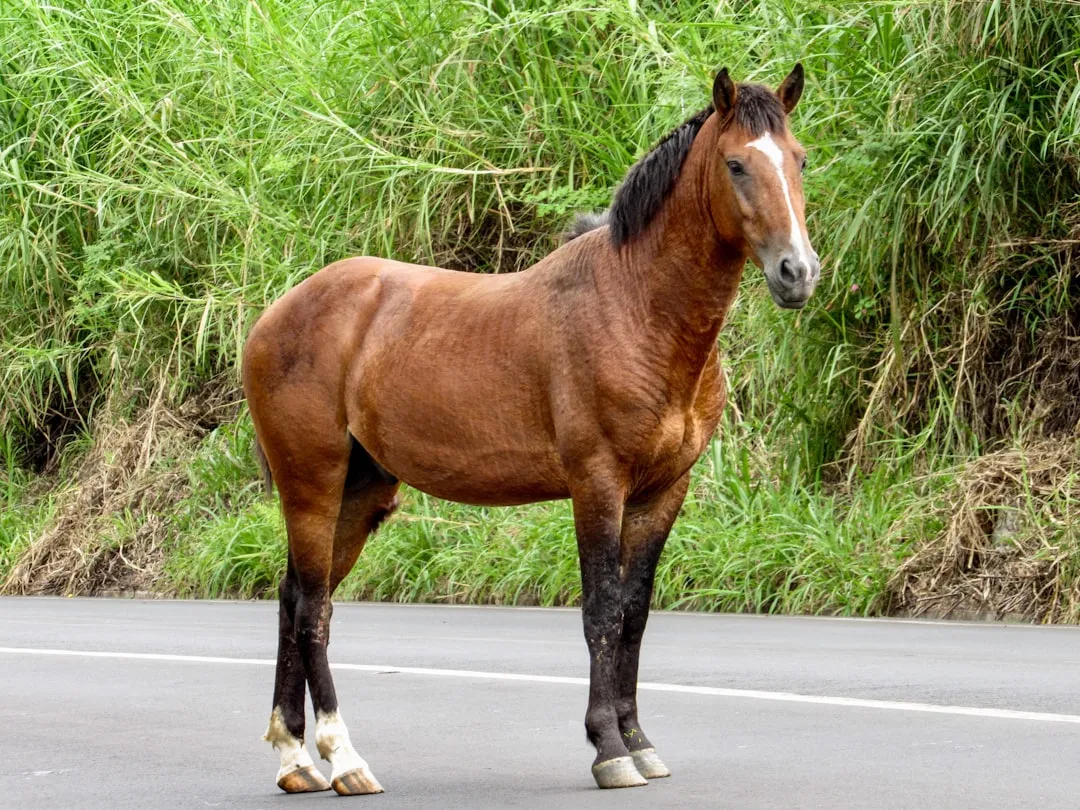
Ask vets what they’d never own and you’ll hear this more than any specific breed: the mystery horse with a tragic backstory and zero records. Horses “rescued” from auctions or neglect situations can come with hidden lameness, chronic pain, irreversible joint disease, or severe behavioral trauma.
Vets are the ones called in when that bargain horse starts bucking violently, collapsing in the field, or refusing to eat because of untreated dental nightmares.
The emotional cost is huge. These horses often require:
- Extensive diagnostics that owners can’t afford
- Long rehab with no guarantee of rideability
Many vets support reputable rescues and do discounted work. But as private owners, they’re brutally realistic: they’d rather invest emotionally and financially in a horse with a known history and a fair shot at soundness than live with an endless question mark. That realism may sound cold, but it’s born from watching hope collide with hard medical limits.
#1 – Any Breed Pushed to Extreme for Fashion or Competition
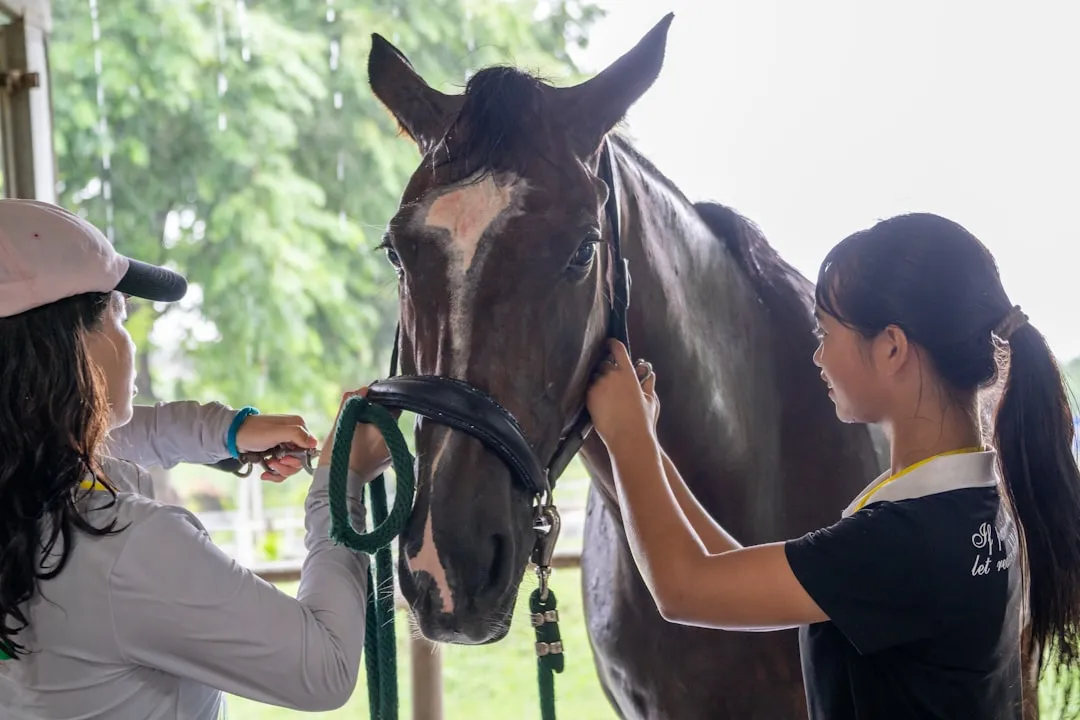
The real answer most vets give, once you push past individual breeds, is this: they’d never own any horse whose body has been pushed or bred to extremes just to fit a trend.
It could be a halter QH with tiny feet, a hyper-flashy warmblood, an ultra-dished Arabian, a spider-thin racehorse, or a massively overweight “cuddly” pony. The common denominator isn’t the registry – it’s humans valuing a look or a ribbon over long-term welfare.
These extremes create the same patterns:
- Chronic pain disguised as “quirky behavior”
- Lives built around meds, injections, and management instead of simple enjoyment
Vets see the X-rays. They scope the stomachs. They palpate the sore backs and euthanize horses whose bodies gave out years before their time. That’s why, when it’s their own barn, many quietly choose plain, middle-of-the-road horses with good feet, good lungs, and boring radiographs over anything extreme.
The Bottom Line
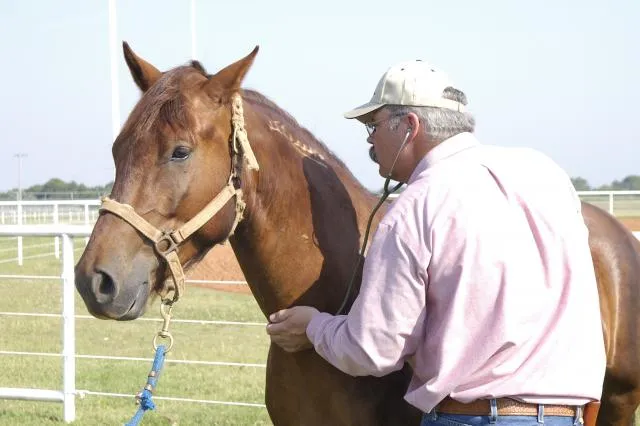
The breeds on this list aren’t villains, and vets aren’t secretly rooting against them. What they’re doing is quietly voting with their own barns against fragile genetics, extreme conformation, and management styles that guarantee suffering.
After years in the field, patterns become impossible to ignore. Certain types land on the emergency call list again and again, while unflashy, well-built horses quietly stay sound and sane in the background.
There is something about the outside of a horse that is good for the inside of a man.
Winston Churchill
At home, most equine vets don’t want a project, a fashion statement, or a walking ethical dilemma. They want exactly what that quote describes – a horse they can simply enjoy, without constantly second-guessing its pain level.
That’s the uncomfortable truth: the more you see behind the curtain, the more “average” starts to look like the smartest choice in the world. Did we call out a breed you love, or leave off one you think absolutely belongs here? Say it in the comments.
