
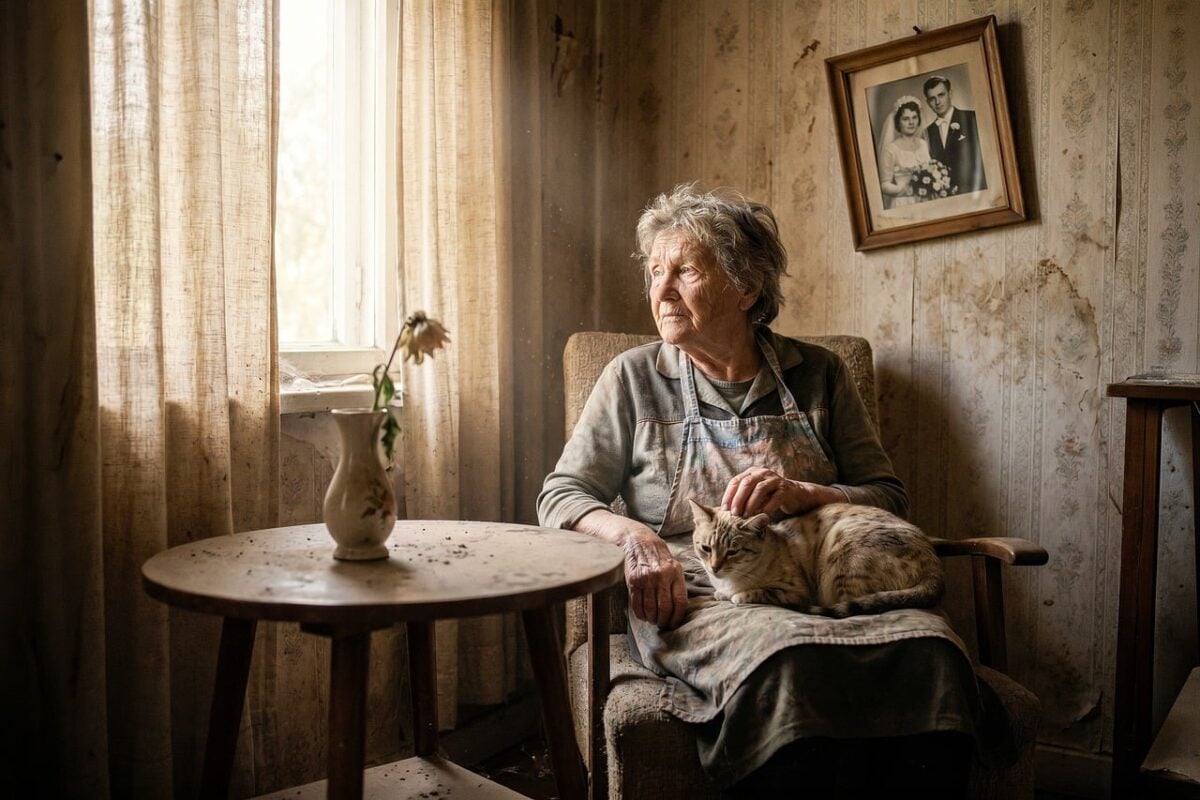
There’s something almost sacred about the way an old cat loves. It’s not loud or obvious, and it doesn’t look like the playful chaos of kittenhood. Instead, it shows up in tiny, easy-to-miss rituals that can feel ordinary on the surface but actually say something huge: this is my person.
If you live with a senior cat, you might already sense that the bond feels deeper, calmer, and strangely human. The beautiful part is that older cats rarely waste energy on people they don’t trust. When they quietly orbit around you, adjust their routine to match yours, or break their own rules just to be near you, they’re making a choice. Here are fourteen subtle, deeply meaningful things an old cat does when it has decided you’re its one special human.
1. Choosing Your Lap Over The “Perfect” Spot
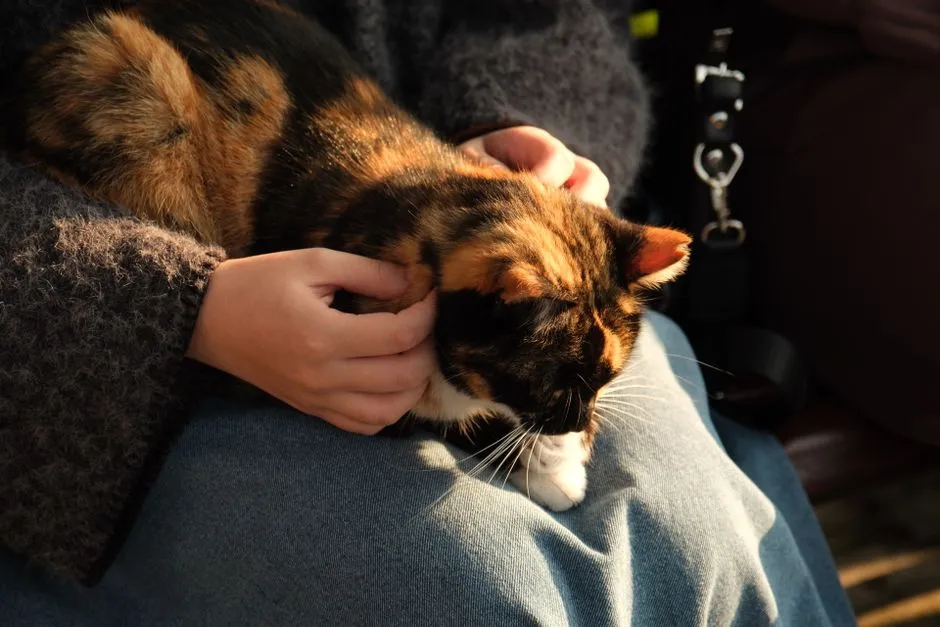
When an old cat gives up a warm sunny patch or its favorite cushioned chair just to curl up on your lap, that’s not random. Older cats are often more sensitive to discomfort, drafts, and joint pain, so they carefully pick resting spots that make them feel safe and supported. If your bony knees still win over a plush bed, it’s because being close to you has started to matter more than perfect physical comfort.
You might notice they settle differently on you than on furniture: slower, more deliberate, with a little sigh or a slow blink as if they’re saying this is home. They might adjust their body so they can feel your heartbeat or tuck themselves into the crook of your arm. To an old cat, your lap stops being just a warm surface and turns into their chosen safe place, and that is not something they offer lightly.
2. Sleeping In Your Scent, Not Just Near You
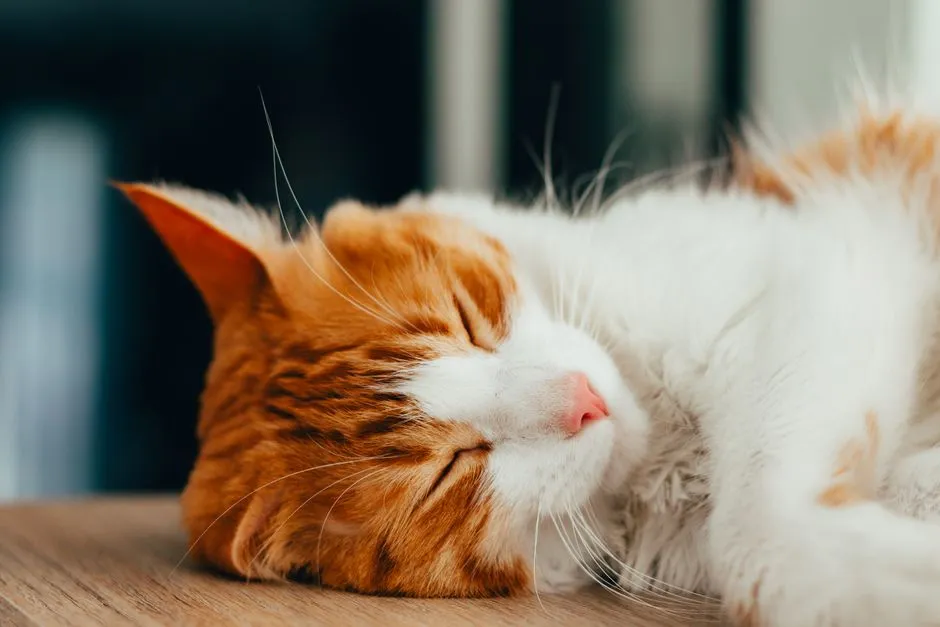
Senior cats often gravitate toward spots that smell strongly like their favorite person: your worn hoodie on the couch, the corner of the bed where your pillow lies, even the pile of laundry you swear you were just about to fold. For a prey-and-survival-minded animal, voluntarily napping in the middle of your personal scent is a powerful sign of trust. It means your smell is now associated with calm instead of risk.
You may notice that on days you’re away longer than usual, your cat seeks those scent-heavy places even more. That quiet little loaf of fur pressed into your sweater isn’t just sleeping; it’s using your scent like an emotional anchor. Especially in old age, when changes in the home can feel more stressful, your smell becomes their familiar constant, the invisible thread that reassures them their chosen person still exists, even when you’re not in the room.
3. Following You Room To Room… But Doing It Casually
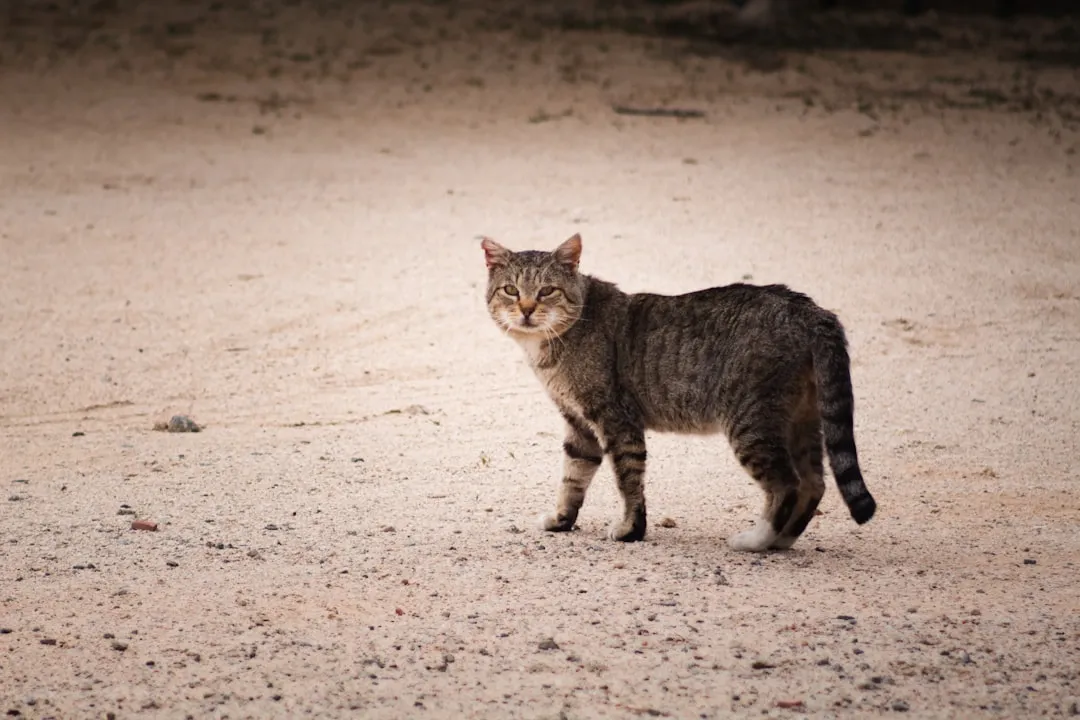
When younger cats follow people, it can feel hyper or needy: darting ahead, meowing for food, or swatting at your ankles. An old cat that has picked its person usually follows in a quieter, almost background way. They’ll get up, stretch slowly, and pad into the next room a minute or two after you, then quietly settle somewhere within sight but not necessarily in your face.
This is companionship on their terms, and it says a lot. They’re not following you because they’re bored or desperate; they just like existing where you exist. It’s similar to how two people might sit in the same room doing different things, feeling closer simply by sharing space. When your old cat becomes your soft, silent shadow, it’s their way of saying, I’m choosing to live my day alongside you.
4. Turning Their Back To You While They Rest
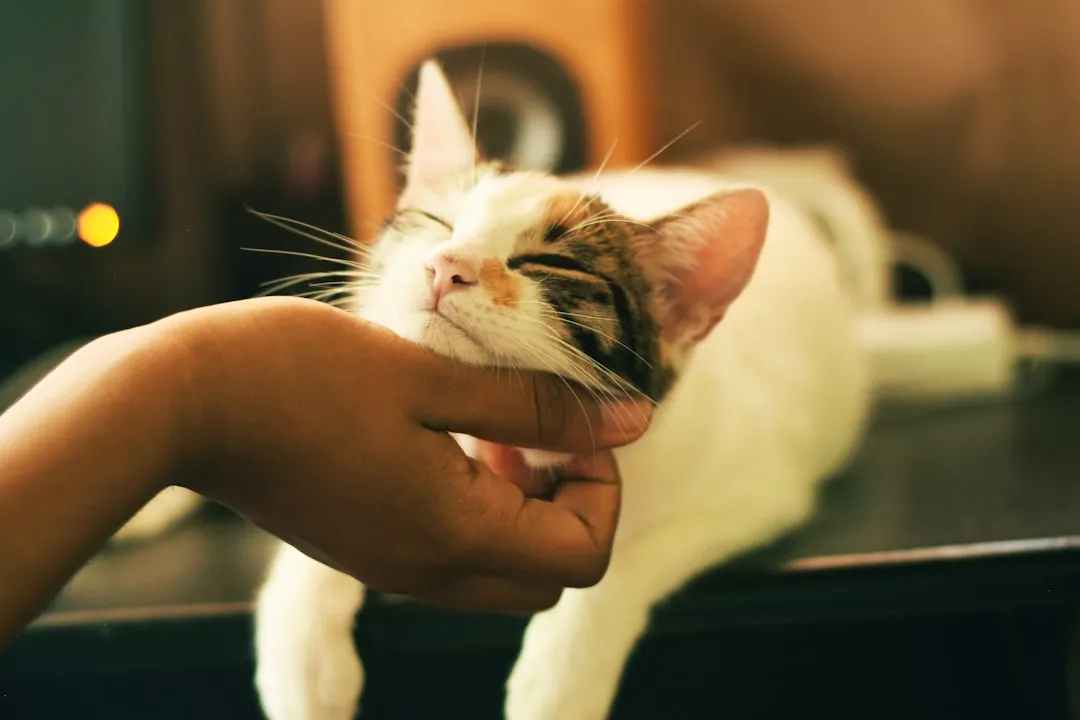
It looks a bit rude at first: your cat settles near you, then deliberately angles their back toward you like they can’t be bothered. But in cat language, that’s an enormous compliment. Facing away means they’re not on guard. They’re not watching for threats, because they’ve decided you’re not one. For an older cat, who has seen and heard a lot, it’s a quiet vote of absolute confidence.
You might notice they do this at bedtime, on the sofa, or even while sitting just a foot away on the floor. That exposed back is one of the most vulnerable positions a cat can take. When they choose that posture near you, it’s not indifference – it’s surrender. They’re trusting you to watch the world for them, like a friend who finally feels safe enough to sleep on a long train ride knowing you’ll wake them if anything happens.
5. Using You As Their Grooming Station
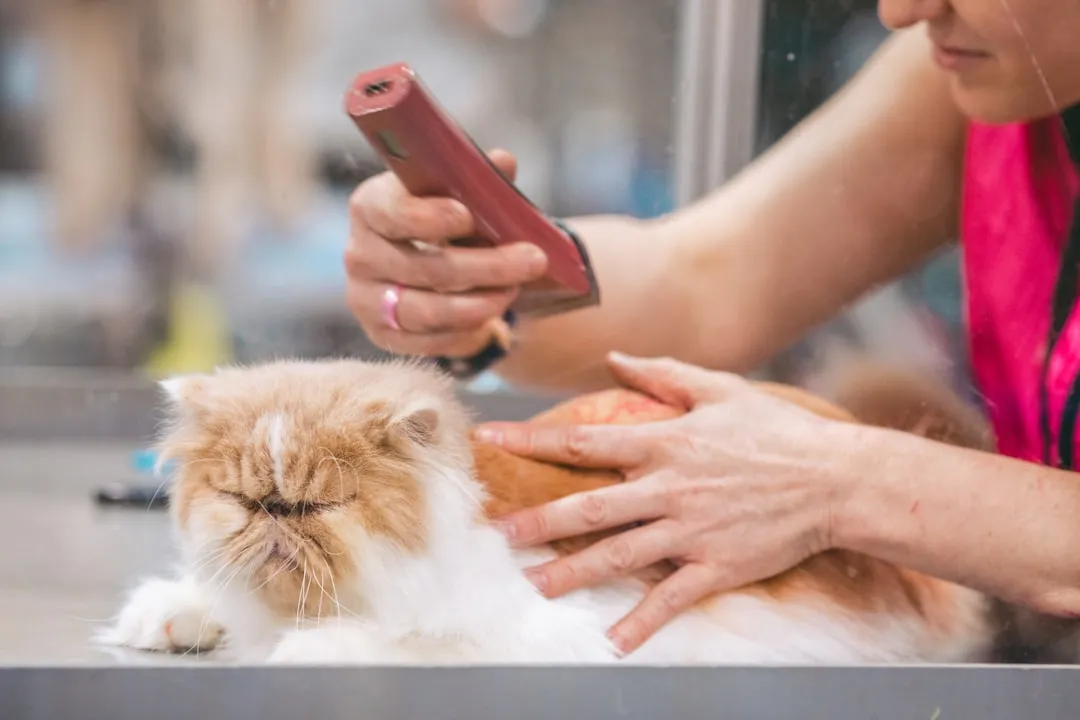
Older cats can struggle more with flexibility, stiffness, and energy, so grooming becomes more selective with age. If your senior cat starts to regularly groom itself while pressed against you, that’s a quiet sign you’re part of their inner circle. They’re choosing to do one of their most vulnerable, intimate activities in your presence instead of hiding away.
Sometimes they’ll even pause grooming themselves to give you a few careful licks, usually on your hand or arm. It’s not that they think you’re dirty; it’s that they’re folding you into their social grooming ritual. Cats in bonded groups often groom each other to strengthen social ties. When an old cat includes you in this routine, they’re not just tolerating you – they’re emotionally claiming you as family.
6. Offering Their Belly… And Actually Relaxing
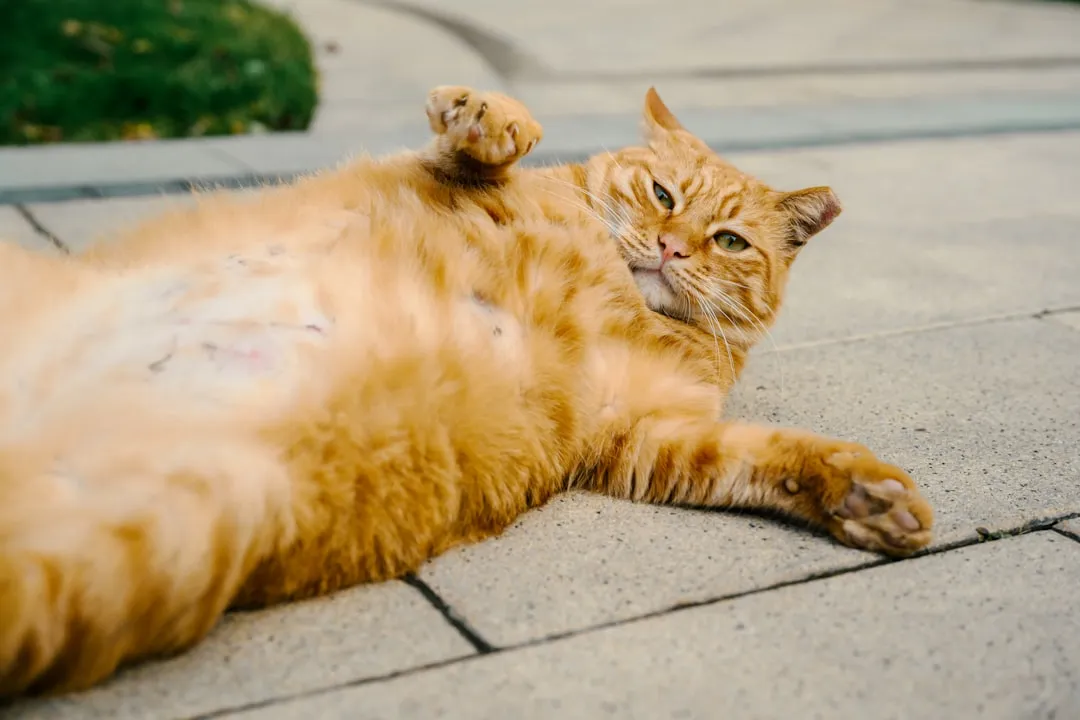
Belly exposure is one of the most misunderstood cat behaviors. Many cats roll onto their back as a stretch or defensive posture, but a senior cat who shows you their belly and then stays soft, loose, and still is showing extremely deep trust. This is the area they instinctively protect most, and letting you near it is a huge emotional risk from their point of view.
You might see them flop down at your feet, roll slightly, and look at you with slow blinks, paws relaxed instead of tense. They’re not necessarily asking you to rub their belly – many cats still find that overstimulating – but they are announcing that they feel safe enough to let their guard down. In cat terms, that’s the equivalent of someone taking off both their shoes and their armor and saying, I believe you won’t hurt me.
7. Quietly Checking On You When You’re Not Okay
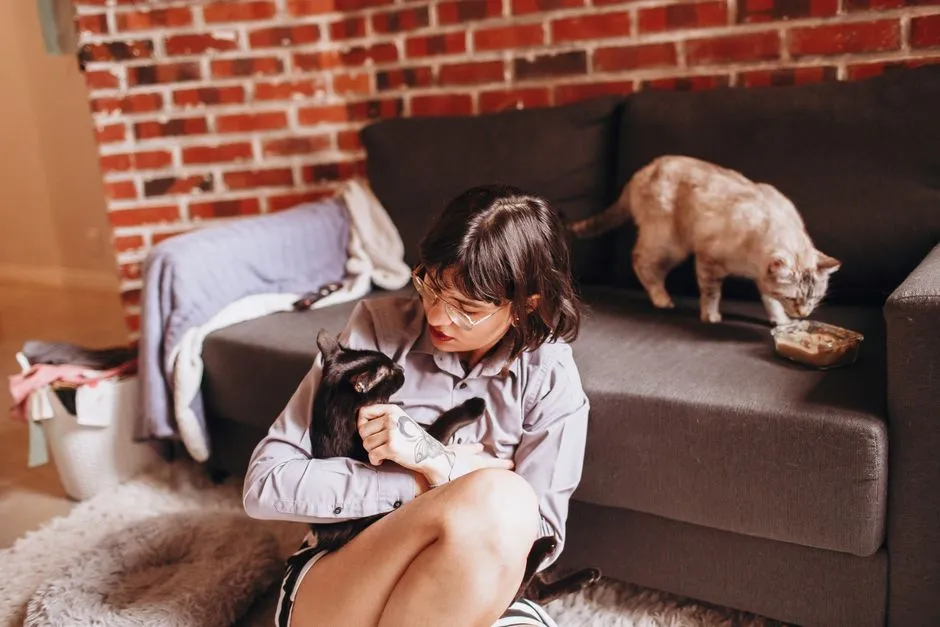
Many cat guardians swear their older cats become more emotionally tuned in over the years, and there’s some support for the idea that cats read human body language and routines very well. If you’ve ever been sick, upset, or crying and noticed your old cat suddenly appear, settle beside you, or just sit nearby and watch, that’s not random. They’re noticing your change in behavior and responding in the only gentle, cat-like way they know how.
They may not climb onto your chest dramatically or nuzzle like a dog, but their quiet presence can feel oddly intentional – like they’re standing guard. Sometimes they stay just long enough to reassess that you’re okay before returning to their nap. It might look small from the outside, but for a creature that values consistency and self-preservation, choosing to interrupt their routine to hover near your distress is a powerful, wordless kind of loyalty.
8. Adapting Their Routine To Match Yours
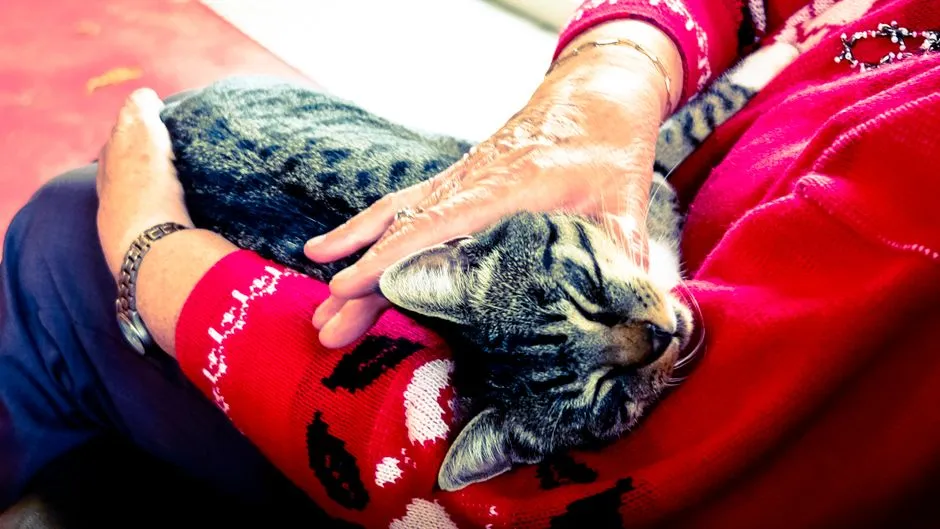
Senior cats often become creatures of strict habit, waking, eating, and sleeping on autopilot. So when an older cat starts shifting their schedule to line up more closely with yours, it suggests something meaningful is happening. Maybe they start showing up on the bed right around your usual bedtime, or they begin waiting by the door at the time you typically get home, even if that time has changed recently.
They’re essentially reprogramming their inner clock around you. For an animal that values predictability as much as cats do, especially in old age, that’s a big deal. It means your presence has become one of the main anchors in their world. They’re no longer just existing in the same house as you; they’re organizing their day around when you’re most likely to be part of it.
9. Choosing You Over Food (At Least For A Moment)
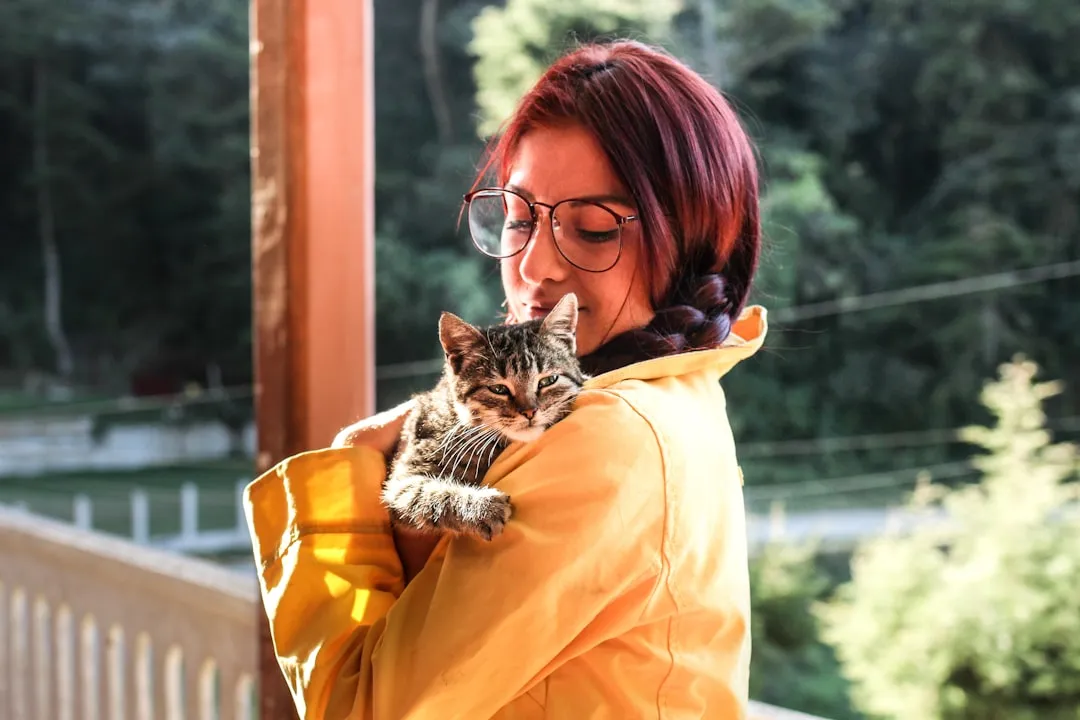
Food is a major driver for cats, and senior cats can become even more food-focused if they’re dealing with health changes or just enjoying their favorite meals. So when a cat briefly ignores a filled bowl or a treat to greet you first, that’s a strong signal of attachment. They’re putting social connection ahead of instinct for at least a few seconds, which is not nothing for a small predator brain.
You might see this when you come home: the bowl is ready, but instead they trot over, rub your legs, or give a little chirp before eating. It doesn’t mean they don’t care about the food – they definitely do – but the emotional priority is clear. In a way, they’re saying, I noticed you. You matter more than the thing I usually care about most. Then, of course, they go eat, because love does not cancel hunger.
10. Giving You The Slow Blink, Again And Again
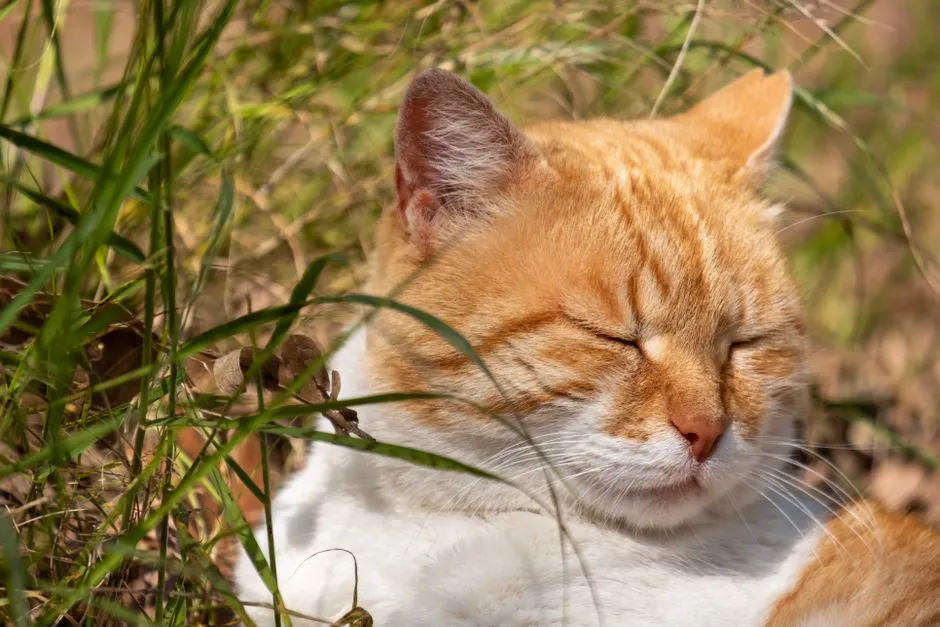
The slow blink has become famous for a reason: it really is a common sign of feline relaxation and social trust. When an older cat repeatedly offers you that lingering, soft-eyed blink – especially from a comfortable resting position – it often reflects a deeper, long-term bond. They’re not testing you anymore; they’re confirming what they already feel.
What’s especially meaningful is when they initiate it across the room without being approached or petted. You’ll catch their gaze, and instead of staring, they soften, close their eyes slowly, then open them with a relaxed expression. In cat communication, that’s about as close as you get to a peaceful, silent acknowledgment. It’s like their version of a little nod that says, we’re good, you and I.
11. Tolerating Touch They Wouldn’t Accept From Others
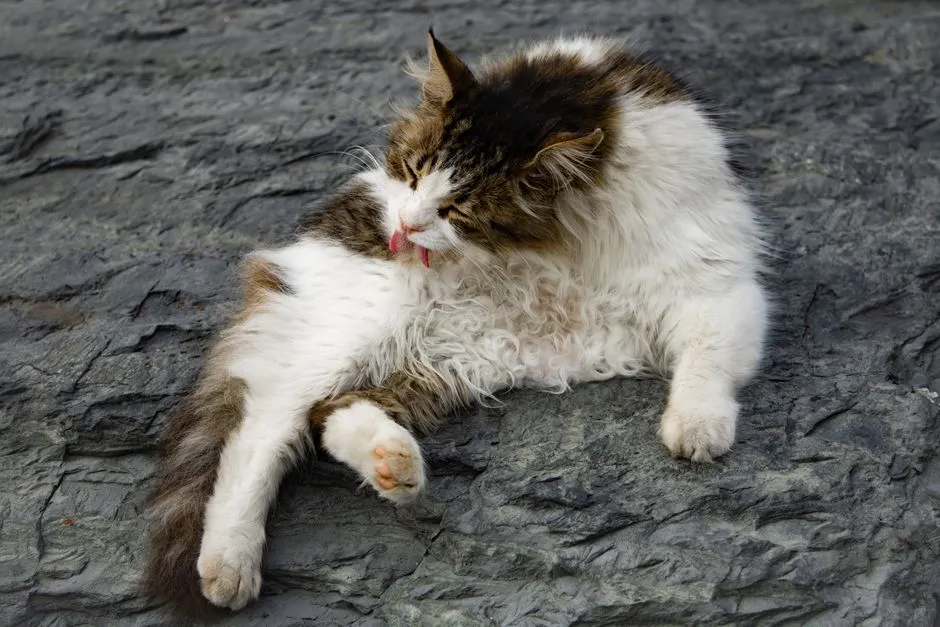
Many senior cats become pickier about how, when, and where they’re touched. Arthritis, sensory changes, or simple crankiness can make them less patient with random hands. If your cat allows you to trim their claws, gently wipe their eyes, or touch sensitive areas like paws and belly when they’d never permit that from anyone else, that’s not just good behavior. It’s a clear sign you’ve earned access to their very small trust circle.
You might notice that if someone else tries to pick them up, they immediately tense or squirm away, yet in your arms they eventually soften, purr, or at least tolerate the moment. They’re not suddenly a cuddly, easygoing cat; they’re making an exception specifically for you. That special allowance is one of the clearest signals that you are their chosen human, the one person they’re willing to be a bit uncomfortable for.
12. Seeking You Out During Storms, Fireworks, Or Loud Moments
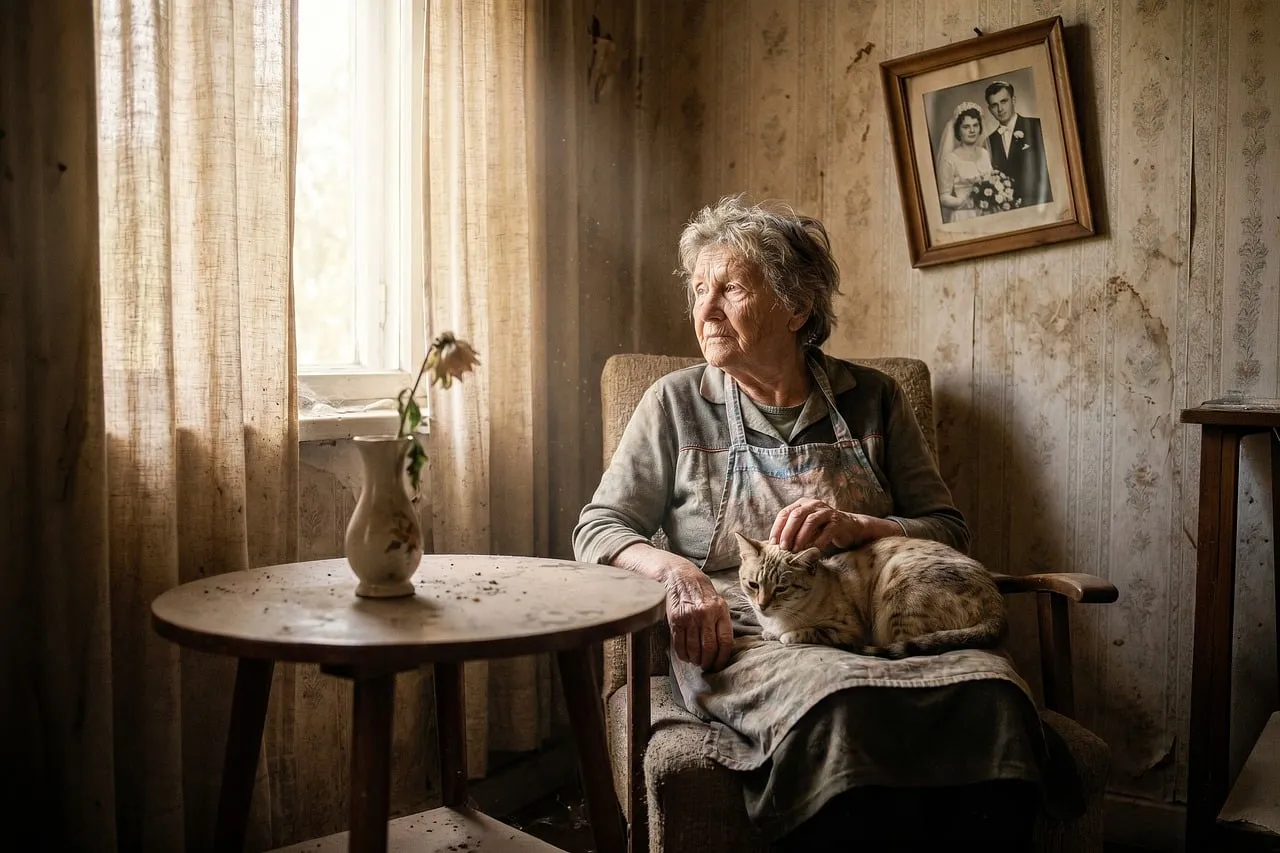
Noise sensitivity can increase with age, and many senior cats become more cautious about sudden sounds, weather changes, or household disruptions. If your old cat consistently looks for you during thunderstorms, fireworks, or chaotic gatherings, they’re using you as a living safety blanket. They might tuck themselves under your chair, press against your side, or curl up in your lap until the world quiets down.
This behavior shows they’ve linked your presence with safety and predictability. You’re not just another noise or moving shape in the house – you’re the stable thing they trust when everything else feels too loud. Even if they’re still tense or wide-eyed, the fact that they choose to endure the stress right next to you is another quiet declaration: in scary moments, you are where they feel least afraid.
13. Greeting You With Soft Sounds Instead Of Demands
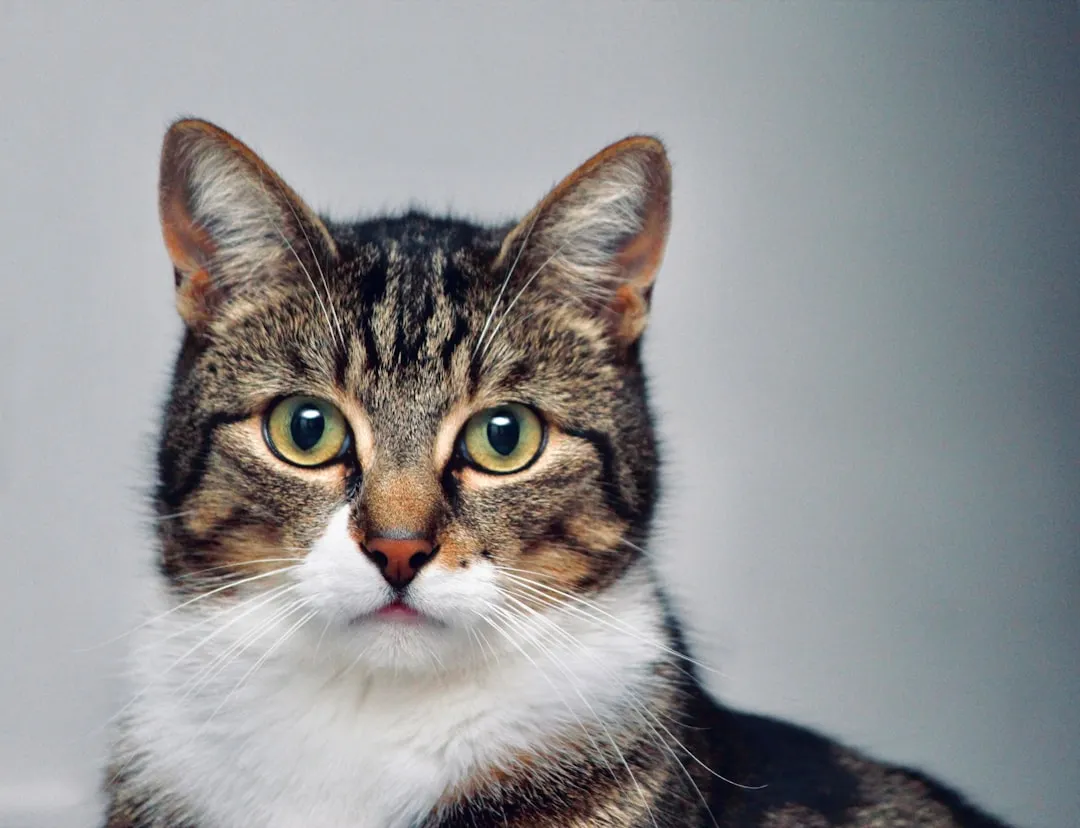
Not all meows are created equal. Some are sharp and clearly about food, doors, or frustration. But when your old cat starts greeting you with softer, almost conversational sounds, that can be a social vocalization rather than a demand. These gentle chirps and low, relaxed meows are often reserved for the people they’re truly bonded with.
You’ll notice the tone is different from the urgent feed-me yell. It’s shorter, warmer, sometimes paired with a tail held in a friendly upright or gently curved shape. They’re essentially saying, I see you, you’re back, and I’m glad. It’s not dramatic, and they may stop as soon as they’ve made that little connection, but those soft sounds add up to a subtle, daily reminder that you’re not just the person who fills the bowl; you’re the person whose arrival actually matters.
14. Relaxing Enough To Show Their Age Around You
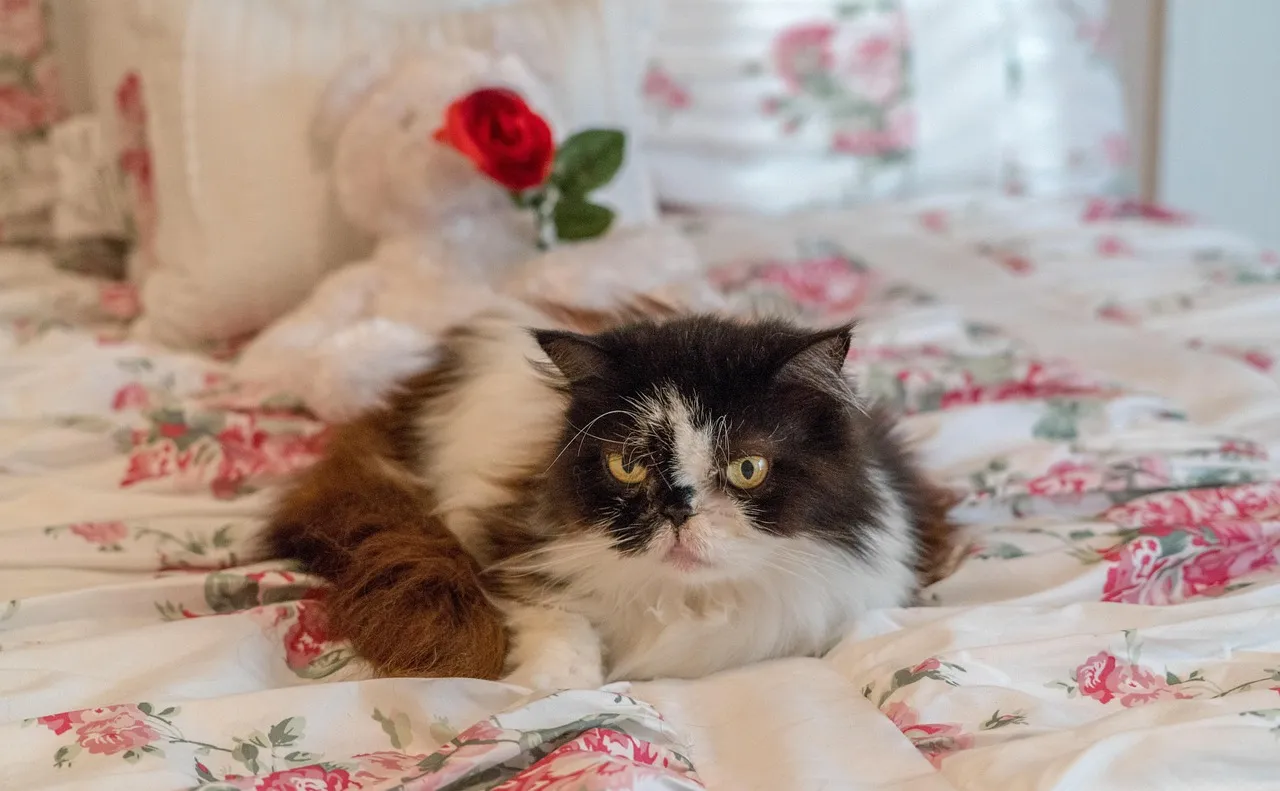
This one is easy to miss but incredibly profound: when an old cat truly chooses you, they stop hiding how old they are in your presence. Cats often try to mask weakness or pain, especially around strangers or in unfamiliar situations. But with their person, they may finally let their guard down – moving a little slower, sighing more, even letting you see the occasional wobble or stumble without rushing to conceal it.
It can be bittersweet, watching them reveal their vulnerability so openly, but in a way, it’s the deepest compliment they can give. They’re trusting you with the truth of who they are now, not the tough, invincible hunter they used to pretend to be. When your senior cat feels safe enough to age in front of you, that’s not just comfort – that’s a quiet, powerful declaration that you are their chosen companion for this final, gentlest chapter of their life.
Conclusion: When A Quiet Cat Love Speaks Loudly
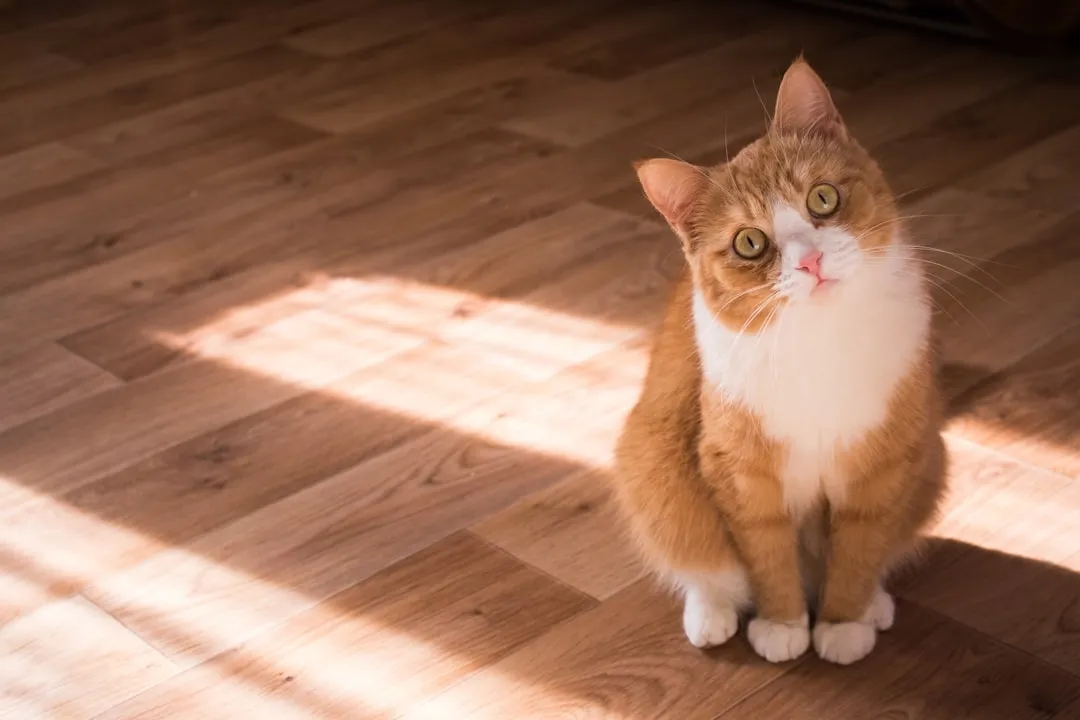
Older cats rarely shout their feelings. They don’t write big declarations in the sky; they leave tiny breadcrumbs in your daily routine – the way they choose your lap over the sun, adjust their schedule to match yours, or shuffle into your room just to sigh and sleep where you are. None of those moments would go viral on their own, but living with them day after day becomes its own kind of proof: you’ve been chosen.
Personally, I think the most powerful part is that they didn’t have to pick you. They could have stayed aloof, stayed neutral, kept you at a polite distance. Instead, they drew an invisible circle around one human and stepped inside it with quiet certainty. If you’re lucky enough to be that person, the real question might be: now that your old cat has chosen you, how will you choose them back, every single day you still get together?
