
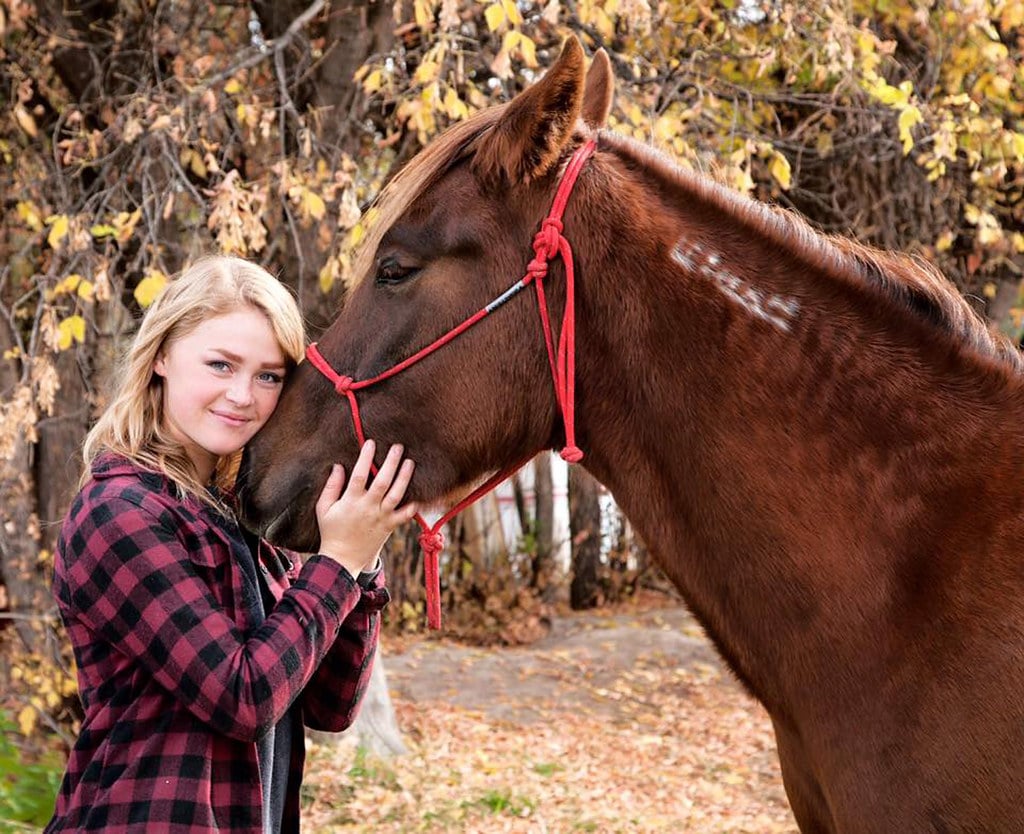
Some horses seem to look straight through a crowd and lock eyes with one person as if to say, “You. You’re mine.” Others can be perfectly pleasant but never quite cross that invisible line into real attachment. If you’ve ever clicked with a horse so deeply it felt almost embarrassing to explain to non-horse people, you already know how powerful that bond can be – and how frustrating it is when it never happens.
This guide walks through 18 horse breeds that are widely known for forming intense, often almost single-handler bonds, and 18 that tend to stay more neutral, professional, or downright aloof. Of course, every horse is an individual, shaped by handling, training, and history – but breed tendencies are real and hard to ignore. Think of this as a map, not a prison sentence: it won’t predict every outcome, but it might explain why your friend’s mare follows them like a dog while your horse treats you like the barn concierge.
Arabian: The Classic One-Person Soulmate
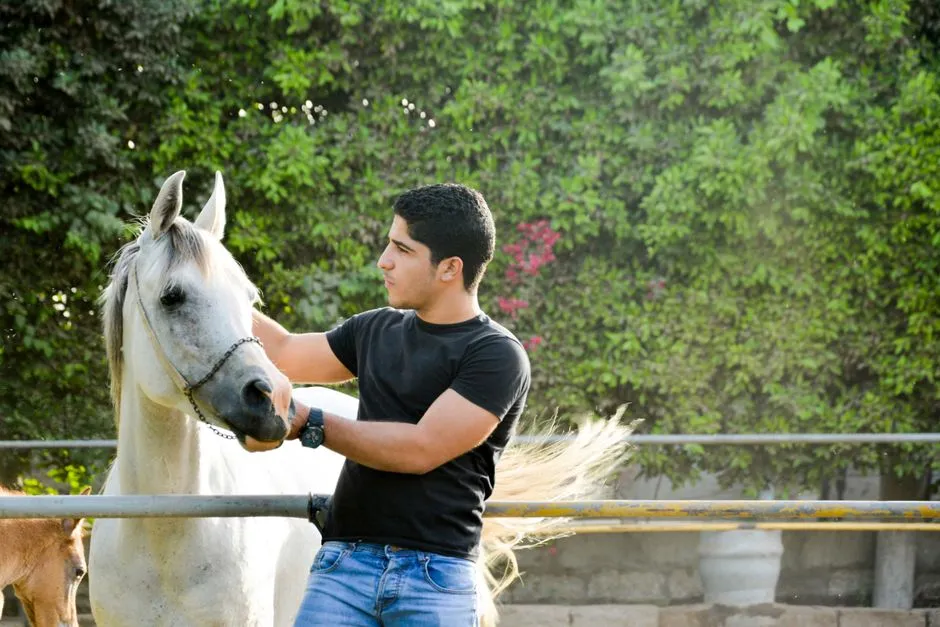
Arabians have a reputation for being “people horses,” and in many barns, they latch onto one person with almost startling intensity. They’re sensitive, watchful, and often highly attuned to emotion; that can translate into a bond that feels more like a partnership than simple ownership. Many riders say once an Arabian chooses you, it’s like carrying a secret password – everyone else might get polite tolerance, but you get the softness, the try, the extra spark.
That same sensitivity is also what makes Arabians tricky if passed from rider to rider. They remember unfair handling, inconsistent cues, and emotional chaos. In my own experience, an Arabian that trusted me would still tighten its body when someone else took the reins, as if waiting for a test it hadn’t studied for. If you want a horse that might become intensely “yours,” an Arabian is a strong candidate – but only if you’re ready to show up consistently and honestly.
Thoroughbred: Intense, Sensitive, and Loyal to Their Person
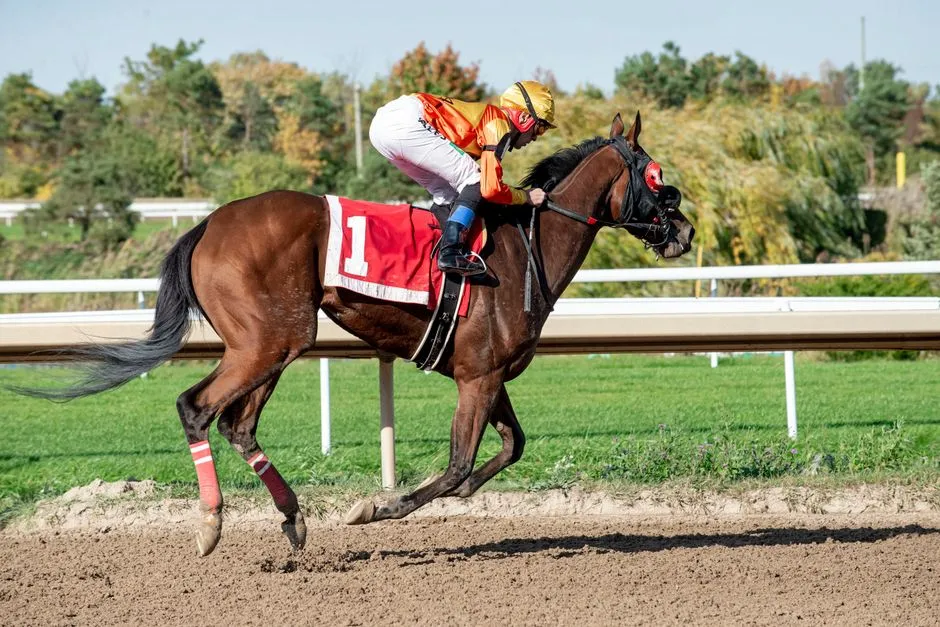
Thoroughbreds, especially off-track ones, often arrive with baggage: strong opinions, hair-trigger reactions, and a history of being treated more like athletes than companions. Yet under all that, they’re famously sensitive and capable of deep attachment. Many riders notice that once a Thoroughbred decides you’re safe, they start looking for you over the stall door, matching your energy, and trying in a way they never did before.
Because they’re quick-thinking and reactive, Thoroughbreds tend to bond strongest with handlers who are fair and predictable. If you’re hot and cold, they will be too. I’ve seen Thoroughbreds transform from anxious, mouthy wrecks into cuddly, eager partners once they found “their person.” They may never be the easiest ride, but they can become the most fiercely loyal.
Morgan: The Loyal Best Friend Who Never Forgets You
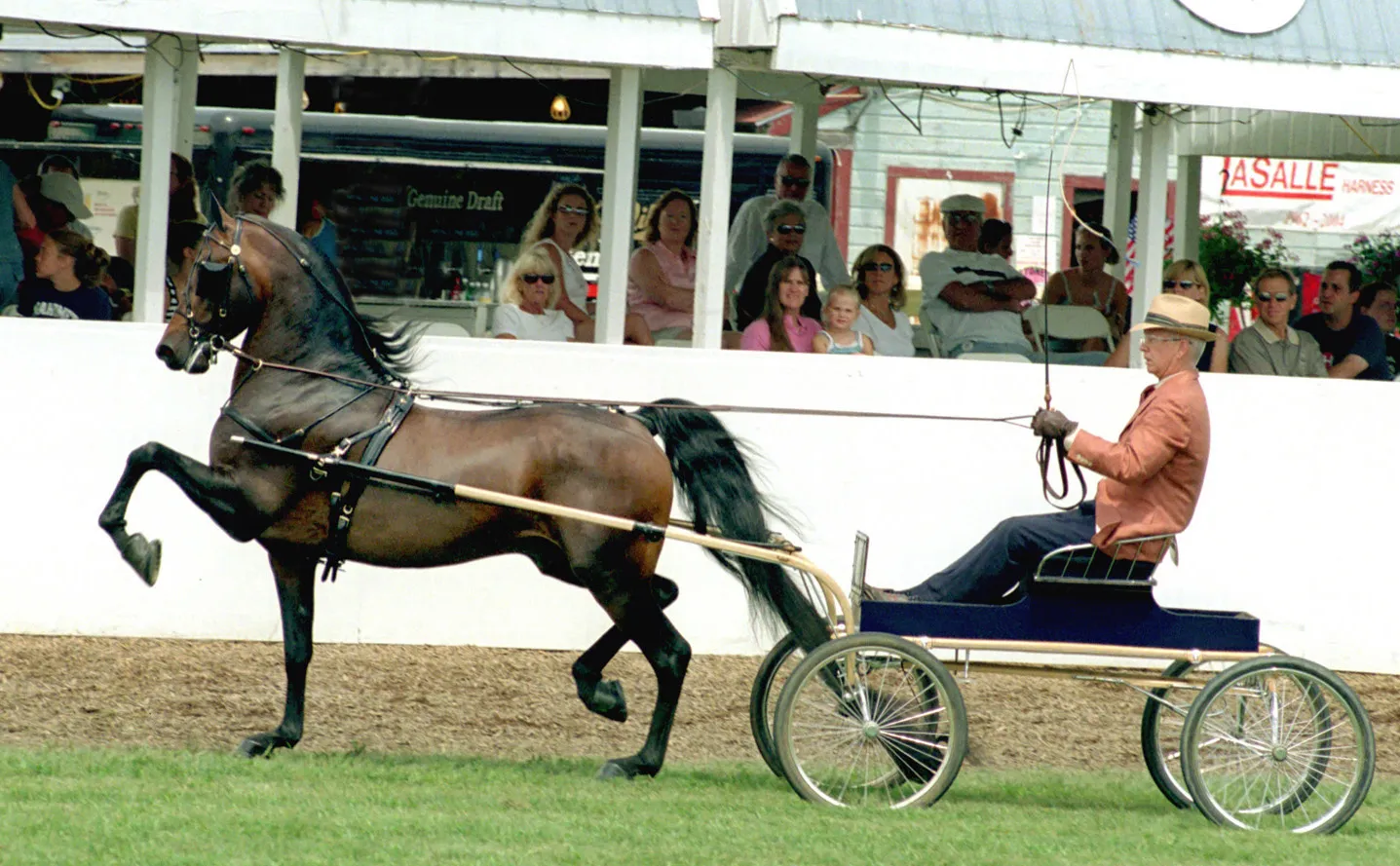
Morgans are known for their versatility and hardiness, but talk to people who live with them and you’ll hear the same theme: once a Morgan picks you, that bond runs deep and long. They’re curious, people-focused, and often genuinely enjoy interaction far beyond grooming and riding. Many Morgans will follow their favorite human around like an oversized Labrador, clearly preferring that one person over everyone else.
This single-handler loyalty can be a gift and a challenge. A Morgan that’s been deeply bonded to one owner may take time to emotionally “transfer” to a new person if life circumstances change. On the other hand, their combination of intelligence and affection means that if you invest in them – good training, real downtime, consistent handling – they tend to pay it back with a steady, long-term relationship that feels almost like family.
Friesian: Romantic, Sensitive, and Surprisingly One-Person
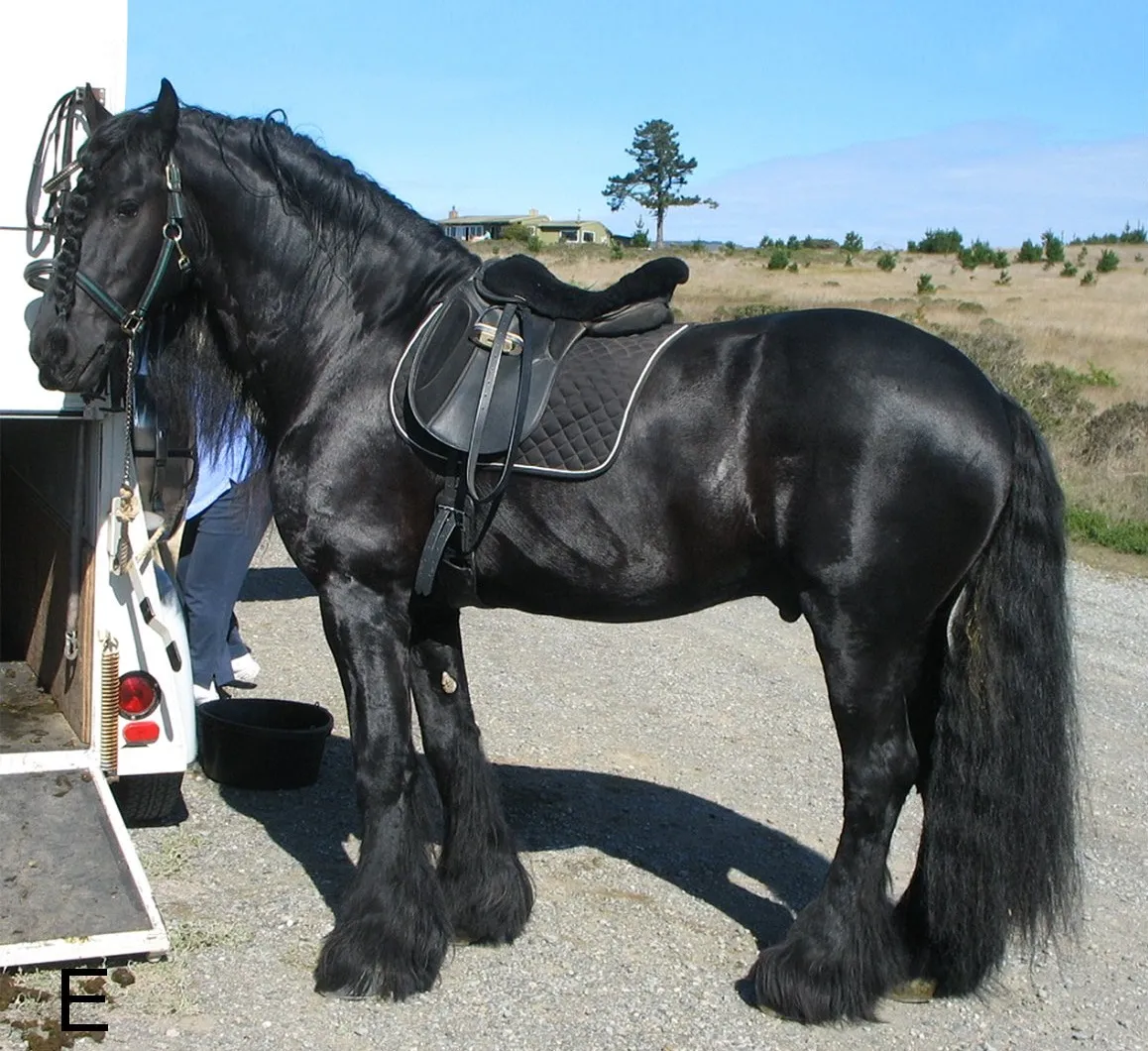
Friesians look like they walked out of a fantasy movie, and their emotional style often matches the drama of their appearance. Under all that hair, they’re usually quite sensitive and people-oriented, often forming very close bonds with a smaller circle of trusted humans. Many Friesians clearly favor one primary handler or rider, becoming more expressive, relaxed, and responsive for that person compared to others.
They can be slow to warm up to strangers, not in an aggressive way but in a reserved, slightly suspicious way. Because of this, a Friesian that has been carefully, kindly raised by one person may struggle if bounced between riders, or if that main human disappears from their life overnight. If you want a horse that feels like a romantic lead rather than a casual acquaintance, a Friesian can absolutely be that – so long as you respect the emotional weight of that relationship.
American Quarter Horse: The Quiet Partner That Picks a Favorite
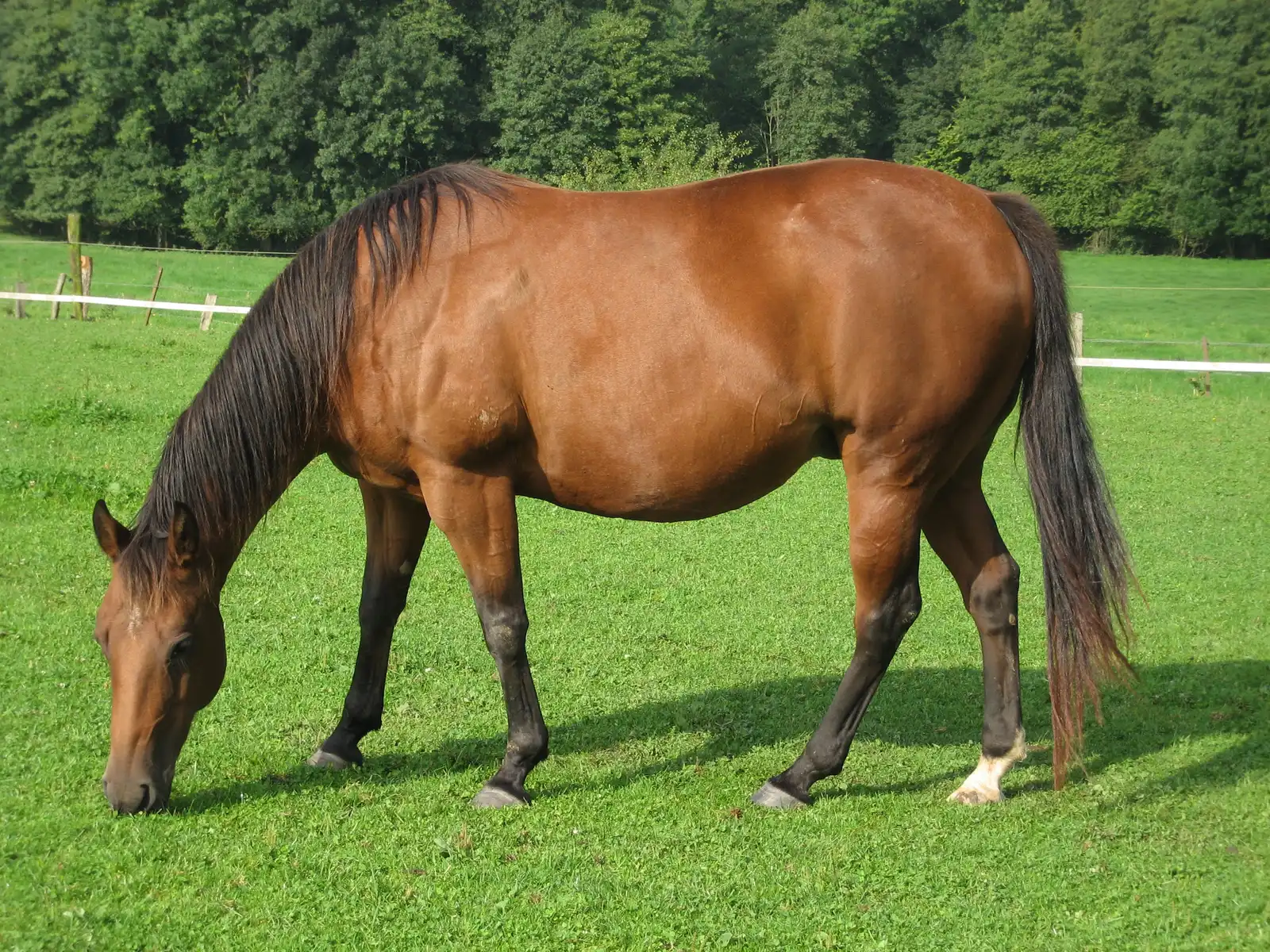
Quarter Horses are often marketed as “everyone’s horse,” and it’s true that many are easy-going enough to tolerate a lot of different riders. But within that calm temperament, plenty of them still quietly pick one human to truly attach to. You’ll see it in the way they lower their head for that person, follow them at liberty, or relax more deeply under saddle when their favorite rider is aboard.
This type of bond is usually subtle, not dramatic. It’s less movie-worthy rearing in slow motion and more soft eyes, a slow sigh, and a willingness to try just a bit harder for that one person. Because Quarter Horses can be naturally steady, people sometimes underestimate the depth of their attachment. Pay attention for the small signs – leaning into a familiar touch, walking across the pasture when they spot one specific handler, or waiting at the gate at a familiar time of day.
Mustang: The Survivor Who Chooses One Human Carefully
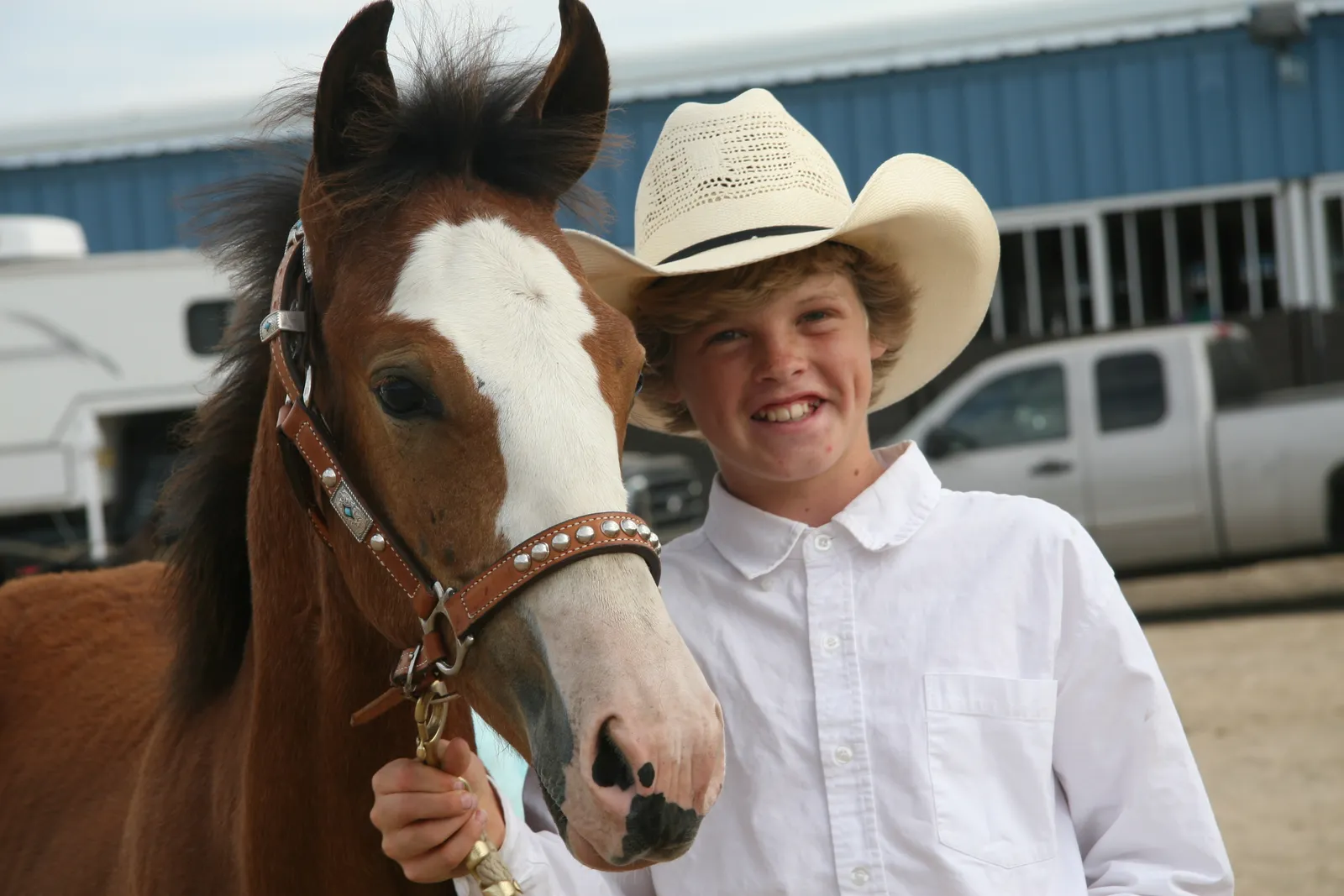
Mustangs that have lived wild and then gone through capture, holding, and training often carry a powerful sense of self-preservation. When they finally decide a human is worth trusting, that trust can be intense and laser-focused. Many gentled Mustangs are very aware of who did the hard, slow work of earning their confidence, and that person often becomes their emotional anchor in a human world that never fully makes sense to them.
This can mean Mustangs are cautious or even skeptical with other people, especially if those people are loud, rushed, or inconsistent. The flip side is that the chosen human can walk into the pasture and see the mustang’s entire body language soften. The bond might not be instantly cuddly – some Mustangs show connection in quiet, watchful ways – but it tends to be durable, honest, and rooted in survival-level trust.
Haflinger: Cheerful, Smart, and Deeply Attached to “Their” Person
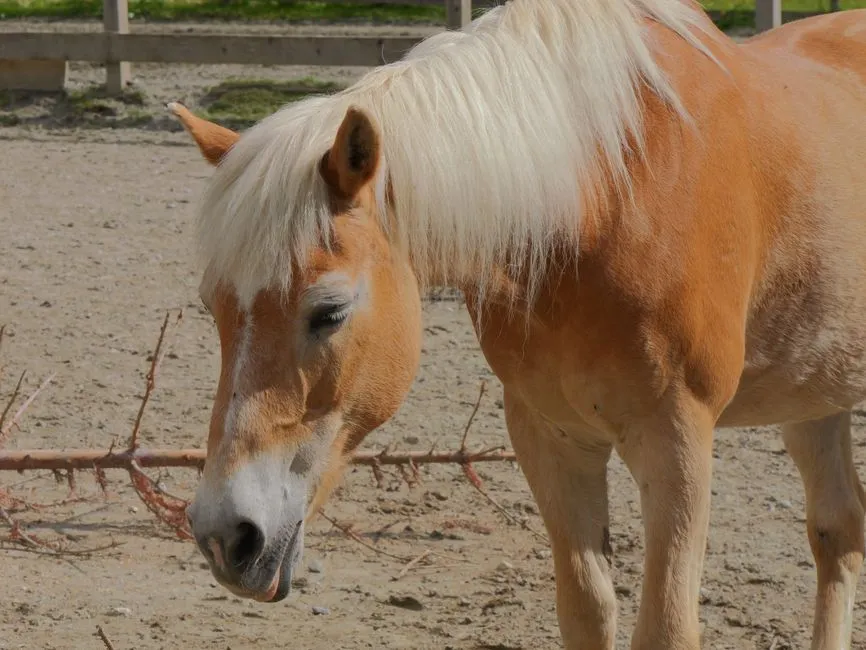
Haflingers have that deceptively cute, golden-pony charm that makes people underestimate them. Underneath the fluff is a sharp mind and a strong opinion about pretty much everything, including who they like. When they connect with a handler, they often show it through enthusiastic greeting, playful behavior, and a tendency to test boundaries less with that person than with others.
Because they’re clever, Haflingers can become pushy or cheeky with people they don’t fully respect. But the person they’re bonded to will often find an easier time redirecting that energy into work or games. It can feel a bit like dealing with a willful kid who behaves better for one parent. If you want a horse that will both adore you and keep you humble, a Haflinger with a strong one-person bond fits that bill perfectly.
Icelandic Horse: Small Body, Big Heart for One Rider
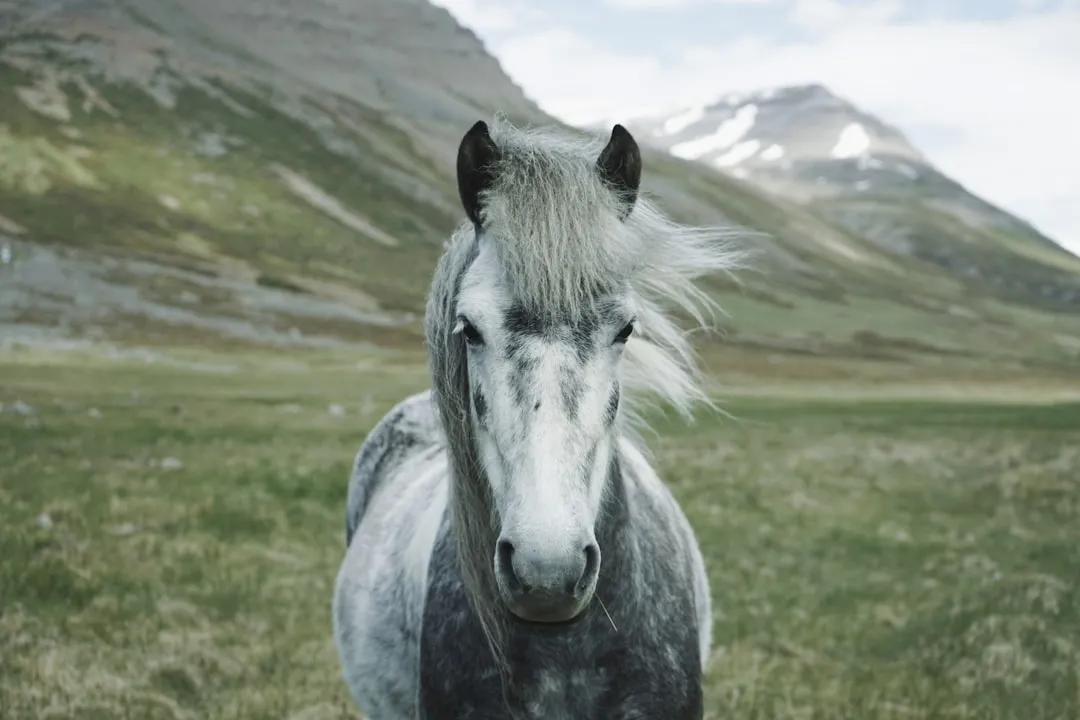
Icelandic horses are famously hardy and social, but many develop an especially strong preference for one rider who understands their unique gaits and temperament. Because they’re often kept in herds and handled regularly, differences in attachment can be very noticeable: some will leave the group to meet “their” human, while barely acknowledging others who walk into the field.
They’re also smart and sometimes a bit quirky, which means they tend to reward people who invest the time to communicate clearly. The rider who patiently works through tölt or listens when they say “that hill is enough today” often becomes the one they trust the most. The bond might show up as eager forwardness under saddle for one person and sticky, resistant behavior for someone else who rides more mechanically.
Welsh Cob and Welsh Pony: Child’s Heart Horse in a Compact Package
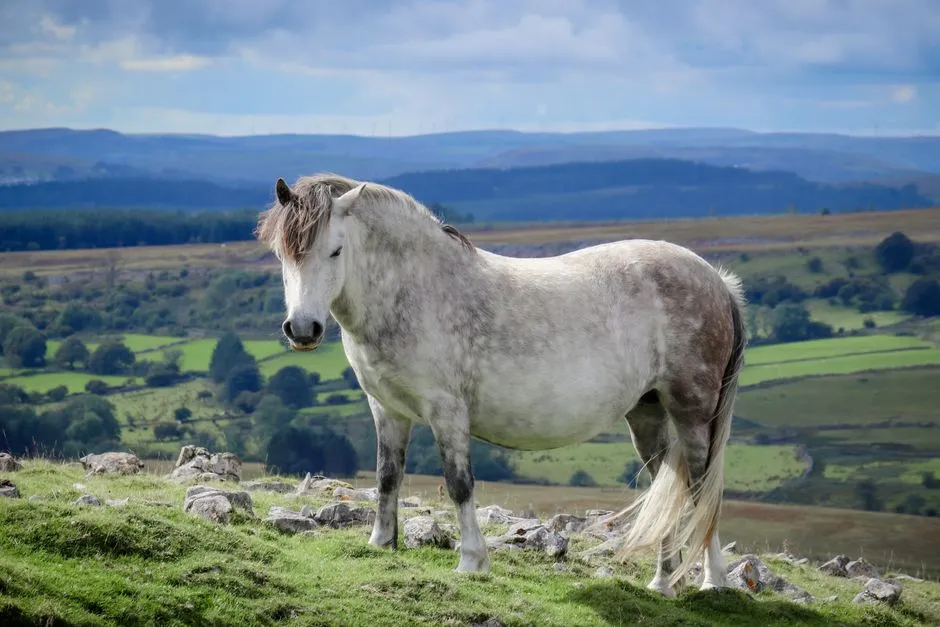
Welsh Cobs and larger Welsh ponies are notorious for becoming that unforgettable “first love” pony for many kids. They are often bold, characterful, and highly attuned to their main handler, especially if that handler is a child they’ve grown up with. These ponies will often trail their kid around the barn, stand patiently at liberty, and light up when they realize it’s their person walking into the paddock.
The flip side is that they may be far less generous with strangers, especially heavier or less balanced riders. A Welsh that goes like a dream for its bonded child can suddenly become sticky, cheeky, or uninterested with someone else. The bond is real and sometimes painfully obvious when that child outgrows them – many Welsh ponies seem to grieve the loss of their little human in subtle but noticeable ways.
Cleveland Bay: Reserved but Deeply Devoted Once You’re In
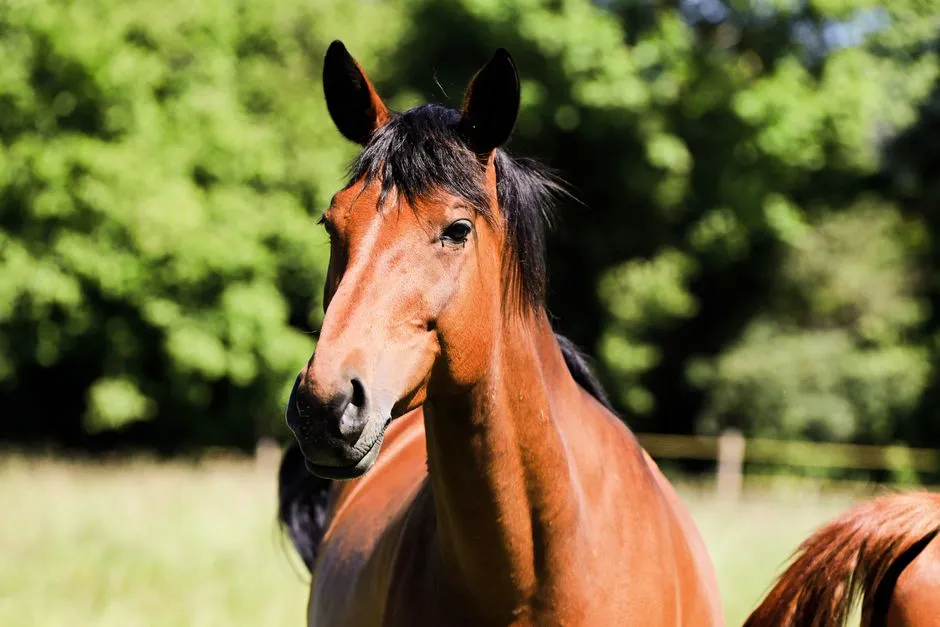
Cleveland Bays tend to be sensible, somewhat reserved horses that do not throw their hearts at the first person who walks by. But that quiet temperament often hides a capacity for very steady, long-lasting bonds with one primary handler. They may not be dramatic about affection, yet they’ll show it through their reliability, willingness, and clear preference for working with “their” person.
These horses can come across as aloof to outsiders, which sometimes leads people to misread them as emotionless. In reality, they often just take time to believe someone is worth their effort. Once that trust is earned, they may become the type of horse that will follow you into chaos and keep going because you asked. It’s less fireworks and more the slow burn of a decades-long friendship.
Standardbred (Off the Track): The Quiet Bond That Sneaks Up on You
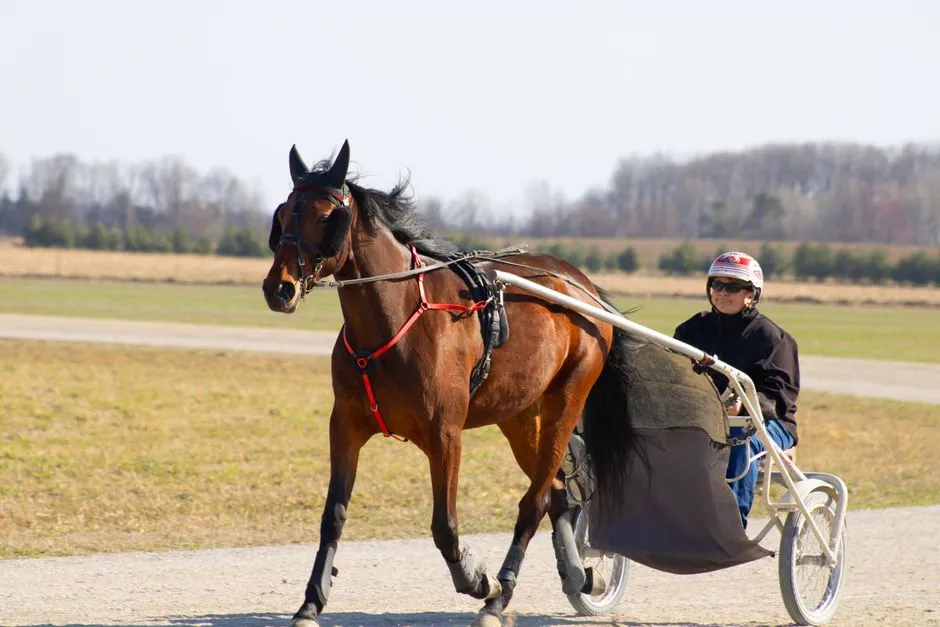
Many Standardbreds come from racing backgrounds where efficiency and routine matter more than emotional connection, yet outside that world they often reveal a soft, companionable nature. When adopted into pleasure or sport homes, lots of them quietly attach themselves to the person who gives them patient retraining and gentle handling. Before long, that horse that arrived shut down or indifferent is nickering when it hears one particular voice.
Because they tend to be steady and forgiving, their attachment style is often understated. They may not be as dramatic as, say, an Arabian, but their loyalty shows up in small, unwavering ways: standing like a rock for that handler, marching forward when asked even if they’re worried, or lingering near the gate at the usual lesson time. With Standardbreds, the bond is often less “love at first sight” and more “wow, when did you become my shadow?”
Curly Horse: Hypoallergenic Coats, Hyper-Focused Bonds
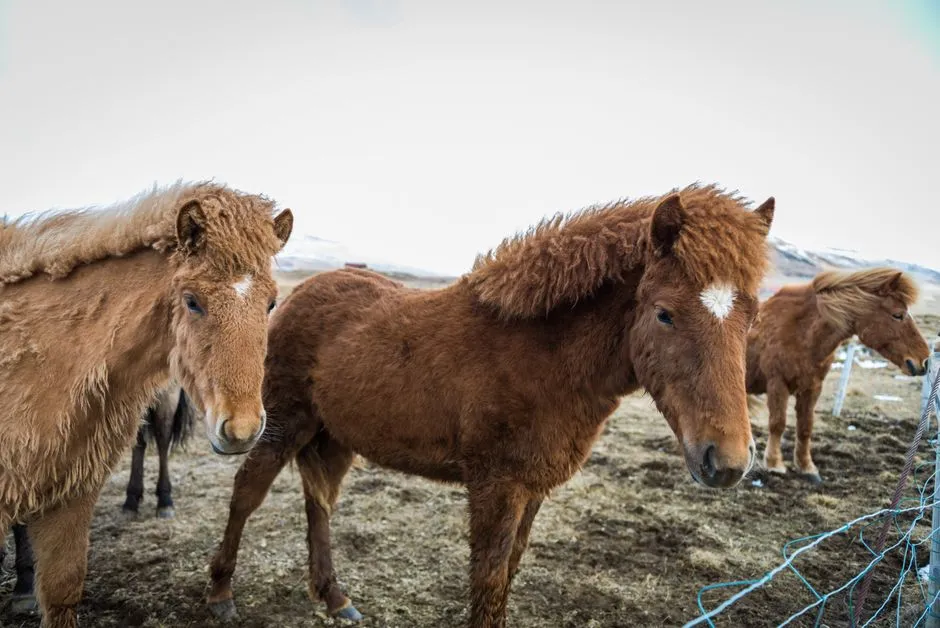
Curly horses are best known for their unusual curly coat and reputation for being easier on allergy sufferers, but people who own them often talk more about their personalities. Many Curlies are unusually people-oriented, curious, and eager to engage mentally. That can translate into very strong single-handler bonds, especially when one person consistently does the grooming, feeding, and riding.
They seem to thrive on familiar routines and faces, and can become noticeably clingy or watchful of “their” human. While many will tolerate other riders, the difference in enthusiasm or relaxation can be striking. With their distinctive look and tendency to bond deeply, they’re the kind of horse that ends up as the star of every family photo album.
Rocky Mountain Horse: Smooth Gait, Smooth, Steady Bond
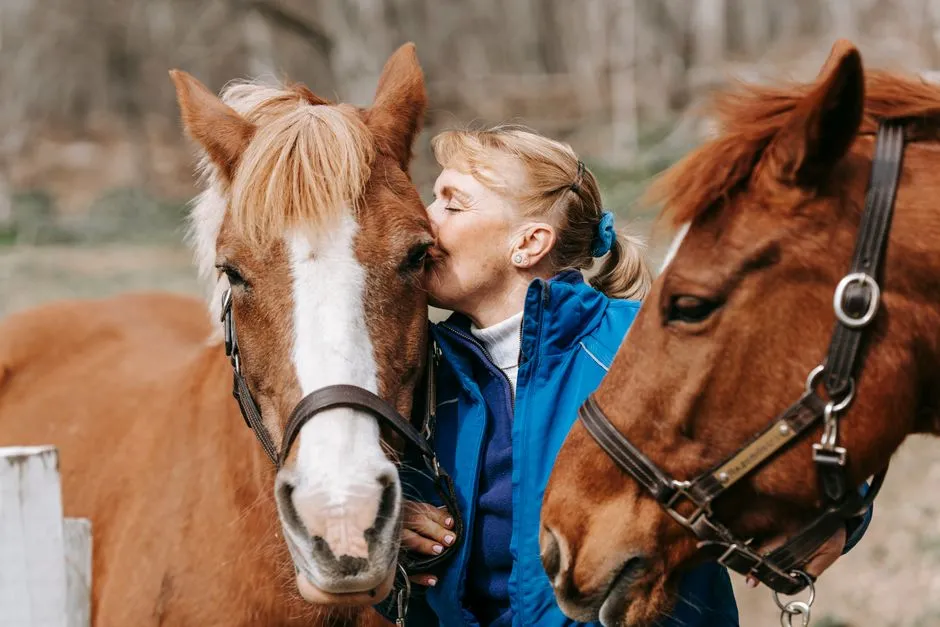
Rocky Mountain Horses are prized for their comfortable gaits and calm dispositions, but they’re often more emotionally sensitive than people expect. Many develop a clear bond with one rider who understands their rhythm and reads their small signals. That rider becomes their anchor, the person they check in with mentally even in new or slightly stressful environments.
They’re often not fans of chaos, rough handling, or constant changes of rider. A Rocky that feels secure with one handler may show more tension, hesitation, or avoidance with others. Once they trust someone, though, they tend to stay consistent – willing, soft, and sometimes almost clingy, like the friend who always wants to sit next to you on the trail ride.
Andalusian / Pura Raza Española: Dramatic Flair With a One-Person Focus
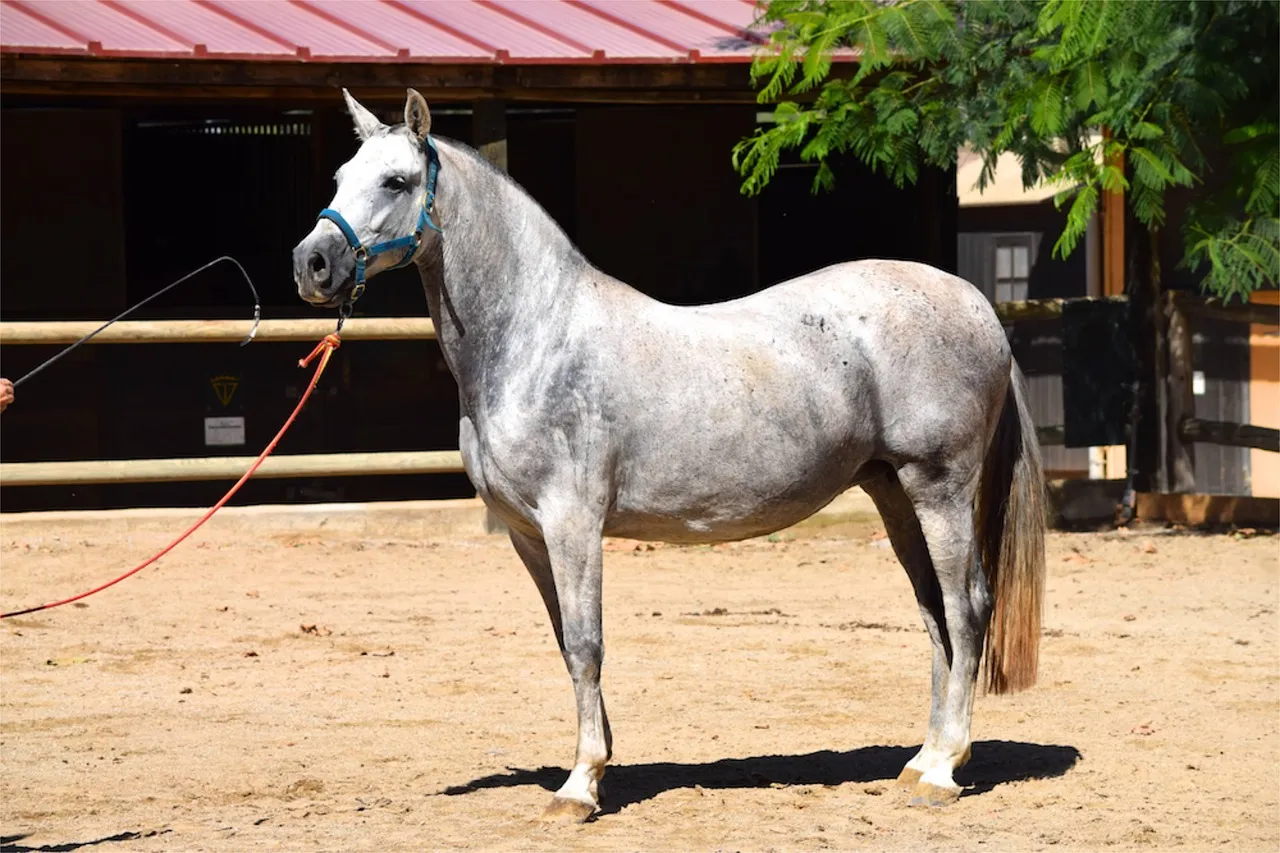
Andalusians and closely related Iberian types are all about expression: high neck, proud eye, and a sense of presence that fills the arena. Emotionally, many of them channel that same intensity into how they relate to humans. They often show a strong preference for one trainer or rider, becoming much more generous and flamboyant for that person than for anyone else.
Because they’re highly sensitive to body language and energy, they tend to bond most strongly with people who are both clear and gentle. That chosen human can usually ask for more collection, more power, more risk, and get it willingly. Hand them off to a stranger with a heavy hand, and the horse may instantly go into self-protection mode, reminding you that this is a relationship, not a rental service.
Connemara Pony: Tough, Talented, and Quietly Devoted
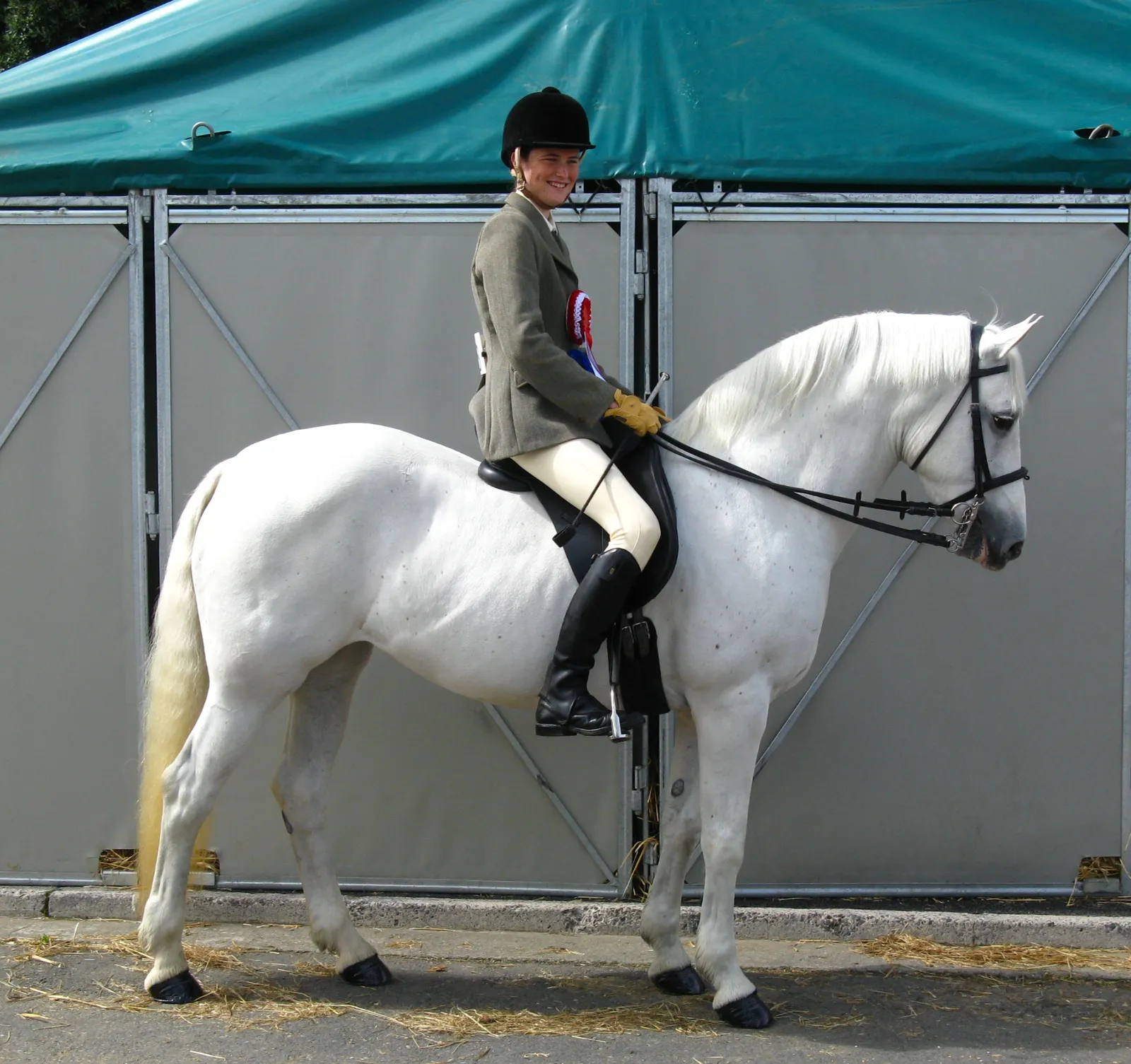
Connemaras are renowned as hardy, athletic ponies that can do a bit of everything, from pony club to eventing. Underneath their work ethic, many form deep, steady bonds with a single rider, especially when they grow up with the same child or teen. You’ll see them become more tuned-in to that person’s seat and voice, reading shifts in balance with almost uncanny accuracy.
Because they’re capable and often brave, they can become fiercely protective of their rider, especially on trails or in busy competition environments. That bond can make them look like different ponies depending on who’s on board: game and forward for their person, reserved or stubborn for others. They’re classic “heart ponies,” often remembered decades after that rider has moved on.
Akhal-Teke: Intense, Discerning, and Often a One-Human Horse
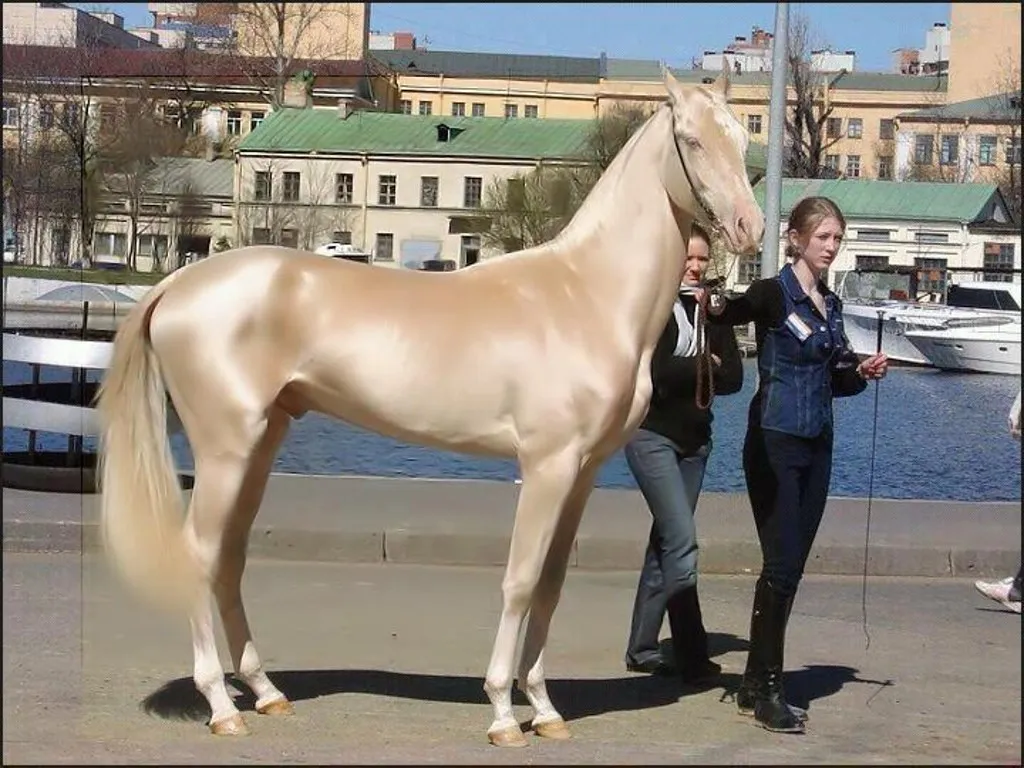
Akhal-Tekes are not for everyone, and they seem to know it. They’re often extremely sensitive, intelligent, and independent-minded, which means they don’t hand out their trust freely. But when they do connect with a handler, that attachment can be fierce and exclusive, almost like a pact between two slightly suspicious creatures who have decided to trust each other.
They are quick to react to harsh or inconsistent handling, and may become aloof or downright difficult with people they don’t respect. In contrast, they can be astonishingly responsive, soft, and tuned-in with their chosen person. This is not the horse for a busy riding school, but it can be the ultimate partner for someone who wants a long-term, high-trust relationship.
Warmblood Schoolmaster: Seasoned Pro That Chooses Their One Student
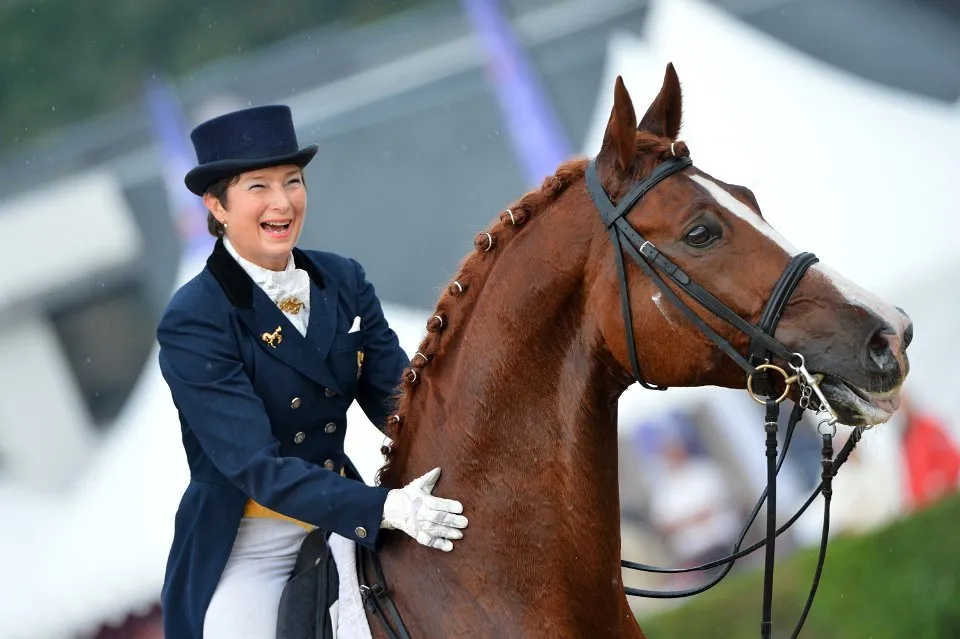
Many older warmbloods that have had serious sport careers end up as schoolmasters, teaching newer riders the ropes. While their breeds vary, a common pattern shows up: these horses often pick one student they really invest in. For that rider, they’ll try a little harder, tolerate a few more mistakes, and sometimes even throw in a bit of extra scope or expression as if to say, “You’re getting it. Let’s go.”
Because they’ve seen a lot, they tend to be emotionally economical; they’re not going to waste their energy caring deeply about everyone who sits on them. That’s why when they do show a preference – eager ears for one voice, better focus with one rider – it carries weight. The bond may be quieter and more mature than with a young, green horse, but it’s often just as deep.
Thoroughbred Crosses: Sensitive Mixes That Anchor to One Human
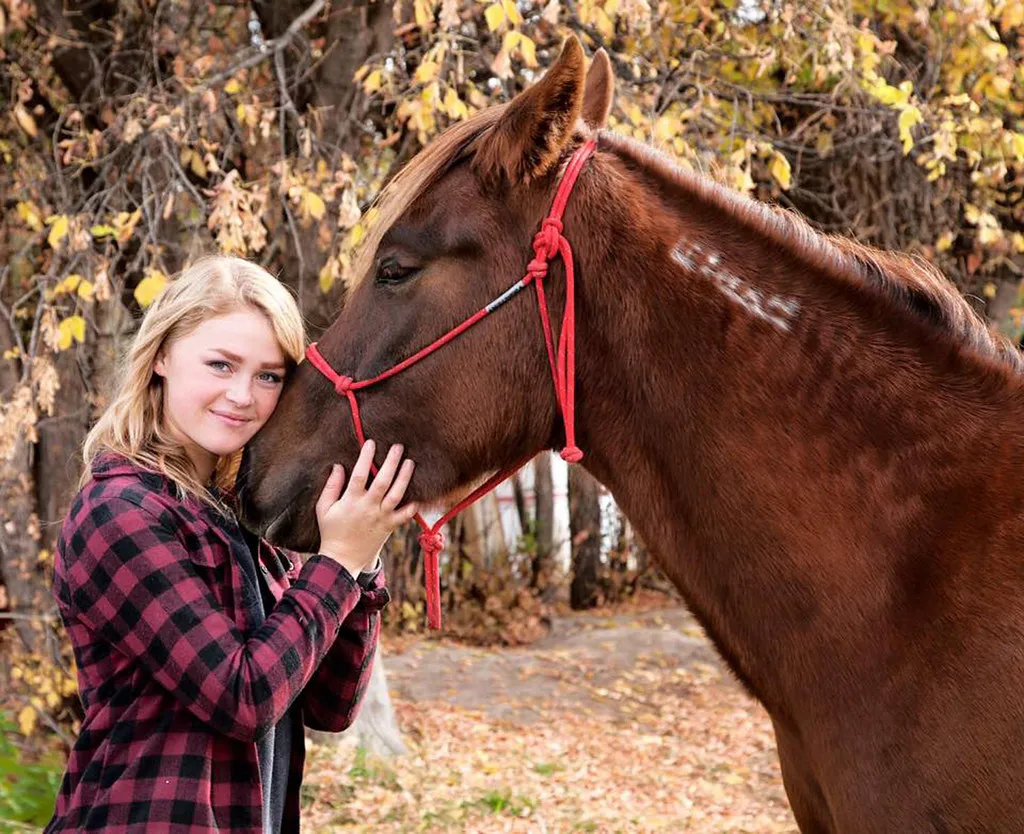
Thoroughbred crosses, whether mixed with warmbloods, drafts, or native breeds, often inherit not just athleticism but sensitivity. Many of these horses will attach themselves to the human who gives them clarity and security, especially if they’ve had sketchy handling or multiple homes. Over time, that person becomes their emotional home base.
These crosses can be reactive with some riders and almost zen with their favorite person. You see it in the way they load better when “their” human is on the ramp, or how they check in with a glance mid-course. They might not technically be a breed category in the strict sense, but as a type, they’re some of the most common one-person horses you’ll meet.
Appaloosa: Independent Minds That Often Stay More Neutral
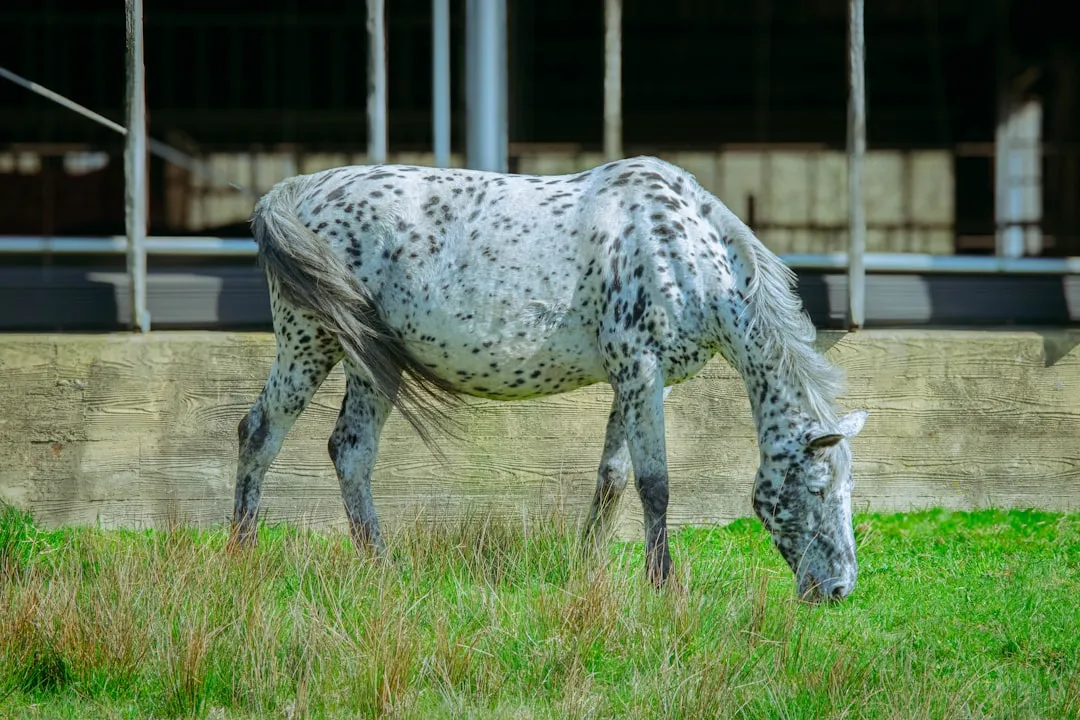
Appaloosas are known for being tough, smart, and often pretty independent. While individual Appaloosas absolutely can form deep bonds, as a group they more commonly present as practical, job-focused horses that do not pour all their emotional energy into one person. They can be affectionate, but many seem just as willing to work for rider A as for rider B, provided both are fair.
That independence is not a flaw; it just means they often prioritize clear expectations and consistent handling over emotional intensity. In lesson or ranch settings, this can be a blessing. They might enjoy a scratch and recognize familiar people, but they’re less likely to dissolve when their favorite human moves barns. They’re the co-worker who’s friendly with everyone, not the one who clings to a single best friend.
Holsteiner: Professional Athlete First, Emotional Barnacle Second
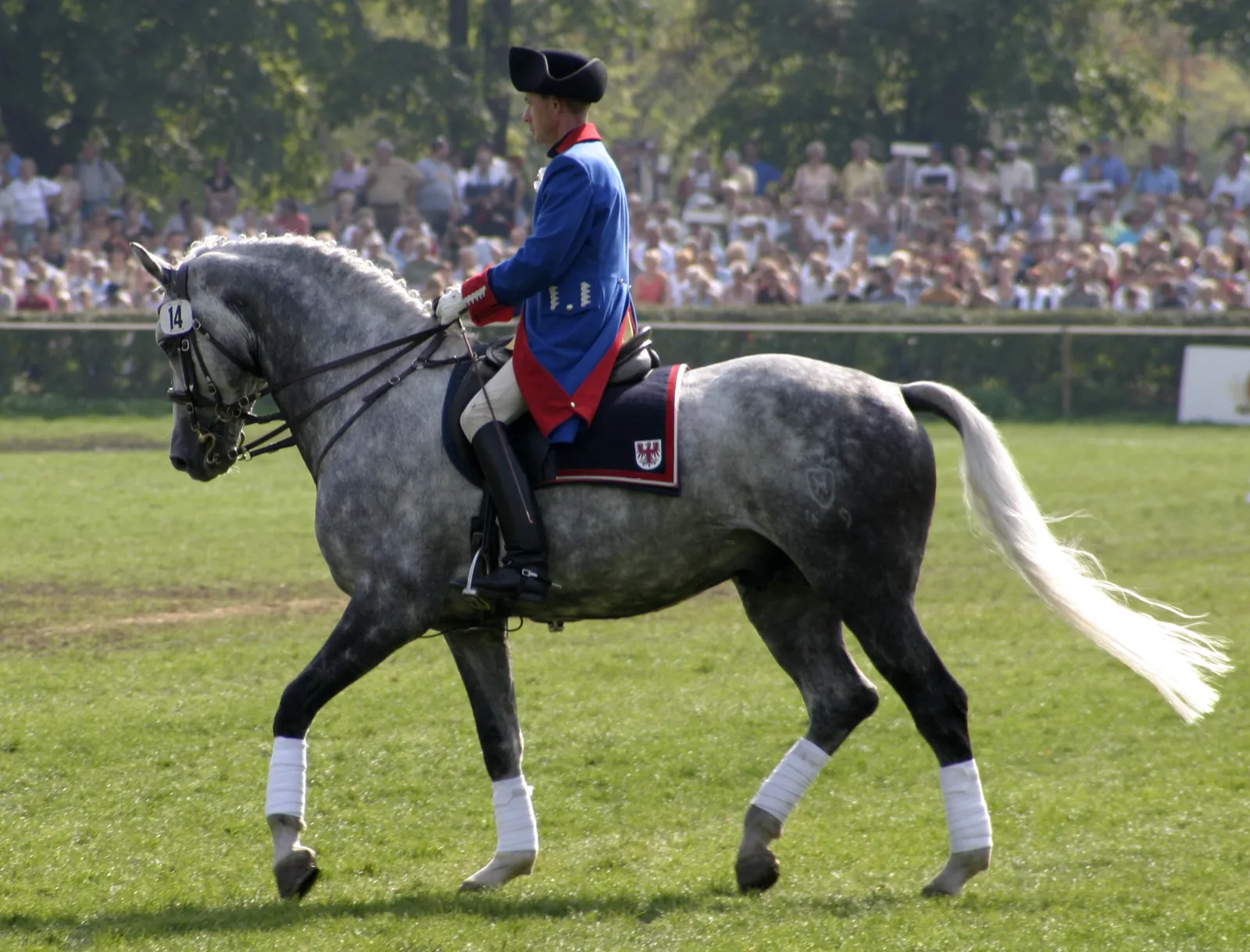
Holsteiners and similar high-performance warmbloods are frequently bred and raised for sport with lots of professional handling, multiple riders, and a very structured lifestyle. Many develop a workmanlike attitude where they do their job competently without forming very exclusive bonds. They may have preferences, but those preferences are usually subtle and secondary to training and routine.
For riders hoping for a dramatic soul-bond, this can feel disappointing. Yet there’s real value in a horse that is emotionally even, able to perform for a trainer, a junior, and a catch rider without melting down. These horses often see humans as part of the system that keeps their world predictable: feeders, riders, grooms. They may like certain people more, but it’s rarely an all-or-nothing attachment.
Hanoverian: Affectionate but Typically Broadly Social
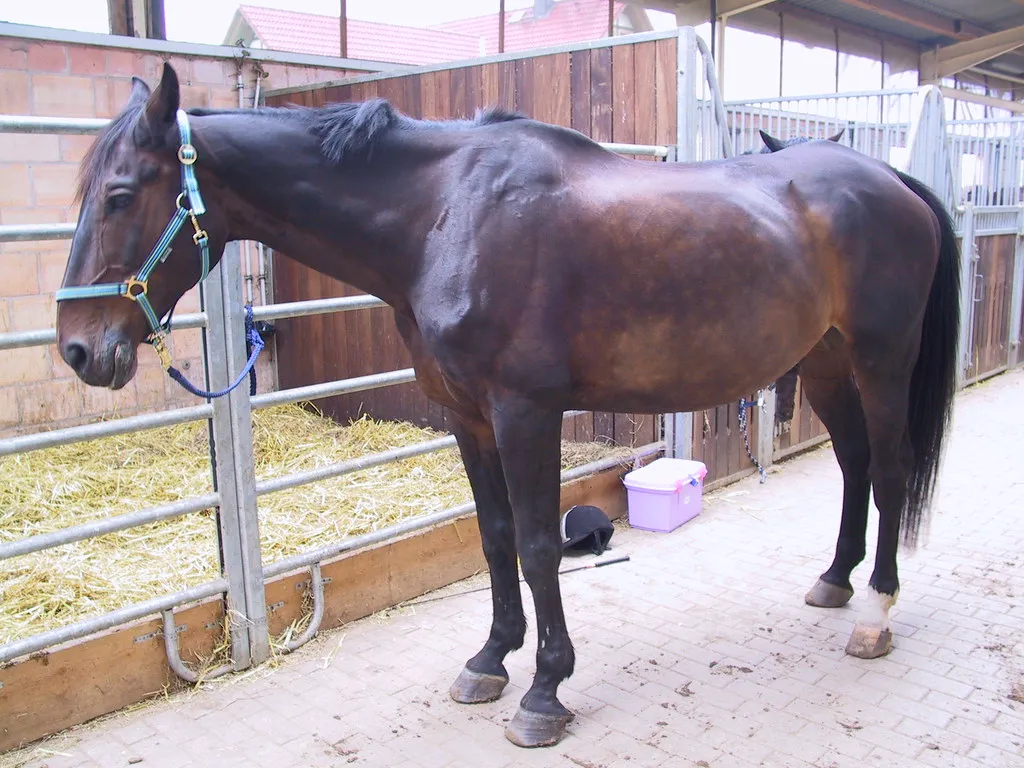
Hanoverians can be affectionate, kind horses, and many enjoy human company. However, a lot of them seem more inclined to be generally friendly rather than intensely attached to a single person. They’ll greet whoever brings treats, perform reliably for different riders, and adapt well when sold to new homes, especially if the management stays consistent.
This broad social style makes them excellent for competition environments where trainers, grooms, owners, and riders all rotate through. While certain Hanoverians do pick favorites, as a breed tendency they’re not especially famous for one-handler obsession. Think of them as sociable athletes – happy to connect, but not usually the clingy type.
Fjord Horse: Steady, Kind, and Often Emotionally Even
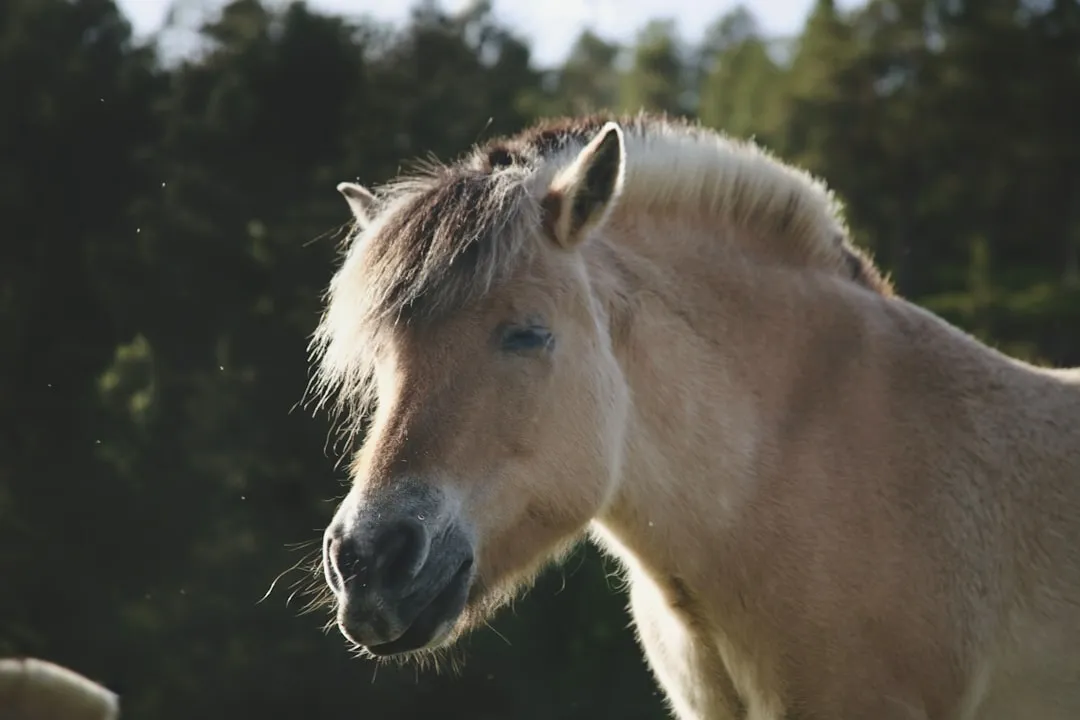
Fjords are beloved for being sturdy, calm, and surprisingly strong. In many family or therapy settings, they demonstrate a knack for working safely and kindly with many different people. That alone suggests they’re often less inclined toward a single, exclusive attachment and more toward stable, low-key friendliness with whoever approaches them respectfully.
They can absolutely recognize “their” humans and might show a bit more enthusiasm for familiar faces, but as a rule they tend to keep their emotional temperature steady. This is why Fjords are so valued in programs where consistency and safety across handlers matter more than deep, one-on-one bonding. They’re like that genial neighbor who chats with everyone on the street rather than just one best friend.
Paint Horse: Friendly and Food-Motivated More Than Intensely Attached
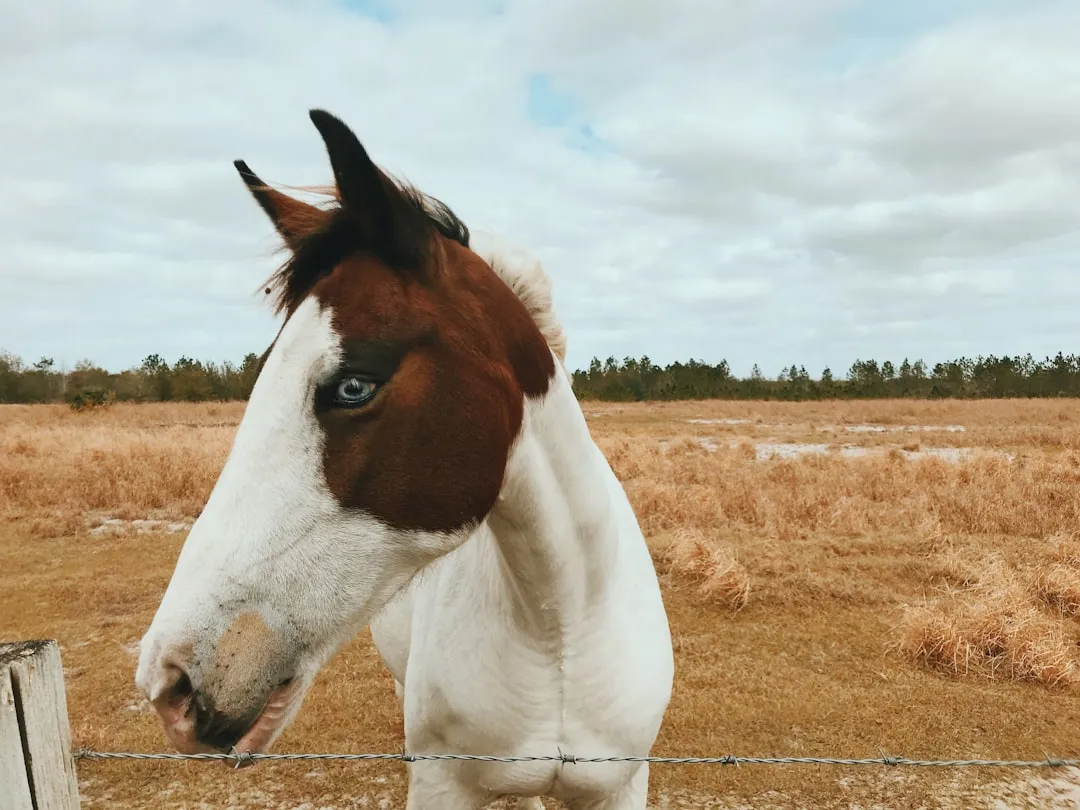
Paint Horses, closely related to Quarter Horses, are generally friendly, people-pleasing, and easy to get along with. However, many of them spread that friendliness around liberally rather than reserving it for one special human. They’re often open to new riders and handlers, provided those people are fair and maybe come with a pocket full of snacks.
Because of that general affability, they can move between owners or lesson programs without undergoing a huge emotional crash. While some individuals certainly develop strong preferences, as a type they’re more likely to be the barn social butterfly than the horse pining for one person. The bond can be real but rarely exclusive.
Belgian Draft: Gentle Giant That Tends Not to Fixate
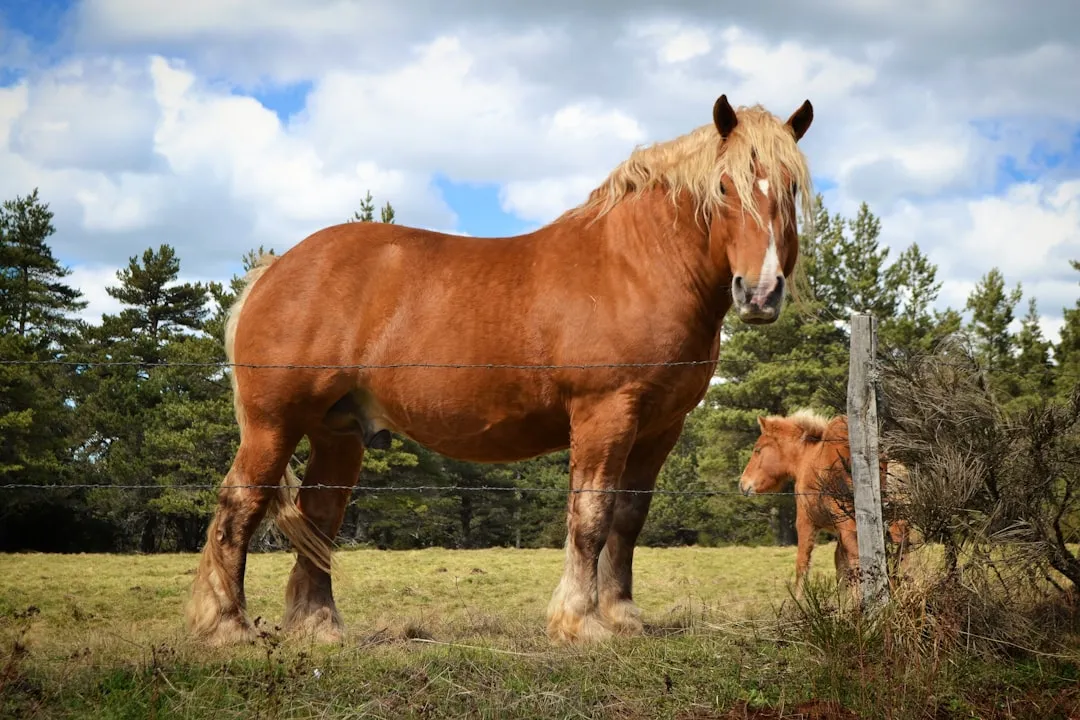
Belgians and similar heavy drafts are frequently used for farm work, carriage driving, or commercial operations where multiple people handle and drive them daily. Many adapt to this reality by taking a calm, businesslike approach: be kind to everyone, respond to the reins, and save the drama. That steady mindset naturally makes exclusive, single-handler bonds less common.
They can certainly enjoy familiar humans and show preference through small, sweet gestures – a lean into a scratch, a soft rumble when they see the regular driver – but they’re usually not devastated when the lineup of people changes. In a way, their emotional style mirrors their work ethic: solid, reliable, and not easily thrown off balance.
Percheron: Polite, Powerful, and Emotionally Reserved
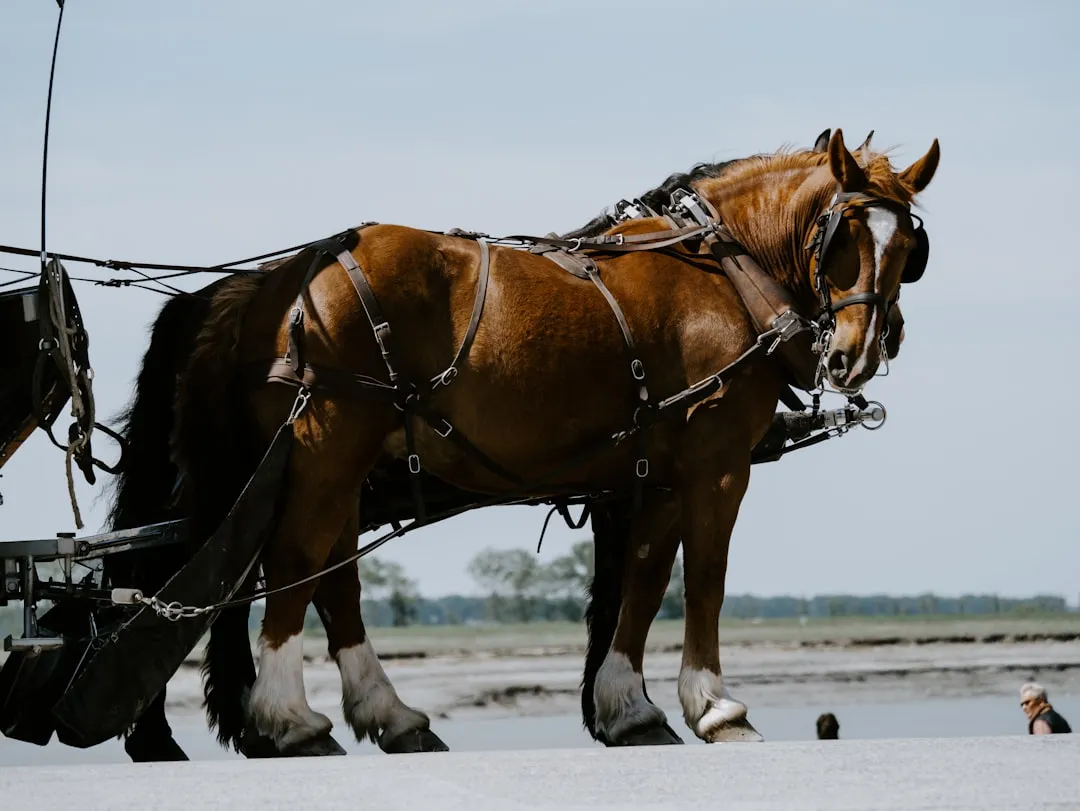
Percherons often combine height and power with a surprisingly gentle demeanor, but that gentleness does not always translate into intense attachment. Many are raised and used in environments where professionalism matters most – logging, driving, riding schools – so they learn to respond calmly to multiple handlers without clinging to any particular one.
Owners sometimes describe them as affectionate but slightly emotionally distant, like a teacher who genuinely likes their students but goes home to a private life. They can appreciate a consistent handler, but when that person steps away and someone new steps in, most Percherons adapt with little fanfare. They value clear cues and routine more than deep emotional exclusivity.
Shire: Majestic but Typically Broadly Tolerant of Many People
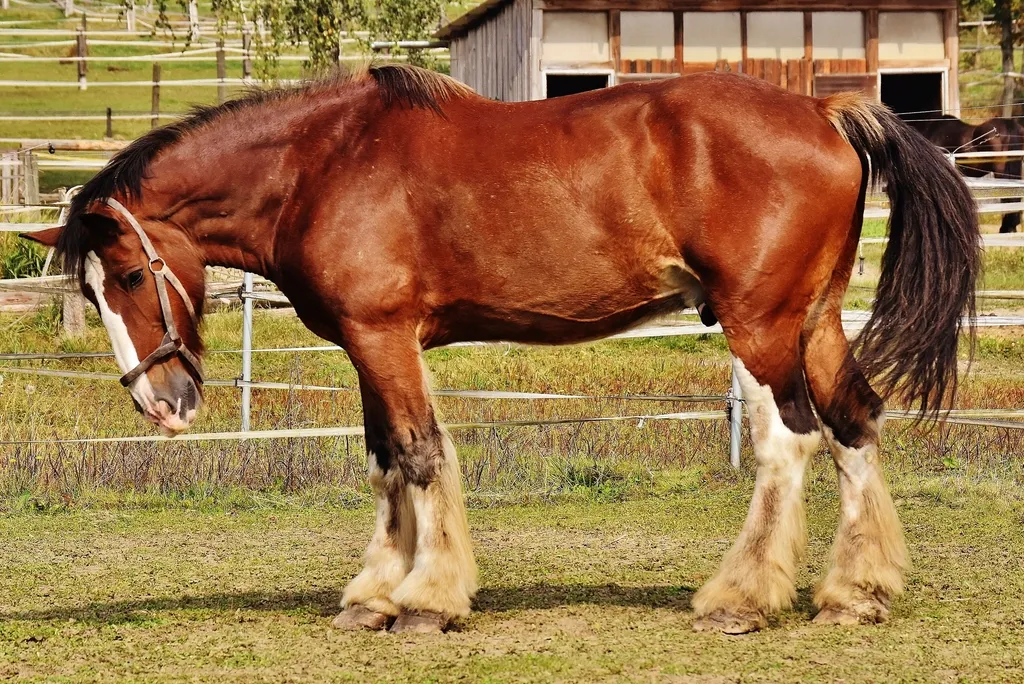
Shires, one of the tallest of the draft breeds, have an almost mythical presence, yet their personalities are often quite down-to-earth. In many cases, they’re handled by multiple people in commercial or show environments, and they adapt by remaining broadly tolerant and good-natured with everyone. They might show mild preferences, but intense one-person bonds are not especially typical.
Because they’re so physically imposing, they’re often selected and trained for reliability first. A Shire that would emotionally crumble if switched to a new handler would be far less useful, so the ones we see most are those who handle change with grace. The result is a horse that feels like a giant, steady friend to many, not a soulmate to one.
Trakehner: Sensitive but Often Bonded to the Job, Not Just the Rider
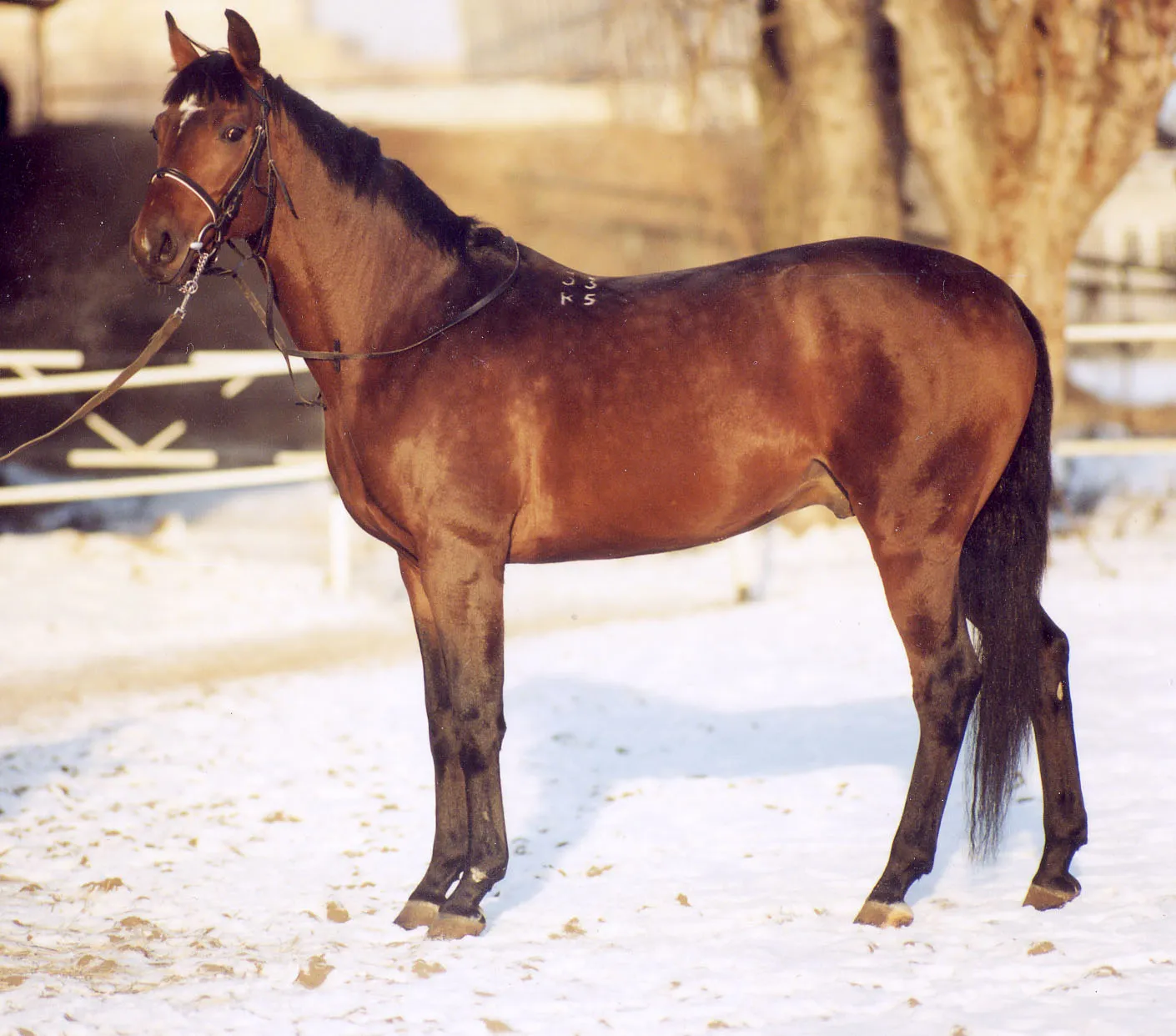
Trakehners are usually athletic, sharp, and sensitive, which might suggest intense one-person tendencies. In practice, though, many of them seem to attach themselves as much to their training and work routine as to specific humans. They can perform with multiple riders as long as those riders speak the same “training language” and maintain similar standards.
Of course, they may have riders they go better for, but the attachment often looks more like high professional compatibility than an exclusive emotional tie. When sold into a new system with comparable training, a well-produced Trakehner often transitions smoothly. It’s less about who, more about how that person rides and manages them.
Selle Français: Competition-Focused and Comfortable With Rider Changes
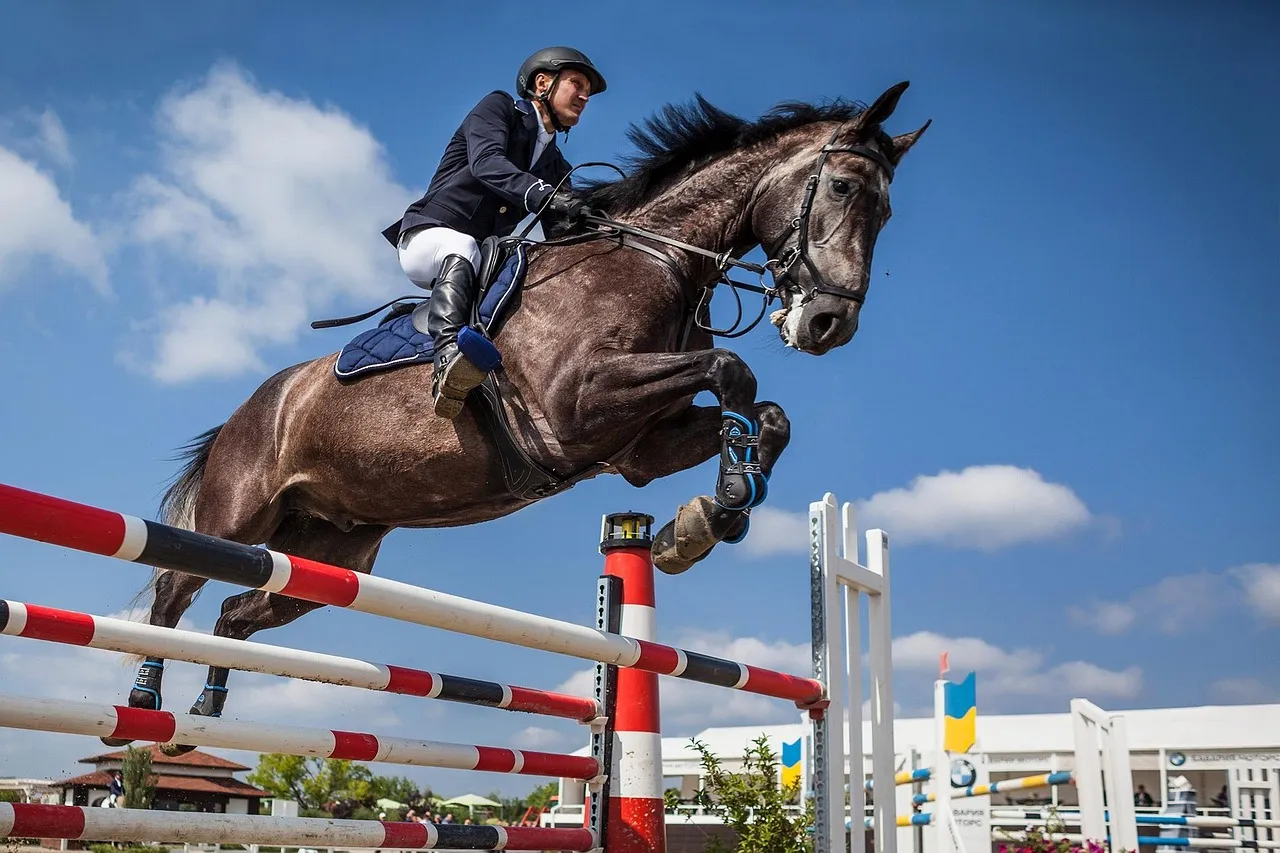
Selle Français horses are frequently bred and raised with top-level sport in mind, where riders, owners, and trainers may rotate. Many of them develop a mindset of working for whoever is in the tack, provided that person rides effectively. They might notice and respond slightly better to a regular partner, but strong, exclusive bonds are not a defining trait.
This adaptability is part of what makes them successful in modern sport, where being passed from a professional to a junior rider or from one nation to another is common. Instead of pinning their whole emotional world on one human, they stay centered in the work itself: the course, the feel of the ride, the routine of competition.
Standard Riding School Ponies: Sweet but Emotionally Spread Thin
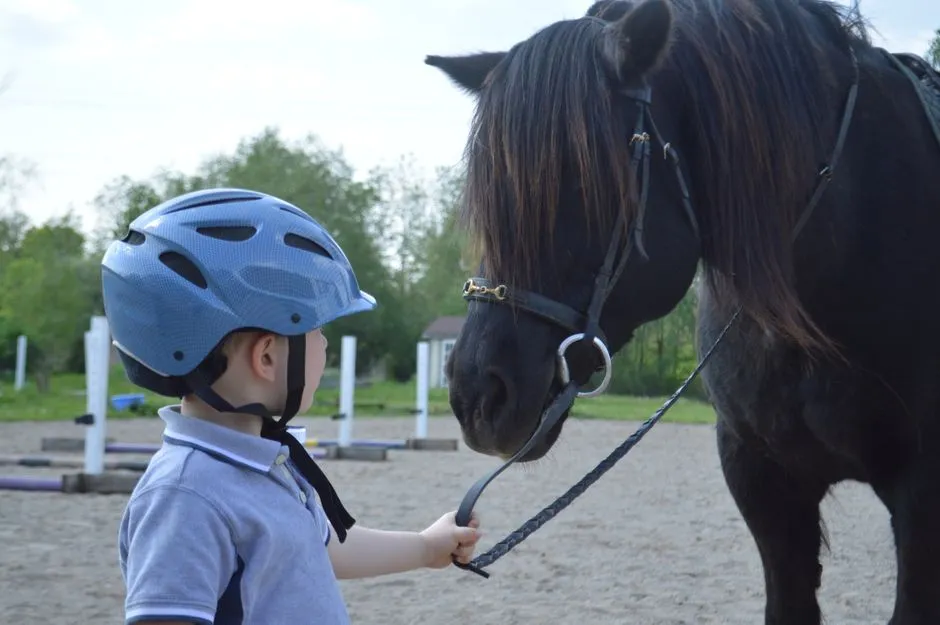
Many riding-school ponies are crossbreds with all sorts of ancestry, but as a type they develop a certain emotional strategy: be kind to everyone and attached to no one in particular. Day in and day out they carry different kids, listen to many voices, and get groomed by a rotating cast of small humans. To cope, they often become calm and friendly but not deeply bonded to a single rider.
They may show mild preference for a kid who’s gentle and balanced, but when that kid moves up, the pony stays steady. Their value lies precisely in this emotional neutrality; they’re the stable base upon which many riders quietly learn, not the hyper-attached soulmate who’ll struggle if their favorite person leaves. They’re the unsung heroes of the horse world, loyal to the job more than any one handler.
Irish Draught / Irish Sport Horse: Brave, Sociable, and Adaptable
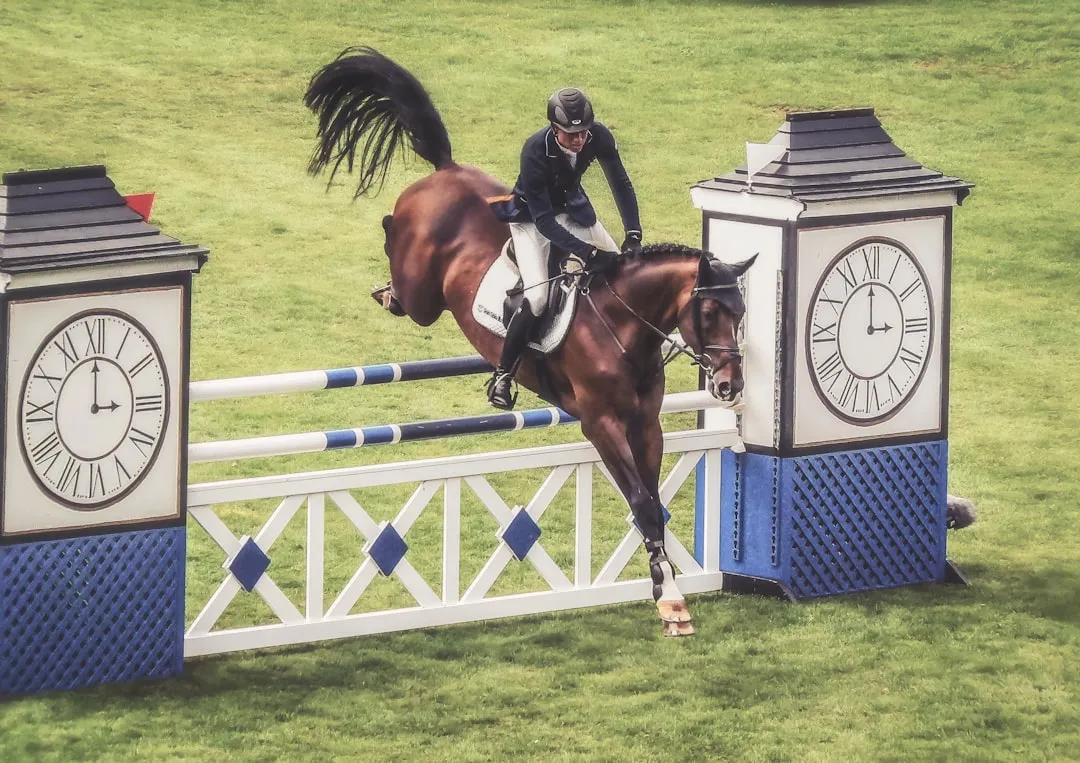
Irish Draughts and Irish Sport Horses are often described as brave, kind, and game. They typically enjoy human company, but in many sport and hunting homes they work with multiple riders and handlers without drama. That lifestyle encourages them to stay socially open and adaptable rather than overly attached to one person.
They can absolutely get fond of a regular partner, but most will still jump the same fence and cross the same stream with someone new if that rider rides reasonably. This balance of friendliness and independence makes them especially popular in settings where horses need to change hands without emotional meltdown – hunt fields, eventing barns, and riding clubs.
Miniature Horse: Cute Clingers, but Often Social Butterflies
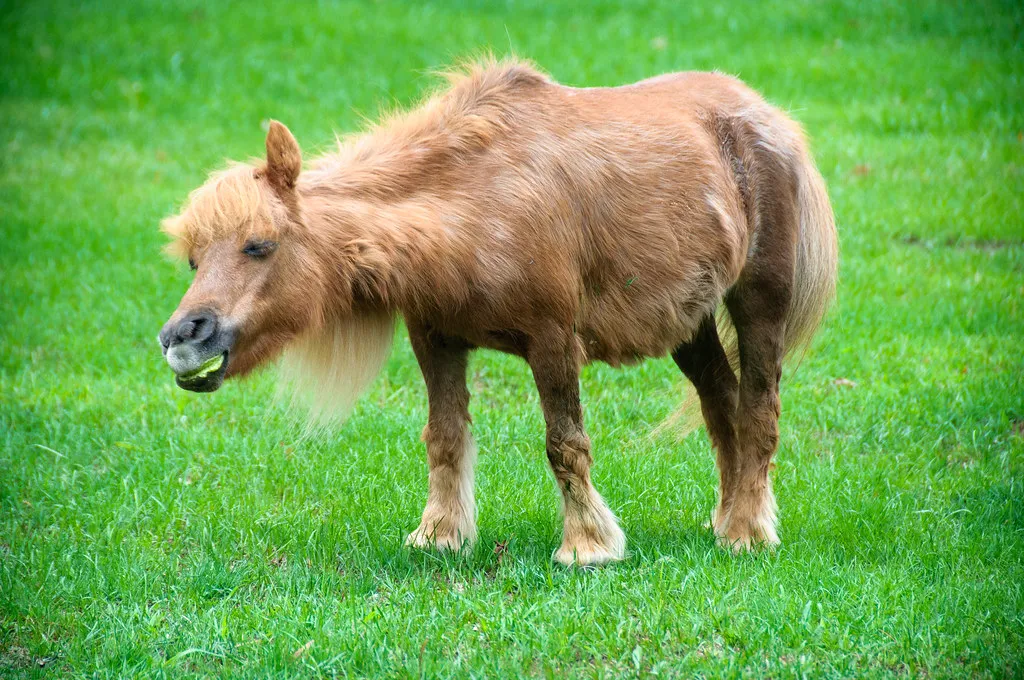
Miniature horses might seem like prime candidates for one-person bonds because they’re handled so much, often by families or kids. In reality, many minis become social butterflies, happily interacting with whoever comes into their space. They’re used as therapy animals, pets, or companion horses, frequently meeting new people and learning that humans, in general, are sources of attention and treats.
Of course, some minis do fixate on one handler, but as a type they more often spread their affection around. They’ll trot up to greet the neighbor, the farrier, and the visiting toddler with roughly the same level of enthusiasm. Their world is often rich in varied human contact, which naturally dilutes the chance of serious single-person attachment.
Riding Donkey: Intelligent and Selective, but Not Always “One-Person”
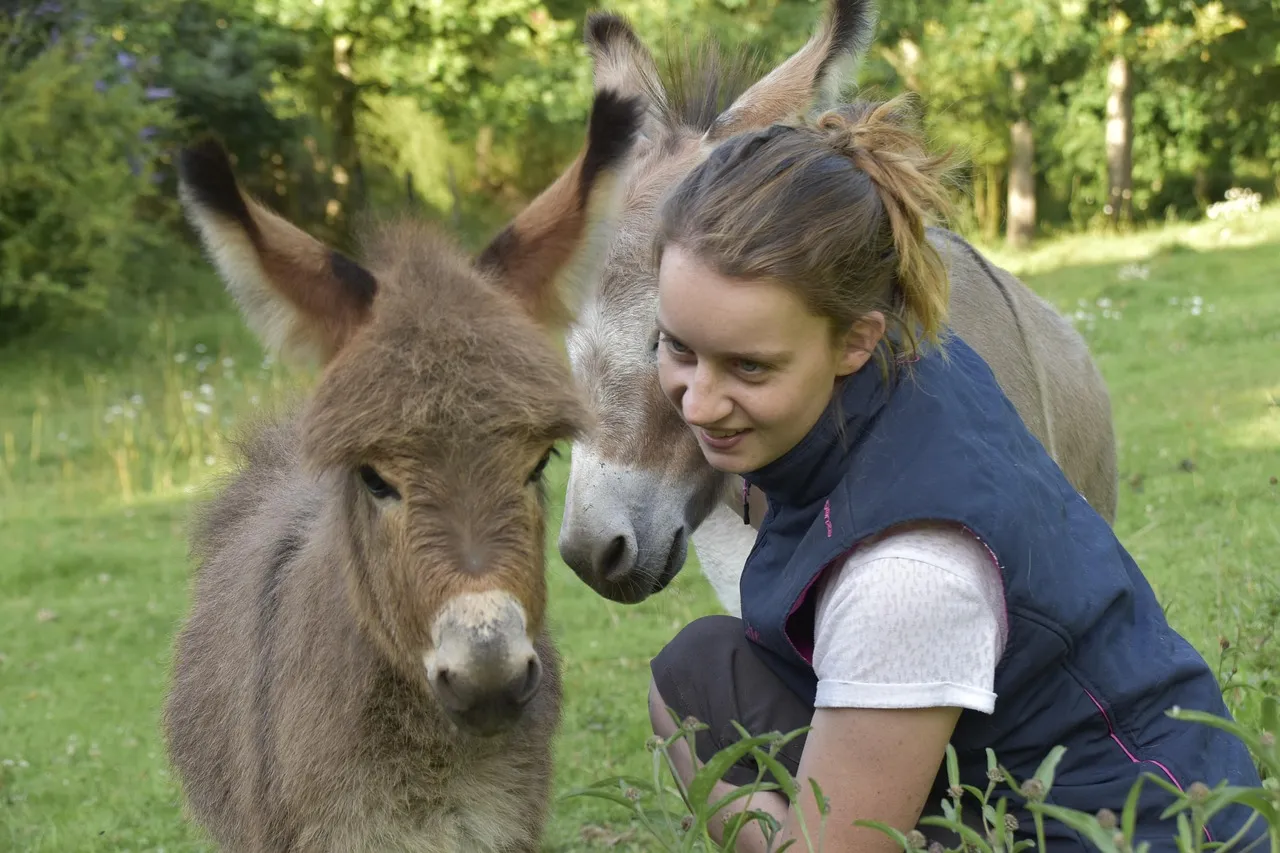
Donkeys are incredibly intelligent and more emotionally complex than many people realize. They do form strong bonds – with other donkeys especially – but in human terms, their attachment is often based on trust in consistent care rather than on one magical person. A well-kept donkey will often be polite, curious, and affectionate with all familiar humans.
In some cases they may show a small preference for the person who feeds them or walks them most, but they rarely collapse emotionally if that handler changes. If anything, they’re more likely to fully commit their attachment to another donkey in the paddock than to a human. They’re steady companions, but not usually the dramatic “I only trust you” type.
Hackney Pony: Fiery, Showy, and Often Focused on the Job
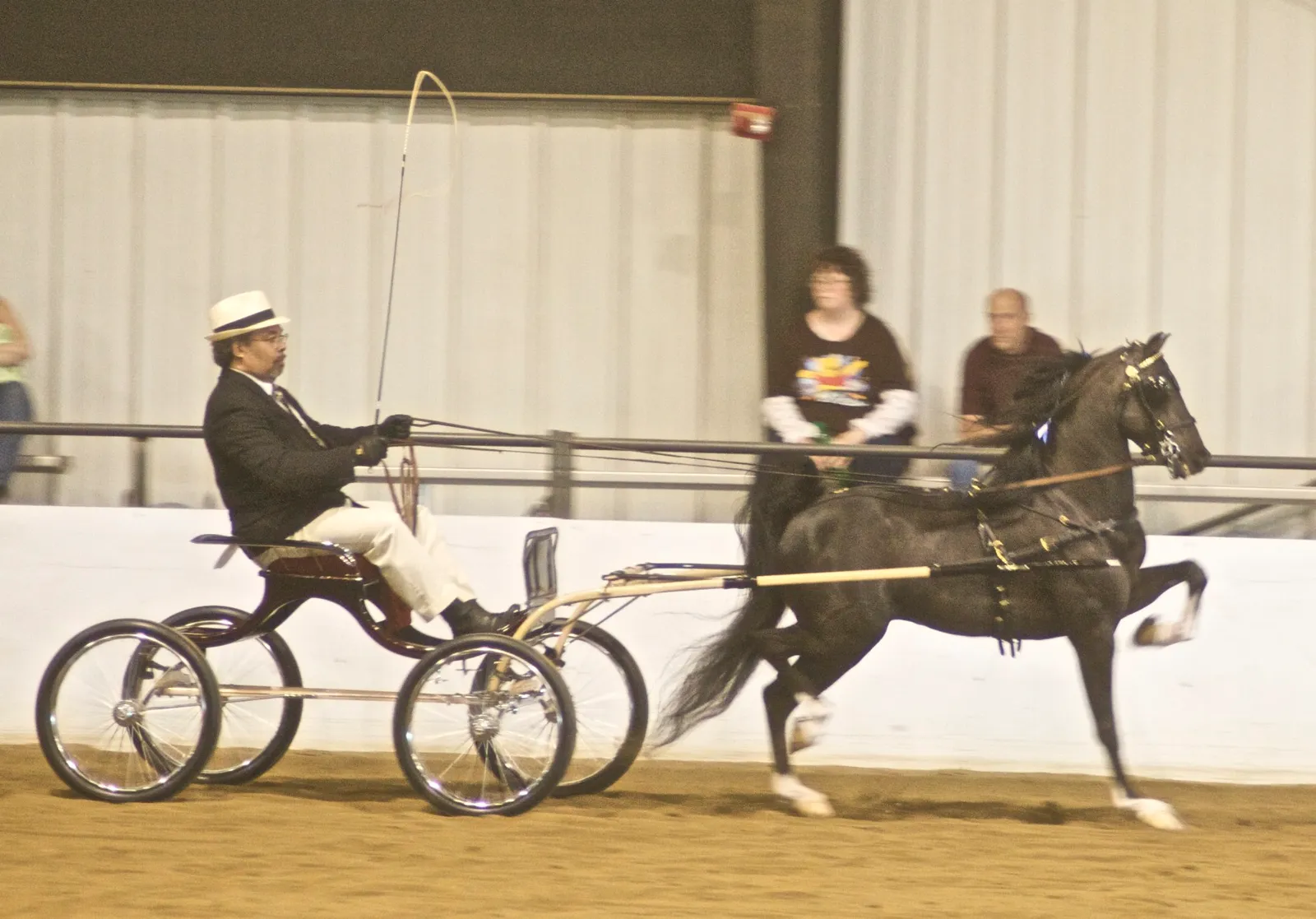
Hackney ponies are bred for brilliance in harness: high action, electric presence, and eye-catching movement. Their lives frequently revolve around show training, where they’re handled by skilled trainers, grooms, and drivers. With so many hands in the mix, they often adopt a mindset of working for the system rather than forming one intense human bond.
While a particular trainer might get their best performance, the pony’s fire is usually tied to the energy of the show ring and the routines of training more than to personal affection. They might enjoy grooming and attention, but their identity is primarily as a performer. They shine brightest in motion, not necessarily in cuddling with one chosen person.
Standardbred Driving Horses in Commercial Use: Calm and Rotational
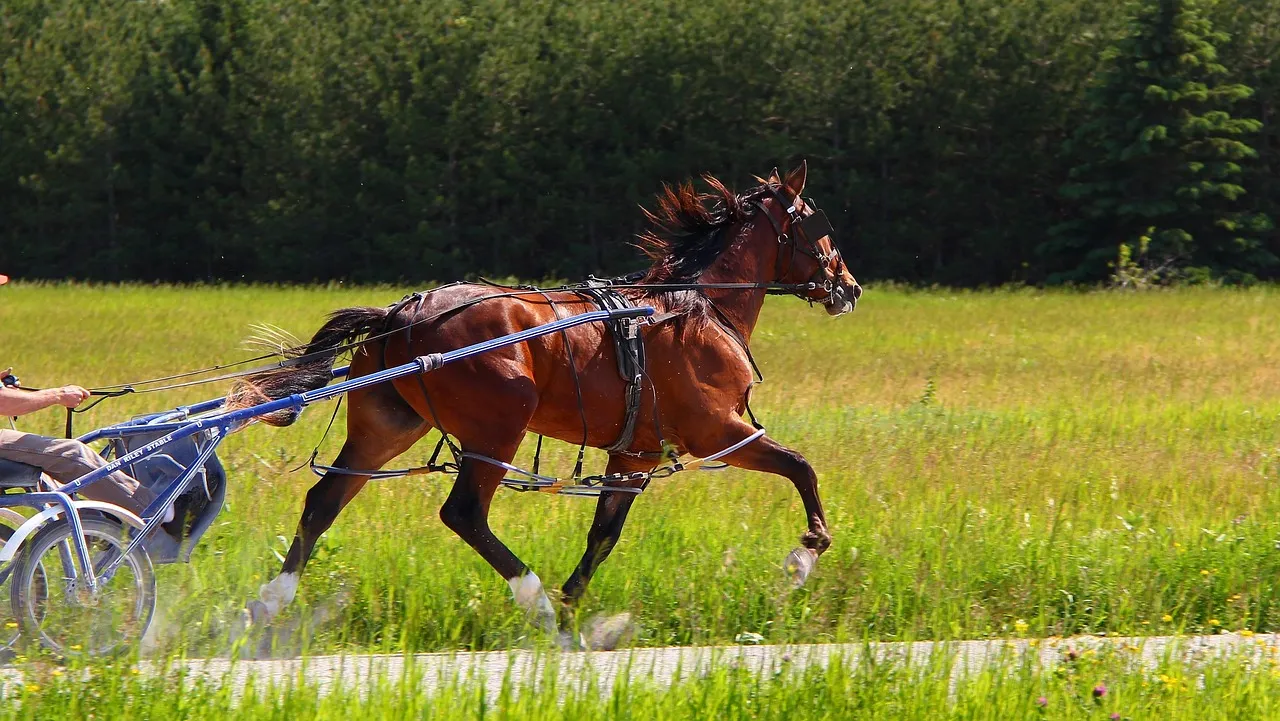
Standardbreds used regularly in commercial carriage or tourist operations often work with multiple drivers and handlers across long days. In that environment, attachment tends to spread out: they learn to respond to harness, voice commands, and traffic more than to any one driver. Their emotional survival strategy is to stay level-headed and accept direction from whoever holds the lines.
They can still appreciate a kind regular driver and sometimes perk up for familiar voices, but exclusive bonding is rare. For many of these horses, the closest thing to a real “partner” is the horse they’re hitched alongside daily. Their hearts often belong more to their teammate in the traces than to a single human face in the crowd.
Paso Fino: Expressive but Often Human-Generalists
Paso Finos are expressive and vibrant under saddle, and many enjoy interaction, but they often distribute their attention fairly evenly among familiar humans. In show and trail settings, they may work with trainers, owners, and sometimes multiple family members. As long as riders handle them with tact and softness, they tend to adapt rather than lock onto one exclusive favorite.
They may perk up for the person who rides them most often, yet they’re usually not devastated by a change of rider or handler. Their responsiveness comes more from refining communication than from intense emotional dependency. They’re like charming dancers who can partner smoothly with more than one person on the floor.
Quarter Pony: Practical, Level-Headed, and Often Multi-Rider Friendly

Quarter Ponies and similar stock-type ponies are workmanlike, sturdy, and often used for kids, lessons, or 4-H projects. Many experience a rotating collection of young riders over the years, and as a result, they learn to stay even-keeled and not emotionally over-invested in any one child. They can be fond, but when that kid moves on, the pony usually settles into a new partnership without huge drama.
This resilience makes them incredibly valuable but also means they’re less likely to be the deeply single-attached type. Instead, they become that wise little professor who patiently teaches many students, building small, warm connections over time rather than one consuming bond. For a lot of families, that’s exactly what they need.
Refined Show Arabians in Big Programs: Many Hands, Many Faces
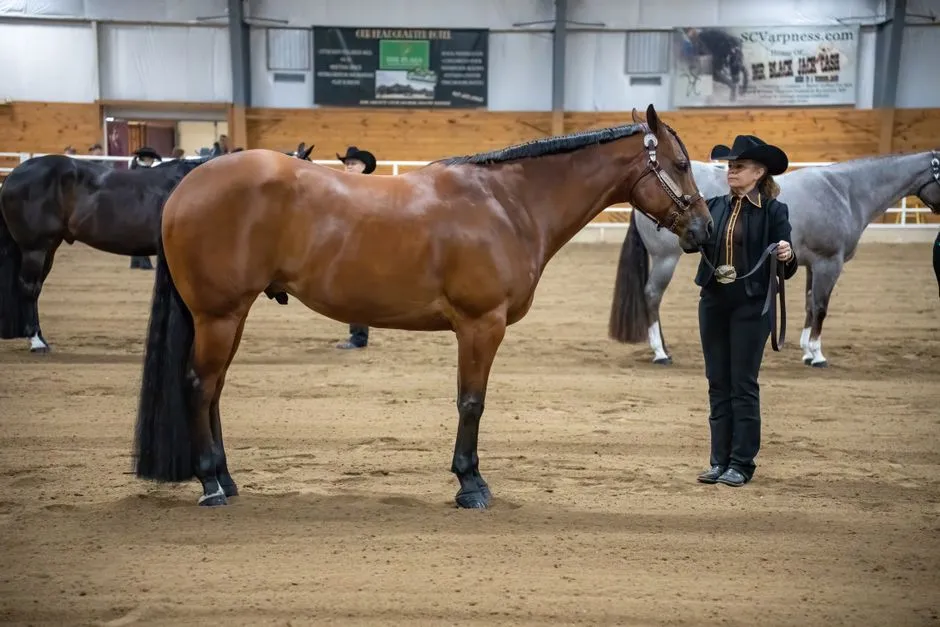
Interestingly, while Arabians in private, intimate settings often bond deeply with one person, those in large show barns can trend the opposite way. In big programs, multiple grooms, trainers, and riders handle them, and some horses adapt by becoming more broadly social, responding well to whoever currently holds the lead. The intensity spreads across a team instead of centering on one handler.
These horses may still have preferences, but on the whole they often develop a more professional, performance-focused mindset. They pour their fire into the show ring rather than into a singular relationship. It’s a reminder that management style can shape a horse’s attachment pattern as much as breed tendencies do.
Conclusion: Why Attachment Style Matters More Than Romance
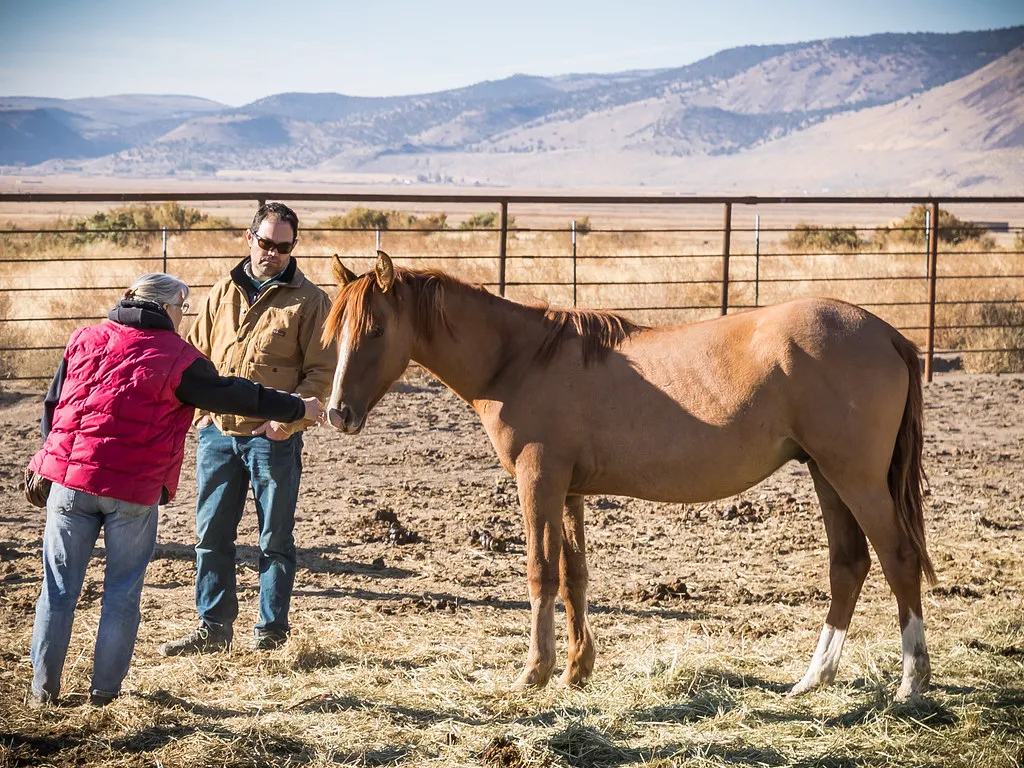
It’s tempting to romanticize the idea of the “one-person horse,” as if a real bond only counts when it’s exclusive and dramatic. In reality, both styles have real value. Deeply attached horses can offer profoundly satisfying partnerships but often need stability and sensitivity; if your life is chaotic or you ride in a big program, their intensity can become a liability. More neutral or broadly social horses may never melt at the sight of you, but they can still be honest, generous partners under saddle and far more resilient to inevitable life changes.
Personally, I’ve had both: the horse that whinnied the second my car hit the driveway and the steady, neutral ride who seemed to like everyone equally. The older I get, the more I think the right match isn’t about chasing some idealized movie-level bond, but about understanding what kind of emotional world a particular horse lives in – and whether you can honor that. When you picture your ideal partner, are you really longing for exclusivity, or for consistency, kindness, and understanding, no matter how loudly (or quietly) the horse shows it?

- 18 Horse Breeds That Bond Deeply With One Handler and 18 That Never Truly Attach - August 19, 2026
- 19 Things Old Dogs Quietly Want More Of and 19 They Stop Caring About Entirely - August 19, 2026
- What Hummingbirds Decide About Your Garden Before Returning 17 Signals Most People Completely Miss - August 19, 2026