
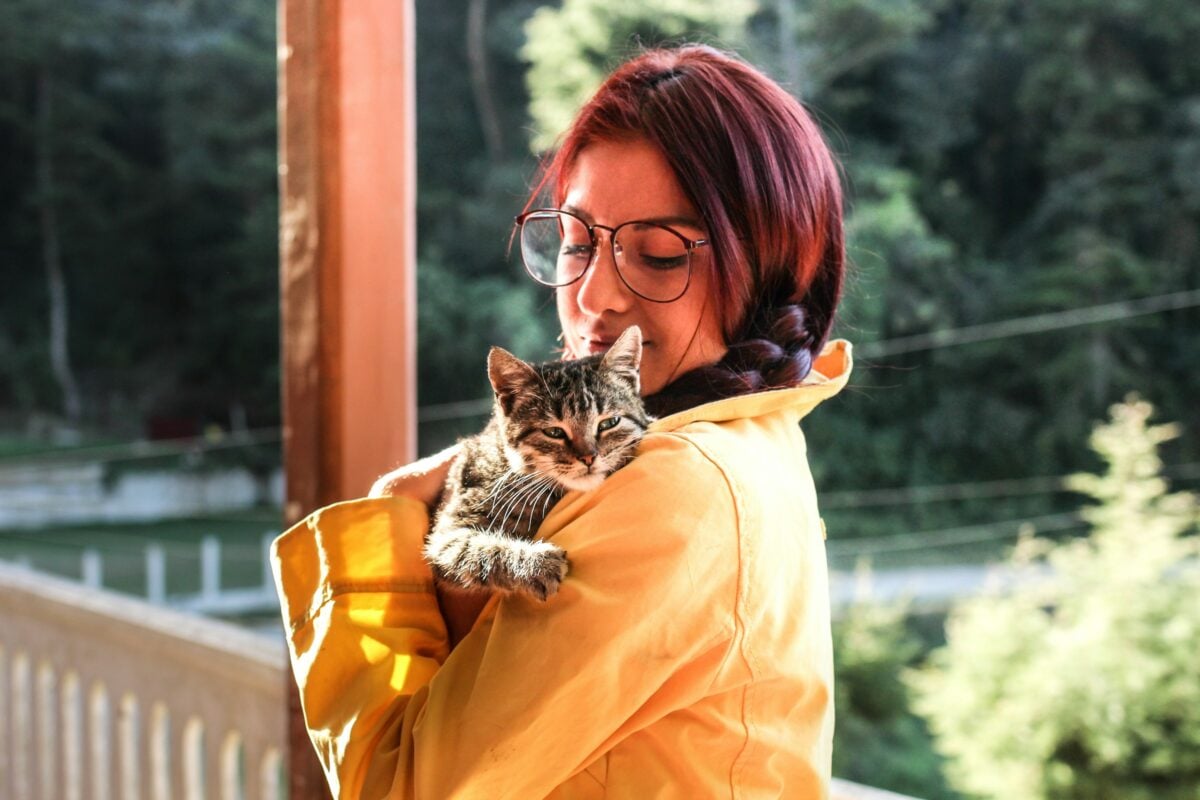
Everyone assumes cats are the “easy pet.” Food, litter box, the occasional cuddle, and you’re basically done, right? Ask someone who has loved and buried cats for twenty or thirty years, though, and watch that easy confidence crumble into something closer to a wince.
Underneath the low-maintenance reputation is a long list of things almost nobody explains to new owners: pain they can’t see, stress they hide in plain sight, habits that quietly wreck a cat’s health for years before anyone notices. Some of these lessons cost lifelong owners thousands of dollars in vet bills. Others cost them time they didn’t get to keep. Here’s everything they wish someone had told them before they had to learn it the hard way.
#18 – Your Cat Isn’t “Low Maintenance.” They’re Just Quiet About Their Needs
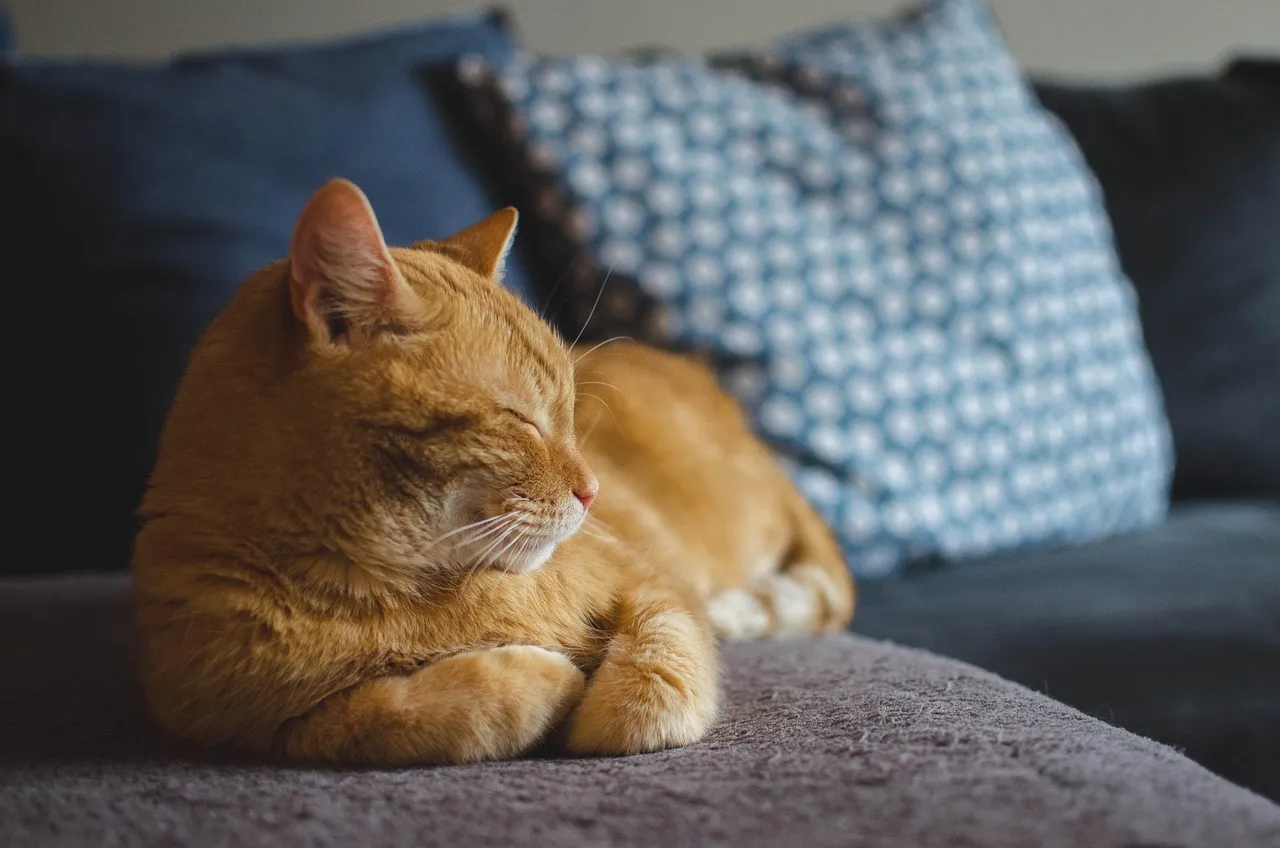
People love saying cats are “easy pets,” but that’s mostly because cats suffer in silence. By the time they actually show you something is wrong, it’s often been wrong for weeks or months. Healthy-looking cats hide pain, stress, and illness frighteningly well, which tricks new owners into thinking no news is good news.
Lifelong owners eventually learn that quiet doesn’t equal content, it just means you have to be the detective. That means noticing tiny shifts: less jumping, sleeping in a new spot, sudden hiding, or getting clingier than usual. Those “little quirks” often show up long before vomiting, limping, or peeing outside the box, and most people don’t learn that until their cat is already very sick.
#17 – Free-Feeding Kibble Is Convenient… and Slowly Ruins Their Health

Most people pour dry food into a bowl, leave it out 24/7, and call it love. Lifelong owners will tell you free-feeding high-carb kibble is one of the biggest long-term mistakes you can make. Cats are obligate carnivores, built for moisture-rich, meat-heavy meals, not crunchy cereal grazed on all day.
Over time, constant access to dry food can fuel obesity, diabetes risk, urinary problems, and that sad “he just got old” decline that often isn’t really about age at all. Many experienced owners now use portioned meals, scheduled feeding times, and at least some wet food to boost hydration. Kibble isn’t evil, but pretending it’s good enough forever absolutely can be.
Fast Facts
- Cats evolved to get most of their hydration from prey, not a water bowl, which is why dry-only diets can quietly leave them under-hydrated
- Dry kibble holds far less moisture than canned or raw food, one reason urinary and kidney issues show up so often in kibble-only cats
- Scheduled meals two to three times a day mimic a cat’s natural eat-hunt-rest rhythm far better than all-day grazing
- Adding even some wet food is one of the simplest ways experienced owners support long-term urinary health
#16 – One Litter Box in the Corner Is a Recipe for Future Nightmares
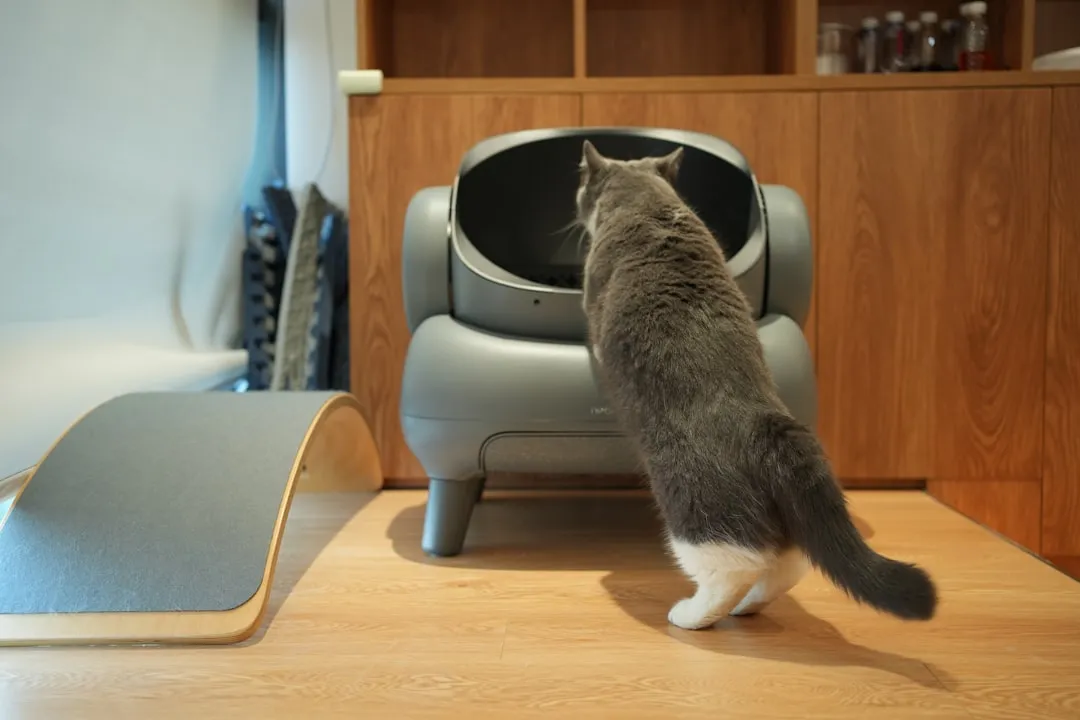
New cat owners toss one box in the laundry room and hope for the best. Lifelong cat people know the real rule: at least one box per cat, plus one extra, placed somewhere quiet and easy to reach. That “out of the way” corner you love? Your cat might dread the trek, especially if another pet can ambush them along the way.
Cats are shockingly sensitive to litter box stress. A box that’s too small, too dirty, too scented, or too exposed can push them into peeing on beds, carpets, or clothes, and then we blame “bad behavior” instead of bad setup. Many experienced owners also learn the hard way that suddenly “naughty” peeing often means pain, not spite; urinary infections and blockages can be fatal, especially in males.
#15 – Your “Chill” Home Is Probably Way Too Boring for Their Brain
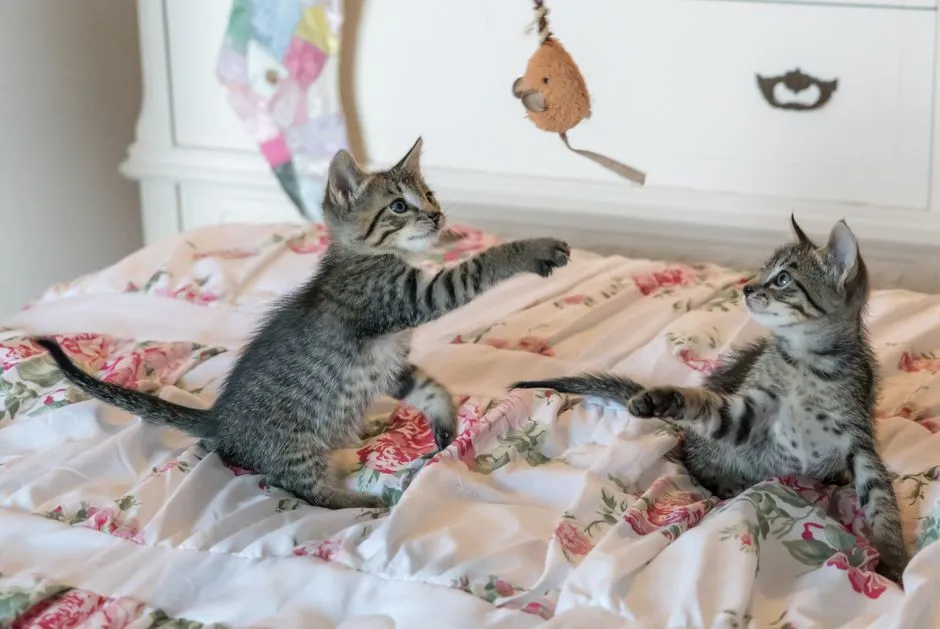
Most people assume an indoor cat just wants sunbeams and naps. Lifelong owners eventually realize that a mentally understimulated cat turns into a “problem” cat. Scratching furniture, night zoomies, attacking ankles, random aggression: these are often boredom and frustration wearing a personality flaw’s costume.
Cats are natural hunters, and without daily “prey play,” high places to climb, and scratching options that actually feel good, they’ll create their own excitement, and you won’t like their choices. Experienced owners treat play like brushing teeth: non-negotiable, daily maintenance. Just 10 to 15 minutes of intense play followed by a small snack can transform a “crazy” cat into a calmer, far more confident one.
#14 – Waiting Until Something Is “Obviously Wrong” Is How You Lose Them Too Early
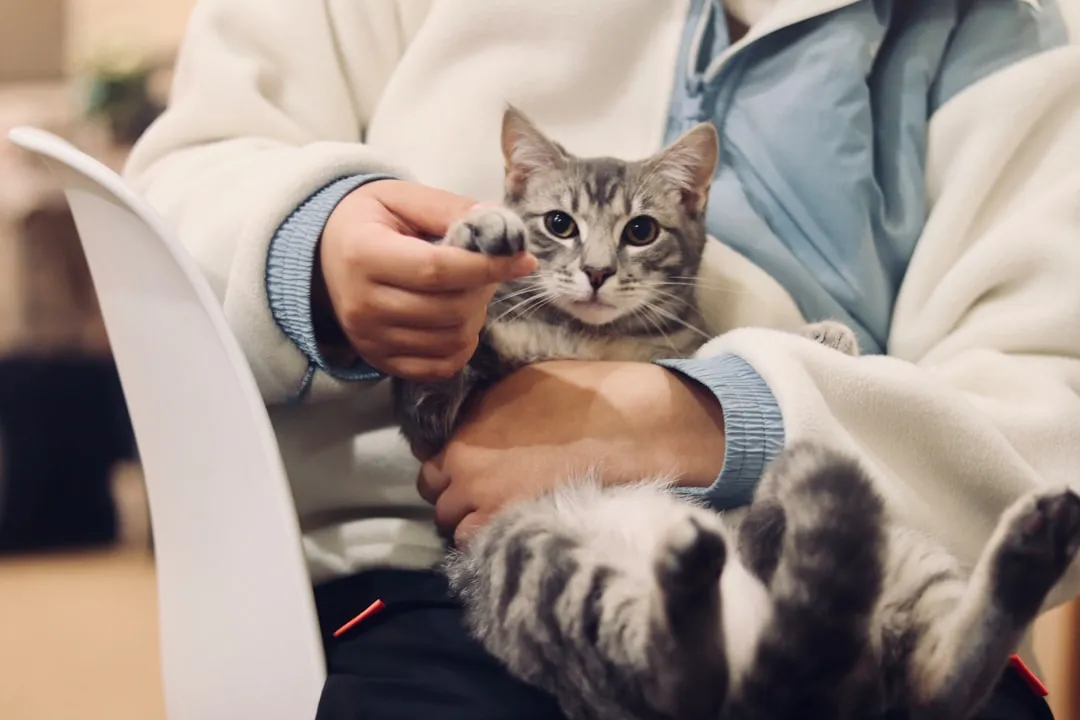
Many first-time owners only see a vet for shots or crises. Lifelong cat people learn, often through heartbreak, that cats need regular wellness exams even when they seem completely fine. Because cats mask illness so well, the goal is catching tiny problems before they become expensive emergencies.
Annual visits, twice a year for seniors, mean bloodwork, dental checks, and weight tracking. That’s where vets spot creeping kidney issues, hyperthyroidism, early arthritis, or dental disease years before your cat ever stops eating. Preventive care feels expensive right up until you price out a midnight ER visit or a week in intensive care.
#13 – Limping Isn’t the Only Sign of Pain. In Fact, It’s Rare.
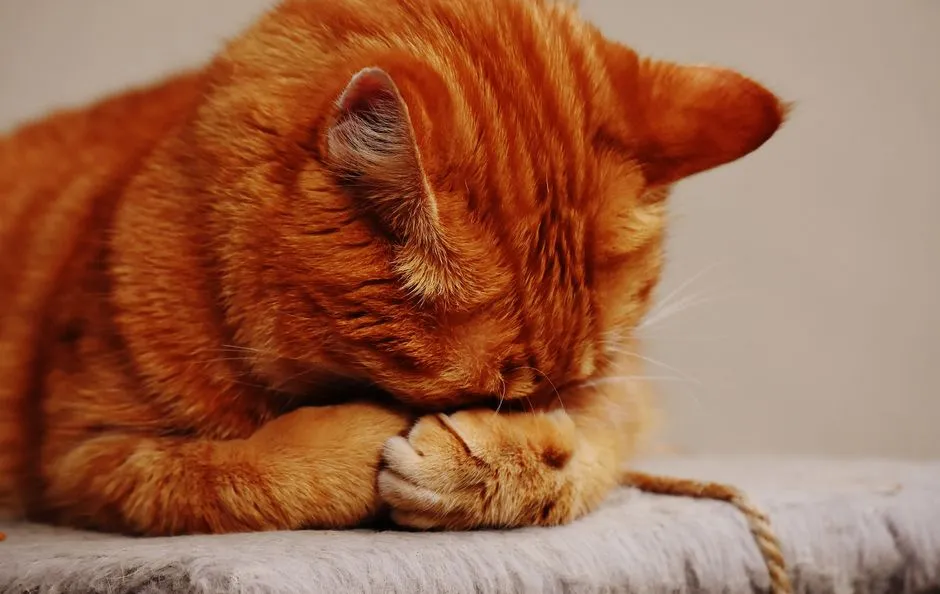
Most people assume a cat in pain will cry, limp, or scream. Lifelong cat owners eventually realize that pain in cats often just looks like “getting old” or “being grumpy.” They stop jumping to high places, groom less, hide more, or get snappy when touched in certain spots.
Arthritis, dental pain, and chronic issues can simmer quietly for years, and a once-social cat that suddenly prefers to be left alone might not be over you, they might hurt. Long-time owners learn to watch body language closely: tensing when picked up, flinching at touch, squinting, staying on lower furniture. That’s why they’re quicker to ask vets about pain management instead of writing it off as just age.
#12 – Your Cat Is “Telling” You Things All Day. You Just Don’t Speak Cat Yet.

Most new owners swear their cat is unpredictable. Lifelong owners will say, gently, that the cat was clear, you just didn’t know how to read them. Tail flicking, ear position, slow blinks, even whisker angle all broadcast mood long before claws ever come out.
- A swishing or thumping tail means irritation building, not cute excitement
- Dilated pupils and a crouched posture mean nervous or overstimulated, back off
- Slow blinks and relaxed ears mean genuine comfort and trust
Once you start noticing these signals, your “randomly mean” cat suddenly makes perfect sense, and you stop forcing affection they don’t want in that moment. Reading cat body language is one of the biggest relationship upgrades a lifelong owner can make.
#11 – Declawing Isn’t a Nail Trim. It’s an Amputation That Changes Them Forever.
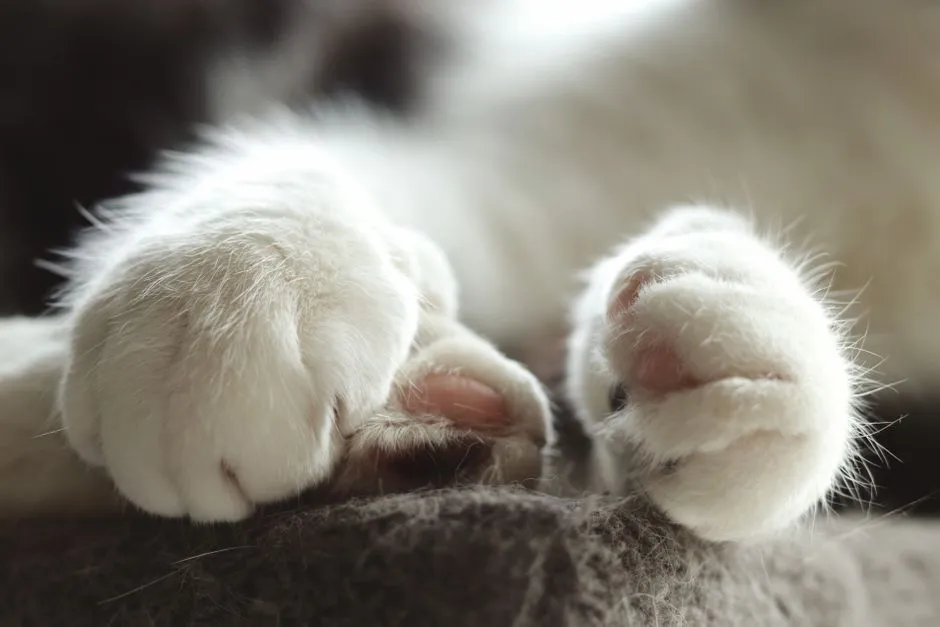
Many older lifelong owners carry a guilty secret: they declawed their first cat because a vet or breeder said it was “just removing the claws.” Only later did they learn that declawing literally amputates the last bone of each toe. Imagine having your fingertips cut off at the last joint, and you’re closer to the truth than most people realize.
That surgery can lead to lifelong pain, arthritis, litter box avoidance because litter now hurts their altered paws, and personality changes. Some cats become fearful or more likely to bite as a result. That’s why so many experienced owners now preach alternatives instead: sturdy scratching posts, regular nail trims, claw caps, and patient training. Declawing is still weirdly normalized in some places, but among long-time cat people, it’s often their single biggest regret.
#10 – Dental Disease Is a Silent Disaster Almost Everyone Ignores
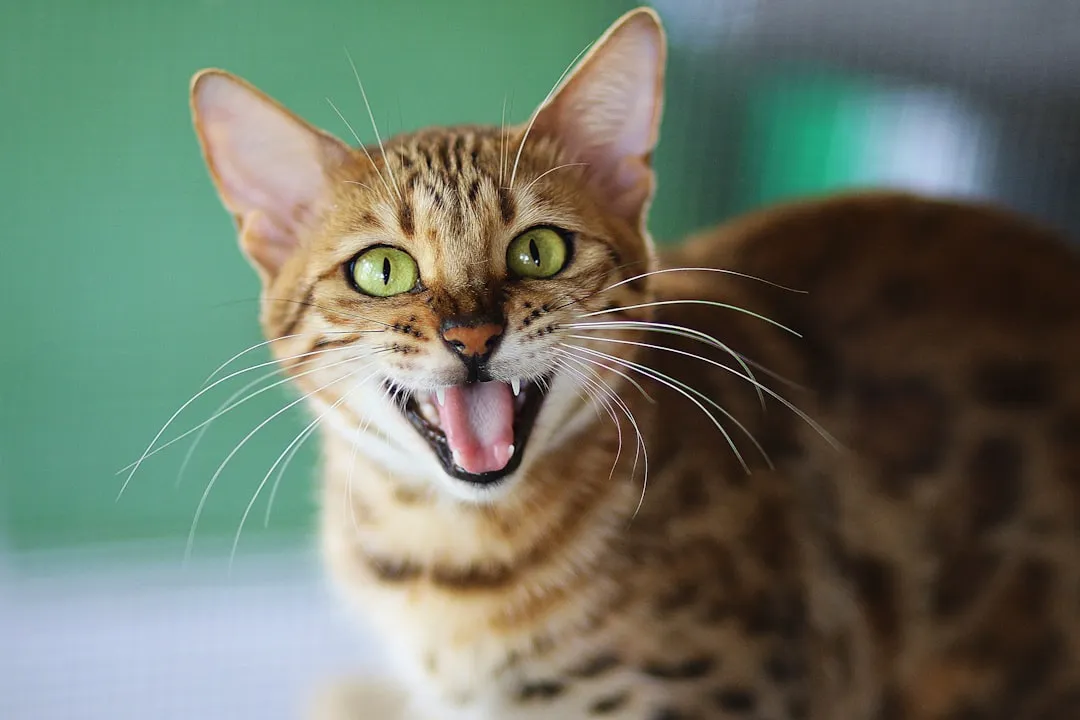
People obsess over food brands and litter types but barely think about teeth. Lifelong owners will tell you dental disease is one of the most common, painful, and overlooked problems in cats. Tartar, gingivitis, and resorptive lesions can make every single bite hurt while the cat keeps eating like nothing’s wrong.
The signs are subtle: bad breath, pawing at the mouth, dropping food, chewing on one side, or just seeming “off.” Many cats need professional dental cleanings and sometimes extractions, and yes, cats can live great lives with fewer teeth. Ignoring dental health doesn’t just hurt their mouth either; chronic inflammation can affect organs over time, which is why experienced owners budget for dental work the same way they budget for vaccines.
Worth Knowing
- As many as 85% of cats aged three years and older are thought to have some form of dental disease
- According to the American Veterinary Dental Society, over 70% of cats have signs of dental disease by the time they reach 3 years of age
- More than 70% of cats over age five are estimated to have at least one resorptive lesion, an erosion that can form even below the gumline
- Many affected cats show few or no obvious symptoms at home, which is exactly why an owner’s eyes alone aren’t enough
#9 – Throwing a New Cat Into the Mix Can Ruin Everyone’s Life for Years
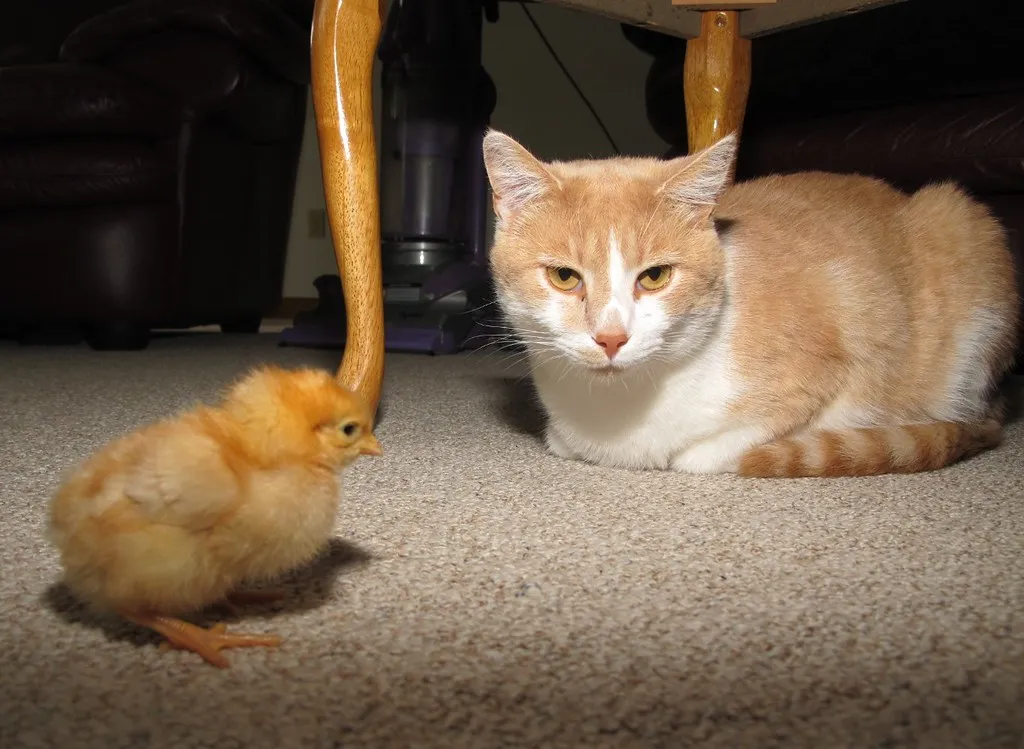
Most people bring home a second cat, open the carrier, and hope they’ll “work it out.” Lifelong cat owners learn the hard way that first impressions between cats can make or break their entire relationship. One bad, scary introduction can lead to years of tension, fighting, and spraying.
Slow introductions with scent swapping, door-separated feeding, and supervised visual contact aren’t fussy, they’re survival tools. Skipping them can create a bully-and-victim dynamic that never fully heals. Long-time owners also come to accept that some cats never truly want another cat in “their” house, no matter how social they are with humans, and forcing a best-friend fantasy can backfire badly.
#8 – Letting Them Roam Outdoors Isn’t “Freedom.” It’s a Stack of Hidden Risks.

Many people grew up with barn cats or roaming neighborhood cats and assume that’s just normal. Lifelong owners who’ve been through a few decades often change their tune completely. Outdoor access dramatically raises the risk of cars, predators, parasites, fights, poisoning, and cats that simply never come home.
Yes, exploring outside looks joyful. But many experienced owners can list, with a heavy sigh, the cats they lost early: to FIV or feline leukemia from fights, to traffic, to disappearing without a trace. That’s why more of them now choose indoor-only living or controlled outdoor time through catios and harness walks. Some still swear a short, adventurous life outside beats a long, safe one inside, but plenty of people who’ve buried too many cats don’t agree anymore.
Quick Compare: Indoor vs. Outdoor Lifespan
- Indoor-only cats: the typical indoor cat lifespan is 12 to 18 years, with many reaching their late teens
- Outdoor-only cats: average just 2 to 5 years, largely due to traffic, predators, disease, and parasites
- Supervised outdoor access: a 2022 UC Davis study examining over 3,100 cats found that outdoor-only cats had significantly shorter lifespans, while cats with catios or leash walks did not show the same drop
#7 – Regular Vomiting Is Not “Just a Cat Thing”
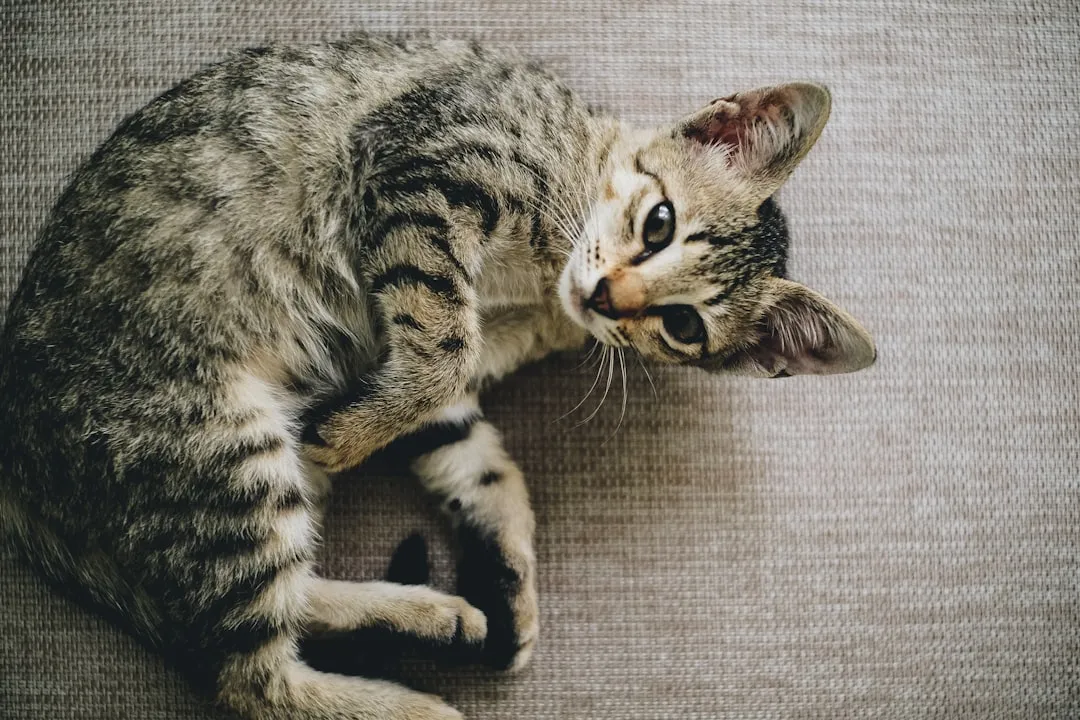
“Cats just throw up sometimes” is one of those myths that refuses to die. Lifelong owners who’ve watched their cats closely will tell you frequent vomiting is often a sign something is wrong, not a quirky personality trait. Hairballs every now and then are fine; weekly or daily puking is a vet conversation.
Chronic vomiting can be tied to food intolerances, inflammatory bowel disease, parasites, hyperthyroidism, kidney disease, or other issues quietly building underneath. Long-time owners regret the years they shrugged it off instead of investigating diet changes or medical checks sooner. They also learn that grooming matters more than they thought: regular brushing for long-haired cats can cut hairballs down drastically.
#6 – Play Is Not a Bonus Extra. It’s How You Prevent “Bad Behavior.”
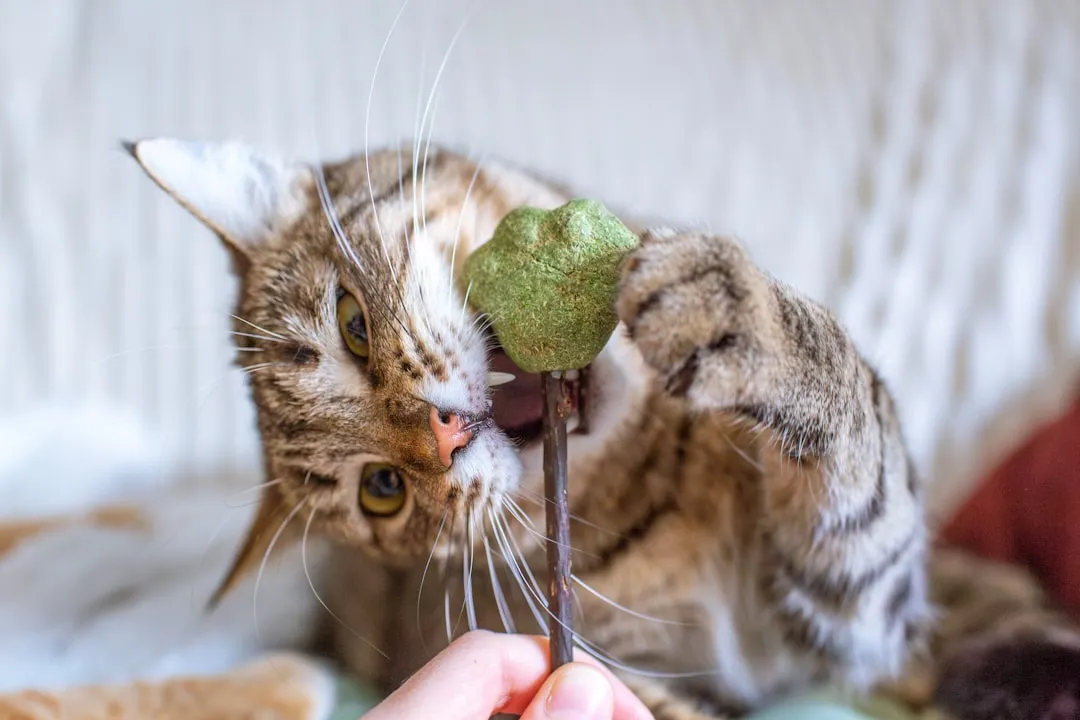
New owners treat toys like optional accessories. Lifelong owners start to see them as tools. Structured play is one of the most powerful ways to prevent and fix common behavior problems: biting hands, attacking feet, waking you up at 3 a.m., shredding furniture. Often these are all different faces of the same unmet hunting need.
The formula many experienced owners land on is simple: at least one intense, 10 to 15 minute play session daily with a wand or teaser, ending with a small snack or meal to complete the hunt, kill, eat, groom, sleep cycle. This pattern taps into their natural instincts and leaves them calmer, less needy, and less destructive. Skipping play and then getting mad at them for “acting out” is a bit like skipping kids’ recess and complaining they can’t sit still.
#5 – The Cat They Become at 3 Years Old Was Shaped Hard in the First 3 Months

Most people treat kittens like plush toys that will simply grow into a personality. Lifelong owners realize that early experiences, handling, sounds, people, vet visits, shape whether a cat becomes confident or anxious for life. Kittens gently exposed to different people, environments, and routines tend to grow into far more resilient adults.
Kittens who only know one quiet room, no visitors, and rough handling may grow into skittish or reactive cats instead, and that doesn’t mean they’re doomed, it just means it’s much harder to undo later. Long-time owners handle kittens a lot in a positive way, pair new experiences with treats, and normalize carriers, car rides, and vet tables early. Socialization gets talked about nonstop with dogs; with cats, it’s barely mentioned, and that’s a huge miss.
#4 – The Carrier Shouldn’t Be a Prison. It Should Be Their Safe Cave.
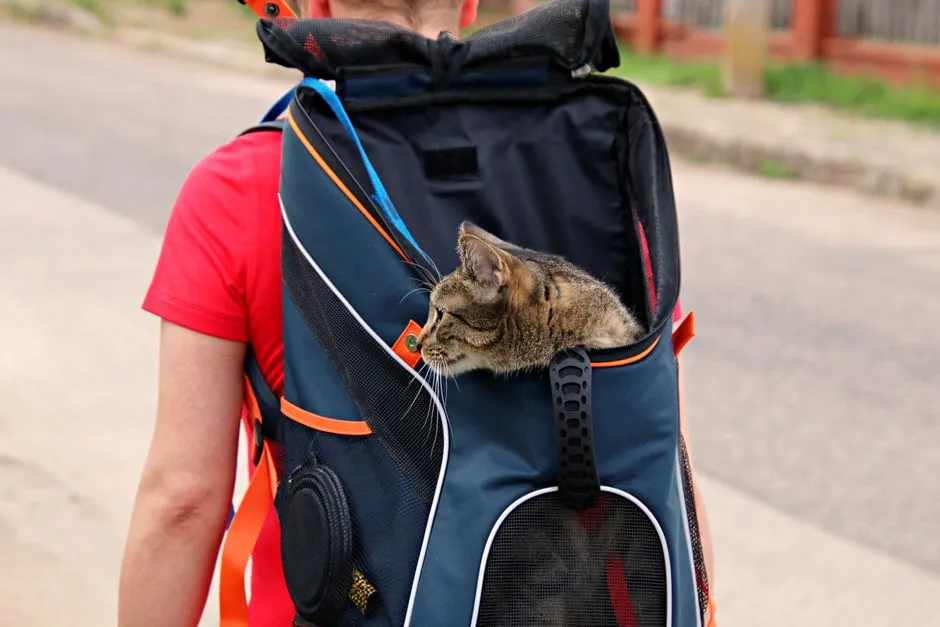
For most cats, the carrier only shows up when something terrible happens: vet, move, boarding. Lifelong owners learn that making the carrier a neutral or even positive part of daily life is a genuine game-changer. Shoving a panicked cat into a dusty box from the garage every couple of years is traumatic for both of you.
Experienced owners leave the carrier out all the time, door open, with a soft blanket and occasional treats or meals inside. Some cats will start napping in it on their own. That way, when it’s time to travel or see the vet, it’s their space, not a horror box, which reduces stress, injury risk, and makes emergency evacuations far easier for everyone.
#3 – Their Lifespan Is Longer Than You Think, and Still Nowhere Near Long Enough

A lot of people casually assume cats live “10 to 12 years” and are surprised when they hit 15 or more. Lifelong owners know that indoor cats routinely reach their mid-teens, and many make it to 18 or 20 with good care. That’s a huge commitment, and when it ends, it always feels far too short anyway.
Understanding their true lifespan earlier changes decisions: whether you move with them, invest in preventive care, stick out behavior training, or consider adopting as you age yourself. Long-time owners also learn to think proactively about senior years, softer bedding, easier access to favorite spots, lower litter box sides, and more frequent vet checks. The sooner you accept you’re likely signing up for a decade and a half minimum, the better choices you make starting on day one.
At a Glance
- The average cat lifespan has climbed from about 7 years in a 1984 study to roughly 12 years today, largely thanks to better nutrition and veterinary care
- Indoor cats commonly live 13 to 17 years, and it isn’t rare for well-cared-for cats to reach their late teens or beyond
- The oldest cat ever on record, a tabby mix named Creme Puff, who lived to be an astonishing 38 years old
- Spaying or neutering is linked to longer average lifespans thanks to reduced cancer risk and fewer hormone-driven behaviors
#2 – You Will Have to Decide When It’s Time, and the Guilt Never Fully Leaves

No one tells new owners that euthanasia is almost always a human decision, not a natural fade-out. Lifelong cat people carry the weight of asking themselves: is it too soon, or am I waiting too long? It’s brutal, and pretending otherwise doesn’t protect anyone from it.
What they wish they’d known earlier is that quality of life matters more than your fear of loss. Eating, grooming, mobility, pain, joy: tracking these clearly with your vet actually helps. Waiting for a pain-free, storybook exit often just extends suffering, which is why many experienced owners now say better a week too early than a day too late, even when it stings to admit out loud.
#1 – They Are Not “Just Pets.” They Will Reshape Your Life, Your House, and Your Priorities.
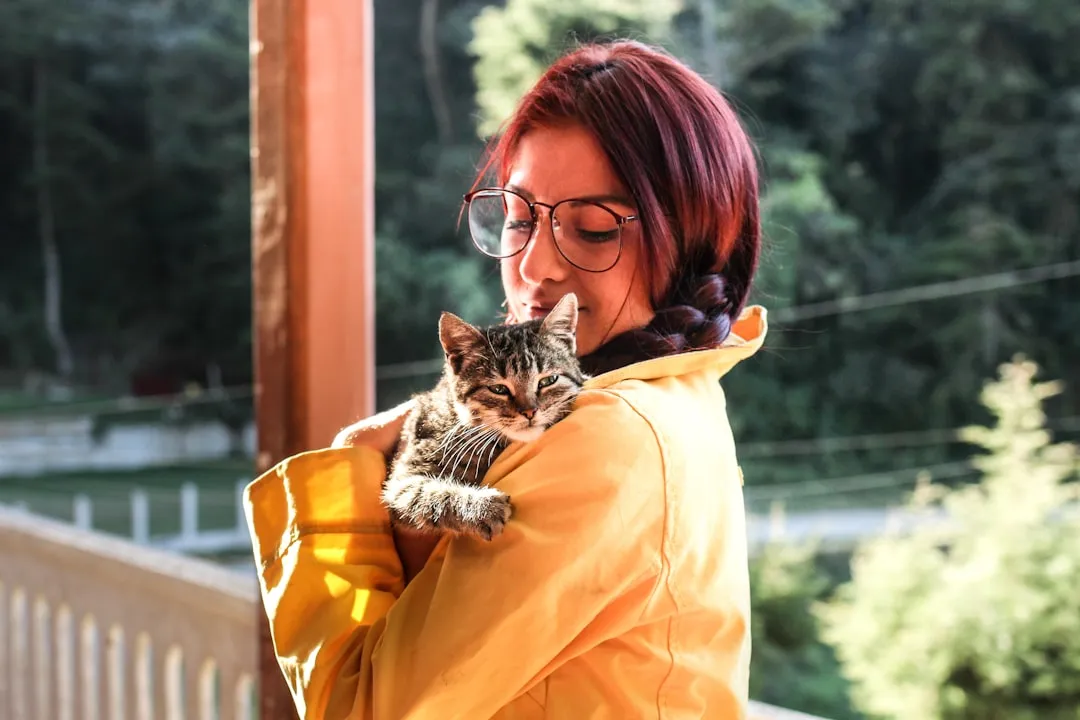
New owners think they’re getting a cute roommate. Lifelong cat people know you’re actually signing up for a living, opinionated family member who will quietly reorganize your entire life. Your furniture choices, travel plans, sleep schedule, even where you live, cats end up threaded through all of it eventually.
You’ll find yourself scheduling social events around medication times, staying in because the sitter fell through, and spending absurd amounts on a creature who ignores a forty-dollar toy to sleep in a cardboard box instead. And yet most long-time owners say they’d do it all again, knowing every scratch, bill, and heartbreak is part of the deal. The thing they really wish someone had said, far earlier than anyone did, is simple: this isn’t a hobby, it’s a long, messy, deeply emotional relationship that will change you whether you’re ready or not.
The Bottom Line
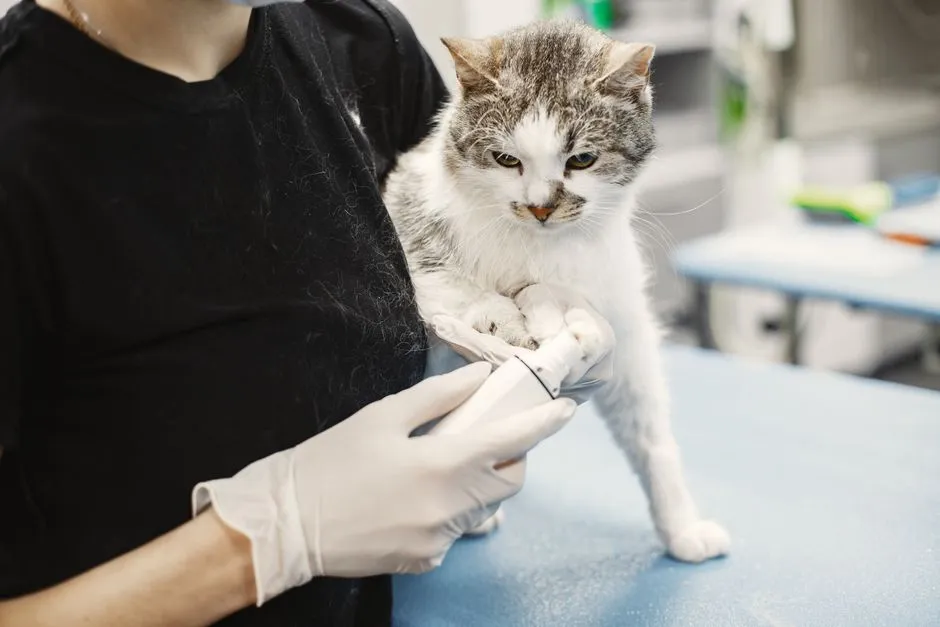
The uncomfortable truth lifelong cat owners eventually face is that most “cat problems” were human misunderstandings all along, about health, behavior, stress, pain, and the sheer weight of the commitment. Cats aren’t low-maintenance ornaments; they’re complex predators living quietly in our living rooms, compensating for our mistakes until, one day, they simply can’t anymore.
You don’t have to be perfect. You just have to be less oblivious than the average owner: pay attention earlier, ask questions sooner, and take boredom, pain, and stress as seriously as you take the cuteness. Did we nail the big ones, or is there something you wish you’d learned years earlier? Drop it in the comments, because somewhere, another cat might actually benefit from it.

- What Hummingbirds Decide About Your Garden Before Returning 17 Signals Most People Completely Miss - August 19, 2026
- 18 Things Lifelong Cat Owners Wish Somebody Had Explained Far Earlier Than Anyone Did - August 19, 2026
- 19 Ways a Senior Dog Prepares for Winter That Almost Nobody Recognises in Time - August 19, 2026