
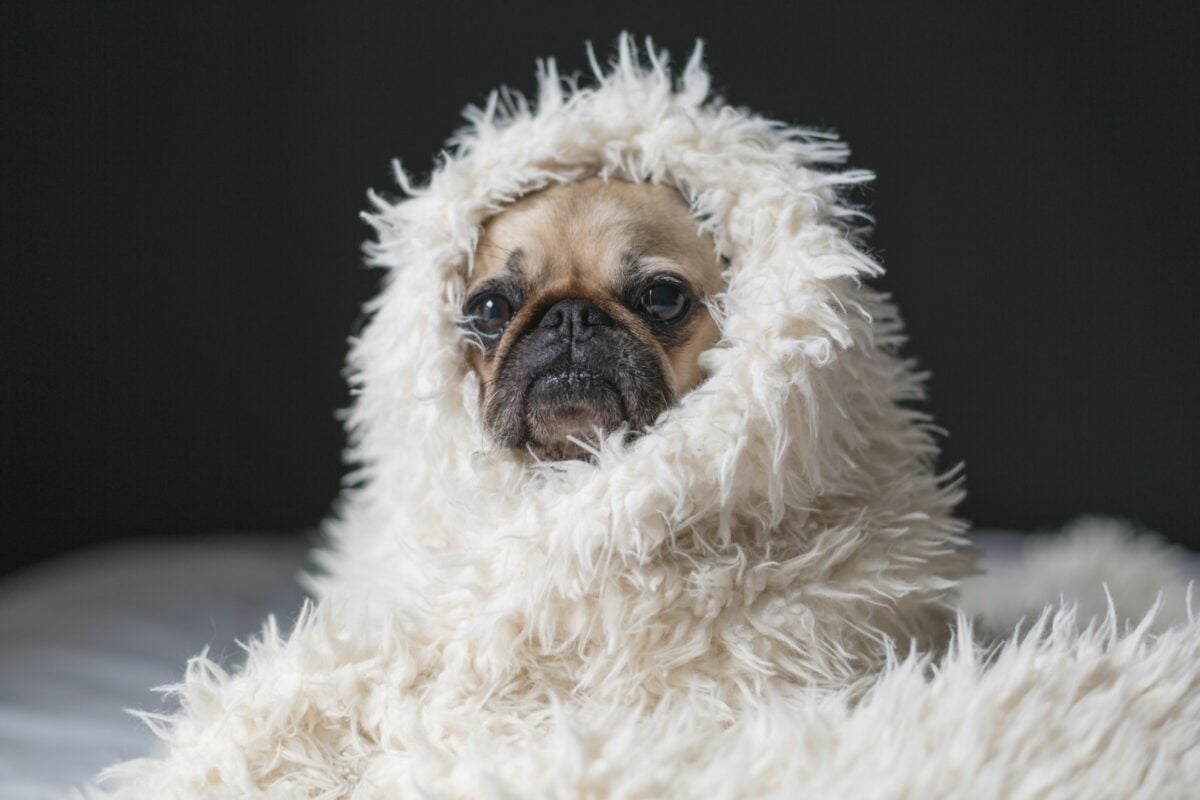
Most people watch their senior dog sleep a little later, skip a walk, or claim a favorite blanket and think, “aww, he’s just getting cozy for winter.” It looks harmless. It even looks kind of sweet.
Here’s the part almost nobody catches in time: those “cute” little habits are often a quiet negotiation with pain, cold, and a body that doesn’t bounce back the way it used to. By the time the limp shows up or the shivering won’t stop, your dog has usually been coping – alone – for weeks. These are the 19 signs vets and behaviorists say owners miss most, and what each one is actually trying to tell you.
#19 – Sleeping In Way Later Than Usual
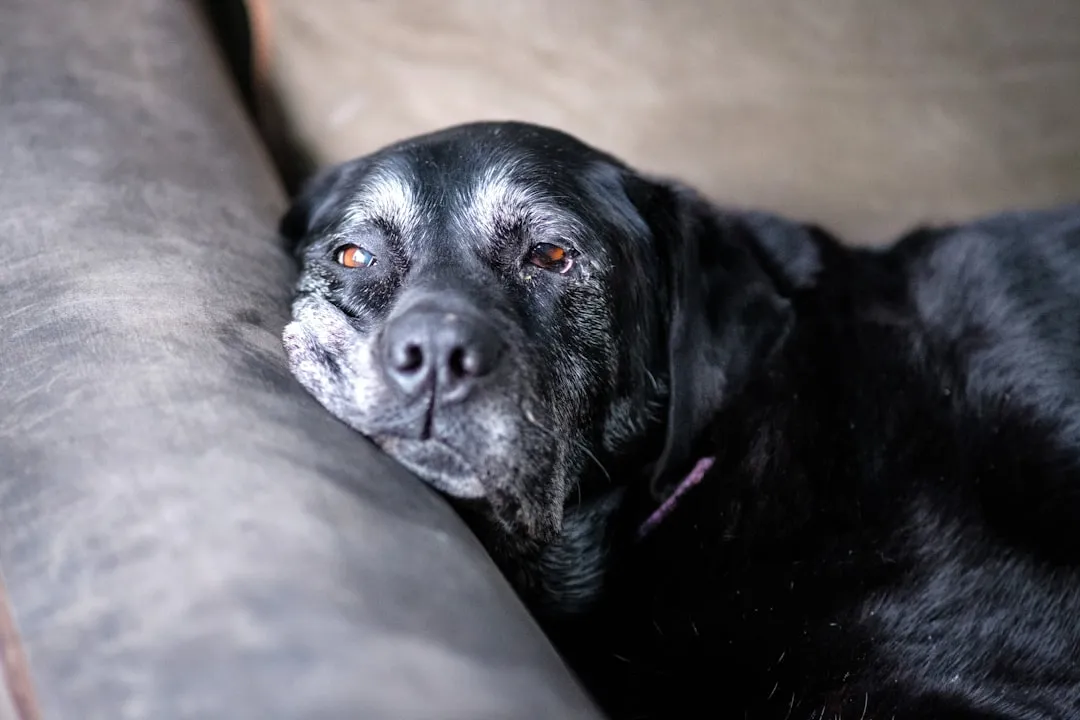
When winter creeps in, a lot of senior dogs suddenly turn into late sleepers, and most owners just chalk it up to being old and lazy. In reality, that extra hour under the blanket is often your dog’s quiet negotiation with stiff joints and cold air before they’re ready to face the day.
Older dogs feel an overnight temperature drop far more intensely than younger ones, especially on bare floors or in drafty rooms. So they stall – waiting for the house to warm up, or for the ache to fade a little, before they’ll even attempt to stand.
- Slower stretching when they finally get up
- Hesitation before jumping off the bed or couch
If your dog used to bound out of bed and now looks glued to their spot on cold mornings, that’s not laziness. That’s survival math.
#18 – Suddenly Refusing Cold Morning Walks
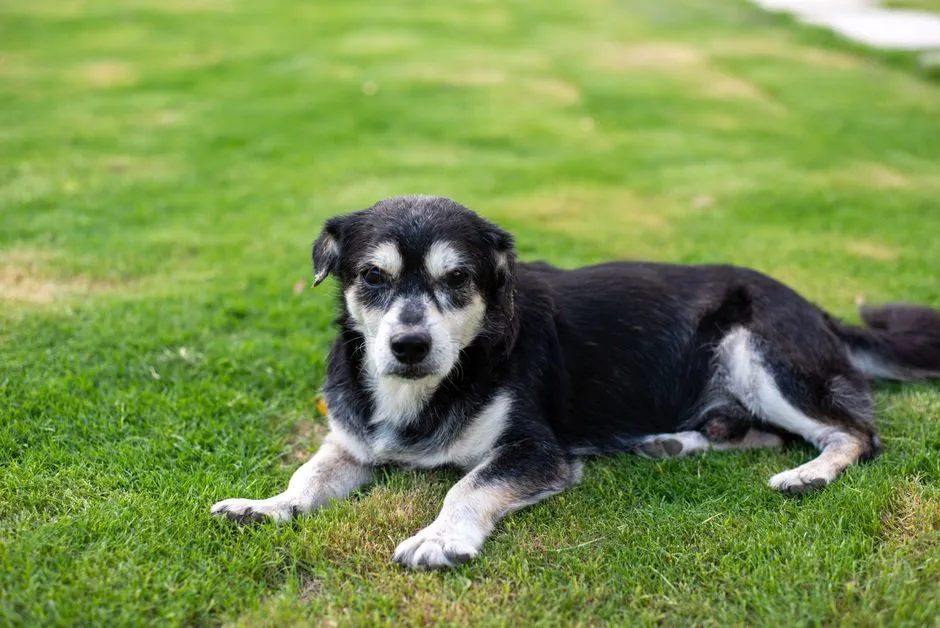
“He’s just not a morning dog anymore” is the excuse most owners land on. It’s usually wrong. When a senior dog plants their feet and refuses that first freezing walk, it’s often a direct protest against joint pain colliding with icy pavement.
Arthritis flares hard in low temperatures, and cold concrete makes every step sting. Some dogs get so good at avoiding it that they’ll act like they don’t even need to go, just to buy time until things warm up.
- They walk to the door, then quietly back away once it opens
- They’re suddenly happy to go later in the day, once it’s warmer
People laugh it off as a “grumpy old man” phase. Vets read it as a dog actively rearranging their whole day just to survive it.
#17 – Choosing One Warm Corner and Defending It
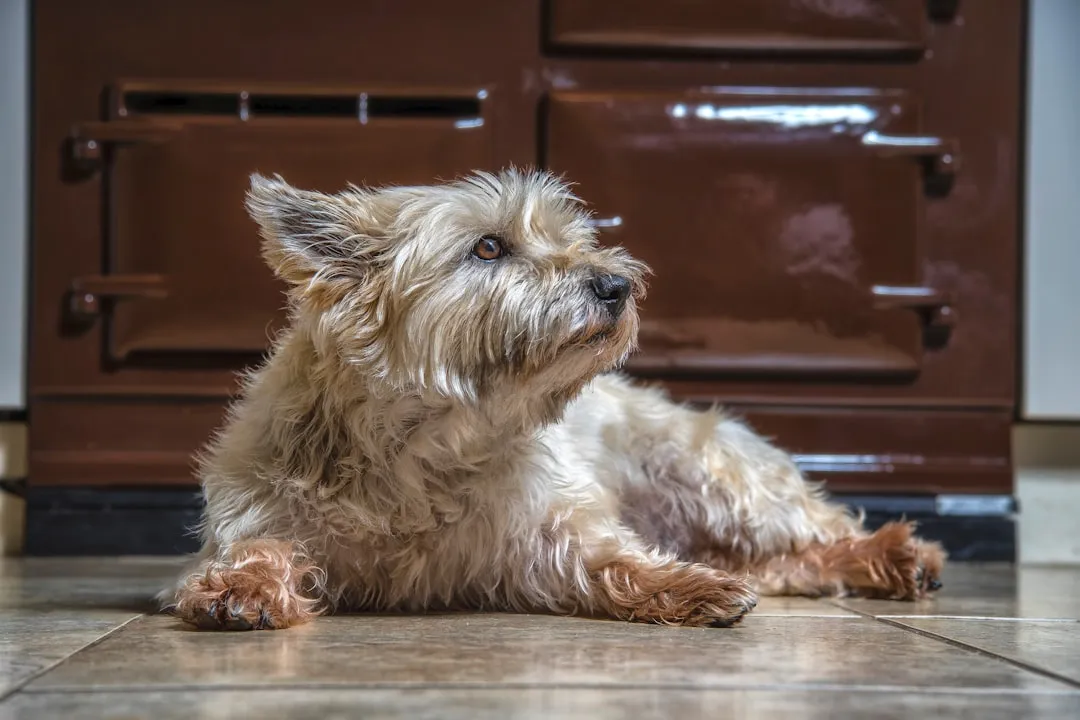
If your senior suddenly becomes obsessed with one sun patch, heater vent, or spot by the radiator, that’s not random. Aging dogs lose the ability to regulate body temperature efficiently – their internal thermostat just doesn’t respond the way it used to.
So instead of wandering the house like they once did, they lock onto the single warmest micro-climate available and guard it like it’s the last good seat in the house.
- Growling if another pet tries to share “their” spot
- Visible anxiety when that spot is occupied or blocked
Everyone posts the cute photo of “my old guy living his best life” by the heater. Rehab vets see something rougher underneath it – a dog who genuinely can’t get comfortable anywhere else.
#16 – Drinking Less Water, Especially at Night
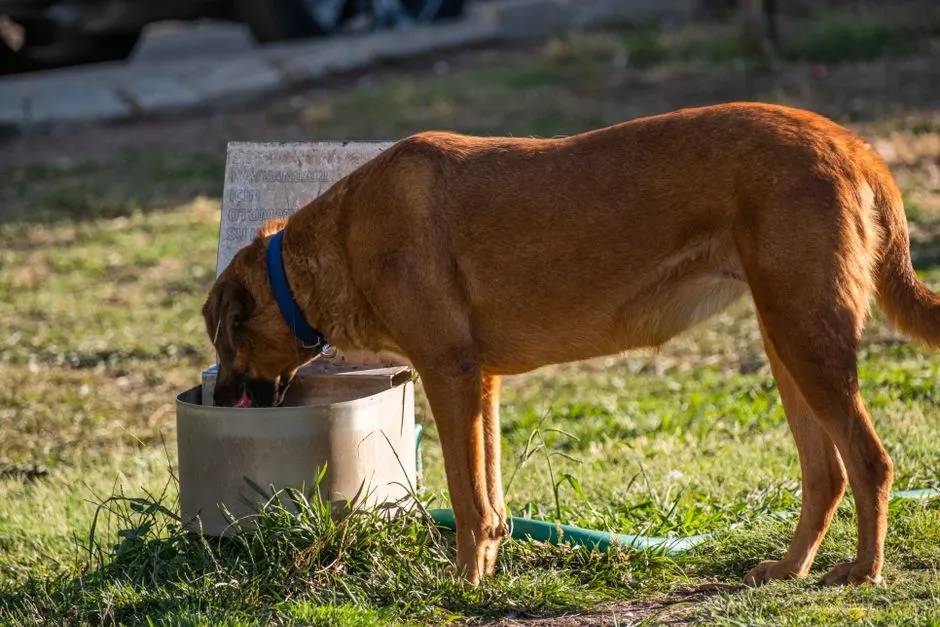
Owners obsess over hydration all summer, then completely stop watching the water bowl once it gets cold. That’s exactly backward. Some senior dogs quietly drink less in winter, particularly in the evening, to avoid a painful, slippery trip to a freezing yard after dark.
They’re not less thirsty. They’re planning ahead, trading hydration for one less scary trip outside in the dark and cold.
- The water bowl looks barely touched by morning
- Fewer accidents, but darker, more concentrated urine
Fast Facts
- Senior dogs are already more prone to age-related kidney decline, which makes steady hydration a bigger deal in winter, not a smaller one
- Cold weather naturally blunts thirst drive in many dogs, the same way people forget to drink water once summer heat fades
- Mild dehydration can quietly worsen constipation, a problem that already slows down in less active senior dogs
This one is sneaky-dangerous. Quiet dehydration stresses aging kidneys and worsens constipation, both of which already hit seniors harder than younger dogs. Most vets would rather you deal with one extra nighttime potty break than let this pattern run unchecked.
#15 – Eating Slower or Skipping Breakfast on Cold Days
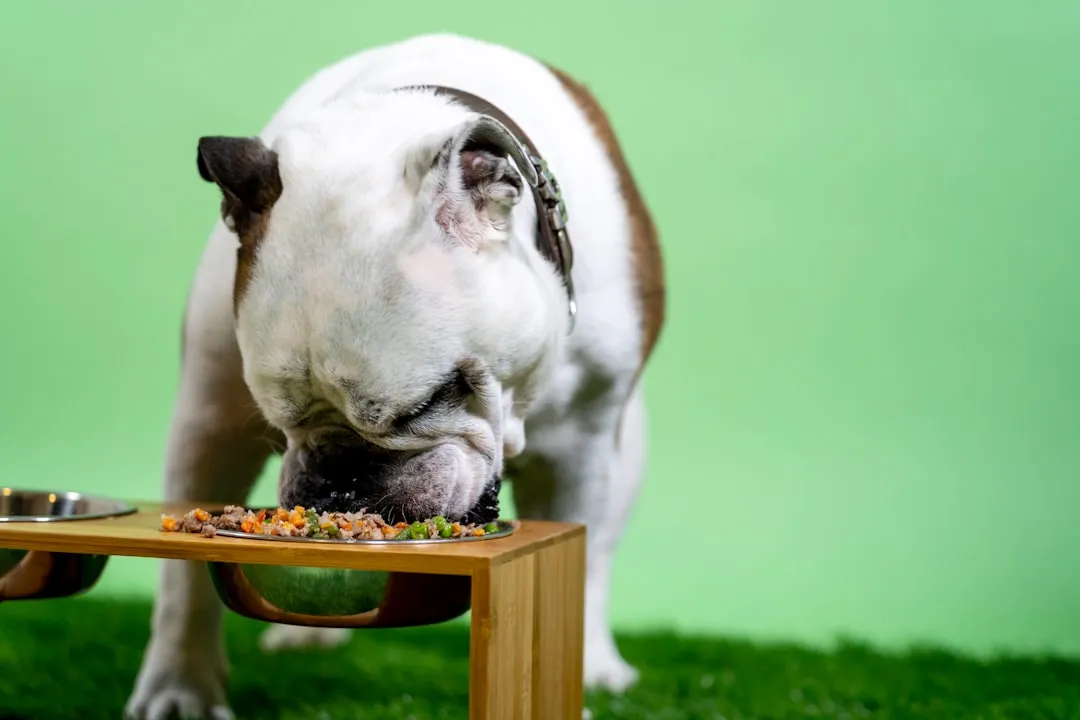
When temperatures drop, some senior dogs start “picking” at food, especially in the morning. Owners panic and assume pickiness, but they miss the real cause: stiff necks, aching backs, or dental pain can make leaning into a cold bowl on the floor genuinely unpleasant first thing in the day.
It’s not really about the food. It’s about the whole uncomfortable ritual of getting into position to eat it.
- Do they eat better once the bowl is raised slightly?
- Do they eat more eagerly at lunch or dinner, once they’ve loosened up?
If your dog’s appetite mysteriously returns once the day warms up, you’re not dealing with a finicky senior. You’re watching a dog carefully time meals around how much pain they’re in.
#14 – Getting Clingier Right Before a Cold Front
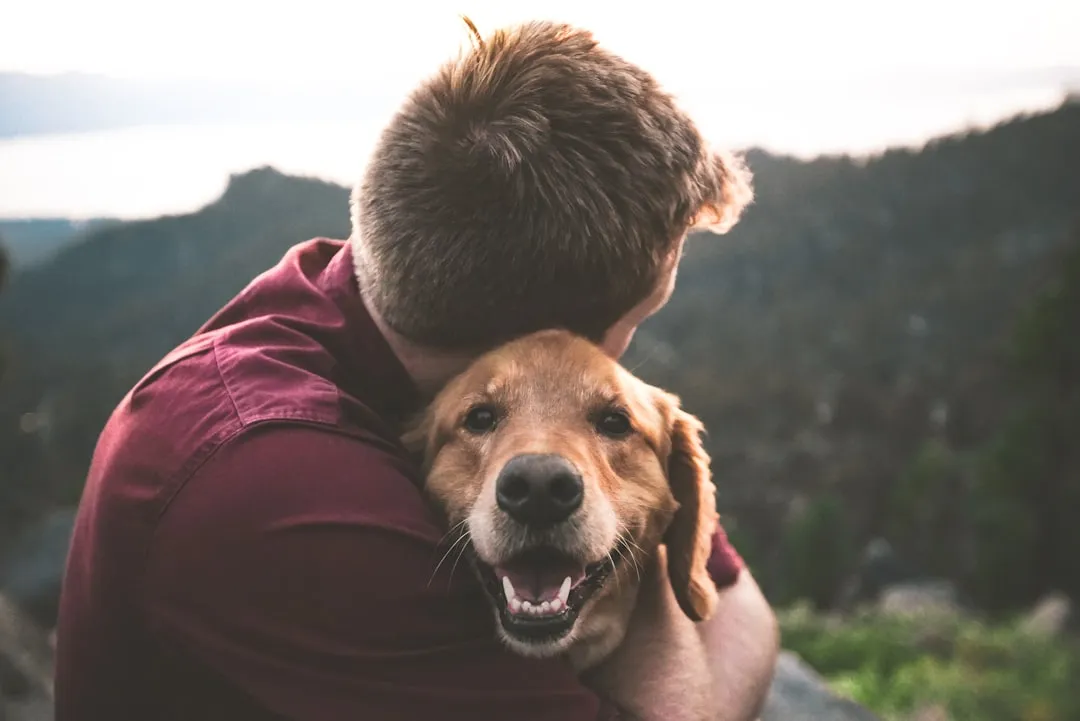
This sounds like a myth, but behaviorists see it constantly: before a major cold front rolls in, some senior dogs get noticeably clingier, more restless, or more vocal. It’s not intuition – it’s barometric pressure aggravating already inflamed joints.
Pressure shifts can make arthritic joints ache before the temperature even drops, similar to how people with old injuries claim they can “feel a storm coming.”
- Pacing, whining, or demanding constant petting
- Refusing to settle unless they’re physically touching you
Most owners write this off as random neediness. In reality, your dog may be bracing for a rough night and seeking out the one warm, safe heat source they trust completely: you.
#13 – Quietly Boycotting Certain Rooms
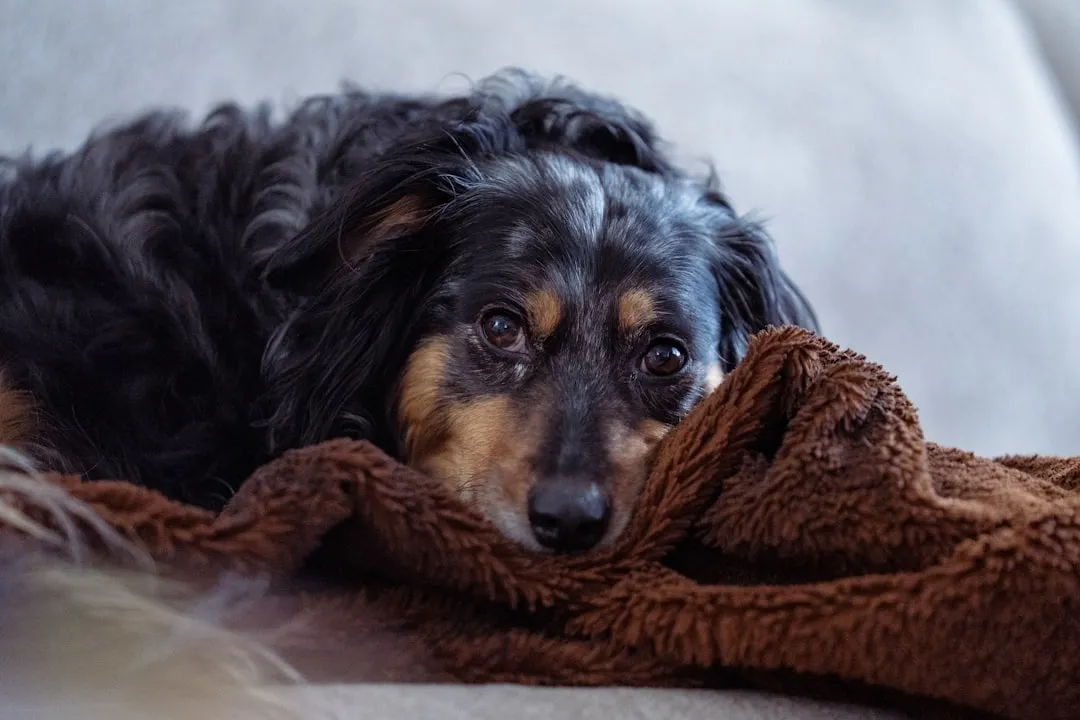
Watch where your senior dog stops going once winter sets in. Does the tile kitchen, the drafty hallway, or that one slick staircase suddenly become off-limits? Older dogs redraw their mental map of “safe zones” the moment the temperature drops.
Their joints don’t forgive mistakes the way they used to, and a slip or a chill hurts more and heals slower than it would in a younger dog.
- Circling a doorway without ever crossing into the colder room
- Hugging the edge of rugs, avoiding bare hardwood or tile entirely
People shrug and say, “He just doesn’t like the kitchen anymore.” Mobility-focused vets call it what it really is: a strategic retreat from anything that risks pain or a fall.
#12 – Asking to Be Carried More Often
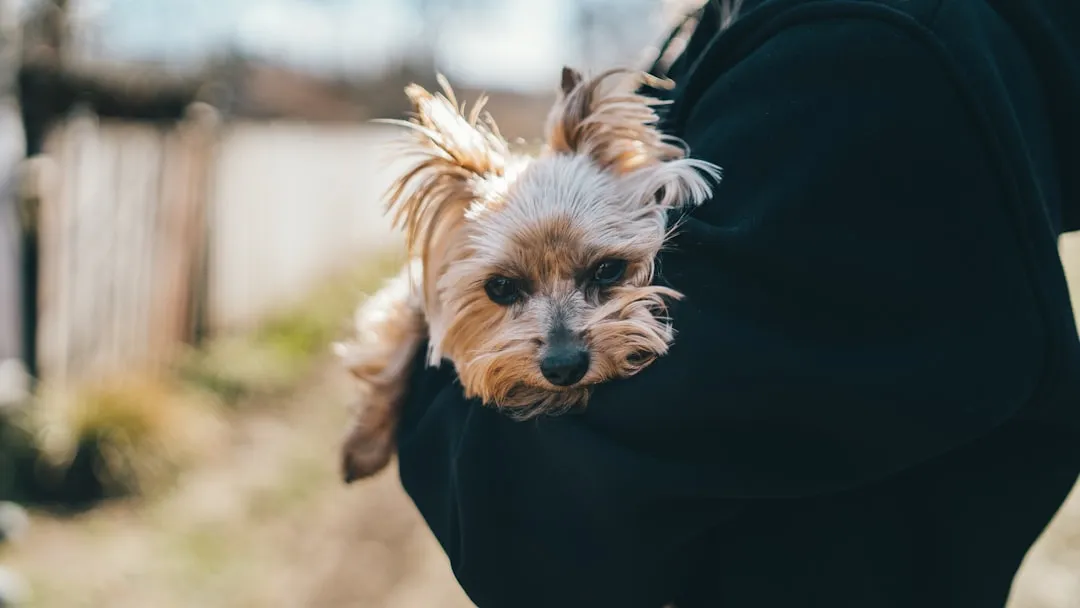
If you’ve got a smaller senior dog, winter often brings a sudden surge in “carry me” requests. People call it spoiled behavior. Vets call it a red flag – a sudden increase in wanting to be picked up usually points to cold-sensitive joints or early spinal trouble.
Icy steps, frozen porches, and high car jumps feel like real risks to an aging body, so your dog starts outsourcing the dangerous parts of mobility to you.
- Right before outdoor trips, especially early in the morning
- At night, coming back in from a dark, cold yard
This isn’t emotional dependence. It’s a dog calculating risk versus pain with every single step, and asking for the safer option when it’s available.
#11 – Shivering Only in Very Specific Situations
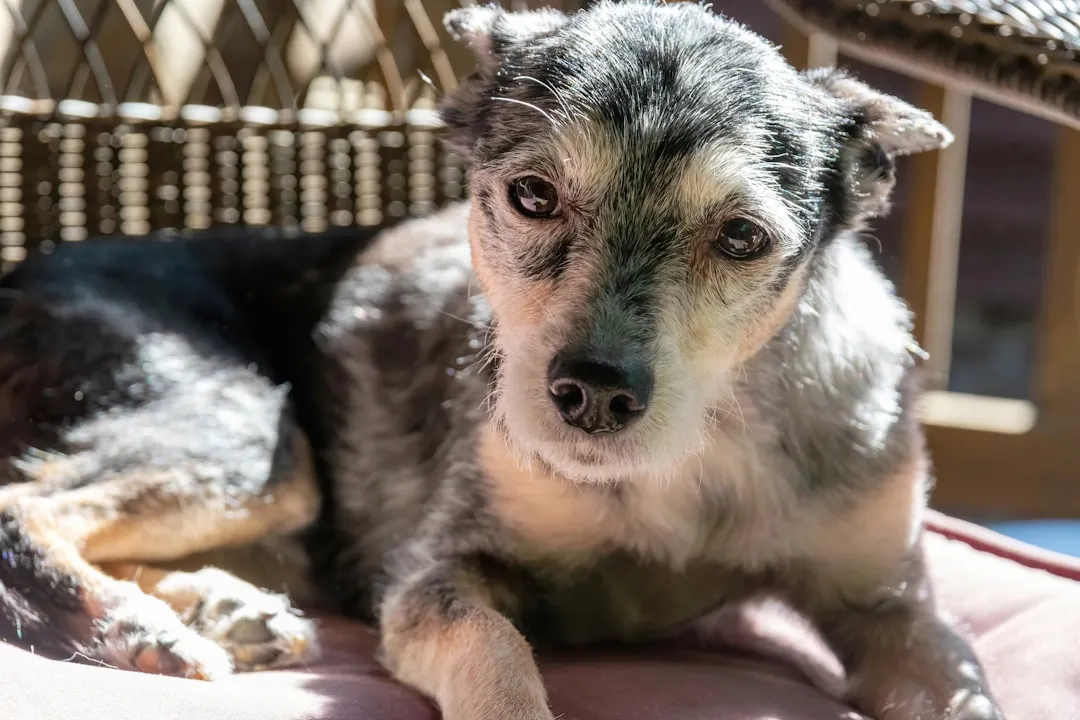
Most owners assume shivering simply means “cold.” With senior dogs, it’s more precise than that. Older dogs often shake only in very particular setups – on wet ground outside, right after getting in the car, or waiting at an unheated vet entrance.
That pattern isn’t random. It’s your dog mapping out, in real time, exactly which winter conditions their body can no longer handle.
- Shaking more on damp, cold days than on dry, equally cold ones
- Shivering in the wind but staying calm indoors at a similar temperature
Owners often say, “He’ll toughen up, he used to love winter.” Seniors don’t toughen up anymore. They compensate, or they suffer quietly – and this selective shivering is one of the clearest tells that’s rarely caught in time.
#10 – Grooming Less, or Obsessively Licking One Joint
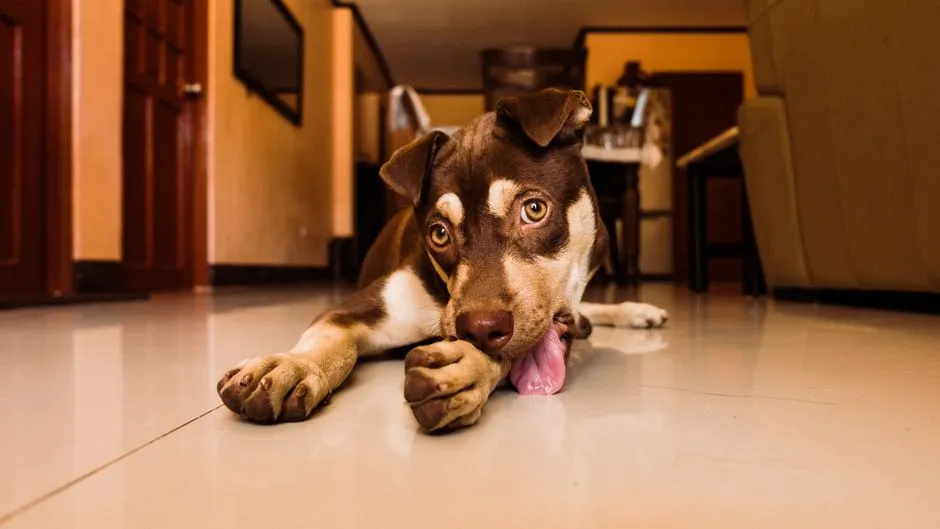
In winter, some senior dogs groom far less, while others suddenly groom obsessively. Either shift usually tracks directly with cold-related discomfort, not vanity or laziness. As stiffness sets in, dogs stop reaching the harder spots to clean, and some fixate on licking a single aching knee, hip, or paw.
Licking triggers a small release of natural endorphins, so a dog fixated on one joint is essentially self-medicating the only way they know how.
- Bald patches or stained fur directly over a joint
- Matted fur in spots they used to keep spotless
This isn’t a grooming quirk. It’s a body quietly managing pain the only way it has left.
#9 – “Forgetting” House Training When It’s Freezing
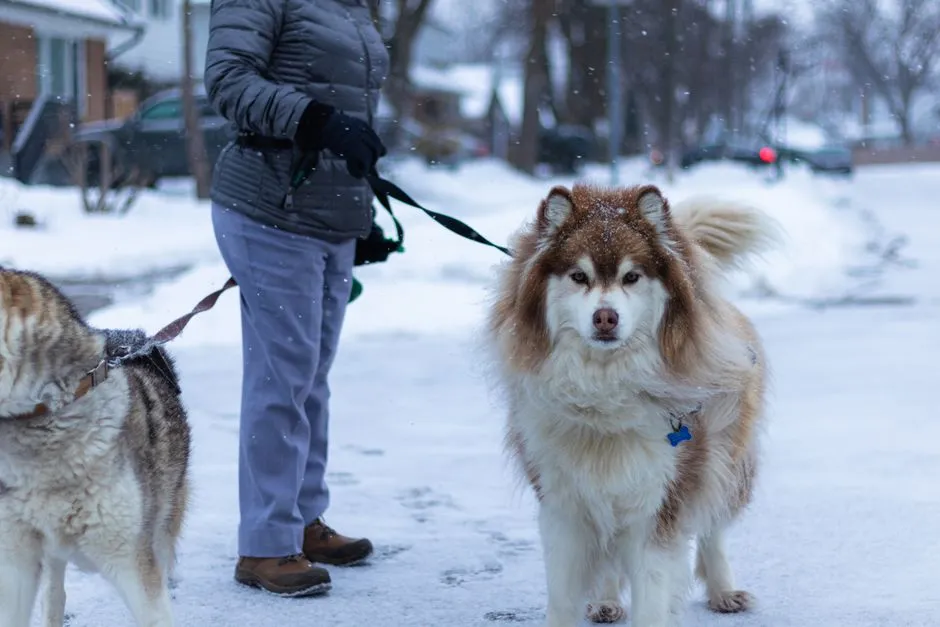
One of the most misread senior behaviors: a dog who suddenly has accidents indoors only when it’s brutally cold outside. Owners jump straight to “cognitive decline” or “he’s being spiteful.” The real story is often harsher – your dog is choosing between icy steps and freezing wind, or breaking a lifelong rule to avoid suffering.
Cold also weakens bladder control directly, since tense, chilled muscles simply don’t hold as well as warm, relaxed ones.
- Accidents cluster on the coldest, windiest, or iciest days
- They approach the door, retreat, then have an accident soon after
At a Glance: Common Causes of Winter Accidents
- Cold-triggered bladder weakness
- Fear of slipping on ice or frozen steps
- Early cognitive decline made worse by shorter, darker days
- Joint pain that delays getting into position outside
Cognitive decline can absolutely be part of the picture, but winter makes borderline situations dramatically worse. Scolding a dog for this misses the real question entirely: did the environment just become too hostile for an aging body to cope with?
#8 – Going to Bed Much Earlier Than Everyone Else
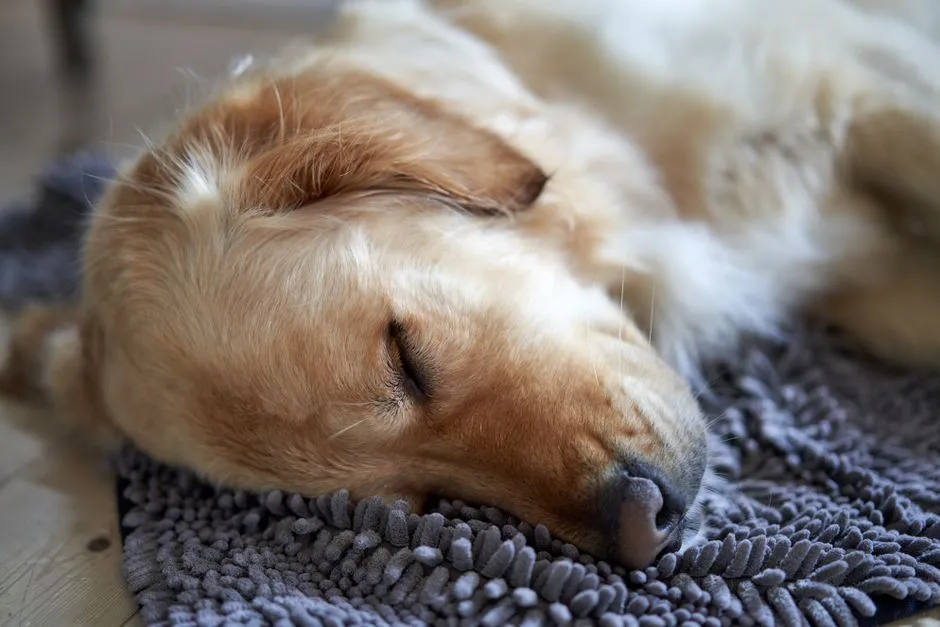
If your senior dog starts excusing themselves an hour or two earlier once winter arrives, don’t brush it off. Older dogs frequently retreat early to claim the warmest, comfiest sleeping setup before the whole house cools down for the night.
They may also be pacing themselves – lying still longer to physically recover from the day’s activity before the ache catches up.
- Disappearing right after dinner and never returning to the living room
- Found curled tightly into their warmest spot when you check on them
People say, “He’s just old and boring now.” What’s actually happening is a dog quietly trading social time for temperature control and pain relief – a trade most owners never notice they’re making.
#7 – Reacting Sharply When Touched in Certain Spots
Winter can turn a sweet senior into a “don’t touch me there” dog almost overnight. It’s easy to misread this as grumpiness or a sudden personality shift. In reality, a dog who flinches, snaps, or yelps only when touched in specific areas during cold months is usually showing you temperature-amplified pain.
Cold muscles and nerves simply have less tolerance for pressure than warm ones do.
- Lower back and hips, especially after lying on cold floors
- Back legs, paws, or arthritic shoulders after a frosty walk
This reaction is often the first – and only – warning that a joint is deteriorating faster than you realized. Scolding the behavior fixes nothing. A vet visit and a real conversation about pain management does.
#6 – Staring at You Longer Before Going Outside
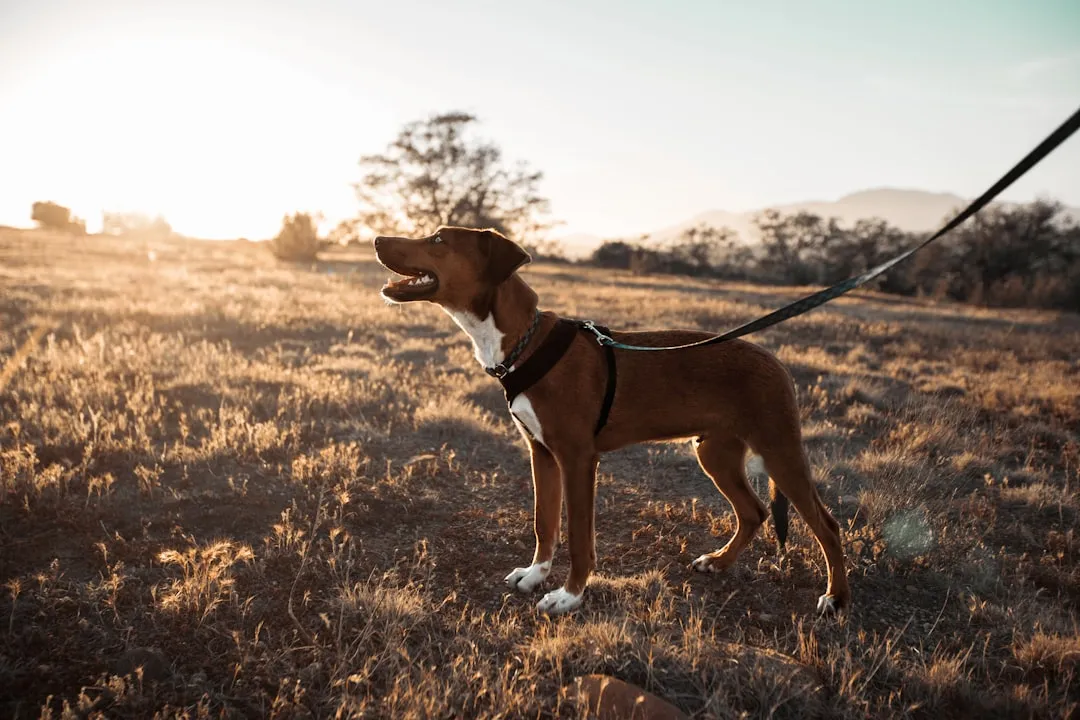
Here’s a strange one owners rarely talk about: the long, searching stare at the back door on cold days. Your senior dog stands there, looks at you, looks outside, and just hesitates. That pause isn’t confusion. It’s decision-making.
They’re running a real cost-benefit calculation: how badly do I need to go versus how much is that cold going to hurt.
- Waiting for you to grab a leash, coat, or boots before committing
- Moving faster outside once you step out there with them
It’s not drama. It’s one of the clearest, most overlooked communication signals a senior dog gives all winter – and most owners never catch it.
#5 – Choosing Calmer Friends and Avoiding Rough Play
In a multi-dog household or at the dog park, watch who your senior dog gravitates toward once the temperature drops. Many older dogs quietly retire from their roughest playmates in winter, choosing calmer dogs, humans, or a quiet corner instead. Their bodies simply can’t absorb a hard collision or a slip on frozen ground anymore.
This shift is deliberate, not accidental.
- Moving away as high-energy dogs approach
- Sticking to gentle sniffing or side-by-side walking instead of wrestling
Owners sometimes read this as their dog “losing confidence.” More often, it’s the opposite – a dog who knows exactly how much one bad hit on ice could cost them, and is curating their social circle to avoid finding out.
#4 – Breathing Heavier After Very Short Activity
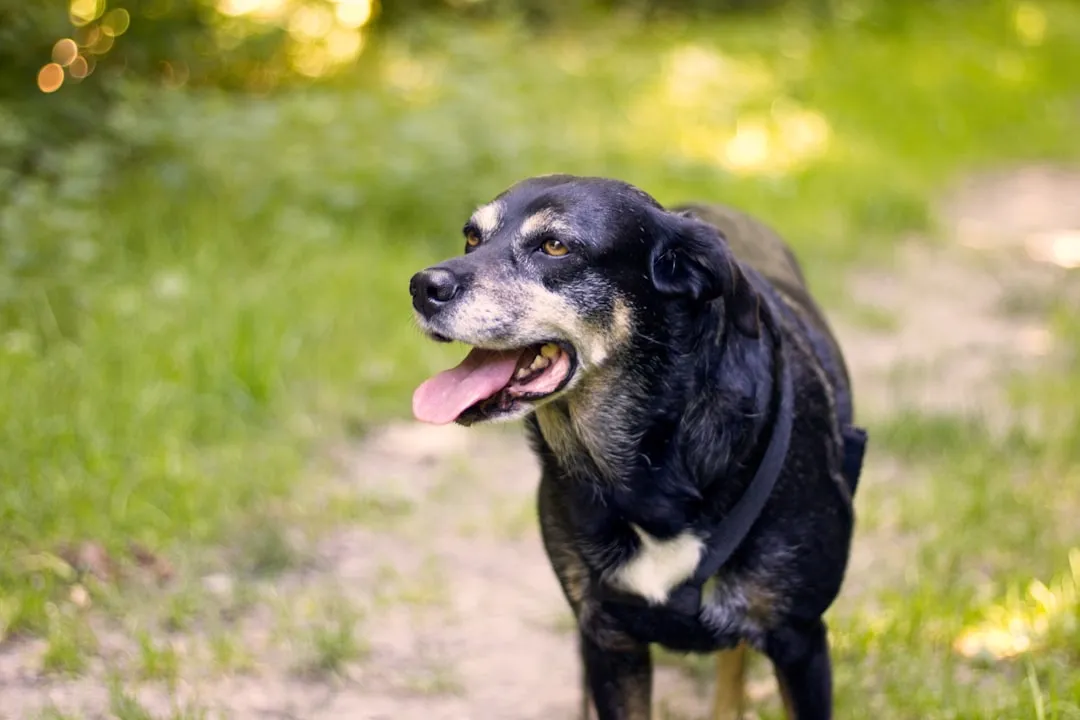
Cold air is harder on aging lungs and hearts than most owners realize. If your senior dog starts panting heavily after just a few stairs, a short trot, or a brief burst of excitement in the cold, don’t blame it on age or a thick coat alone. Heavier breathing in winter can be an early warning sign of heart, lung, or airway trouble.
Dry, chilly air irritates the airways and puts extra strain on an already aging cardiovascular system.
- Panting that takes noticeably longer to settle down indoors
- Coughing, gagging, or a “goose honk” sound after cold exposure
Worth Knowing
- Cold, dry air can trigger coughing fits in dogs with early tracheal or airway sensitivity
- Underlying heart conditions often go unnoticed until cooler weather increases the heart’s workload
- Heavy breathing that doesn’t settle within a few minutes of mild activity is worth a vet call, not a wait-and-see approach
Most people blame the weather and wait for spring. Cardiologists and internal medicine vets know better – winter is often exactly when early heart and lung problems finally become visible, if anyone bothers to look.
#3 – Acting “Spaced Out” More Often in the Evenings
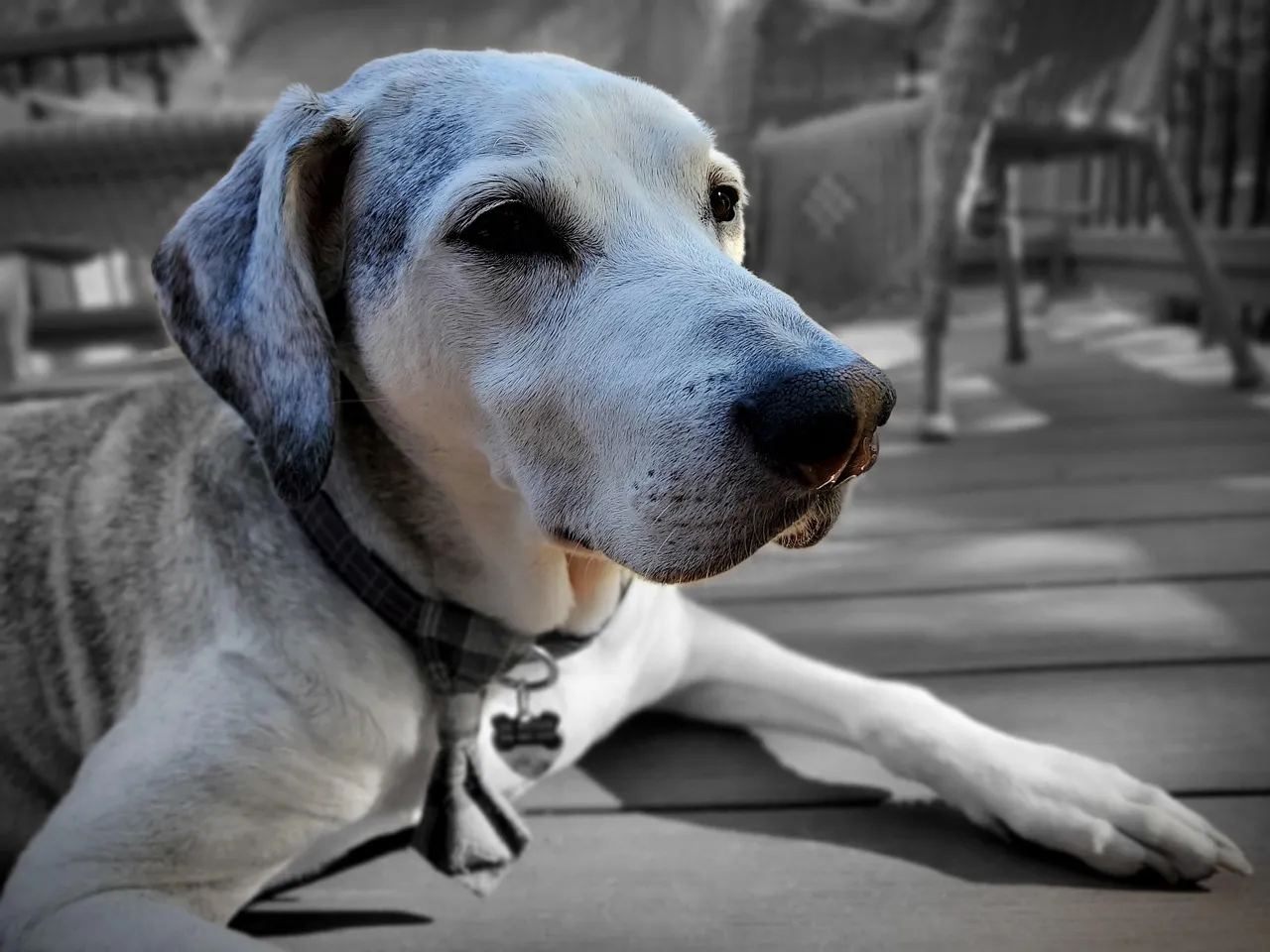
Cognitive changes in senior dogs are subtle to begin with, and winter makes them harder to ignore. As days get shorter and evenings colder, some older dogs show more confusion, aimless pacing, or a blank stare at walls and doors. This isn’t just “getting old” – the combination of darkness, reduced activity, and physical discomfort can unmask early cognitive dysfunction.
Watch closely once the sun goes down.
- Standing in the wrong doorway, unsure which way leads outside
- Seeming genuinely lost in rooms they’ve known for years
Veterinary neurologists argue that early intervention – environmental adjustments, mental enrichment, sometimes supplements – can meaningfully slow this winter slide. Writing it off as “just the season” is one of the costliest mistakes an owner can make.
#2 – Hoarding Blankets, Beds, and Soft Objects
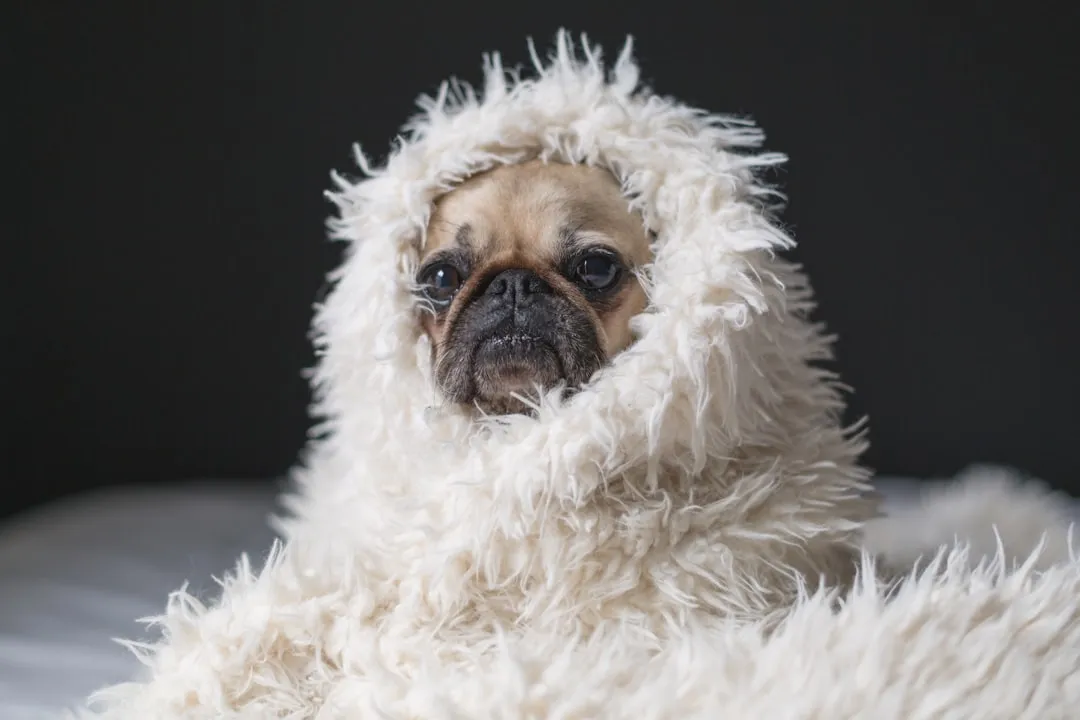
If your once-easygoing senior suddenly turns territorial about beds and blankets once it gets cold, pay attention. Guarding warm, soft resources is an incredibly common – and commonly dismissed – winter behavior in older dogs, who know exactly which spots protect their joints and hold heat.
They’re simply not willing to give that comfort up anymore, and it shows.
- Growling if another pet tries to share “their” bed
- Dragging blankets or clothing together to build a thicker nest
Some owners crack down on this as a behavior problem to correct. In winter, it’s almost always a pain and comfort problem first. Fix the warmth and the cushioning, and the “attitude” usually fades on its own.
#1 – Quietly Giving Up the Things They Used to Love
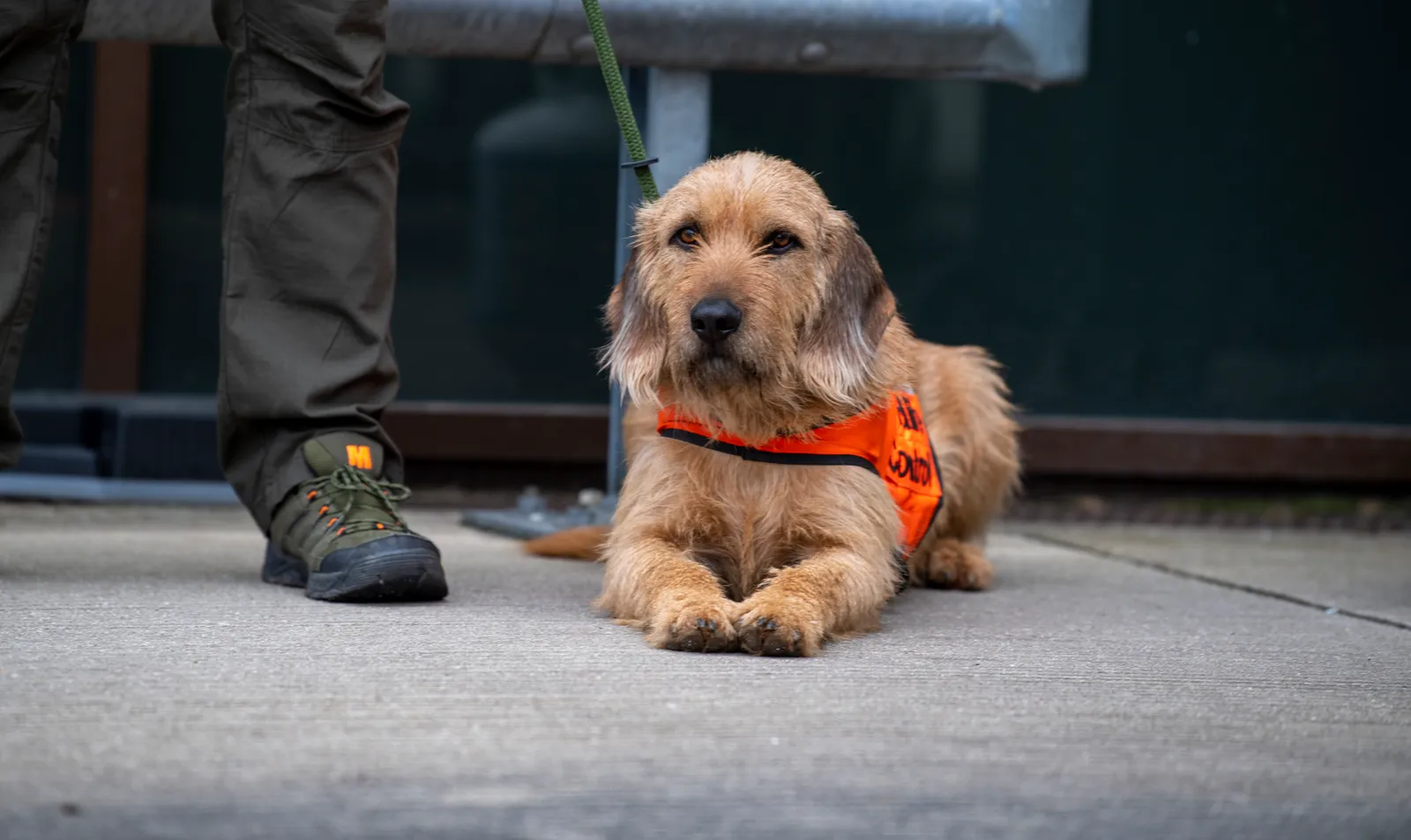
The biggest, most heartbreaking winter change is also the easiest one to miss. Your senior dog stops asking for their favorite things, one by one, without ever making a scene about it. The car rides they used to sprint toward now get a half-hearted walk to the door. The snow zoomies vanish completely.
They’ll stop asking for fetch or a wrestle, not because they don’t want it anymore, but because they’ve quietly decided the pain isn’t worth the price.
- Favorite activities that simply disappear once the cold sets in
- Genuine interest in something, followed by visible physical hesitation
Quick Compare: Normal Aging vs. Pain Signal
- Slower morning start: normal aging is a few extra minutes, a pain signal is refusing to move without coaxing
- Less interest in play: normal aging is occasional, a pain signal is a favorite game disappearing completely
- Quieter evenings: normal aging is calmer energy, a pain signal is hiding, flinching, or avoiding touch
This is the moment owners either step up or let winter quietly steal what’s left of the good years. Better pain management, better flooring, better warmth, better support – none of that is optional anymore. Ignoring it is exactly how “just winter” turns into permanent decline.
The Bottom Line
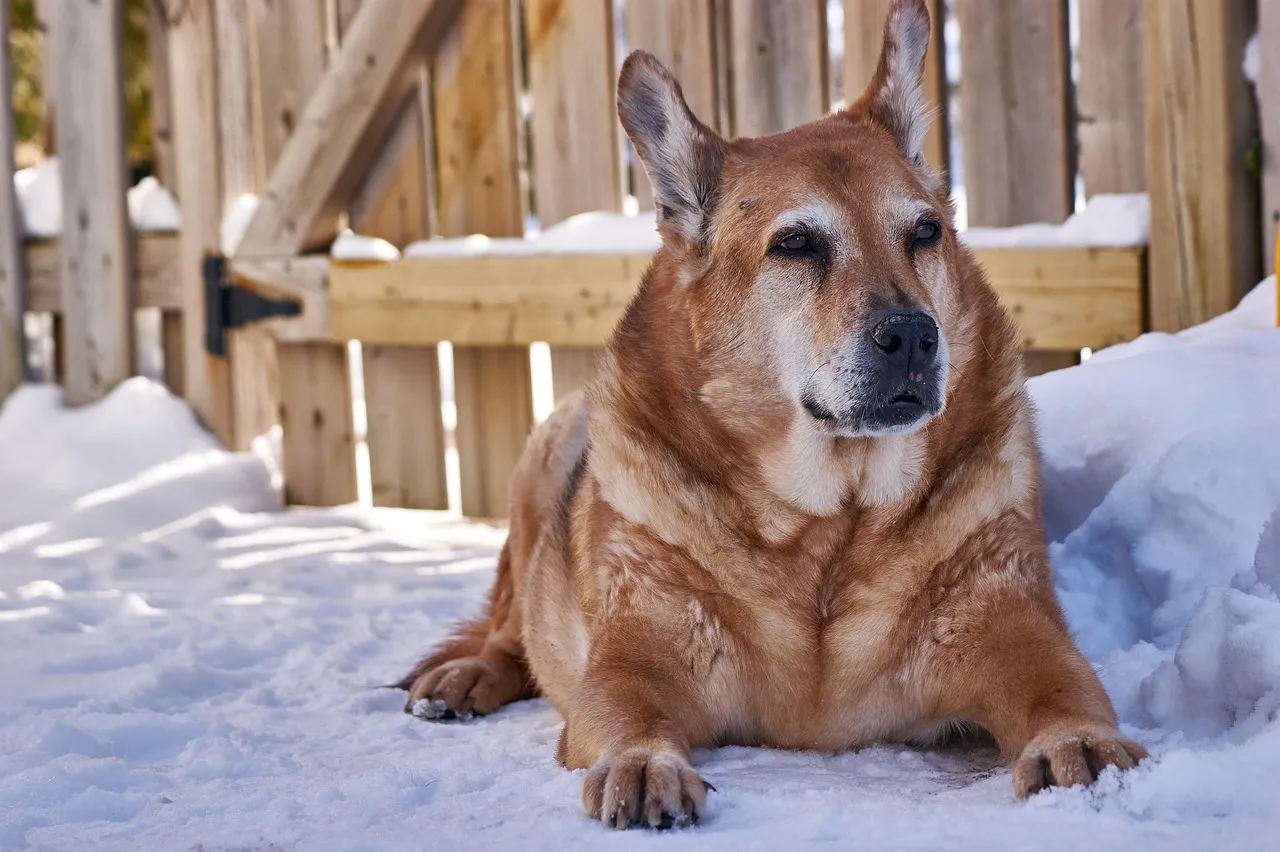
Winter doesn’t age your senior dog. It just rips the curtain back on everything that was already struggling underneath. The shivering, the clinginess, the early bedtimes, the sudden boycott of the kitchen tile or the rowdy dog at the park – none of it is random, and none of it is your dog being difficult. It’s an old body running its own quiet triage, choosing what it can still afford to do.
Here’s my honest take: most of these 19 signs get missed not because owners don’t love their dogs, but because we’ve been trained to think “slowing down” is just what old dogs do. It isn’t a neutral fact of aging – it’s often the first draft of a problem you can still fix. A heated bed, a rug over slick tile, a ramp instead of a jump, real pain management instead of “let’s see how he does” – these aren’t luxuries for a senior dog in winter. They’re the bare minimum.
You can’t stop the years from adding up. But you can absolutely stop the cold from turning your dog’s last good chapters into a slow, silent fight they never asked you to notice. So look again at that list – which of these has your dog already been showing you, quietly, while you called it a quirk?
