
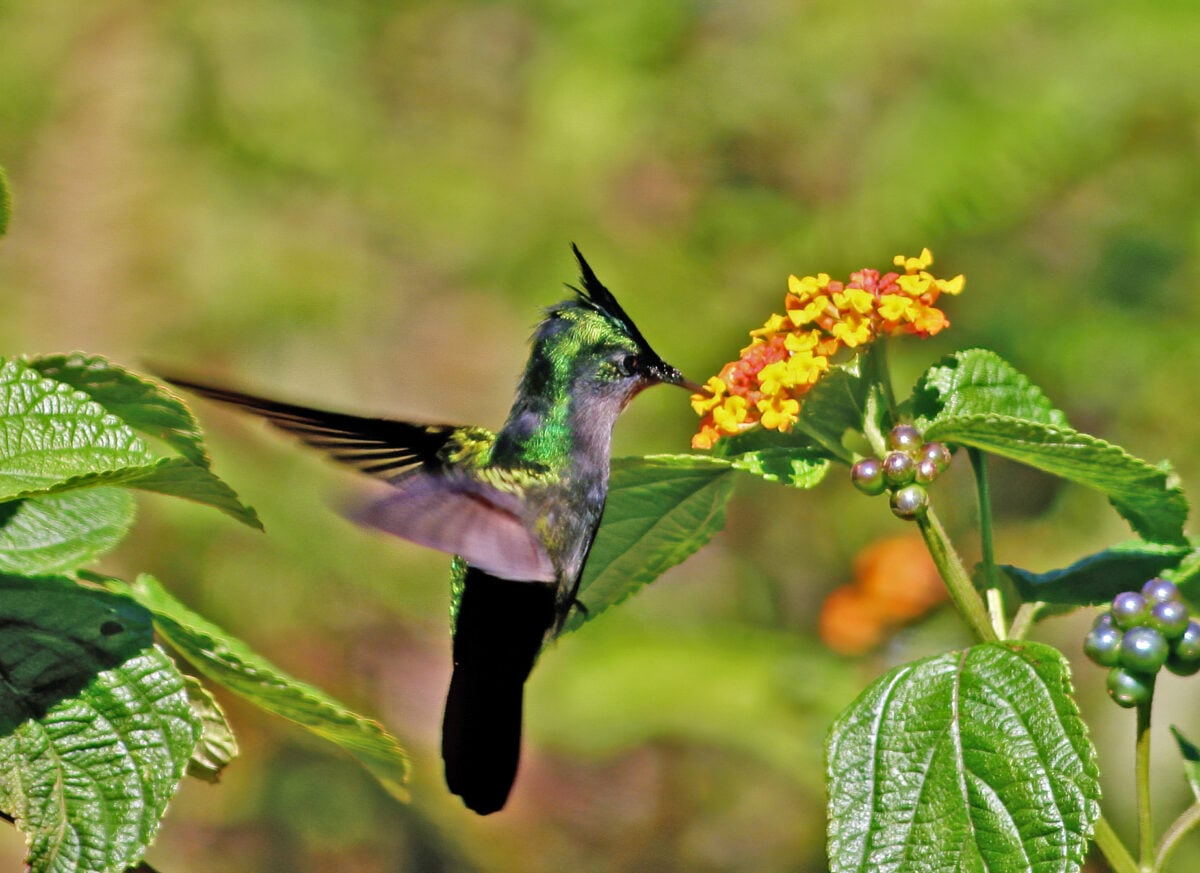
You refill the feeder. You plant the red flowers everyone told you to plant. You wait by the window with your coffee, certain today’s the day. Then… nothing. Meanwhile, three houses down, your neighbor has hummingbirds practically dogfighting over their patio, and honestly, their yard isn’t even that impressive.
Here’s the uncomfortable part: your garden was already judged and rejected, probably in under ten seconds, by a bird that weighs less than a nickel. Hummingbirds don’t slowly warm up to a place the way a stray cat might. They run a ruthless, split-second inspection, and most homeowners have no clue what’s actually being scored. Below are the 17 real signals they’re grading you on right now, and once you see them, you’ll never look at your backyard the same way again.
#1 – Nectar Richness: They Taste-Test in Seconds and Never Forget
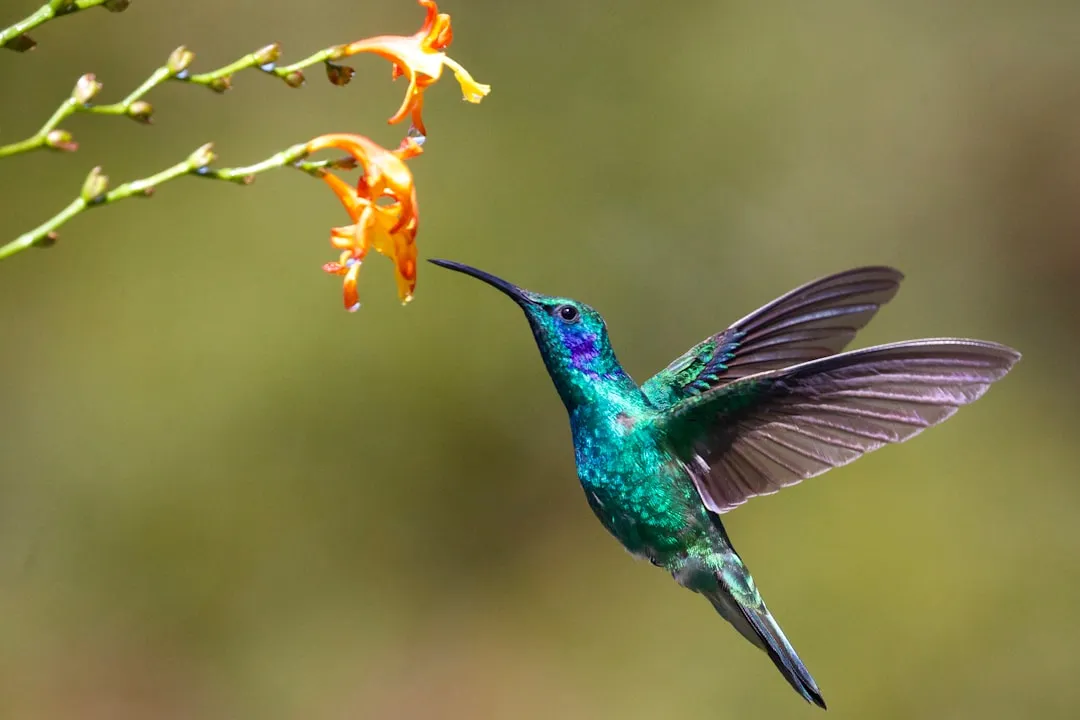
Hummingbirds don’t “hope” your flowers have nectar. They test, and they remember. Hit them with two or three weak, watery blooms and they’ll often write off your entire yard and simply stop coming back.
They burn insane amounts of energy just staying alive, so every flower gets treated like a fuel stop with strict quality control. Gorgeous ornamental hybrids that look stunning to us are frequently nectar-empty to them, and color alone doesn’t fool a bird running on a razor-thin energy budget.
Fast Facts
- A hummingbird’s heart can beat up to 1,200 times per minute during flight
- Their wings beat roughly 50 to 80 times per second in normal flight
- A ruby-throated hummingbird typically weighs about as much as a penny
- They may visit hundreds of flowers a day just to break even on energy
They quietly build a mental map of which yards actually pay off, and that map spreads their behavior over time. A garden with rich, high-sugar, dependable nectar becomes worth defending. A stingy one gets crossed off the route entirely.
#2 – Flower Shape & Access: Pretty Isn’t Enough
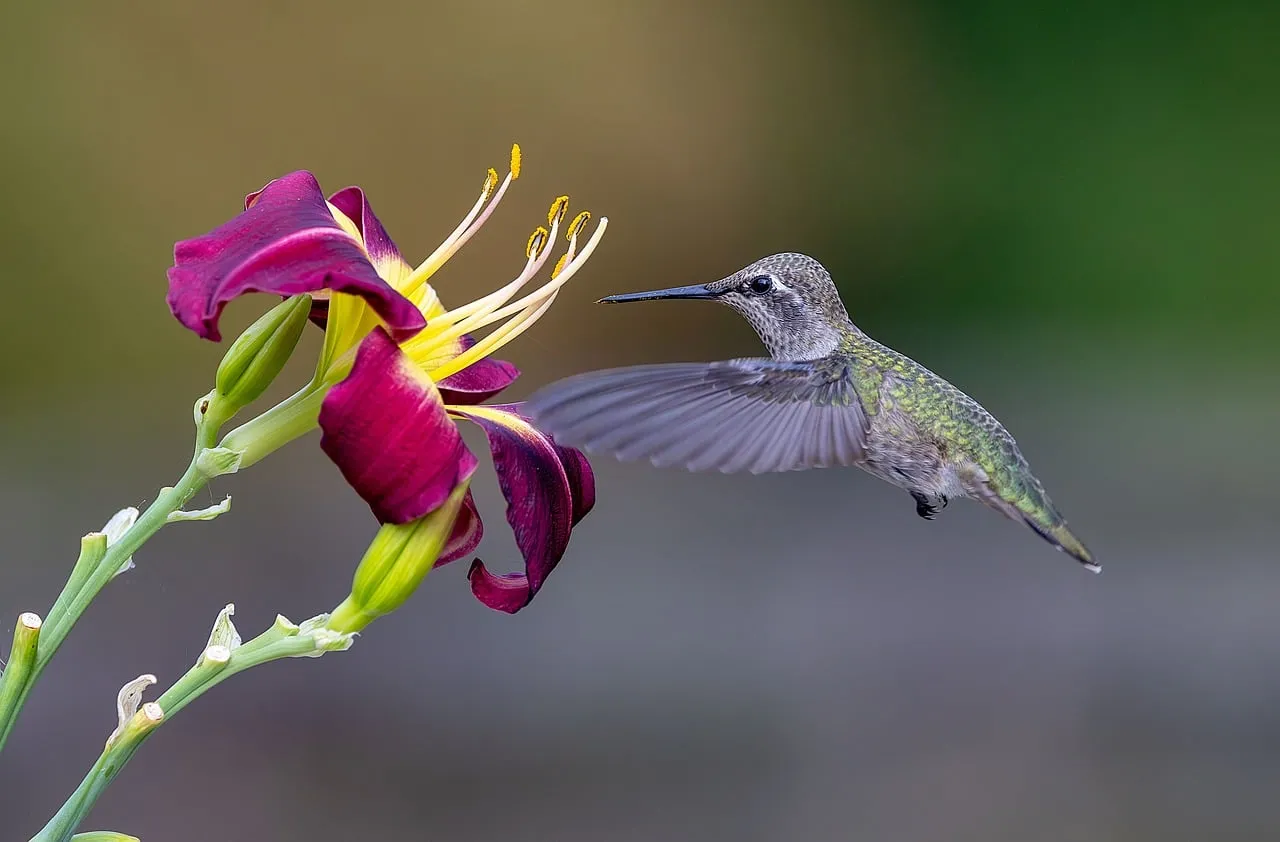
Most people plant any bright bloom and assume the birds will figure it out. They won’t. Hummingbirds are specialists who prefer tubular or trumpet-shaped flowers that match their bill length, letting them hover and feed without contorting themselves.
Flat, shallow, or heavily ruffled blossoms waste their time even when they’re screaming red. Double-bloom roses and frilly petunias are especially bad offenders, burying the nectar so deep the bird has to wrestle petals just to eat.
They learn fast which gardens feel smooth and which feel like an obstacle course. A yard full of “all show, no go” flowers is quietly training them to skip you next season.
#3 – Color Cues: Red Helps, But Not for the Reason You Think
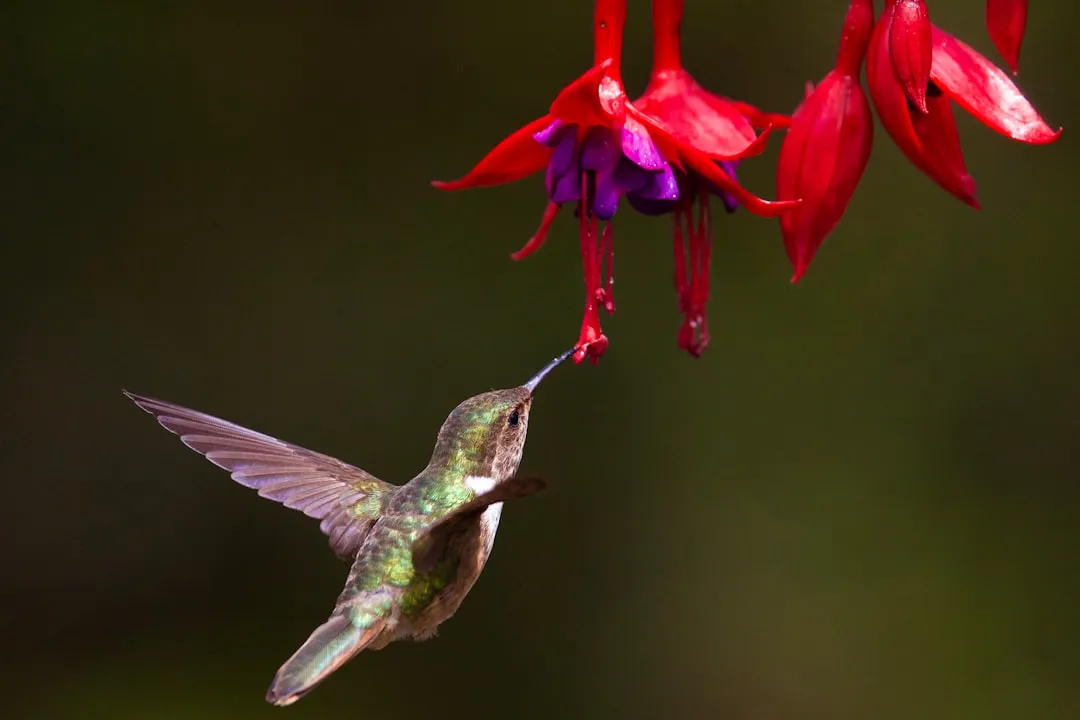
Everyone “knows” hummingbirds love red, and that half-truth leads to bad landscaping decisions. They don’t love red because it’s pretty. They’ve learned that red often signals deep, energy-rich nectar with less competition from bees, which is a survival hack, not an aesthetic preference.
Orange, hot pink, and deep purple work almost as well when the nectar backs it up. But fake color can badly backfire. Red plastic decor, cheap yard ornaments, or lifeless silk flowers train birds to expect a payoff that never comes.
After enough disappointments, they’ll write your yard off as visual noise. A few real, tubular red flowers or a well-kept red feeder beat a cluttered carnival of color that leads nowhere.
#4 – Consistent Bloom Calendar: They’re Quietly Tracking Your Reliability
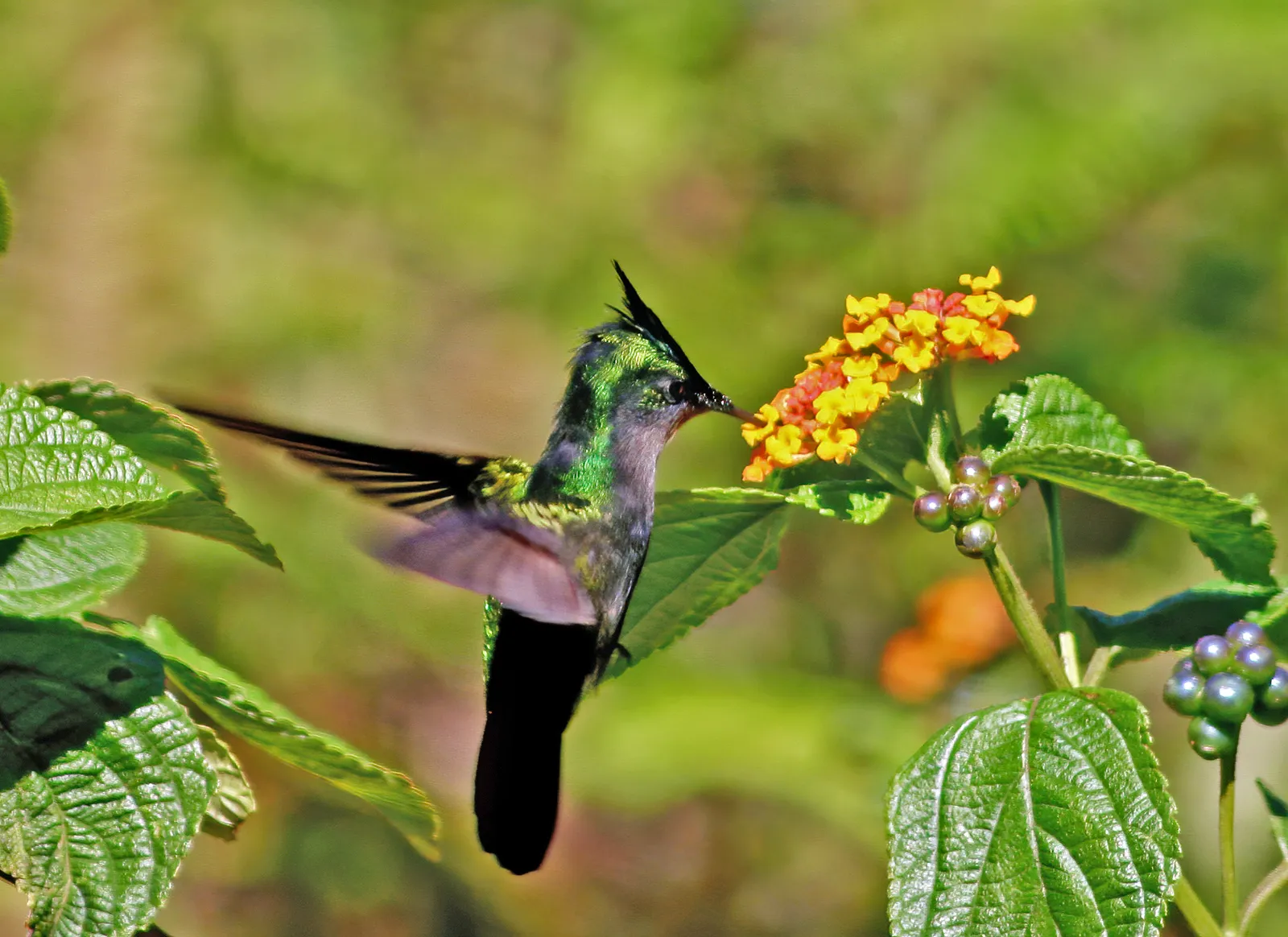
Hummingbirds run tighter schedules than most humans. They migrate, return, and patrol routes almost entirely from memory. If your garden only looks good for two flashy weeks a year, they notice, and what they’re really judging is whether they can count on you for months, not days.
A yard that booms and then goes barren tells them not to rely on you. Boom-and-bust gardens get quietly downgraded, no matter how spectacular that one good week was.
The smarter move is staggering blooms across early, mid, and late season, like running a subscription instead of a one-time sale. If they find something worth sipping every time they swing through in May, July, and September, your address gets locked into their permanent route.
#5 – Feeder Cleanliness: They Smell Trouble Long Before You See It
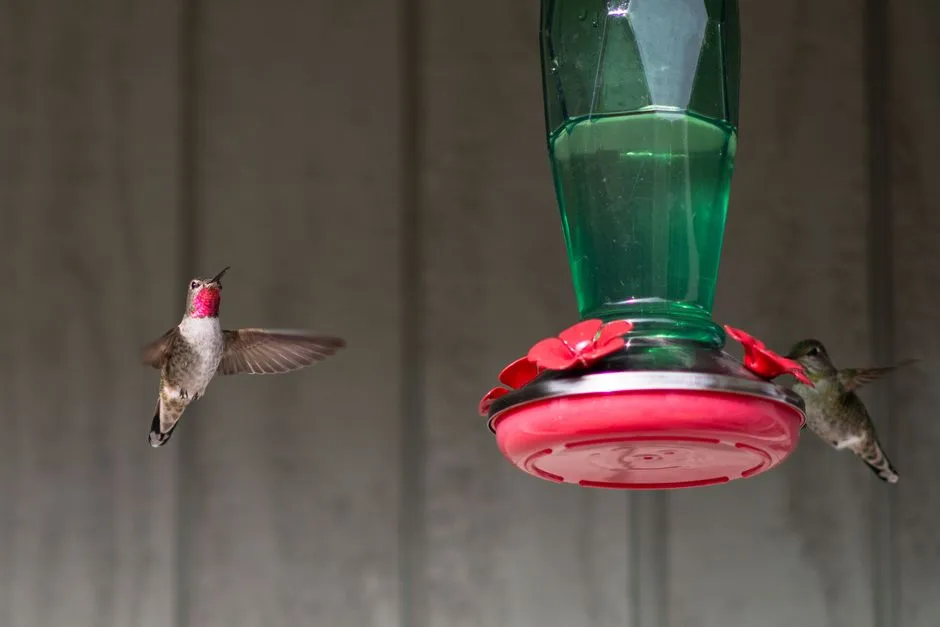
A lot of people proudly hang feeders and then barely clean them. Hummingbirds silently vote on that neglect. Cloudy nectar, black mold in the seams, or fermented sugar send one loud message: this yard is risky.
Dirty feeders can genuinely make them sick, and they adjust their loyalty accordingly. They don’t dramatically fly off in protest. They just quietly stop showing up, and you never know why.
Fresh nectar, roughly one part white sugar to four parts water, changed every two to three days in warm weather, tells them you’re running a safe operation. No dyes, no sticky residue, no ants drowning in the ports. A clean feeder can outweigh a mediocre flower selection, but a filthy one can tank an otherwise beautiful garden.
#6 – Perch Points & Lookouts: They Need a Throne, Not Just a Buffet
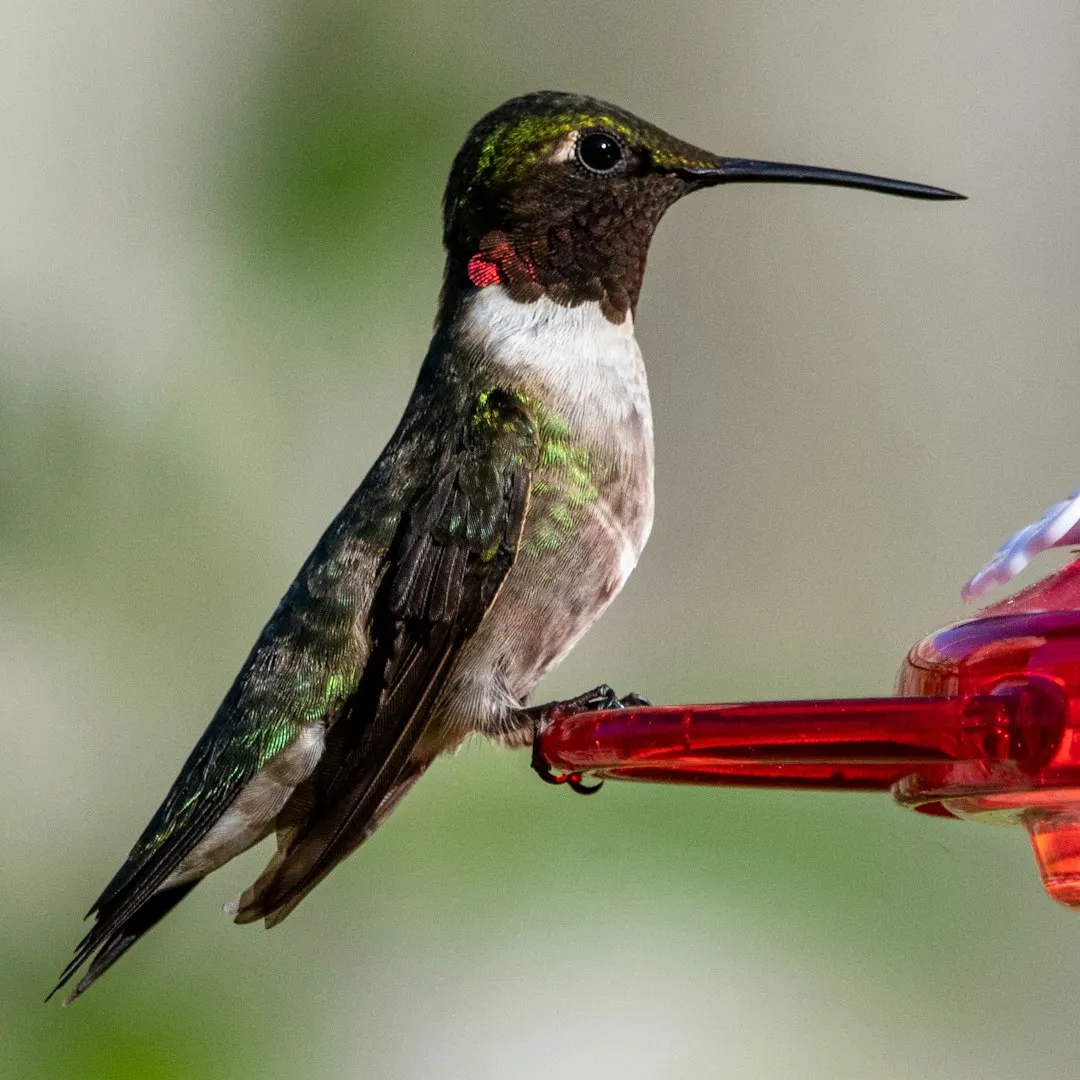
Most people obsess over flowers and completely ignore where hummingbirds actually sit. That’s a mistake, because these birds aren’t always in motion. They spend a surprising amount of time perching, preening, and guarding territory from a fixed spot.
If your yard has no good “thrones” – thin branches, wires, or twigs near the nectar – they may not bother defending it at all. They want vantage points roughly five to fifteen feet high with a clear view of their feeding zone and any rivals.
A single well-placed thin branch near a feeder can turn a casual visitor into a full-time yard boss. Meanwhile, an overly manicured, branchless landscape looks great on Instagram but reads as a tactical disadvantage to a bird trying to hold ground.
#7 – Safe Cover vs. Open Exposure: They’re Scanning for Ambush Points
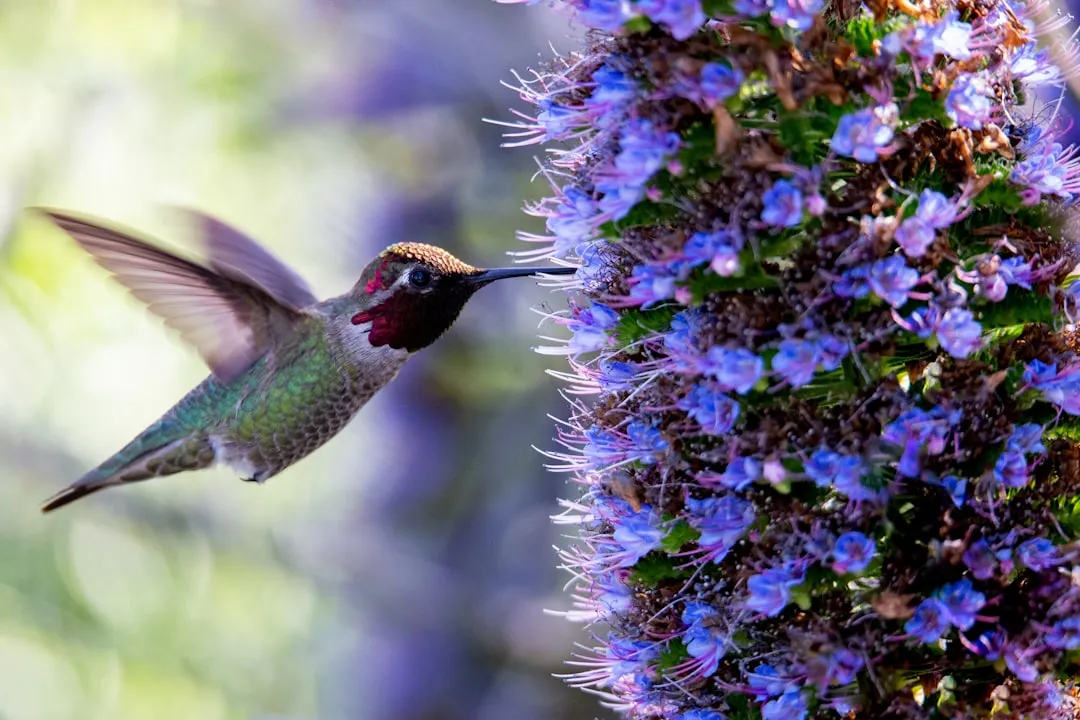
To a hummingbird, your garden is either safe or it’s a stage for an ambush. Hawks, cats, and even larger songbirds are real threats. If the only nectar in your yard hangs out in wide-open space with zero escape cover, they’ll treat every visit as high-risk and space their trips further apart.
They want quick dart paths into shrubs or small trees within a wingbeat or two. Dense shrubs, layered plantings, and partial shade edges matter more than most gardeners ever consider.
Too open and they feel exposed. Too dense and they can’t maneuver. The yards they return to year after year are the ones that feel survivable, not just the ones that look pretty from the sidewalk.
#8 – Predator Pressure: Yes, Your Cat Is the Problem
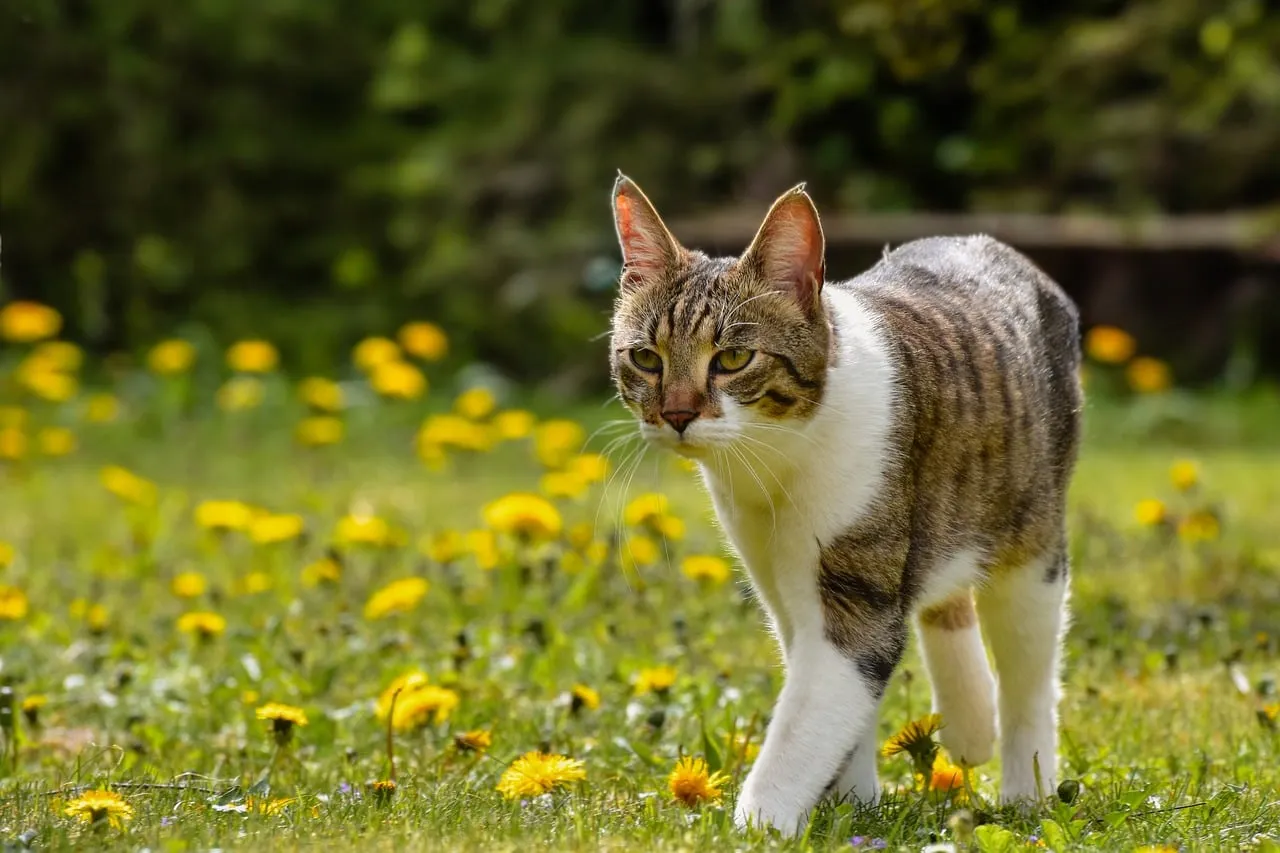
This is the signal most people actively refuse to think about: their own pets. A single stalking cat under the feeder or lurking in the flower bed can erase months of careful planting in one bad afternoon. Hummingbirds notice repeated ambush attempts, and they will flag your yard as dangerous.
Even if your cat “never actually catches anything,” its mere presence changes bird behavior permanently. Add window collisions from poorly placed feeders or reflective glass, and your beautiful garden becomes a hazard zone in their eyes.
The yards that keep hummingbirds coming back long-term tend to share two things:
- No free-roaming cats anywhere near the feeding zone
- Feeders placed away from easy pounce spots, fences, or low ledges
#9 – Water Sources & Misters: They Love a Good Shower
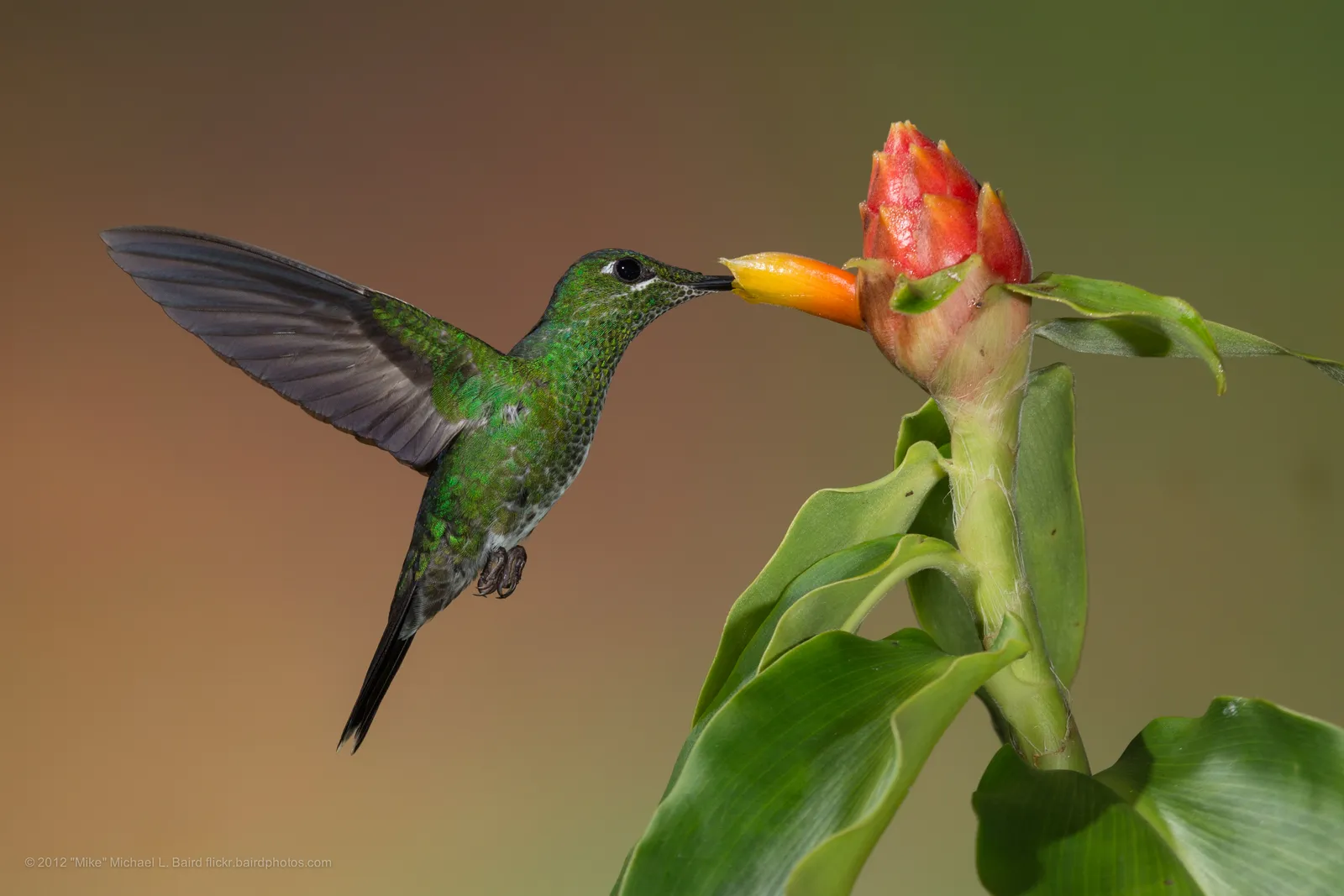
Most homeowners forget hummingbirds need water at all, and even if they remember, they picture the wrong kind. Hummingbirds prefer fine mists, dripping leaves, and shallow film water they can flutter through, not a big open birdbath bowl.
A simple hose mister clipped to a shrub, a trickling fountain edge, or foliage that catches sprinkler droplets can be irresistible. They’ll fly straight through the mist, shake midair, then perch nearby to preen.
Worth Knowing
- They bathe by flying through mist or wet leaves, not by soaking in still water
- A soft, fine spray works better than a strong jet, which can feel threatening
- Placing a mister near flowering shrubs lets them feed and bathe in one stop
- A dripping hose or fountain edge can work just as well as a store-bought mister
That little daily spa routine builds real site loyalty. A garden that offers both nectar and bathing tends to see relaxed, repeated visits instead of frantic, quick drive-bys.
#10 – Chemical Smell & Pesticide Use: They Can Taste the Problem
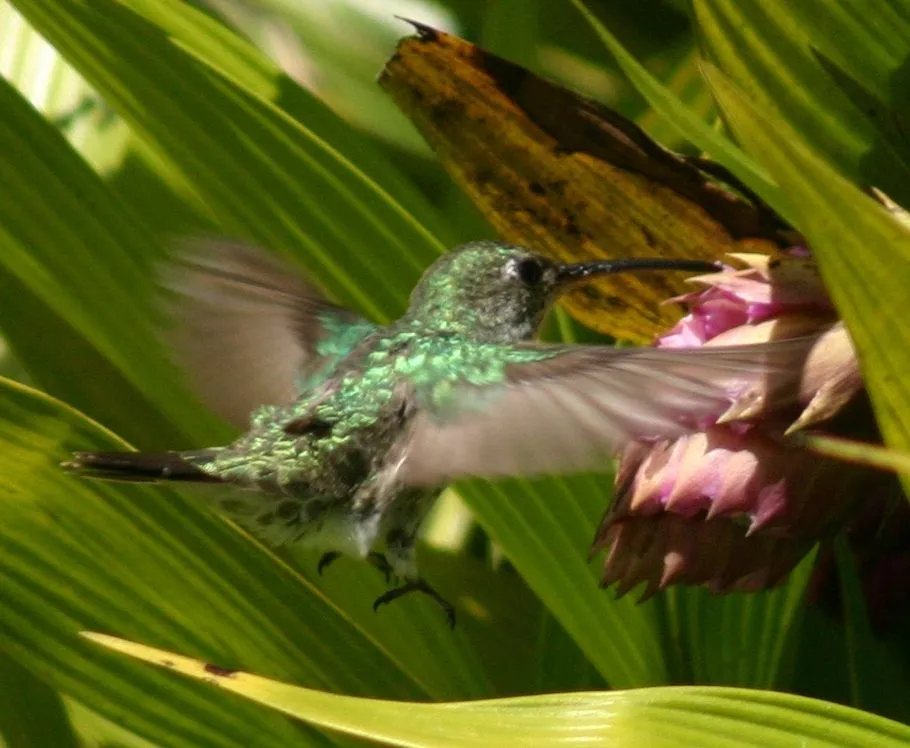
It’s not just bees you’re hurting when you spray. Hummingbirds rely on tiny insects for protein, and many insecticides quietly wipe out that crucial food source along with everything else.
Worse, nectar sitting near heavy chemical residue can genuinely taste “wrong” to them, and it doesn’t always take repeated exposure. Some birds abandon an otherwise ideal garden after a single bad experience.
A yard that looks spotless but is biologically dead offers them almost nothing long-term. Ironically, a slightly “messier” garden with a few holes in the leaves and plenty of small insects is often a hummingbird paradise. The perfect, chemically-polished lawn may be one of the most effective silent repellents there is.
#11 – Insect Life Around Your Plants: Protein Is the Real Survival Test
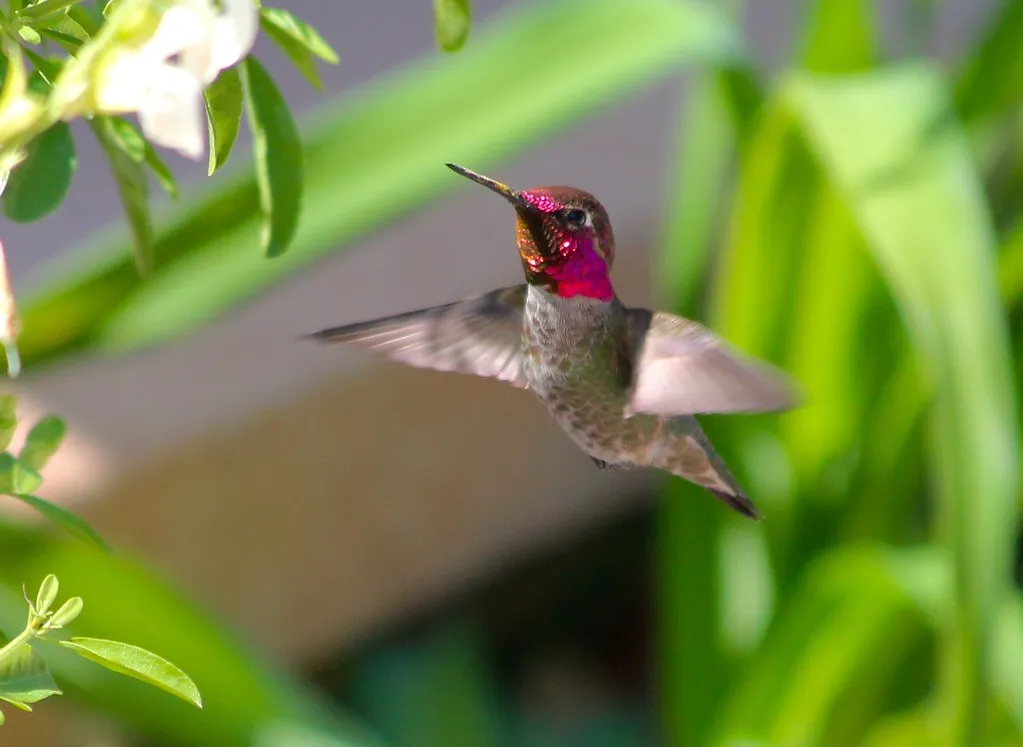
Most people assume hummingbirds live on sugar water alone. In reality, they hunt gnats, fruit flies, and tiny spiders constantly, especially while raising chicks. A yard that’s nectar-rich but insect-poor is like a bakery with zero protein in sight: fine for a quick treat, useless for actual survival.
They glean bugs straight off spider webs, snatch insects out of midair, and pick them off leaves without ever landing. Overly sterile, leaf-blower-obsessed yards simply don’t have that micro-life to offer.
A little leaf litter under the shrubs, some native plants, and one deliberately “wild” corner signal that your garden can support their entire diet, not just dessert. They may come for the nectar, but they stay for the bugs.
#12 – Territorial Layout: Where You Put Feeders Decides Who Gets to Eat
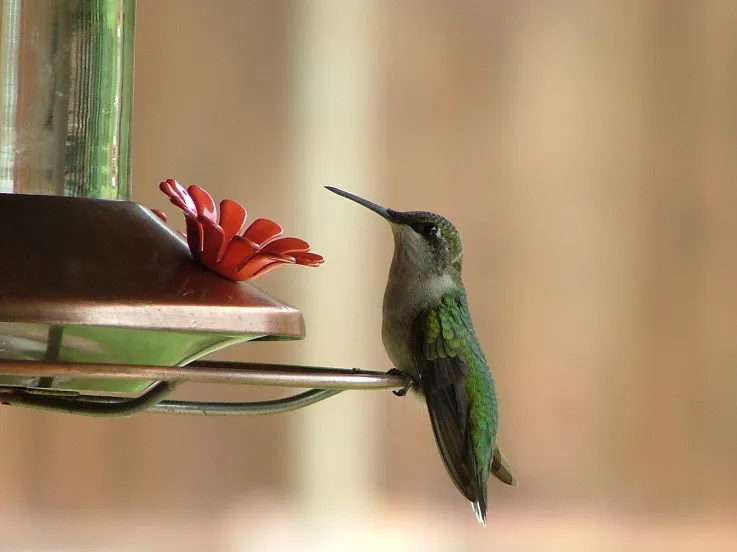
Slam one feeder in the middle of the yard and call it a day, and you’ve accidentally crowned one bully king of the territory. Hummingbirds are fiercely territorial, and a single dominant bird can chase off every other visitor, making your “popular” feeder look empty most of the day.
They size up the layout fast and decide whether it works in their favor. Multiple feeding stations, spaced out and partially hidden from one another, completely change the dynamic.
Lower-ranking birds, females, and juveniles finally get safe access instead of getting bullied off. Clustered, easy-to-guard setups create drama. Spread-out stations create actual traffic.
#13 – Human Noise & Movement: Chaotic Yards Get Quietly Abandoned
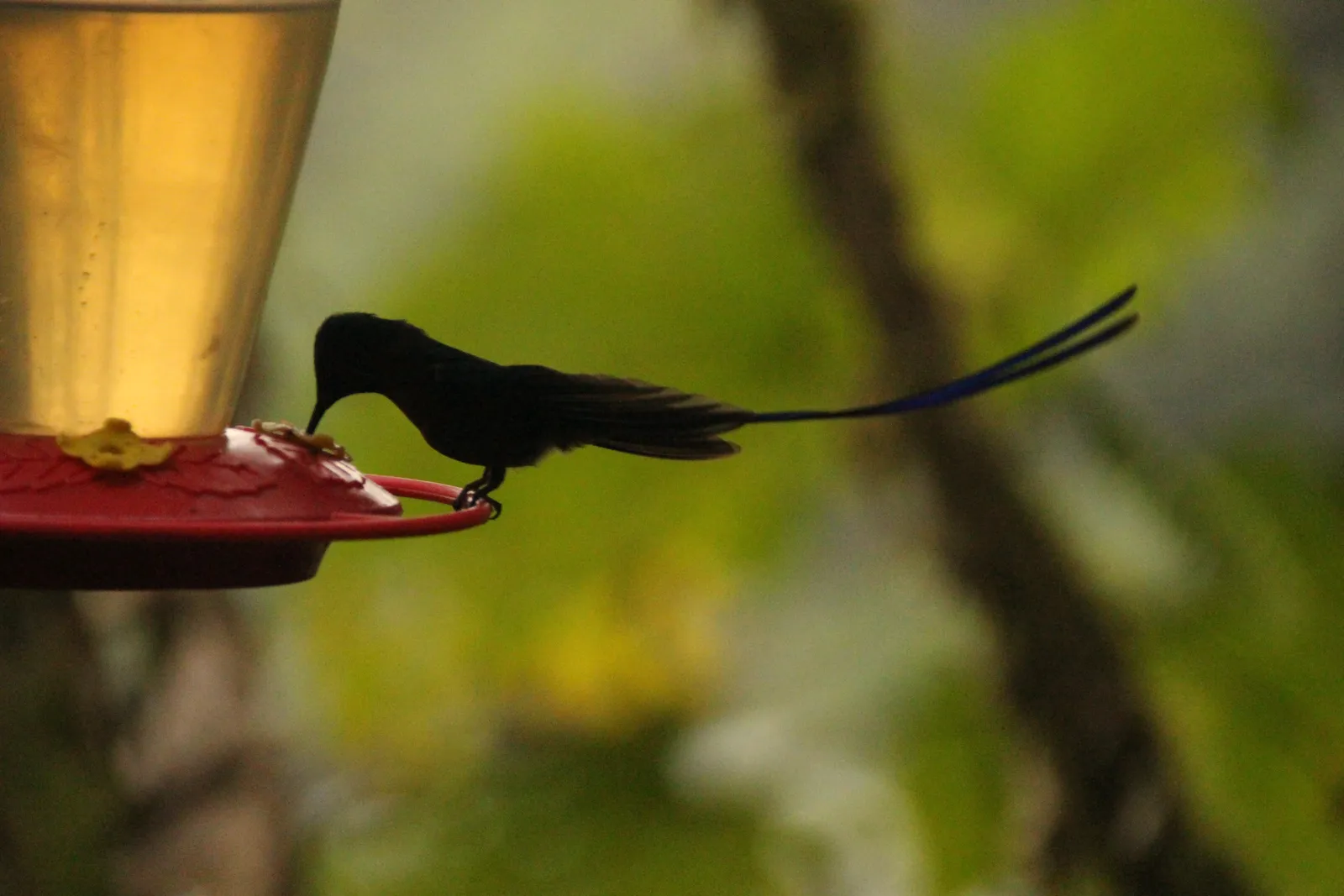
Hummingbirds tolerate humans far better than people assume, but they hate unpredictability. Slamming doors, kids sprinting through the exact feeding zone, or power tools roaring near their flight path all add up fast. If every approach to your flowers triggers a startle response, they’ll shorten their visits or just move to a calmer yard down the street.
At a Glance
- Sudden loud noises near a feeder can cause a bird to abandon its visit mid-sip
- Predictable routines, like regular foot traffic or quiet conversation, are usually tolerated
- Startled pets and slamming doors near feeding zones are common repeat offenders
- Calm, consistent yards tend to see longer and more frequent visits
Interestingly, some of the best hummingbird yards belong to people who simply sit outside often and stay still. The birds learn your “normal” and work around it. It’s the sudden, high-surge chaos right at feeder level that sends them packing for good.
#14 – Nighttime & Early-Morning Light: Safety at the Hours You Never Think About
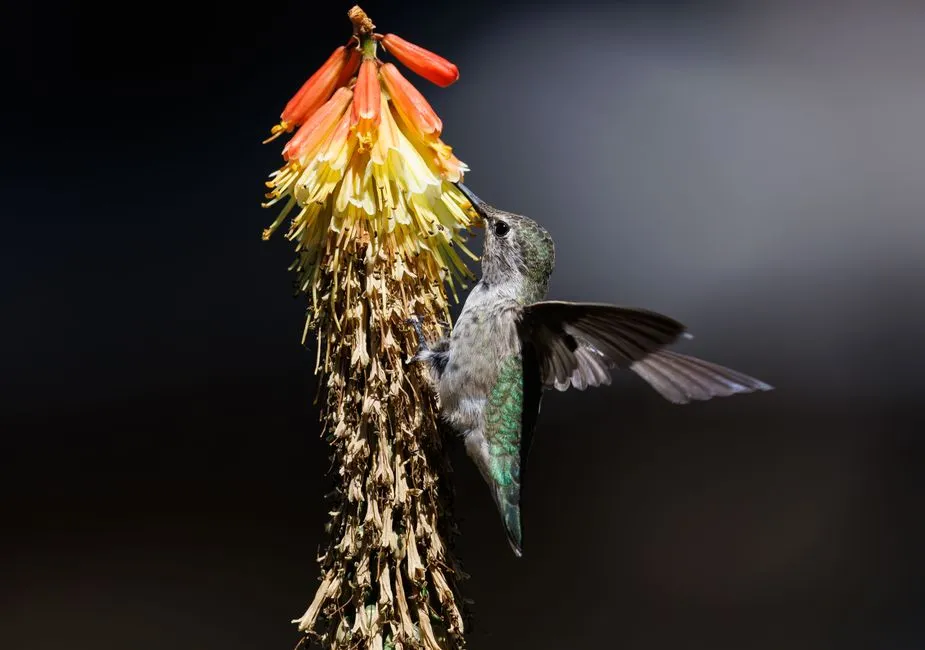
Almost nobody thinks about how their yard feels to a hummingbird at dawn or dusk, which is exactly when the birds are most vulnerable. Bright, misdirected lights can disorient insects, shift predator behavior, and change how safe those edge hours feel to a bird relying heavily on them.
Motion-flood lights that snap on with every gust of wind don’t help. Softer, indirect lighting kept away from the main feeding station is a far safer bet.
Hummingbirds want to forage in low light without suddenly getting blasted by an LED that also alerts every predator nearby. An over-lit yard might feel secure to you, but to wildlife, it can read as an ambush stage.
#15 – Migration Timing & Memory: They Remember Exactly How You Treated Them
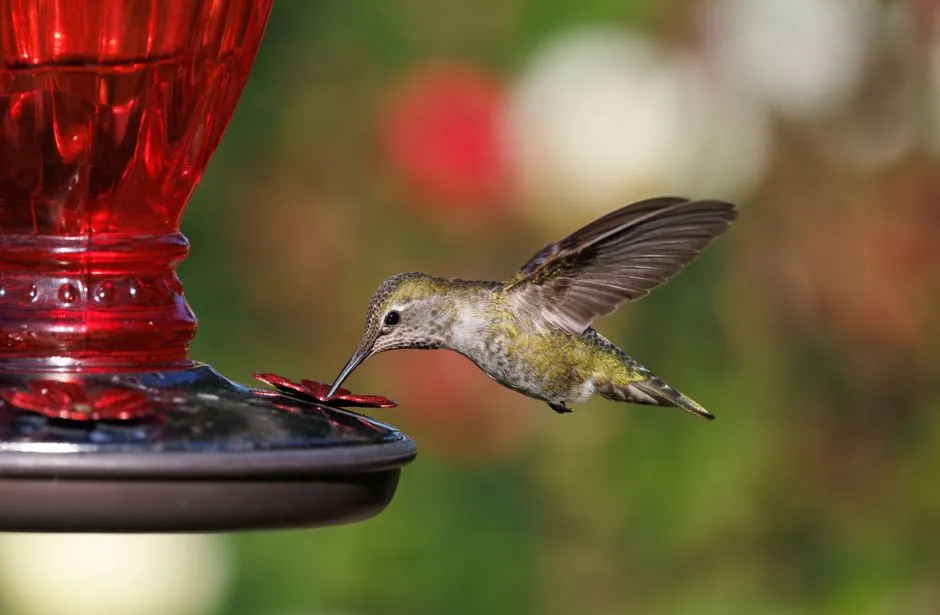
People are always shocked when the same hummingbirds show up almost exactly the same week every year. That’s not coincidence, it’s memory. If your garden delivered last season, they’ll literally check your address again on the way through. If it disappointed them, expect a shorter visit, or none at all.
This is where quiet consistency crushes occasional effort. Putting feeders up late, letting them sit empty for weeks, then suddenly “trying hard” for a few days sends a flaky signal birds respond to instantly.
The gardens that become permanent stops on the migration route are almost boringly reliable: food shows up exactly when expected, year after year, no exceptions. Most people badly underestimate how harshly they get graded on this one.
#16 – Native vs. Exotic Plants: They Quietly Prefer What Actually Works
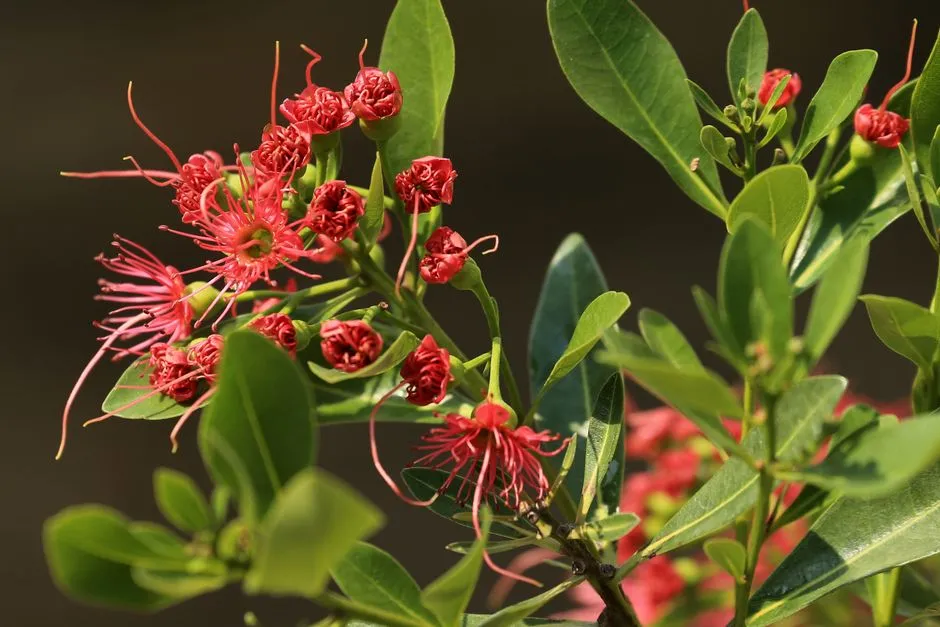
Instagram loves exotic, showy plants, but hummingbirds quietly favor what’s worked for millions of years. Native salvias, bee balms, columbines, penstemons, and fuchsias frequently offer richer, better-timed nectar than imported ornamental hybrids ever will, because they evolved alongside each other.
Quick Compare
- Native favorites: trumpet honeysuckle, bee balm, cardinal flower, columbine, regional salvias
- Common underperformers: double-bloom roses, ruffled petunias, ornamental impatiens
- Natives usually bloom on a schedule that matches migration and nesting needs
- Exotics can look showier in photos while quietly offering less usable nectar
Exotics aren’t automatically bad, but a yard stuffed with sterile, double-bloom, purely decorative varieties often quietly under-delivers on nectar. Meanwhile, a “boring” mix of regionally native plants can build a buffet that perfectly matches their migration and breeding schedule.
The flashier your plant catalogue looks in photos, the more likely it is you’re disappointing the actual wildlife you thought you were helping.
#17 – Overall Energy Efficiency: They Run the Math on Your Yard, Every Time
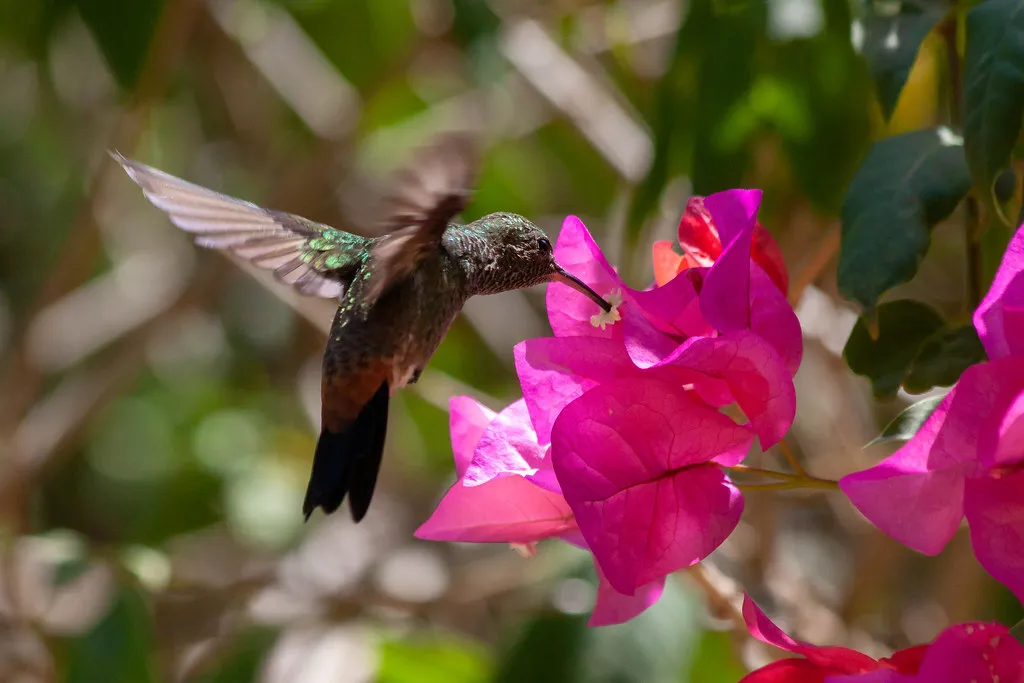
In the end, hummingbirds aren’t sentimental about any of this. They’re ruthless energy accountants running constant math: flight distance between blooms, wait time while being chased off, predator risk, and nectar quality at every single stop. Every second spent in your garden has to pay off more calories than it costs.
If your yard makes feeding simple, good flowers close together, low harassment from bullies, safe perches, minimal threats, they’ll choose you over a “prettier” but less efficient garden down the street.
That’s the real secret hiding behind all seventeen signals. They’re never asking, “Is this garden nice?” They’re asking, “Does this place keep me alive with the least possible effort?” Design for that cold calculation, and you’ll watch them return, and actually stay.
The Bottom Line
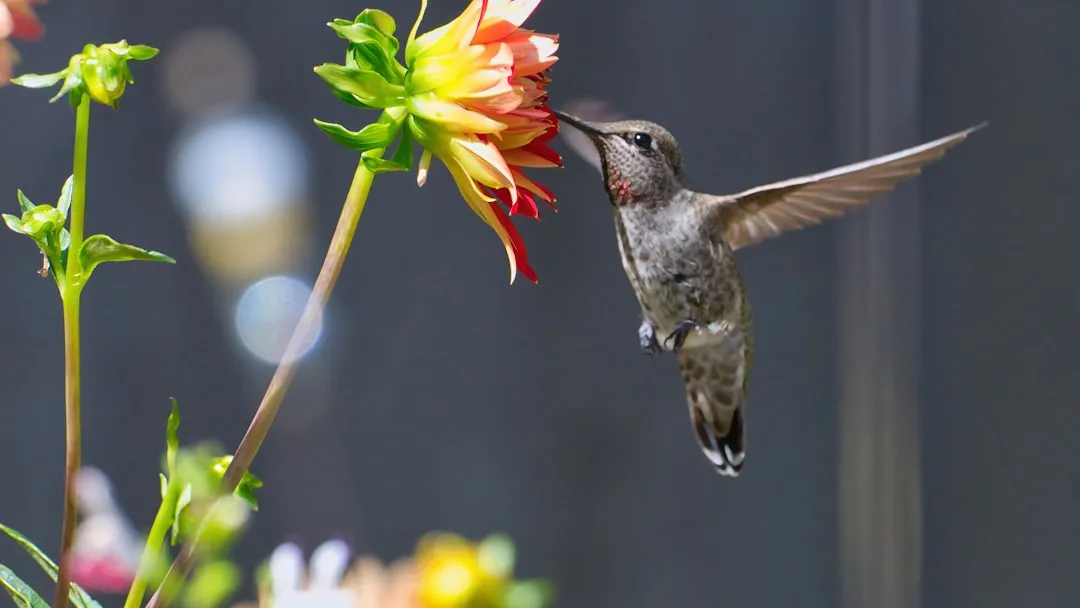
Hummingbirds are not tiny ornaments blessing you with random visits. They’re ruthless field testers, grading your garden on seventeen signals most people never even notice exist. Nectar depth, flower shape, perch options, predator pressure, insect life, and even your own cleaning habits all add up to one blunt verdict: worth it, or not.
Here’s the part that should sting a little: plenty of genuinely beautiful yards are terrible hummingbird habitat, while slightly messy, pesticide-free, native-heavy gardens keep getting chosen year after year. If your birds stopped coming back, it wasn’t bad luck. It was a decision, made in seconds, based on evidence you left lying around your own yard.
The good news is that decision isn’t final. You can change their vote. So be honest with yourself: based on everything you just read, would you return to your own garden, or would you keep flying?
