

Here’s the myth nobody wants to give up: any dog can “settle down” once you retire, because now you finally have time for it. That sounds comforting. It’s also one of the most expensive lies in the pet world, and shelters are full of proof.
Some breeds really were built to nap when you nap and match your slow, quiet mornings. Others were built to patrol, herd, and work themselves into a frenzy the second life gets too calm – and no amount of love rewires that. Trainers and breed historians have quietly known which is which for years. Keep scrolling, because your dream dog might be sitting on the wrong list.
#38 – Great Dane: The Giant Couch Potato (Built for Quiet)
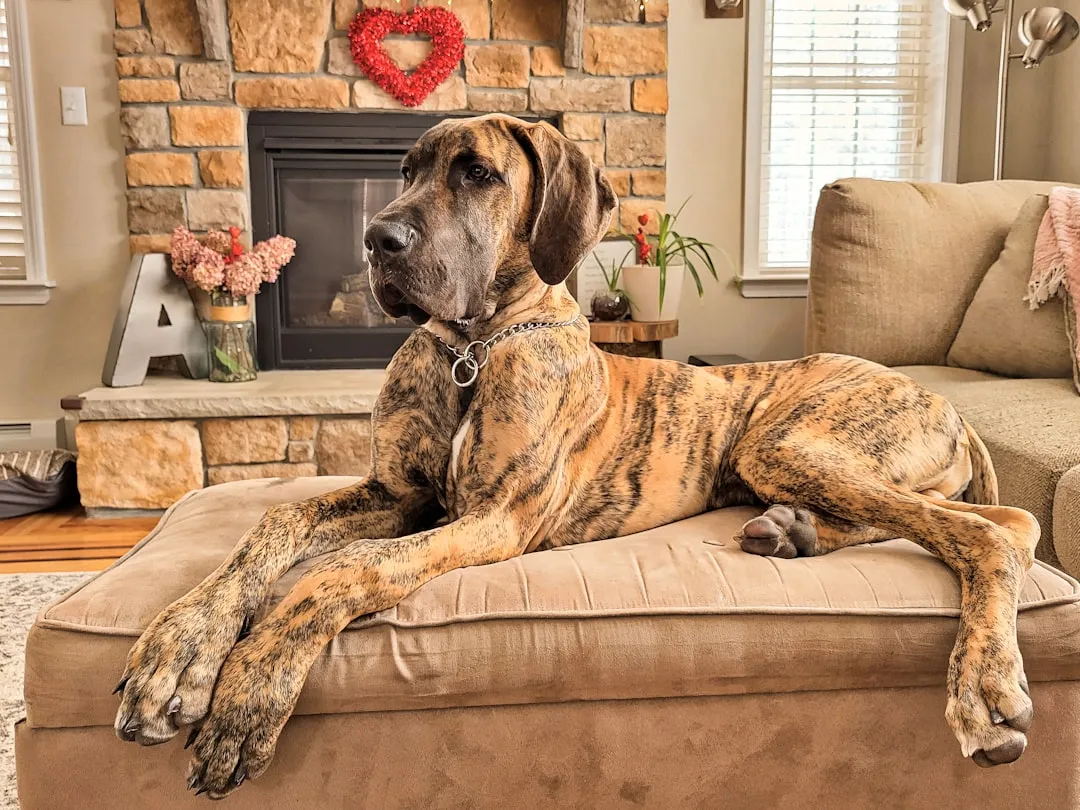
Great Danes look like chaos on four legs, but insiders call them “the world’s largest lapdog” for good reason. Most Danes are shockingly lazy indoors, happy to sprawl across half the sofa and sleep for hours between short walks.
The catch is space, cost, and heartbreak. Giant frames mean huge food bills, orthopedic problems, and lifespans that often stop at 7 to 9 years – brutal for someone finally settling into retirement with a dog they love. Still, for a sturdy homebody who wants a calm, affectionate shadow, this gentle giant is one of the softest roommates on this entire list.
Fast Facts
- Adult males can top 32 inches at the shoulder and weigh well over 140 pounds.
- Lifespan is short for such a beloved companion, often just 7 to 9 years.
- Daily exercise needs are surprisingly modest: a couple of short-to-moderate walks usually does it.
- Space and orthopedic care matter more than activity level when planning a home for one.
#37 – Border Collie: Genius That Will Eat Your Peace Alive (Unravels)
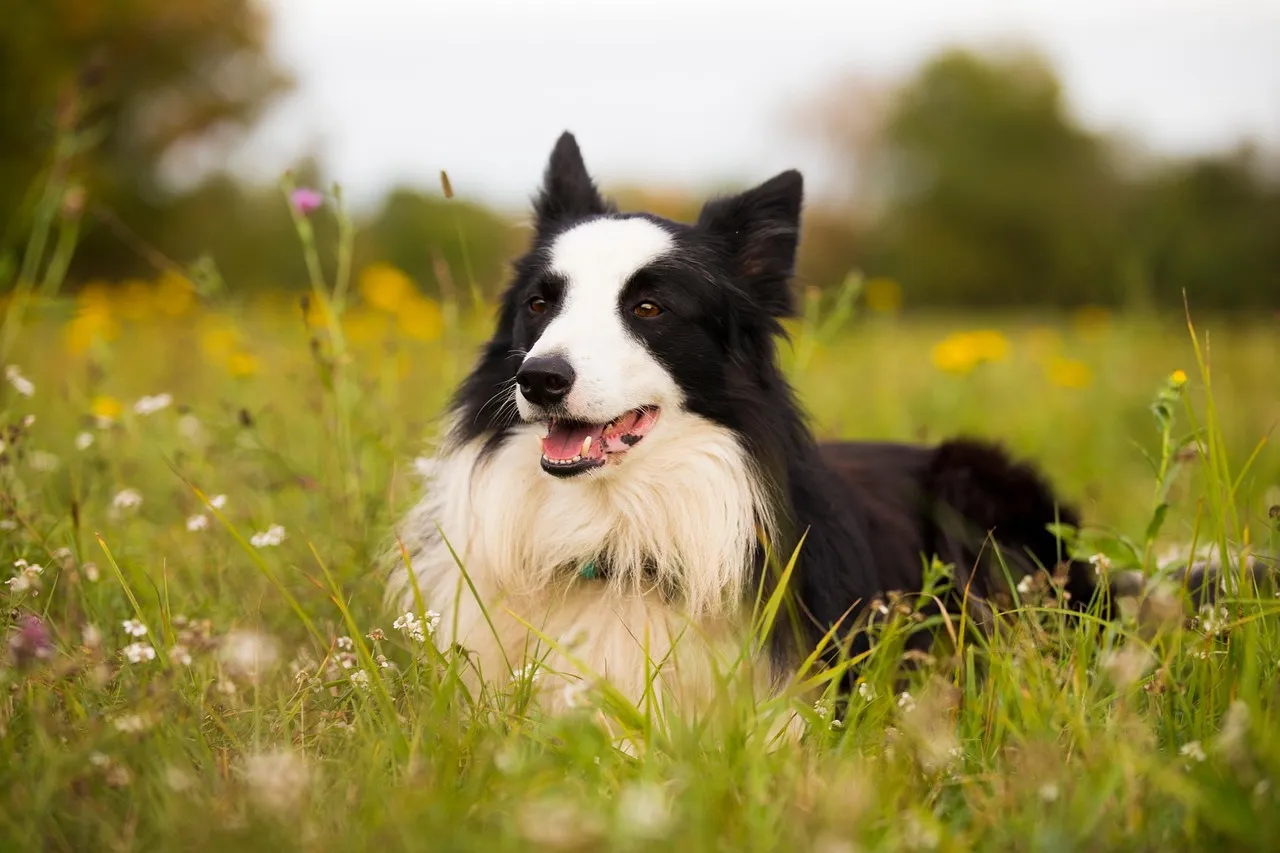
Border Collies are the Einsteins of the dog world, and that intelligence is exactly why they can wreck a peaceful retired home. Bred to run and think all day while controlling livestock, they don’t just get “bored” in a quiet house – they invent jobs, like herding grandkids, guarding windows, or obsessively chasing shadows across the wall.
Within months, many first-time owners are stunned by neurotic spinning, constant barking, and compulsive behaviors they never saw coming. A handful of ultra-active retirees keep up through agility or daily off-leash hikes, but for a truly silent home, this is one of the most mismatched choices you can make.
A tired dog is a good dog.
Cesar Millan
#36 – Cavalier King Charles Spaniel: The Velcro Nap Partner (Built for Quiet)
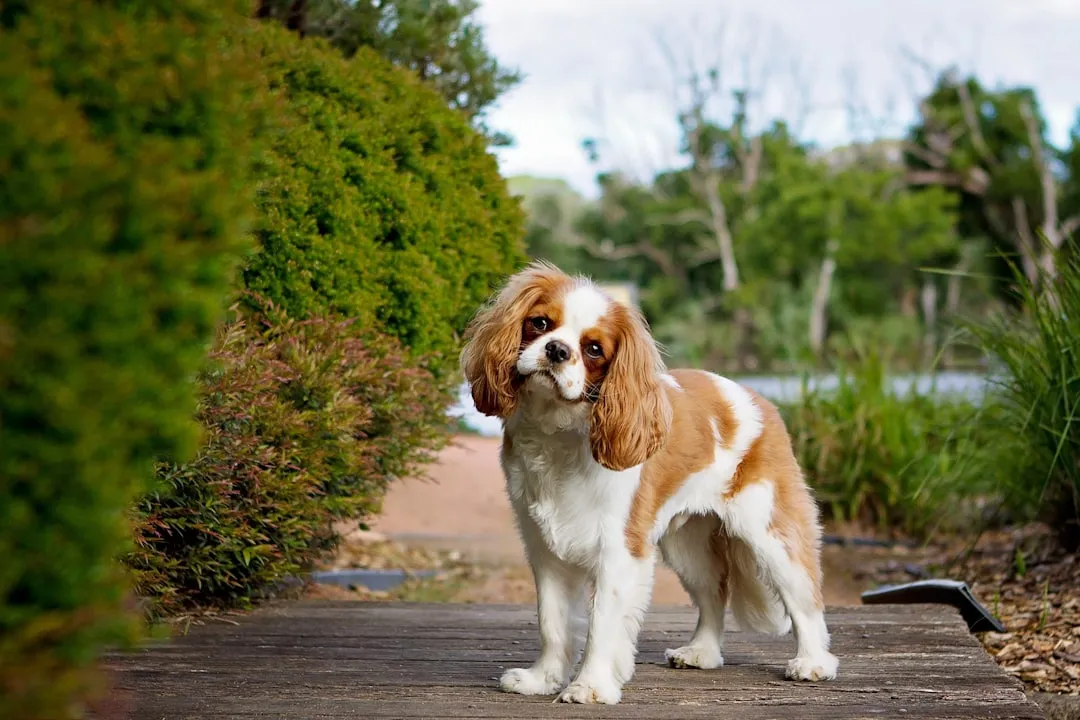
If retirement in your head looks like tea, a good book, and a dog snoring gently on your lap, a Cavalier is dangerously close to that fantasy. Bred to warm royal laps rather than chase boars, most are soft, social, and satisfied with a walk around the block before returning to cuddle duty.
The ugly asterisk is health. Cavaliers carry some of the worst heart and neurological disease rates in the dog world, and responsible breeders are hard to find and expensive. Do the homework and find a carefully health-tested line, though, and you’ve got one of the coziest indoor companions on earth.
#35 – Siberian Husky: Escape Artist in a Quiet Prison (Unravels)
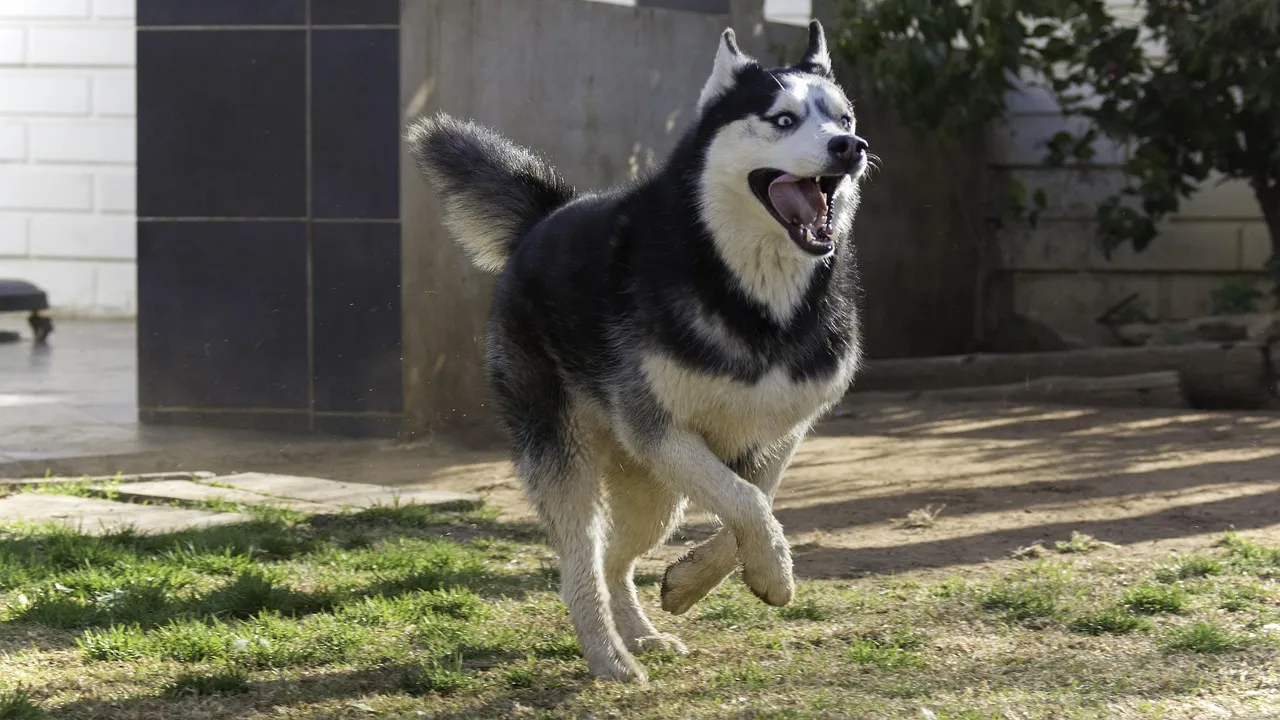
Huskies are social media darlings with ice-blue eyes and dramatic “talking,” but under that fluff is a sled dog built to run 20 to 40 miles a day in brutal conditions. Drop that engine into a quiet suburb with gentle walks and you’ve built a recipe for disaster.
They howl, dig, shred furniture, and escape because every cell in their body is screaming for motion and teamwork. Add heavy seasonal shedding and master-level fence-jumping skills, and the “dream dog” from Instagram quickly becomes a full-time containment project.
#34 – Greyhound: Racing Dog, Surprisingly Low-Maintenance (Built for Quiet)
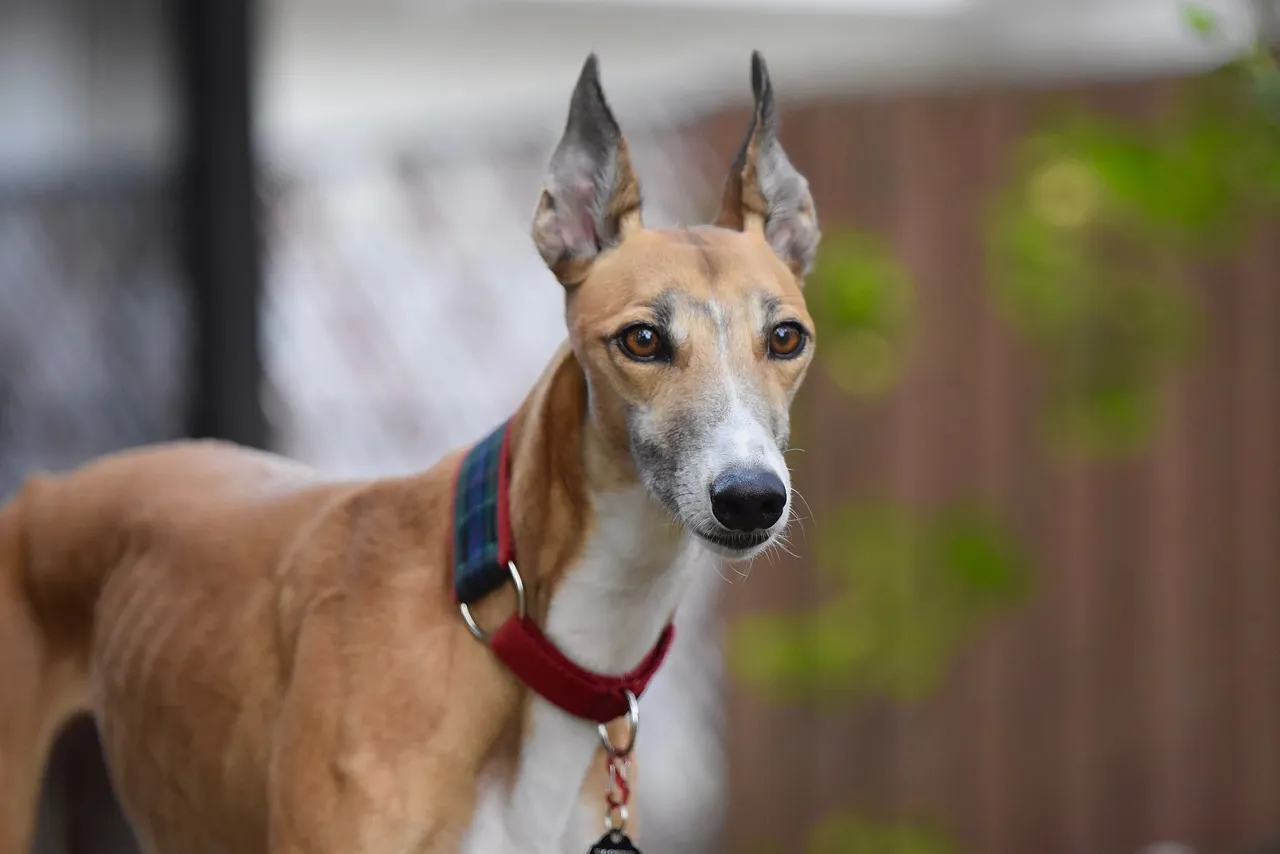
It shocks people, but retired racing Greyhounds are often called “45-mile-per-hour couch potatoes.” Their track career doesn’t translate into chaos at home – most ex-racers adjust beautifully to apartments, modest walks, and long naps on soft beds.
They’re typically quiet, gentle, and indifferent to strangers, which keeps doorbell drama low. Just know their thin skin makes them cold-sensitive and injury-prone, and some can’t safely live with cats or small dogs because of prey drive. Otherwise, this is one of the best-kept secrets for calm seniors who want a big dog without big chaos.
#33 – Belgian Malinois: Special Forces Brain, Retiree Nightmare (Unravels)
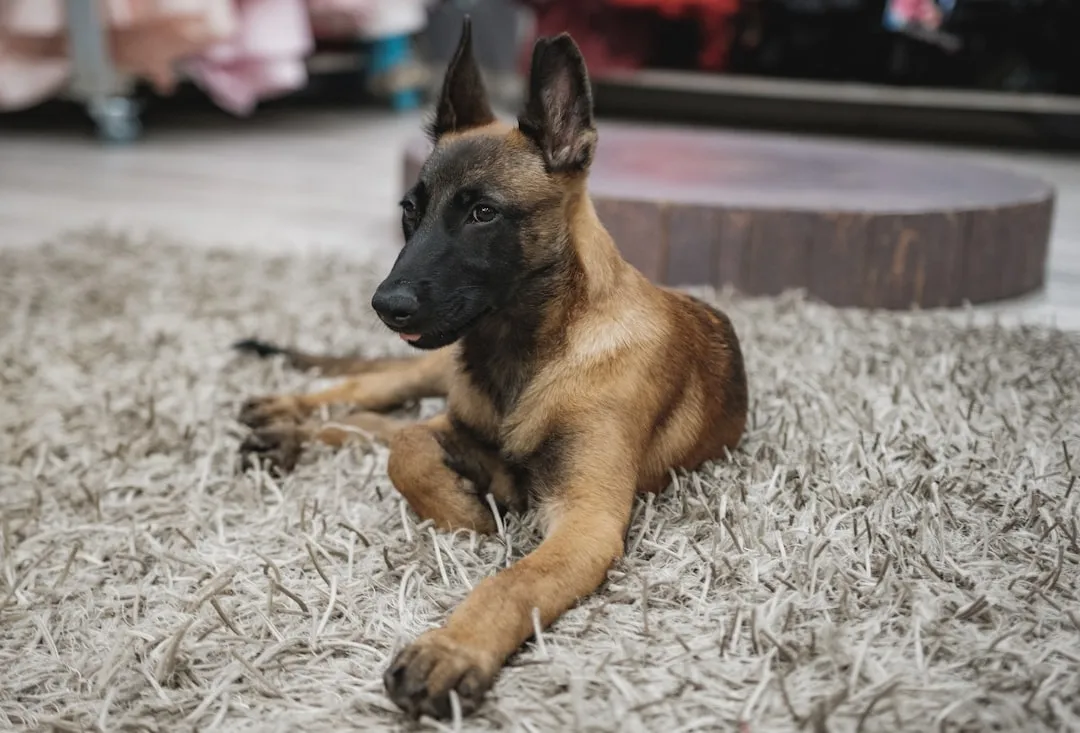
Belgian Malinois are internet-famous as police and military dogs, and that’s exactly the problem. People see viral videos and assume they’re just “smart German Shepherds,” when really they’re full-throttle working machines bred for bitework, patrol, and nonstop mental engagement.
In an average quiet home, they become landmines – intense reactivity around visitors, obsessive drive that turns into destructive chewing and frantic pacing. Even professional trainers debate whether these dogs belong in typical pet homes at all. Parking a Malinois in a soft-spoken retirement is like parking a race car in a studio apartment and hoping it settles. It almost never does.
#32 – Basset Hound: Low-Slung, Low-Drama Lounger (Built for Quiet)
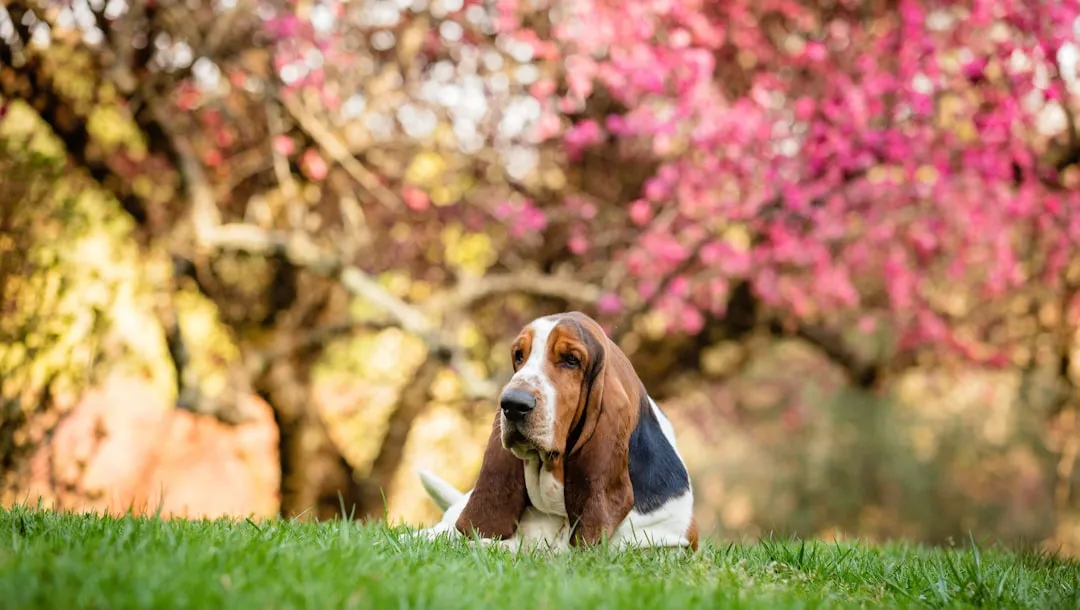
Basset Hounds look comical, but behind the droopy ears is a dog built for a slow, comfortable life. They can walk and sniff, sure, but around the house they’re famously lazy, stubborn, and content to do very little.
They come with trade-offs: obesity risk if overfed and under-exercised, plus drool, ear infections, and a distinct “houndy” smell some people can’t stand. But they’re rarely frantic or neurotic, and seasoned owners quietly pick Bassets when they want a dog that matches a comfy, slow Saturday every single day.
#31 – Jack Russell Terrier: Dynamite in a Small Body (Unravels)
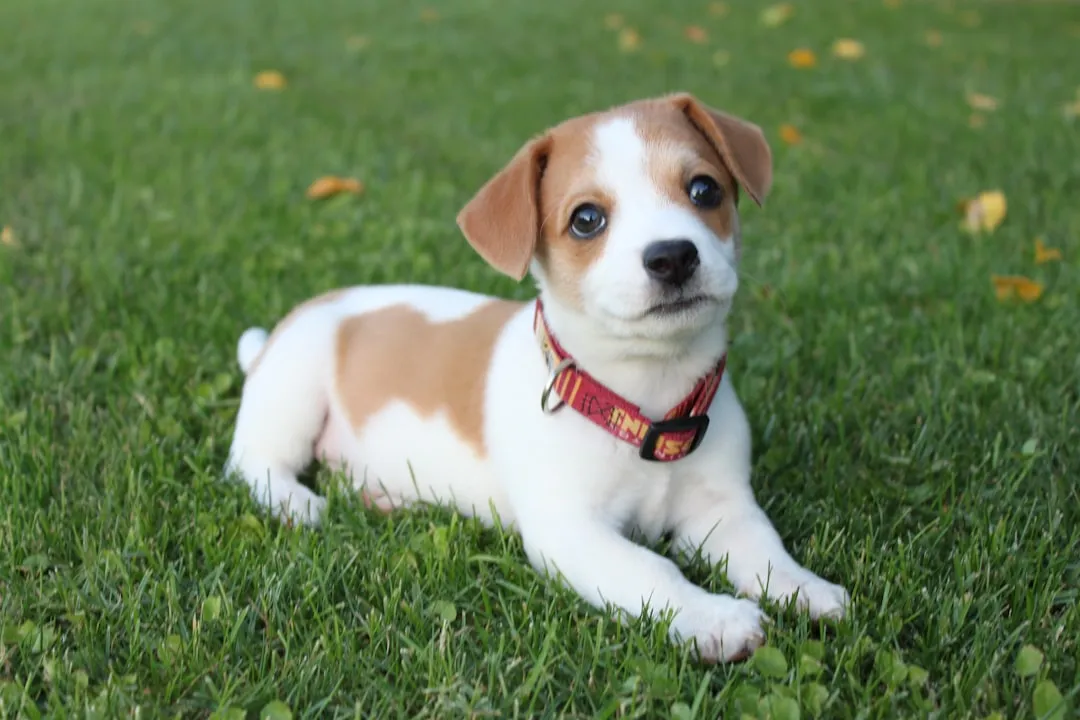
Jack Russells trick retirees constantly. They look small and cute, but these are explosives wrapped in fur – bred for fox hunting, with drive and intensity that rivals dogs three times their size. They jump, dig, chase, and loudly object when nothing interesting is happening.
In a quiet home, the relentless need for stimulation leads to destructive chewing and nonstop barking, while their prey drive turns cats, squirrels, and even vacuum cleaners into targets. A hyper-committed athletic owner can channel that into agility, but for most people picturing gentle mornings, a Jack Russell turns golden years into an exhausting management project.
#30 – Shih Tzu: Palace Dog Turned Perfect Condo Companion (Built for Quiet)

Shih Tzus were created to live in Chinese imperial courts as cherished indoor companions, and that history still shows. Most are people-focused, moderately playful, and completely content with short walks and indoor pottering – exactly the pace of many retired lives.
Grooming is non-negotiable, and some lines can be a bit stubborn about house-training. But unlike many toy breeds, well-socialized Shih Tzus often skip the shrill barking neighbors hate. They were bred to be pretty, affectionate shadows, not guards, and they quietly check more boxes than critics admit.
#29 – German Shepherd Dog: Noble, Brilliant… Often Too Much (Unravels)
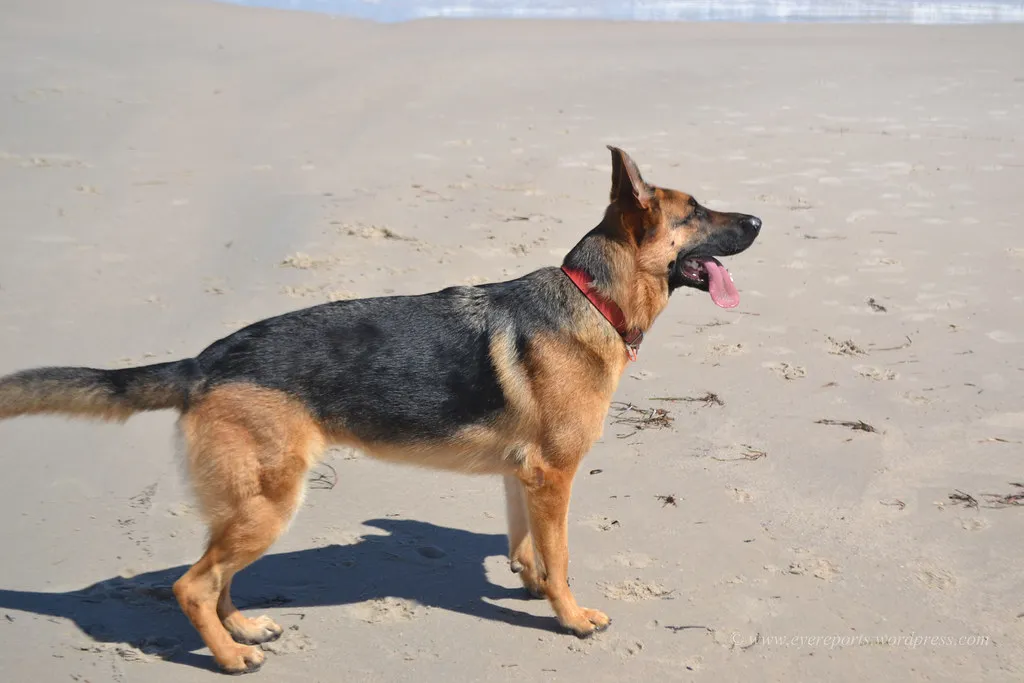
German Shepherds can be wonderful partners, but that doesn’t make them automatically right for a silent home. They were designed as herding guardians and all-purpose working dogs, and modern lines are often extremely driven, vocal, and suspicious of strangers.
Without daily structured activity, many devolve into anxious, overprotective bark machines – and widespread hip, elbow, and spinal issues bring heavy vet bills on top of that. An experienced handler fully committed to training can thrive with a stable Shepherd. As a default “quiet retirement” pet, though, it’s a mismatch more often than people admit.
Worth Knowing
- Originally developed in Germany in the late 1800s as an all-purpose herding and guarding breed.
- Consistently ranks among the most popular breeds in the United States, which fuels casual, under-informed adoptions.
- Most thrive only with real daily structure – obedience work, scent games, or vigorous exercise.
- Hip and elbow dysplasia are common enough that many owners face significant orthopedic vet costs.
#28 – Maltese: Tiny, Gentle, and Apartment-Friendly (Built for Quiet)
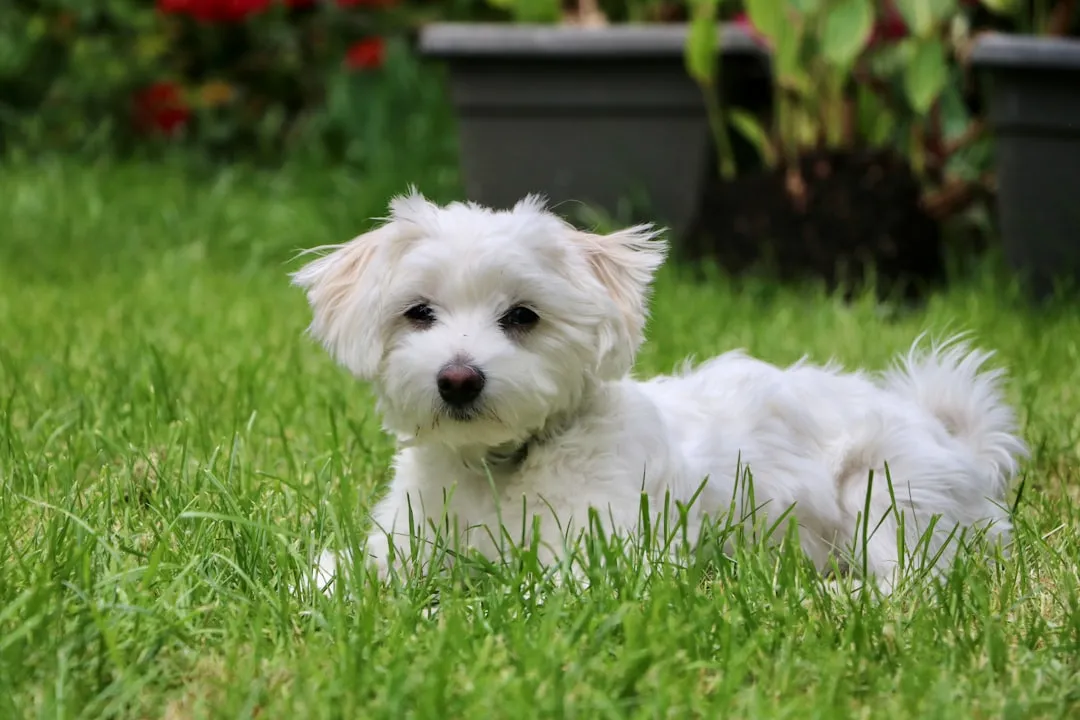
The Maltese actually fits the “retired apartment” stereotype. Historically kept as lap companions and status symbols, they’re naturally inclined toward indoor life and modest exercise – a few gentle walks and some play usually satisfies them completely.
Their coat needs regular grooming or a low-maintenance cut, and poor socialization can lead to yappy behavior, though that’s on the humans, not the genetics. What sets them apart is a sweet, people-pleasing nature paired with low physical demands – emotional closeness without a constant training project.
#27 – Australian Cattle Dog: Working Brain with No Off Switch (Unravels)
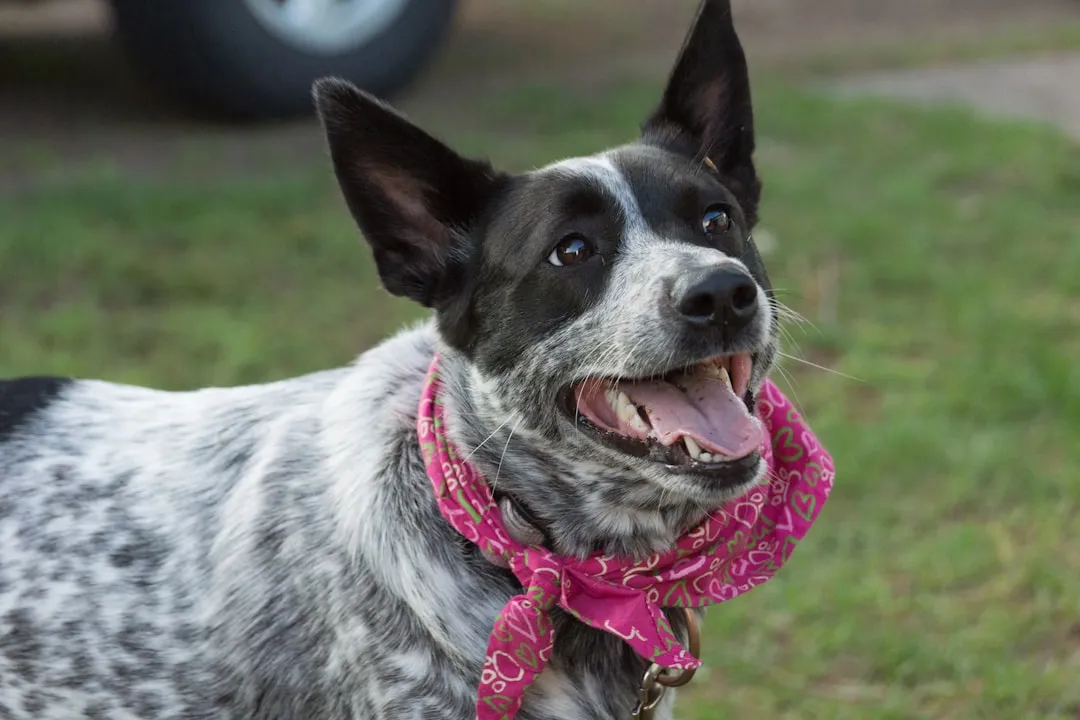
Heelers were bred to drive half-wild cattle over brutal terrain, which demanded toughness, independence, and endless stamina. Those genetics don’t disappear because someone retired into a nice suburban home.
In a quiet household, Heelers often turn into hyper-vigilant yard police, barking at every leaf and car door, and can get mouthy or bossy when under-stimulated. They’re astonishingly smart and loyal, but unless you’re basically starting a second career in dog sports, a Heeler can turn peaceful space into a 24/7 workplace.
#26 – Pug: Clownish Snorer Built for the Sofa (Built for Quiet)
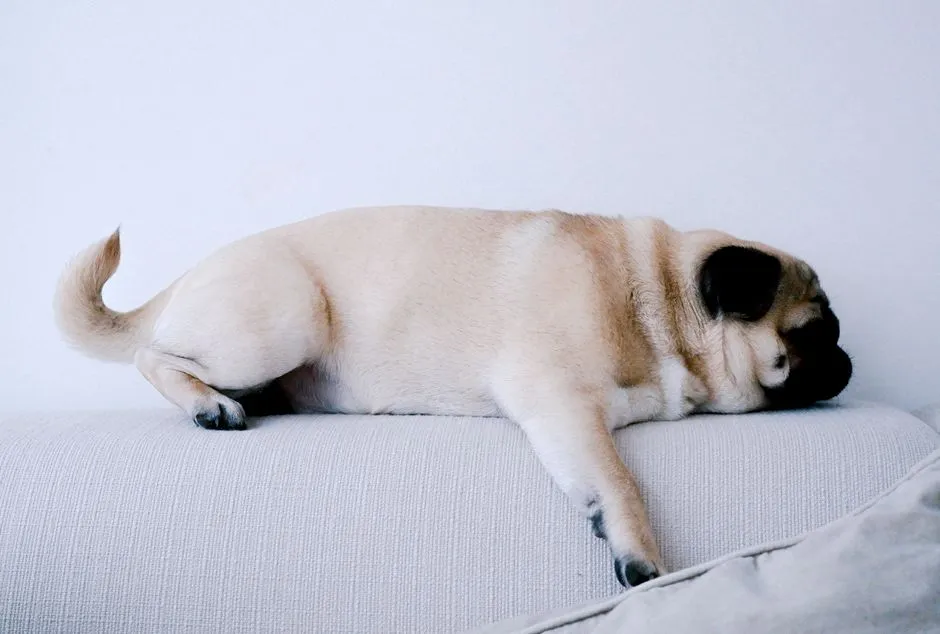
Pugs are living contradictions – goofy little clowns who are simultaneously some of the laziest house dogs around. Short walks, silly play on the rug, then deep, contented snoring: that’s the typical Pug routine, and retirees quietly love the predictability of it.
But Pugs carry serious baggage, including breathing issues from their short-nosed anatomy and a tendency toward obesity and joint problems. Ethical breeding matters enormously here. Get it right, and you have a sweet, low-intensity companion; get it wrong, and you’re stuck in a revolving door of medical crises.
#25 – Dalmatian: High-Octane Athlete in a Polka-Dot Suit (Unravels)

The Dalmatian’s movie fame did the breed no favors. Behind the spots is a distance runner and carriage dog bred to trot alongside horses for miles – an engine that doesn’t shut off just because the house is quiet.
Trapped in low-activity retirement, that energy turns into pacing, destruction, and reactive barking, and high rates of deafness in the breed demand extra training dedication. Some ultra-active retirees who hike and train daily might disagree, but for most people who fell for the spots, this breed’s needs are far beyond what they imagined.
#24 – French Bulldog: Low-Energy, High-Medical Wild Card (Built for Quiet, Carefully)

French Bulldogs exploded in popularity because they’re compact, charming, and usually low-energy indoors. Short waddling walks followed by couch time is basically their entire agenda, and many are less yappy than other small breeds.
Here’s the harsh reality, though: Frenchies are a walking red flag for breathing problems, spinal defects, and allergies, and poor breeding has flooded the market with fragile bodies. Ethical breeders exist, but they’re rare and expensive. Find one, and you get a delightfully quiet roommate. Skip the research, and you’re signing up for a medical roller coaster.
#23 – Weimaraner: Velcro Athlete Who Can’t Sit Still (Unravels)
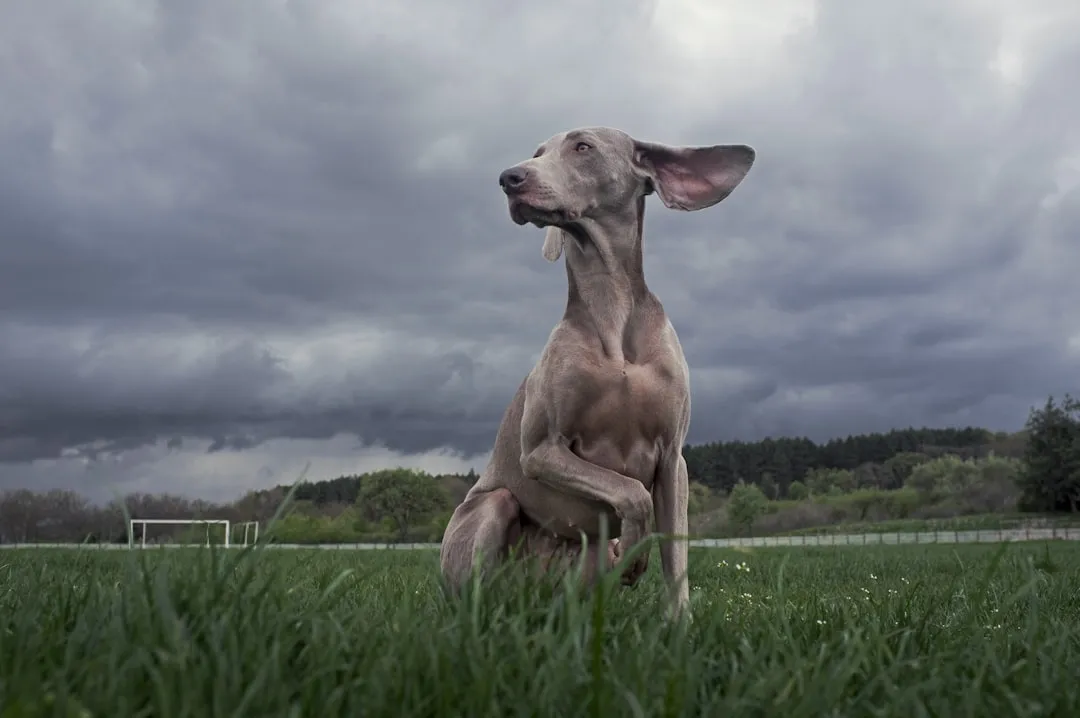
Weimaraners are gorgeous, which is half the problem. People see the silver coat and soulful eyes and forget these are high-drive hunting dogs bred for endurance and intense focus.
In a quiet retired home without serious outdoor hobbies, they frequently spiral into separation anxiety, destructive chewing, and nonstop whining – extreme “velcro dogs” who panic when left alone. This is a breed for runners, hunters, or sport enthusiasts, not for someone who wants a living-room ornament.
#22 – American Cocker Spaniel: Sweet, Soft, and Often Overlooked (Built for Quiet)
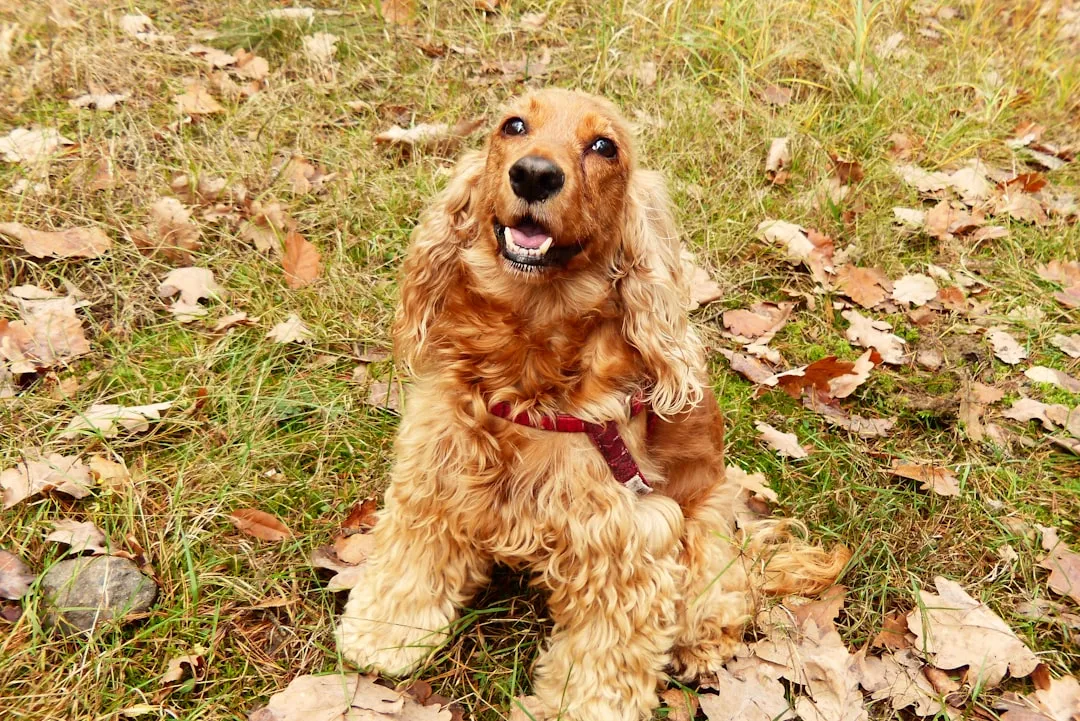
When ethically bred, American Cocker Spaniels are underrated retired companions. Originally gundogs, most modern lines have softened into gentle, people-focused house pets satisfied with a couple of walks and some floor-side company.
Grooming is serious business – those ears and feathering need real upkeep – and backyard breeding has left some lines neurotic or snappy. Done right, though, a well-bred, well-socialized Cocker offers classic, soft companionship instead of a training project.
#21 – Labrador Retriever: America’s Favorite… and Often a Bad Retiree Fit (Unravels)
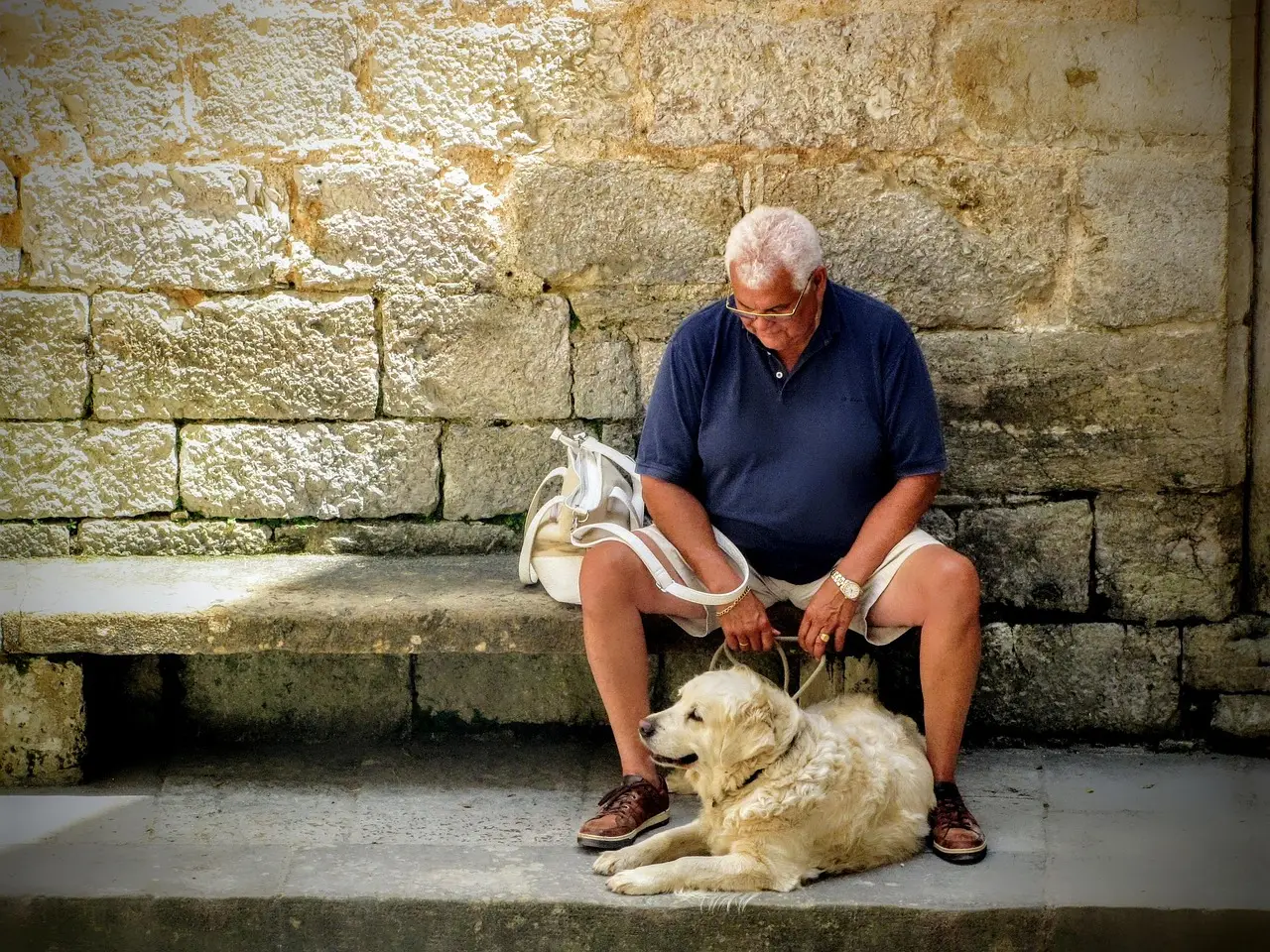
Labradors dominate “family dog” lists, so retirees default to them without a second thought. The surprise? Young Labs are often chaos demons in a quiet home – powerful retrievers with a deep love for carrying things in their mouths, which means your slippers, remotes, and occasionally your hands.
The “calm Lab” from the commercials is usually 5 to 7 years old. Puppies and adolescents are mouthy and destructive if under-exercised, and obesity and joint issues pile up fast when they’re overfed and under-worked. A middle-aged or senior rescue Lab can be incredible for a retired person – but most people skip that and grab a puppy, then get blindsided.
Quick Compare
- Young Lab (1-3 years): high energy, constant retrieving drive, needs an hour or more of real exercise daily.
- Senior Lab (7+ years): typically calm, content with short strolls and couch time.
- Young Lab: prone to mouthing, chewing, and counter-surfing when bored.
- Senior Lab: usually settled and far less destructive, ideal for a quiet household.
#20 – Boston Terrier: Compact Goofball with Manageable Needs (Built for Quiet)
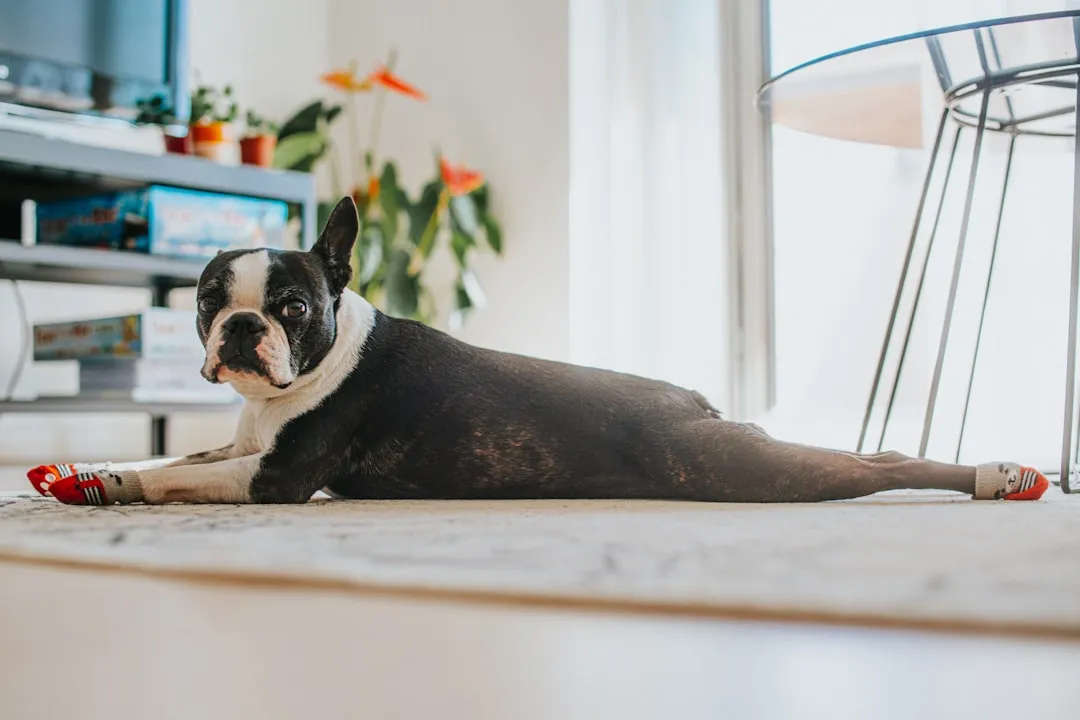
Boston Terriers sit in a sweet spot many retirees don’t even know exists – small but sturdy, playful but not relentless, usually satisfied with modest daily exercise. Indoors, most are happy to lounge and follow you room to room, occasionally bursting into short zoomies that end as fast as they start.
As a brachycephalic breed, they can have breathing and eye issues, though generally milder than some cousins, and their snorts and snuffles split opinion. Compared to many “cute small dogs,” Bostons quietly outperform trendier choices for someone who wants personality without a full-time job.
#19 – Beagle: Sweet Face, Endless Voice (Unravels)
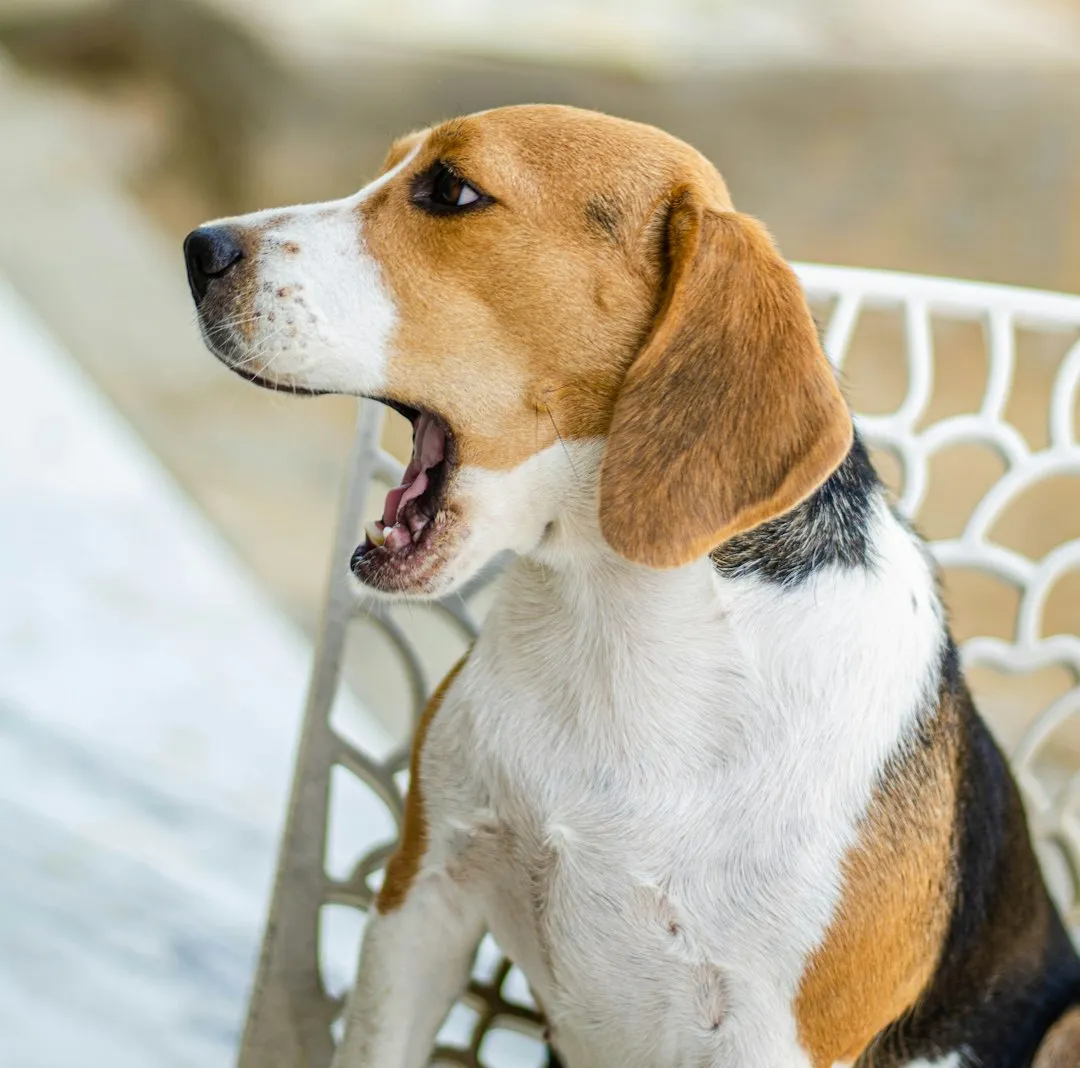
The Beagle’s innocent expression is its best marketing – and its biggest lie for quiet homes. Bred as pack scent hounds, they’re wired to follow their nose, vocalize loudly, and thrive on constant sensory input.
In an apartment or townhouse, the signature Beagle howl becomes a neighbor’s worst nightmare, and stubbornness plus a love of food quickly leads to obesity. Some unusually calm senior Beagles do exist, but as a general rule, this is not the safe, low-noise bet people assume just because “they’re small and cute.”
#18 – Havanese: Cheerful, Flexible, and People-Centered (Built for Quiet)

The Havanese is quietly one of the best all-around companion breeds for retirees. Bred in Cuba as a companion to the wealthy, they’re typically social, adaptable, and content with moderate exercise – walk when you walk, nap when you nap.
Their long, silky coat demands grooming or a short pet trim, and they can develop separation anxiety if constantly left alone. Otherwise, well-socialized Havanese are often less prone to shrill barking than other toy breeds, and trainers who understand companion temperaments recommend them again and again.
#17 – Belgian Tervuren and Working-Line Shepherds: Beauty with a Hidden Time Bomb (Unravels)
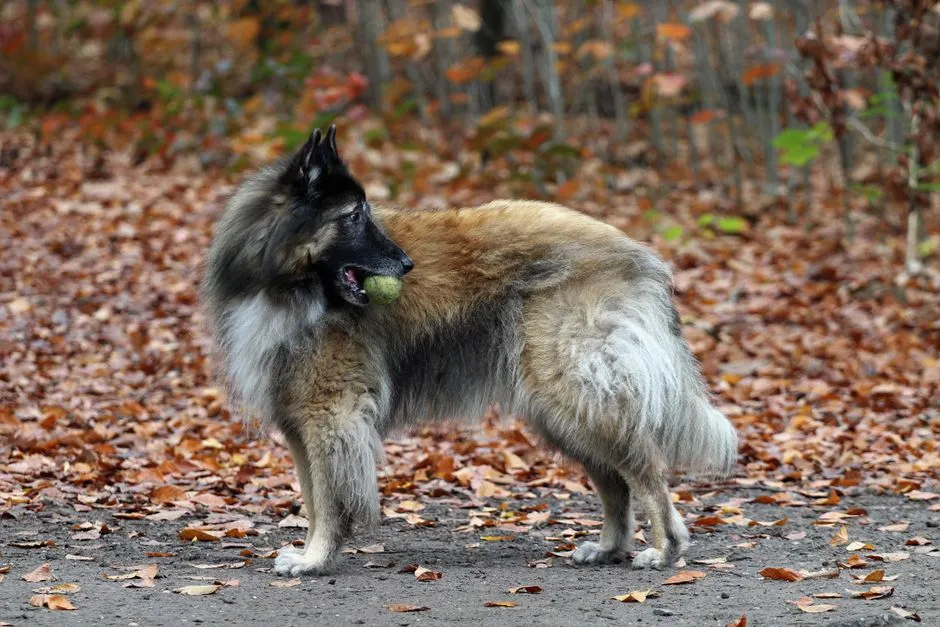
Belgian Tervurens and other high-drive working-line shepherds look like majestic, fluffy family dogs. In reality, they’re intense, sensitive working animals bred for herding, protection, and sport – and their brains don’t want relaxation, they want jobs.
In a retired, quiet home, hyper-vigilance and territorial behavior can turn into serious reactivity, while mental under-stimulation leads to anxious pacing and chronic barking. Even experienced owners underestimate the daily training these dogs need. Instagram photos never show the hours of work behind a stable, fulfilled working-line shepherd.
#16 – Chihuahua (Well-Bred, Well-Socialized): Pocket Companion with Big Opinions (Built for Quiet, With Boundaries)
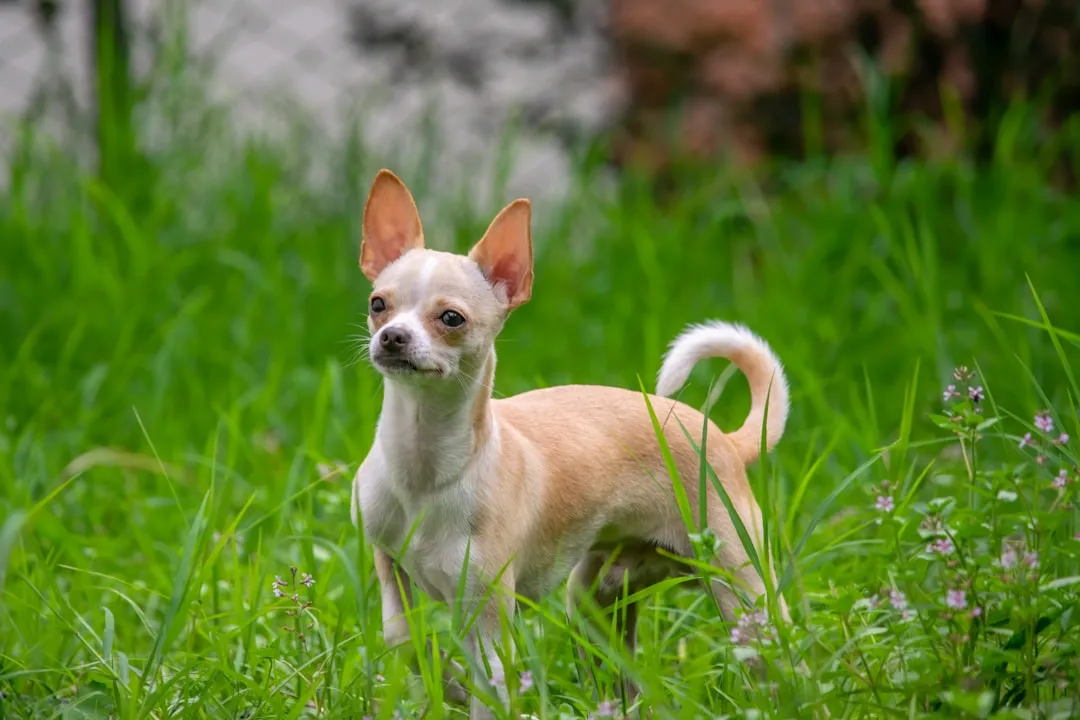
Chihuahuas get mocked as “yappy rats,” but that reputation says more about owners than genetics. Properly bred and socialized Chihuahuas are often loyal, surprisingly calm indoor companions with very low exercise needs, ideal for small spaces.
Poor breeding and zero socialization create the stereotype – constant barking, fear-biting, anxiety – and their tiny bodies mean a fall can be catastrophic for both dog and older owner. In a home that understands boundaries and gentle handling, a good Chihuahua becomes a warm, quiet pocket shadow.
#15 – Standard Poodle: Brilliant, Athletic, and Sometimes Too “On” (Unravels for Most)
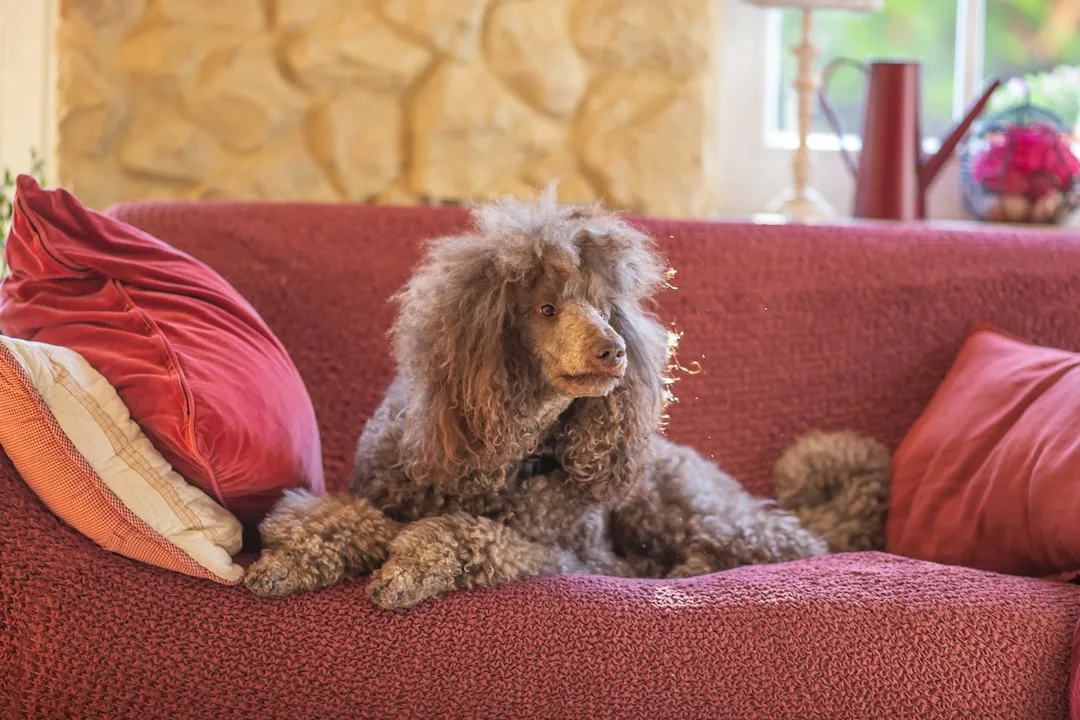
Standard Poodles are often sold as the smart, hypoallergenic family dog. True – but that skips a key detail: they’re also highly intelligent, athletic working dogs that need real engagement.
Without a strong training hobby, that big brain can slide into anxiety, constant motion, and neurotic behaviors like self-assigned guard duty and rearranging furniture with their teeth. For a retiree who wants to dive into dog sports, a Standard Poodle is a dream. For someone who just wants calm, it’s often too much dog in an elegant package.
#14 – English Bulldog: Low-Activity but Medically Heavy (Built for Quiet, With Serious Risks)

English Bulldogs are the poster dogs for low-energy living, content to waddle short distances before turning into a snoring lump on the couch. For sheer calm, few breeds compete, and most are people-pleasing rather than hyper.
The uncomfortable truth is that this breed is one of the most medically compromised in the world – breathing problems, skin infections, orthopedic issues, and dangerous heat sensitivity even during mild exertion. For retirees with deep pockets and top-tier vet access, a Bulldog can be a loving, quiet presence. For everyone else, constant medical vigilance can overshadow the benefits.
#13 – Yorkshire Terrier: Tiny Body, Terrier Brain (Unravels More Than People Expect)

Yorkies look like delicate lapdogs, but under that hair is a full-strength terrier mindset – sharp, bold, and often vocal. Many are high-alert barkers who react to every hallway sound or knock at the door, which is a fast track to neighbor complaints in an apartment.
Without firm boundaries, Yorkies often end up running the household, and that “cute” yapping becomes a constant soundtrack. Well-bred, well-trained Yorkies – especially older rescues who’ve slowed down – can fit a quiet life, but the assumption that “small equals easy” backfires with this breed more than people admit.
#12 – Bichon Frisé: Cheerful, Adaptable, and Easier Than People Think (Built for Quiet)

The Bichon Frisé is often recommended by trainers who actually listen to retirees. Bred primarily as companion dogs and entertainers, they sit in a Goldilocks energy zone: enough pep to be fun, not so much that they’re bouncing off the walls if you skip a long walk.
Their curly coat is high-maintenance without regular grooming, and they can become anxious if left alone constantly. With basic training, though, Bichons are impressively quiet, stable housemates who love routines – and they often handle new environments better than “prettier” lapdogs.
#11 – Rottweiler: Calm… Until It Isn’t (Unravels for Most Retired Homes)
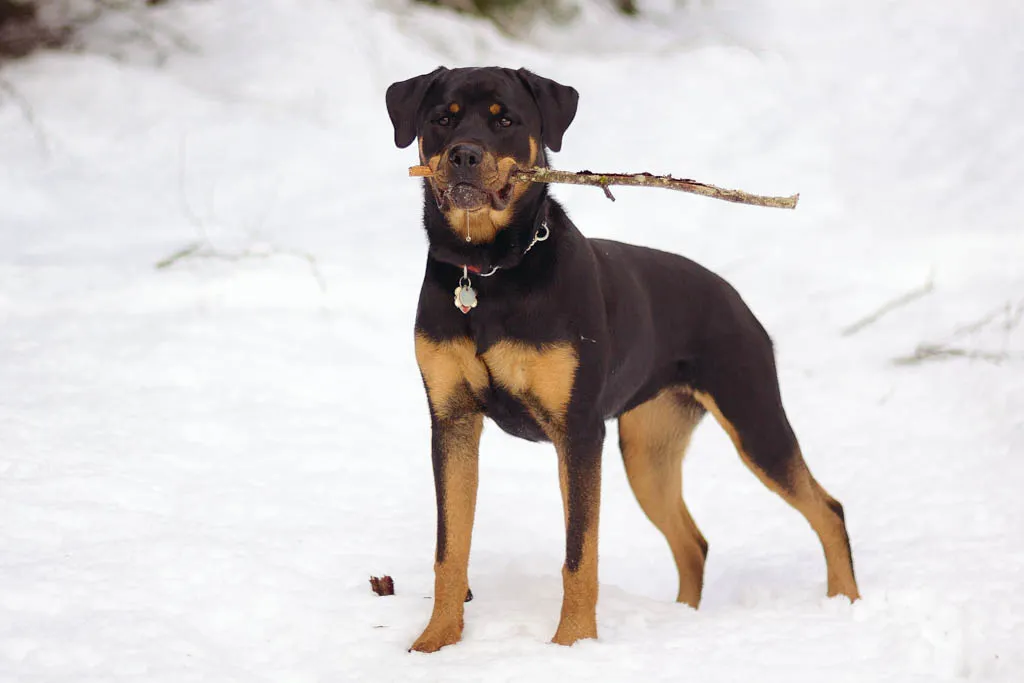
Fans will argue Rottweilers are calm and stable, and in the right hands, that’s true. But context matters – Rotties are powerful guarding breeds bred to protect property and people, which means firm handling, constant socialization, and clear boundaries are non-negotiable.
Without that structure, their natural suspicion of strangers can spiral fast, and their enormous physical strength is more than many older owners can safely manage if something goes wrong. An experienced, physically strong retiree might thrive with a stable Rottweiler. For most people, it’s an unnecessary gamble with real safety stakes.
#10 – Lhasa Apso: Ancient Sentinel, Modern Condo Watchdog (Unravels More Than Expected)
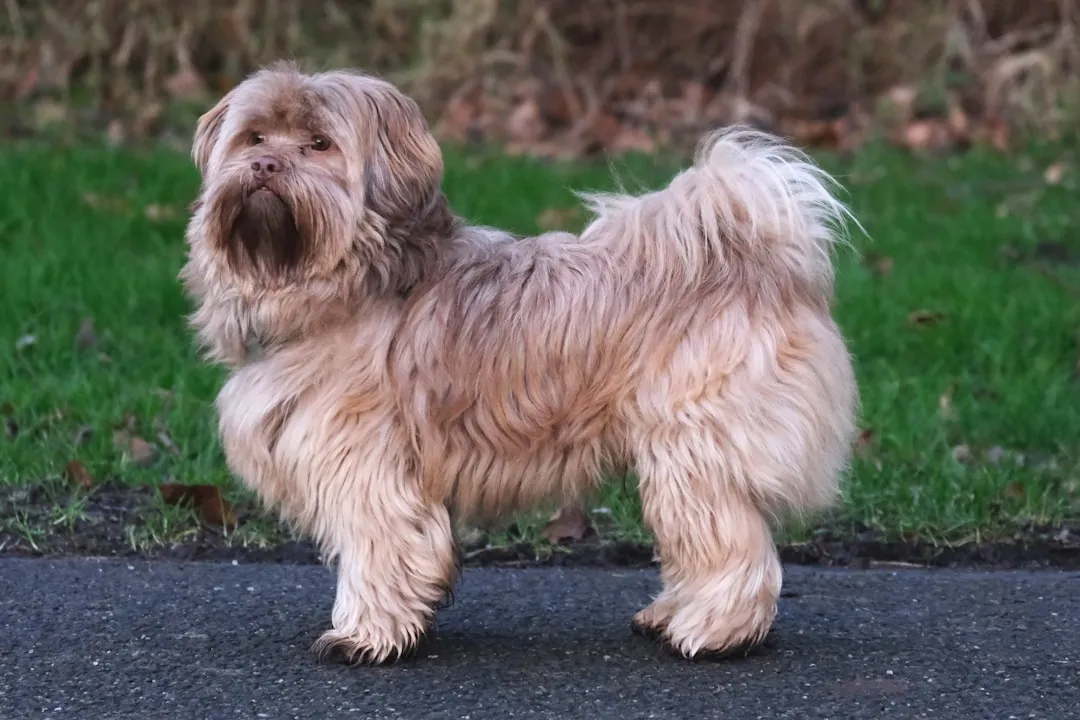
Lhasa Apsos were originally temple watchdogs in Tibet, and that heritage never fully left. Under the cute hair is a serious little sentinel who takes guarding duties personally, reacting to hallway footsteps, deliveries, and shifting shadows.
Many are aloof with strangers and strong-willed, deciding who’s allowed near you and enforcing it vocally. Some individuals are more mellow, but for retirees in shared buildings or thin-walled homes, that watchful streak can mean constant noise and tension with neighbors.
#9 – Pekingese: Stubborn Little Royalty (Built for Quiet If You Accept Their Terms)
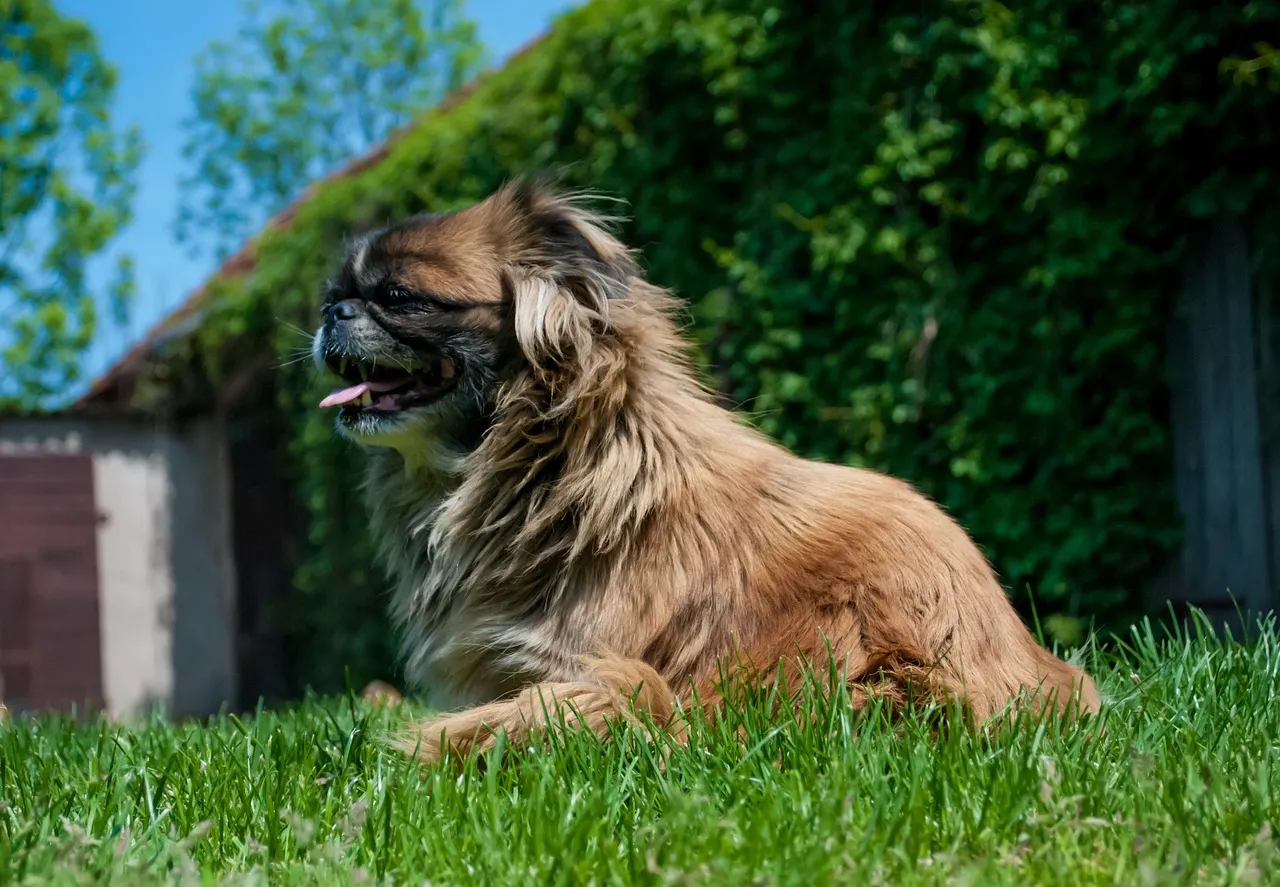
The Pekingese is unapologetically a royal lapdog with a stubborn streak. Bred to sit with Chinese nobility, they’re naturally low-activity and usually content with very short walks – a genuine advantage for retirees with limited mobility.
Many are independent to the point of being “cat-like,” accepting affection strictly on their terms, and their flat faces bring some familiar brachycephalic risks. This isn’t a breed you train into something else. Accept them as calm, proud, and sometimes aloof, and they’re deeply satisfying.
#8 – Shetland Sheepdog: Sensitive Noise Amplifier (Unravels in Busy Areas)
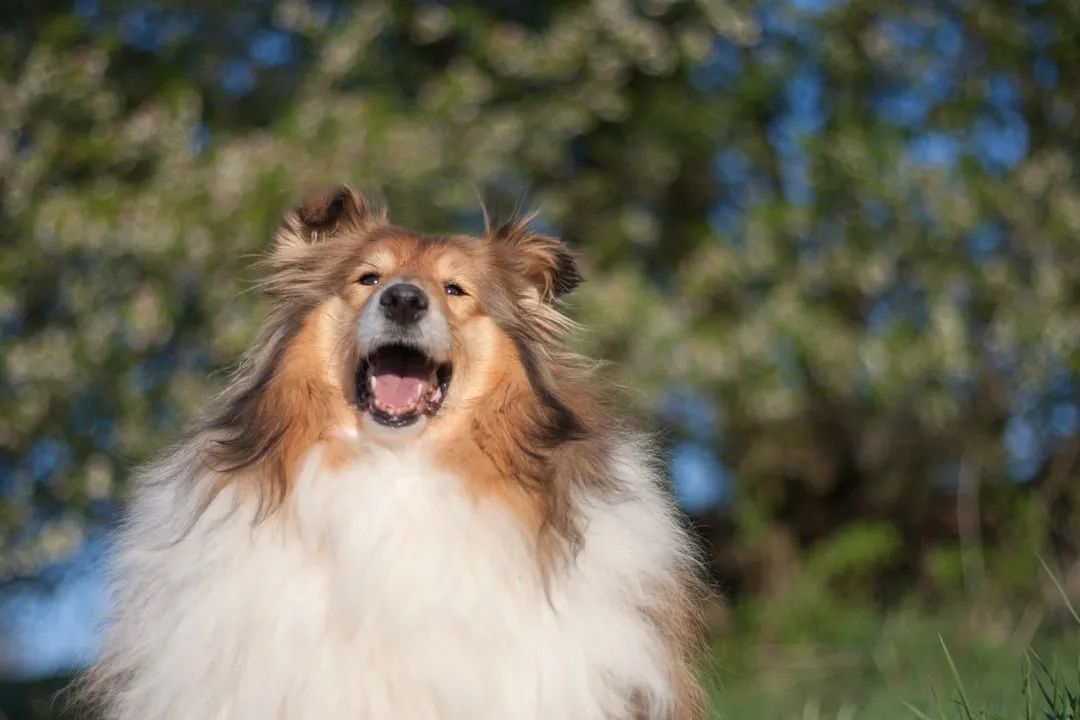
Shelties are beloved for their beauty and brains, but they carry classic herding-dog traits – sensitivity, wariness, and a tendency to bark a lot. In a quiet country home with patient owners, they can thrive. In apartments or dense suburbs, their reactivity to sounds and movement can become miserable.
Many are noise-sensitive and anxious without careful socialization, and their lush coat sheds heavily. Some stable, well-raised Shelties are gentle and not excessively loud, but as a category, they’re a risky choice for retirees prioritizing silence.
#7 – Japanese Chin: Under-the-Radar Lap Specialist (Built for Quiet)
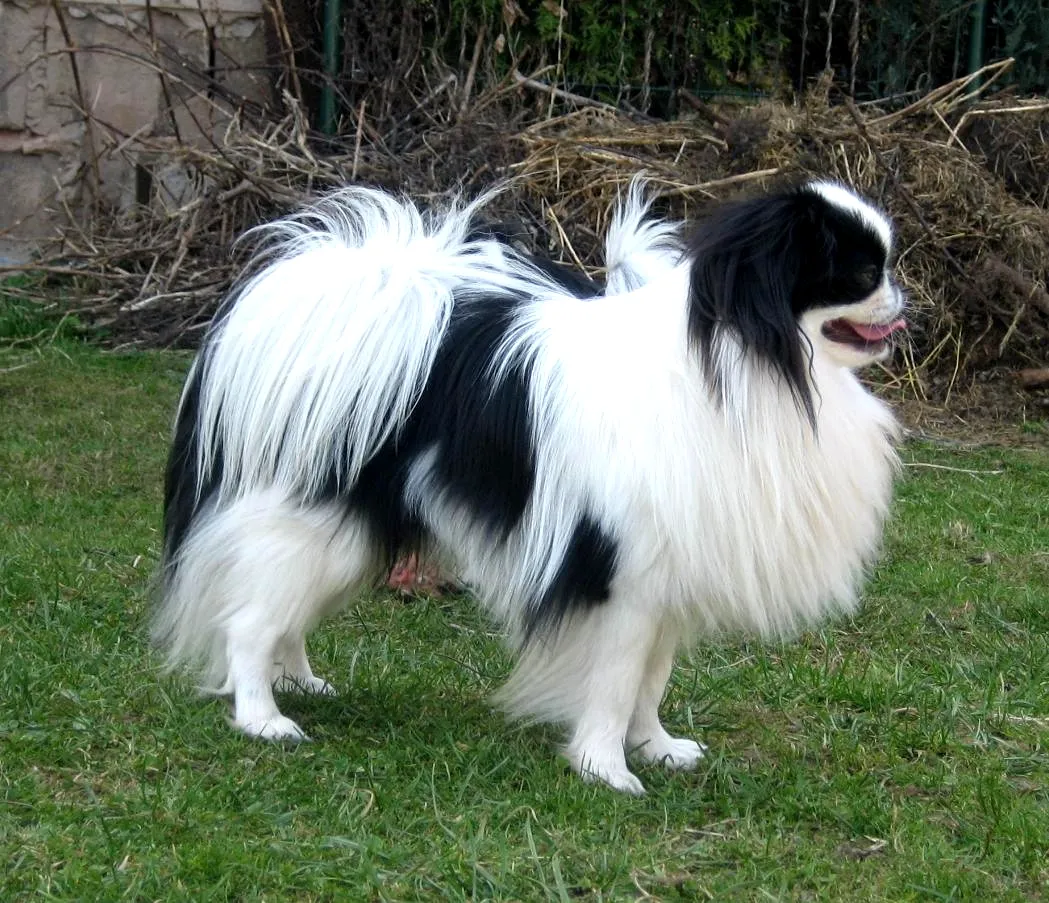
Japanese Chin are one of those breeds people don’t recognize – a shame for retirees, because they’re bred for indoor companionship and sensitivity to human routines. Fanciers describe them as almost cat-like: graceful, clean, and intuitively calm in the house.
Exercise needs are low to moderate, and well-socialized Chin are often less shrill than other toy breeds. They’re small and somewhat fragile, so rambunctious grandchildren aren’t ideal, but for a retiree wanting gentleness over a constant clown show, this is one of the most overlooked gems out there.
#6 – Boxer: Clownish Athlete, Not a Rocking-Chair Dog (Unravels in Low-Activity Homes)
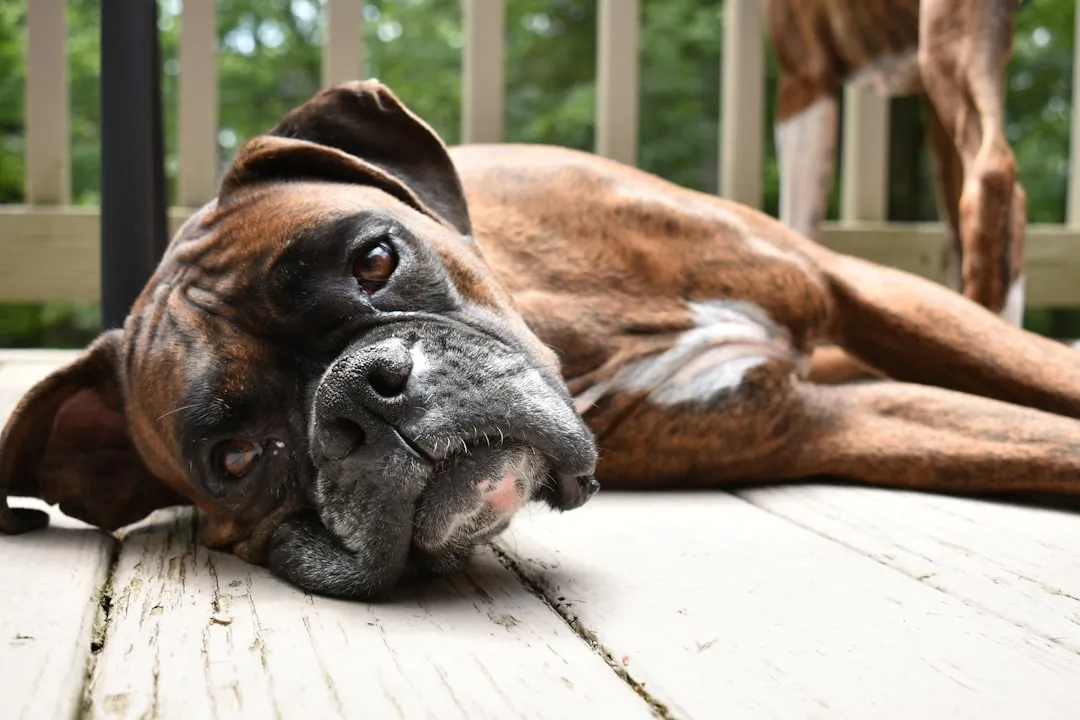
Boxers stay puppies longer than most breeds, mentally and physically. They’re bouncy, playful, and intensely people-driven, which sounds fun until your 70-pound “baby” is boxing your knees during what was supposed to be a quiet afternoon.
Boxers are also prone to cancer and cardiac issues, which is emotionally brutal for owners who fall hard for their goofball charm. For active, outdoorsy retirees, a Boxer can be a joy. For those picturing gardening and slow walks, the gap between their permanent puppy energy and a low-activity lifestyle is exactly where homes unravel.
#5 – Papillon: Tiny Body, Big-Brain Companion (Built for Quiet With Enrichment)
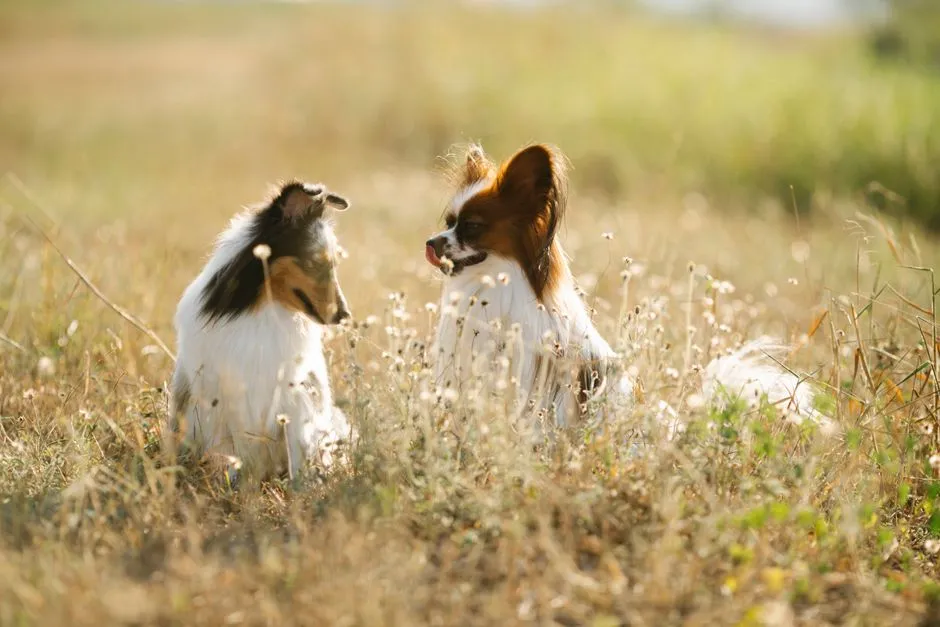
Papillons are often misfiled as generic lap fluff, but they’re actually one of the smartest toy breeds, frequently excelling in obedience and agility. Their physical exercise needs are modest, while their intelligence thrives on training and puzzle toys.
Without mental engagement, that sharp mind can turn into barking, bossiness, and anxiety – so don’t mistake small for simple. For a retiree who enjoys teaching tricks and daily brain games, Papillons offer huge companionship in a portable package.
#4 – Cane Corso: Serious Guardian in the Wrong Environment (Unravels Dangerously)
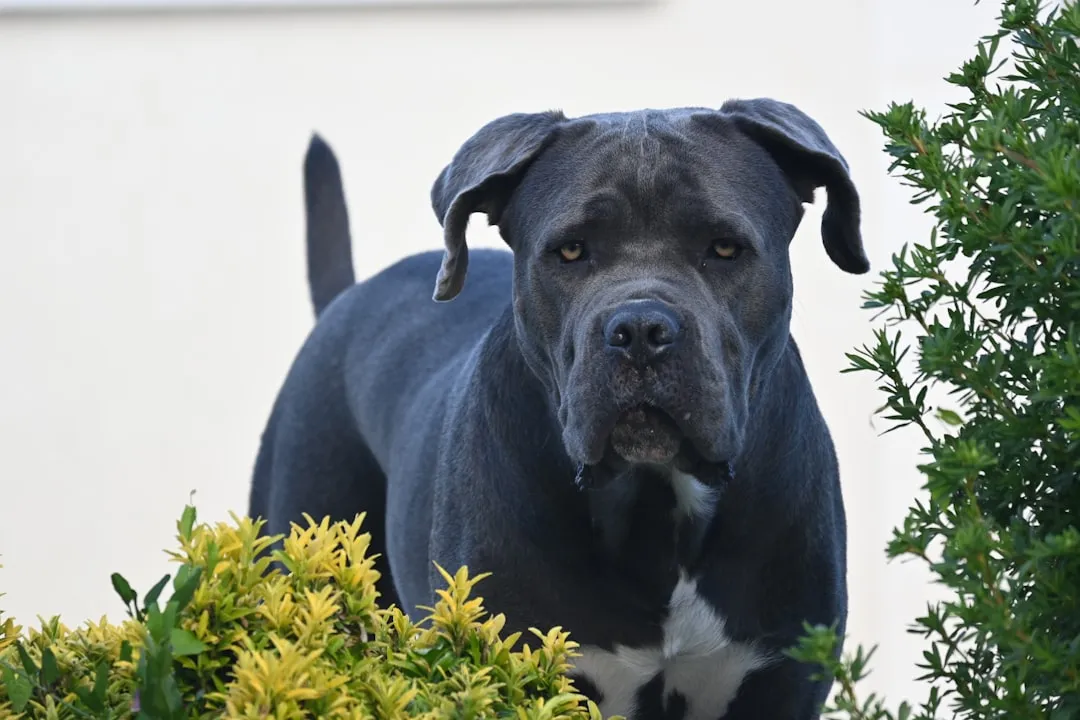
Cane Corsos have become trendy among people who want a “big, impressive dog,” and that’s a frightening trend. Corsos are ancient Italian mastiff-type guardians, powerful and suspicious of strangers, requiring extremely experienced and consistent handling.
An unstable or poorly trained Corso is a serious liability, not just a nuisance, and many retirees simply don’t have the physical strength to manage a large reactive guardian. Trainers and rescuers repeatedly warn these dogs aren’t casual pets – choosing one for a quiet retired life is often about ego, and the dog usually pays the price when things go wrong.
#3 – Mixed-Breed Senior Rescues: The Real Secret Weapon (Built for Quiet, If You Choose Well)
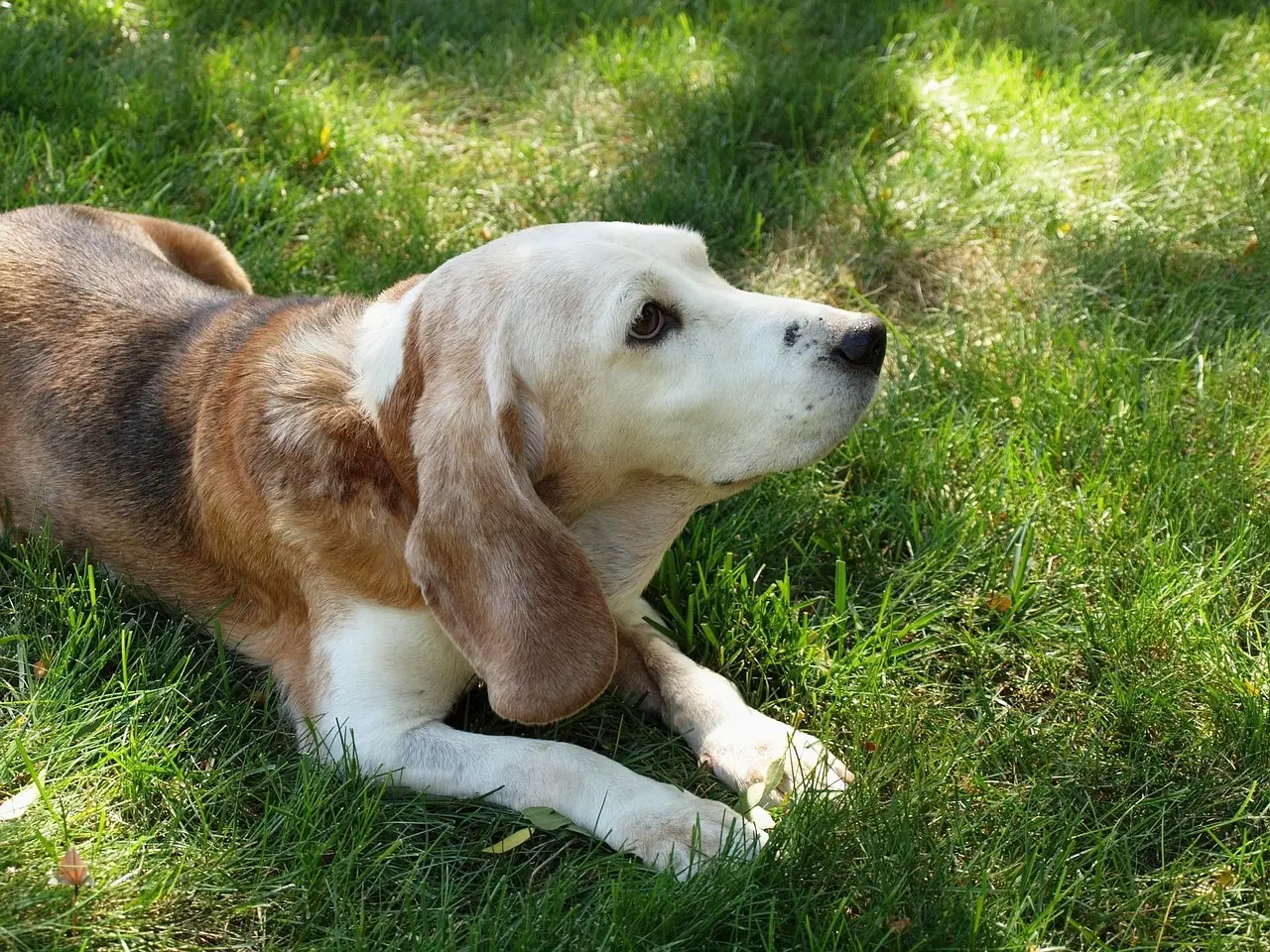
Here’s the curveball: some of the best dogs for a silent retired home aren’t a specific breed at all. They’re mixed-breed senior rescues whose personalities are already fully known – a shelter can tell you, “This 8-year-old, 30-pound mix is house-trained, barely barks, and loves naps.” That beats any breed stereotype.
You skip the chaos of puppyhood entirely, and energy level and temperament are already visible, not theoretical. There can be unknowns about genetics or long-term health, but for retirees prioritizing a calm, predictable life, this is often the smarter bet – and quietly the move serious behavior professionals choose for their own parents.
Why It Stands Out
- Adult temperament, energy level, and noise habits are already visible – no guessing based on breed averages.
- Puppyhood chewing, house-training, and adolescent chaos are already behind them.
- Shelter staff can often confirm behavior around sounds, strangers, and other pets before you commit.
- Adoption fees are typically far lower than breeder prices for a purebred puppy.
#2 – Golden Retriever: Sweet… and Frequently Overwhelming (Unravels Until Late Middle Age)

Golden Retrievers are the Hallmark-card dog: kind eyes, friendly smiles, angelic reputations. That’s real, but incomplete – young Goldens are high-energy, mouthy, and easily overstimulated, shedding heavily and needing substantial exercise through a wild adolescence.
Cancer rates in Goldens are alarmingly high in many countries, and their friendliness can look like pushiness when they’re jumping and knocking over frailer people. A middle-aged or senior rescue Golden can be an extraordinary companion, but brand-new puppies in quiet homes catch owners off guard again and again, because all they saw were the calm, older Goldens in commercials.
#1 – The True Retiree Match: Temperament and Lifestyle Over Trend and Looks
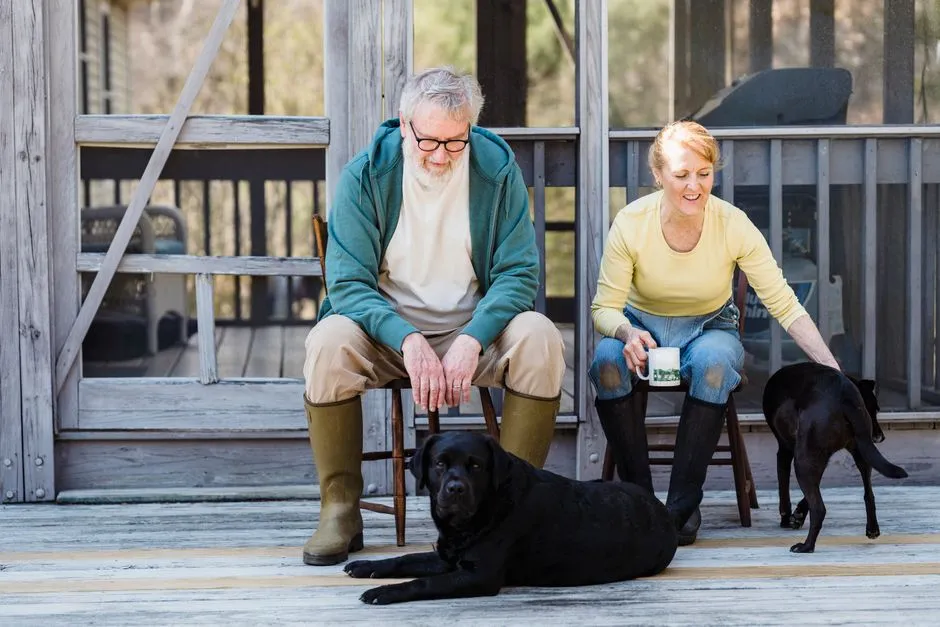
Here’s the uncomfortable truth most people don’t want to hear: no single breed is “the retired person’s dog.” The safest path is matching a specific dog’s age, temperament, and health to your actual daily life, not your fantasy of one.
Low-energy, people-focused, health-tested individuals – often toys, companion breeds, or seniors – almost always outperform hot designer crosses or macho guardians in real retired homes. Someone will always insist their German Shepherd or Border Collie is perfect in a quiet condo, and sometimes they’re right, because they put in enormous work. For most people, that story ends differently. The smartest move isn’t copying the exception; it’s being brutally honest about what you can give a dog for the next 10 to 15 years.
The Bottom Line
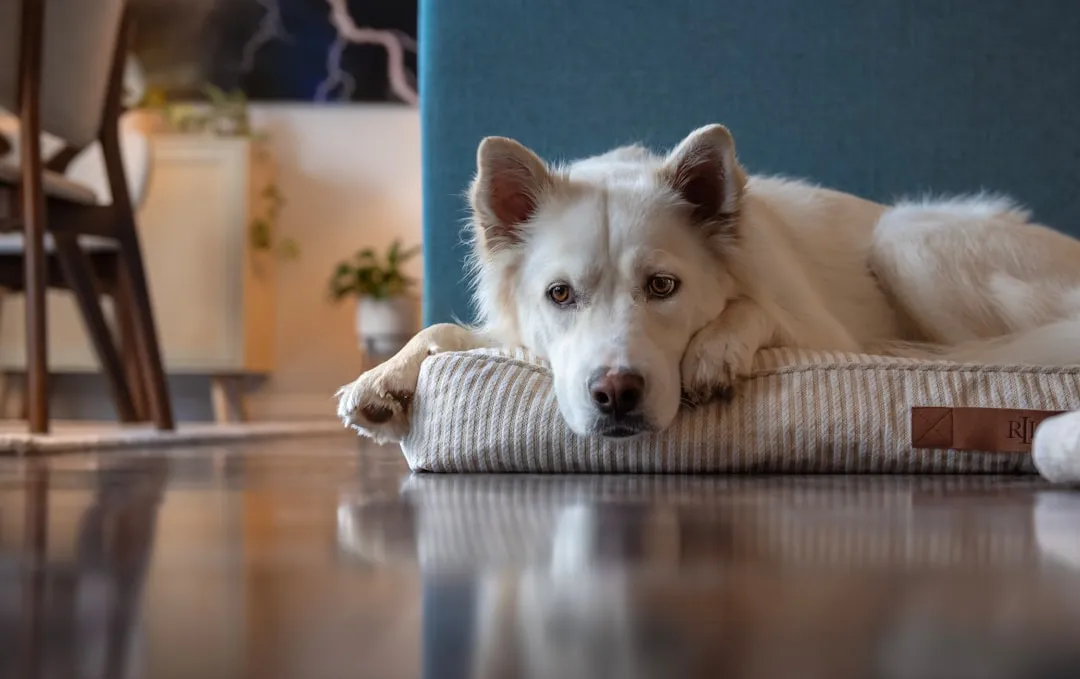
Strip away the cute photos and the nostalgic myths, and the pattern is blunt: breeds built for companionship, moderation, and indoor life generally thrive in retired homes, while high-drive workers and serious guardians quietly unravel the peace. Size matters less than people think. Genetics and original purpose matter far more.
A calm Cavalier from health-tested lines or a well-chosen senior mixed breed will beat a trendy “smart” working dog ten times out of ten for a quiet life, and I’ll die on that hill. This was never about strong owners versus weak ones – it’s about fairness, to you and to the dog. If your golden years are finally supposed to be about rest, have the courage to choose a dog that was actually built to rest with you, not the one that looked best in a viral video.
Did we get your favorite breed wrong – or painfully right? Say it in the comments.
