
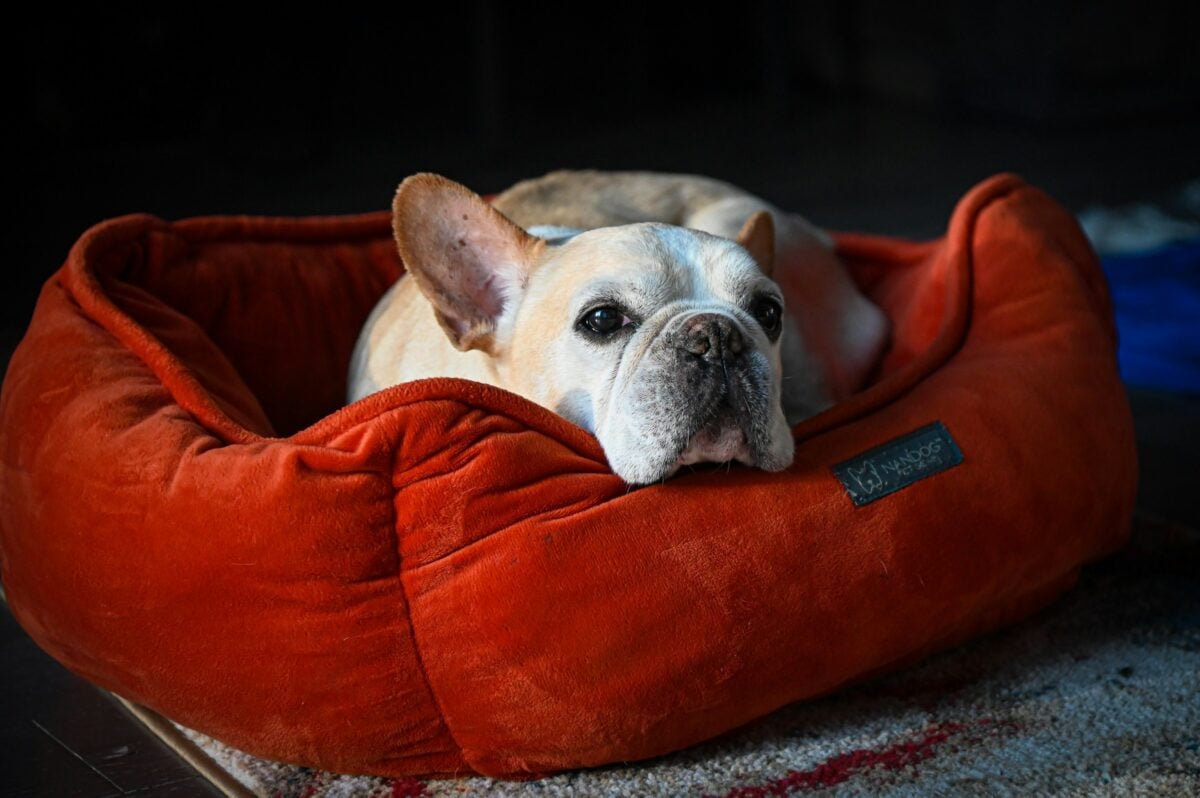
You picture it like a reward for a long life well lived: the kids are grown and gone, the house finally settles down, and your gray-muzzled dog gets to spend his golden years soaking up peace and quiet. That’s the fantasy. The reality, according to vets, behaviorists, and people who’ve loved dogs through their last chapter, is almost the opposite – a quiet house can be the loneliest, most confusing place an old dog ever lives in.
Something shifts in what these dogs need from us, and most owners never notice until the signs are impossible to miss. The comforts that actually matter to a senior dog rarely make anyone’s to-do list. They’re not sweaters or birthday cakes – they’re small, deliberate shifts most families walk right past. One of them, waiting at the very end of this list, is the one owners tend to realize they got wrong far too late.
#1 – A Predictable, Almost “Boring” Routine

Most people assume an old dog wants a little novelty to keep them young at heart. It’s the opposite. What actually calms an aging dog is predictability, plain and simple. Once the house grows quiet – kids gone, visitors rare, the daily schedule looser than it used to be – a dog with fading hearing and a fuzzier memory can start reading every small change as a threat.
A wake-up time, a walk time, a feeding time, a bedtime, kept boringly consistent, gives their aging brain something solid to stand on. Vets increasingly treat routine as seriously as medication for dogs battling anxiety or cognitive decline. Try tiny rituals too: the same door for potty breaks, the same phrase before meals. These little anchors matter more than any new toy ever will. But #2 might be the comfort your dog is silently begging for right now.
#2 – Real Warmth, Not Just a Blanket in the Corner

Most people badly underestimate how cold an old dog actually feels. As dogs age, circulation slows, muscle mass thins out, and arthritic joints ache in the chill. That “cute” nap sprawled on the hardwood floor? For an aging spine, it can be quietly brutal.
Vets consistently see the difference real warmth makes – heated beds, raised padded cots, even a simple sweater can measurably reduce stiffness and restless nights. If your home has cold tile or drafty corners, get intentional: a thick orthopedic bed placed away from doors and windows, plus a low-level pet-safe heating pad or self-warming mat. This isn’t spoiling a dog. It’s pain management dressed up as comfort. Some people still roll their eyes at dogs in sweaters, but older dogs genuinely move easier and sleep deeper when their core stays warm. Wait until you see what isolation is quietly doing in #3.
Fast Facts
- Senior dogs lose lean muscle mass, which acts as natural insulation against the cold.
- Arthritic joints tend to stiffen faster in cold, damp conditions.
- Thin-coated and small-breed seniors often feel the chill first.
- A heated bed works best placed away from drafty doors, not just anywhere in the room.
#3 – A Quiet Corner, But Never Isolation
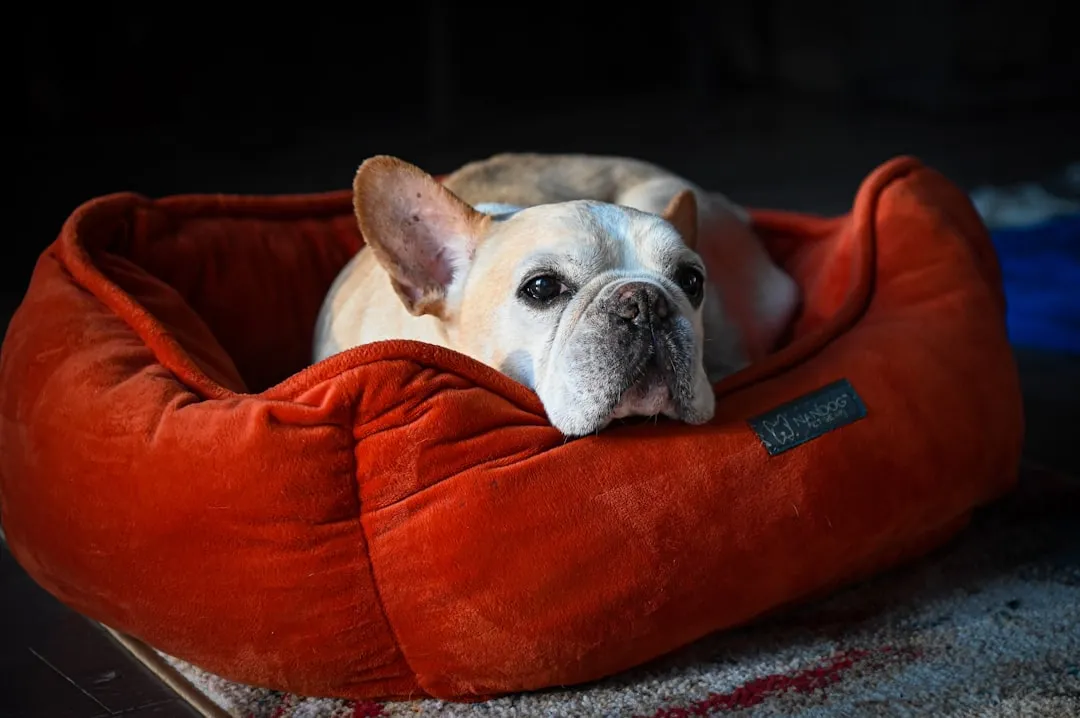
When a house empties out, some owners move the dog bed to a back room “so he can rest in peace.” It sounds thoughtful. In practice, it often feels like exile. Senior dogs do want quiet – but not banishment from the life of the home.
They still want to smell dinner cooking, watch you walk past, feel the pulse of the house around them. Behaviorists point out that older dogs isolated in a spare room tend to spiral into confusion and separation distress faster than dogs kept nearby. The fix is simple: a soft, low, three-sided bed tucked into the living room or bedroom, maybe with a piece of furniture as a partial wall for a den-like feel. The message that sends is unmistakable – you’re still one of us, just with your own quiet booth. This next one shatters a myth almost every dog owner believes about exercise.
#4 – Short, Gentle Walks Instead of One Big Outing
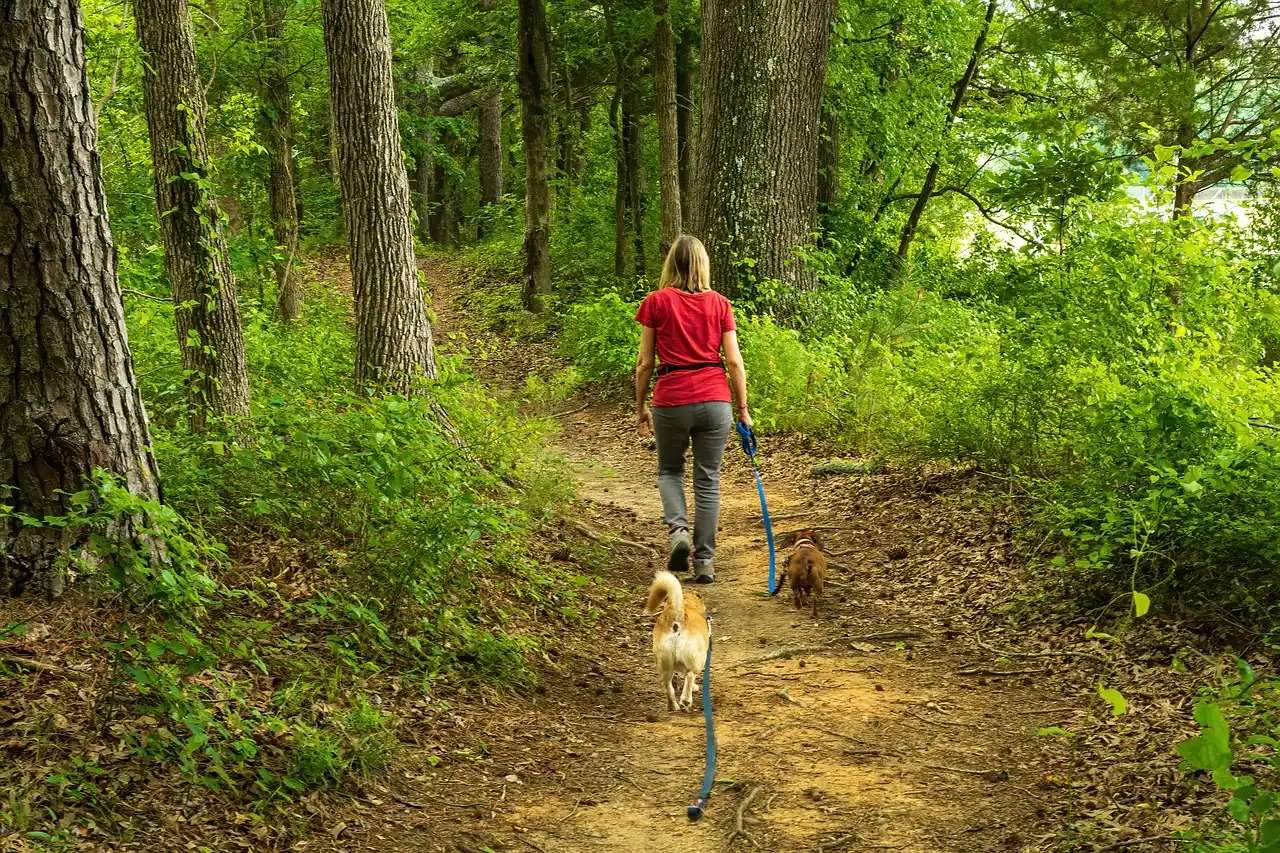
A lot of families quietly assume the senior dog “can’t really walk anymore,” so daily walks shrink down to a rushed lap in the backyard. It feels merciful. It’s actually a slow tragedy. Most old dogs don’t need zero walks – they need better ones.
Swap one exhausting 45-minute march for several 5-to-10 minute strolls at their own pace, and you’ll often see mood, mobility, and appetite improve within days. Gentle, regular movement is one of the most powerful non-drug tools available for arthritis and cognitive health. Let them sniff slowly – that’s their version of the morning news – and let them pick the direction sometimes. Ironically, babying a dog out of walking almost always makes them weaker and sorer, not more comfortable. What we found for #5 is something most people call “just old age” when it’s actually fixable.
#5 – Easier Access: Ramps, Rugs, and No-Shame Help

Once a house gets quiet, people finally notice the little struggles: the slip on hardwood, the hesitation at the stairs, the failed jump onto the couch. Too many shrug it off with “he’s just old.” That resignation is crueler than most people realize.
Arthritis and mobility loss are physical problems you can adapt around – not simply the price of old age. Start with traction: non-slip runners and rugs along the paths your dog walks most. Then go vertical, with ramps or wide steps to the car, bed, and couch, and a harness with a handle for stairs. Some people insist dogs shouldn’t be on the furniture anyway, but for many seniors that couch cuddle is their last great joy left. A forty-dollar ramp that lets a thirteen-year-old climb up beside you again isn’t spoiling him. That’s mercy. #6 exposes something most owners mistake for pickiness.
Quick Compare
- Old approach: Let the dog “figure out” stairs and slick floors alone.
- Better approach: Add non-slip runners and a ramp for the car, bed, or couch.
- Old approach: Assume hesitation at the couch means he’s lost interest.
- Better approach: Assume hesitation means the climb has simply become hard.
#6 – Softer Food and Thoughtful Feeding Rituals
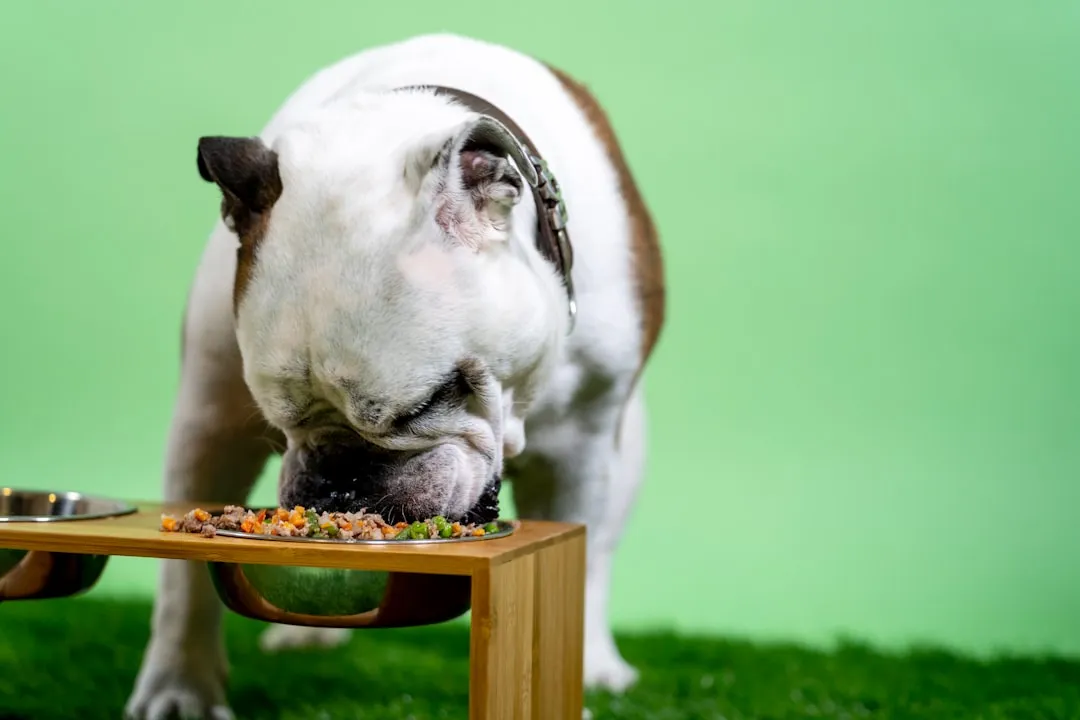
Once life slows down, owners often finally notice their senior dog eating less, chewing strangely, or acting “picky” at the bowl. It’s rarely attitude. It’s usually pain or fatigue. Dental disease, a fading sense of smell, and difficulty chewing kibble all hit older dogs harder than most people expect.
A striking number of senior dogs live with untreated dental pain that makes every single meal an ordeal. Work with your vet on dental care, then soften how you feed: warm water or low-sodium broth over kibble, or a spoonful of something smelly and high-value like wet food to draw them in. Just as important, make mealtime slow and social – same spot, same calm voice, no rushing. Some trainers warn against “spoiling” a picky eater, but refusing to adjust texture for a dog with a worn-out mouth isn’t discipline. It’s just stubbornness. #7 is the ritual most people skip entirely once a dog turns gray.
#7 – Gentle Grooming That Doubles as a Health Check

When a coat turns gray and energy fades, grooming quietly slides down the priority list. “He doesn’t care what he looks like anyway,” people say. That completely misses the point. For a senior dog, grooming was never really about looks – it’s about comfort and early detection.
Matted fur, overgrown nails, and dirty ears can be genuinely painful, and long nails alone can change joint angles enough to worsen arthritis. Turn grooming into a slow, unhurried ritual: a soft brush over bony areas, short and frequent nail trims instead of one dramatic session. Along the way, you’ll catch new lumps, sore spots, or weight loss early – the kind of thing many owners miss until it’s advanced. If your dog gets fussy about baths or clippers, it’s usually because he was rushed once before. Slow down, bring treats, and keep it brief. #8 explains the 3 a.m. wake-ups nobody warns you about.
#8 – Nighttime Support for Senior Brains
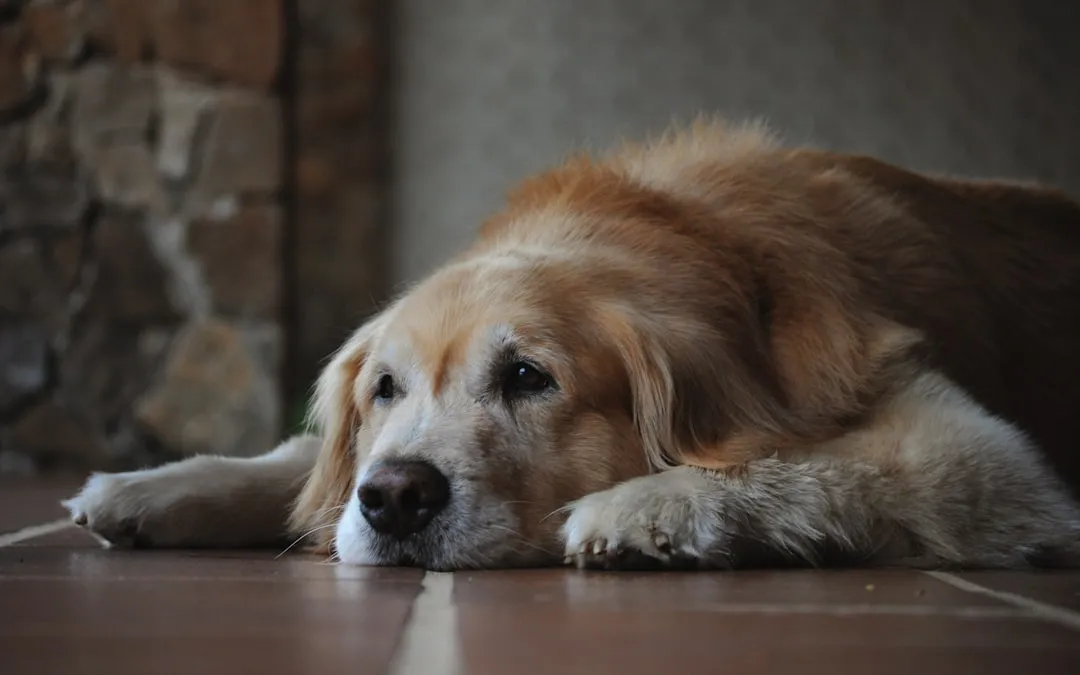
Plenty of families are blindsided when a once-calm old dog suddenly starts pacing, whining, or waking them at 3 a.m. once the house has gone quiet. It gets written off as “just old age” or a bad habit. Often it’s actually canine cognitive dysfunction – doggy dementia – or anxiety made worse by nighttime silence.
Vets now recognize something like “sundowning” in aging dogs, similar to what happens in some elderly humans. These dogs don’t need scolding; they need support. Try a dim nightlight so they can see their surroundings, white noise or a fan to soften sudden sounds, and a rock-solid bedtime routine – last potty, small snack, same phrase every night. Supplements or vet-prescribed medication can help too, but environment comes first. Dismissing this as “annoying” is where a lot of good owners quietly fail their senior dogs, because a house that feels safe to you can feel like a maze to a disoriented dog at 2 a.m. #9 is the controversial one nobody wants to admit they’ve done.
Worth Knowing
- Pacing, whining, or staring blankly at walls can signal canine cognitive dysfunction.
- Confusion and restlessness often worsen after dark, a pattern some vets call “sundowning.”
- A consistent bedtime routine can ease nighttime disorientation over time.
- Sudden nighttime anxiety in an older dog is worth flagging at the next vet visit.
#9 – More Vet Visits, Not Fewer
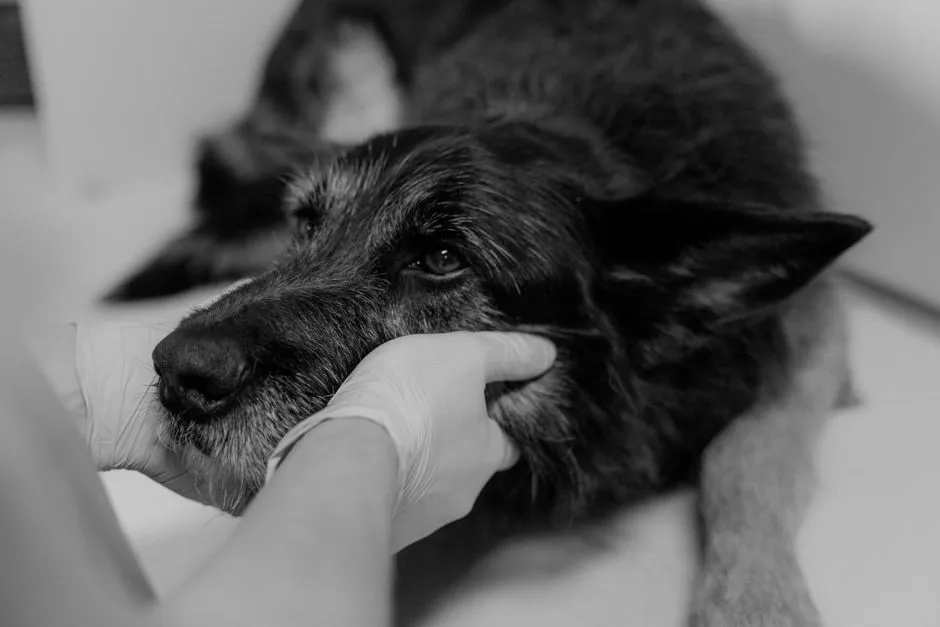
Here’s an uncomfortable one: many people start skipping vet visits once their dog gets old. “I don’t want to put him through a bunch of tests,” they tell themselves, or simply, “he’s fine, just old.” The result is that treatable problems go unnoticed until they become emergencies.
Most vets actually recommend more frequent checkups for seniors – often every six months instead of once a year – because problems progress faster with age. These visits aren’t always about surgery or drastic decisions. They’re often about adjusting pain medication, tweaking a diet for kidney or liver changes, or catching a bad tooth before it turns into daily suffering. You’re never obligated to approve every possible procedure, and it’s fine to decline extreme measures. But skipping basic bloodwork or pain control simply because “he’s old anyway” is a choice a lot of owners deeply regret later. #10 is about something dogs feel far more than we assume – our impatience.
#10 – Permission to Move Slower Without Feeling Wrong
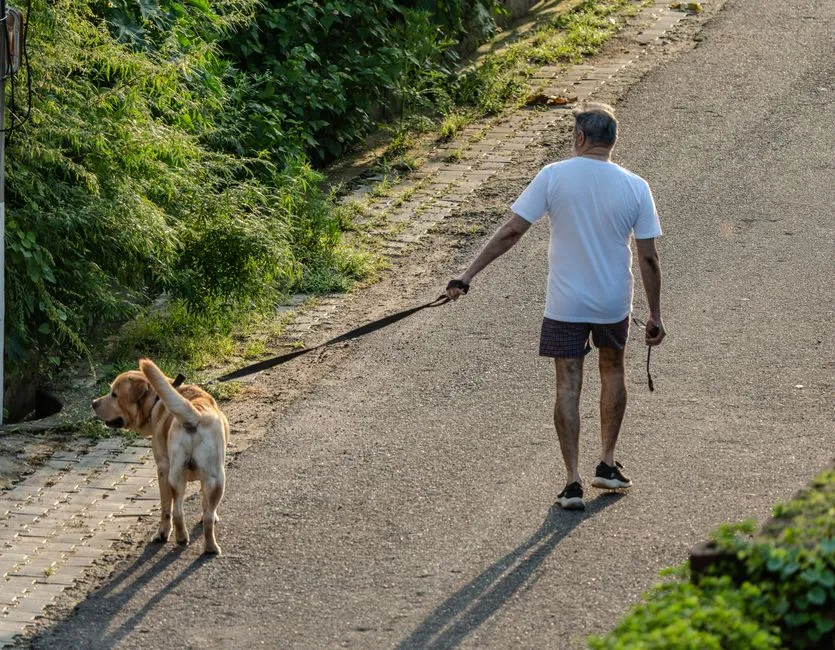
Senior dogs pick up on your frustration far more than most people think. As the house empties and schedules shrink, people start actually noticing the dog lagging in the yard, missing the doorway, taking too long to climb into the car. Too often the response is a sigh, a rushed tug, an annoyed voice.
An old dog’s sense of dignity is real, and constant impatience wears it down. Leave earlier for walks or appointments so you’re never rushing them, and swap leash pressure for soft verbal encouragement. They’re not being stubborn – their joints, heart, or brain are simply running in a lower gear now. Ironically, once people slow down emotionally, a lot of dogs become more willing to move, because the pressure disappears. Treat your senior dog the way you’d hope someone treats you when your own body starts lagging. #11 flips the script on what “playtime” should even look like now.
#11 – Mental Games That Actually Fit an Old Dog
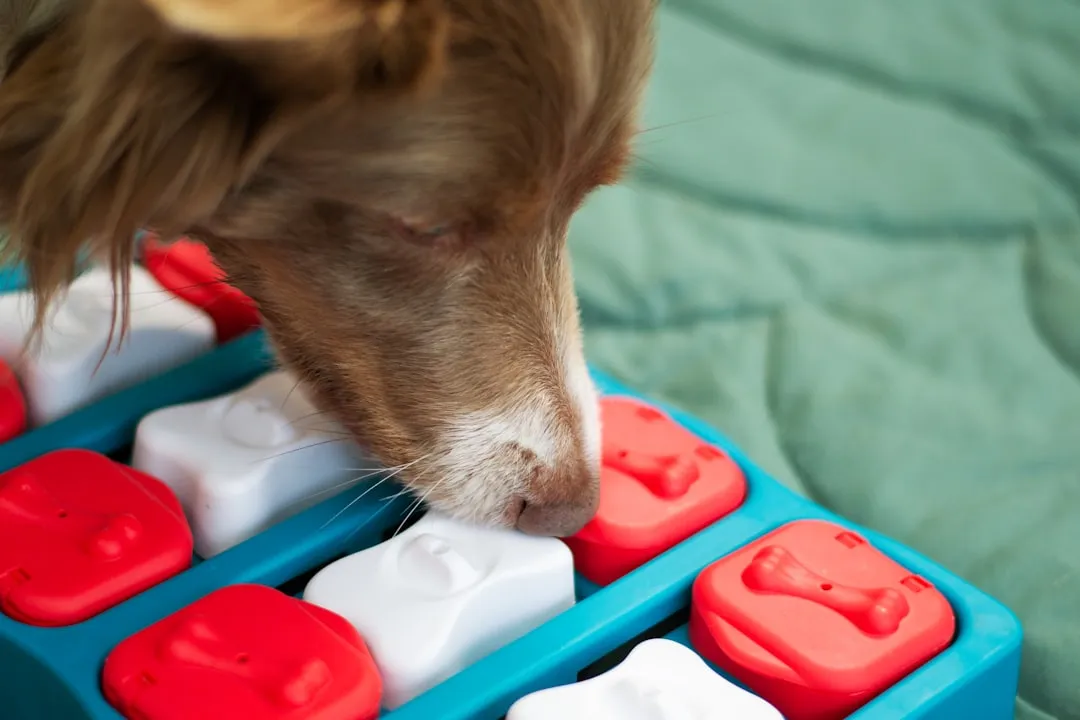
As family energy fades around them, a smart senior dog can get desperately bored, even when the body is tired. The mistake most people make is offering puppy-style games – fetch until exhaustion, rowdy wrestling, chaotic dog parks. What these dogs actually crave is gentler, still-meaningful mental work.
Growing research suggests cognitive stimulation can slow the progression of canine dementia and ease anxiety in older dogs. Adjust the style, not the effort: snuffle mats and simple food puzzles, easy “find it” games with treats in obvious spots, or slow refreshers of old tricks with generous rewards. Most people retire training the moment a dog turns gray, and that’s a mistake – short, happy sessions keep a dog feeling capable and connected. Just respect fatigue: three minutes of fun beats twenty minutes of confusion every time. #12 is quieter than it sounds, but it might matter more than anything else on this list.
Why It Stands Out
- Short mental workouts tire an aging brain without straining sore joints.
- Simple food puzzles and “find it” games build confidence instead of frustration.
- Brief, low-pressure sessions keep an old dog feeling capable, not retired.
- Ending on an easy win matters more than how long the activity lasts.
#12 – Real Touch, Not Just Presence
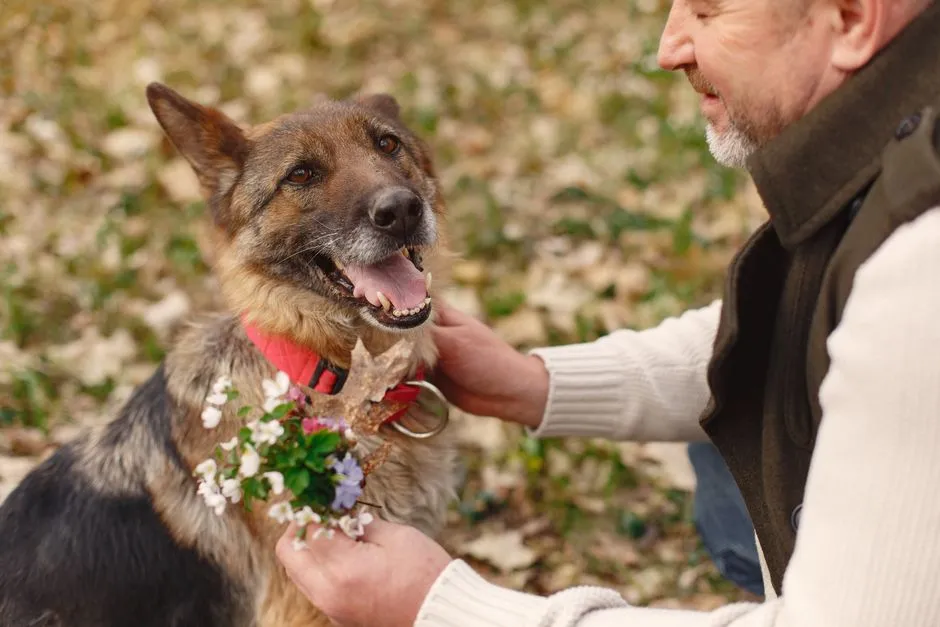
When a house goes quiet, many senior dogs technically get more human company than ever – but very little real contact. You’re home, they’re on the floor, everyone’s half-scrolling, half-working. For a dog who hears less and sees less clearly than he used to, intentional touch becomes the loudest way you can say “you still matter.”
Research across species shows that gentle, sustained touch lowers stress hormones and heart rate. That doesn’t mean absentminded pats on the head. Try long, slow strokes along the side or chest, light ear rubs, or gentle massage around stiff joints if they clearly enjoy it. Watch how they lean in, sigh, or drift off faster than usual. Some behaviorists warn that overly clingy affection can create dependence, but in most homes the real problem isn’t too much love – it’s quiet neglect. If there was ever a moment to be physically present on purpose, it’s now. #13 is the conversation almost every owner avoids until it’s too late.
#13 – Honest Conversations About End-of-Life Comfort
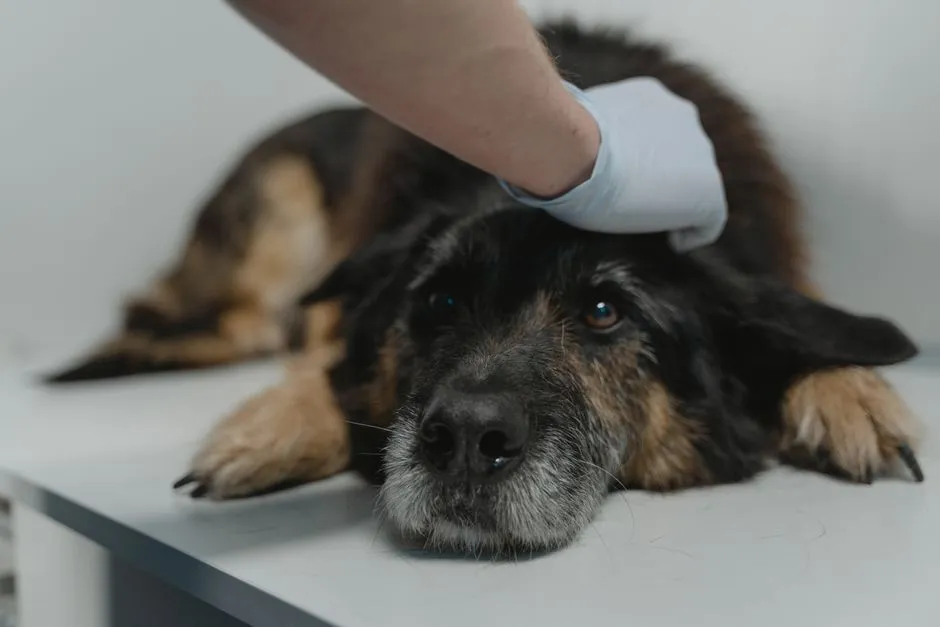
This is where a lot of dog lovers look away. As a senior dog slows down, owners cling to “he’s still eating” as proof everything is fine. But appetite alone is a terrible measure of quality of life, and everyone in the room usually knows it.
Veterinary palliative care is a real, growing field now, focused on comfort long before the final day – earlier pain relief, mobility aids, in-home support, or simply adjusting what you expect your dog to still be able to do. The uncomfortable truth is that waiting until a dog is in visible, daily agony to act isn’t “loving too much.” It’s avoiding your own grief at your dog’s expense. Talk openly with your vet about pain scales and what a good day versus a bad day actually looks like.
Dogs’ lives are too short. Their only fault, really.
Agnes Sligh Turnbull
You don’t have to decide everything at once, but you do owe your dog a plan built around peace, not just survival. And the very last comfort on this list is the one that ties every single other one together.
#14 – Being Treated as Family, Not “The Last Thing Left”
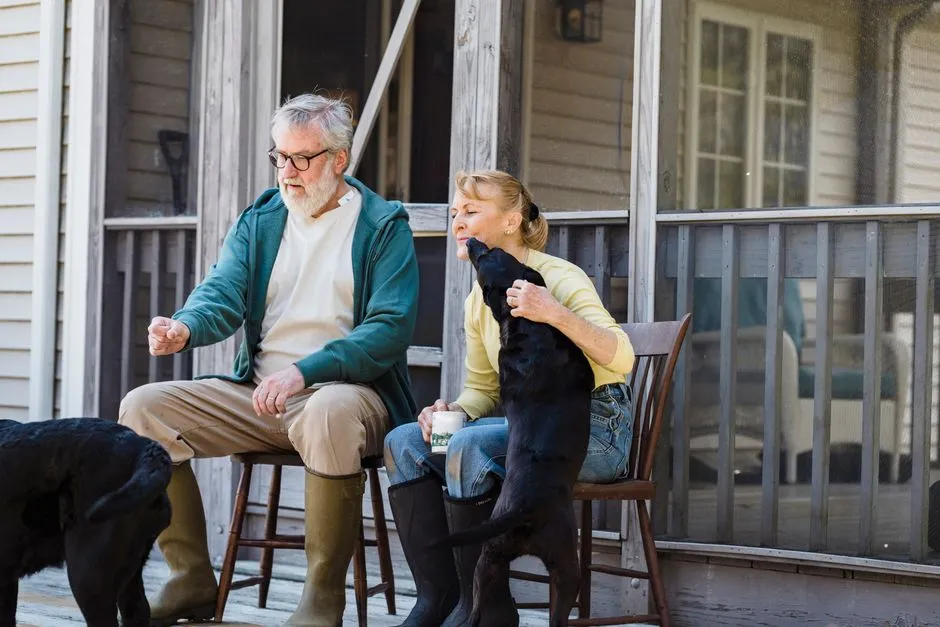
When the kids move out and the house grows cold, something subtle happens: the senior dog quietly becomes the last living thread of the old life. Some owners pull away without meaning to, pre-grieving before there’s anything to grieve, and the dog drifts to the edges of the household. Others swing the opposite way, drowning the dog in baby talk while barely listening to what his body and behavior are actually saying.
What an old dog wants most is simple, and rarer than it should be: to be treated as true family until the very last day. That means making daily choices around their comfort, not convenience or nostalgia. It means letting go of old rules – no couch, no bedroom – if holding onto them now costs your dog connection. It means rearranging furniture, schedules, even travel plans, to keep them secure. A senior dog doesn’t care about a perfect photo. He cares that the people he gave his whole life to still notice him, still adapt for him, and still stand beside him when the world feels dim and chilly. That’s the one comfort that makes every other item on this list actually mean something.
The Bottom Line
Once a house grows quiet, most senior dogs don’t magically settle into peaceful retirement – they quietly struggle inside it, and most of us miss the signs until they’re impossible to ignore. Age itself was never really the enemy here. Indifference is.
Warmth, routine, real touch, gentle movement, honest medical care – these matter infinitely more than sweaters or birthday parties ever will. A ramp instead of stairs, a shorter walk instead of none, a nightlight instead of a scolding: small, practical shifts like these are what turn a dog’s final years from a slow fade-out into something closer to a soft landing.
Not everyone will agree. Some people still insist “a dog is just a dog,” or that adapting a whole household is too much fuss for an animal on borrowed time. In my opinion, those are almost always the same people who regret the most once the bed by the couch is finally empty. If you’ve ever loved a gray-muzzled dog, you already know the truth: he would have walked through fire for you without a second thought. The least any of us can do is soften the floor beneath him now that he’s the one who’s tired.
