
Shelters across the country keep reporting the same quiet strain. More dogs arrive than leave, and certain breeds sit longer than others while space grows tight. The reasons range from popularity surges to simple misunderstandings about what these dogs need day to day.
That pressure shows up in the numbers shelters track every month. Some breeds appear again and again on intake lists, yet adoption interest stays lower than expected. The result is a slow buildup that leaves rescues with fewer open kennels for new arrivals.
#1 Pit Bull Terrier
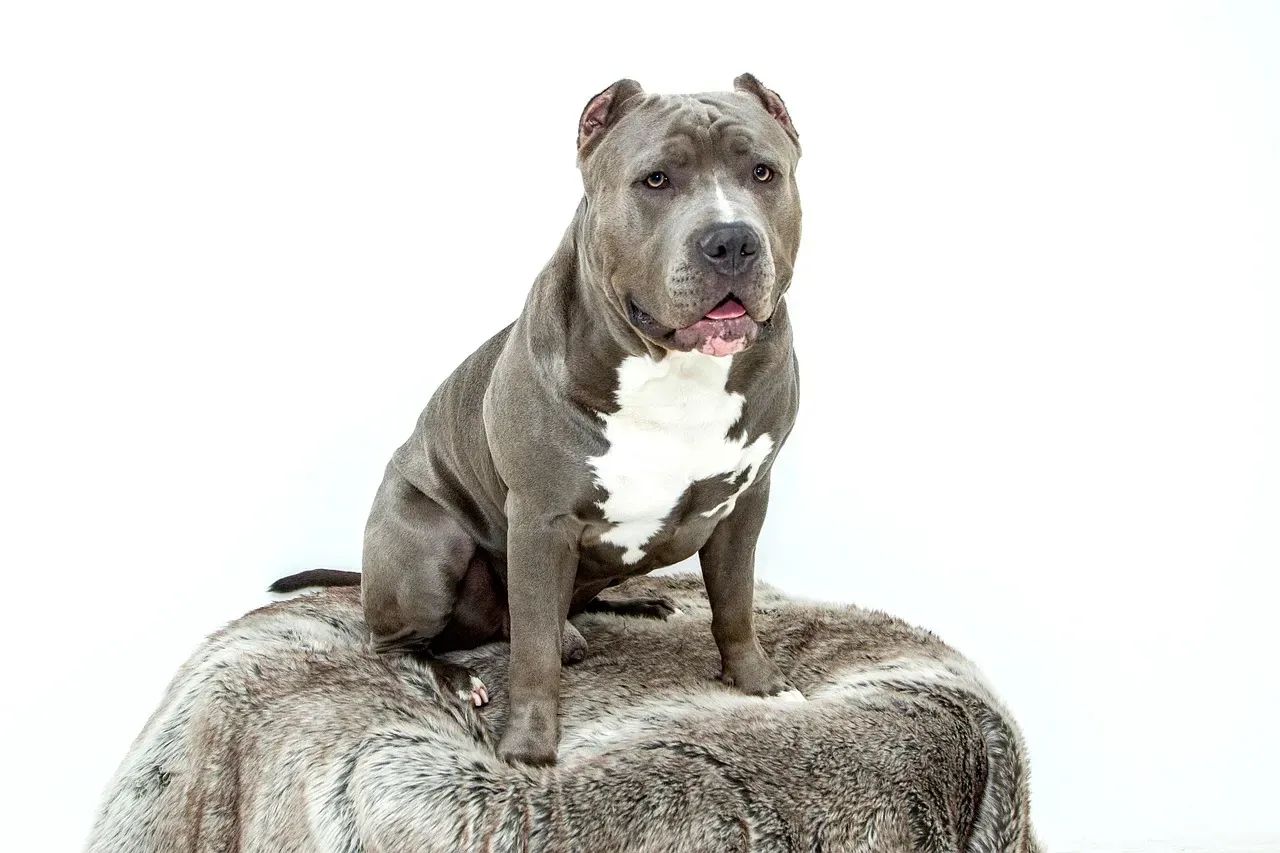
Pit Bull Terriers top nearly every shelter report for sheer volume. They make up roughly one in five dogs listed for adoption in major cities, a share that has held steady for years. Many arrive as strays or after owners realize the energy level does not match apartment life. The breed’s reputation adds another layer, even though most individuals prove friendly with proper handling.
Rescues note that these dogs often wait longer for homes because adopters hesitate at first sight. Yet once placed, they tend to settle quickly with families who provide daily exercise. The gap between intake and placement keeps kennels full in many regions. Local groups say they turn away other dogs simply because the Pit Bull population already fills available runs.
#2 German Shepherd
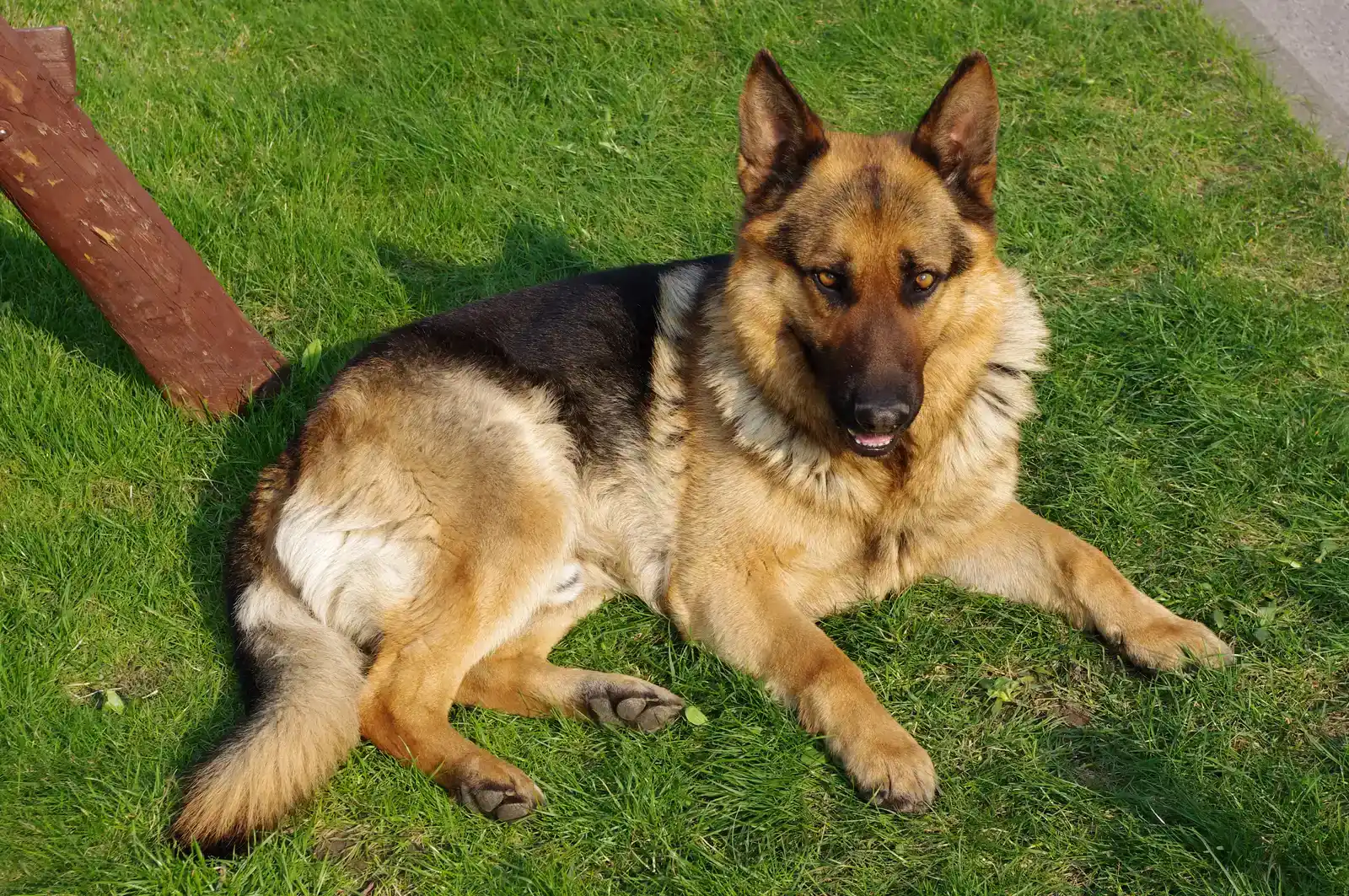
German Shepherds rank high on intake lists because their popularity leads to overbreeding. People choose them for looks or protection instincts, then surrender them when training needs exceed expectations. The breed’s intelligence helps in structured homes, but that same drive can turn destructive without outlets. Shelters see steady numbers of young adults and seniors alike.
Adoption interest dips when potential owners learn about hip issues common in the line. Rescues counter this with health screenings and education, yet space remains limited. Many facilities report German Shepherds staying weeks longer than smaller breeds. The pattern repeats across states where the dogs once served as working partners.
#3 Labrador Retriever
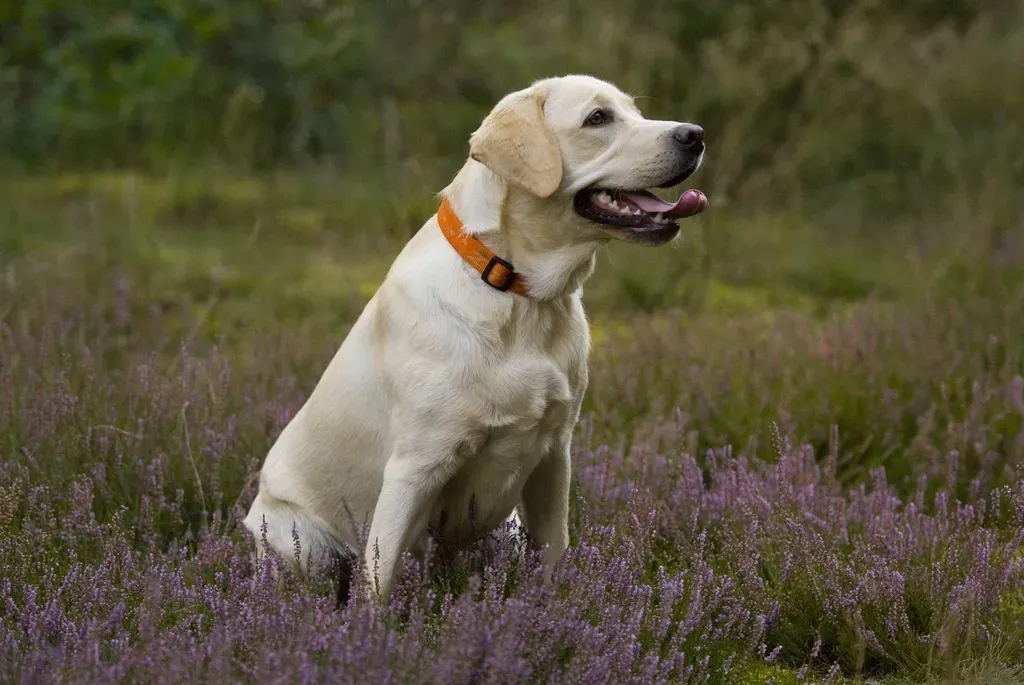
Labrador Retrievers enter shelters at high rates despite their status as a favorite family dog. Overbreeding by backyard operations produces more puppies than responsible homes can absorb. The breed’s love of food and play makes them appealing, but that same enthusiasm leads to surrenders when exercise drops off. Black Labs in particular face longer waits, a pattern shelters call big-dog bias.
Rescue staff emphasize that Labs thrive with consistent routines and training. Still, the volume keeps some facilities at capacity. Groups often transport Labs to other states with more open space. The steady flow means new intakes sometimes share kennels until spots open.
#4 Chihuahua
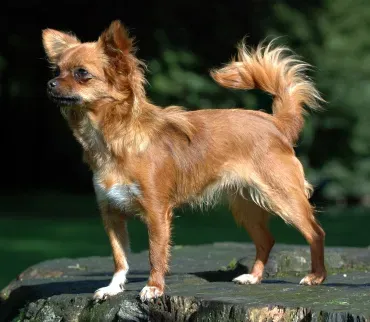
Chihuahuas appear frequently in urban shelters, especially in warmer climates. Their small size makes them easy to overlook until numbers climb. Many arrive after owners discover the breed’s strong personality and need for careful socialization. Tiny dogs can also suffer from dental problems that raise care costs.
Rescues report that Chihuahuas sometimes wait because adopters prefer puppies over adults. The breed bonds tightly once settled, yet the initial perception of fragility slows placements. Facilities in California note Chihuahuas can represent up to a third of their small-dog population. That concentration leaves less room for other arrivals.
#5 Siberian Husky
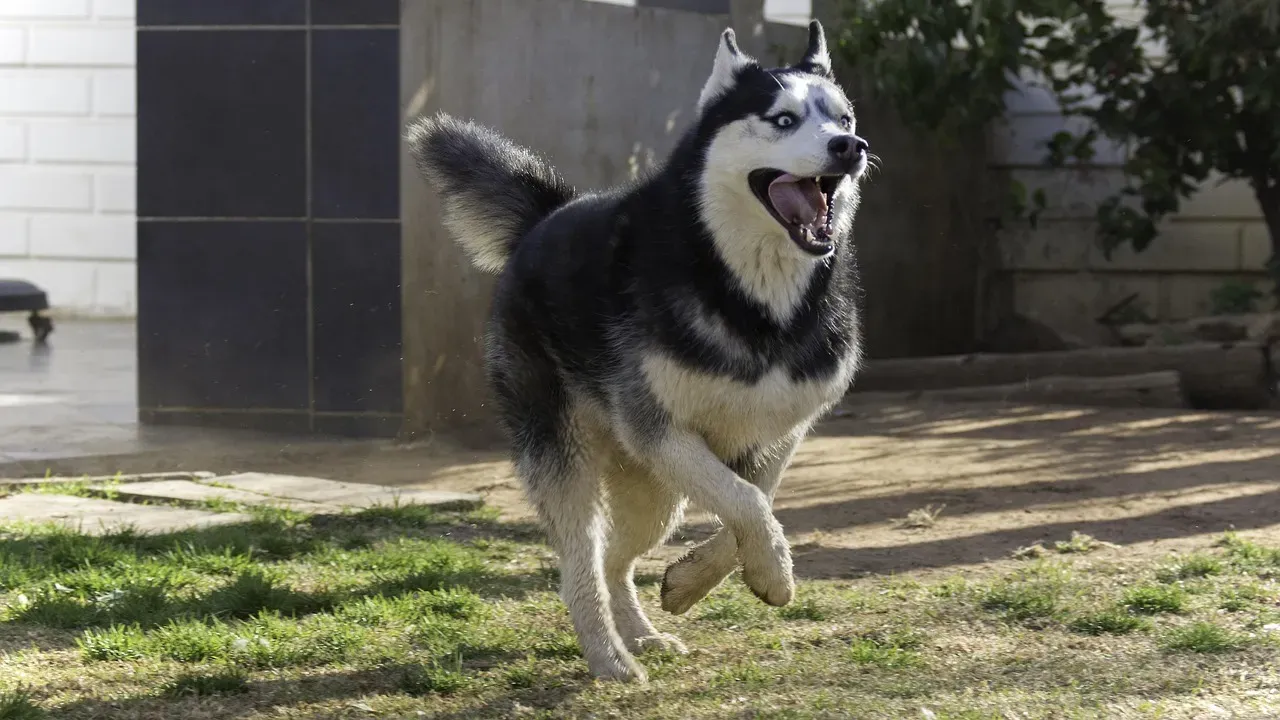
Siberian Huskies land in rescues when their high energy and shedding surprise new owners. The breed’s striking looks draw interest, but daily runs and mental work prove more than some households expect. Escapes are common, leading to stray intakes. Shelters see clusters during spring when winter coats shed heavily.
Adoption rates improve with clear descriptions of exercise needs. Even so, Huskies often stay longer than average because potential homes want lower-maintenance pets. Rescues in northern states sometimes partner with southern groups to move dogs. The pattern keeps space tight during peak seasons.
#6 Boxer
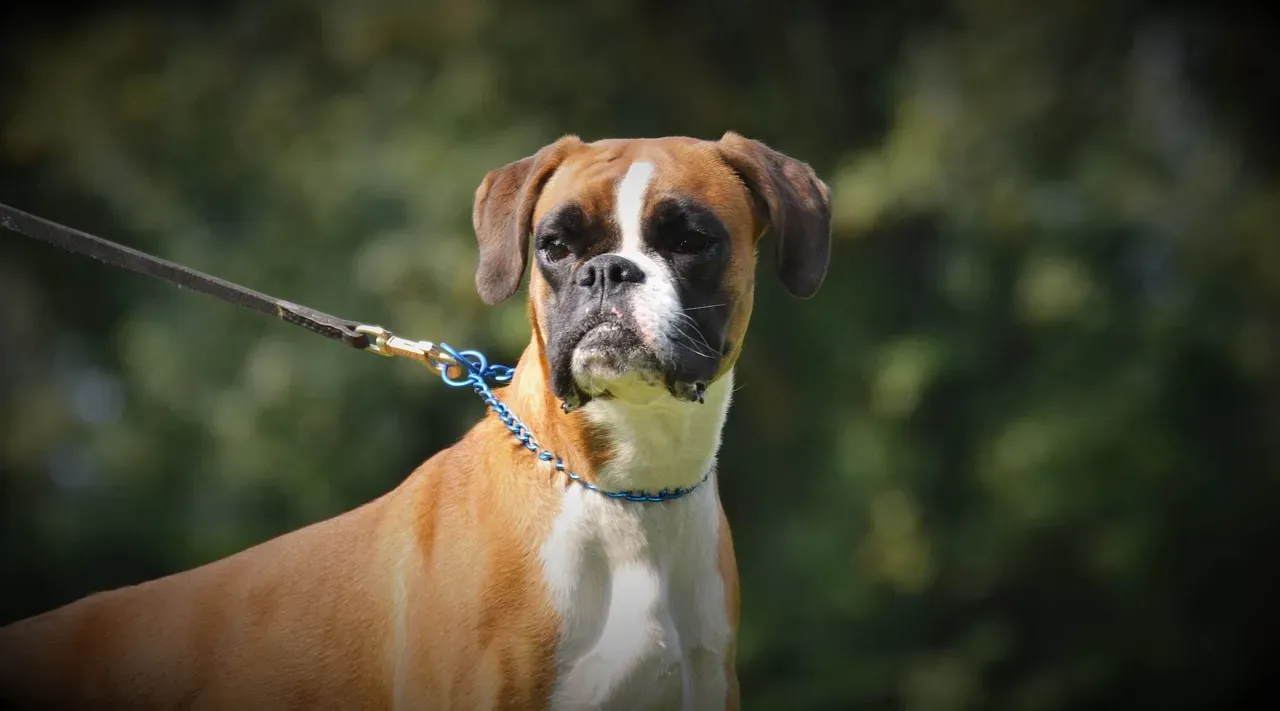
Boxers arrive at shelters after families underestimate their playful, clownish nature into adulthood. The breed’s short coat and muscular build appeal at first, yet the need for interaction and training catches some off guard. Heart conditions in the line add another consideration for adopters. Intake numbers stay consistent year-round.
Rescue volunteers highlight that Boxers form strong bonds and respond well to positive methods. Longer stays occur when medical notes appear on profiles. Facilities balance this by pairing Boxers with experienced foster homes. The result is steady pressure on available kennels.
#7 Dachshund

Dachshunds show up regularly because their long backs require careful handling to avoid injury. The breed’s popularity as a lap dog leads to impulse buys that later become surrenders. Back problems and stubborn streaks factor into many returns. Shelters track higher numbers in areas with active small-dog communities.
Adopters who understand the breed’s hunting heritage often provide ideal homes. Still, the volume of adults keeps some rescues full. Groups focus on education about weight management and safe play. That effort helps, yet space constraints remain noticeable.
#8 English Bulldog

English Bulldogs enter rescues when breathing issues and skin care needs exceed owner expectations. The breed’s compact size and affectionate nature attract buyers, but veterinary costs rise quickly. Overbreeding for extreme features contributes to health challenges. Intake spikes after holidays when gifts prove difficult to keep.
Rescues screen carefully for breathing and joint concerns before placement. Even with support, Bulldogs often wait longer than average. Facilities in milder climates see more of the breed. The pattern adds to overall capacity strain.
#9 Beagle
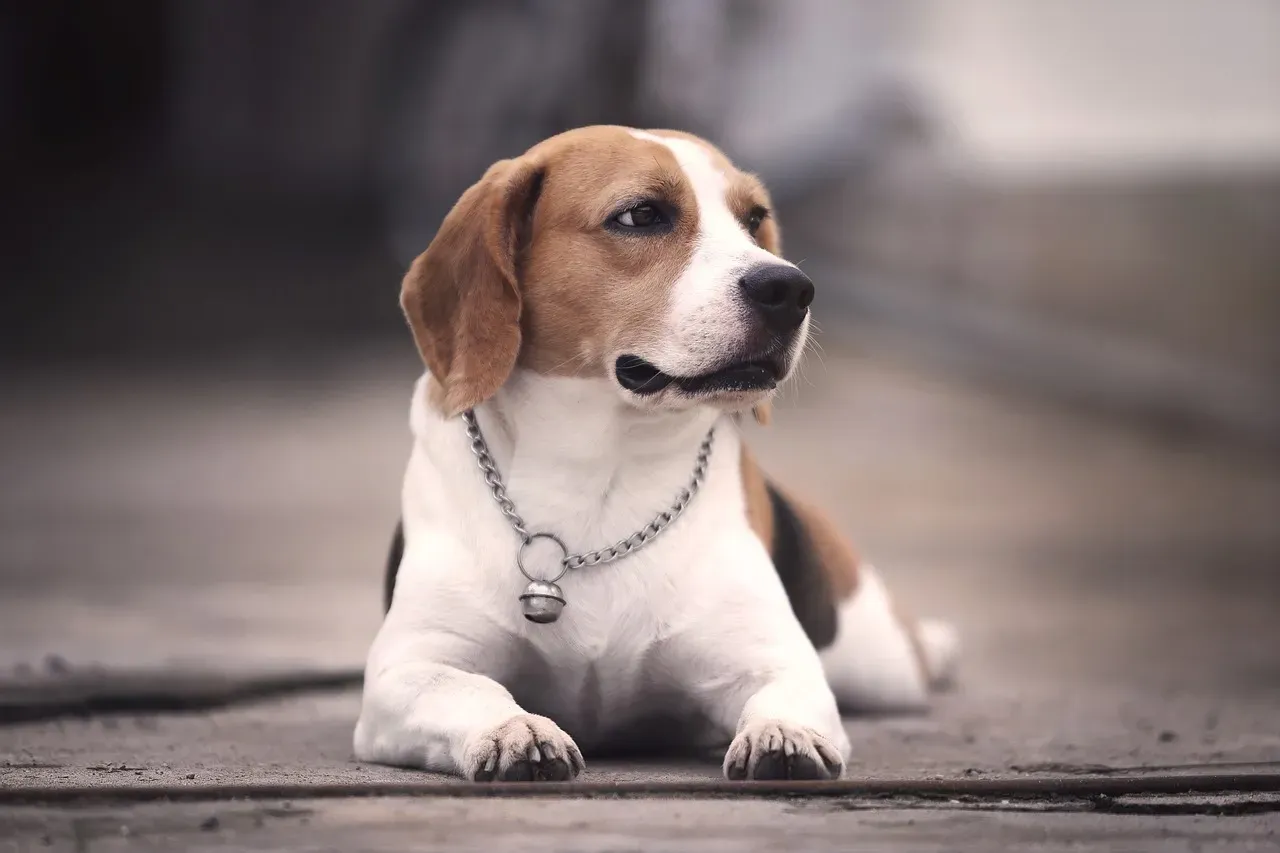
Beagles arrive as strays or surrenders after their strong scent drive leads to escapes. The breed’s friendly temperament helps once settled, yet the need for secure yards surprises some owners. Overbreeding for hunting or companionship increases numbers. Shelters note steady adult intakes throughout the year.
Adoption interest grows with descriptions of their pack-oriented personality. Longer stays happen when potential homes lack time for walks. Rescues often place Beagles in pairs to ease transitions. That approach helps manage space while matching dogs well.
#10 Rottweiler
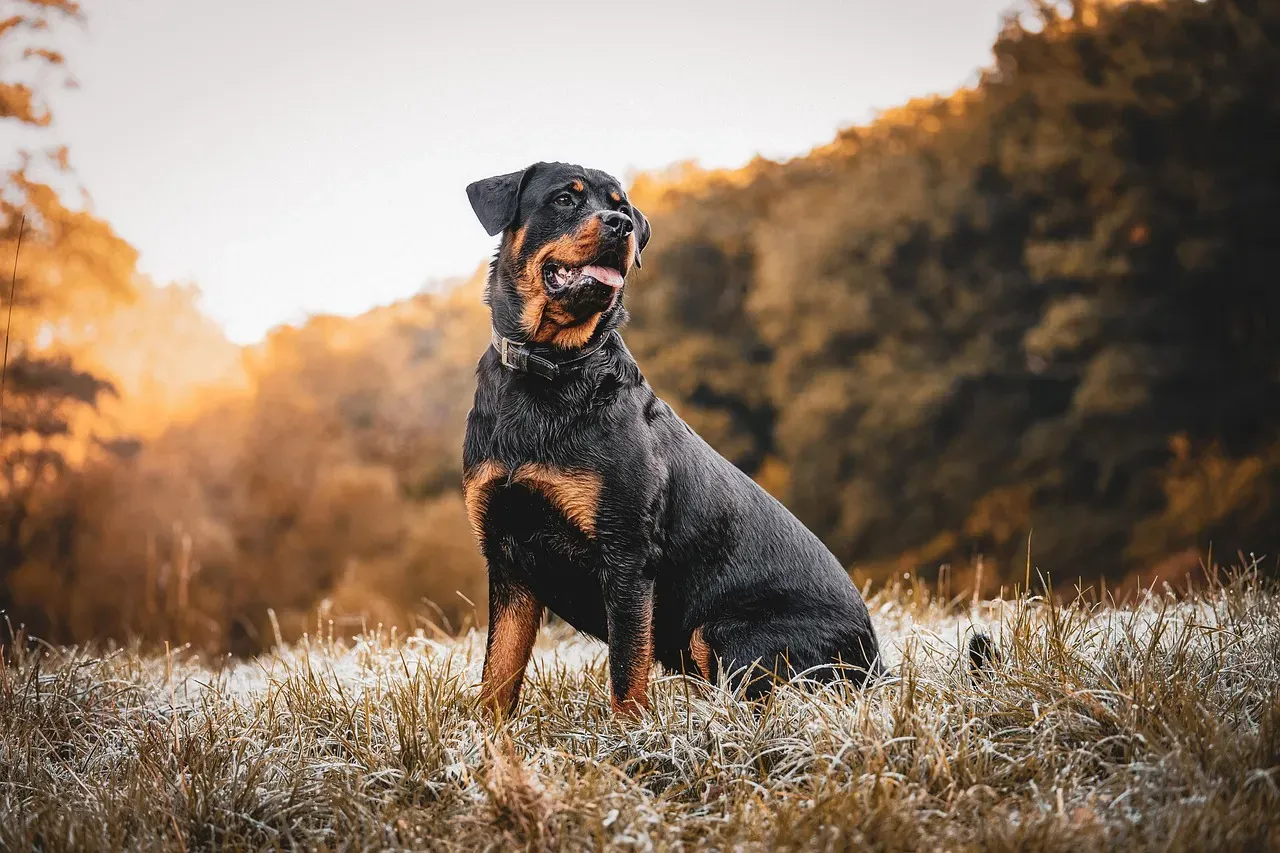
Rottweilers appear in rescues after owners misjudge their size and protective instincts. The breed’s loyalty shines in the right setting, but early training is essential. Health screenings for hips and hearts factor into placement decisions. Intake remains consistent in both urban and rural areas.
Rescues emphasize experienced handlers for these dogs. Adoption rates improve with clear profiles that counter stereotypes. Facilities sometimes hold Rottweilers longer while matching them carefully. The steady presence keeps kennel space limited.
#11 Doberman Pinscher
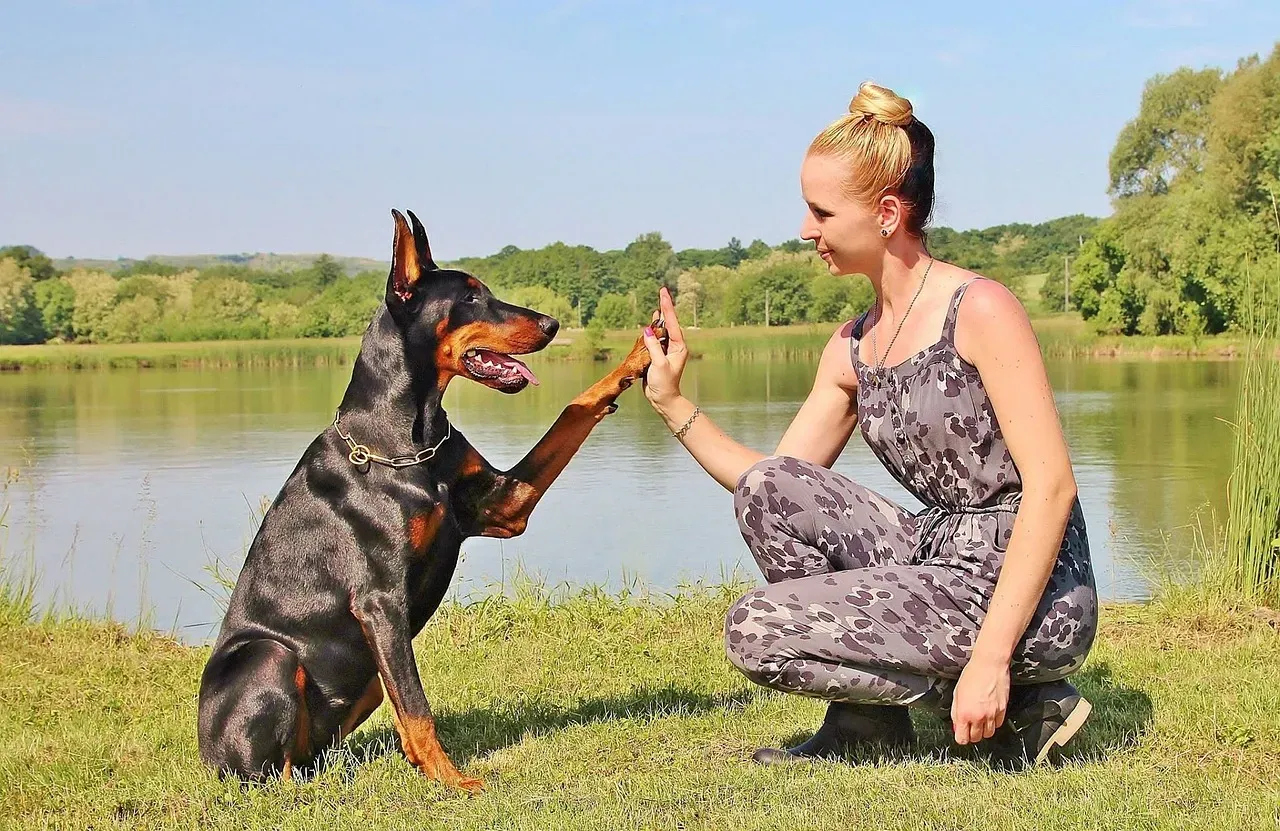
Doberman Pinschers enter shelters when their high energy and need for mental work exceed expectations. The breed’s sleek look draws attention, yet daily structure proves key. Heart conditions common in the line add planning for adopters. Numbers stay noticeable in working-dog communities.
Rescue groups highlight the breed’s intelligence and trainability. Still, longer waits occur when profiles mention medical notes. Partnerships with trainers help speed placements. Space pressure builds as new intakes arrive.
#12 Greyhound
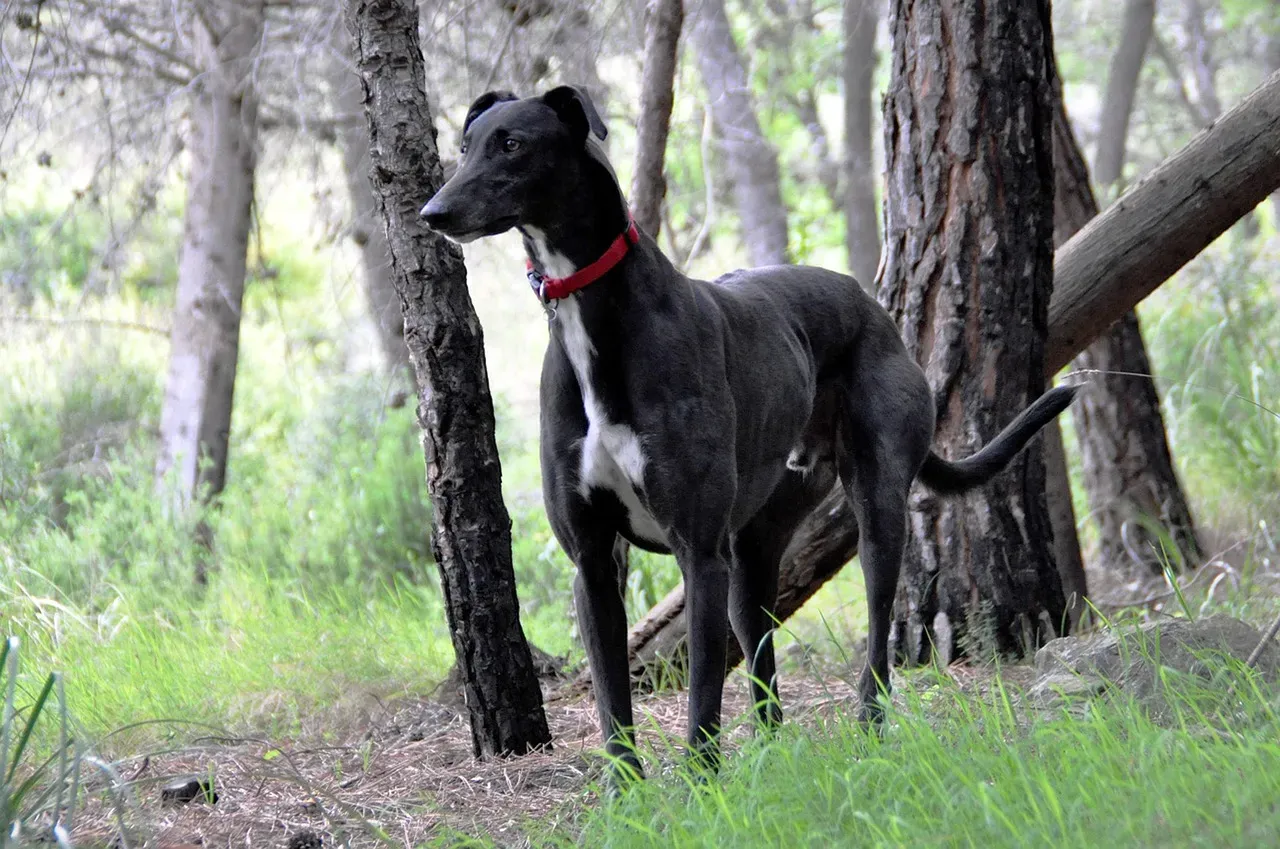
Greyhounds reach rescues after racing careers end or when owners find the breed’s quiet nature surprising. Their gentle temperament suits many homes, yet the need for soft bedding and short bursts of speed catches some off guard. Retired racers often arrive in groups. Shelters in racing states see higher volumes.
Adoption interest rises with education about their low exercise needs indoors. Even so, the breed sometimes waits while matches are made. Rescues focus on foster programs to free space. The pattern repeats seasonally.
#13 Chow Chow
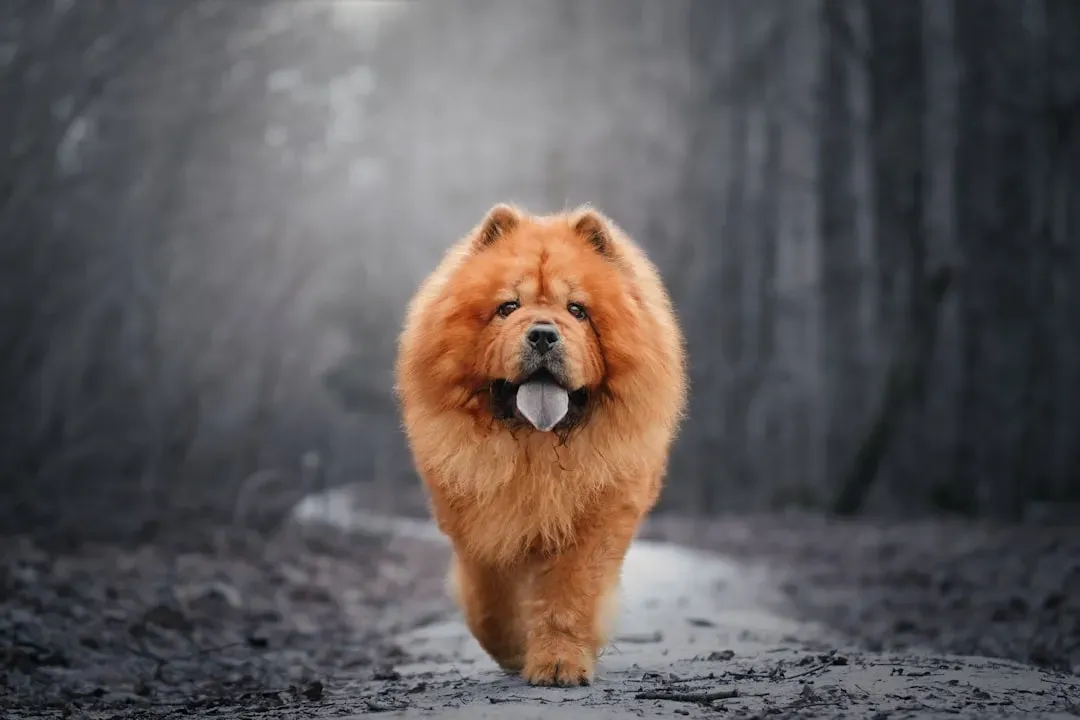
Chow Chows appear when their independent streak and grooming needs surprise owners. The breed’s lion-like coat and reserved personality require patient handling. Overbreeding contributes to intake numbers. Shelters track them more often in certain regions.
Rescues stress early socialization for successful placements. Longer stays happen when adopters seek more outgoing dogs. Facilities pair Chows with experienced fosters. That step helps manage capacity.
#14 Pointer
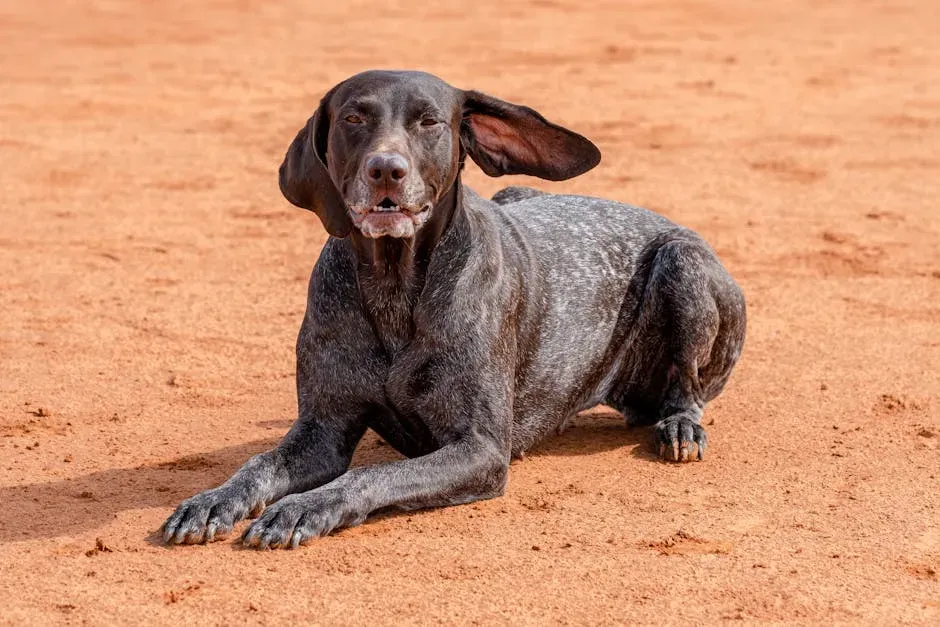
Pointers enter rescues after hunting homes change or energy levels prove too high for some families. The breed’s athletic build and pointing instinct need outlets. Intake stays steady in rural areas. Shelters note good adoption potential once needs are clear.
Rescue staff describe Pointers as eager partners with proper exercise. Still, space fills when numbers climb. Groups often transport dogs to areas with more interest. The flow keeps facilities attentive.
#15 Australian Cattle Dog
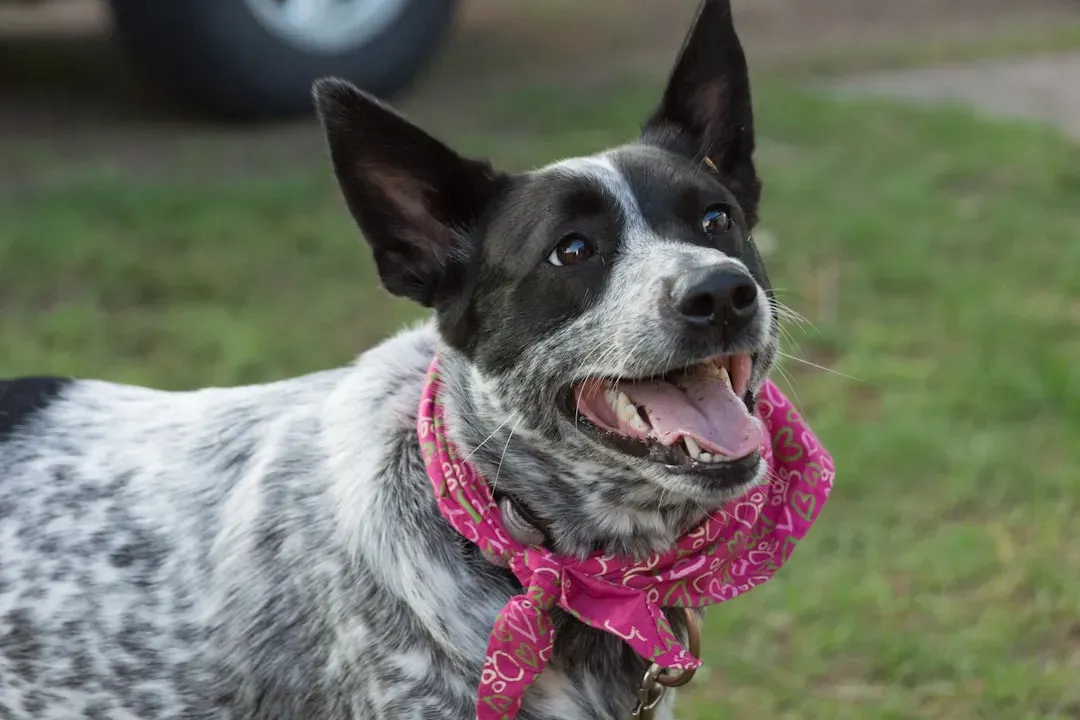
Australian Cattle Dogs arrive when their working drive exceeds suburban life. The breed’s intelligence and loyalty appeal, yet daily tasks prevent boredom. Intake rises in areas with active herding communities. Shelters see adults and mixes regularly.
Rescues match these dogs with homes offering jobs or sports. Longer waits occur without clear activity plans. Foster programs help ease pressure. Capacity remains a concern.
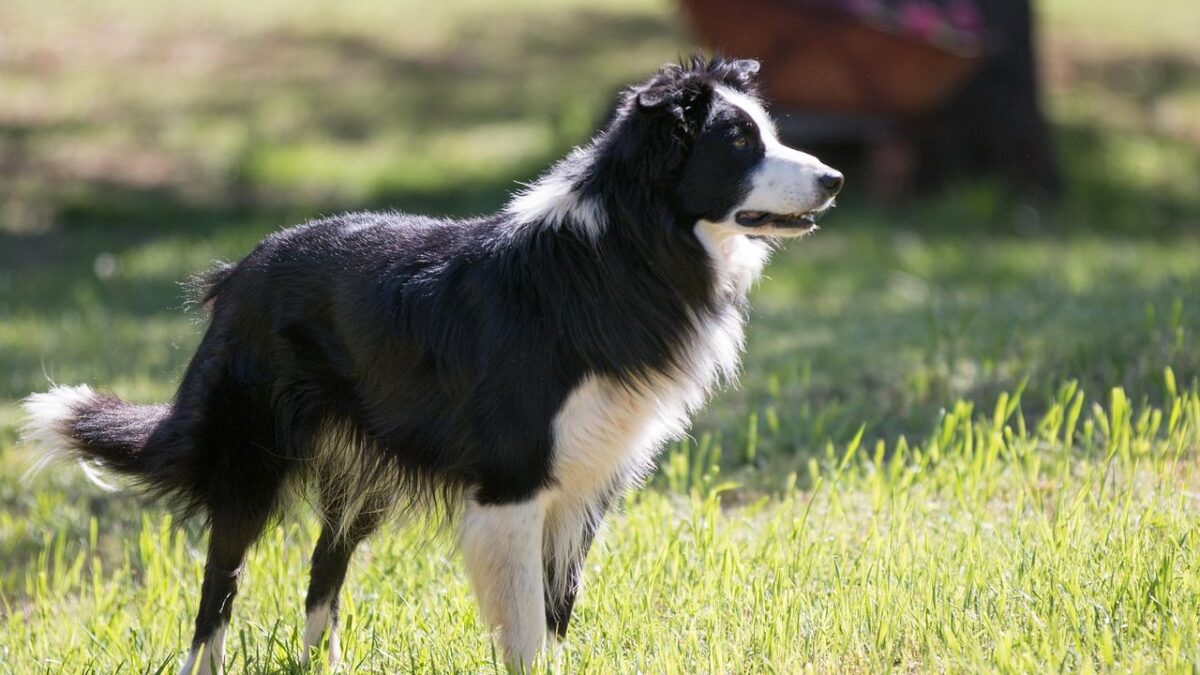
#16 Border Collie
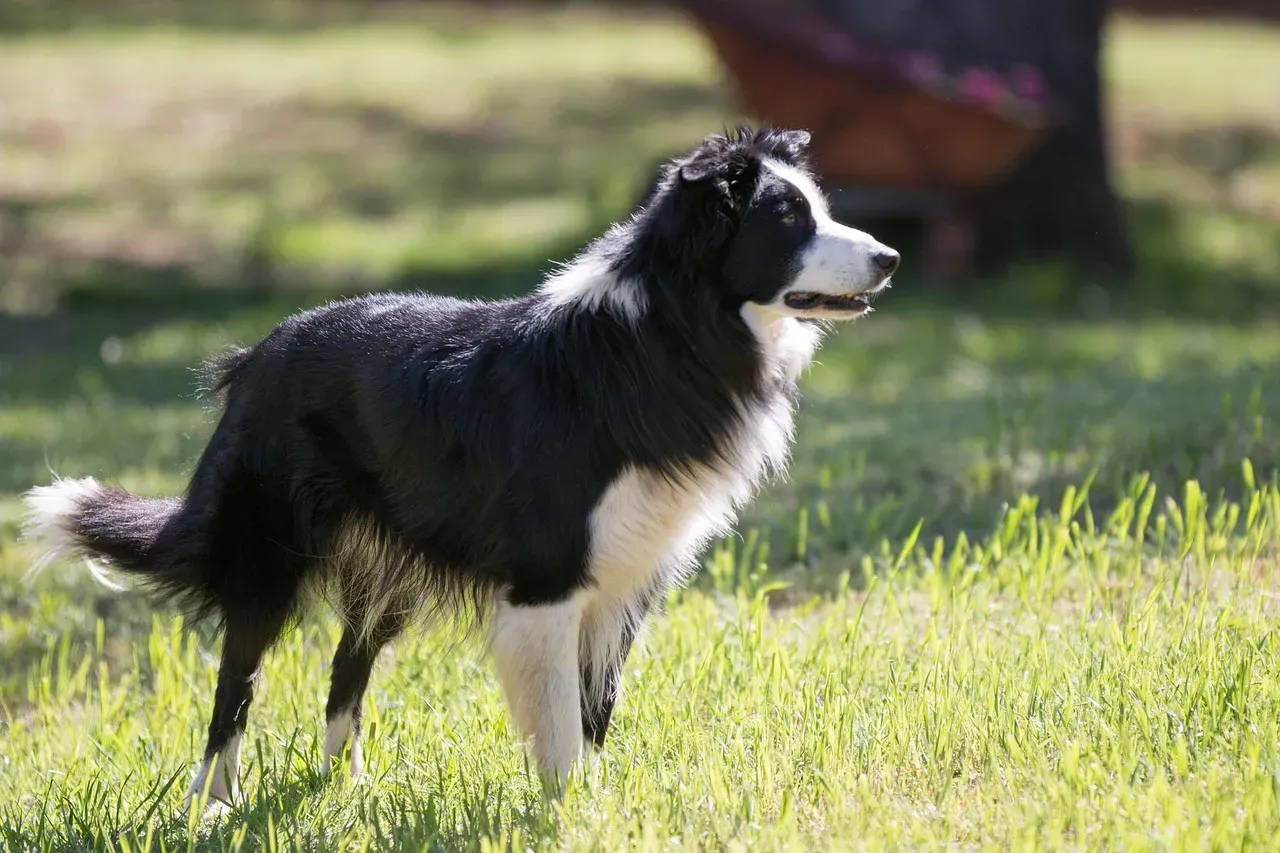
Border Collies reach shelters after owners discover the intense focus required. The breed’s herding heritage demands mental work. Popularity for looks leads to impulse choices. Numbers stay consistent in active regions.
Rescue groups highlight agility and training as outlets. Adoption improves with detailed profiles. Facilities balance space by prioritizing experienced homes. The pattern continues.
#17 Jack Russell Terrier
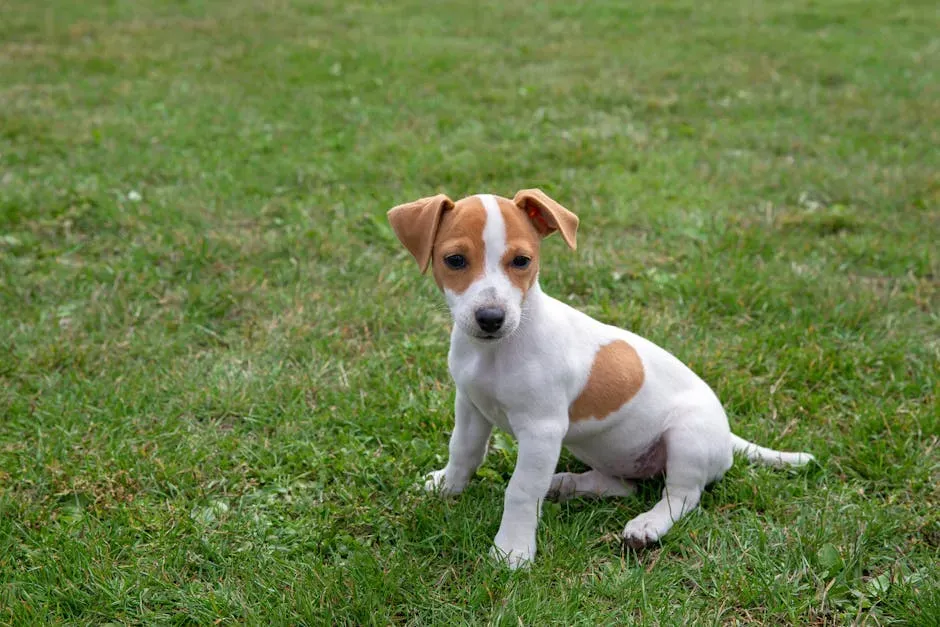
Jack Russell Terriers enter rescues when their bold energy surprises families. The breed’s small size hides a big personality and digging instinct. Intake climbs in urban settings. Shelters track them alongside other terriers.
Rescues note quick bonds once settled with active owners. Longer stays happen without secure yards. Foster networks help free kennels. Pressure builds steadily.
#18 Yorkshire Terrier
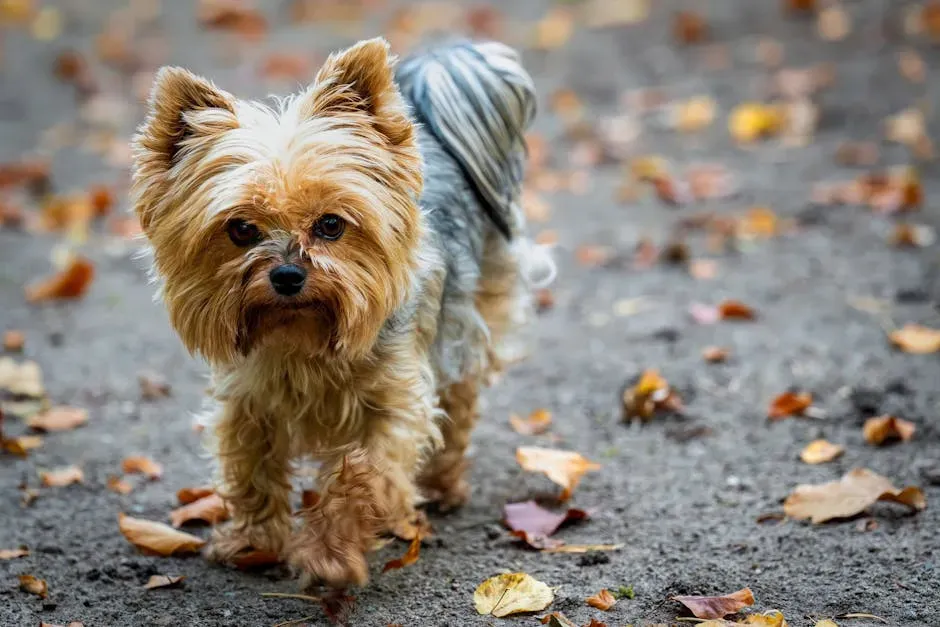
Yorkshire Terriers appear after grooming costs or small-dog attitudes lead to surrenders. The breed’s silky coat needs regular care. Popularity as companions increases numbers. Shelters see them in city facilities often.
Rescue volunteers stress dental health and socialization. Adoption rates rise with clear care guides. Space constraints appear during peak seasons. Groups manage through careful matching.
#19 French Bulldog
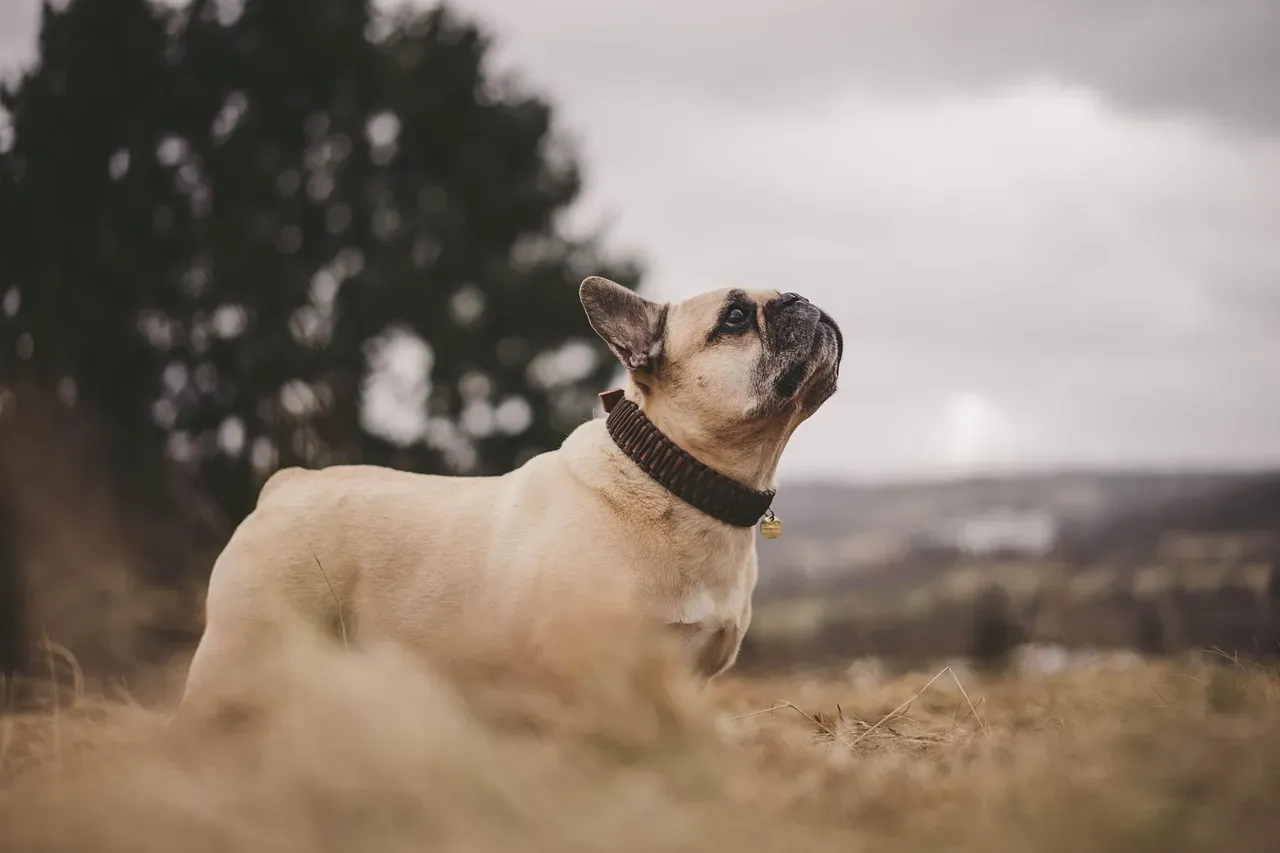
French Bulldogs reach rescues when breathing and skin issues exceed owner plans. The breed’s compact charm attracts buyers, yet veterinary needs add up. Overbreeding for features contributes. Intake grows in warm climates.
Rescues screen for health before placement. Longer waits occur with medical notes. Facilities focus on education for new owners. Capacity stays tight.
#20 Great Dane
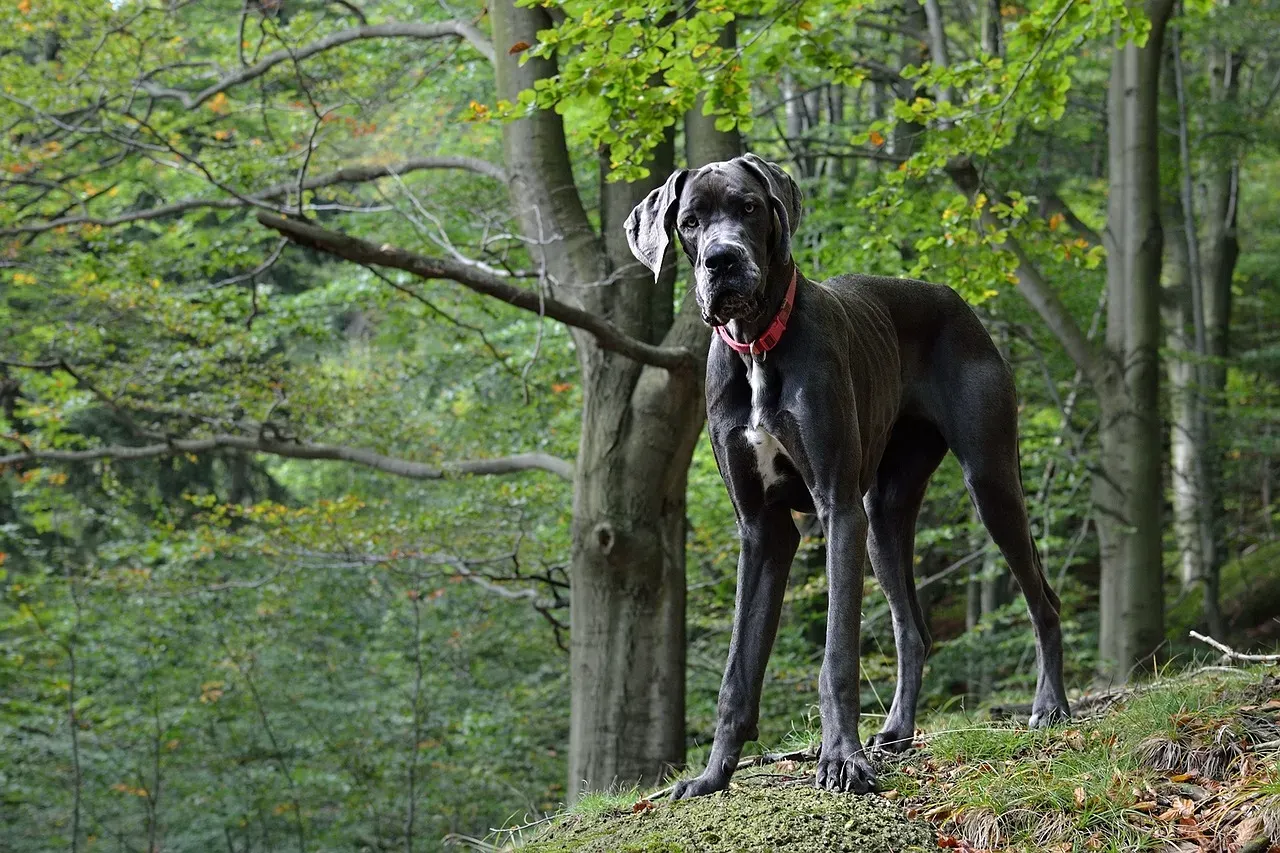
Great Danes enter shelters when size and short lifespans surprise families. The breed’s gentle giant reputation draws interest, yet space and food costs factor in. Intake remains lower volume but noticeable. Shelters track them in larger facilities.
Rescue groups match Danes with homes prepared for their needs. Adoption improves with realistic timelines. Foster care helps during transitions. Space pressure persists.
#21 Mastiff
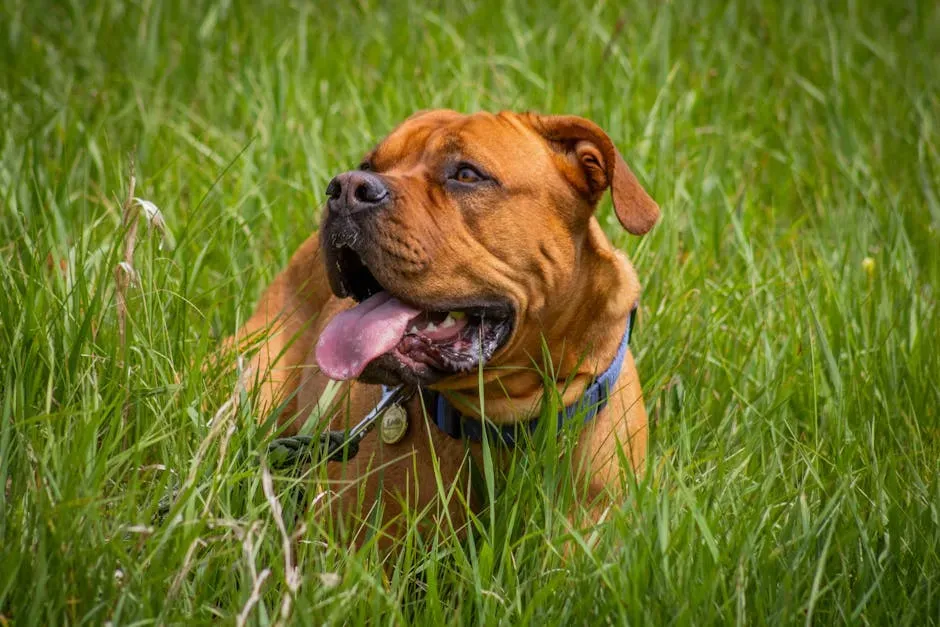
Mastiffs arrive when owners underestimate their gentle but massive presence. The breed’s calm nature suits many homes, yet drool and size require planning. Intake stays steady in rural zones. Shelters see them less often than smaller breeds but still feel the impact.
Rescues emphasize experienced handlers for these dogs. Longer stays happen while matches form. Partnerships with large-breed fosters ease loads. The quiet accumulation adds up.
Every one of these breeds carries traits that make them wonderful companions once the right home steps forward. The quiet pressure on rescues comes down to simple mismatches between expectation and daily reality. Adopting from a shelter or rescue gives these dogs a second chance while opening space for others in need. The choice ripples outward in ways that matter more than any single headline suggests.
