


Invasive species, often introduced by human activity, are organisms that establish themselves in non-native territories, often leading to significant ecological, economic, and social impacts. These species can outcompete native species for resources, disrupt habitats, and alter entire ecosystems. Understanding the effects of these newcomers is crucial for managing and conserving biodiversity. Here’s a look at 22 invasive species causing turmoil in various ecosystems worldwide.
11. European Starling: A Beautiful, Irksome Intruder
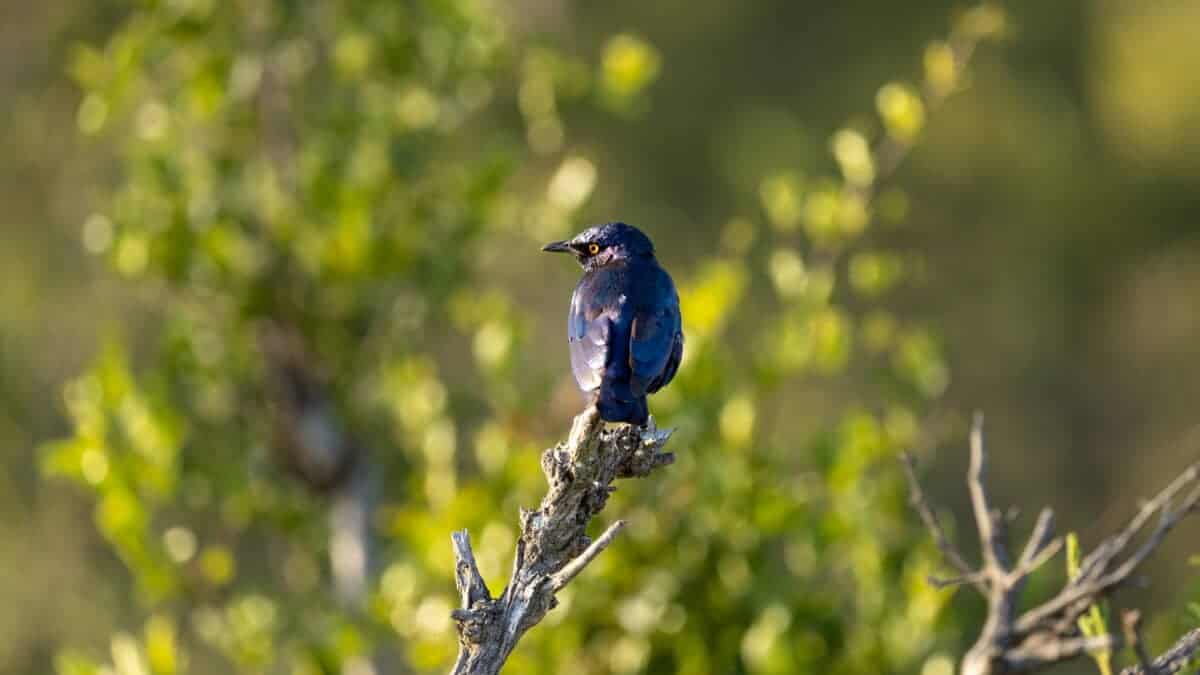
Introduced to North America in the late 19th century, the European Starling’s striking appearance belies its disruptive nature. These birds, with their remarkable ability to adapt, have outcompeted native songbirds, monopolizing food and nesting sites. This has resulted in a decline in native bird populations, affecting the ecosystem balance they historically maintained.
10. Zebra Mussels: Tiny Creatures With a Big Impact

Native to Eastern Europe, zebra mussels have spread throughout North American waterways. Their rapid reproduction and capacity to attach to surfaces have led to clogged pipelines and damage to watercraft. Additionally, they filter plankton from the water, depriving native aquatic species of crucial food resources, thereby altering aquatic ecosystems.
9. Asian Carp: Eating Machines on the Loose

Originally introduced to manage aquatic vegetation, Asian carp have overrun American waterways. Their insatiable appetite leaves little for native fish and their overwhelming population growth threatens to destabilize aquatic ecosystems. Their presence has necessitated measures to prevent their expansion, particularly into the Great Lakes where they could cause irreversible change.
8. Brown Marmorated Stink Bug: A Smelly Menace

This small bug made its way from Asia to the United States and Europe, where it has become a pest in agricultural regions. The brown marmorated stink bug feeds on a variety of fruits and vegetables, ruining crops and costing farmers billions annually. Its resistance to many pesticides makes control efforts challenging.
7. Kudzu: The Vine That Ate the South
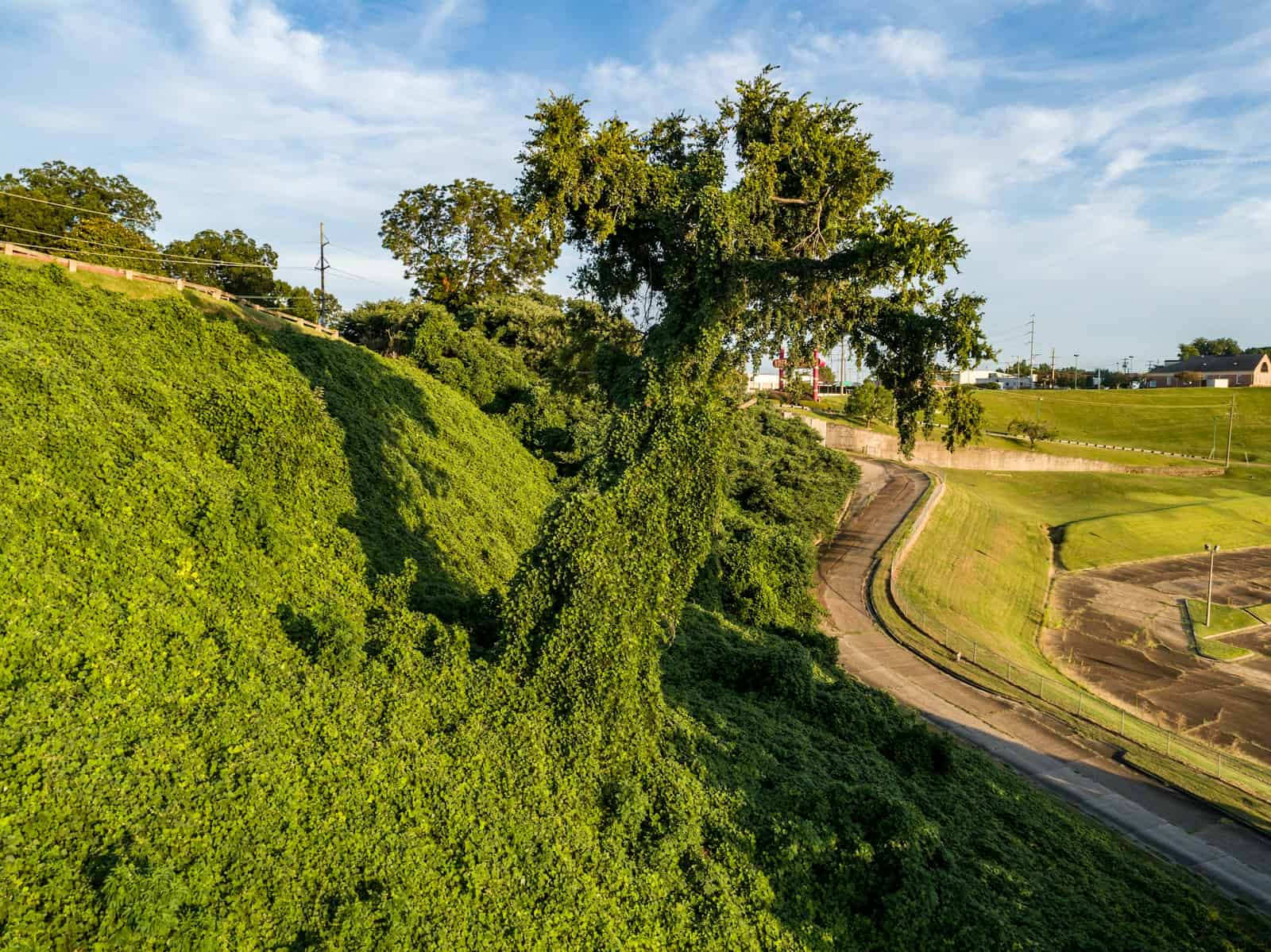
Kudzu, introduced from Asia for erosion control, quickly became a notorious invasive plant throughout the southern United States. Its rapid growth smothers native plants, including trees, by blocking sunlight. This vine’s tenacious nature allows it to cover vast areas, altering habitats and displacing native flora.
6. Common Carp: Ecosystem Engineers With Unwanted Effects
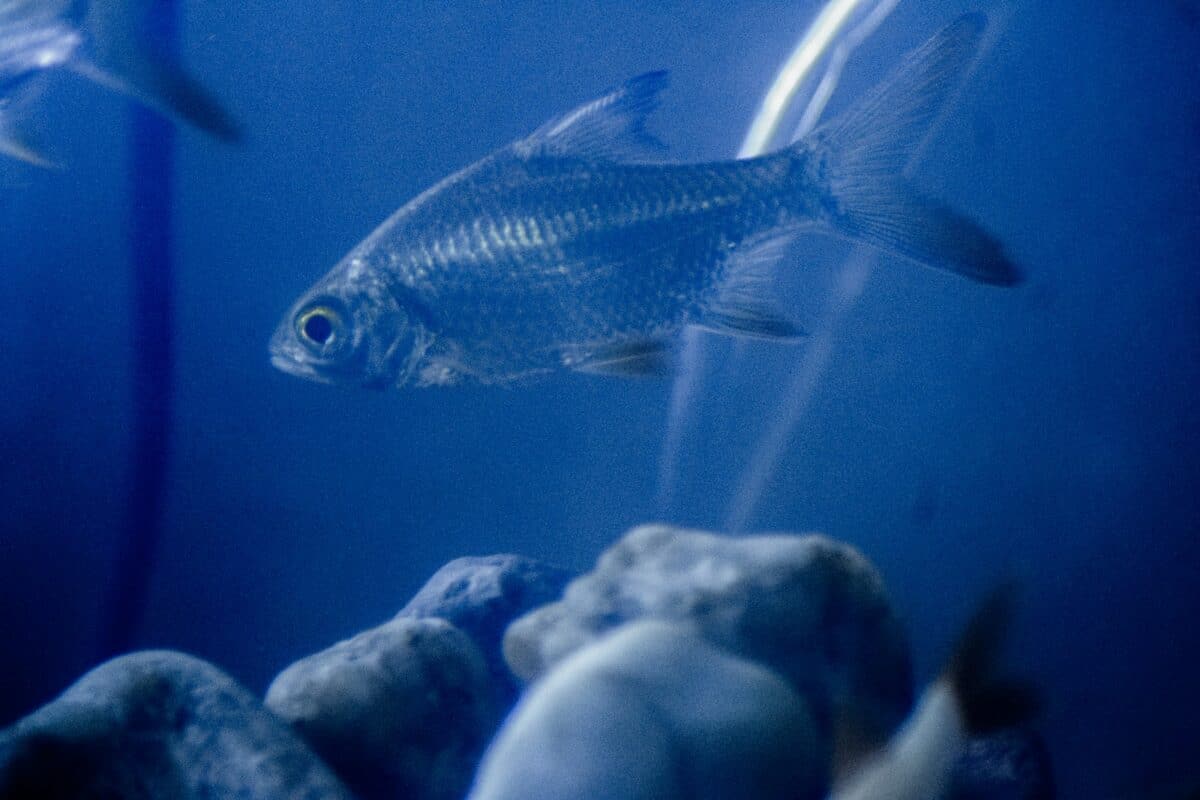
Common carp, having been introduced globally for food, are now prevalent in many freshwater ecosystems. Their feeding habits disturb sediment and uproot vegetation, leading to increased turbidity and reduced water quality. This behavior alters the habitat, affecting the plants and animals that depend on clear waters.
5. Cane Toad: From Beneficial to Bane
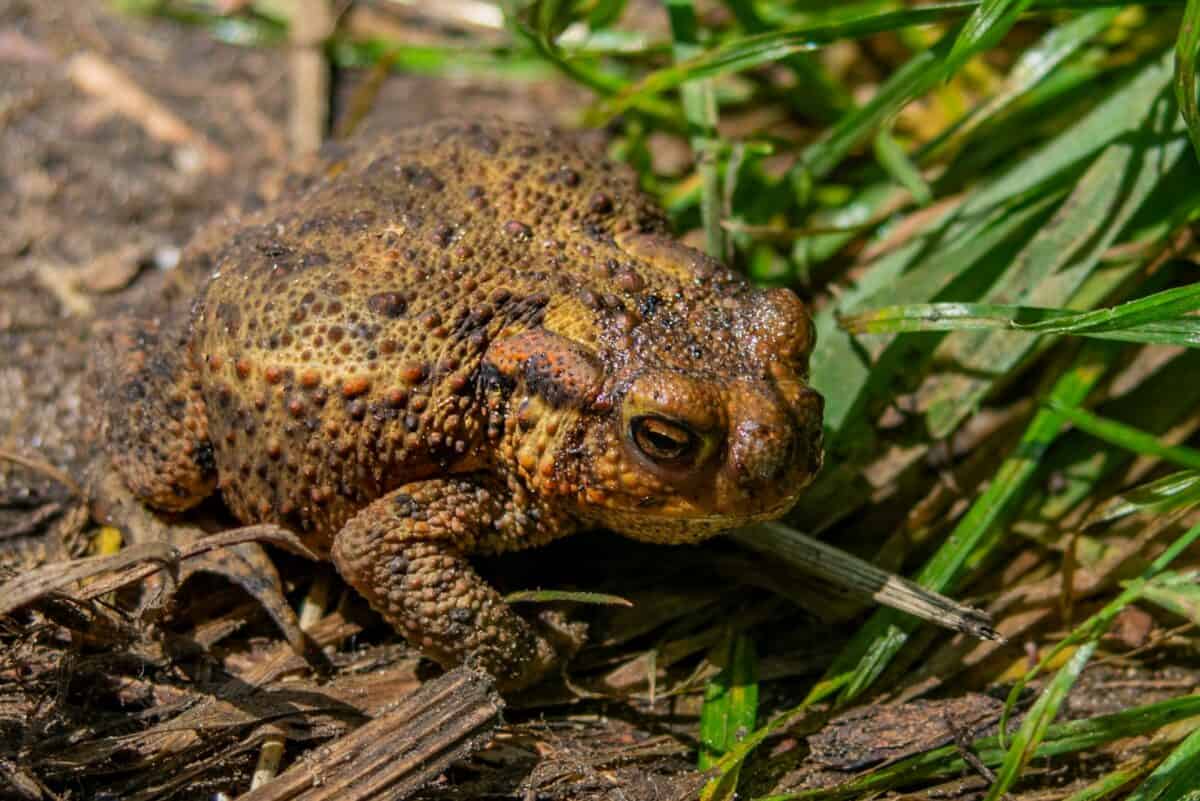
Introduced to Australia for pest control, cane toads have proliferated, becoming a significant threat to native wildlife. Their toxic skin deters most predators, giving them free rein to compete with and consume native species. Their expansion across the continent presents ongoing ecological and management challenges.
5. Gray Squirrel: A Small Rodent With a Big Footprint

The gray squirrel, having been introduced to areas outside its native range, including the UK and Italy, has contributed to the decline of native red squirrel populations. Their competitive foraging practices and disease transmission have significant implications for the survival of native squirrel species.
4. Norway Rat: Urban Invader
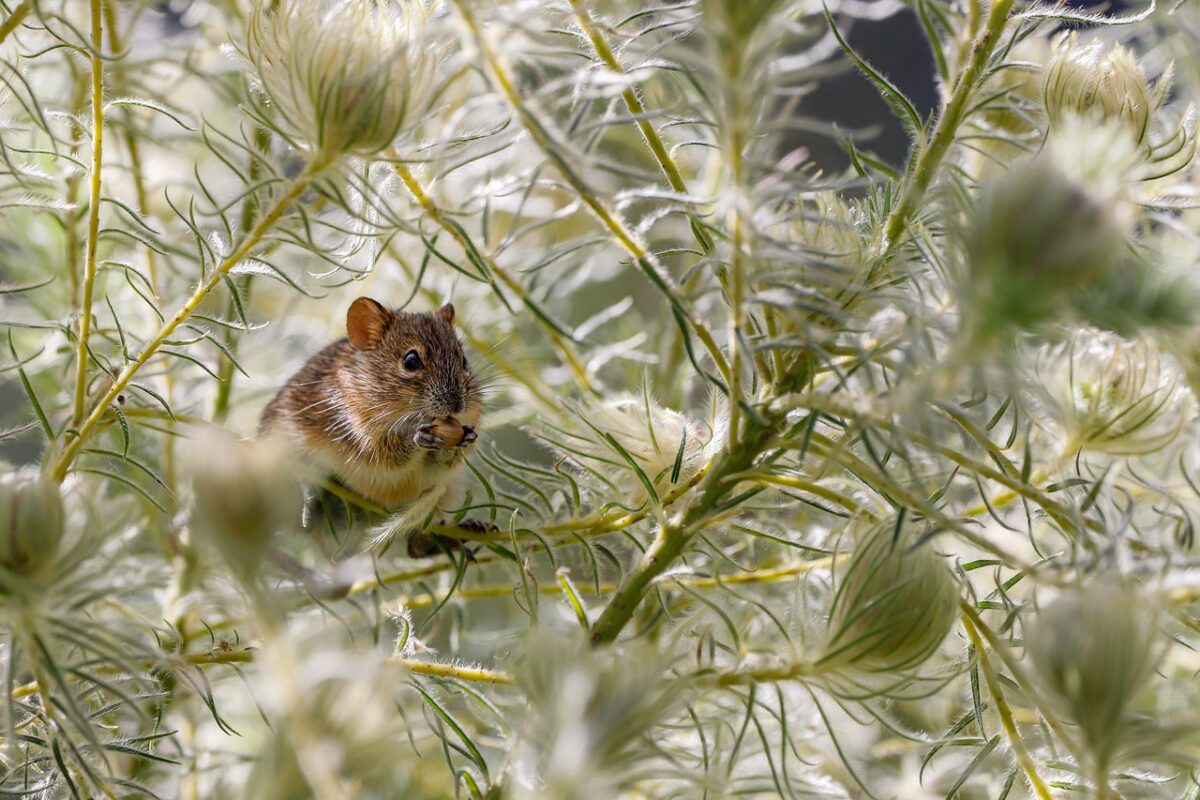
The Norway rat, a remarkably adaptable species, is often found in urban environments worldwide. Their burrowing habits cause structural damage, and they are known to spread diseases to humans and wildlife. Their ubiquity and resilience make them a continual concern in both human and natural environments.
3. Nile Perch: A Predator in New Waters
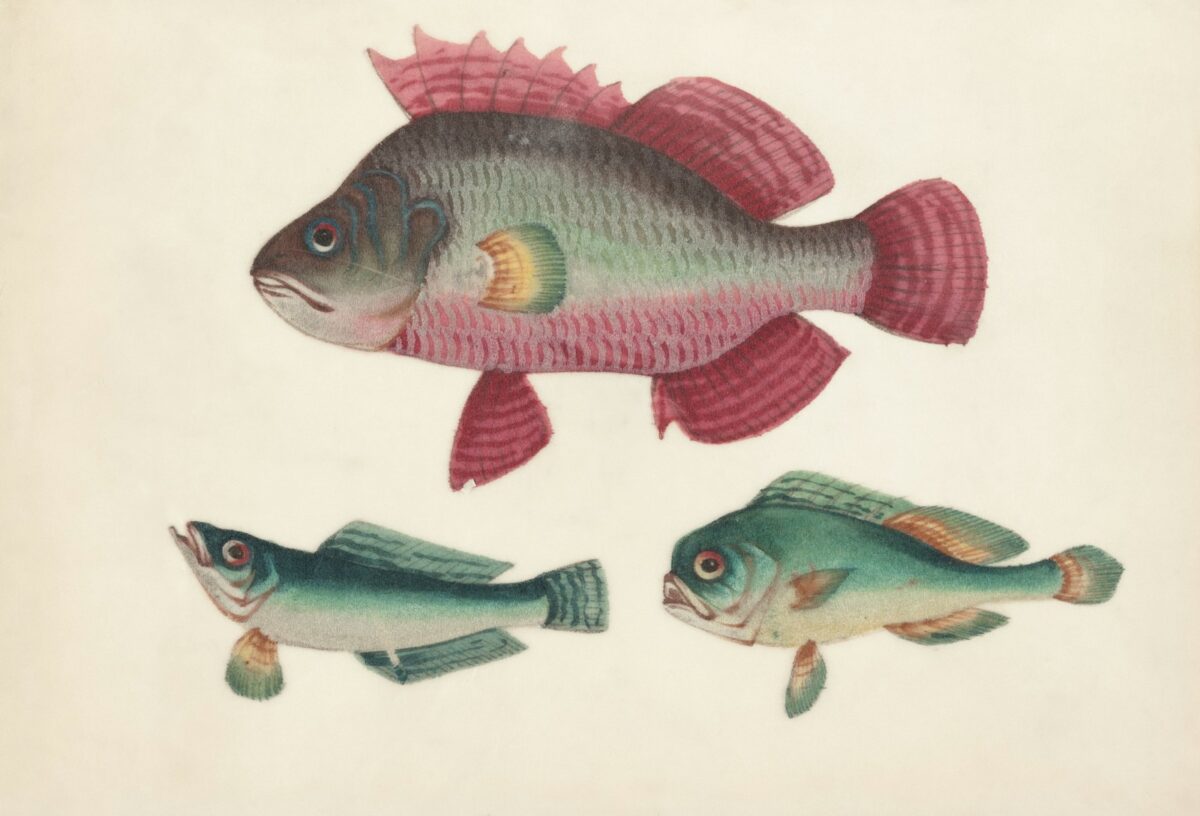
Introduced into Lake Victoria to boost the local fishery, the Nile perch instead led to ecological disaster. As a voracious predator, it reduced native fish species, some to extinction. This not only affected biodiversity but also disrupted the livelihoods of local communities dependent on traditional fishing practices.
2. Red Imported Fire Ant: Aggressive Colonizers
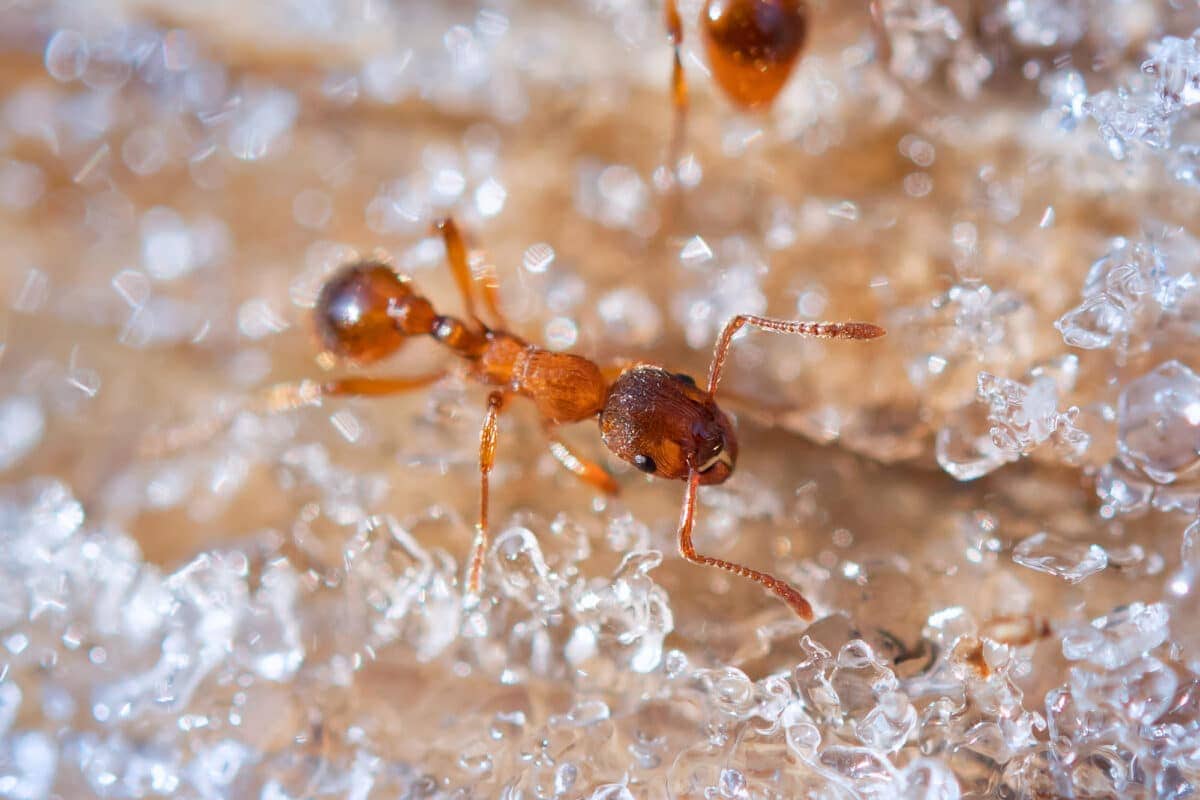
These ants arrived in the United States from South America and have quickly spread across the southern states. Known for their painful stings, they form extensive colonies that disrupt local wildlife, livestock, and human activities. Managing fire ant populations remains a significant environmental and economic challenge.
1. Burrowing Parakeet: Charismatic, Yet Problematic
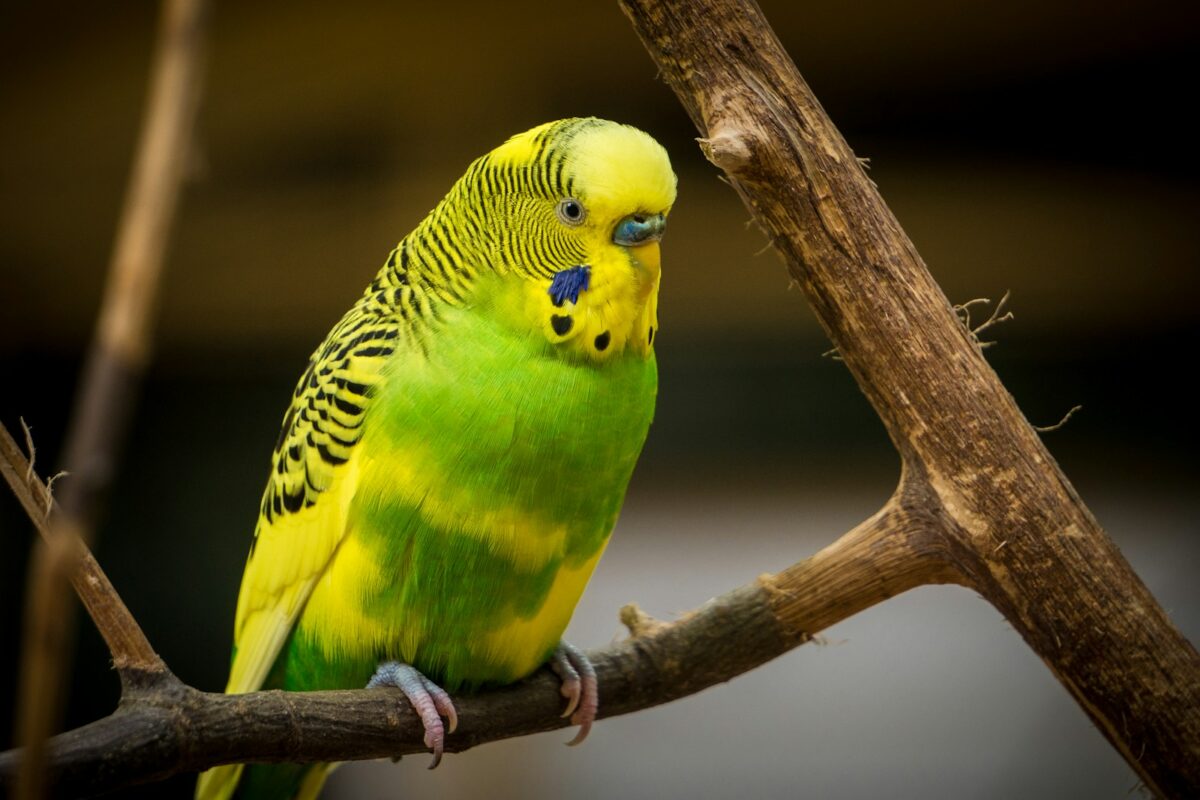
Although admired for their vibrant appearance, burrowing parakeets have become agricultural pests outside their native South American habitats. Their large colonies can cause significant damage to crops, and their burrowing behavior can destabilize structures. Efforts are ongoing to balance their impact with conservation interests.
In conclusion, the introduction and spread of invasive species present significant challenges to ecosystems worldwide. These species often thrive at the expense of native biodiversity, causing ecological imbalances and economic hardships. Understanding these impacts and working toward effective management strategies is essential to protect and restore our natural habitats. Awareness involves not only recognizing the presence and effects of these invaders but also preventing their spread and supporting initiatives aimed at controlling their populations. In doing so, we strive to maintain the delicate balance of our planet’s ecosystems.

- Why Some Pets Prefer Kids Over Adults - July 28, 2026
- Why the American Horseshoe Crab Needs Federal Protection - July 28, 2026
- The Animals Thriving—and Dying—in a Warming World - July 28, 2026