

Imagine waking up one morning and suddenly being able to see the Earth’s magnetic field or hear the faint buzz of a single mosquito from a kilometer away. For some animals, that’s just Tuesday. While humans like to brag about big brains and smartphones, many other creatures are quietly running around with built‑in superpowers that make our senses look almost basic.
These animals don’t just survive with these abilities, they shape their entire lives around them: how they hunt, migrate, find mates, and avoid danger. As we’ve studied them more closely over the last few decades, scientists have realized that the world is full of “hidden channels” of information that we simply can’t perceive. Once you start to see how these animals sense their world, it becomes very hard to believe that our way of experiencing reality is the default. It’s just one version.
Bats: Masters of the Night With Precision Echolocation
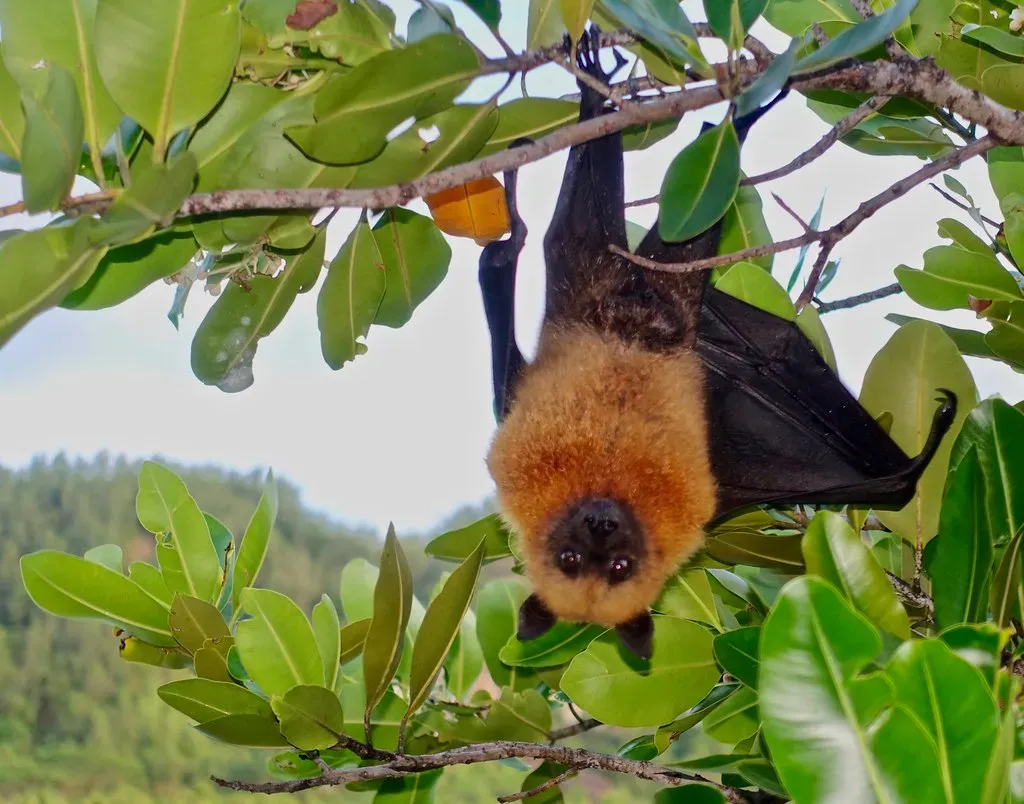
Walk outside on a warm night, look up, and somewhere above you there’s probably a bat doing high‑speed aerial maneuvers in what, to us, looks like total darkness. Yet that “darkness” isn’t really dark to a bat. They fill it with sound. By emitting rapid, high‑frequency calls and listening for the faintest echoes bouncing off objects, bats essentially build a detailed 3D map of the world in real time. Some species can pick up echoes from objects as thin as a human hair and distinguish between a tasty moth and an annoying leaf fluttering in the breeze.
What makes echolocation so wild is the speed and precision. The time between a bat’s call and the returning echo can be shorter than the blink of an eye, and the brain has to process that timing and pitch change instantly. It’s as if you shouted into a canyon and, from the echo alone, knew the exact shape and distance of every rock surface. Researchers have found that some bats even tweak their call patterns as they home in on prey, tightening the sound pulses like a radar zooming in. Next time someone claims humans are the top of the sensory food chain, remember there are tiny mammals out there doing sonar acrobatics every single night.
Sharks: Detecting Heartbeats With Electromagnetic Sixth Sense
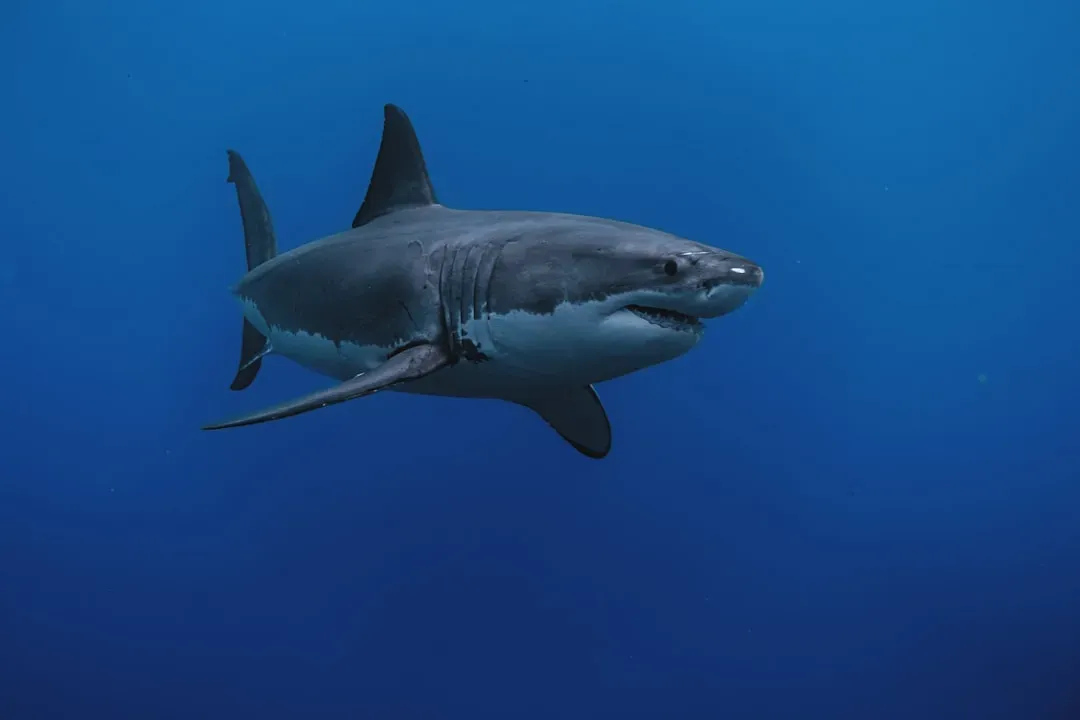
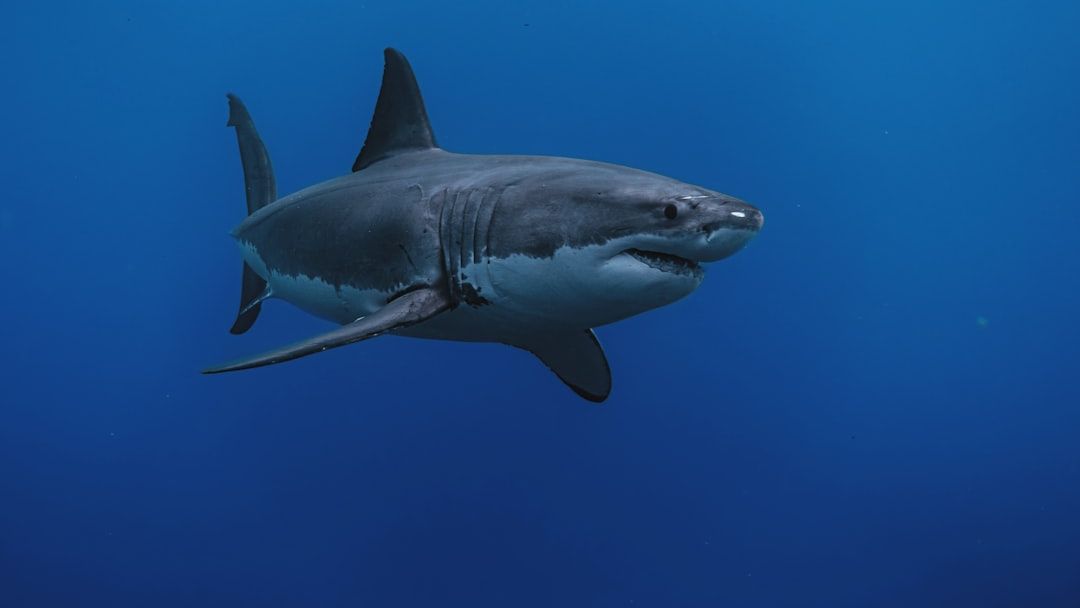
If bats own the night skies, sharks arguably own the invisible fields of the ocean. Many shark species have special jelly‑filled pores around their snout called ampullae of Lorenzini. These are not just weird biological decorations; they’re finely tuned electroreceptors. They allow sharks to sense incredibly weak electric fields, including those produced by the muscles and hearts of nearby animals. A fish can stay perfectly still and hidden under sand, but its nervous system can’t shut up electrically, and a shark can pick that up.
This sense is especially useful in murky water or at night when vision is almost useless. Experiments have shown that sharks can find prey even when it’s buried or when other senses are blocked, relying on these subtle electric cues. On top of that, there is evidence that this system may help some species navigate by detecting the Earth’s magnetic field, like having a built‑in, low‑resolution compass. When people talk about “smelling blood in the water,” that’s dramatic, but the real superpower is that sharks can quite literally feel you without touching you, tracking your presence as a faint electric whisper in the sea.
Mantis Shrimp: Seeing a Colorful World We Can’t Even Imagine
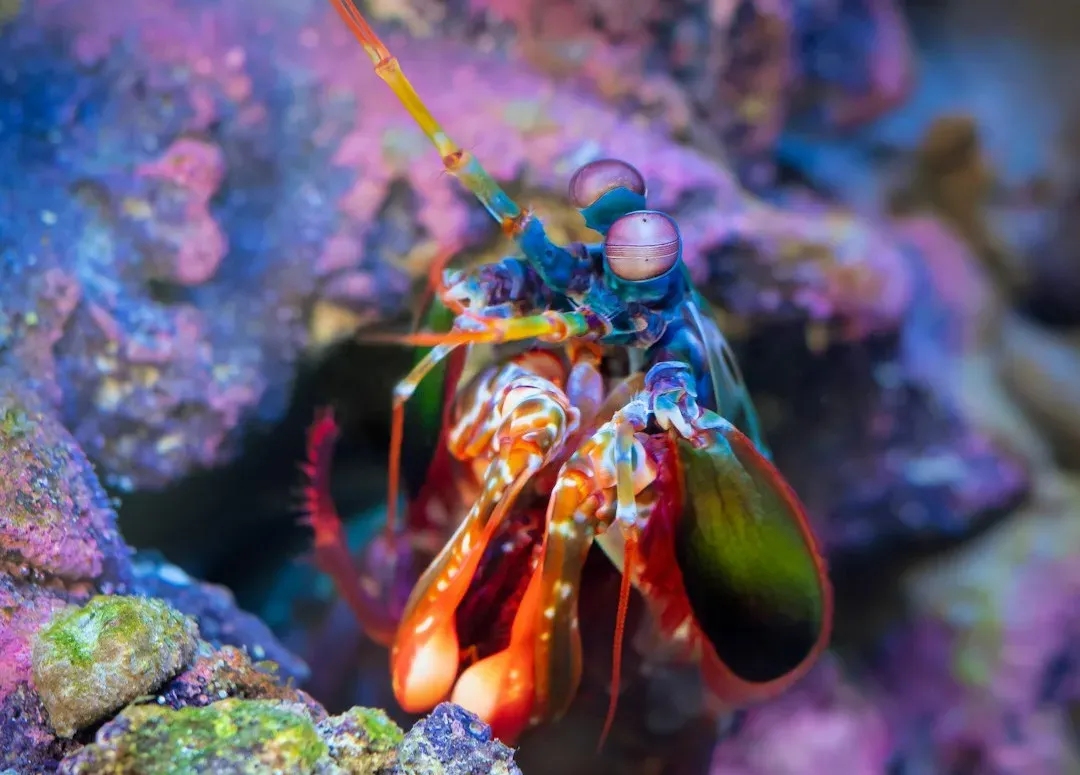
At first glance, a mantis shrimp looks like a small, angry alien with boxing gloves. Most people hear about their terrifying punch, but their eyes might be their most mind‑bending feature. Human eyes typically use three types of color receptors. Many mantis shrimp species have more than a dozen types dedicated to color alone. That means they’re tuned into parts of the spectrum we can’t see, including ultraviolet. To them, the underwater world is packed with signals and contrasts that, for us, are completely invisible.
Scientists once assumed this meant mantis shrimp see far more subtle shades than we do, like an artist with a supercharged palette. The truth turns out to be stranger: their vision seems optimized for speed and specific tasks, not slow, careful color comparison. They can recognize certain colors or polarized light patterns almost instantly, which may help them identify mates, rivals, or hidden predators. Some species even have body markings only visible under ultraviolet or polarized light, like secret badges. Thinking about their eyes always gives me the same feeling as looking up at the night sky: a reminder that most of reality is just passing right through us unobserved.
Honeybees: Reading the Sun and Sensing Electric Fields in Flowers

To a honeybee, a meadow isn’t just a patch of plants; it’s a living map filled with hidden signals. Bees can see ultraviolet patterns on flowers, which often function like glowing landing strips guiding them to nectar. They also use the position of the sun and the pattern of polarized light in the sky to navigate, even when clouds partially block direct sunlight. This allows them to travel long distances and then return almost perfectly to their hive, which is basically the equivalent of you walking blindfolded through a dense city and still finding your front door.
In the last decade or so, researchers have uncovered another surprising skill: bees can detect tiny electric fields around flowers. When a bee lands, it changes that field slightly, and other bees may be able to sense whether a flower has recently been visited and emptied. It’s like having an invisible “occupied” sign floating around each blossom. Inside the hive, bees use their famous waggle dance to share directional information about food sources, encoding distance and angle relative to the sun. Taken together, their vision, sun compass, polarization sense, and electric sensitivity turn them into little flying surveyors, constantly updating an internal map of their world while weighing energy costs and rewards.
Platypus: Hunting With a Sensory Fusion of Touch and Electricity
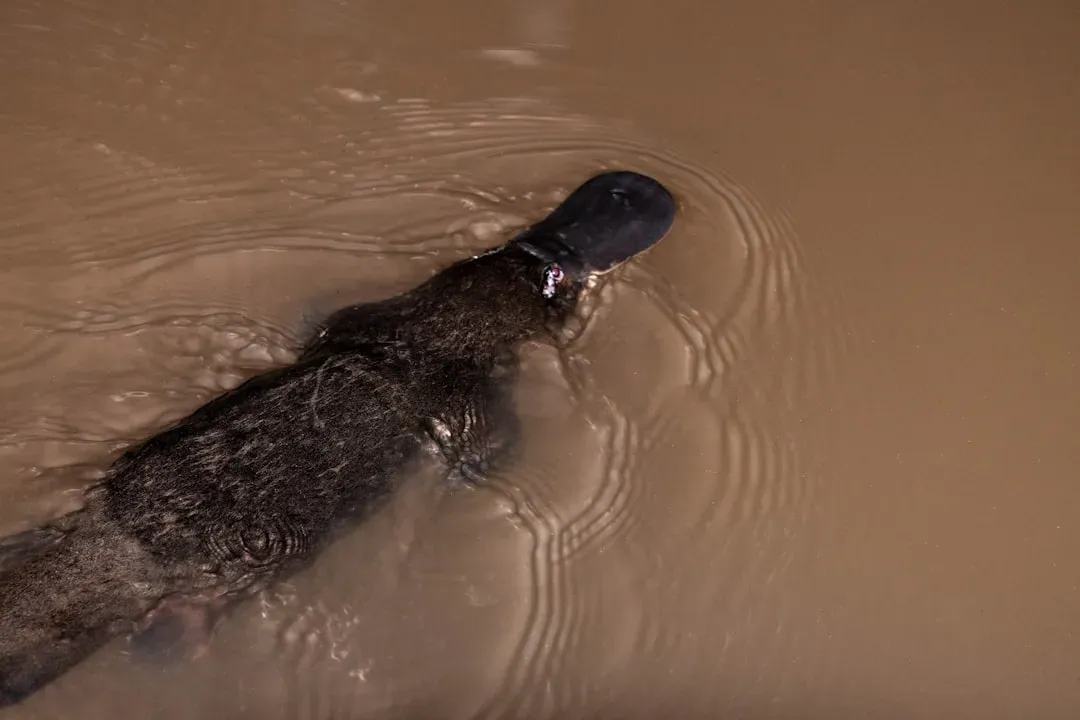
The platypus already looks like a creature assembled from spare parts: duck bill, beaver tail, otter feet. But the most extraordinary thing about it isn’t how it looks, it’s how it hunts. The platypus closes its eyes, ears, and nostrils when it dives, which sounds like a terrible strategy until you realize its bill is packed with thousands of sensory receptors. These include both touch receptors and electroreceptors that can detect the faint electric fields generated when muscles in a prey animal contract. In muddy streams where visibility is terrible, this gives the platypus a serious edge.
What makes the platypus especially interesting is that it seems to combine touch and electric information in a sort of merged sensory picture. As it sweeps its bill side to side, it can figure out not only where something is, but how it’s moving, based partly on the slight timing differences between tactile and electrical signals. It’s a bit like having your fingertips wired up to a low‑key sonar system. When I first read about this, I remember thinking it felt almost unfair to call what we have just “five senses,” because nature clearly never agreed to that number. The platypus quietly proves that clever solutions can look bizarre on the surface but be brilliant underneath.
Conclusion: A World Far Richer Than Human Eyes and Ears Can See

Once you look at bats chasing insects by echo, sharks listening to heartbeats, mantis shrimp decoding light, bees reading the sky and flowers, and platypuses hunting with electric bills, it’s hard not to feel a mix of humility and awe. Our senses do a good job for our particular lifestyle, but they’re just one way of carving reality into something manageable. Other animals are tuned into different channels, building their own internal versions of the world that are no less real, just impossibly foreign to us. It’s like we’re all watching the same movie, but each species gets a different filter and soundtrack.
For me, this changes how I look at everyday places: a pond, a garden, a dark street. They’re not quiet at all; they’re buzzing with information I’ll never perceive. Studying these extraordinary senses doesn’t just help biologists or engineers; it nudges us into a bit of perspective about our place in nature. We’re smart, sure, but we’re far from complete. The next time you see a bat, a bee, or even a strange little platypus photo online, it might be worth pausing and asking: if I were living inside their senses for a day, how different would the world look?

- South Texas Eyes U.S. Record for Hottest Winter Temperature With 106°F Inferno in February - May 9, 2026
- Bats Play a Crucial Role in Controlling Insect Populations Across the United States - April 30, 2026
- The Recovery of the California Condor Offers Hope for Other Critically Endangered Birds - April 30, 2026