


If you’ve ever watched a pet shake during a thunderstorm or hide under the bed when the wind howls, you already know: animals feel disasters coming long before we do. The scary part is that in a real emergency, you might only have minutes to act, and panic is the last thing you want – for you or your pets. Having even a basic plan in place can be the difference between chaos and something that, while still frightening, is at least survivable and controlled.
I still remember packing my car during a sudden wildfire evacuation and realizing I didn’t know where my cat’s carrier was. That twenty–second scramble felt like twenty minutes, and it burned into my brain how unprepared I really was. Since then, I’ve seen how a bit of planning – labeled bags, ready carriers, clear steps – turns a nightmare scenario into something you can actually manage. Let’s break down practical, realistic steps you can take now, so you’re not making tough decisions when smoke, sirens, or flood alerts are already at your door.
Create a Pet Emergency Go-Bag You Can Grab in Seconds
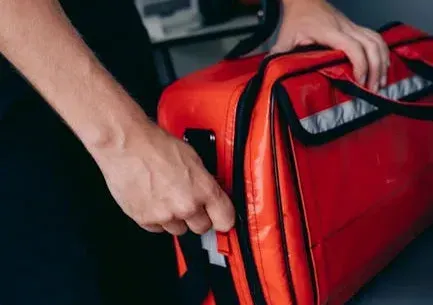
Imagine the power goes out, your phone blares an evacuation alert, and you’ve got five minutes to leave. In that moment, you will not have time to hunt for the good leash, their favorite food, and the vaccination records buried in a drawer. A pet emergency go-bag means all of that is already packed, in one spot, ready to grab as you head out. Think of it like a diaper bag for disasters: always packed, always in the same place, and never “borrowed” from for everyday use.
For most pets, a solid go-bag includes a few days’ worth of food in sealed containers, bottled water just for them, collapsible bowls, any medications, a spare leash or harness, and a copy of their medical and vaccination records. Add a printed photo of your pet from different angles (in case you need to make lost posters), a list of microchip numbers, and your vet’s contact. It can also help to toss in a towel or small blanket that smells like home, plus a favorite toy or chew to calm them in a strange place. Keep this bag next to their carrier or crate, not buried in a closet, so you can literally grab and go in the dark if you had to.
Secure Carriers, Crates, and Safe Transport Ahead of Time
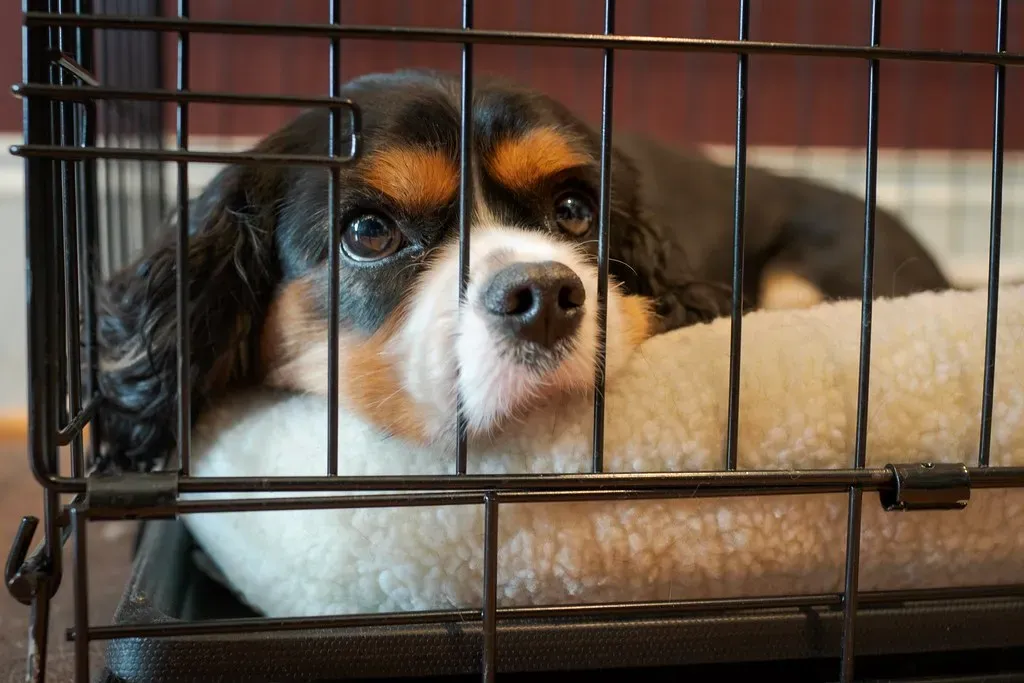
In a disaster, your pet needs to be contained, not clutched in your arms while you fumble for keys or push through a crowded hallway. A sturdy carrier or crate is more than just a travel accessory; it’s a lifeline. It keeps your pet from bolting out of fear, being stepped on, or jumping from a moving car. Yet many people only discover that their carrier is broken, too small, or missing pieces right when they need it most, which is the worst possible time to find that out.
Choose a carrier or crate that your pet can comfortably stand, turn around, and lie down in, and label it clearly with your name, phone number, and address. For cats and small dogs, hard-sided carriers with secure latches are often safest; for larger dogs, a harness clipped into a car seat belt can be critical. Practice getting your pet in and out calmly, using treats and patience, so it doesn’t feel like a punishment. Store carriers in an easy-to-reach spot, not the attic, and keep them clean and ready, as if you might need them tonight. When your pet is used to the carrier, it becomes less like a prison and more like a familiar, portable safe room.
Make Sure Identification Is Fail-Safe, Not Just “Good Enough”
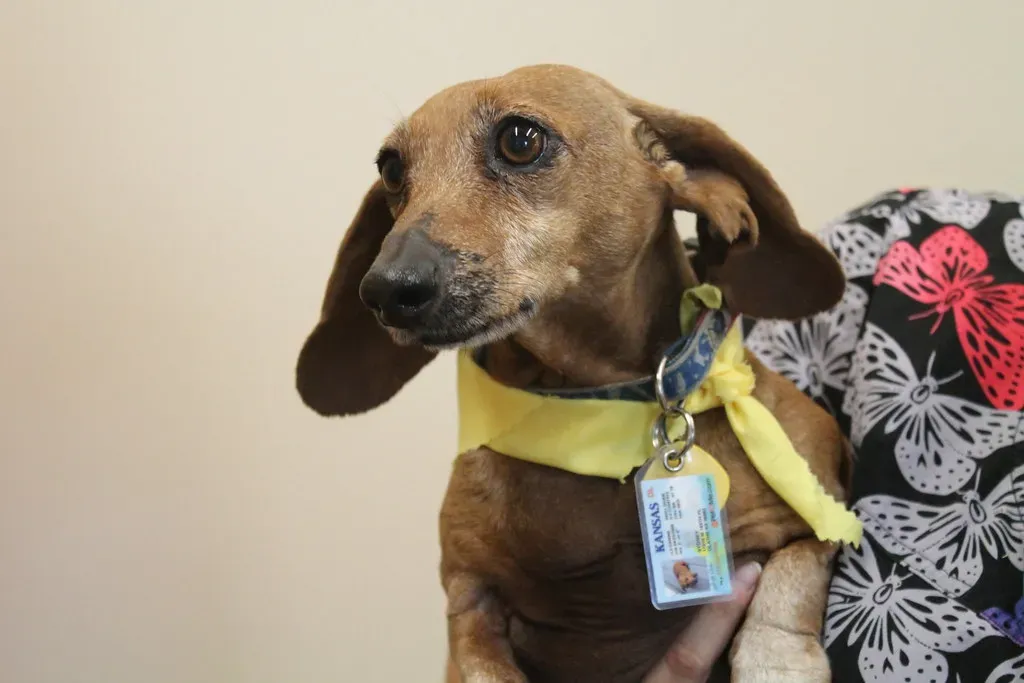
Disasters are noisy, confusing, and often chaotic – doors slam, windows break, sirens wail, and frightened animals do what frightened animals do: they run. Collars can slip, tags can snap off, but some form of identification is still your best shot at getting a lost pet back. At a minimum, your pet should have a well-fitting collar with a readable ID tag that includes a current phone number. If your phone number changes, updating that tag is not a someday task; it’s a now task.
Microchipping is one of the most powerful tools here, but it only works if the registration information is up to date. Many shelters and vets can scan a microchip and look up your contact details, but if those details are from three addresses ago, that chip might as well not exist. Make a habit of checking your pet’s microchip registration whenever you move or change phone numbers, and add an alternate contact like a trusted friend in another town. If your area is disaster-prone, consider a backup ID method such as a tag with both your phone and email, or even a temporary emergency tag you can clip on during hurricane or fire season. It’s like putting your name on your suitcase before a flight – simple, but incredibly effective if something goes wrong.
Plan Where You’ll Go – And If They Can Go There With You

One of the most painful parts of disaster stories is hearing people say they stayed behind because shelters or hotels wouldn’t take their pets. In many emergencies, leaving animals behind can be deadly for them and dangerous for responders. The time to find out where your pet is allowed is now, not from a parking lot with a shaking dog in the backseat. A smart move is to make a short list of pet-friendly hotels, boarding facilities, and out-of-town friends or family who are willing to host you and your pet if needed.
Check if your local government has designated pet-friendly shelters or has guidelines for pet evacuation; some areas now encourage people to evacuate with pets rather than abandoning them. Keep that information written down in your go-bag in case your phone dies. If you have multiple pets or large animals, your planning needs to be even more deliberate, since space fills up fast and last-minute options are limited. Have a backup plan for every season: where you’d go in a wildfire, a flood, or a hurricane, and how you’d get there if roads are partially blocked. It’s a bit like having alternate routes on a road trip – annoying to plan, but a lifesaver when your main path disappears.
Practice Your Pet Evacuation Like a Fire Drill
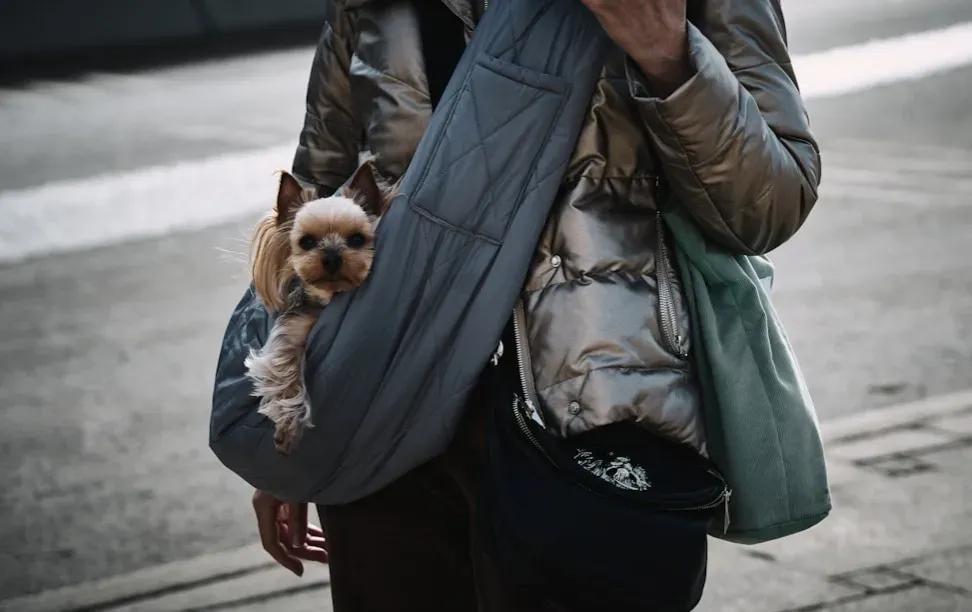
Most of us hate drills in school, but there’s a reason they exist: repetition turns panic into muscle memory. The same principle works with pets. If the first time you try to round up a terrified cat into a carrier is during an actual evacuation, you’re setting yourself up for scratches, delays, and possibly a cat that vanishes under the bed. A few practice runs where you calmly get everyone into carriers, leashes, and the car can dramatically reduce chaos when it really counts.
Try timing yourself once or twice: how long does it take to get pets contained, your go-bag in hand, and everyone in the vehicle or to your safe room? Walk through where you’ll put carriers, who grabs what, and in what order. Use treats and calm voices so your pets associate the process with something routine, not a terrifying surprise. If you live with others, assign simple roles – one person handles pets, another handles supplies – so no one is shouting instructions over each other. This might feel over the top at first, but when everything feels like a blur in a real emergency, that practiced sequence becomes your anchor in the storm.
Support Your Pet’s Stress and Behavior Before, During, and After
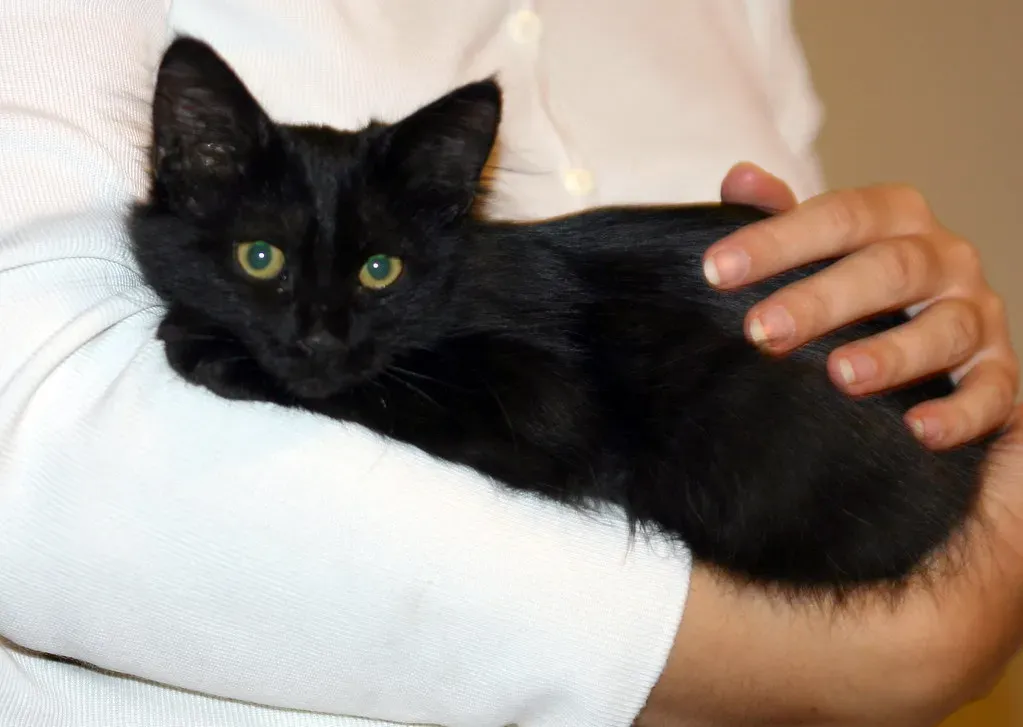
Even the best logistics plan can fall apart if your pet is so panicked it becomes unmanageable. Animals pick up on our anxiety and on subtle environmental changes long before alarms go off. If your dog already shakes during fireworks or your cat hides for hours after a thunderstorm, imagine how they might react to a full-blown evacuation. Talk to your vet ahead of time about calming options: these can range from training strategies and pheromone diffusers to, in some cases, medication for extremely anxious animals.
During a disaster, keep routines as predictable as possible: feed them at roughly usual times, use the same commands, and offer reassurance without smothering them. In temporary housing or shelters, give them a small “home base” with their blanket, toy, and bowl in the same corner every day to create a sense of normalcy. After the event, watch for ongoing stress signs like lack of appetite, hiding, aggression, or clinginess; some pets need time and gentle patience to recover emotionally. In my experience, a few extra walks, quiet time on the couch, and a slower, softer pace can work wonders. Your calm presence is as much a part of their emergency kit as food and water – you’re the familiar scent in a world that suddenly smells like smoke, mud, and fear.
Conclusion: Preparing for the Day You Hope Never Comes

No one likes sitting down and thinking through worst-case scenarios, especially when it involves the animals we love most. But preparing for disasters isn’t about expecting doom; it’s about refusing to leave things to chance when your pet relies on you for everything. A simple go-bag, updated ID, trusted carrier, clear destination plan, and a few practice runs can turn a life-or-death scramble into a series of steps you already know by heart. In a world where storms grow stronger, fires move faster, and alerts come with less warning, doing nothing is no longer a neutral choice.
The good news is that every small action you take now stacks up into real safety later. You don’t have to build a bunker or buy a truckload of gear; just start with one thing this week – maybe label a carrier or print your pet’s records – and build from there. Your future self, trying to load a shaking dog into the car under a smoky sky or carry a worried cat through a crowded hallway, will be deeply grateful you did. When that day comes, do you want to be scrambling through drawers and closets, or simply grabbing what you’ve already prepared and walking out the door together?

- South Texas Eyes U.S. Record for Hottest Winter Temperature With 106°F Inferno in February - May 9, 2026
- Bats Play a Crucial Role in Controlling Insect Populations Across the United States - April 30, 2026
- The Recovery of the California Condor Offers Hope for Other Critically Endangered Birds - April 30, 2026