

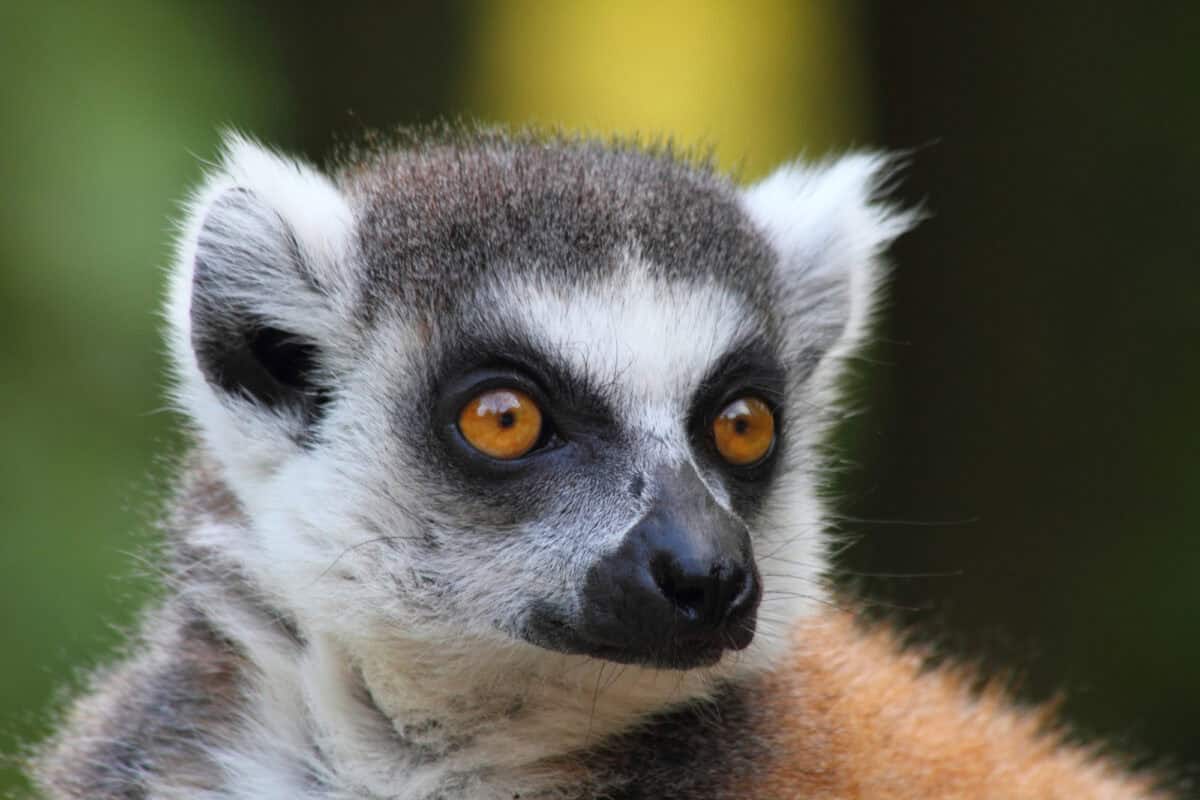
In the hidden depths of our planet, life flourishes in the most unexpected ways. These remarkable ecosystems, shrouded in darkness, harbor creatures that have adapted to thrive without sunlight. From the ocean’s abyssal zones to the subterranean caves, these organisms embody nature’s incredible resilience and diversity. Join us as we explore six creatures that have mastered the art of living in complete darkness, unveiling their unique adaptations and fascinating lifestyles.
The Enigmatic Aye-Aye

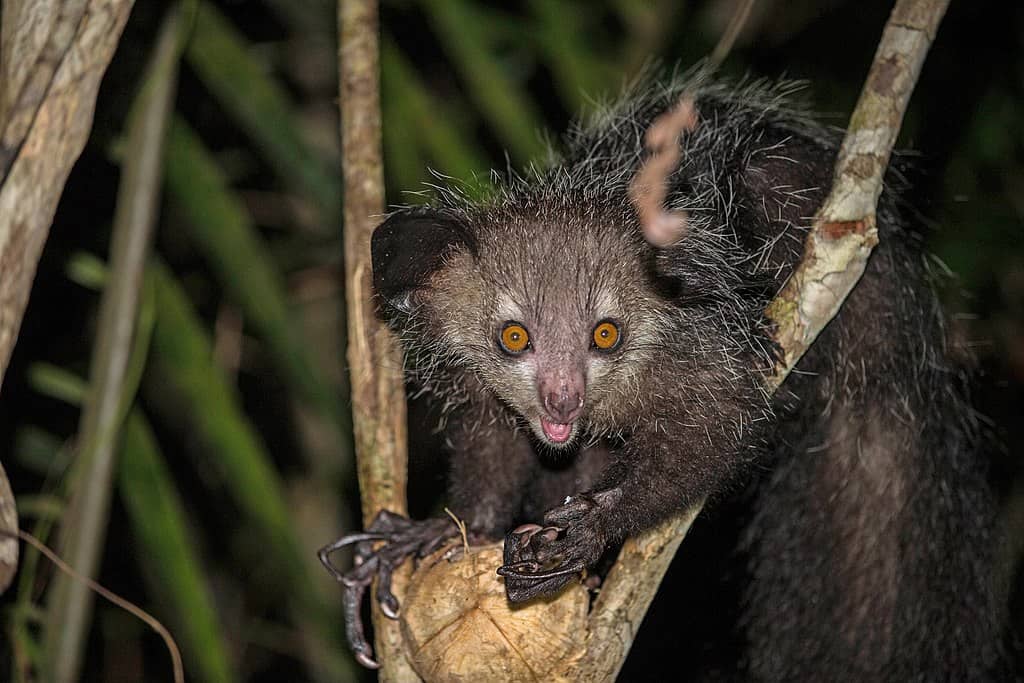
Hailing from the dense forests of Madagascar, the aye-aye is a nocturnal primate that relies heavily on darkness to thrive. With rodent-like teeth and a long middle finger, this creature taps on tree trunks to locate its insect prey using echolocation, much like a bat. This adaptation allows it to access food sources hidden from traditional predators during the day. Its large eyes, which are adapted to low light, make it a master navigator of the nighttime forest.
The Mysterious Blind Cavefish

Blind cavefish, or Astyanax mexicanus, are a testament to evolution’s transformative power. Inhabiting limestone caves in Mexico, these fish have evolved without eyes, instead developing heightened senses of taste and touch to navigate and find food. This adaptation is a result of living in environments where sight is useless, demonstrating nature’s ability to mold species perfectly to their niches.
The Elusive Deep-sea Anglerfish

Dwelling in the abyssal depths of the ocean, the deep-sea anglerfish is an iconic creature of the dark. With its bioluminescent lure protruding from its head, it attracts prey by mimicking the glow of smaller organisms. This adaptation is crucial for survival in an environment where darkness is absolute, and food is scarce. Its grotesque appearance, with large teeth and a menacing jaw, ensures that when prey is attracted, it rarely escapes.
The Unique Troglobite Spider

Residing in caves around the world, troglobite spiders are specially adapted to life without light. These arachnids often exhibit pale coloration, long legs, and an acute sense of touch and smell to hunt in their pitch-black habitats. In some cases, they have completely lost their vision, relying on vibrations on the cave walls to detect prey and predators, showcasing a fascinating example of adaptation to a specific environment.
The Bizarre Olm The Human Fish

The olm, a type of salamander found in European caves, is colloquially known as the “human fish” due to its pale, flesh-like skin. This aquatic creature has evolved to survive in total darkness, possessing underdeveloped eyes and heightened senses of smell and vibration detection. Remarkably, olms can live without food for years, a testament to their energy-efficient metabolism and adaptation to scarce resources in their dark, underground homes.
The Marvelous Vampire Squid
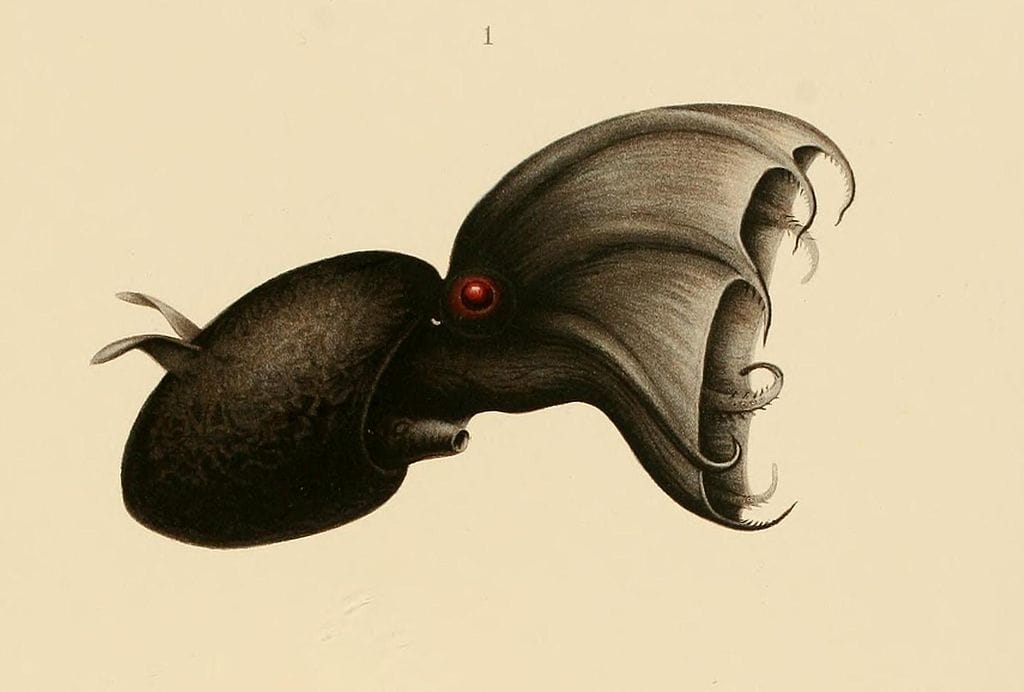
The vampire squid, residing in the deep ocean’s oxygen-depleted zones, defies typical squid physiology. It has specialized hemocyanin pigments for oxygen transport, allowing survival in low-oxygen environments, and a webbing that connects its arms, creating a cloak-like structure. This aids in defense and capturing food, making it perfectly suited for life in the dark depths where sunlight never penetrates.
Adaptation The Key to Darkness Survival

The unifying characteristic among these creatures is their incredible adaptation to environments devoid of light. Whether through loss of vision, enhanced sensory perception, or unique feeding strategies, each species provides a glimpse into the endless possibilities of evolutionary design, proving that life finds a way even in the most challenging conditions.
Impact of Darkness on Behavior

Living in darkness influences not only physical adaptations but also behavioral aspects. Many of these creatures exhibit cryptic behaviors, optimized hunting strategies, and unique mating rituals, all of which contribute to their survival in such environments. These adaptations highlight the interconnectedness of physiology, behavior, and environment.
Conservation Concerns for Dark-dwelling Species

While these creatures are masters of their domains, they face threats from human activities such as habitat destruction and pollution. Given their specialized adaptations, even minor environmental changes can have drastic impacts on their survival. Understanding and protecting these habitats is crucial for the preservation of these unique species.
The Role of Technology in Studying Dark Habitats
Advancements in technology, such as remotely operated vehicles (ROVs) and sonar mapping, have revolutionized our ability to study life in darkness. These tools provide unprecedented access to deep-sea and cave environments, allowing scientists to observe and document species previously inaccessible, shedding light on nature’s most hidden ecosystems.
Human Fascination with Creatures of the Dark

Dark-dwelling creatures have long intrigued humans, inspiring myths, legends, and scientific curiosity. Their mysterious lifestyles and adaptations offer insights into the potential for life in extreme conditions, even beyond our planet, fueling both imagination and research into biological and ecological possibilities.
Summary: Nature’s Resilience in Darkness

Exploring the lives of creatures that inhabit the world’s darkest corners reveals nature’s incredible adaptability and resilience. From caves to the ocean depths, these organisms demonstrate unique evolutionary paths and highlight the intricate ways life persists without sunlight. Protecting these creatures and their habitats is essential, ensuring they continue to illuminate the mysteries of adaptation and survival for generations to come.

As a little kid, I fell in love with nature, wildlife, and animals. Living in the USA, South Africa, Italy, China and Germany gave me the opportunity to discover the world's Wildlife. My favorite animals are Mountain Gorillas, Siberian Tigers, and Great White Sharks.
I'm a certified PADI Open Water Diver, went to Everest Base Camp and Trekked Gorillas in Uganda. I hold a Master of Science in Economics and Finance.
Please send any feedback to feedback@animalsaroundtheglobe.com
- Why the Great Barrier Reef Is the Best Place to Spot Sea Turtles - June 3, 2026
- 2 Animals With Super Sized Body Parts and What They are For - June 3, 2026
- Explore The Azores - June 3, 2026