
Think about the time when dinosaurs ruled the Earth. Now imagine a creature from that era still walking, or rather scuttling, across ocean floors today. Sounds like something from science fiction, right?
Yet this isn’t fantasy. There exists a remarkable animal that has weathered extinction events, climate catastrophes, and hundreds of millions of years with barely a change to its form. While dinosaurs came and went, this creature persisted through it all, quietly surviving in shallow coastal waters around the world.
The Ancient Armor That Time Forgot
The horseshoe crab has been described as a living fossil, having changed little since they first appeared in the Triassic around 250 million years ago. Let that sink in for a moment. When these creatures first emerged, Earth looked nothing like it does today. Scientists have revealed rare horseshoe crab fossils from 445 million year-old Ordovician age rocks in Manitoba, which are about 100 million years older than any previously known forms.
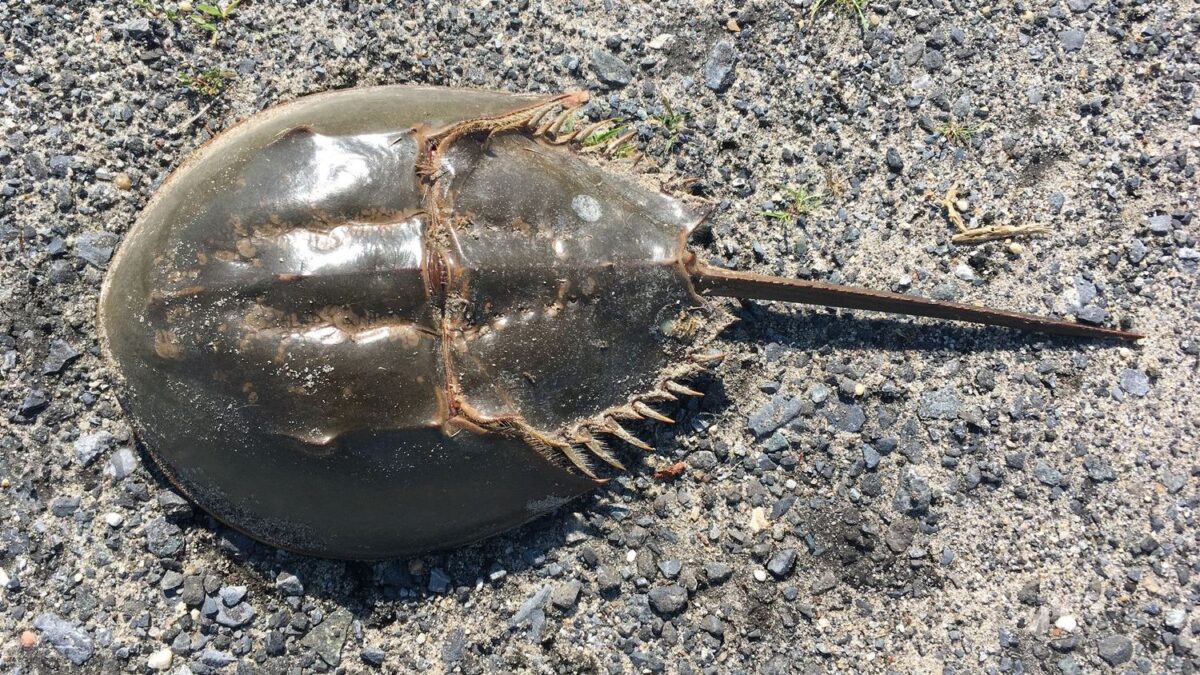
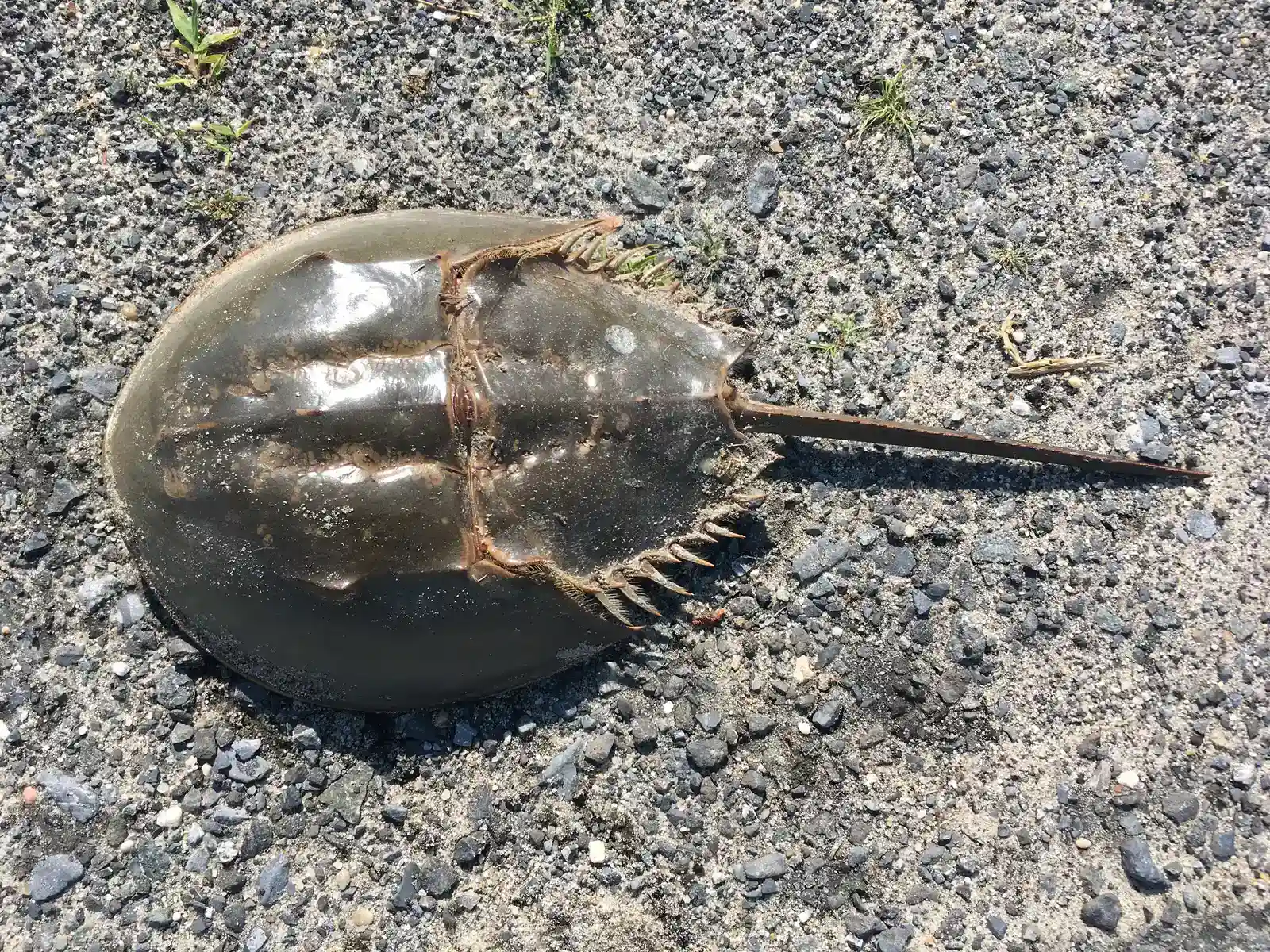
Their appearance is genuinely otherworldly. The body of a horseshoe crab is divided into three main parts: the cephalothorax, abdomen, and telson, with the cephalothorax housing most of the animal’s eyes, limbs, and internal organs, getting its name as its shape somewhat resembles that of a horseshoe. That dome-shaped shell isn’t just for show. It’s a design so effective that evolution saw no reason to tinker with it.
Horseshoe crabs first appeared during the Early Triassic era, some 250 million years ago, and have barely changed since, evolving much more slowly than other creatures due to their unique biology. Honestly, when you find something that works this well, why change it? Perhaps this snail’s pace is helpful, as horseshoe crabs have survived at least four of the planet’s extinction events, including the one that killed most of the dinosaurs.
Not Actually a Crab at All
Here’s where things get really interesting. Despite its name, this isn’t a crab. Horseshoe crabs aren’t true crustaceans but are more closely related to spiders and scorpions, getting their name from their prosoma, which houses their internal organs. That makes them chelicerates, putting them in the same family tree as some rather creepy crawlies.
They are the only surviving members of the Xiphosuran order, which has led to horseshoe crabs being called living fossils. Looking at one feels like peering through a window into the distant past. Their ancestors first appeared in the Late Ordovician, around 445 million years ago, though the modern group Limulidae didn’t get started until the Early Triassic, around 250 million years ago, still making today’s horseshoe crabs older than dinosaurs.
The fossil record tells a humbling story. Horseshoe crabs have undergone little morphological evolution during their 480 million year history, with the fossil record showing them to be virtually unchanged. For the best part of 250 million years, horseshoe crabs have been in a state of morphological stasis, displaying little anatomical change, so if you compared a fossilized specimen with a living one, you’d assume it was the same animal.
The Blueprint for Survival
What makes this animal so remarkably resilient? One reason is hitting on a winning formula early on; another is living in a stable, predictable environment where there is little competition for resources, which may initially be abundant. Simple environments, simple solutions. Just like their ancestors, today’s horseshoe crabs can be found in silty seabeds hunting small worms and molluscs.
Their lifestyle hasn’t required dramatic changes. They’ve been roaming the coastal shelves and brackish bays of Earth for more than 400 million years in nearly the identical form as today, having survived all five great extinction events, and they’re generalists that can live in shallow or deep, warm or cold water, and eat pretty much anything they find on the sea floor. Adaptability through simplicity turns out to be a winning strategy.
Horseshoe crabs have not evolved much in the past 200 million years, which is why they are often called living fossils. These creatures have dodged several mass extinctions, including the asteroid-induced destruction that wiped out the dinosaurs, thought to be because their tolerance to extreme conditions, such as low oxygen levels, is what has made them resilient to extinction. Let’s be real, surviving what killed the dinosaurs is no small feat.
Blue Blood and Medical Marvels
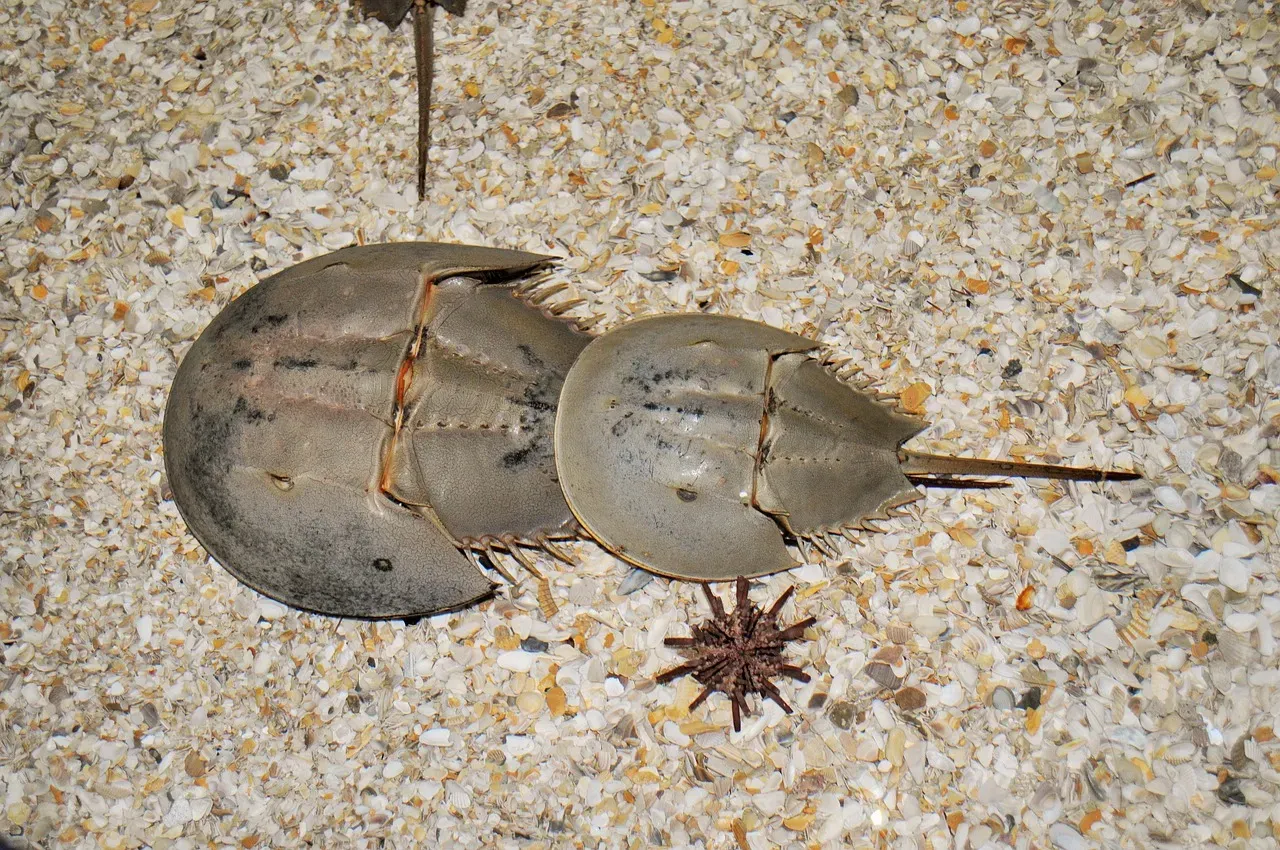
Their survival skills extend beyond physical toughness. Human blood is red because hemoglobin contains iron, but horseshoe crabs have a different oxygen-carrying protein called hemocyanin, which has copper rather than iron, giving horseshoe crab blood its bright blue color. This alien-looking blue blood does more than look unusual.
Horseshoe crab blood is uniquely sensitive to bacteria, having developed this property as a method of protection against the hordes of bacteria in the ocean, and when their blood comes into contact with a pathogen, it solidifies and forms a clot, preventing it from spreading through the crab’s bloodstream. Think about that. An immune system so powerful it’s been protecting them for hundreds of millions of years.
Horseshoe crabs are often caught for their blood, which contains Limulus amebocyte lysate, a chemical used to detect bacterial endotoxins, and the animals are also used as fishing bait in the United States and eaten as a delicacy in some parts of Asia. Ironically, this ancient survivor now faces threats from the very species that arrived most recently on Earth. In recent years, horseshoe crabs have experienced a population decline mainly due to coastal habitat destruction and overharvesting, prompting many areas to enact regulations on harvesting and establish captive breeding programs.
Four Species Holding On
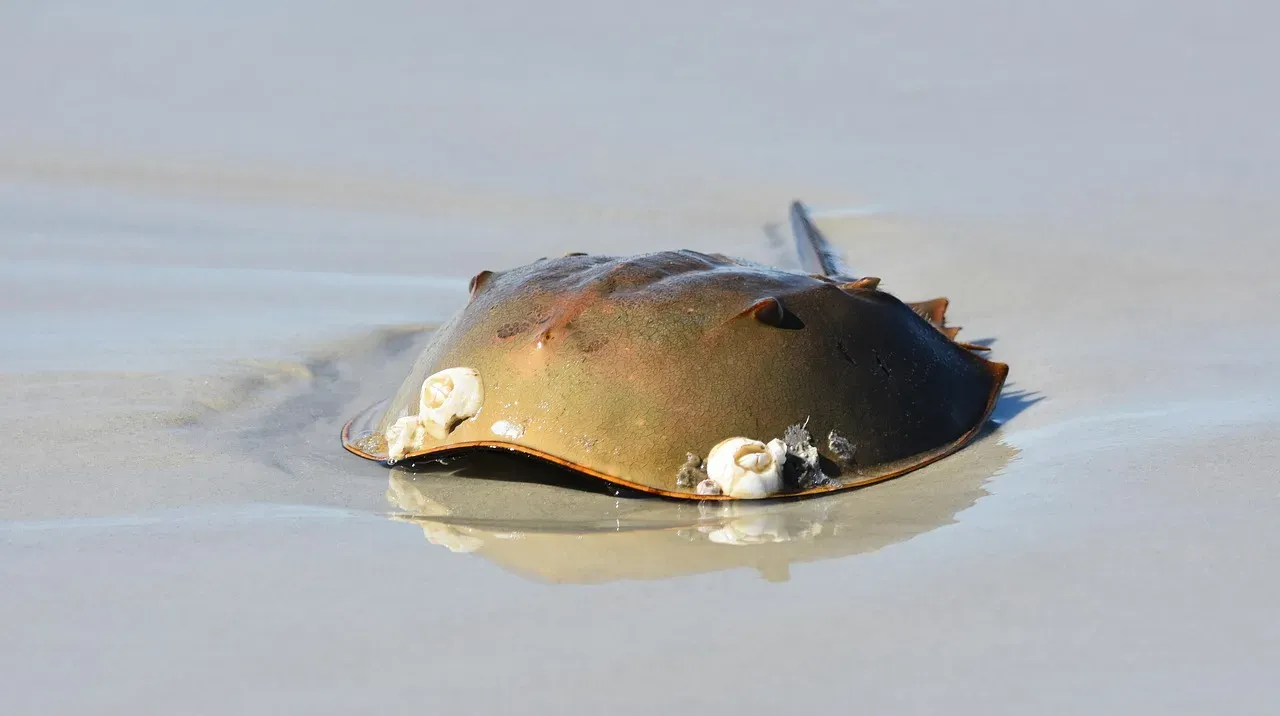
Today, only four species remain from what was once a much larger family. The radiation of horseshoe crabs resulted in 22 known species, of which only 4 remain. Four species survive today, one found in the Atlantic coastal waters of North America and the Gulf of Mexico and three found in Asia’s coastal waters.
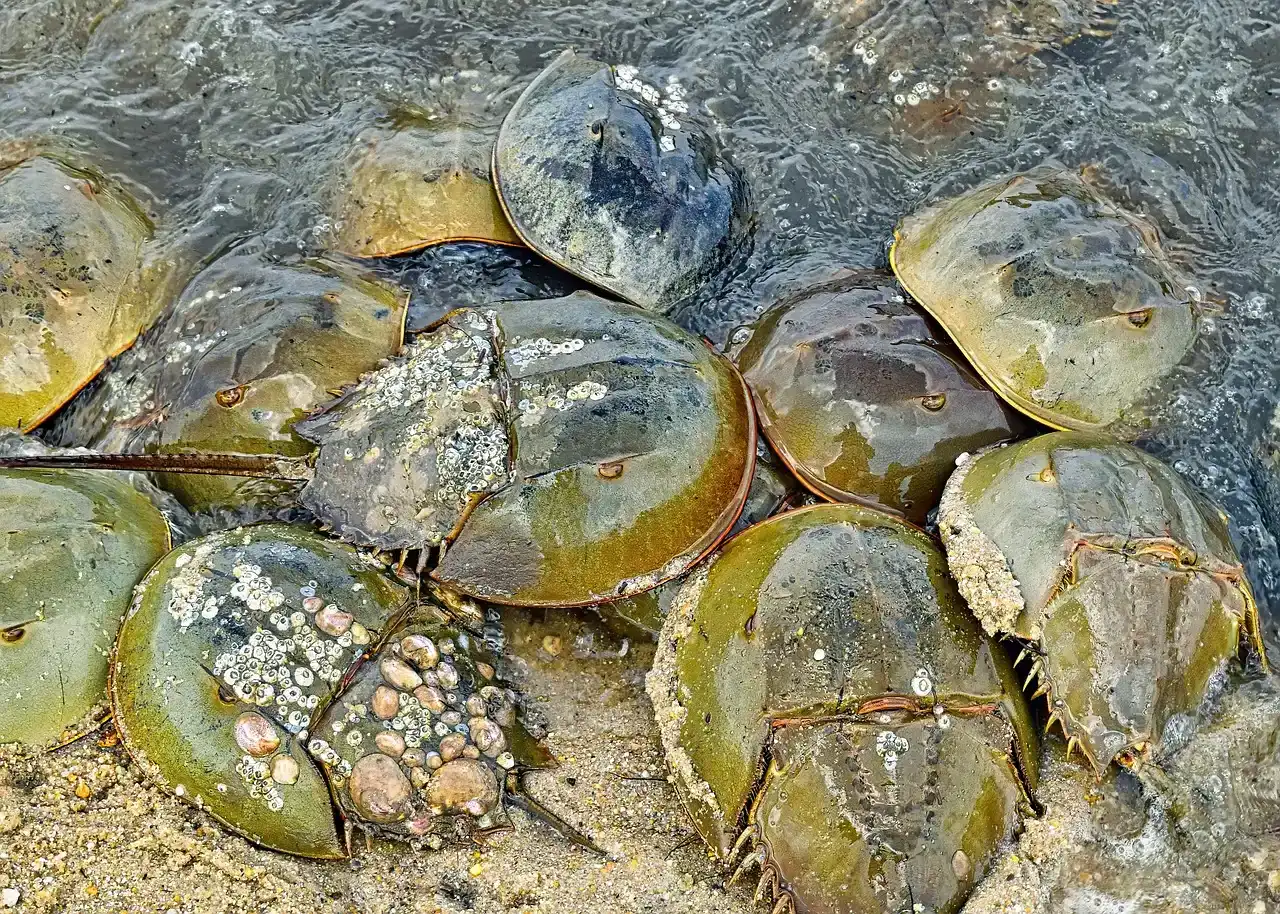
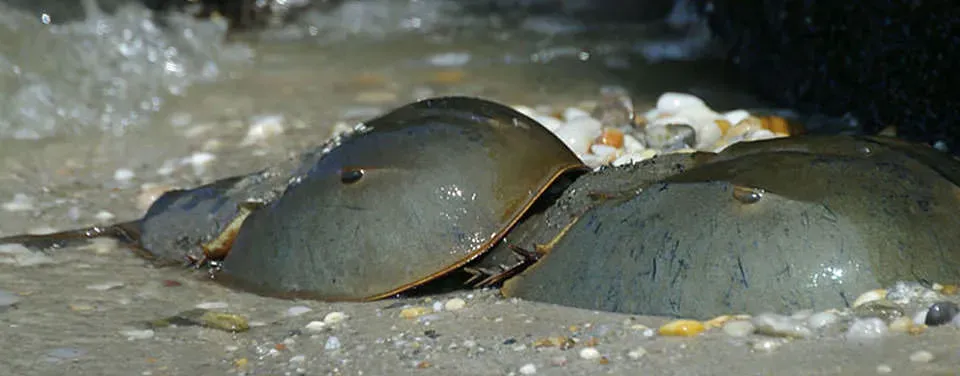
These four survivors continue ancient rituals virtually unchanged. The largest populations live in the Delaware Bay, and from May to early June, they swarm the beaches to breed and lay eggs, arriving in huge numbers during high tides that coincide with the full moon or new moon. Females dig nests in the sand and bury a cluster of about 4,000 tiny, blue-green eggs, and they can lay about 20 egg clusters each year.
Their reproductive strategy has remained effective across geological timescales. Horseshoe crabs mature slowly, taking 10 to 12 years to reach reproductive age, and often die during growth to adulthood, with many marine creatures preying on juveniles so that less than 3 out of 100,000 survive their first year, though once they reach adulthood, horseshoe crabs have few predators other than humans. It’s a numbers game they’ve been winning for nearly half a billion years.
Conclusion: Lessons From a Living Fossil
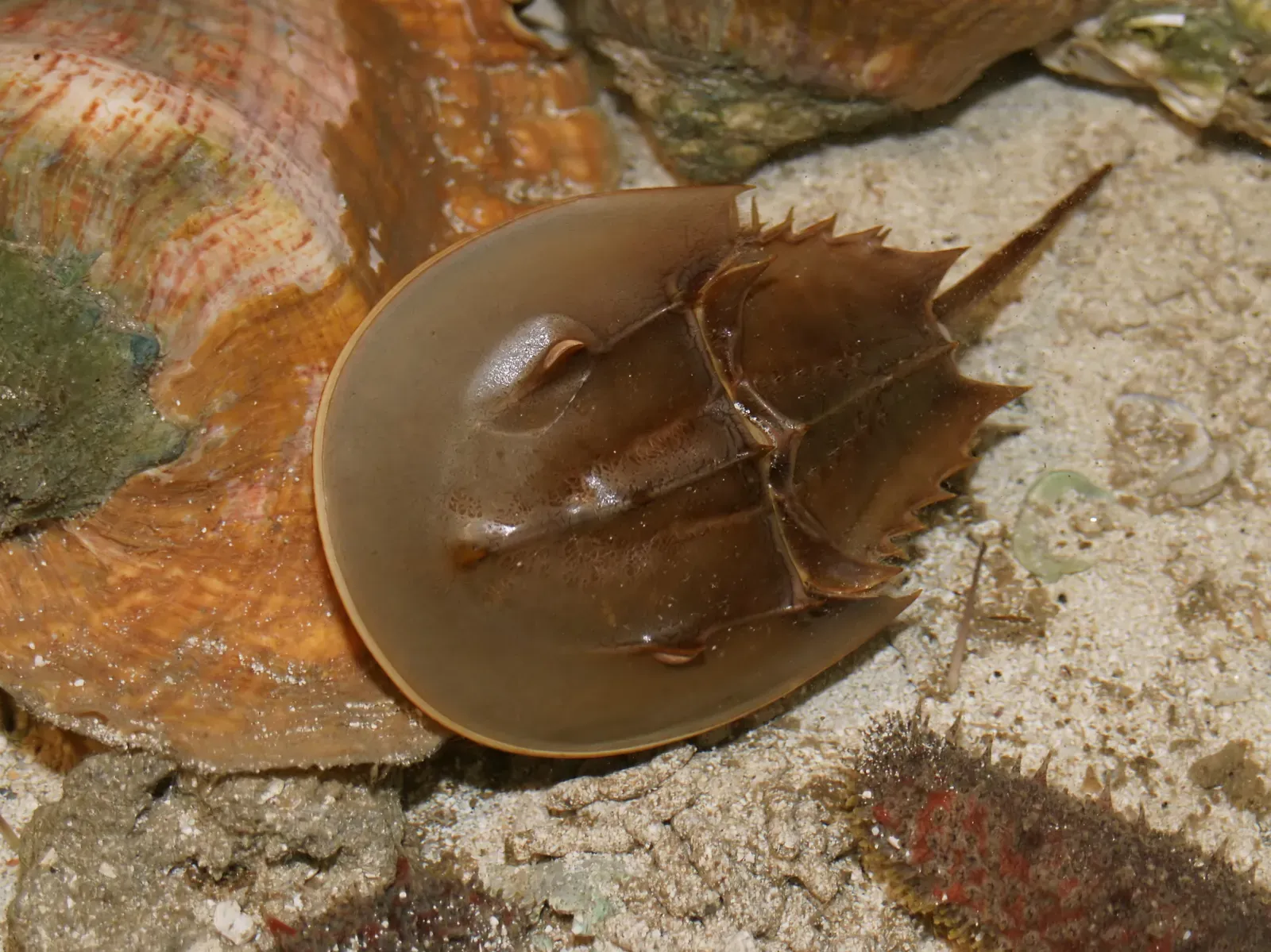
The horseshoe crab represents something profound about survival. While countless species evolved, adapted, and ultimately vanished, this creature found its perfect form and stuck with it. Understanding how horseshoe crabs adapted to this ecological niche very early on, and then remained there through thick and thin, can give us insights into how ocean and shoreline ecosystems have developed through deep time.
Their continued existence reminds us that survival isn’t always about being the biggest, fastest, or most intelligent. Sometimes it’s about finding what works and refusing to overcomplicate things. Nevertheless, we can also be mildly optimistic that some of these things have demonstrated a toughness that may allow them to survive our abuse of these environments.
The next time you see a horseshoe crab washed up on a beach, remember you’re looking at a design that predates trees, flowers, and nearly everything else we consider ancient. It’s a glimpse into a world so distant it’s almost incomprehensible. What do you make of a creature that’s outlasted the dinosaurs by hundreds of millions of years? Share your thoughts in the comments.
