
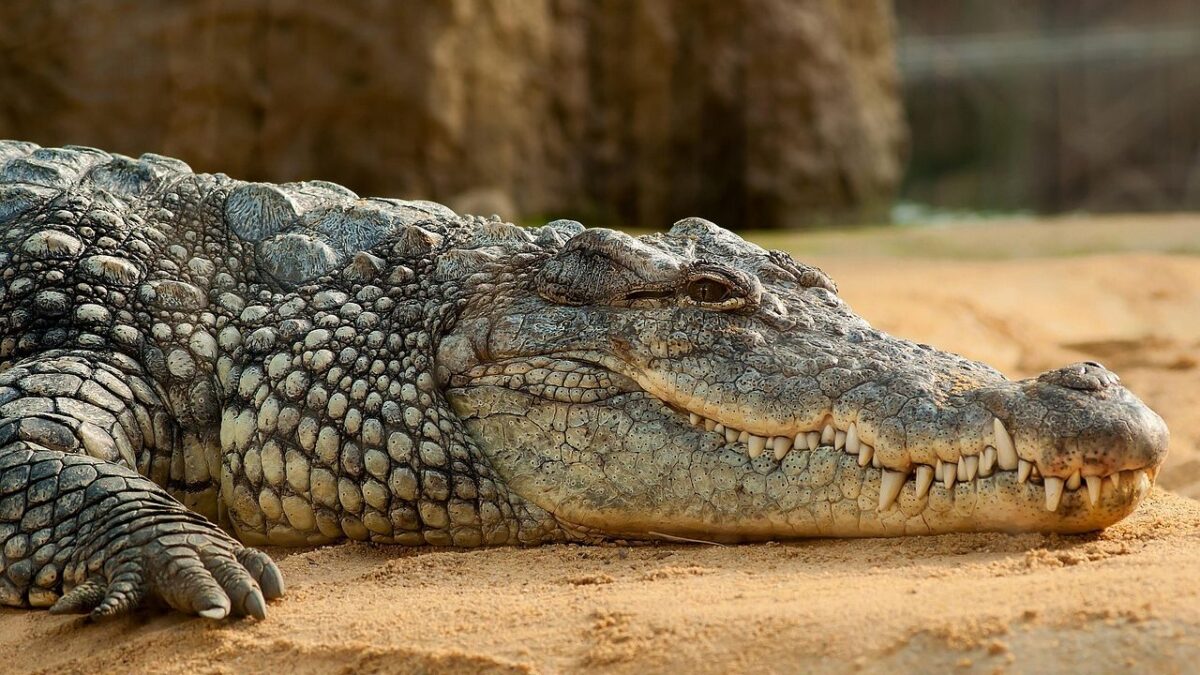
There’s something eerie about watching a crocodile float motionless in murky water, eyes just breaking the surface. You’re looking at a creature that has perfected survival. Think about it for a second: crocodiles existed alongside dinosaurs, witnessed their extinction, and are still here today. While countless species have evolved dramatically or vanished entirely, crocodiles have remained remarkably consistent for an almost unimaginable stretch of time.
What makes these ancient reptiles so special? Let’s be real, they’re not just mindless predators frozen in time. Scientists have recently discovered fascinating explanations for why certain traits have persisted across roughly 200 million years. Here’s the thing: crocodiles reached an evolutionary sweet spot where change simply wasn’t necessary. So let’s dive into six remarkable facts about these living relics that have stood the test of time.
Their Body Plan Has Been a Winning Design Since the Jurassic
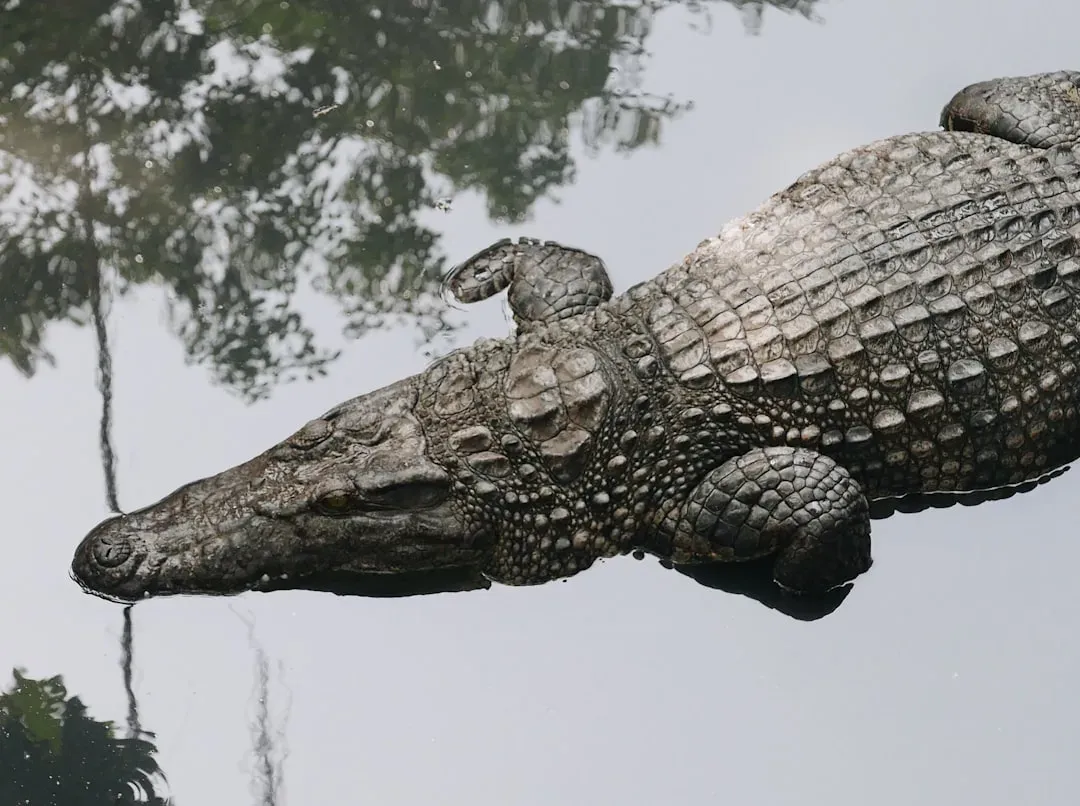
All modern forms have long snouts, powerful tails, armoured skins and a sprawling gait, and many fossil forms are extremely similar. The basic crocodile blueprint hasn’t required a major overhaul because it works exceptionally well. Picture this: a low-slung body perfect for ambush hunting, armor plating for protection, and a muscular tail that propels them through water with surprising grace.
The crocodiles from 200 million years ago look surprisingly like the ones we know today. This isn’t laziness on evolution’s part. Their body structure represents what scientists call an equilibrium state.
When you examine fossils from the early Jurassic period, the resemblance to modern crocodiles is honestly startling. The sprawling limbs, the elongated snout, even the arrangement of bony plates along their backs remain virtually unchanged. It’s hard to say for sure, but this consistency suggests they hit upon an optimal design incredibly early in their evolutionary history.
Some people assume that looking ancient means being primitive, but that’s not quite right. Surviving crocodiles did not change throughout millions of years because they arrived at an equilibrium where they were efficient and versatile enough that they did not need to evolve to exist. Their body plan is actually a masterpiece of evolutionary engineering that never needed significant updates.
They’ve Mastered the Art of Doing Nothing for Extended Periods
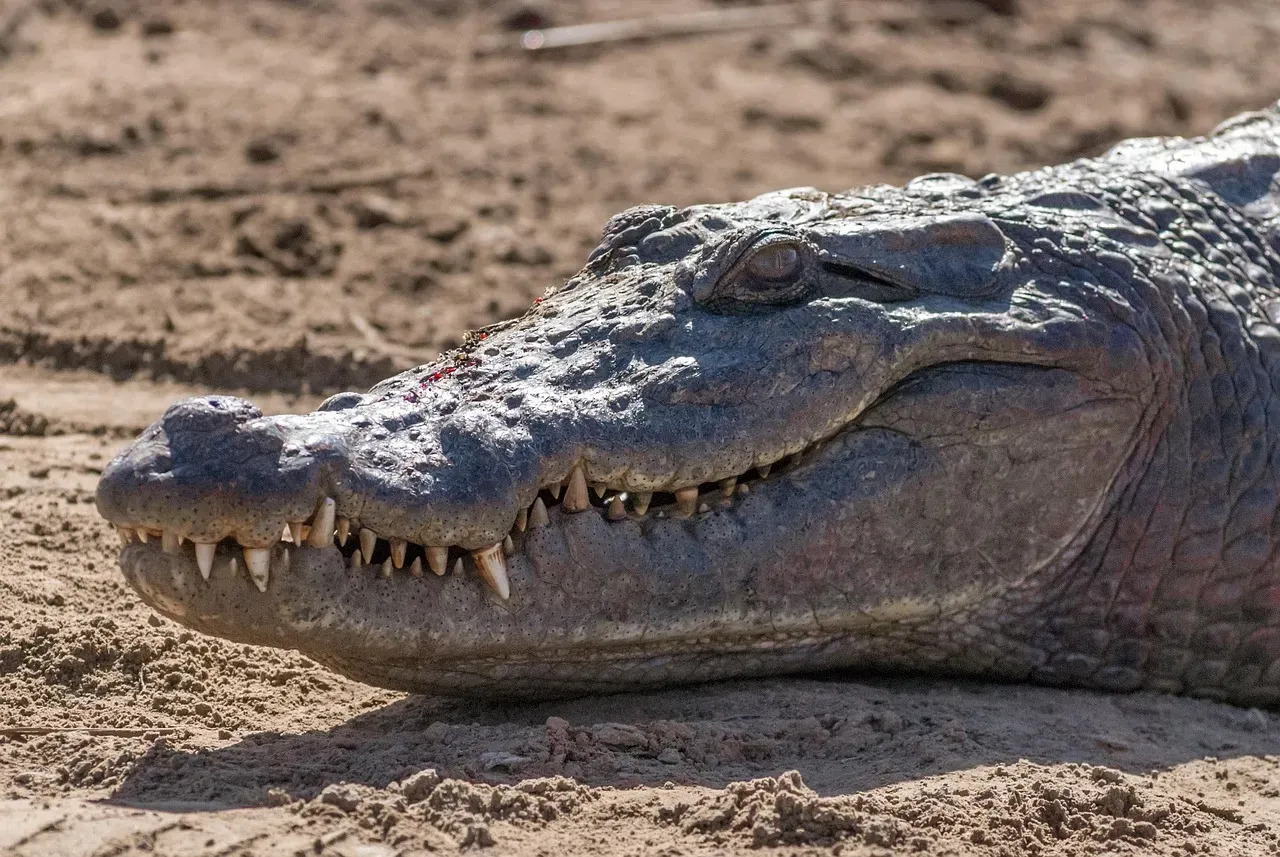
Here’s a superpower most people overlook: crocodiles can go months without eating. Crocodiles have the ability to forgo a meal for months at a time as most of their food intake is efficiently metabolized and stored, conserving the crocodile’s energy for other purposes. This trait has been crucial to their survival through countless environmental upheavals and food scarcity events throughout prehistory.
Their cold-blooded metabolism is key to this remarkable ability. Unlike mammals that burn energy constantly to maintain body temperature, crocodiles simply bask in the sun when they need warmth and retreat to water when they get too hot. This thermoregulation strategy has remained unchanged for millions of years because it’s incredibly energy-efficient.
In fact, the average croc eats about 50 full meals a year. That means they feast roughly once a week when conditions are favorable, but can stretch those meals out significantly when necessary. Compare that to most predators who need to hunt constantly just to survive. The crocodile may have reached this equilibrium through their abilities to survive without eating for long periods, and their sensitivity to temperature changes.
This metabolic flexibility allowed them to survive catastrophic events that wiped out other species. When the asteroid struck and ended the dinosaur era, many creatures starved in the aftermath. Crocodiles? They just waited it out.
Their Stomach Acid Could Dissolve Nearly Anything
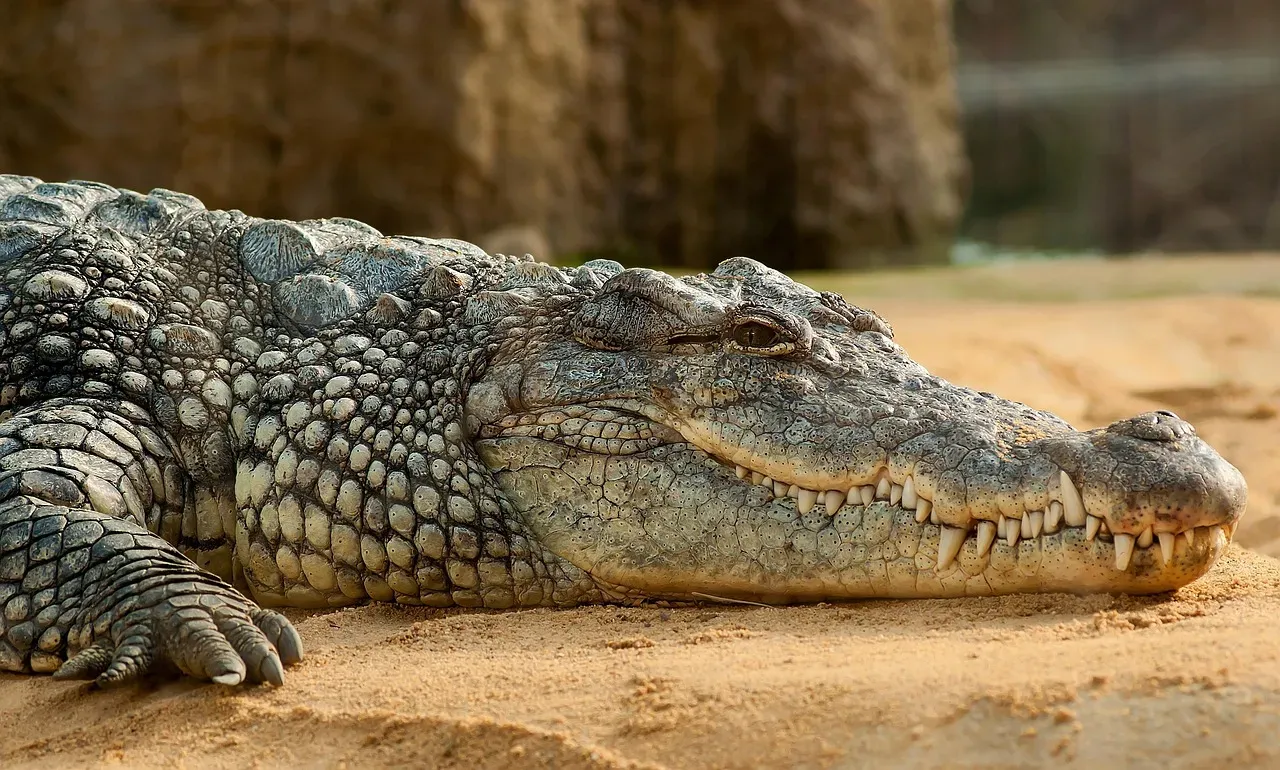
Let me tell you something truly incredible: crocodiles have the most acidic stomach of any vertebrate on Earth. A croc’s stomach is the most acidic of all vertebrates, allowing it to digest bones, horns, hooves, or shells. This digestive superpower has been part of their biological toolkit for millions upon millions of years.
Why does this matter so much for survival? It means crocodiles are the ultimate opportunistic feeders. When they feast, crocodiles are certainly not picky eaters. It’s said that a croc will feed on anything it can outswim or ambush and overpower. Whether it’s a fish, a bird, or a massive buffalo, their gut can handle it all.
This indiscriminate diet gave ancient crocodiles a massive advantage over more specialized predators. When environmental conditions changed and certain prey species disappeared, crocodiles could simply switch to whatever was available. Their stomach doesn’t discriminate.
Even the hardest materials serve a purpose once consumed. In fact these hard objects are used as “gizzard stones” in the croc’s stomach to help grind coarse food. Nothing goes to waste in a crocodile’s digestive system, a trait that’s been remarkably consistent throughout their evolutionary history. It’s one of those features that, once perfected, simply didn’t need improvement.
Their Sensory Organs Are Positioned for Perfect Stealth
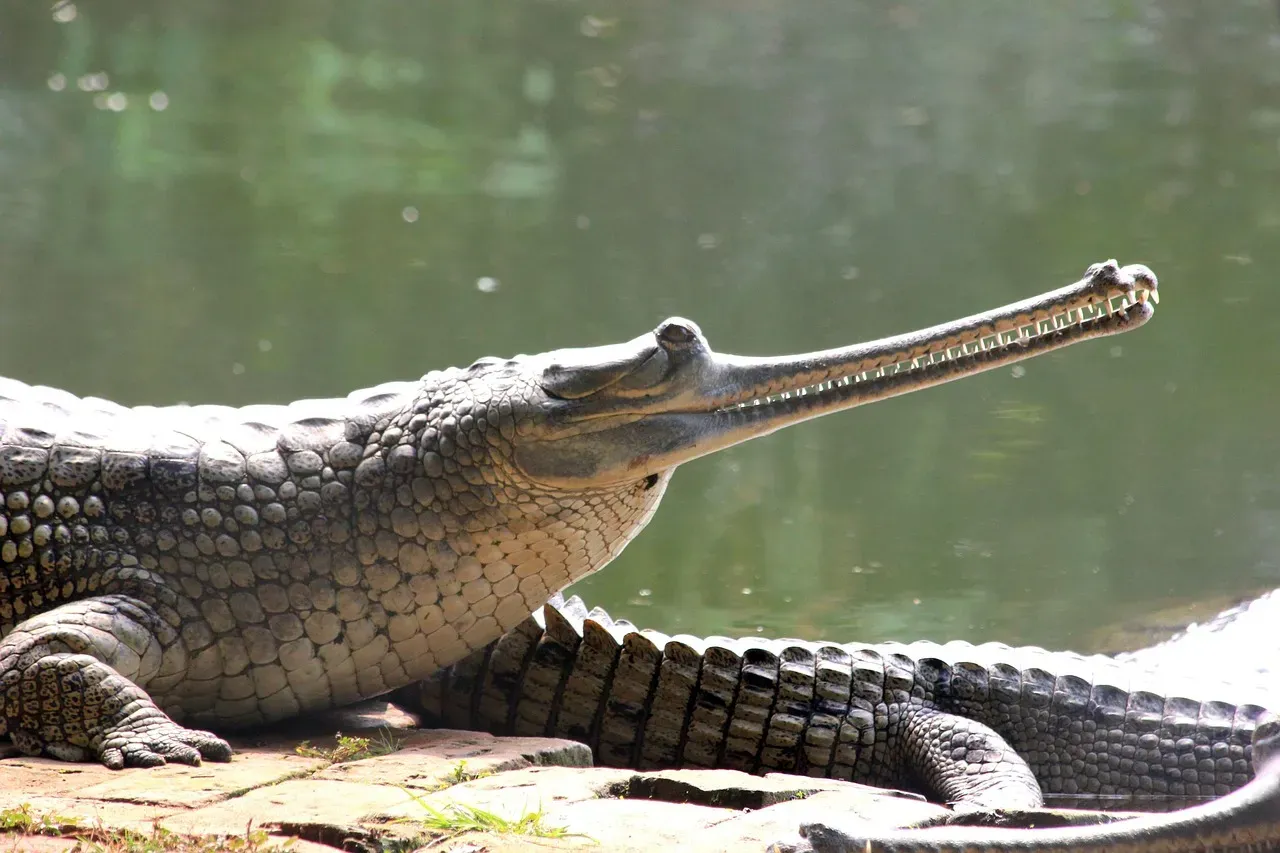
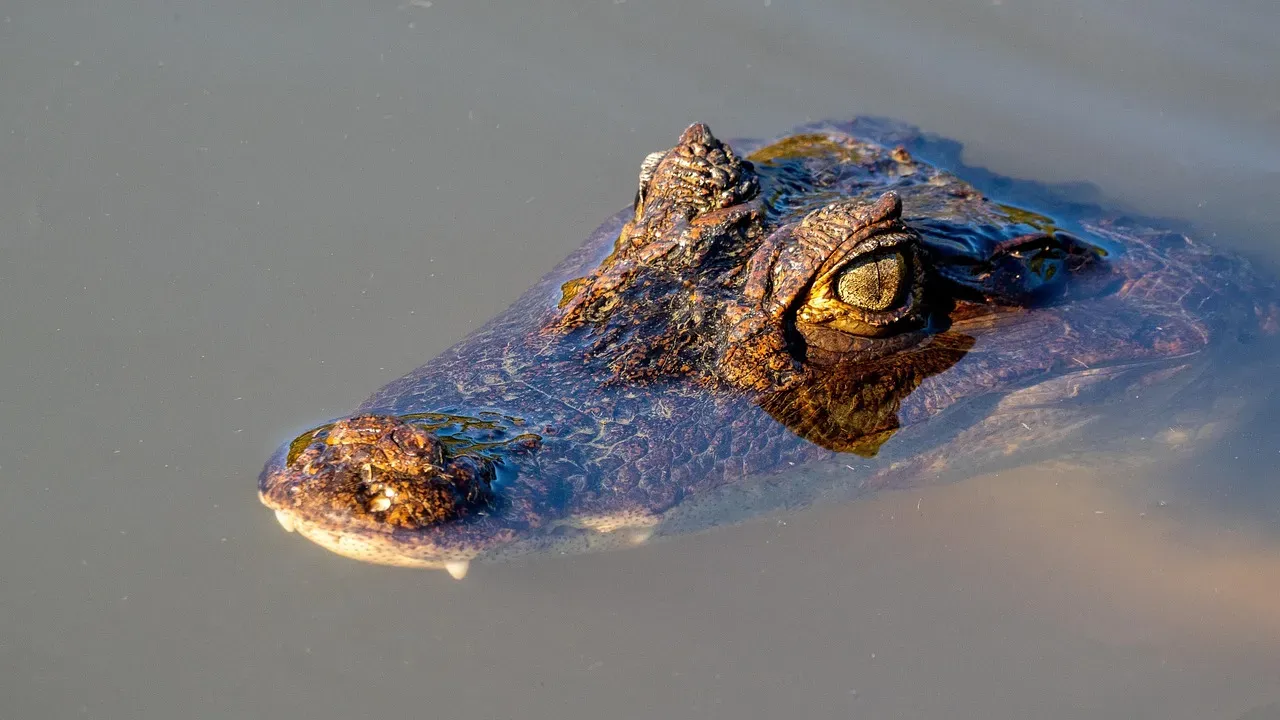
Take a close look at a crocodile’s head and you’ll notice something clever. The nostrils, eyes and ears lie along the top of the head so that the animal can hear, see, smell and breathe when the rest of the body is submerged. This arrangement has been standard equipment on crocodilians since prehistoric times.
This design allows them to remain almost completely hidden while monitoring everything above water. Only the tiniest portion of their head needs to break the surface. It’s the ultimate ambush predator setup. Prey animals approaching the water’s edge have virtually no warning before an explosive attack launches from what appeared to be an empty riverbank.
The protection systems are equally impressive. When completely under the water, the ears are covered by small flaps of skin which can be closed to make the ears watertight. The nostrils can also be closed by special muscles, and the eyes have a ‘third eyelid’ which gives protection when diving.
These adaptations work together seamlessly. Ancient crocodiles possessed these same features, allowing them to dominate aquatic hunting niches for eons. Modern crocodiles inherited a system that was already perfected millions of years before humans even existed. Why change what consistently delivers results? The positioning of these sensory organs represents evolutionary wisdom that has remained rock-solid across geological time scales.
Their Jaw Mechanics Generate Devastating Force
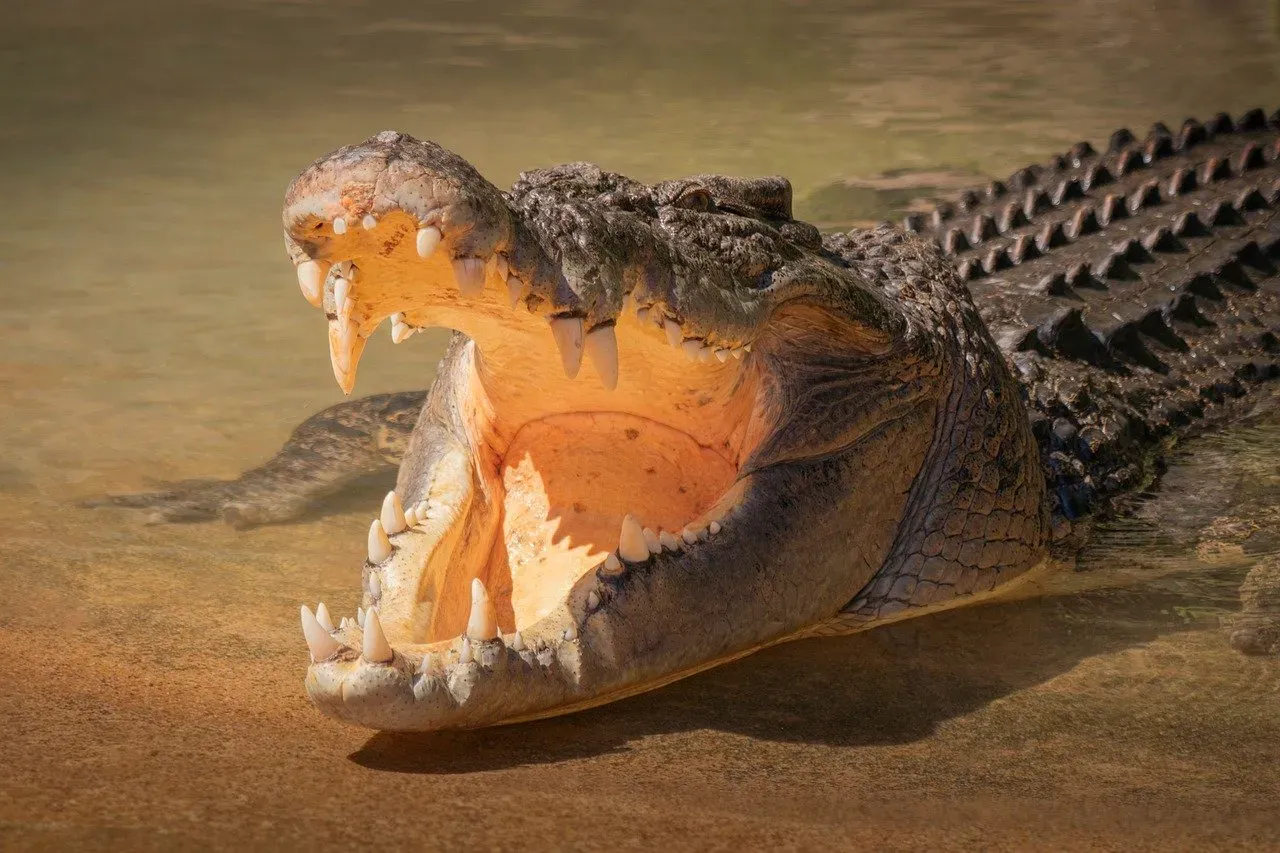
Honestly, the sheer power of a crocodile’s bite is terrifying. The results of the 11-year study, published in a 2012 issue of “PLoS One,” show the bite force of these animals to be approximately 3,700 pounds per square inch — the strongest bite force ever measured. This crushing power has been a crocodilian trademark since their ancestors first evolved those distinctive elongated jaws.
The jaw structure itself is an ancient design. The shape and musculature of their jaws, which tended to be much more prominent and powerful, set the first crocodiles apart from the first dinosaurs. From the very beginning, powerful jaws defined what it meant to be a crocodilian.
Their teeth add another layer to this prehistoric arsenal. Throughout their lifetime, crocodiles can replace each tooth 50-70 times, with younger individuals replacing teeth more frequently than older ones. This constant replacement system means they always maintain sharp, functional teeth regardless of wear and tear from crushing bones or tearing flesh.
What’s remarkable is how this jaw design has remained fundamentally unchanged. Sure, different species evolved slightly different snout shapes for specialized hunting, but the core mechanics stayed the same. Those powerful jaw-closing muscles paired with conical teeth set in individual sockets proved to be such an effective combination that evolution saw no reason to tinker with the formula. It’s been working flawlessly for roughly 200 million years.
They Evolved Punctuated Equilibrium Rather Than Constant Change
Here’s where the science gets really interesting. This pattern of low evolutionary rates interrupted by occasional bursts of activity is known as “punctuated equilibrium”. This is what we would expect to see in cases where evolution is being driven by external factors like mass extinctions or climate change, rather than intrinsic forces like sexual selection or the arms race between predators and prey.
What this means is that crocodiles evolved in spurts when the environment forced them to adapt, then settled into long periods of stability. The more rapidly evolving species didn’t appear independently, instead tending to emerge together when the climate was warmer. Temperature seems to have been a major trigger for those occasional evolutionary bursts.
Most of the time though? Crocodiles just coasted along with minimal changes. The majority of the species we looked at were only evolving very slowly, with a handful of species evolving more quickly. The slow-evolving lineages are the ones that survived to the present day, while the experimental fast-evolving forms mostly went extinct.
Our research strongly suggests crocodilians have remained unchanged for such a very long time because they have landed upon an equilibrium state that does not require them to change often. This isn’t about being primitive or stuck in the past. It’s about reaching a level of adaptation so effective that constant tinkering would only make things worse. Think of crocodiles as evolution’s version of “if it ain’t broke, don’t fix it.” They found their niche and defended it successfully across geological epochs that saw countless other lineages rise and fall.
Conclusion
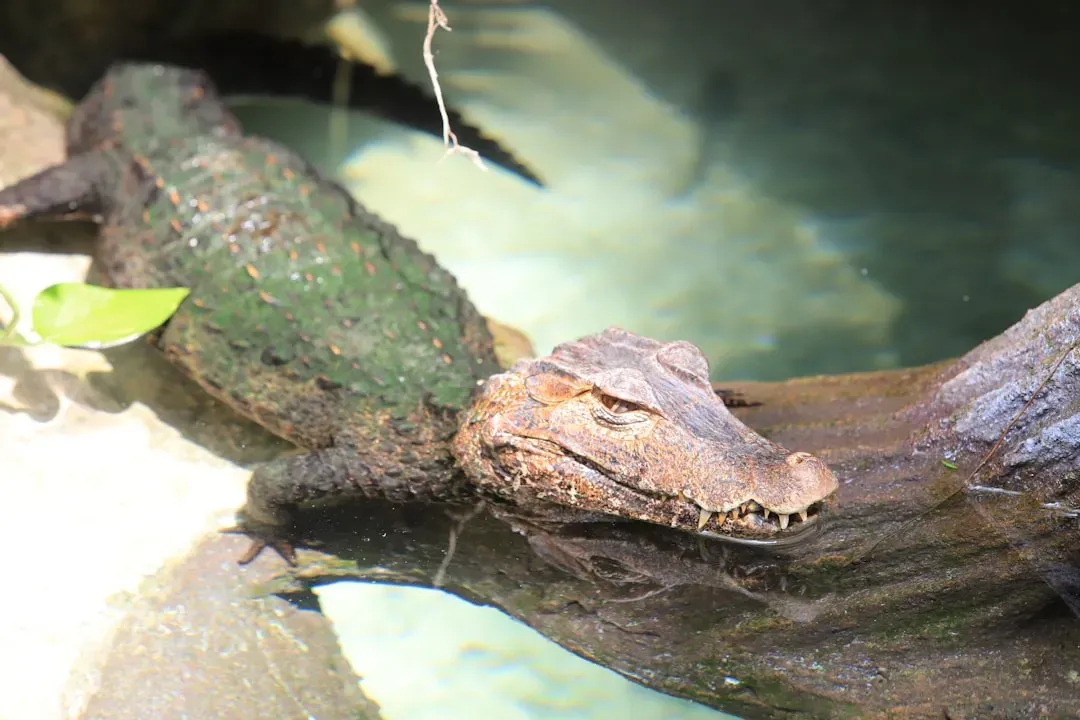
Crocodiles prove that evolutionary success isn’t always about constant change and innovation. Sometimes it’s about finding what works and sticking with it through thick and thin. These remarkable reptiles have survived mass extinctions, dramatic climate shifts, and the rise and fall of countless other species, all while maintaining the same basic features that made them successful in the first place.
Their story reminds us that nature values what works. The powerful jaws, the stealthy sensory arrangement, the flexible metabolism, the iron stomach – these traits became permanent fixtures because they consistently delivered survival advantages across wildly different environmental conditions. When the asteroid wiped out the dinosaurs, crocodiles endured. When ice ages came and went, they persisted. When sea levels rose and fell, they adapted just enough to survive but never abandoned their core design.
Looking at a modern crocodile is like peering through a window into deep time. These aren’t evolutionary failures stuck in the past – they’re evolutionary champions that discovered perfection early and had the stubborn resilience to maintain it. What other creature can claim to have essentially looked the same since the Jurassic? It’s both humbling and fascinating to share the planet with such ancient survivors. What’s your take – does their unchanging nature make them more or less impressive than rapidly evolving species?
