
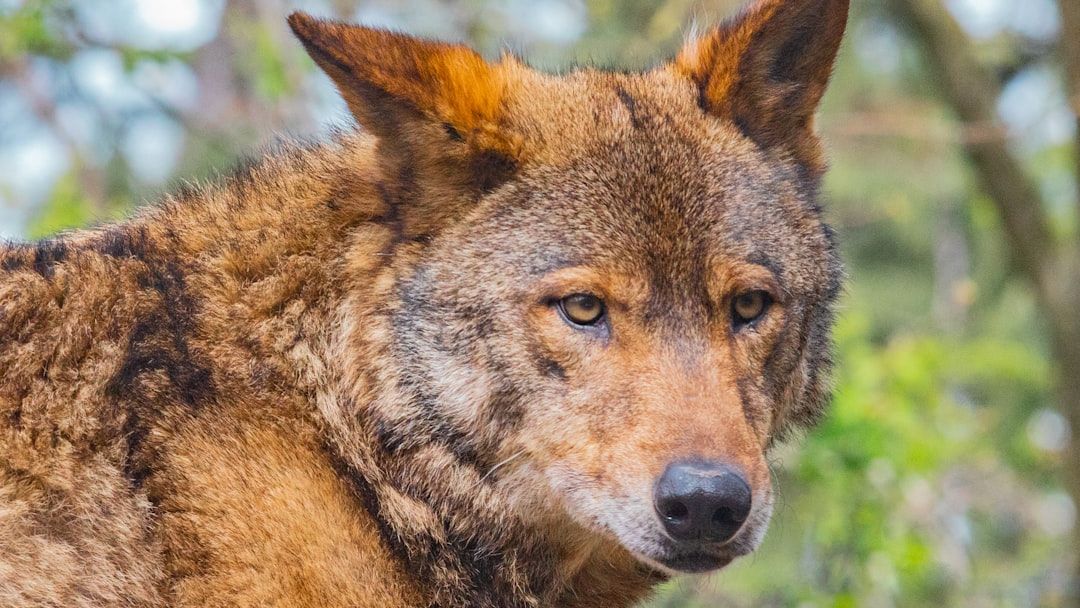
There are moments in conservation history that feel almost miraculous. Not because they were easy, but because they nearly did not happen at all. The red wolf, North America’s most critically endangered canid, came within a hair’s breadth of permanent silence. No more howls drifting across the Carolina wetlands at dusk. No more amber eyes watching from the tree line. Just absence.
Yet here we are in 2026, cautiously but genuinely celebrating. Pups are being born. Breeding pairs are forming. A species once declared extinct in the wild is, slowly and stubbornly, clawing its way back. The story of how that happened is equal parts heartbreaking, maddening, and deeply inspiring. Let’s dive in.
A Ghost Species: The Red Wolf at the Edge of Extinction
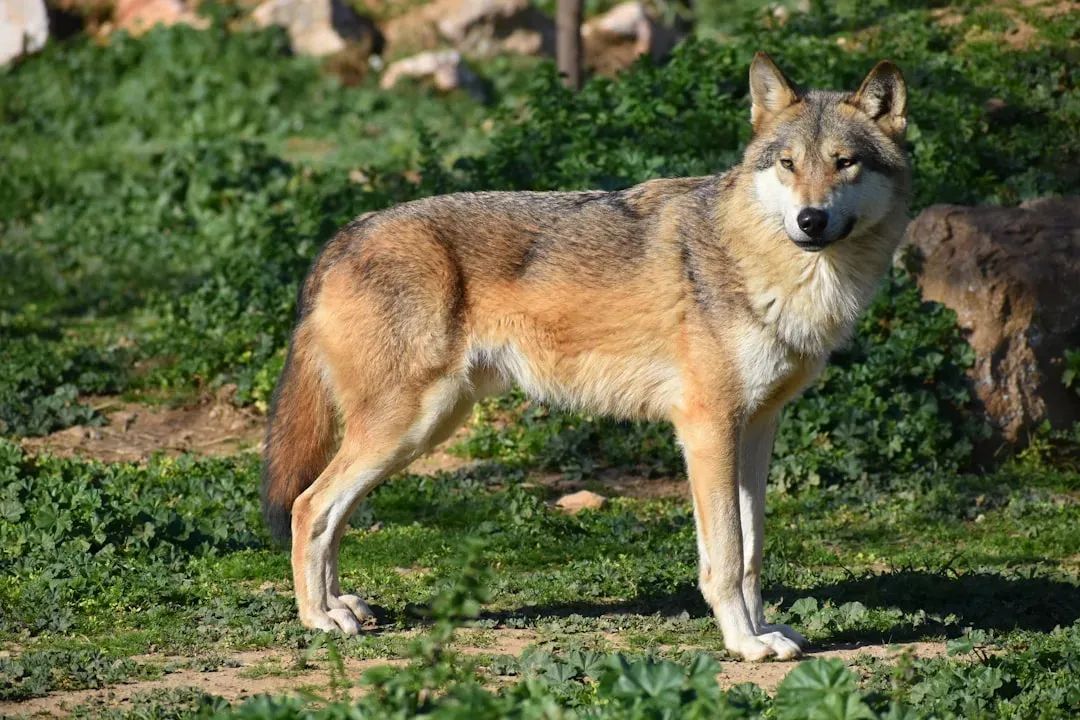
Let’s be real about just how dire things got. Once abundant across the eastern seaboard, aggressive predator control and habitat loss reduced the wild red wolf population to a mere 14 wolves by the late 1970s. That is not a typo. Fourteen. For an entire species spanning a continent.
The United States Fish and Wildlife Service declared red wolves extinct in the wild in 1980. It was a grim milestone, and for many, it felt final. Think about that for a moment. A whole species wiped from its natural world within living memory.
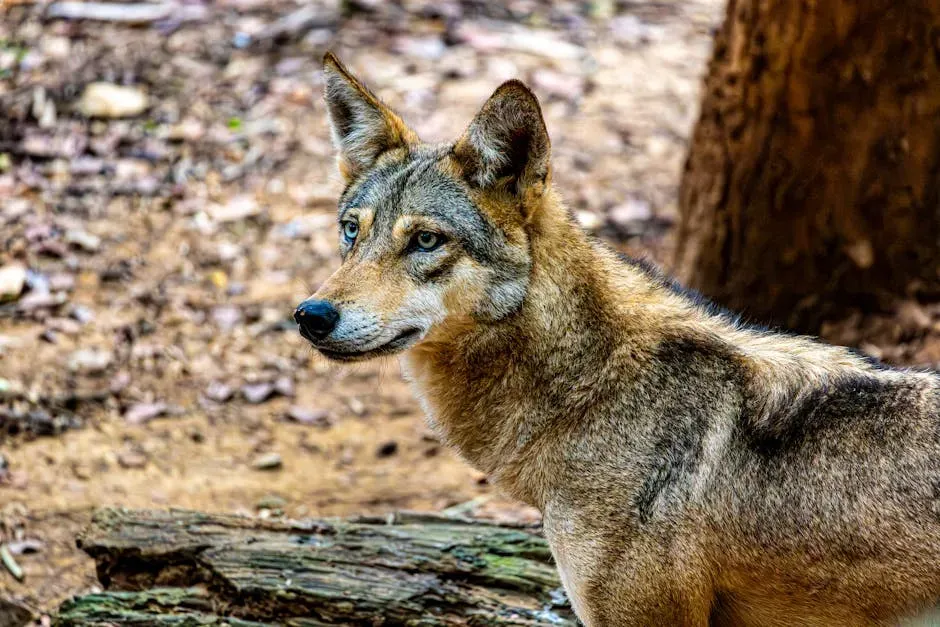
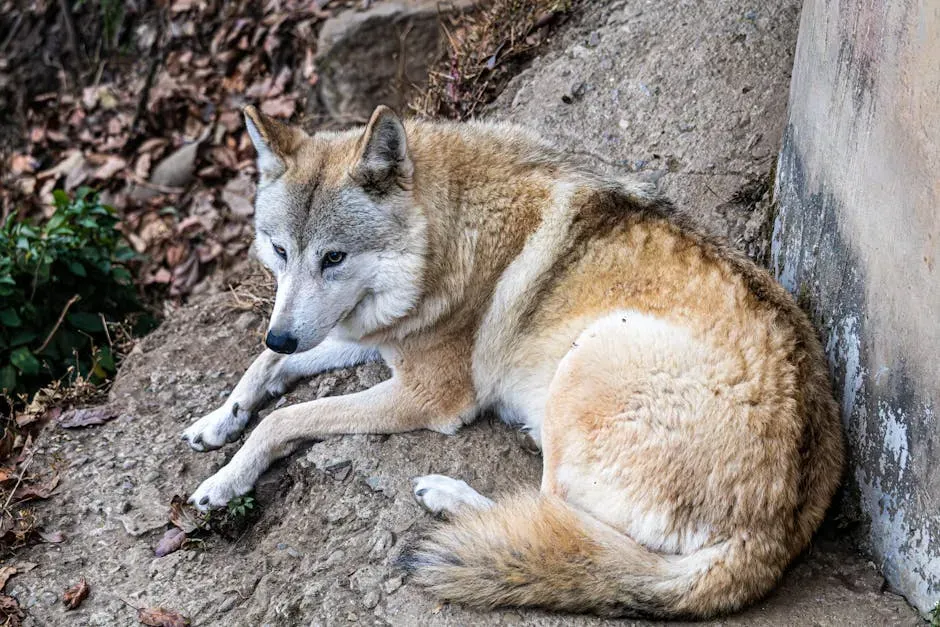
Native to North America, red wolves are named for their characteristic reddish fur. They measure between gray wolves and coyotes in size and weigh between 44 and 85 pounds, depending on sex. These are not monstrous creatures. They are elegant, social, and essential parts of their ecosystem. Yet humanity nearly erased them entirely.
The 1987 Gamble That Changed Everything
Of the 17 remaining wolves captured by biologists, 14 became the founders of a successful captive breeding program. Scientists essentially had to rebuild a species from scratch, working against both the clock and the odds. It was, honestly, an audacious bet.
In 1987, four breeding pairs descended from those original 14 animals were released into the Alligator River Wildlife Refuge in eastern North Carolina as a first-of-its-kind experiment in “re-wilding.” Reintroducing a large carnivore into the wild had never been done before. Nobody had a true roadmap.
Innovative management tactics led to steady population growth, reaching a height of about 120 red wolves by 2007. For a while, it genuinely looked like one of the greatest conservation comebacks ever recorded. The population peaked at about 120 in 2012, and between 2004 and 2014, stayed steady at around a hundred red wolves in several family packs.
The Collapse: Politics, Pressure, and a Population in Freefall
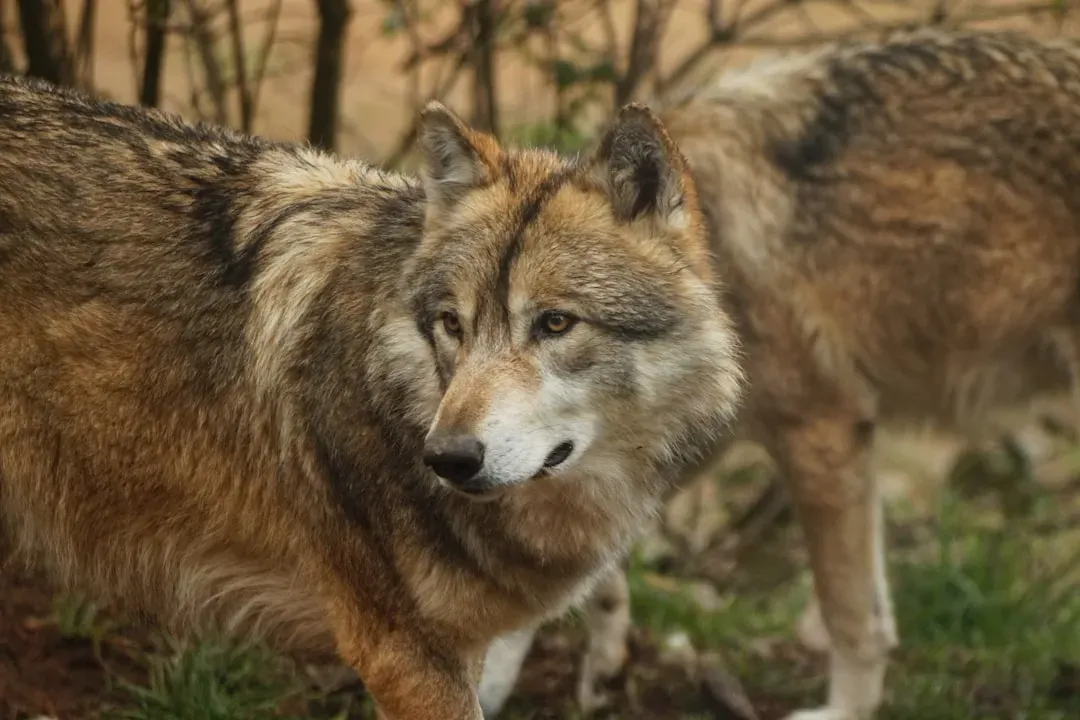
Here is the thing: the red wolf’s story did not go smoothly after that early triumph. Far from it. Poor communication with landowners led to angry confrontations over wolves coming onto private lands, while coyote hunting regulations led to mistaken identities. Political support and funding for the recovery program dropped precipitously, and more wolves were being shot, whether intentionally or by mistake.
In 2015, the USFWS suspended its longstanding and successful practice of releasing captive red wolves into the wild within the approximately 1.7 million-acre Red Wolf Recovery Area in eastern North Carolina. The agency failed to resume the practice and instead later adopted a policy preventing releases of captive red wolves into the wild. The consequences were devastating.
When the 2020 lawsuit was filed, as few as seven red wolves remained in the wild. Between 2019 and 2021, no red wolf pups were born in the wild for the first time in the program’s history, an indication of the dire state of the red wolf population at that time. Seven wolves. An entire species balanced on a razor’s edge.
Lawsuits, Landmark Settlements, and the Road Back
Sometimes, saving a species requires more than biology. It requires lawyers. In November 2020, the Southern Environmental Law Center sued USFWS for violations of the Endangered Species Act connected with the agency’s new policies that prohibit proven management strategies to recover the world’s only remaining population of critically endangered red wolves.
In the agreement, the USFWS acknowledged the importance of the Eastern North Carolina Red Wolf population to red wolf conservation and recovery, and stated its intentions to continue to implement adaptive management strategies, prepare captive wolves for release, reduce human-caused mortality, and engage with community members and stakeholders. It was a turning point.
Under a 2021 court order in this case, the USFWS in 2021, 2022, and 2023 released captive red wolves into the wild population, including by placing captive-born pups in wild litters. Wolves were going back into the wild again. Slowly at first. But the trajectory had finally reversed. The North Carolina Wildlife Resources Commission, the state wildlife agency, now officially recognizes the red wolf and has committed to its recovery by passing a resolution to work with the U.S. Fish and Wildlife Service on collaborative management efforts.
New Pups, New Hope: The Breeding Breakthroughs of 2024 and 2025
I think this is the part of the story where you genuinely feel something shift. In the spring of 2025, 16 red wolf pups in four litters were born in northeastern North Carolina where the only wild population of red wolves lives. Sixteen. In a wild population that had stood at just seven animals only a few years before, that number carries extraordinary weight.
In the 2024 to 2025 breeding season, 29 breeding pairs were established and 43 pups in 12 litters were born. Historically, whelping success was around 25%; for the last three years, success has been 45%, 38%, and 46%. Those numbers represent a genuine biological turnaround, not just wishful thinking.
A single litter of eight pups born in the Alligator River National Wildlife Refuge in April 2025 alone represents a minimum 25% increase in the total wild population of American red wolves, marking a significant conservation success and milestone. Think about that kind of math. One healthy litter moved the needle by a quarter. That tells you everything about how rare and precious each individual wolf truly is.
As of August 2025, there are approximately 280 red wolves in SAFE facilities across the country. With the addition of three new partners, there are 52 SAFE red wolf facilities total. The captive safety net is growing stronger too, a vital backstop should anything go wrong in the wild.
Threats That Remain and the Long Road Ahead
Vehicle strikes are the number one cause of red wolf mortality. It is a sobering fact. These animals survived hunters, land clearing, and decades of political neglect, only to face the daily danger of a highway. Plans are on track for multiple wildlife crossings on highways that bisect the Alligator River National Wildlife Refuge. A $25-million federal grant has been supplemented by an additional $4 million raised by conservation organizations and private donors.
The most immediate and serious challenges to red wolves are primarily human-related. If red wolves are to have a chance of thriving in the wild, the issues of habitat loss, scarcity of public empathy for free-ranging large carnivores, vehicle strike mortality, illegal killing, and coyote hybridization must remain the focus of recovery efforts.
Success will ultimately be when red wolves can be delisted, when they don’t need human help to survive, which is expected to take about 50 years if all goes as planned. Criteria that meets that goal include measurable thresholds: three viable populations, distributed to maximize redundancy and protect from catastrophic loss, one population of at least 180 and two with a minimum of 280 wolves, each with high gene diversity. It’s a long horizon. But for the first time in a generation, it feels reachable.
The Fish and Wildlife Service also now works with “Prey for the Pack,” a habitat-improvement program that engages with private landowners in eastern North Carolina wolf recovery areas in mutually beneficial habitat programming. Community buy-in, it turns out, matters just as much as biology. Without the people who share the land with these wolves, no recovery is truly possible.
Conclusion: A Howl Worth Hearing
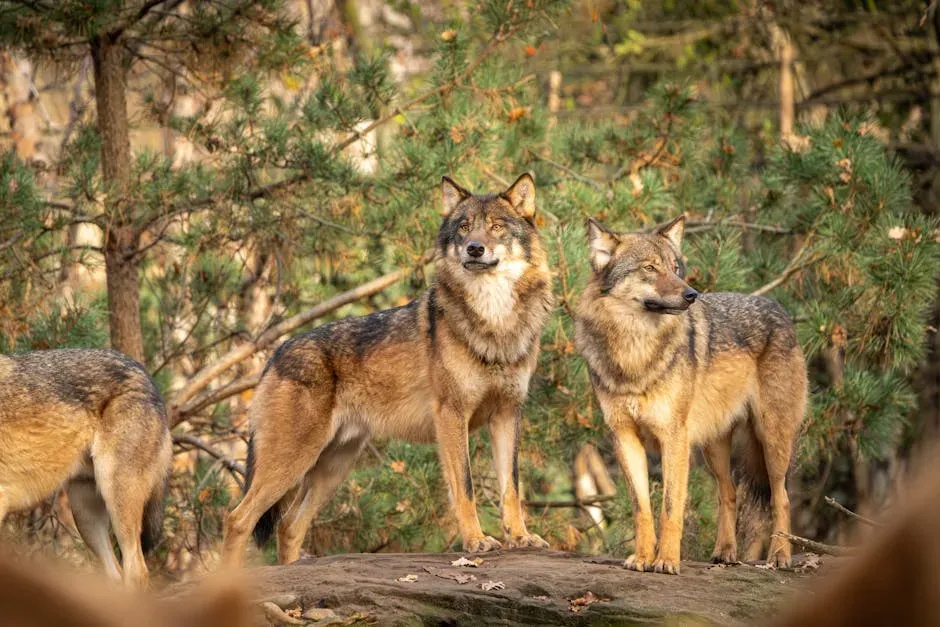
The red wolf’s story is not over. It may never be tidy or simple or safe from setbacks. But what has happened over the past several years is nothing short of remarkable. A species that numbered seven wild individuals has grown, bred, and howled again across the Carolina wetlands in a way that scientists once thought might never happen.
Their arrival is reason for celebration combined with cautious optimism for a critically endangered predator whose numbers five years ago had dropped to a perilously low seven known red wolves roaming free on the Albemarle Peninsula’s 1.7 million acres of wetlands, woods and farmlands. The pups, along with the formation of new breeding pairs, are tangible evidence that an imperiled species can rebound if proven science-based management practices are combined with public investment in both red wolf recovery and habitat conservation.
There is a lesson buried in this story that goes beyond wolves. It is about what happens when people choose to keep fighting for something, even when the odds look impossible, even when politics and indifference conspire against them. The red wolf did not save itself. Biologists, lawyers, community members, zookeepers, and ordinary citizens saved it. Together.
That is worth thinking about. What other species, what other wild things, are we still willing to fight for? The red wolf’s howl is not just a sound. It is a question.
