

Every homeowner knows that sinking feeling when you hear about termites wreaking havoc somewhere. These tiny destroyers work silently behind walls and beneath floors, chewing through wood with an appetite that never quits. While chemical treatments exist, there’s something reassuring about exploring natural alternatives that won’t fill your living space with harsh substances.
The good news is that nature has provided us with some powerful allies in the fight against termites. Certain scents and aromas that we find pleasant or barely notice can actually send these wood-munching insects scurrying in the opposite direction. It’s fascinating when you think about it. The same essential oils we use for relaxation or cooking might be exactly what keeps your home protected. Let’s explore six natural scents that have shown real promise in keeping termites at bay, backed by research and centuries of practical use.
Clove Oil: A Sharp Defense Against Wood Destroyers

Clove oil contains eugenol, a compound with natural insecticidal properties that abundantly interferes with termite nervous systems. Think about the sharp, spicy aroma of cloves you might associate with holiday baking. Research shows clove bud can kill 100% of termites in just two days at certain concentrations.
The beauty of clove oil lies in its dual action. The strong aroma acts as a deterrent, making it difficult for termites to navigate and establish colonies. It’s not just about repelling them either.
When termites come into contact with clove oil, something remarkable happens. The eugenol compound disrupts their ability to function normally, ultimately leading to their demise without requiring synthetic pesticides. You can dilute clove oil with water and apply it to wooden structures around your home.
Insert whole cloves into small mesh bags and place them in corners, alongside drawers, and near wooden furniture, or apply a diluted clove oil solution to protect wooden structures. Just keep in mind that while pleasant to us, that spicy scent is absolutely overwhelming to termites. The strong smell essentially scrambles their sensory systems, preventing them from detecting the wood they’d normally feast upon.
Tea Tree Oil: Australia’s Gift to Pest Control

Tea tree oil, derived from the Melaleuca alternifolia tree native to Australia, is celebrated for its therapeutic properties and its strong scent and terpenoid content make it an unwelcome aroma for termites. Honestly, tea tree oil is one of those versatile natural products that seems to do everything well.
The antibacterial and antifungal properties of tea tree oil make it a potent insect repellent, and termites cannot endure the sharp and medicinal aroma. The oil creates an invisible barrier that termites simply won’t cross. I find it interesting how something so beneficial for human skin care can be so repulsive to pests.
Creating a DIY spray is remarkably simple. Mix a few drops of tea tree essential oil with water in a spray bottle and apply it to areas prone to termite activity, including wooden structures, door frames, window sills, and potential entry points. The medicinal scent might seem strong at first, though most people find it fades to a subtle, clean aroma.
Tea tree oil can be sprayed directly on termites to help kill them, or used to treat wood, preventing it from being destroyed. Regular reapplication ensures the protective barrier remains effective, particularly in areas with high moisture or heavy termite pressure.
Vetiver Grass: The Underground Guardian
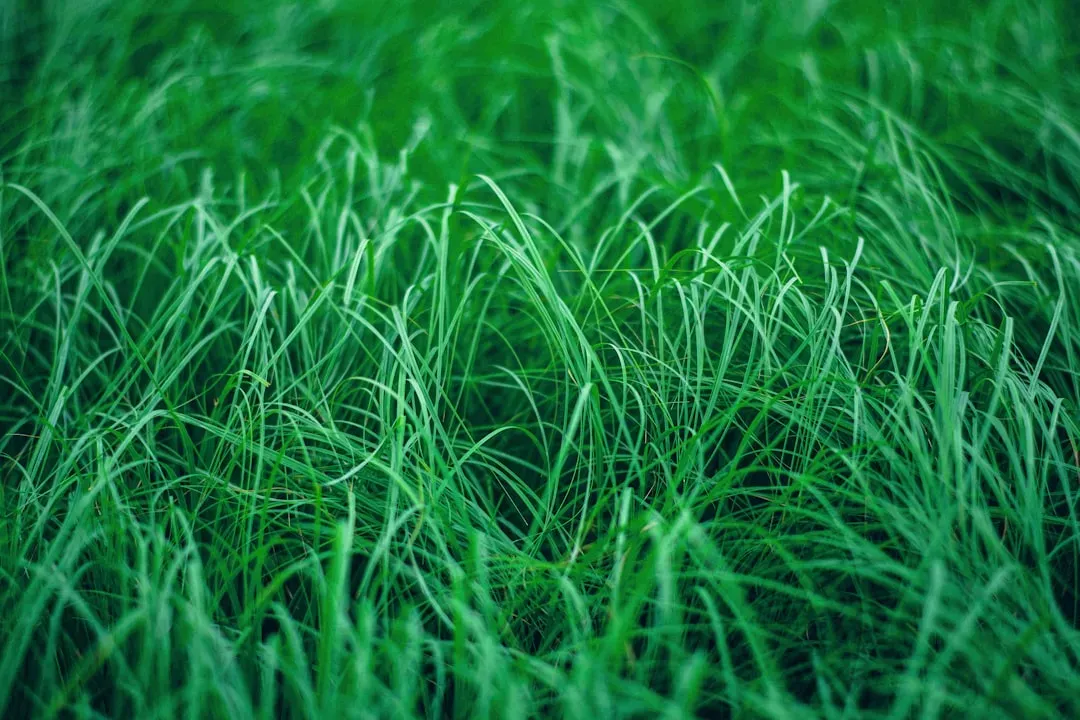
Vetiver oil proved the most effective repellent because of its long-lasting activity in studies evaluating multiple essential oils against termites. This ornamental grass doesn’t just look attractive in landscaping – it actively works beneath the surface to protect your property.
Vetiver contains nootkatone, a powerful EPA-registered repellent whose strong odor disrupts termites’ sense of smell, and is found in the plant’s roots where termites burrow, driving them away. Let’s be real, termites navigate their world primarily through chemical signals and scent trails. When vetiver’s compounds interfere with that system, they become disoriented and avoid the area entirely.
Vetiver oil decreased termite tunneling activity at concentrations as low as 5 micrograms per gram of sand, and tunneling and paper consumption were not observed when concentrations were higher than 25 micrograms per gram. The roots release these protective compounds naturally into the surrounding soil. Here’s the thing though – this grass works best when planted strategically.
To make use of vetiver grass as a termite deterrent, plant this ornamental grass in bunches around your home’s exterior and specifically near any areas where termites are or may infest. The deep root system not only prevents soil erosion but creates a chemical barrier underground that termites find absolutely intolerable. It’s like installing an invisible fence that specifically targets these pests.
Lemongrass: Citrus Power in Plant Form
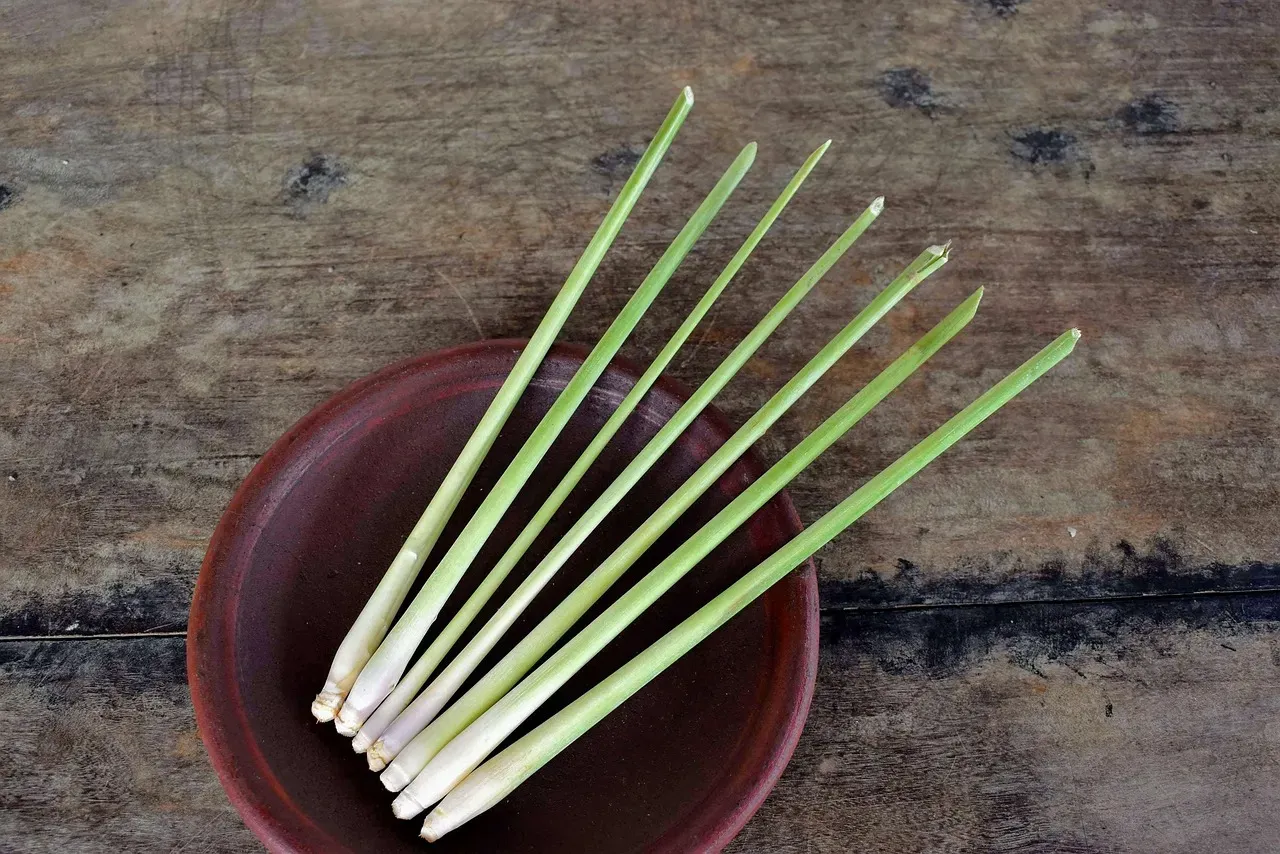
In a study published by International Biodeterioration & Biodegradation, lemongrass was second only to mint in its effectiveness against termites. The fresh, citrusy aroma that makes lemongrass popular in Asian cuisine is precisely what makes termites avoid it.
Lemongrass produces a citrus perfume common in natural insect repellents, and the combination of citral and geraniol makes it effective for termite repellent performance. I know it sounds almost too simple, but the compounds in this grass genuinely disrupt termite behavior.
Think about how refreshing lemongrass smells to humans – that same pleasant scent contains chemicals that interfere with termite communication and navigation. Lemongrass benefits extend beyond the kitchen and into the realm of pest control, specifically in deterring termites.
You can grow lemongrass in containers around your home’s perimeter, though keep in mind it spreads aggressively if planted directly in the ground. Trim your lemongrass regularly and use the fragrant clippings as mulch to ensure termites do not infest your garden. The oils can also be extracted and diluted for spray applications on wooden surfaces. The citral content creates an aromatic barrier that termites simply won’t penetrate, making this tropical grass a surprisingly effective defender of your home’s structural integrity.
Cedarwood: Nature’s Termite Barrier
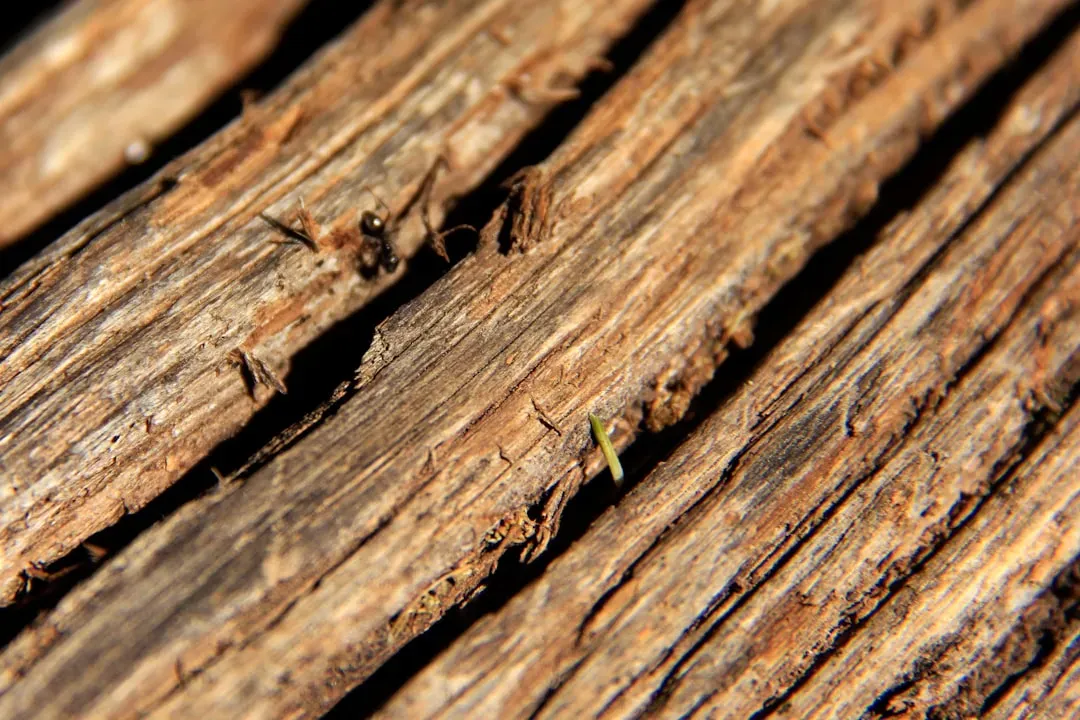
Cedarwood demonstrates itself as one of the most potent natural substances that repel termites, with cedarwood essential oil containing cedrol and thujone elements which poison termites and prevent their ability to breathe effectively. There’s a reason cedar has been used in construction for centuries.
The wood itself naturally resists termite damage, which is why you often see cedar used for outdoor decking and fencing. Cedarwood serves as a building and furniture material as it repels termites from cabinets and other wooden constructions. The essential oil concentrates these protective properties even further.
A basic preparation of cedarwood essential oil with water or alcohol forms an effective barrier spray. The woody, slightly sweet aroma that humans find pleasant is actually toxic to termites at a cellular level. It interferes with their respiratory function and nervous system.
Vulnerable exposed areas should receive placements of cedarwood blocks and shavings. You can strategically position these in closets, storage areas, and around the foundation. The scent slowly releases over time, creating a continuous protective effect. Honestly, cedarwood offers one of the longest-lasting natural solutions available, requiring less frequent reapplication than many other essential oils while simultaneously making your spaces smell warm and inviting.
Garlic: Not Just for Culinary Uses
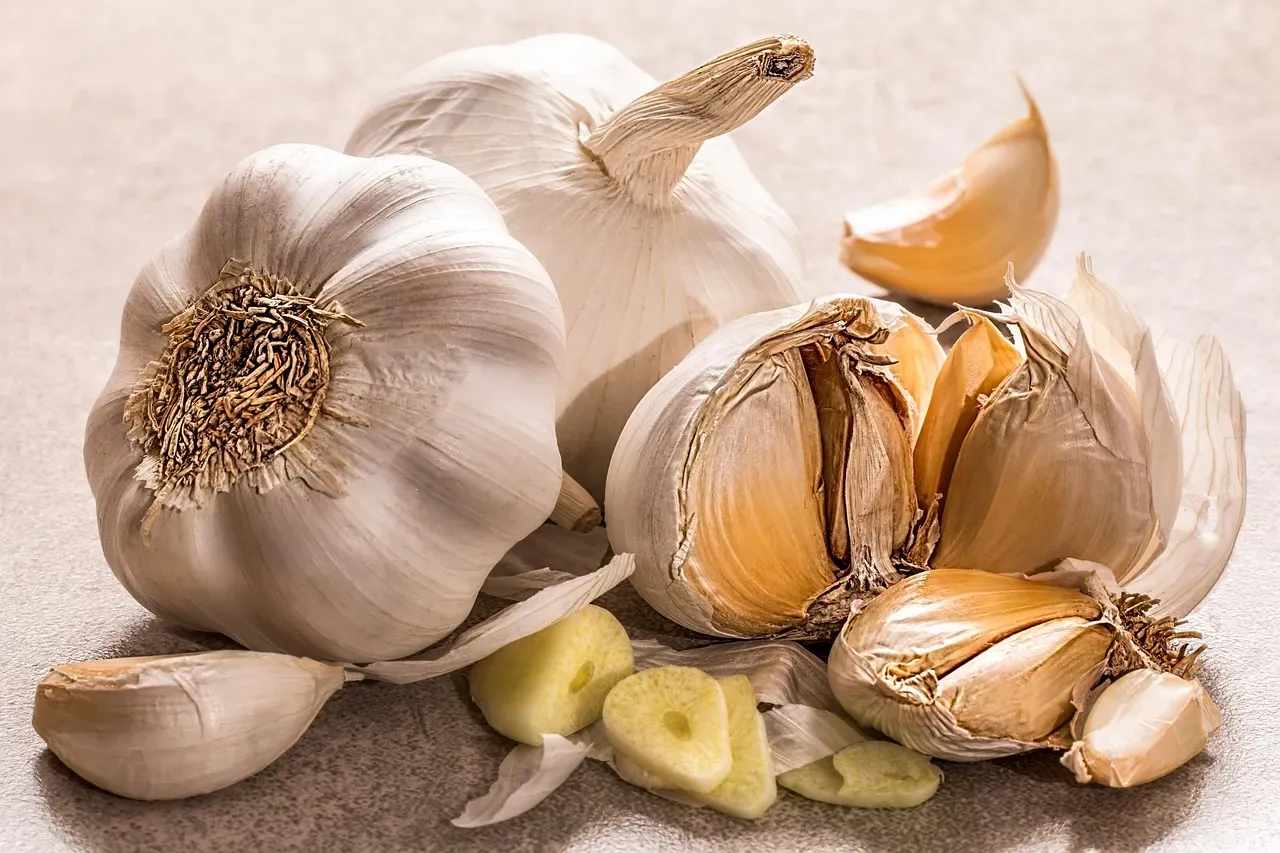
A study from Khyber Pakhtunkhwa Agricultural University shows that termites die within 24 hours when exposed to a garlic extract. Yes, the same ingredient that enhances countless dishes can actually eliminate these destructive pests.
Allicin has been shown to be an excellent termite repellent, and this compound forms when garlic cloves are crushed or damaged. The pungent smell that makes some people wrinkle their noses is absolutely intolerable to termites. Garlic is most fragrant and effective as a termite repellent when you crush the cloves.
The sulfur compounds released create a hostile environment that termites actively avoid. It’s hard to say for sure, but the intensity of crushed garlic might be one of the most powerful natural deterrents available. You can blend garlic cloves with water to create a spray solution.
Place crushed garlic or a simple garlic extract around your property in areas where you’ve noticed termite activity or suspect vulnerability. While the smell dissipates for humans relatively quickly outdoors, termites remain sensitive to even trace amounts. The beauty of garlic is its dual action – it both repels new termites and can actually kill those already present, making it useful for both prevention and active infestations.
Final Thoughts on Natural Termite Defense
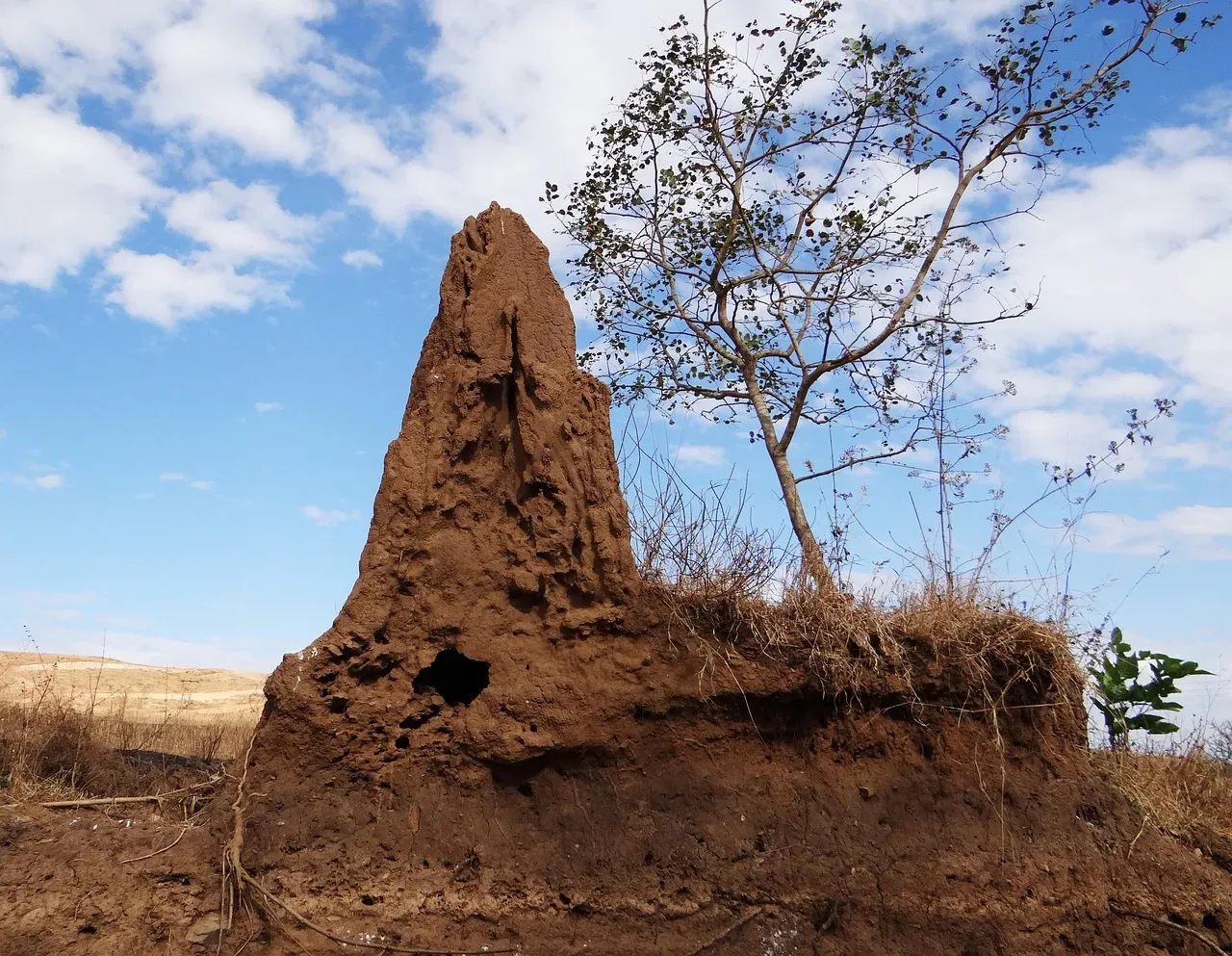
Natural scents offer a gentler, eco-friendly approach to protecting your home from termites without immediately resorting to harsh chemicals. These six options – clove oil, tea tree oil, vetiver grass, lemongrass, cedarwood, and garlic – each bring unique properties that termites find genuinely repulsive. The compounds they contain disrupt termite navigation, communication, and even their basic biological functions.
That said, it’s important to maintain realistic expectations. While these natural scents can effectively deter termites and work beautifully for prevention, severe infestations typically require professional intervention. Think of these botanical defenses as your first line of protection, particularly valuable when combined with proper moisture control and regular home inspections.
The wonderful thing about natural solutions is that they enhance your living environment rather than contaminating it. You’re not filling your home with synthetic pesticides that linger for months. Instead, you’re using aromatic plants and oils that serve double duty – protecting your property while creating pleasant spaces.
Have you tried any natural methods for termite control? What’s your experience been with these botanical defenders?

- 13 Tender Signs a Horse Is Grieving a Rider It Lost - July 28, 2026
- 11 Small Ways a Rescue Horse Shows It Has Finally Let a Human In - July 28, 2026
- 14 Quiet Ways a Horse Keeps Watch Over the Person It Has Claimed - July 28, 2026