
If you have ever stood in your yard and suddenly realized the birds sounded like a packed stadium, you might not be imagining it. Many backyard birds really do change their volume and behavior when the weather is about to flip, especially before storms, cold fronts, or heavy rain.
Scientists are still piecing together the exact mechanics, but we know birds are incredibly sensitive to shifts in air pressure, wind, light, and humidity. That means your neighborhood chorus can be an early-warning system nature hands you for free. Let’s look at seven common backyard birds that often get noticeably louder before the skies turn, and how to tell when their noise is more than just morning enthusiasm.
#1 American Robin: The Backyard Alarm Clock With a Barometer
🔥 Would you like to save this?
We'll email this post to you, so you can come back to it later!
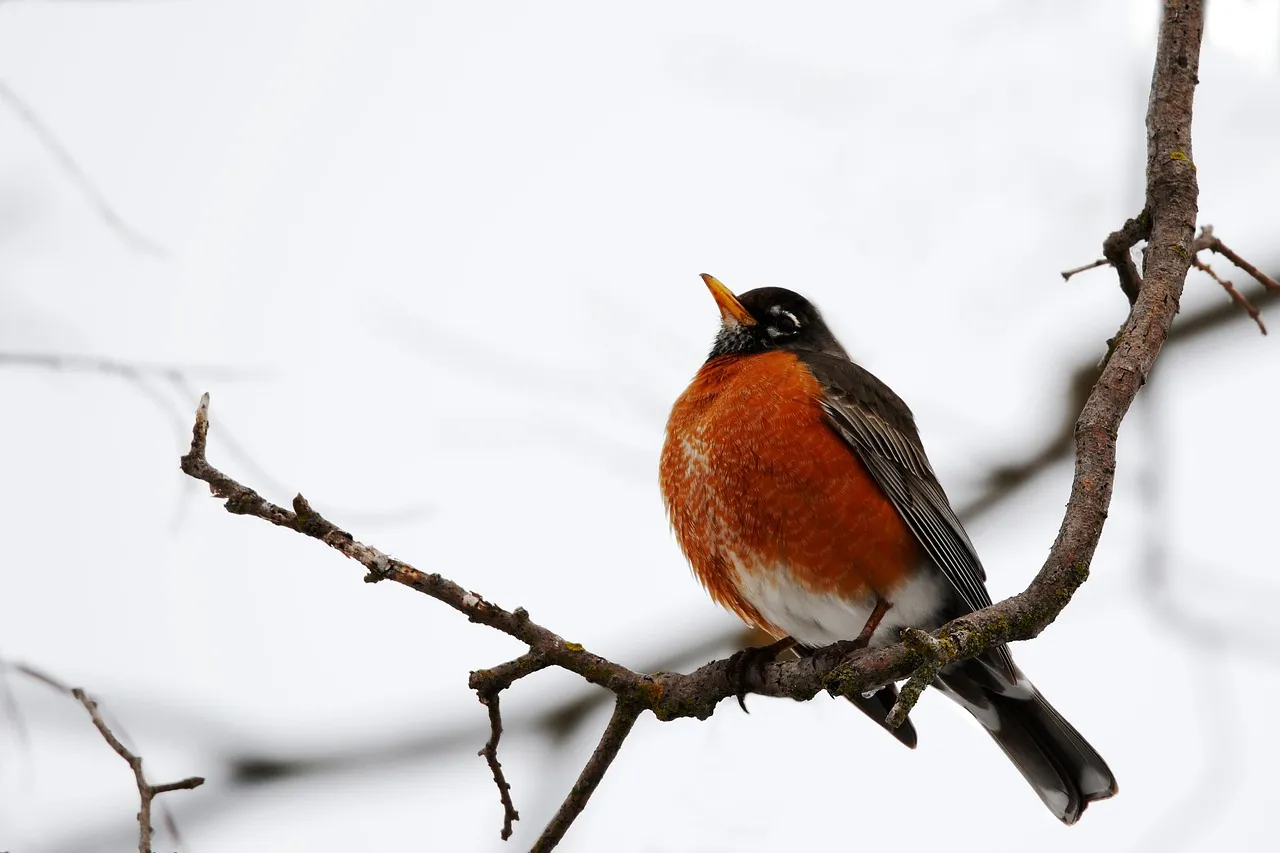
American robins are already famous for singing early, but many people notice they get especially vocal right before a storm or a sudden cold snap. Robins are sensitive to barometric pressure changes, and when they feel a front moving in, they often ramp up their foraging and calling while conditions are still decent. Their sharp “tut-tut” calls and liquid songs can seem almost frantic when a major change is coming.
There is also a practical reason for the volume spike: robins know that rain and wind can make it harder to find worms and insects. So when the air pressure drops and the sky turns that heavy, gray “something’s coming” color, they often sing and call more while grabbing as much food as possible. If your yard suddenly sounds like a robin convention in the middle of the afternoon, it may be worth checking the nearest radar rather than just your watch.
#2 House Sparrow: City Noise Makers That Don’t Waste Good Weather
🔥 Would you like to save this?
We'll email this post to you, so you can come back to it later!
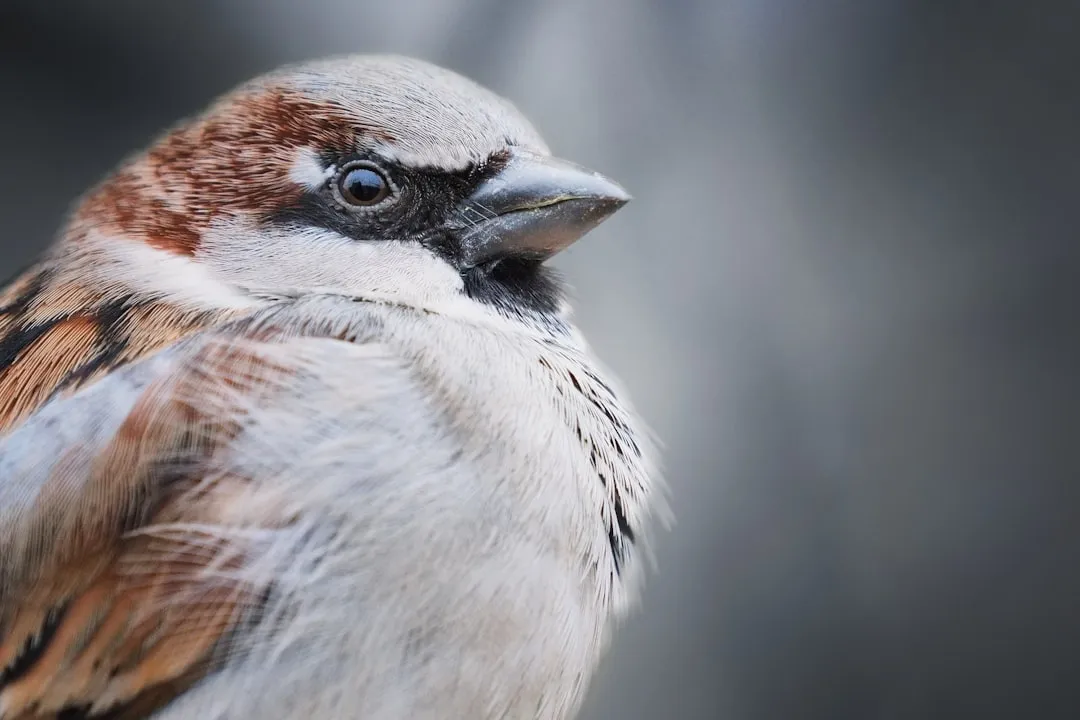
House sparrows may not be glamorous, but they are expert survivalists and extremely tuned into local conditions. In urban and suburban neighborhoods, flocks of house sparrows often become louder and more agitated when a weather shift is on the way. You might hear more constant chattering, rapid chirping, and group squabbles around hedges, gutters, and rooflines as they jostle for safe roosting spots before the wind and rain hit.
Because sparrows live so close to us, their behavior can be one of the easiest to notice. On calm days, they might chatter in short, scattered bursts; before a front, the sound can turn into a nearly continuous, high-pitched stream. In my own yard, I’ve learned that when the house sparrows suddenly sound like a heated neighborhood meeting around the shrubs, I probably have only a short window before the first dark clouds move in.
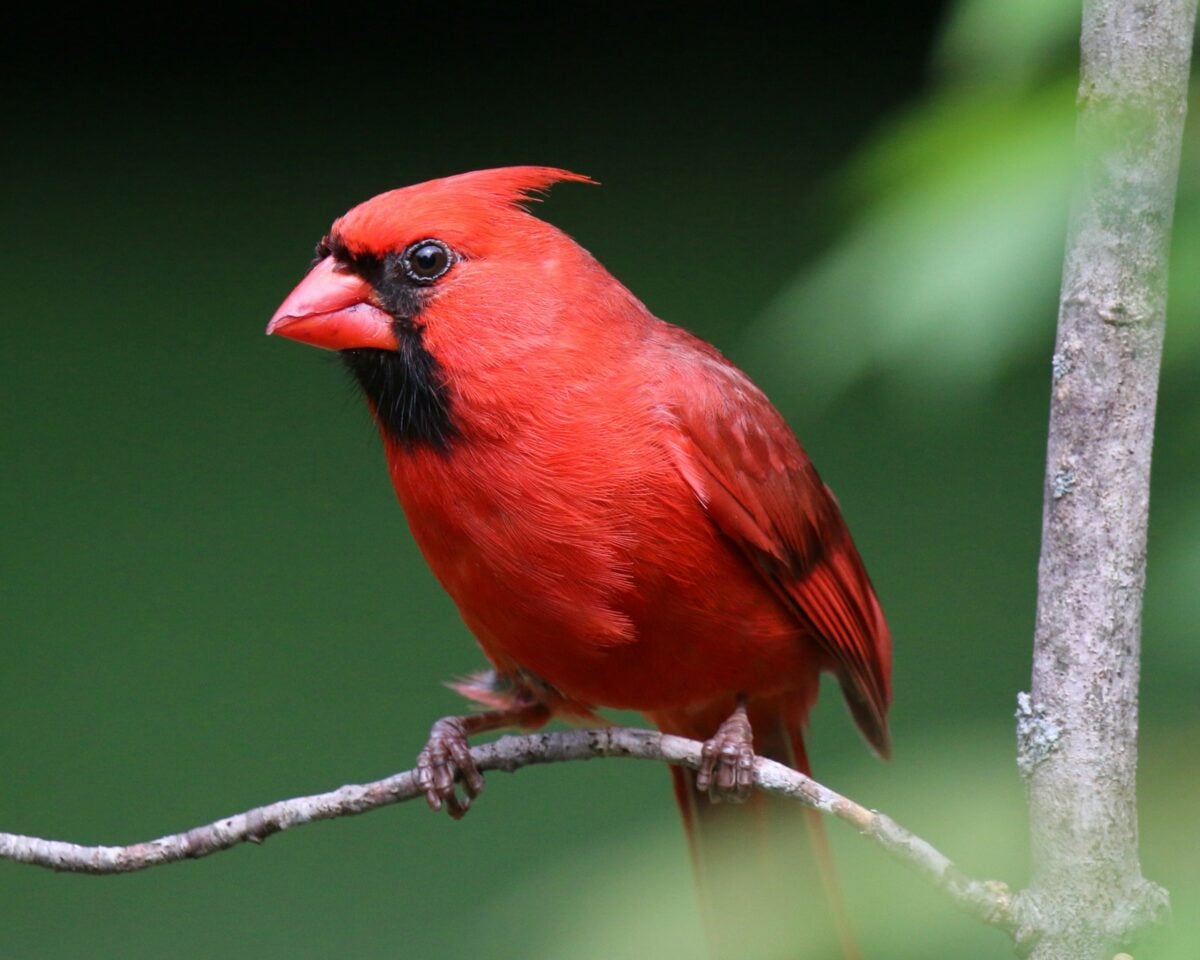
#3 Northern Cardinal: Bright Red Body, Bold Weather Commentary
🔥 Would you like to save this?
We'll email this post to you, so you can come back to it later!
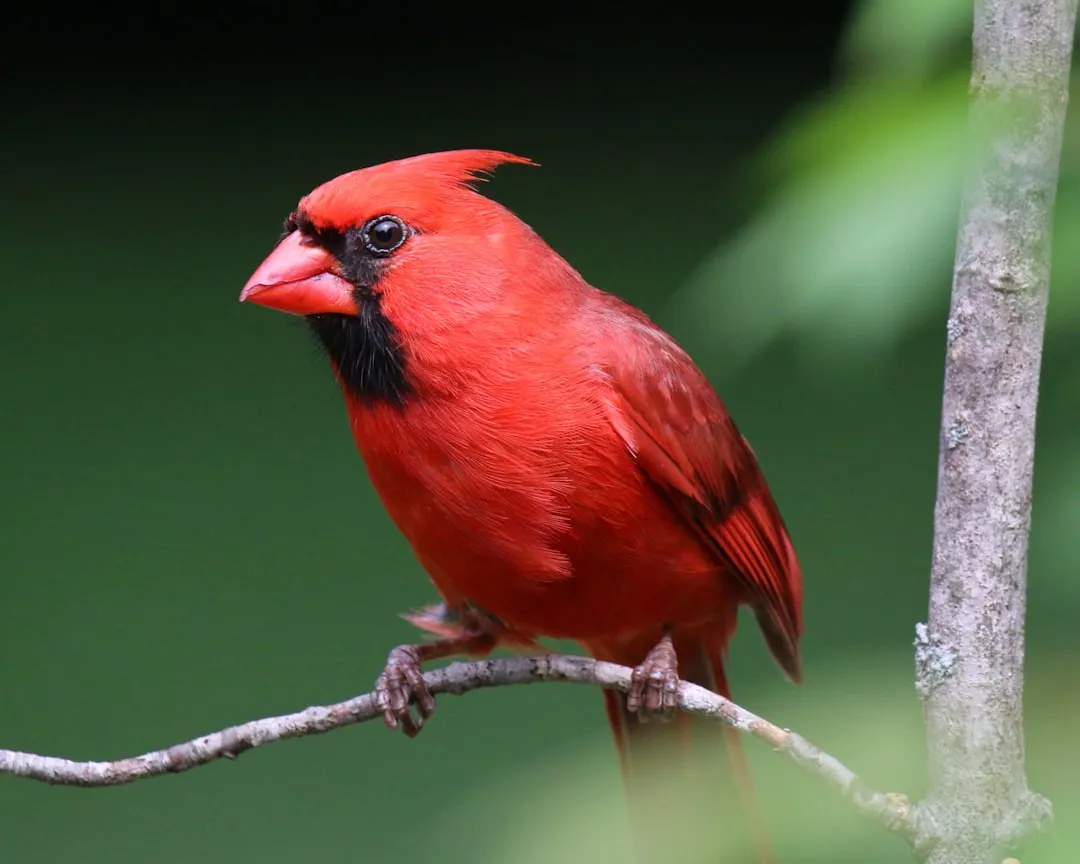
Northern cardinals are already loud, with clear whistling songs that cut right through background noise. Before a weather change, especially ahead of storms, cardinals often become even more conspicuous. Males may sing from high, exposed perches, repeating phrases more persistently as if they are trying to defend every inch of their territory before the wind and rain dilute the soundscape.
There is a territorial and practical side to this extra noise. Cardin als want to reinforce pair bonds, warn off rivals, and secure feeding spots while they still can. Sudden spikes in their sharp “chip” calls, combined with more visible, restless moves between shrubs and feeders, can hint that something is brewing in the atmosphere. When that bright red flash is paired with a chorus that will not quit, it is often a sign that the weather may not stay calm for long.
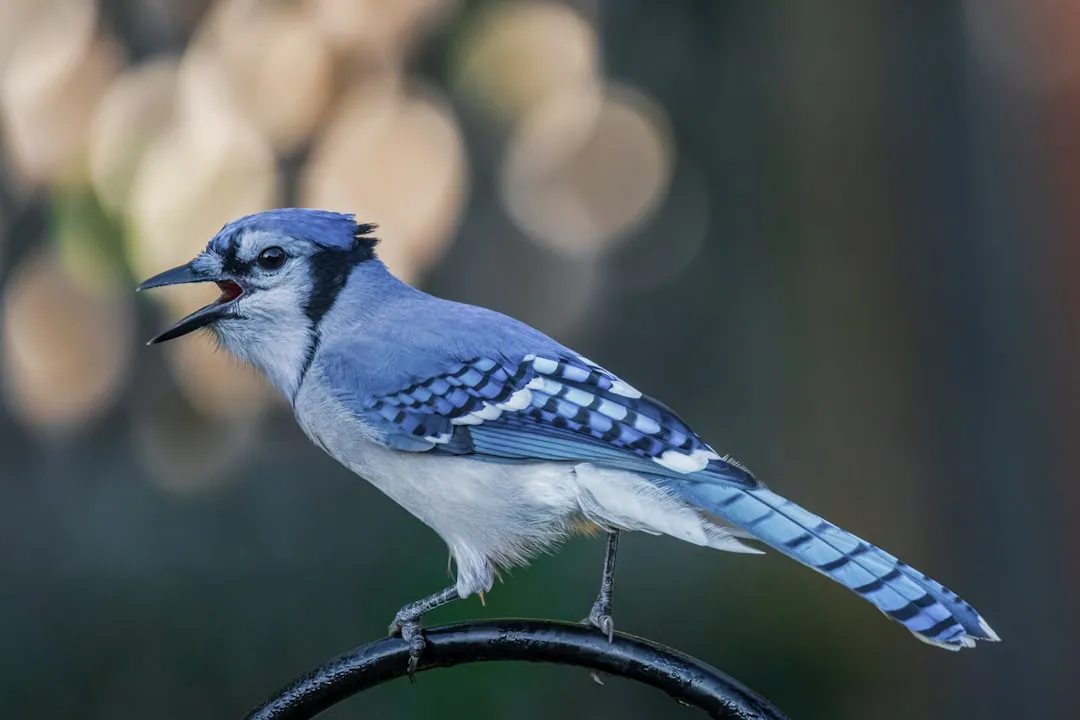
#4 Blue Jay: The Neighborhood Siren Before a Storm
🔥 Would you like to save this?
We'll email this post to you, so you can come back to it later!
Blue jays are already some of the loudest and boldest birds in North America, and their behavior before weather changes can be dramatic. These jays often issue more frequent harsh calls, alarm notes, and even mimic hawks more often when the environment starts to feel unstable. They are social birds, and increased vocalizing can be one way they keep the group coordinated as conditions shift.
They also have practical needs to solve quickly: finding secure roosts, stashing food, and sizing up potential threats that might take advantage of chaos during high winds or heavy rain. If your yard suddenly fills with repeated jay squawks and scolding calls, especially on an otherwise quiet afternoon, it may signal both a predator somewhere nearby and a storm system not far behind. Blue jays are like the loud neighbors who always seem to know what is going on first, even if they do not always explain it politely.

Portable Dog Water Bottle Foldable Dog Travel Water Bottle
Check Price on AmazonAs an Amazon Associate, we earn from qualifying purchases.
10/7/2026 1:29 pm GMTi

Glass Hummingbird Feeder for Outdoors Hanging, 16 oz Leak-Proof Nectar Feeder with Bee Guards & Ant Moat
Check Price on AmazonAs an Amazon Associate, we earn from qualifying purchases.
10/7/2026 1:22 pm GMTi

2 Pcs Halloween Pet Hat Bandana Set, Witch Pumpkin Costumes for Dogs
Check Price on AmazonAs an Amazon Associate, we earn from qualifying purchases.
10/9/2026 2:45 pm GMTi

PetSafe Oasys Pet Fountain, 1/2 Gallon (64 oz), Small Dogs & Cats
Check Price on AmazonAs an Amazon Associate, we earn from qualifying purchases.
10/8/2026 8:14 am GMTi

Smart Bird Feeder with Camera Solar Powered, 2K HD Live Video, 10,000+ Bird Species AI Identification
Check Price on AmazonAs an Amazon Associate, we earn from qualifying purchases.
10/7/2026 1:22 pm GMTi
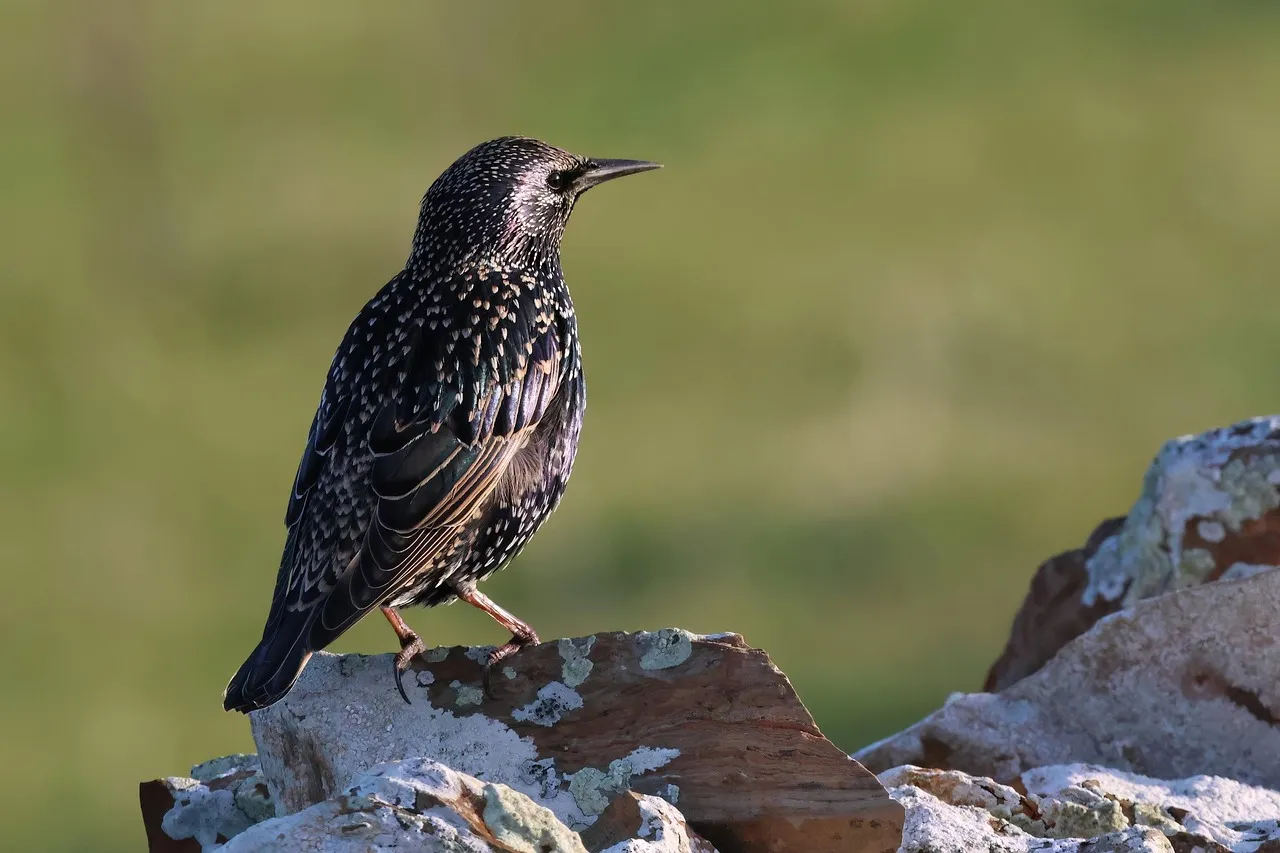
#5 European Starling: The Chaotic Chorus Before the Sky Turns
🔥 Would you like to save this?
We'll email this post to you, so you can come back to it later!
European starlings are famous for their huge flocks and noisy, buzzy, whistling chatter. Before a big weather change, especially in cooler seasons, starlings can become even louder and more restless around feeding areas, fields, and power lines. The group may shift into near-constant calling and movement, as individuals jostle for access to food and safe roosting spots before gusty winds and rain make flying riskier.
These birds are highly responsive to environmental cues, and their social nature amplifies small changes into a big spectacle. One bird getting jumpy can trigger dozens more into a wave of chatter and short flights. When you hear a starling flock go from noisy to almost absurdly loud and nervous, it often mirrors what the atmosphere is doing on a larger scale: energy building, pressure dropping, and a front pushing through.
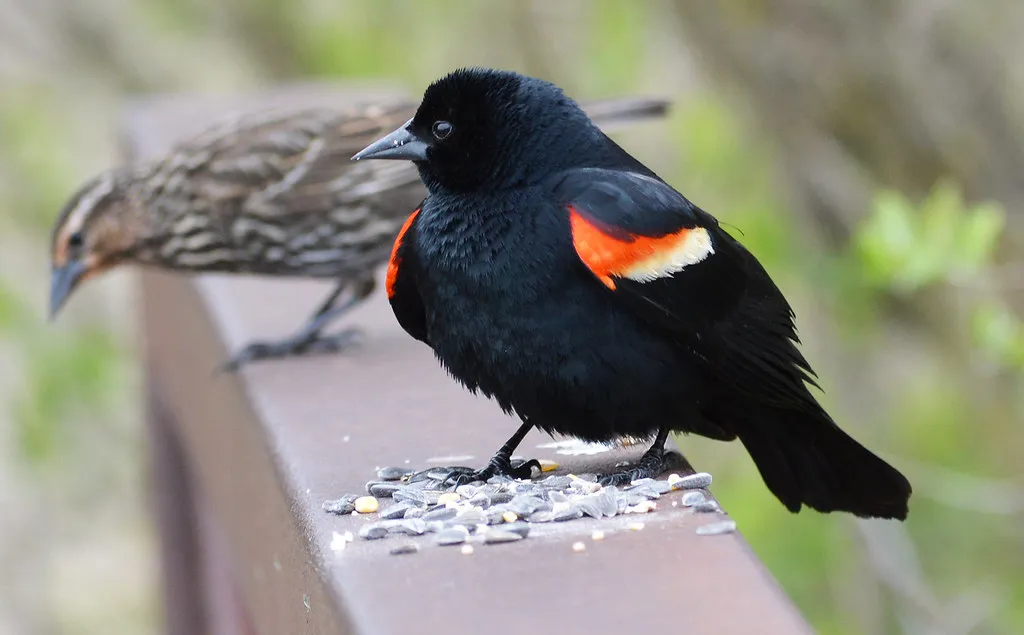
#6 Red-Winged Blackbird: Wetland Weather Watchers
🔥 Would you like to save this?
We'll email this post to you, so you can come back to it later!
Red-winged blackbirds are especially common around ponds, marshes, ditches, and damp fields, and those areas react strongly to changing weather. Males are known for their loud, rolling songs and sharp calls from reeds and fence posts. As a front approaches, their vocalizations can become more insistent and frequent, as they defend territories and feeding zones that will be directly affected by wind and water levels.
In many regions, large mixed flocks of blackbirds form outside of the breeding season, and these flocks can be extremely noisy before storms. A sudden surge of calls, fluttering flights, and group repositioning over fields or marsh edges often shows that these birds sense shifting conditions before you feel the first raindrop. If the wetland edge near you suddenly explodes into sound and movement, that is often nature’s version of a weather alert banner.
Chickadees might look cute and harmless, but they are actually superb information broadcasters, both to their own species and to others. Their classic “chick-a-dee” calls change structure depending on context, and they often call more actively when something is off in their environment, including shifting weather. Before storms or cold snaps, you may notice more frequent calls and visits to feeders as they stock up on calories for the tougher hours ahead.
Because chickadees are year-round residents in many areas and stick close to familiar territories, their behavior is a great baseline to pay attention to. On typical days, they move in small, steady pulses. Before a front, you might see them become more intense, almost like shoppers right before a sale ends. When your normally calm chickadee crew suddenly buzzes around the feeder and trees, chattering more loudly than usual, it is often a subtle but reliable sign that the atmosphere is about to change.

Earth Rated XL Dog & Puppy Pee Pads, Discreet Top, Max Absorbency
Check Price on AmazonAs an Amazon Associate, we earn from qualifying purchases.
10/7/2026 1:28 pm GMTi

Air Purifiers for Home Pets Large Room Up to 3000 Ft²,HEPA Air Cleaner with Washable Double-Side Filter, PM2.5 Air Quality Monitor,15dB Sleep Mode for Bedroom Odor Dust Pollen,White
Check Price on AmazonAs an Amazon Associate, we earn from qualifying purchases.
10/8/2026 8:23 am GMTi

Hand Blown Glass Hummingbird Feeders for Outdoors Hanging, 24oz Wild Bird Nectar Feeder
Check Price on AmazonAs an Amazon Associate, we earn from qualifying purchases.
10/7/2026 1:23 pm GMTi

Professional 7 in 1 Dog Paw Cleaner for Dogs & Cats - Includes 1 Portable Paw Washer, 1 Bath Brush
Check Price on AmazonAs an Amazon Associate, we earn from qualifying purchases.
10/7/2026 1:26 pm GMTi

Halloween Dog Collar with Bow, Orange Cute Ghost Collar,
Check Price on AmazonAs an Amazon Associate, we earn from qualifying purchases.
10/9/2026 2:43 pm GMTi
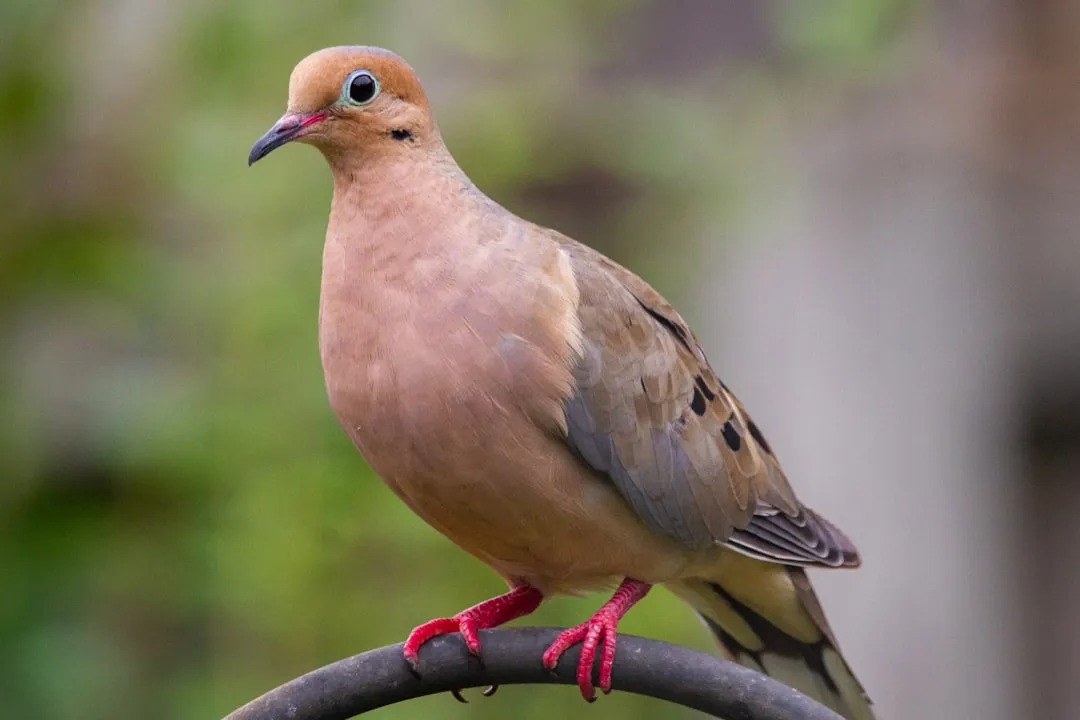
#7 Mourning Dove: Soft Voices That Sometimes Swell Before Rough Weather
🔥 Would you like to save this?
We'll email this post to you, so you can come back to it later!
Mourning doves are not as obviously noisy as jays or starlings, but their behavior can still shift before weather changes. Traditionally they are known for their soft, mournful coos and quick, whistling wingbeats when taking off. Before storms or cold fronts, you may notice more frequent cooing, short flights, and gathering around food sources or sheltered ledges as they try to prepare quietly but efficiently.
The increase in sound is often more subtle with doves, but it can still stand out when your yard is otherwise calm. A small group that suddenly becomes more vocal, moving between power lines, roofs, and feeders with a bit more urgency, reflects an instinct to secure calories and cover before conditions deteriorate. It is a different kind of loudness, more like a background soundtrack turning up a notch, but once you notice it, it becomes hard to ignore as a possible signal of approaching rough weather.

Halloween Cat Costume Cloak Witch Hat Pet Accessories
Check Price on AmazonAs an Amazon Associate, we earn from qualifying purchases.
10/9/2026 2:44 pm GMTi

Orthopedic Extra Large Dog Bed, Waterproof Washable XL Pet Bed 44"
Check Price on AmazonAs an Amazon Associate, we earn from qualifying purchases.
10/7/2026 1:32 pm GMTi

Dog Stairs for Bed 18" H, 4-Step Dog Steps for High Bed
Check Price on AmazonAs an Amazon Associate, we earn from qualifying purchases.
10/9/2026 2:42 pm GMTi

Glass Hummingbird Feeder for Outdoors Hanging
Check Price on AmazonAs an Amazon Associate, we earn from qualifying purchases.
10/7/2026 1:21 pm GMTi
Conclusion: Your Backyard Soundtrack Is a Living Weather Report
🔥 Would you like to save this?
We'll email this post to you, so you can come back to it later!
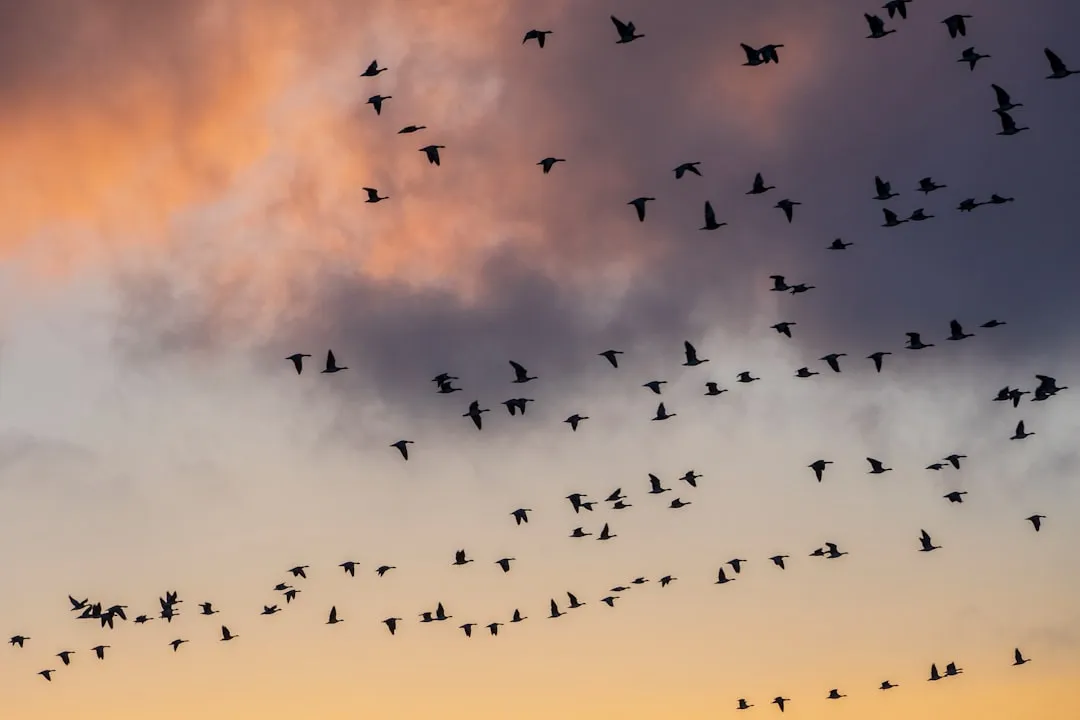
When you start listening for it, the sudden spike in bird noise before a front or storm feels almost eerie, like the neighborhood has a hidden group chat you were not invited to. Robins hammering out songs in the middle of the afternoon, sparrows arguing in every hedge, jays and starlings sounding off like sirens, and even chickadees and doves ramping up the background hum all add up to a real-time readout of what the atmosphere is doing. Birds are not magical forecasters, but they are fine-tuned survivors reacting honestly to shifts in pressure, wind, light, and food availability.
In my view, that makes ignoring them a bit like turning off every free weather alert on your phone. You do not need perfect scientific certainty to let your ears nudge you to check the sky or move plans up by an hour. The next time your yard suddenly erupts in calls and songs that feel just a bit too intense for the moment, ask yourself whether your local birds might be noticing the next chapter of the forecast before you do. What is your backyard chorus trying to tell you today?

- 14 Things a Cat Does at Night That Nobody Ever Sees - November 8, 2026
- 16 Things a Dog Does That Mark a Genuinely Settled Household - November 8, 2026
- 14 Breeds That Take Longest to Settle After a Move - November 8, 2026