

Few creatures on earth trigger a reaction quite like a snake does. A flash of scales in the grass, a rustle in the undergrowth – and suddenly, a perfectly calm person becomes a sprinting, shrieking mess. Honestly, it’s kind of fascinating when you think about it.
Snakes are perhaps the most misunderstood creatures in the animal world. From folklore to Hollywood portrayals, misconceptions about these reptiles have slithered into our collective consciousness, creating unwarranted fear and sometimes leading to harmful encounters for both humans and snakes.
The truth is, most of what the average person believes about snakes is either exaggerated, distorted, or just plain wrong. Experts have spent decades trying to correct the record, yet the myths endure. Let’s dive in and sort the facts from the fiction – you might be genuinely surprised by some of these.
Myth #1: All Snakes Are Venomous and Dangerous
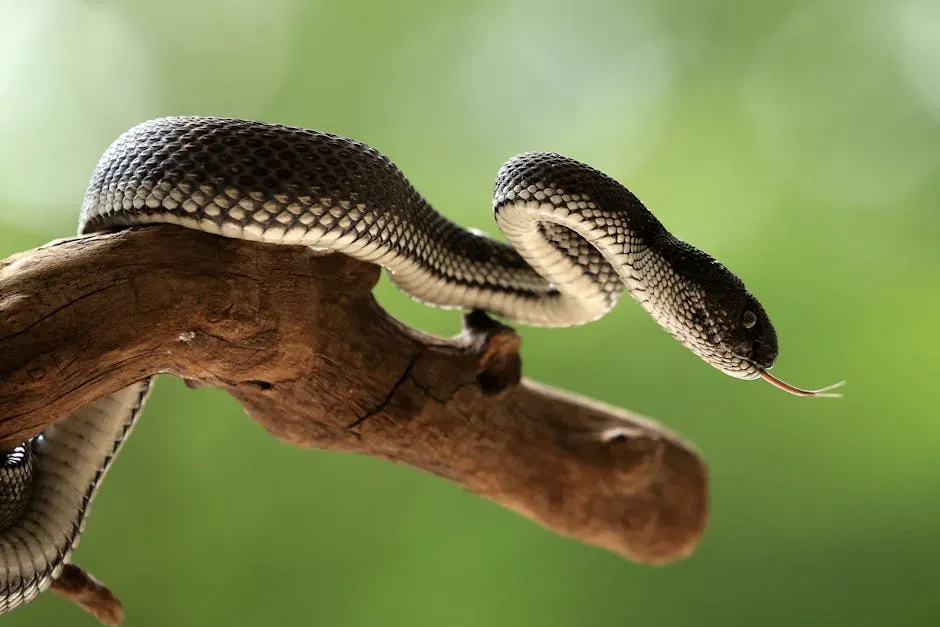
Here’s the thing – this might be the single most damaging myth of all, because it leads people to kill snakes on sight without a second thought.
Not all snakes are venomous. Of the roughly 3,400 snake species found worldwide, only about 600 are capable of delivering a venomous bite. The remaining species pose little threat to humans. That’s a remarkable number when you stop and think about it. The vast majority of those thousands of species are completely harmless.
Snakes are key players in keeping nature’s balance. They’re nature’s own pest control, helping to keep rodent and insect numbers in check, which doesn’t just help farmers – it also cuts down on the spread of diseases.
Non-venomous snakes have their own ways of catching prey, often relying on constriction. Many people mistakenly believe they can spot a venomous snake by its triangular head or certain colors. In reality, some harmless snakes have evolved to look like their more dangerous relatives, making identification tricky. Think of it like a kid wearing a Halloween costume to scare the neighbors – the disguise works, but there’s no real danger underneath.
Myth #2: Snakes Are Slimy
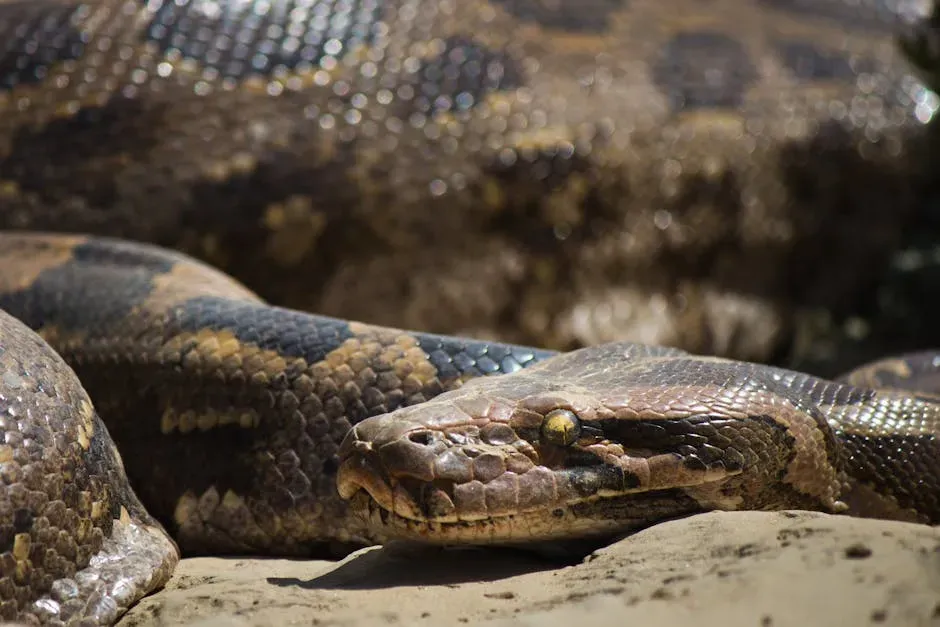
Let’s be real – this one is practically universal. Ask anyone who has never held a snake, and the word “slimy” will come up almost every single time.
A common misconception is that snakes are slimy. Since snakes look shiny, they appear wet and slimy, like fish. In fact, snake skin is smooth and dry. That glossy appearance is just a trick of the light reflecting off tightly overlapping scales.
The misconception about sliminess may stem from the way snakes move so fluidly, or how their scales can appear glossy in certain light. Some snakes, particularly those that have recently shed their skin, might have an especially shiny appearance.
If you were to touch a snake – which should only be done with captive snakes and proper handling knowledge – you’d find the texture surprisingly pleasant: smooth, dry, and often warm from the sun. Not exactly the slimy nightmare most people envision, is it?
Myth #3: Snakes Will Chase and Attack You
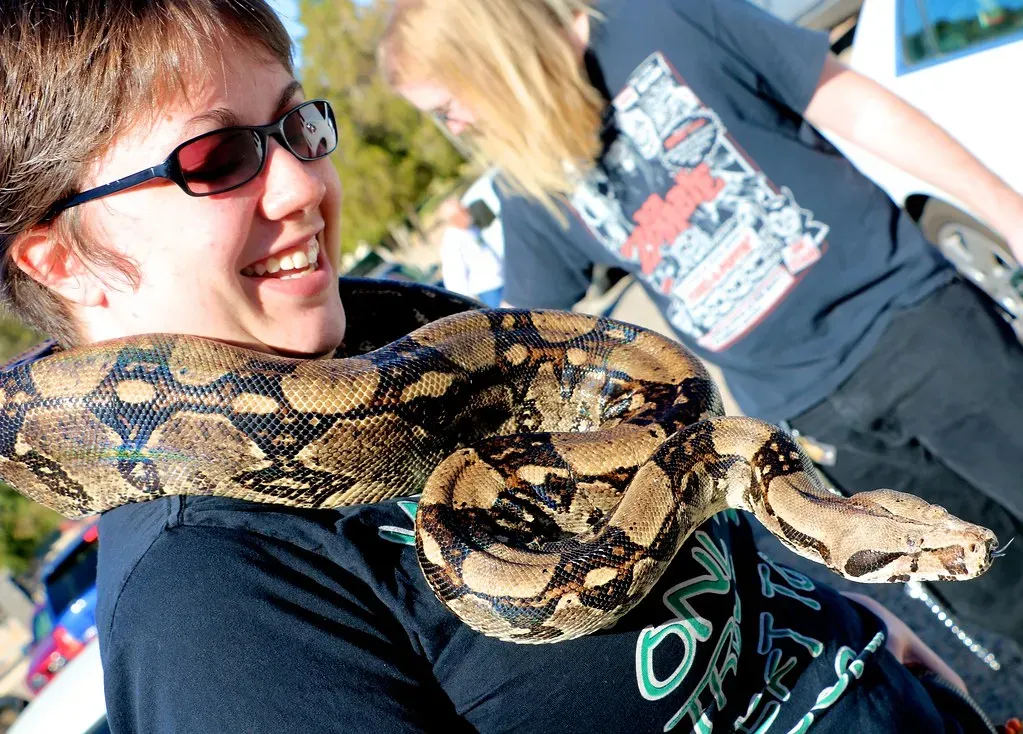
This is possibly the most emotionally charged myth on this entire list. It taps into something primal – the terror of being hunted. It’s a gripping story, but herpetologists simply don’t buy it.
Many people who have spent time outdoors have a story about being chased by snakes. But herpetologists – people who study reptiles and amphibians – never seem to have this experience. They find that snakes are always trying to escape.
Snakes have no interest in chasing humans. They’re generally shy creatures that prefer to avoid confrontation. When a snake appears to be “chasing” someone, it’s typically because the person is inadvertently blocking the snake’s escape route, and the snake is simply trying to reach safety.
Cottonmouths, for example, may stand their ground when threatened rather than retreat immediately, which people misinterpret as the snake preparing to attack. In reality, the snake is displaying defensive posturing while looking for an opportunity to escape. Given the option, virtually all snakes will choose flight over fight when encountering humans. The snake is just as terrified as you are – maybe more so.
Myth #4: You Can Identify a Venomous Snake by Its Head Shape
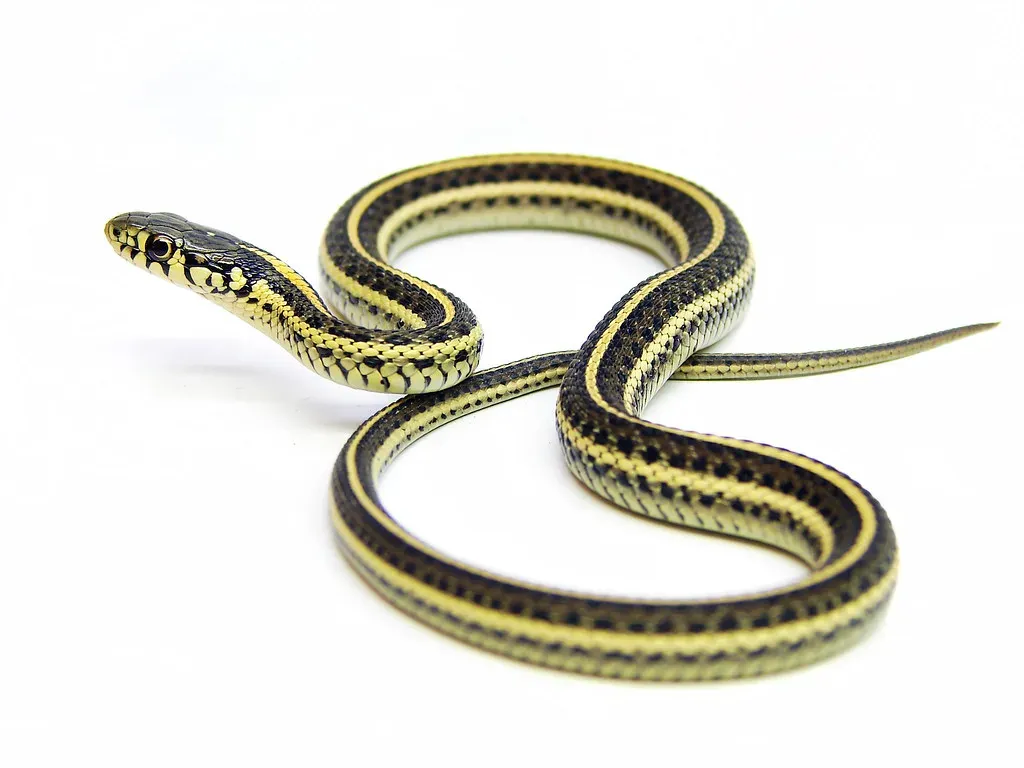
People have been passing this one down for generations like it’s gospel truth. Triangular head? Venomous. Round head? Safe. Simple, right? Wrong – dangerously wrong, in fact.
A dangerous misconception people believe is that a venomous snake can be identified by a triangular head or a colorful body. Snakes possess a comprehensive variety of characteristics that have evolved according to their survival needs or habitat, so a presumption based on such features can be fatal.
A triangular-shaped head usually associated with the venomous Viperidae family is also a feature of the Indian Rock Python, which is a non-venomous snake. On the other hand, the Common Krait, which is part of the “Big Four” most venomous snakes in India, possesses a rounded head. That’s a truly sobering example of how the “triangular head” rule can get someone killed.
Some harmless snakes even have the ability to move the bones in their skulls into a triangular shape to appear dangerous, in an effort to ward off threats. So not only is the rule unreliable – snakes are actively exploiting it as a bluff tactic. You really can’t win with a simple visual test.
Myth #5: Snakes Are Deaf
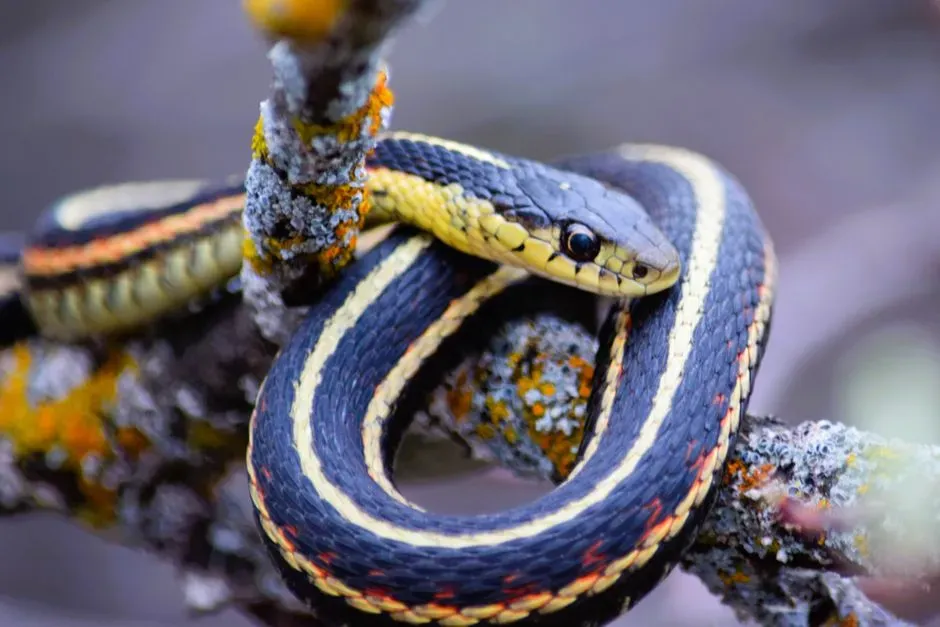
It’s a surprisingly common belief – people assume that because snakes have no visible ears, they must be living in complete silence. It sounds almost poetic, but it’s simply not accurate.
Snakes may not have visible ears, but they aren’t deaf. They have inner ear structures that allow them to detect vibrations, and this ability helps them sense the presence of prey, predators, and other environmental cues.
Think of it like this: snakes essentially “hear” through the ground. Their jawbones and body are exquisitely sensitive to vibrations traveling through surfaces. It’s a completely different system than human hearing, but it works remarkably well for an animal that spends so much time close to the earth.
This also explains something interesting about snake charmers. The myth of snake hypnosis often arises from the cobra’s behavior or the “dance” seen when snake charmers are involved. The snake isn’t enchanted by the music. It’s responding to the movement of the instrument and the vibrations in its environment. The “dance” is actually the snake tracking a potential threat.
Myth #6: Snakes Are Boneless
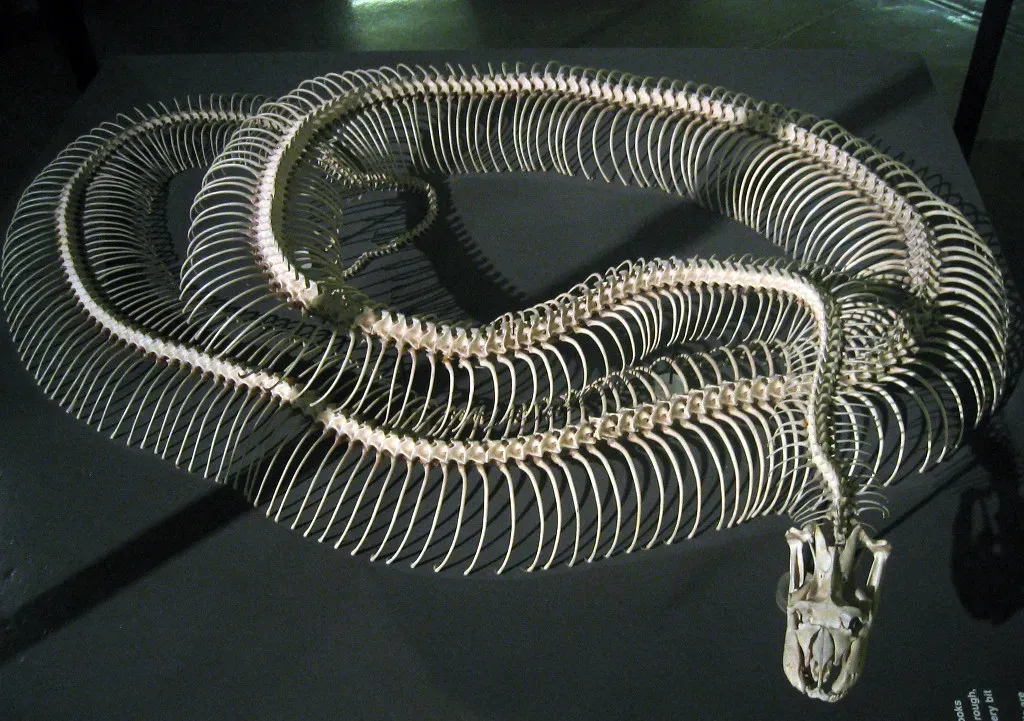
I know it sounds crazy, but a surprising number of people genuinely believe that snakes must be boneless – or at least have very few bones – because of how they bend and coil so effortlessly. It feels logical. It’s completely wrong.
It’s tempting to think snakes are boneless or nearly so, considering how flexible and slithery they are. Actually, snakes have a rather sophisticated skeleton. They have up to 400 bones – more than humans, in fact. Most of these bones are vertebrae and ribs, and snakes have a very long spine that goes almost the entire length of their body.
That incredible flexibility doesn’t come from a lack of structure. It comes from an extraordinary number of highly mobile joints, all working in perfect coordination. It’s a bit like comparing a stiff ruler to a long chain – more links means more movement, not less structure.
This skeletal complexity is also exactly what allows large snakes to consume prey far bigger than their own heads – a feat that requires some genuinely impressive biological engineering, not a boneless body.
Myth #7: Snakes Are Harmful to the Ecosystem and Should Be Killed on Sight
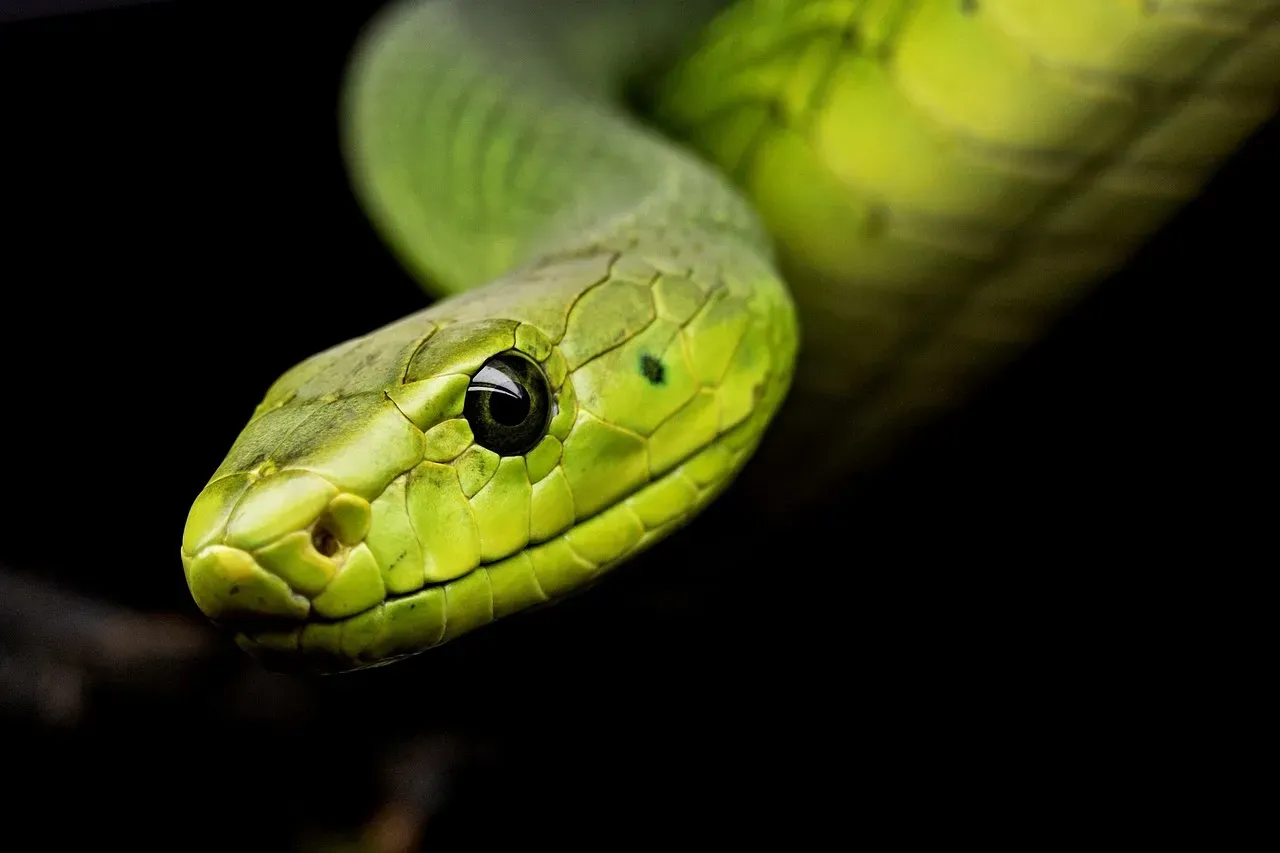
This might be the most consequential myth of them all. The idea that a “good snake is a dead snake” has persisted stubbornly in many rural and suburban cultures, and the ecological cost of that belief is real.
Snakes are a critical part of controlling pest populations and the diseases that pests spread, from insects and rats to frogs. Timber rattlesnakes, which eat small mammals in places like forests in the eastern U.S., have directly benefited human health. Research indicates that each snake removes up to 4,500 ticks annually in these areas, as they hunt the small mammals that ticks gravitate to. This makes it much less likely that those ticks will spread Lyme disease to people.
Snakes play a vital role in the ecosystem, and indiscriminate killing can disrupt the delicate balance of nature. It’s important to exercise caution and avoid harming snakes unnecessarily.
Globally, snake populations have decreased due to actions such as habitat destruction, overexploitation, illegal trade, and intentional killing. In some cases, farmers have accidentally killed non-venomous species by confusing them with venomous ones due to negative attention on social media. This attention can easily eclipse the benefits of these reptiles and exacerbate false misconceptions, making it hard for people to view these reptiles as species that deserve basic respect and survival, just like any other protected animal.
The Bigger Picture: Why Getting This Right Actually Matters
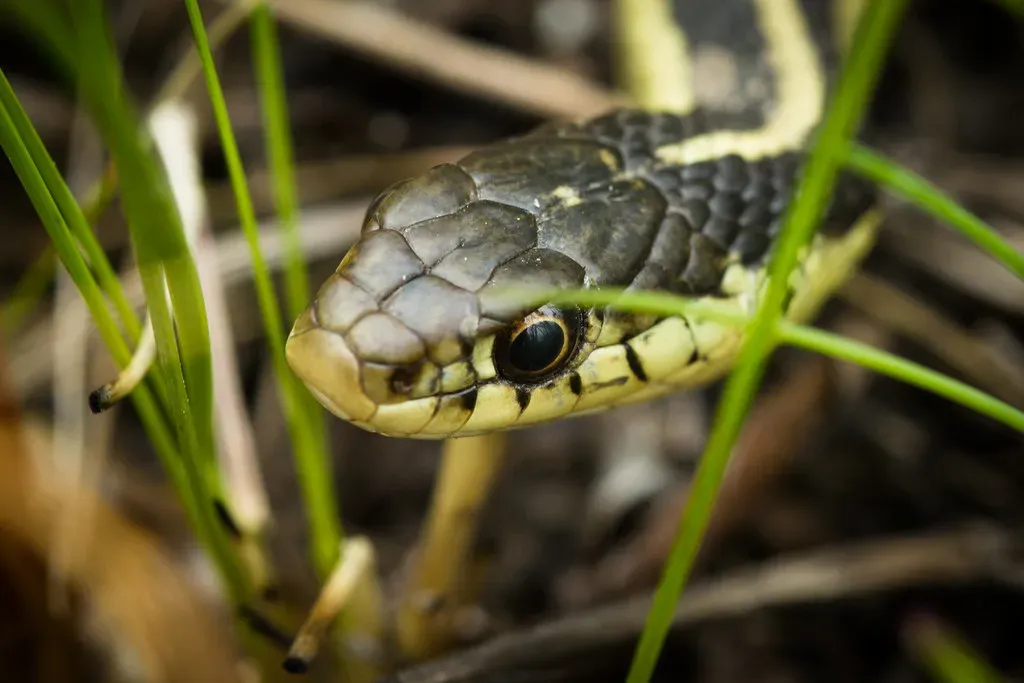
The repercussions of our deeply ingrained fear of snakes ripple far beyond individual experiences and exert a profound influence on how we perceive and care for these creatures, directly affecting conservation efforts.
Misinformation isn’t a harmless quirk. It leads to real consequences – snakes killed unnecessarily, ecosystems disrupted, and entire species pushed closer to extinction because of myths that a few facts could easily dissolve.
When our understanding of snakes remains shrouded in myths, we tend to make decisions tainted by preconceived notions. These prevalent misconceptions have further limited our knowledge of snakes compared to other animals. That knowledge gap is gradually closing, revealing that snakes are intricate beings capable of far more than the villainous reputation they’ve been given.
Next time you spot a snake and feel that familiar spike of panic, take a breath. Chances are, that snake wants nothing to do with you – and it’s doing a quiet, thankless job keeping your local ecosystem in balance. It doesn’t need your admiration, but it does deserve your respect.
Could changing how we see snakes actually change how we treat the natural world around us? What do you think? Share your thoughts in the comments below.

- 17 Signs Your Dog Has Quietly Made One Person Its Whole World, According to Behaviourists - July 31, 2026
- 16 Once-Common Dog Breeds Vets Say They Now Go Entire Years Without Ever Treating - July 31, 2026
- The 17 Garden Regrets Experienced Growers Say They Hear From Almost Every Single Beginner They Meet - July 31, 2026