
Most dogs share a familiar blueprint: four legs, a wagging tail, a coat of fur. Then you meet a few breeds that seem to have been designed by a committee that never compared notes. Some have purple tongues, some have extra toes, and one has a ridge of hair growing the wrong way along its back.
These aren’t random quirks. Each trait has a genetic explanation, and often a working history behind it. Here are seven breeds whose bodies are truly distinctive, counted down from seven to one.
7. Chinese Shar-Pei: The Wrinkled Coat and Blue-Black Tongue
🔥 Would you like to save this?
We'll email this post to you, so you can come back to it later!
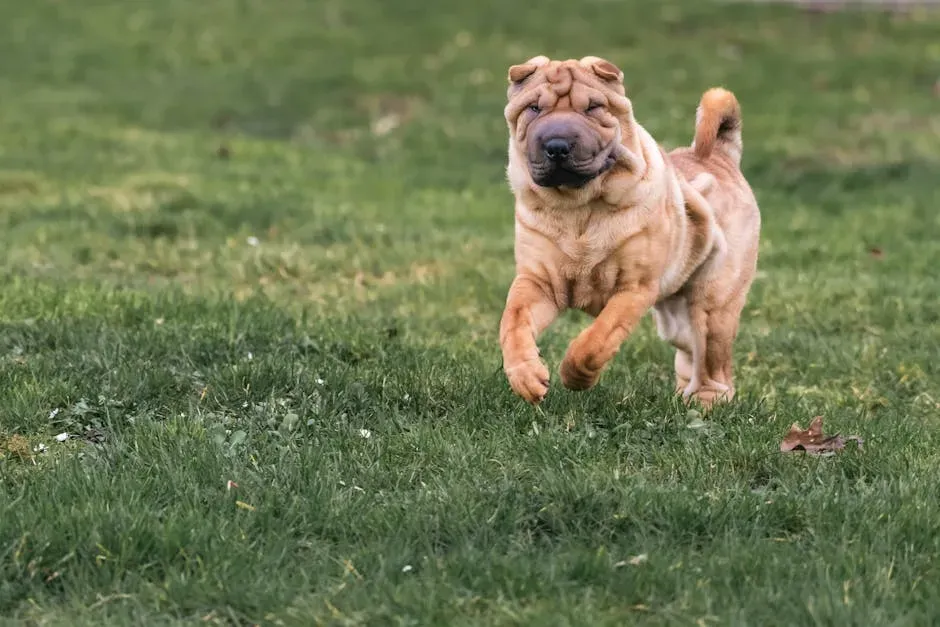
The Shar-Pei is famous for deep folds of skin, especially noticeable in puppies. Adults usually keep wrinkles around the head, neck and shoulders. The coat itself is short and bristly, and the name is often translated as “sand skin” in reference to its rough feel.
Then there’s the tongue. Shar-Pei typically have a bluish-black tongue, a trait they share with only a small number of other breeds. It’s a pigment feature, not a sign of illness, though a sudden color change in any dog’s tongue is worth a vet visit.
The wrinkles are tied to a genetic change that affects hyaluronan, a substance in the skin. Researchers have linked this to a recurrent fever syndrome that affects the breed. So the look that makes the Shar-Pei so recognizable also comes with some real health baggage.
Breeders and vets have debated for years how much wrinkling is too much, especially around the eyes. Extreme folds can cause irritation and eyelid problems. The breed shows how a striking trait can be a burden as well as a badge.
6. Chow Chow: The Lion Mane and Purple Tongue
🔥 Would you like to save this?
We'll email this post to you, so you can come back to it later!
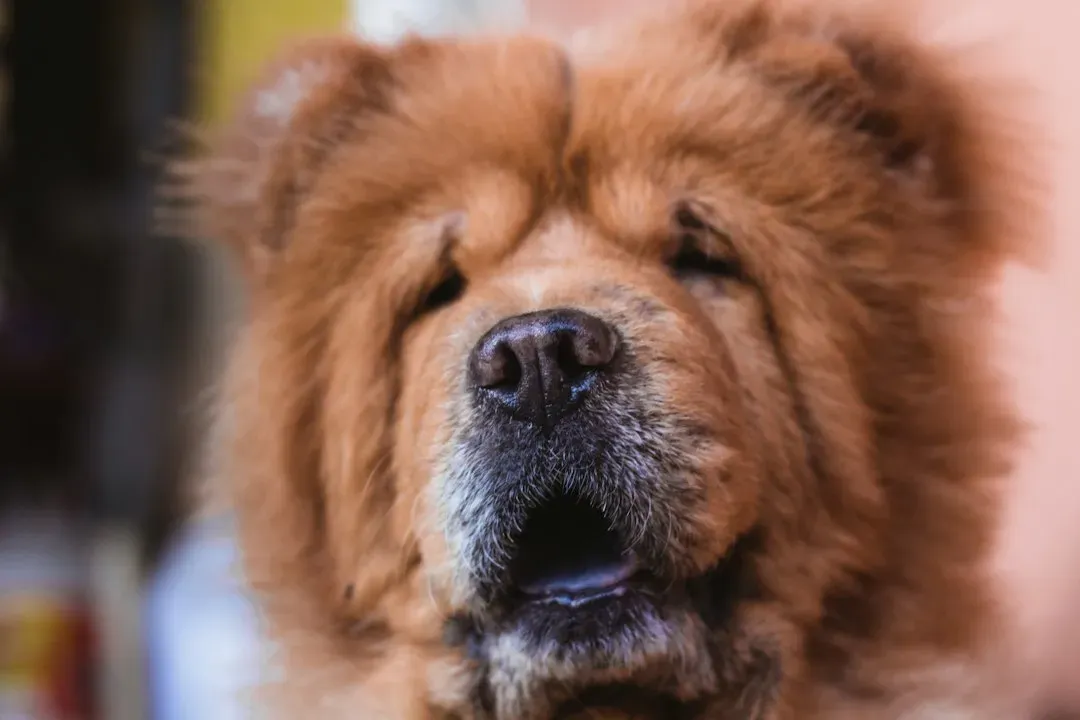
The Chow Chow looks like a small lion that took a wrong turn. A thick double coat forms a ruff around the neck, and the face is broad with a scowling, serious expression. The stiff, straight rear legs give it a stilted walk that few other breeds copy.
Its tongue is the headline feature, a deep blue-black that is solid across the surface. Puppies are born with pink tongues, and the dark pigment develops as they grow. Few breeds show the trait so consistently.
Chows are among the breeds often described as ancient in genetic studies of Asian dogs, though the exact story of their origins is still debated. What’s clearer is that the coat was built for cold weather, and it makes the dog prone to overheating in warm climates. Owners in hot places need to be careful with exercise and grooming.
The coat also needs steady brushing, especially during shedding season. Skipping it can lead to matting close to the skin. It’s a lot of fur for a dog with such a reserved personality.
5. Xoloitzcuintli: Hairless by Design
🔥 Would you like to save this?
We'll email this post to you, so you can come back to it later!
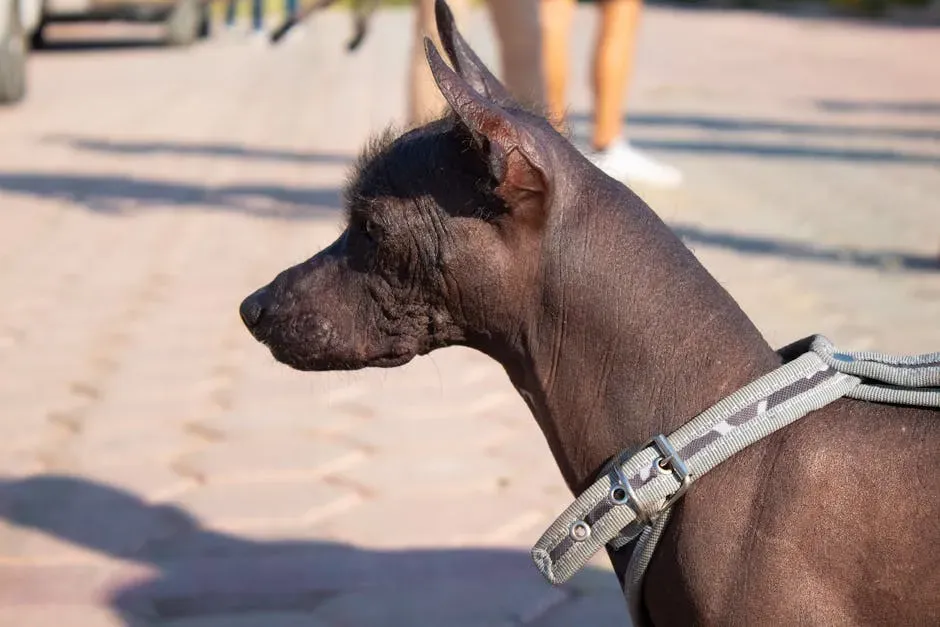
The Xoloitzcuintli, often called the Xolo, is a hairless breed from Mexico with a history stretching back many centuries. It comes in toy, miniature and standard sizes. Its smooth skin can be gray, black, bronze or other shades, and some individuals have a bit of hair on the head or tail.
Hairlessness in dogs is linked to a mutation in a gene called FOXI3. The same mutation affects teeth, so hairless Xolos often have missing or unusual teeth. A coated variety exists too, born in the same litters, which shows how the trait is inherited.
Skin care matters more than people expect. Without fur, the dog can sunburn, and some get acne or dry patches. Sunscreen and moisturizer aren’t gimmicks for this breed.
Many owners also say the skin feels warm to the touch. That has more to do with the lack of an insulating coat than a higher body temperature. It’s one more small oddity in a breed that looks unlike almost anything else.

Dog Stairs for Bed 18" H, 4-Step Dog Steps for High Bed
Check Price on AmazonAs an Amazon Associate, we earn from qualifying purchases.
10/9/2026 2:42 pm GMTi

Halloween Cat Costume Cloak Witch Hat Pet Accessories
Check Price on AmazonAs an Amazon Associate, we earn from qualifying purchases.
10/9/2026 2:44 pm GMTi

PetSafe Oasys Pet Fountain, 1/2 Gallon (64 oz), Small Dogs & Cats
Check Price on AmazonAs an Amazon Associate, we earn from qualifying purchases.
10/8/2026 8:14 am GMTi

Halloween Dog Collar with Bow, Orange Cute Ghost Collar,
Check Price on AmazonAs an Amazon Associate, we earn from qualifying purchases.
10/9/2026 2:43 pm GMTi

Earth Rated XL Dog & Puppy Pee Pads, Discreet Top, Max Absorbency
Check Price on AmazonAs an Amazon Associate, we earn from qualifying purchases.
10/7/2026 1:28 pm GMTi
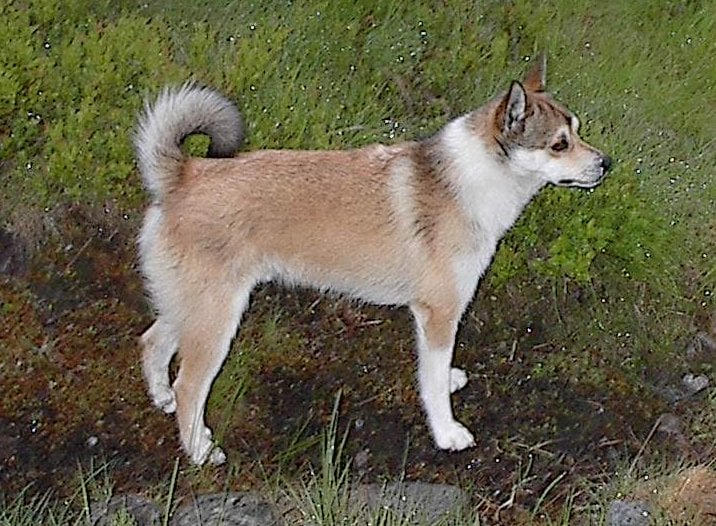
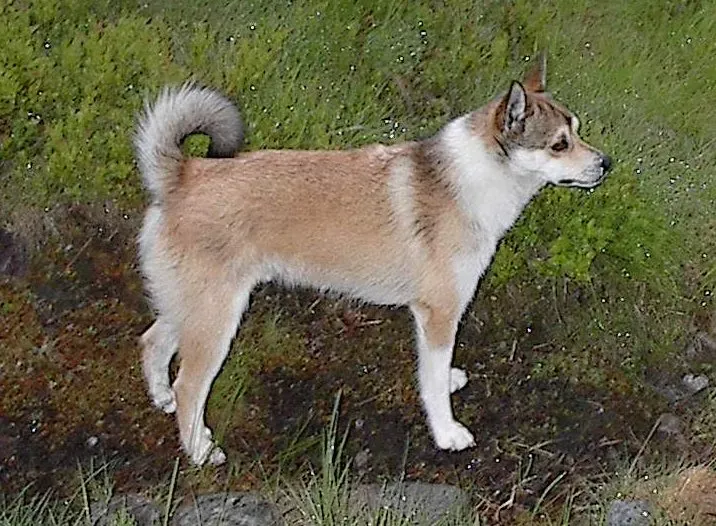
4. Norwegian Lundehund: Extra Toes and Flexible Joints
🔥 Would you like to save this?
We'll email this post to you, so you can come back to it later!
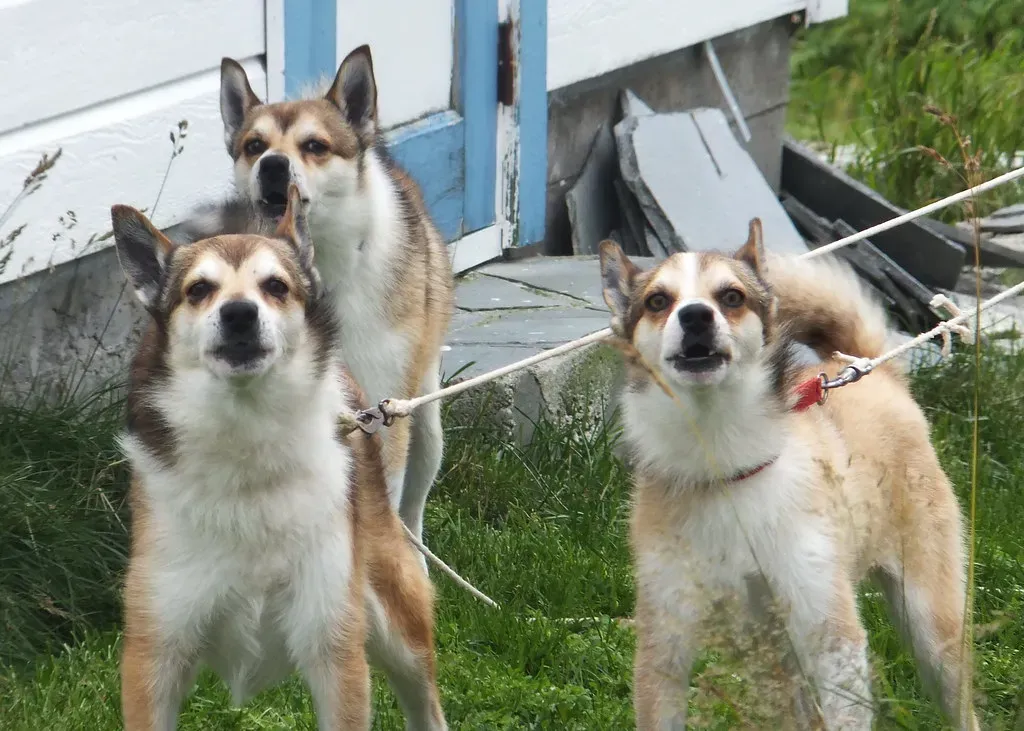
The Lundehund was developed to hunt puffins on steep Norwegian cliffs, and its body shows it. Most dogs have four toes on each foot that touch the ground. The Lundehund typically has six toes on each foot, with extra ones helping with grip on rock.
The flexibility is even stranger. These dogs can tilt their heads back until they touch their spine, and they can spread their front legs out to the side almost flat. Their ears can fold shut, which likely helped keep out dirt and moisture in narrow crevices.
The breed also has a serious health problem, a digestive condition called Lundehund syndrome, which affects how the gut absorbs nutrients. The population went through a severe bottleneck, so the gene pool is very small. Conservation efforts have worked to keep the breed going.
It’s a reminder that a body shaped by a single job can be remarkable and fragile at once. Few breeds are as specialized, and few are as rare.
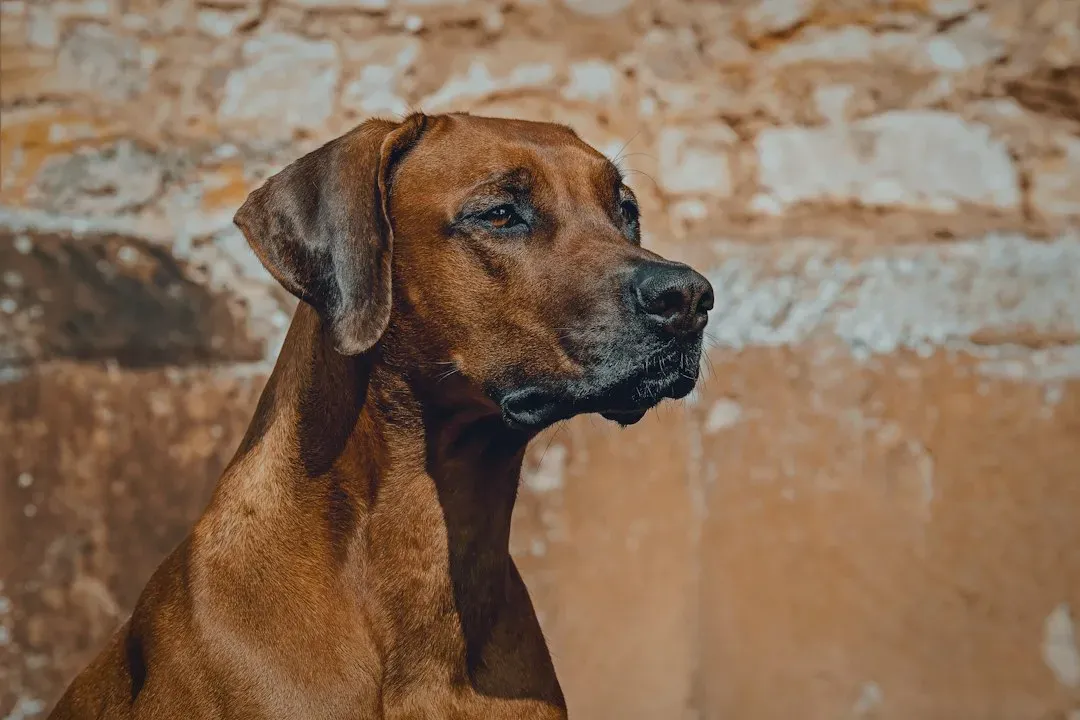
3. Rhodesian Ridgeback: The Backward Ridge
🔥 Would you like to save this?
We'll email this post to you, so you can come back to it later!
Along the spine of a Rhodesian Ridgeback runs a strip of hair that grows in the opposite direction from the rest of the coat. This ridge forms distinct crowns, or whorls, near the shoulders. The breed was developed in southern Africa and is associated with hunting large game.
The ridge is caused by a genetic duplication involving several genes. The same genetic change is linked to a spinal condition called dermoid sinus, a tube-like defect that can occur in the skin along the spine. Responsible breeders screen puppies for it.
Ridgebacks are muscular and athletic, with short, sleek coats in shades of wheaten. They need plenty of exercise and consistent training. A bored Ridgeback can be a handful.
Thailand’s Phu Quoc ridgeback and the Thai Ridgeback share the ridge trait, which makes the Rhodesian not entirely alone. Still, it is the most widely known ridged dog in the world, and the pattern is unmistakable.

Portable Dog Water Bottle Foldable Dog Travel Water Bottle
Check Price on AmazonAs an Amazon Associate, we earn from qualifying purchases.
10/7/2026 1:29 pm GMTi

Air Purifiers for Home Pets Large Room Up to 3000 Ft²,HEPA Air Cleaner with Washable Double-Side Filter, PM2.5 Air Quality Monitor,15dB Sleep Mode for Bedroom Odor Dust Pollen,White
Check Price on AmazonAs an Amazon Associate, we earn from qualifying purchases.
10/8/2026 8:23 am GMTi

Glass Hummingbird Feeder for Outdoors Hanging, 16 oz Leak-Proof Nectar Feeder with Bee Guards & Ant Moat
Check Price on AmazonAs an Amazon Associate, we earn from qualifying purchases.
10/7/2026 1:22 pm GMTi

2 Pcs Halloween Pet Hat Bandana Set, Witch Pumpkin Costumes for Dogs
Check Price on AmazonAs an Amazon Associate, we earn from qualifying purchases.
10/9/2026 2:45 pm GMTi

Professional 7 in 1 Dog Paw Cleaner for Dogs & Cats - Includes 1 Portable Paw Washer, 1 Bath Brush
Check Price on AmazonAs an Amazon Associate, we earn from qualifying purchases.
10/7/2026 1:26 pm GMTi
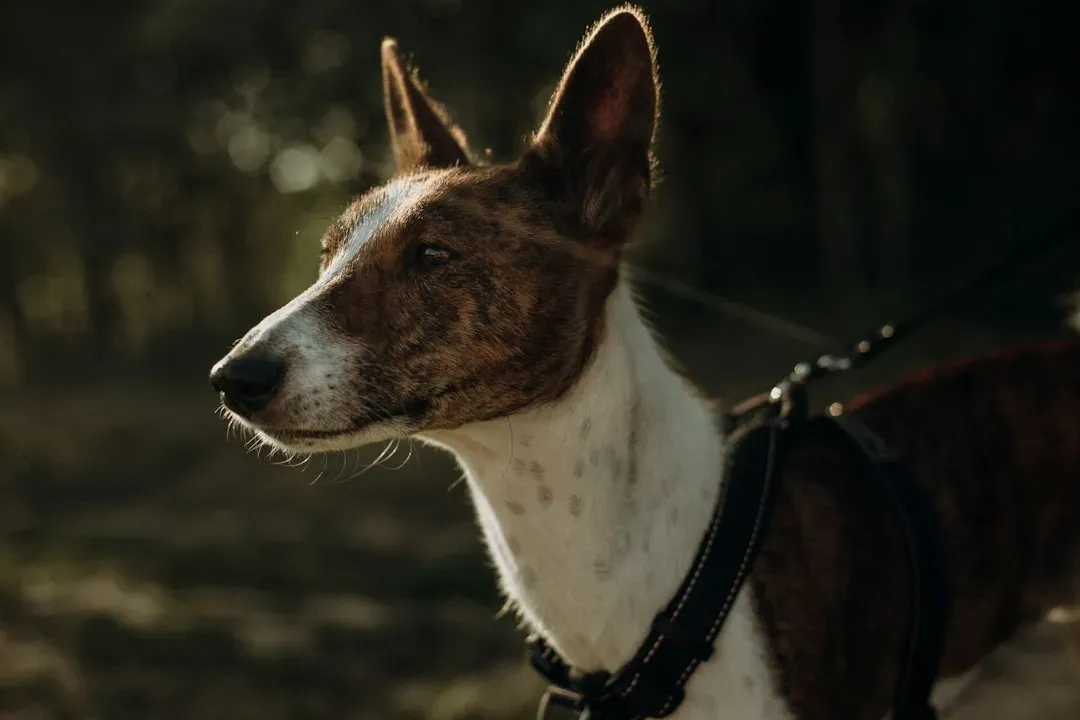
2. Basenji: The Dog That Doesn’t Bark
🔥 Would you like to save this?
We'll email this post to you, so you can come back to it later!
The Basenji is often called the barkless dog, which is only partly true. It can’t bark in the usual way, but it makes a range of sounds, including a yodel-like noise people call a baroo. Many owners describe it as somewhere between a chortle and a howl.
Researchers have looked at the breed’s larynx and found differences from other dogs, though the full explanation is still being studied. The Basenji’s origins are in Central Africa, where it was used for hunting. Its wrinkled forehead, curled tail and cat-like grooming habits add to the unusual profile.
Basenjis also differ from most dogs in their reproductive cycle. Females typically come into heat once a year, rather than twice. That’s a biological trait few other breeds share.
Don’t mistake the quiet for calm. They’re smart, independent and good at escaping yards. A silent dog can still cause plenty of chaos.
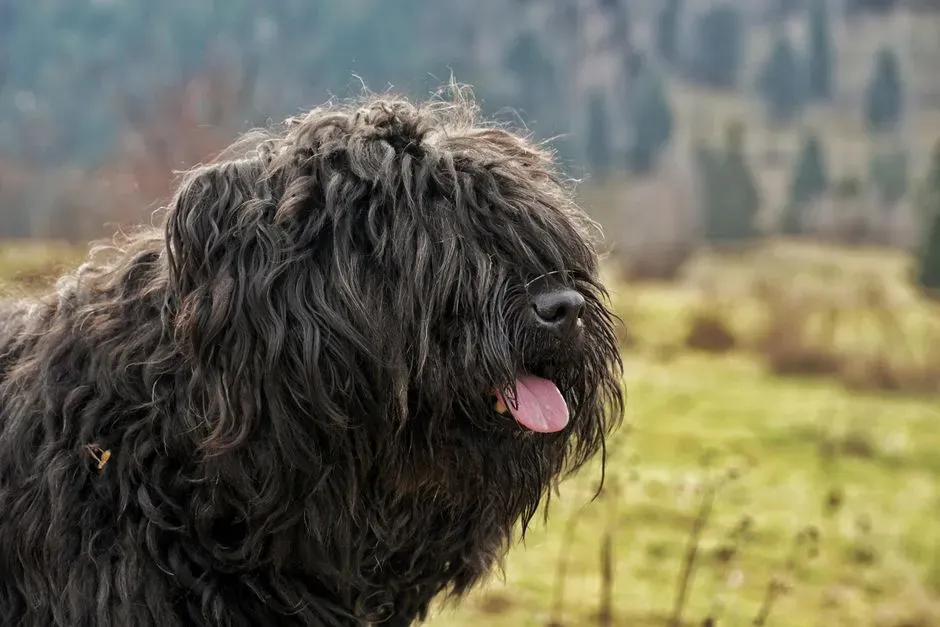
1. Puli: The Corded Coat
🔥 Would you like to save this?
We'll email this post to you, so you can come back to it later!
The Puli tops the list because its coat is unlike anything else in the dog world. The hair forms long cords, similar to dreadlocks, that can reach the ground in an adult. The cords develop from a double coat, with a soft undercoat and a coarser outer one that mat together on purpose.
The breed comes from Hungary, where it herded sheep. The cords likely offered some protection from weather and from predators. The dog’s agile, bouncy movement is surprising for an animal that looks like a walking mop.
Caring for the coat takes effort. Owners separate the cords by hand as they form, and drying a corded dog after a bath can take a long time. Some people choose to keep the coat clipped short for easier upkeep.
Other breeds, like the Komondor, also have corded coats, so the Puli isn’t strictly alone in the trait. Still, its smaller size and lively character make it the most eye-catching example. Nothing else quite matches it.

Orthopedic Extra Large Dog Bed, Waterproof Washable XL Pet Bed 44"
Check Price on AmazonAs an Amazon Associate, we earn from qualifying purchases.
10/7/2026 1:32 pm GMTi

Glass Hummingbird Feeder for Outdoors Hanging
Check Price on AmazonAs an Amazon Associate, we earn from qualifying purchases.
10/7/2026 1:21 pm GMTi

Hand Blown Glass Hummingbird Feeders for Outdoors Hanging, 24oz Wild Bird Nectar Feeder
Check Price on AmazonAs an Amazon Associate, we earn from qualifying purchases.
10/7/2026 1:23 pm GMTi

Smart Bird Feeder with Camera Solar Powered, 2K HD Live Video, 10,000+ Bird Species AI Identification
Check Price on AmazonAs an Amazon Associate, we earn from qualifying purchases.
10/7/2026 1:22 pm GMTi
Final Thoughts
🔥 Would you like to save this?
We'll email this post to you, so you can come back to it later!
I’ll admit I have a soft spot for the Lundehund. It looks almost unreal, and it’s a good argument for protecting breeds that few people have heard of. Rare traits are fascinating, but they often come with health trade-offs that deserve more attention than the photos get.
If one of these dogs catches your eye, look past the appearance. Learn what the trait costs the animal, and find breeders who screen for those problems. A strange, wonderful body is only worth celebrating when the dog inside it is healthy too.

- 7 Dog Breeds With Physical Traits You Won’t Find Anywhere Else - November 9, 2026
- 19 Benefits the Senior Pass Gives at Refuges That Even Rangers Rarely Mention - November 9, 2026
- 12 Animals That Can Outlive a Human - November 9, 2026